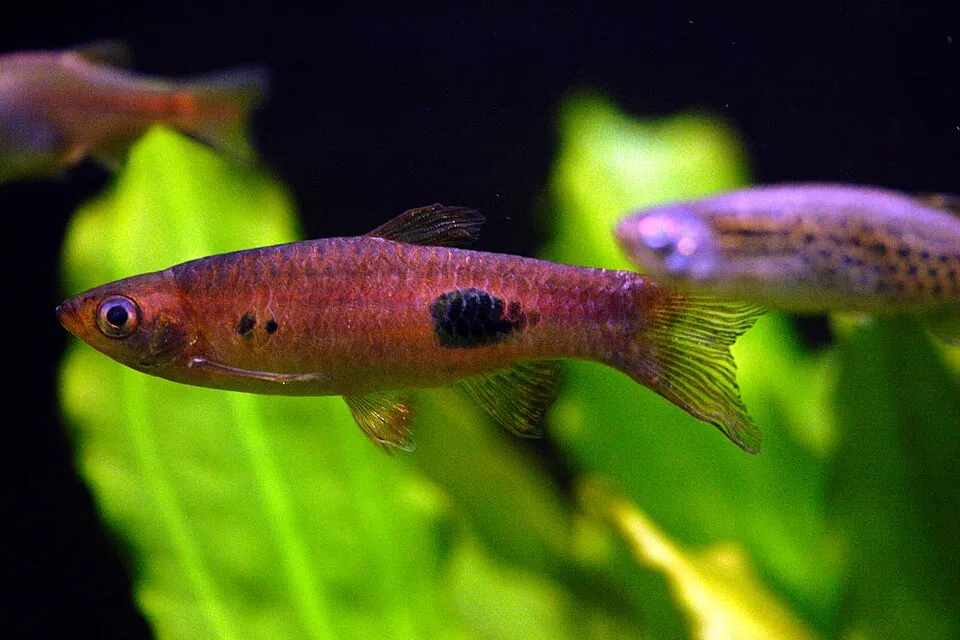
Red-tailed rasbora
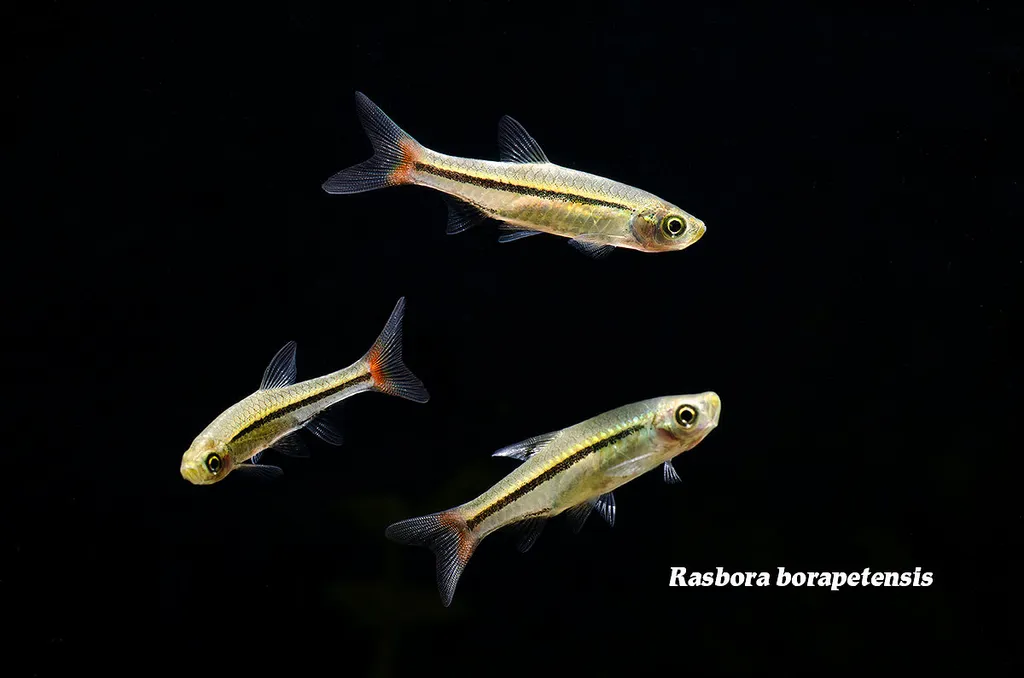
Rasbora borapetensis
Also known as Red Tail Rasbora
FreshwaterFish
Care at a glance
- Temperature
- 72–79°F
- 22–26°C
- pH
- 6.0–7.5
- Adult size
- 2.4 in
- 6 cm
- Minimum tank
- 18 gal
- 70 L
- Temperament
- Peaceful
- Social behavior
- Schooling
- Swim level
- Middle
- Difficulty
- Beginner
- Breeding
- Medium
- Rarity
- Rare
- Family
- Cyprinidae
- Origin
- Thailand, Laos, Cambodia, Vietnam
Overview
These are peaceful, beginner-friendly schooling fish that need a group of at least six to feel secure and stay active. They swim in the middle and upper water and pair well with other small calm community fish in a planted tank. A 70 liter tank suits a school comfortably. Feed quality flake, micro pellets, and the occasional frozen or live food like daphnia to keep their color up.
In the wild
Red-tailed rasboras come from Southeast Asia across Thailand, Laos, Cambodia, and Vietnam, living in clear, slow streams, ponds, and rivers with thick plants and a soft sand or mud bottom. The water is neutral to slightly acidic and often shaded by overhanging growth. A planted tank with open swimming room and some shade matches their home. Keep the pH from 6 to 7.5 and temps in the low to mid 20s C.
Good to know
This is a small carp relative in the family Cyprinidae, reaching about 6 cm, with a silvery body, a dark stripe along the side, and a red base to the tail. They are egg scatterers with no parental care. The IUCN lists them as Least Concern, with stable wild populations across a wide range.
Did you know
The red tail patch is easy to miss in a quiet fish but flares up when a school is settled and well fed, and it shows most against a dark substrate and planted background. In a bare bright tank the same fish can look washed out, which is why so many people underrate them at the shop.
Weekly picks
Tank mates
Red-tailed rasbora is a peaceful, schooling species that keeps to the middle. These picks share a community profile with it, are safe together in both directions, and overlap on water type, temperature and pH.
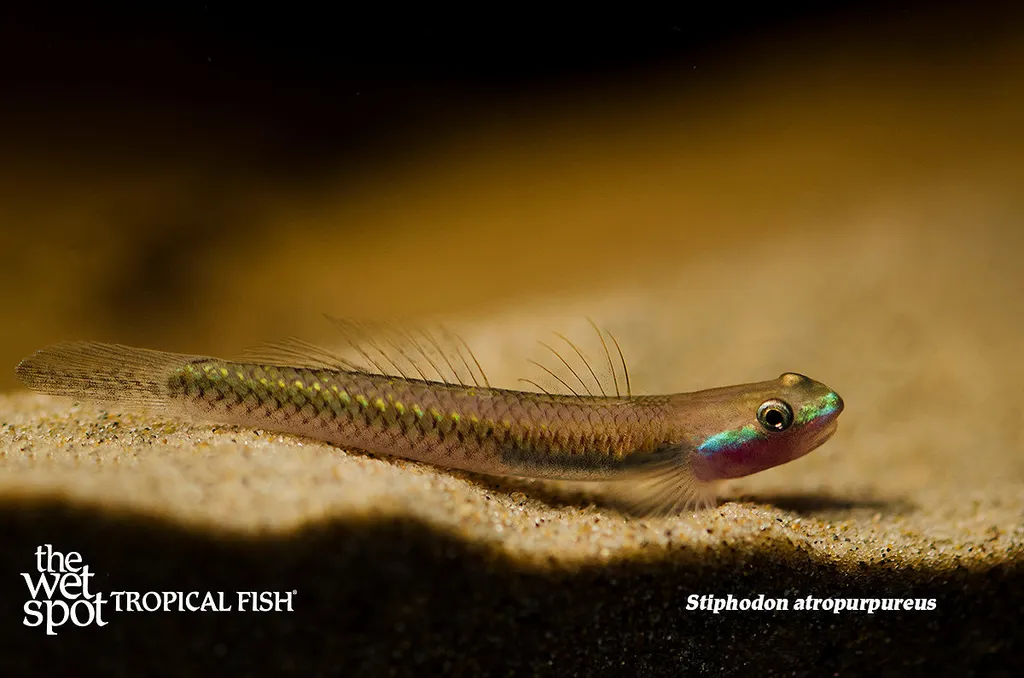
Blue neon dwarf goby
Stiphodon atropurpureus
Freshwater2 in (5 cm) · 20 gal (75 L)72–81°F (22–27°C)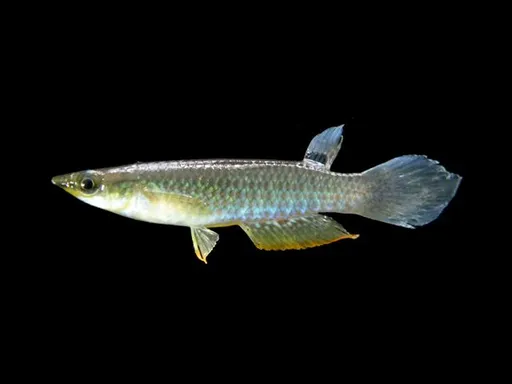
Blue panchax
Aplocheilus panchax
Freshwater3.5 in (9 cm) · 20 gal (75 L)72–82°F (22–28°C)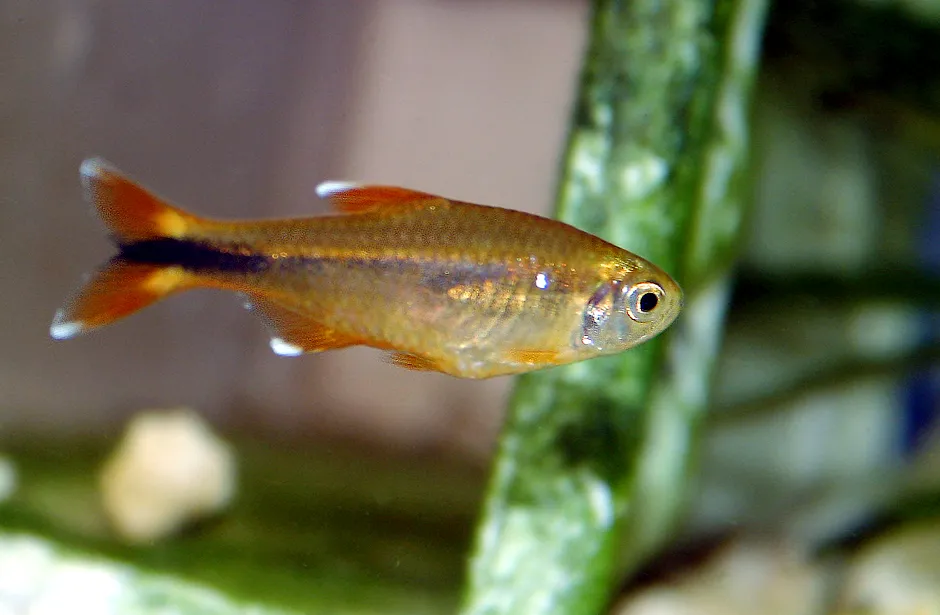
Silvertip tetra
Hasemania nana
Freshwater1.6 in (4 cm) · 18 gal (70 L)73–82°F (23–28°C)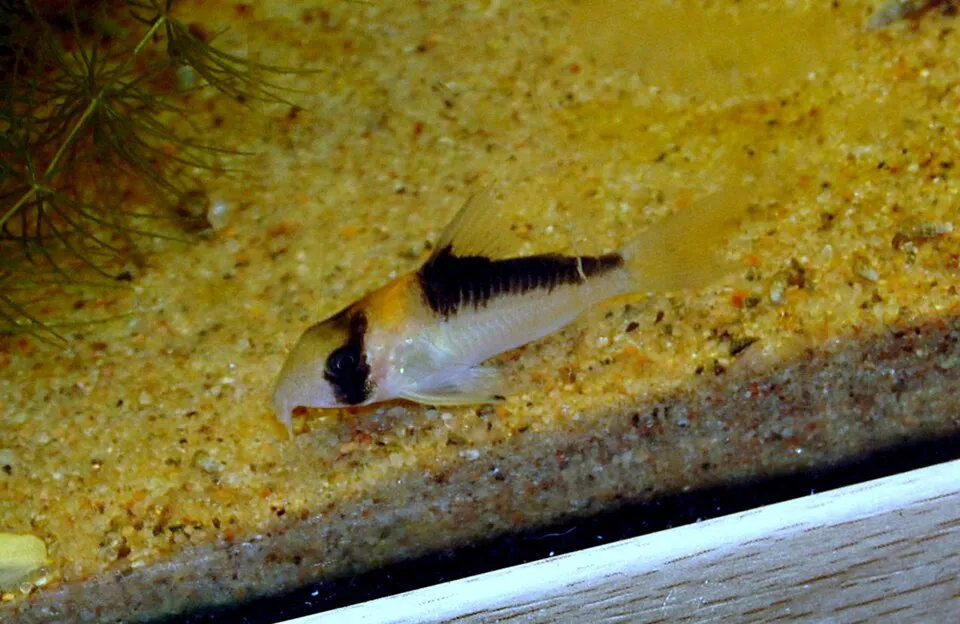
Adolfo's cory
Hoplisoma adolfoi
Freshwater2.4 in (6 cm) · 20 gal (75 L)70–79°F (21–26°C)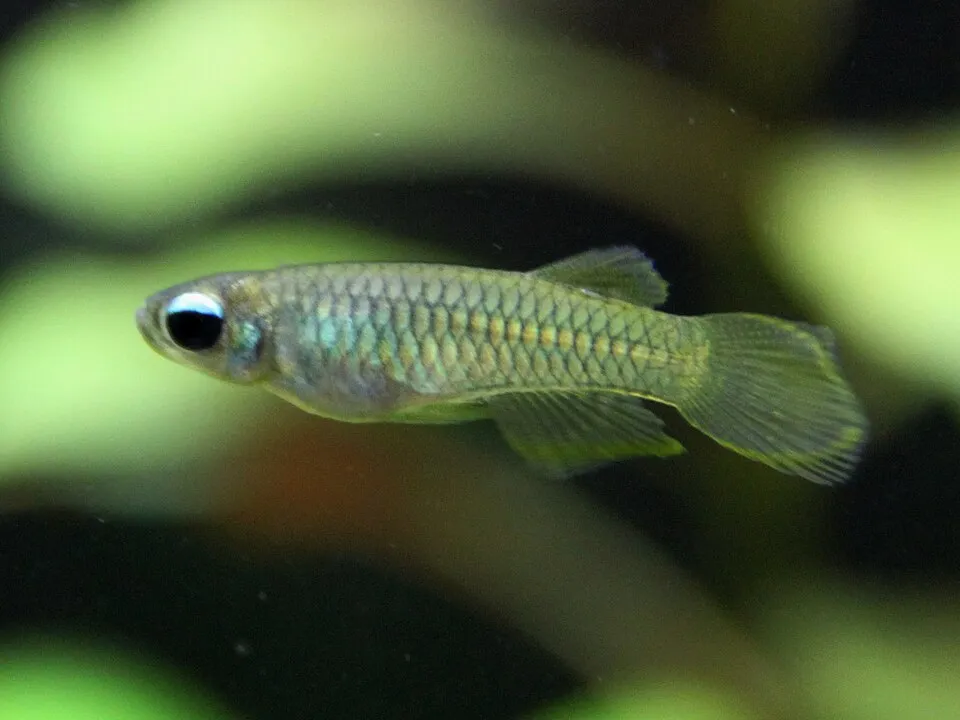
Norman's lampeye
Poropanchax normani
Freshwater1.6 in (4 cm) · 20 gal (75 L)72–79°F (22–26°C)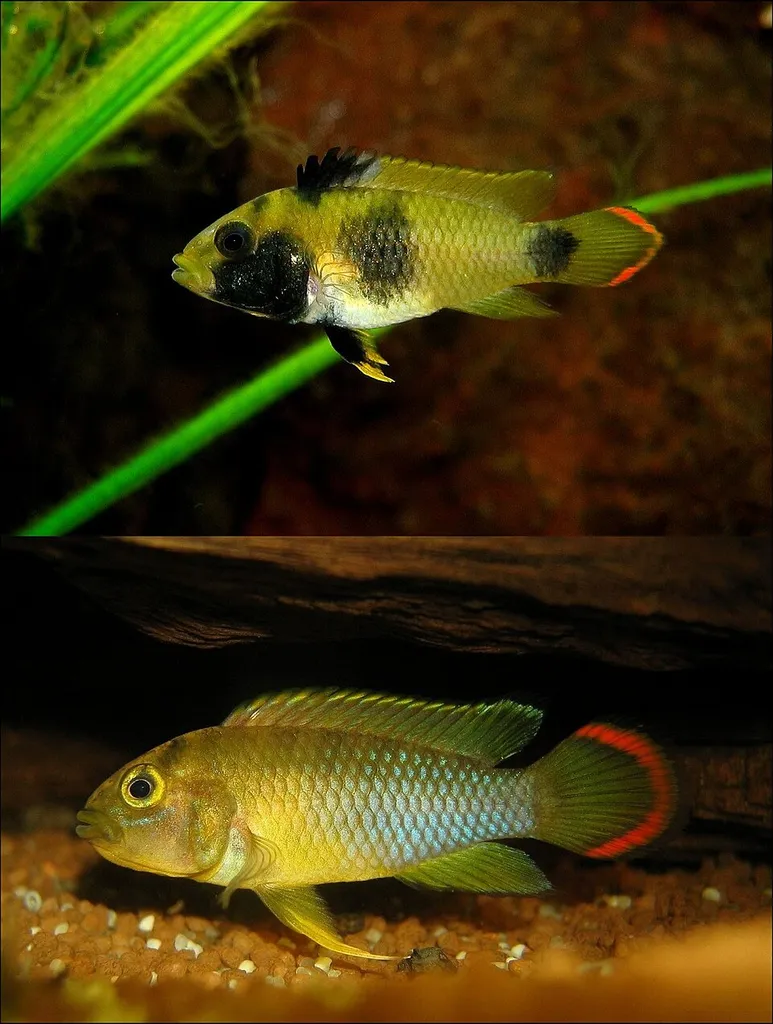
Panda dwarf cichlid
Apistogramma nijsseni
Freshwater3.3 in (8.5 cm) · 18 gal (70 L)75–82°F (24–28°C)
Common questions
What size tank does a Red-tailed rasbora need?
A Red-tailed rasbora needs at least 18 gal (70 L). It spends most of its time in the middle.
What temperature and pH does a Red-tailed rasbora need?
A Red-tailed rasbora is comfortable at 72–79°F (22–26°C) with a pH of 6.0–7.5.
How big does a Red-tailed rasbora get?
An adult Red-tailed rasbora reaches about 2.4 in (6 cm).
Does a Red-tailed rasbora need a group?
Yes. A Red-tailed rasbora is a schooling species and should be kept in a group, not singly.
Related species
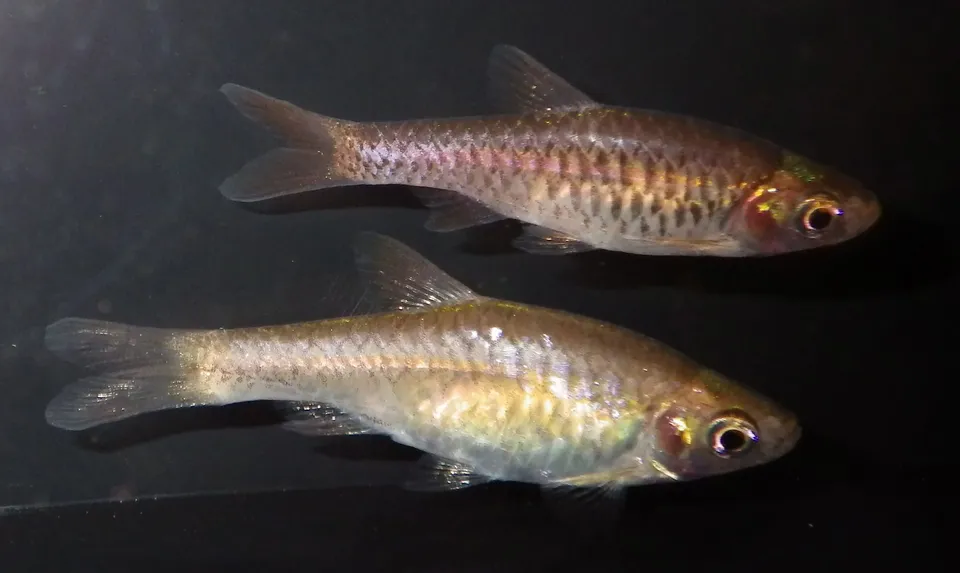
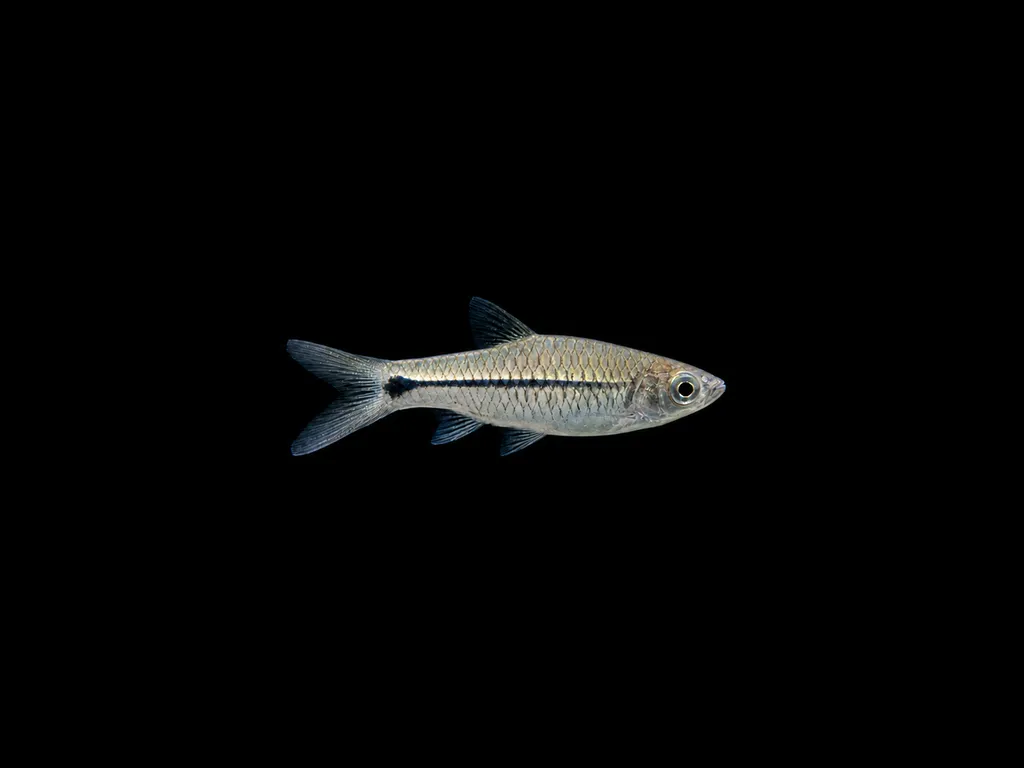 3.1 in (8 cm)32 gal (120 L)72–79°F (22–26°C)
Sidestripe rasbora
Rasbora paviana
3.1 in (8 cm) · 32 gal (120 L)
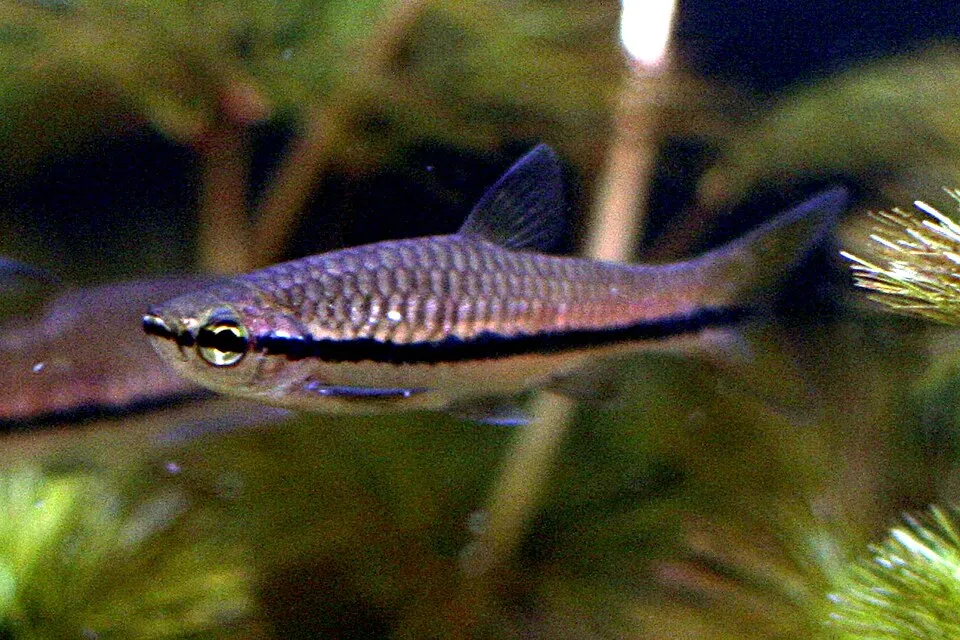
 1.8 in (4.5 cm)15 gal (55 L)73–79°F (23–26°C)
Volcano rasbora
Rasbora vulcanus
1.8 in (4.5 cm) · 15 gal (55 L)
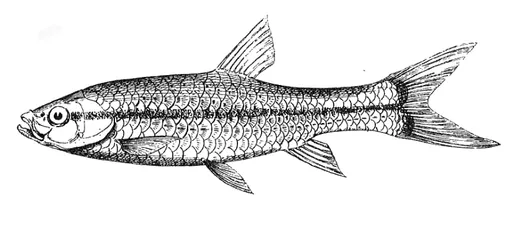
 3.5 in (9 cm)20 gal (75 L)72–82°F (22–28°C)
Brilliant rasbora
Rasbora einthovenii
3.5 in (9 cm) · 20 gal (75 L)
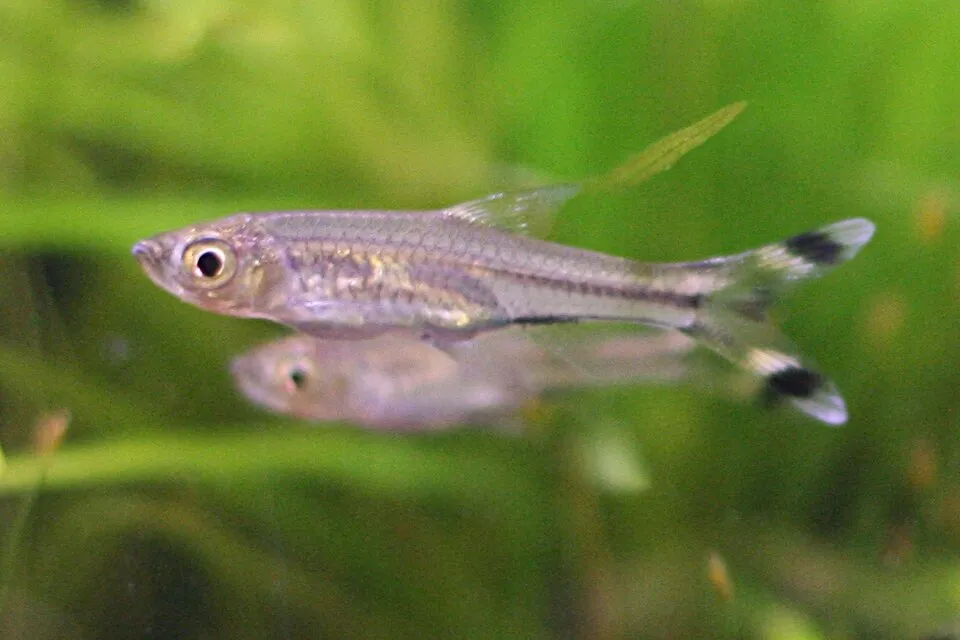
 3.9 in (10 cm)32 gal (120 L)72–81°F (22–27°C)
Slender rasbora
Rasbora daniconius
3.9 in (10 cm) · 32 gal (120 L)
 5.5 in (14 cm)45 gal (170 L)72–77°F (22–25°C)
Scissortail rasbora
Rasbora trilineata
5.5 in (14 cm) · 45 gal (170 L)
 3.9 in (10 cm)34 gal (130 L)73–82°F (23–28°C)
Clown rasbora
Rasbora kalochroma
3.9 in (10 cm) · 34 gal (130 L)