Brilliant rasbora
Rasbora einthovenii
Also known as Rasbora einthoveni
FreshwaterFish
Care at a glance
- Temperature
- 72–82°F
- 22–28°C
- pH
- 6.0–7.5
- Adult size
- 3.5 in
- 9 cm
- Minimum tank
- 20 gal
- 75 L
- Temperament
- Peaceful
- Social behavior
- Schooling
- Swim level
- Middle
- Difficulty
- Easy
- Breeding
- No record
- Rarity
- Very rare
- Family
- Cyprinidae
- Origin
- Malaysia, Thailand, Sumatra
Overview
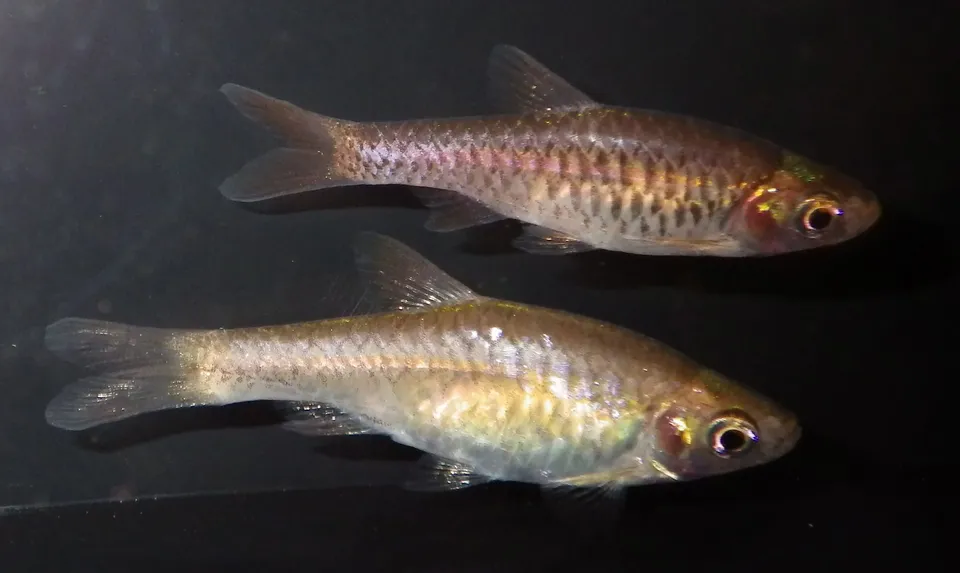
Brilliant rasboras are peaceful, sociable shoaling fish that should be kept in a group of at least eight, as numbers give them the confidence to come out and swim in the open. They occupy the middle water and move as a loose, coordinated group along the length of the tank. Their calm nature makes them ideal for a quiet community with other small, gentle species, and they should not be housed with boisterous or fin nipping tankmates. Feed small foods they can take mid water, such as fine flake, micro pellets, and frozen or live daphnia and cyclops. A tank around 75 liters or larger suits a proper shoal.
In the wild
This rasbora lives in the peat stained blackwater streams and forest pools of Malaysia, Thailand, and Sumatra, where the water is soft, acidic, and dimly lit beneath overhanging vegetation. It shows best in warm water of about 22–28 C and a pH toward the lower end of 6.0–7.5. Recreate its home with a dark substrate, plenty of driftwood and leaf litter, and tannin stained water from botanicals such as dried leaves or alder cones. Gentle filtration, subdued lighting, and patches of planting help it feel secure and bring out its colors.
Good to know
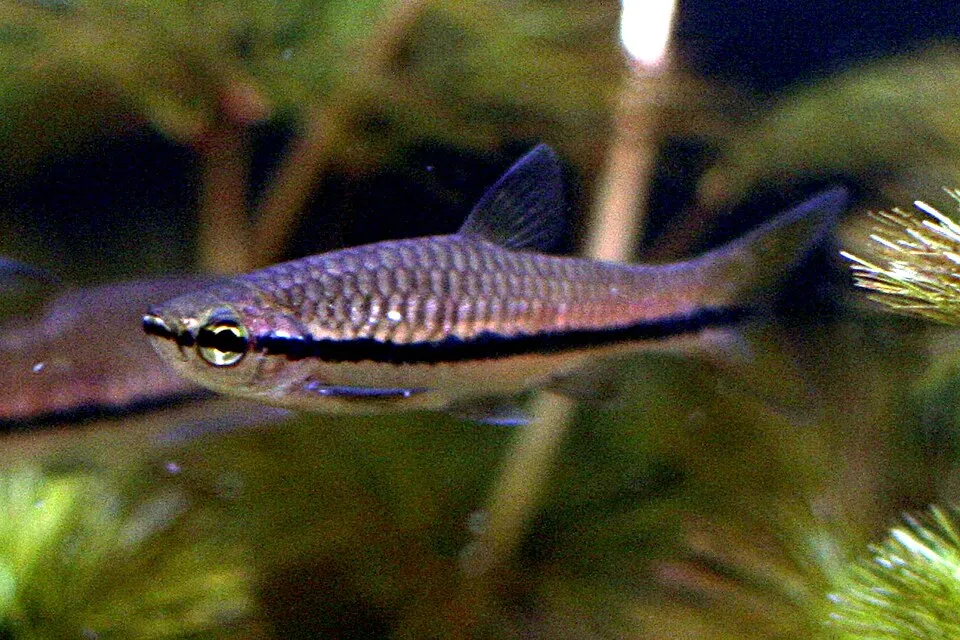
Rasbora einthovenii is a slender member of the family Cyprinidae that reaches around 9 cm. Its defining feature is a bold blue black stripe that runs from the snout straight through the body and onto the central rays of the tail fin, edged above by a fine gold line that can gleam in good light. Like other rasboras it is an egg scattering, non guarding spawner that deposits eggs among fine leaved plants. There is no well documented account of it being bred at home, and most fish offered for sale are wild caught or farmed abroad.
Did you know
The name brilliant rasbora comes from the way the dark lateral stripe catches the light, throwing a blue to green metallic sheen along an otherwise plain silver body. In the tea colored blackwater it comes from, that flash of color stands out clearly against the dark background.
Weekly picks
Tank mates
Brilliant rasbora is a peaceful, schooling species that keeps to the middle. These picks share a community profile with it, are safe together in both directions, and overlap on water type, temperature and pH.
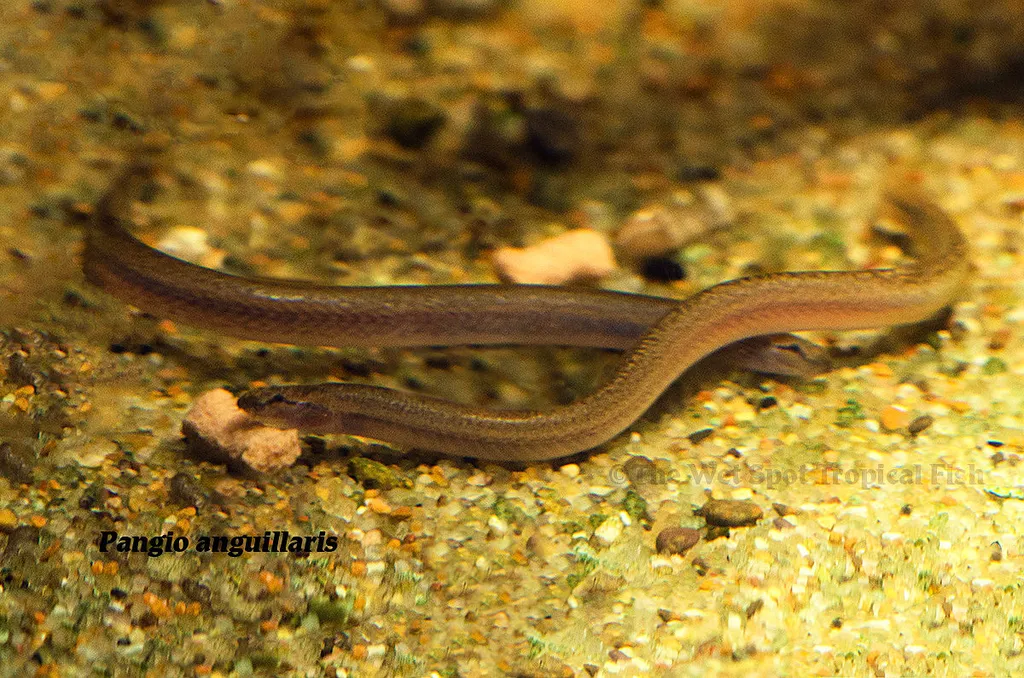
Eel kuhli loach
Pangio anguillaris
Freshwater4.7 in (12 cm) · 20 gal (75 L)72–82°F (22–28°C)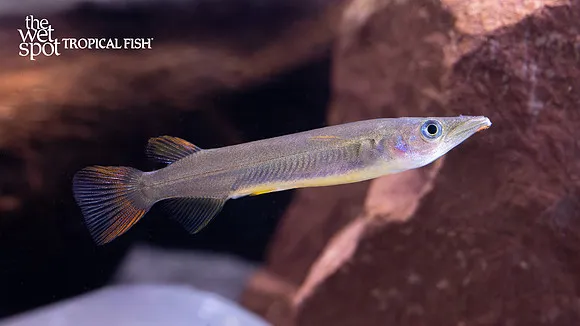
Rex halfbeak
Nomorhamphus rex
Freshwater2.2 in (5.5 cm) · 20 gal (75 L)72–79°F (22–26°C)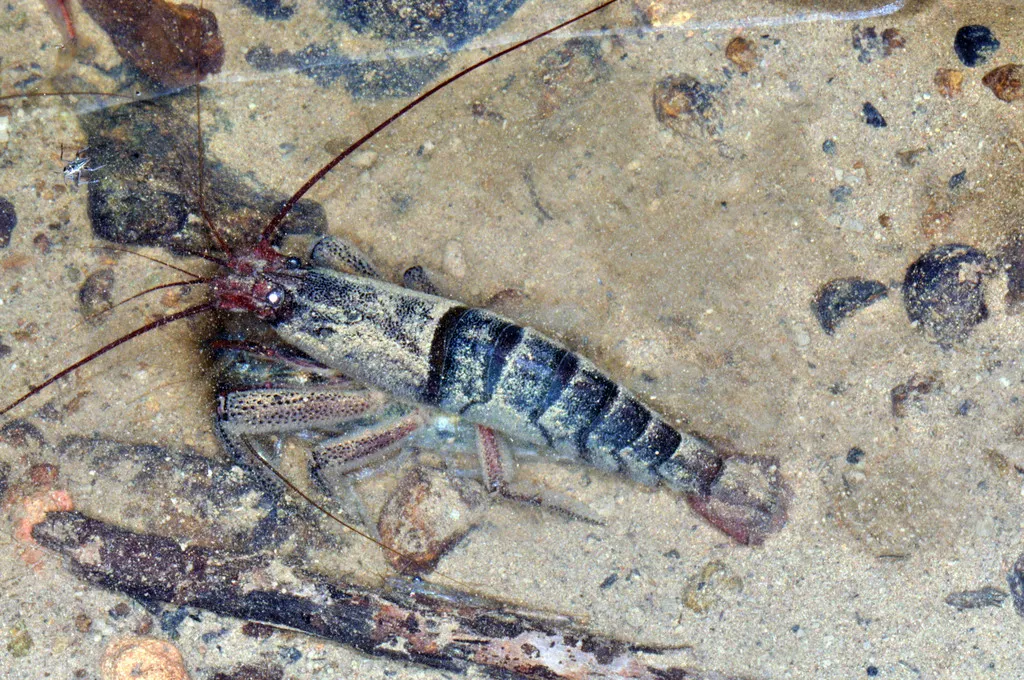
Marble wood shrimp
Atya scabra
Freshwater3.9 in (10 cm) · 20 gal (75 L)73–82°F (23–28°C)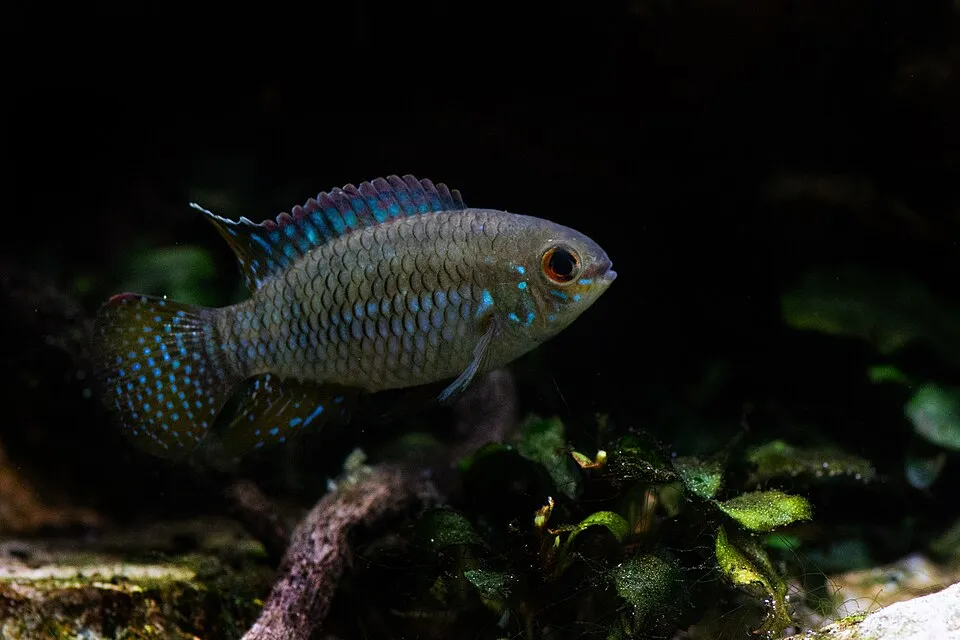
Dwarf flag cichlid
Laetacara curviceps
Freshwater2.2 in (5.5 cm) · 20 gal (75 L)68–82°F (20–28°C)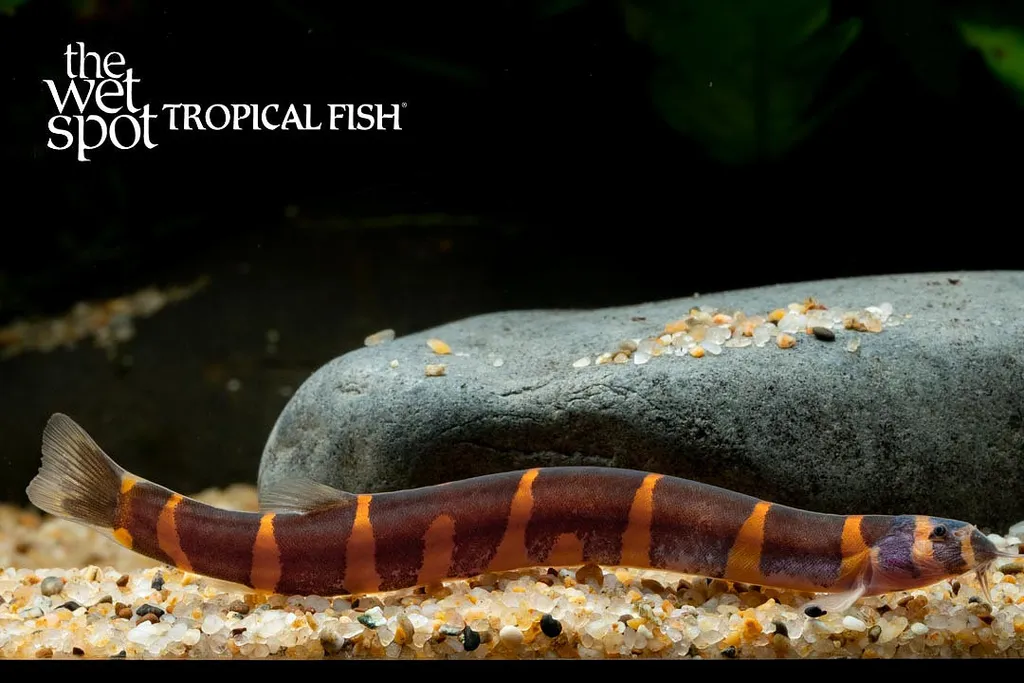
Giant kuhli loach
Pangio myersi
Freshwater3.9 in (10 cm) · 20 gal (75 L)72–82°F (22–28°C)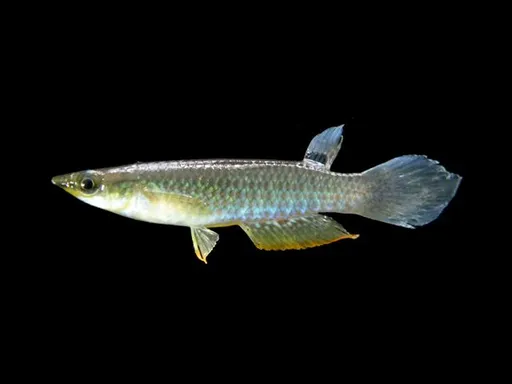
Blue panchax
Aplocheilus panchax
Freshwater3.5 in (9 cm) · 20 gal (75 L)72–82°F (22–28°C)
Common questions
What size tank does a Brilliant rasbora need?
A Brilliant rasbora needs at least 20 gal (75 L). It spends most of its time in the middle.
What temperature and pH does a Brilliant rasbora need?
A Brilliant rasbora is comfortable at 72–82°F (22–28°C) with a pH of 6.0–7.5.
How big does a Brilliant rasbora get?
An adult Brilliant rasbora reaches about 3.5 in (9 cm).
Does a Brilliant rasbora need a group?
Yes. A Brilliant rasbora is a schooling species and should be kept in a group, not singly.
Related species
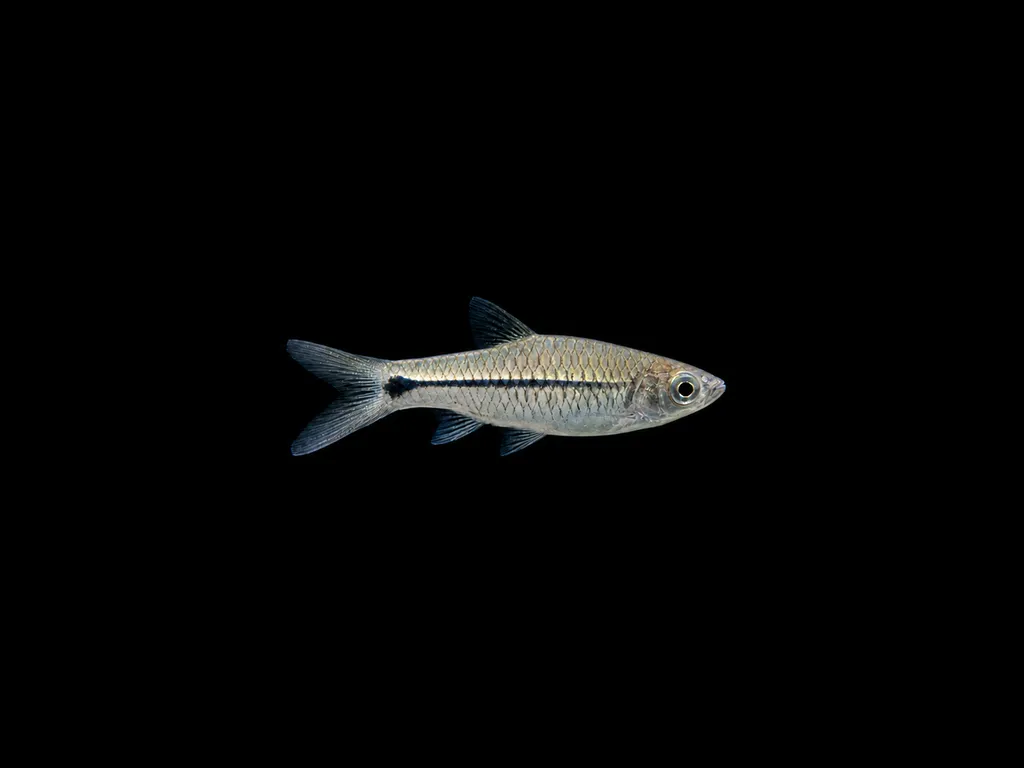
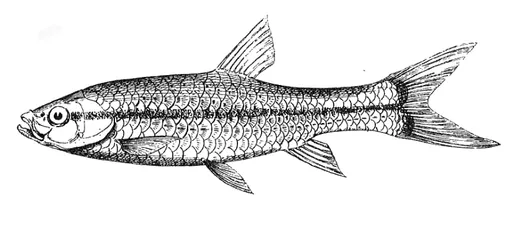 3.9 in (10 cm)32 gal (120 L)72–81°F (22–27°C)
Slender rasbora
Rasbora daniconius
3.9 in (10 cm) · 32 gal (120 L)
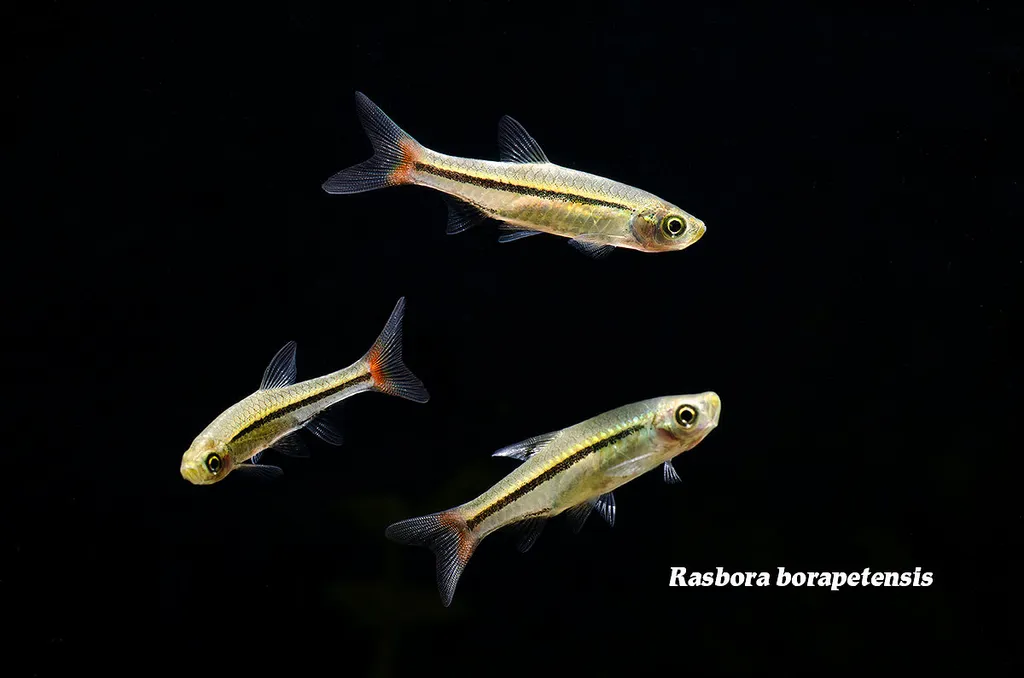
 3.1 in (8 cm)32 gal (120 L)72–79°F (22–26°C)
Sidestripe rasbora
Rasbora paviana
3.1 in (8 cm) · 32 gal (120 L)
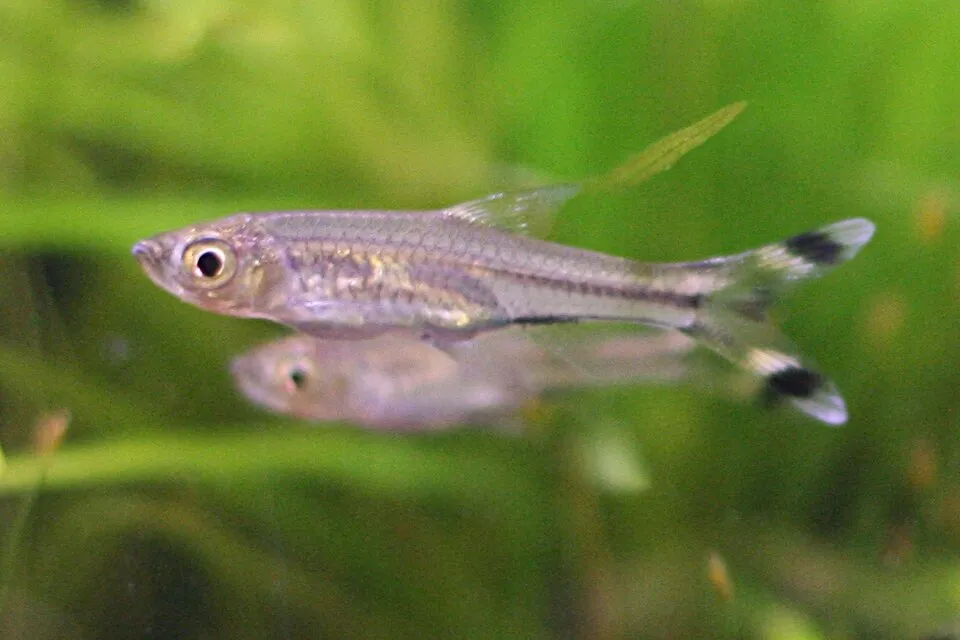
 2.4 in (6 cm)18 gal (70 L)72–79°F (22–26°C)
Red-tailed rasbora
Rasbora borapetensis
2.4 in (6 cm) · 18 gal (70 L)
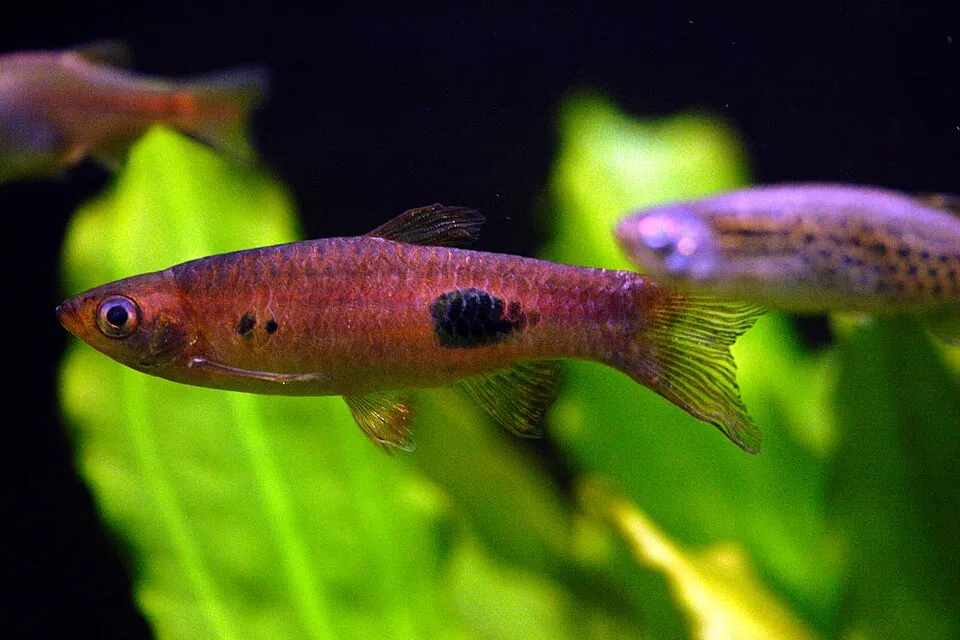
 5.5 in (14 cm)45 gal (170 L)72–77°F (22–25°C)
Scissortail rasbora
Rasbora trilineata
5.5 in (14 cm) · 45 gal (170 L)
 3.9 in (10 cm)34 gal (130 L)73–82°F (23–28°C)
Clown rasbora
Rasbora kalochroma
3.9 in (10 cm) · 34 gal (130 L)
 1.8 in (4.5 cm)15 gal (55 L)73–79°F (23–26°C)
Volcano rasbora
Rasbora vulcanus
1.8 in (4.5 cm) · 15 gal (55 L)