Volcano rasbora
Rasbora vulcanus
FreshwaterFish
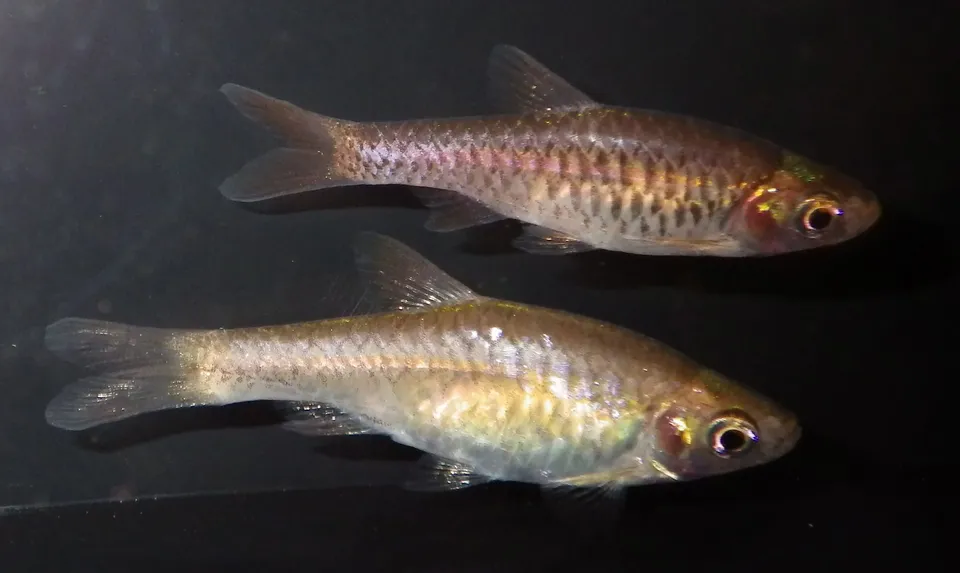
Care at a glance
- Temperature
- 73–79°F
- 23–26°C
- pH
- 6.0–7.5
- Adult size
- 1.8 in
- 4.5 cm
- Minimum tank
- 15 gal
- 55 L
- Temperament
- Peaceful
- Social behavior
- Schooling
- Swim level
- Middle
- Difficulty
- Medium
- Breeding
- Medium
- Rarity
- Rare
- Family
- Cyprinidae
- Origin
- Sumatra
Overview
Keep a school of at least six, and ideally more, to bring out their color and natural behavior. They occupy the middle of the tank and stay active, picking at the water column. Feed small foods: quality flake, micro pellets, and frozen items like daphnia and baby brine shrimp. They want clean, soft water with steady parameters, so regular water changes matter.
In the wild
This little rasbora comes from clear, flowing forest streams in Sumatra, over rocky bottoms with patches of plants. To suit it, give the tank some current, soft and slightly acidic to neutral water, and good cover. Aim for a pH around 6 to 7.5 and temperatures in the low to mid 20s C.
Good to know
It is a small cyprinid in the family Cyprinidae, reaching only about 4.5 cm. Like most small rasboras, it is an egg scatterer with no parental care, and breeding takes some effort to pull off in a home tank. It was only described fairly recently, so it is still uncommon in the hobby. Expect a typical small-cyprinid lifespan of a few years.
Did you know
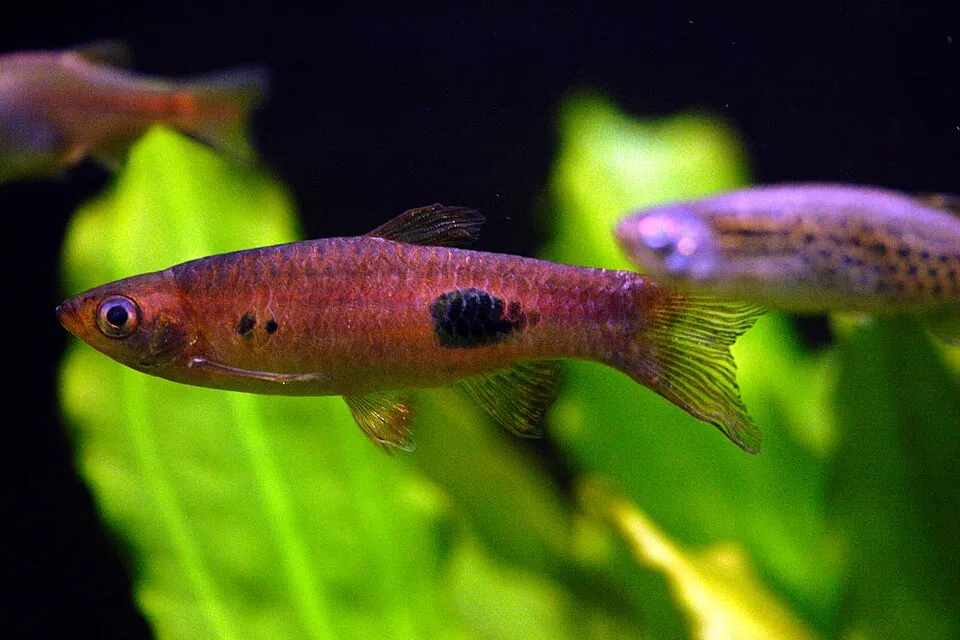
Despite the volcano name, the epithet vulcanus points to the fiery red color of breeding males, after Vulcan, the Roman god of fire, not to any volcanic landscape. It comes from highland stream habitats in Sumatra, and fish like this often have small, specific ranges, which means their wild populations can be hit hard by changes to a single stream system.
Weekly picks
Tank mates
Volcano rasbora is a peaceful, schooling species that keeps to the middle. These picks share a community profile with it, are safe together in both directions, and overlap on water type, temperature and pH.
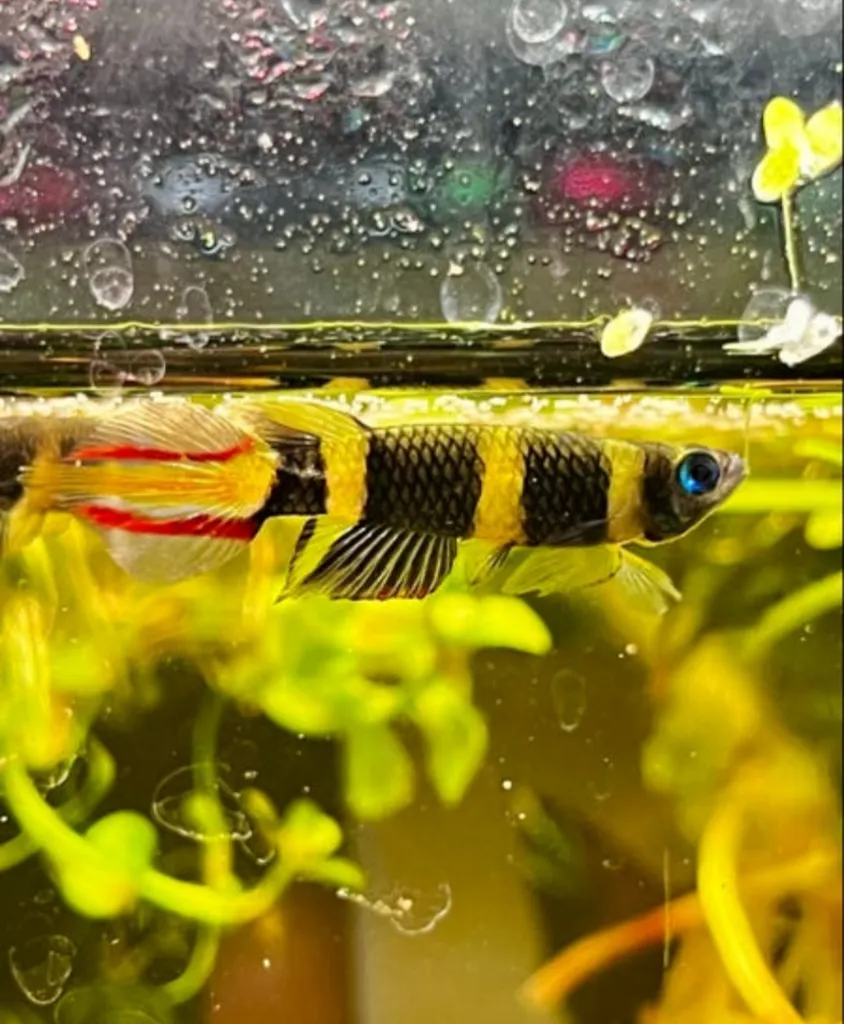
Clown killifish
Epiplatys annulatus
Freshwater1.4 in (3.5 cm) · 15 gal (55 L)68–79°F (20–26°C)
African algae-eating goby
Parasicydium bandama
Freshwater2.2 in (5.5 cm) · 14 gal (54 L)73–81°F (23–27°C)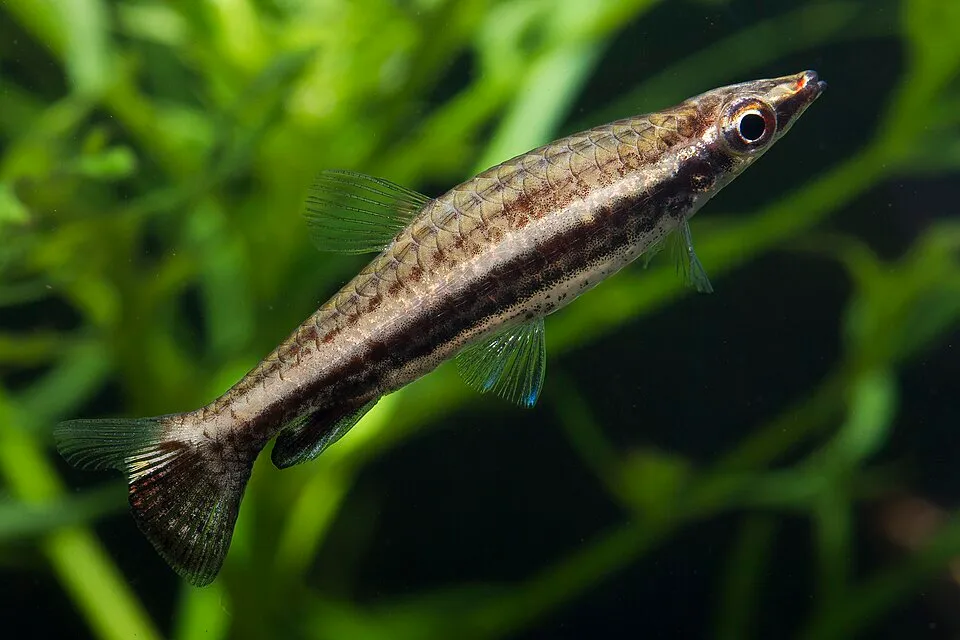
Hockeystick pencilfish
Nannostomus eques
Freshwater1.4 in (3.5 cm) · 15 gal (55 L)72–82°F (22–28°C)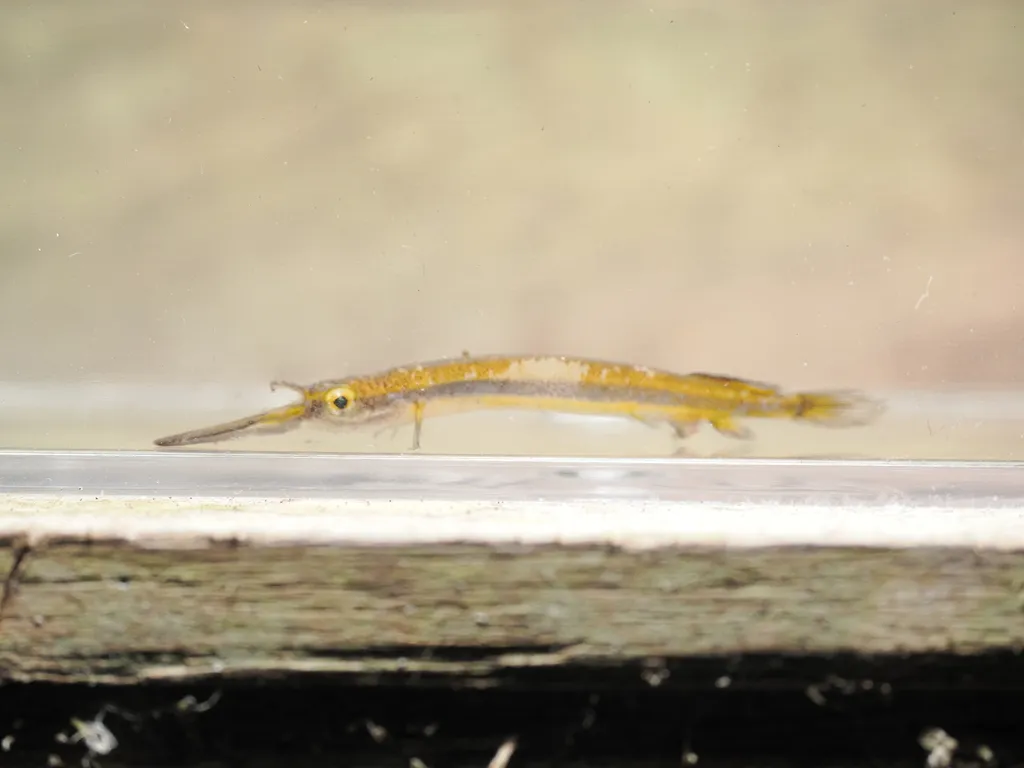
Gold-spotted halfbeak
Hemirhamphodon chrysopunctatus
Freshwater2.6 in (6.5 cm) · 14 gal (54 L)73–81°F (23–27°C)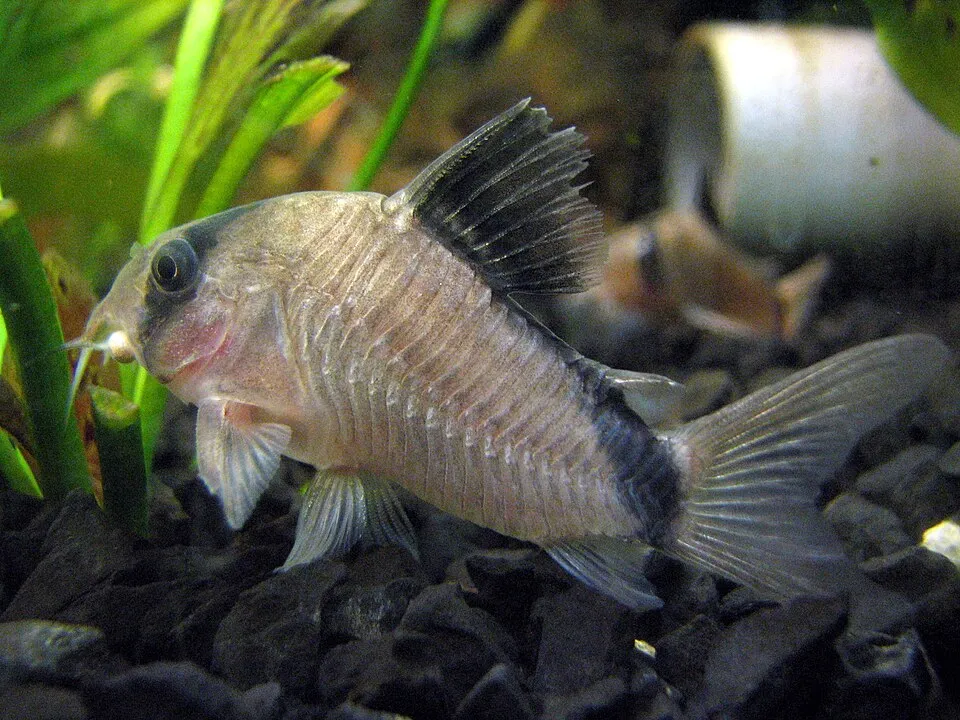
Masked cory
Hoplisoma metae
Freshwater2 in (5 cm) · 15 gal (55 L)70–79°F (21–26°C)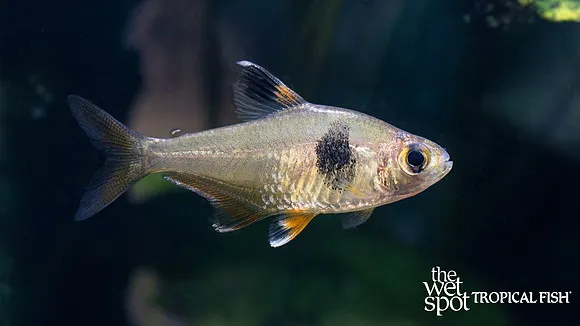
Coffee bean tetra
Hyphessobrycon takasei
Freshwater1.4 in (3.6 cm) · 15 gal (55 L)73–82°F (23–28°C)
Common questions
What size tank does a Volcano rasbora need?
A Volcano rasbora needs at least 15 gal (55 L). It spends most of its time in the middle.
What temperature and pH does a Volcano rasbora need?
A Volcano rasbora is comfortable at 73–79°F (23–26°C) with a pH of 6.0–7.5.
How big does a Volcano rasbora get?
An adult Volcano rasbora reaches about 1.8 in (4.5 cm).
Does a Volcano rasbora need a group?
Yes. A Volcano rasbora is a schooling species and should be kept in a group, not singly.
Related species
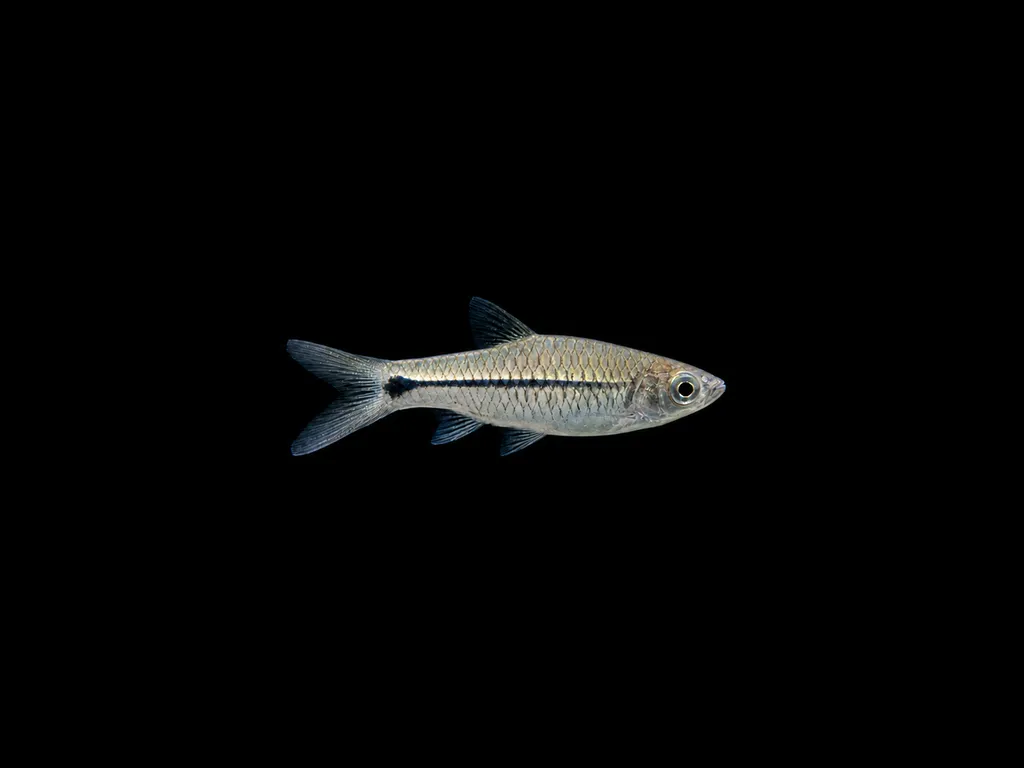
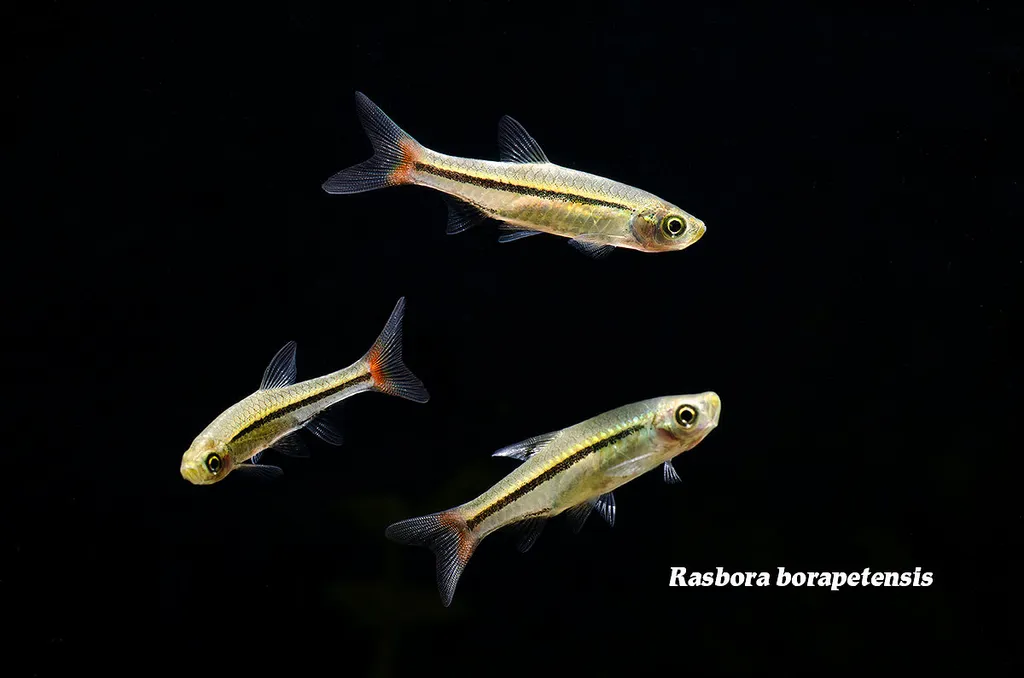 2.4 in (6 cm)18 gal (70 L)72–79°F (22–26°C)
Red-tailed rasbora
Rasbora borapetensis
2.4 in (6 cm) · 18 gal (70 L)
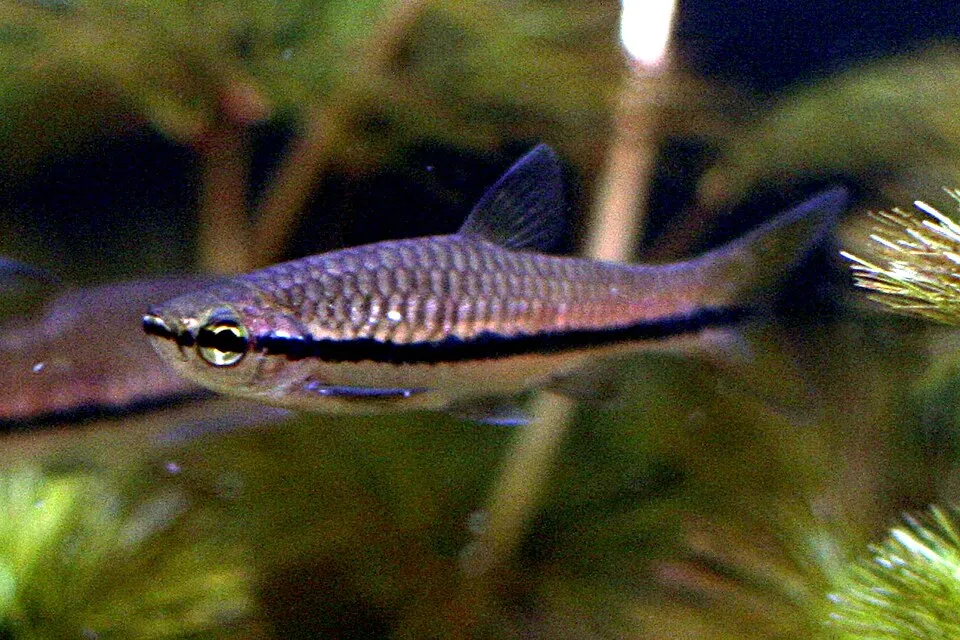
 3.1 in (8 cm)32 gal (120 L)72–79°F (22–26°C)
Sidestripe rasbora
Rasbora paviana
3.1 in (8 cm) · 32 gal (120 L)
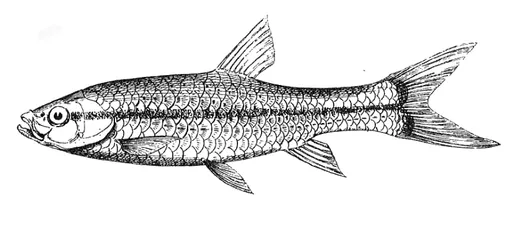
 3.5 in (9 cm)20 gal (75 L)72–82°F (22–28°C)
Brilliant rasbora
Rasbora einthovenii
3.5 in (9 cm) · 20 gal (75 L)
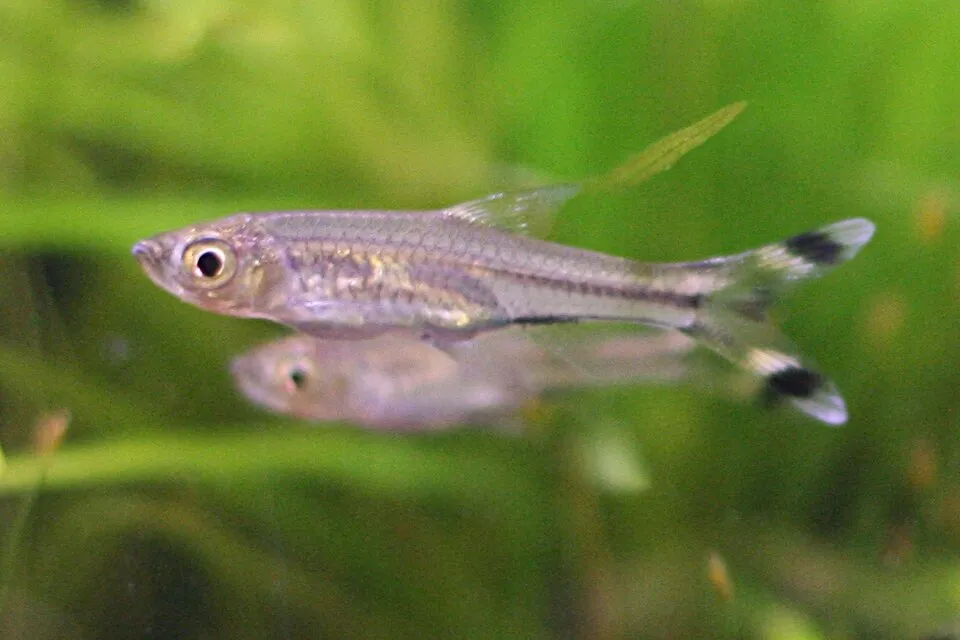
 3.9 in (10 cm)32 gal (120 L)72–81°F (22–27°C)
Slender rasbora
Rasbora daniconius
3.9 in (10 cm) · 32 gal (120 L)
 5.5 in (14 cm)45 gal (170 L)72–77°F (22–25°C)
Scissortail rasbora
Rasbora trilineata
5.5 in (14 cm) · 45 gal (170 L)
 3.9 in (10 cm)34 gal (130 L)73–82°F (23–28°C)
Clown rasbora
Rasbora kalochroma
3.9 in (10 cm) · 34 gal (130 L)