New Guinea blue-eye
Pseudomugil novaeguineae
Also known as New Guinea blue-eye rainbowfish
FreshwaterFish
Care at a glance
- Temperature
- 79–86°F
- 26–30°C
- pH
- 6.5–8.0
- Adult size
- 1.8 in
- 4.5 cm
- Minimum tank
- 15 gal
- 55 L
- Temperament
- Peaceful
- Social behavior
- Schooling
- Swim level
- Top
- Difficulty
- Medium
- Breeding
- Medium
- Rarity
- Very rare
- Family
- Pseudomugilidae
- Origin
- Southern New Guinea, Fly River to Etna Bay
Overview
Keep a school of eight or more in around 55 liters, warm and thickly planted. It behaves like the rest of the genus: peaceful, busy in the upper water, with males displaying at each other through the day. Feed fine live and frozen foods with crushed flake. It scatters eggs on mops and moss, and the fry need tiny first foods. Expect to hunt for it, since imports and tank-raised stock both surface only occasionally.
In the wild
The New Guinea blue-eye lives in lowland rainforest creeks across southern New Guinea, from the Fly River in Papua New Guinea west to Etna Bay in West Papua, plus the Aru Islands. It favors warm, gentle water under forest cover. Keep it at 26 to 30 degrees Celsius with a pH of 6.5 to 8.0 in a densely planted tank with floating cover and mild flow.
Good to know
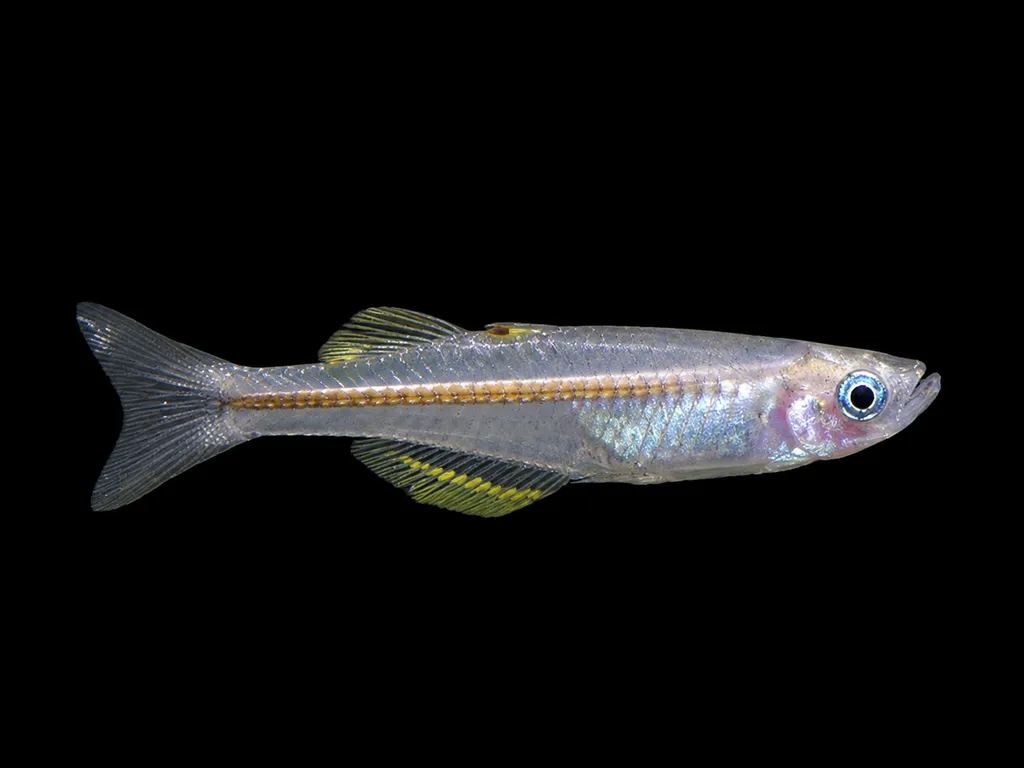
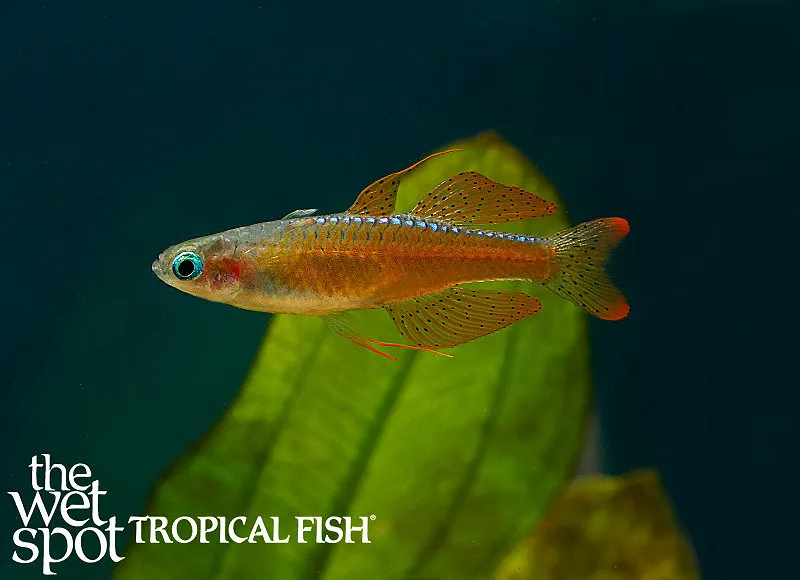
Pseudomugil novaeguineae was described by Weber in 1907 from material collected on an early Dutch expedition, making it the first blue-eye described from New Guinea. It reaches about 4.5 centimeters, larger than most of the West Papuan species. Males show a red leading edge on the first dorsal fin with pale fin margins. Little has been published on its wild ecology, and it remains rare in collections.
Did you know
This was the first blue-eye ever described from New Guinea, named in 1907 from fish brought back by a Dutch expedition, decades before most of its relatives were discovered in the 1980s and 1990s.
Weekly picks
Tank mates
New Guinea blue-eye is a peaceful, schooling species that keeps to the top. These picks share a community profile with it, are safe together in both directions, and overlap on water type, temperature and pH.
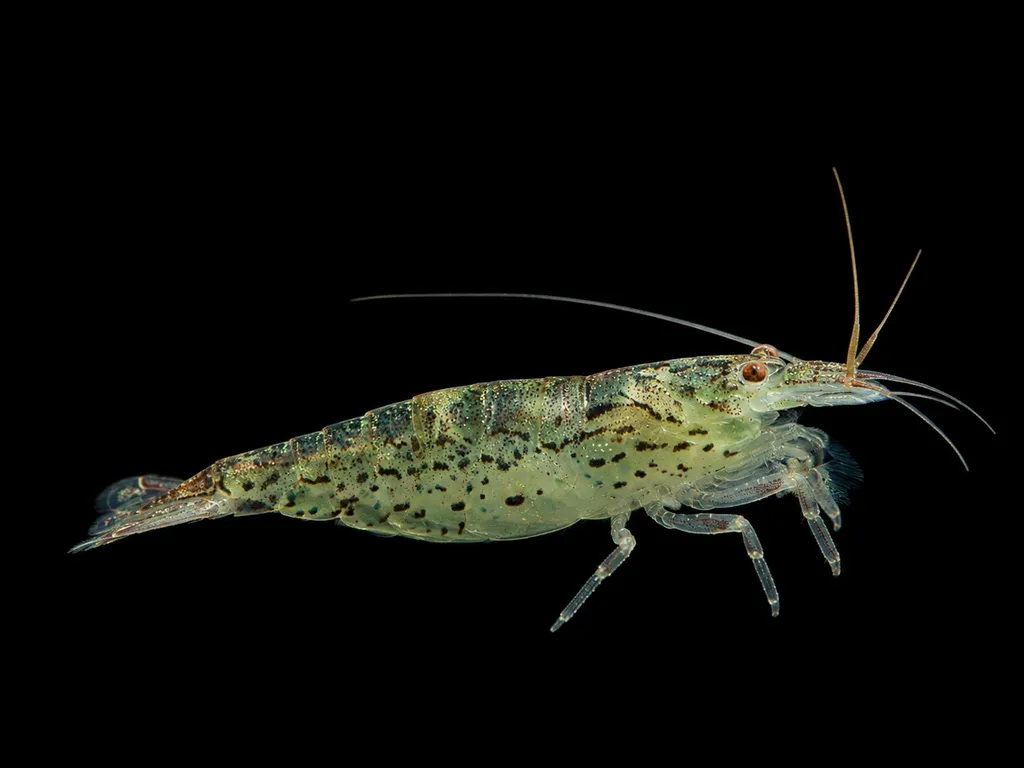
Green lace shrimp
Atyoida pilipes
Freshwater2.8 in (7 cm) · 14 gal (54 L)73–82°F (23–28°C)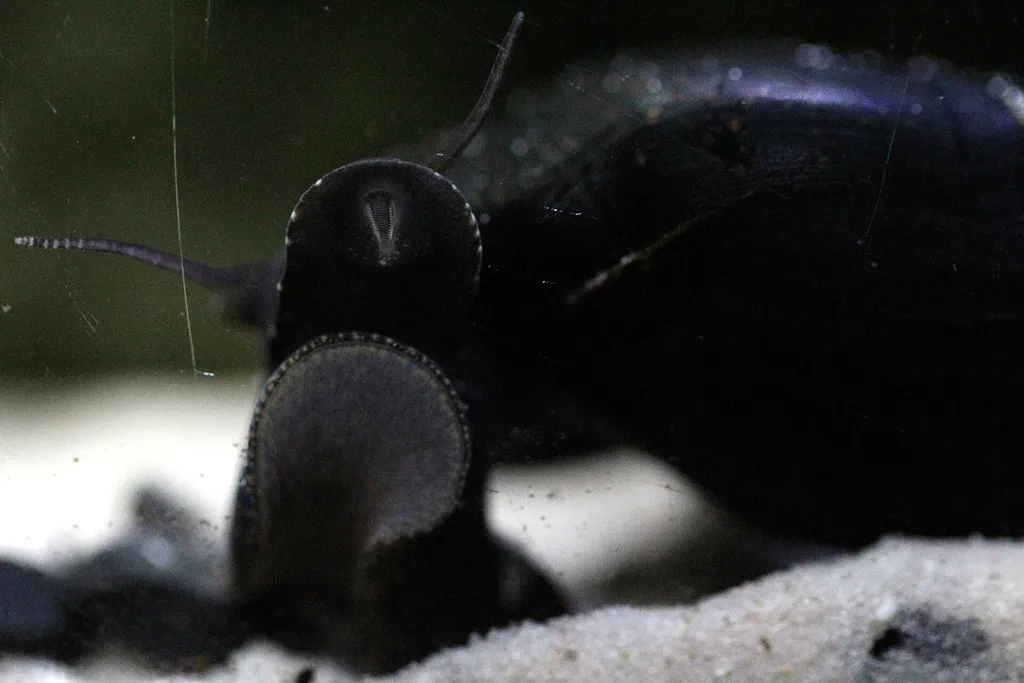
Black devil snail
Faunus ater
Freshwater3.9 in (10 cm) · 13 gal (50 L)72–86°F (22–30°C)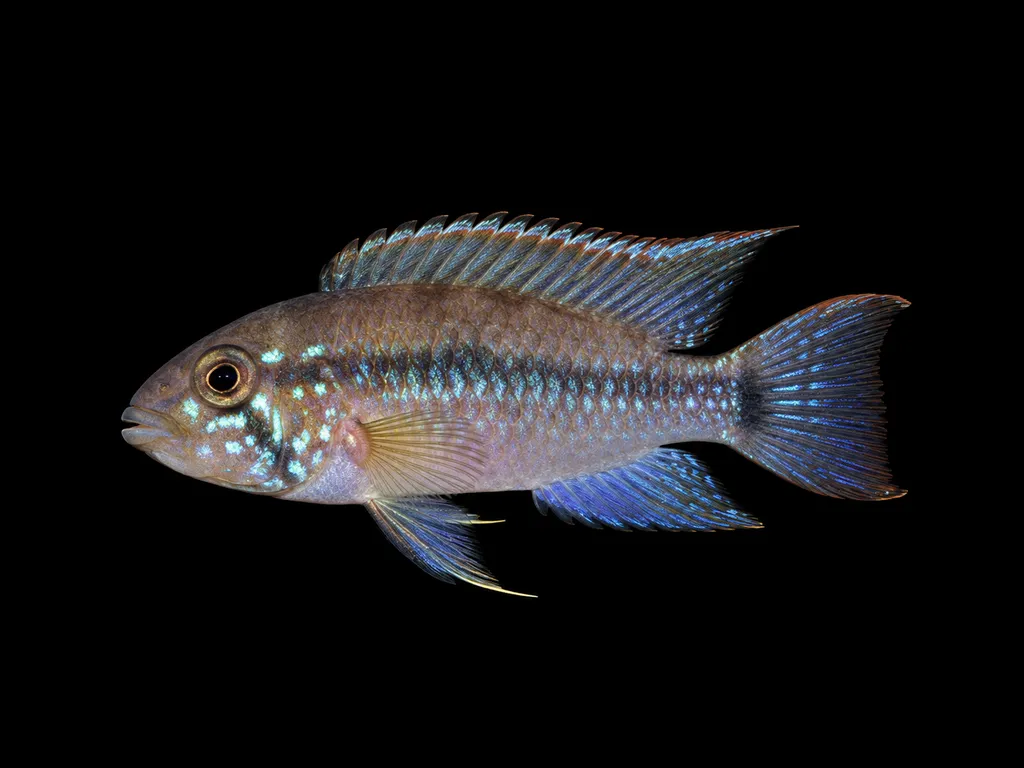
Martin's dwarf cichlid
Apistogramma martini
Freshwater1.6 in (4 cm) · 15 gal (55 L)73–81°F (23–27°C)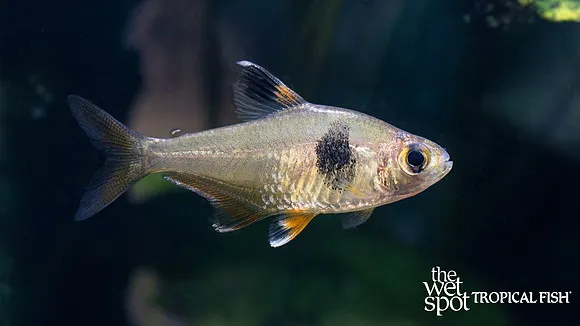
Coffee bean tetra
Hyphessobrycon takasei
Freshwater1.4 in (3.6 cm) · 15 gal (55 L)73–82°F (23–28°C)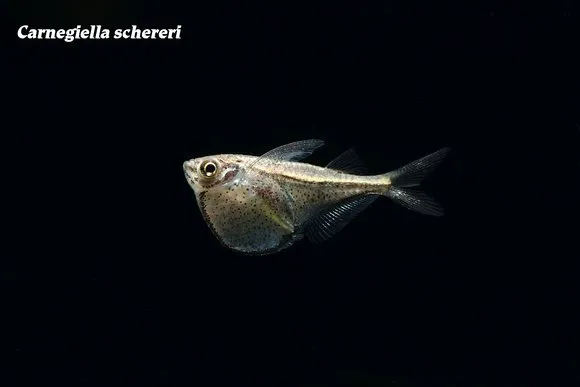
Scherer's hatchetfish
Carnegiella schereri
Freshwater1 in (2.6 cm) · 14 gal (54 L)73–82°F (23–28°C)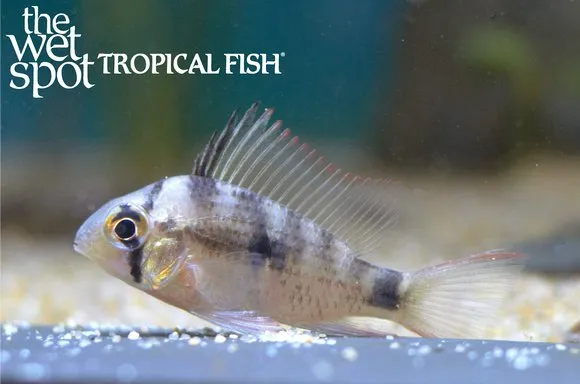
Brazilian ram
Mikrogeophagus maculicauda
Freshwater2.4 in (6 cm) · 14 gal (54 L)77–86°F (25–30°C)
Common questions
What size tank does a New Guinea blue-eye need?
A New Guinea blue-eye needs at least 15 gal (55 L). It spends most of its time in the top.
What temperature and pH does a New Guinea blue-eye need?
A New Guinea blue-eye is comfortable at 79–86°F (26–30°C) with a pH of 6.5–8.0.
How big does a New Guinea blue-eye get?
An adult New Guinea blue-eye reaches about 1.8 in (4.5 cm).
Does a New Guinea blue-eye need a group?
Yes. A New Guinea blue-eye is a schooling species and should be kept in a group, not singly.
Related species
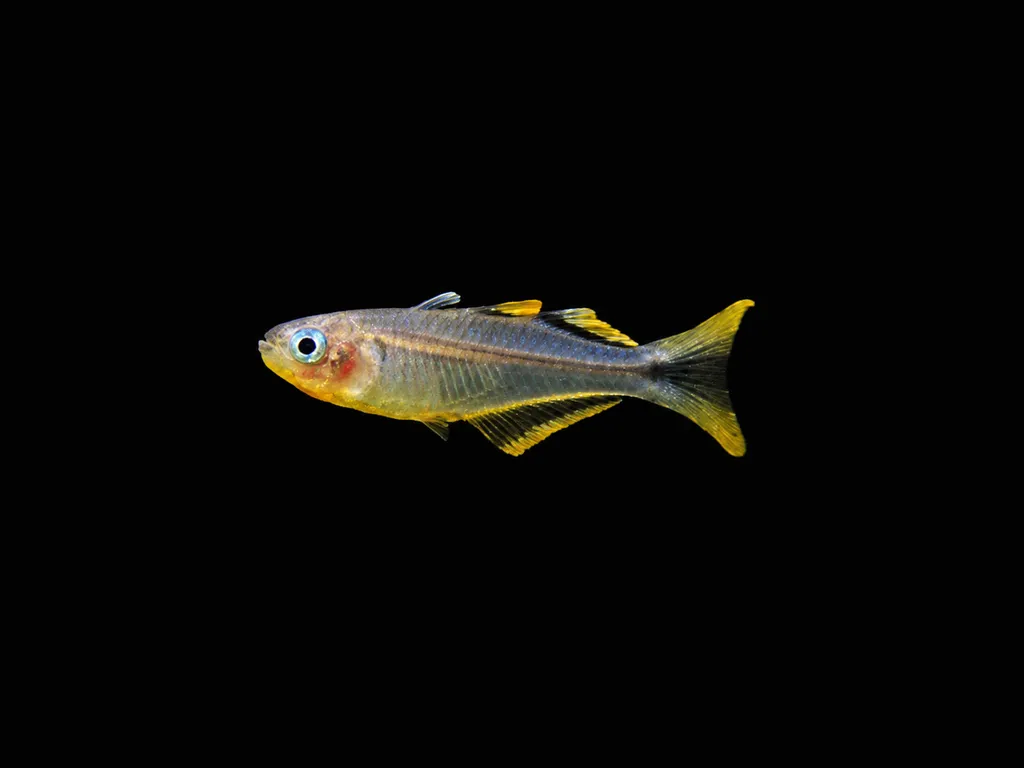 2 in (5 cm)11 gal (40 L)75–82°F (24–28°C)
Popondetta blue-eye
Pseudomugil connieae
2 in (5 cm) · 11 gal (40 L)
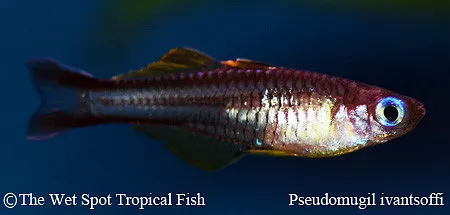 1.6 in (4 cm)11 gal (40 L)75–82°F (24–28°C)
Ivantsoff's blue-eye
Pseudomugil ivantsoffi
1.6 in (4 cm) · 11 gal (40 L)
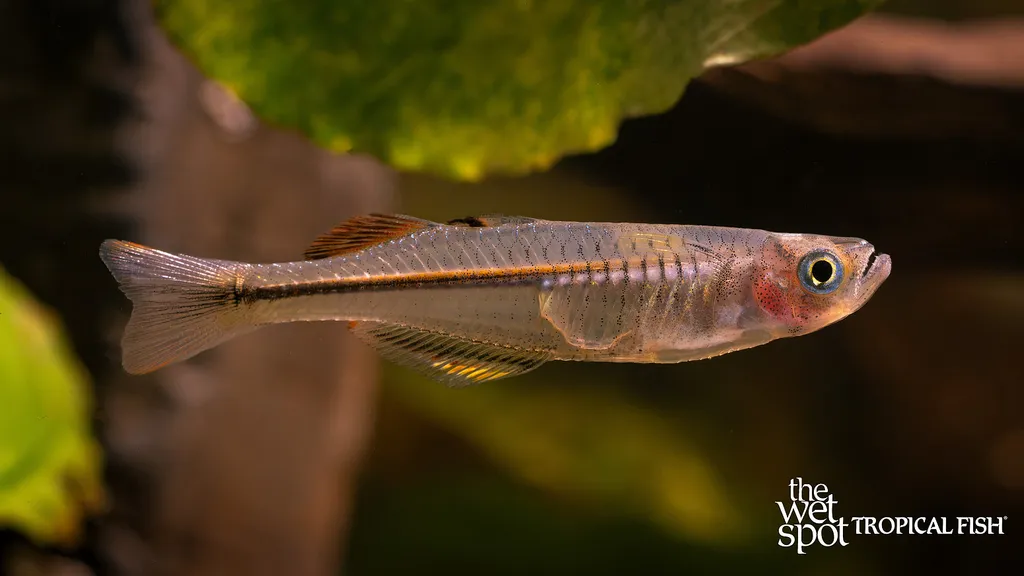 1.6 in (4 cm)11 gal (40 L)75–82°F (24–28°C)
Transparent blue-eye
Pseudomugil pellucidus
1.6 in (4 cm) · 11 gal (40 L)
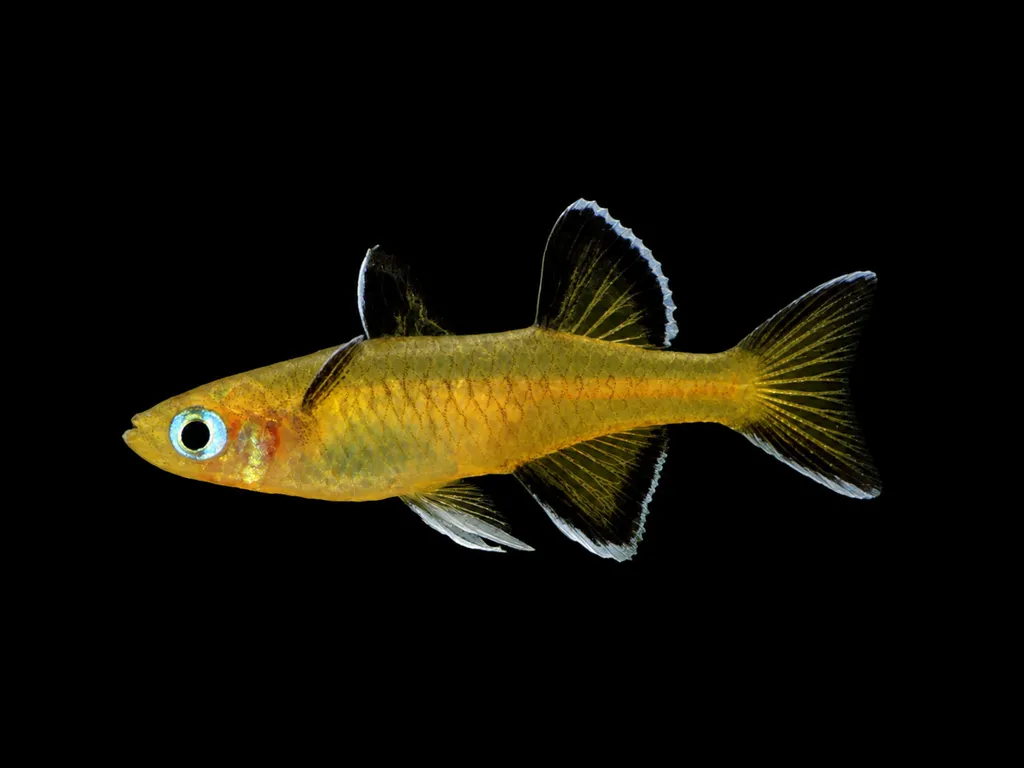 1.4 in (3.5 cm)11 gal (40 L)68–82°F (20–28°C)
Honey blue-eye
Pseudomugil mellis
1.4 in (3.5 cm) · 11 gal (40 L)
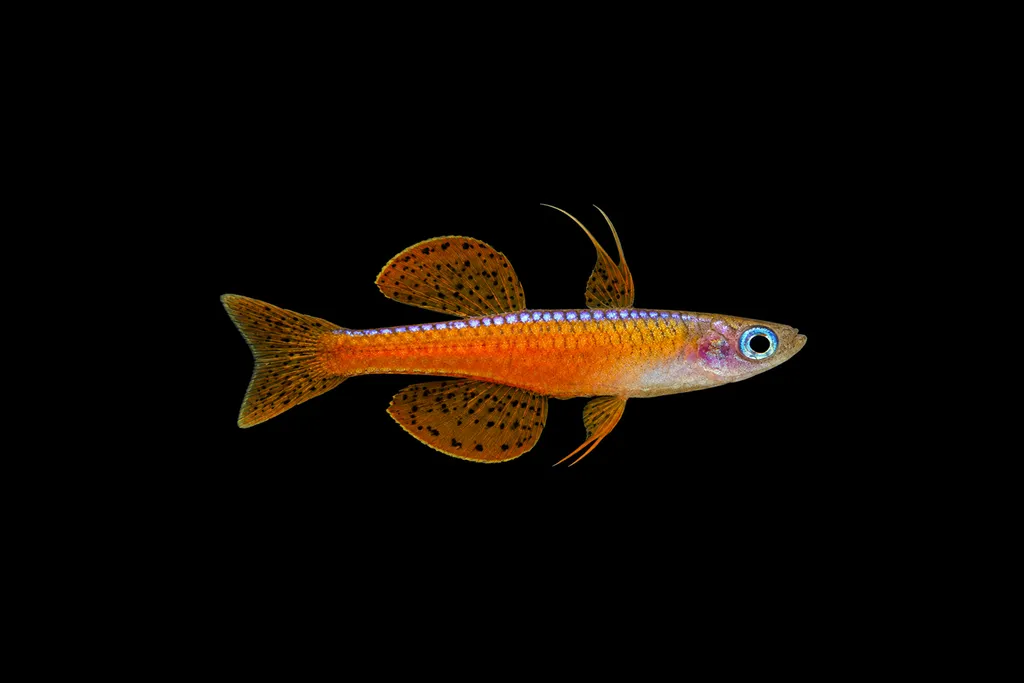 1.4 in (3.5 cm)11 gal (40 L)72–79°F (22–26°C)
Paska's blue-eye
Pseudomugil paskai
1.4 in (3.5 cm) · 11 gal (40 L)
 1.4 in (3.5 cm)11 gal (40 L)72–81°F (22–27°C)
Red neon blue-eye
Pseudomugil luminatus
1.4 in (3.5 cm) · 11 gal (40 L)