Paska's blue-eye
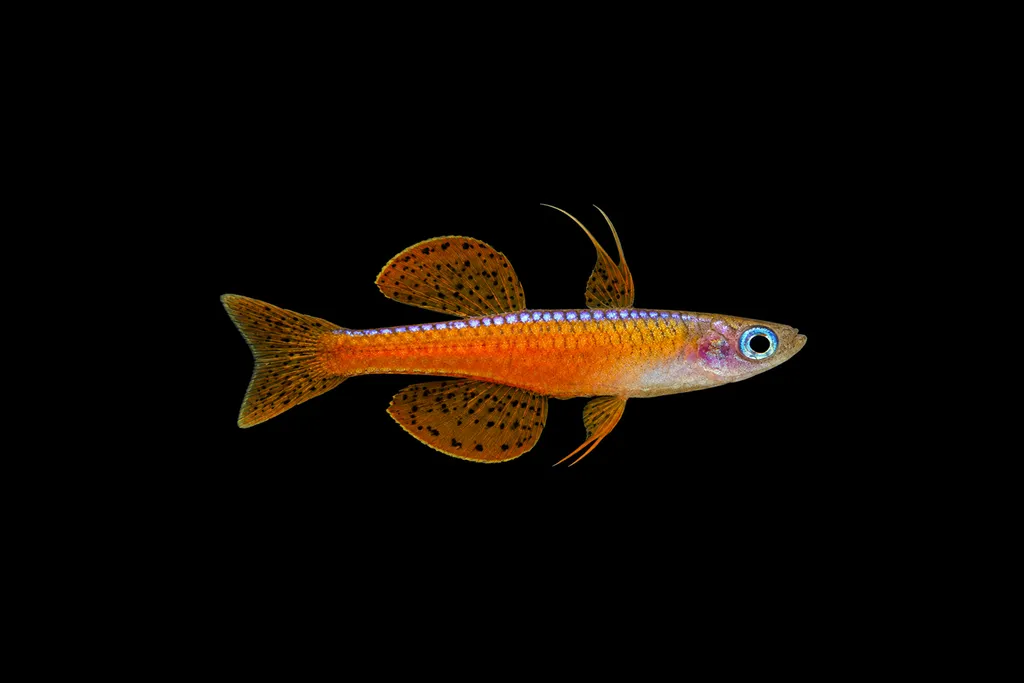
Pseudomugil paskai
Also known as Paska's rainbowfish, Paskai blue-eye
FreshwaterFish
Care at a glance
- Temperature
- 72–79°F
- 22–26°C
- pH
- 5.5–7.0
- Adult size
- 1.4 in
- 3.5 cm
- Minimum tank
- 11 gal
- 40 L
- Temperament
- Peaceful
- Social behavior
- Schooling
- Swim level
- Top
- Difficulty
- Medium
- Breeding
- Medium
- Rarity
- Rare
- Family
- Pseudomugilidae
- Origin
- Native to the upper Fly River system near Kiunga in central Papua New Guinea, where it lives in small, densely vegetated rainforest creeks.
Overview
Keep a group of at least six to eight, biased toward females, in a tank of 40 litres or more at 22 to 26 C and a pH of 5.5 to 7.0. Soft, gently acidic water suits it best and encourages spawning among fine plants. Pair it only with equally small, calm tankmates such as pygmy rasboras or small shrimp, since larger fish will outcompete or eat it. Feed small live and frozen foods like cyclops, daphnia and baby brine shrimp along with fine crushed flake.
In the wild
This tiny blue-eye comes from shaded, slow to moderate jungle creeks with soft, slightly acidic water and heavy plant cover. It spends most of its time in the upper half of the water column. Give it a well planted tank with fine leaved and floating plants, some driftwood and gentle flow so it feels secure enough to display. Tannin stained water from botanicals helps bring out its colors.
Good to know
Pseudomugil paskai was described by Allen and Ivantsoff in 1986 and named after John Paska, a Papua New Guinea fisheries technician who helped collect the type specimens. It is a member of the blue-eye family Pseudomugilidae, small relatives of the rainbowfish named for their reflective blue eyes. Males display by spreading their fins at one another in short standoffs.
Did you know
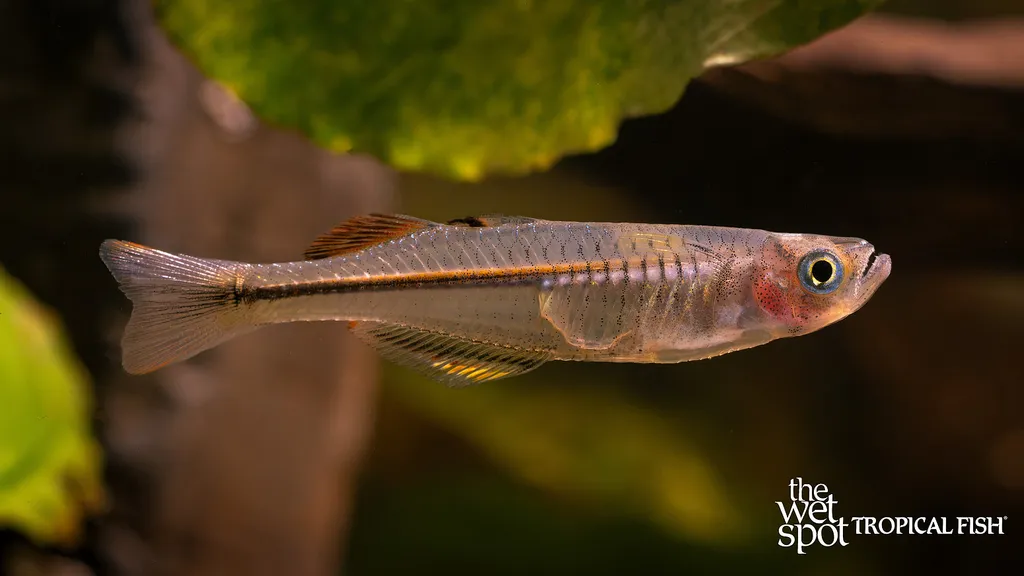
For years the bright red blue-eyes sold as red neon were a mix of this fish and its close relative Pseudomugil luminatus, which was only described as a separate species in 2016; true P. paskai shows less red and more yellow-orange on the body.
Weekly picks
Tank mates
Paska's blue-eye is a peaceful, schooling species that keeps to the top. These picks share a community profile with it, are safe together in both directions, and overlap on water type, temperature and pH.
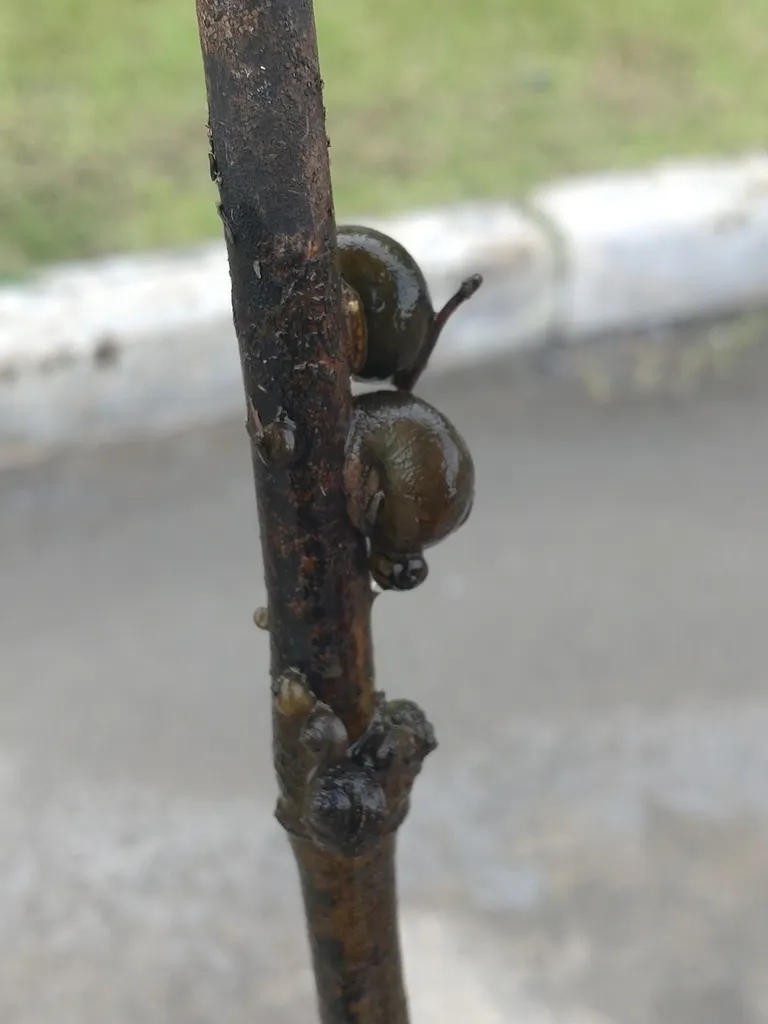
White wizard snail
Filopaludina martensi
Freshwater2 in (5 cm) · 11 gal (40 L)72–79°F (22–26°C)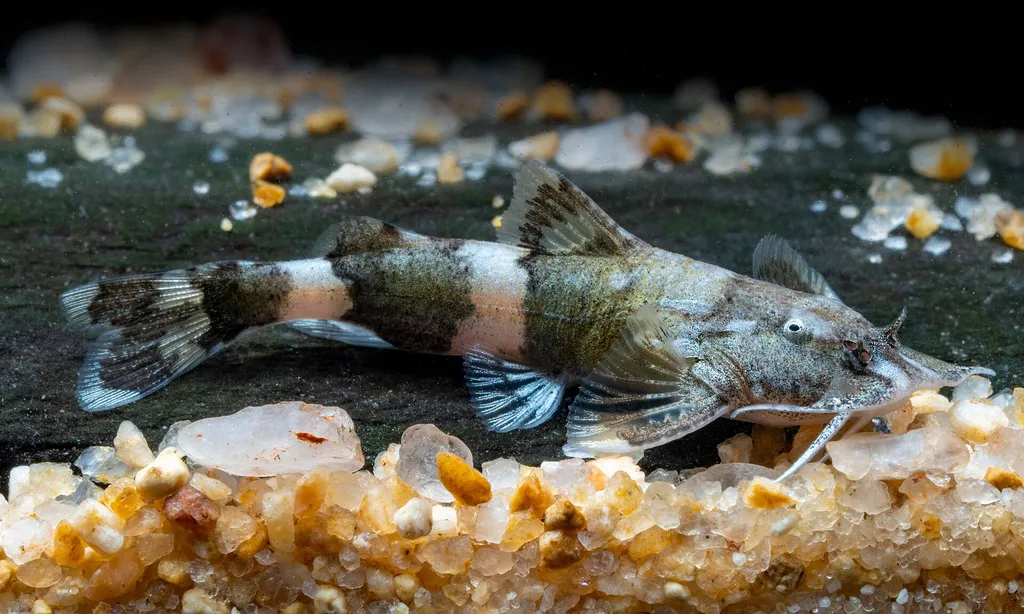
Cheetah moth catfish
Pseudolaguvia shawi
Freshwater1.5 in (3.8 cm) · 11 gal (40 L)68–79°F (20–26°C)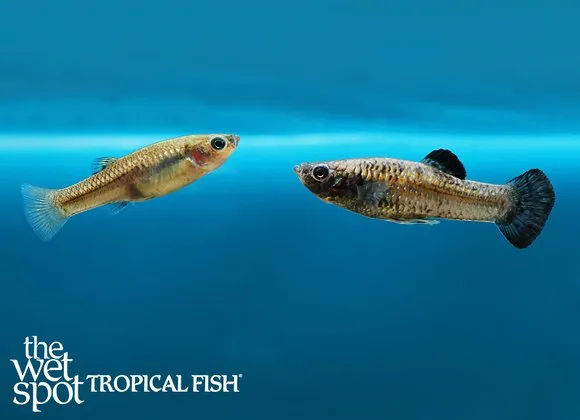
Dwarf molly
Poecilia chica
Freshwater1.6 in (4 cm) · 11 gal (40 L)72–81°F (22–27°C)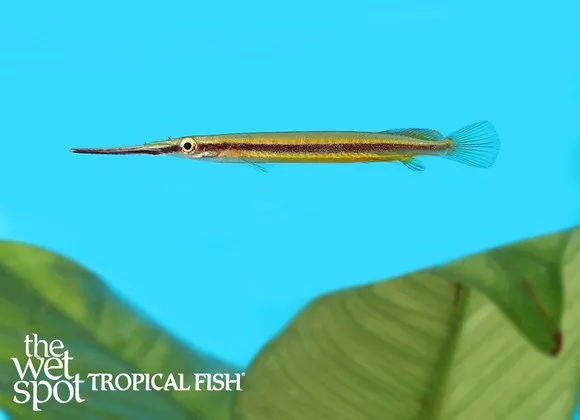
Borneo gold spot halfbeak
Hemirhamphodon tengah
Freshwater1.8 in (4.5 cm) · 11 gal (40 L)73–81°F (23–27°C)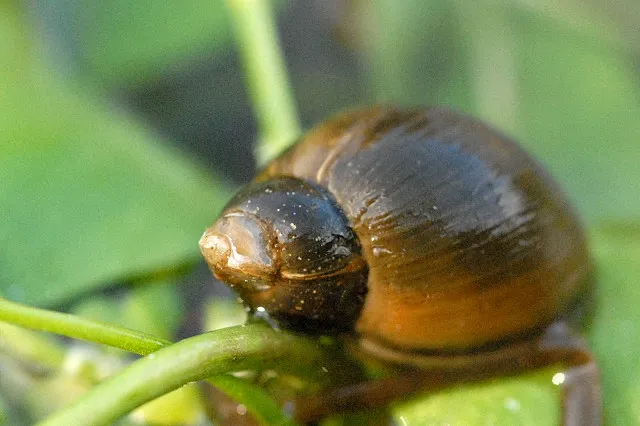
Wandering snail
Ampullaceana balthica
Freshwater0.8 in (2 cm) · 11 gal (40 L)50–84°F (10–29°C)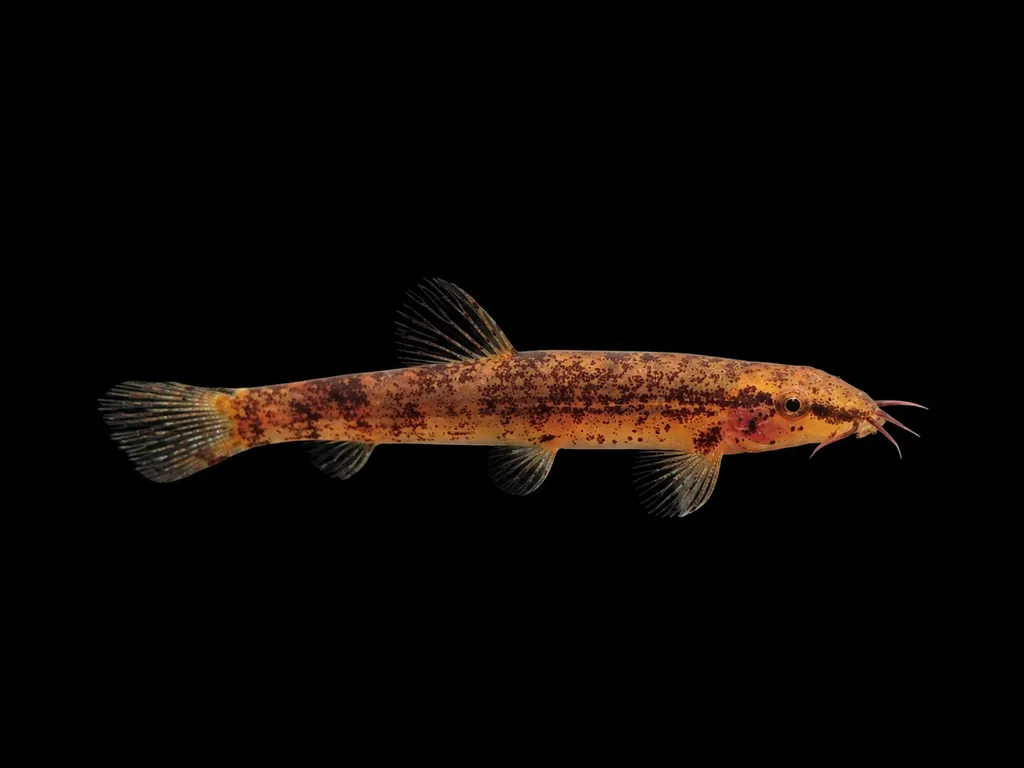
Dwarf lizard loach
Neohomaloptera johorensis
Freshwater1 in (2.5 cm) · 11 gal (40 L)72–79°F (22–26°C)
Common questions
What size tank does a Paska's blue-eye need?
A Paska's blue-eye needs at least 11 gal (40 L). It spends most of its time in the top.
What temperature and pH does a Paska's blue-eye need?
A Paska's blue-eye is comfortable at 72–79°F (22–26°C) with a pH of 5.5–7.0.
How big does a Paska's blue-eye get?
An adult Paska's blue-eye reaches about 1.4 in (3.5 cm).
Does a Paska's blue-eye need a group?
Yes. A Paska's blue-eye is a schooling species and should be kept in a group, not singly.
Related species
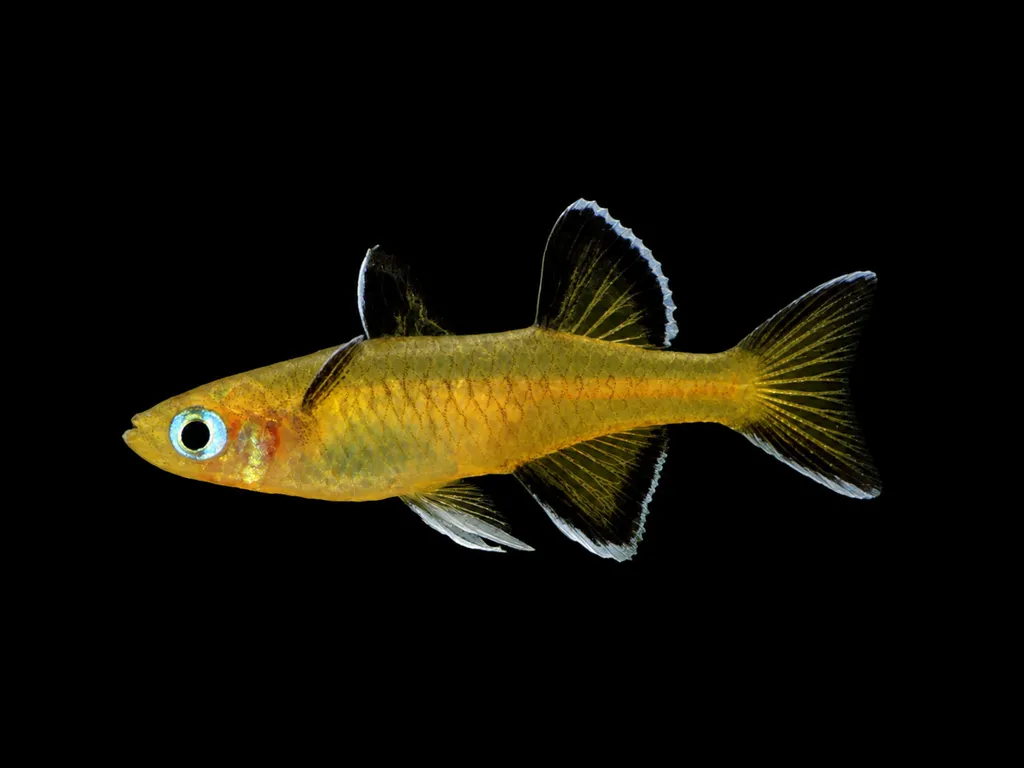 1.4 in (3.5 cm)11 gal (40 L)68–82°F (20–28°C)
Honey blue-eye
Pseudomugil mellis
1.4 in (3.5 cm) · 11 gal (40 L)
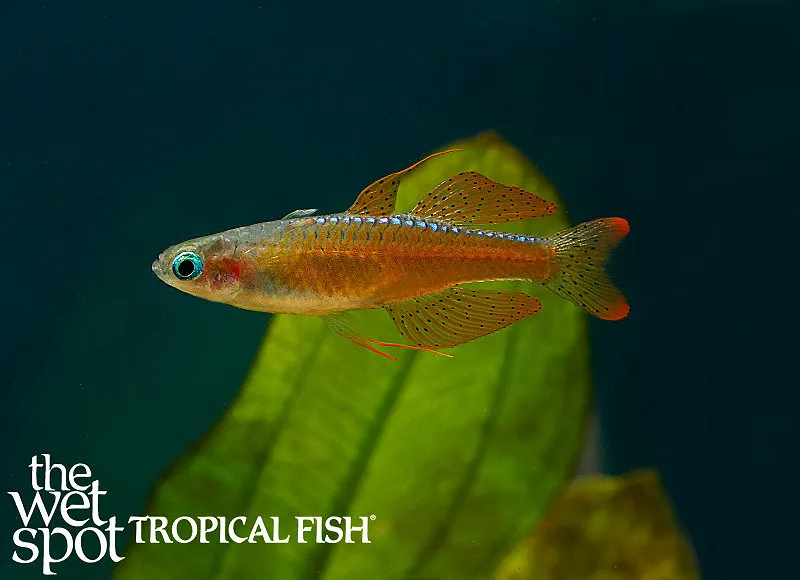 1.4 in (3.5 cm)11 gal (40 L)72–81°F (22–27°C)
Red neon blue-eye
Pseudomugil luminatus
1.4 in (3.5 cm) · 11 gal (40 L)
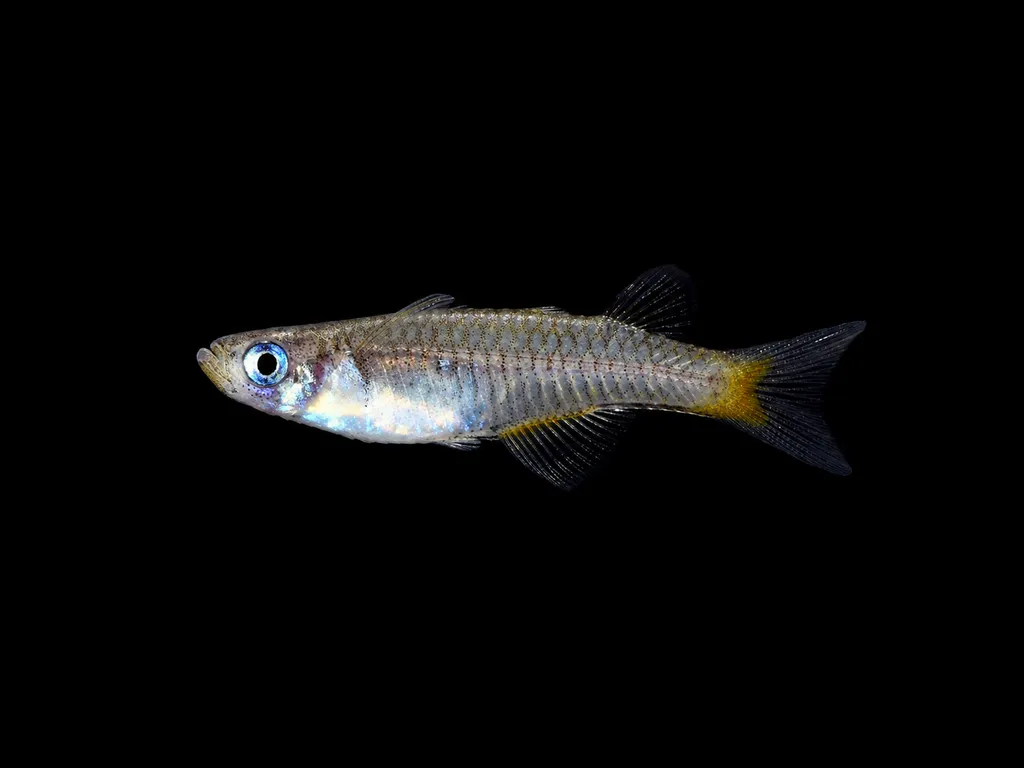 1.4 in (3.5 cm)11 gal (40 L)79–86°F (26–30°C)
Swamp blue-eye
Pseudomugil paludicola
1.4 in (3.5 cm) · 11 gal (40 L)
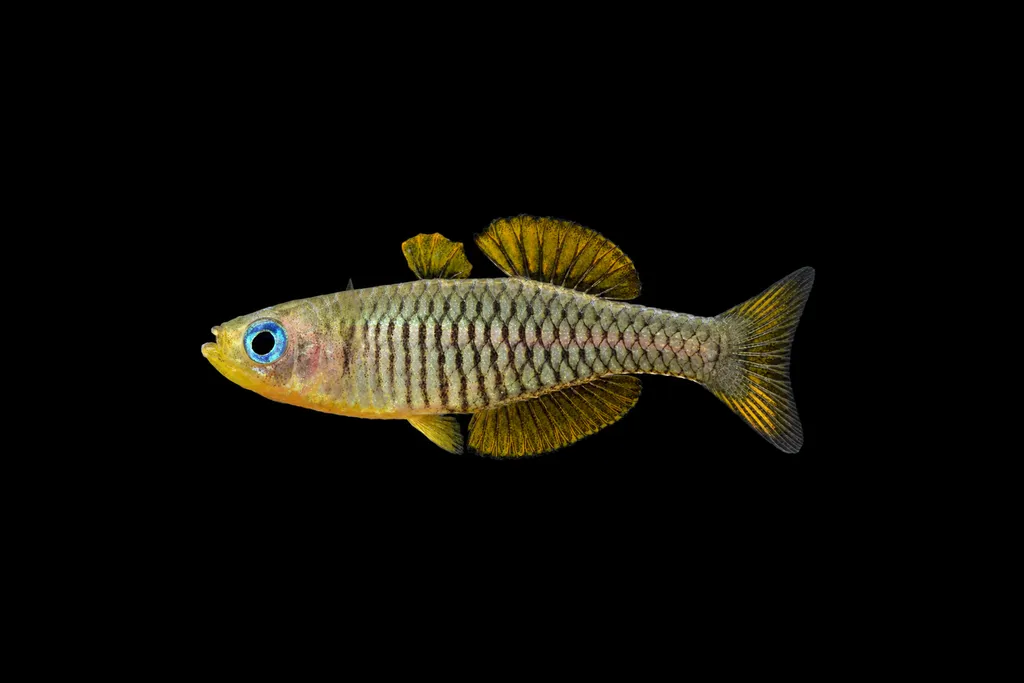 1.4 in (3.5 cm)11 gal (40 L)75–82°F (24–28°C)
Vogelkop blue-eye
Pseudomugil reticulatus
1.4 in (3.5 cm) · 11 gal (40 L)
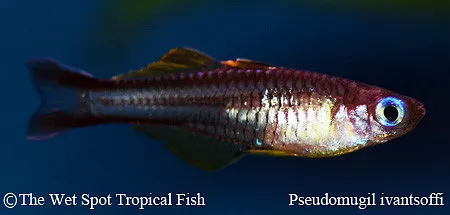 1.6 in (4 cm)11 gal (40 L)75–82°F (24–28°C)
Ivantsoff's blue-eye
Pseudomugil ivantsoffi
1.6 in (4 cm) · 11 gal (40 L)
 1.6 in (4 cm)11 gal (40 L)75–82°F (24–28°C)
Transparent blue-eye
Pseudomugil pellucidus
1.6 in (4 cm) · 11 gal (40 L)