Vogelkop blue-eye
Pseudomugil reticulatus
Also known as Reticulated blue-eye
FreshwaterFish
Care at a glance
- Temperature
- 75–82°F
- 24–28°C
- pH
- 7.0–8.0
- Adult size
- 1.4 in
- 3.5 cm
- Minimum tank
- 11 gal
- 40 L
- Temperament
- Peaceful
- Social behavior
- Schooling
- Swim level
- Top
- Difficulty
- Medium
- Breeding
- No record
- Rarity
- Very rare
- Family
- Pseudomugilidae
- Origin
- Vogelkop Peninsula, West Papua
Overview
Almost nothing is published about its husbandry, so assume the genus pattern: a calm, warm, heavily planted species tank, a school skewed toward females, fine live and frozen foods, and mops or moss offered for spawning. The few wild groups that have reached the trade have gone to dedicated breeders, which suits a critically endangered fish. Keep notes and share offspring if you succeed.
In the wild
The Vogelkop blue-eye is known from well vegetated rainforest streams in the Ayamaru Lakes region, in the center of the Vogelkop Peninsula of West Papua. The karst water there is clear, around neutral, and warm. Keep it at 24 to 28 degrees Celsius with a pH of 7.0 to 8.0, thick planting, floating cover, and gentle flow.
Good to know
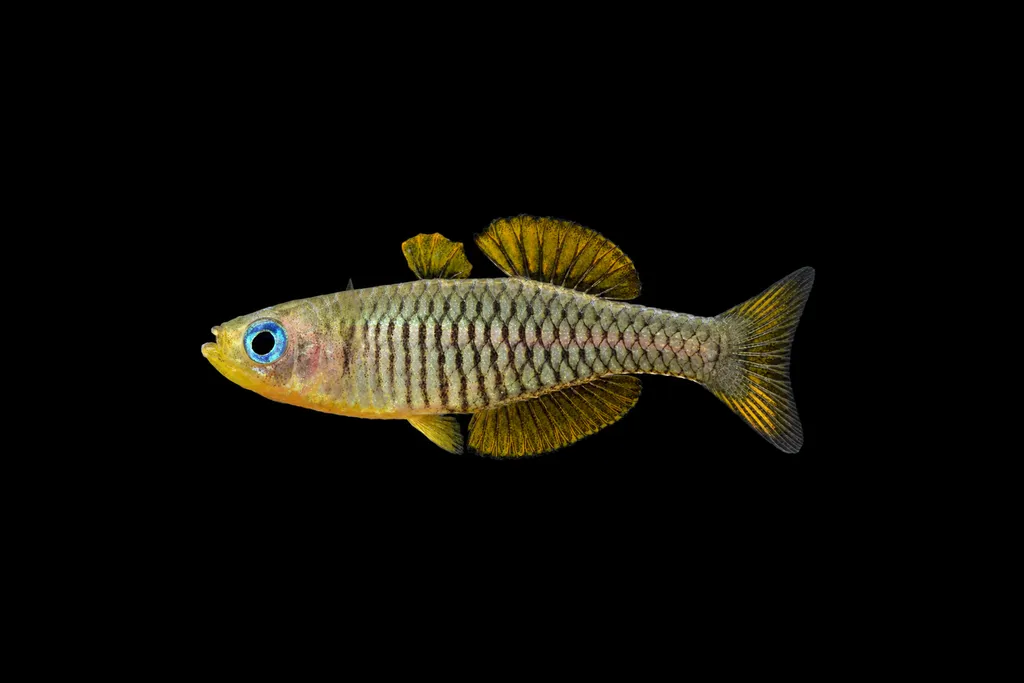
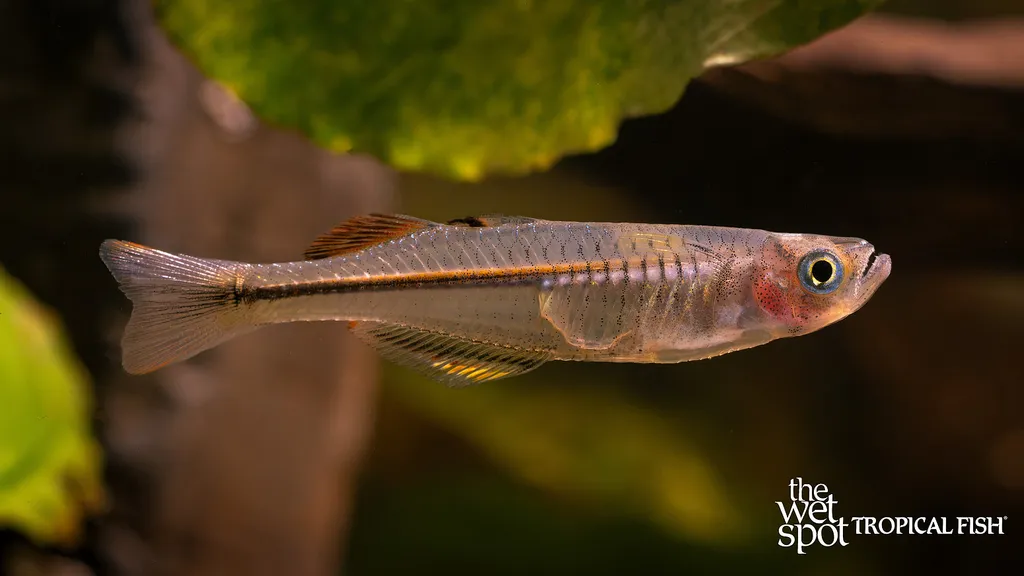
Pseudomugil reticulatus was described by Allen and Ivantsoff in 1986 from a single specimen collected near Ajamaru village. The name refers to the net pattern drawn by dark scale edges over a pale tan body, set off by yellow on the breast and fins. It reaches about 3.5 centimeters. The species is assessed as Critically Endangered, restricted to a small area under pressure, and captive breeding has not been formally recorded.
Did you know
Science met this fish through a single specimen netted near Ajamaru in the 1980s, and for decades that one fish was most of what the world knew about it. It remains one of the rarest blue-eyes in both the wild and the hobby.
Weekly picks
Tank mates
Vogelkop blue-eye is a peaceful, schooling species that keeps to the top. These picks share a community profile with it, are safe together in both directions, and overlap on water type, temperature and pH.
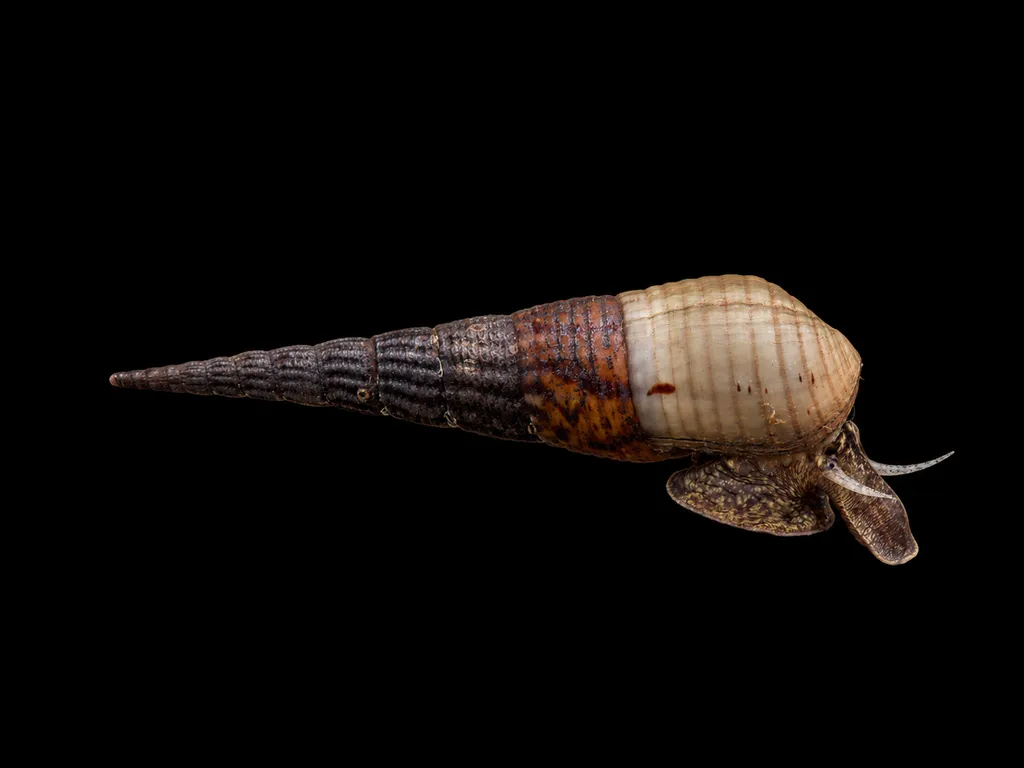
Chopstick snail
Stenomelania torulosa
Freshwater2 in (5 cm) · 11 gal (40 L)73–82°F (23–28°C)
Lumbantobing goby
Pseudogobiopsis lumbantobing
Freshwater1.6 in (4 cm) · 11 gal (40 L)75–82°F (24–28°C)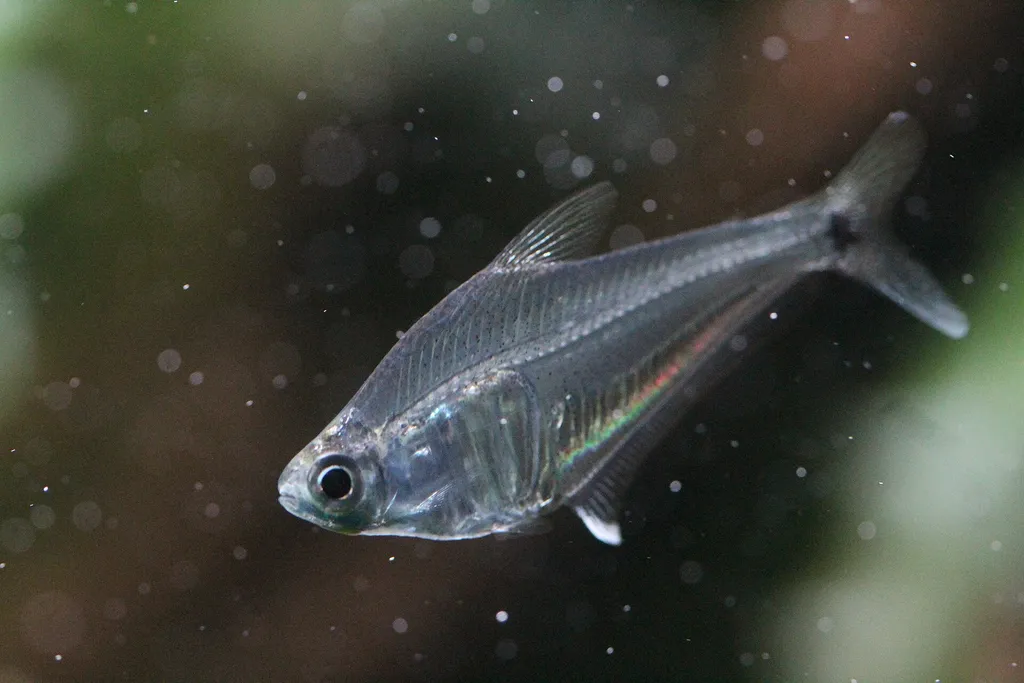
Crystal tetra
Protocheirodon pi
Freshwater1.2 in (3.1 cm) · 11 gal (40 L)73–82°F (23–28°C)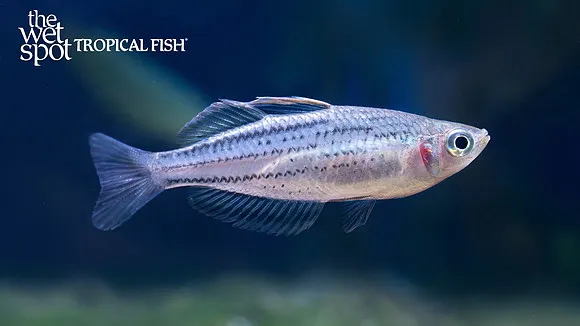
Green panchax
Aplocheilus blockii
Freshwater2 in (5 cm) · 11 gal (40 L)72–82°F (22–28°C)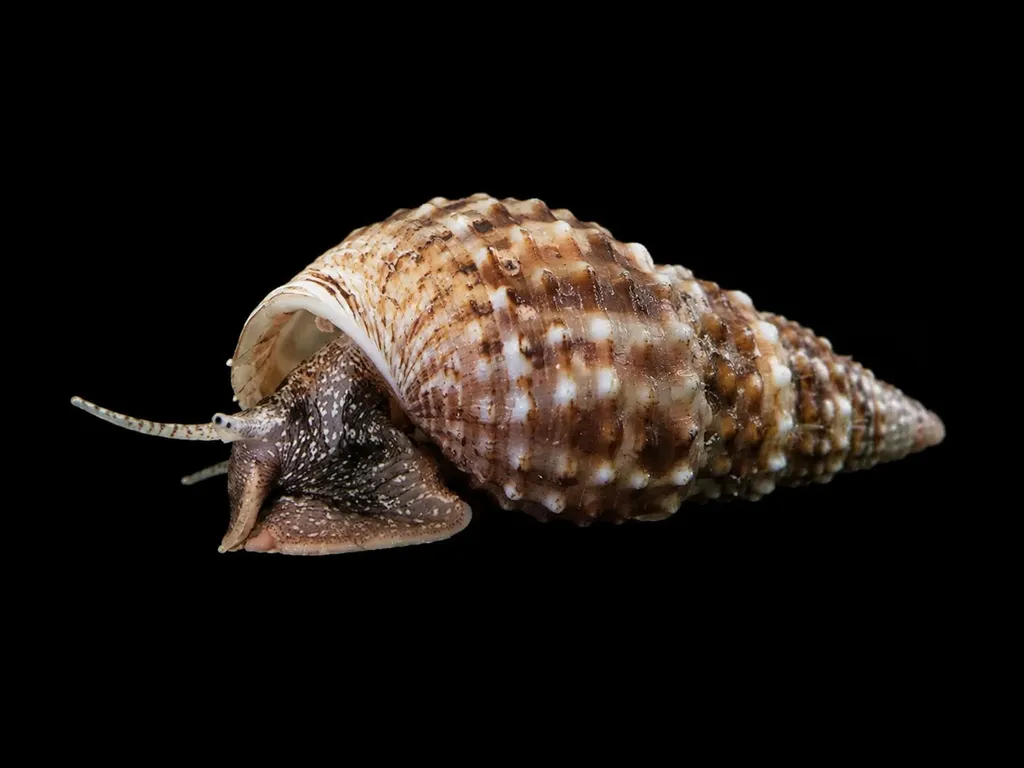
Prambanan snail
Thiara winteri
Freshwater1.6 in (4 cm) · 11 gal (40 L)73–82°F (23–28°C)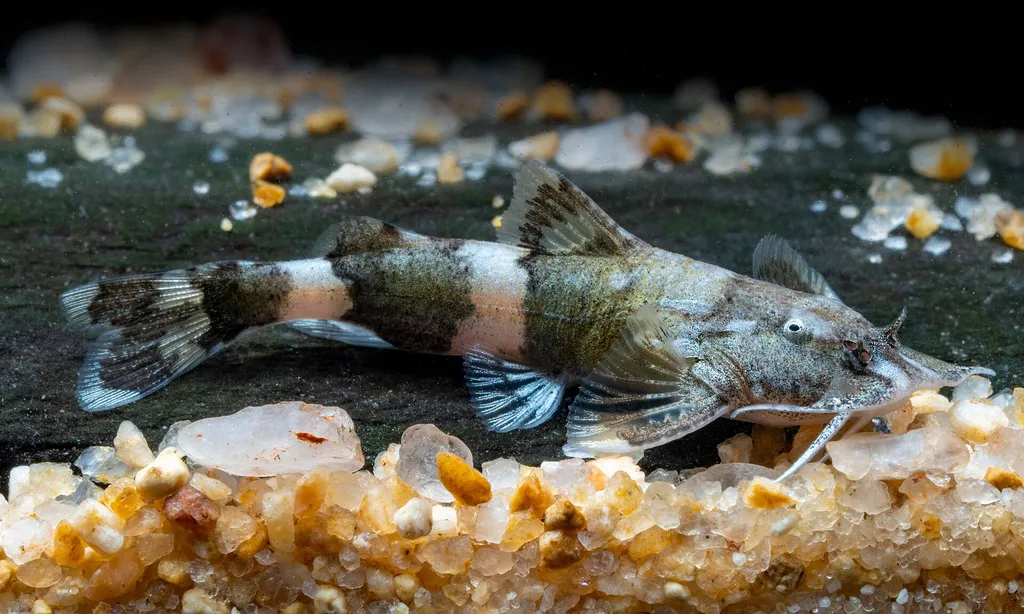
Cheetah moth catfish
Pseudolaguvia shawi
Freshwater1.5 in (3.8 cm) · 11 gal (40 L)68–79°F (20–26°C)
Common questions
What size tank does a Vogelkop blue-eye need?
A Vogelkop blue-eye needs at least 11 gal (40 L). It spends most of its time in the top.
What temperature and pH does a Vogelkop blue-eye need?
A Vogelkop blue-eye is comfortable at 75–82°F (24–28°C) with a pH of 7.0–8.0.
How big does a Vogelkop blue-eye get?
An adult Vogelkop blue-eye reaches about 1.4 in (3.5 cm).
Does a Vogelkop blue-eye need a group?
Yes. A Vogelkop blue-eye is a schooling species and should be kept in a group, not singly.
Related species
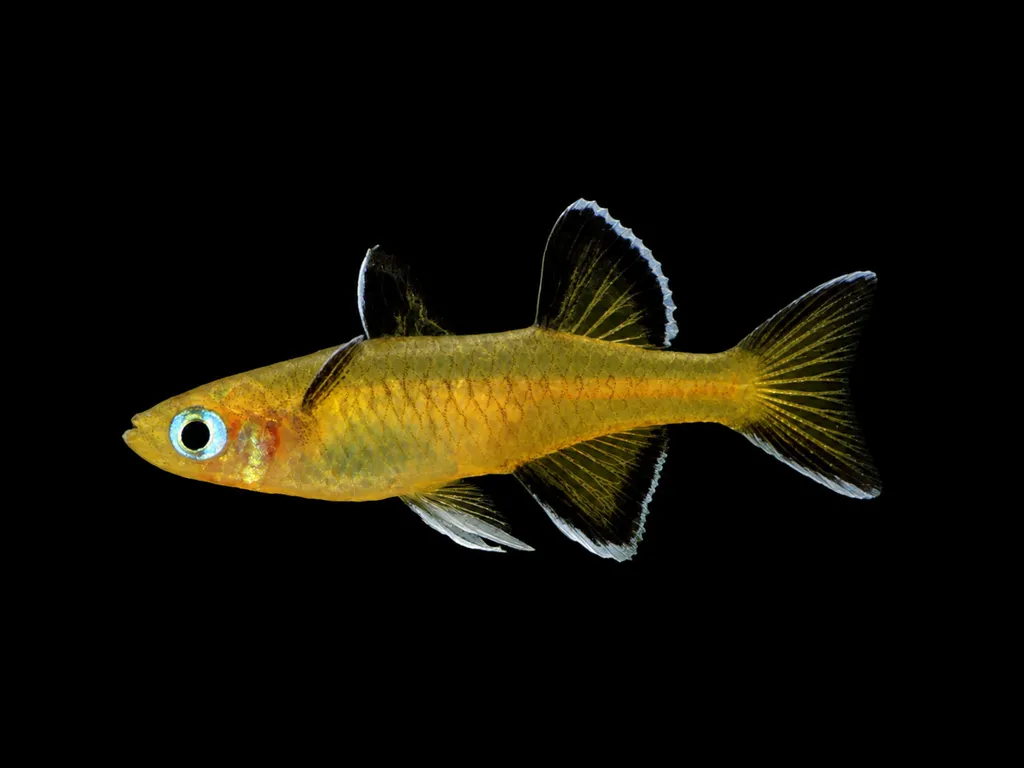 1.4 in (3.5 cm)11 gal (40 L)68–82°F (20–28°C)
Honey blue-eye
Pseudomugil mellis
1.4 in (3.5 cm) · 11 gal (40 L)
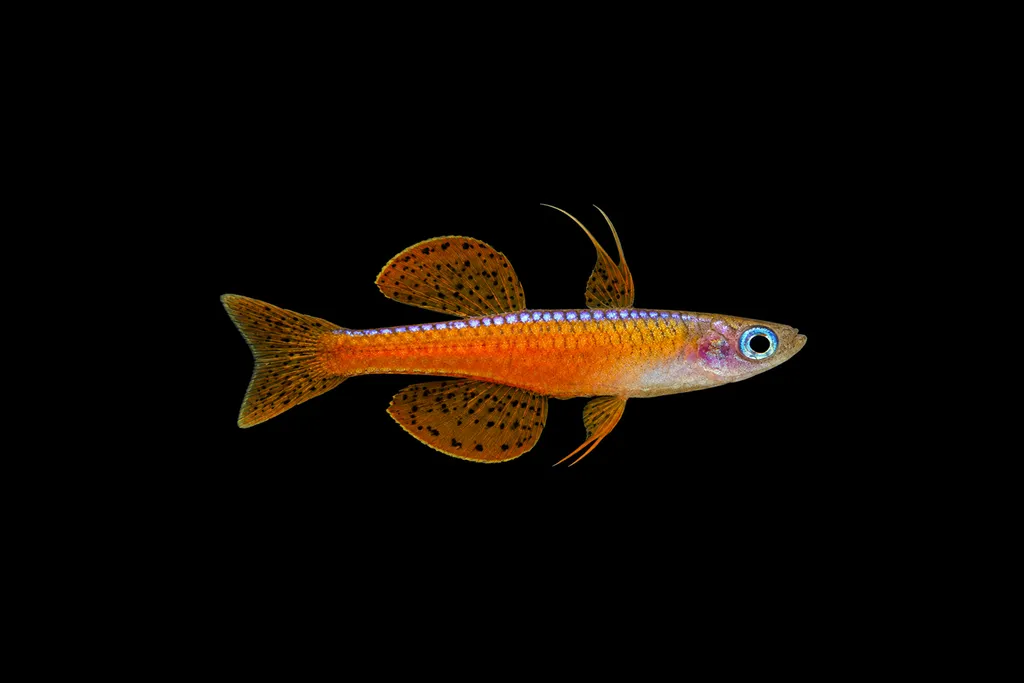 1.4 in (3.5 cm)11 gal (40 L)72–79°F (22–26°C)
Paska's blue-eye
Pseudomugil paskai
1.4 in (3.5 cm) · 11 gal (40 L)
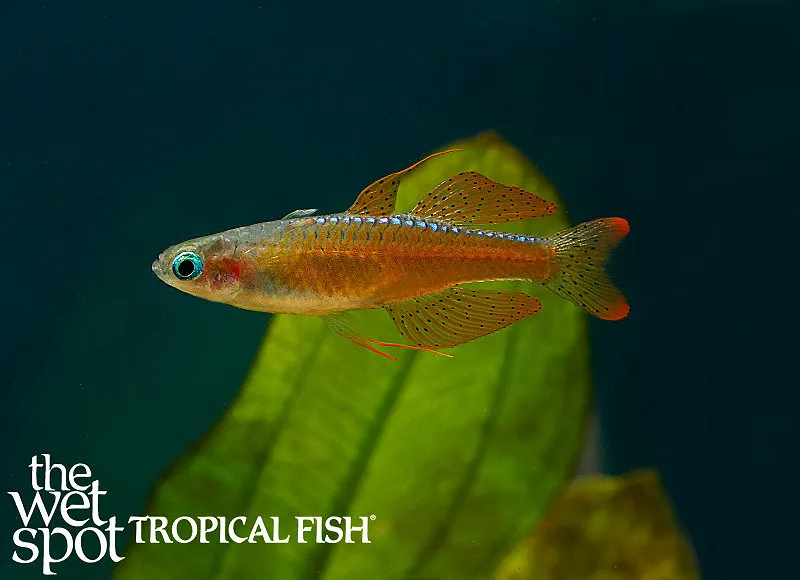 1.4 in (3.5 cm)11 gal (40 L)72–81°F (22–27°C)
Red neon blue-eye
Pseudomugil luminatus
1.4 in (3.5 cm) · 11 gal (40 L)
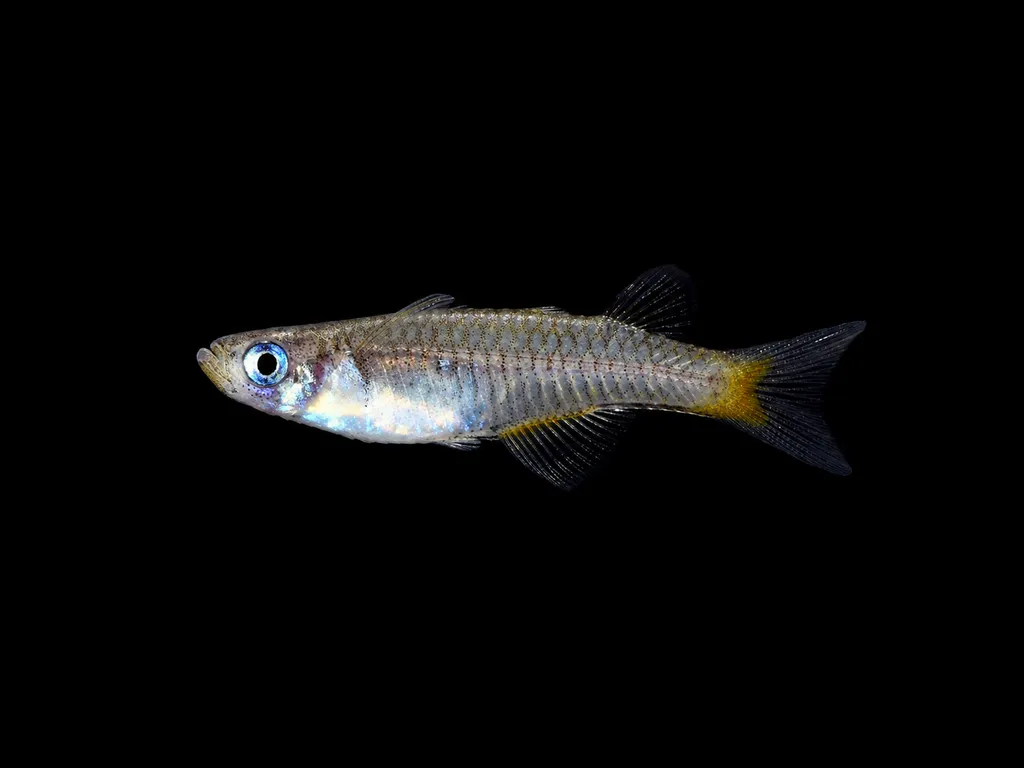 1.4 in (3.5 cm)11 gal (40 L)79–86°F (26–30°C)
Swamp blue-eye
Pseudomugil paludicola
1.4 in (3.5 cm) · 11 gal (40 L)
 1.6 in (4 cm)11 gal (40 L)75–82°F (24–28°C)
Ivantsoff's blue-eye
Pseudomugil ivantsoffi
1.6 in (4 cm) · 11 gal (40 L)
 1.6 in (4 cm)11 gal (40 L)75–82°F (24–28°C)
Transparent blue-eye
Pseudomugil pellucidus
1.6 in (4 cm) · 11 gal (40 L)