Bumblebee otocinclus
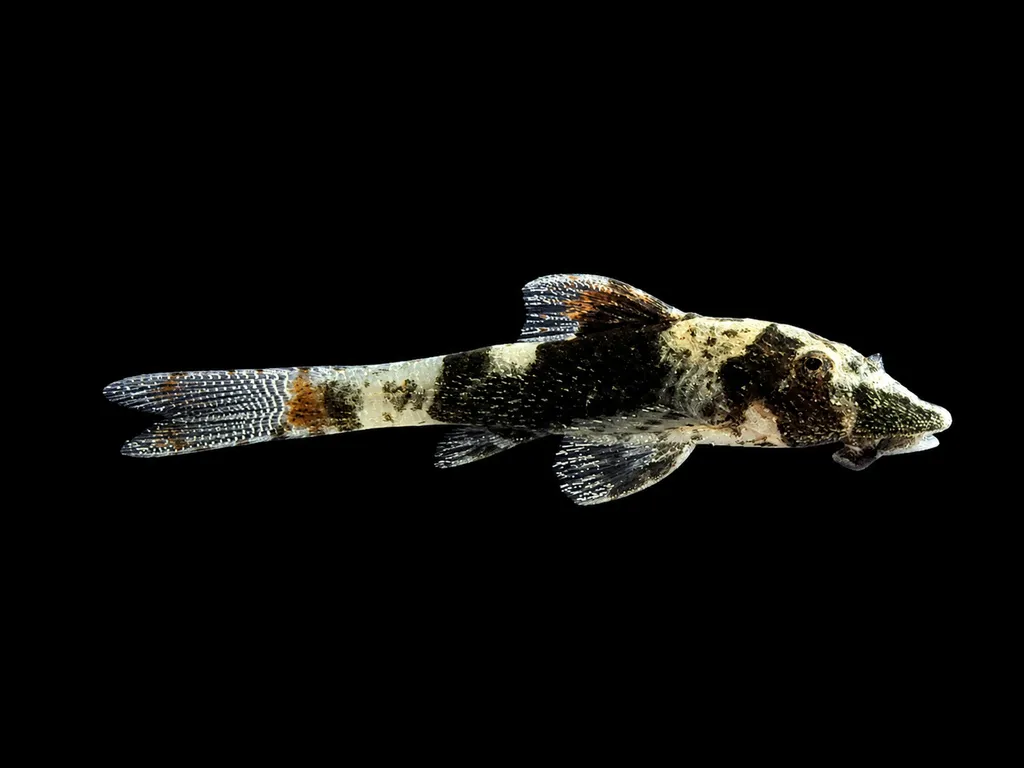
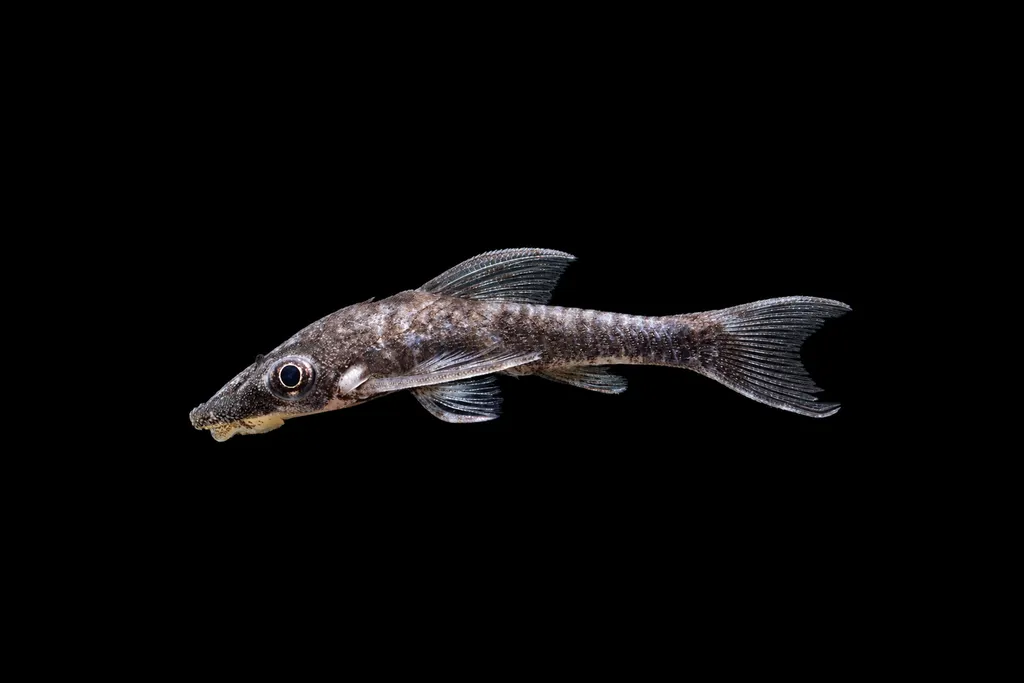
Rhinotocinclus isabelae
Also known as Isabela's otocinclus, Bumble bee otocinclus
FreshwaterFish
Care at a glance
- Temperature
- 73–82°F
- 23–28°C
- pH
- 6.0–7.5
- Adult size
- 0.8 in
- 2 cm
- Minimum tank
- 11 gal
- 40 L
- Temperament
- Peaceful
- Social behavior
- Social
- Swim level
- Bottom
- Difficulty
- Medium
- Breeding
- No record
- Rarity
- Rare
- Family
- Loricariidae
- Origin
- Upper Amazon blackwaters, Peru
Overview
The bumblebee otocinclus is a truly tiny grazing catfish for a mature nano tank. It suits a keeper with some experience.
Did you know
The bumblebee otocinclus carries the species name isabelae, which honors Isabela, the daughter of the ichthyologist who described it. Her name rides on one of the tiniest catfishes known.
Caring for the bumblebee otocinclus
A small group of bumblebee otocinclus suits a settled nano tank of at least 11 gal (40 L). Add driftwood, dried leaves, a fine floor and calm flow. It needs a mature surface film, so give a new tank time to grow a good coat of biofilm first.
Keep the water soft and slightly acidic to neutral, at 73 to 82°F (23 to 28°C) and a pH of 6.0 to 7.5. It grazes biofilm and soft algae through the day, and the film in a mature tank is its main food. Top that up with tiny amounts of blanched vegetable and fine prepared grazing foods.
The bumblebee otocinclus is peaceful and social. It is so small and mild that it belongs only with gentle nano fish and dwarf shrimp that pose no threat. Its breeding has not been documented in the aquarium.
Good to know
Rhinotocinclus isabelae is a member of the family Loricariidae, banded in dark brown and gold. It was placed in the genus Rhinotocinclus in 2022, a group named for its snout shape. Every bumblebee otocinclus in the trade is wild-caught.
In the wild
The bumblebee otocinclus comes from soft blackwater streams of the upper Amazon in Peru, such as the Nanay. There it grazes biofilm on wood and leaf litter in gently flowing, tannin-stained water.
Weekly picks
Tank mates
The bumblebee otocinclus is a peaceful, social species that keeps to the bottom. These picks share a community profile with it, are safe together in both directions, and overlap on water type, temperature and pH.
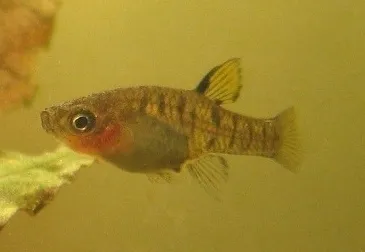
Black-barred livebearer
Quintana atrizona
Freshwater1.3 in (3.4 cm) · 11 gal (40 L)72–82°F (22–28°C)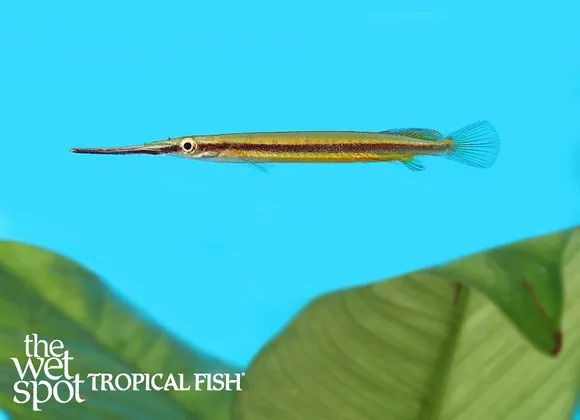
Borneo gold spot halfbeak
Hemirhamphodon tengah
Freshwater1.8 in (4.5 cm) · 11 gal (40 L)73–81°F (23–27°C)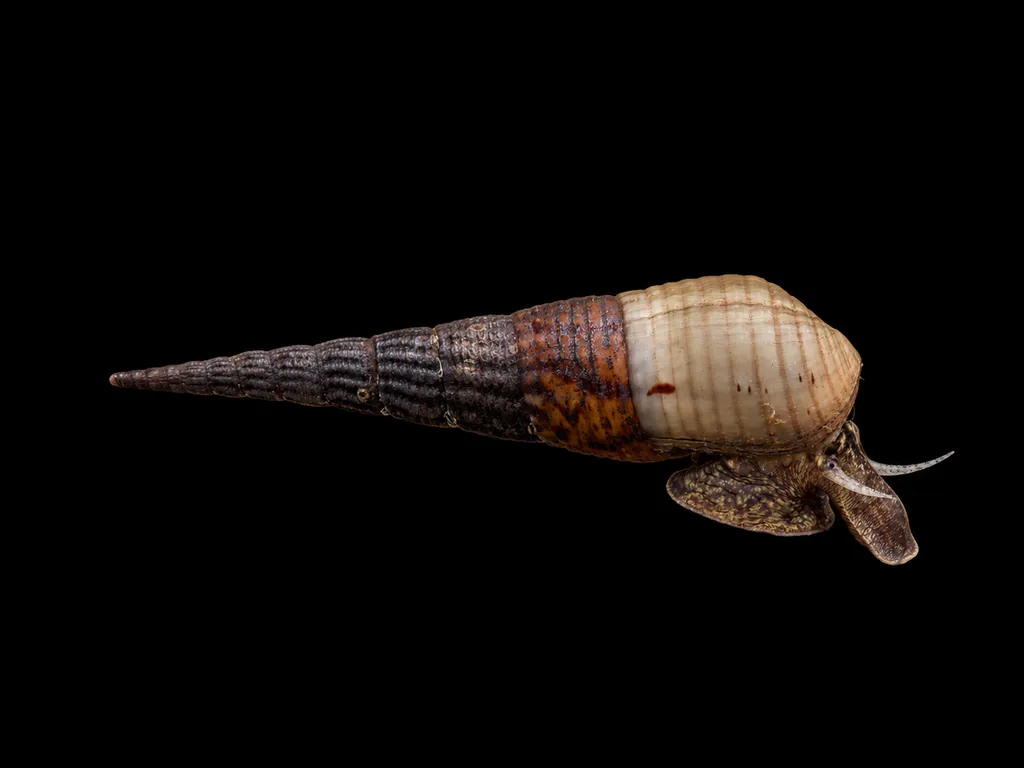
Chopstick snail
Stenomelania torulosa
Freshwater2 in (5 cm) · 11 gal (40 L)73–82°F (23–28°C)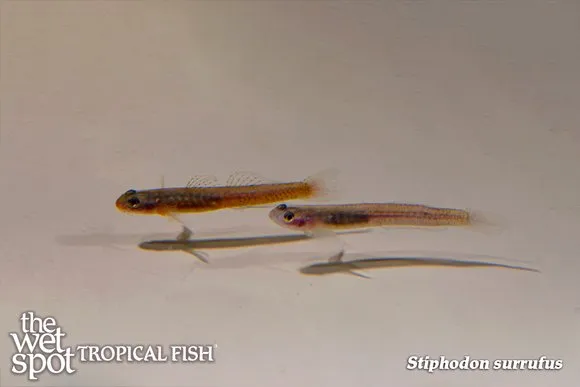
Birdsong goby
Stiphodon surrufus
Freshwater1 in (2.5 cm) · 11 gal (40 L)73–81°F (23–27°C)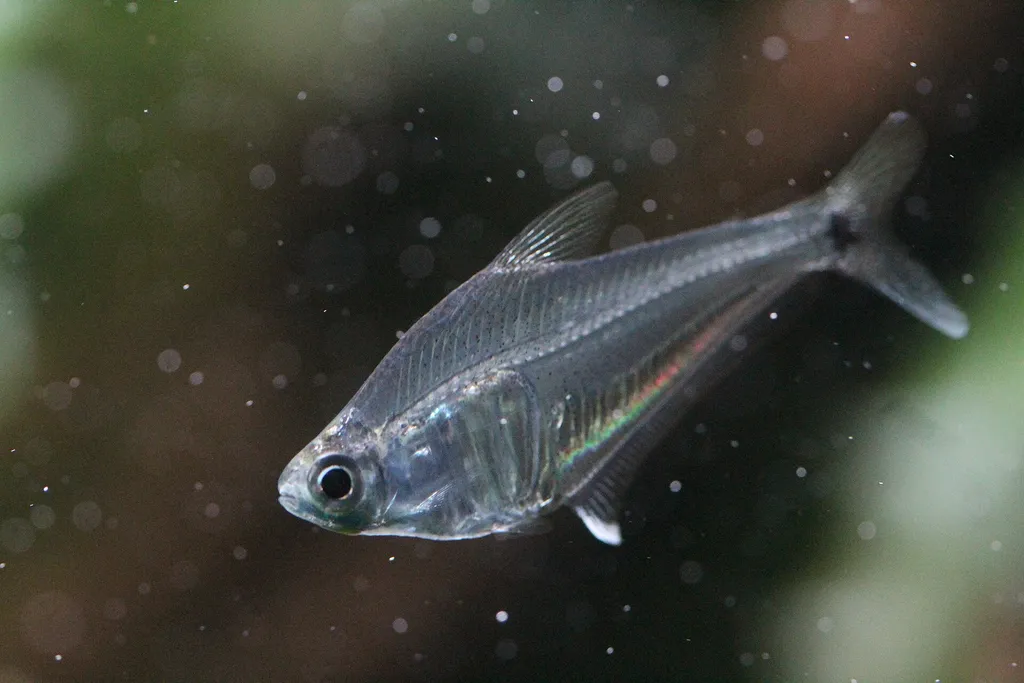
Crystal tetra
Protocheirodon pi
Freshwater1.2 in (3.1 cm) · 11 gal (40 L)73–82°F (23–28°C)
Green panchax
Aplocheilus blockii
Freshwater2 in (5 cm) · 11 gal (40 L)72–82°F (22–28°C)
Common questions
What size tank does a bumblebee otocinclus need?
A bumblebee otocinclus needs at least 11 gal (40 L). It spends most of its time in the bottom.
What temperature and pH does a bumblebee otocinclus need?
A bumblebee otocinclus is comfortable at 73–82°F (23–28°C) with a pH of 6.0–7.5.
What does a bumblebee otocinclus eat?
A bumblebee otocinclus grazes biofilm and soft algae, and the film in a mature tank is its main food. Top that up with tiny amounts of blanched vegetable and fine prepared grazing foods.
How big does a bumblebee otocinclus get?
An adult bumblebee otocinclus reaches about 0.8 in (2 cm).
Related species
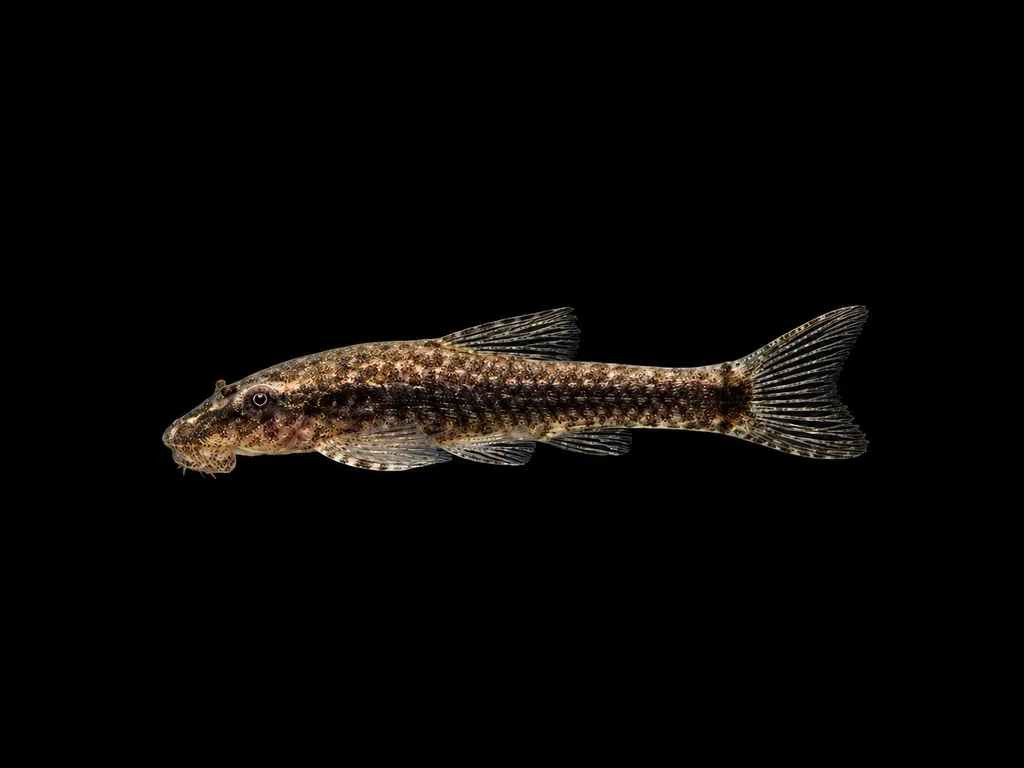
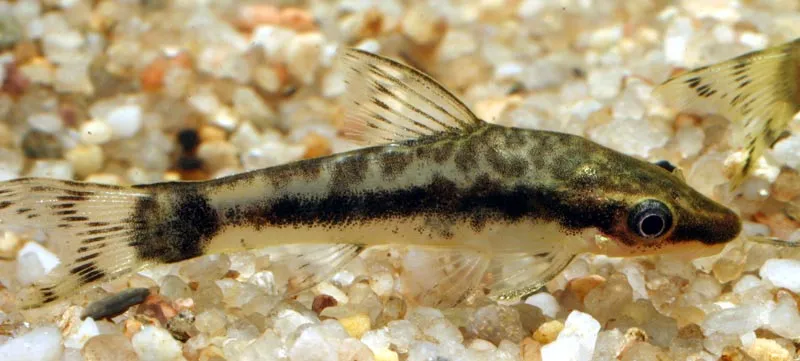 1.4 in (3.5 cm)11 gal (40 L)70–79°F (21–26°C)
Golden dwarf sucker
Otocinclus macrospilus
1.4 in (3.5 cm) · 11 gal (40 L)
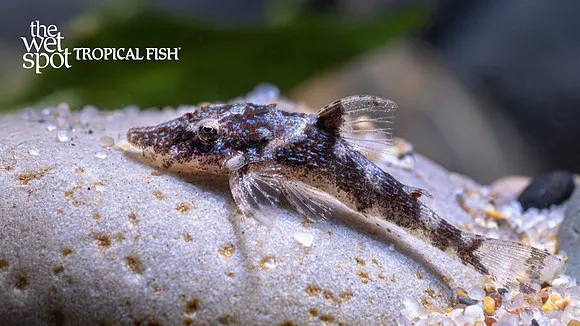
 1.4 in (3.5 cm)14 gal (54 L)68–79°F (20–26°C)
Paraguay black otocinclus
Otothyropsis piribebuy
1.4 in (3.5 cm) · 14 gal (54 L)
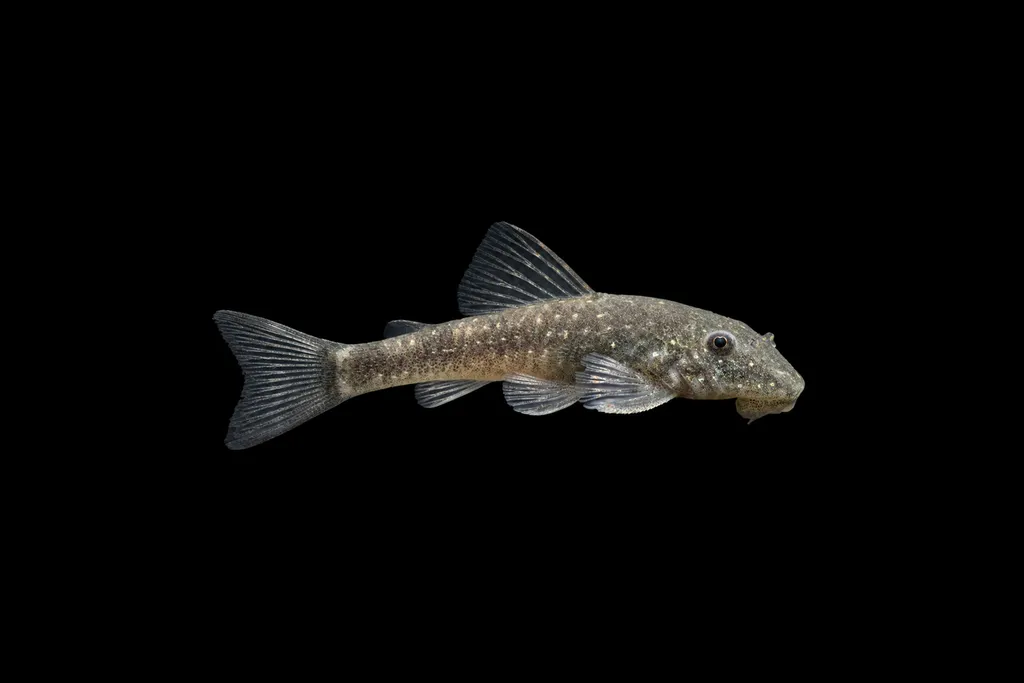
 1.4 in (3.5 cm)14 gal (54 L)75–82°F (24–28°C)
Peppermint otocinclus
Parotocinclus eppleyi
1.4 in (3.5 cm) · 14 gal (54 L)
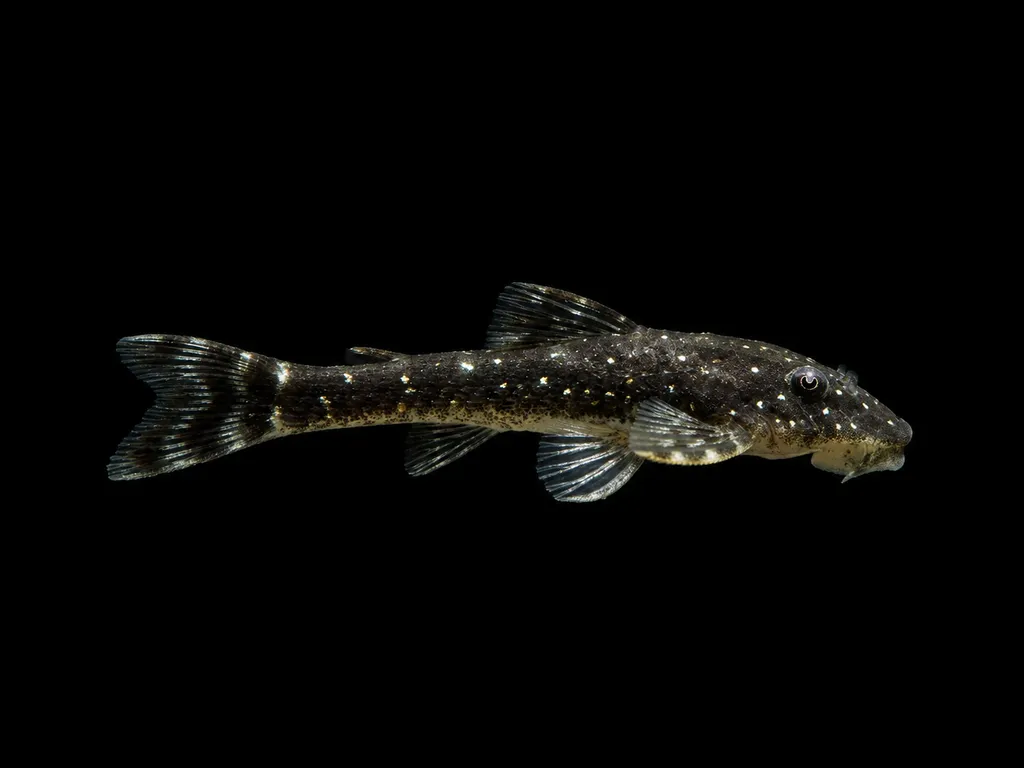
 1.6 in (4 cm)14 gal (54 L)72–81°F (22–27°C)
Bahia parotocinclus
Parotocinclus bahiensis
1.6 in (4 cm) · 14 gal (54 L)
 1.6 in (4 cm)14 gal (54 L)75–82°F (24–28°C)
Galaxy otocinclus
Parotocinclus haroldoi
1.6 in (4 cm) · 14 gal (54 L)
 1.6 in (4 cm)14 gal (54 L)75–82°F (24–28°C)
Vampire otocinclus
Nannoptopoma sternoptychum
1.6 in (4 cm) · 14 gal (54 L)