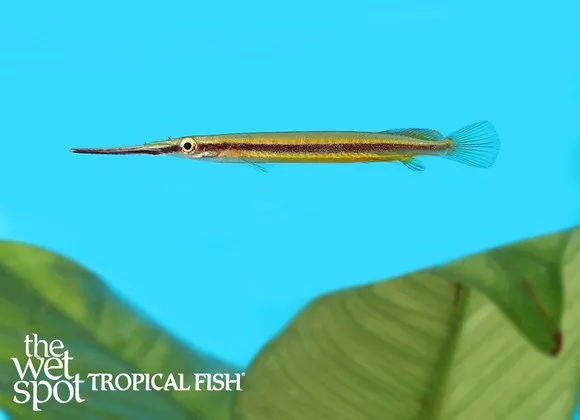
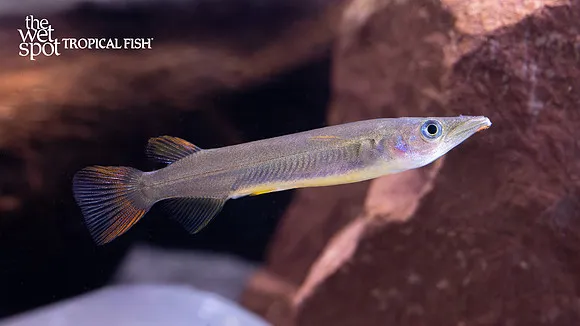
Borneo gold spot halfbeak
Hemirhamphodon tengah
Also known as Tengah halfbeak
FreshwaterFish
Care at a glance
- Temperature
- 73–81°F
- 23–27°C
- pH
- 4.0–6.0
- Adult size
- 1.8 in
- 4.5 cm
- Minimum tank
- 11 gal
- 40 L
- Temperament
- Peaceful
- Social behavior
- Social
- Swim level
- Top
- Difficulty
- Medium
- Breeding
- Egg layer · Medium
- Rarity
- Rare
- Family
- Zenarchopteridae
- Origin
- Central Kalimantan peat swamps, Borneo
Overview
The Borneo gold spot halfbeak is a dwarf surface fish for a dim blackwater tank. It is best with a little experience.
Did you know
The Borneo gold spot halfbeak's home swamps can turn more acidic than a standard aquarium test kit is able to read. That is part of what makes this dwarf halfbeak tricky to settle in.
Caring for the Borneo gold spot halfbeak
Give Borneo gold spot halfbeaks a planted, well-covered tank of at least 11 gal (40 L). Use driftwood, thick leaf litter, floating plants and dim light to build a blackwater surface. Keep the flow still and gentle.
The Borneo gold spot halfbeak needs soft, very acidic blackwater that matches its home closely. Keep the water at 73 to 81°F (23 to 27°C) with a pH of 4.0 to 6.0, calm and very clean. It will not settle in hard, alkaline water.
It hangs just under the surface film, watching for small prey to take with its upturned beak. Feed small floating and surface foods, such as fruit flies, tiny live and frozen insects, daphnia, mosquito larvae and fine floating dried foods.
Keep a small group, several together, with more females than males, since males will spar along the surface. It is peaceful and tiny, so give it only equally small, calm tank mates, or keep a species tank. Nothing large or fast should share the top of the water.
Unusually for its genus, it is an egg-layer rather than a livebearer. Breeding it is of moderate difficulty and calls for stable, very soft, acidic water.
Good to know
Hemirhamphodon tengah belongs to the halfbeak family Zenarchopteridae and is the smallest of its genus. Its name comes from Kalimantan Tengah, or Central Kalimantan, where it lives.
In the wild
The Borneo gold spot halfbeak lives in deep-forest peat swamps of Central Kalimantan, on Borneo. The water there is soft, brown with tannins and strongly acidic.
Weekly picks
Tank mates
The Borneo gold spot halfbeak is a peaceful, social species that keeps to the top. These picks share a community profile with it, are safe together in both directions, and overlap on water type, temperature and pH.
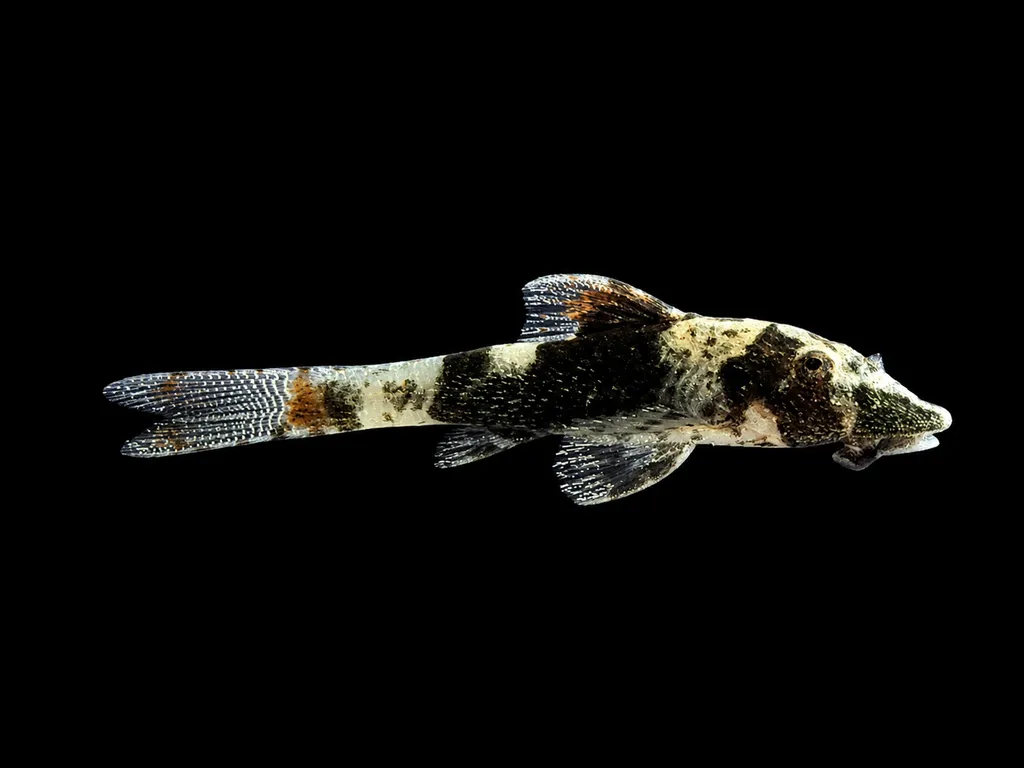
Bumblebee otocinclus
Rhinotocinclus isabelae
Freshwater0.8 in (2 cm) · 11 gal (40 L)73–82°F (23–28°C)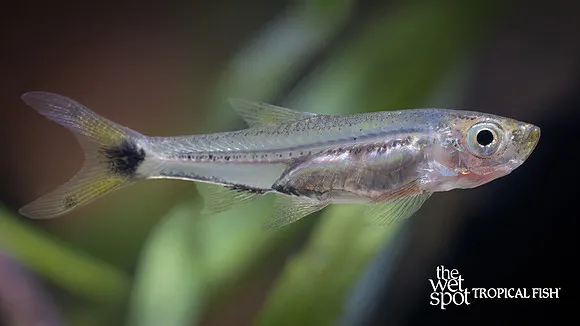
Dwarf scissortail rasbora
Rasbosoma spilocerca
Freshwater1.3 in (3.2 cm) · 11 gal (40 L)72–81°F (22–27°C)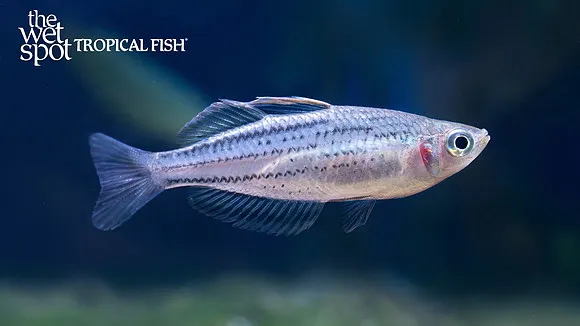
Green panchax
Aplocheilus blockii
Freshwater2 in (5 cm) · 11 gal (40 L)72–82°F (22–28°C)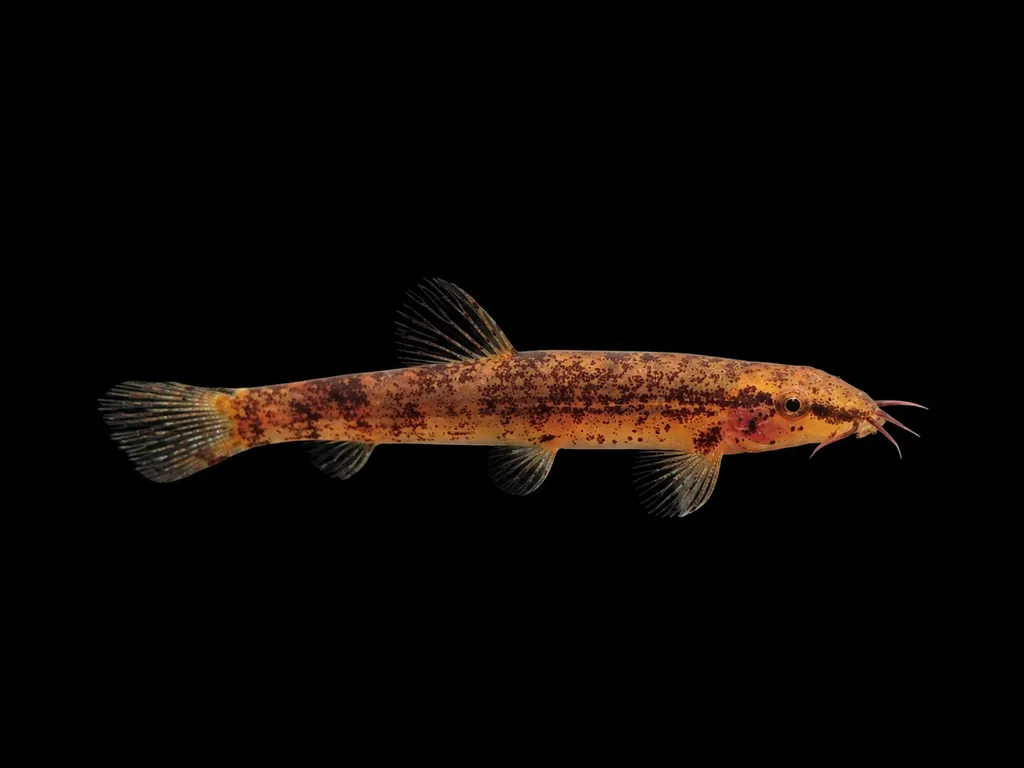
Dwarf lizard loach
Neohomaloptera johorensis
Freshwater1 in (2.5 cm) · 11 gal (40 L)72–79°F (22–26°C)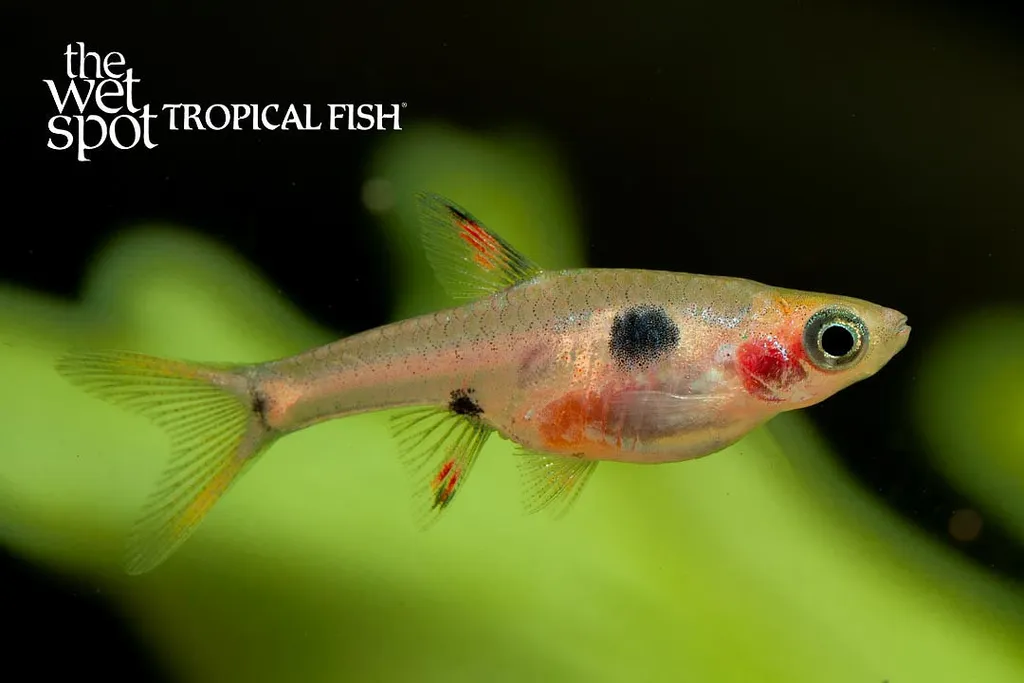
Dwarf rasbora
Boraras maculatus
Freshwater1 in (2.5 cm) · 11 gal (40 L)72–82°F (22–28°C)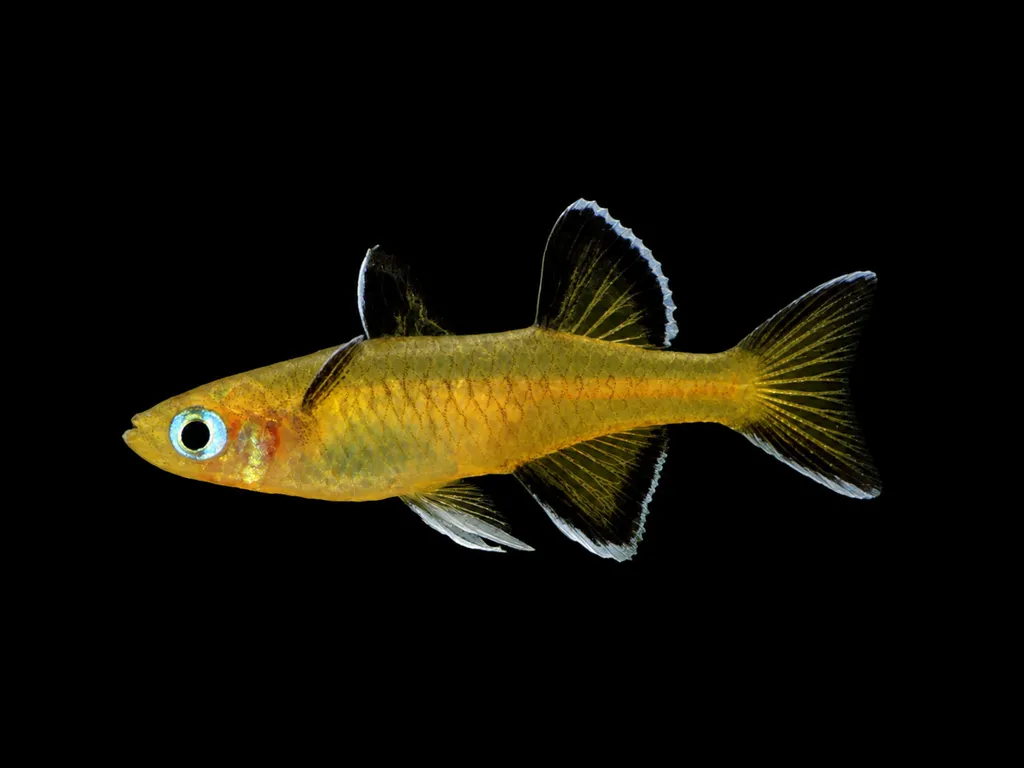
Honey blue-eye
Pseudomugil mellis
Freshwater1.4 in (3.5 cm) · 11 gal (40 L)68–82°F (20–28°C)
Common questions
What size tank does a Borneo gold spot halfbeak need?
A Borneo gold spot halfbeak needs at least 11 gal (40 L). It spends most of its time in the top.
What temperature and pH does a Borneo gold spot halfbeak need?
A Borneo gold spot halfbeak is comfortable at 73–81°F (23–27°C) with a pH of 4.0–6.0.
What does a Borneo gold spot halfbeak eat?
A Borneo gold spot halfbeak takes small floating and surface foods, such as fruit flies, tiny live and frozen insects, daphnia and mosquito larvae. It also eats fine floating dried foods.
How big does a Borneo gold spot halfbeak get?
An adult Borneo gold spot halfbeak reaches about 1.8 in (4.5 cm).
How does a Borneo gold spot halfbeak breed?
The Borneo gold spot halfbeak is an egg-layer rather than a livebearer, which is unusual for its genus. Breeding it is of moderate difficulty and calls for stable, very soft, acidic water.
Related species
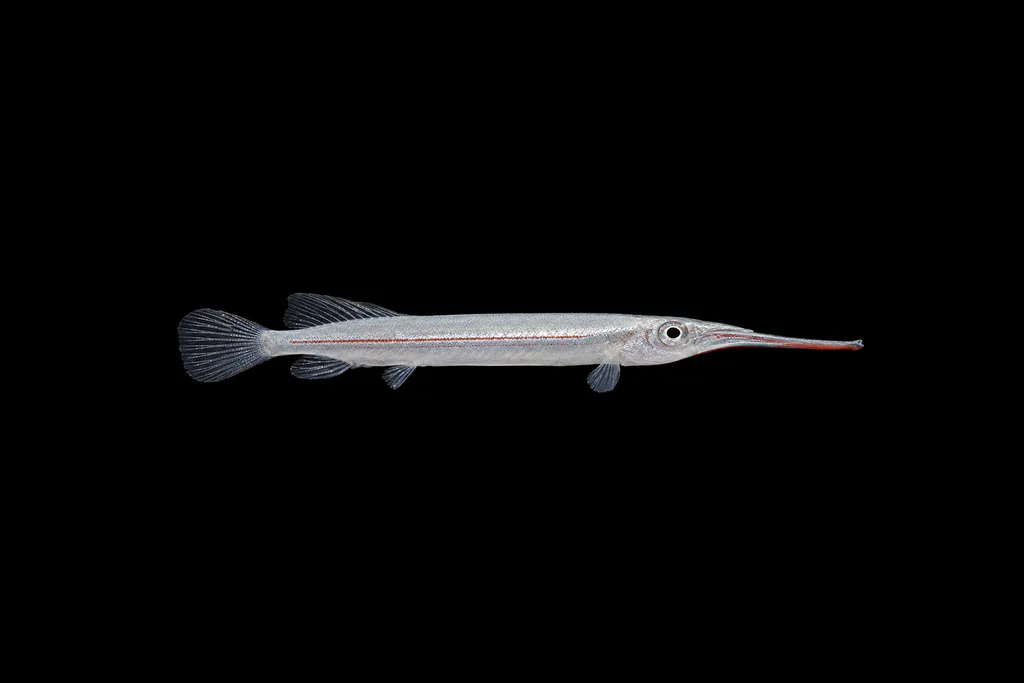 2.4 in (6 cm)14 gal (54 L)73–81°F (23–27°C)
Fire halfbeak
Hemirhamphodon kapuasensis
2.4 in (6 cm) · 14 gal (54 L)
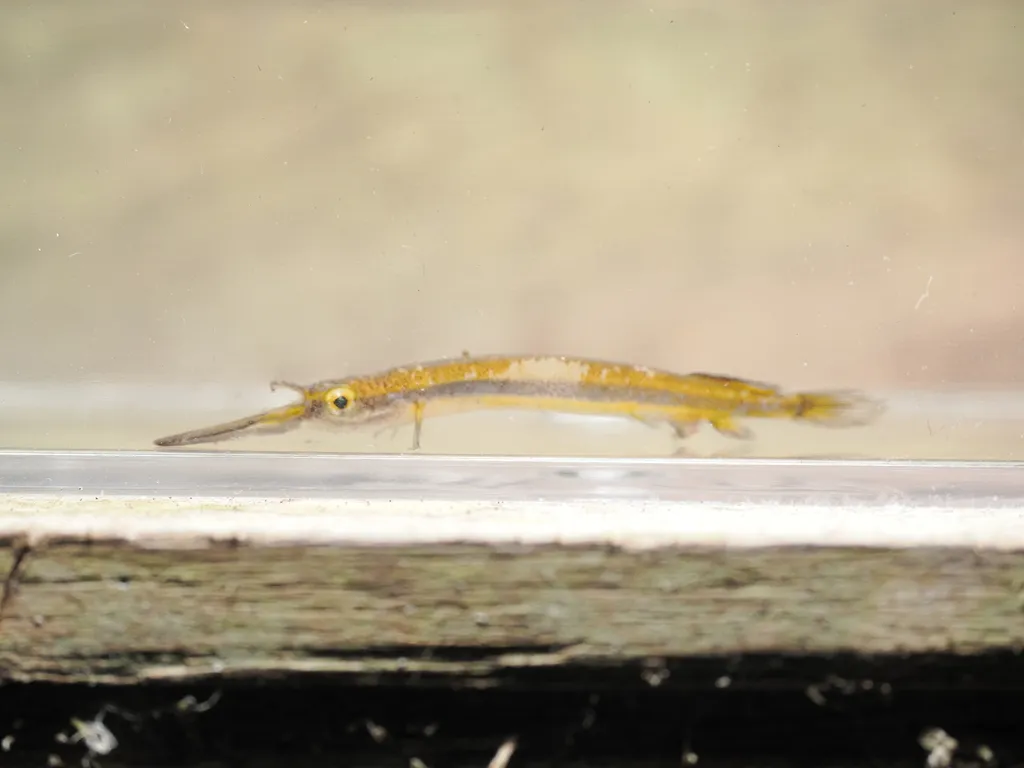 2.6 in (6.5 cm)14 gal (54 L)73–81°F (23–27°C)
Gold-spotted halfbeak
Hemirhamphodon chrysopunctatus
2.6 in (6.5 cm) · 14 gal (54 L)
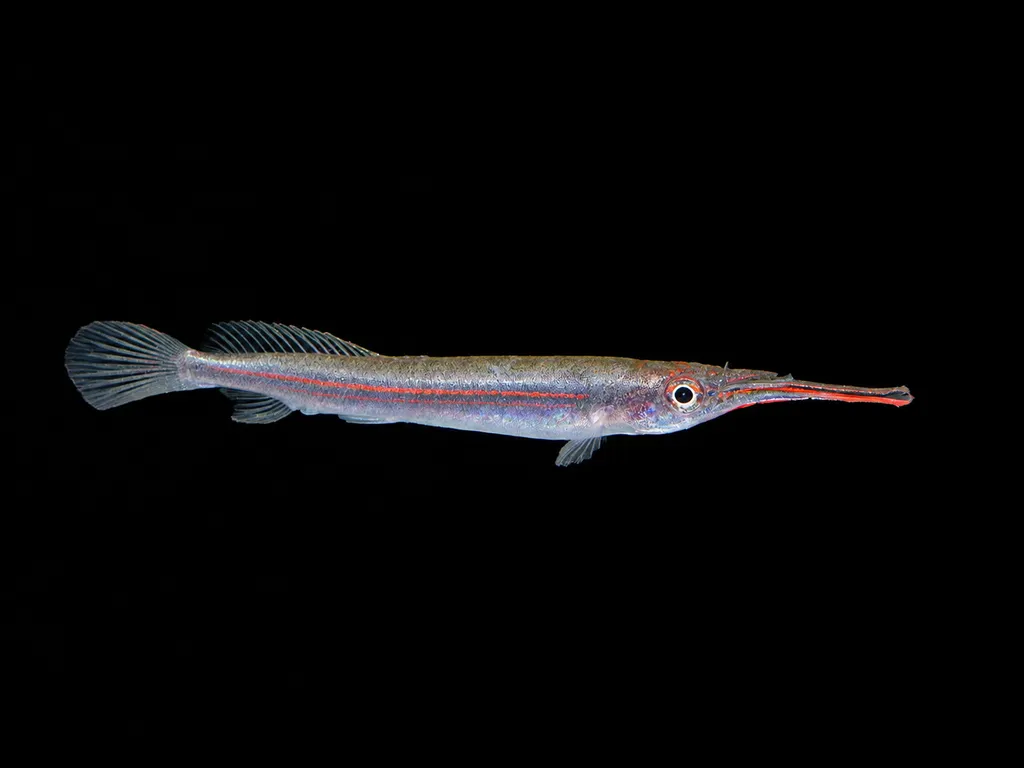 2.6 in (6.5 cm)14 gal (54 L)73–81°F (23–27°C)
Red line halfbeak
Hemirhamphodon phaiosoma
2.6 in (6.5 cm) · 14 gal (54 L)
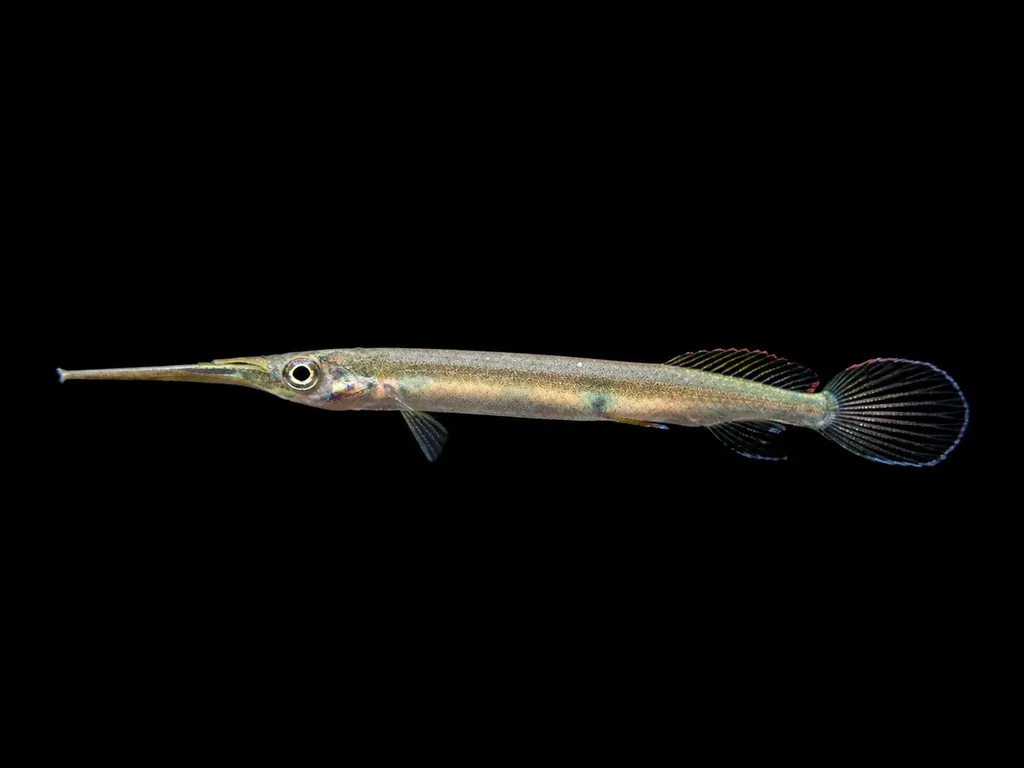 3.3 in (8.5 cm)20 gal (75 L)73–81°F (23–27°C)
Kuekenthal's halfbeak
Hemirhamphodon kuekenthali
3.3 in (8.5 cm) · 20 gal (75 L)
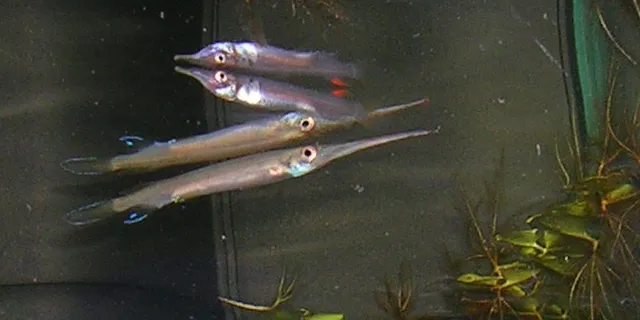 3.5 in (9 cm)34 gal (130 L)75–82°F (24–28°C)
Forest halfbeak
Hemirhamphodon pogonognathus
3.5 in (9 cm) · 34 gal (130 L)
 2.2 in (5.5 cm)20 gal (75 L)72–79°F (22–26°C)
Rex halfbeak
Nomorhamphus rex
2.2 in (5.5 cm) · 20 gal (75 L)