Dwarf rasbora
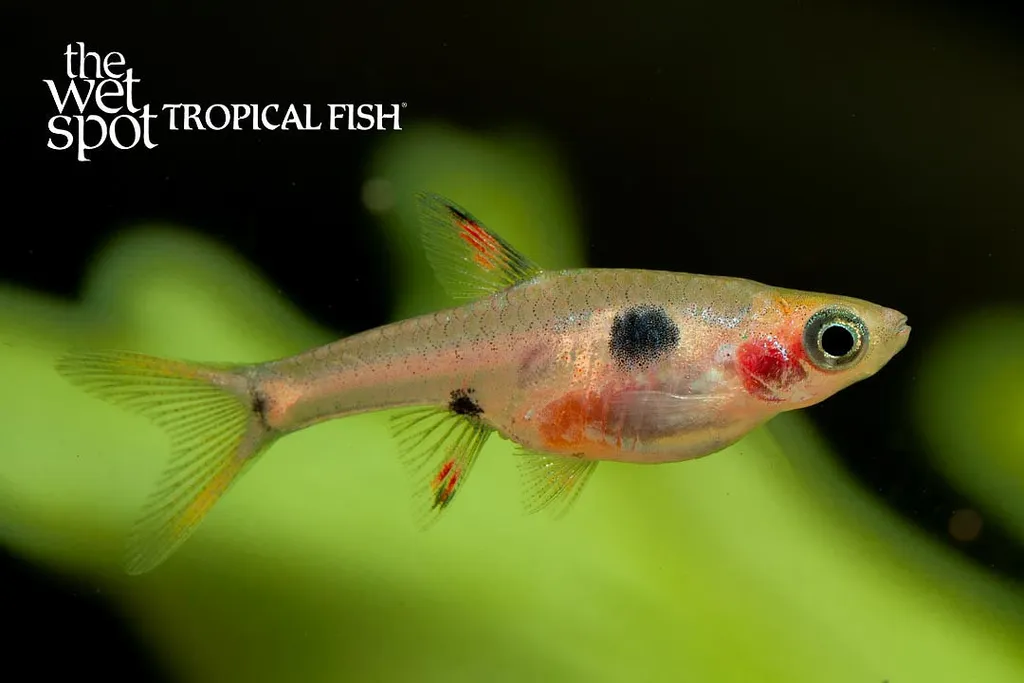
Boraras maculatus
Also known as Pygmy Spotted Rasbora
FreshwaterFish
Care at a glance
- Temperature
- 72–82°F
- 22–28°C
- pH
- 5.0–7.0
- Adult size
- 1 in
- 2.5 cm
- Minimum tank
- 7 gal
- 25 L
- Temperament
- Peaceful
- Social behavior
- Shoaling
- Swim level
- Middle
- Difficulty
- Medium
- Breeding
- Hard
- Rarity
- Rare
- Family
- Cyprinidae
- Origin
- Malaysia, Thailand, Sumatra
Overview
Keep them in a group of at least six, and a larger shoal looks far better and keeps them confident. They sit in the middle and upper water, darting between plants and open space. Their mouths are very small, so feed crushed flakes, micro-pellets, baby brine shrimp, and microworms. They are peaceful nano fish that suit small planted tanks with other gentle, similarly tiny species.
In the wild
Dwarf rasboras come from blackwater streams, swamps, and peat bogs in Malaysia, Thailand, and Sumatra. The water is soft, acidic, and stained brown by tannins, with dense plant growth shading everything. Recreate that with a planted, dimly lit tank, driftwood, leaf litter, and a low pH down toward 5 to 7. Even a small tank of around 25 liters works for a group.
Good to know
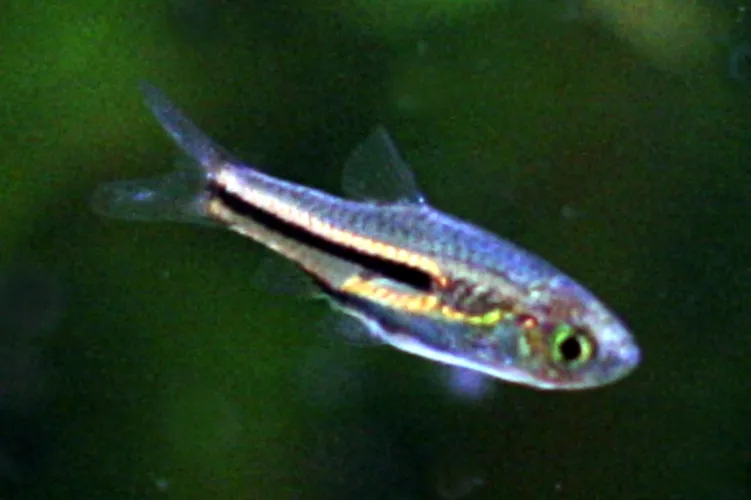
This is a tiny cyprinid in the family Cyprinidae, reaching only about 2.5 cm. The body is reddish with dark spots along the side, and well-conditioned males color up the deepest. It is an egg scatterer that gives no parental care, and breeding in the home tank is difficult. It prefers warm, soft, acidic water in the mid to high 20s C.
Did you know
Males spar over patches of territory with quick, flashing displays, spreading their fins and showing off color to each other. It looks intense but it is mostly bluff, and the fish rarely do any real harm.
Weekly picks
Tank mates
Dwarf rasbora is a peaceful, shoaling species that keeps to the middle. These picks share a community profile with it, are safe together in both directions, and overlap on water type, temperature and pH.
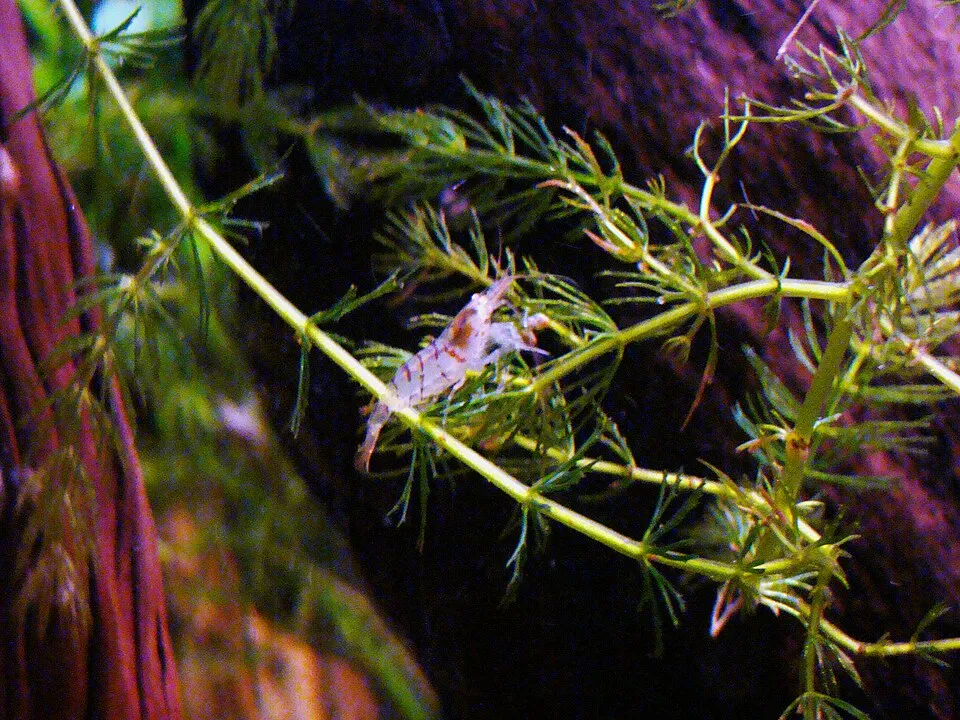
Tiger shrimp
Caridina mariae
Freshwater1.6 in (4 cm) · 7 gal (25 L)64–73°F (18–23°C)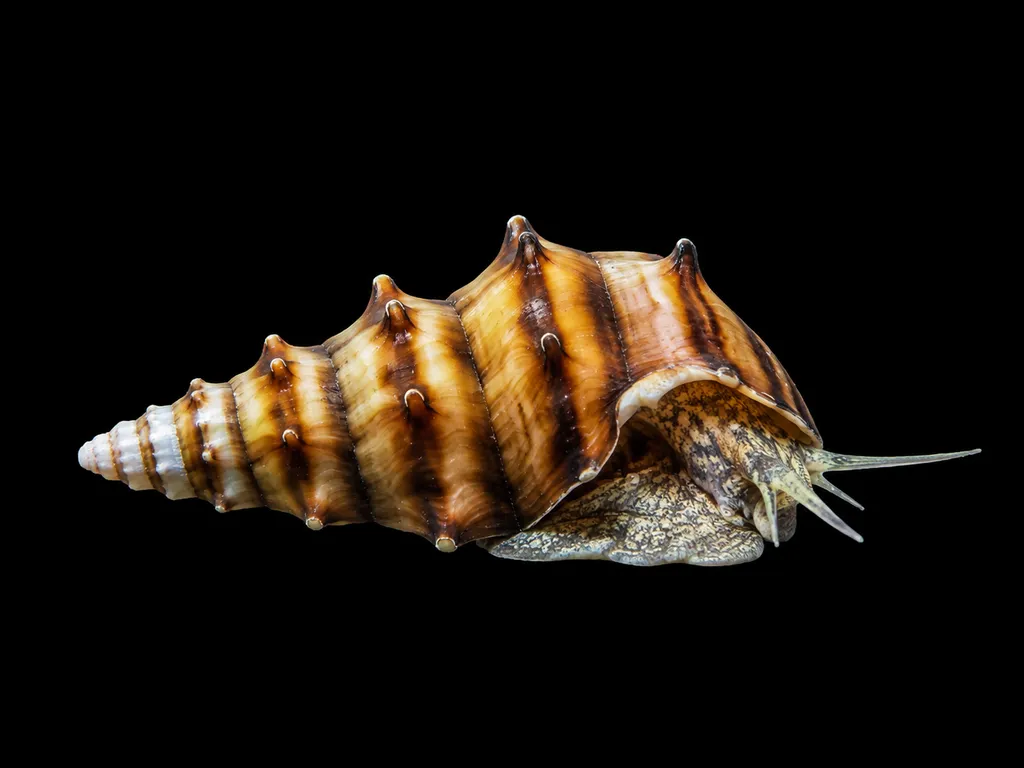
Pagoda snail
Brotia pagodula
Freshwater2.4 in (6 cm) · 5 gal (20 L)72–82°F (22–28°C)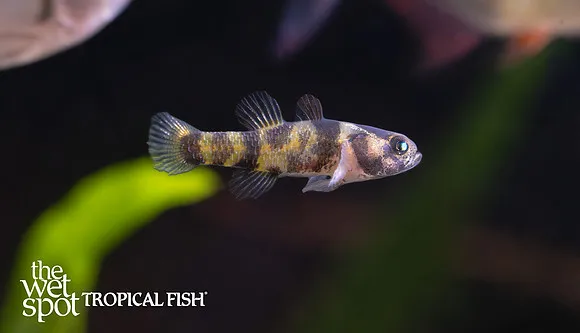
Micro bumblebee goby
Brachygobius nunus
FreshwaterBrackish1 in (2.5 cm) · 5 gal (20 L)73–82°F (23–28°C)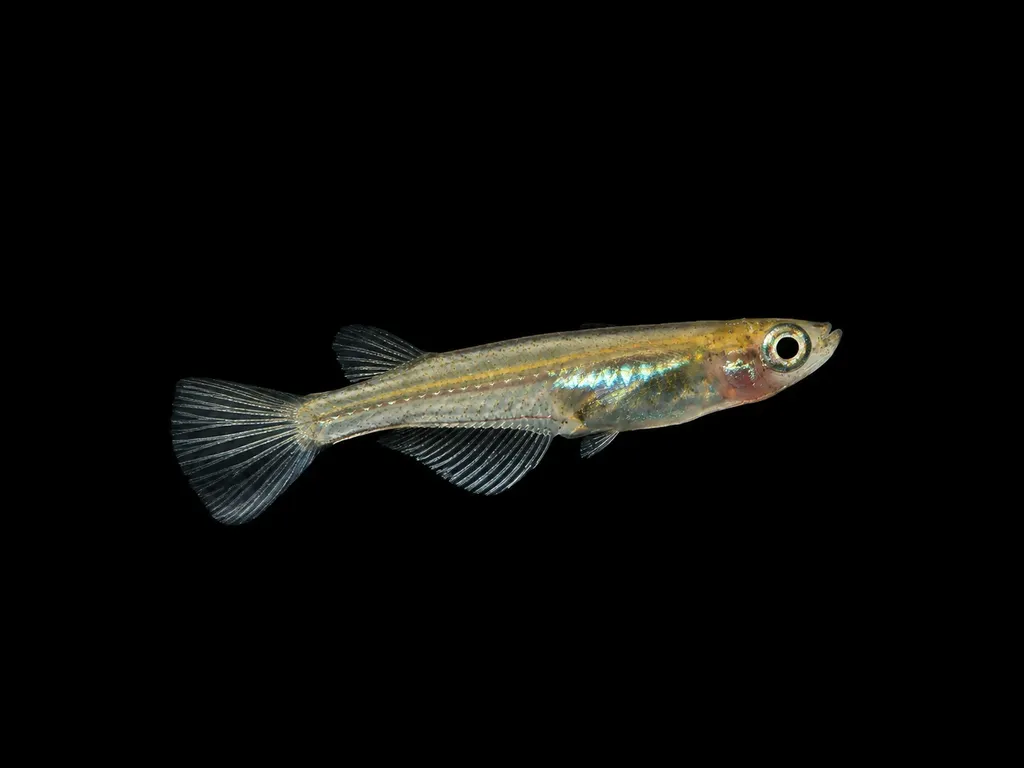
Dwarf medaka
Oryzias minutillus
Freshwater0.8 in (2 cm) · 5 gal (20 L)72–79°F (22–26°C)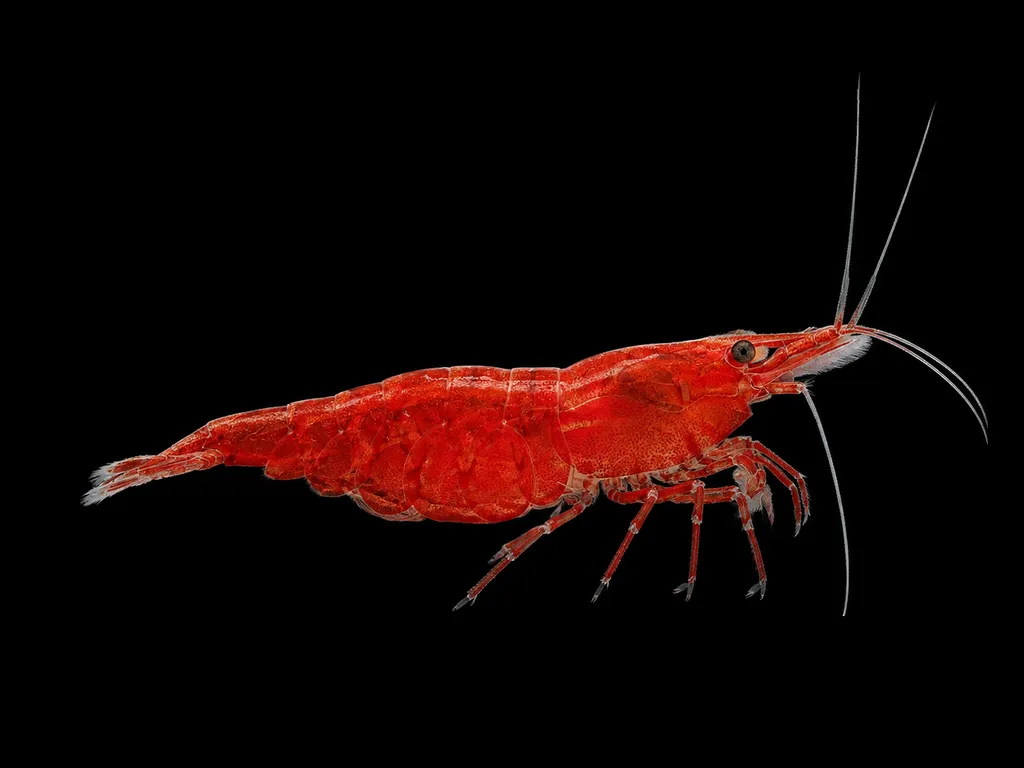
Neocaridina shrimp
Neocaridina davidi
Freshwater1.6 in (4 cm) · 5 gal (20 L)59–84°F (15–29°C)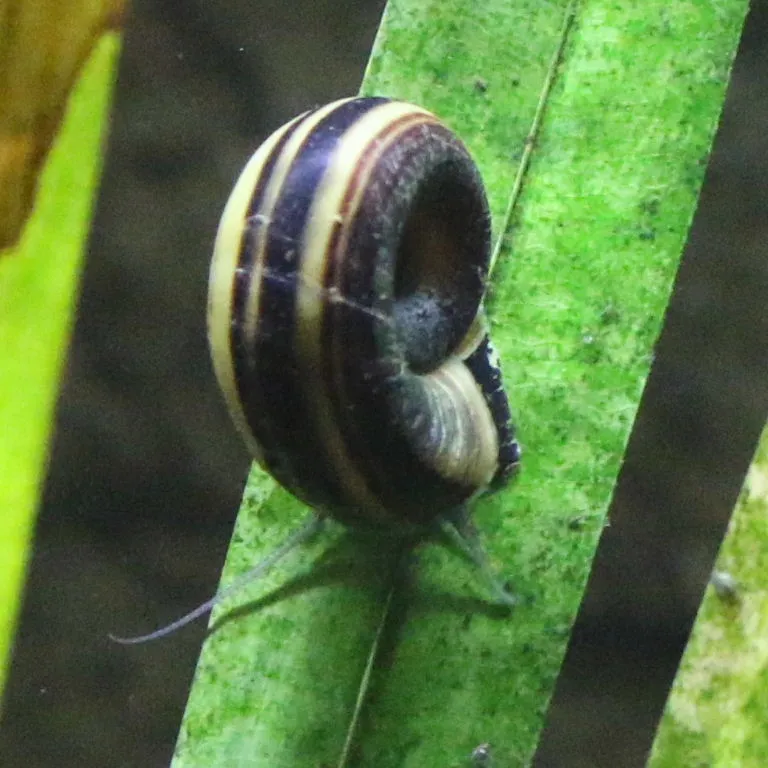
Giant Colombian ramshorn
Marisa cornuarietis
Freshwater2 in (5 cm) · 5 gal (20 L)73–81°F (23–27°C)
Common questions
What size tank does a Dwarf rasbora need?
A Dwarf rasbora needs at least 7 gal (25 L). It spends most of its time in the middle.
What temperature and pH does a Dwarf rasbora need?
A Dwarf rasbora is comfortable at 72–82°F (22–28°C) with a pH of 5.0–7.0.
How big does a Dwarf rasbora get?
An adult Dwarf rasbora reaches about 1 in (2.5 cm).
Does a Dwarf rasbora need a group?
Yes. A Dwarf rasbora is a shoaling species and should be kept in a group, not singly.
Related species
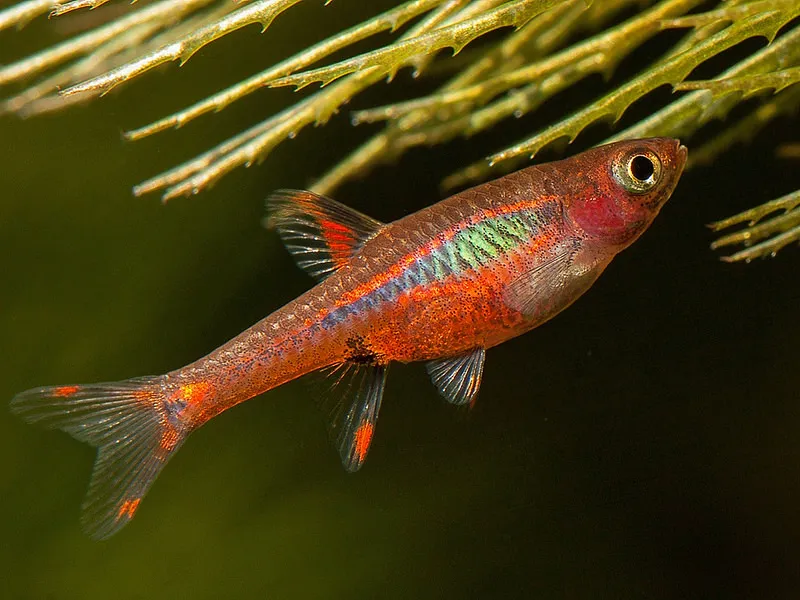 0.8 in (2 cm)7 gal (25 L)72–82°F (22–28°C)
Chili rasbora
Boraras brigittae
0.8 in (2 cm) · 7 gal (25 L)
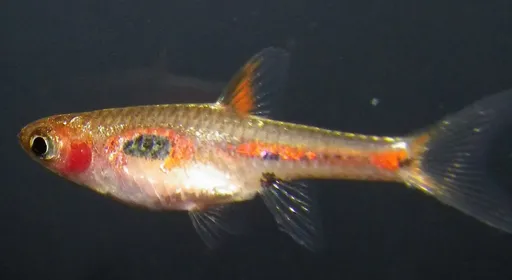 0.8 in (2 cm)11 gal (40 L)72–81°F (22–27°C)
Phoenix rasbora
Boraras merah
0.8 in (2 cm) · 11 gal (40 L)
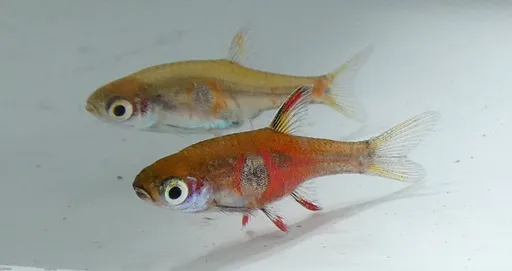 0.8 in (2 cm)11 gal (40 L)73–81°F (23–27°C)
Strawberry rasbora
Boraras naevus
0.8 in (2 cm) · 11 gal (40 L)
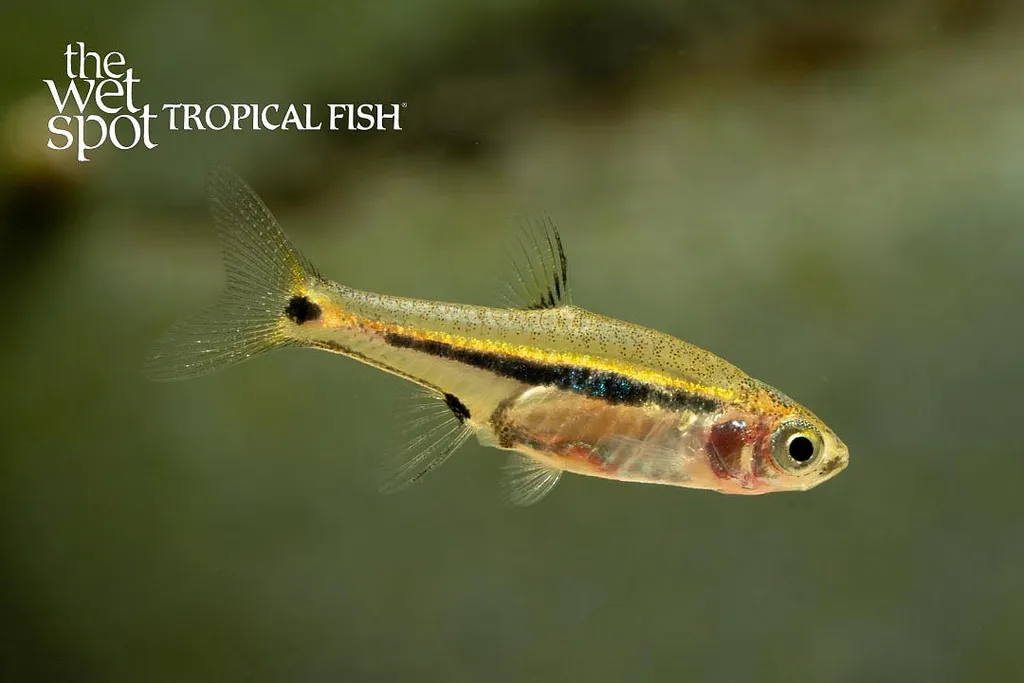 0.6 in (1.6 cm)11 gal (40 L)73–81°F (23–27°C)
Exclamation-point rasbora
Boraras urophthalmoides
0.6 in (1.6 cm) · 11 gal (40 L)
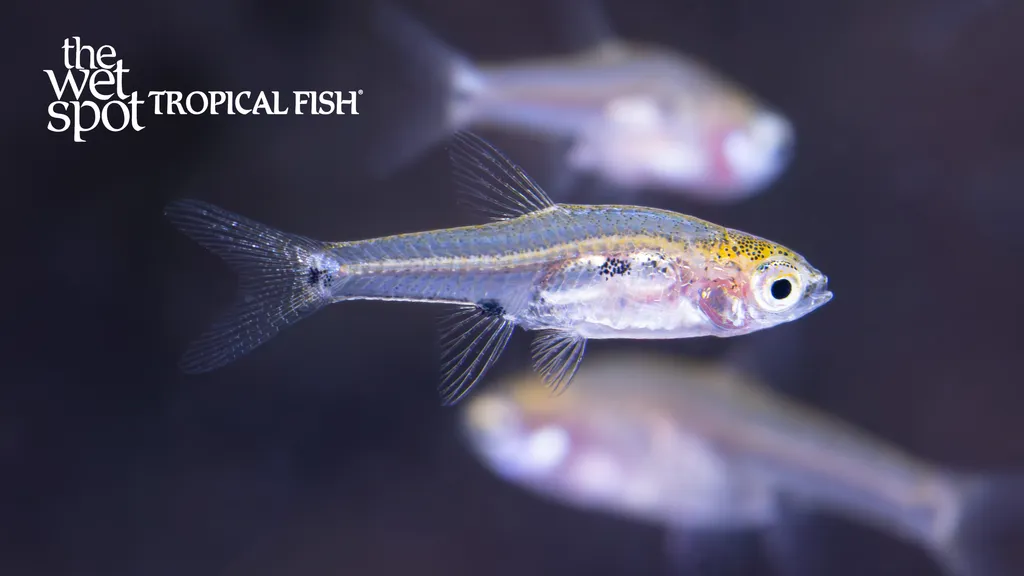 0.6 in (1.5 cm)8 gal (30 L)72–79°F (22–26°C)
Micro rasbora
Boraras micros
0.6 in (1.5 cm) · 8 gal (30 L)
 1 in (2.5 cm)12 gal (45 L)73–81°F (23–27°C)
Somphongs's rasbora
Trigonostigma somphongsi
1 in (2.5 cm) · 12 gal (45 L)