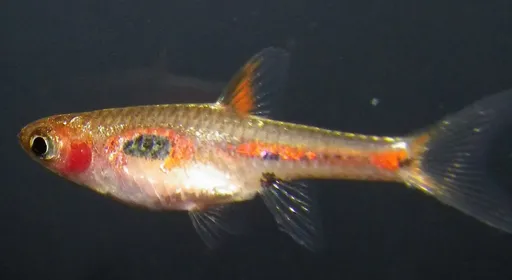
Chili rasbora
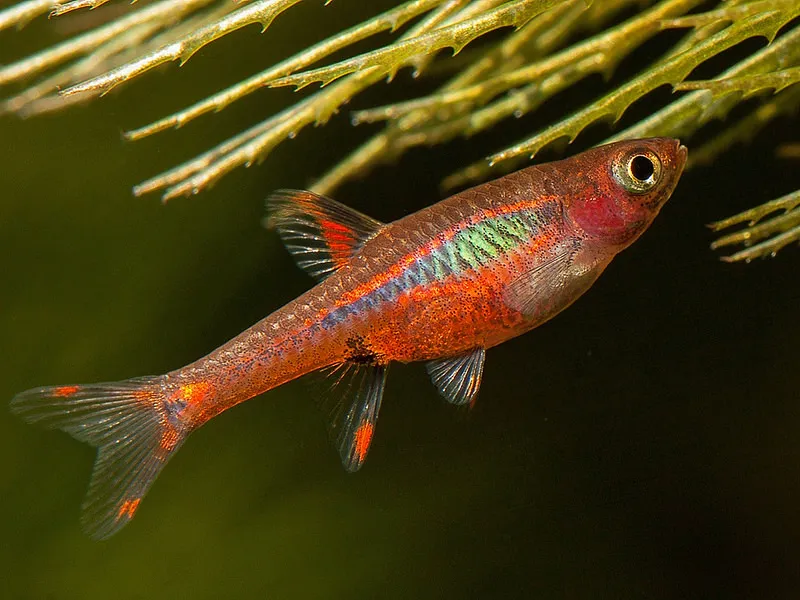
Boraras brigittae
Also known as Mosquito rasbora, Chilli rasbora
FreshwaterFish
Care at a glance
- Temperature
- 72–82°F
- 22–28°C
- pH
- 5.0–7.0
- Adult size
- 0.8 in
- 2 cm
- Minimum tank
- 7 gal
- 25 L
- Temperament
- Peaceful
- Social behavior
- Shoaling
- Swim level
- Middle
- Difficulty
- Medium
- Breeding
- Medium
- Rarity
- Rare
- Family
- Cyprinidae
- Origin
- Borneo
Overview
Keep them in a group, ideally ten or more, since a bigger school brings out their color and confidence. Six is the bare minimum. They are peaceful and stay in the middle of the tank but are too small to mix with anything that could eat them. Their mouths are tiny, so feed crushed flake, micro-pellets, and small live or frozen foods like baby brine shrimp and daphnia. A planted nano tank around 25 liters works well.
In the wild
The mosquito rasbora comes from blackwater peat swamps and slow streams in Borneo, where the water is soft, acidic, and stained dark brown by tannins. Recreate that for them with a dim, heavily planted tank, soft acidic water (pH 5 to 7), and leaf litter or wood to color the water and provide cover. Keep temperatures in the mid to high 20s C.
Good to know
Boraras brigittae is a tiny cyprinid, one of the smallest fish in the hobby, topping out around 2 cm. Males show stronger red coloring than the plainer females. It is an egg layer that scatters small numbers of eggs among plants and gives no parental care. Wild populations are pressured by deforestation and the draining of peat swamps in Borneo.
Did you know
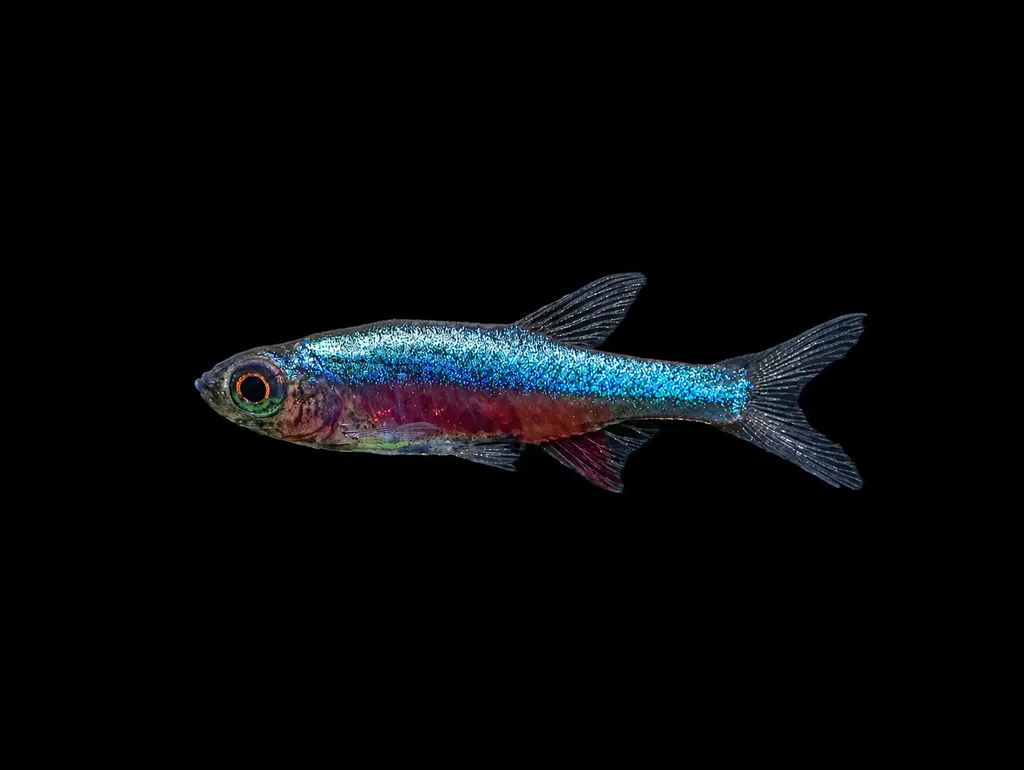
The name is misleading. They are far too small to make a dent in mosquito populations, and the name really points to their size and swamp habitat rather than any pest-control job. Their strong red color, deepest in displaying males, is the main reason keepers want them in a dark, planted tank.
Weekly picks
Tank mates
Chili rasbora is a peaceful, shoaling species that keeps to the middle. These picks share a community profile with it, are safe together in both directions, and overlap on water type, temperature and pH.
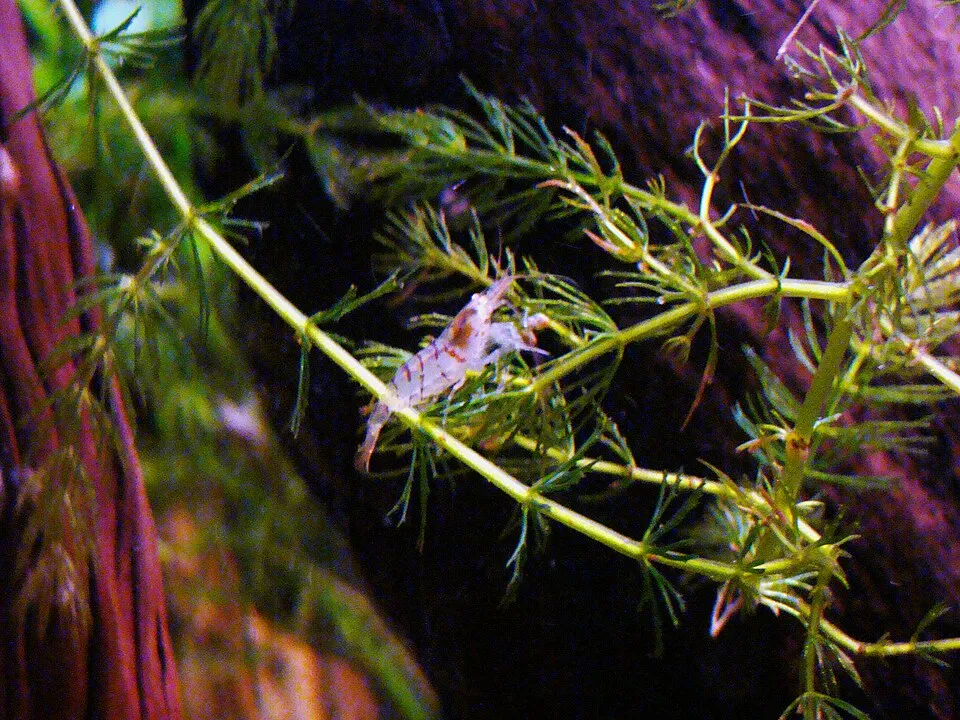
Tiger shrimp
Caridina mariae
Freshwater1.6 in (4 cm) · 7 gal (25 L)64–73°F (18–23°C)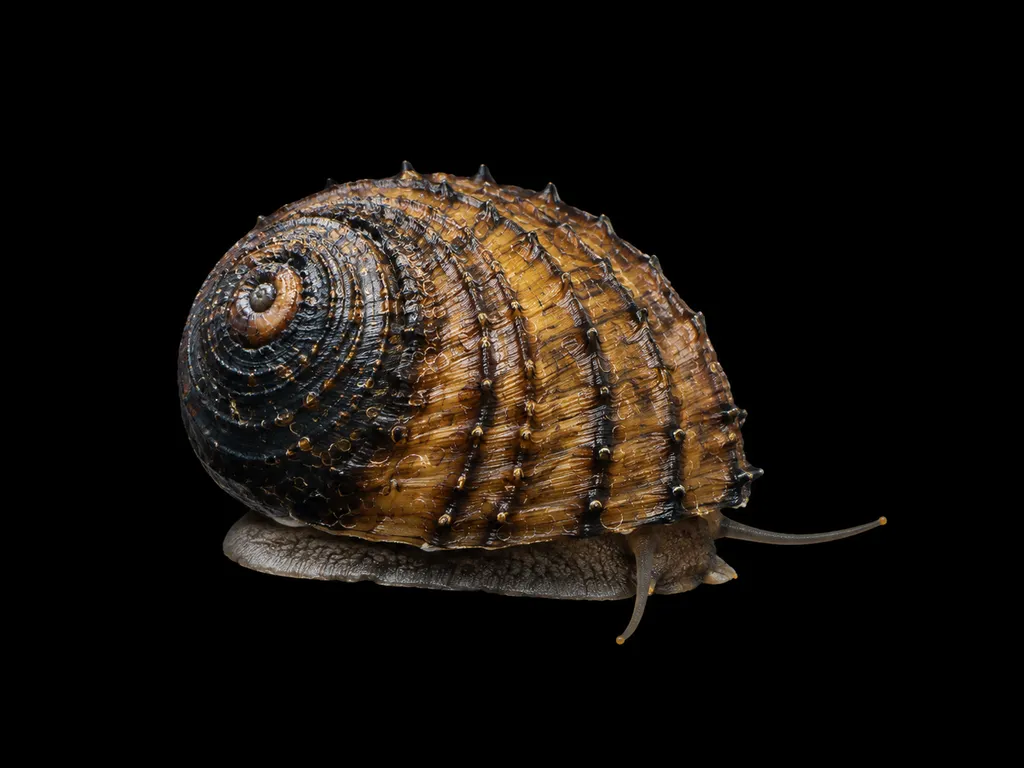
King Koopa nerite
Neritina juttingae
FreshwaterBrackish1 in (2.5 cm) · 5 gal (20 L)72–82°F (22–28°C)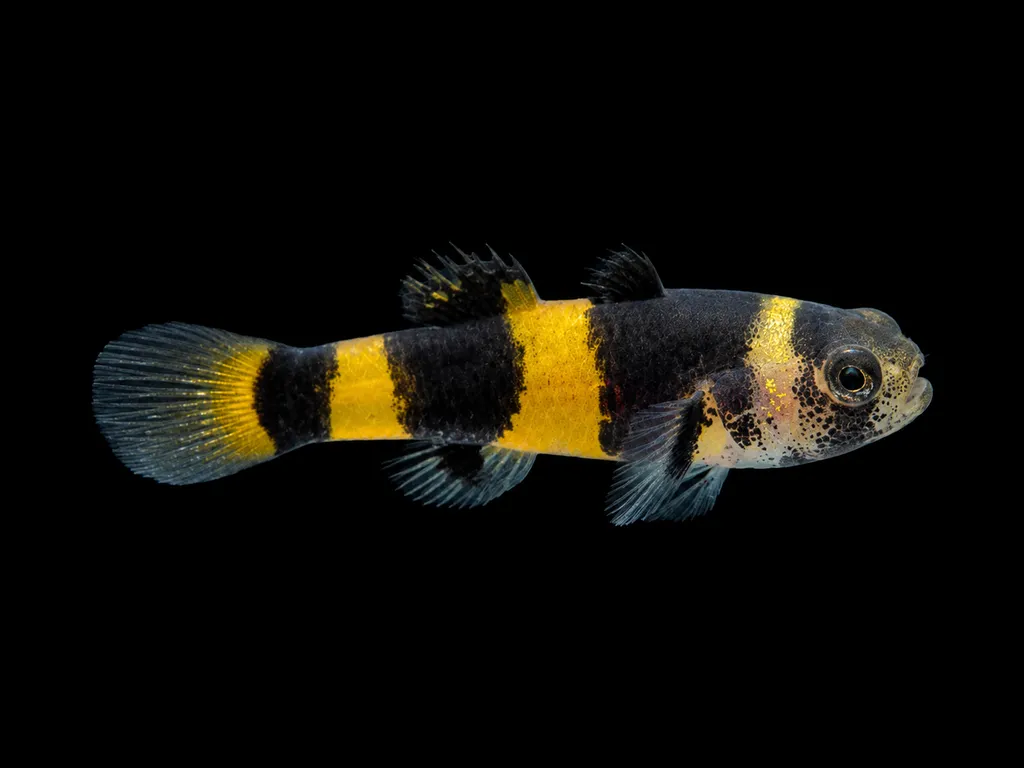
Mini bumblebee goby
Brachygobius xanthomelas
Freshwater0.8 in (2 cm) · 5 gal (20 L)75–82°F (24–28°C)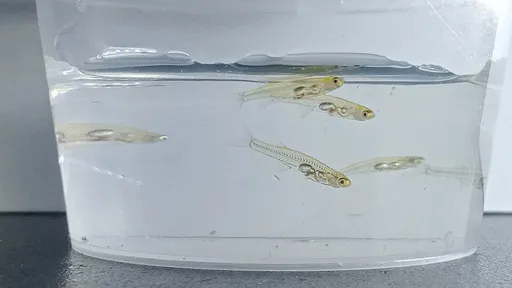
Danionella cerebrum
Freshwater0.5 in (1.3 cm) · 8 gal (30 L)72–82°F (22–28°C)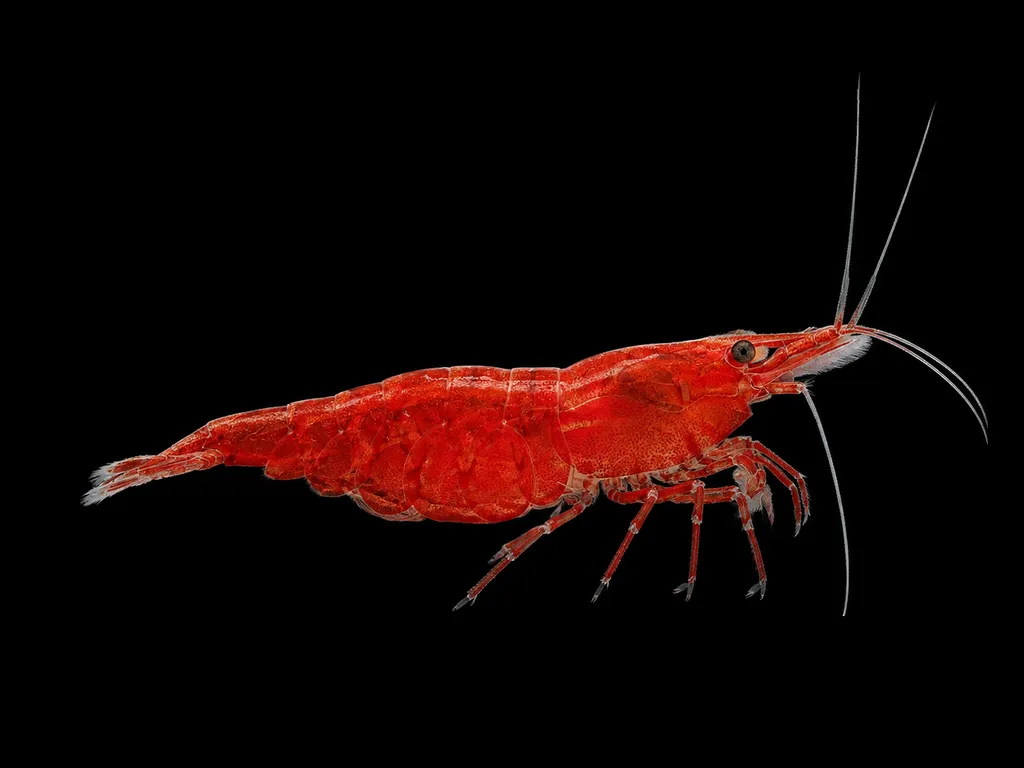
Neocaridina shrimp
Neocaridina davidi
Freshwater1.6 in (4 cm) · 5 gal (20 L)59–84°F (15–29°C)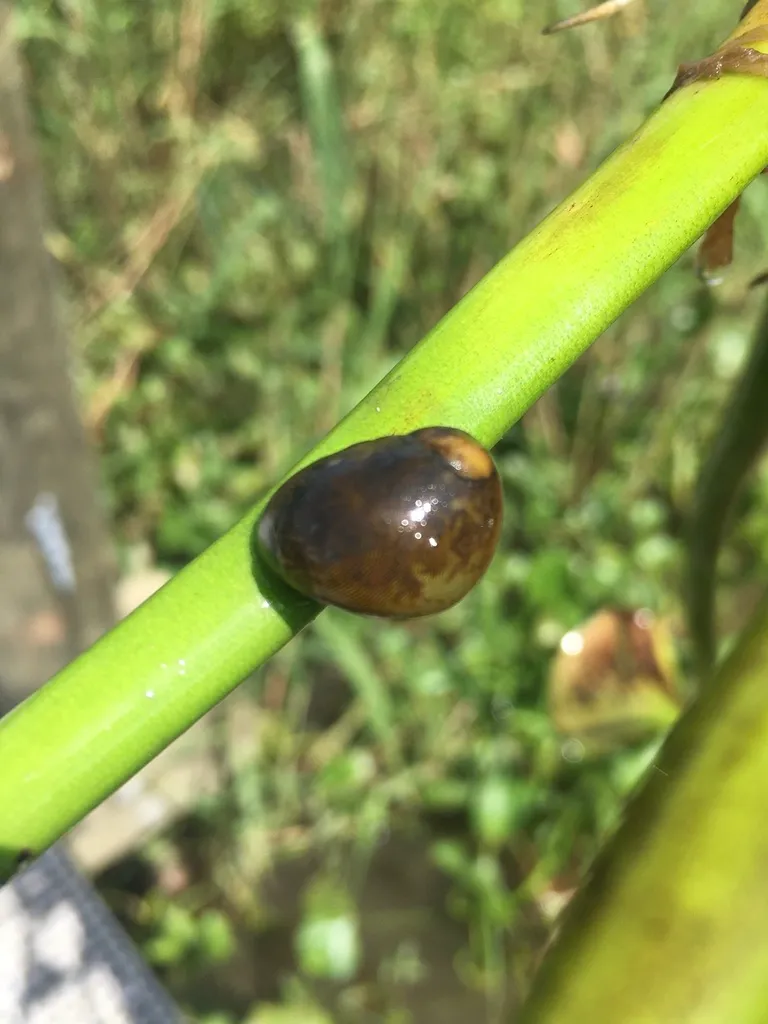
Olive nerite
Vittina usnea
FreshwaterBrackish0.8 in (2 cm) · 5 gal (20 L)72–82°F (22–28°C)
Common questions
What size tank does a Chili rasbora need?
A Chili rasbora needs at least 7 gal (25 L). It spends most of its time in the middle.
What temperature and pH does a Chili rasbora need?
A Chili rasbora is comfortable at 72–82°F (22–28°C) with a pH of 5.0–7.0.
How big does a Chili rasbora get?
An adult Chili rasbora reaches about 0.8 in (2 cm).
Does a Chili rasbora need a group?
Yes. A Chili rasbora is a shoaling species and should be kept in a group, not singly.
Related species
 0.8 in (2 cm)11 gal (40 L)72–81°F (22–27°C)
Phoenix rasbora
Boraras merah
0.8 in (2 cm) · 11 gal (40 L)
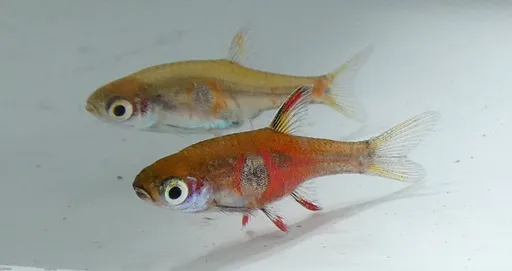 0.8 in (2 cm)11 gal (40 L)73–81°F (23–27°C)
Strawberry rasbora
Boraras naevus
0.8 in (2 cm) · 11 gal (40 L)
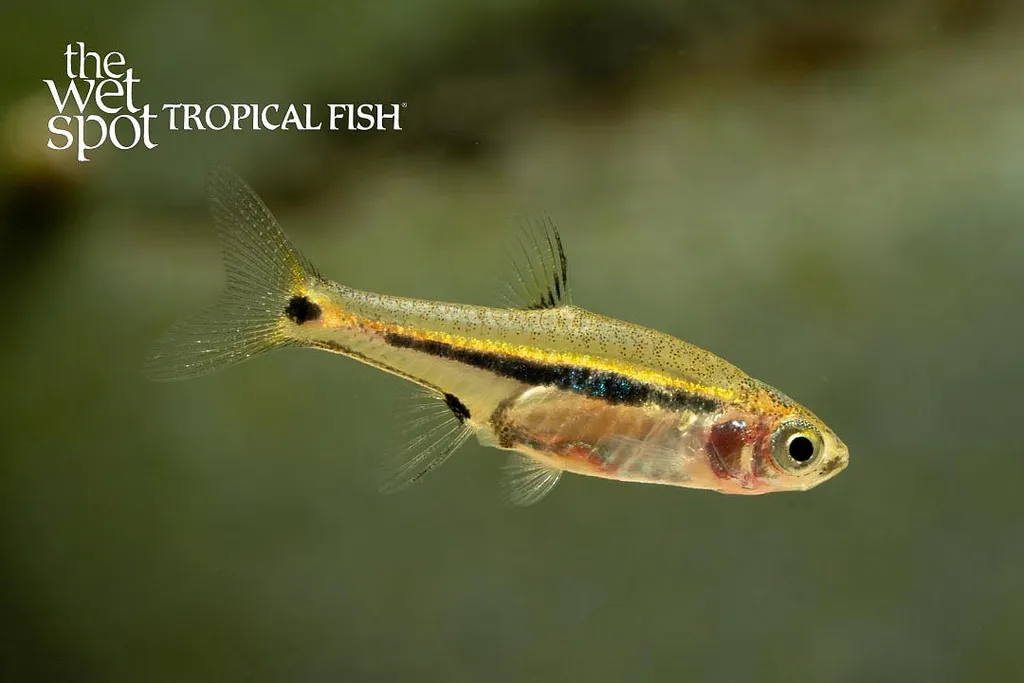 0.6 in (1.6 cm)11 gal (40 L)73–81°F (23–27°C)
Exclamation-point rasbora
Boraras urophthalmoides
0.6 in (1.6 cm) · 11 gal (40 L)
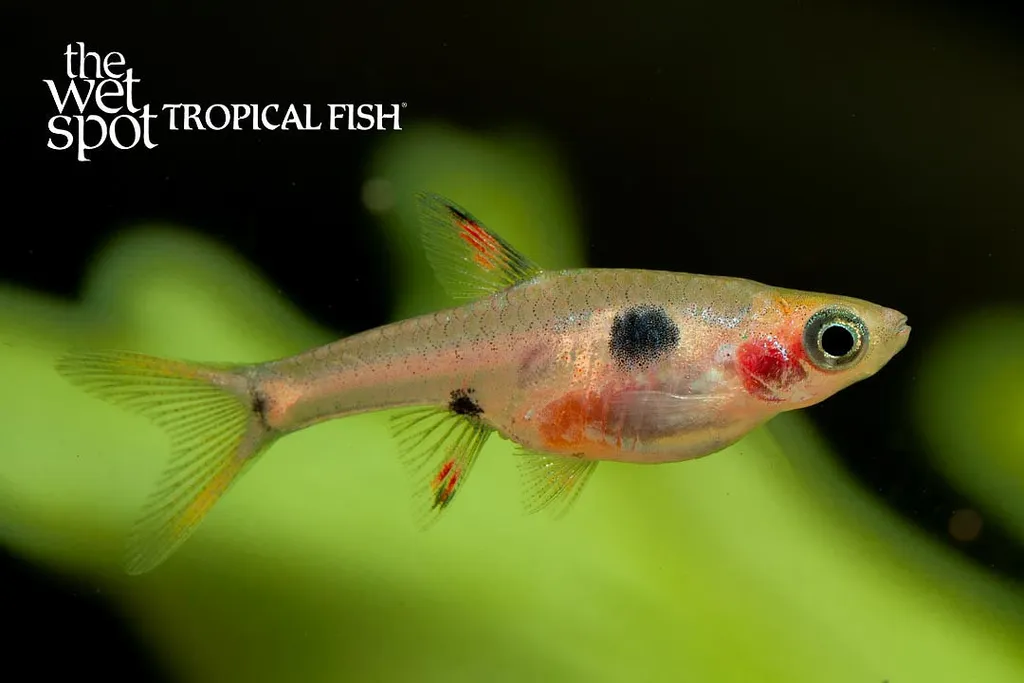 1 in (2.5 cm)7 gal (25 L)72–82°F (22–28°C)
Dwarf rasbora
Boraras maculatus
1 in (2.5 cm) · 7 gal (25 L)
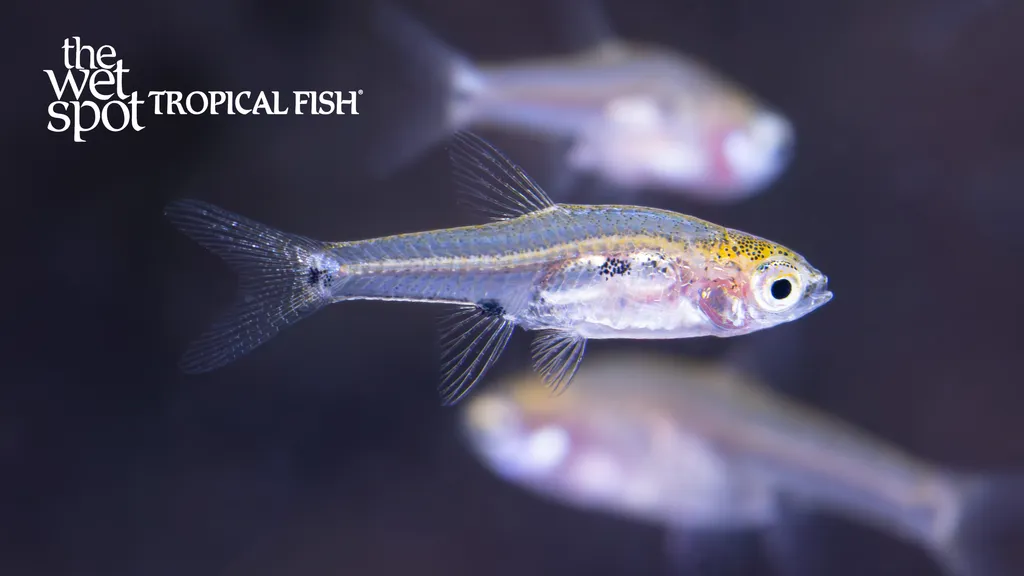 0.6 in (1.5 cm)8 gal (30 L)72–79°F (22–26°C)
Micro rasbora
Boraras micros
0.6 in (1.5 cm) · 8 gal (30 L)
 0.8 in (2 cm)12 gal (45 L)73–79°F (23–26°C)
Blue axelrodi rasbora
Sundadanio axelrodi
0.8 in (2 cm) · 12 gal (45 L)