Phoenix rasbora
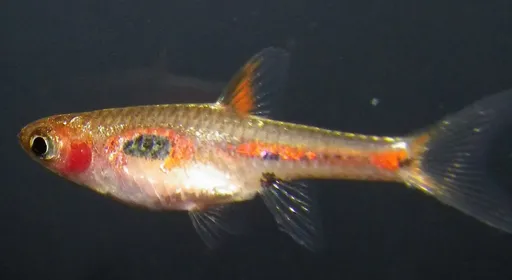
Boraras merah
FreshwaterFish
Care at a glance
- Temperature
- 72–81°F
- 22–27°C
- pH
- 5.0–7.0
- Adult size
- 0.8 in
- 2 cm
- Minimum tank
- 11 gal
- 40 L
- Temperament
- Peaceful
- Social behavior
- Shoaling
- Swim level
- Middle
- Difficulty
- Medium
- Breeding
- Medium
- Rarity
- Common
- Family
- Cyprinidae
- Origin
- Southern Borneo (Kalimantan Tengah, Indonesia)
Overview
Keep them in a school of 8 to 10, ideally 12 or more, in a tank of 40 liters or up, since a bigger group brings out the deep red and steadier behavior. They are peaceful and tend to hold in the middle of the water column, moving together when something passes. Keep the water at 22 to 27 C, soft, and acidic to neutral at a pH of 5 to 7, with gentle sponge filtration on a stable, mature tank. The mouth is tiny, so feed small foods like microworms, baby brine, and crushed flake. They are safe with shrimp, snails, and fry, and do best with other small, gentle tankmates.
In the wild
Phoenix rasboras come from soft, acidic blackwater in southern Borneo, in the peat swamps and slow forest streams of Kalimantan Tengah, Indonesia. The water there is stained brown with tannins from leaf litter and fallen botanicals, and the light is dim under plant cover. To match that, give them fine sand, driftwood, dense planting with some floating cover, and a handful of leaf litter to release tannins. Keep them in 40 liters or more, at 22 to 27 C, with a pH on the acidic side, roughly 5 to 7.
Good to know
This is Boraras merah, a tiny cyprinid in the family Cyprinidae, and one of the smallest aquarium fish at about 1.5 to 2 cm full grown. It is an egg scatterer with no parental care, and getting fry to survive takes a mature tank and small live foods, so breeding sits at a medium difficulty. A healthy adult can live a few years. Most fish in the trade are wild caught, though tank-bred stock turns up too.
Did you know
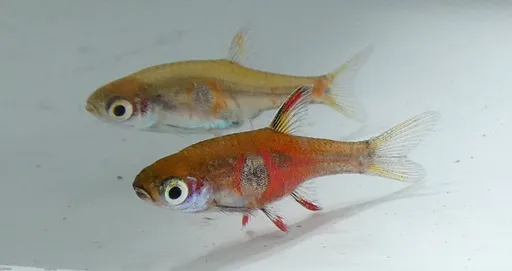
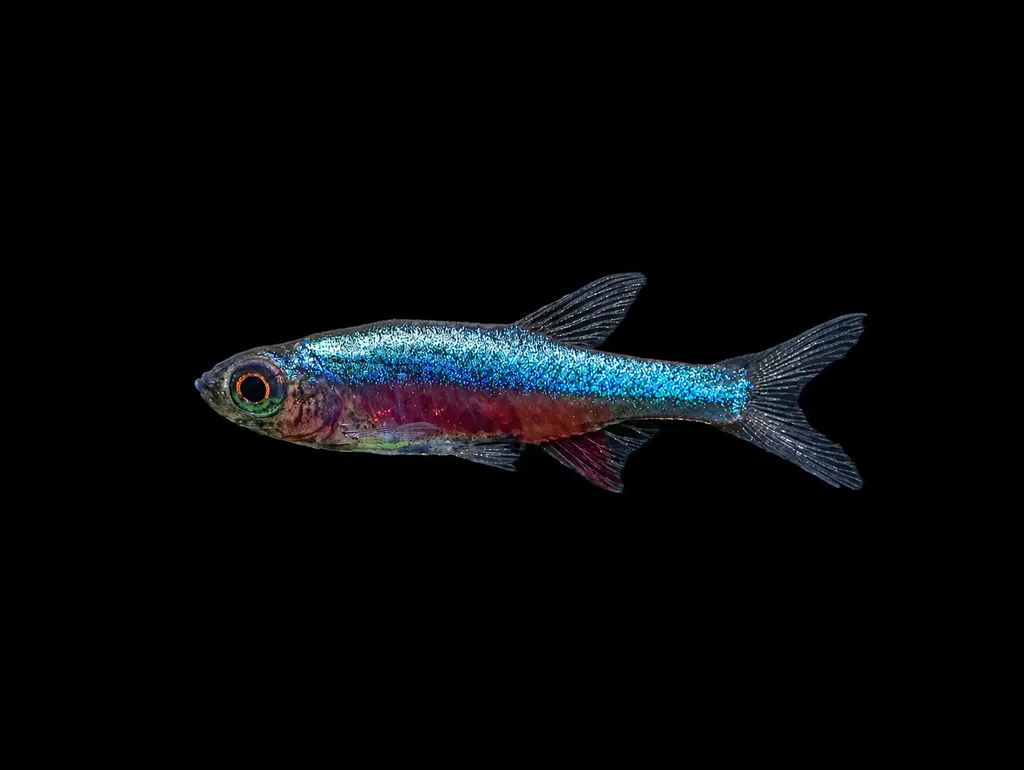
The name merah is Indonesian for red, and the color is the whole point of keeping them. In bright bare tanks they often wash out to a pale orange, but over dark substrate with tannin-stained water and plenty of their own kind, the males deepen to a solid brick red. The color tells you the tank conditions are right.
Weekly picks
Tank mates
Phoenix rasbora is a peaceful, shoaling species that keeps to the middle. These picks share a community profile with it, are safe together in both directions, and overlap on water type, temperature and pH.
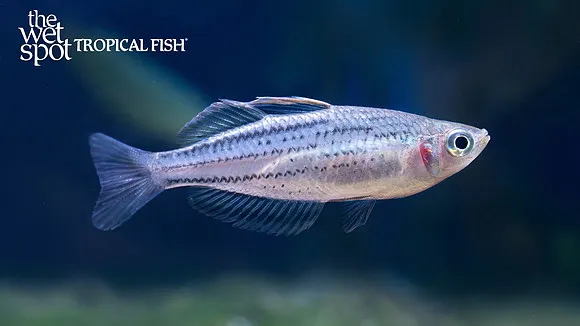
Green panchax
Aplocheilus blockii
Freshwater2 in (5 cm) · 11 gal (40 L)72–82°F (22–28°C)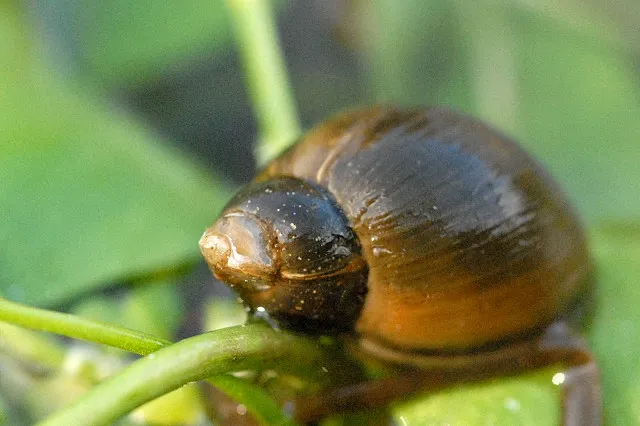
Wandering snail
Ampullaceana balthica
Freshwater0.8 in (2 cm) · 11 gal (40 L)50–84°F (10–29°C)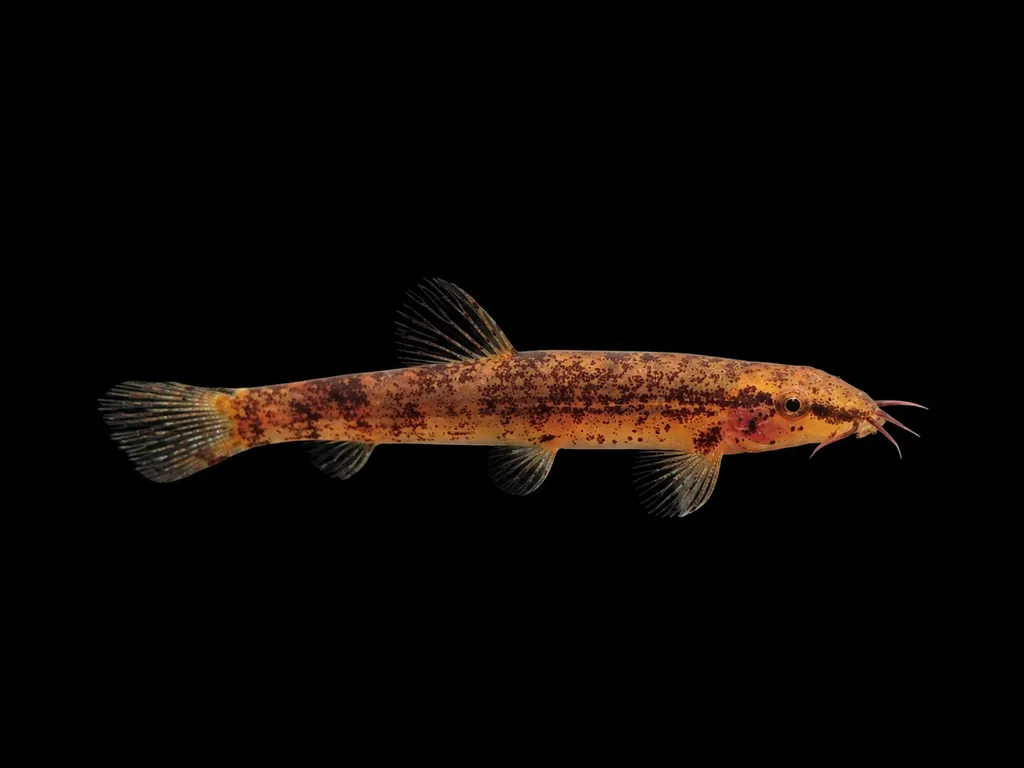
Dwarf lizard loach
Neohomaloptera johorensis
Freshwater1 in (2.5 cm) · 11 gal (40 L)72–79°F (22–26°C)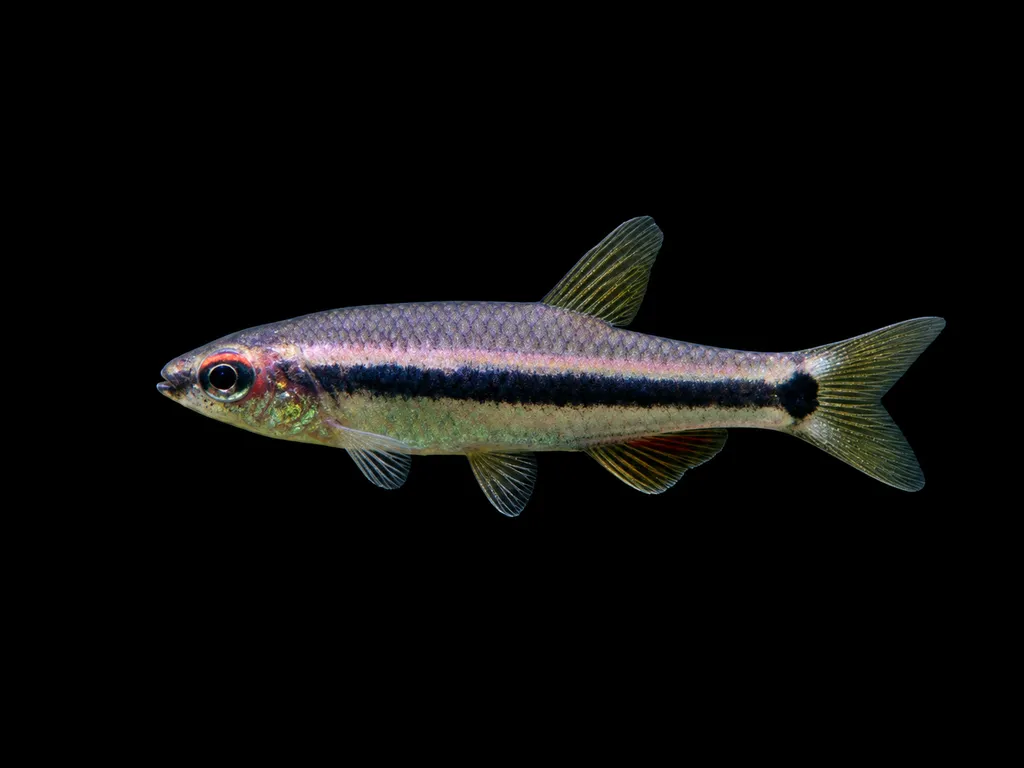
Axelrod's neolebias
Neolebias axelrodi
Freshwater0.9 in (2.2 cm) · 11 gal (40 L)73–81°F (23–27°C)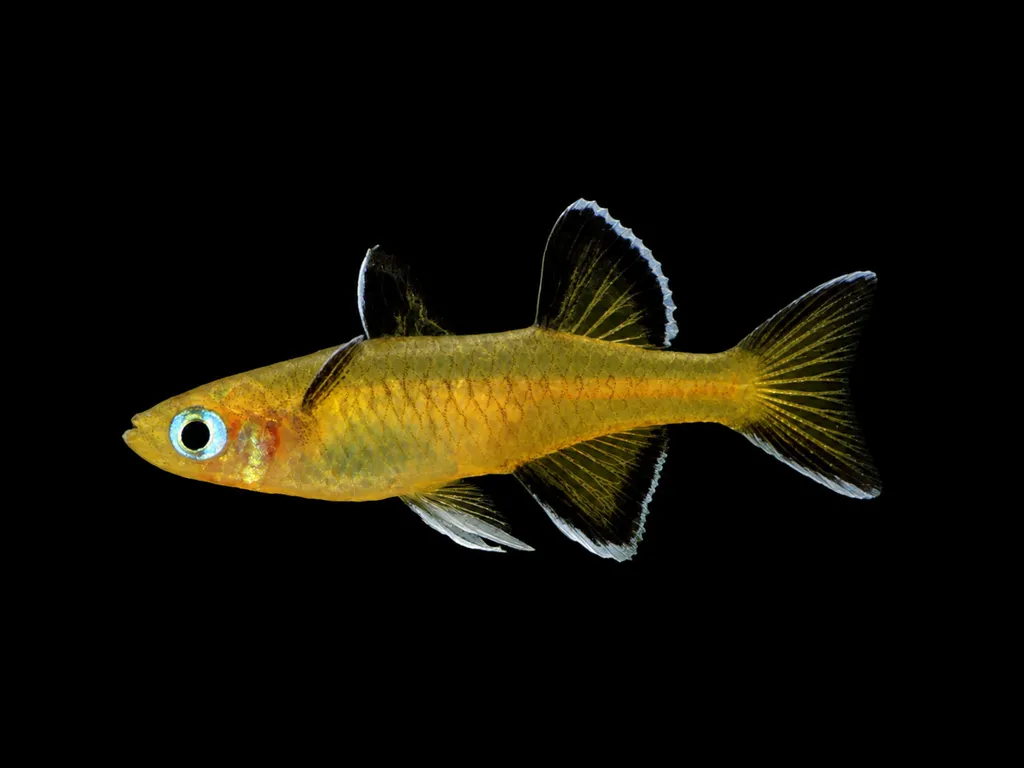
Honey blue-eye
Pseudomugil mellis
Freshwater1.4 in (3.5 cm) · 11 gal (40 L)68–82°F (20–28°C)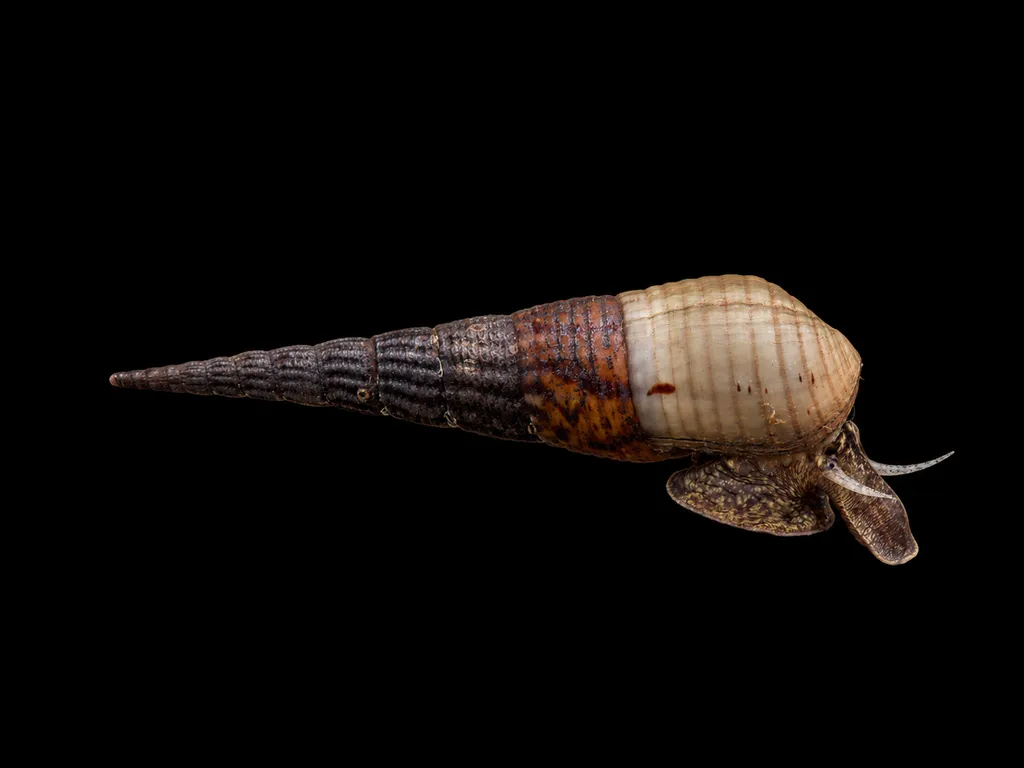
Chopstick snail
Stenomelania torulosa
Freshwater2 in (5 cm) · 11 gal (40 L)73–82°F (23–28°C)
Common questions
What size tank does a Phoenix rasbora need?
A Phoenix rasbora needs at least 11 gal (40 L). It spends most of its time in the middle.
What temperature and pH does a Phoenix rasbora need?
A Phoenix rasbora is comfortable at 72–81°F (22–27°C) with a pH of 5.0–7.0.
How big does a Phoenix rasbora get?
An adult Phoenix rasbora reaches about 0.8 in (2 cm).
Does a Phoenix rasbora need a group?
Yes. A Phoenix rasbora is a shoaling species and should be kept in a group, not singly.
Related species
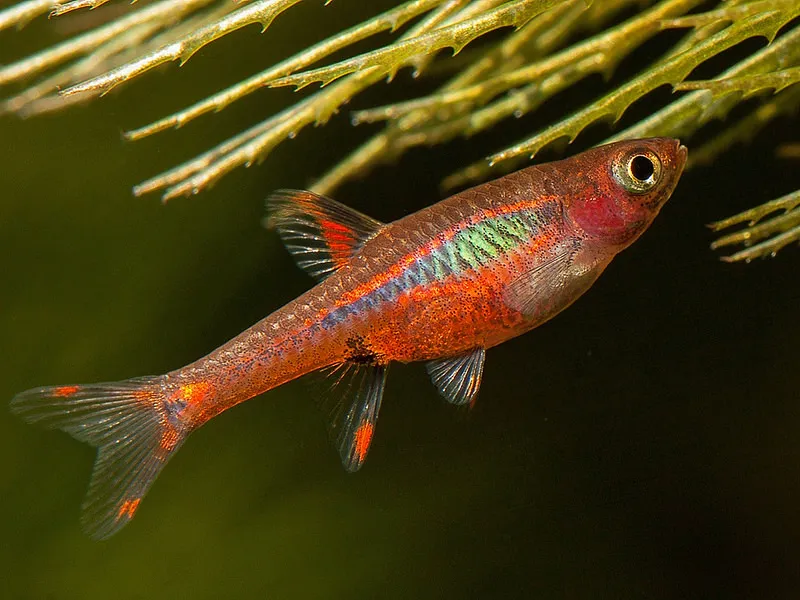 0.8 in (2 cm)7 gal (25 L)72–82°F (22–28°C)
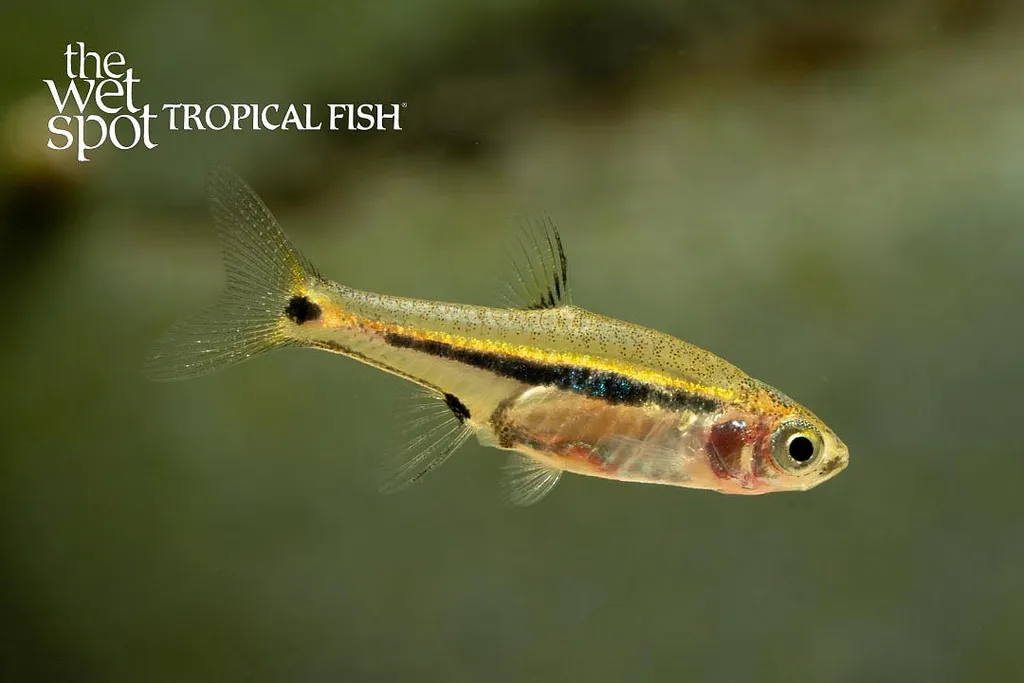
Chili rasbora
Boraras brigittae
0.8 in (2 cm) · 7 gal (25 L)
 0.8 in (2 cm)11 gal (40 L)73–81°F (23–27°C)
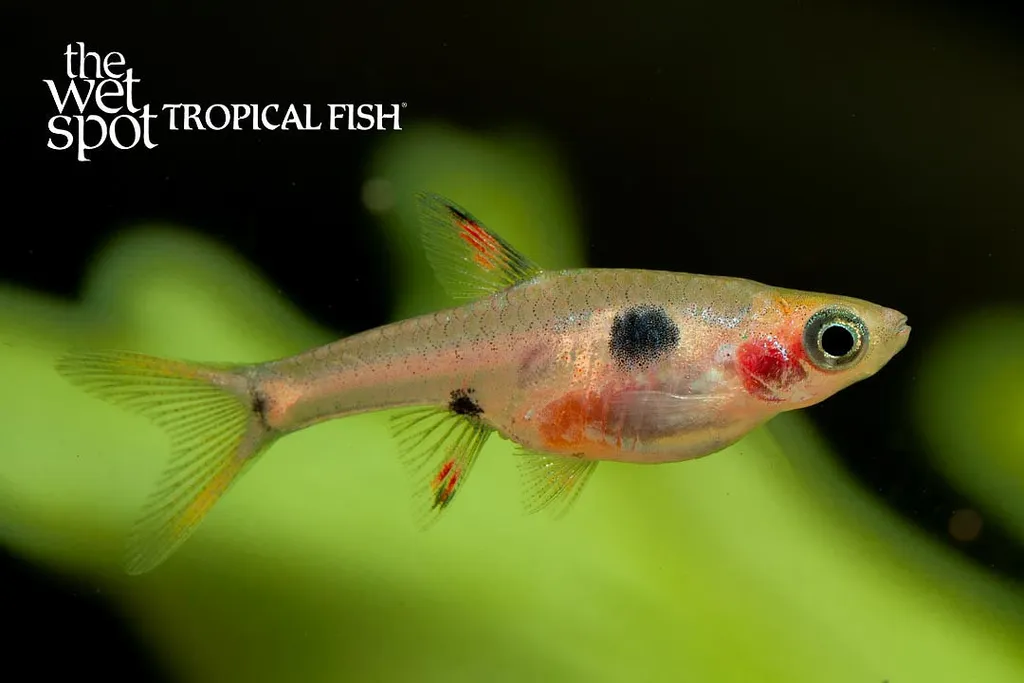
Strawberry rasbora
Boraras naevus
0.8 in (2 cm) · 11 gal (40 L)
 0.6 in (1.6 cm)11 gal (40 L)73–81°F (23–27°C)
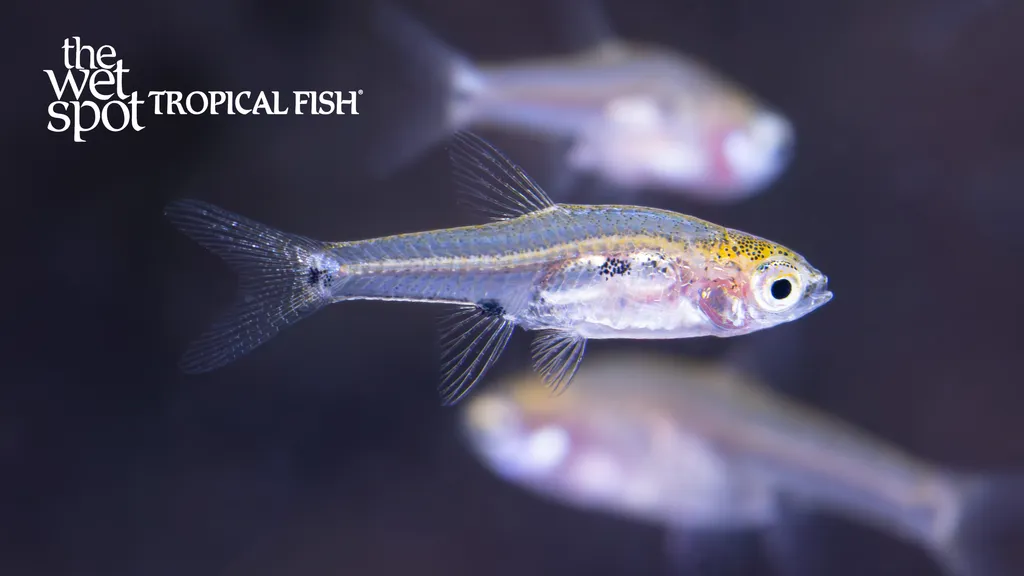
Exclamation-point rasbora
Boraras urophthalmoides
0.6 in (1.6 cm) · 11 gal (40 L)
 1 in (2.5 cm)7 gal (25 L)72–82°F (22–28°C)
Dwarf rasbora
Boraras maculatus
1 in (2.5 cm) · 7 gal (25 L)
 0.6 in (1.5 cm)8 gal (30 L)72–79°F (22–26°C)
Micro rasbora
Boraras micros
0.6 in (1.5 cm) · 8 gal (30 L)
 0.8 in (2 cm)12 gal (45 L)73–79°F (23–26°C)
Blue axelrodi rasbora
Sundadanio axelrodi
0.8 in (2 cm) · 12 gal (45 L)