Micro rasbora
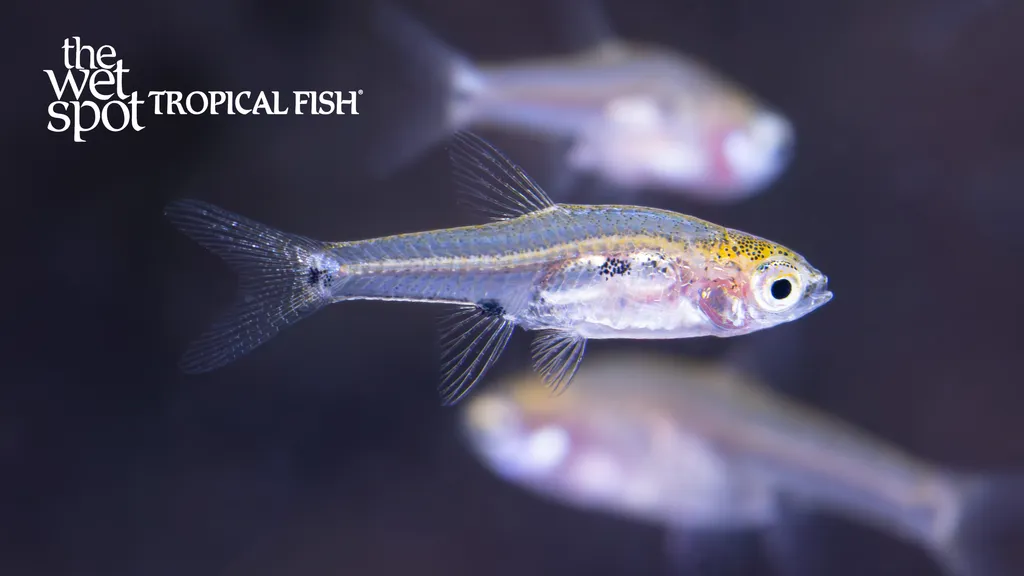
Boraras micros
Also known as Micros rasbora, Least rasbora
FreshwaterFish
Care at a glance
- Temperature
- 72–79°F
- 22–26°C
- pH
- 5.0–6.5
- Adult size
- 0.6 in
- 1.5 cm
- Minimum tank
- 8 gal
- 30 L
- Temperament
- Peaceful
- Social behavior
- Shoaling
- Swim level
- Middle
- Difficulty
- Medium
- Breeding
- Medium
- Rarity
- Rare
- Family
- Cyprinidae
- Origin
- Known only from a few marshes and floodplain pools in northeastern Thailand.
Overview
Keep micro rasboras in a group of at least eight to ten in a mature tank of 30 litres or more, with soft, acidic water at 22 to 26 C and a pH of 5.0 to 6.5. They are sensitive to swings in water quality, so stable, gently filtered blackwater conditions matter. Feed very small foods such as micropellets, crushed flake, baby brine shrimp, and microworm. They are far too small and gentle for anything but other nano fish or dwarf shrimp.
In the wild
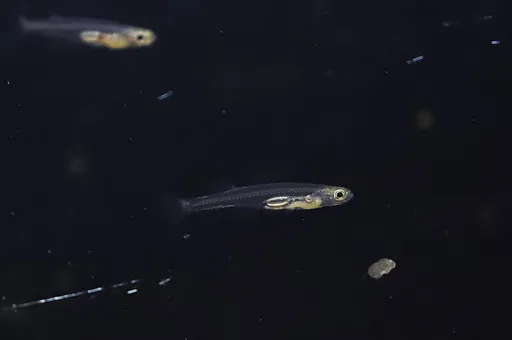
Boraras micros lives in shallow, still marshes, rice fields, and floodplain pools in northeastern Thailand, in soft, acidic water thick with plants. It is one of the smallest fish in the hobby, barely over a centimetre long. The body is a pale yellow-green with small dark spots rather than the bright red of its relatives. It suits a quiet, mature nano tank with stable water.
Good to know
Boraras micros is the smallest member of the genus Boraras and one of the smallest known cyprinids, maturing at around 1.5 cm. It was described in 1993 from marshes in the Udon Thani and Nong Khai provinces of Thailand. Its plainer color makes it far less common in shops than the red chili and dwarf rasboras.
Did you know
At around 1.5 cm a full grown adult is smaller than the fry of many common aquarium fish, which is part of why it stays a specialist keeper's fish.
Weekly picks
Tank mates
Micro rasbora is a peaceful, shoaling species that keeps to the middle. These picks share a community profile with it, are safe together in both directions, and overlap on water type, temperature and pH.
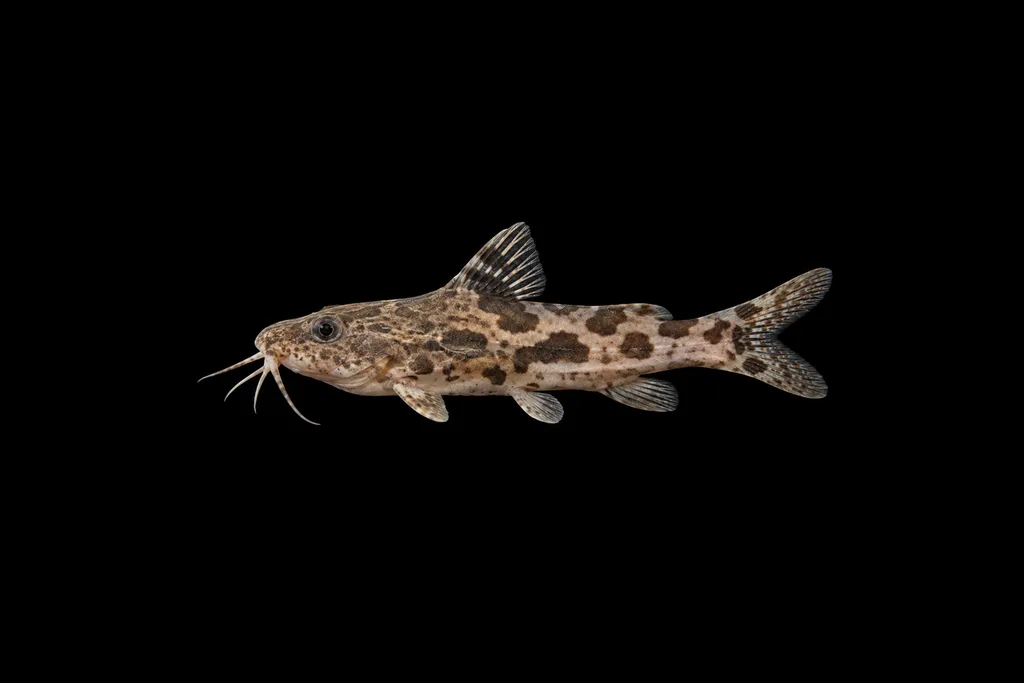
Harlequin moth catfish
Pseudolaguvia ribeiroi
Freshwater1.6 in (4 cm) · 11 gal (40 L)68–79°F (20–26°C)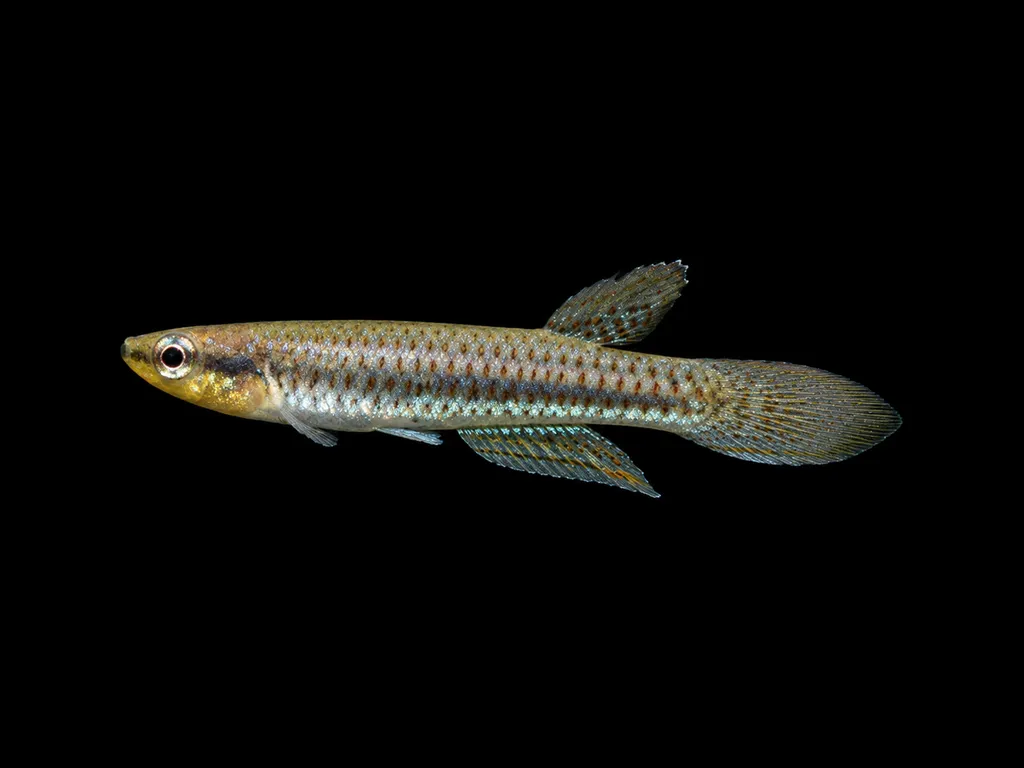
Dubois' panchax
Epiplatys duboisi
Freshwater1.4 in (3.5 cm) · 11 gal (40 L)68–77°F (20–25°C)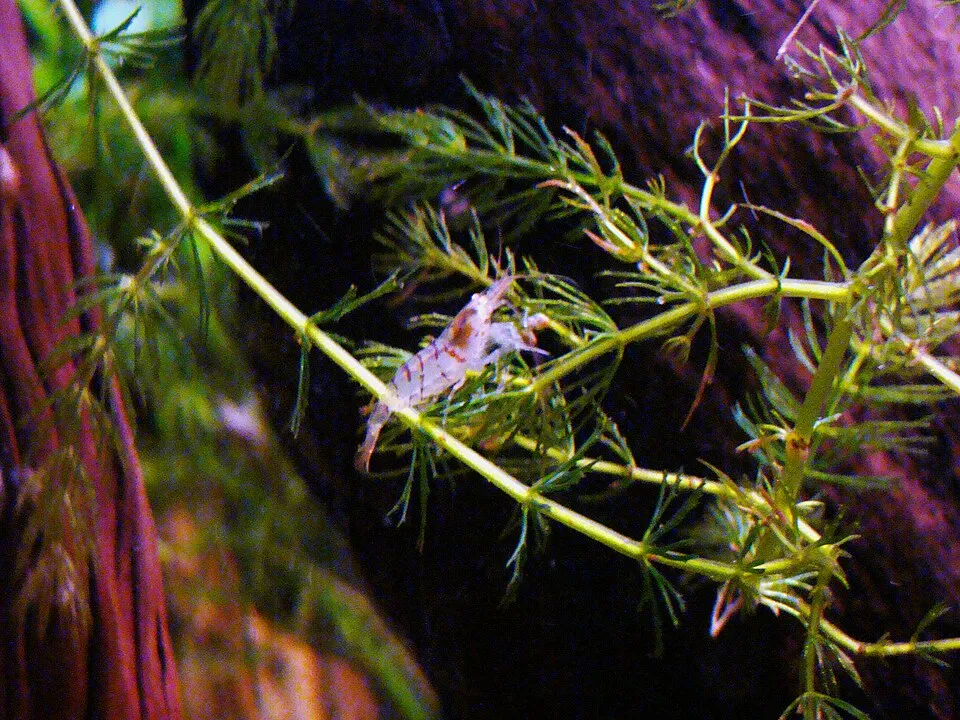
Tiger shrimp
Caridina mariae
Freshwater1.6 in (4 cm) · 7 gal (25 L)64–73°F (18–23°C)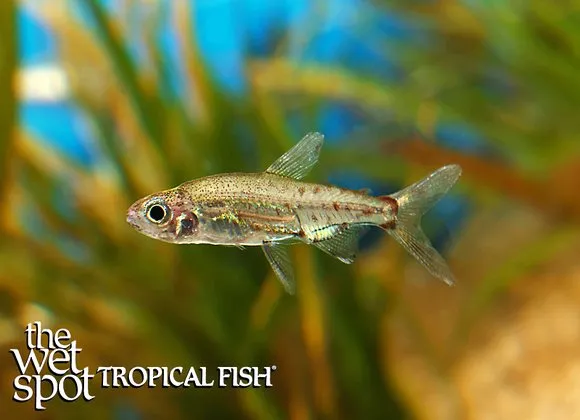
Adonis tetra
Lepidarchus adonis
Freshwater1 in (2.5 cm) · 11 gal (40 L)72–79°F (22–26°C)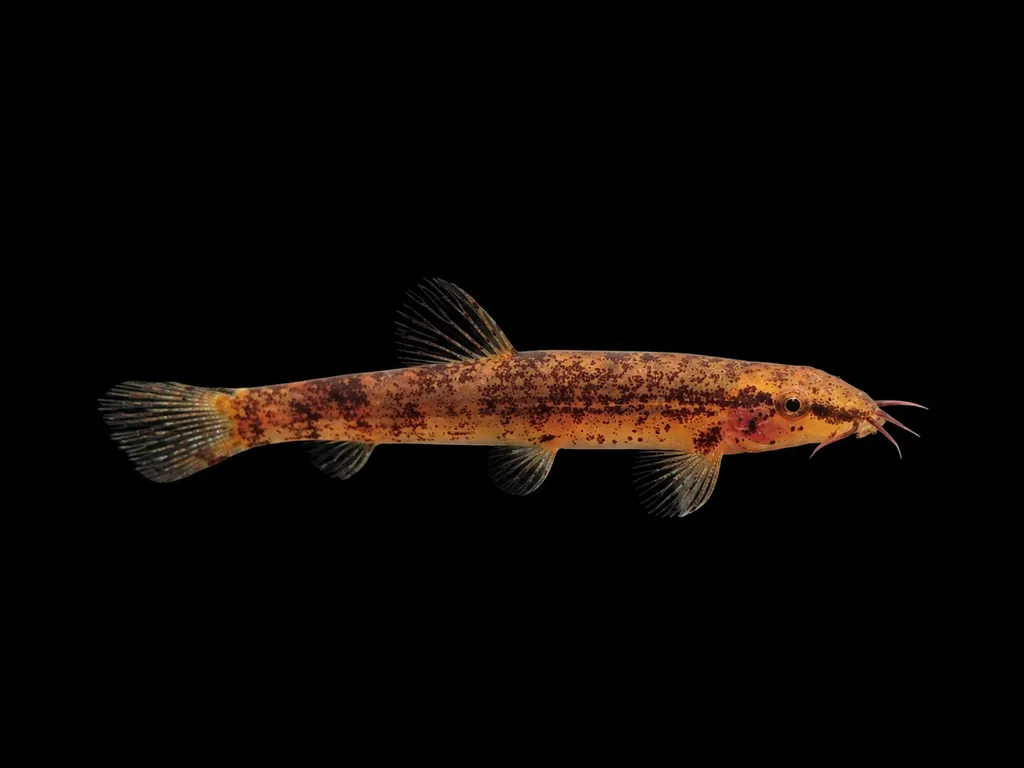
Dwarf lizard loach
Neohomaloptera johorensis
Freshwater1 in (2.5 cm) · 11 gal (40 L)72–79°F (22–26°C)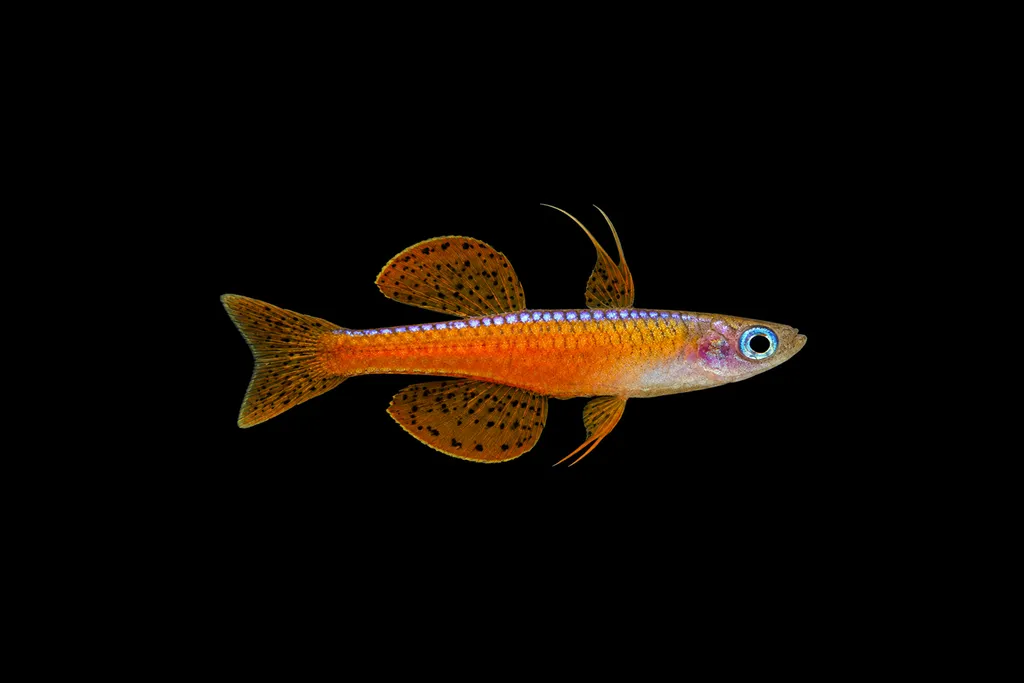
Paska's blue-eye
Pseudomugil paskai
Freshwater1.4 in (3.5 cm) · 11 gal (40 L)72–79°F (22–26°C)
Common questions
What size tank does a Micro rasbora need?
A Micro rasbora needs at least 8 gal (30 L). It spends most of its time in the middle.
What temperature and pH does a Micro rasbora need?
A Micro rasbora is comfortable at 72–79°F (22–26°C) with a pH of 5.0–6.5.
How big does a Micro rasbora get?
An adult Micro rasbora reaches about 0.6 in (1.5 cm).
Does a Micro rasbora need a group?
Yes. A Micro rasbora is a shoaling species and should be kept in a group, not singly.
Related species
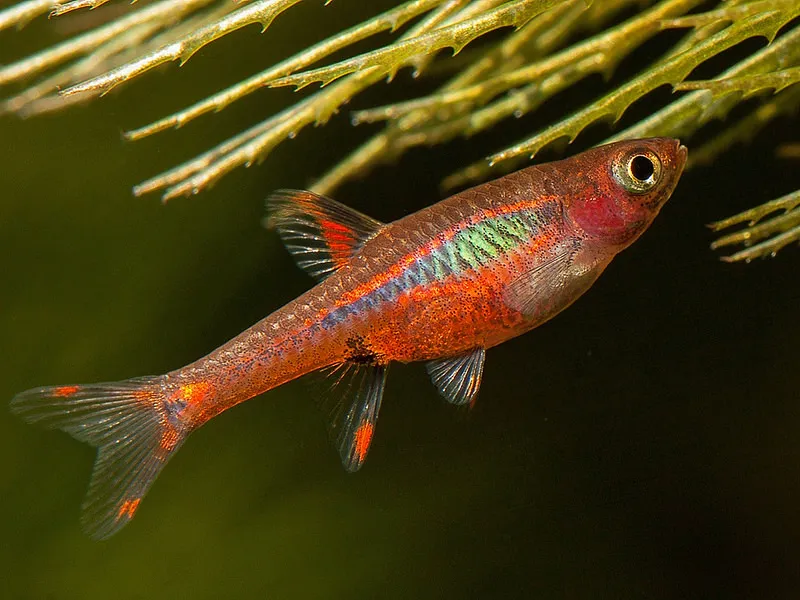
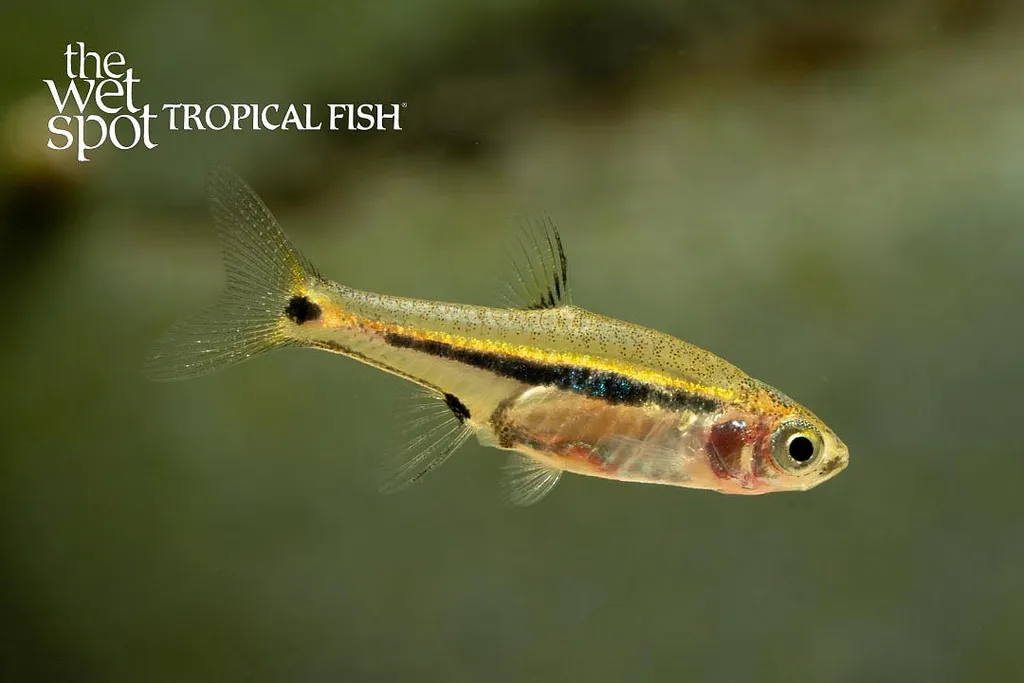 0.6 in (1.6 cm)11 gal (40 L)73–81°F (23–27°C)
Exclamation-point rasbora
Boraras urophthalmoides
0.6 in (1.6 cm) · 11 gal (40 L)
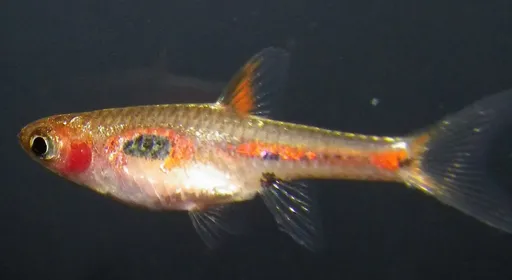
 0.8 in (2 cm)7 gal (25 L)72–82°F (22–28°C)
Chili rasbora
Boraras brigittae
0.8 in (2 cm) · 7 gal (25 L)
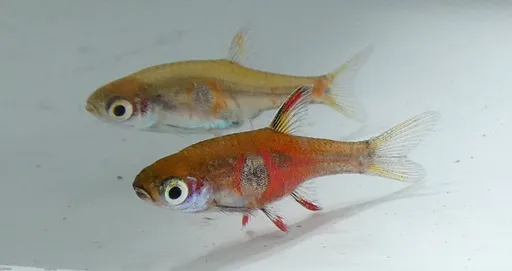
 0.8 in (2 cm)11 gal (40 L)72–81°F (22–27°C)
Phoenix rasbora
Boraras merah
0.8 in (2 cm) · 11 gal (40 L)
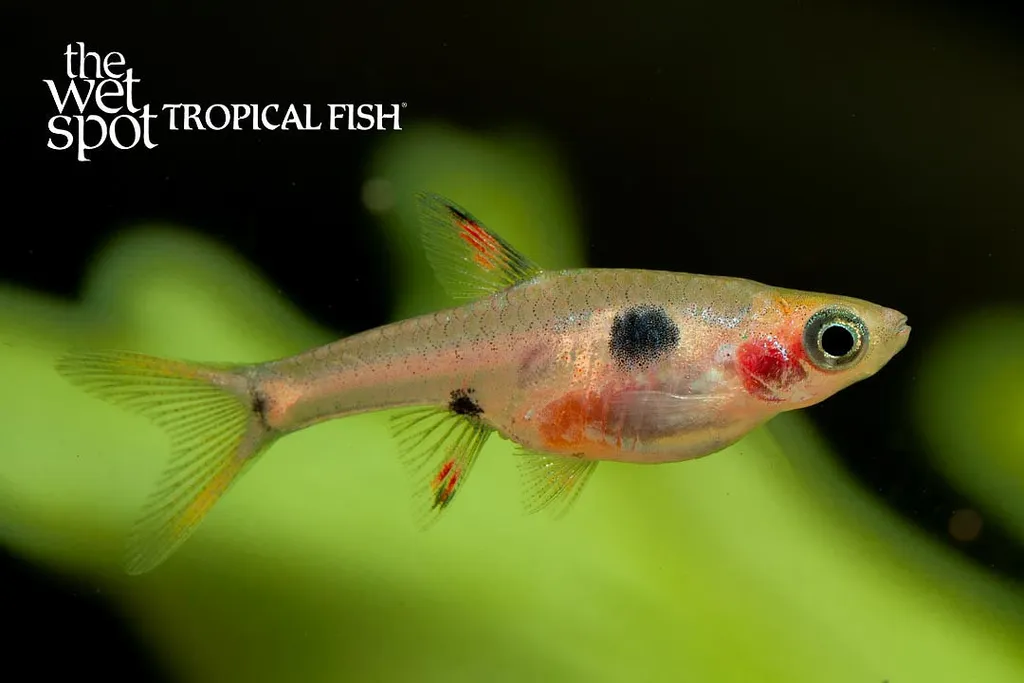
 0.8 in (2 cm)11 gal (40 L)73–81°F (23–27°C)
Strawberry rasbora
Boraras naevus
0.8 in (2 cm) · 11 gal (40 L)
 1 in (2.5 cm)7 gal (25 L)72–82°F (22–28°C)
Dwarf rasbora
Boraras maculatus
1 in (2.5 cm) · 7 gal (25 L)
 0.7 in (1.7 cm)11 gal (40 L)68–79°F (20–26°C)
Dracula fish
Danionella dracula
0.7 in (1.7 cm) · 11 gal (40 L)