Advanced saltwater fish
The marine fish rated difficult in our catalog fail in predictable ways. Mandarins and pipefish starve without live food, seahorses lose out to faster tank mates, the big angelfish outgrow the tank and pick at coral, and the cleaner wrasses rarely settle. They belong in a mature tank with a keeper who already has a reef or two behind them. Each profile says what the species demands and why.
At a glance
- Tank size
- 5–396 gal
- 5 gal (20 L) to 396 gal (1,500 L); half the list needs 90 gal (340 L) or more
- Temperature
- 73–81°F
- 23–27°C, most of the list
- pH
- 8.1–8.4
- Most of the list
- Temperament
- 26 peaceful
- 42 mostly peaceful · 13 aggressive
- Reef safety
- 17 reef safe
- 37 reef safe with caution · 26 not reef safe
81 species
Feeders
The fish that starve
The green and spotted mandarin dragonets are marked difficult for one reason: they eat copepods all day and rarely learn to take frozen food. Their profiles list 29 gallons (110 liters), but the real requirement is a mature tank with live rock and a refugium growing pods faster than the fish eats them. The bluestreak and Hawaiian cleaner wrasses eat parasites off other fish and often refuse anything else. The leopard wrasses need constant small invertebrate prey and a sand bed to sleep in. The harlequin filefish eats Acropora polyps and little else, and the copperband butterflyfish, 7.9 inches (20 cm) in 79 gallons (300 liters), starves in a tank that cannot offer it worms and pods.
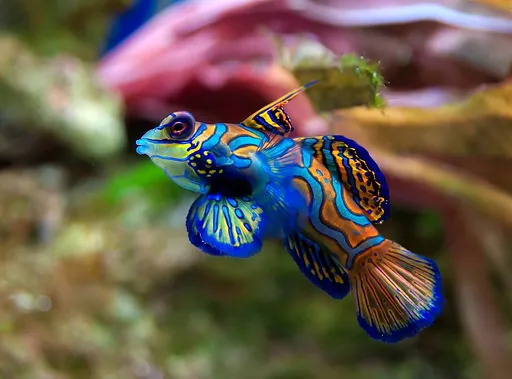
Green mandarin dragonet
Synchiropus splendidus
Saltwater- Size
- 3.1 in (8 cm)
- Tank
- 29 gal (110 L)
- Water
- 75–81°F (24–27°C)
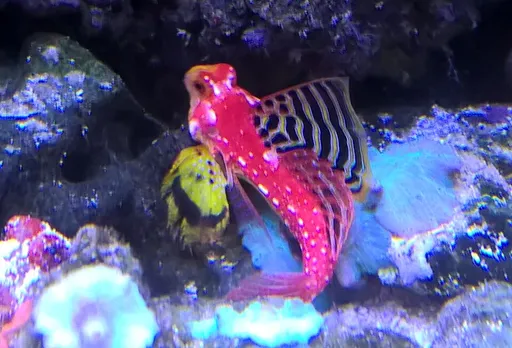
Ruby red dragonet
Synchiropus sycorax
Saltwater- Size
- 2.4 in (6 cm)
- Tank
- 53 gal (200 L)
- Water
- 73–81°F (23–27°C)
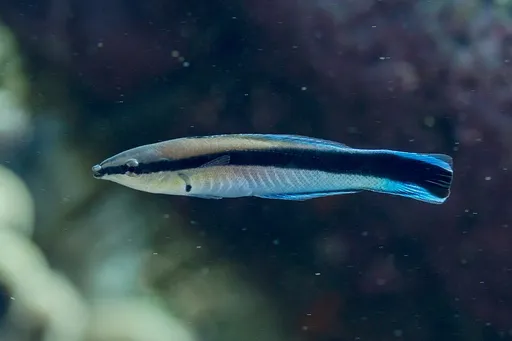
Bluestreak cleaner wrasse
Labroides dimidiatus
Saltwater- Size
- 4.3 in (11 cm)
- Tank
- 106 gal (400 L)
- Water
- 75–81°F (24–27°C)
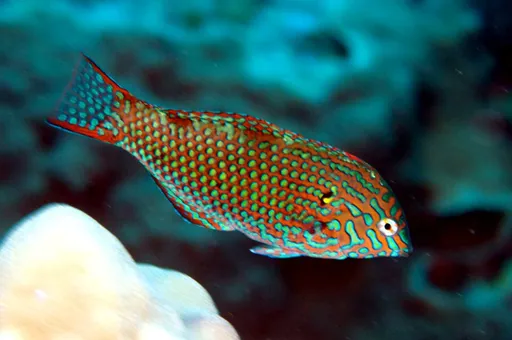
Leopard wrasse
Macropharyngodon meleagris
Saltwater- Size
- 5.9 in (15 cm)
- Tank
- 90 gal (340 L)
- Water
- 72–79°F (22–26°C)
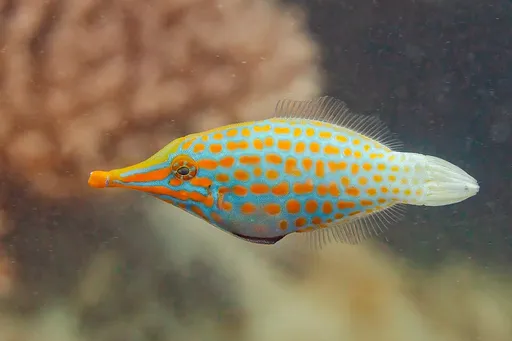
Harlequin filefish
Oxymonacanthus longirostris
Saltwater- Size
- 4.3 in (11 cm)
- Tank
- 53 gal (200 L)
- Water
- 75–81°F (24–27°C)
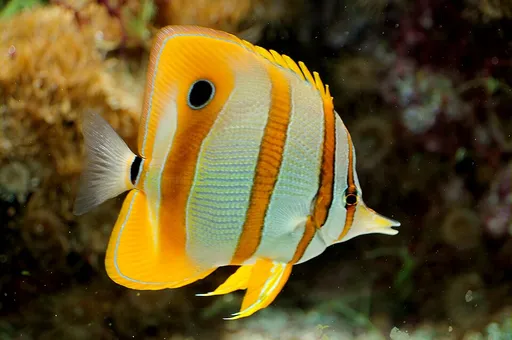
Copperband butterflyfish
Chelmon rostratus
Saltwater- Size
- 7.9 in (20 cm)
- Tank
- 79 gal (300 L)
- Water
- 75–81°F (24–27°C)
Seahorses
Seahorses and pipefish want a tank of their own
Seahorses lose every race for food, so they live with nothing faster than themselves. The lined seahorse reaches 7.1 inches (18 cm) and lists 29 gallons (110 liters) at 68–79°F (20–26°C), cooler than a reef, and White's seahorse runs cooler still at 68–75°F (20–24°C). The Brazilian and yellow seahorses are the tropical ones. All of them eat frozen mysis two or three times a day, want low flow and something to hold, and do best in a tall tank. The banded pipefish is 7.5 inches (19 cm) in 53 gallons (200 liters) and the bluestripe pipefish 2.8 inches (7 cm) in 26 gallons (100 liters); both hunt pods and settle only in a mature tank.
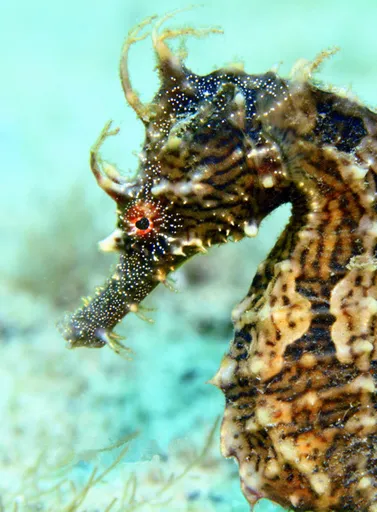
Lined seahorse
Hippocampus erectus
Saltwater7.1 in (18 cm) · 29 gal (110 L)68–79°F (20–26°C)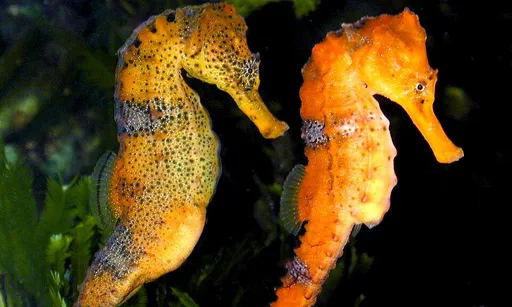
Brazilian seahorse
Hippocampus reidi
Saltwater6.7 in (17 cm) · 29 gal (110 L)72–81°F (22–27°C)
Yellow seahorse
Hippocampus kuda
Saltwater7.9 in (20 cm) · 40 gal (150 L)72–81°F (22–27°C)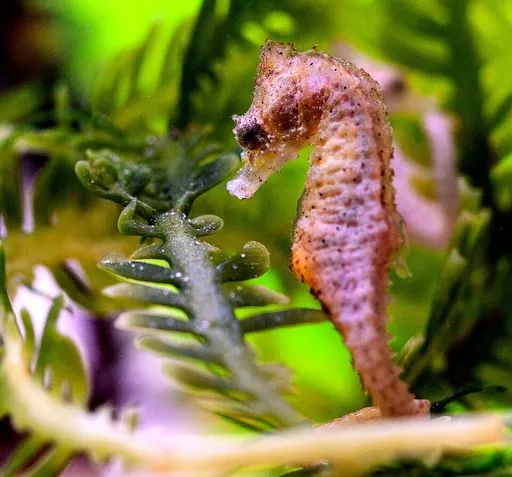
Dwarf seahorse
Hippocampus zosterae
Saltwater1.4 in (3.5 cm) · 5 gal (20 L)68–79°F (20–26°C)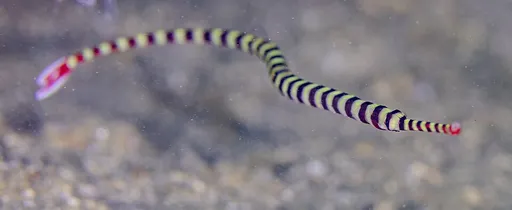
Banded pipefish
Dunckerocampus dactyliophorus
Saltwater7.5 in (19 cm) · 53 gal (200 L)75–81°F (24–27°C)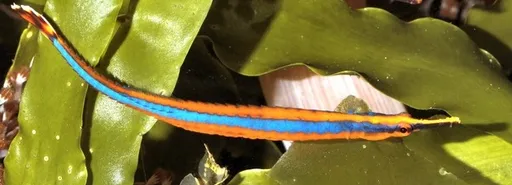
Bluestripe pipefish
Doryrhamphus excisus
Saltwater2.8 in (7 cm) · 26 gal (100 L)75–81°F (24–27°C)
Big angels
The large angelfish outgrow the tank
The emperor angelfish reaches 15 inches (38 cm) and lists 185 gallons (700 liters). The French angelfish reaches 16.1 inches (41 cm) in 201 gallons (760 liters), the queen angelfish 17.7 inches (45 cm) in 251 gallons (950 liters) and is marked aggressive, and the blueface angelfish 15 inches (38 cm) in 219 gallons (830 liters). The koran and majestic angelfish are a size down at 15.7 and 11.8 inches (40 and 30 cm). All of them are marked not reef safe. The regal angelfish is the odd one out, 9.8 inches (25 cm) for 124 gallons (470 liters) with a coral caution rather than a no, and it is here because it is a famously poor feeder.
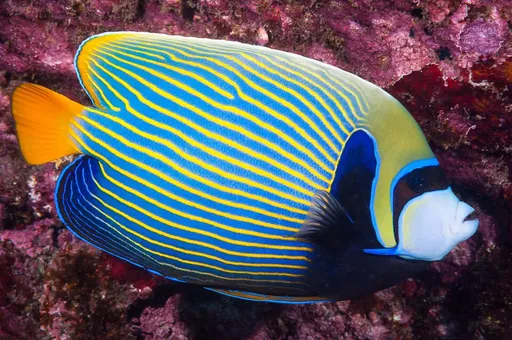
Emperor angelfish
Pomacanthus imperator
Saltwater15 in (38 cm) · 185 gal (700 L)73–81°F (23–27°C)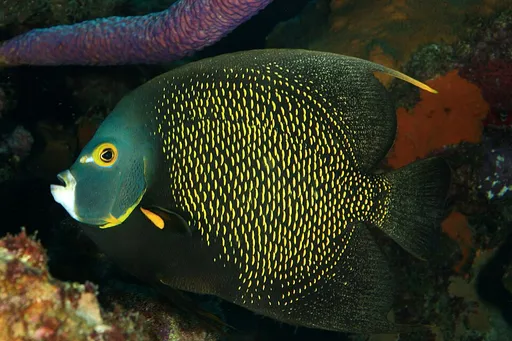
French angelfish
Pomacanthus paru
Saltwater16.1 in (41 cm) · 201 gal (760 L)72–81°F (22–27°C)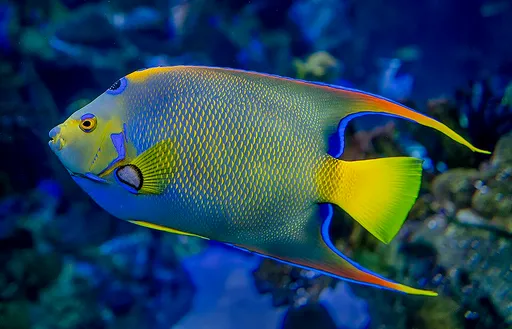
Queen angelfish
Holacanthus ciliaris
Saltwater17.7 in (45 cm) · 251 gal (950 L)75–81°F (24–27°C)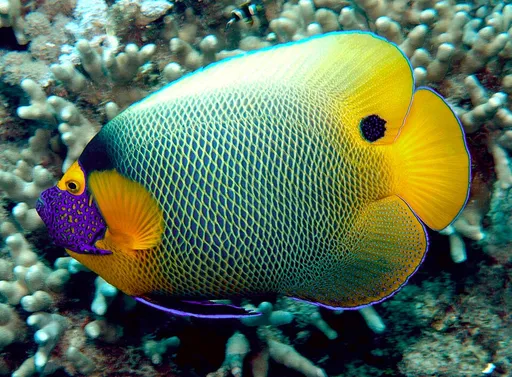
Blueface angelfish
Pomacanthus xanthometopon
Saltwater15 in (38 cm) · 219 gal (830 L)73–81°F (23–27°C)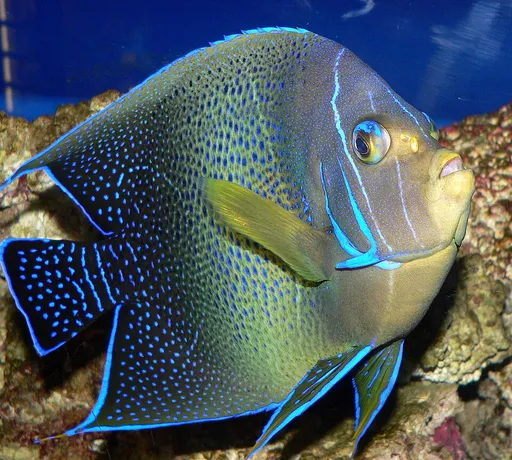
Koran angelfish
Pomacanthus semicirculatus
Saltwater15.7 in (40 cm) · 132 gal (500 L)73–81°F (23–27°C)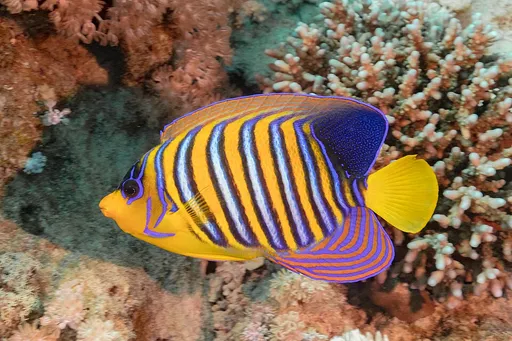
Regal angelfish
Pygoplites diacanthus
Saltwater9.8 in (25 cm) · 124 gal (470 L)73–81°F (23–27°C)
Tangs and giants
Tangs, unicornfish and the fish that need a wall
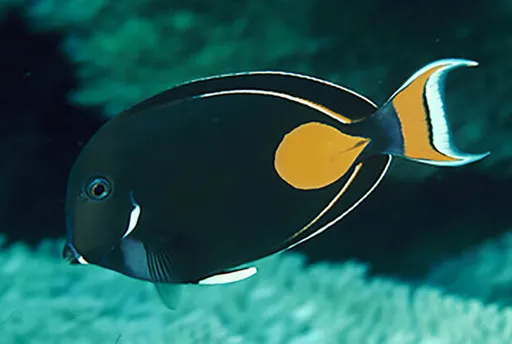
The Achilles tang is marked difficult and aggressive at 9.4 inches (24 cm) for 180 gallons (680 liters), and it is the tang most likely to come down with ich in a new tank. The powder blue tang is the same story at 9.1 inches (23 cm) in 124 gallons (470 liters). The clown tang reaches 15 inches (38 cm) and lists 238 gallons (900 liters). The blue hippo tang is mostly peaceful but reaches 11.8 inches (30 cm) and lists 180 gallons (680 liters). The bluespine unicornfish reaches 23.6 inches (60 cm) and lists 396 gallons (1,500 liters). The Moorish idol is peaceful and beautiful and marked difficult because most of them refuse to eat.
Achilles tang
Acanthurus achilles
Saltwater9.4 in (24 cm) · 180 gal (680 L)75–81°F (24–27°C)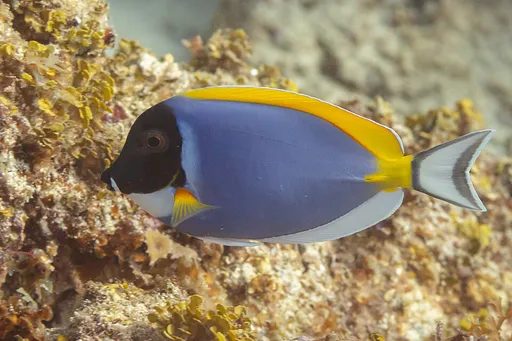
Powder blue tang
Acanthurus leucosternon
Saltwater9.1 in (23 cm) · 124 gal (470 L)75–81°F (24–27°C)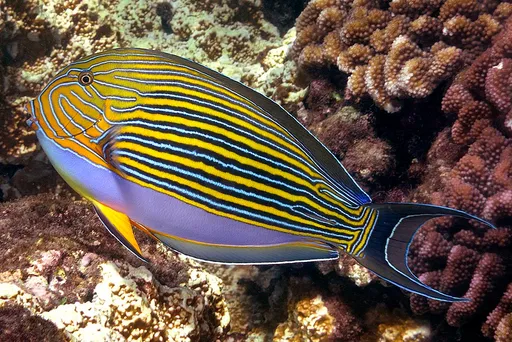
Clown tang
Acanthurus lineatus
Saltwater15 in (38 cm) · 238 gal (900 L)75–81°F (24–27°C)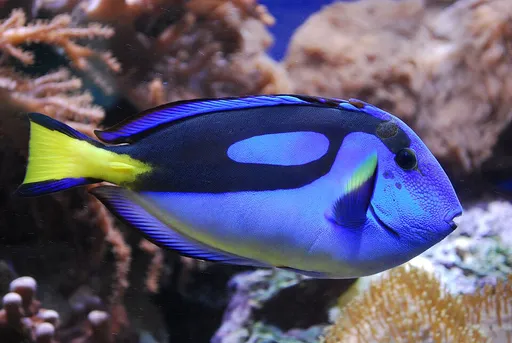
Blue hippo tang
Paracanthurus hepatus
Saltwater11.8 in (30 cm) · 180 gal (680 L)73–81°F (23–27°C)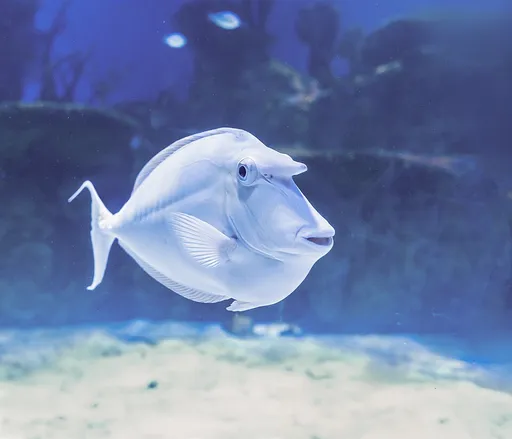
Bluespine unicornfish
Naso unicornis
Saltwater23.6 in (60 cm) · 396 gal (1,500 L)75–81°F (24–27°C)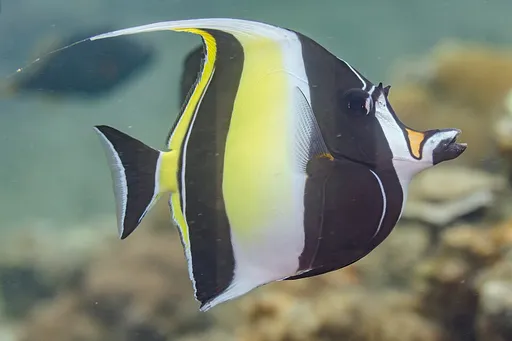
Moorish idol
Zanclus cornutus
Saltwater9.1 in (23 cm) · 125 gal (473 L)72–79°F (22–26°C)
Predators
Morays, groupers, boxfish and the big puffers
The ribbon eel reaches 39.4 inches (100 cm) and lists 66 gallons (250 liters), and it is marked difficult because most refuse food and waste away. The honeycomb moray reaches 70.9 inches (180 cm) and lists 291 gallons (1,100 liters). The lyretail grouper reaches 31.5 inches (80 cm) and eats anything that fits. The map puffer reaches 23.6 inches (60 cm) in 238 gallons (900 liters). The longhorn cowfish reaches 18.1 inches (46 cm), lists 250 gallons (946 liters) and can release a toxin when stressed that kills the whole tank. The clown triggerfish is marked aggressive at 19.7 inches (50 cm) for 300 gallons (1,135 liters).
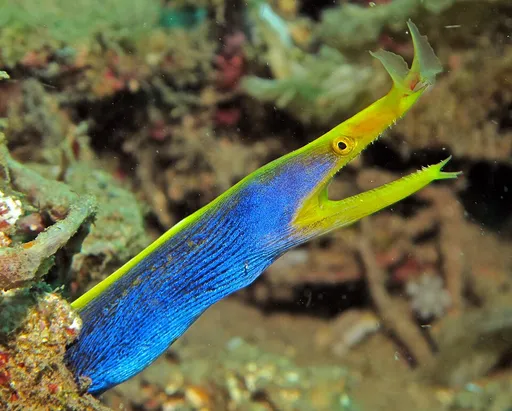
Ribbon eel
Rhinomuraena quaesita
Saltwater39.4 in (100 cm) · 66 gal (250 L)75–81°F (24–27°C)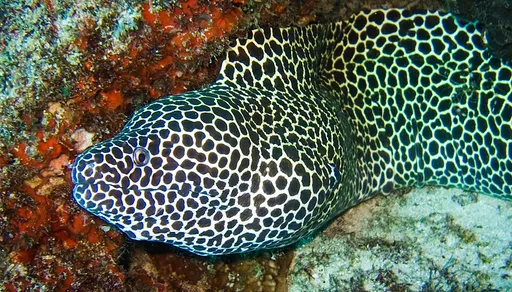
Honeycomb moray
Gymnothorax favagineus
Saltwater70.9 in (180 cm) · 291 gal (1,100 L)75–81°F (24–27°C)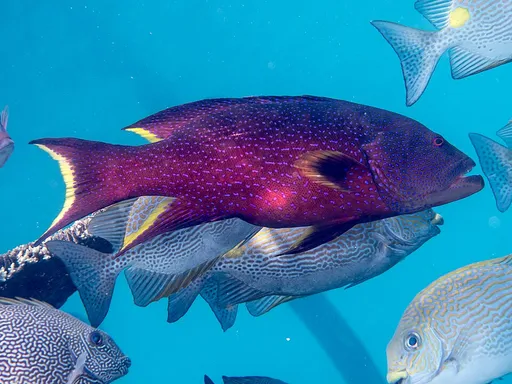
Lyretail grouper
Variola louti
Saltwater31.5 in (80 cm) · 291 gal (1,100 L)75–81°F (24–27°C)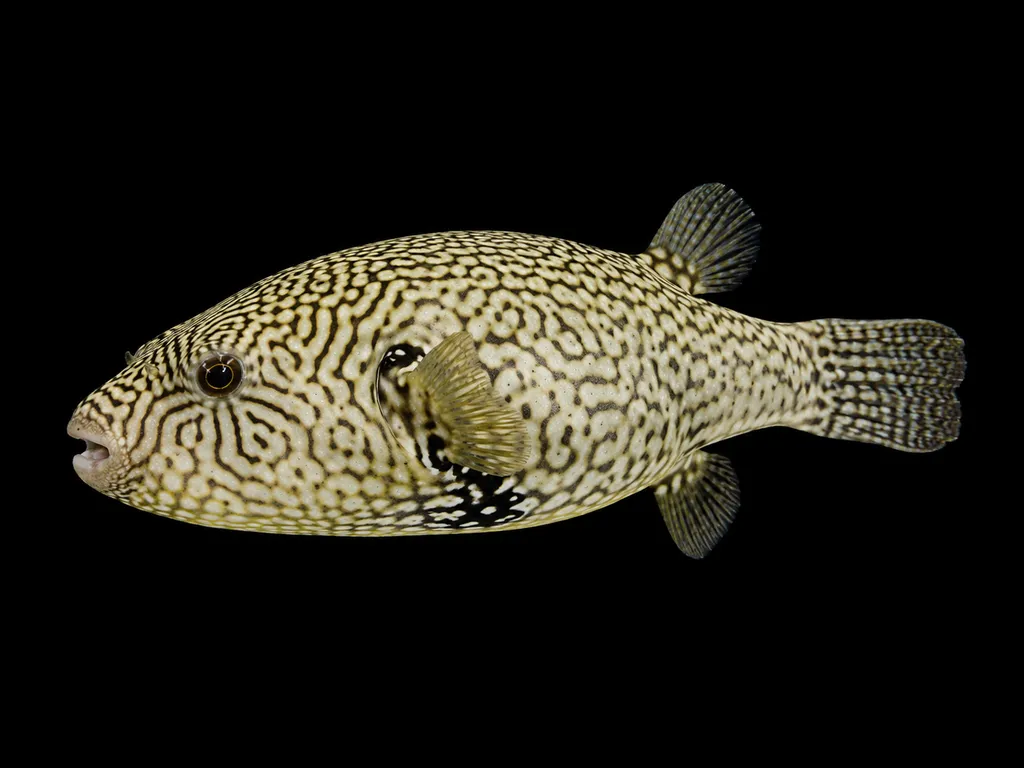
Map puffer
Arothron mappa
Saltwater23.6 in (60 cm) · 238 gal (900 L)75–81°F (24–27°C)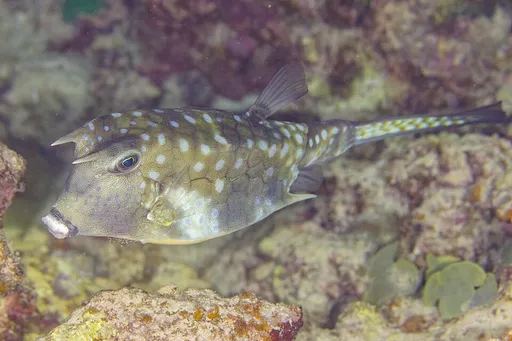
Longhorn cowfish
Lactoria cornuta
Saltwater18.1 in (46 cm) · 250 gal (946 L)75–81°F (24–27°C)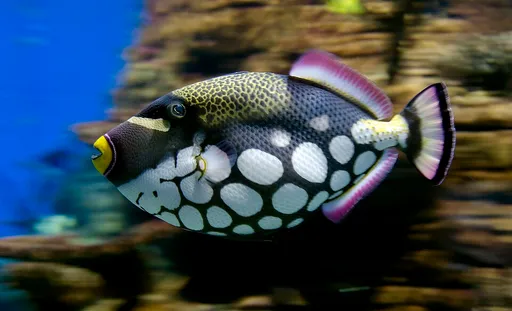
Clown triggerfish
Balistoides conspicillum
Saltwater19.7 in (50 cm) · 300 gal (1,135 L)72–79°F (22–26°C)
By the numbers
Smallest
Largest
Most peaceful
FAQ
Common questions
What makes a saltwater fish difficult?
Feeding, size or temper. The mandarins, cleaner wrasses and pipefish starve without live food, the seahorses lose to faster tank mates, the big angels and tangs outgrow anything under 124 gallons (470 liters), and the morays and groupers eat their tank mates.
Can a mandarin dragonet live in a small tank?
Its profile lists 29 gallons (110 liters), but the tank has to be mature and growing copepods faster than the fish eats them, which usually means a refugium. A young tank starves a mandarin at any size.
How big a tank does an emperor angelfish need?
185 gallons (700 liters) for a fish that reaches 15 inches (38 cm), and it is marked not reef safe.
Are seahorses hard to keep?
They are marked difficult. They need a tank of their own with low flow, frozen mysis two or three times a day, and for the lined and White's seahorses water at 68–79°F (20–26°C), cooler than a reef.
Which tangs are difficult?
The Achilles, powder blue and clown tangs, which are marked aggressive as well, plus the blue hippo tang and the unicornfish for their size. The yellow tang is not on this list.
Do any of the difficult fish stay small?
The mandarins at 2.8 to 3.1 inches (7 to 8 cm), the ruby red dragonet at 2.4 inches (6 cm), the bluestripe pipefish at 2.8 inches (7 cm) and the dwarf seahorse at 1.4 inches (3.5 cm). They are hard for what they eat, not for their size.
Index
All advanced saltwater fish
Achilles tang
Acanthurus achilles
Saltwater9.4 in (24 cm) · 180 gal (680 L)75–81°F (24–27°C)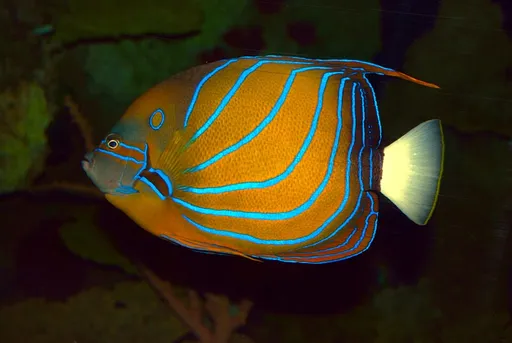
Annularis angelfish
Pomacanthus annularis
Saltwater17.7 in (45 cm) · 219 gal (830 L)73–81°F (23–27°C)Banded pipefish
Dunckerocampus dactyliophorus
Saltwater7.5 in (19 cm) · 53 gal (200 L)75–81°F (24–27°C)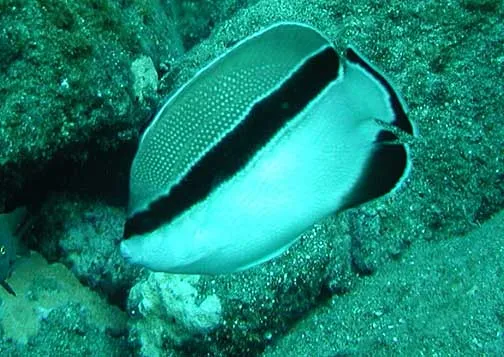
Bandit angelfish
Apolemichthys arcuatus
Saltwater7.1 in (18 cm) · 90 gal (340 L)73–79°F (23–26°C)Blue hippo tang
Paracanthurus hepatus
Saltwater11.8 in (30 cm) · 180 gal (680 L)73–81°F (23–27°C)Blueface angelfish
Pomacanthus xanthometopon
Saltwater15 in (38 cm) · 219 gal (830 L)73–81°F (23–27°C)Bluespine unicornfish
Naso unicornis
Saltwater23.6 in (60 cm) · 396 gal (1,500 L)75–81°F (24–27°C)Bluestreak cleaner wrasse
Labroides dimidiatus
Saltwater4.3 in (11 cm) · 106 gal (400 L)75–81°F (24–27°C)Bluestripe pipefish
Doryrhamphus excisus
Saltwater2.8 in (7 cm) · 26 gal (100 L)75–81°F (24–27°C)Brazilian seahorse
Hippocampus reidi
Saltwater6.7 in (17 cm) · 29 gal (110 L)72–81°F (22–27°C)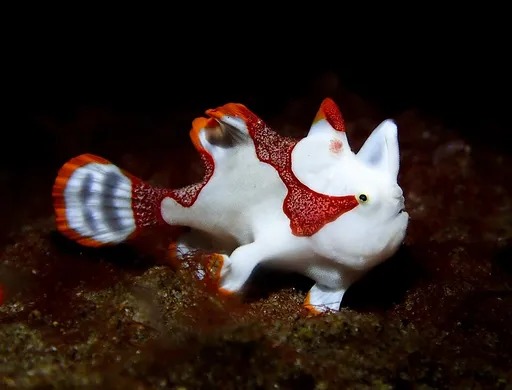
Clown frogfish
Antennarius maculatus
Saltwater5.9 in (15 cm) · 20 gal (75 L)75–81°F (24–27°C)Clown tang
Acanthurus lineatus
Saltwater15 in (38 cm) · 238 gal (900 L)75–81°F (24–27°C)Clown triggerfish
Balistoides conspicillum
Saltwater19.7 in (50 cm) · 300 gal (1,135 L)72–79°F (22–26°C)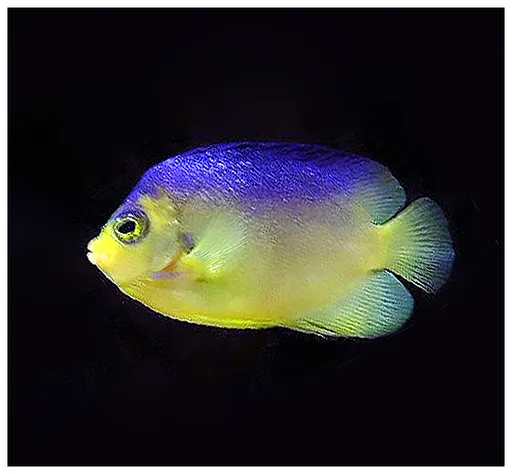
Colin's angelfish
Centropyge colini
Saltwater3.5 in (9 cm) · 55 gal (210 L)72–79°F (22–26°C)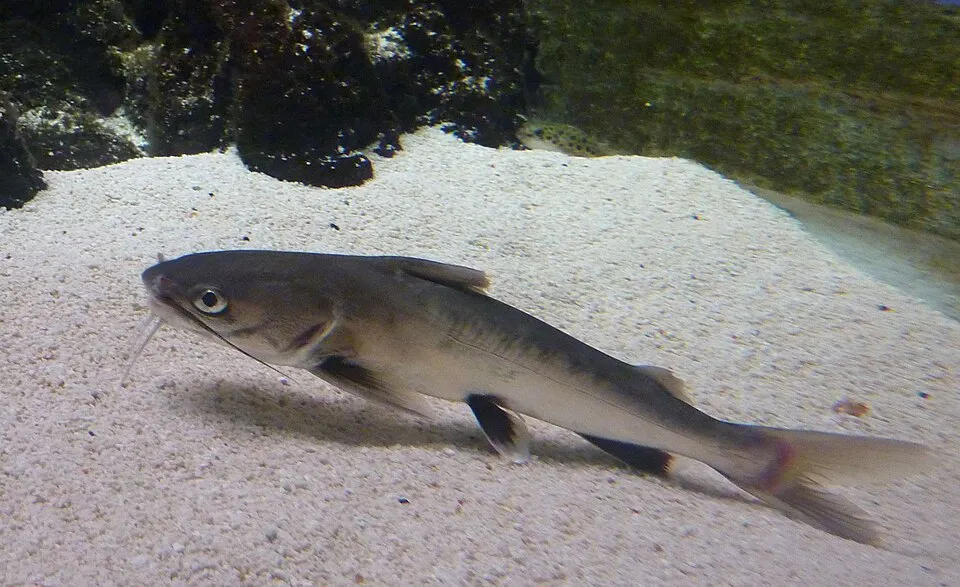
Colombian shark catfish
Ariopsis seemanni
BrackishSaltwater13.8 in (35 cm) · 225 gal (850 L)72–79°F (22–26°C)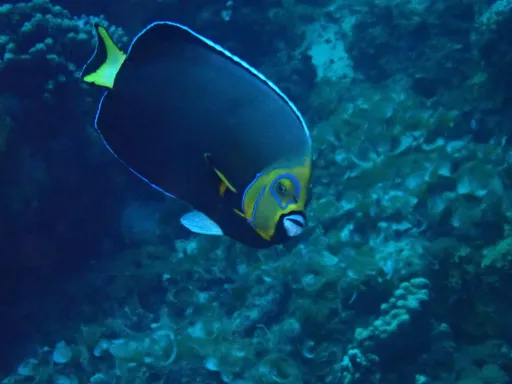
Conspicuous angelfish
Chaetodontoplus conspicillatus
Saltwater9.8 in (25 cm) · 198 gal (750 L)72–79°F (22–26°C)Copperband butterflyfish
Chelmon rostratus
Saltwater7.9 in (20 cm) · 79 gal (300 L)75–81°F (24–27°C)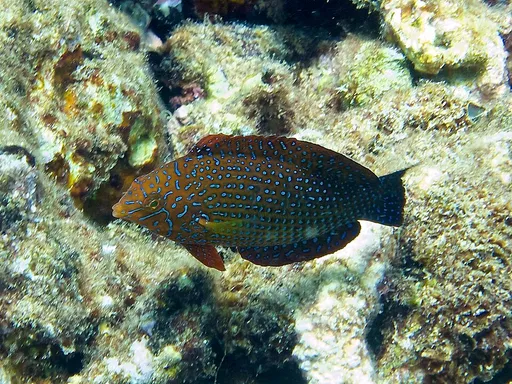
Divided leopard wrasse
Macropharyngodon bipartitus
Saltwater5.1 in (13 cm) · 55 gal (208 L)72–79°F (22–26°C)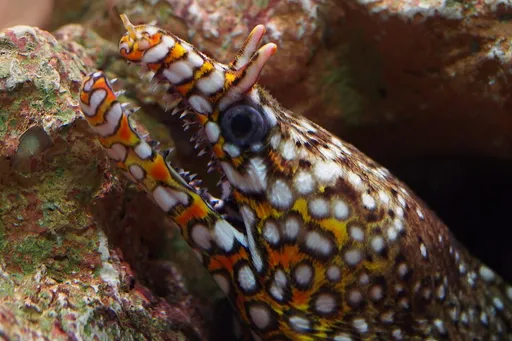
Dragon moray
Enchelycore pardalis
Saltwater35.4 in (90 cm) · 180 gal (680 L)72–79°F (22–26°C)Dwarf seahorse
Hippocampus zosterae
Saltwater1.4 in (3.5 cm) · 5 gal (20 L)68–79°F (20–26°C)Emperor angelfish
Pomacanthus imperator
Saltwater15 in (38 cm) · 185 gal (700 L)73–81°F (23–27°C)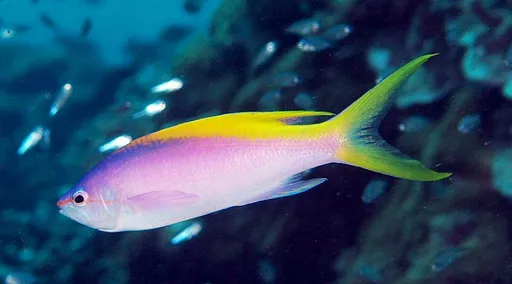
Evansi anthias
Pseudanthias evansi
Saltwater4.7 in (12 cm) · 75 gal (285 L)75–81°F (24–27°C)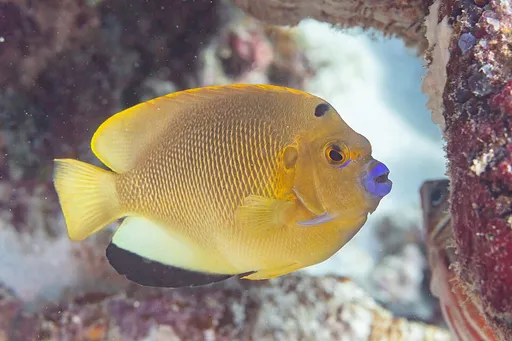
Flagfin angelfish
Apolemichthys trimaculatus
Saltwater10.2 in (26 cm) · 100 gal (380 L)73–81°F (23–27°C)French angelfish
Pomacanthus paru
Saltwater16.1 in (41 cm) · 201 gal (760 L)72–81°F (22–27°C)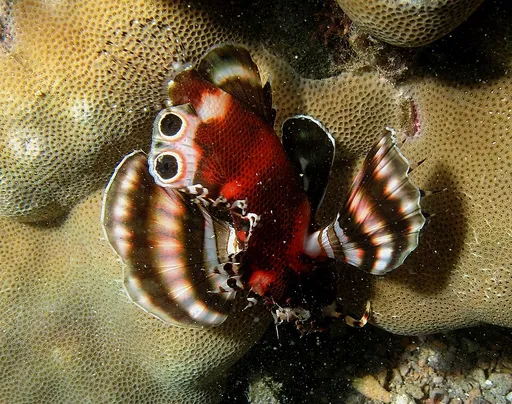
Fu Manchu lionfish
Dendrochirus biocellatus
Saltwater5.1 in (13 cm) · 29 gal (110 L)75–81°F (24–27°C)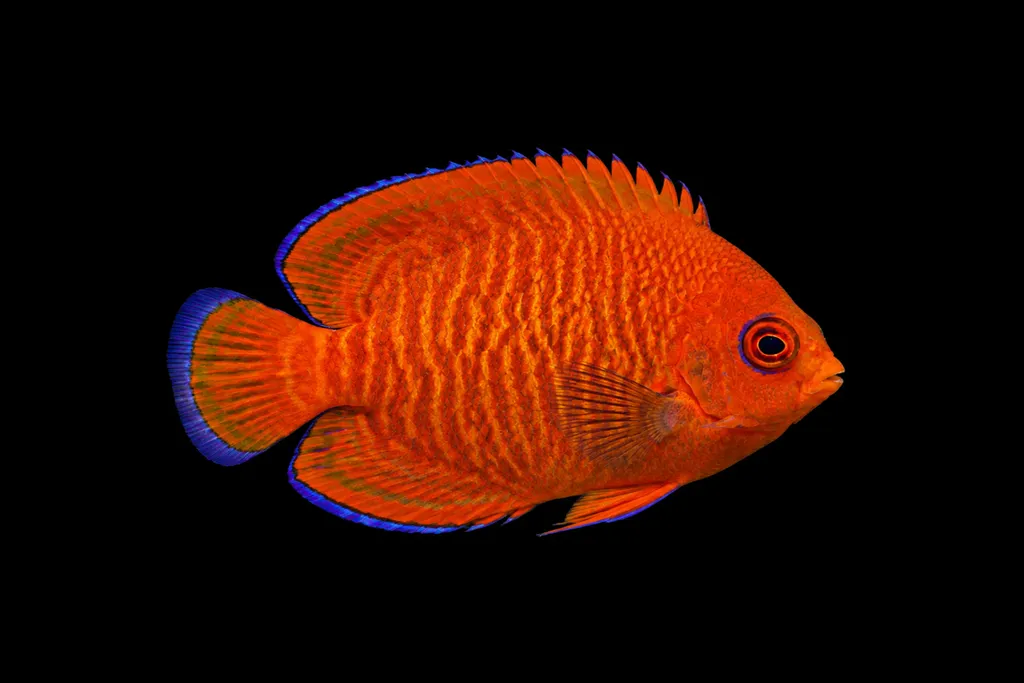
Golden angelfish
Centropyge aurantia
Saltwater3.9 in (10 cm) · 55 gal (210 L)72–79°F (22–26°C)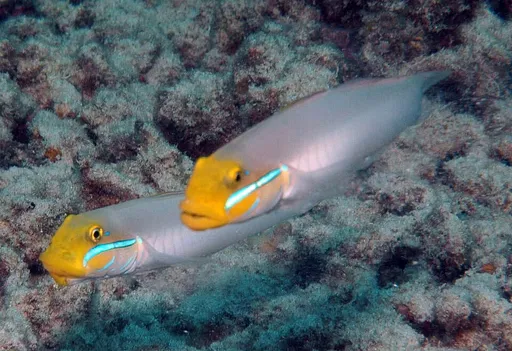
Golden head sleeper goby
Valenciennea strigata
Saltwater5.9 in (15 cm) · 53 gal (200 L)73–81°F (23–27°C)Green mandarin dragonet
Synchiropus splendidus
Saltwater3.1 in (8 cm) · 29 gal (110 L)75–81°F (24–27°C)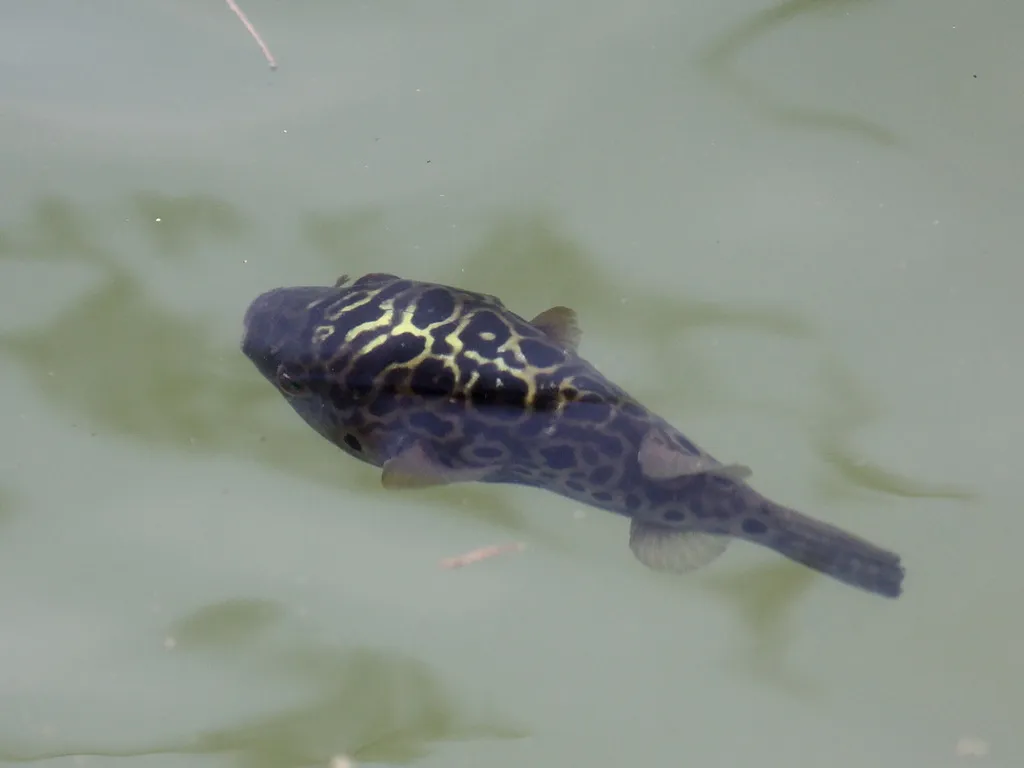
Green spotted puffer
Dichotomyctere nigroviridis
BrackishSaltwater5.9 in (15 cm) · 32 gal (120 L)75–82°F (24–28°C)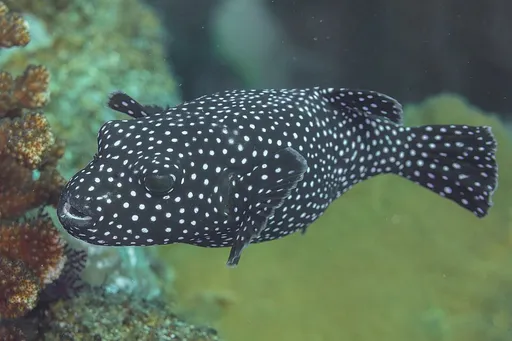
Guineafowl puffer
Arothron meleagris
Saltwater19.7 in (50 cm) · 180 gal (680 L)75–81°F (24–27°C)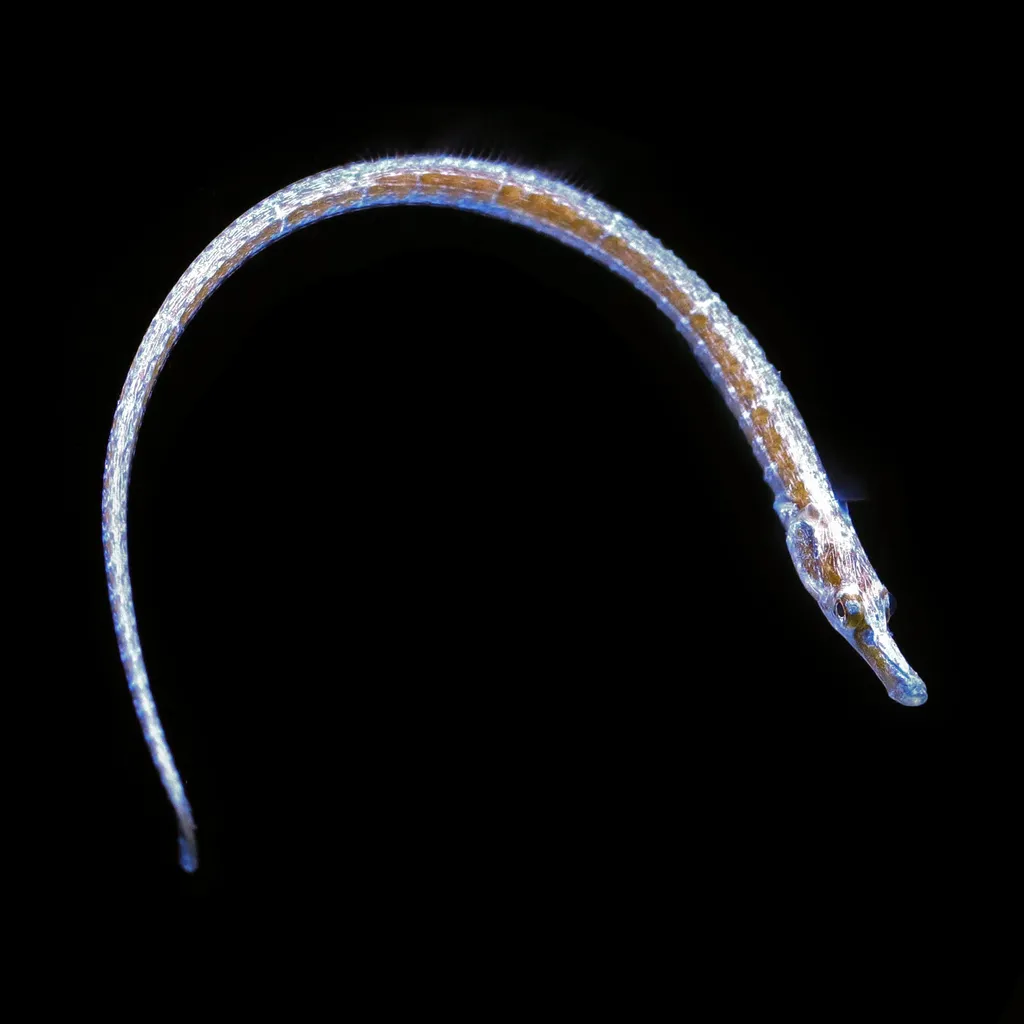
Gulf pipefish
Syngnathus scovelli
Saltwater7.1 in (18 cm) · 20 gal (76 L)68–75°F (20–24°C)Harlequin filefish
Oxymonacanthus longirostris
Saltwater4.3 in (11 cm) · 53 gal (200 L)75–81°F (24–27°C)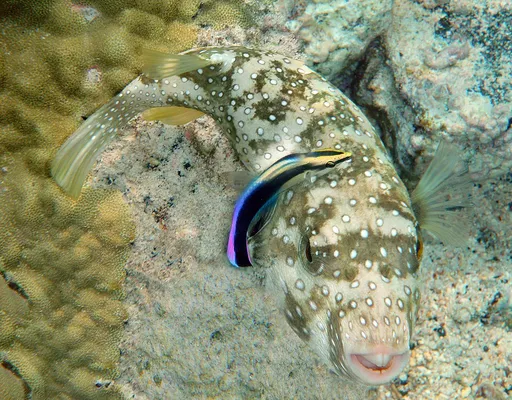
Hawaiian cleaner wrasse
Labroides phthirophagus
Saltwater3.9 in (10 cm) · 70 gal (265 L)75–81°F (24–27°C)Honeycomb moray
Gymnothorax favagineus
Saltwater70.9 in (180 cm) · 291 gal (1,100 L)75–81°F (24–27°C)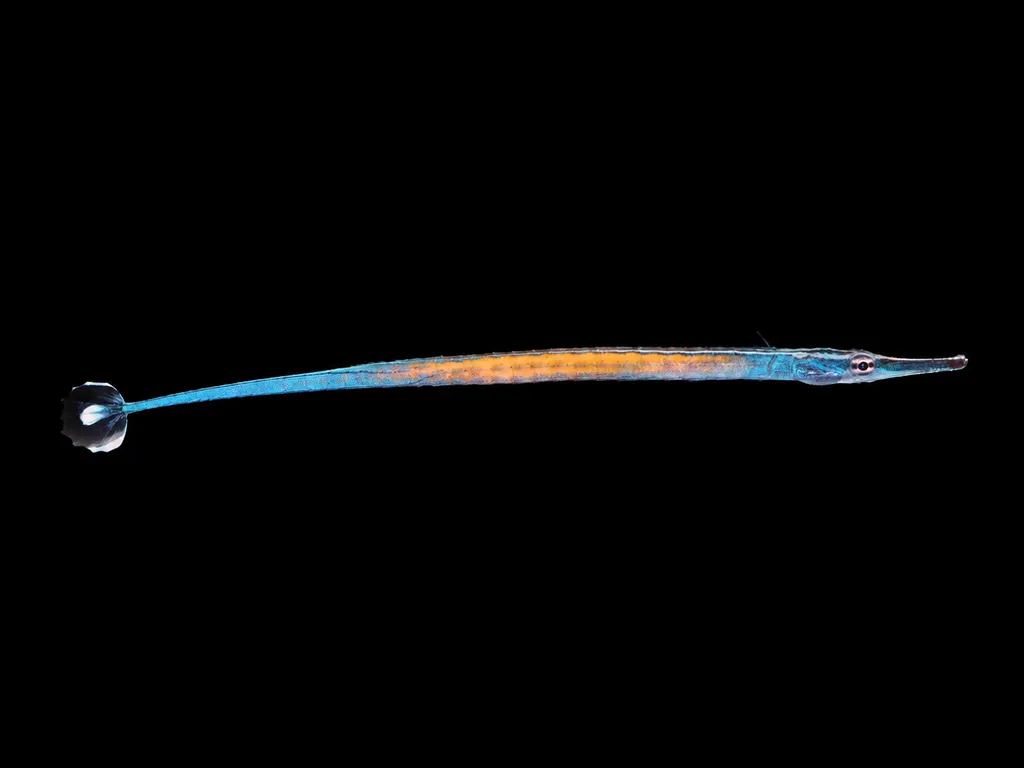
Janss' pipefish
Doryrhamphus janssi
Saltwater5.5 in (14 cm) · 50 gal (190 L)72–79°F (22–26°C)Koran angelfish
Pomacanthus semicirculatus
Saltwater15.7 in (40 cm) · 132 gal (500 L)73–81°F (23–27°C)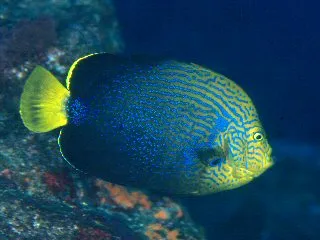
Labyrinth angelfish
Chaetodontoplus chrysocephalus
Saltwater8.7 in (22 cm) · 151 gal (570 L)72–79°F (22–26°C)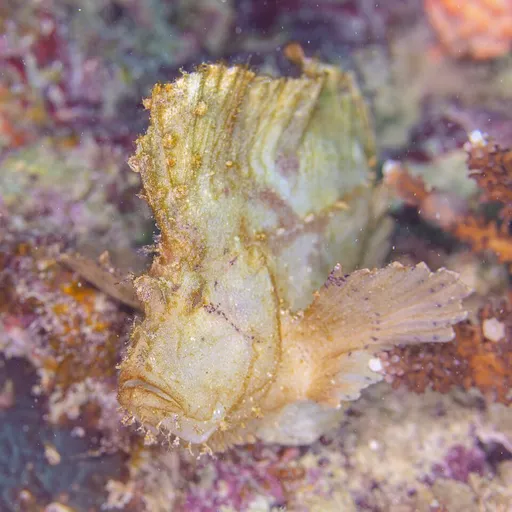
Leaf scorpionfish
Taenianotus triacanthus
Saltwater5.1 in (13 cm) · 29 gal (110 L)72–79°F (22–26°C)Leopard wrasse
Macropharyngodon meleagris
Saltwater5.9 in (15 cm) · 90 gal (340 L)72–79°F (22–26°C)Lined seahorse
Hippocampus erectus
Saltwater7.1 in (18 cm) · 29 gal (110 L)68–79°F (20–26°C)Longhorn cowfish
Lactoria cornuta
Saltwater18.1 in (46 cm) · 250 gal (946 L)75–81°F (24–27°C)Lyretail grouper
Variola louti
Saltwater31.5 in (80 cm) · 291 gal (1,100 L)75–81°F (24–27°C)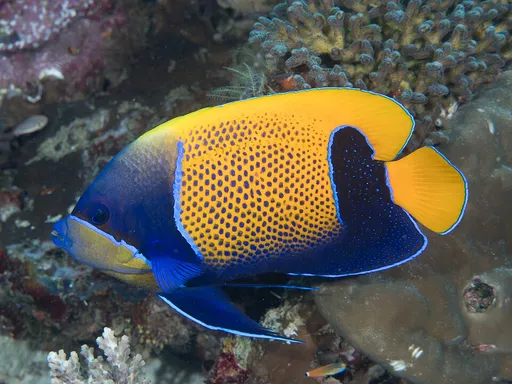
Majestic angelfish
Pomacanthus navarchus
Saltwater11.8 in (30 cm) · 145 gal (550 L)73–81°F (23–27°C)Map puffer
Arothron mappa
Saltwater23.6 in (60 cm) · 238 gal (900 L)75–81°F (24–27°C)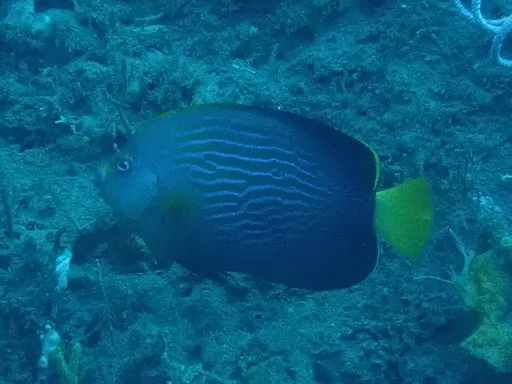
Maze angelfish
Chaetodontoplus cephalareticulatus
Saltwater11 in (28 cm) · 251 gal (950 L)72–79°F (22–26°C)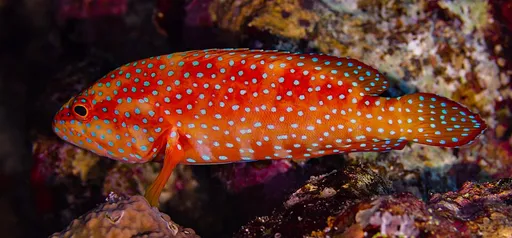
Miniatus grouper
Cephalopholis miniata
Saltwater17.7 in (45 cm) · 180 gal (680 L)72–79°F (22–26°C)Moorish idol
Zanclus cornutus
Saltwater9.1 in (23 cm) · 125 gal (473 L)72–79°F (22–26°C)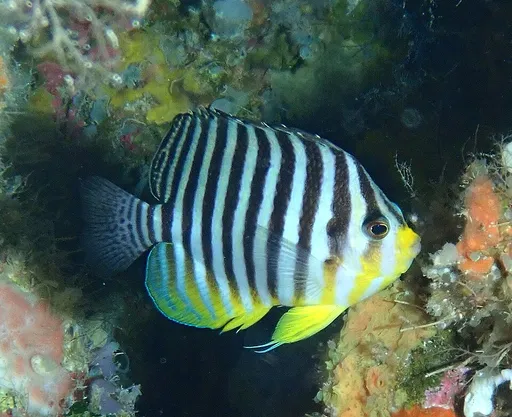
Multibarred angelfish
Centropyge multifasciata
Saltwater4.7 in (12 cm) · 59 gal (225 L)72–79°F (22–26°C)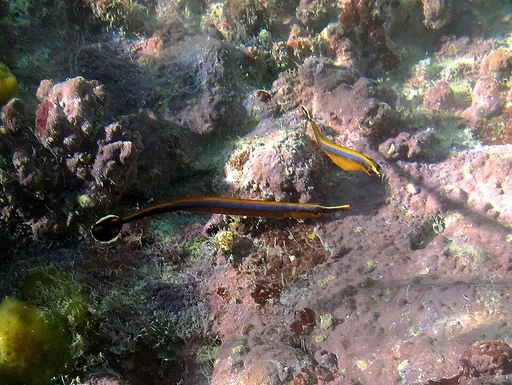
Narrowstripe pipefish
Doryrhamphus bicarinatus
Saltwater3.1 in (8 cm) · 30 gal (114 L)72–79°F (22–26°C)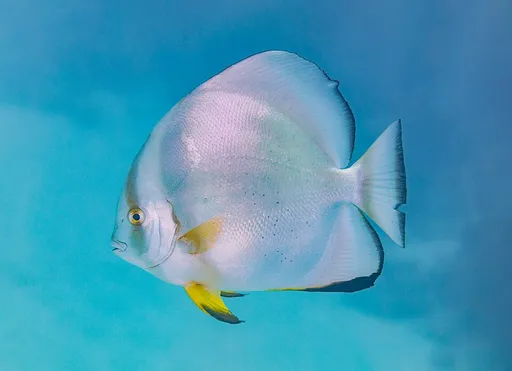
Orbiculate batfish
Platax orbicularis
Saltwater19.7 in (50 cm) · 185 gal (700 L)75–81°F (24–27°C)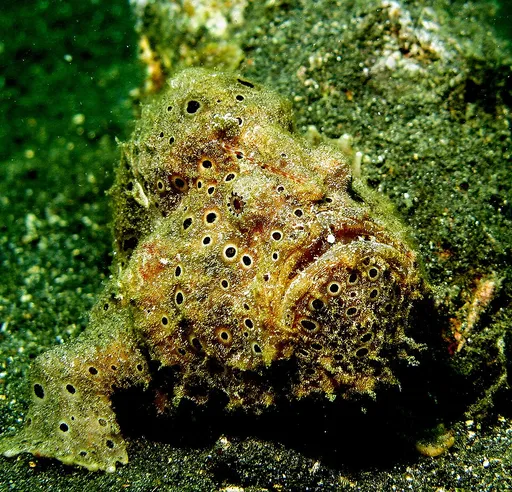
Painted frogfish
Antennarius pictus
Saltwater11.8 in (30 cm) · 29 gal (110 L)75–81°F (24–27°C)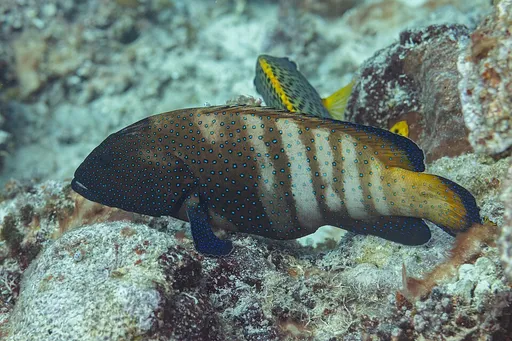
Peacock grouper
Cephalopholis argus
Saltwater23.6 in (60 cm) · 251 gal (950 L)75–81°F (24–27°C)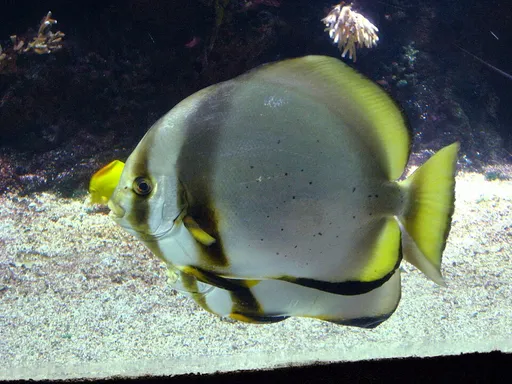
Pinnatus batfish
Platax pinnatus
Saltwater17.7 in (45 cm) · 198 gal (750 L)75–81°F (24–27°C)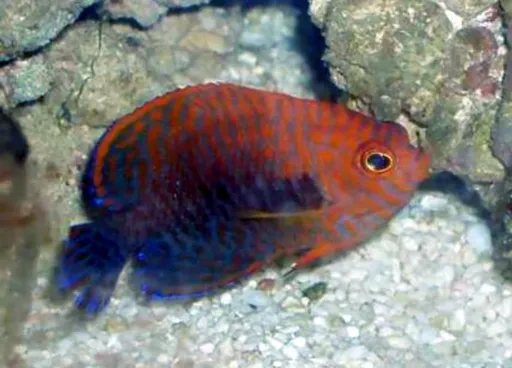
Potter's angelfish
Centropyge potteri
Saltwater5.1 in (13 cm) · 65 gal (245 L)72–79°F (22–26°C)Powder blue tang
Acanthurus leucosternon
Saltwater9.1 in (23 cm) · 124 gal (470 L)75–81°F (24–27°C)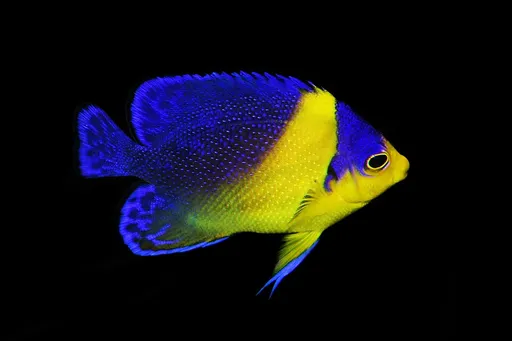
Purple masked angelfish
Centropyge venusta
Saltwater3.9 in (10 cm) · 55 gal (210 L)72–79°F (22–26°C)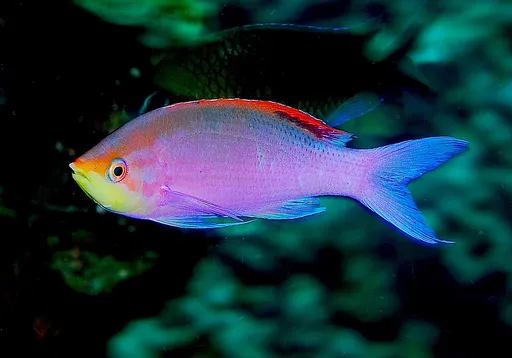
Purple queen anthias
Pseudanthias tuka
Saltwater4.7 in (12 cm) · 75 gal (285 L)75–81°F (24–27°C)Queen angelfish
Holacanthus ciliaris
Saltwater17.7 in (45 cm) · 251 gal (950 L)75–81°F (24–27°C)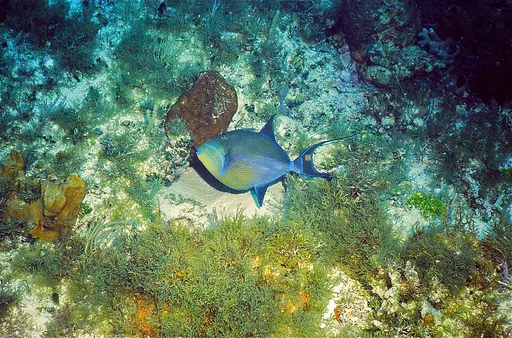
Queen triggerfish
Balistes vetula
Saltwater19.7 in (50 cm) · 238 gal (900 L)72–81°F (22–27°C)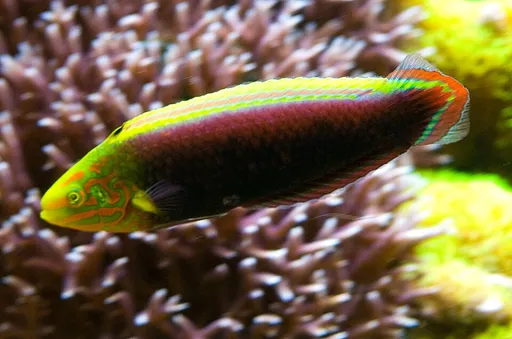
Radiant wrasse
Halichoeres iridis
Saltwater4.5 in (11.5 cm) · 75 gal (284 L)72–79°F (22–26°C)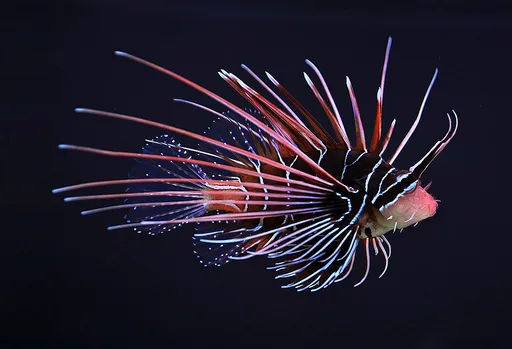
Radiata lionfish
Pterois radiata
Saltwater9.4 in (24 cm) · 70 gal (265 L)72–79°F (22–26°C)Regal angelfish
Pygoplites diacanthus
Saltwater9.8 in (25 cm) · 124 gal (470 L)73–81°F (23–27°C)Ribbon eel
Rhinomuraena quaesita
Saltwater39.4 in (100 cm) · 66 gal (250 L)75–81°F (24–27°C)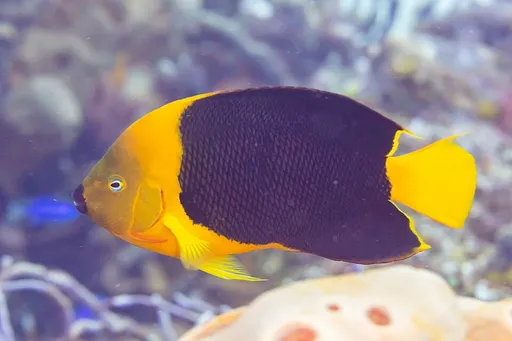
Rock beauty angelfish
Holacanthus tricolor
Saltwater13.8 in (35 cm) · 90 gal (340 L)73–81°F (23–27°C)Ruby red dragonet
Synchiropus sycorax
Saltwater2.4 in (6 cm) · 53 gal (200 L)73–81°F (23–27°C)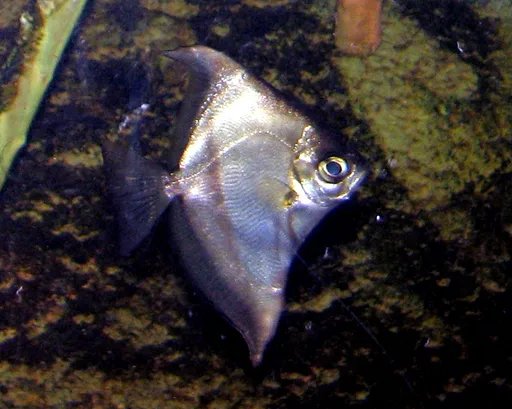
Sebae mono
Monodactylus sebae
BrackishSaltwater7.9 in (20 cm) · 119 gal (450 L)75–82°F (24–28°C)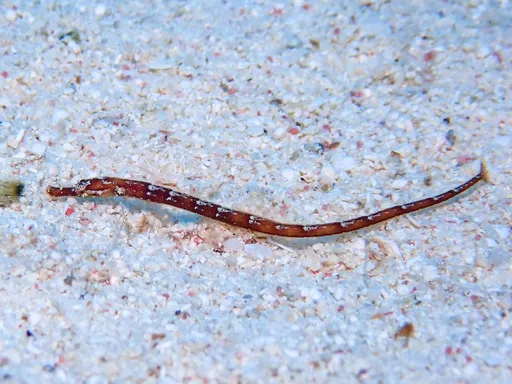
Shortfin pipefish
Cosmocampus elucens
Saltwater5.9 in (15 cm) · 20 gal (76 L)68–75°F (20–24°C)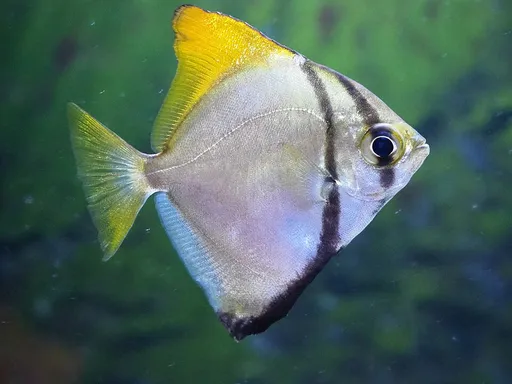
Silver mono
Monodactylus argenteus
BrackishSaltwater9.8 in (25 cm) · 106 gal (400 L)75–82°F (24–28°C)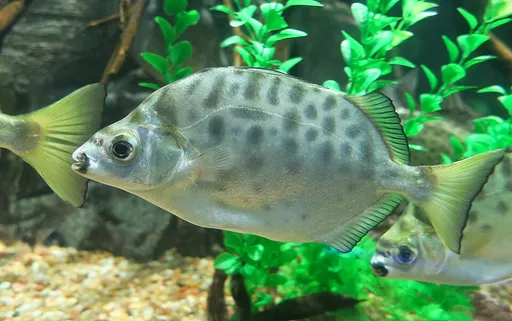
Silver scat
Selenotoca multifasciata
BrackishSaltwater11.8 in (30 cm) · 119 gal (450 L)72–82°F (22–28°C)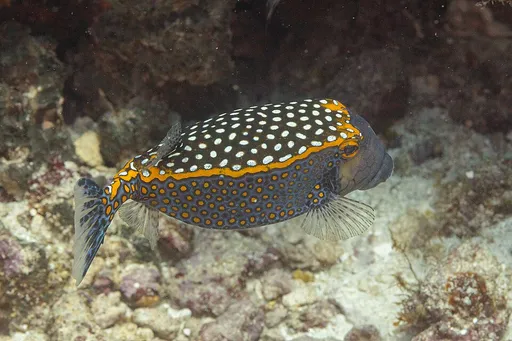
Spotted boxfish
Ostracion meleagris
Saltwater7.9 in (20 cm) · 90 gal (340 L)75–81°F (24–27°C)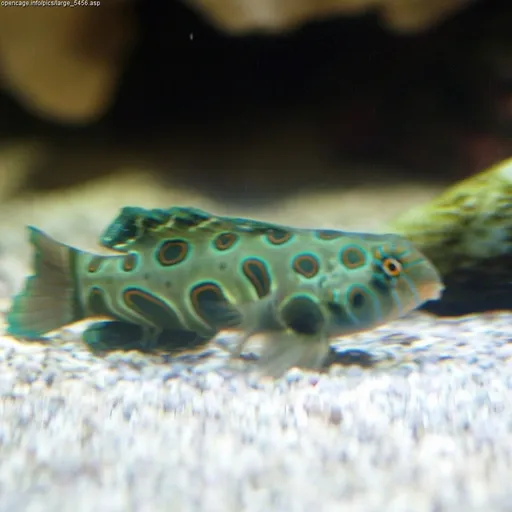
Spotted mandarin dragonet
Synchiropus picturatus
Saltwater2.8 in (7 cm) · 29 gal (110 L)75–81°F (24–27°C)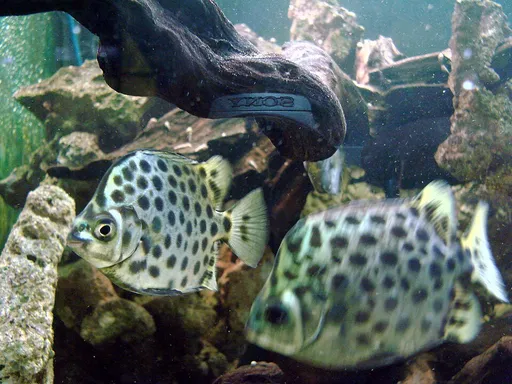
Spotted scat
Scatophagus argus
BrackishSaltwater11.8 in (30 cm) · 119 gal (450 L)72–82°F (22–28°C)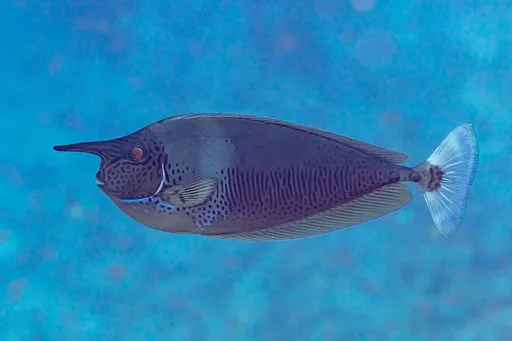
Spotted unicornfish
Naso brevirostris
Saltwater21.7 in (55 cm) · 343 gal (1,300 L)75–81°F (24–27°C)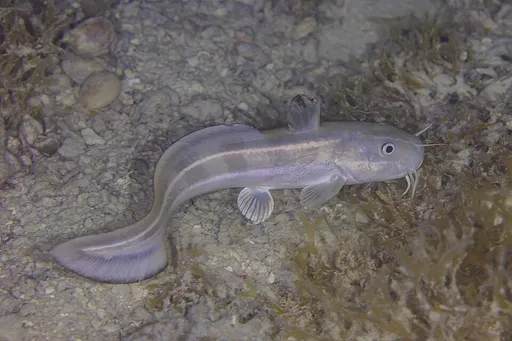
Striped eel catfish
Plotosus lineatus
Saltwater12.6 in (32 cm) · 106 gal (400 L)75–82°F (24–28°C)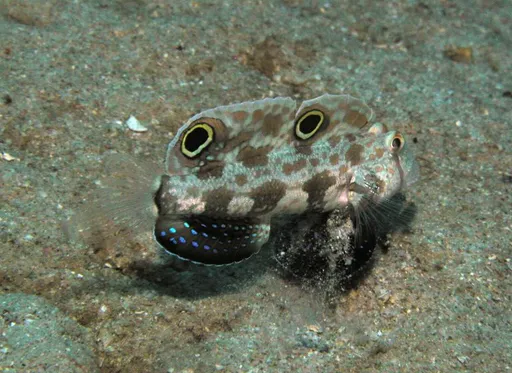
Twinspot goby
Signigobius biocellatus
Saltwater3.9 in (10 cm) · 30 gal (115 L)73–81°F (23–27°C)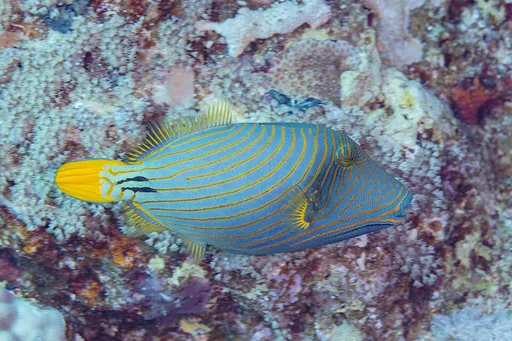
Undulated triggerfish
Balistapus undulatus
Saltwater11.8 in (30 cm) · 180 gal (680 L)75–81°F (24–27°C)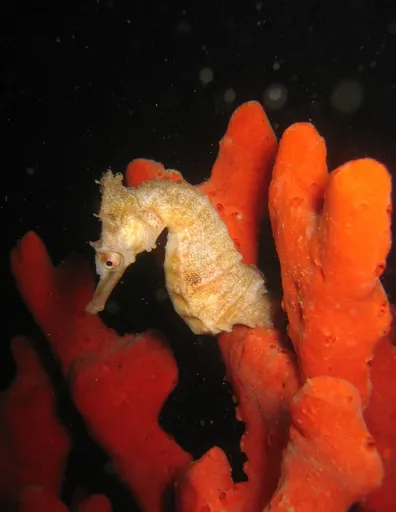
White's seahorse
Hippocampus whitei
Saltwater6.3 in (16 cm) · 30 gal (114 L)68–75°F (20–24°C)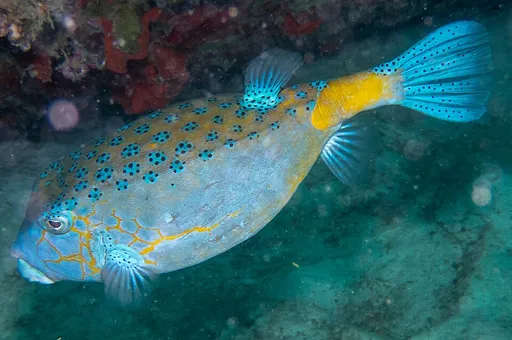
Yellow boxfish
Ostracion cubicus
Saltwater17.7 in (45 cm) · 250 gal (946 L)75–81°F (24–27°C)Yellow seahorse
Hippocampus kuda
Saltwater7.9 in (20 cm) · 40 gal (150 L)72–81°F (22–27°C)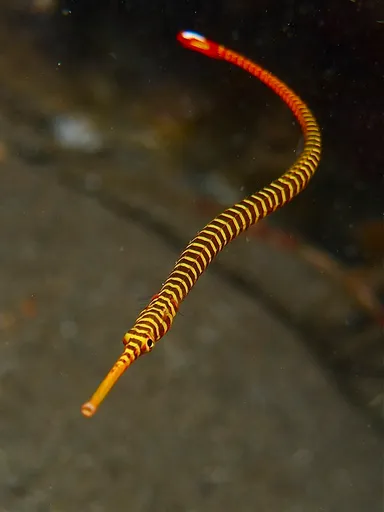
Yellowbanded pipefish
Dunckerocampus pessuliferus
Saltwater6.3 in (16 cm) · 53 gal (200 L)72–79°F (22–26°C)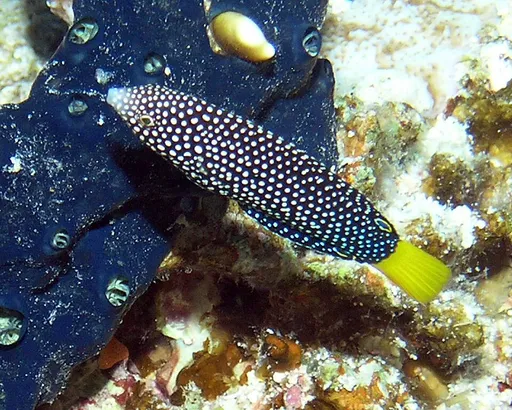
Yellowtail tamarin wrasse
Anampses meleagrides
Saltwater8.7 in (22 cm) · 90 gal (340 L)73–81°F (23–27°C)
Planning a tank?
TankBud checks stocking and water fit as you build a tank, then tracks water tests, reminders and photos once it is running.
Track your tanksMaintain tanks for clients? See TankBud Pro