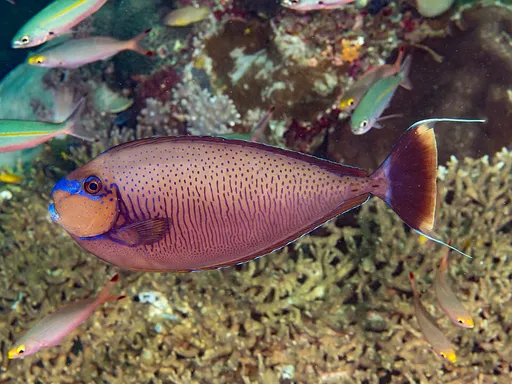
Bluespine unicornfish
Naso unicornis
Also known as Bluespine Unicorn Tang, Bluespine Surgeonfish, Blue-spined Unicornfish
SaltwaterFish
Care at a glance
- Temperature
- 75–81°F
- 24–27°C
- pH
- 8.1–8.4
- Adult size
- 23.6 in
- 60 cm
- Minimum tank
- 396 gal
- 1,500 L
- Temperament
- Mostly peaceful
- Social behavior
- Solitary
- Swim level
- Middle
- Difficulty
- Difficult
- Breeding
- No record
- Rarity
- Common
- Reef safe
- Reef safe
- Family
- Acanthuridae
- Origin
- Indo-Pacific from the Red Sea and East Africa to Hawaii, on outer reef slopes and channels with steady current.
Overview
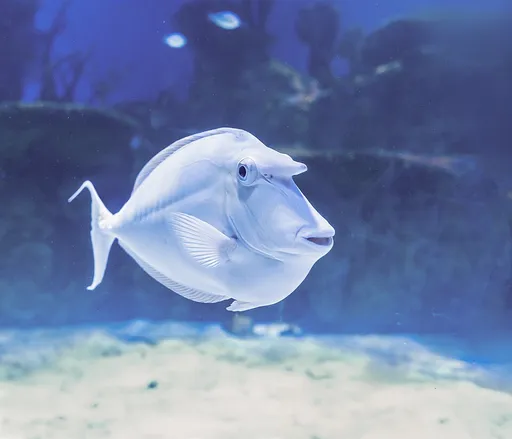
This fish outgrows almost every home tank, so plan on 1500 litres or more with wide open swimming room and hold temperature at 24 to 27 C. Keep only one and feed a heavily plant-based diet of nori, macroalgae and spirulina with occasional meaty foods. It ignores corals and most invertebrates, so the limit is space, not reef safety. Treat it as a species for very large custom systems or public aquariums.
In the wild
Bluespine unicornfish graze leafy macroalgae on current-swept outer slopes, often in loose groups. Adults grow a blunt horn on the forehead and two fixed blue blades on each side of the tail. They cover a lot of ground while feeding and are strong swimmers. This is a very large surgeonfish that keeps growing for years.
Good to know
Naso unicornis reaches around 60 cm and occasionally more in the wild. The forehead horn develops with age and does not regenerate if broken. Unlike Acanthurus blades, the paired tail spines of Naso are fixed rather than folding.
Did you know
The horn that gives unicornfish their name has no known function and is more prominent in older adults.
Weekly picks
Tank mates
Bluespine unicornfish is a mostly peaceful, solitary species that keeps to the middle. These picks share a community profile with it, are safe together in both directions, and overlap on water type, temperature and pH.
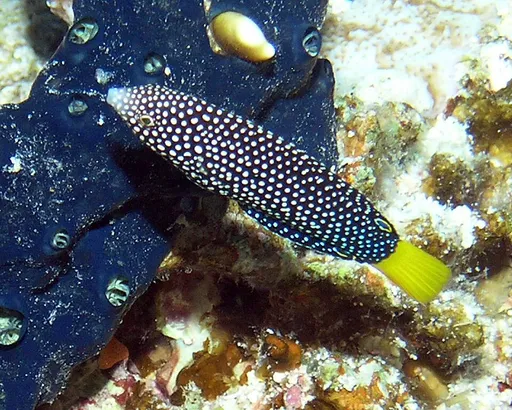
Yellowtail tamarin wrasse
Anampses meleagrides
Saltwater8.7 in (22 cm) · 90 gal (340 L)73–81°F (23–27°C)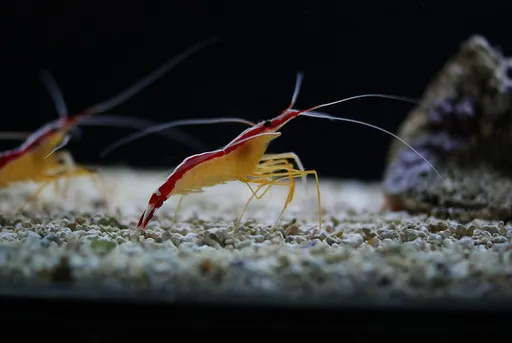
Skunk cleaner shrimp
Lysmata amboinensis
Saltwater2.4 in (6 cm) · 20 gal (75 L)73–81°F (23–27°C)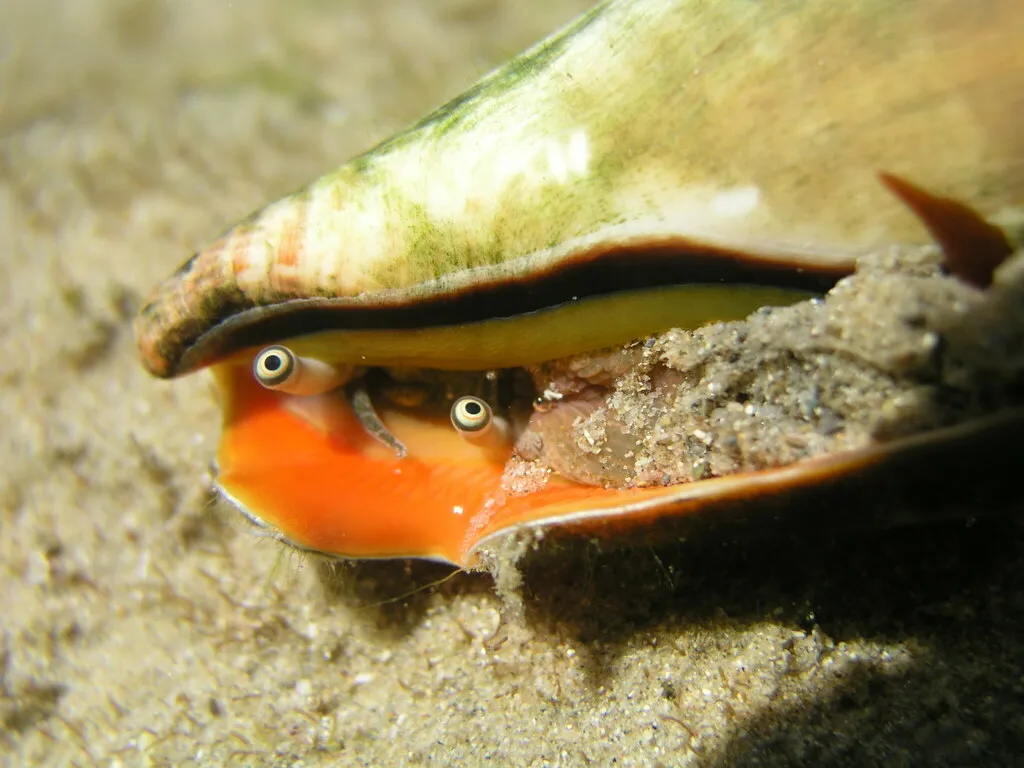
Tiger / strawberry conch
Conomurex luhuanus
Saltwater2.8 in (7 cm) · 20 gal (75 L)75–81°F (24–27°C)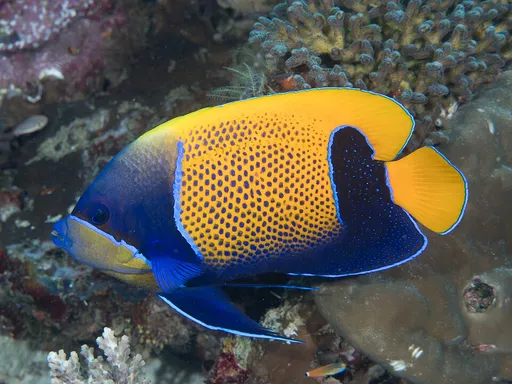
Majestic angelfish
Pomacanthus navarchus
Saltwater11.8 in (30 cm) · 145 gal (550 L)73–81°F (23–27°C)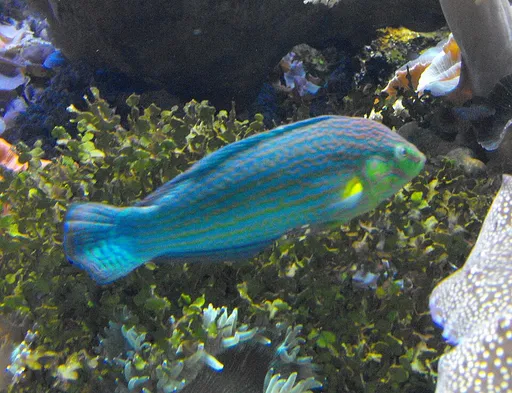
Melanurus wrasse
Halichoeres melanurus
Saltwater5.5 in (14 cm) · 100 gal (380 L)72–79°F (22–26°C)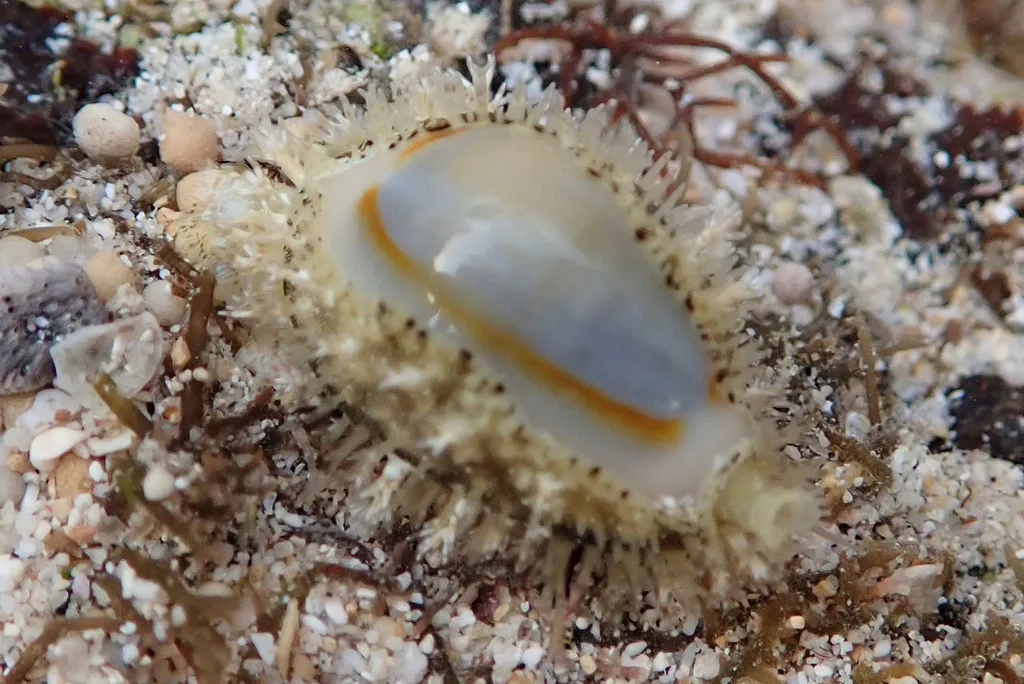
Ring cowrie
Monetaria annulus
Saltwater1.2 in (3 cm) · 20 gal (75 L)75–81°F (24–27°C)
Common questions
What size tank does a Bluespine unicornfish need?
A Bluespine unicornfish needs at least 396 gal (1,500 L). It spends most of its time in the middle.
What temperature and pH does a Bluespine unicornfish need?
A Bluespine unicornfish is comfortable at 75–81°F (24–27°C) with a pH of 8.1–8.4.
How big does a Bluespine unicornfish get?
An adult Bluespine unicornfish reaches about 23.6 in (60 cm).
Related species
 23.6 in (60 cm)359 gal (1,360 L)75–81°F (24–27°C)
Vlamingi tang
Naso vlamingii
23.6 in (60 cm) · 359 gal (1,360 L)
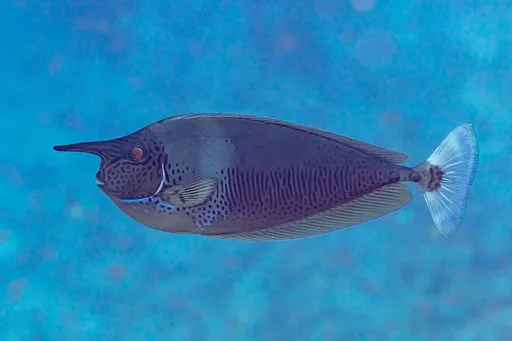 21.7 in (55 cm)343 gal (1,300 L)75–81°F (24–27°C)
Spotted unicornfish
Naso brevirostris
21.7 in (55 cm) · 343 gal (1,300 L)
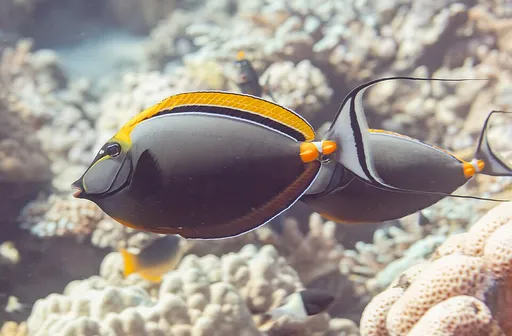 17.7 in (45 cm)180 gal (680 L)75–81°F (24–27°C)
Blonde naso tang
Naso elegans
17.7 in (45 cm) · 180 gal (680 L)
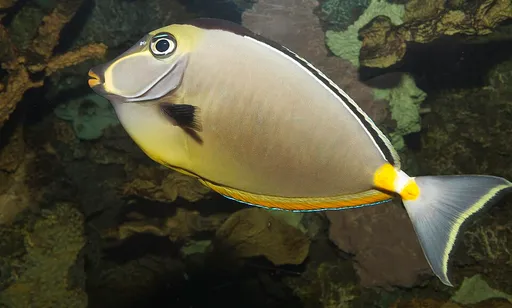 17.7 in (45 cm)180 gal (680 L)73–82°F (23–28°C)
Naso tang
Naso lituratus
17.7 in (45 cm) · 180 gal (680 L)
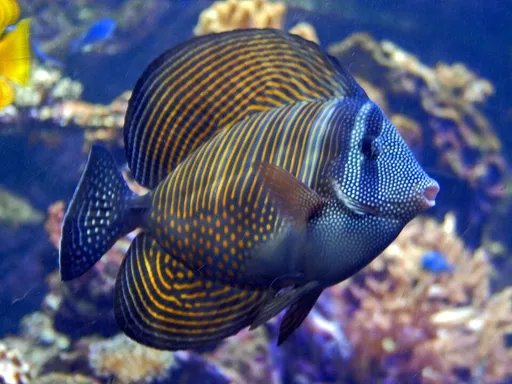 15.7 in (40 cm)180 gal (680 L)75–82°F (24–28°C)
Red Sea sailfin tang
Zebrasoma desjardinii
15.7 in (40 cm) · 180 gal (680 L)
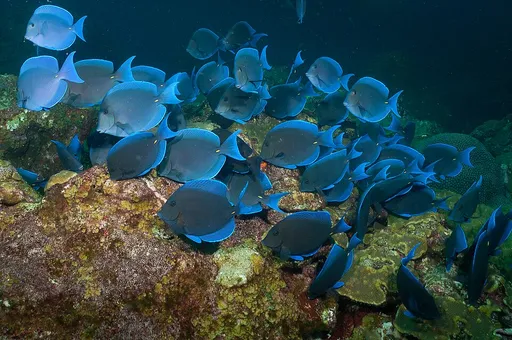 13.8 in (35 cm)151 gal (570 L)75–81°F (24–27°C)
Atlantic blue tang
Acanthurus coeruleus
13.8 in (35 cm) · 151 gal (570 L)