Vlamingi tang
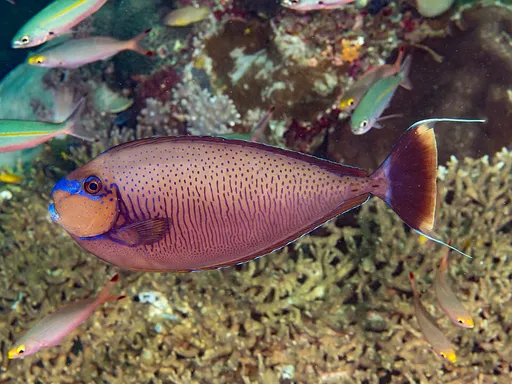
Naso vlamingii
Also known as Bignose Unicornfish, Vlaming's Unicornfish, Bignose Unicorn Tang
SaltwaterFish
Care at a glance
- Temperature
- 75–81°F
- 24–27°C
- pH
- 8.1–8.4
- Adult size
- 23.6 in
- 60 cm
- Minimum tank
- 359 gal
- 1,360 L
- Temperament
- Mostly peaceful
- Social behavior
- Solitary
- Swim level
- Middle
- Difficulty
- Medium
- Breeding
- Hard
- Rarity
- Common
- Reef safe
- Reef safe
- Family
- Acanthuridae
- Origin
- Indo-Pacific reefs, from East Africa to the central Pacific
Overview
This tang is mostly peaceful with tankmates but, like most of its genus, won't tolerate other tangs in the same tank. It's reef safe and won't touch corals or invertebrates. Juveniles feed mainly on algae and should get plenty of nori and marine algae, but adults shift toward more of an omnivore's diet and do well with meaty foods like mysis added into the rotation. Given how large this fish gets, tank size matters more than water chemistry here. It's a hardy tang once established, but it needs room from day one.
In the wild
Vlamingi tangs patrol the upper edges of steep reef drop-offs across the Indo-Pacific, from East Africa to the central Pacific, hanging in the water column to pick zooplankton out of the current. Unlike most tangs, they're often seen in loose aggregations at these drop-offs instead of sticking close to the reef itself. This is one of the largest tangs in the hobby, and it needs at least 1,360 litres (360 US gal) with a long, open swimming lane to do well long term.
Good to know
Naso vlamingii is one of the larger unicornfish, and males develop a pronounced bulge on the forehead as they mature, along with the blue scribbling and bright blue lips that give the species its color. It's a broadcast spawner, and researchers have managed rare captive-breeding successes with it, one of only a handful of Naso or Acanthurus species ever reared through to juveniles in captivity.
Did you know
Vlamingi tangs can live for decades and keep growing a couple inches a year for most of that time, so the fish a hobbyist buys as a juvenile can take the better part of a decade to reach its full adult size.
Weekly picks
Tank mates
Vlamingi tang is a mostly peaceful, solitary species that keeps to the middle. These picks share a community profile with it, are safe together in both directions, and overlap on water type, temperature and pH.
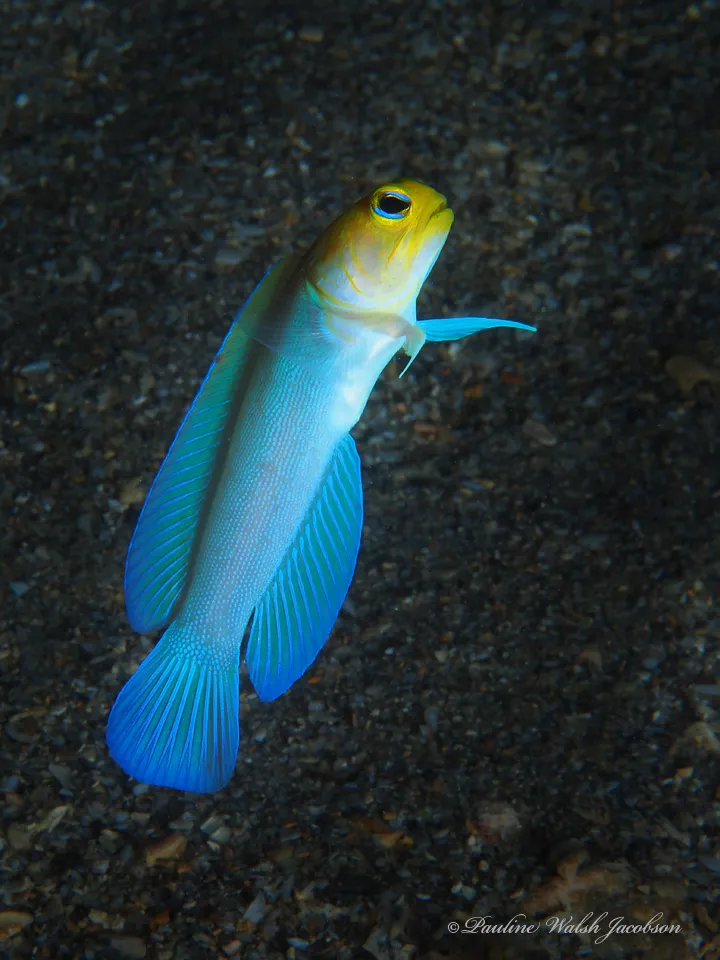
Pearly jawfish
Opistognathus aurifrons
Saltwater3.9 in (10 cm) · 29 gal (110 L)73–81°F (23–27°C)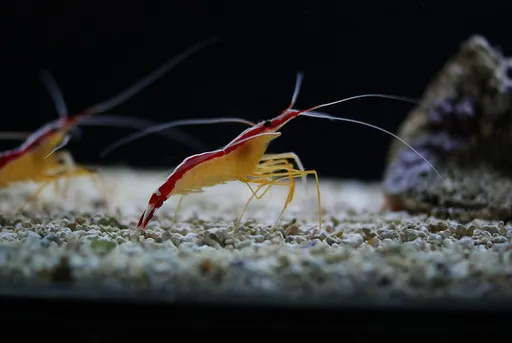
Skunk cleaner shrimp
Lysmata amboinensis
Saltwater2.4 in (6 cm) · 20 gal (75 L)73–81°F (23–27°C)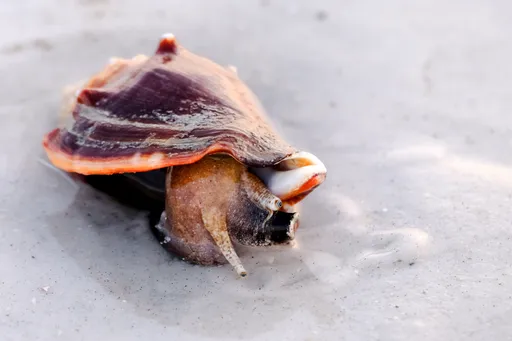
Fighting conch
Strombus alatus
Saltwater3.1 in (8 cm) · 20 gal (75 L)75–81°F (24–27°C)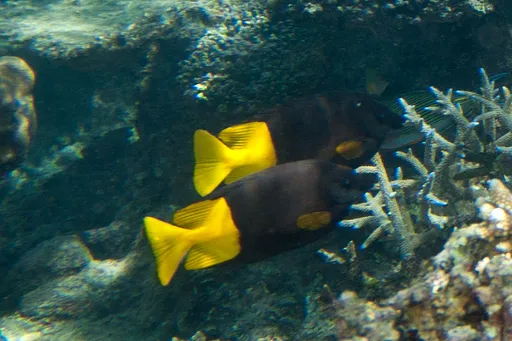
Bicolor foxface
Siganus uspi
Saltwater9.4 in (24 cm) · 124 gal (470 L)75–81°F (24–27°C)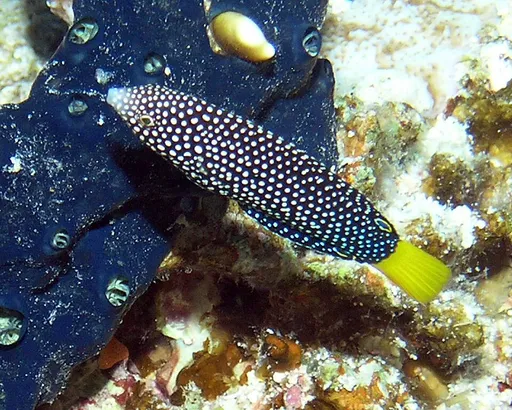
Yellowtail tamarin wrasse
Anampses meleagrides
Saltwater8.7 in (22 cm) · 90 gal (340 L)73–81°F (23–27°C)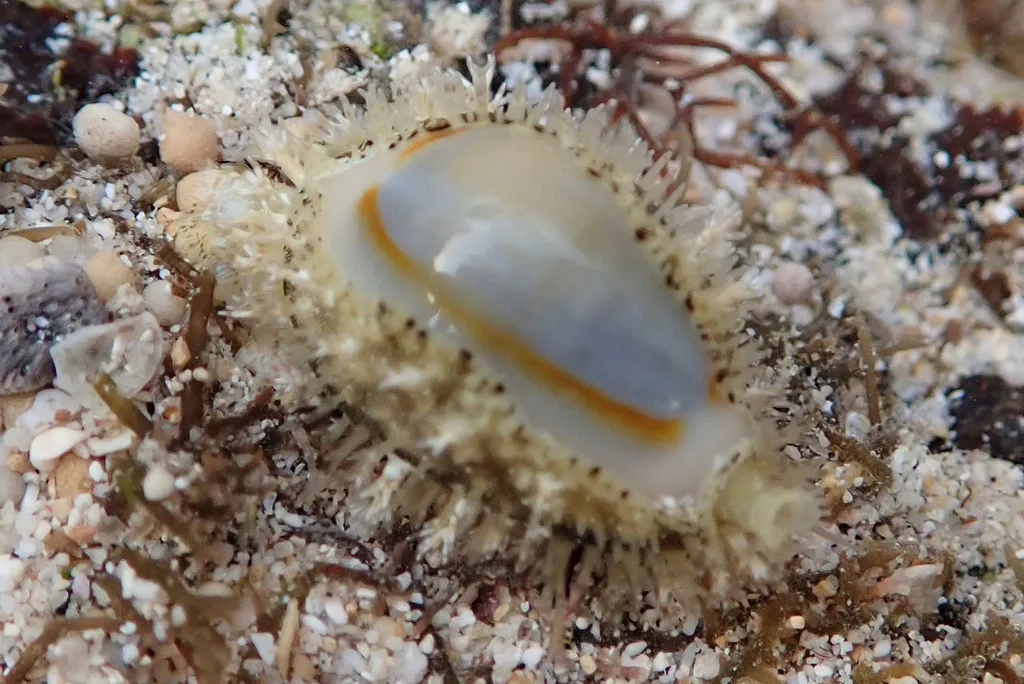
Ring cowrie
Monetaria annulus
Saltwater1.2 in (3 cm) · 20 gal (75 L)75–81°F (24–27°C)
Common questions
What size tank does a Vlamingi tang need?
A Vlamingi tang needs at least 359 gal (1,360 L). It spends most of its time in the middle.
What temperature and pH does a Vlamingi tang need?
A Vlamingi tang is comfortable at 75–81°F (24–27°C) with a pH of 8.1–8.4.
How big does a Vlamingi tang get?
An adult Vlamingi tang reaches about 23.6 in (60 cm).
Related species
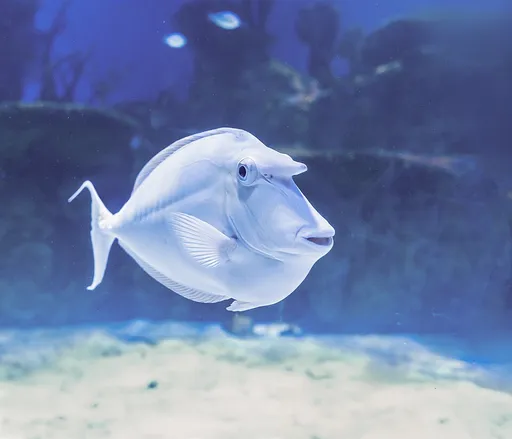 23.6 in (60 cm)396 gal (1,500 L)75–81°F (24–27°C)
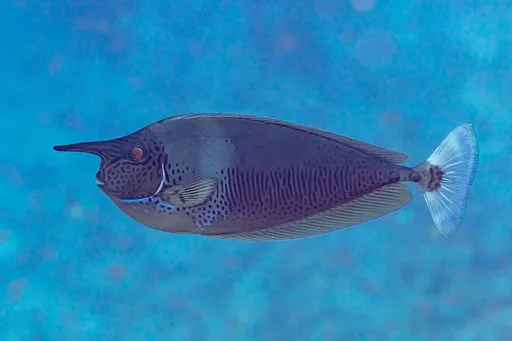
Bluespine unicornfish
Naso unicornis
23.6 in (60 cm) · 396 gal (1,500 L)
 21.7 in (55 cm)343 gal (1,300 L)75–81°F (24–27°C)
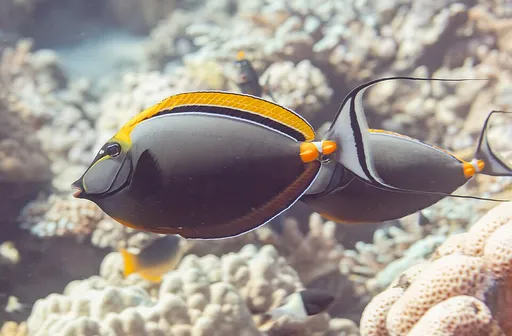
Spotted unicornfish
Naso brevirostris
21.7 in (55 cm) · 343 gal (1,300 L)
 17.7 in (45 cm)180 gal (680 L)75–81°F (24–27°C)
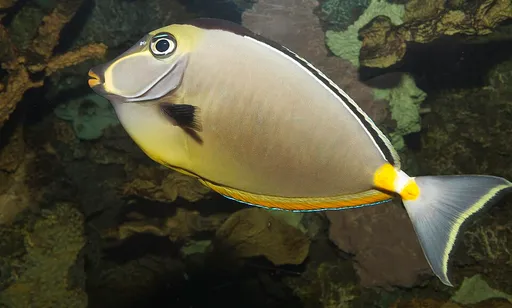
Blonde naso tang
Naso elegans
17.7 in (45 cm) · 180 gal (680 L)
 17.7 in (45 cm)180 gal (680 L)73–82°F (23–28°C)
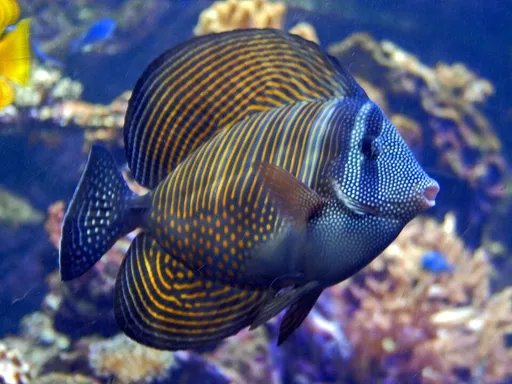
Naso tang
Naso lituratus
17.7 in (45 cm) · 180 gal (680 L)
 15.7 in (40 cm)180 gal (680 L)75–82°F (24–28°C)
Red Sea sailfin tang
Zebrasoma desjardinii
15.7 in (40 cm) · 180 gal (680 L)
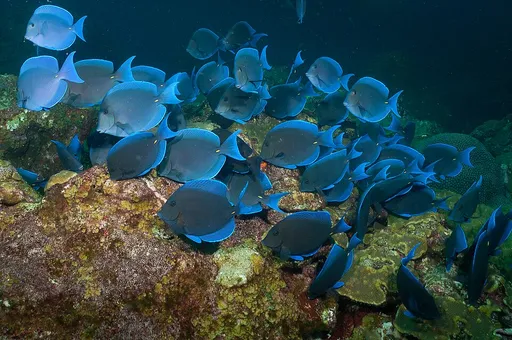 13.8 in (35 cm)151 gal (570 L)75–81°F (24–27°C)
Atlantic blue tang
Acanthurus coeruleus
13.8 in (35 cm) · 151 gal (570 L)