Nano saltwater fish
A nano reef runs on gobies. The fish here stay under a few inches, suit an 11 gallon (40 liter) tank and mostly leave corals alone. That makes them the usual choice for a pico or a desktop reef. Most are cleaner, clown or dwarf gobies. The dwarf seahorse is the one that wants a tank of its own. Each profile lists adult size, minimum tank and reef safety.
At a glance
- Tank size
- 5–11 gal
- 5 gal (19 L) to 11 gal (40 L); half the list needs 11 gal (40 L) or more
- Temperature
- 72–79°F
- 22–26°C, most of the list
- pH
- 8.1–8.4
- Most of the list
- Difficulty
- 19 easy
- 2 medium · 1 difficult
- Reef safety
- 19 reef safe
- 3 reef safe with caution
22 species
Start here
Gobies for a nano reef
The neon goby is the fish this list is built around, 2 inches (5 cm) in 11 gallons (40 liters), marked easy and peaceful, and a cleaner that picks parasites off anything that will hold still. The broadstripe cleaner goby is its Caribbean cousin with the same habits. The red head goby comes from the eastern Pacific and cleans only now and then. The yellow and green clown gobies perch in branching coral at 1.6 to 1.8 inches (4 to 4.5 cm) and carry a coral caution for that reason, since a pair may lay eggs on the branches. The tiger goby is a 2 inch (5 cm) fish that sits on the rock and darts for food. All of them list 11 gallons (40 liters), so the tank should be at least that size.
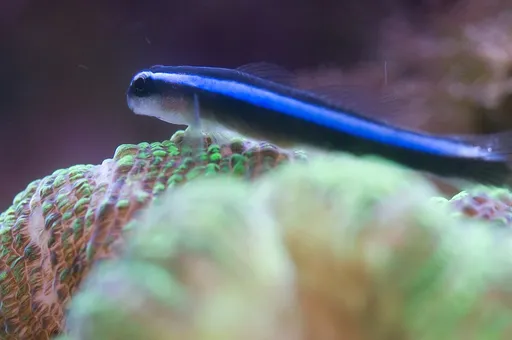
Neon goby
Elacatinus oceanops
Saltwater- Size
- 2 in (5 cm)
- Tank
- 11 gal (40 L)
- Water
- 72–79°F (22–26°C)
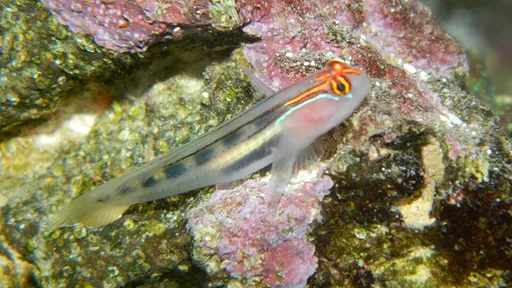
Red head goby
Elacatinus puncticulatus
Saltwater- Size
- 2 in (5 cm)
- Tank
- 11 gal (40 L)
- Water
- 72–79°F (22–26°C)
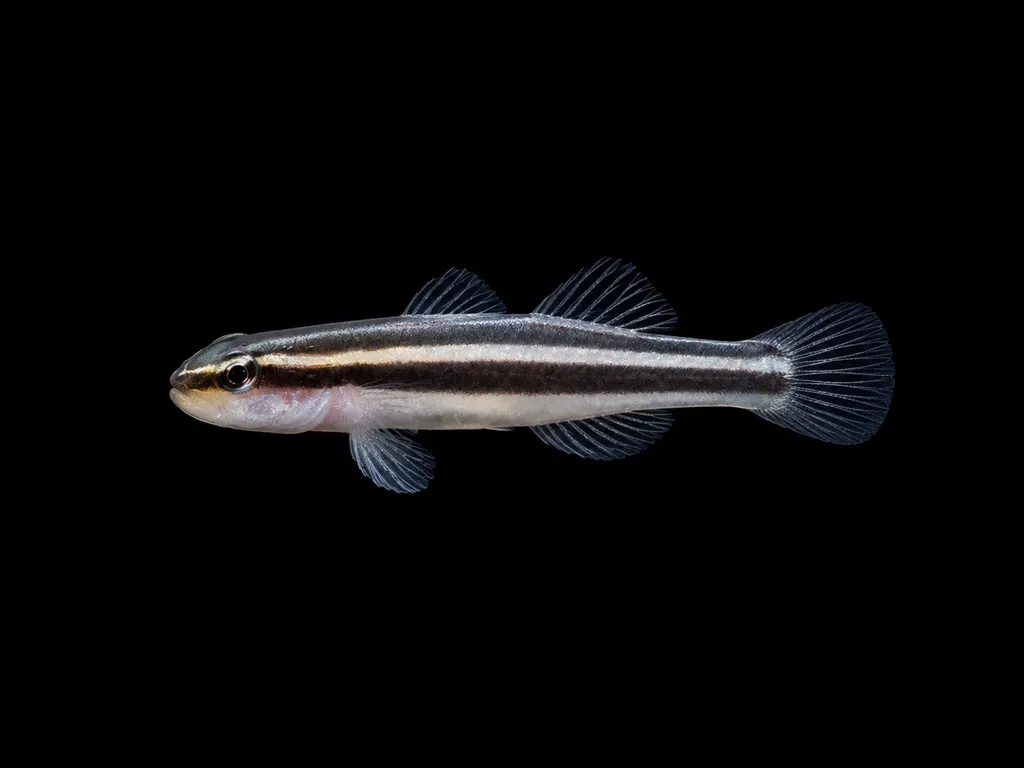
Broadstripe cleaner goby
Elacatinus prochilos
Saltwater- Size
- 1.6 in (4 cm)
- Tank
- 11 gal (40 L)
- Water
- 72–79°F (22–26°C)
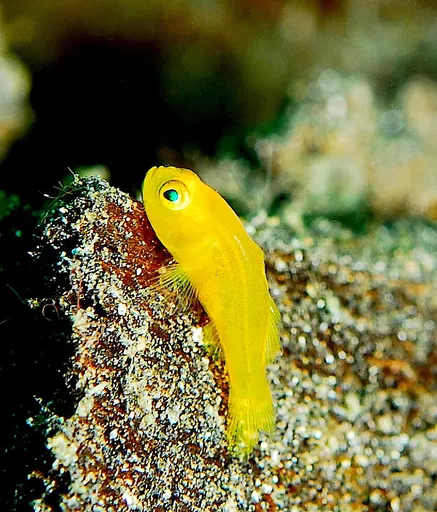
Yellow clown goby
Gobiodon okinawae
Saltwater- Size
- 1.6 in (4 cm)
- Tank
- 11 gal (40 L)
- Water
- 73–81°F (23–27°C)
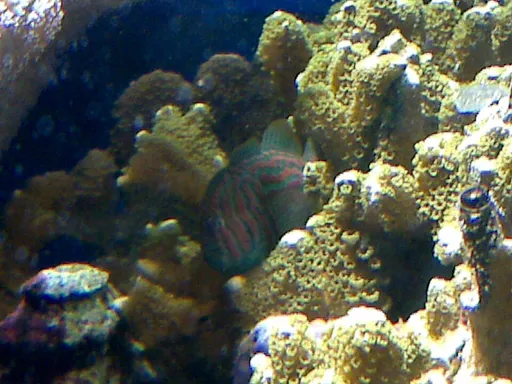
Green clown goby
Gobiodon histrio
Saltwater- Size
- 1.8 in (4.5 cm)
- Tank
- 11 gal (40 L)
- Water
- 72–79°F (22–26°C)
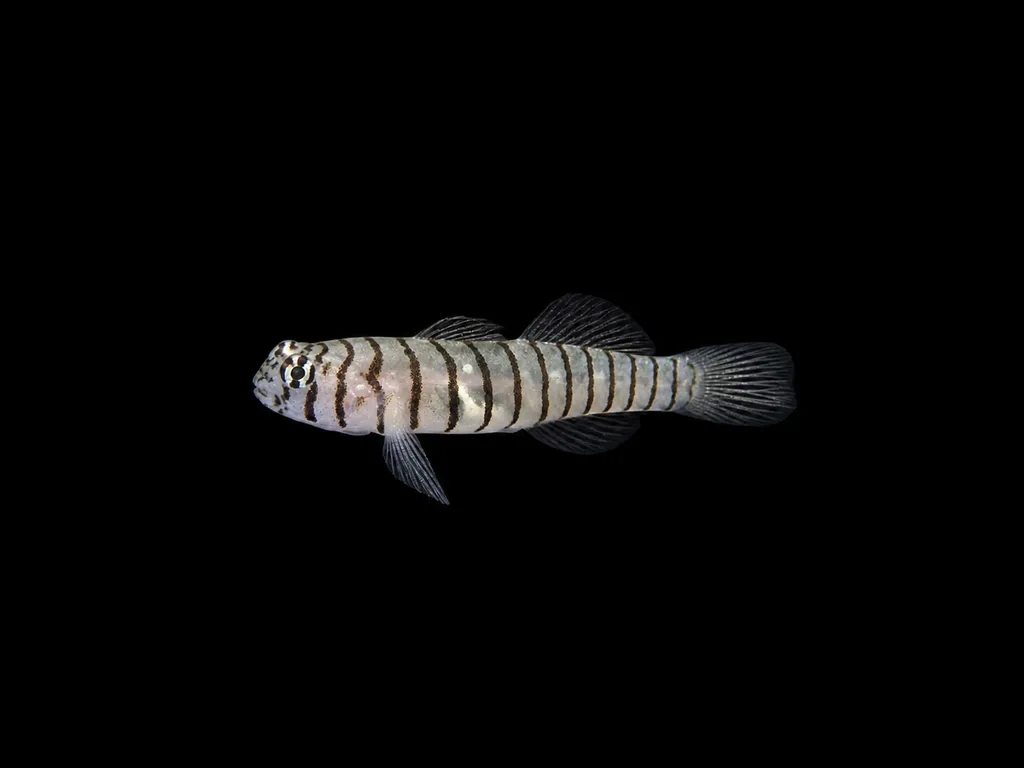
Tiger goby
Tigrigobius macrodon
Saltwater- Size
- 2 in (5 cm)
- Tank
- 11 gal (40 L)
- Water
- 72–81°F (22–27°C)
The rule
What makes a saltwater fish nano
Every fish here grows to 2.4 inches (6 cm) or less. Each one lists 11 gallons (40 liters) or less, which is what a desktop reef can hold. Most are marked reef safe outright; the clown gobies carry a caution. Small fish carry no reserves, so they need feeding at least twice a day with food small enough to swallow, and a tank this size has no buffer against a missed water change. The dwarf seahorse is the exception to everything: marked difficult, it wants a tank of its own with live food and almost no flow.
- 01
2.4 inches or less
Every fish here stays at 6 cm or less
- 02
11 gallons or less
Every profile lists 40 liters or under
- 03
Mostly reef safe
The clown gobies and the dwarf seahorse are marked caution
- 04
Feed small and often
Twice a day, with food that fits the mouth
Pico
Dwarfgobies and pygmygobies for a 5 gallon
The Eviota dwarfgobies and the Trimma pygmygobies are the smallest marine fish in the catalog at 0.8 to 1.4 inches (2 to 3.5 cm). They list 5 to 10 gallons (19 to 38 liters). They are marked easy and peaceful, and they spend the day perched on rock and coral picking at pods. They are short-lived and best bought young. The Eviota dwarfgobies and the citron and redlined pygmygobies are marked social and do well in small groups. The caesiura pygmygoby is marked solitary, so keep one per small tank. The citron and redlined pygmygobies are the colorful ones. The blackbelly and Brahm's dwarfgobies are the smallest at 0.8 inches (2 cm), and Lachdebere's dwarfgoby is next at 0.8 inches (2.1 cm).
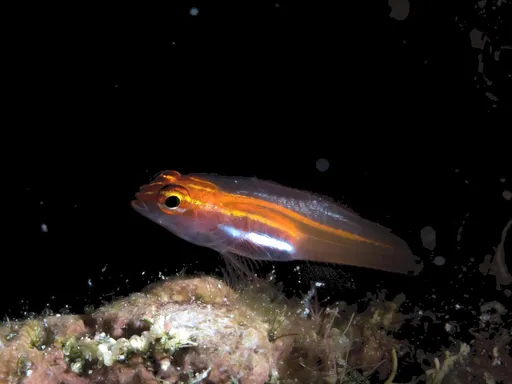
Blackbelly dwarfgoby
Eviota atriventris
Saltwater0.8 in (2 cm) · 5 gal (19 L)72–79°F (22–26°C)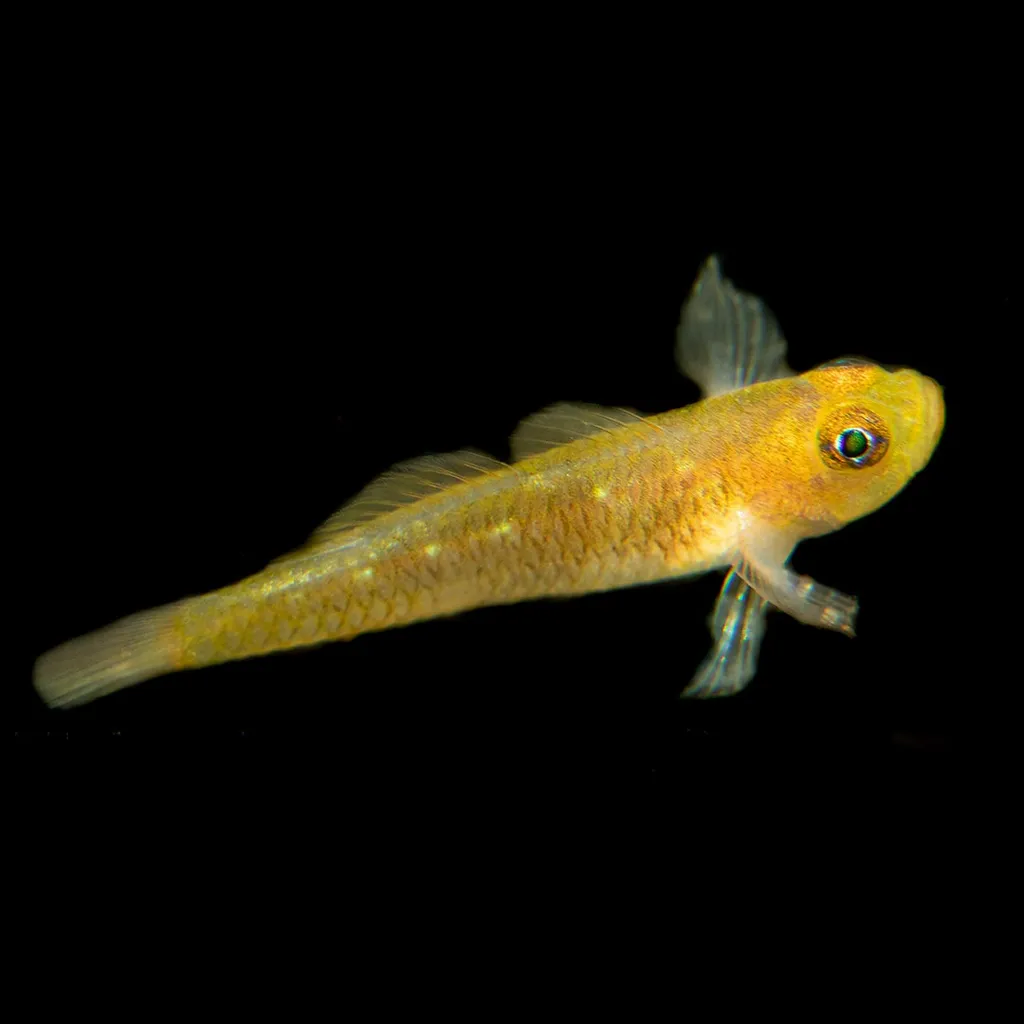
Citron pygmygoby
Trimma kitrinum
Saltwater1.1 in (2.7 cm) · 5 gal (19 L)72–79°F (22–26°C)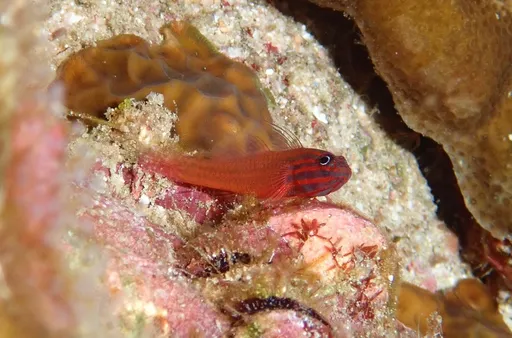
Redlined pygmygoby
Trimma striatum
Saltwater1.2 in (3 cm) · 10 gal (38 L)72–79°F (22–26°C)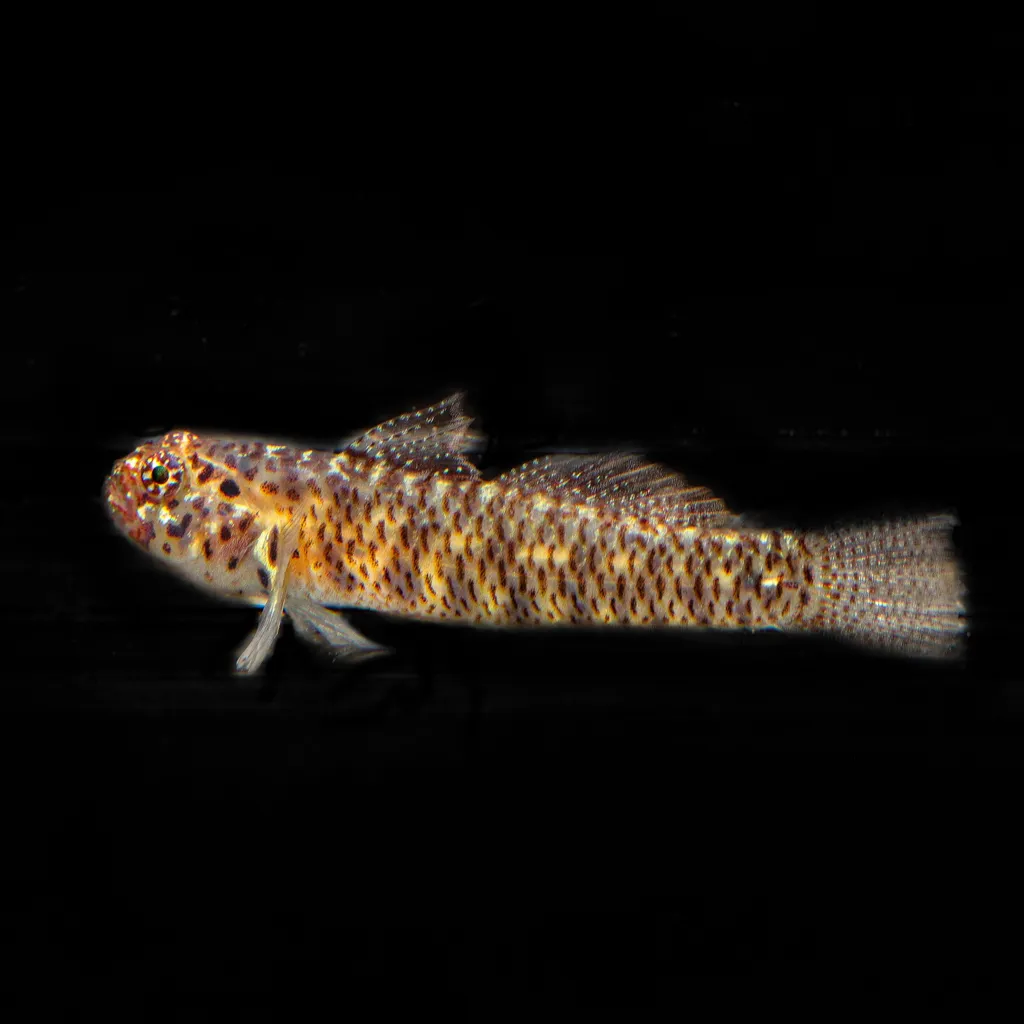
Queensland dwarfgoby
Eviota queenslandica
Saltwater0.9 in (2.4 cm) · 10 gal (38 L)72–79°F (22–26°C)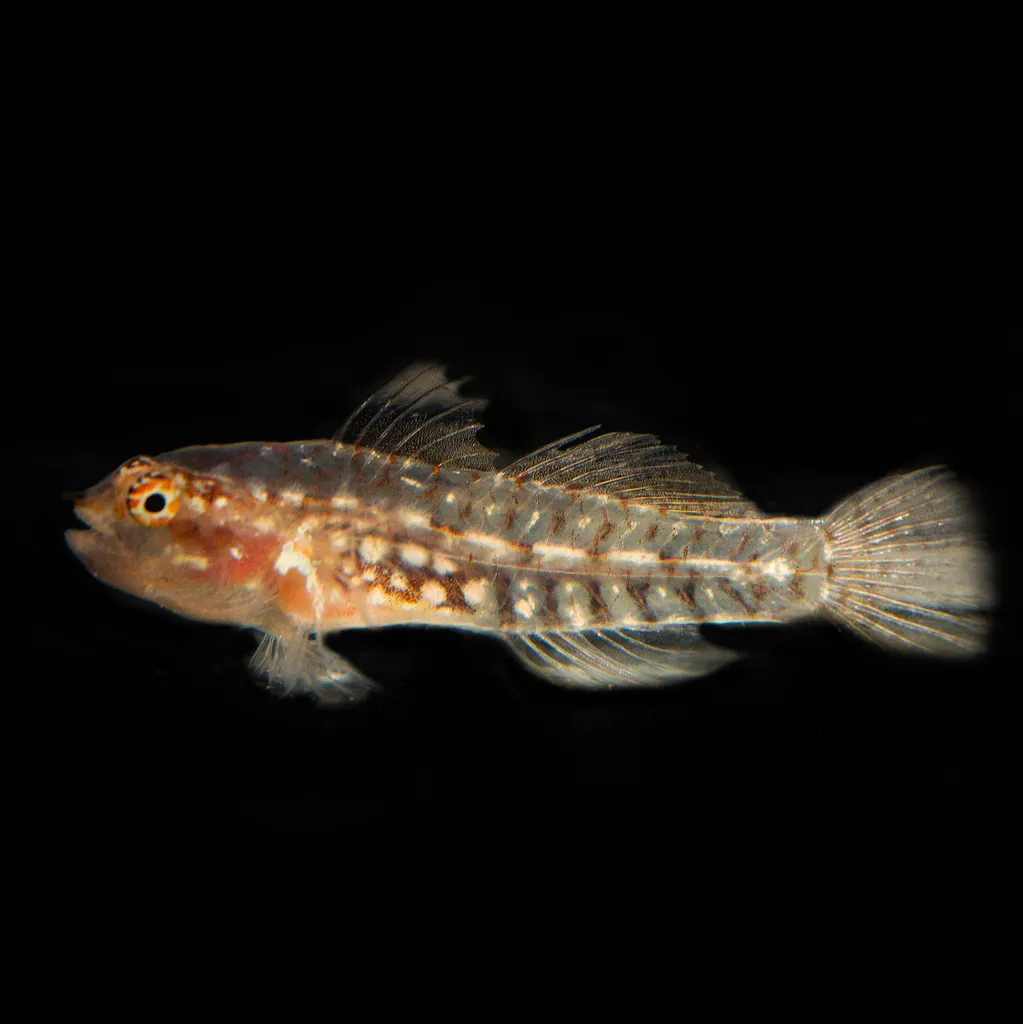
Storthynx dwarfgoby
Eviota storthynx
Saltwater1 in (2.5 cm) · 5 gal (19 L)72–79°F (22–26°C)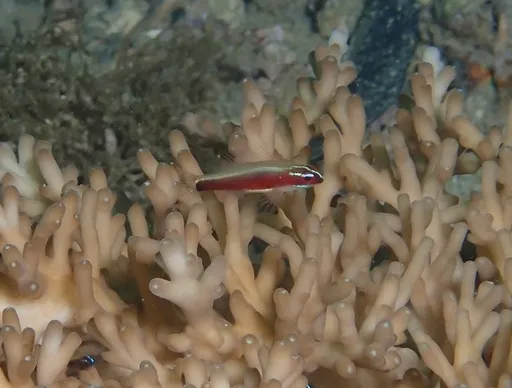
Redbelly dwarfgoby
Eviota nigriventris
Saltwater1.2 in (3 cm) · 10 gal (38 L)72–79°F (22–26°C)
Special cases
The cool one, the shy one and the seahorse
The Catalina goby is the nano fish that does not want a heater: it lists 59–72°F (15–22°C), a temperate range that a tropical reef cannot give it, and it is marked medium for that reason. The whitecap goby is a shrimp goby for 11 gallons (40 liters), marked medium because it is shy and easily starved. The dwarf seahorse stays at 1.4 inches (3.5 cm) in 5 gallons (20 liters) and is marked difficult: it needs live baby brine shrimp several times a day and a tank with no competitors. The Elacatinus cleaner gobies, the barber and the yellowline sponge goby among them, are the easy end, and a pair will often spawn in a nano tank.
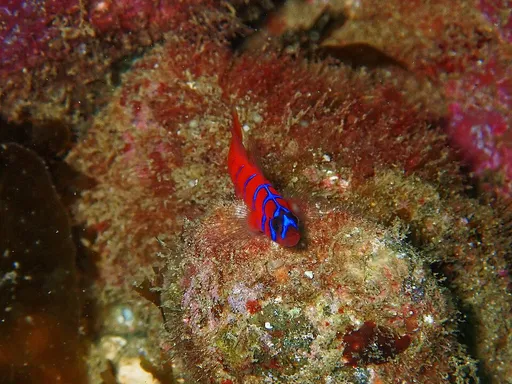
Catalina goby
Lythrypnus dalli
Saltwater2.4 in (6 cm) · 11 gal (40 L)59–72°F (15–22°C)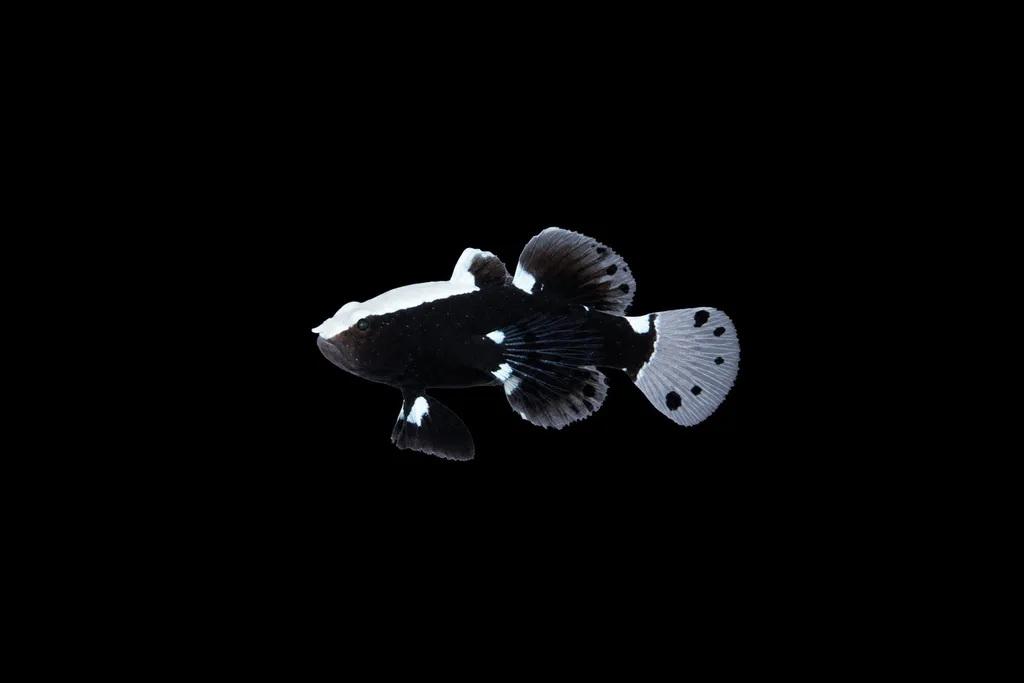
Whitecap goby
Lotilia klausewitzi
Saltwater2 in (5 cm) · 11 gal (40 L)73–81°F (23–27°C)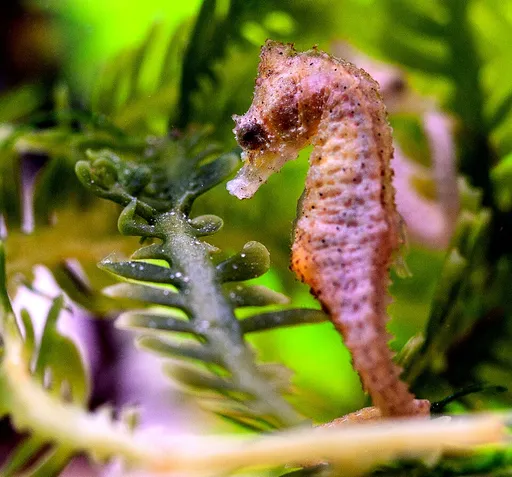
Dwarf seahorse
Hippocampus zosterae
Saltwater1.4 in (3.5 cm) · 5 gal (20 L)68–79°F (20–26°C)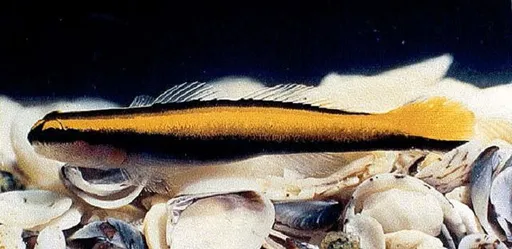
Barber goby
Elacatinus figaro
Saltwater1.6 in (4 cm) · 11 gal (40 L)72–79°F (22–26°C)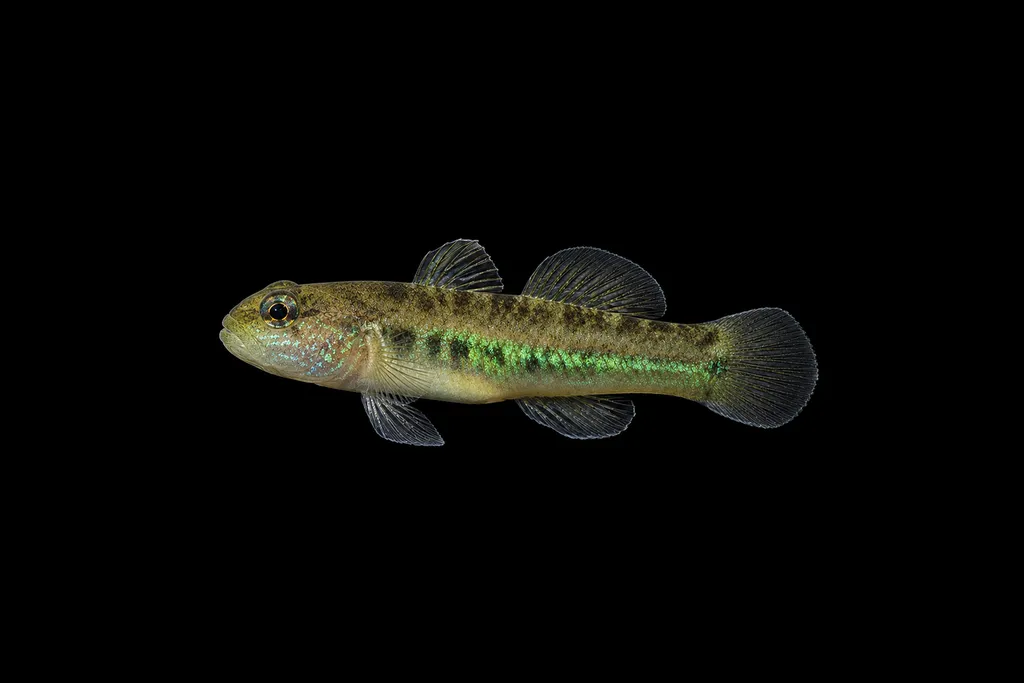
Panamanian greenbanded goby
Tigrigobius panamensis
Saltwater1.2 in (3 cm) · 11 gal (40 L)75–81°F (24–27°C)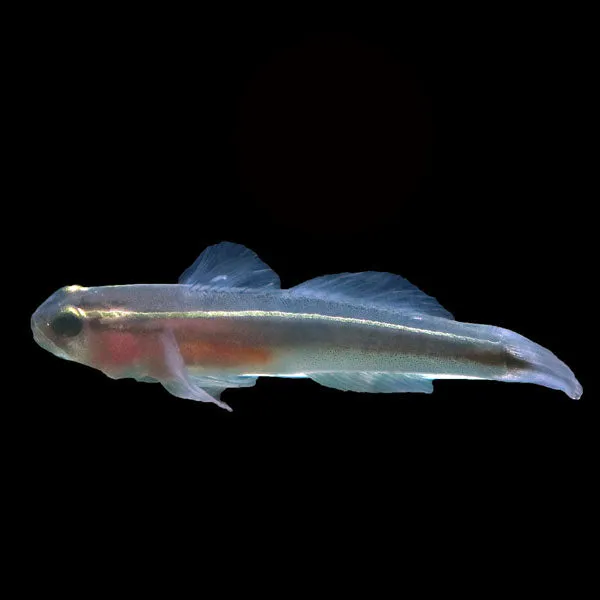
Yellowline sponge goby
Elacatinus horsti
Saltwater2 in (5 cm) · 11 gal (40 L)72–79°F (22–26°C)
By the numbers
Smallest
Largest
FAQ
Common questions
What fish can live in a 5 gallon saltwater tank?
Lachdebere's, storthynx, blackbelly and Brahm's dwarfgobies and the citron pygmygoby list 5 gallons (19 liters). The dwarf seahorse lists 5 gallons (20 liters) and fits if you can feed it live food. The other dwarfgobies and pygmygobies list 10 gallons (38 liters). A single one of the 11 gallon (40 liter) gobies is a stretch.
What fish can live in a 10 gallon reef?
The dwarfgobies and pygmygobies list 5 to 10 gallons (19 to 38 liters) and are the ones that fit a 10 gallon tank. The neon goby, the clown gobies, the tiger goby and the other cleaner gobies all list 11 gallons (40 liters). Two or three small gobies is a full 10 gallon tank.
Are nano gobies reef safe?
The dwarfgobies, pygmygobies and cleaner gobies are marked reef safe. The clown gobies carry a caution because they live in branching coral and can irritate it.
Can I keep more than one goby in a nano tank?
The dwarfgobies and the citron and redlined pygmygobies are marked social and do well in small groups. The cleaner gobies are kept singly or as a bonded pair in a nano. The caesiura pygmygoby is marked solitary, so keep one per small tank. Two clown gobies of the same species usually pair, but more than two will fight over the coral. Add different species one at a time and watch them.
Do nano saltwater fish need a heater?
Yes, for every fish here except the Catalina goby, which lists 59–72°F (15–22°C) and needs cool water. Most list 72–79°F (22–26°C). The Panamanian greenbanded goby lists 75–81°F (24–27°C), the whitecap and yellow clown gobies 73–81°F (23–27°C) and the tiger goby 72–81°F (22–27°C). The dwarf seahorse lists 68–79°F (20–26°C).
Is a dwarf seahorse a beginner fish?
No. It is marked difficult and it starves without live brine shrimp offered several times a day. Keep it in its own 5 gallon (20 liter) tank with gentle flow and something to hold on to.
Index
All nano saltwater fish
Barber goby
Elacatinus figaro
Saltwater1.6 in (4 cm) · 11 gal (40 L)72–79°F (22–26°C)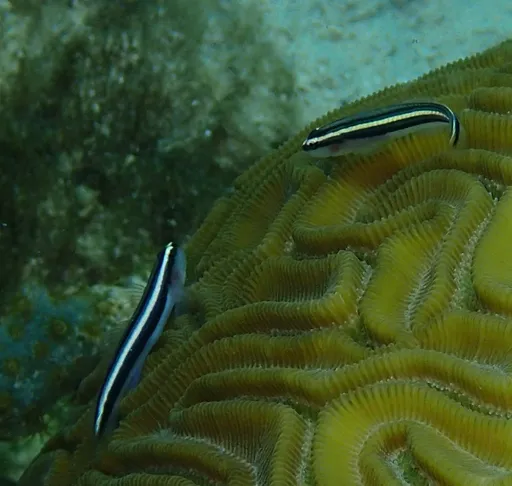
Barsnout cleaner goby
Elacatinus illecebrosus
Saltwater1.6 in (4 cm) · 11 gal (40 L)72–79°F (22–26°C)Blackbelly dwarfgoby
Eviota atriventris
Saltwater0.8 in (2 cm) · 5 gal (19 L)72–79°F (22–26°C)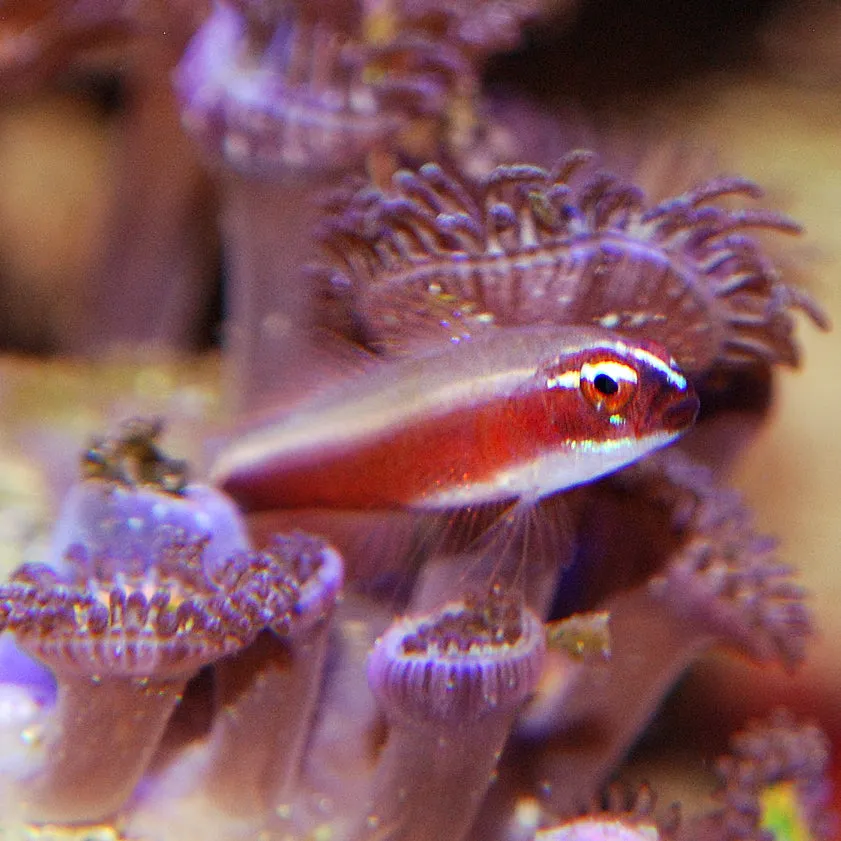
Brahm's dwarfgoby
Eviota brahmi
Saltwater0.8 in (2 cm) · 5 gal (19 L)72–79°F (22–26°C)Broadstripe cleaner goby
Elacatinus prochilos
Saltwater1.6 in (4 cm) · 11 gal (40 L)72–79°F (22–26°C)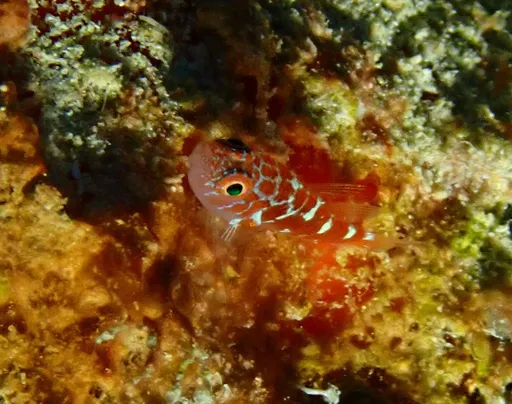
Caesiura pygmygoby
Trimma caesiura
Saltwater1.4 in (3.5 cm) · 10 gal (38 L)72–79°F (22–26°C)Catalina goby
Lythrypnus dalli
Saltwater2.4 in (6 cm) · 11 gal (40 L)59–72°F (15–22°C)Citron pygmygoby
Trimma kitrinum
Saltwater1.1 in (2.7 cm) · 5 gal (19 L)72–79°F (22–26°C)Dwarf seahorse
Hippocampus zosterae
Saltwater1.4 in (3.5 cm) · 5 gal (20 L)68–79°F (20–26°C)Green clown goby
Gobiodon histrio
Saltwater1.8 in (4.5 cm) · 11 gal (40 L)72–79°F (22–26°C)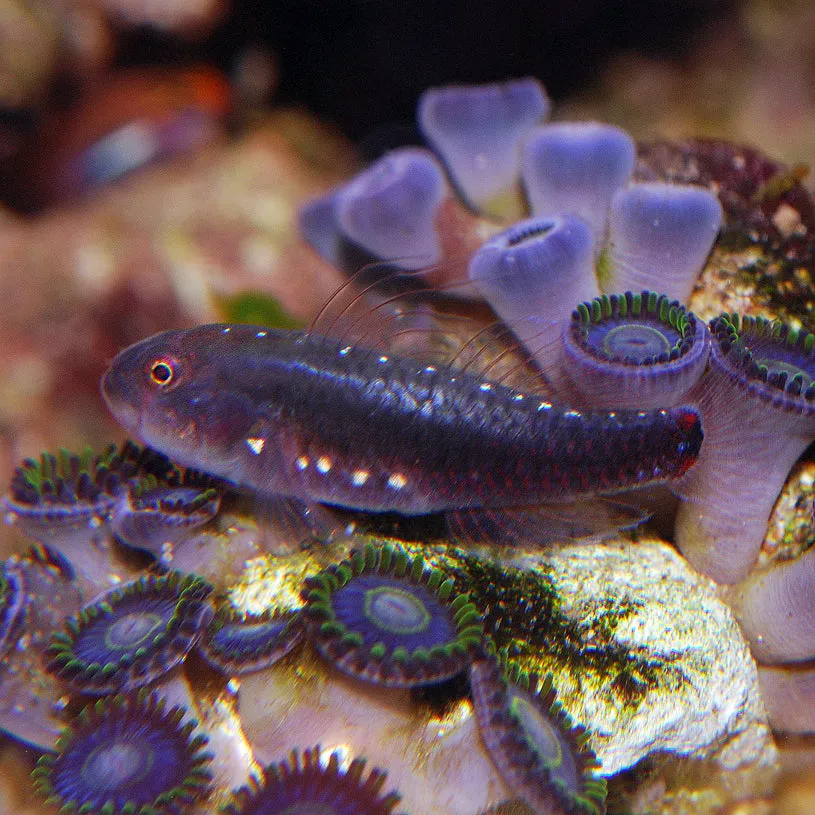
Lachdebere's dwarfgoby
Eviota lachdeberei
Saltwater0.8 in (2.1 cm) · 5 gal (19 L)72–79°F (22–26°C)Neon goby
Elacatinus oceanops
Saltwater2 in (5 cm) · 11 gal (40 L)72–79°F (22–26°C)Panamanian greenbanded goby
Tigrigobius panamensis
Saltwater1.2 in (3 cm) · 11 gal (40 L)75–81°F (24–27°C)Queensland dwarfgoby
Eviota queenslandica
Saltwater0.9 in (2.4 cm) · 10 gal (38 L)72–79°F (22–26°C)Red head goby
Elacatinus puncticulatus
Saltwater2 in (5 cm) · 11 gal (40 L)72–79°F (22–26°C)Redbelly dwarfgoby
Eviota nigriventris
Saltwater1.2 in (3 cm) · 10 gal (38 L)72–79°F (22–26°C)Redlined pygmygoby
Trimma striatum
Saltwater1.2 in (3 cm) · 10 gal (38 L)72–79°F (22–26°C)Storthynx dwarfgoby
Eviota storthynx
Saltwater1 in (2.5 cm) · 5 gal (19 L)72–79°F (22–26°C)Tiger goby
Tigrigobius macrodon
Saltwater2 in (5 cm) · 11 gal (40 L)72–81°F (22–27°C)Whitecap goby
Lotilia klausewitzi
Saltwater2 in (5 cm) · 11 gal (40 L)73–81°F (23–27°C)Yellow clown goby
Gobiodon okinawae
Saltwater1.6 in (4 cm) · 11 gal (40 L)73–81°F (23–27°C)Yellowline sponge goby
Elacatinus horsti
Saltwater2 in (5 cm) · 11 gal (40 L)72–79°F (22–26°C)
Planning a tank?
TankBud checks stocking and water fit as you build a tank, then tracks water tests, reminders and photos once it is running.
Track your tanksMaintain tanks for clients? See TankBud Pro