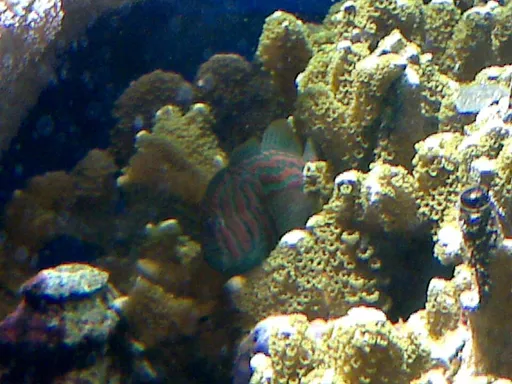
Green clown goby
Gobiodon histrio
Also known as Broad-barred Goby, Green Coral Goby, Earspot Coral Goby
SaltwaterFish
Care at a glance
- Temperature
- 72–79°F
- 22–26°C
- pH
- 8.1–8.4
- Adult size
- 1.8 in
- 4.5 cm
- Minimum tank
- 11 gal
- 40 L
- Temperament
- Peaceful
- Social behavior
- Social
- Swim level
- Bottom
- Difficulty
- Easy
- Breeding
- Medium
- Rarity
- Very common
- Reef safe
- Reef safe with caution
- Family
- Gobiidae
- Origin
- Indo-West Pacific reefs, from the Red Sea to Samoa, north to southern Japan and south to the Great Barrier Reef
Overview
This is a peaceful, home-loving fish that spends its life around one coral head and rarely bothers other tankmates, though two unpaired individuals will squabble if forced to share a small tank. It rates reef safe with caution rather than a clean yes: it will not eat coral as food, but a pair defending its home coral can nip at the polyps and tips of SPS like Acropora, and egg laying on the underside of a branch can leave localized tissue damage. The risk stays low in a well stocked reef with several coral colonies to spread across, and it is close to a non issue in an LPS or soft coral tank with no SPS to perch on. Feed small meaty foods such as mysis and enriched brine shrimp a few times a day, since it does not travel far to find its own food.
In the wild
Lives on Indo-Pacific reefs where it perches directly on the branches of stony corals, especially Acropora, and rarely strays more than a body length from its host head. Pairs will often stay on the same coral colony for months, using its branches as both home and lookout post. In the aquarium it needs a mature reef tank with a branching coral or sturdy rock perch nearby and calm flow, not open swimming room or a sand bed.
Good to know
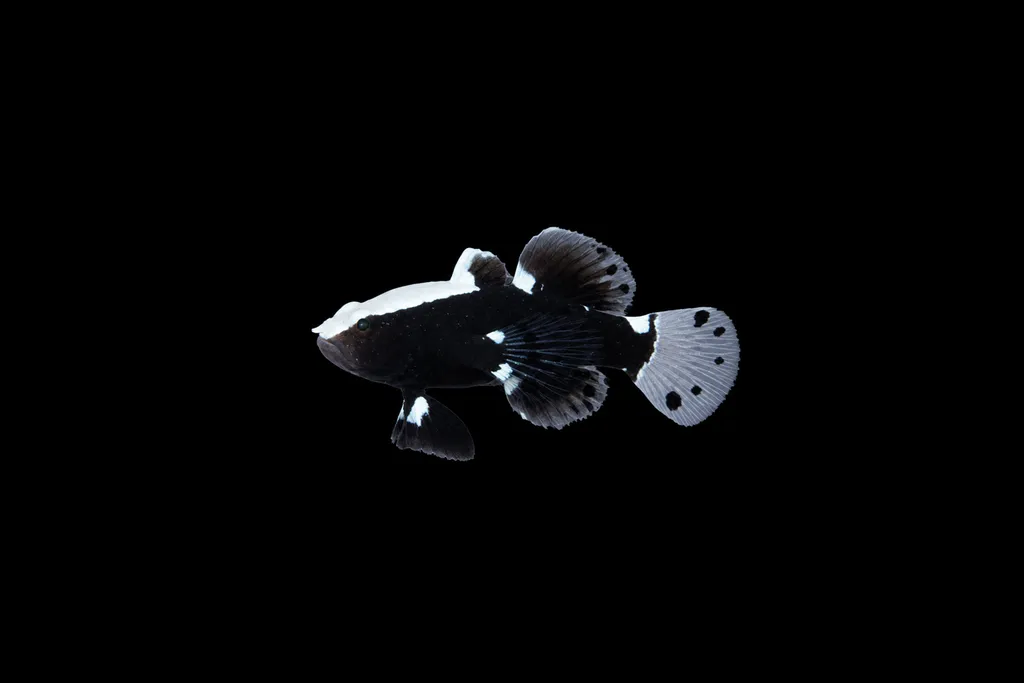
A small coral goby in the family Gobiidae, reaching about 4.5 cm, with a pale to olive green body marked by thin orange stripes on the head. It has no swim bladder and rests directly on its perch, propped on pelvic fins fused into a sucker-like disc. Its skin secretes a bitter, mildly toxic mucus that discourages predators, which is likely why such a small, slow fish can sit out in the open on a reef with little cover. Pairs are protogynous hermaphrodites and can change sex to match with a new partner.
Did you know
A green clown goby almost never leaves its home coral head. Moved elsewhere in the same tank, it will often work its way back across the rock to the exact branch it called home before.
Symbiotic relationships
Clown gobies and their Acropora
Clown gobies spend their lives wedged in the branches of Acropora corals, eating the coral's mucus and the small animals that live on it. Their skin carries a toxin that puts off predators, so the coral becomes a safe house. The coral is paid back in a way nobody expected: when a toxic seaweed touches an Acropora, the coral releases a chemical signal within minutes, and the gobies swim out and trim the seaweed back. Corals with gobies lose far less tissue to seaweed than corals without them.
A clown goby wants a branching coral to sit in, and Acropora is the natural choice, though it will settle for other branching stony corals. It is tiny, peaceful and needs small food several times a day. The one caution is the coral itself: a pair may nip a patch of Acropora or Montipora bare to lay eggs on the skeleton, and a small colony can lose a branch that way. Keep one, or a pair, per tank; two males fight.
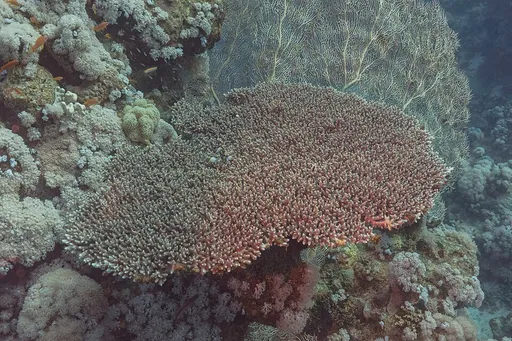
Table acropora
Acropora hyacinthus
Saltwater17.7 in (45 cm) · 53 gal (200 L)75–81°F (24–27°C)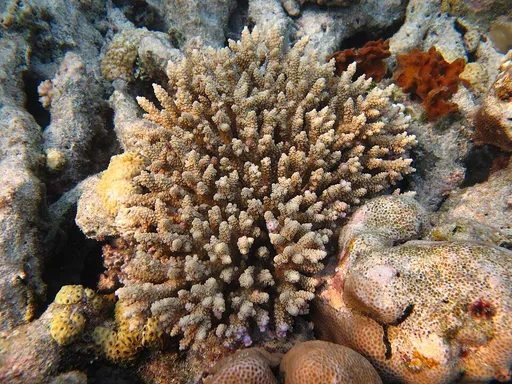
Smooth skin acropora
Acropora tenuis
Saltwater9.8 in (25 cm) · 40 gal (150 L)75–81°F (24–27°C)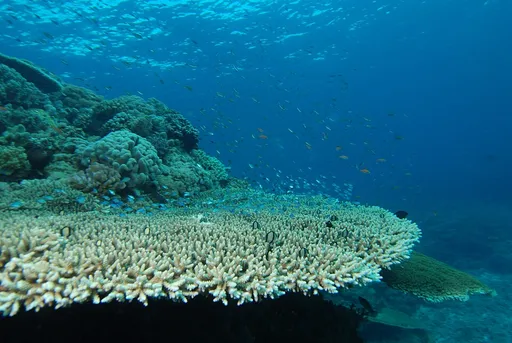
Staghorn acropora
Acropora
Saltwater9.8 in (25 cm) · 40 gal (150 L)75–81°F (24–27°C)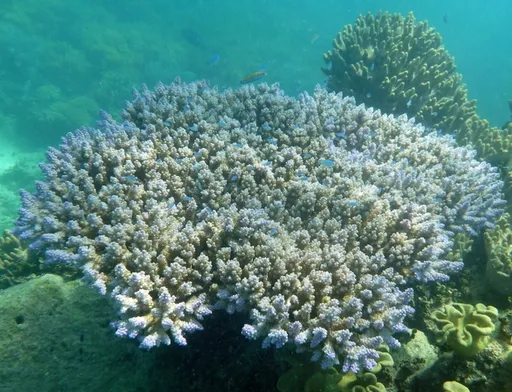
Tricolor acropora
Acropora valida
Saltwater9.8 in (25 cm) · 40 gal (150 L)75–81°F (24–27°C)
Weekly picks
Tank mates
Green clown goby is a peaceful, social species that keeps to the bottom. These picks share a community profile with it, are safe together in both directions, and overlap on water type, temperature and pH.
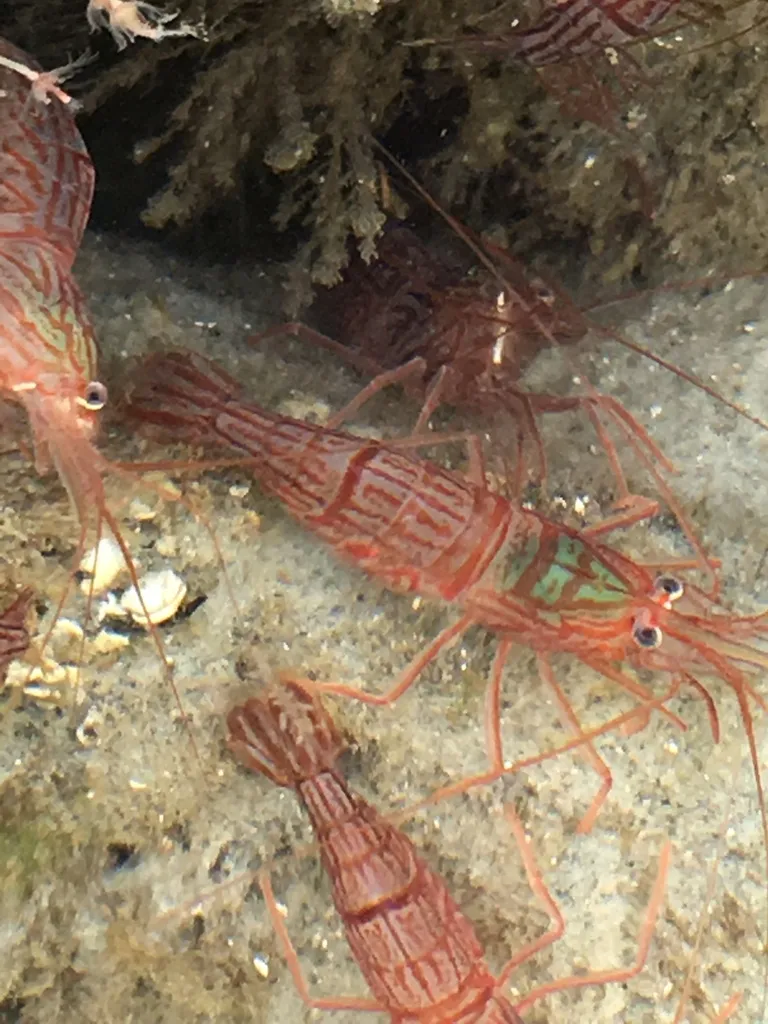
Peppermint shrimp
Lysmata wurdemanni
Saltwater2 in (5 cm) · 11 gal (40 L)72–81°F (22–27°C)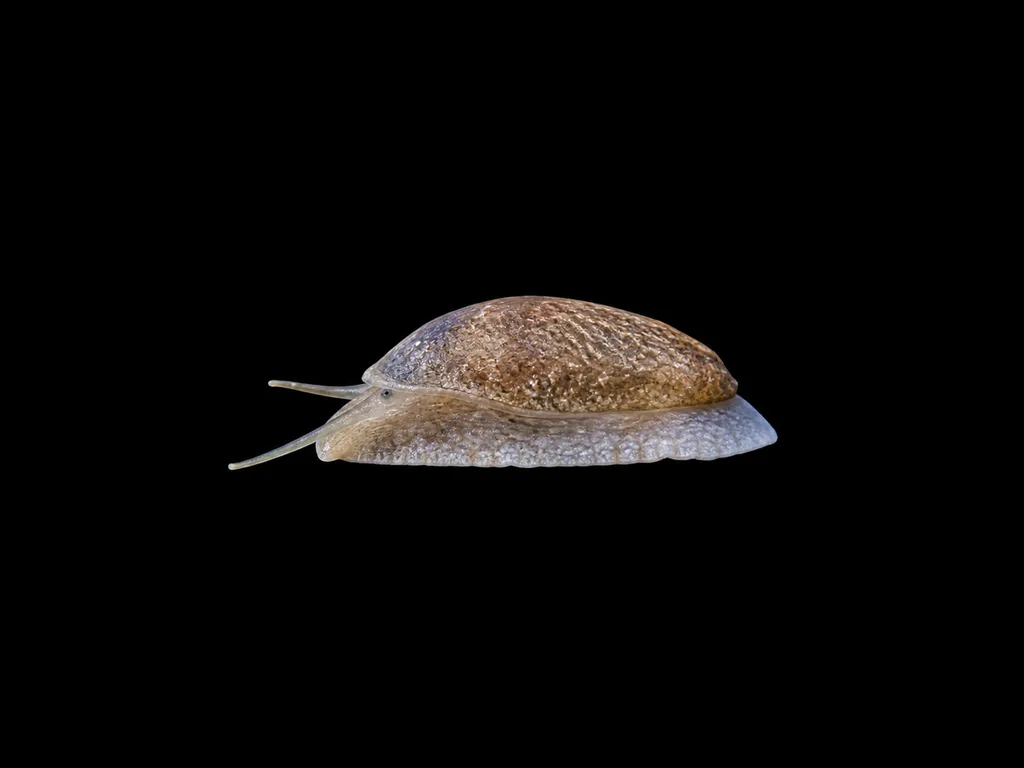
Stomatella snail
Stomatella varia
Saltwater0.8 in (2 cm) · 11 gal (40 L)75–81°F (24–27°C)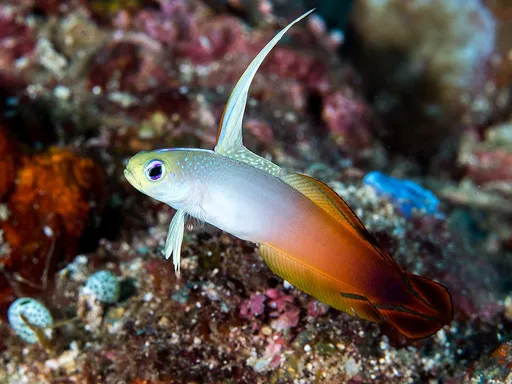
Firefish
Nemateleotris magnifica
Saltwater3.5 in (9 cm) · 20 gal (75 L)72–81°F (22–27°C)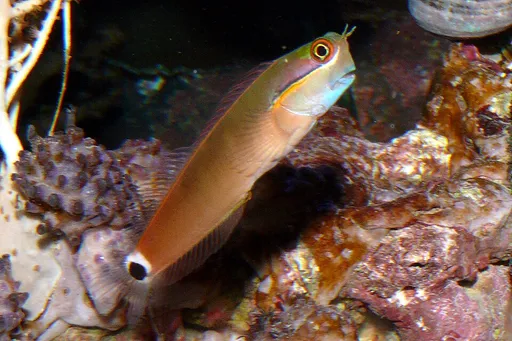
Tailspot blenny
Ecsenius stigmatura
Saltwater2.4 in (6 cm) · 20 gal (75 L)72–79°F (22–26°C)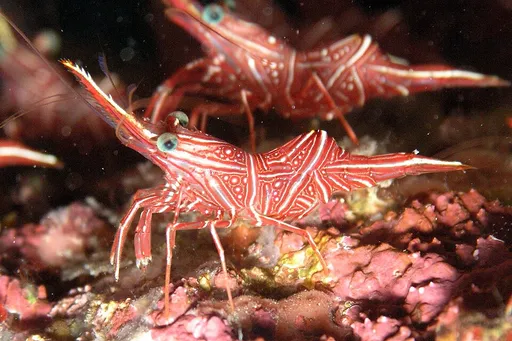
Camel / dancing shrimp
Rhynchocinetes durbanensis
Saltwater2 in (5 cm) · 16 gal (60 L)75–81°F (24–27°C)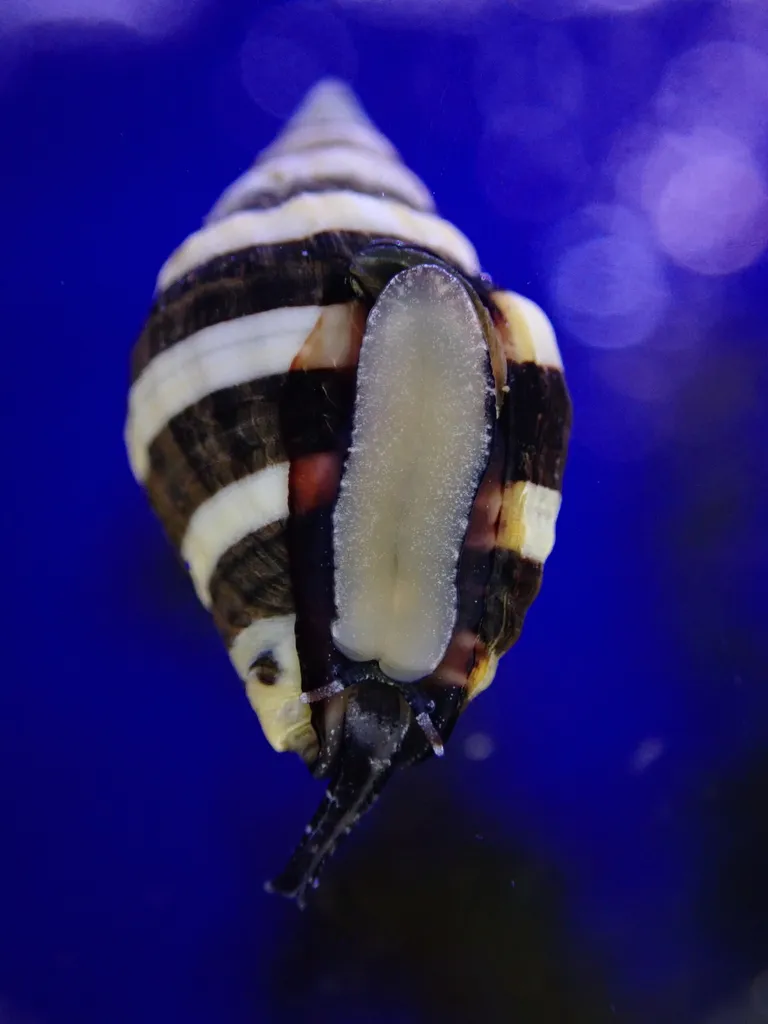
Bumble bee snail
Engina mendicaria
Saltwater0.8 in (2 cm) · 11 gal (40 L)75–81°F (24–27°C)
Common questions
What size tank does a Green clown goby need?
A Green clown goby needs at least 11 gal (40 L). It spends most of its time in the bottom.
What temperature and pH does a Green clown goby need?
A Green clown goby is comfortable at 72–79°F (22–26°C) with a pH of 8.1–8.4.
How big does a Green clown goby get?
An adult Green clown goby reaches about 1.8 in (4.5 cm).
Related species
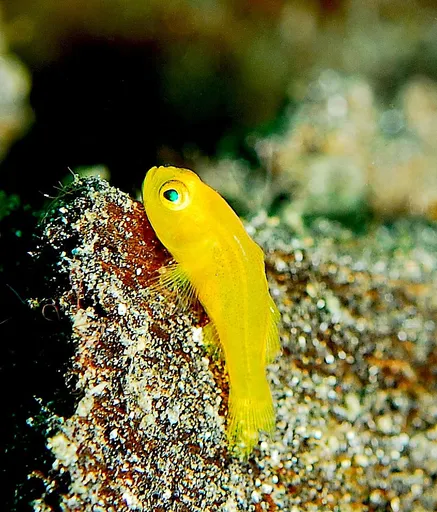 1.6 in (4 cm)11 gal (40 L)73–81°F (23–27°C)
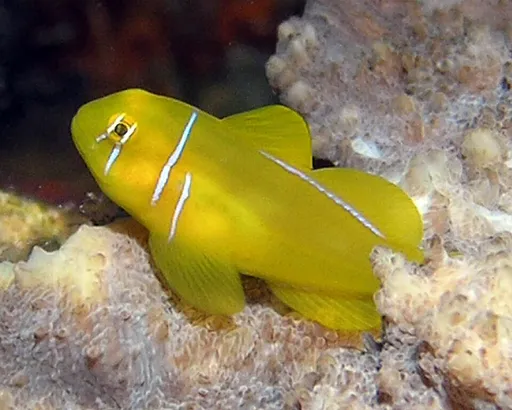
Yellow clown goby
Gobiodon okinawae
1.6 in (4 cm) · 11 gal (40 L)
 2.6 in (6.5 cm)11 gal (40 L)72–81°F (22–27°C)
Citron clown goby
Gobiodon citrinus
2.6 in (6.5 cm) · 11 gal (40 L)
 2 in (5 cm)11 gal (40 L)72–79°F (22–26°C)
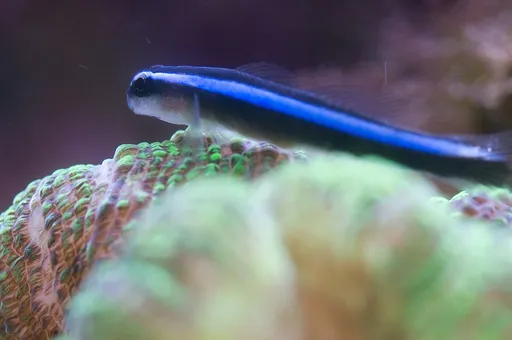
Neon goby
Elacatinus oceanops
2 in (5 cm) · 11 gal (40 L)
 2 in (5 cm)11 gal (40 L)72–79°F (22–26°C)
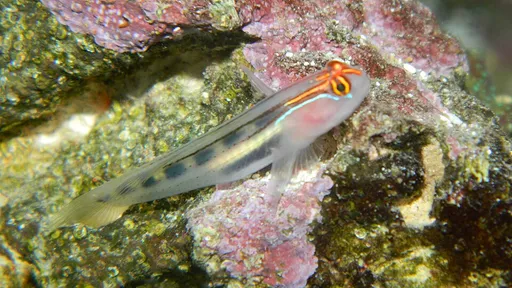
Red head goby
Elacatinus puncticulatus
2 in (5 cm) · 11 gal (40 L)
 2 in (5 cm)11 gal (40 L)72–81°F (22–27°C)
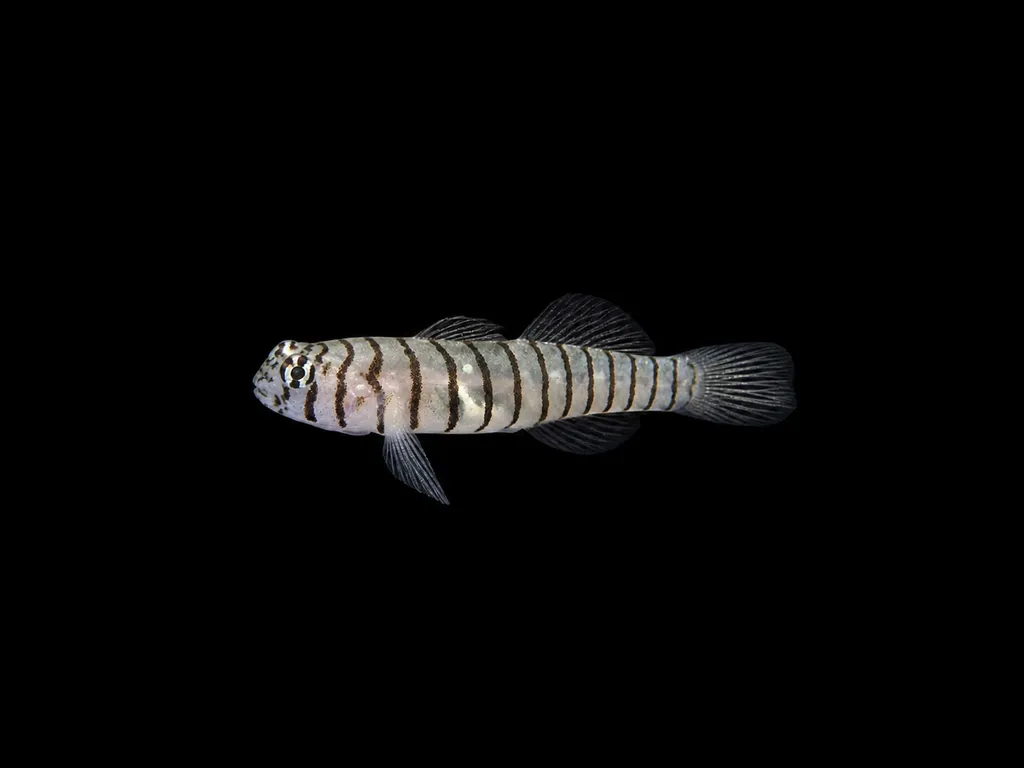
Tiger goby
Tigrigobius macrodon
2 in (5 cm) · 11 gal (40 L)
 2 in (5 cm)11 gal (40 L)73–81°F (23–27°C)
Whitecap goby
Lotilia klausewitzi
2 in (5 cm) · 11 gal (40 L)