Smooth skin acropora
Acropora tenuis
Also known as Tenuis Acro, Smooth Skin Acro, Corymbose Acropora, Acro
SaltwaterCoral
Care at a glance
- Temperature
- 75–81°F
- 24–27°C
- pH
- 8.1–8.4
- Adult size
- 9.8 in
- 25 cm
- Minimum tank
- 40 gal
- 150 L
- Temperament
- Peaceful
- Social behavior
- Solitary
- Swim level
- Bottom
- Difficulty
- Difficult
- Breeding
- Hard
- Rarity
- Common
- Reef safe
- Reef safe
- Family
- Acroporidae
- Origin
- Widespread on shallow Indo-Pacific reef flats and slopes, from the Indian Ocean through the western Pacific.
Overview
This is an advanced small polyp stony coral that needs a mature, stable 150 liter or larger reef at least a year old, with strong light around 300 to 400 PAR and strong, turbulent flow. Hold tight parameters, with alkalinity around 8 to 9 dKH held steady, calcium near 420 to 450 ppm, magnesium around 1300 ppm, temperature 24 to 27 C, and pH 8.1 to 8.4. Aquacultured frags adapt better than wild colonies, so start with a captive-grown piece. It is peaceful toward tankmates but is easily stung by more aggressive corals, so give it clear space up in the light and flow.
In the wild
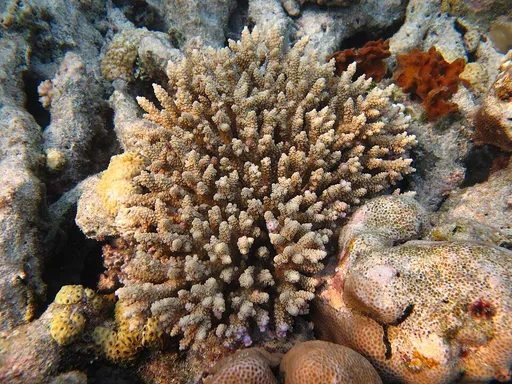
A branching small polyp stony coral that grows in a low, bushy corymbose shape with many short upright branches rising from a spreading base. The surface skin is smooth between the corallites, and the branch tips often glow a different color from the body, in blues, pinks, greens, and yellows. It is one of the most recognizable and sought-after Acropora forms. Colonies stay compact compared with the tall staghorn types.
Good to know
Acropora tenuis is a member of the family Acroporidae, the largest genus of reef-building corals. Its smooth skin marks it out from the fuzzy or hairy branch textures of other Acropora, and it is a common subject in coral restoration and captive breeding work. It grows fast in good conditions and hosts dense zooxanthellae.
Did you know
Smooth skin acros like tenuis are prized for tips that fluoresce a separate color from the branches, and aquacultured strains carry collector names that trade for a premium.
Symbiotic relationships
Clown gobies and their Acropora
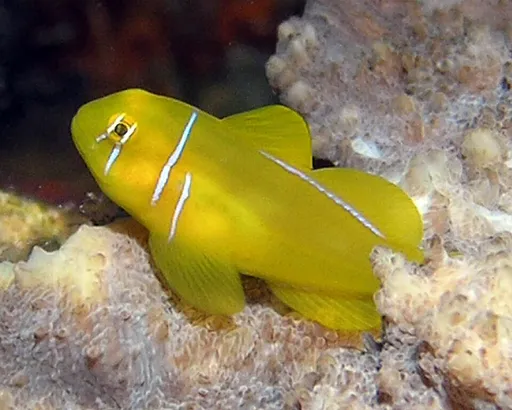
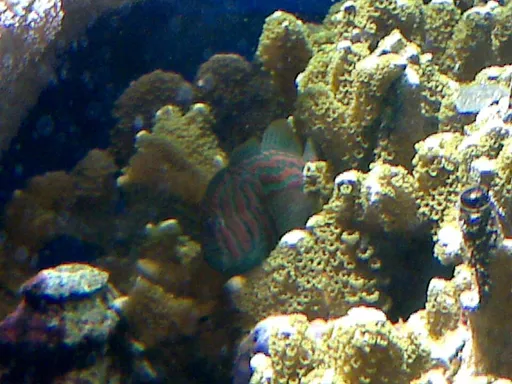
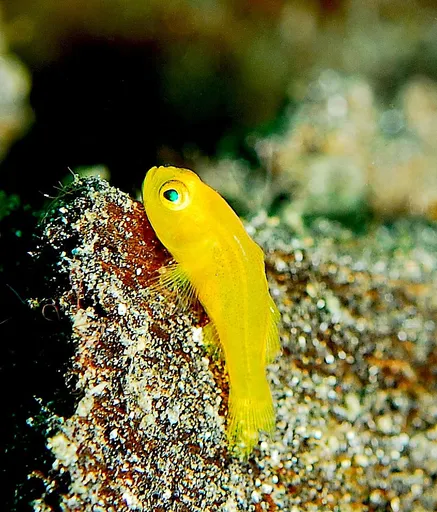
Clown gobies spend their lives wedged in the branches of Acropora corals, eating the coral's mucus and the small animals that live on it. Their skin carries a toxin that puts off predators, so the coral becomes a safe house. The coral is paid back in a way nobody expected: when a toxic seaweed touches an Acropora, the coral releases a chemical signal within minutes, and the gobies swim out and trim the seaweed back. Corals with gobies lose far less tissue to seaweed than corals without them.
A clown goby wants a branching coral to sit in, and Acropora is the natural choice, though it will settle for other branching stony corals. It is tiny, peaceful and needs small food several times a day. The one caution is the coral itself: a pair may nip a patch of Acropora or Montipora bare to lay eggs on the skeleton, and a small colony can lose a branch that way. Keep one, or a pair, per tank; two males fight.
Common questions
What size tank does a Smooth skin acropora need?
A Smooth skin acropora needs at least 40 gal (150 L). It spends most of its time in the bottom.
What temperature and pH does a Smooth skin acropora need?
A Smooth skin acropora is comfortable at 75–81°F (24–27°C) with a pH of 8.1–8.4.
How big does a Smooth skin acropora get?
An adult Smooth skin acropora reaches about 9.8 in (25 cm).
Related species
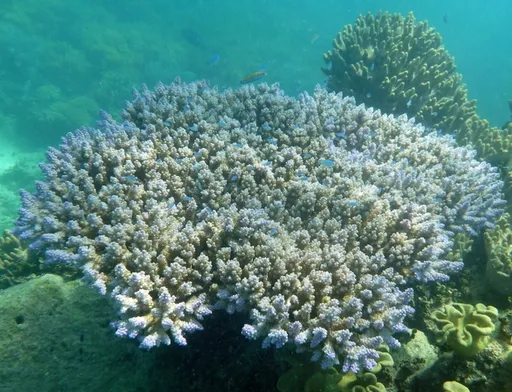 9.8 in (25 cm)40 gal (150 L)75–81°F (24–27°C)
Tricolor acropora
Acropora valida
9.8 in (25 cm) · 40 gal (150 L)
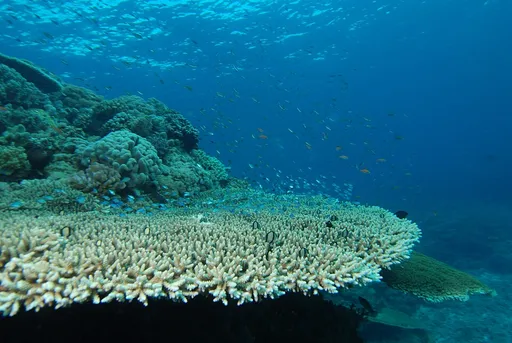 9.8 in (25 cm)40 gal (150 L)75–81°F (24–27°C)
Staghorn acropora
Acropora
9.8 in (25 cm) · 40 gal (150 L)
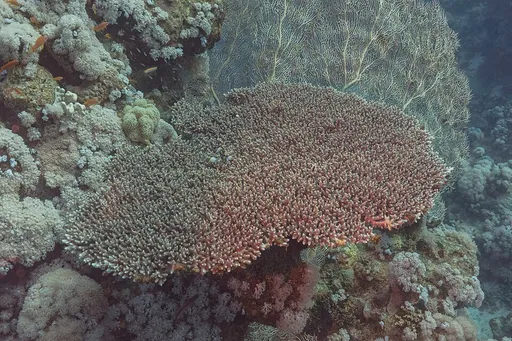 17.7 in (45 cm)53 gal (200 L)75–81°F (24–27°C)
Table acropora
Acropora hyacinthus
17.7 in (45 cm) · 53 gal (200 L)
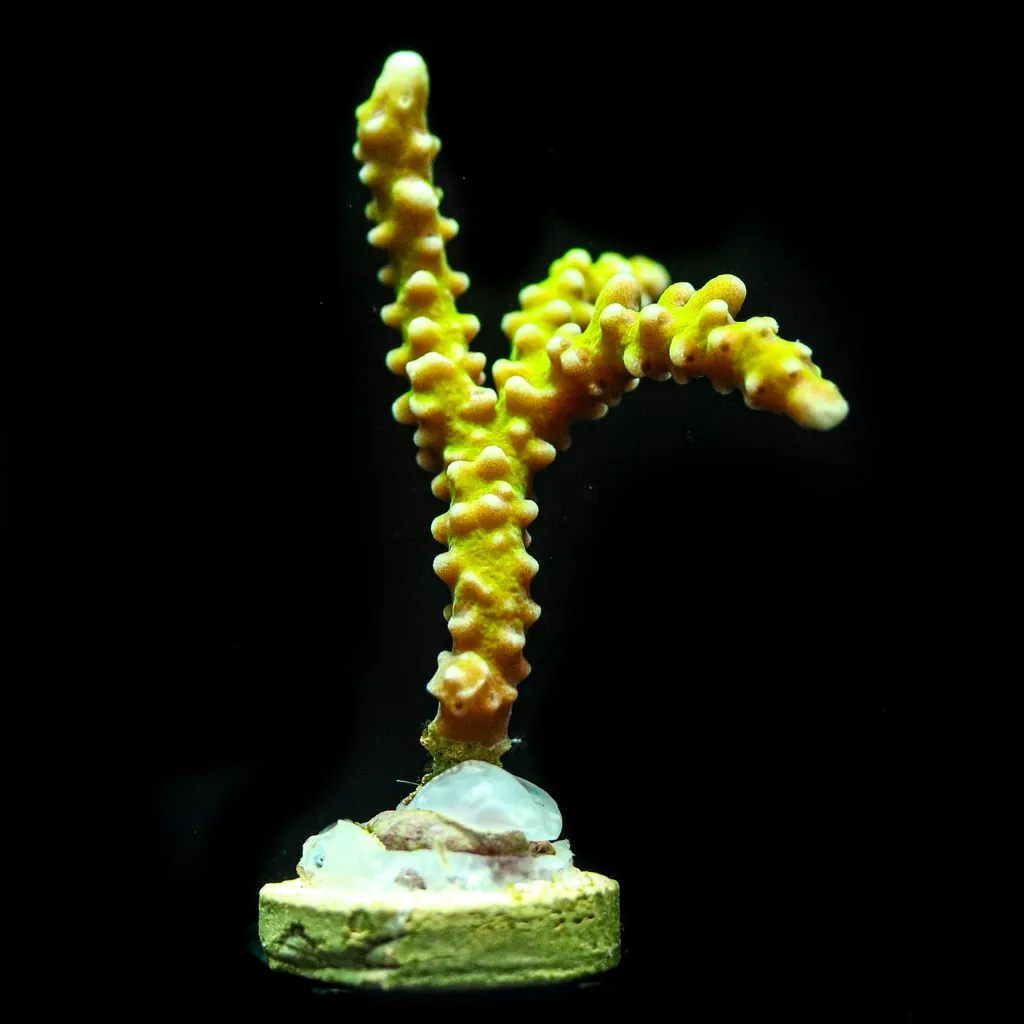 11.8 in (30 cm)26 gal (100 L)75–81°F (24–27°C)
Briar coral
Anacropora sp.
11.8 in (30 cm) · 26 gal (100 L)
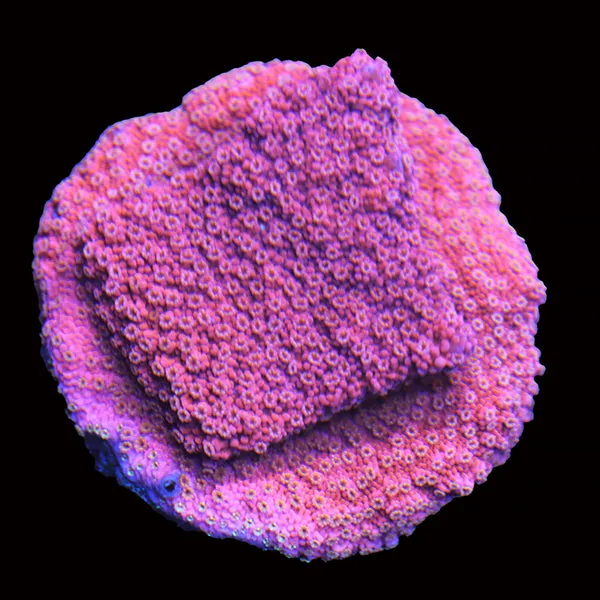 11.8 in (30 cm)26 gal (100 L)75–81°F (24–27°C)
Encrusting montipora
Montipora confusa
11.8 in (30 cm) · 26 gal (100 L)
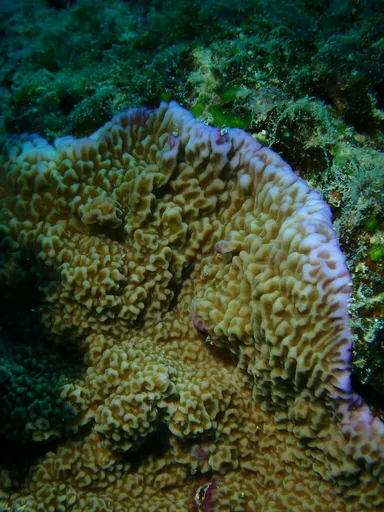 11.8 in (30 cm)26 gal (100 L)75–81°F (24–27°C)
Undata montipora
Montipora undata
11.8 in (30 cm) · 26 gal (100 L)