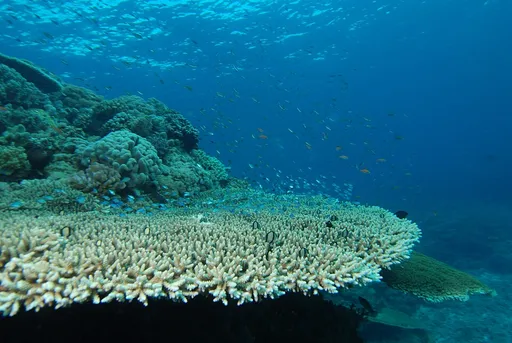
Staghorn acropora
Acropora
Also known as Staghorn Coral, Acro
SaltwaterCoral
Care at a glance
- Temperature
- 75–81°F
- 24–27°C
- pH
- 8.1–8.4
- Adult size
- 9.8 in
- 25 cm
- Minimum tank
- 40 gal
- 150 L
- Temperament
- Mostly peaceful
- Social behavior
- Solitary
- Swim level
- Bottom
- Difficulty
- Difficult
- Breeding
- Medium
- Rarity
- Common
- Reef safe
- Reef safe
- Family
- Acroporidae
- Origin
- Indo-Pacific reefs; wild, maricultured and aquacultured colonies all common in the trade
Overview
Sessile and moderately aggressive toward other SPS: Acropora colonies will fight and can sting or overgrow neighbors, including each other, where they touch, so leave real spacing for growth. It has no long sweeper tentacles of its own but is readily stung by LPS sweepers, so keep it clear of hammers, torches and similar. Suited to experienced keepers with mature, stable tanks.
In the wild
The classic branching and tabling SPS coral, the genus most people picture in a high-end reef tank. Acropora demands the most of any coral here: high light, often 250 to 600 PAR depending on the piece, and strong, turbulent, alternating flow to feed its tiny polyps and keep tissue clean. Place it high in the rockwork but acclimate it up gradually over weeks, since a sudden move into intense light will bleach it. It needs a well established, rock stable system.
Good to know
Acropora is a large zooxanthellate genus in the family Acroporidae, distinguished by an axial corallite at each branch tip that drives fast apical growth. Polyps are very small and the coral is heavily dependent on light and on rock stable alkalinity, calcium and low nutrients. It is the most demanding common aquarium SPS and the first to show stress from parameter swings.
Did you know
The axial polyp at the tip of each branch is the growth engine of the whole colony, and its color often differs from the body, which is why keepers watch those tips as the first sign a coral is thriving or in trouble.
Symbiotic relationships
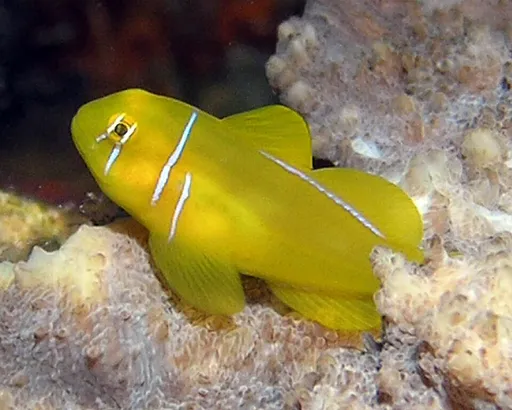
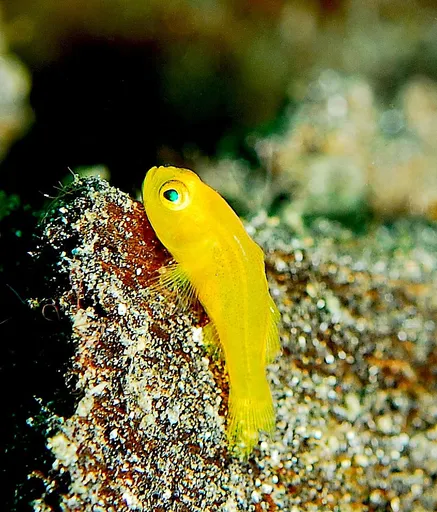
Clown gobies and their Acropora
Clown gobies spend their lives wedged in the branches of Acropora corals, eating the coral's mucus and the small animals that live on it. Their skin carries a toxin that puts off predators, so the coral becomes a safe house. The coral is paid back in a way nobody expected: when a toxic seaweed touches an Acropora, the coral releases a chemical signal within minutes, and the gobies swim out and trim the seaweed back. Corals with gobies lose far less tissue to seaweed than corals without them.
A clown goby wants a branching coral to sit in, and Acropora is the natural choice, though it will settle for other branching stony corals. It is tiny, peaceful and needs small food several times a day. The one caution is the coral itself: a pair may nip a patch of Acropora or Montipora bare to lay eggs on the skeleton, and a small colony can lose a branch that way. Keep one, or a pair, per tank; two males fight.
Common questions
What size tank does a Staghorn acropora need?
A Staghorn acropora needs at least 40 gal (150 L). It spends most of its time in the bottom.
What temperature and pH does a Staghorn acropora need?
A Staghorn acropora is comfortable at 75–81°F (24–27°C) with a pH of 8.1–8.4.
How big does a Staghorn acropora get?
An adult Staghorn acropora reaches about 9.8 in (25 cm).
Related species
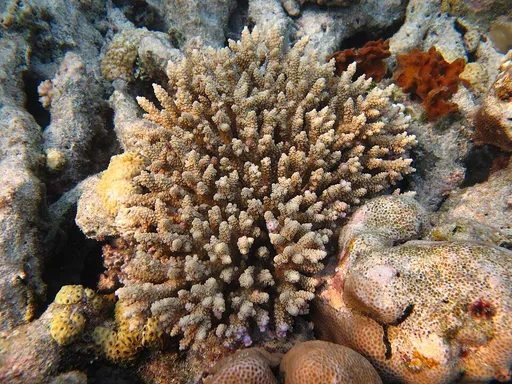 9.8 in (25 cm)40 gal (150 L)75–81°F (24–27°C)
Smooth skin acropora
Acropora tenuis
9.8 in (25 cm) · 40 gal (150 L)
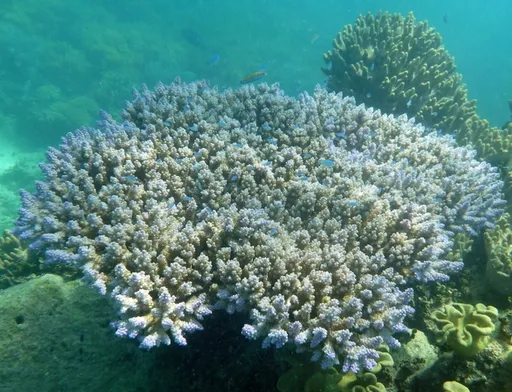 9.8 in (25 cm)40 gal (150 L)75–81°F (24–27°C)
Tricolor acropora
Acropora valida
9.8 in (25 cm) · 40 gal (150 L)
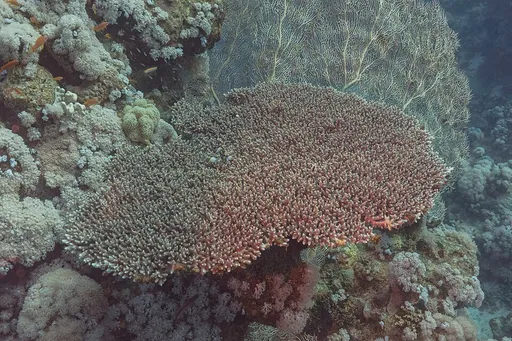 17.7 in (45 cm)53 gal (200 L)75–81°F (24–27°C)
Table acropora
Acropora hyacinthus
17.7 in (45 cm) · 53 gal (200 L)
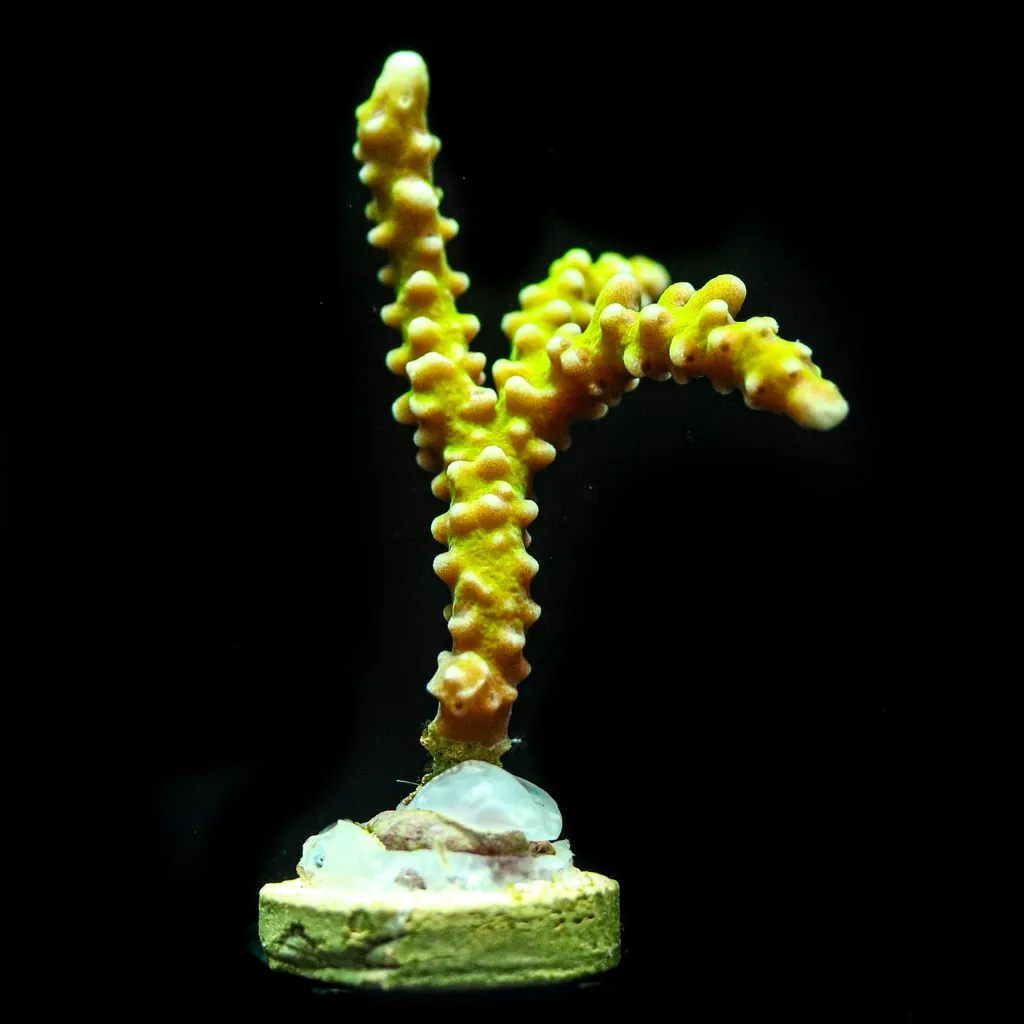 11.8 in (30 cm)26 gal (100 L)75–81°F (24–27°C)
Briar coral
Anacropora sp.
11.8 in (30 cm) · 26 gal (100 L)
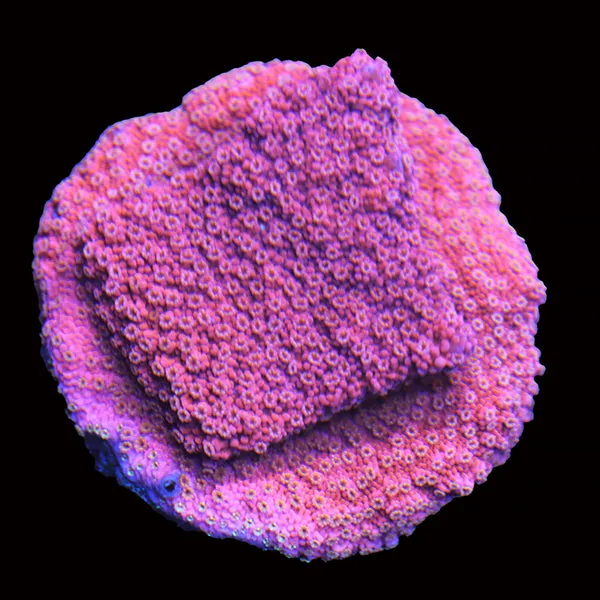 11.8 in (30 cm)26 gal (100 L)75–81°F (24–27°C)
Encrusting montipora
Montipora confusa
11.8 in (30 cm) · 26 gal (100 L)
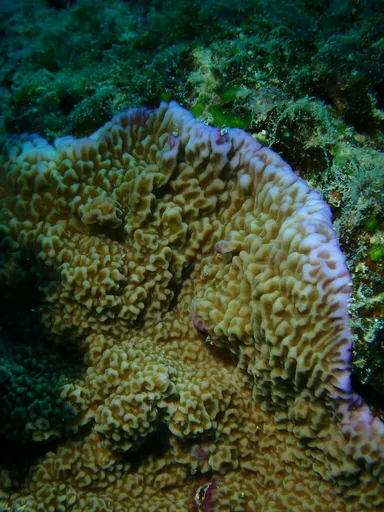 11.8 in (30 cm)26 gal (100 L)75–81°F (24–27°C)
Undata montipora
Montipora undata
11.8 in (30 cm) · 26 gal (100 L)