Briar coral
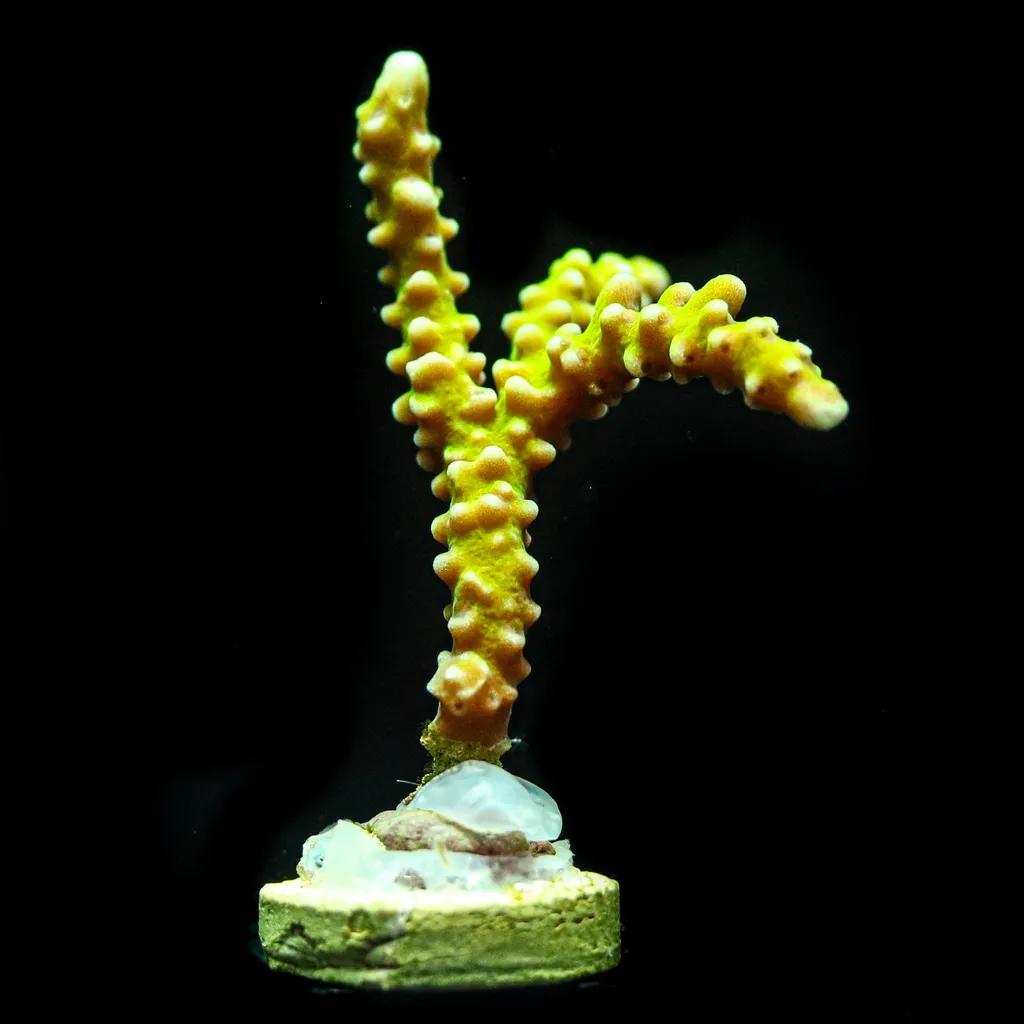
Anacropora sp.
Also known as Briar Patch Coral, Anacropora
SaltwaterCoral
Care at a glance
- Temperature
- 75–81°F
- 24–27°C
- pH
- 8.1–8.4
- Adult size
- 11.8 in
- 30 cm
- Minimum tank
- 26 gal
- 100 L
- Temperament
- Peaceful
- Social behavior
- Solitary
- Swim level
- Bottom
- Difficulty
- Medium
- Breeding
- Easy
- Rarity
- Rare
- Reef safe
- Reef safe
- Family
- Acroporidae
- Origin
- Indo-Pacific lagoons and turbid fringing reefs
Overview
The briar coral is a brittle, branching small polyp stony coral that forms an open thicket in a reef tank. It is a step up from the easiest corals.
Did you know
The name Anacropora signals that the briar coral is not an Acropora. It lacks the axial corallite that tips every Acropora branch.
Caring for the briar coral
Give the briar coral moderate light, roughly 100 to 300 PAR, and medium to high flow. Raise the flow as the thicket thickens. Acclimate it to light gently, because sudden jumps in intensity bleach the thin branches.
It needs settled small polyp stony coral conditions with stable alkalinity, in a tank of at least 26 gal (100 L). Keep the water at 75 to 81°F (24 to 27°C) and a pH of 8.1 to 8.4. It is more forgiving of nutrients than most of its family.
The briar coral is peaceful, but its fine skeleton snaps under careless hands, so place it away from traffic. Give the colony room to sprawl, since growth is fast for a stony coral once it settles in.
Snapped branches simply keep growing where they land. That habit makes the briar coral one of the easiest small polyp stony corals to propagate.
Good to know
The briar coral sits in the family Acroporidae beside Acropora and Montipora. Its skeleton is thinner and more brittle than either relative's, so wild and captive colonies alike shed fragments easily. It is also sold as briar patch coral.
In the wild
The briar coral favors turbid lagoons and soft-bottom fringing reefs across the Indo-Pacific. These places are siltier and murkier than most small polyp stony corals will tolerate. Its colonies grow as open thickets of thin, tapering branches that interlace as they expand, which is where the briar patch name comes from. In good conditions a patch can spread quickly across the surrounding bottom.
Common questions
What size tank does a briar coral need?
A briar coral needs at least 26 gal (100 L).
What temperature and pH does a briar coral need?
A briar coral is comfortable at 75–81°F (24–27°C) with a pH of 8.1–8.4.
How big does a briar coral get?
An adult briar coral reaches about 11.8 in (30 cm).
How does a briar coral breed?
A briar coral spreads when its brittle branches snap off. The snapped pieces keep growing where they land, which makes it easy to propagate.
Related species
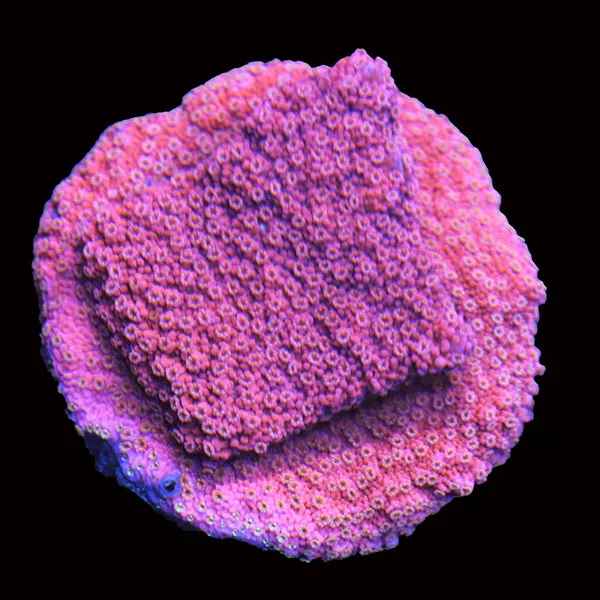 11.8 in (30 cm)26 gal (100 L)75–81°F (24–27°C)
Encrusting montipora
Montipora confusa
11.8 in (30 cm) · 26 gal (100 L)
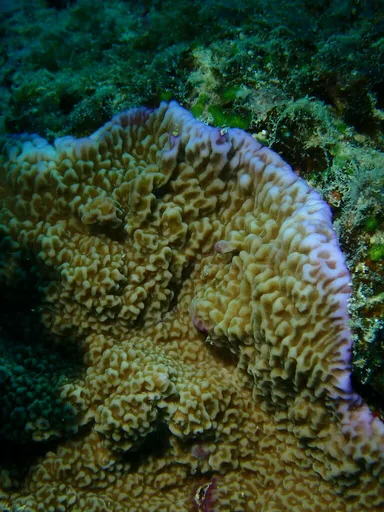 11.8 in (30 cm)26 gal (100 L)75–81°F (24–27°C)
Undata montipora
Montipora undata
11.8 in (30 cm) · 26 gal (100 L)
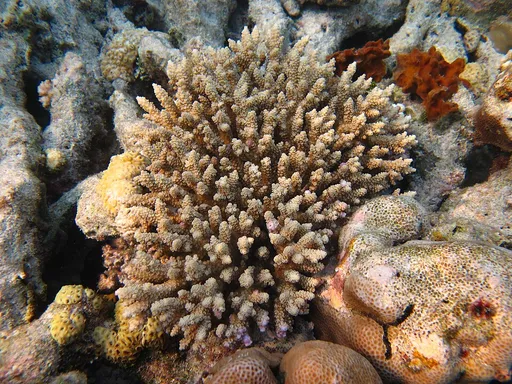 9.8 in (25 cm)40 gal (150 L)75–81°F (24–27°C)
Smooth skin acropora
Acropora tenuis
9.8 in (25 cm) · 40 gal (150 L)
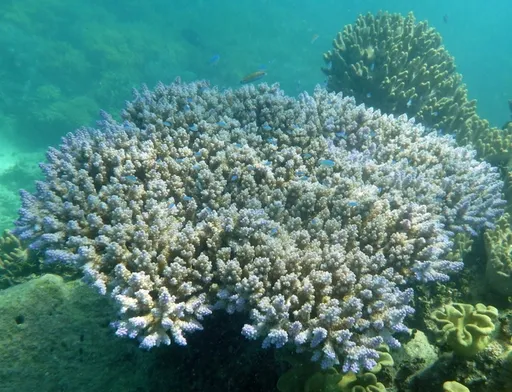 9.8 in (25 cm)40 gal (150 L)75–81°F (24–27°C)
Tricolor acropora
Acropora valida
9.8 in (25 cm) · 40 gal (150 L)
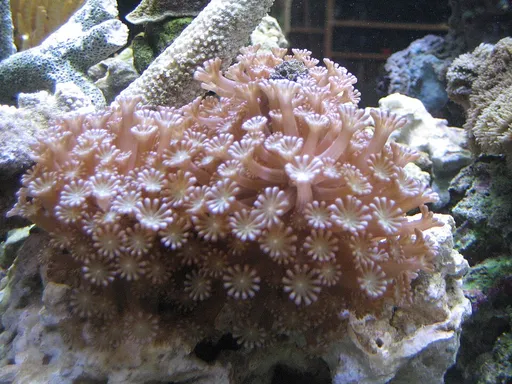 7.9 in (20 cm)11 gal (40 L)75–81°F (24–27°C)
Alveopora coral
Alveopora
7.9 in (20 cm) · 11 gal (40 L)
 7.9 in (20 cm)20 gal (75 L)75–81°F (24–27°C)
Montipora digitata (finger coral)
Montipora digitata
7.9 in (20 cm) · 20 gal (75 L)