Saltwater clean-up crew
A clean-up crew handles algae, leftover food and detritus before they become problems. The inverts here are the working class of a saltwater tank. Profiles cover what each one eats and any reef-safety caveats.
At a glance
- Tank size
- 5–40 gal
- 5 gal (20 L) to 40 gal (150 L); half the list needs 11 gal (40 L) or more
- Temperature
- 73–81°F
- 23–27°C, most of the list
- pH
- 8.1–8.4
- Most of the list
- Difficulty
- 43 easy
- 4 medium · 1 difficult
- Temperament
- 33 peaceful
- 13 mostly peaceful · 2 aggressive
- Reef safety
- 32 reef safe
- 14 reef safe with caution · 2 not reef safe
48 species
Start here
The first crew for a new reef
The trochus snail is the grazer to start with: 1.2 inches (3 cm), marked beginner, it cleans glass and rock, rights itself when it falls and breeds in the tank. The cerith snail works the sand and the glass at 1.6 inches (4 cm), and the nassarius snail lives in the sand and eats the food the fish missed. The blue-leg hermit crab is 1 inch (2.5 cm), marked beginner and reef safe, and picks over the rock all day. The scarlet reef hermit crab is the calmer hermit, marked peaceful at 1.6 inches (4 cm). The skunk cleaner shrimp is marked beginner at 2.4 inches (6 cm) for 20 gallons (75 liters) and cleans the fish rather than the tank.
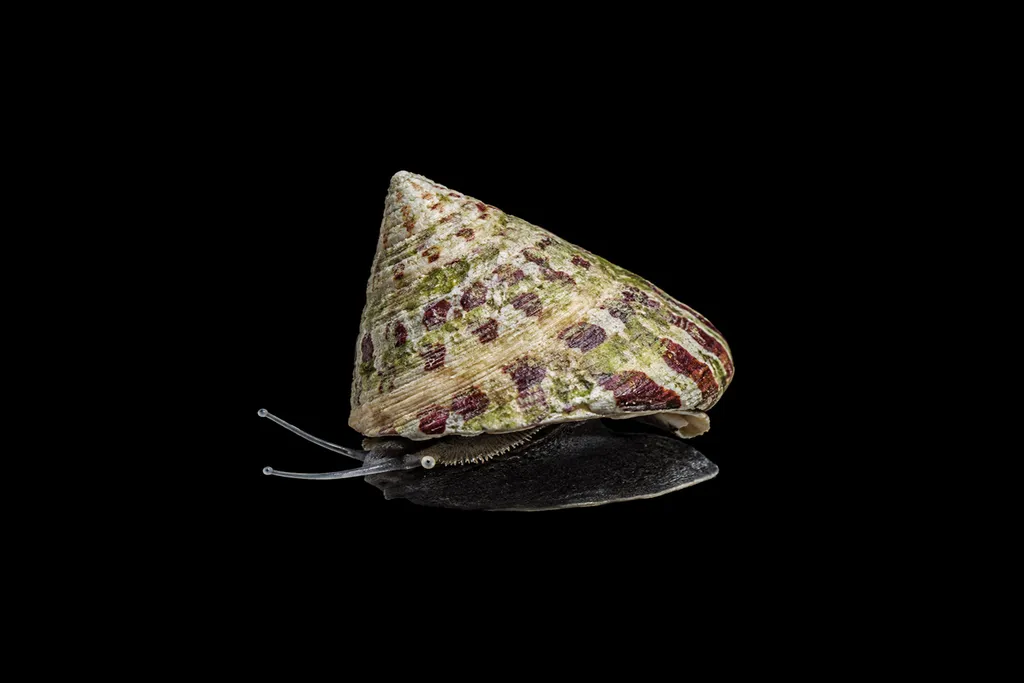
Trochus snail
Trochus sp.
Saltwater- Size
- 1.2 in (3 cm)
- Tank
- 11 gal (40 L)
- Water
- 72–79°F (22–26°C)
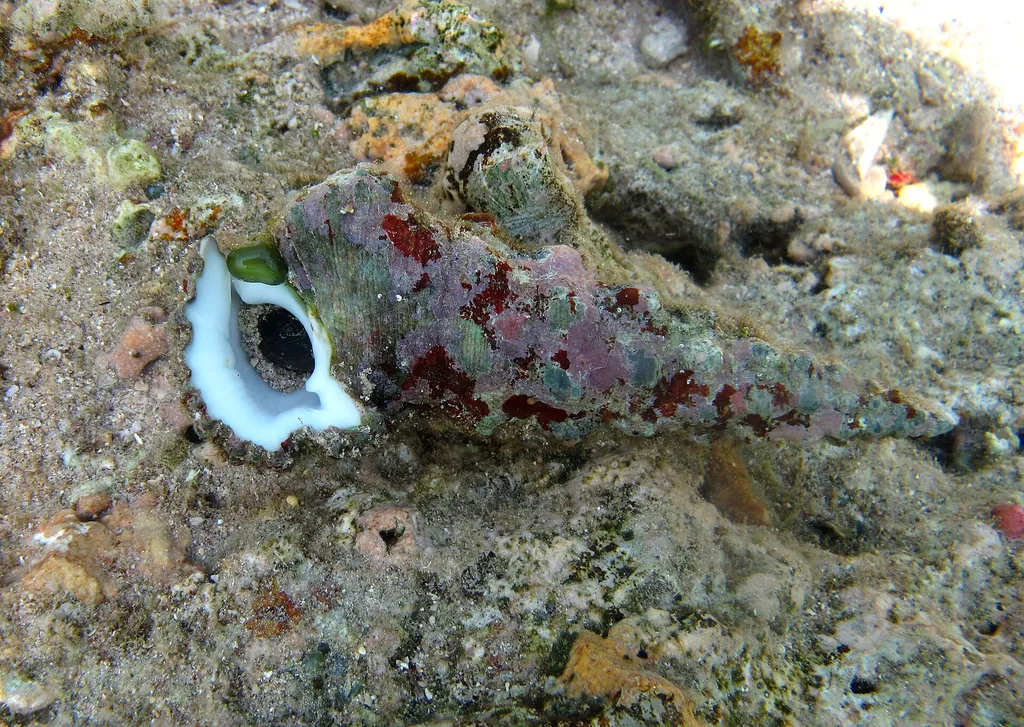
Cerith snail
Cerithium sp.
Saltwater- Size
- 1.6 in (4 cm)
- Tank
- 11 gal (40 L)
- Water
- 72–79°F (22–26°C)
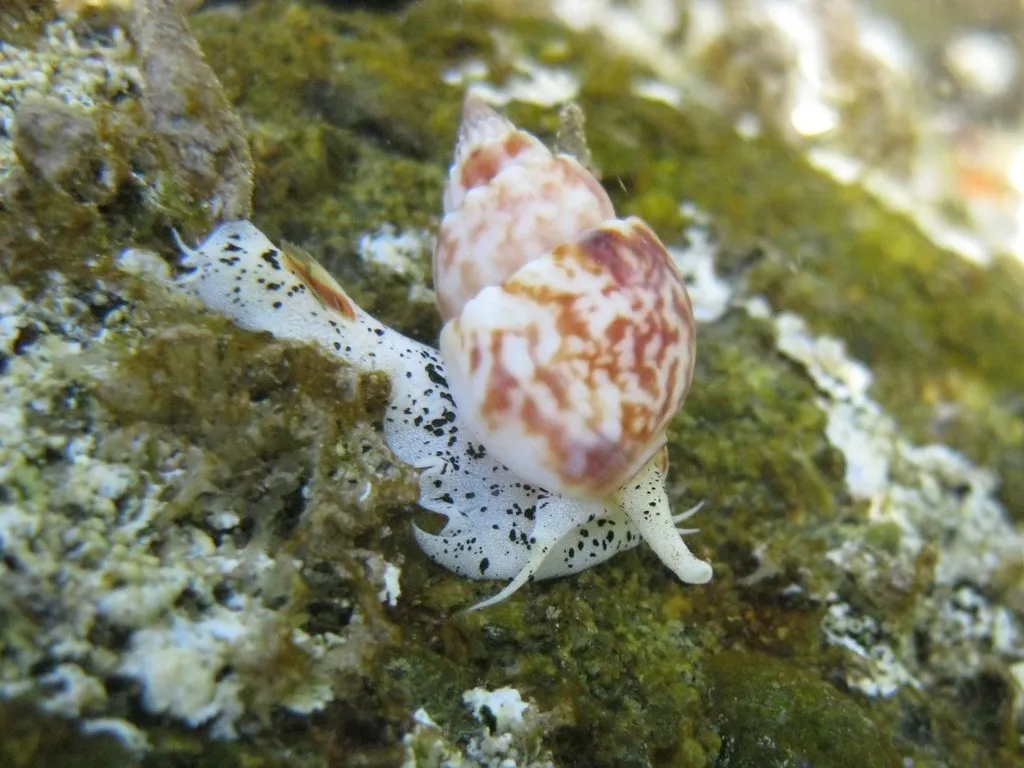
Nassarius snail
Nassarius sp.
Saltwater- Size
- 1 in (2.5 cm)
- Tank
- 11 gal (40 L)
- Water
- 72–79°F (22–26°C)
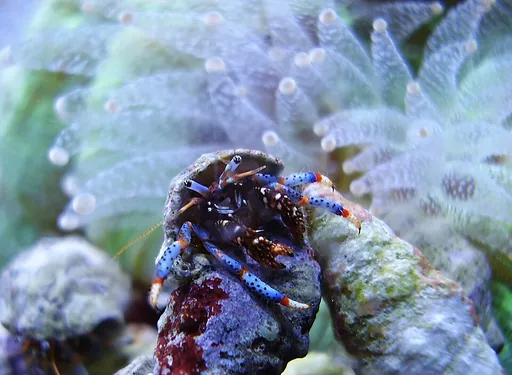
Blue-leg hermit crab
Clibanarius tricolor
Saltwater- Size
- 1 in (2.5 cm)
- Tank
- 11 gal (40 L)
- Water
- 72–79°F (22–26°C)
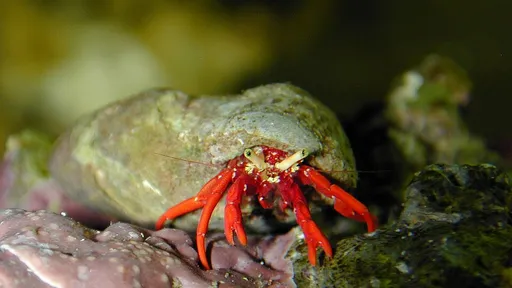
Scarlet reef hermit crab
Paguristes cadenati
Saltwater- Size
- 1.6 in (4 cm)
- Tank
- 11 gal (40 L)
- Water
- 72–79°F (22–26°C)
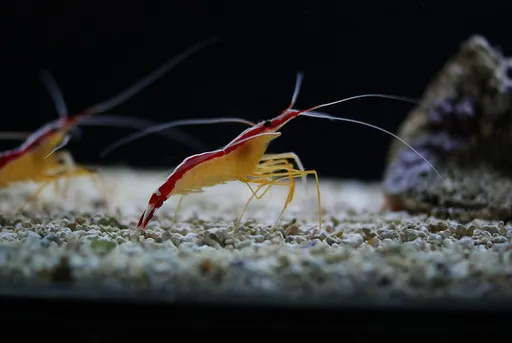
Skunk cleaner shrimp
Lysmata amboinensis
Saltwater- Size
- 2.4 in (6 cm)
- Tank
- 20 gal (75 L)
- Water
- 73–81°F (23–27°C)
The rule
How a clean-up crew works
Each animal on this page cleans one surface: the trochus and turbo snails graze rock and glass, the ceriths and nassarius work the sand, the hermits pick at whatever the snails leave, the peppermint shrimp eats Aiptasia. A crew is a small mix of each rather than a crowd of one, and it goes in after the cycle, once there is algae to eat, because a crew added to a bare tank starves. Hermits need spare shells or they take one from a snail. And every invertebrate here is drip acclimated, because a salinity swing that a fish shrugs off kills a snail.
- 01
A mix, not a crowd
Each species cleans one surface
- 02
After the cycle
A crew in a bare tank starves
- 03
Spare shells
Or the hermits take them from the snails
- 04
Drip acclimate
Salinity swings kill invertebrates
Snails
Snails
The astraea snail grazes like a trochus at 1 inch (2.5 cm) but cannot right itself, so it needs turning over when it falls. The Mexican turbo snail is the heavy grazer at 2.4 inches (6 cm), marked easy, and it plows through hair algae and loose frags alike. The marine nerite snail cleans glass at 1 inch (2.5 cm). The bumble bee snail is a 0.8 inch (2 cm) scavenger that hunts worms and leftovers in the rock. The stomatella is the hitchhiker that arrives on live rock and grazes at night. The fighting conch plows the sand bed at 3.1 inches (8 cm) for 20 gallons (75 liters), marked easy.
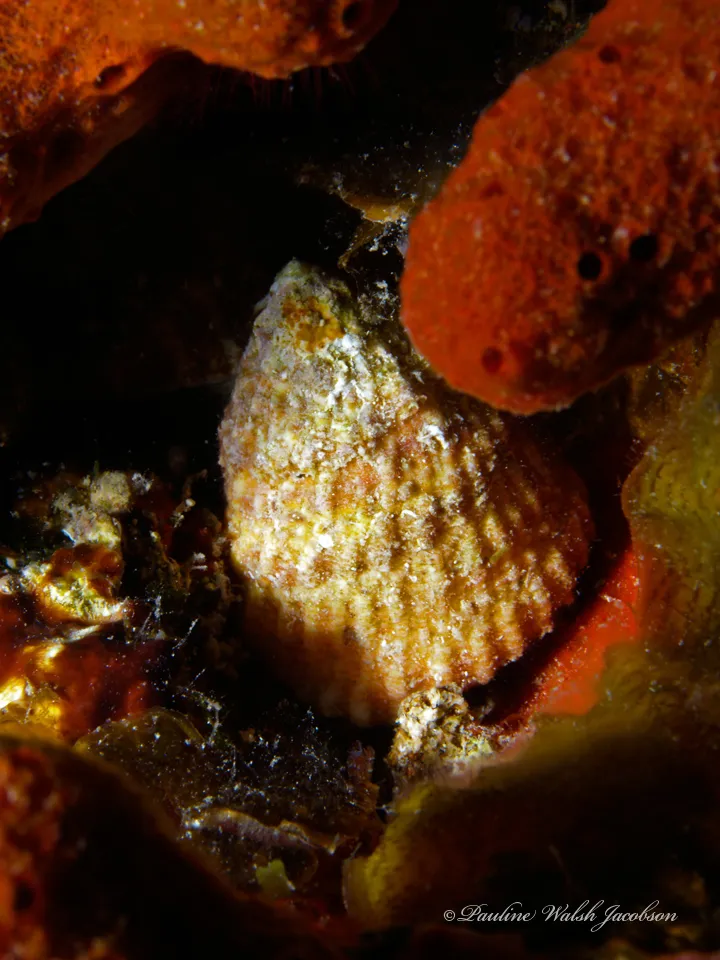
Astraea turbo snail
Astraea tecta
Saltwater1 in (2.5 cm) · 11 gal (40 L)72–79°F (22–26°C)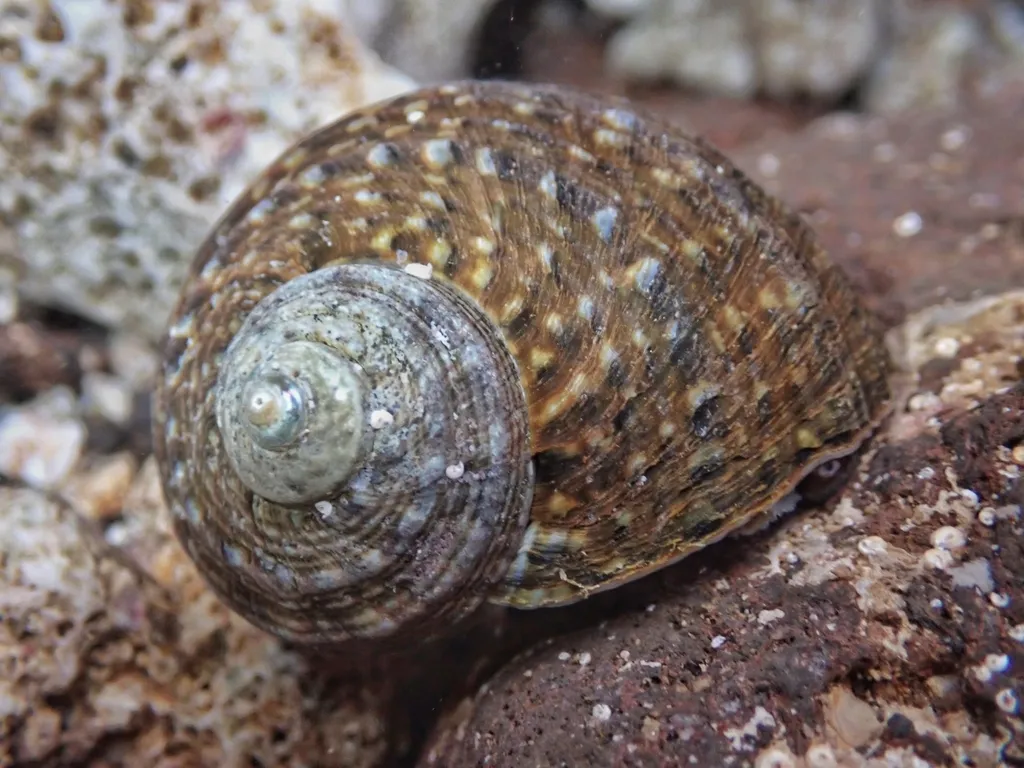
Mexican turbo snail
Turbo fluctuosus
Saltwater2.4 in (6 cm) · 11 gal (40 L)75–81°F (24–27°C)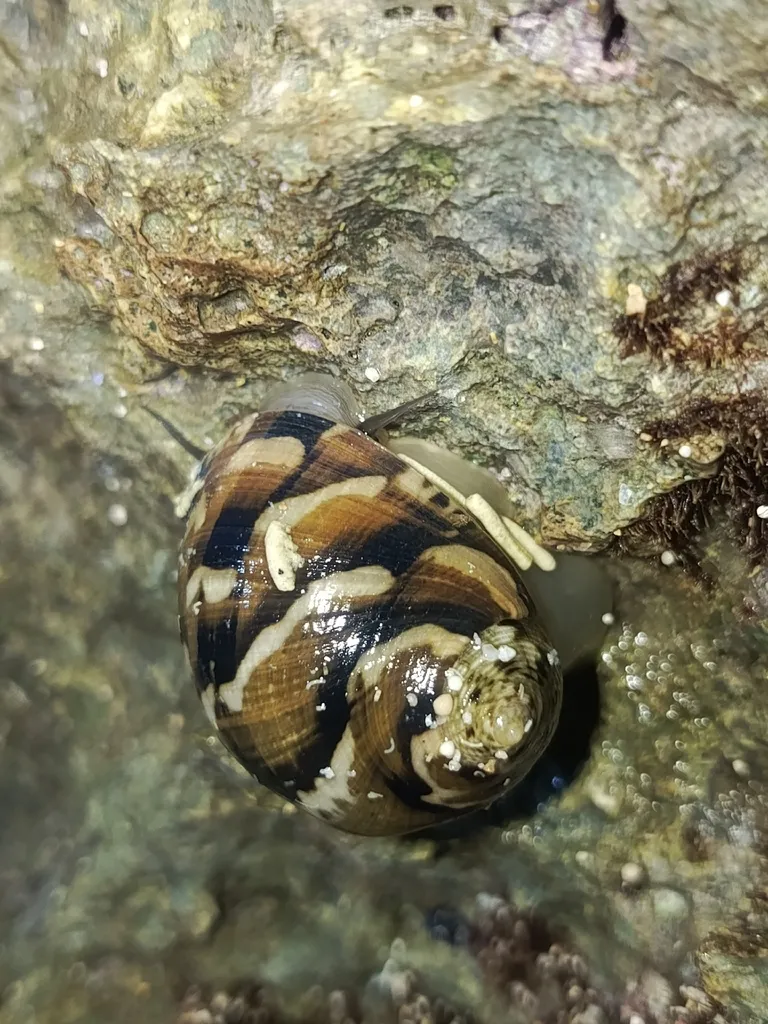
Marine nerite snail
Nerita sp.
Saltwater1 in (2.5 cm) · 11 gal (40 L)72–79°F (22–26°C)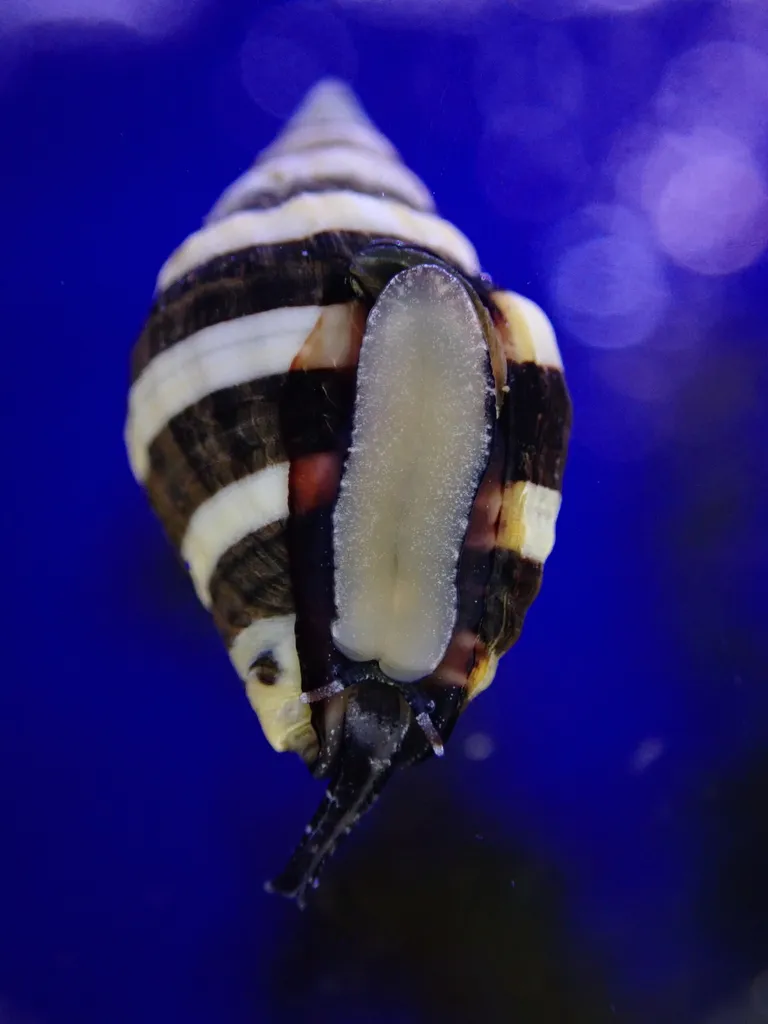
Bumble bee snail
Engina mendicaria
Saltwater0.8 in (2 cm) · 11 gal (40 L)75–81°F (24–27°C)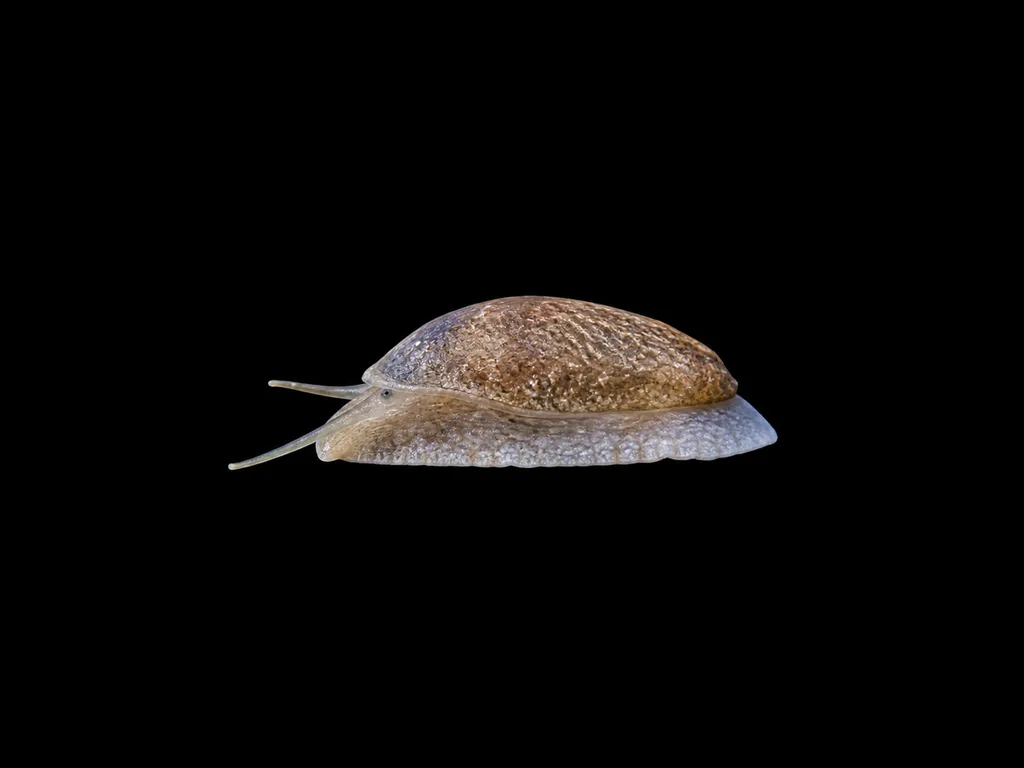
Stomatella snail
Stomatella varia
Saltwater0.8 in (2 cm) · 11 gal (40 L)75–81°F (24–27°C)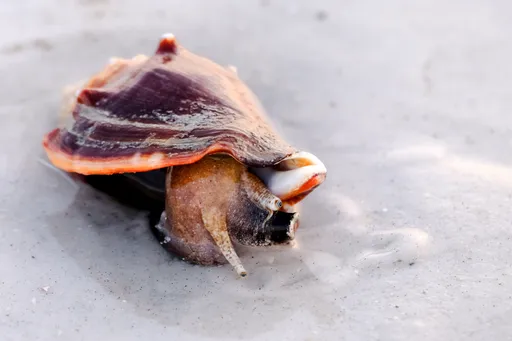
Fighting conch
Strombus alatus
Saltwater3.1 in (8 cm) · 20 gal (75 L)75–81°F (24–27°C)
Crabs
Crabs
The emerald crab eats bubble algae that nothing else touches, 2.4 inches (6 cm) for 11 gallons (40 liters), and it carries a coral caution because a hungry one picks at polyps. The Halloween hermit crab is 2 inches (5 cm) of orange and red with the same caution, big enough to bulldoze. The electric blue hermit crab is marked reef safe and peaceful at 2 inches (5 cm). The Mexican red-leg hermit crab is the small one at 1 inch (2.5 cm), marked beginner. The porcelain anemone crab filters plankton from the water and lives in an anemone, marked peaceful at 3 inches (7.5 cm). The Sally Lightfoot crab is a fast grazer at 3.1 inches (8 cm) that grows into an opportunist.
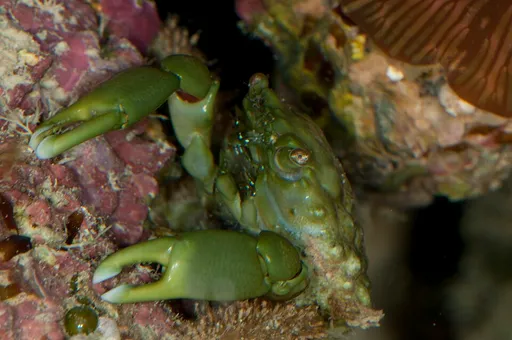
Emerald crab
Mithraculus sculptus
Saltwater2.4 in (6 cm) · 11 gal (40 L)75–82°F (24–28°C)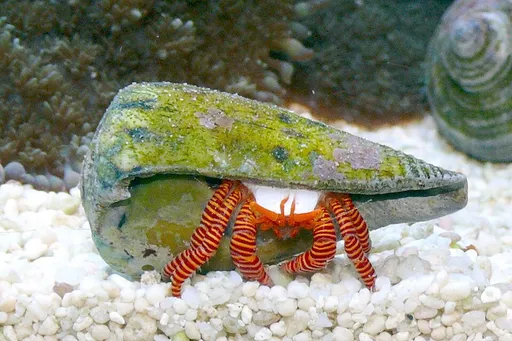
Halloween hermit crab
Ciliopagurus strigatus
Saltwater2 in (5 cm) · 20 gal (75 L)72–79°F (22–26°C)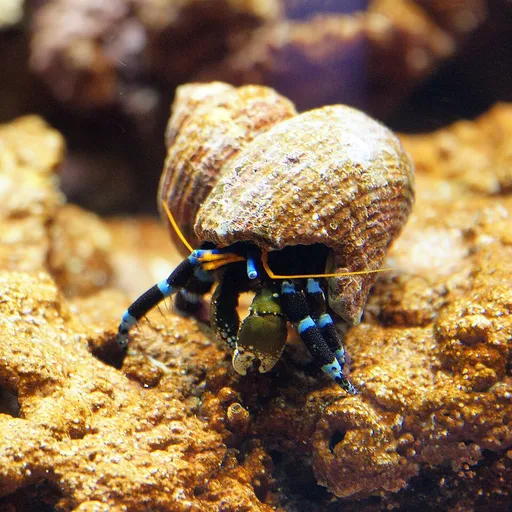
Electric blue hermit crab
Calcinus elegans
Saltwater2 in (5 cm) · 20 gal (75 L)72–79°F (22–26°C)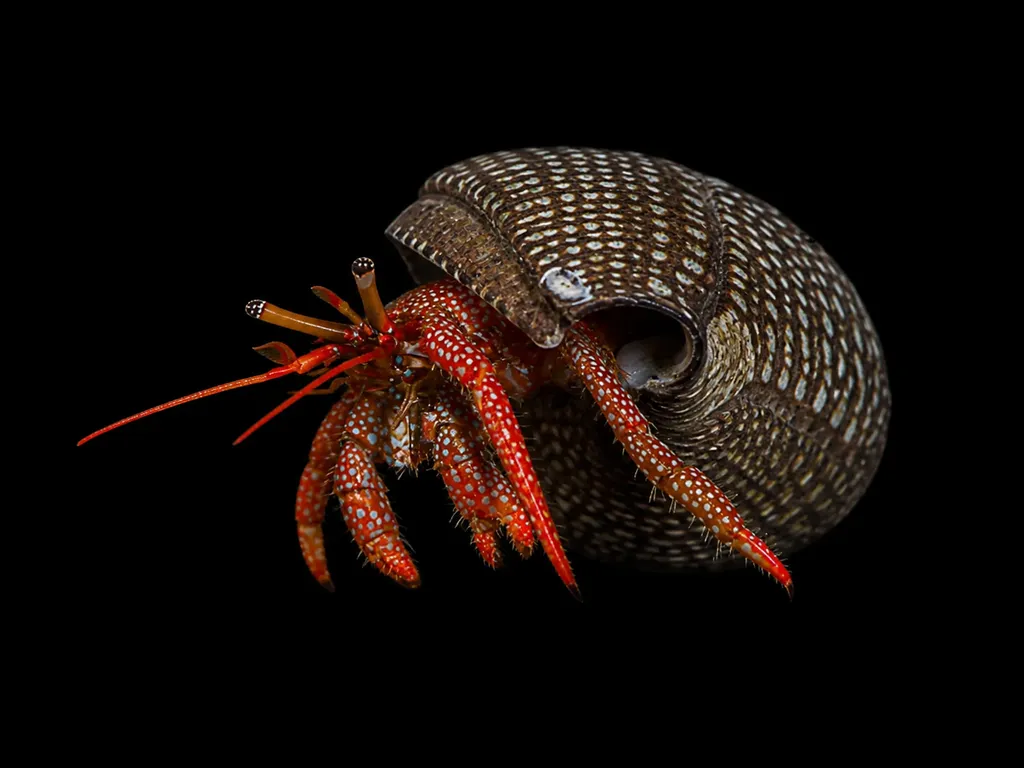
Mexican red-leg hermit crab
Clibanarius digueti
Saltwater1 in (2.5 cm) · 11 gal (40 L)72–81°F (22–27°C)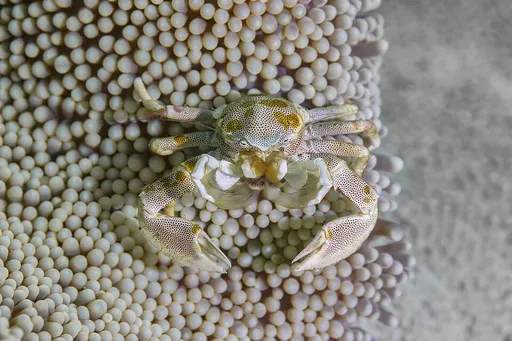
Porcelain anemone crab
Neopetrolisthes maculatus
Saltwater3 in (7.5 cm) · 11 gal (40 L)72–79°F (22–26°C)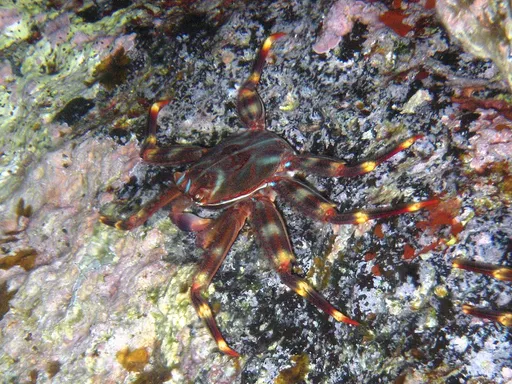
Sally Lightfoot crab
Percnon gibbesi
Saltwater3.1 in (8 cm) · 30 gal (115 L)72–79°F (22–26°C)
Shrimp
Shrimp
The peppermint shrimp is marked beginner at 2 inches (5 cm) for 11 gallons (40 liters), and it is the one crew member that eats Aiptasia anemones. The fire shrimp is a cleaner that hides more than the skunk, marked easy for 20 gallons (75 liters). The sexy shrimp stays at 1.2 inches (3 cm) in 5 gallons (20 liters) and lives among anemones and corals. The tiger pistol shrimp pairs with a watchman goby and digs a burrow. The coral banded shrimp is 2.4 inches (6 cm) for 30 gallons (115 liters) and carries a caution because it grabs small fish and other shrimp. The harlequin shrimp eats only starfish, so it cleans nothing and needs feeding.
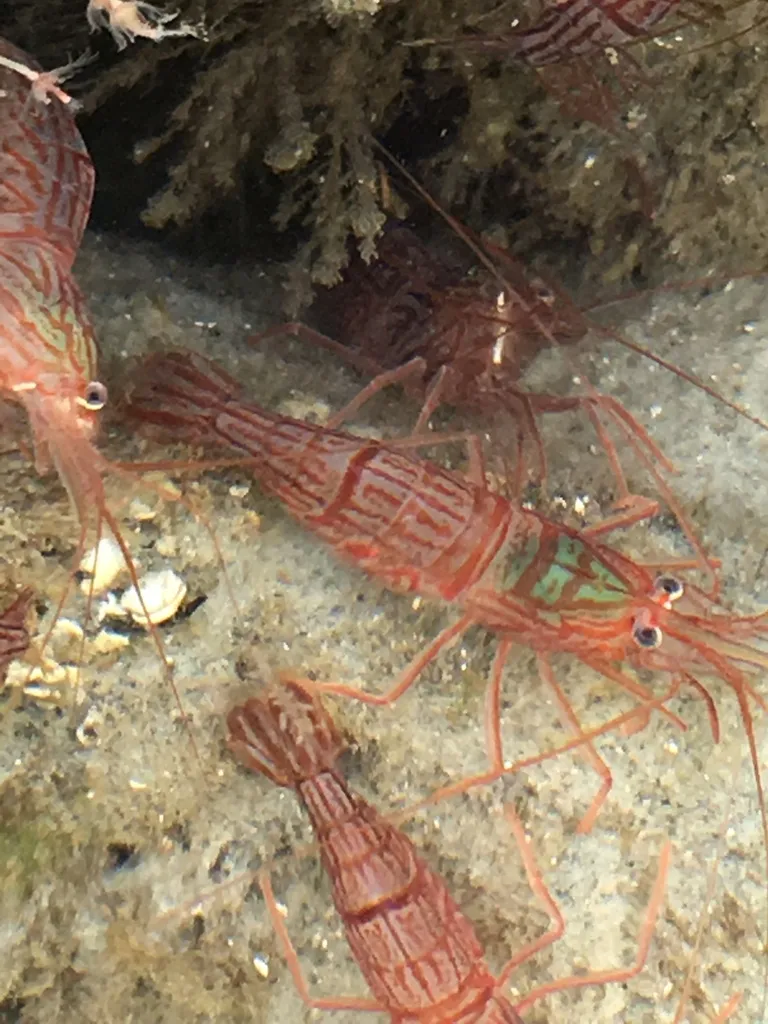
Peppermint shrimp
Lysmata wurdemanni
Saltwater2 in (5 cm) · 11 gal (40 L)72–81°F (22–27°C)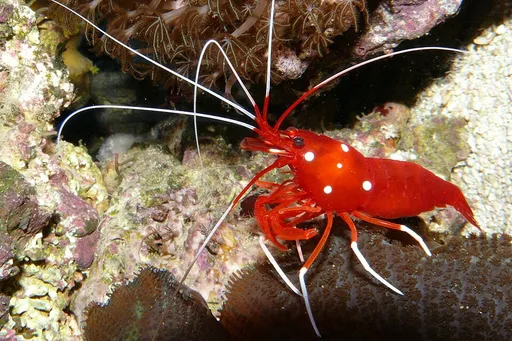
Fire shrimp
Lysmata debelius
Saltwater2.4 in (6 cm) · 20 gal (75 L)72–79°F (22–26°C)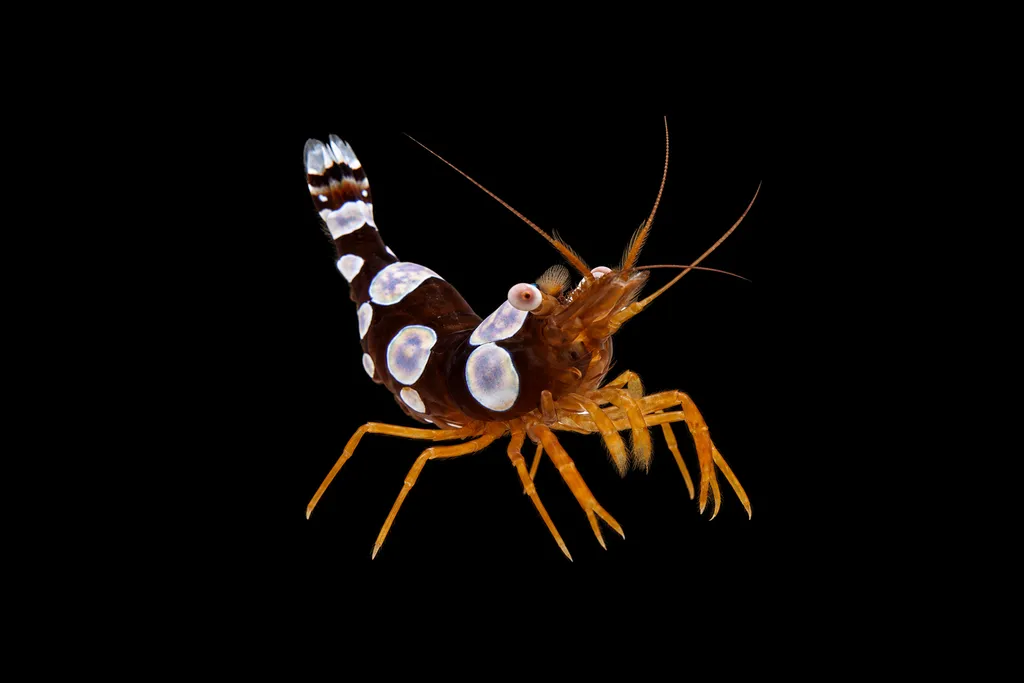
Sexy shrimp
Thor amboinensis
Saltwater1.2 in (3 cm) · 5 gal (20 L)75–81°F (24–27°C)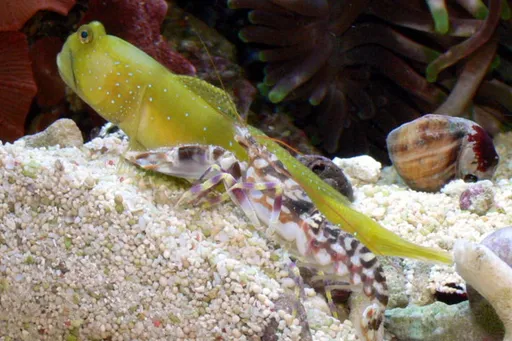
Tiger pistol shrimp
Alpheus bellulus
Saltwater2 in (5 cm) · 11 gal (40 L)75–81°F (24–27°C)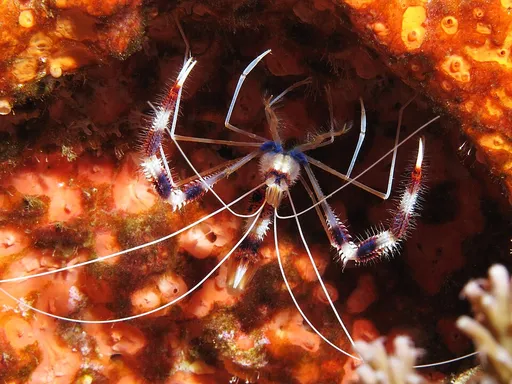
Coral banded shrimp
Stenopus hispidus
Saltwater2.4 in (6 cm) · 30 gal (115 L)72–81°F (22–27°C)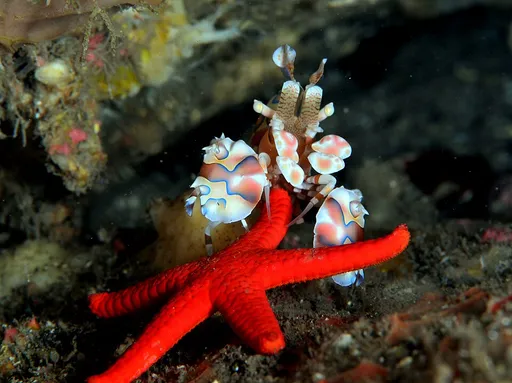
Harlequin shrimp
Hymenocera picta
Saltwater2 in (5 cm) · 11 gal (40 L)75–81°F (24–27°C)
By the numbers
Smallest
Largest
Most peaceful
FAQ
Common questions
How many snails and hermits does a reef need?
A few of each kind to start, added a couple of weeks after the cycle, and more only when the algae outpaces them. A crowd starves once the tank is clean.
Do hermit crabs kill snails?
They take shells, and a hermit that has outgrown its shell will kill a snail for it. Keep a handful of empty shells in the tank in a range of sizes.
Which crabs are reef safe?
The blue-leg, scarlet, Mexican red-leg and electric blue hermits, the porcelain crab and the pom-pom crab are marked reef safe. The emerald crab, the Halloween hermit, the Sally Lightfoot and the arrow crab carry a caution.
What eats hair algae and bubble algae?
The Mexican turbo and trochus snails graze hair algae. The emerald crab eats bubble algae. Nothing on this page fixes the nutrients that grow either.
Can a FOWLR tank have a clean-up crew?
Not for long. Triggers, puffers and the big wrasses eat snails, hermits and shrimp, which is why the FOWLR list exists.
When do I add the clean-up crew?
After the cycle finishes and the first algae appears on the glass. Drip acclimate every animal over an hour, because invertebrates do not tolerate a salinity jump.
Index
All saltwater clean-up crew
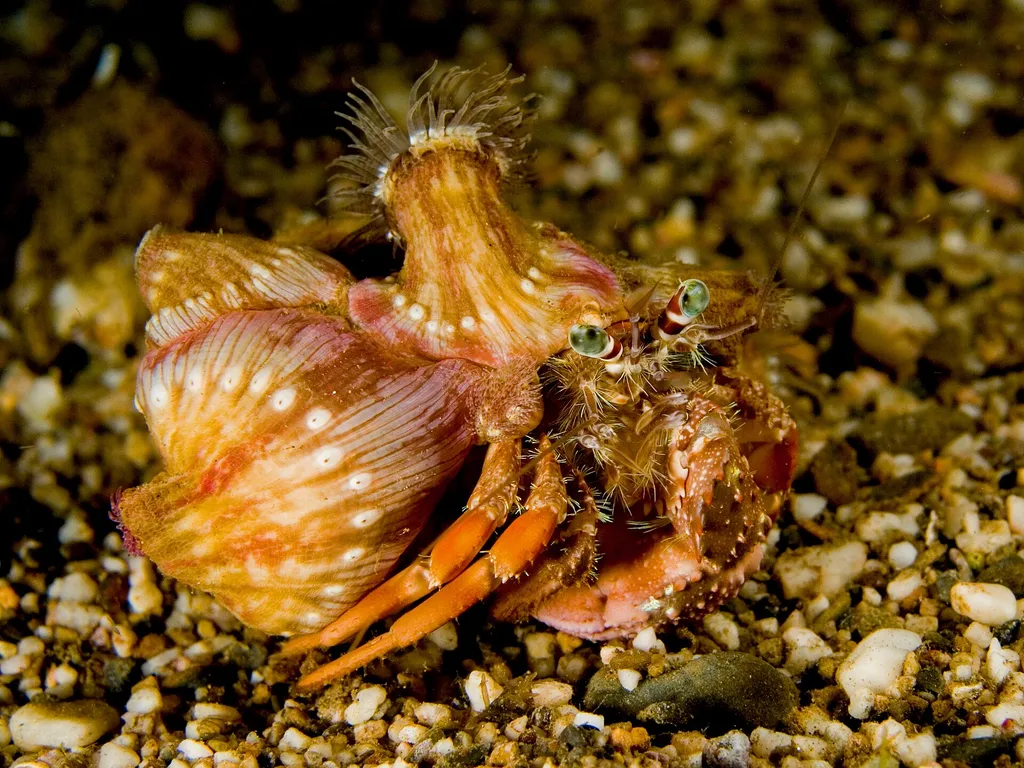
Anemone hermit crab
Dardanus pedunculatus
Saltwater3.9 in (10 cm) · 40 gal (150 L)72–81°F (22–27°C)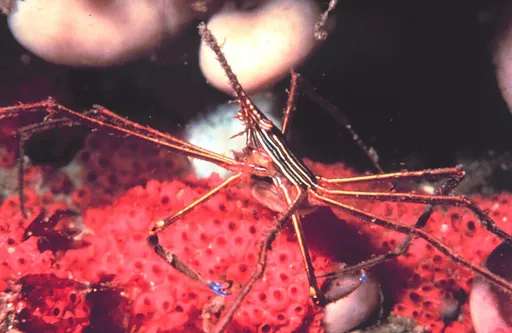
Arrow crab
Stenorhynchus seticornis
Saltwater3.9 in (10 cm) · 30 gal (115 L)72–79°F (22–26°C)Astraea turbo snail
Astraea tecta
Saltwater1 in (2.5 cm) · 11 gal (40 L)72–79°F (22–26°C)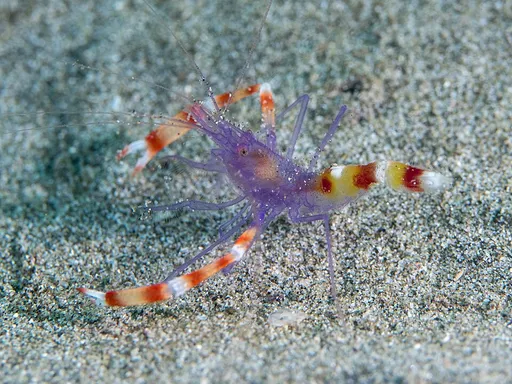
Blue / purple coral banded shrimp
Stenopus tenuirostris
Saltwater1.6 in (4 cm) · 11 gal (40 L)75–81°F (24–27°C)Blue-leg hermit crab
Clibanarius tricolor
Saltwater1 in (2.5 cm) · 11 gal (40 L)72–79°F (22–26°C)Bumble bee snail
Engina mendicaria
Saltwater0.8 in (2 cm) · 11 gal (40 L)75–81°F (24–27°C)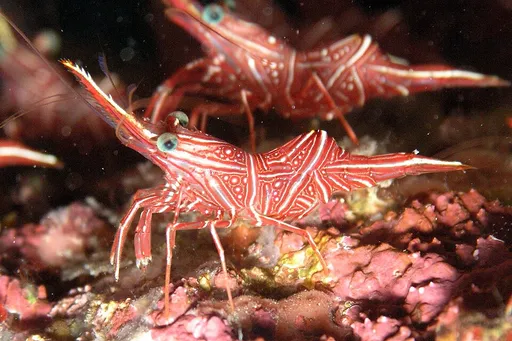
Camel / dancing shrimp
Rhynchocinetes durbanensis
Saltwater2 in (5 cm) · 16 gal (60 L)75–81°F (24–27°C)Cerith snail
Cerithium sp.
Saltwater1.6 in (4 cm) · 11 gal (40 L)72–79°F (22–26°C)Coral banded shrimp
Stenopus hispidus
Saltwater2.4 in (6 cm) · 30 gal (115 L)72–81°F (22–27°C)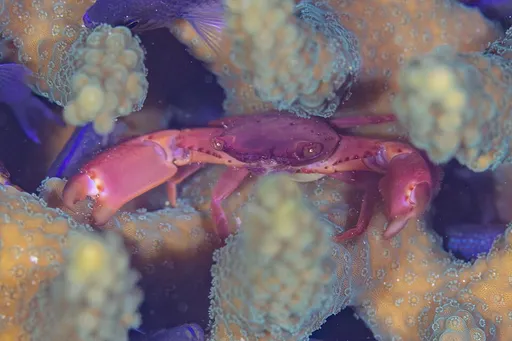
Coral guard crab
Trapezia cymodoce
Saltwater0.8 in (2 cm) · 11 gal (40 L)75–81°F (24–27°C)Decorator crab
Camposcia retusa
Saltwater1.2 in (3 cm) · 26 gal (100 L)72–81°F (22–27°C)Electric blue hermit crab
Calcinus elegans
Saltwater2 in (5 cm) · 20 gal (75 L)72–79°F (22–26°C)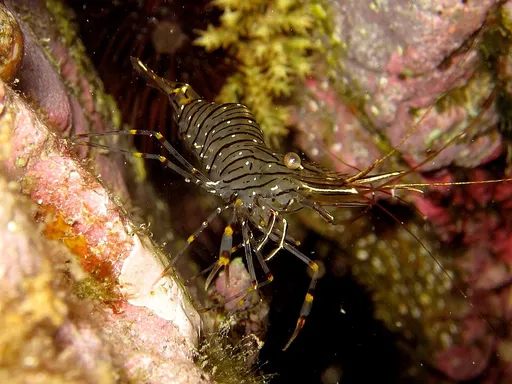
Elegant rockpool shrimp
Palaemon elegans
Saltwater2.4 in (6 cm) · 11 gal (40 L)61–79°F (16–26°C)Emerald crab
Mithraculus sculptus
Saltwater2.4 in (6 cm) · 11 gal (40 L)75–82°F (24–28°C)Fighting conch
Strombus alatus
Saltwater3.1 in (8 cm) · 20 gal (75 L)75–81°F (24–27°C)Fire shrimp
Lysmata debelius
Saltwater2.4 in (6 cm) · 20 gal (75 L)72–79°F (22–26°C)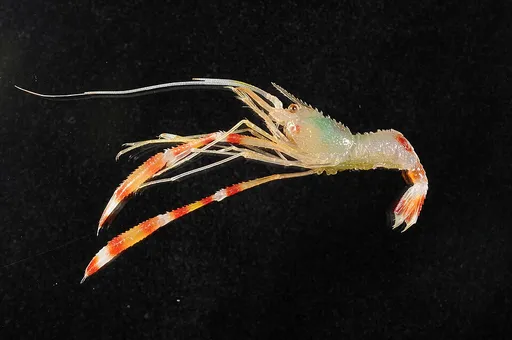
Gold coral banded shrimp
Stenopus scutellatus
Saltwater1.6 in (4 cm) · 11 gal (40 L)75–81°F (24–27°C)Halloween hermit crab
Ciliopagurus strigatus
Saltwater2 in (5 cm) · 20 gal (75 L)72–79°F (22–26°C)Harlequin shrimp
Hymenocera picta
Saltwater2 in (5 cm) · 11 gal (40 L)75–81°F (24–27°C)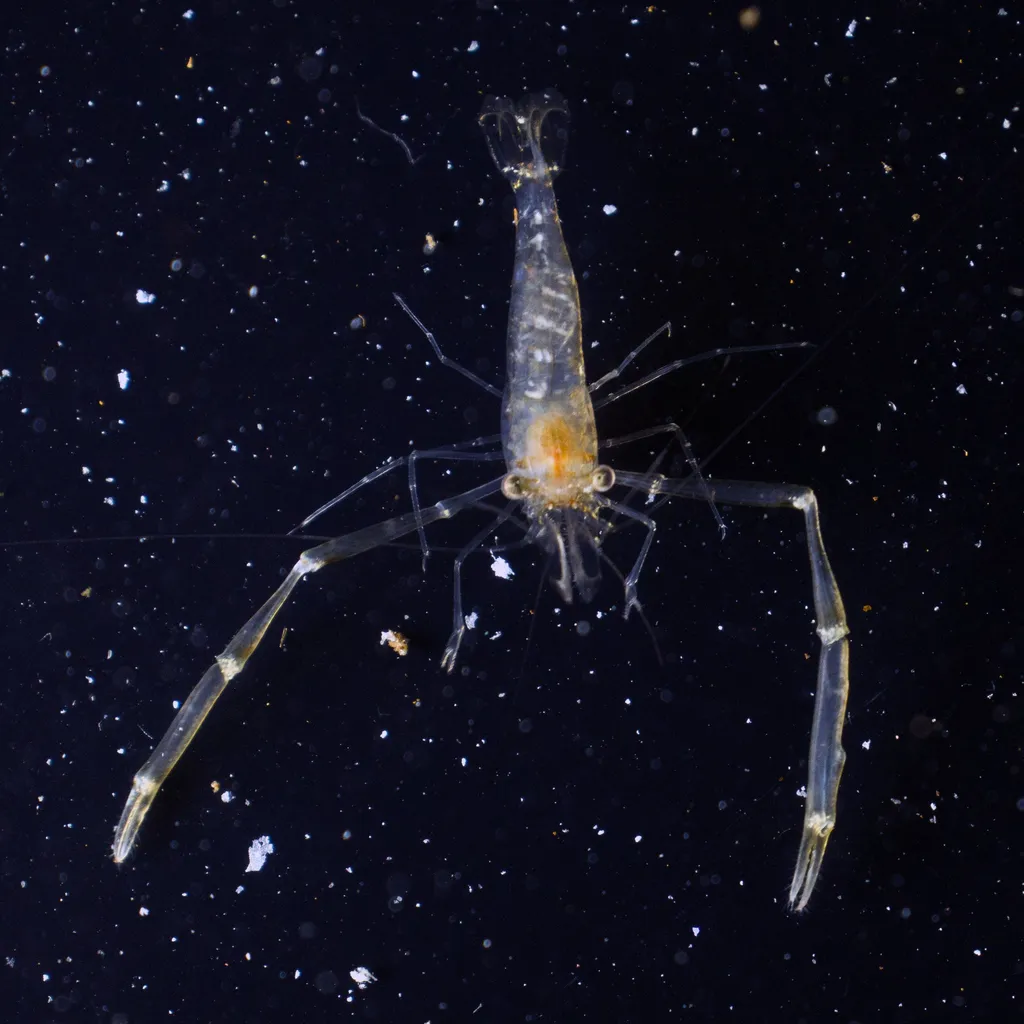
Long arm shrimp
Cuapetes sp.
Saltwater0.8 in (2 cm) · 5 gal (20 L)75–82°F (24–28°C)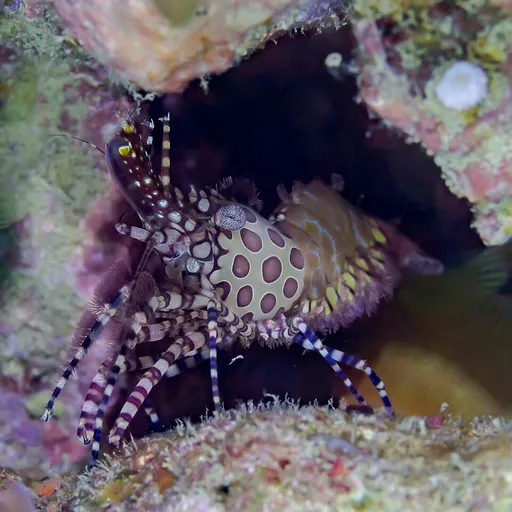
Marble shrimp
Saron marmoratus
Saltwater2 in (5 cm) · 11 gal (40 L)75–81°F (24–27°C)Marine nerite snail
Nerita sp.
Saltwater1 in (2.5 cm) · 11 gal (40 L)72–79°F (22–26°C)Mexican red-leg hermit crab
Clibanarius digueti
Saltwater1 in (2.5 cm) · 11 gal (40 L)72–81°F (22–27°C)Mexican turbo snail
Turbo fluctuosus
Saltwater2.4 in (6 cm) · 11 gal (40 L)75–81°F (24–27°C)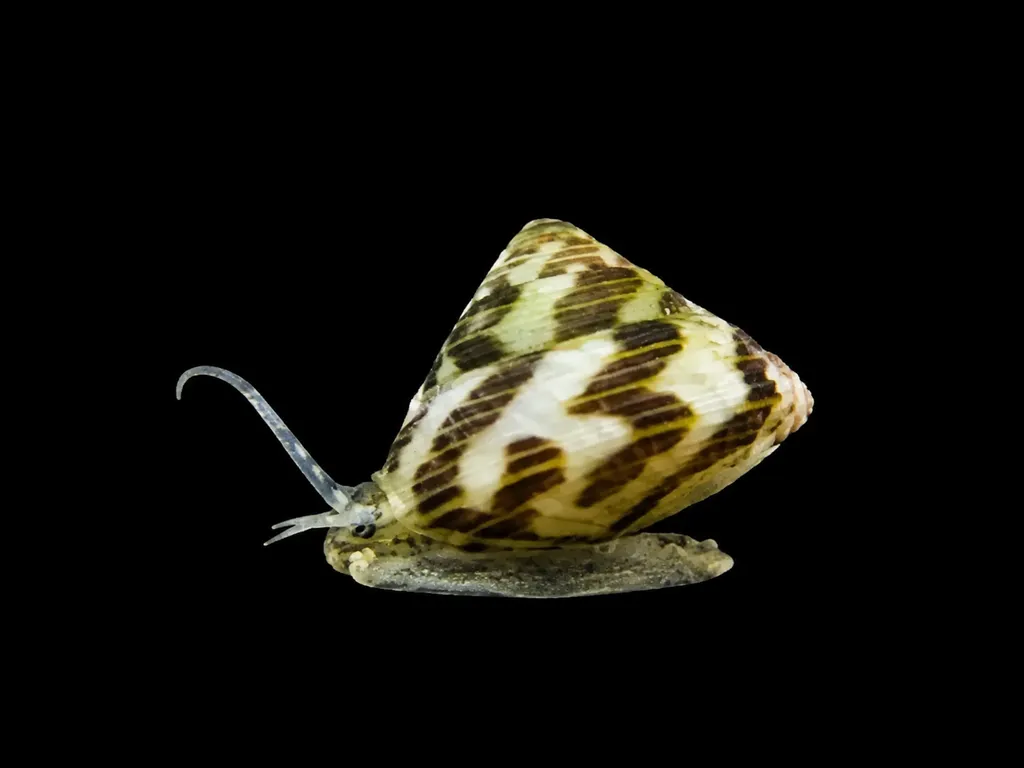
Mini trochus snail
Collonista sp.
Saltwater0.2 in (0.6 cm) · 5 gal (20 L)73–81°F (23–27°C)Nassarius snail
Nassarius sp.
Saltwater1 in (2.5 cm) · 11 gal (40 L)72–79°F (22–26°C)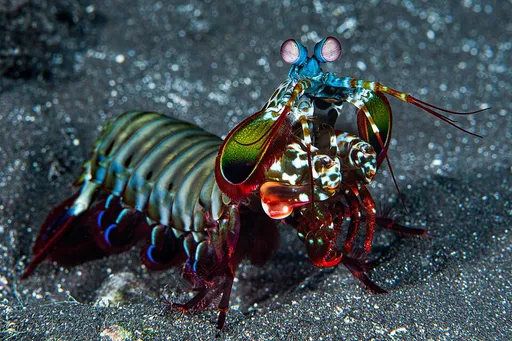
Peacock mantis shrimp
Odontodactylus scyllarus
Saltwater7.1 in (18 cm) · 20 gal (75 L)75–81°F (24–27°C)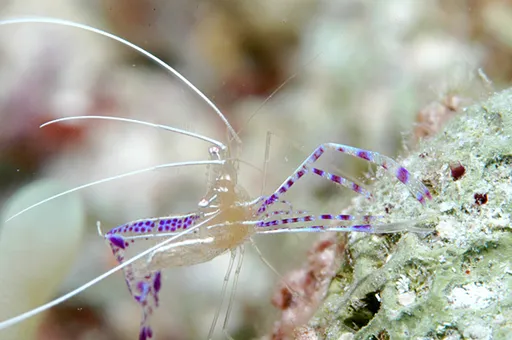
Pederson's cleaner shrimp
Ancylomenes pedersoni
Saltwater1.2 in (3 cm) · 11 gal (40 L)73–81°F (23–27°C)Peppermint shrimp
Lysmata wurdemanni
Saltwater2 in (5 cm) · 11 gal (40 L)72–81°F (22–27°C)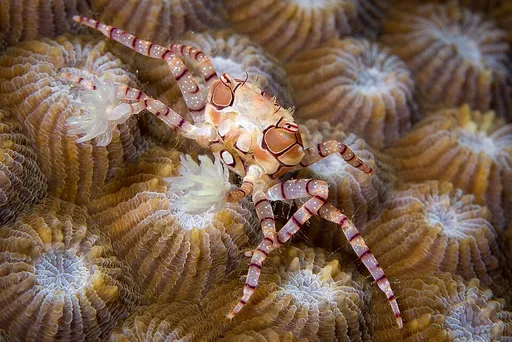
Pom-pom crab
Lybia tessellata
Saltwater1 in (2.5 cm) · 11 gal (40 L)75–81°F (24–27°C)Porcelain anemone crab
Neopetrolisthes maculatus
Saltwater3 in (7.5 cm) · 11 gal (40 L)72–79°F (22–26°C)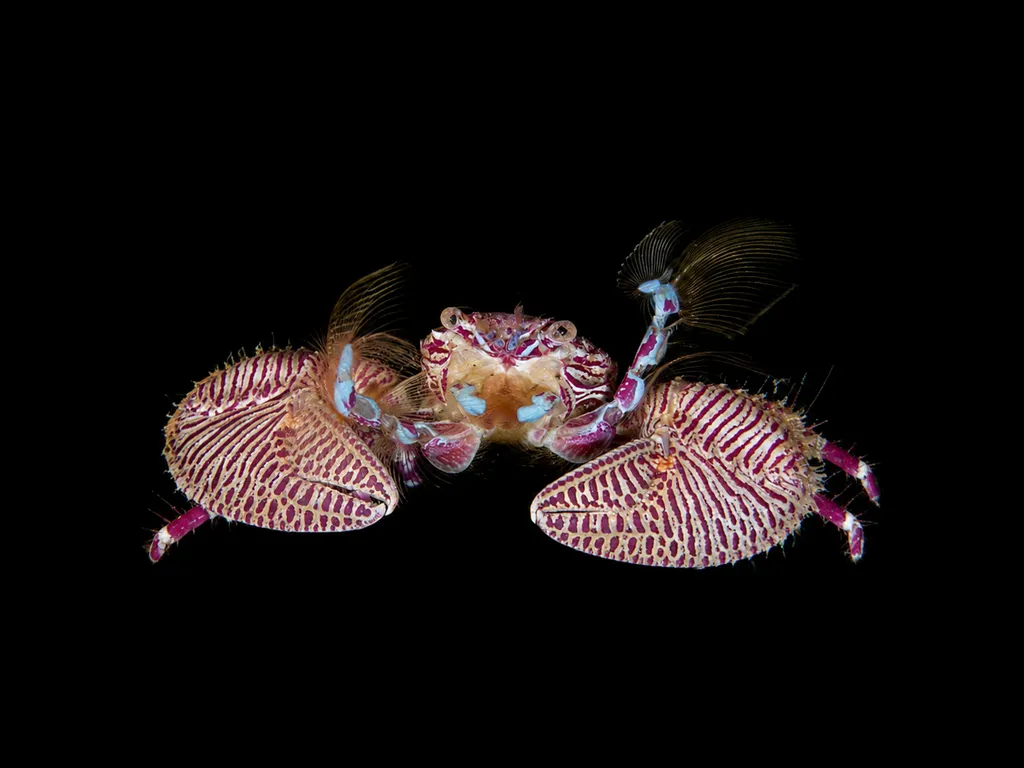
Purple zebra porcelain crab
Petrolisthes bolivarensis
Saltwater0.8 in (2 cm) · 11 gal (40 L)72–82°F (22–28°C)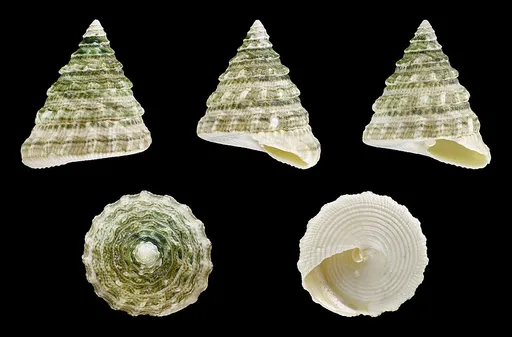
Pyramid top snail
Tectus fenestratus
Saltwater2 in (5 cm) · 11 gal (40 L)75–81°F (24–27°C)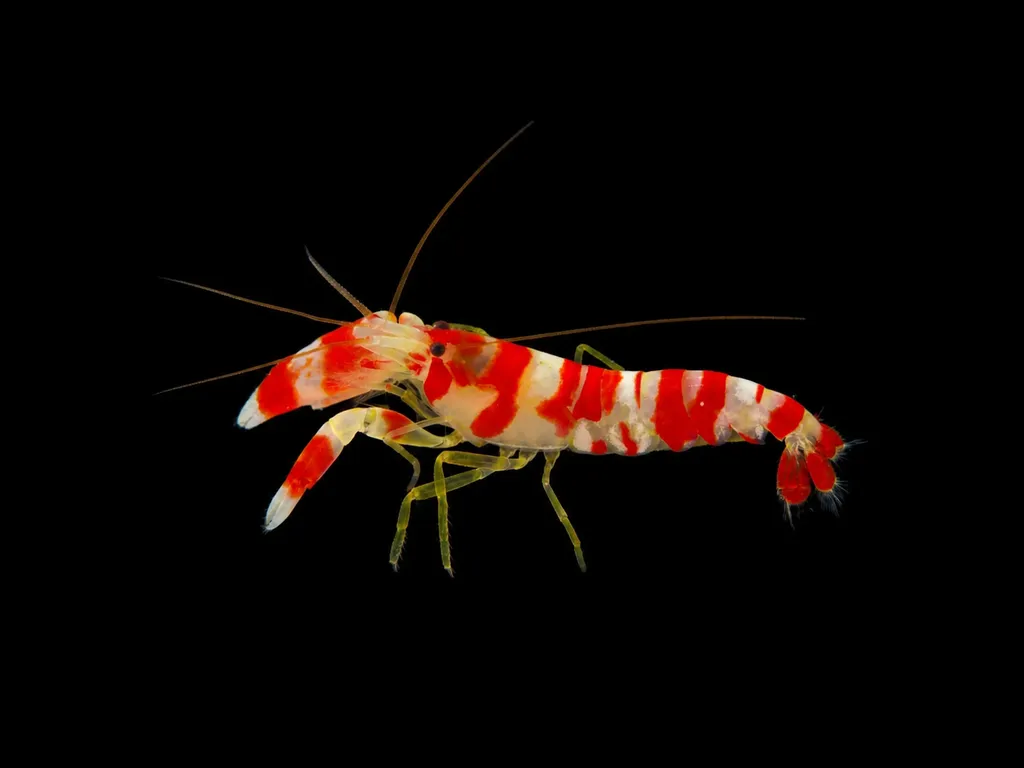
Randall's pistol shrimp
Alpheus randalli
Saltwater1.6 in (4 cm) · 11 gal (40 L)75–81°F (24–27°C)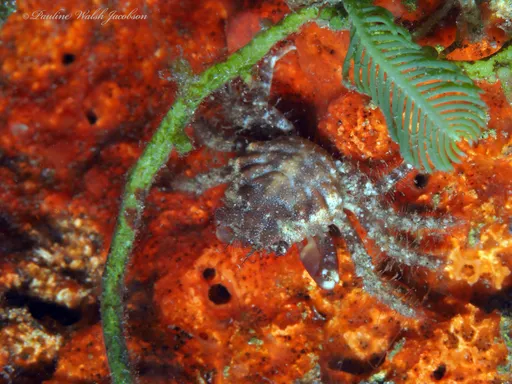
Red mithrax crab
Mithraculus forceps
Saltwater2 in (5 cm) · 11 gal (40 L)75–82°F (24–28°C)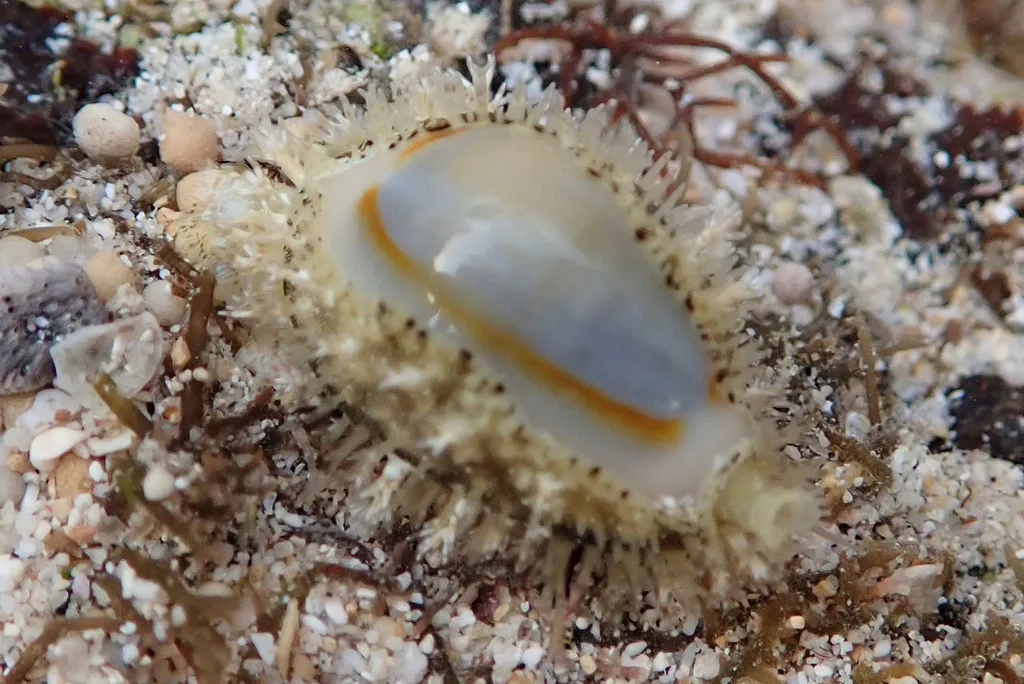
Ring cowrie
Monetaria annulus
Saltwater1.2 in (3 cm) · 20 gal (75 L)75–81°F (24–27°C)Sally Lightfoot crab
Percnon gibbesi
Saltwater3.1 in (8 cm) · 30 gal (115 L)72–79°F (22–26°C)Scarlet reef hermit crab
Paguristes cadenati
Saltwater1.6 in (4 cm) · 11 gal (40 L)72–79°F (22–26°C)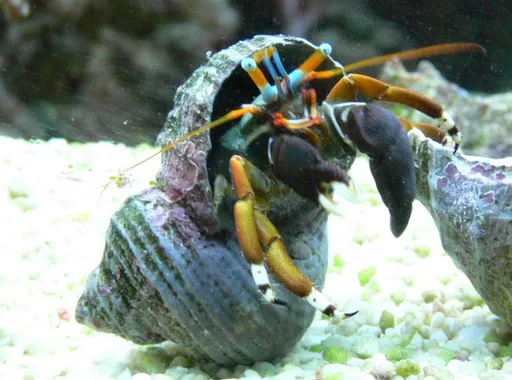
Scarlet zebra hermit crab
Calcinus laevimanus
Saltwater1.2 in (3 cm) · 20 gal (75 L)72–79°F (22–26°C)Sexy shrimp
Thor amboinensis
Saltwater1.2 in (3 cm) · 5 gal (20 L)75–81°F (24–27°C)Skunk cleaner shrimp
Lysmata amboinensis
Saltwater2.4 in (6 cm) · 20 gal (75 L)73–81°F (23–27°C)Staghorn hermit crab
Manucomplanus varians
Saltwater0.8 in (2 cm) · 26 gal (100 L)68–77°F (20–25°C)Stomatella snail
Stomatella varia
Saltwater0.8 in (2 cm) · 11 gal (40 L)75–81°F (24–27°C)Strawberry crab
Neoliomera pubescens
Saltwater1.2 in (3 cm) · 20 gal (75 L)72–81°F (22–27°C)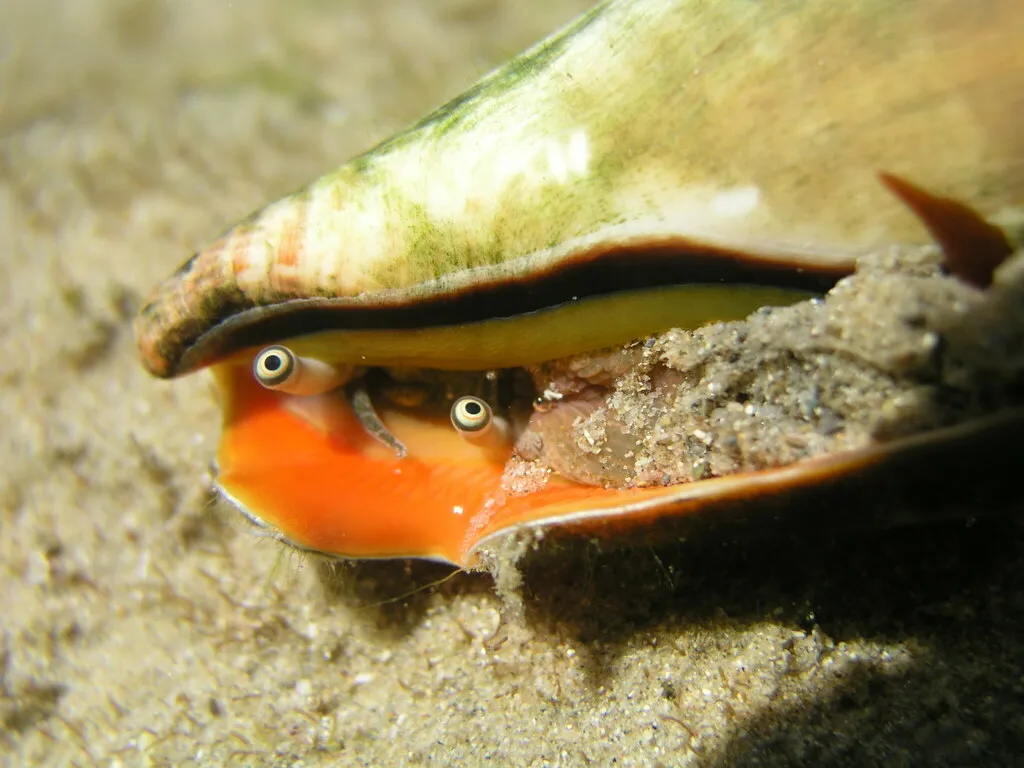
Tiger / strawberry conch
Conomurex luhuanus
Saltwater2.8 in (7 cm) · 20 gal (75 L)75–81°F (24–27°C)Tiger pistol shrimp
Alpheus bellulus
Saltwater2 in (5 cm) · 11 gal (40 L)75–81°F (24–27°C)Trochus snail
Trochus sp.
Saltwater1.2 in (3 cm) · 11 gal (40 L)72–79°F (22–26°C)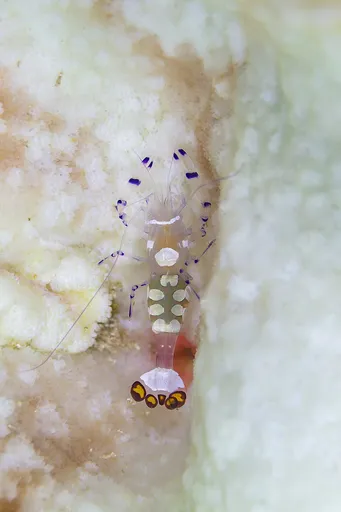
White-spot anemone shrimp
Periclimenes brevicarpalis
Saltwater1.6 in (4 cm) · 11 gal (40 L)75–81°F (24–27°C)
Planning a tank?
TankBud checks stocking and water fit as you build a tank, then tracks water tests, reminders and photos once it is running.
Track your tanksMaintain tanks for clients? See TankBud Pro