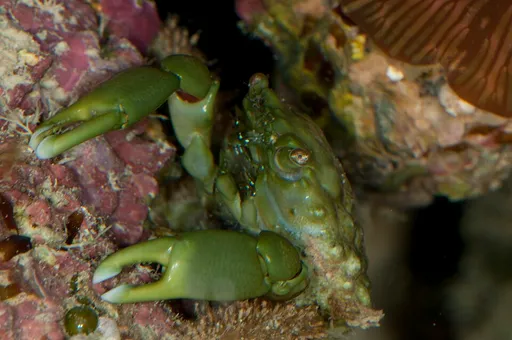
Emerald crab
Mithraculus sculptus
Also known as Green Clinging Crab, Green Emerald Crab, Mithrax Crab
SaltwaterCrab
Care at a glance
- Temperature
- 75–82°F
- 24–28°C
- pH
- 8.0–8.4
- Adult size
- 2.4 in
- 6 cm
- Minimum tank
- 11 gal
- 40 L
- Temperament
- Mostly peaceful
- Social behavior
- Solitary
- Tankmates
- With caution
- Swim level
- Bottom
- Difficulty
- Easy
- Breeding
- Hard
- Rarity
- Very common
- Reef safe
- Reef safe with caution
- Family
- Mithracidae
- Origin
- Tropical western Atlantic, from Florida and the Caribbean south to northern Brazil, on rock and reef rubble
Overview
A hardy, easy-to-keep opportunist that is peaceful while food is plentiful but turns predatory when hungry. Keep only one per tank, since emerald crabs fight each other. Watch larger individuals around small fish, snails, hermits, and shrimp, and keep it fed to keep it honest.
In the wild
A shy, mostly nocturnal crab that clings to and hides in rockwork by day and comes out to forage over the reef at night. It is prized for eating bubble algae (Valonia) that few other animals will touch. Give it caves and overhangs to shelter in, and do not rely on it as a full cleanup crew because a well-fed crab often stops working algae.
Good to know
Mithraculus sculptus is a spider crab in the family Mithracidae, with a flattened glossy green carapace and spoon-tipped claws it uses to scoop algae. It reaches about 6 cm across the body with claws extending further, and lives roughly 2 to 4 years. Captive breeding is possible but very difficult, with larval survival typically well under 20 percent.
Did you know
It is one of the very few reef animals that reliably eats bubble algae, scooping it out with spoon-shaped claw tips, which is the main reason hobbyists tolerate its opportunistic streak.
Common questions
What size tank does an Emerald crab need?
An Emerald crab needs at least 11 gal (40 L). It spends most of its time in the bottom.
What temperature and pH does an Emerald crab need?
An Emerald crab is comfortable at 75–82°F (24–28°C) with a pH of 8.0–8.4.
How big does an Emerald crab get?
An adult Emerald crab reaches about 2.4 in (6 cm).
Related species
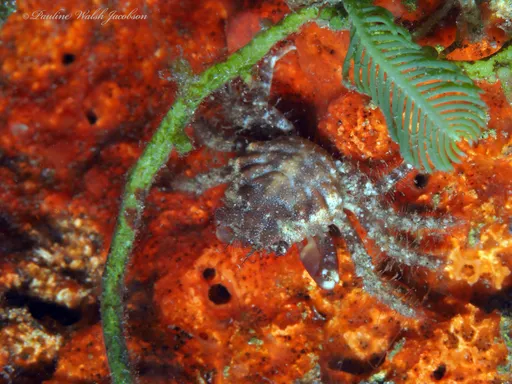 2 in (5 cm)11 gal (40 L)75–82°F (24–28°C)
Red mithrax crab
Mithraculus forceps
2 in (5 cm) · 11 gal (40 L)
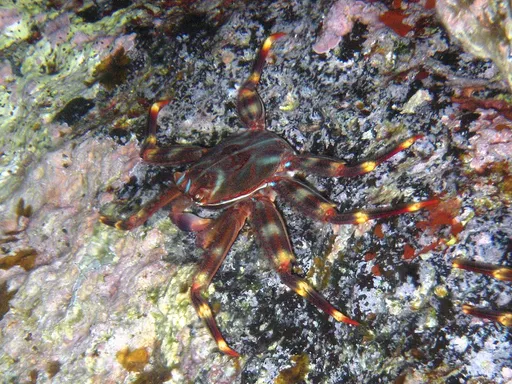 3.1 in (8 cm)30 gal (115 L)72–79°F (22–26°C)
Sally Lightfoot crab
Percnon gibbesi
3.1 in (8 cm) · 30 gal (115 L)
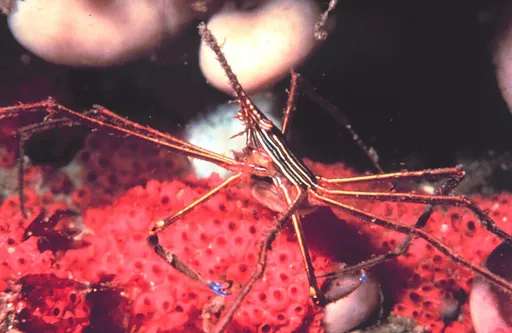 3.9 in (10 cm)30 gal (115 L)72–79°F (22–26°C)
Arrow crab
Stenorhynchus seticornis
3.9 in (10 cm) · 30 gal (115 L)
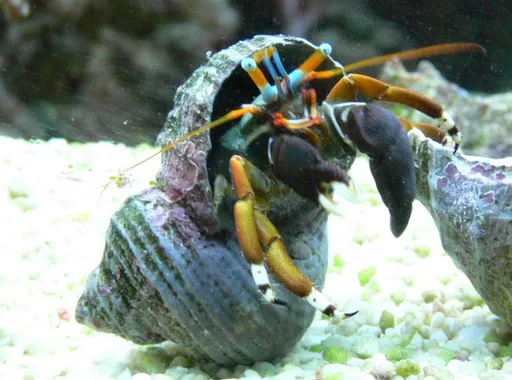 1.2 in (3 cm)20 gal (75 L)72–79°F (22–26°C)
Scarlet zebra hermit crab
Calcinus laevimanus
1.2 in (3 cm) · 20 gal (75 L)
- 1.2 in (3 cm)26 gal (100 L)72–81°F (22–27°C)
Decorator crab
Camposcia retusa
1.2 in (3 cm) · 26 gal (100 L)
- 1.2 in (3 cm)20 gal (75 L)72–81°F (22–27°C)
Strawberry crab
Neoliomera pubescens
1.2 in (3 cm) · 20 gal (75 L)