Low-light aquarium plants
Low-light plants grow under standard tank lighting, which makes them the easiest place to start a planted tank. Each profile lists placement, growth rate and whether the plant benefits from CO2.
At a glance
- Height
- 0.4–59.1 in
- 0.4 in (1 cm) to 59.1 in (150 cm); half the list stays at 5.9 in (15 cm) or under
- Temperature
- 72–82°F
- 22–28°C, most of the list
- CO₂
- 66 no CO₂ needed
- 68 CO₂ beneficial
- Growth
- 101 slow growing
- 20 medium growth · 13 fast growing
- Difficulty
- 122 easy
- 8 medium · 4 difficult
99 plants and 35 varieties
Start here
The plants that grow under a basic light
The java fern is marked beginner for low light with no CO2, tied to wood or rock, 11.8 inches (30 cm) tall. The anubias nana is the same rating at 4.7 inches (12 cm), a plant whose leaves last for years. The java moss grows on anything in any light. The cryptocoryne wendtii is the rooted plant for a dim tank, marked beginner at 9.8 inches (25 cm), and it melts when moved and grows back. The vallisneria spiralis is a grass that spreads by runners to 19.7 inches (50 cm) under low light with no CO2. The hornwort floats or plants, grows fast and soaks up the nutrients that would otherwise feed algae.
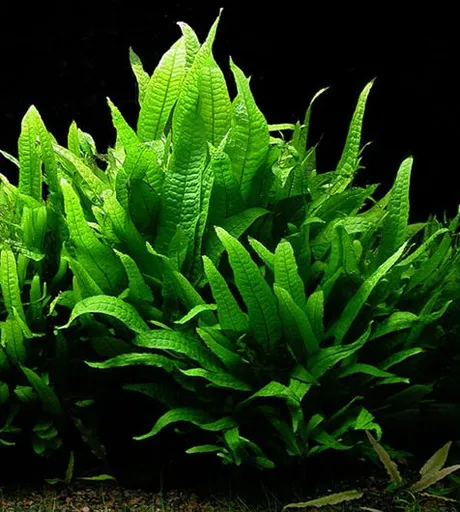
Java fern
Leptochilus pteropus
FreshwaterBrackish- Light
- Low light
- Placement
- Epiphyte
- Height
- 11.8 in (30 cm)
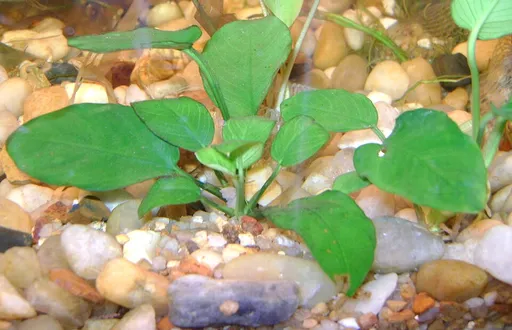
Anubias nana
Anubias barteri var. nana
FreshwaterBrackish- Light
- Low light
- Placement
- Epiphyte
- Height
- 4.7 in (12 cm)
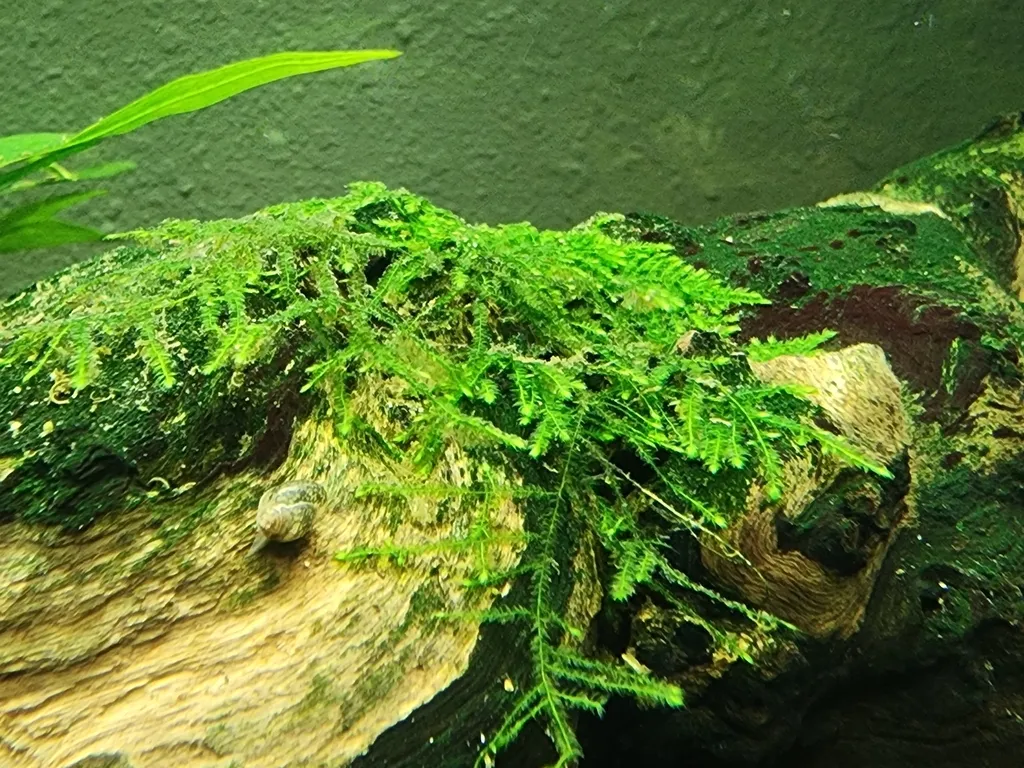
Java moss
Taxiphyllum barbieri
FreshwaterBrackish- Light
- Low light
- Placement
- Epiphyte
- Height
- 3.9 in (10 cm)
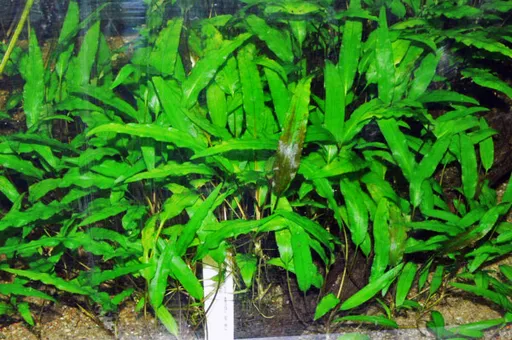
Cryptocoryne wendtii
FreshwaterBrackish- Light
- Low light
- Placement
- Midground
- Height
- 9.8 in (25 cm)
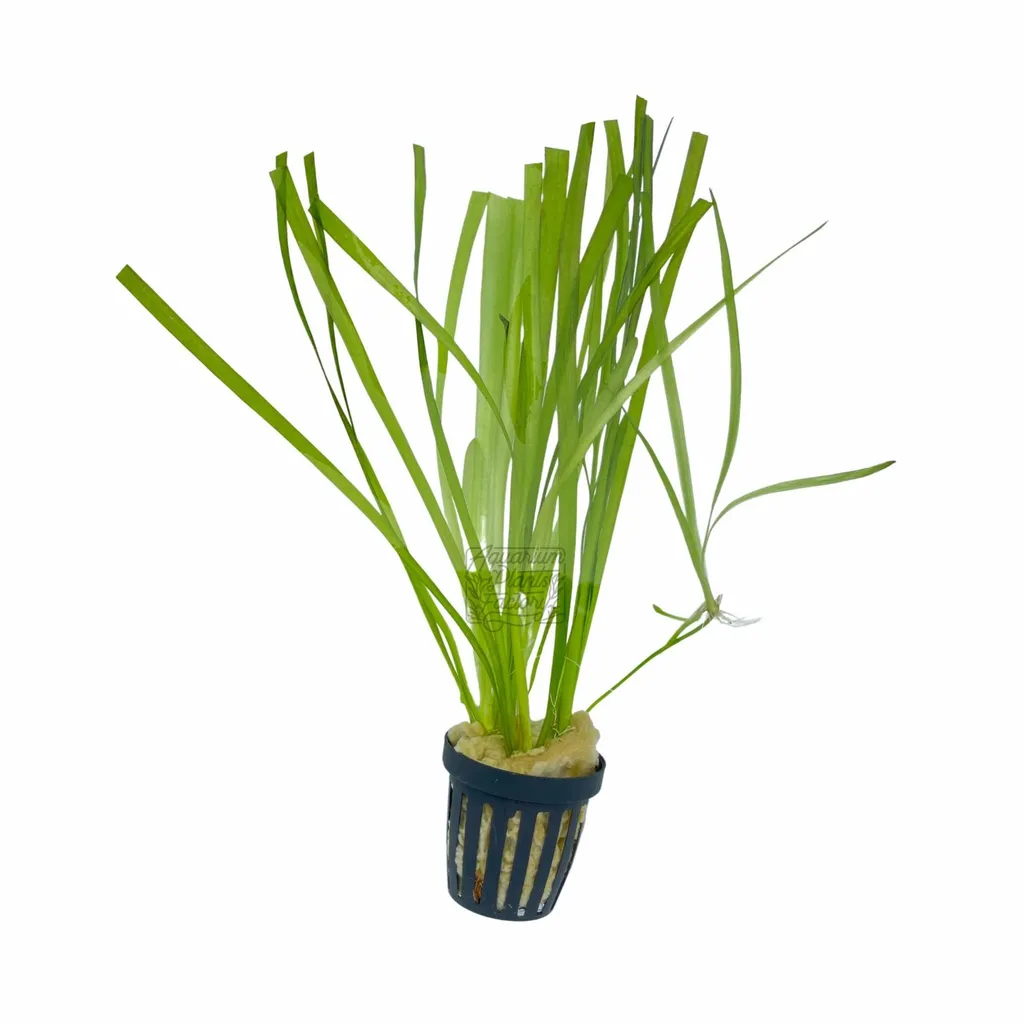
Vallisneria spiralis
FreshwaterBrackish- Light
- Low light
- Placement
- Background
- Height
- 19.7 in (50 cm)
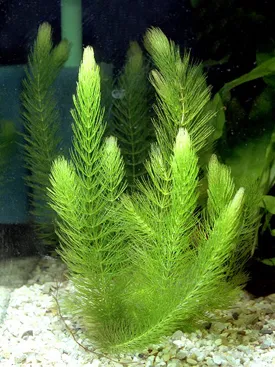
Hornwort
Ceratophyllum demersum
FreshwaterBrackish- Light
- Low light
- Placement
- Floating
- Height
- 39.4 in (100 cm)
The rule
What low light means
Low light means a basic LED over the tank for six to eight hours a day, the light a fish-only tank already has. Every plant here lists it, and most list CO2 as unnecessary or merely beneficial. The trade-off is speed: the anubias, ferns and crypts add a leaf a month, which suits a tank nobody wants to trim and gives algae a slow-growing leaf to settle on. Keep the light hours short, put one fast grower in the tank to use the nutrients, and wipe the old leaves now and then.
- 01
A basic LED
Six to eight hours a day, no plant fixture needed
- 02
No CO2
Most profiles here list none or beneficial
- 03
Slow growers
Anubias, ferns and crypts add a leaf a month
- 04
Algae on old leaves
Short light hours and one fast grower keep it off
Rhizomes
Anubias and bucephalandra
The anubias barteri is the big anubias, marked beginner at 13.8 inches (35 cm), and the anubias coffeefolia has ribbed leaves at 9.8 inches (25 cm). The anubias petite is 2 inches (5 cm) for the front of a nano tank. The bucephalandra kedagang is marked easy at 4.7 inches (12 cm), a slow Bornean plant with leaves that shimmer blue, and the bucephalandra motleyana and Velvet are the same care at 3.9 inches (10 cm). All of them are tied to wood or rock with the rhizome in the water, never buried, and all of them list low light.
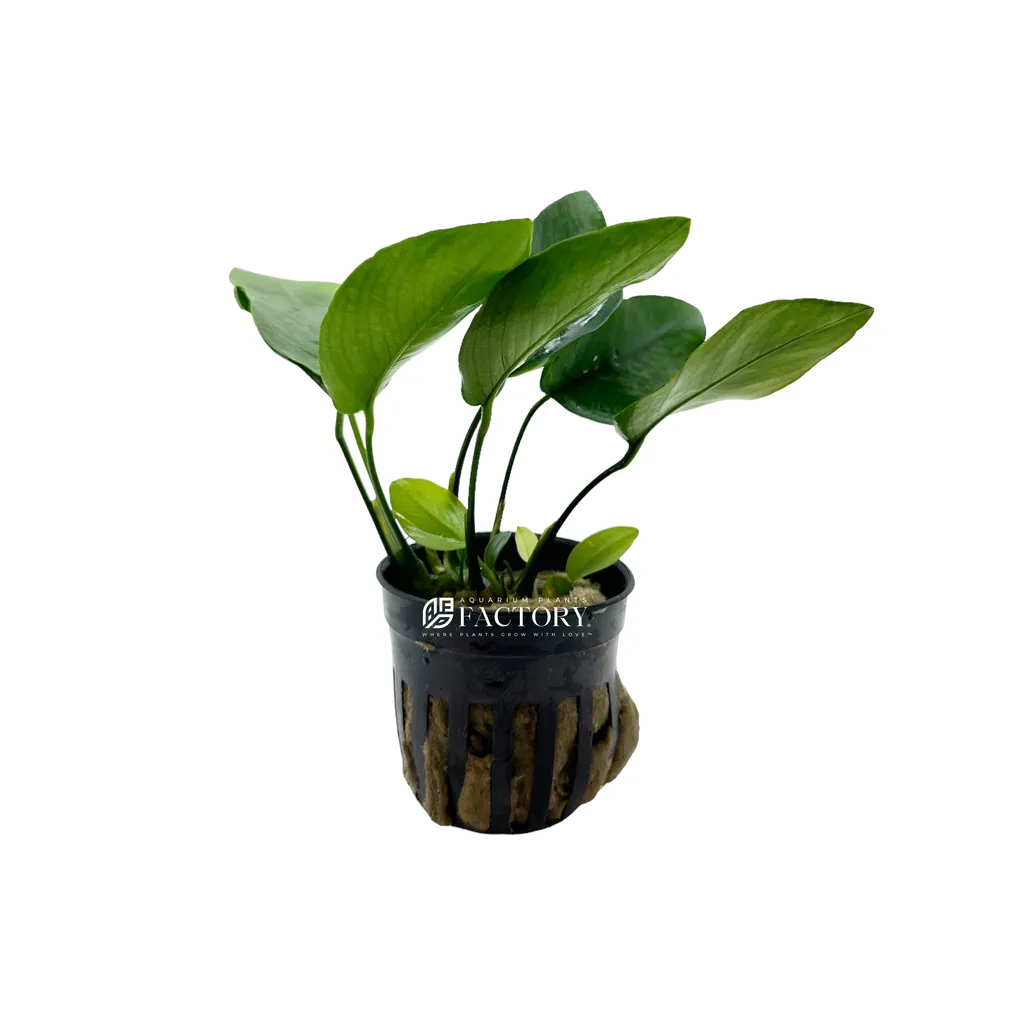
Anubias barteri
FreshwaterBrackishLow light · Epiphyte13.8 in (35 cm)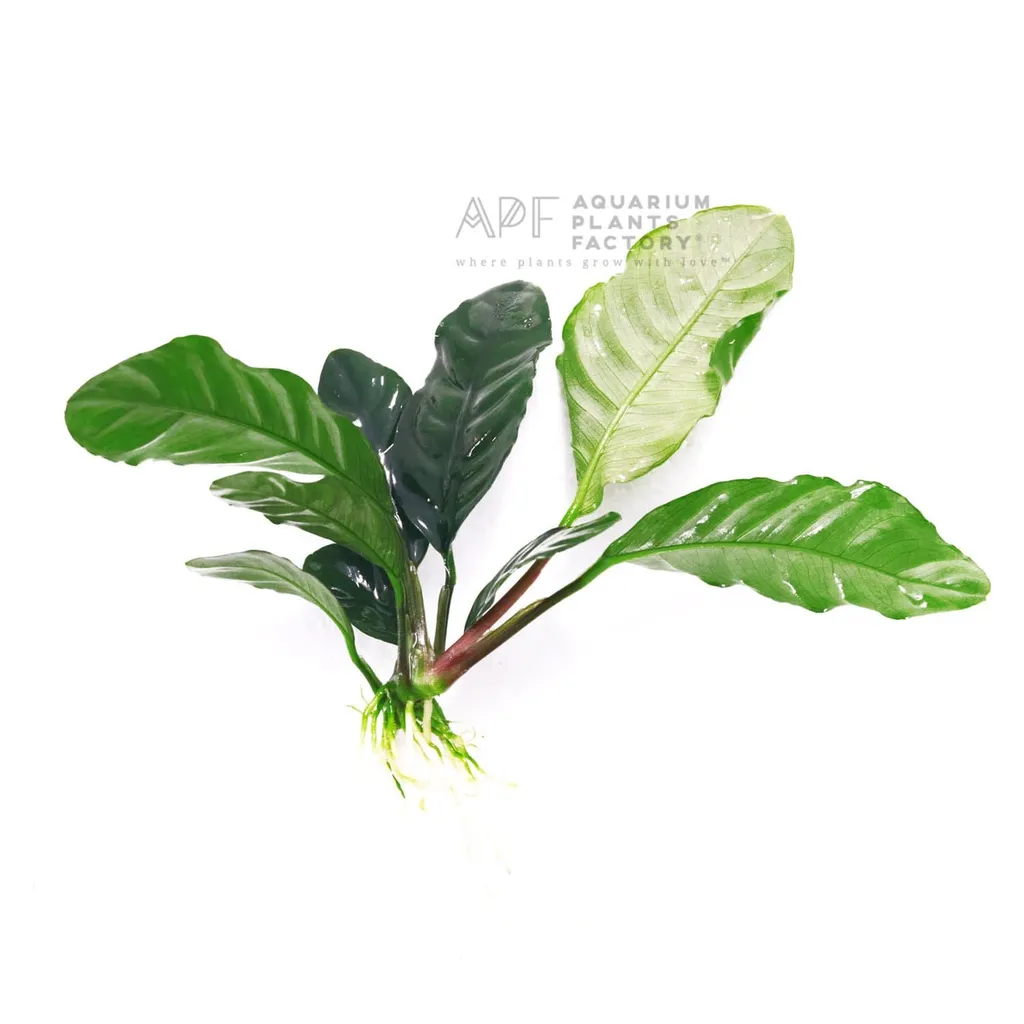
Anubias coffeefolia
Anubias barteri var. coffeefolia
FreshwaterBrackishLow light · Epiphyte9.8 in (25 cm)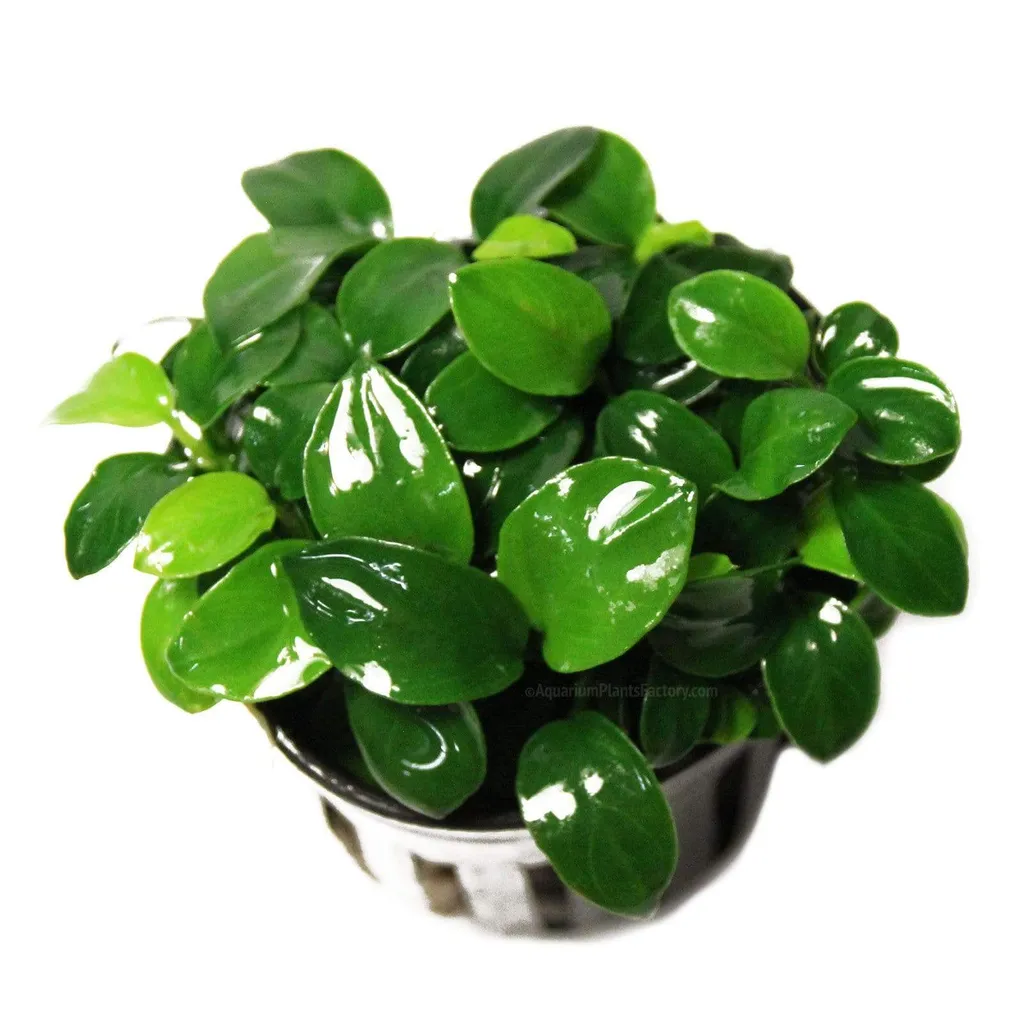
Anubias petite
Anubias barteri var. nana 'Petite'
FreshwaterBrackishLow light · Epiphyte2 in (5 cm)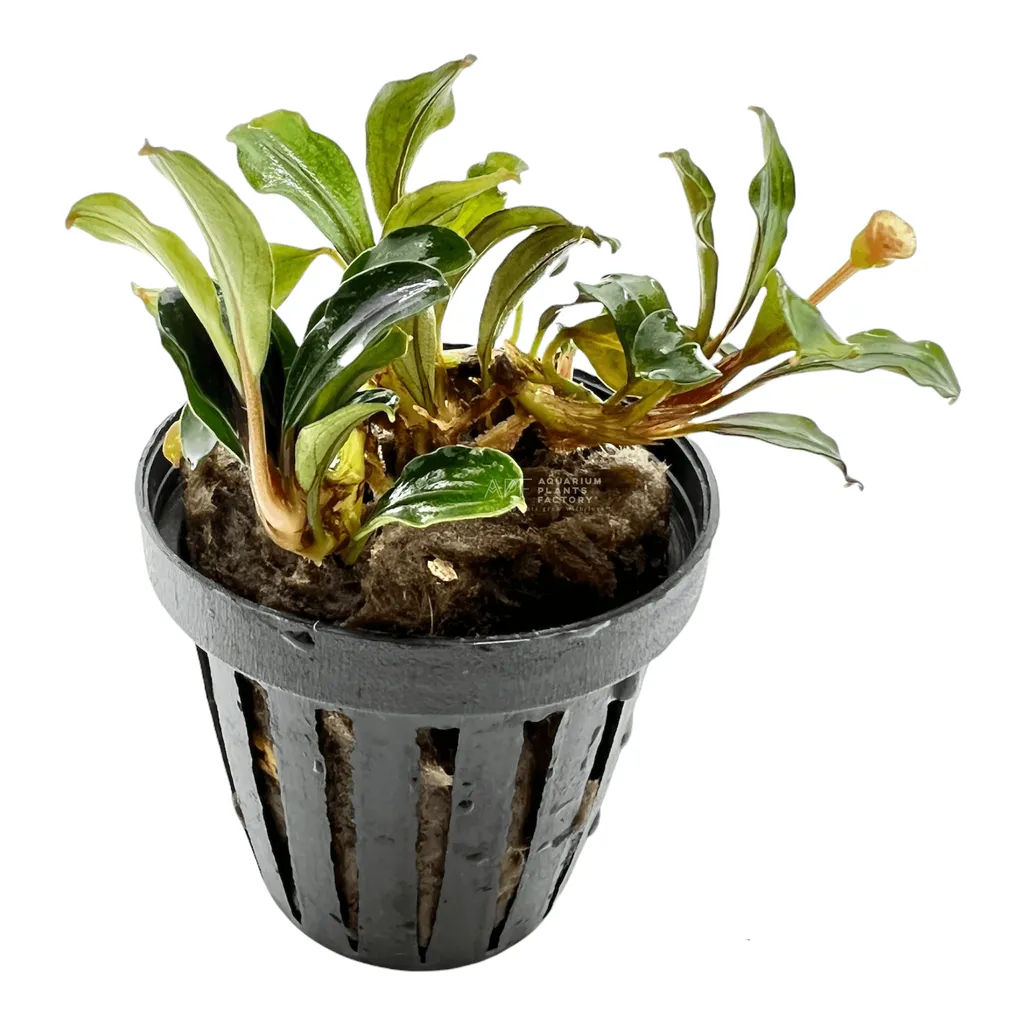
Bucephalandra kedagang
Bucephalandra sp. 'Kedagang'
FreshwaterLow light · Epiphyte4.7 in (12 cm)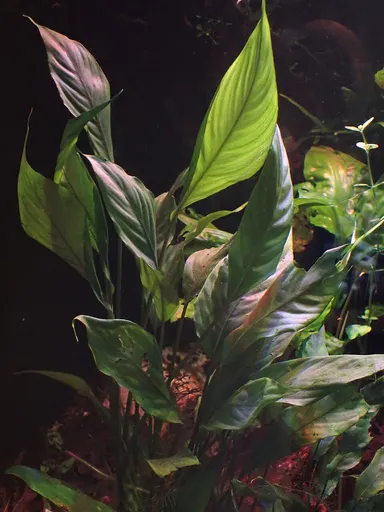
Bucephalandra motleyana
FreshwaterLow light · Epiphyte3.9 in (10 cm)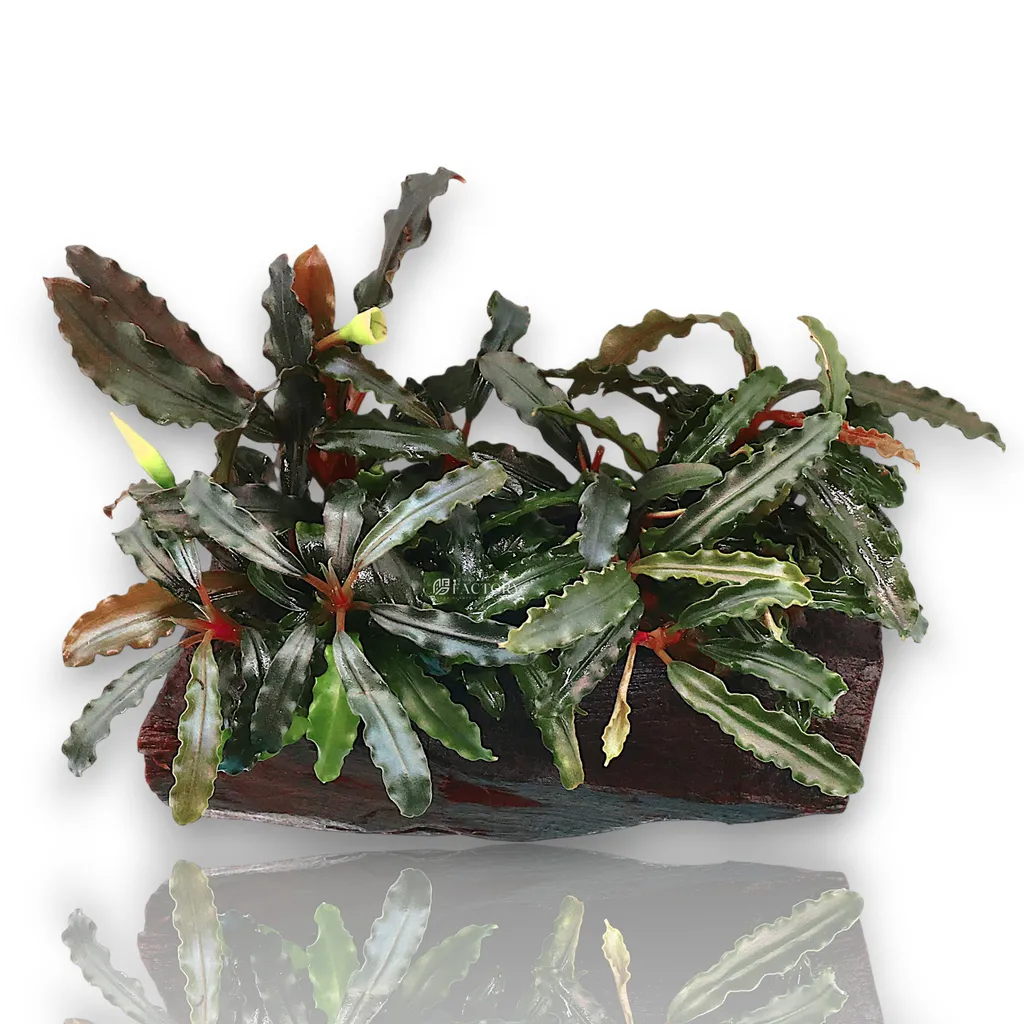
Bucephalandra Velvet
Bucephalandra sp. 'Velvet'
FreshwaterLow light · Epiphyte3.9 in (10 cm)
Rooted
Crypts and swords for a dim tank
The cryptocoryne beckettii and the cryptocoryne undulata are midground crypts marked easy for low light at 7.9 inches (20 cm), and the cryptocoryne usteriana is the tall one at 19.7 inches (50 cm) for the back. The Reni sword is the sword that takes low light, marked easy at 15.7 inches (40 cm). The quadricostatus chain sword spreads by runners at 5.9 inches (15 cm), and the dwarf sagittaria is marked beginner, a grass for the front that carpets slowly under low light. All of them feed through the roots and want a root tab pushed under them.
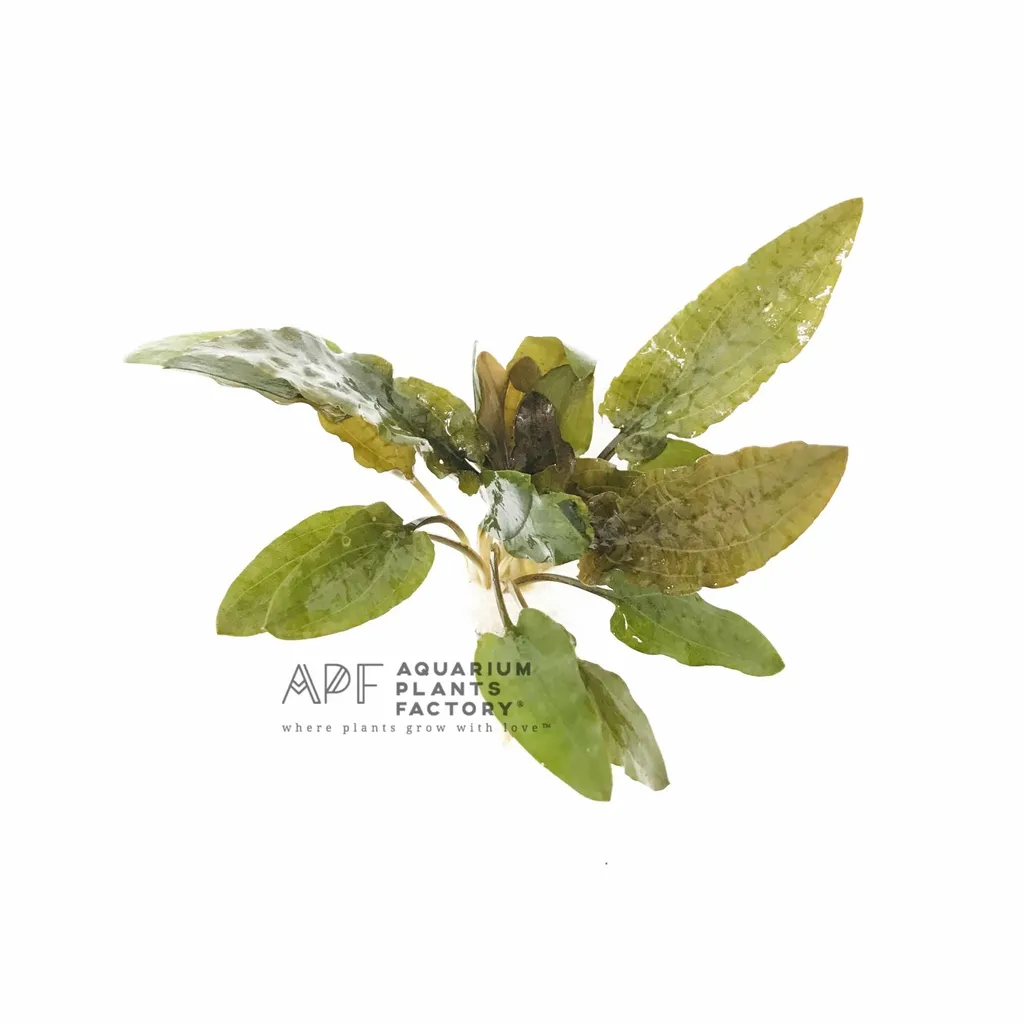
Cryptocoryne beckettii
FreshwaterLow light · Midground7.9 in (20 cm)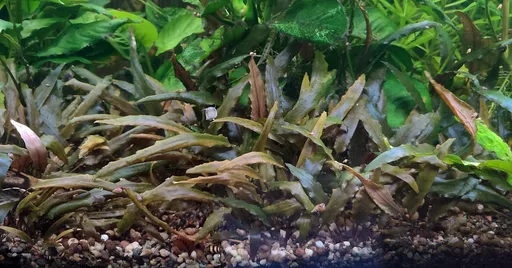
Cryptocoryne undulata
FreshwaterLow light · Midground7.9 in (20 cm)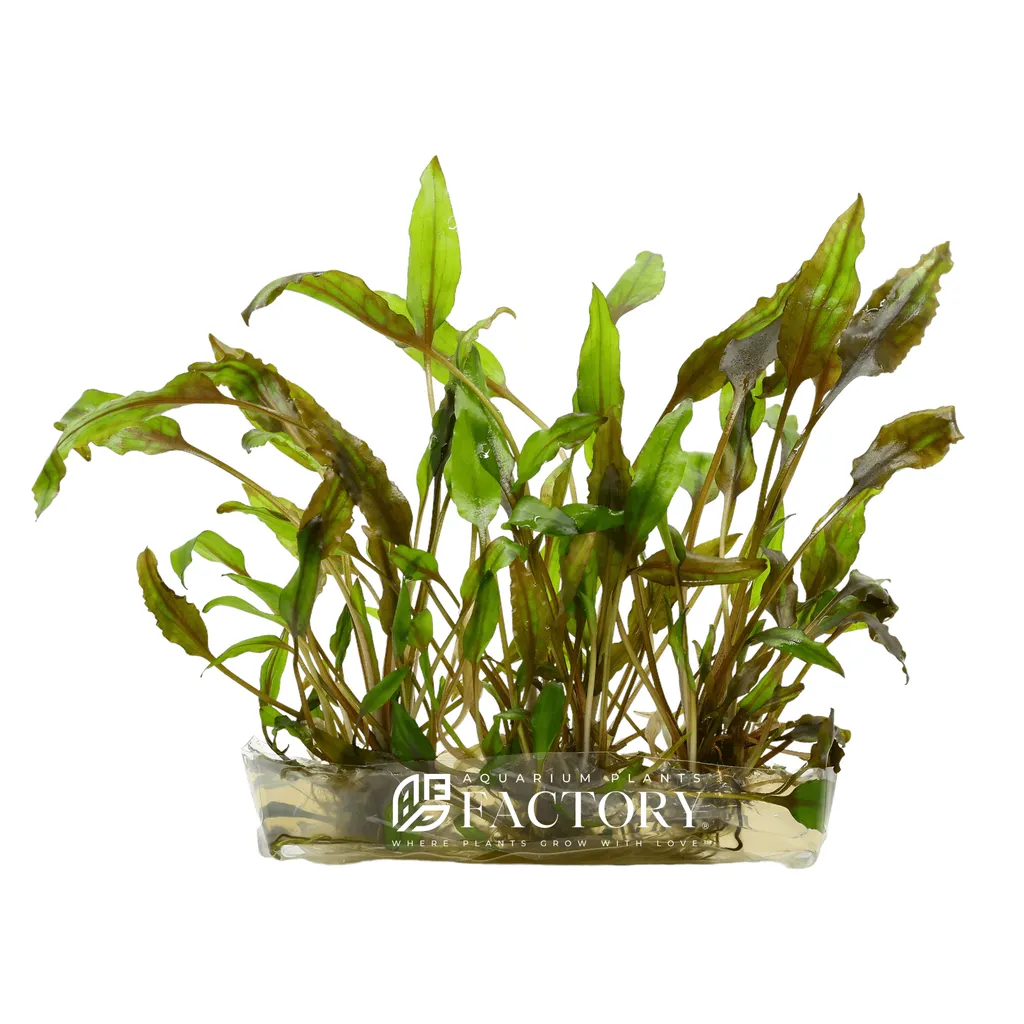
Cryptocoryne usteriana
FreshwaterLow light · Background19.7 in (50 cm)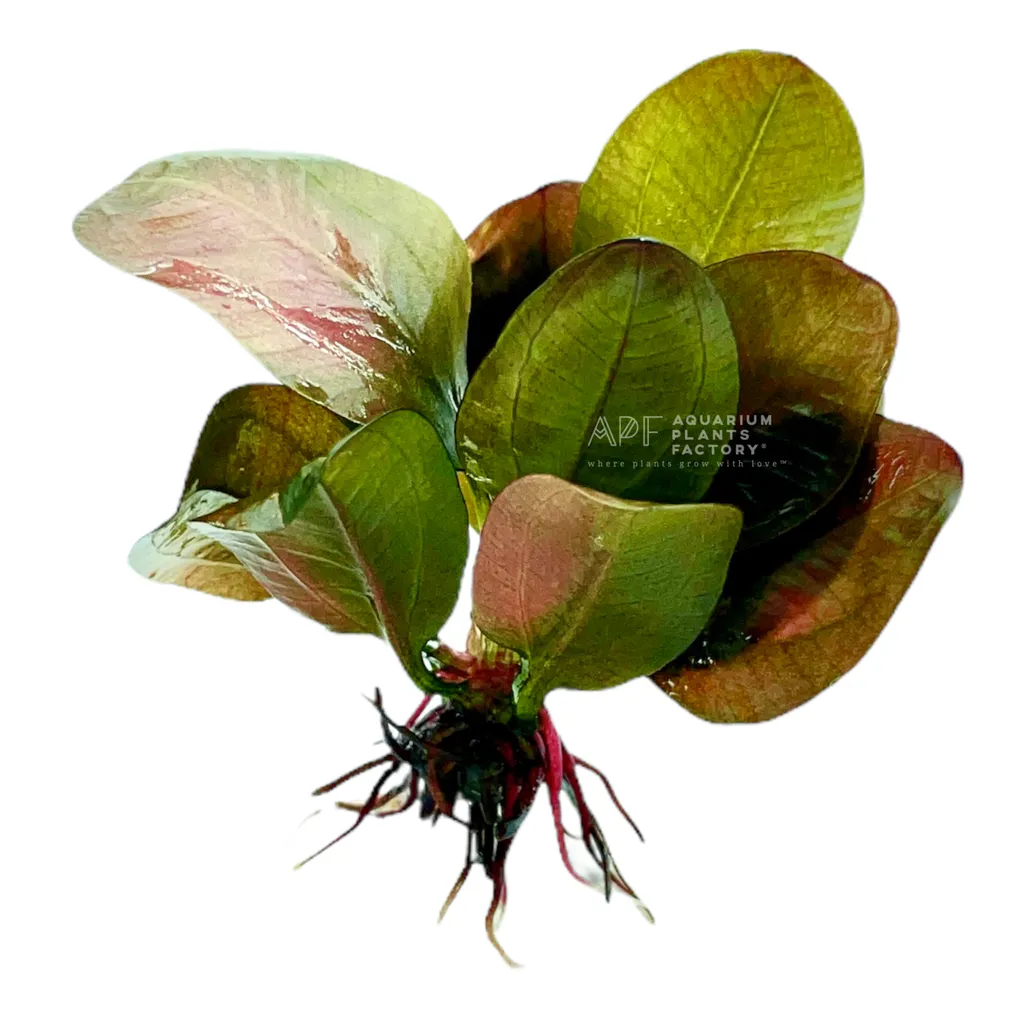
Reni sword
Echinodorus 'Reni'
FreshwaterLow light · Midground15.7 in (40 cm)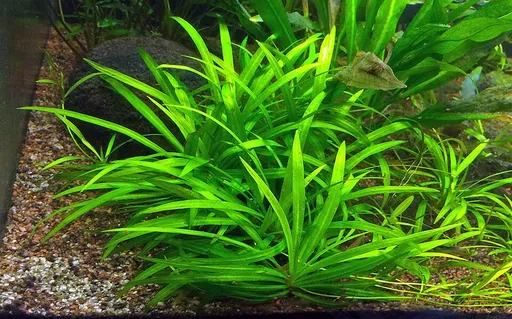
Quadricostatus chain sword
Helanthium bolivianum 'Quadricostatus'
FreshwaterLow light · Midground5.9 in (15 cm)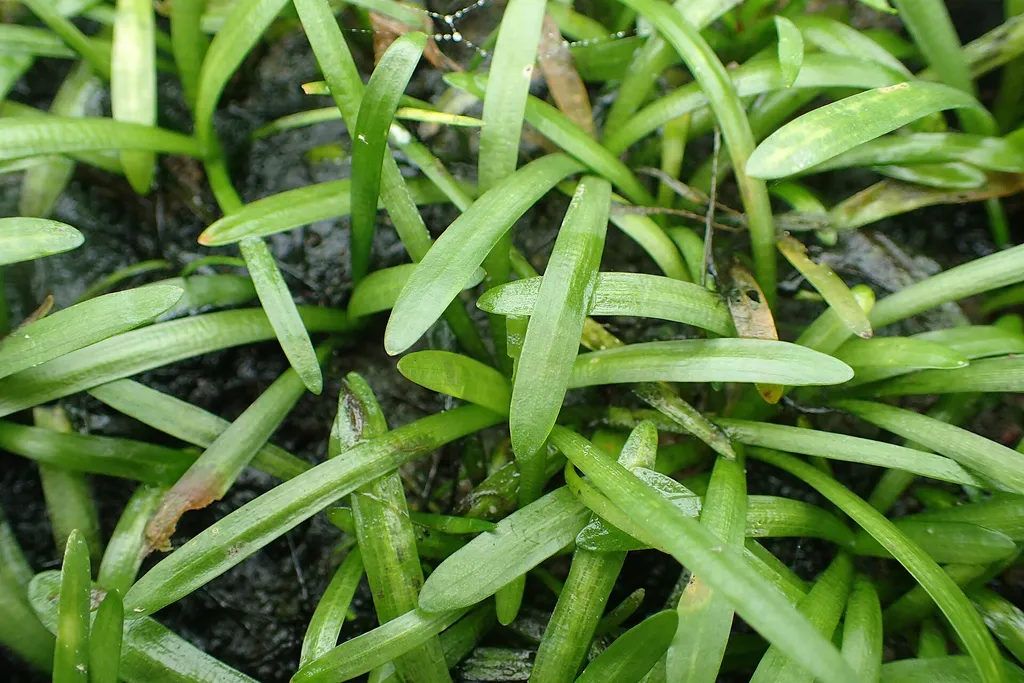
Dwarf sagittaria
Sagittaria subulata
FreshwaterBrackishLow light · Foreground11.8 in (30 cm)
Mosses
Mosses
The Christmas moss grows in flat triangular fronds, marked easy for low light, 2 inches (5 cm) tall. The flame moss grows straight up in twisted strands at 3.1 inches (8 cm). The peacock moss and the weeping moss are finer and drape; the weeping moss hangs off wood. The Süsswassertang is a liverwort that grows in loose green sheets with no attachment at all. The willow moss is the cool-water one, marked easy with no CO2. All of them are tied to wood or rock with thread until they grip, and all of them trap mulm that a turkey baster clears.
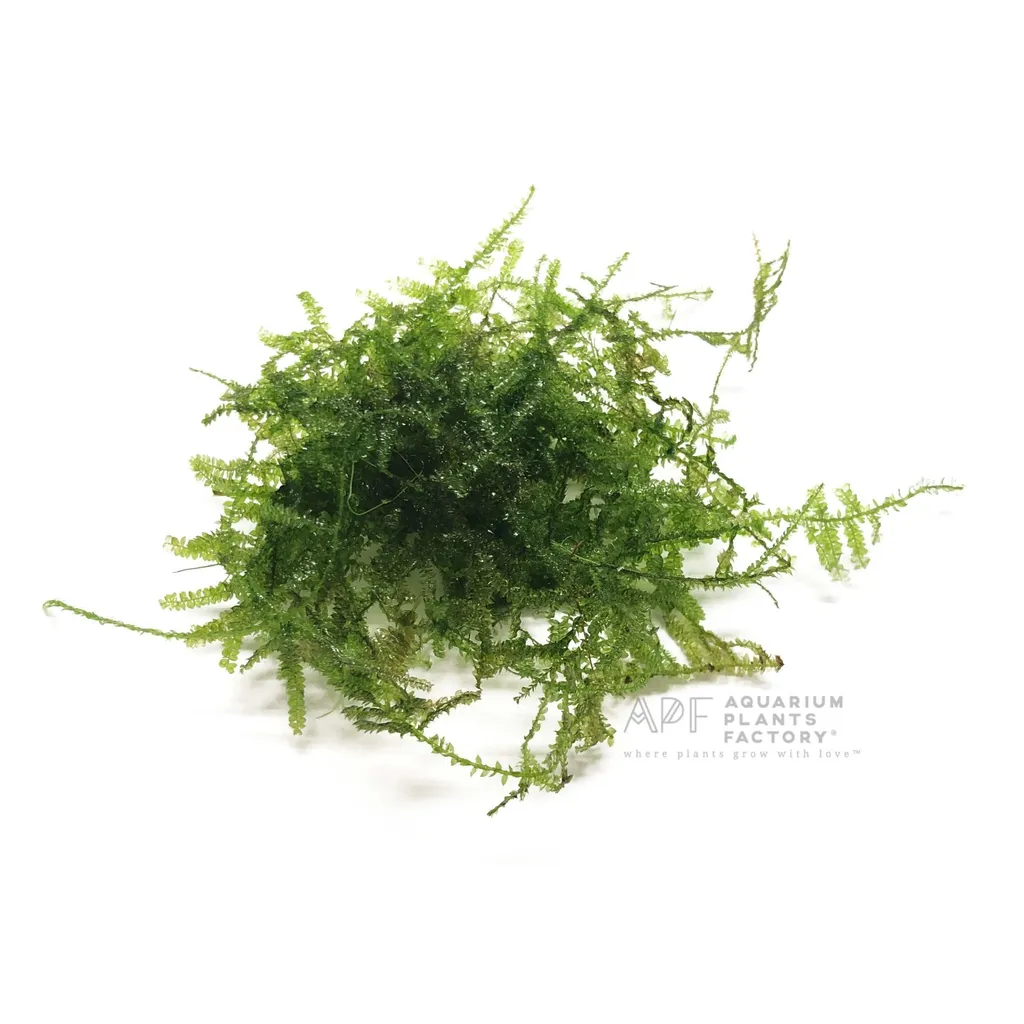
Christmas moss
Vesicularia montagnei
FreshwaterLow light · Epiphyte2 in (5 cm)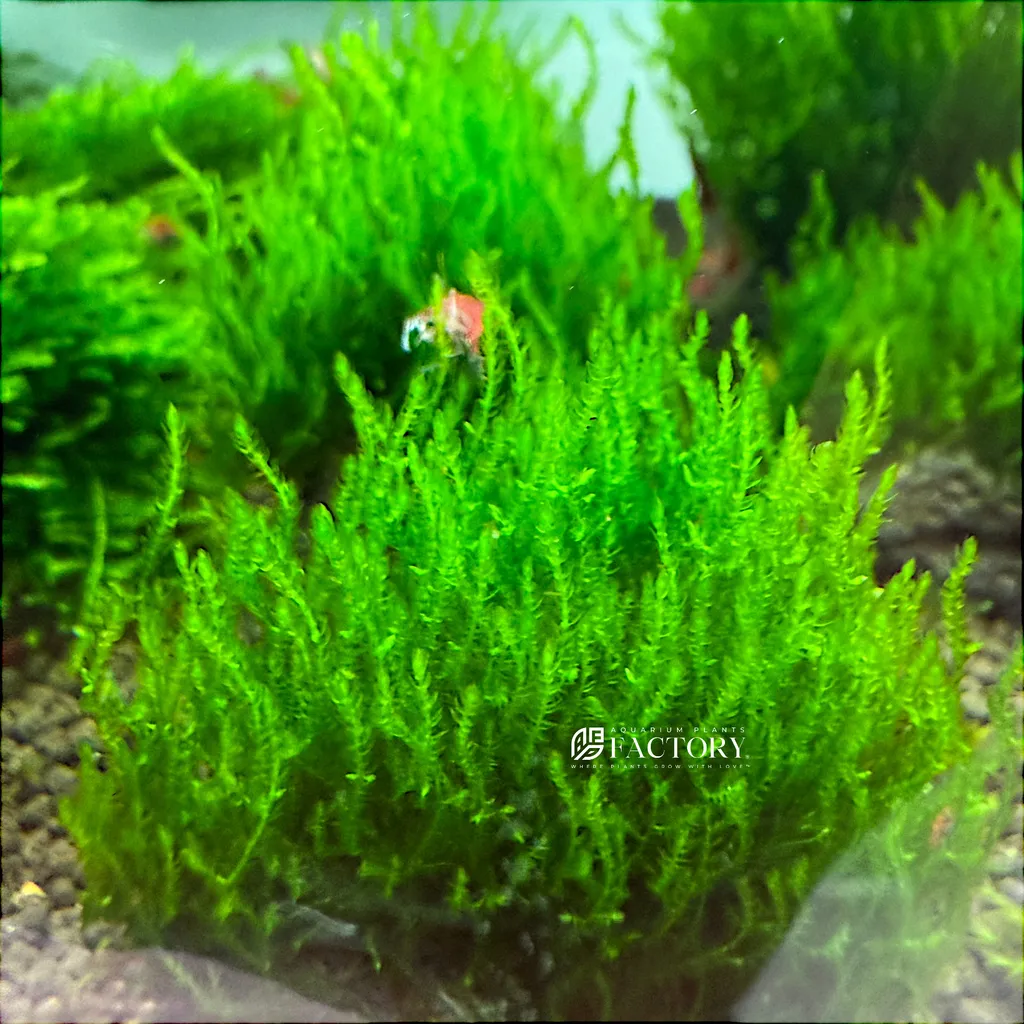
Flame moss
Taxiphyllum sp. 'Flame'
FreshwaterLow light · Epiphyte3.1 in (8 cm)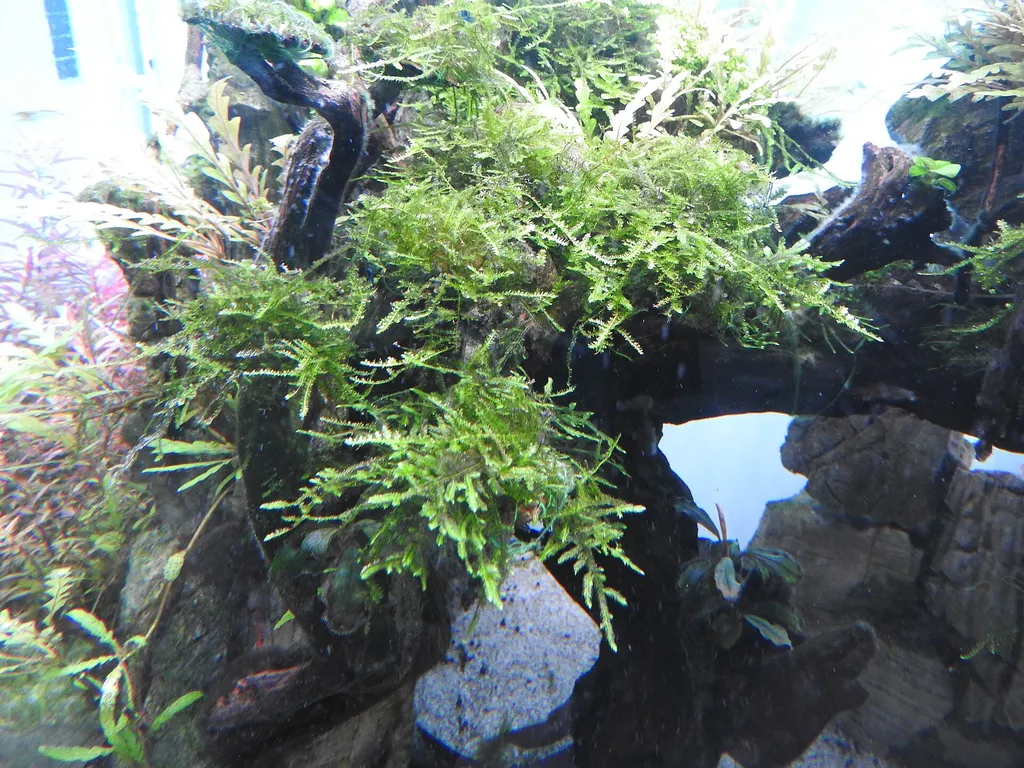
Peacock moss
Taxiphyllum sp. 'Peacock'
FreshwaterLow light · Epiphyte2 in (5 cm)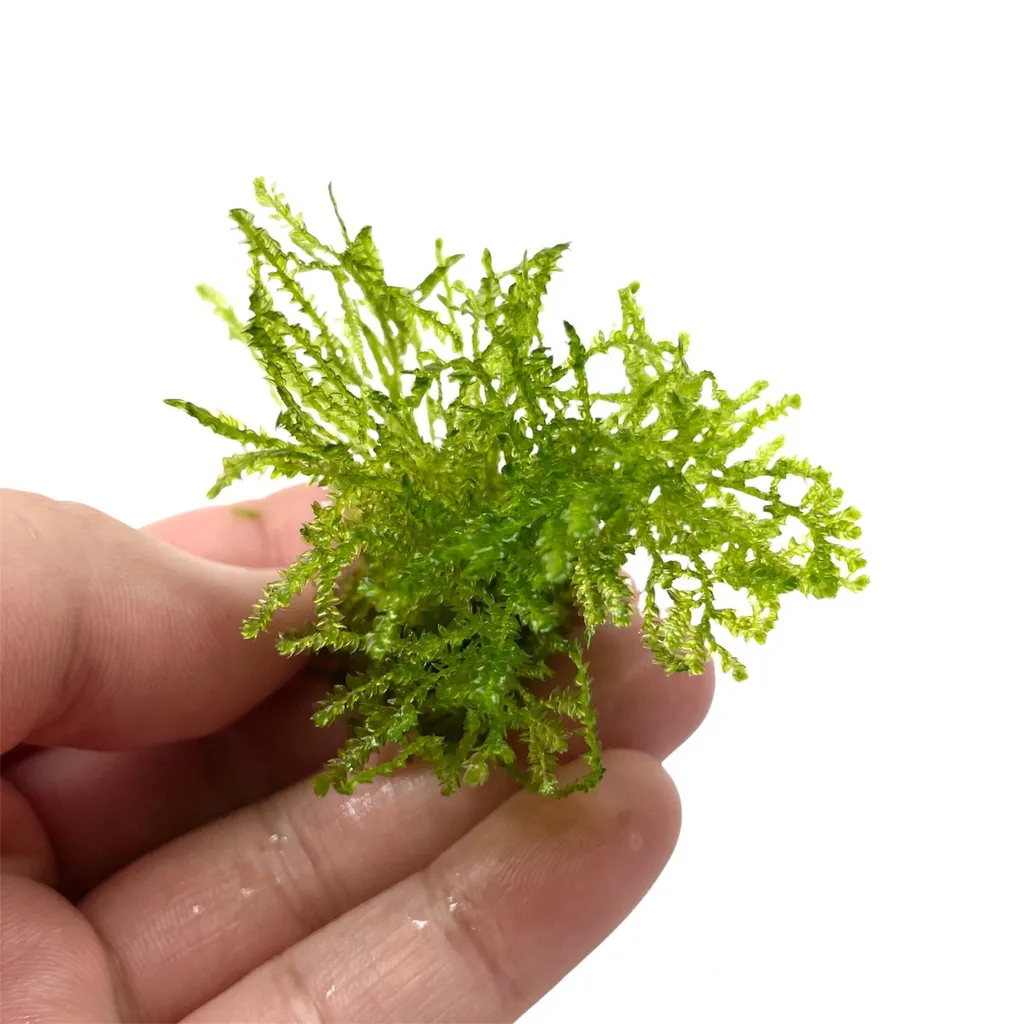
Weeping moss
Vesicularia ferriei
FreshwaterLow light · Epiphyte2 in (5 cm)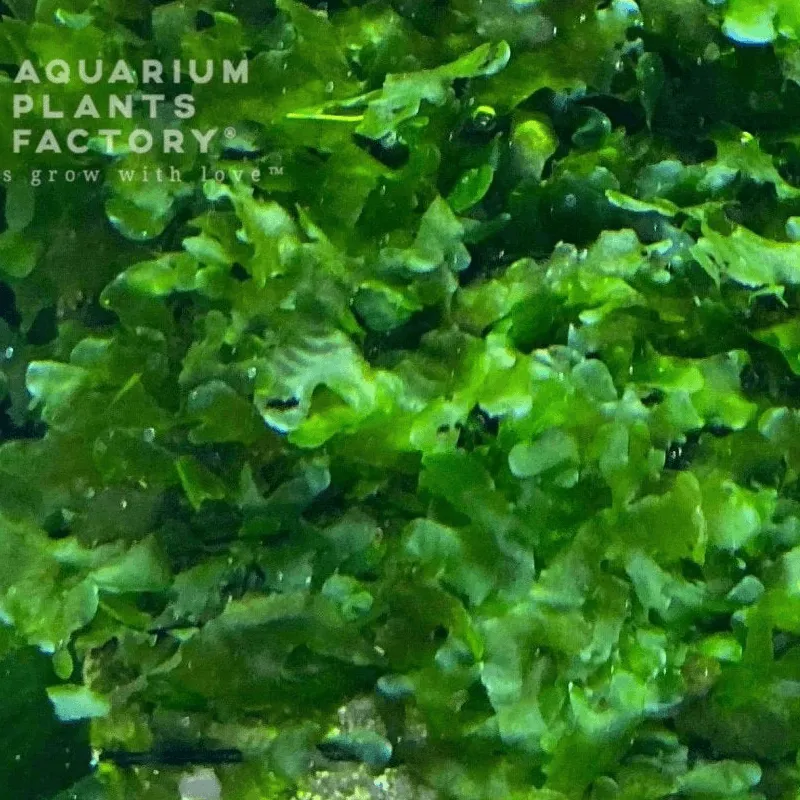
Süsswassertang
Lomariopsis cf. lineata
FreshwaterLow light · Epiphyte2 in (5 cm)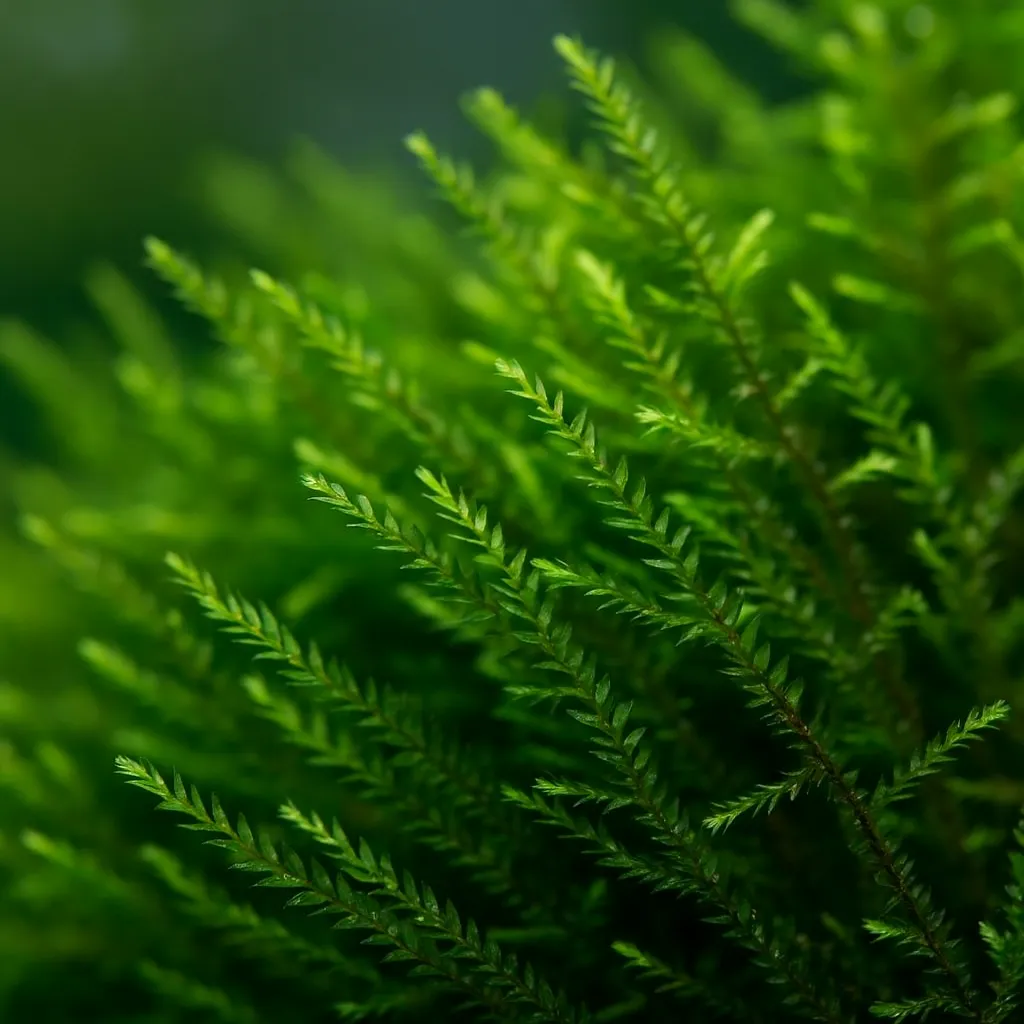
Willow moss
Fontinalis antipyretica
FreshwaterLow light · Epiphyte4.7 in (12 cm)
Fast growers
Fast growers for low light
The Canadian waterweed, the anacharis of the shops, is marked beginner for low light with no CO2 and reaches 23.6 inches (60 cm). The hygrophila polysperma is the same rating at 17.7 inches (45 cm) and needs cutting back every week. The ambulia is a feathery stem marked easy at 15.7 inches (40 cm). The guppy grass floats or plants and shelters fry. The Crinum calamistratum is a bulb with long, crinkled leaves to 23.6 inches (60 cm), marked easy for low light, and the water onion is its bigger relative at 39.4 inches (100 cm). The stems use the nutrients that would otherwise grow algae on the slow plants.
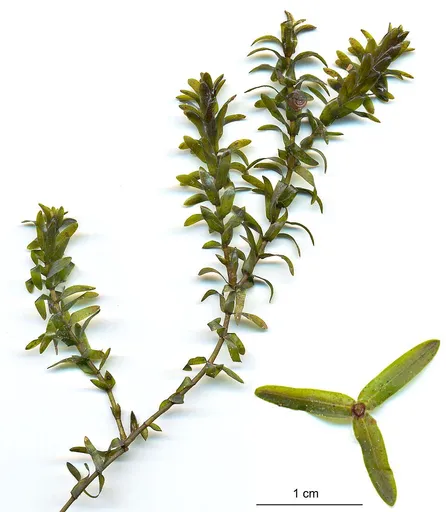
Canadian waterweed
Elodea canadensis
FreshwaterLow light · Background23.6 in (60 cm)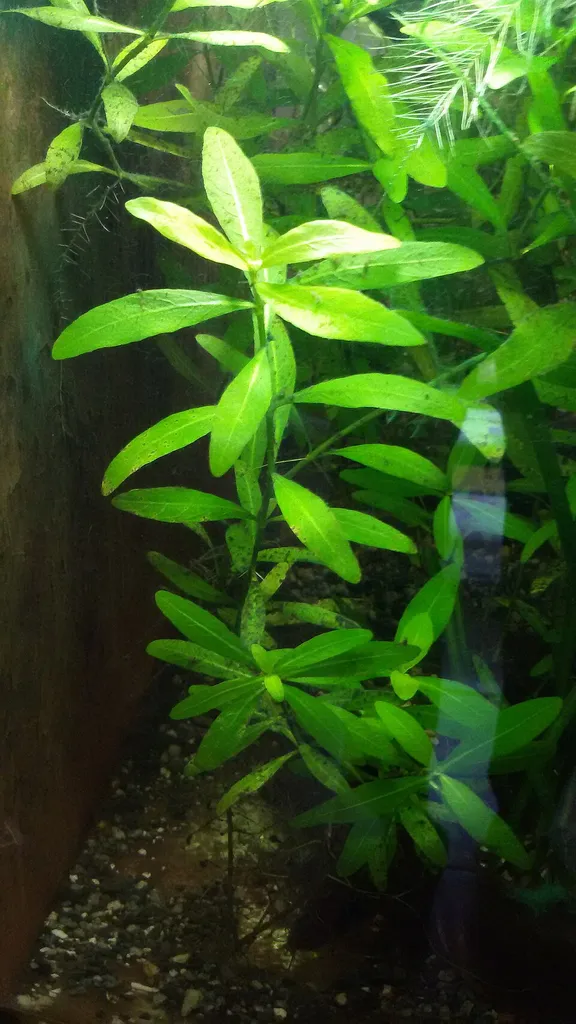
Hygrophila polysperma
FreshwaterLow light · Background17.7 in (45 cm)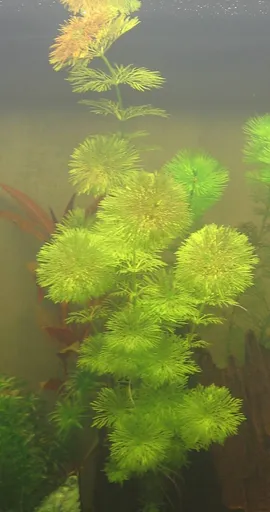
Ambulia
Limnophila sessiliflora
FreshwaterLow light · Background15.7 in (40 cm)
Guppy grass
Najas guadalupensis
FreshwaterBrackishLow light · Floating35.4 in (90 cm)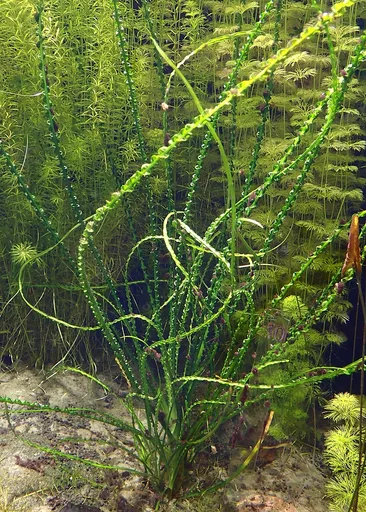
Crinum calamistratum
FreshwaterLow light · Background23.6 in (60 cm)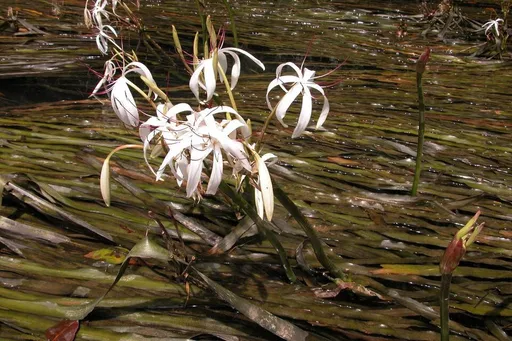
Water onion
Crinum thaianum
FreshwaterLow light · Background39.4 in (100 cm)
By the numbers
Smallest
Tallest
No CO₂ needed
FAQ
Common questions
What is the best low-light aquarium plant?
The java fern, anubias nana and java moss are marked beginner for low light with no CO2 and grow tied to wood or rock. The cryptocoryne wendtii is the rooted plant to add.
Do low-light plants need CO2?
No. Every plant here lists CO2 as unnecessary or beneficial. Injected CO2 speeds them up but nothing on this page requires it.
Why do my low-light plants get algae on them?
Slow leaves stay in place for months, and algae settles on anything that does not grow. Keep the light to six to eight hours, add a fast grower like hornwort to use the nutrients, and wipe the leaves.
How much light is low light?
A basic LED that came with the tank, or any fixture at the lower end of its range. If plants that list medium light stretch and pale in your tank, the tank is low light.
Which low-light plants grow fast?
The hornwort, Canadian waterweed, hygrophila polysperma, ambulia and guppy grass. They are the ones to trim, and the ones that keep the water clean.
Can I grow a carpet in low light?
Only a slow one. The dwarf sagittaria spreads by runners under low light, and the dwarf water clover is a low carpet marked easy with no CO2. Hairgrass and Monte Carlo want medium light.
Index
All low-light plants
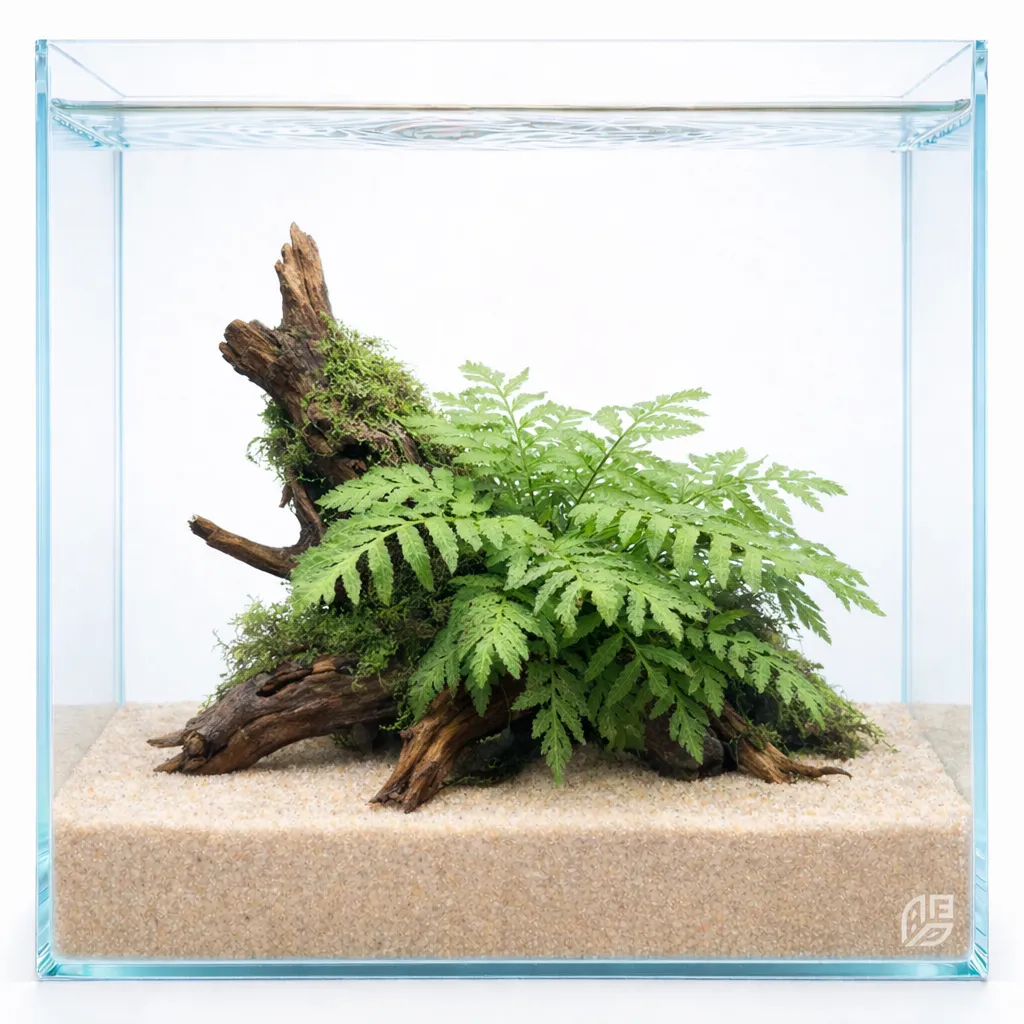
African water fern
Bolbitis heudelotii
FreshwaterLow light · Epiphyte15.7 in (40 cm)Ambulia
Limnophila sessiliflora
FreshwaterLow light · Background15.7 in (40 cm)Anubias barteri
FreshwaterBrackishLow light · Epiphyte13.8 in (35 cm)19 forms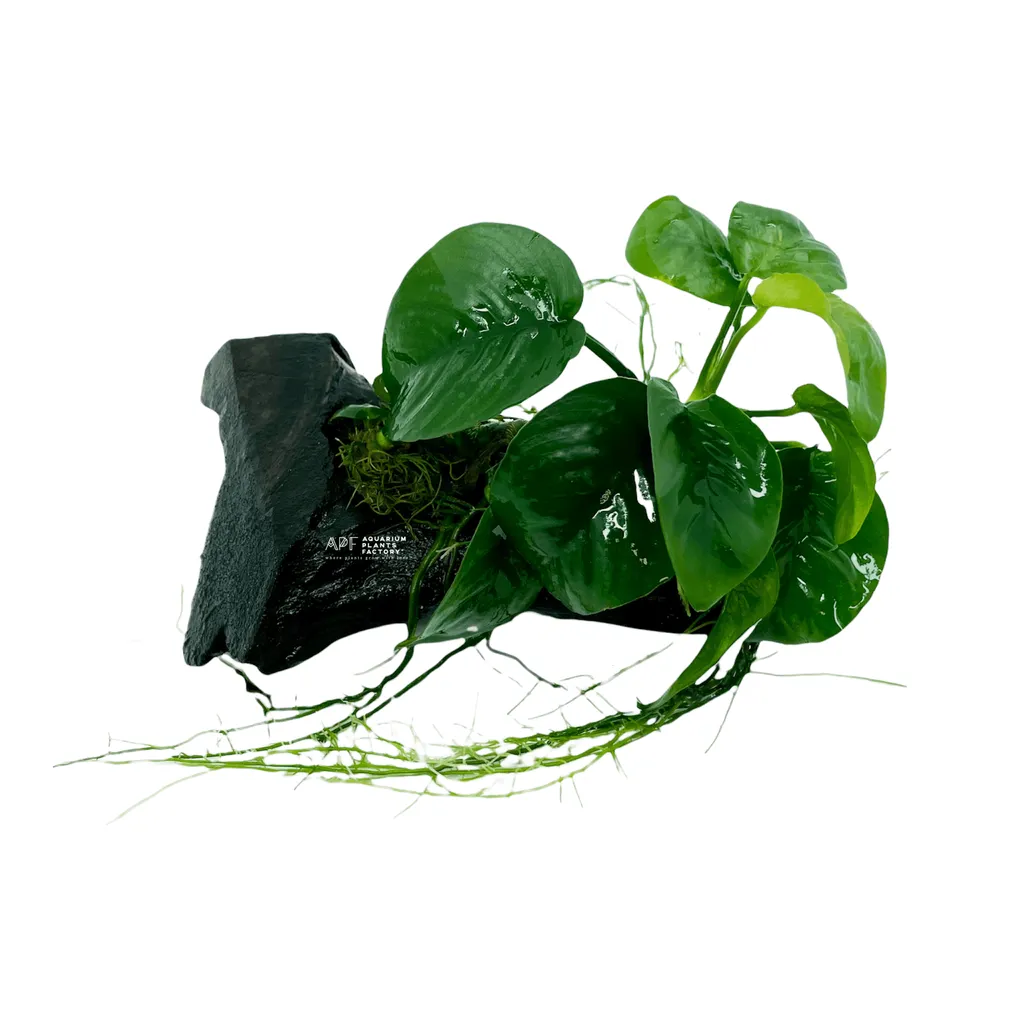
Anubias Butterfly
Anubias 'Butterfly'
FreshwaterLow light · Epiphyte5.9 in (15 cm)Anubias Chili Jalapeno
Anubias 'Chili Jalapeno'
FreshwaterLow light · Epiphyte3.9 in (10 cm)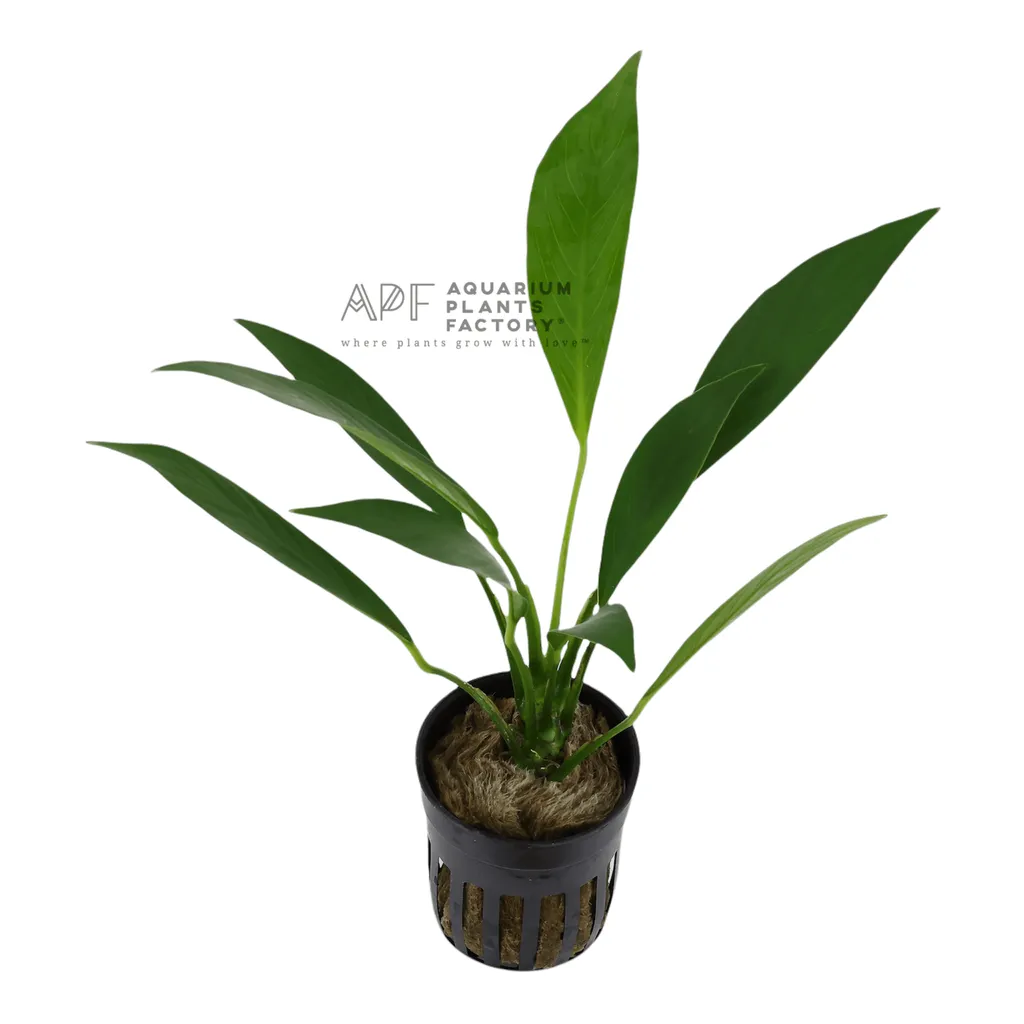
Anubias congensis
Anubias heterophylla
FreshwaterLow light · Background15.7 in (40 cm)Anubias Frazeri
Anubias 'Frazeri'
FreshwaterLow light · Epiphyte9.8 in (25 cm)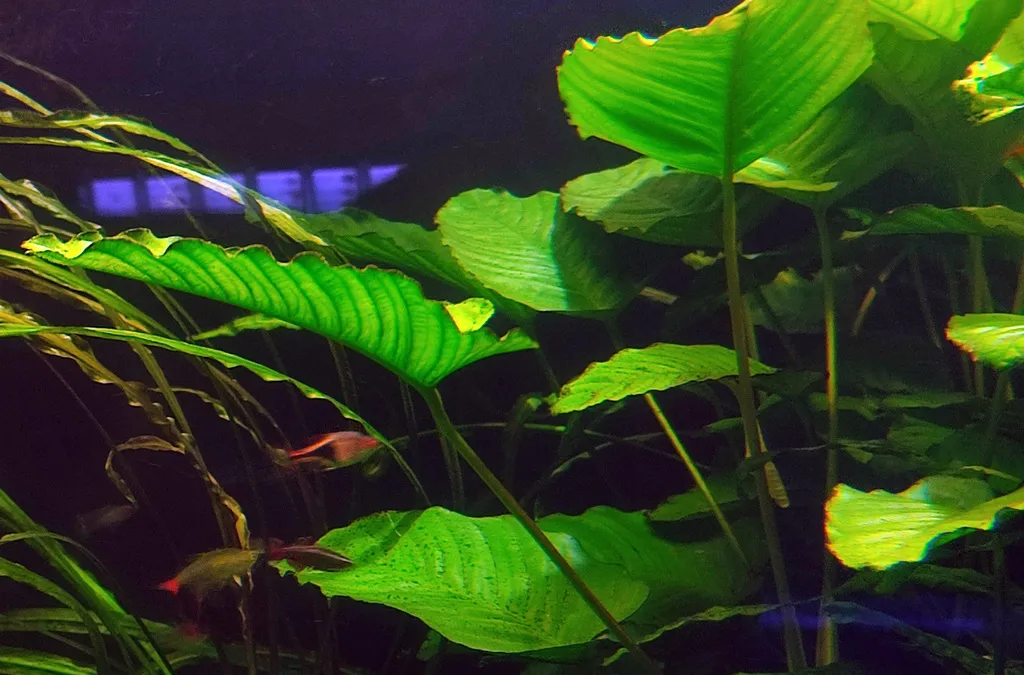
Anubias gigantea
FreshwaterLow light · Background19.7 in (50 cm)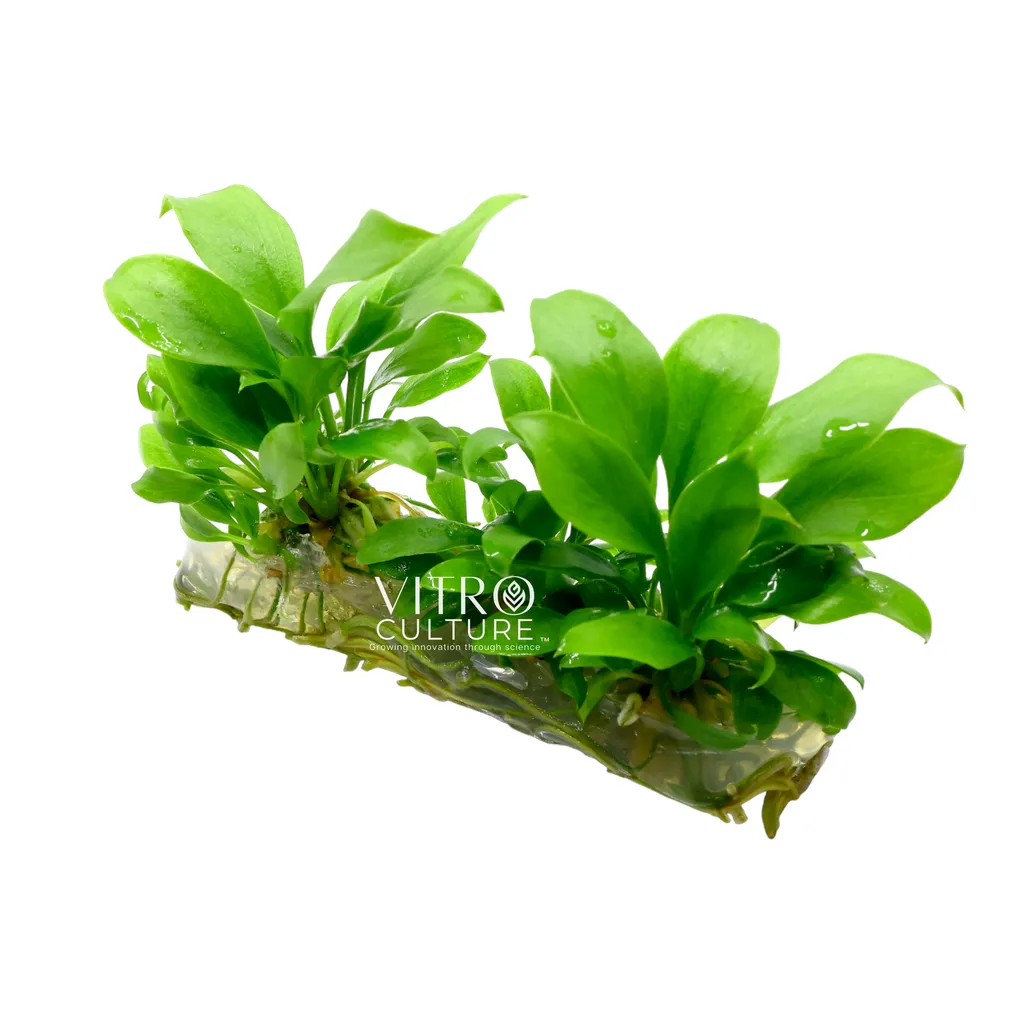
Anubias gilletii
FreshwaterLow light · Epiphyte11.8 in (30 cm)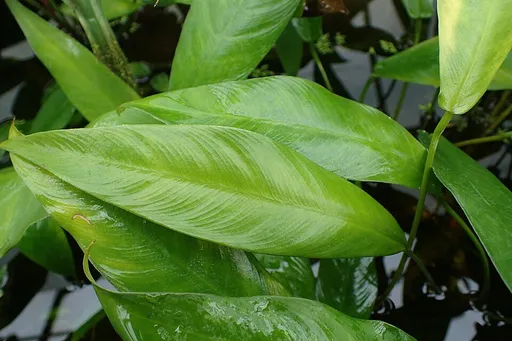
Anubias gracilis
FreshwaterLow light · Epiphyte15.7 in (40 cm)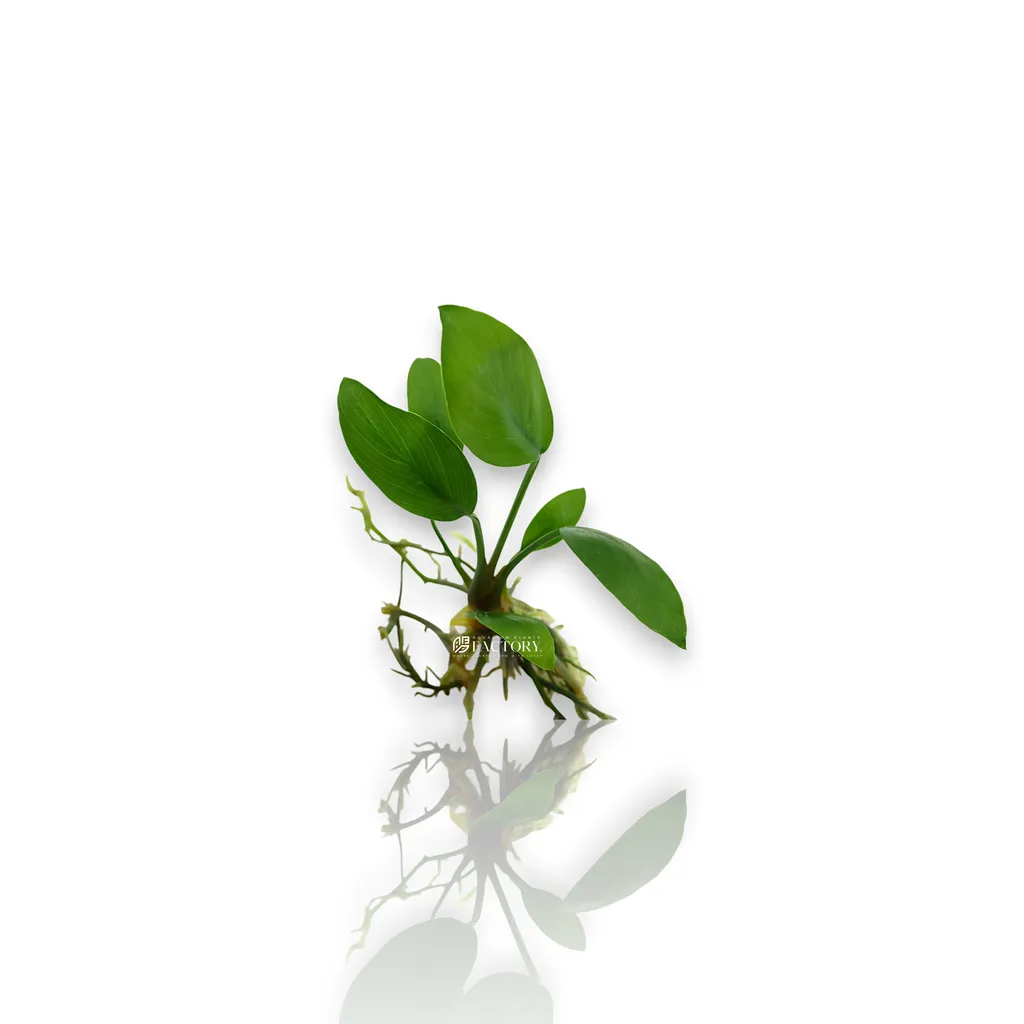
Anubias hastifolia
FreshwaterLow light · Background15.7 in (40 cm)Anubias Nangi
Anubias 'Nangi'
FreshwaterLow light · Epiphyte7.9 in (20 cm)Aridarum caulescens
Burttianthus caulescens
FreshwaterLow light · Epiphyte5.9 in (15 cm)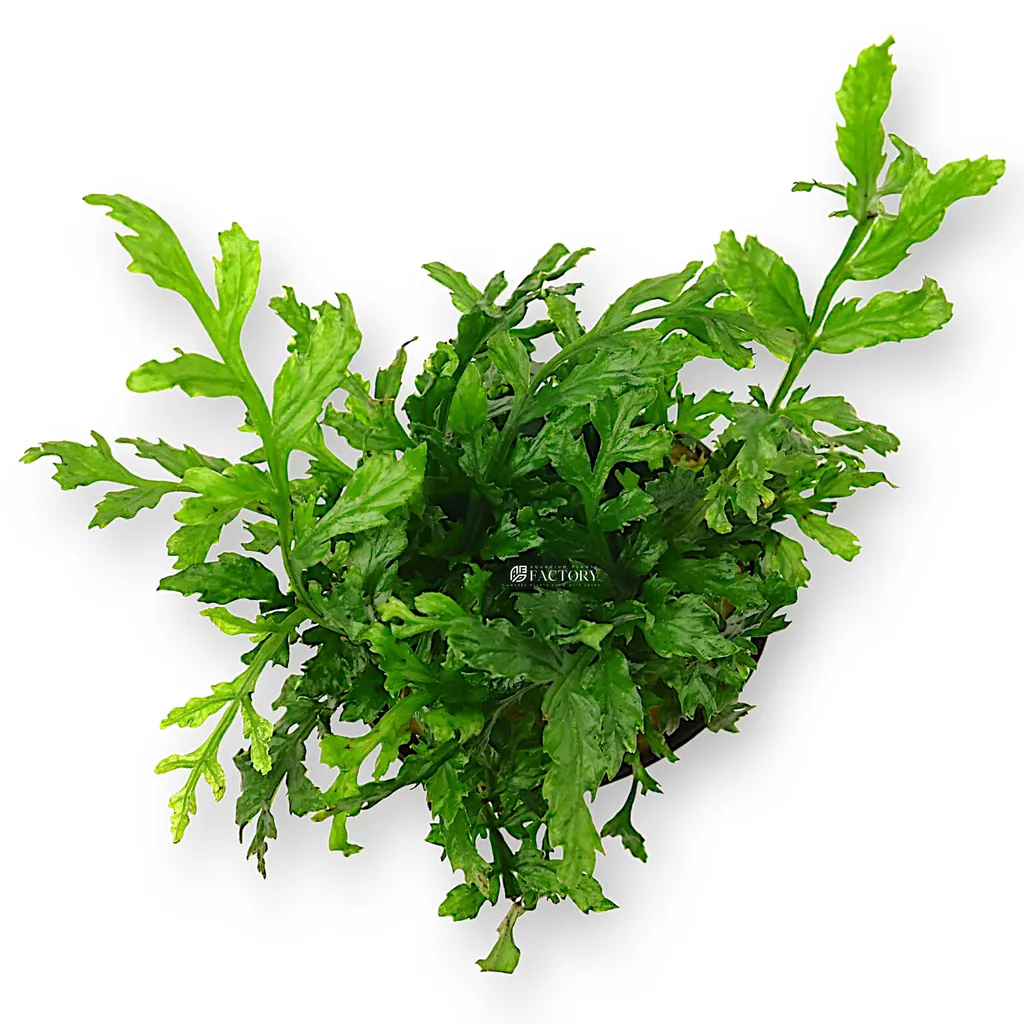
Bolbitis Difformis
Bolbitis difformis
FreshwaterLow light · Epiphyte2.8 in (7 cm)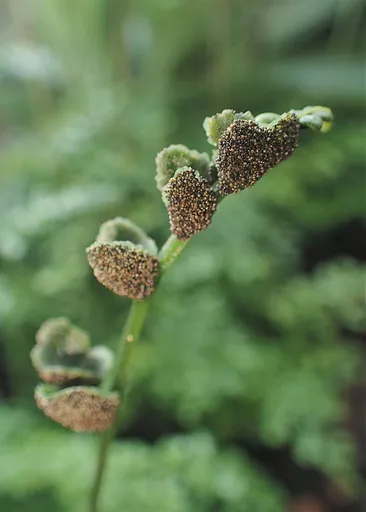
Bolbitis heteroclita
FreshwaterLow light · Epiphyte9.8 in (25 cm)Bucephalandra Apple Leaf
Bucephalandra sp. 'Apple Leaf'
FreshwaterLow light · Epiphyte3.9 in (10 cm)Bucephalandra Brownie Blue
Bucephalandra sp. 'Brownie Blue'
FreshwaterLow light · Epiphyte3.1 in (8 cm)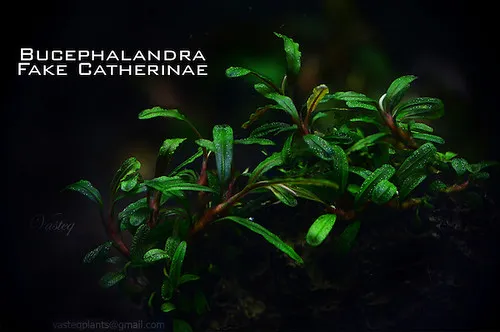
Bucephalandra catherinae
FreshwaterLow light · Epiphyte2.4 in (6 cm)Bucephalandra Dark Velvet
Bucephalandra sp. 'Dark Velvet'
FreshwaterLow light · Epiphyte3.1 in (8 cm)Bucephalandra Deep Purple
Bucephalandra sp. 'Deep Purple'
FreshwaterLow light · Epiphyte3.1 in (8 cm)Bucephalandra Grappa Red
Bucephalandra sp. 'Grappa Red'
FreshwaterLow light · Epiphyte3.1 in (8 cm)Bucephalandra kedagang
Bucephalandra sp. 'Kedagang'
FreshwaterLow light · Epiphyte4.7 in (12 cm)Bucephalandra Kedagang Long
Bucephalandra sp. 'Kedagang Long'
FreshwaterLow light · Epiphyte5.9 in (15 cm)Bucephalandra Kedagang Round
Bucephalandra sp. 'Kedagang Round'
FreshwaterLow light · Epiphyte4.7 in (12 cm)Bucephalandra Mini Coin
Bucephalandra sp. 'Mini Coin'
FreshwaterLow light · Epiphyte1.6 in (4 cm)Bucephalandra motleyana
FreshwaterLow light · Epiphyte3.9 in (10 cm)Bucephalandra Red
Bucephalandra sp. 'Red'
FreshwaterLow light · Epiphyte3.9 in (10 cm)Bucephalandra Red Blade
Bucephalandra sp. 'Red Blade'
FreshwaterLow light · Epiphyte4.7 in (12 cm)Bucephalandra Sintang
Bucephalandra sp. 'Sintang'
FreshwaterLow light · Epiphyte3.9 in (10 cm)Bucephalandra sordidula
FreshwaterLow light · Epiphyte3.9 in (10 cm)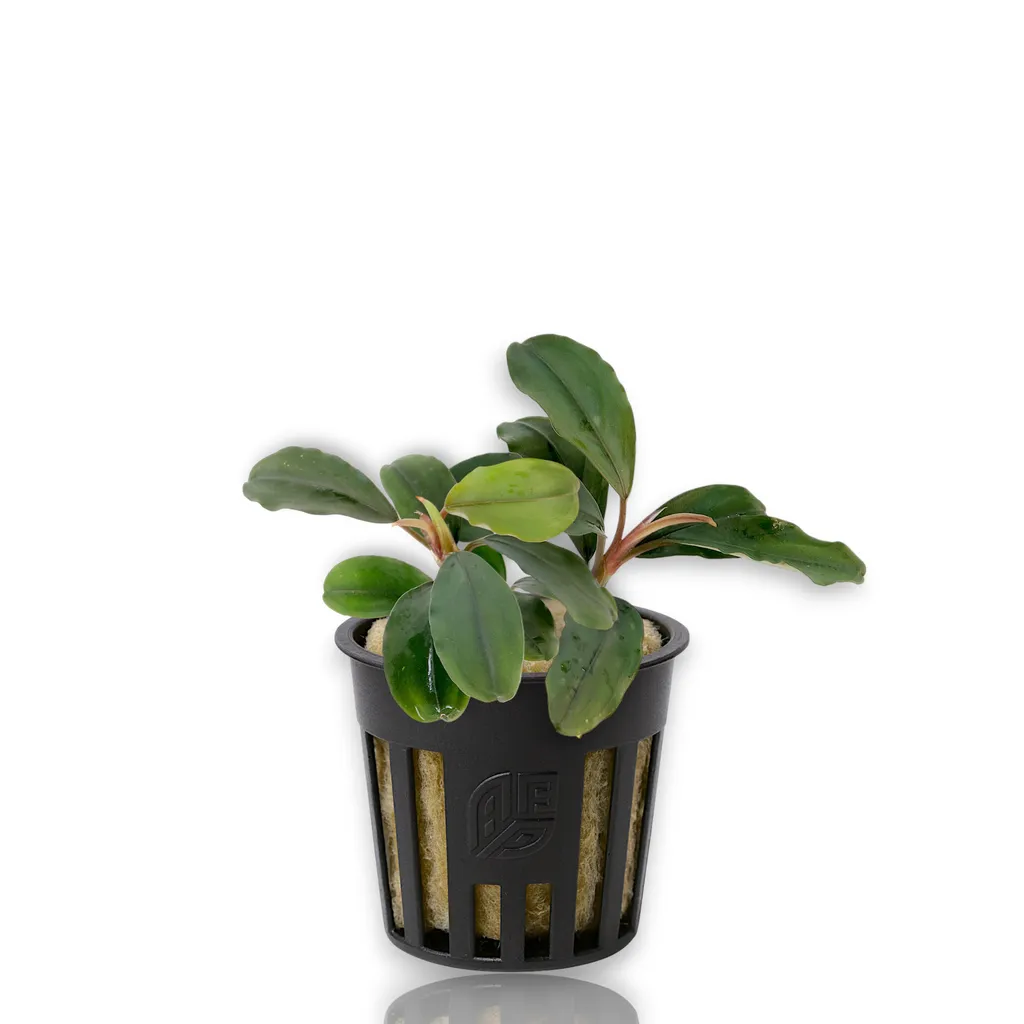
Bucephalandra Theia
Bucephalandra sp. 'Theia'
FreshwaterLow light · Epiphyte3.9 in (10 cm)Bucephalandra Velvet
Bucephalandra sp. 'Velvet'
FreshwaterLow light · Epiphyte3.9 in (10 cm)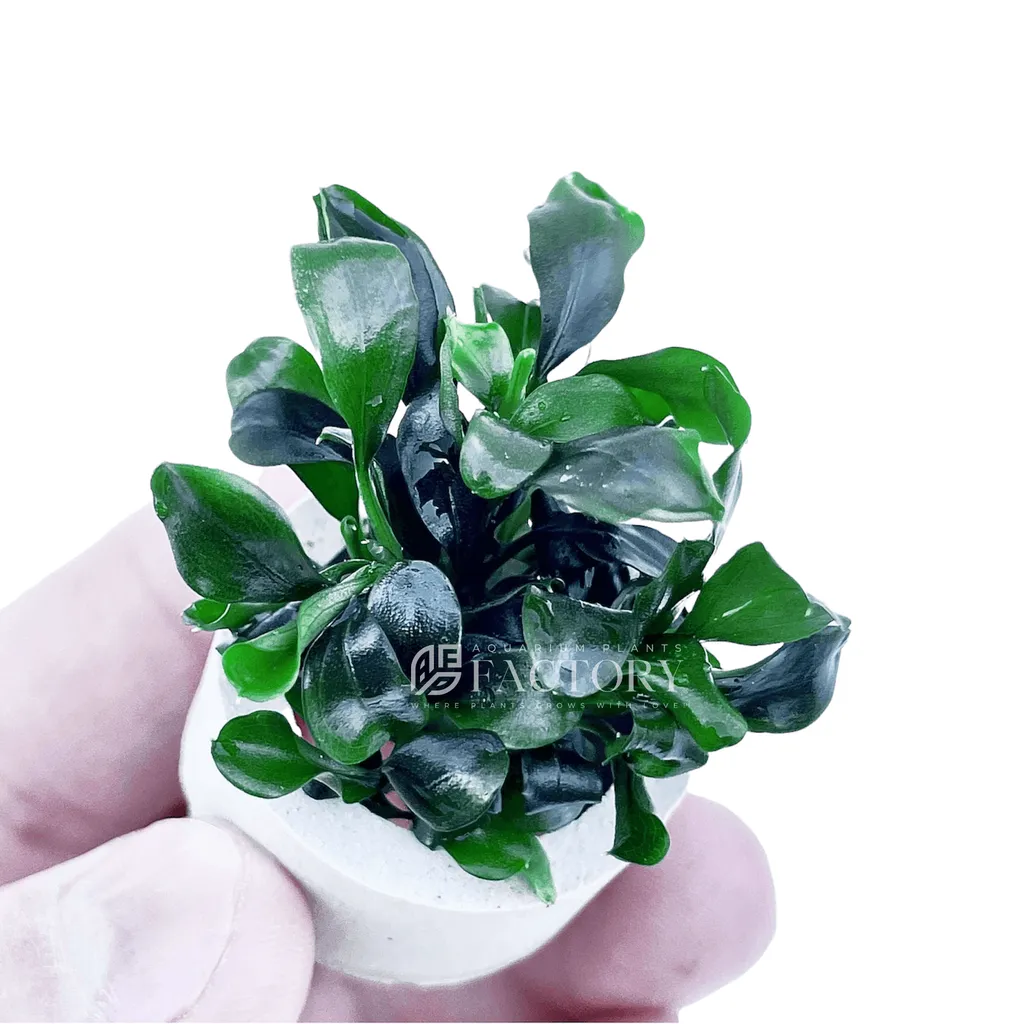
Bucephalandra Wavy Green
Bucephalandra sp. 'Wavy Green'
FreshwaterLow light · Epiphyte3.1 in (8 cm)Canadian waterweed
Elodea canadensis
FreshwaterLow light · Background23.6 in (60 cm)Christmas moss
Vesicularia montagnei
FreshwaterLow light · Epiphyte2 in (5 cm)Crinum calamistratum
FreshwaterLow light · Background23.6 in (60 cm)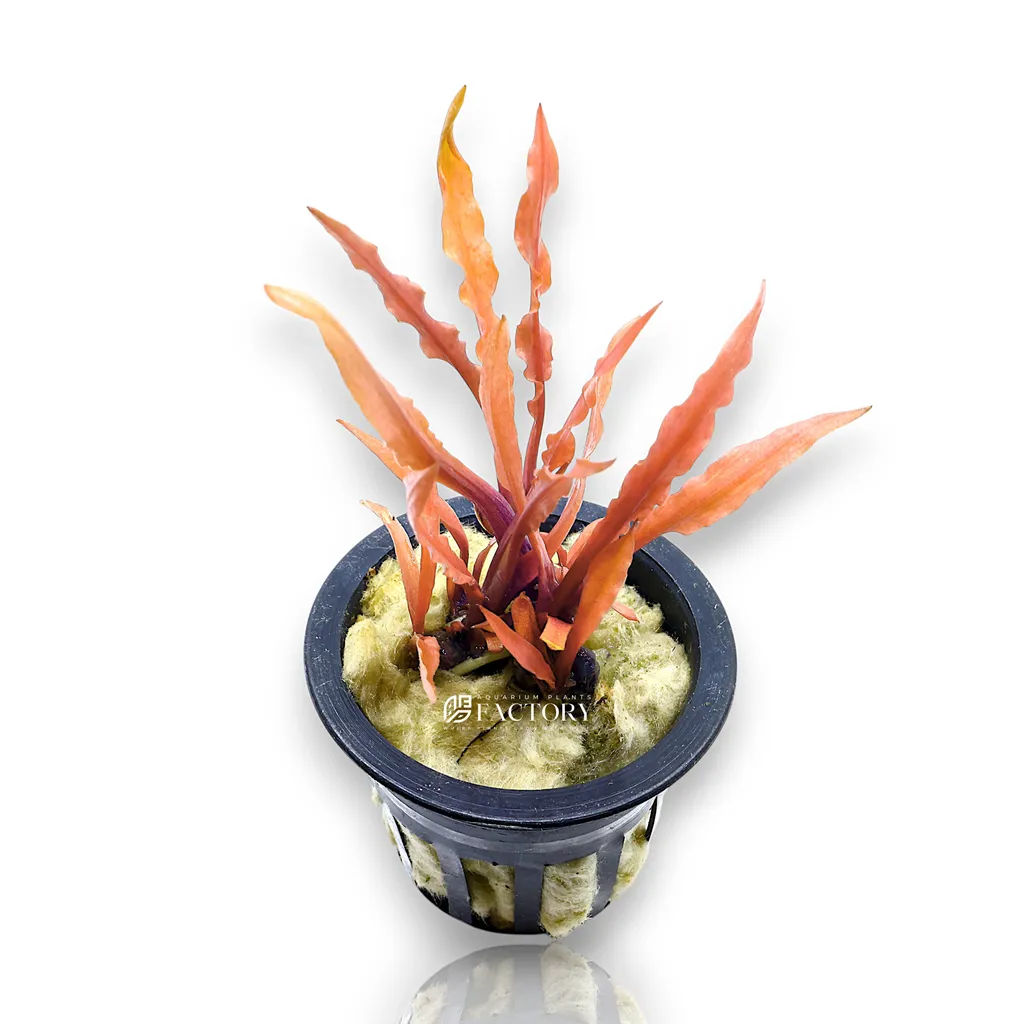
Cryptocoryne albida
FreshwaterLow light · Midground7.1 in (18 cm)Cryptocoryne albida Brown
Cryptocoryne albida 'Brown'
FreshwaterLow light · Midground7.9 in (20 cm)Cryptocoryne beckettii
FreshwaterLow light · Midground7.9 in (20 cm)Cryptocoryne cordata
FreshwaterLow light · Midground9.8 in (25 cm)Cryptocoryne ferruginea Sekadauensis
Cryptocoryne ferruginea var. sekadauensis
FreshwaterLow light · Midground7.9 in (20 cm)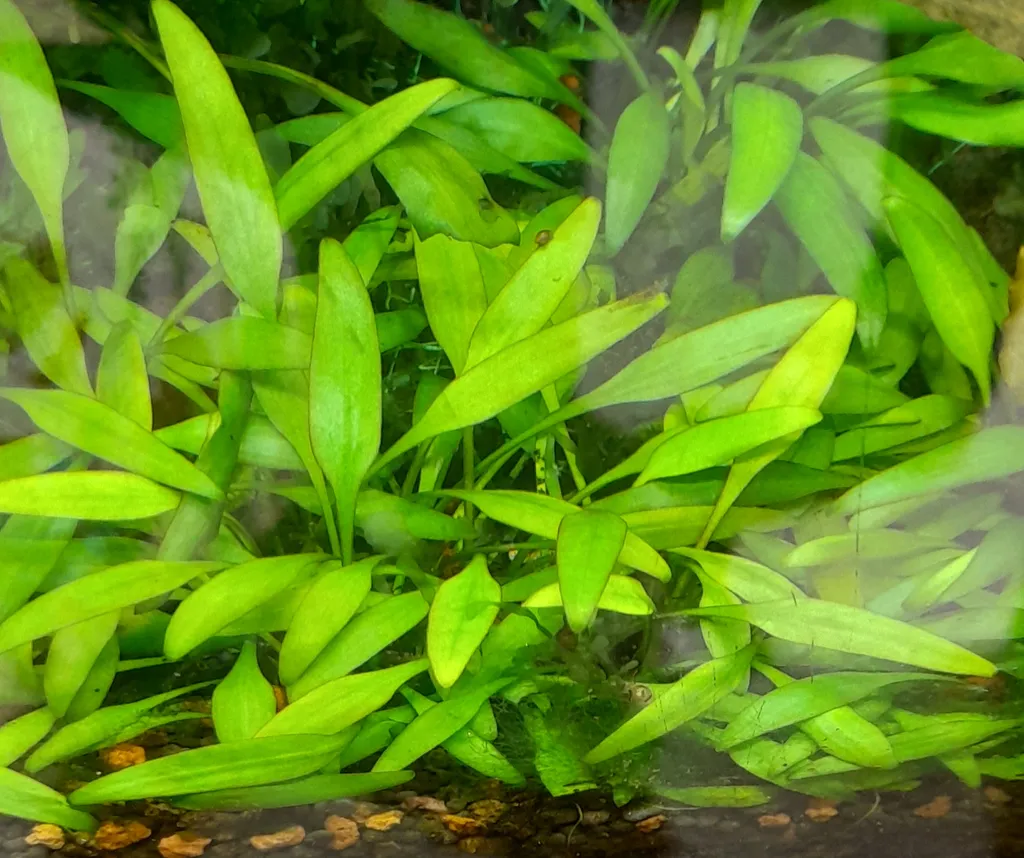
Cryptocoryne lucens
FreshwaterLow light · Midground7.9 in (20 cm)Cryptocoryne moehlmannii
FreshwaterLow light · Midground7.9 in (20 cm)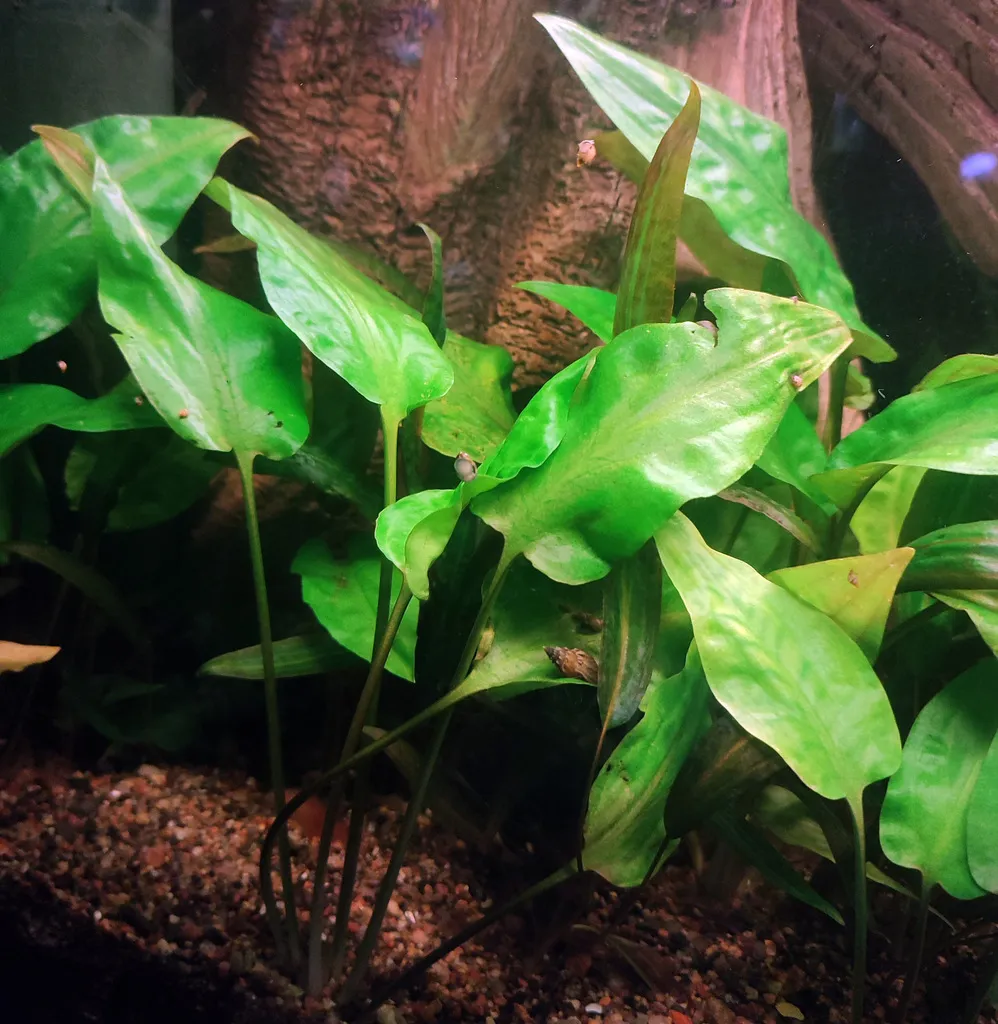
Cryptocoryne pontederiifolia
FreshwaterLow light · Midground7.9 in (20 cm)Cryptocoryne pygmaea
FreshwaterLow light · Midground7.9 in (20 cm)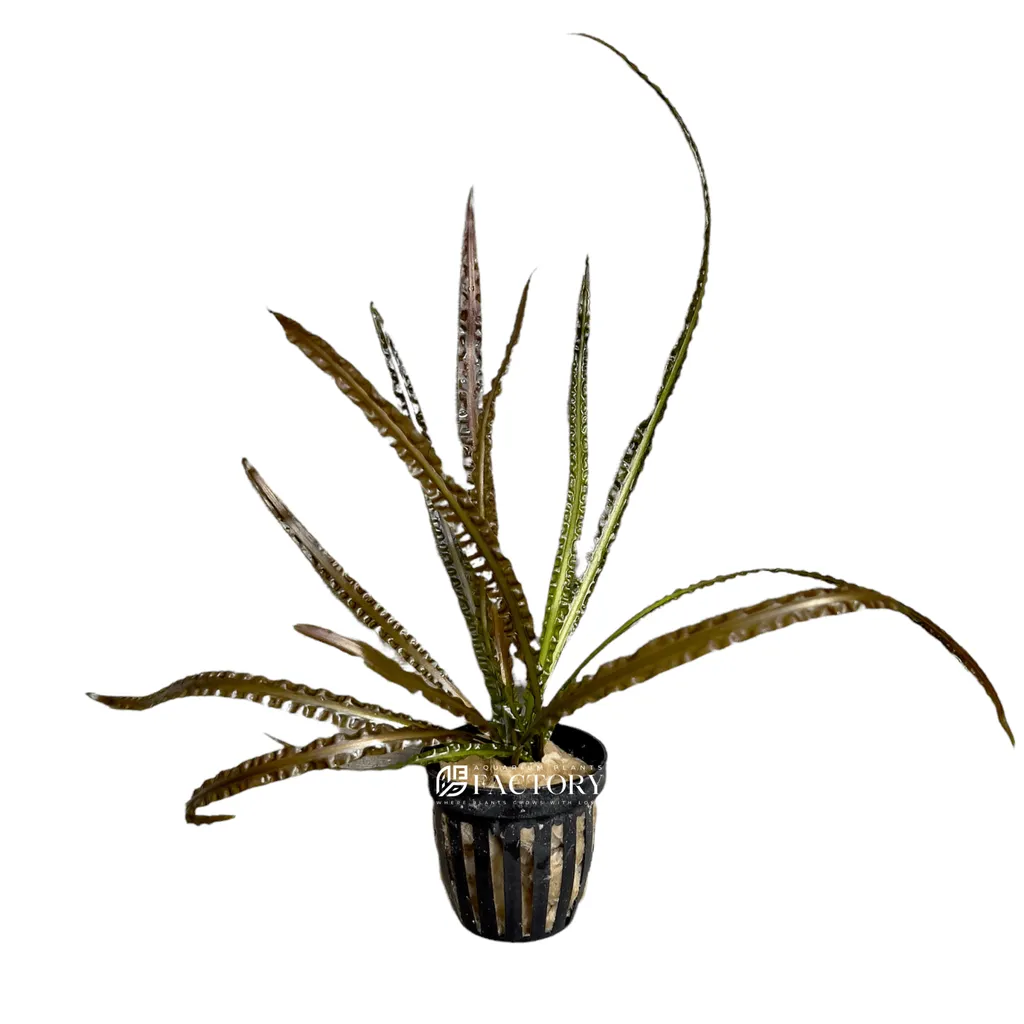
Cryptocoryne retrospiralis
FreshwaterLow light · Background19.7 in (50 cm)Cryptocoryne schulzei
FreshwaterLow light · Midground7.9 in (20 cm)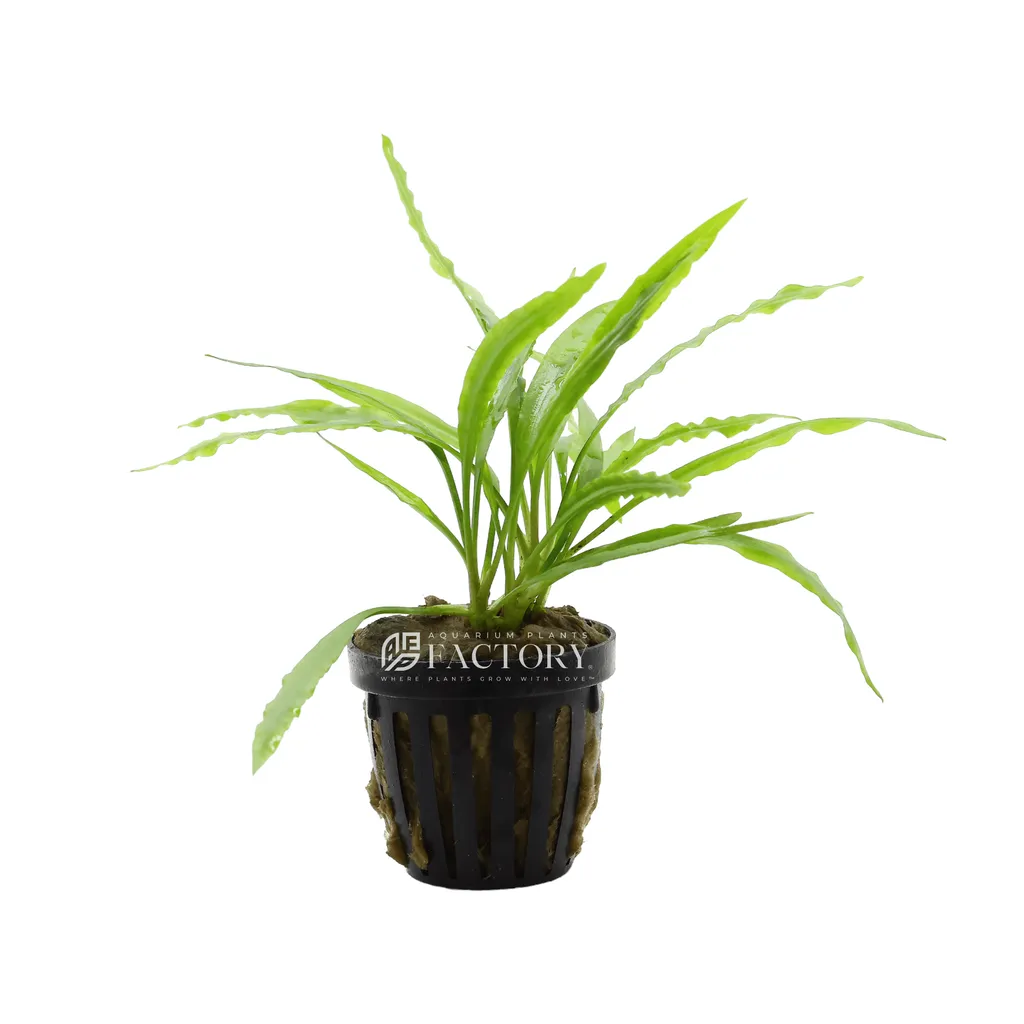
Cryptocoryne spiralis
FreshwaterLow light · Background13.8 in (35 cm)2 formsCryptocoryne thwaitesii
FreshwaterLow light · Midground5.9 in (15 cm)Cryptocoryne undulata
FreshwaterLow light · Midground7.9 in (20 cm)Cryptocoryne undulata Broad Leaves
Cryptocoryne undulata 'Broad Leaves'
FreshwaterLow light · Midground11.8 in (30 cm)Cryptocoryne usteriana
FreshwaterLow light · Background19.7 in (50 cm)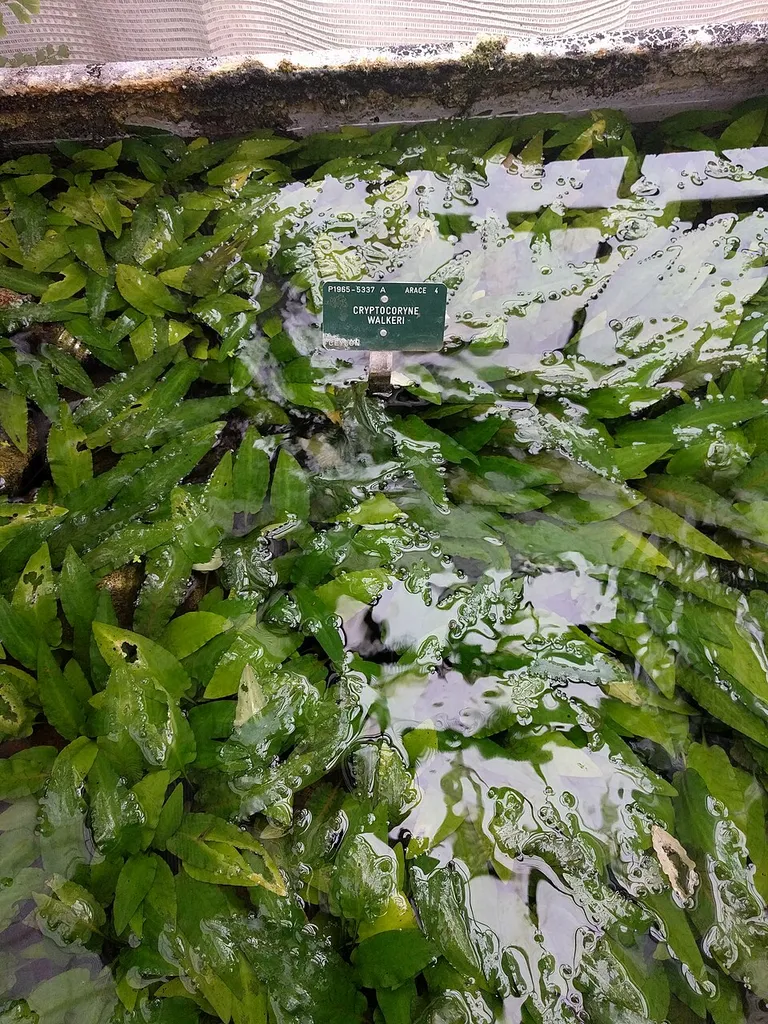
Cryptocoryne walkeri
FreshwaterLow light · Midground9.8 in (25 cm)Cryptocoryne walkeri Legroi
Cryptocoryne walkeri 'Legroi'
FreshwaterLow light · Midground5.9 in (15 cm)Cryptocoryne walkeri Lutea
Cryptocoryne walkeri 'Lutea'
FreshwaterLow light · Midground5.9 in (15 cm)Cryptocoryne wendtii
FreshwaterBrackishLow light · Midground9.8 in (25 cm)6 forms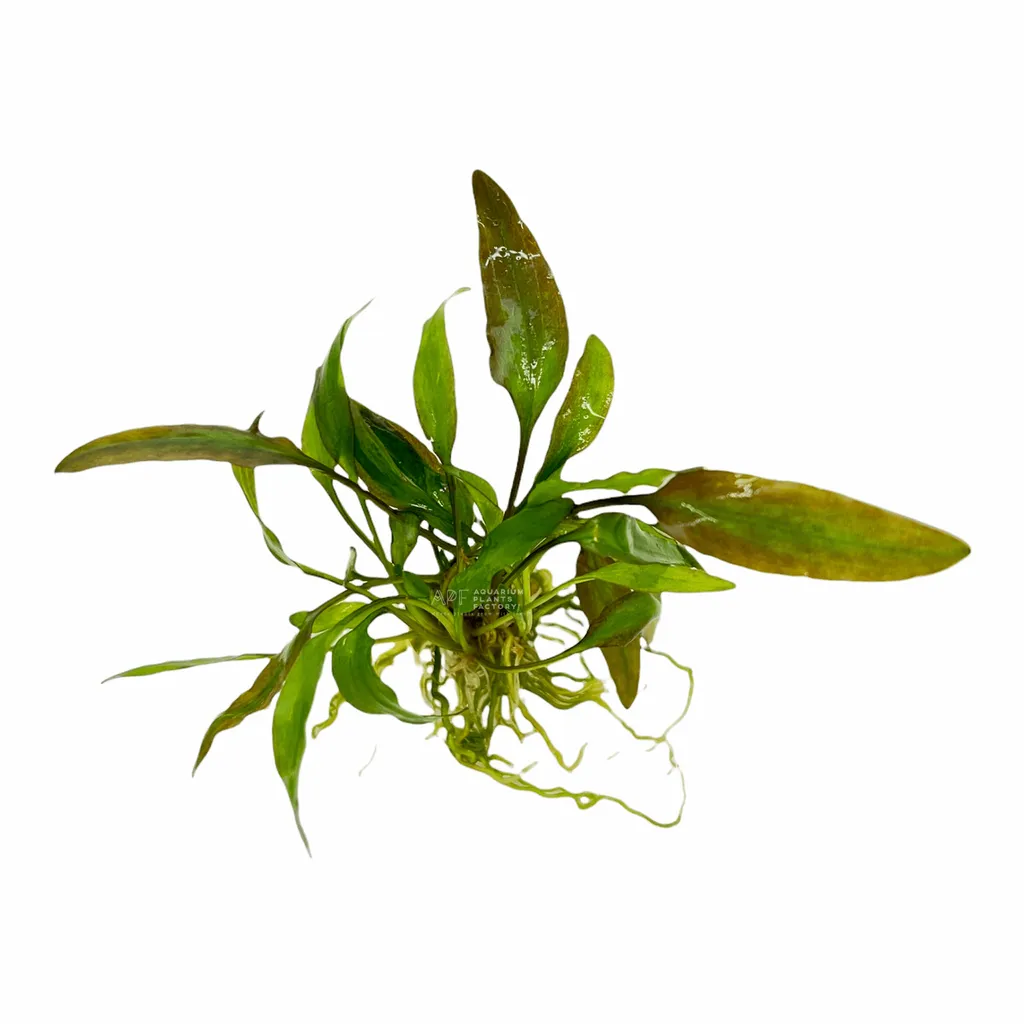
Cryptocoryne willisii
Cryptocoryne × willisii
FreshwaterLow light · Foreground5.9 in (15 cm)Cryptocoryne yujii
FreshwaterLow light · Midground3.9 in (10 cm)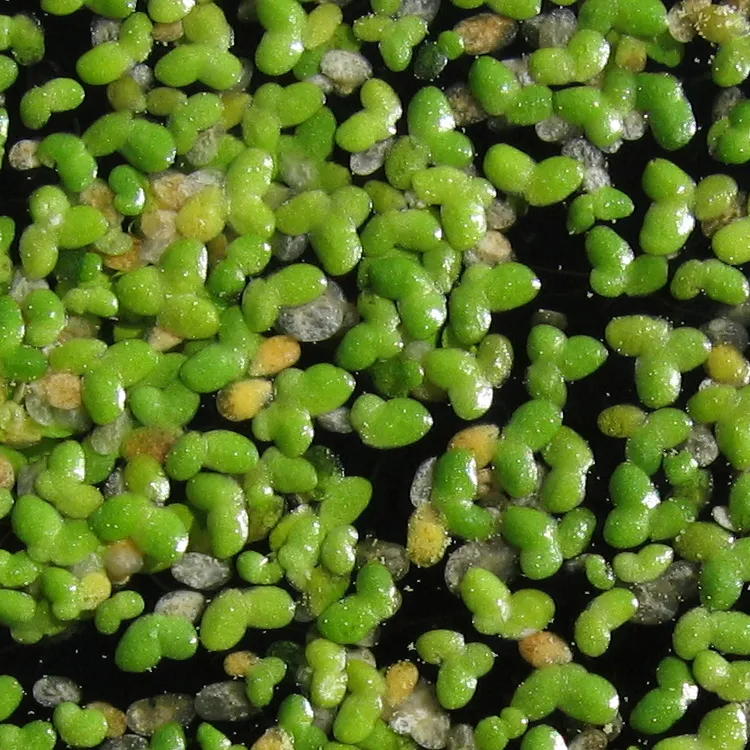
Duckweed
Lemna minor
FreshwaterLow light · Floating0.4 in (1 cm)Dwarf sagittaria
Sagittaria subulata
FreshwaterBrackishLow light · Foreground11.8 in (30 cm)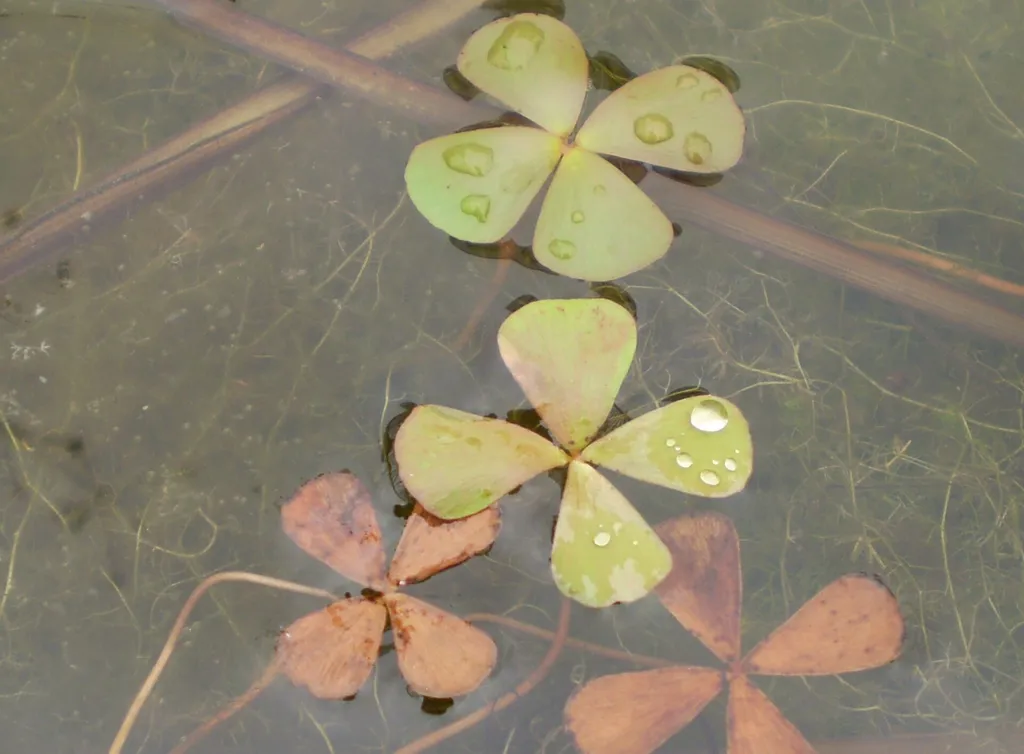
Dwarf water clover
Marsilea crenata
FreshwaterLow light · Foreground3.1 in (8 cm)Echinodorus horizontalis Mini
Echinodorus horizontalis 'Mini'
FreshwaterLow light · Midground7.9 in (20 cm)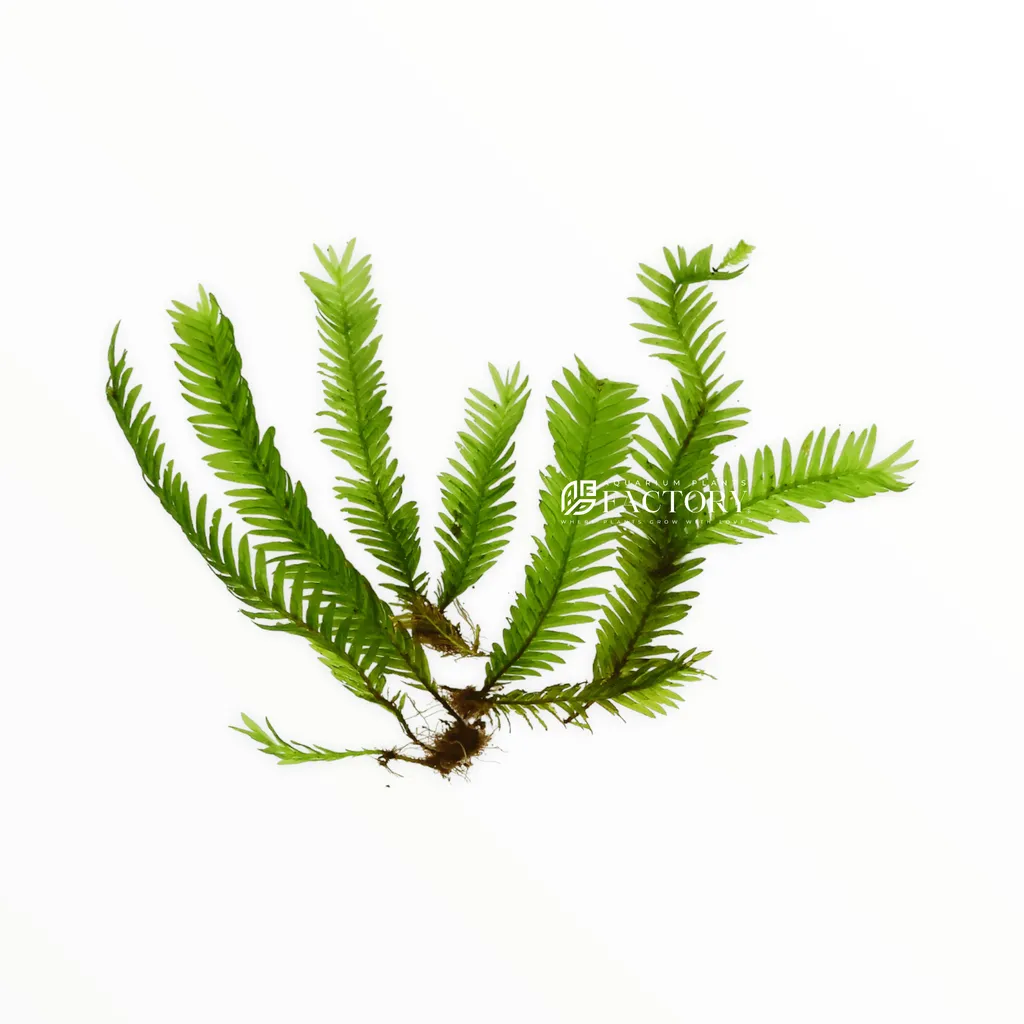
Fissidens nobilis
FreshwaterLow light · Epiphyte1.6 in (4 cm)Flame moss
Taxiphyllum sp. 'Flame'
FreshwaterLow light · Epiphyte3.1 in (8 cm)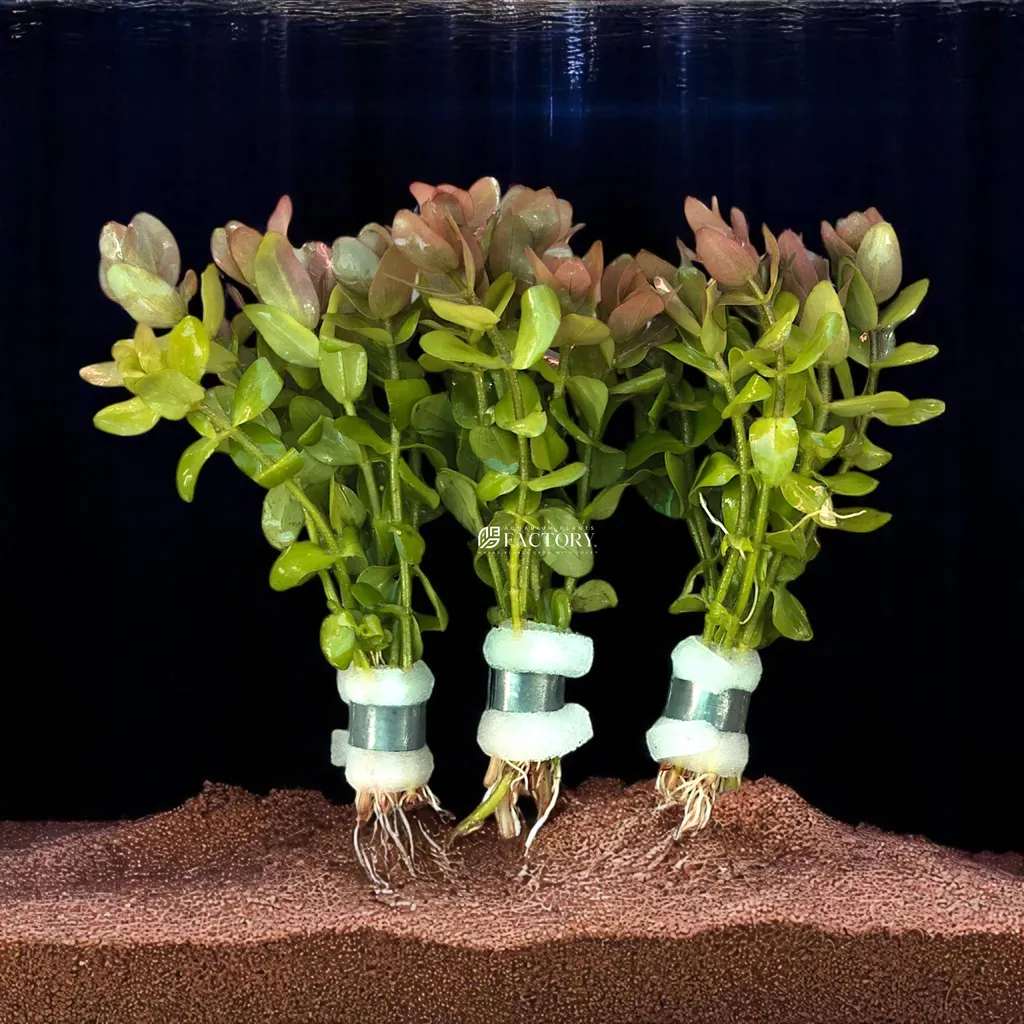
Giant bacopa
Bacopa caroliniana
FreshwaterBrackishLow light · Background15.7 in (40 cm)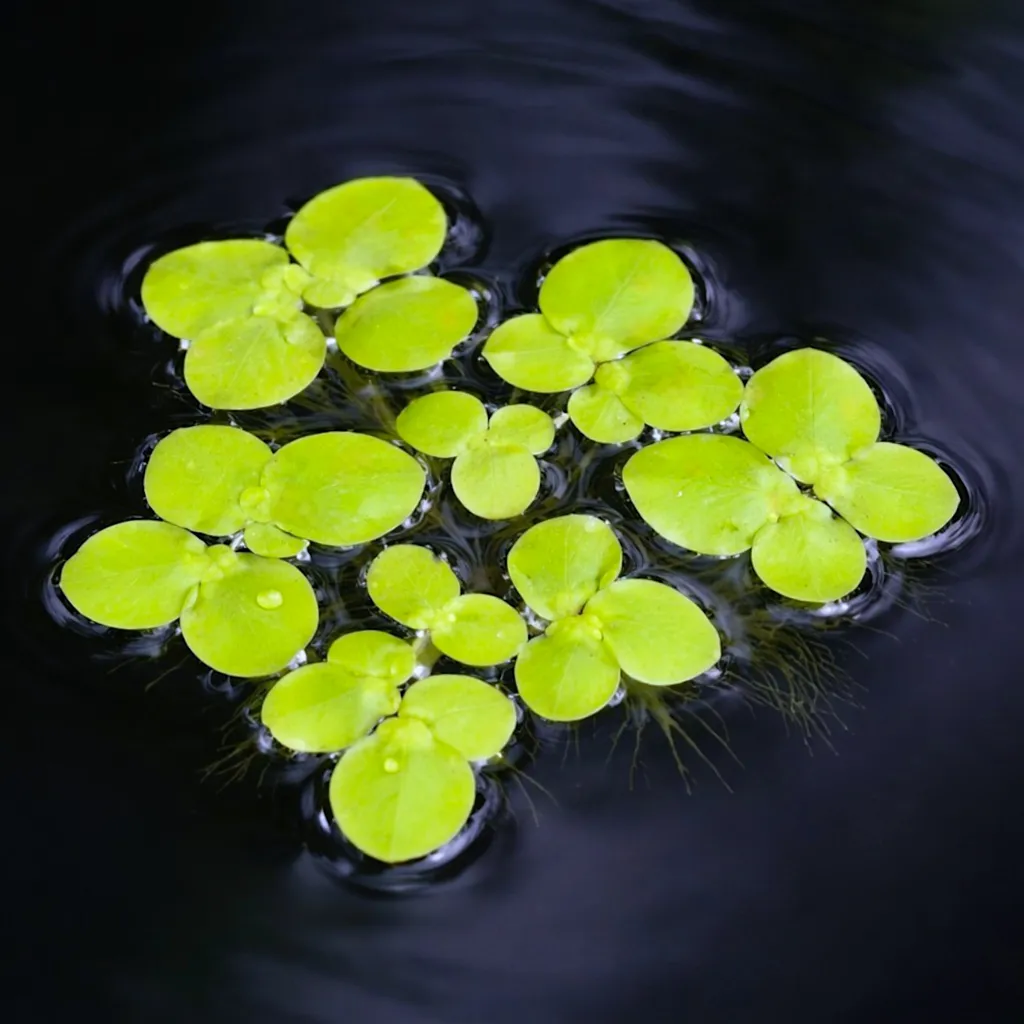
Giant duckweed
Spirodela polyrhiza
FreshwaterLow light · Floating0.4 in (1 cm)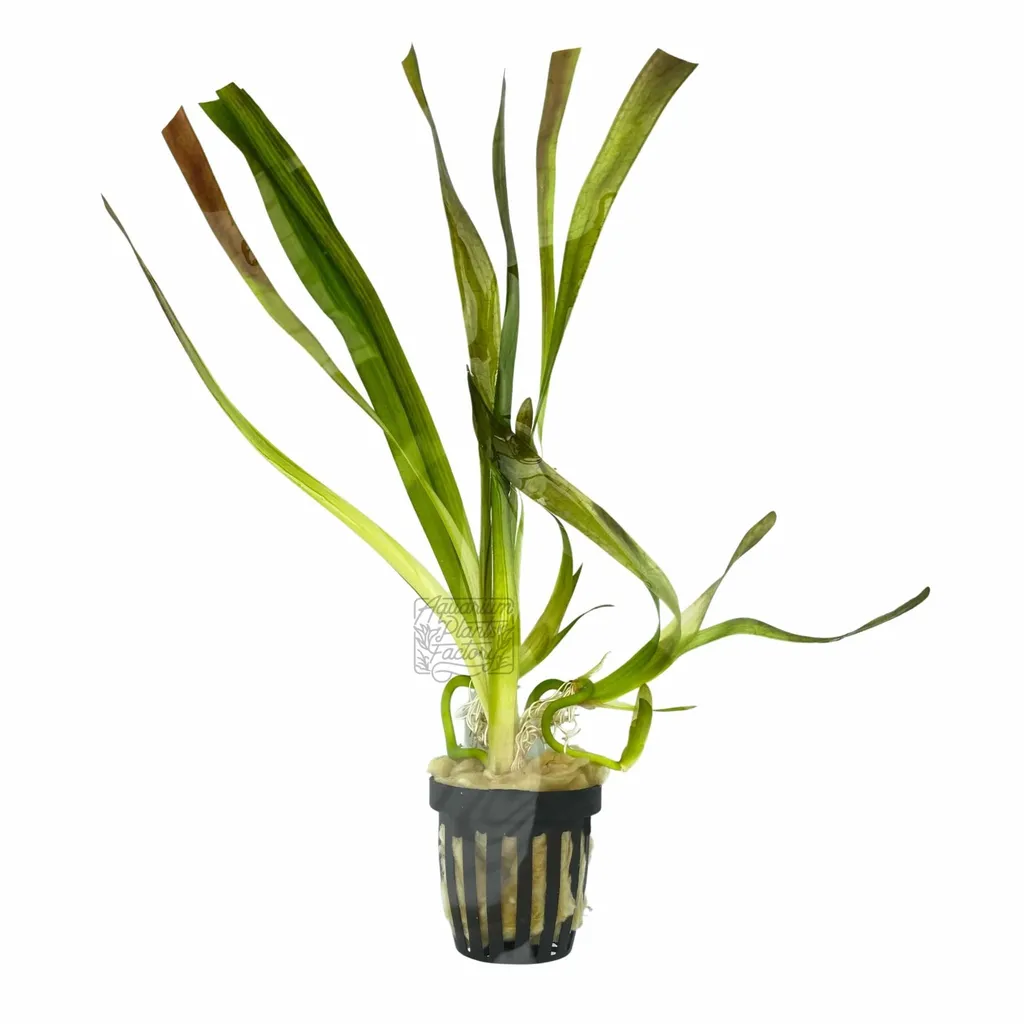
Giant vallisneria
Vallisneria australis
FreshwaterBrackishLow light · Background59.1 in (150 cm)Guppy grass
Najas guadalupensis
FreshwaterBrackishLow light · Floating35.4 in (90 cm)Homalomena Sekadau South
Homalomena sp. 'Sekadau South'
FreshwaterLow light · Epiphyte5.9 in (15 cm)Homalomena Silver
Homalomena sp. 'Silver'
FreshwaterLow light · Midground9.8 in (25 cm)Hornwort
Ceratophyllum demersum
FreshwaterBrackishLow light · Floating39.4 in (100 cm)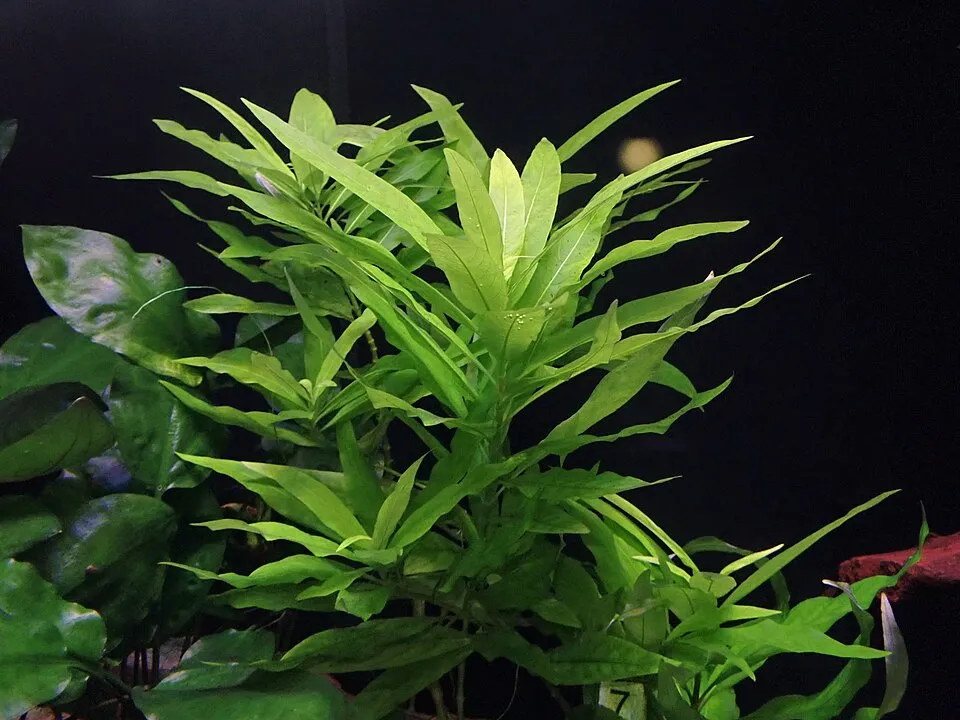
Hygrophila corymbosa
FreshwaterLow light · Background19.7 in (50 cm)1 formHygrophila polysperma
FreshwaterLow light · Background17.7 in (45 cm)Java fern
Leptochilus pteropus
FreshwaterBrackishLow light · Epiphyte11.8 in (30 cm)7 varietiesJava moss
Taxiphyllum barbieri
FreshwaterBrackishLow light · Epiphyte3.9 in (10 cm)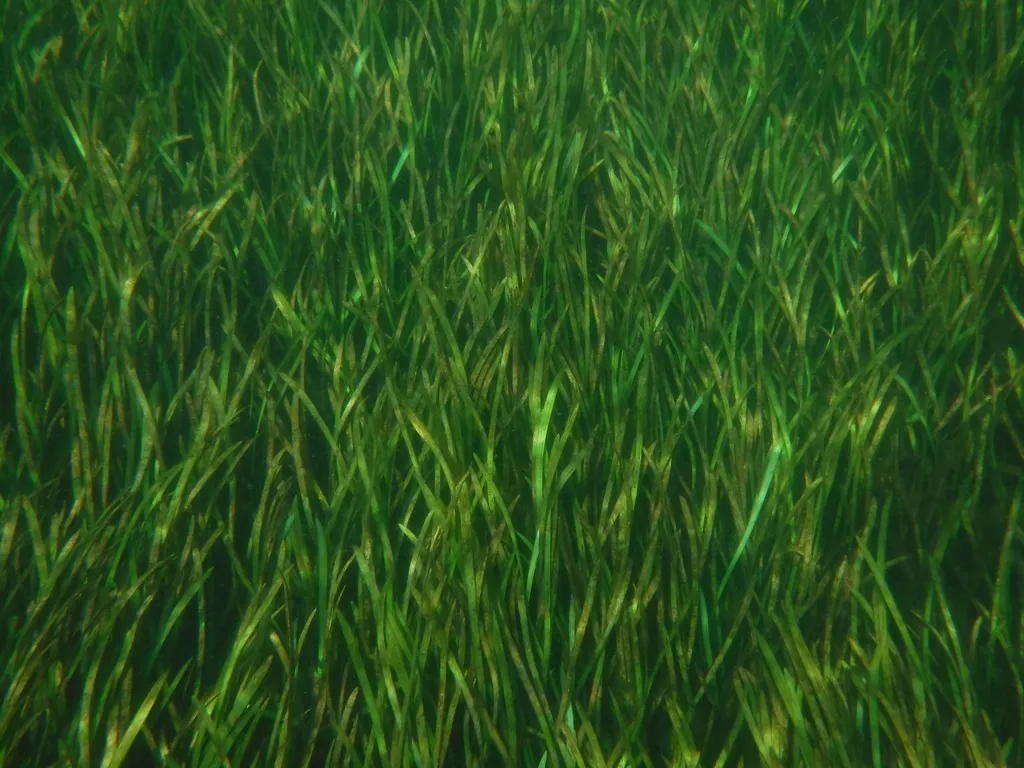
Jungle val
Vallisneria americana
FreshwaterBrackishLow light · Background39.4 in (100 cm)Lagenandra nairii
FreshwaterLow light · Midground5.9 in (15 cm)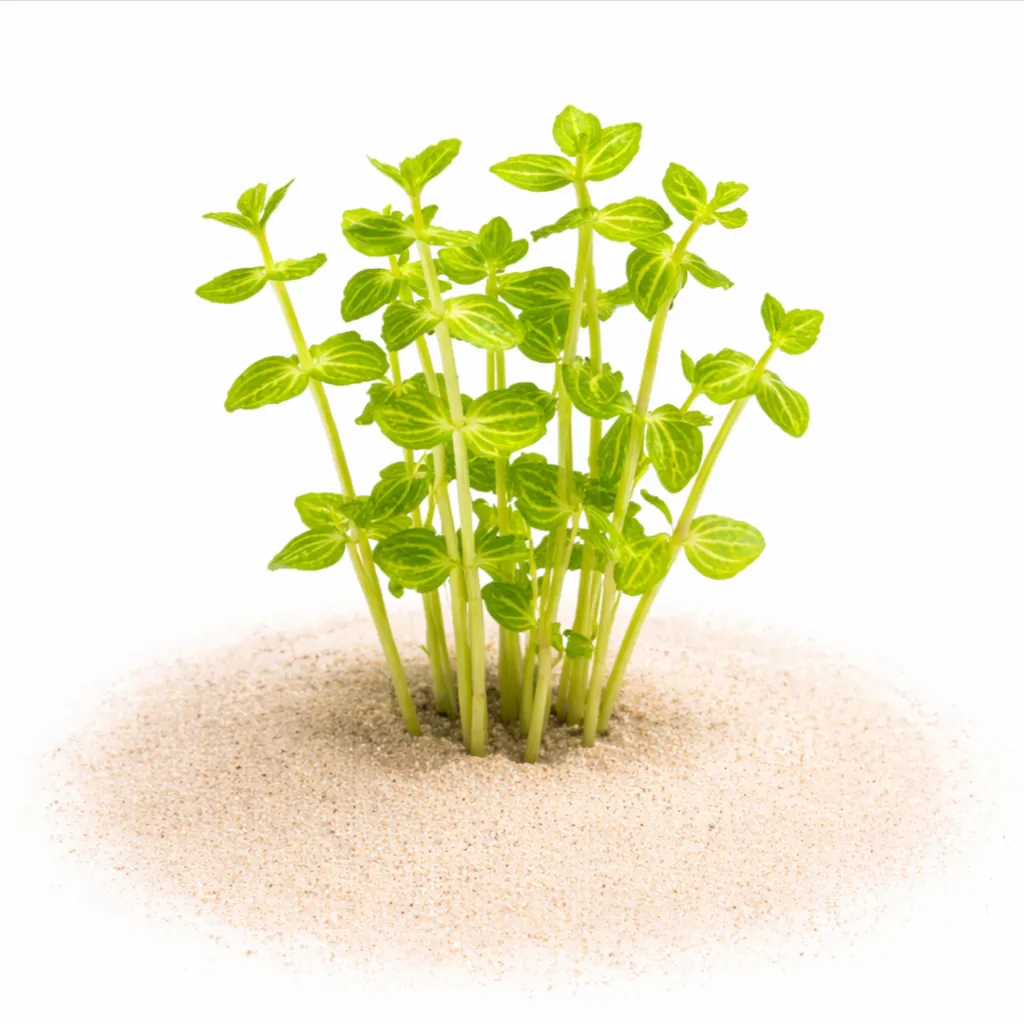
Lindernia rotundifolia
FreshwaterLow light · Background11.8 in (30 cm)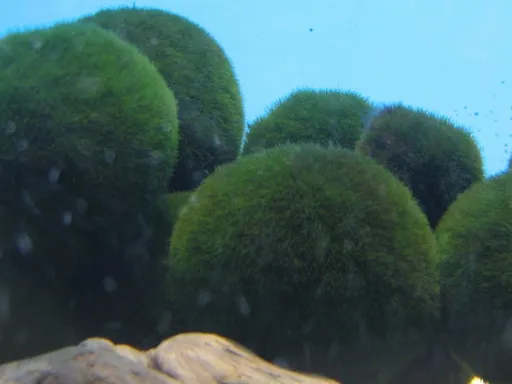
Marimo moss ball
Aegagropila linnaei
FreshwaterBrackishLow light · Foreground3.9 in (10 cm)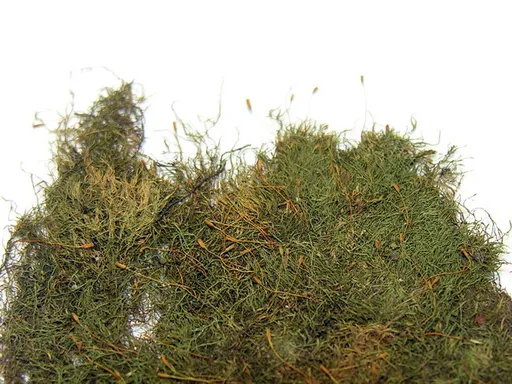
Nano moss
Amblystegium serpens
FreshwaterLow light · Epiphyte1.2 in (3 cm)Peacock moss
Taxiphyllum sp. 'Peacock'
FreshwaterLow light · Epiphyte2 in (5 cm)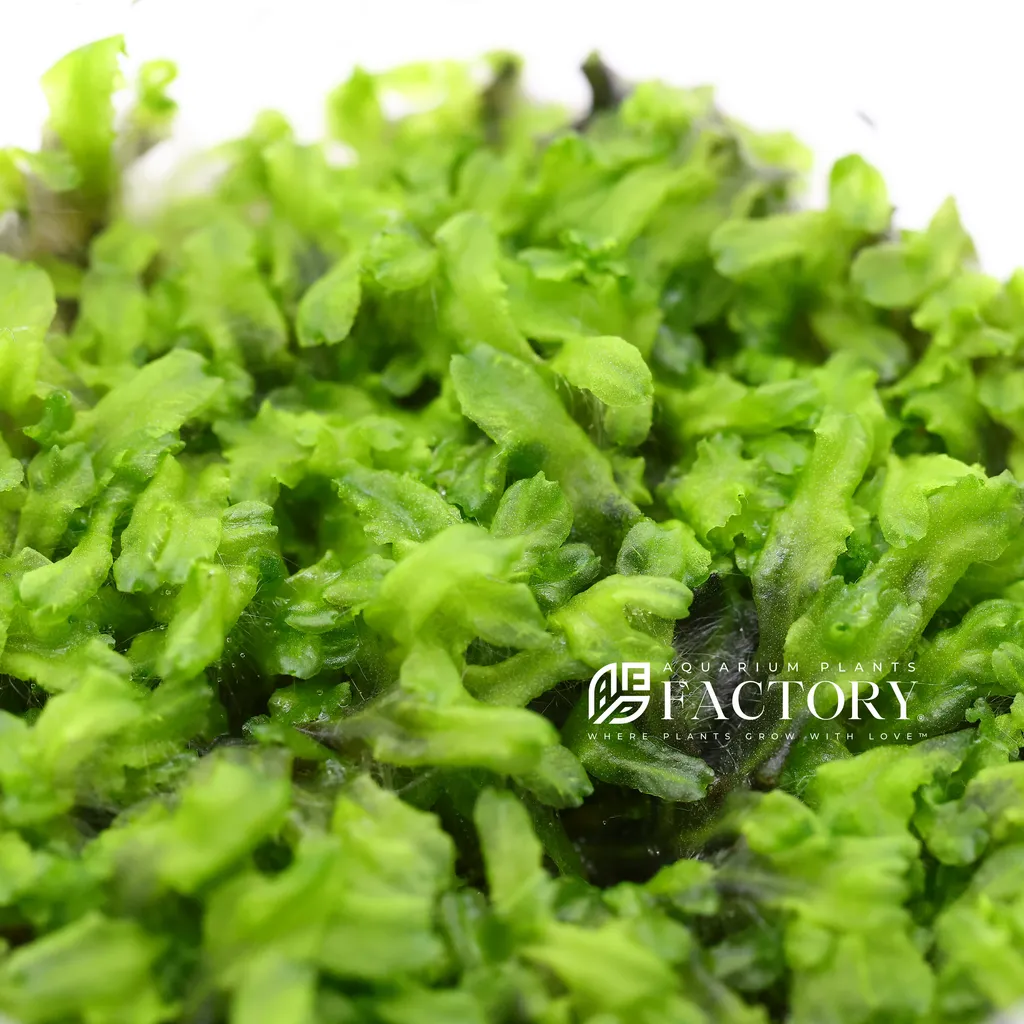
Pellia
Monosolenium tenerum
FreshwaterLow light · Epiphyte2 in (5 cm)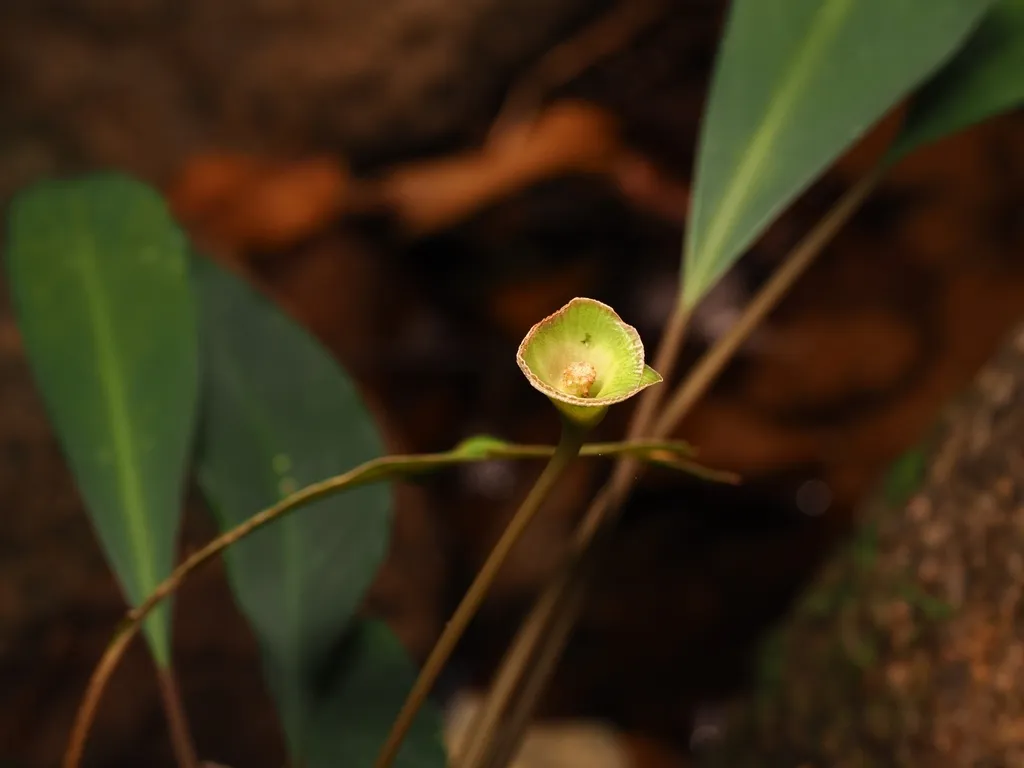
Piptospatha ridleyi
Kiewia ridleyi
FreshwaterLow light · Epiphyte11.8 in (30 cm)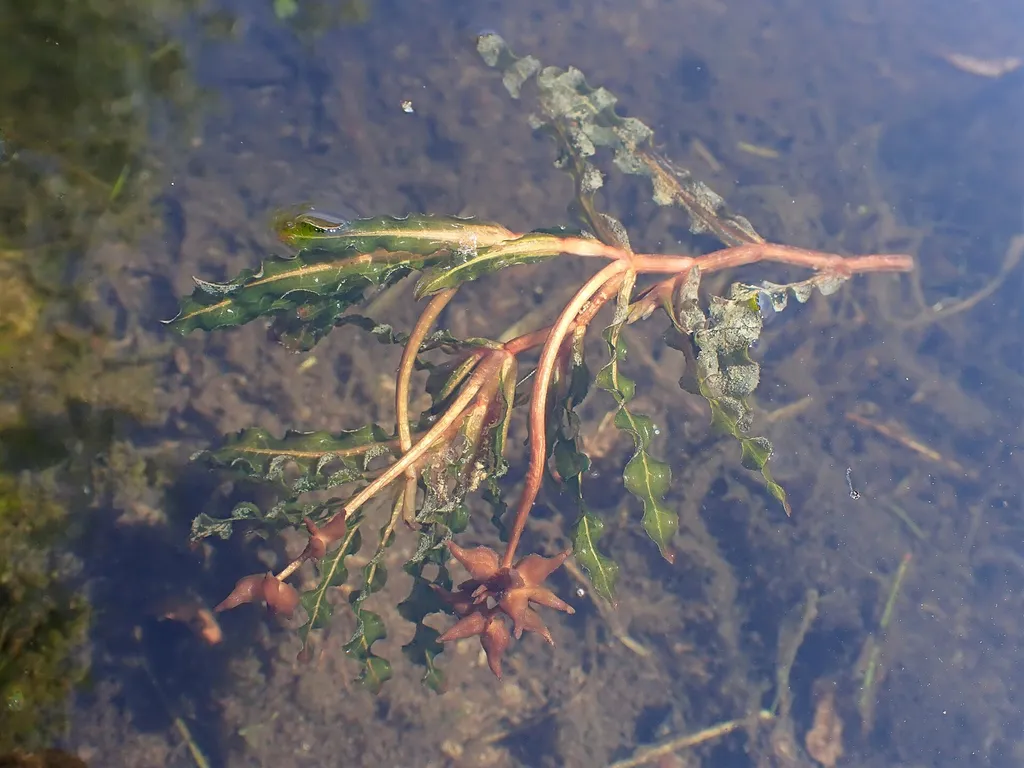
Potamogeton crispus
FreshwaterBrackishLow light · Background31.5 in (80 cm)Quadricostatus chain sword
Helanthium bolivianum 'Quadricostatus'
FreshwaterLow light · Midground5.9 in (15 cm)Reni sword
Echinodorus 'Reni'
FreshwaterLow light · Midground15.7 in (40 cm)Rose sword
Echinodorus 'Rosé'
FreshwaterLow light · Background15.7 in (40 cm)Schismatoglottis prietoi
FreshwaterLow light · Foreground3.1 in (8 cm)Schismatoglottis roseospatha
FreshwaterLow light · Epiphyte3.1 in (8 cm)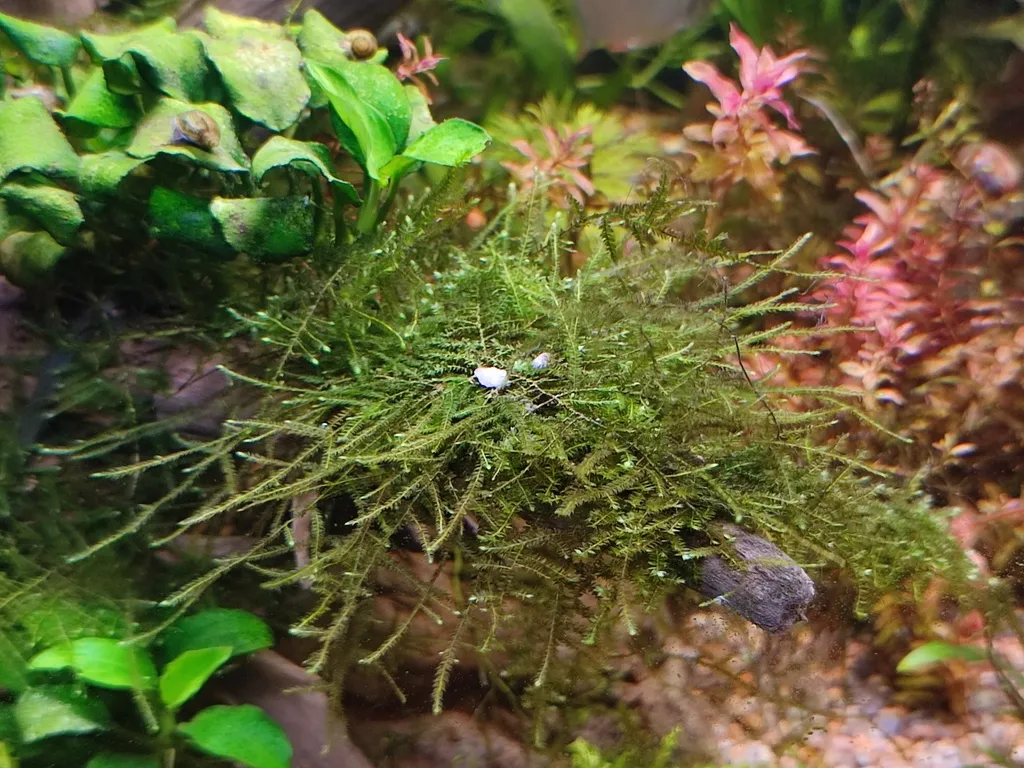
Singapore moss
Vesicularia dubyana
FreshwaterBrackishLow light · Epiphyte2 in (5 cm)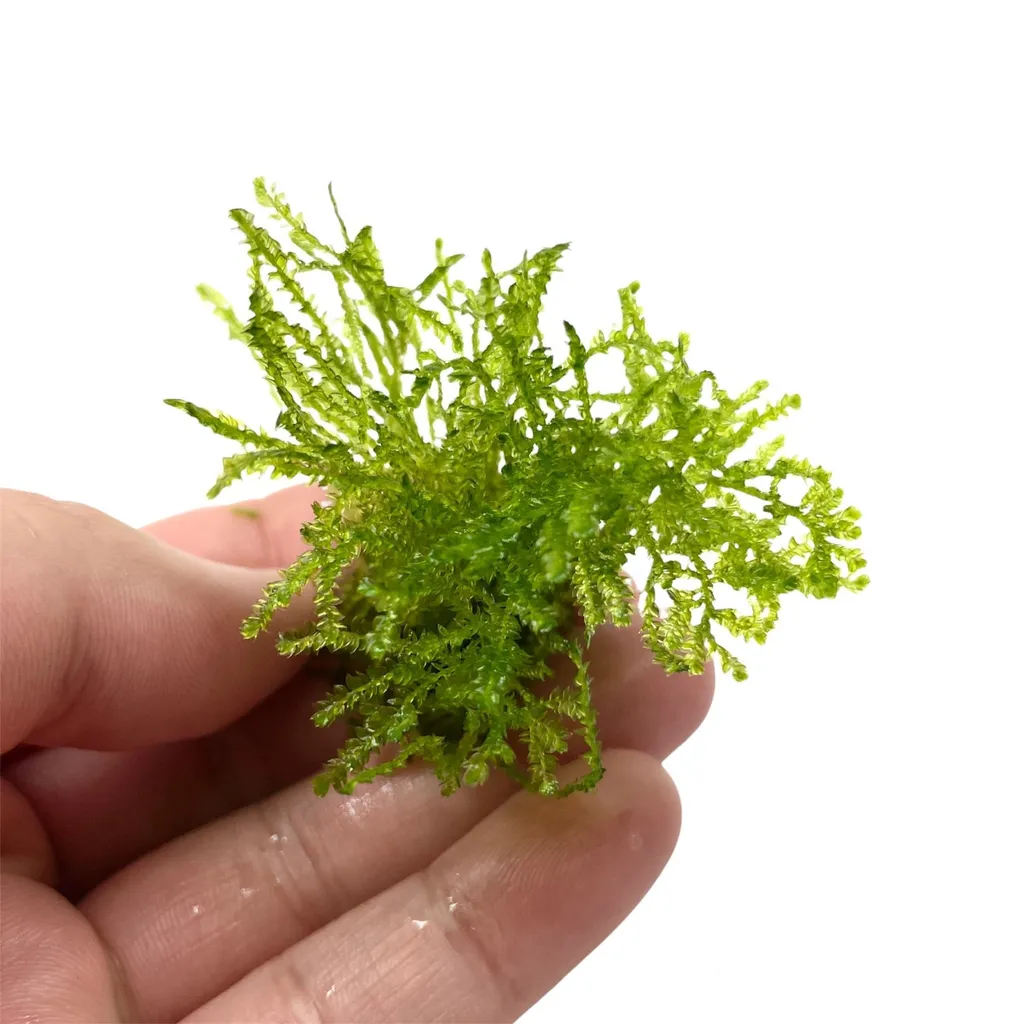
Spiky moss
Taxiphyllum sp. 'Spiky'
FreshwaterLow light · Epiphyte2 in (5 cm)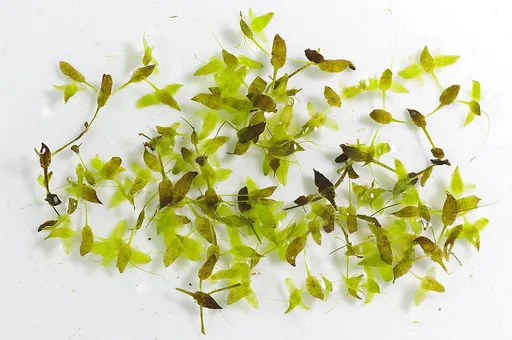
Star duckweed
Lemna trisulca
FreshwaterLow light · Floating0.4 in (1 cm)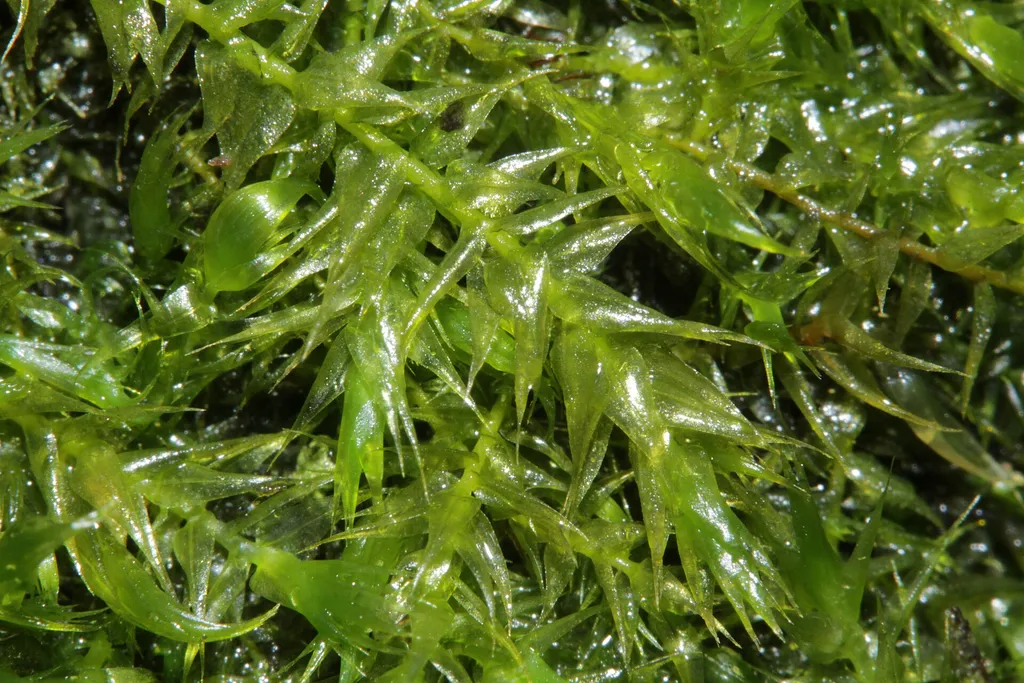
Stringy moss
Leptodictyum riparium
FreshwaterLow light · Epiphyte3.9 in (10 cm)Süsswassertang
Lomariopsis cf. lineata
FreshwaterLow light · Epiphyte2 in (5 cm)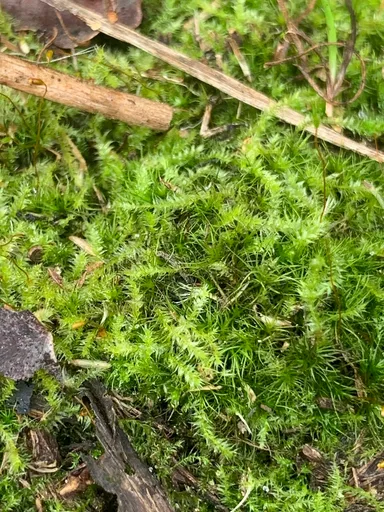
Taiwan moss
Taxiphyllum alternans
FreshwaterLow light · Epiphyte3.9 in (10 cm)Vallisneria spiralis
FreshwaterBrackishLow light · Background19.7 in (50 cm)Water onion
Crinum thaianum
FreshwaterLow light · Background39.4 in (100 cm)Weeping moss
Vesicularia ferriei
FreshwaterLow light · Epiphyte2 in (5 cm)Willow moss
Fontinalis antipyretica
FreshwaterLow light · Epiphyte4.7 in (12 cm)
Planning a tank?
TankBud checks stocking and water fit as you build a tank, then tracks water tests, reminders and photos once it is running.
Track your tanksMaintain tanks for clients? See TankBud Pro