Bolbitis heteroclita
Also known as Asian water fern, El Nino fern, Broadleaf bolbitis
FreshwaterFernRhizome divisionPlantlets
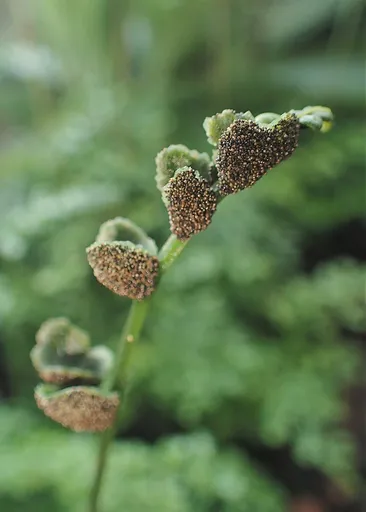
Care at a glance
- Light
- Low light
- CO2
- CO₂ beneficial
- Temperature
- 72–77°F
- 22–25°C
- Max height
- 9.8 in
- 25 cm
- Growth rate
- Slow
- Placement
- Epiphyte
- Type
- Fern
- pH
- 6.0–7.0
- Hardness
- 0–10 dGH
- Nutrient uptake
- Water column
- Growth region
- Submersed or emersed
- Difficulty
- Difficult
- Family
- Dryopteridaceae
- Origin
- Tropical Asia (India and southern China through Southeast Asia to the Philippines and New Guinea)
Overview
Bolbitis heteroclita is a slow, creeping fern that grows on rock and wood. It is a difficult plant to keep fully underwater and far easier above the waterline.
Caring for Bolbitis heteroclita
Attach the rhizome to rock or wood and never bury it, or it rots. The broadleaf form is mostly an emersed plant. It does best in a paludarium or on the above-water part of the hardscape, where humidity is high.
Fully submersed it survives but grows extremely slowly, and it often melts in hard or alkaline water. If you keep it underwater, give it soft, slightly acidic water with a pH of 6 to 7, gentle light and clean circulation. Low light is enough, and CO2 helps it grow. It feeds from the water, so use a liquid fertilizer rather than root tabs, and keep it at 72 to 77°F (22 to 25°C).
Divide the rhizome into pieces with several fronds each to propagate it. You can also lift off the young plants that form on old fronds.
Good to know
Bolbitis heteroclita is a creeping-rhizome fern in the family Dryopteridaceae. It is related to the African Bolbitis heudelotii but is far less aquatic in habit. The epithet heteroclita means irregular or deviating, a nod to how variable the fronds are. They range from simple blades to lobed, tail-tipped leaves. It is also sold as Asian water fern, El Nino fern and broadleaf bolbitis.
In the wild
Bolbitis heteroclita is widespread across tropical Asia, creeping over shaded rocks and banks beside streams and waterfalls. It lives mostly above the waterline in the splash zone, with only occasional flooding.
Common questions
Does Bolbitis heteroclita need to be planted in the substrate?
No. Bolbitis heteroclita grows attached to rock or wood, so tie or glue the rhizome in place. If you plant its roots, keep the rhizome above the substrate, since a buried rhizome rots.
Does Bolbitis heteroclita need CO2?
No, but it helps. Bolbitis heteroclita can grow without injected CO2, and added CO2 makes it grow faster.
How much light does Bolbitis heteroclita need?
Bolbitis heteroclita is a low-light plant, and the light that comes with a standard tank kit is enough for it.
Does Bolbitis heteroclita need root tabs?
No. Bolbitis heteroclita feeds from the water, so a liquid fertilizer suits it better. Root tabs only help if its roots reach into the substrate.
How do you propagate Bolbitis heteroclita?
Bolbitis heteroclita propagates by rhizome division and plantlets. Cut the rhizome into pieces with several leaves each, then tie or plant each piece. Small plantlets form on the plant and can be detached once they have a few roots.
How tall does Bolbitis heteroclita grow?
Bolbitis heteroclita grows to about 9.8 in (25 cm) tall. It grows slowly and rarely needs trimming.
Related plants
- Low lightEpiphyte15.7 in (40 cm)
African water fern
Bolbitis heudelotii
Low light · Epiphyte
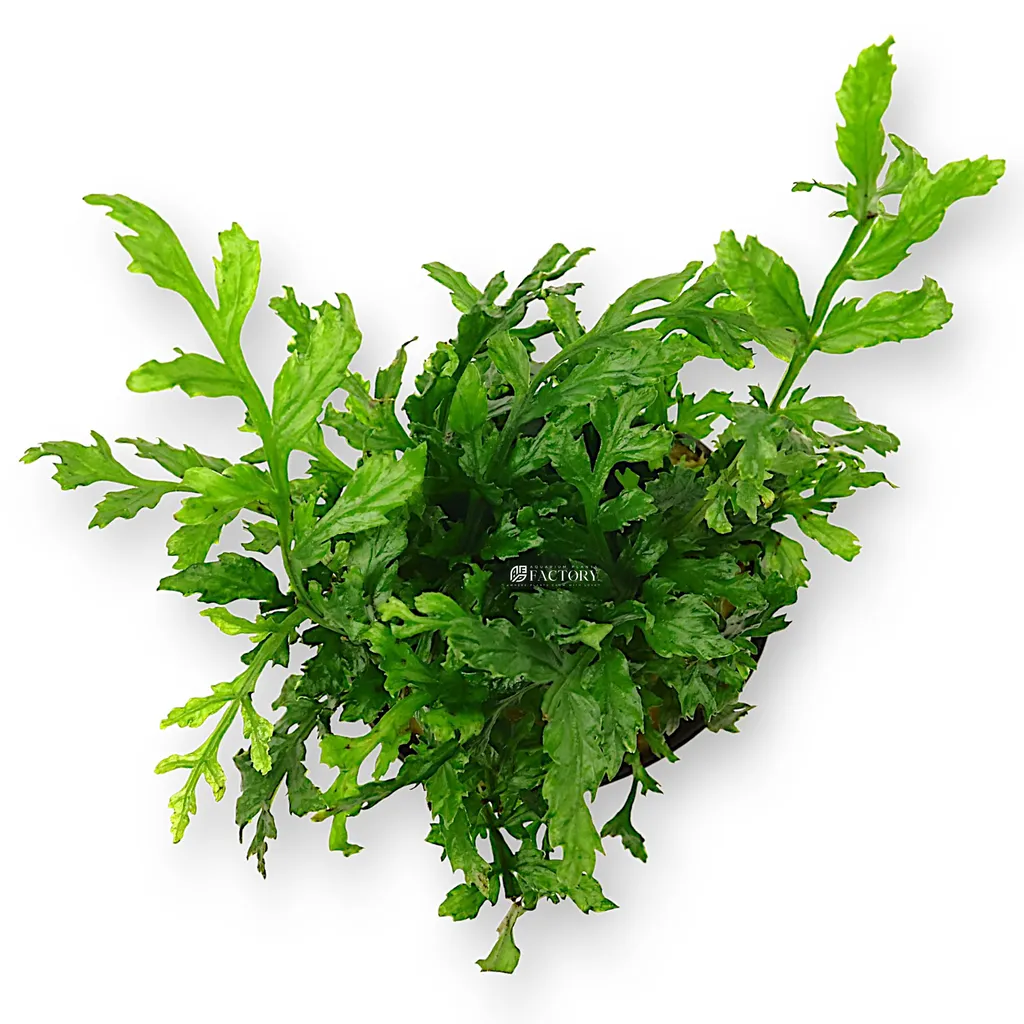 Low lightEpiphyte2.8 in (7 cm)
Bolbitis Difformis
Bolbitis difformis
Low light · Epiphyte
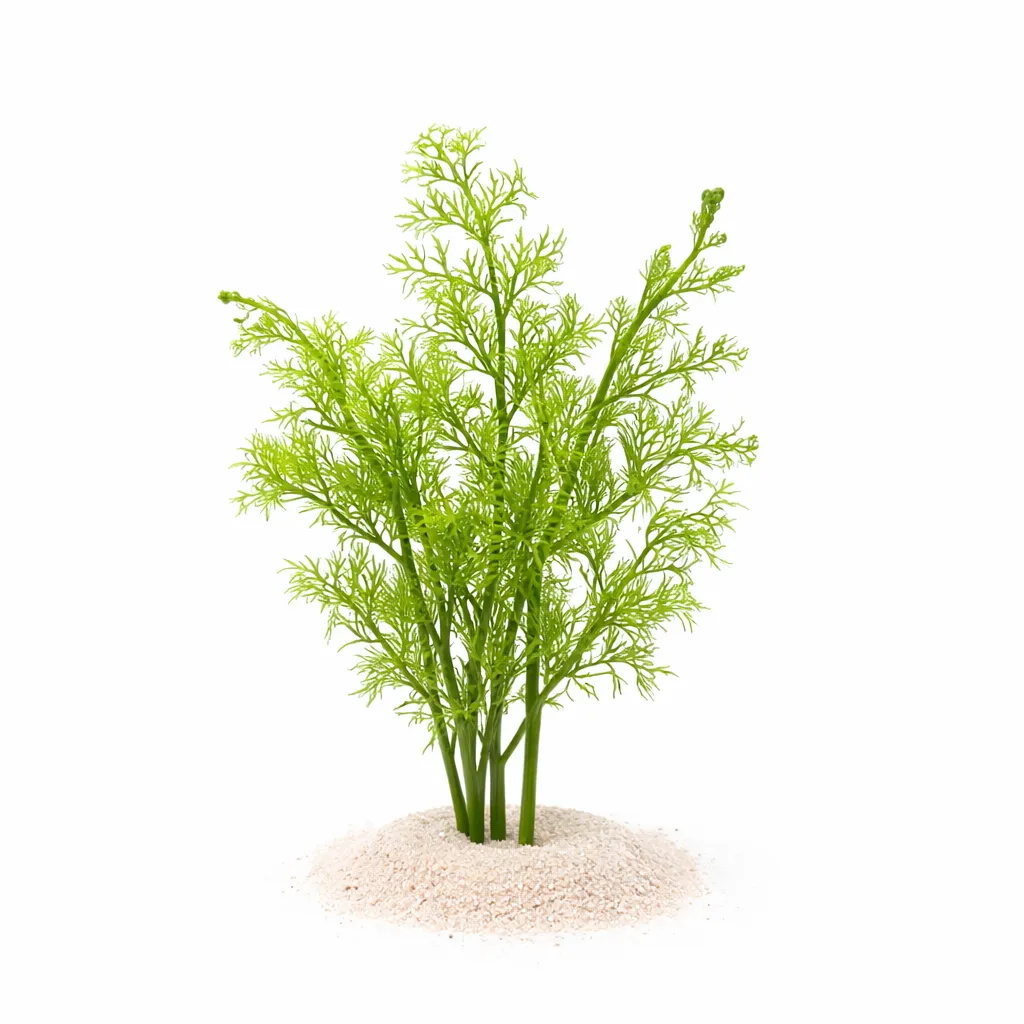 Medium lightBackground15 in (38 cm)
Water sprite
Ceratopteris thalictroides
Medium light · Background
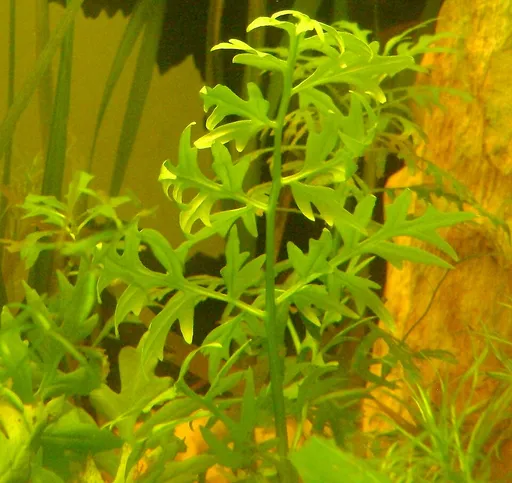 Medium lightFloating15.7 in (40 cm)
Floating water sprite
Ceratopteris cornuta
Medium light · Floating