Water sprite
Ceratopteris thalictroides
Also known as Indian fern, Water fern, Oriental waterfern, Water hornfern, Watersprite, Ceratopteris siliquosa
FreshwaterBrackishFernPlantletsSpores
Care at a glance
- Light
- Medium light
- CO2
- No CO₂ needed
- Temperature
- 72–82°F
- 22–28°C
- Max height
- 15 in
- 38 cm
- Growth rate
- Fast
- Placement
- Background
- Type
- Fern
- pH
- 6.0–7.5
- Hardness
- 3–15 dGH
- Spread
- 9.8 in (25 cm)
- Nutrient uptake
- Root + water column
- Growth region
- Submersed or emersed
- Difficulty
- Beginner
- Family
- Pteridaceae
- Origin
- Pantropical (worldwide tropics)
Overview
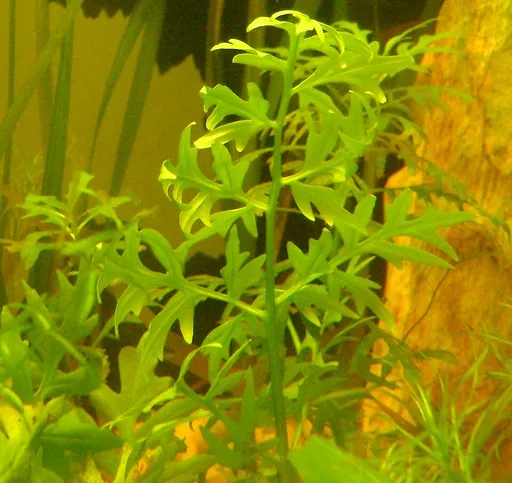
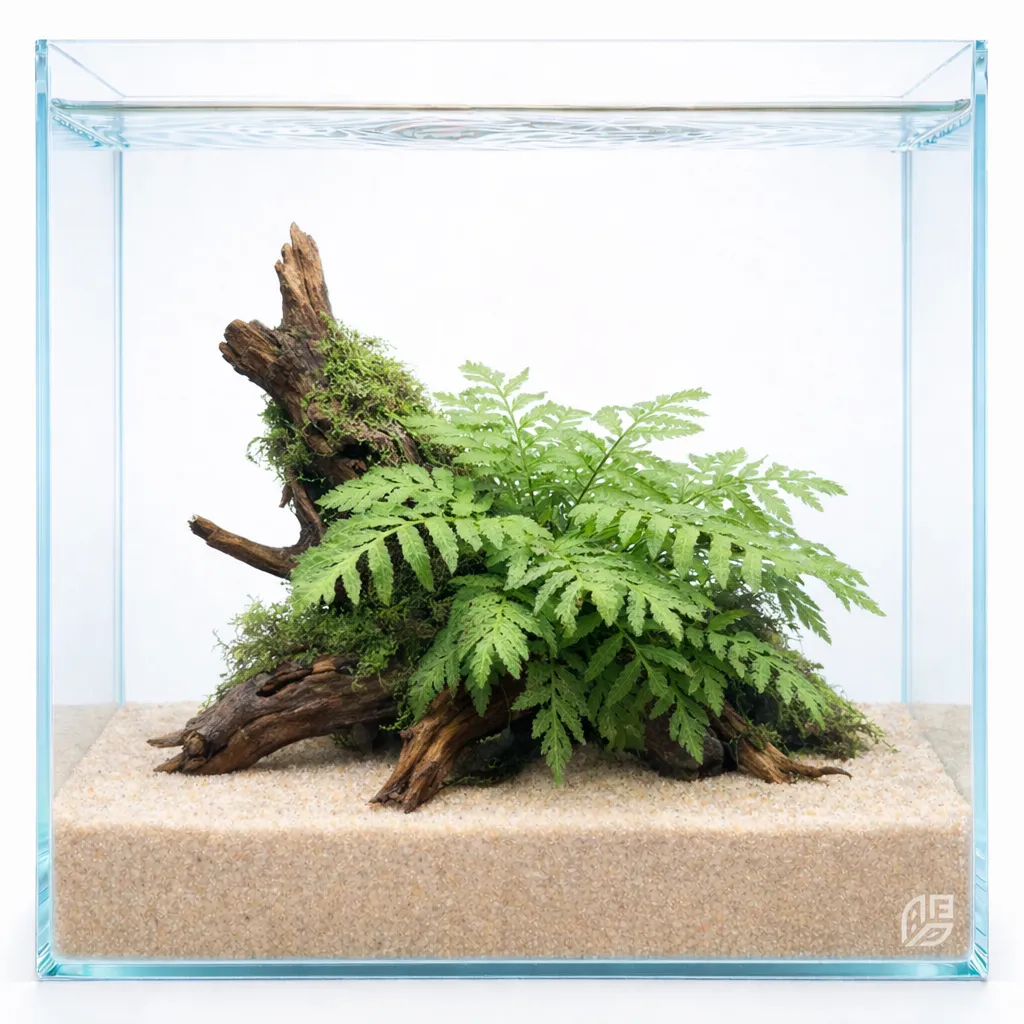
One of the easiest plants in the hobby and a great beginner choice. Plant it loosely in the substrate as a background plant or simply let it float, where it draws nutrients straight from the water column and grows fast, making it useful for soaking up excess nitrate and shading shy fish. No CO2 is needed and it does fine in moderate light, though brighter light gives denser, more compact growth. It propagates almost by itself; just let the baby plantlets on the leaf edges grow roots, then pinch them off and replant or let them float.
In the wild
A fast-growing aquatic fern found throughout the world's tropics in marshes, ditches, rice paddies, ponds, and slow streams. It grows happily either rooted in mud or drifting on the surface, and often lives partly emersed along the water's edge. Its wide natural range means it tolerates a broad span of water conditions.
Good to know
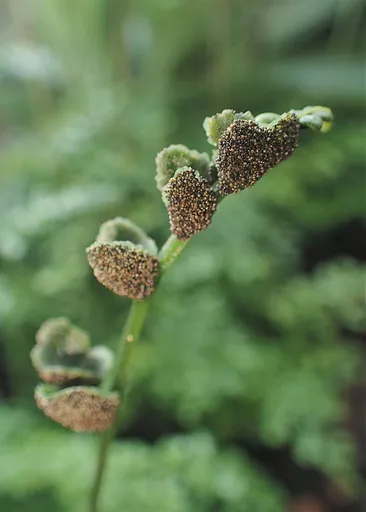
An aquatic fern in Pteridaceae with finely divided, lacy fronds, reproducing by spores rather than flowers. Like many ferns it also clones itself, sprouting little adventitious plantlets directly on its older leaves. Submersed and emersed leaf forms differ noticeably, with submersed fronds being more finely cut.
Did you know
Did you know young water sprite is eaten as a vegetable in parts of Southeast Asia, where it is harvested from rice paddies and ditches and cooked much like a leafy green.