Freshwater aquarium invertebrates
Freshwater invertebrates cover everything that keeps a tank clean or adds movement without being a fish: shrimp in the moss, nerite and mystery snails on the glass, crabs and crayfish over the substrate, and the odd clam in the sand. Each profile lists tank size, water conditions and how the species behaves.
At a glance
- Tank size
- 5–53 gal
- 5 gal (19 L) to 53 gal (200 L); half the list needs 10 gal (38 L) or more
- Temperature
- 72–82°F
- 22–28°C, most of the list
- pH
- 6.8–8.0
- Most of the list
- Difficulty
- 46 easy
- 51 medium · 6 difficult
- Temperament
- 62 peaceful
- 35 mostly peaceful · 6 aggressive
100 species and 16 varieties
Start here
The freshwater inverts to start with
The Neocaridina shrimp, the cherry shrimp of the shops, is marked beginner at 1.6 inches (4 cm) for 5 gallons (20 liters) and breeds on its own. The Amano shrimp is the algae eater at 2 inches (5 cm). The zebra nerite is the algae snail, marked beginner, and it cannot breed in freshwater. The mystery snail is the pet snail, marked easy at 2 inches (5 cm). The orange dwarf crayfish is 2 inches (5 cm) for 10 gallons (38 liters), marked easy, and the crayfish that leaves plants alone. The Thai micro crab is 1 inch (2.5 cm), fully aquatic, and filters food from the water with feathered claws.
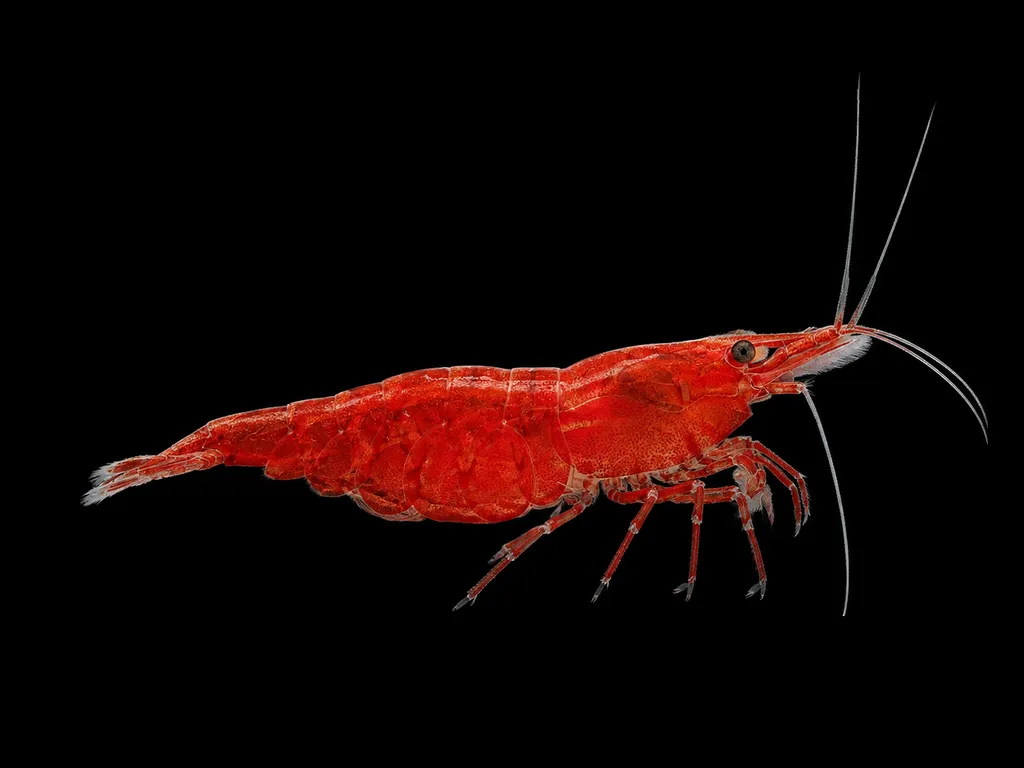
Neocaridina shrimp
Neocaridina davidi
Freshwater- Size
- 1.6 in (4 cm)
- Tank
- 5 gal (20 L)
- Water
- 59–84°F (15–29°C)
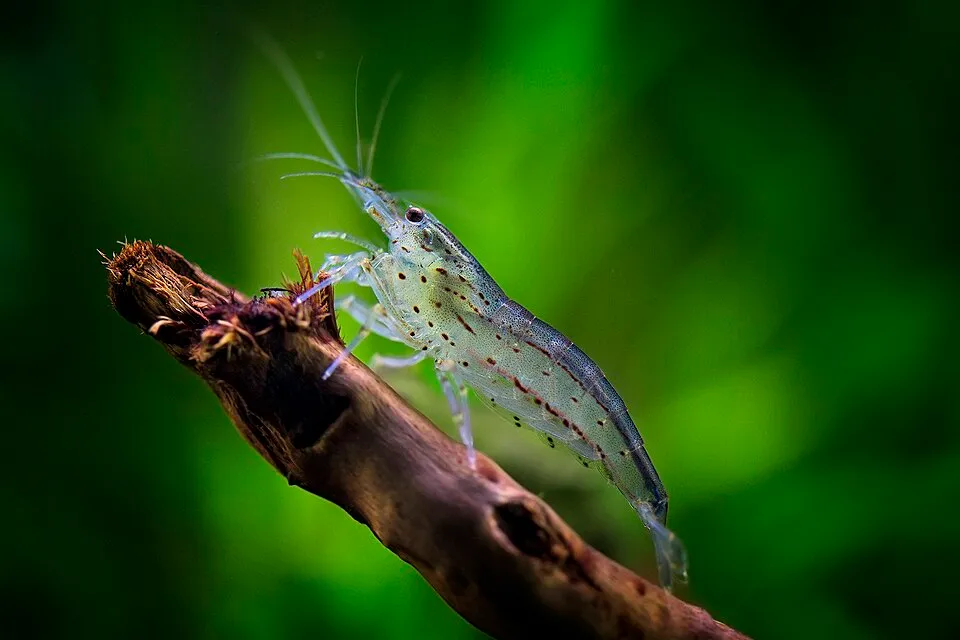
Amano shrimp
Caridina multidentata
FreshwaterBrackish- Size
- 2 in (5 cm)
- Tank
- 8 gal (30 L)
- Water
- 59–81°F (15–27°C)
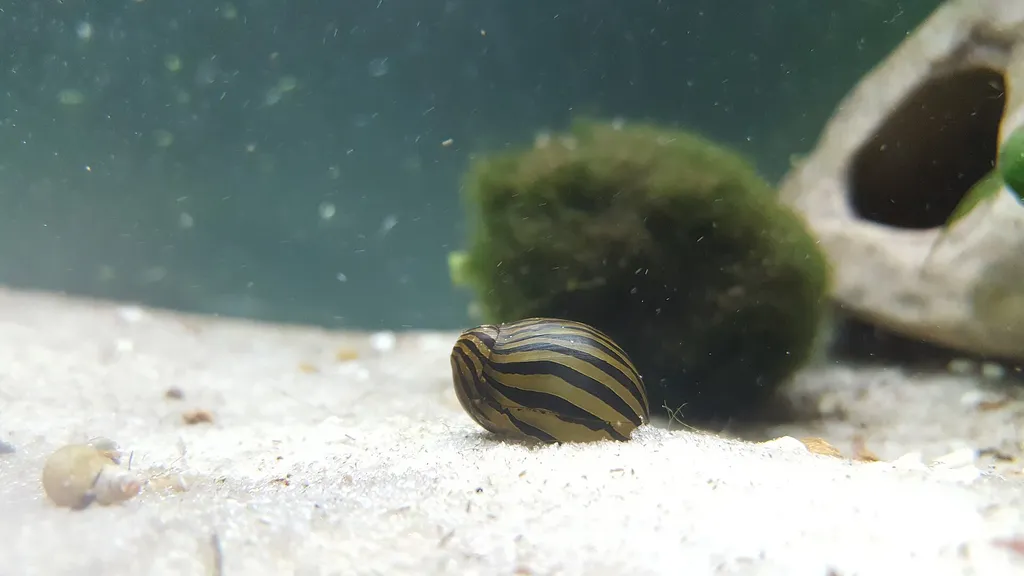
Zebra nerite
Vittina natalensis
FreshwaterBrackish- Size
- 1 in (2.5 cm)
- Tank
- 5 gal (20 L)
- Water
- 66–84°F (19–29°C)
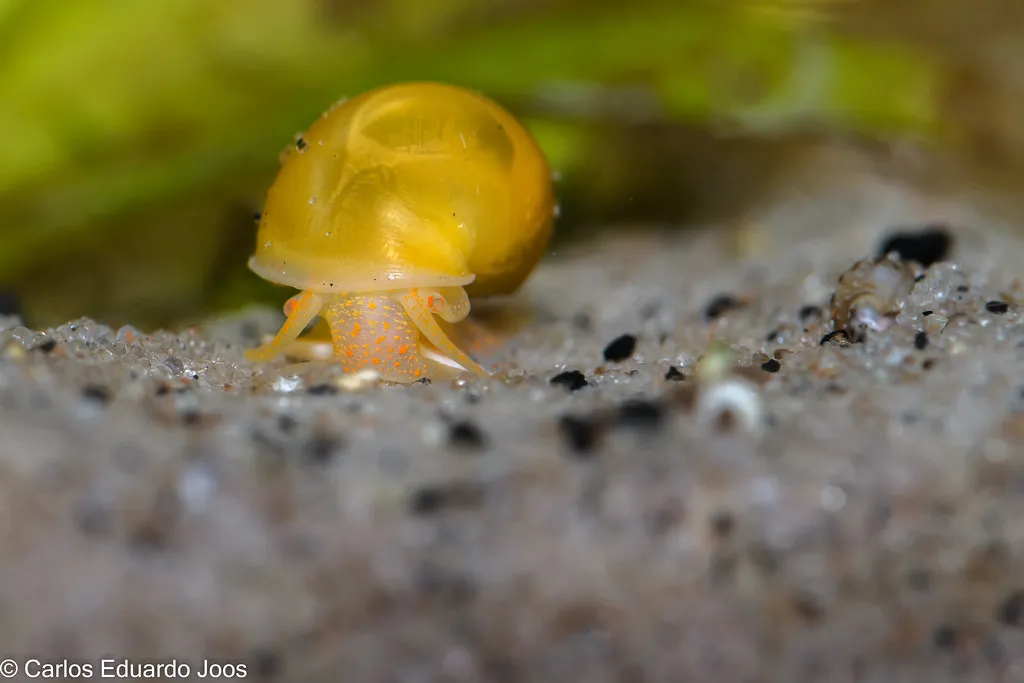
Mystery snail
Pomacea diffusa
Freshwater- Size
- 2 in (5 cm)
- Tank
- 5 gal (20 L)
- Water
- 70–79°F (21–26°C)
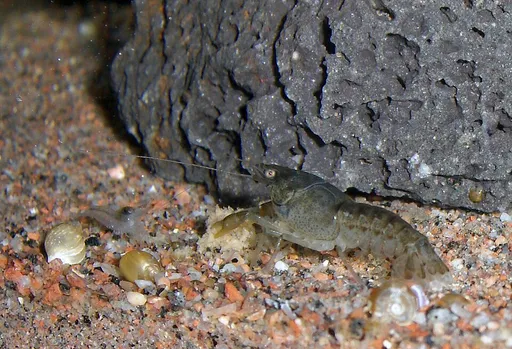
Orange dwarf crayfish
Cambarellus patzcuarensis
Freshwater- Size
- 2 in (5 cm)
- Tank
- 10 gal (38 L)
- Water
- 64–77°F (18–25°C)
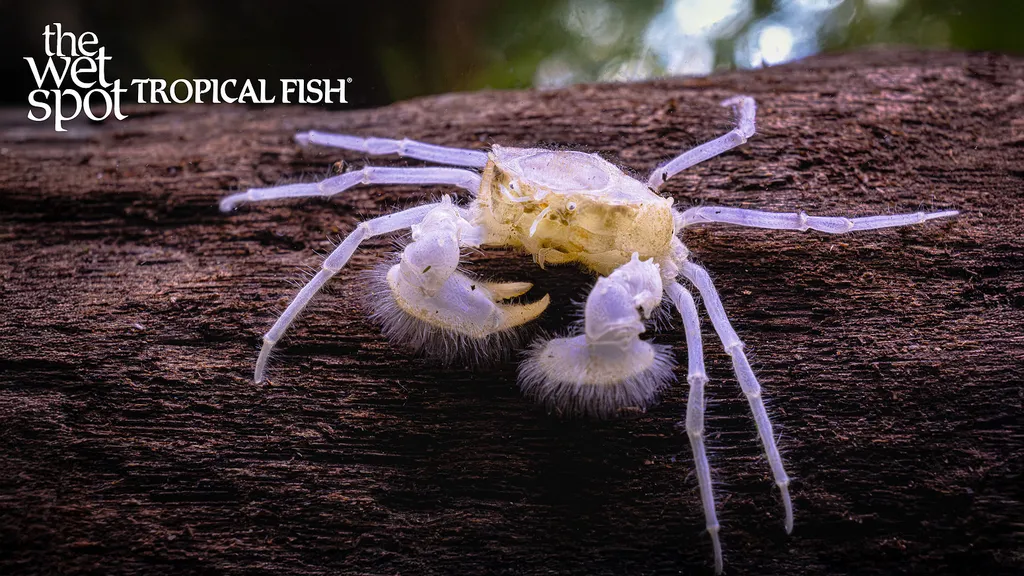
Thai micro crab
Limnopilos naiyanetri
Freshwater- Size
- 1 in (2.5 cm)
- Tank
- 5 gal (20 L)
- Water
- 72–82°F (22–28°C)
The rule
What every freshwater invertebrate needs
Copper kills all of them at doses a fish never notices, so no copper medication goes in and every fertilizer label gets read. Shells need calcium: snails and crayfish want hard water or a cuttlebone in the tank. Crabs and crayfish climb, up the airline and out of any gap, so the lid is tight. And all of them hate sudden change, so new arrivals are drip acclimated over an hour and water changes stay small.
- 01
No copper
Medications and some fertilizers kill every animal here
- 02
Calcium for shells
Snails and crayfish want hard water or cuttlebone
- 03
A tight lid
Crabs and crayfish climb the airline and out
- 04
Slow changes
Drip acclimate, change water in small amounts
Shrimp
Shrimp beyond the cherry
The bee shrimp, sold as crystal red and black, wants soft acidic water at a pH from 5.8 to 6.8, 1.2 inches (3 cm) for 5 gallons (20 liters), marked medium. The tiger shrimp is 1.6 inches (4 cm) for cooler water at 64–73°F (18–23°C). The Sulawesi shrimp wants the opposite, 79–88°F (26–31°C) and a pH from 7.5 to 8.5. The bamboo shrimp filters the water with fans at 3.9 inches (10 cm) for 13 gallons (50 liters), and the vampire shrimp does the same at 5.1 inches (13 cm). The ghost shrimp is the cheap one, marked easy.
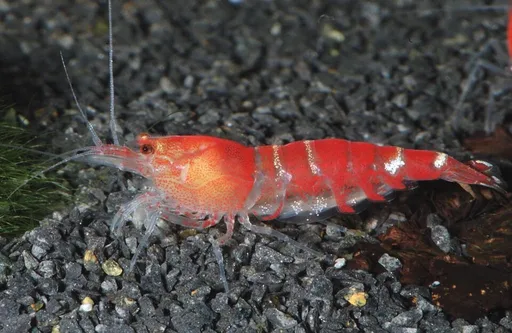
Bee shrimp
Caridina logemanni
Freshwater1.2 in (3 cm) · 5 gal (20 L)64–75°F (18–24°C)
Tiger shrimp
Caridina mariae
Freshwater1.6 in (4 cm) · 7 gal (25 L)64–73°F (18–23°C)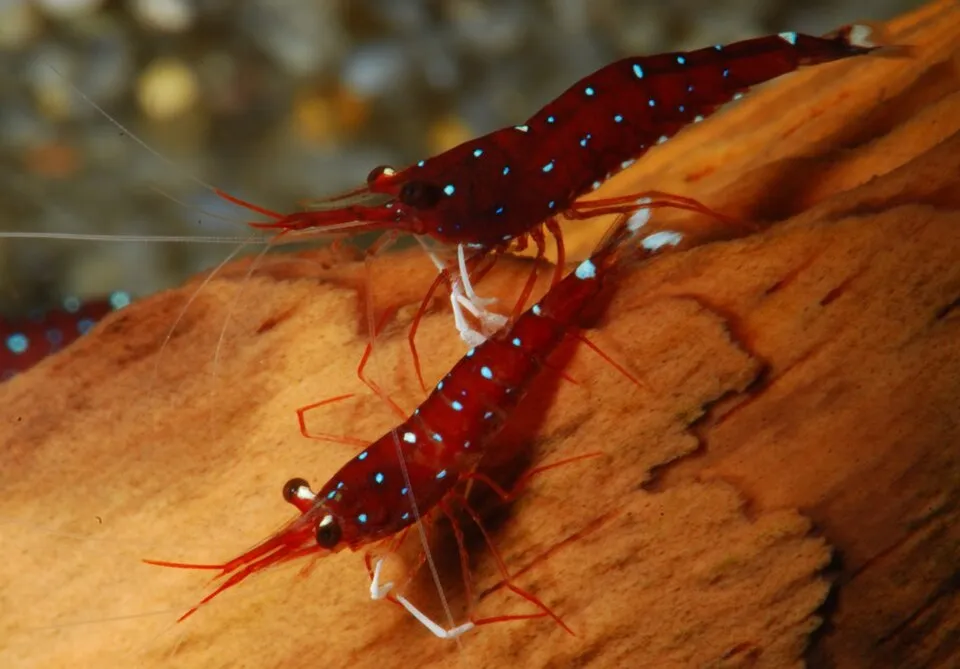
Sulawesi shrimp
Caridina dennerli
Freshwater1 in (2.5 cm) · 5 gal (20 L)79–88°F (26–31°C)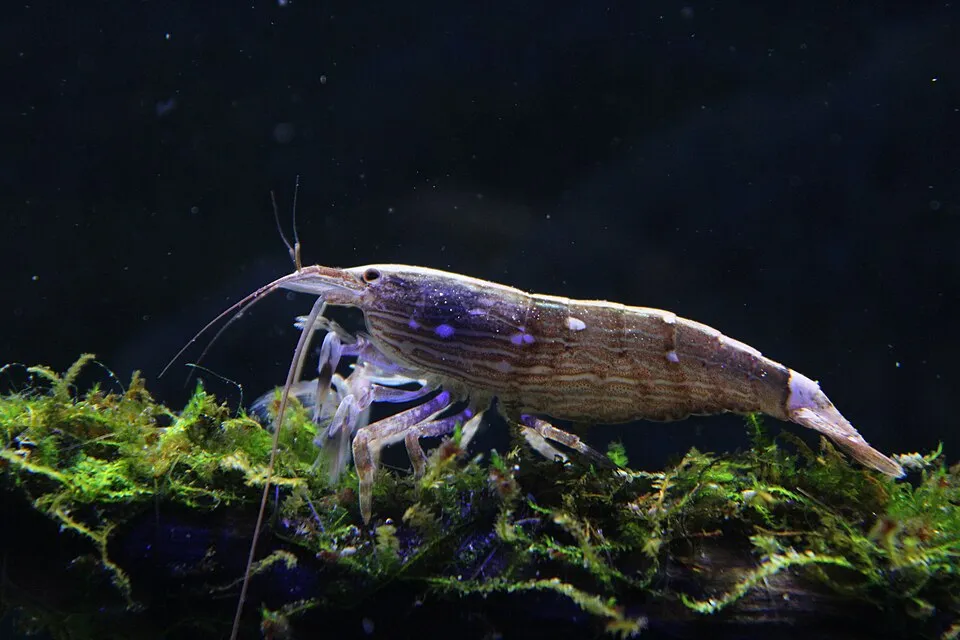
Bamboo shrimp
Atyopsis moluccensis
Freshwater3.9 in (10 cm) · 13 gal (50 L)72–84°F (22–29°C)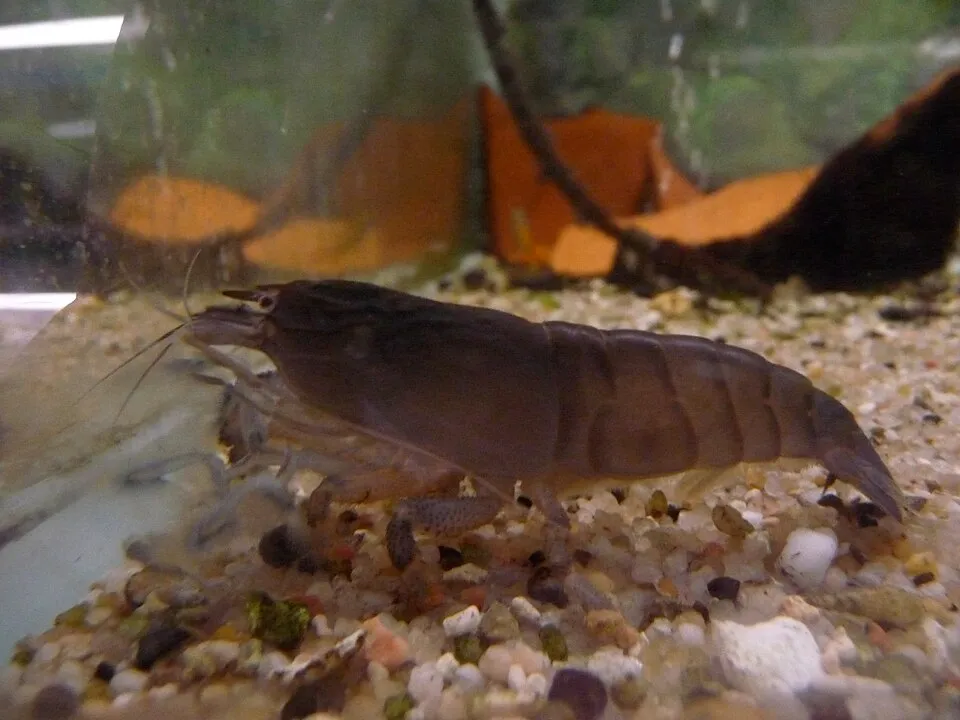
Vampire shrimp
Atya gabonensis
Freshwater5.1 in (13 cm) · 20 gal (75 L)75–82°F (24–28°C)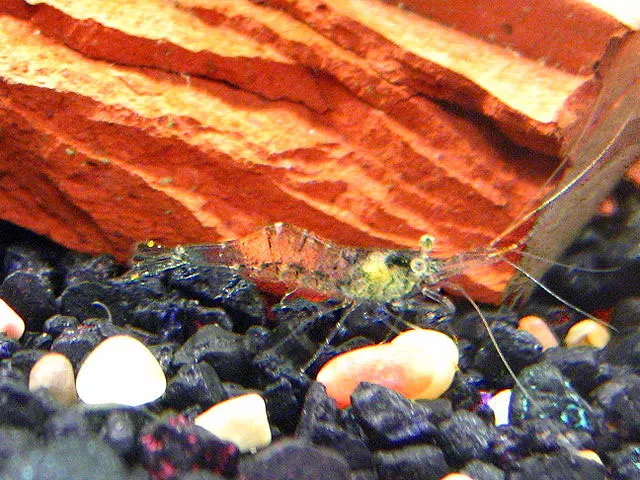
Ghost shrimp
Palaemon paludosus
Freshwater1.6 in (4 cm) · 5 gal (20 L)64–84°F (18–29°C)
Snails
Snails beyond the nerite
The gold rabbit snail is 2.8 inches (7 cm) for 16 gallons (60 liters) in warm hard water, and it gives birth to one live baby at a time. The assassin snail hunts other snails at 1 inch (2.5 cm). The red ramshorn and the Malaysian trumpet snail breed to the food supply and tidy leaves and substrate. The black devil snail is a tall, dark snail at 3.9 inches (10 cm) for 13 gallons (50 liters), marked easy. The apple snail reaches 5.9 inches (15 cm), lists 21 gallons (80 liters) and eats plants down to the stem.
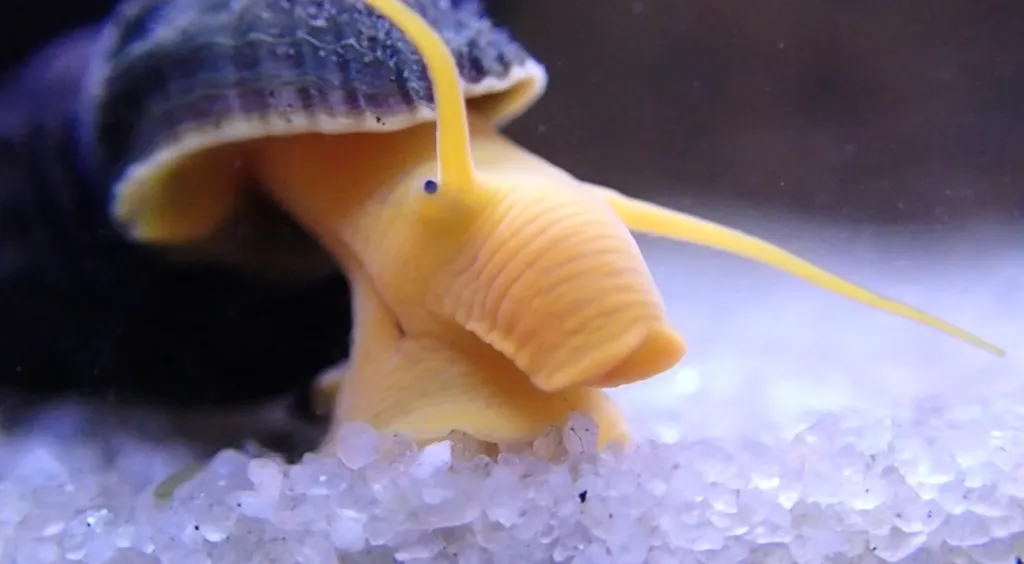
Gold rabbit snail
Tylomelania gemmifera
Freshwater2.8 in (7 cm) · 16 gal (60 L)75–82°F (24–28°C)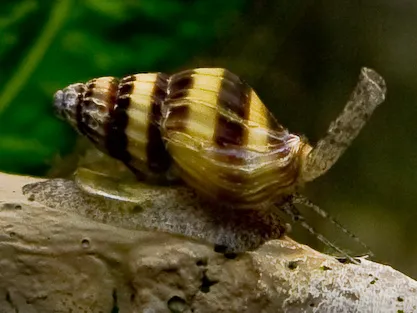
Assassin snail
Anentome helena
Freshwater1 in (2.5 cm) · 5 gal (20 L)72–81°F (22–27°C)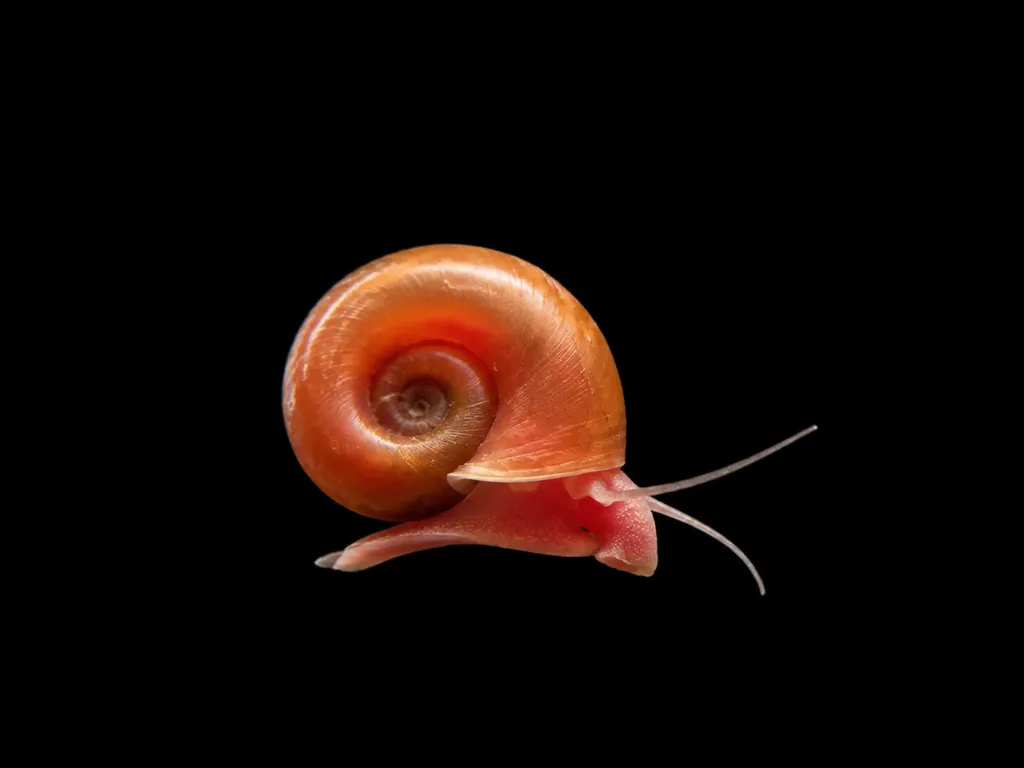
Red ramshorn snail
Indoplanorbis exustus
Freshwater0.8 in (2 cm) · 5 gal (20 L)68–86°F (20–30°C)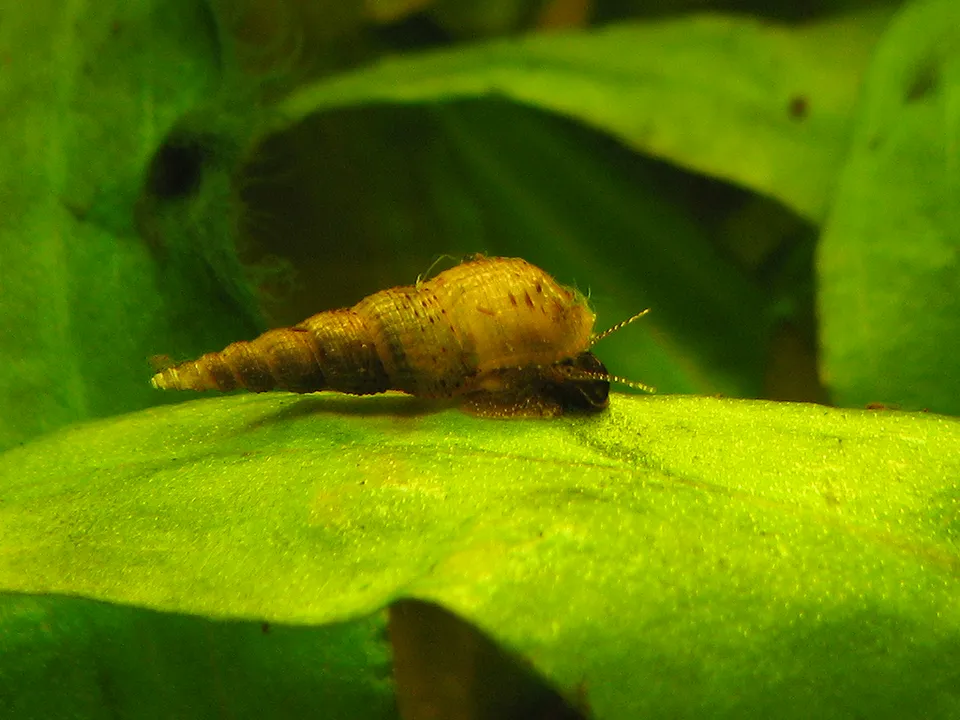
Malaysian trumpet snail
Melanoides tuberculata
Freshwater1.2 in (3 cm) · 5 gal (20 L)70–77°F (21–25°C)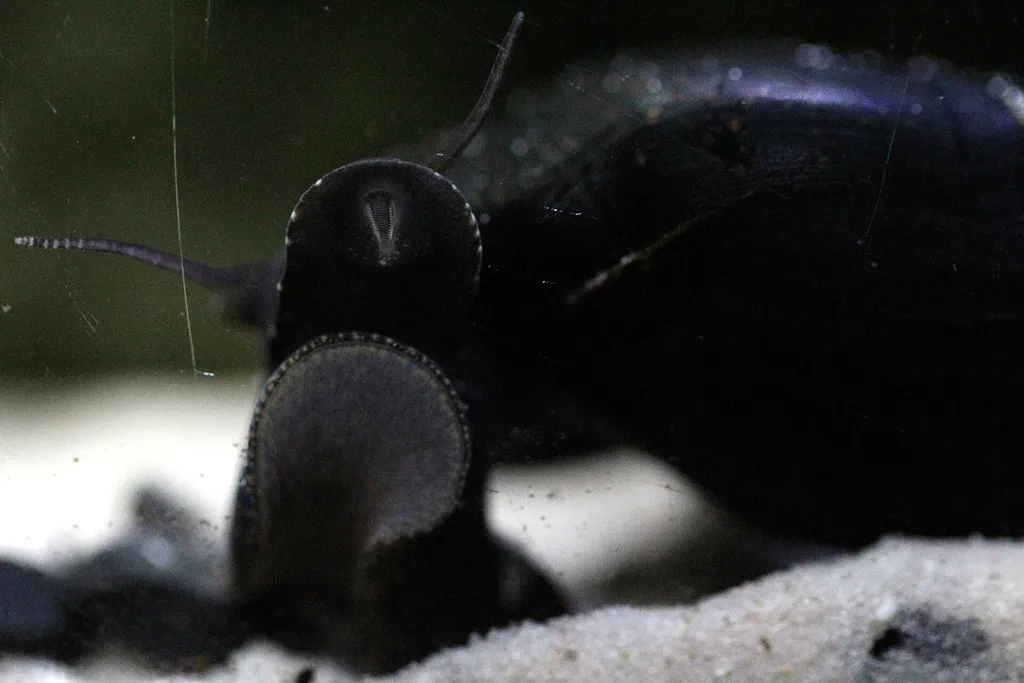
Black devil snail
Faunus ater
Freshwater3.9 in (10 cm) · 13 gal (50 L)72–86°F (22–30°C)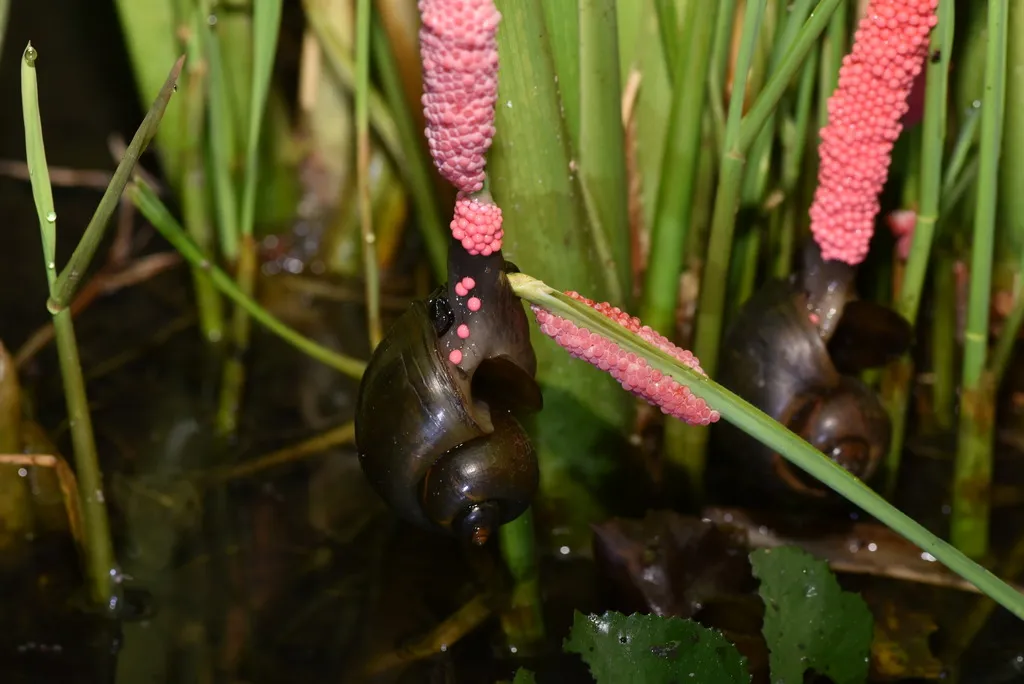
Apple snail
Pomacea canaliculata
Freshwater5.9 in (15 cm) · 21 gal (80 L)64–81°F (18–27°C)
Crabs
Crabs
The purple vampire crab is 1 inch (2.5 cm) for 10 gallons (38 liters), marked medium, and it lives mostly on land, so the tank is a paludarium with more shore than water. The red apple crab and the Thai dwarf rock crab want the same setup. The panther crab is the fully aquatic one, a Sulawesi crab at 4.3 inches (11 cm) for 22 gallons (85 liters) at 75–86°F (24–30°C), and it catches fish. The pom pom crab is fully aquatic and marked easy at 1.6 inches (4 cm) for 5 gallons (20 liters). The Matano crab is another Sulawesi native at 4.3 inches (11 cm) for hard, warm water.
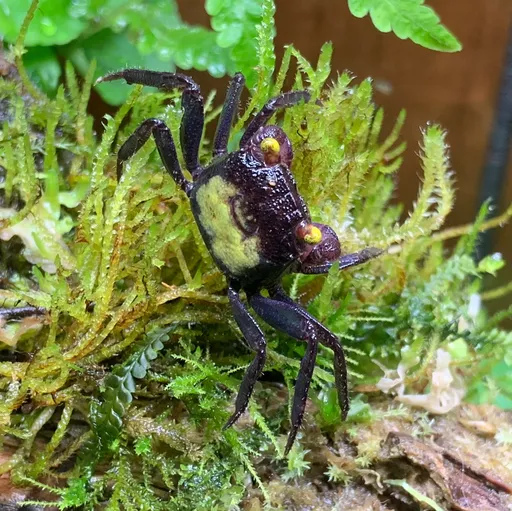
Purple vampire crab
Geosesarma dennerle
Freshwater1 in (2.5 cm) · 10 gal (38 L)75–82°F (24–28°C)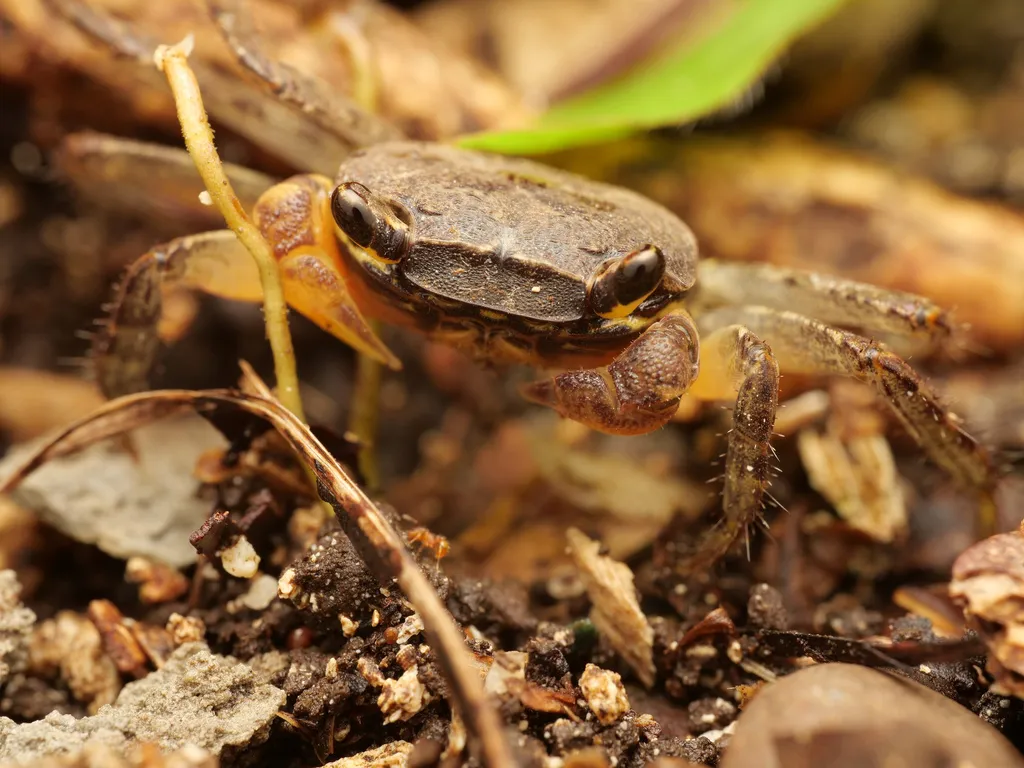
Red apple crab
Metasesarma aubryi
Freshwater1.6 in (4 cm) · 11 gal (40 L)75–82°F (24–28°C)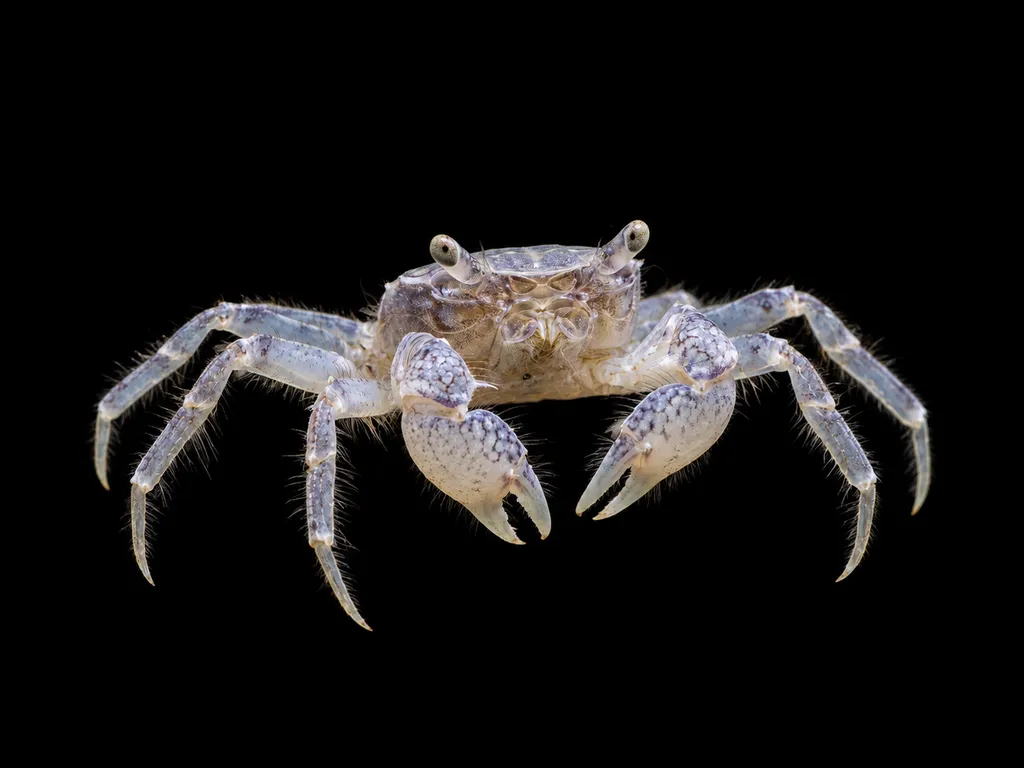
Thai dwarf rock crab
Siamthelphusa sp.
Freshwater1.2 in (3 cm) · 11 gal (40 L)72–82°F (22–28°C)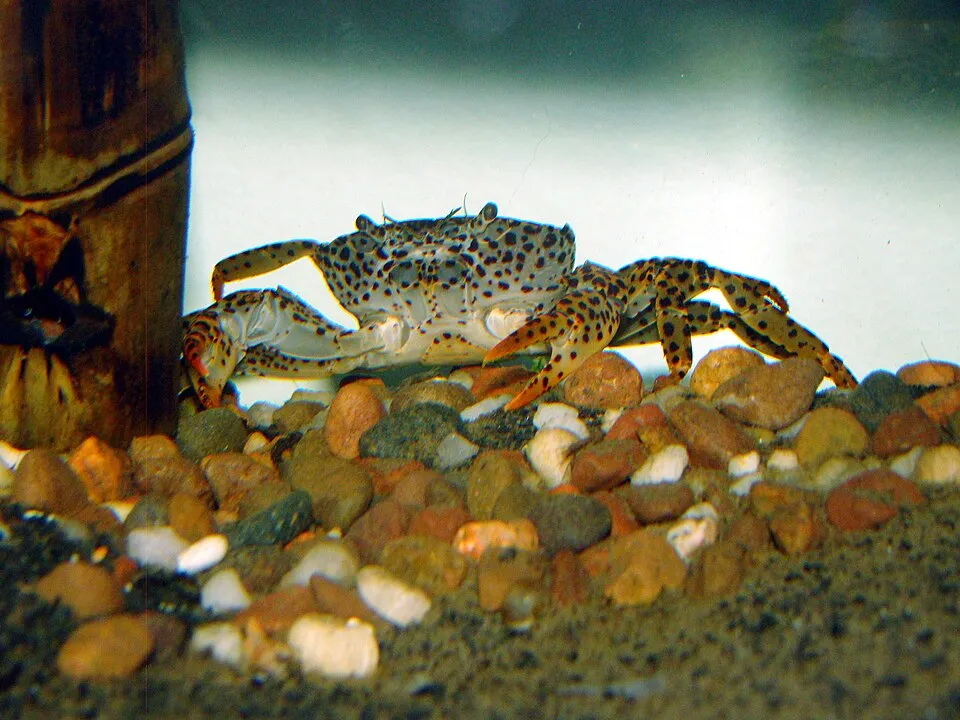
Panther crab
Parathelphusa pantherina
Freshwater4.3 in (11 cm) · 22 gal (85 L)75–86°F (24–30°C)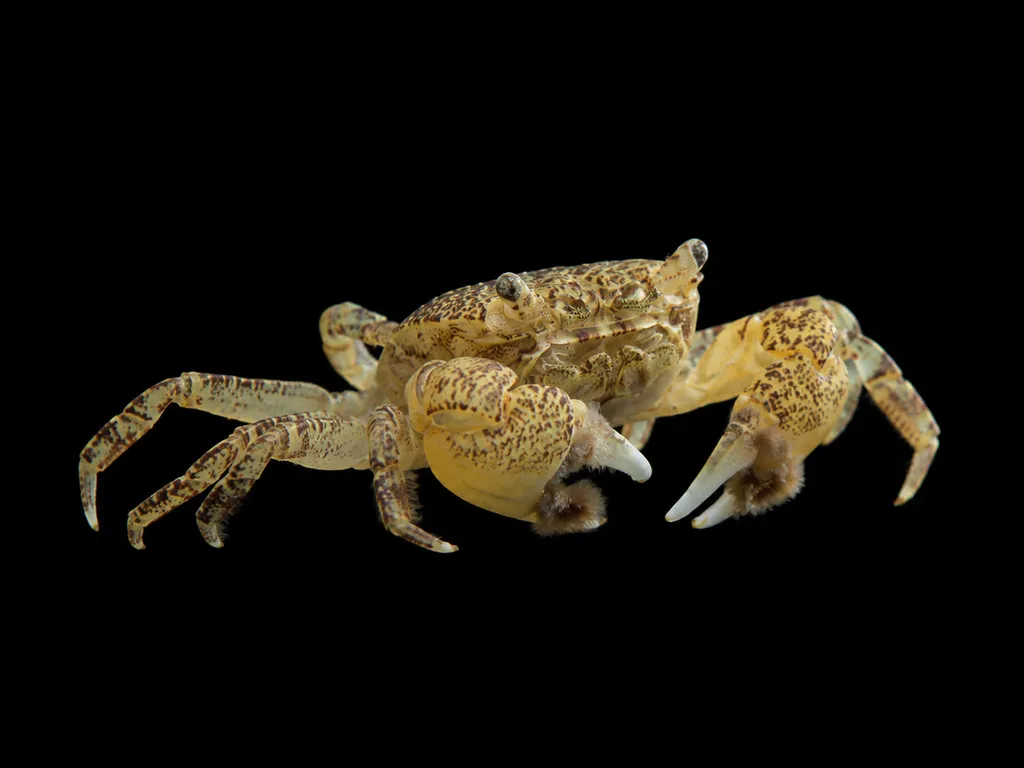
Pom pom crab
Ptychognathus barbatus
Freshwater1.6 in (4 cm) · 5 gal (20 L)72–82°F (22–28°C)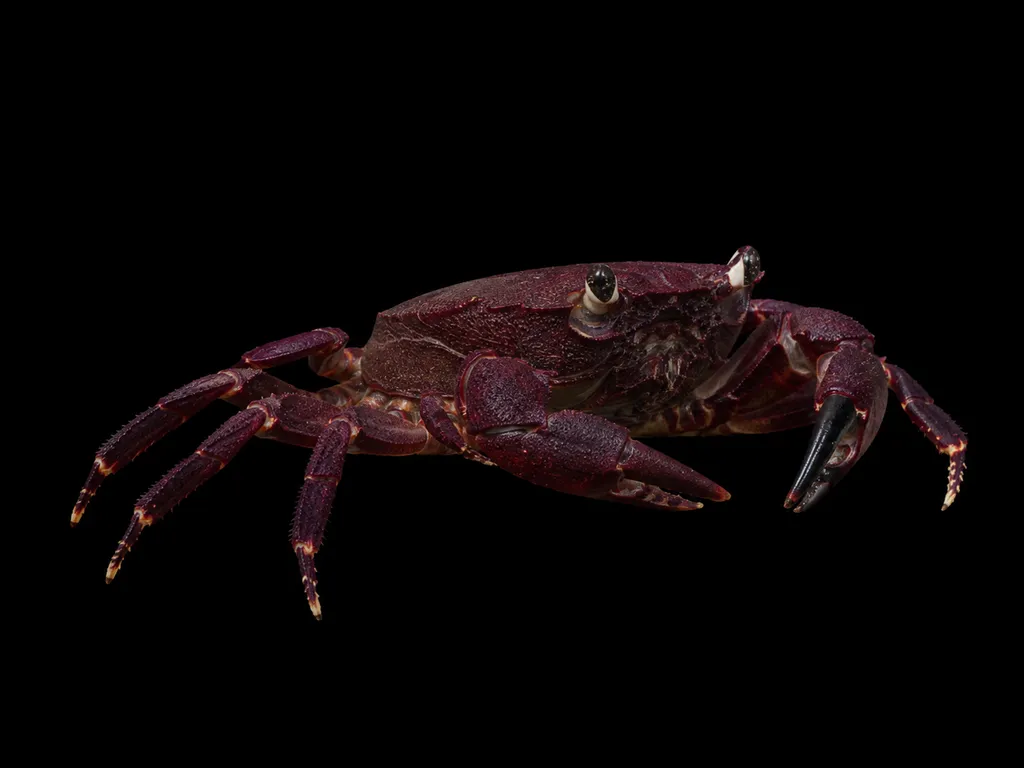
Matano crab
Syntripsa matannensis
Freshwater4.3 in (11 cm) · 22 gal (85 L)75–86°F (24–30°C)
Crayfish and clams
Crayfish and the one freshwater clam
The electric blue crayfish is marked easy and aggressive at 4.7 inches (12 cm) for 20 gallons (75 liters), and it eats plants and any fish it can catch asleep. The Louisiana crayfish is 5.9 inches (15 cm) with the same temper. The marbled crayfish is 3.9 inches (10 cm), marked easy, and clones itself: every one is female and a single crayfish becomes a colony. The Cajun dwarf crayfish is 1.6 inches (4 cm) for 5 gallons (20 liters), marked easy and mostly peaceful. The blue pearl crayfish is a 5.9 inch (15 cm) crayfish marked mostly peaceful for 64–79°F (18–26°C). The Asian gold clam is 2 inches (5 cm), marked difficult, a filter feeder that buries itself and dies unseen.
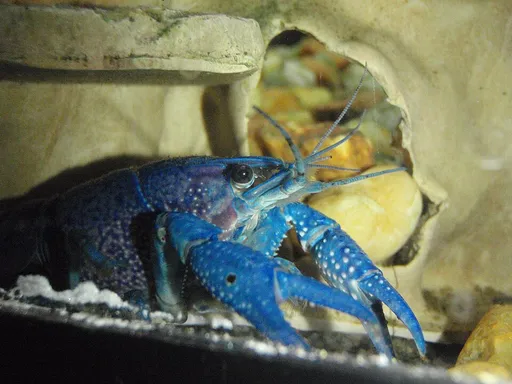
Electric blue crayfish
Procambarus alleni
Freshwater4.7 in (12 cm) · 20 gal (75 L)68–81°F (20–27°C)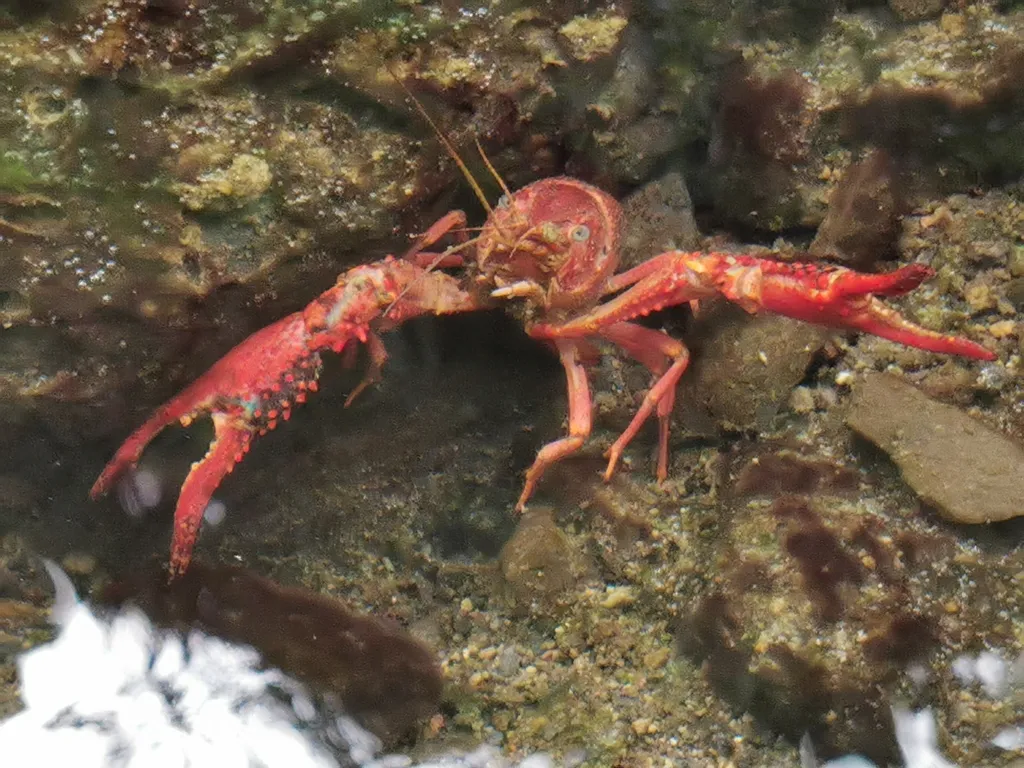
Louisiana crayfish
Procambarus clarkii
Freshwater5.9 in (15 cm) · 20 gal (75 L)59–82°F (15–28°C)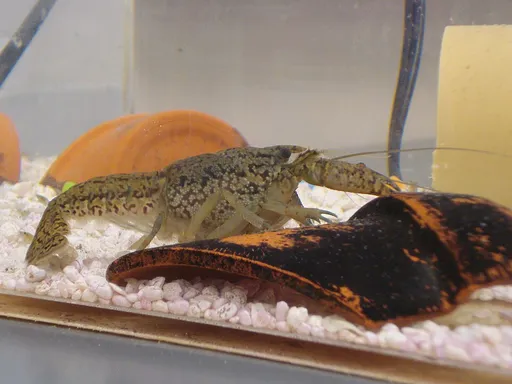
Marbled crayfish
Procambarus virginalis
Freshwater3.9 in (10 cm) · 20 gal (75 L)64–77°F (18–25°C)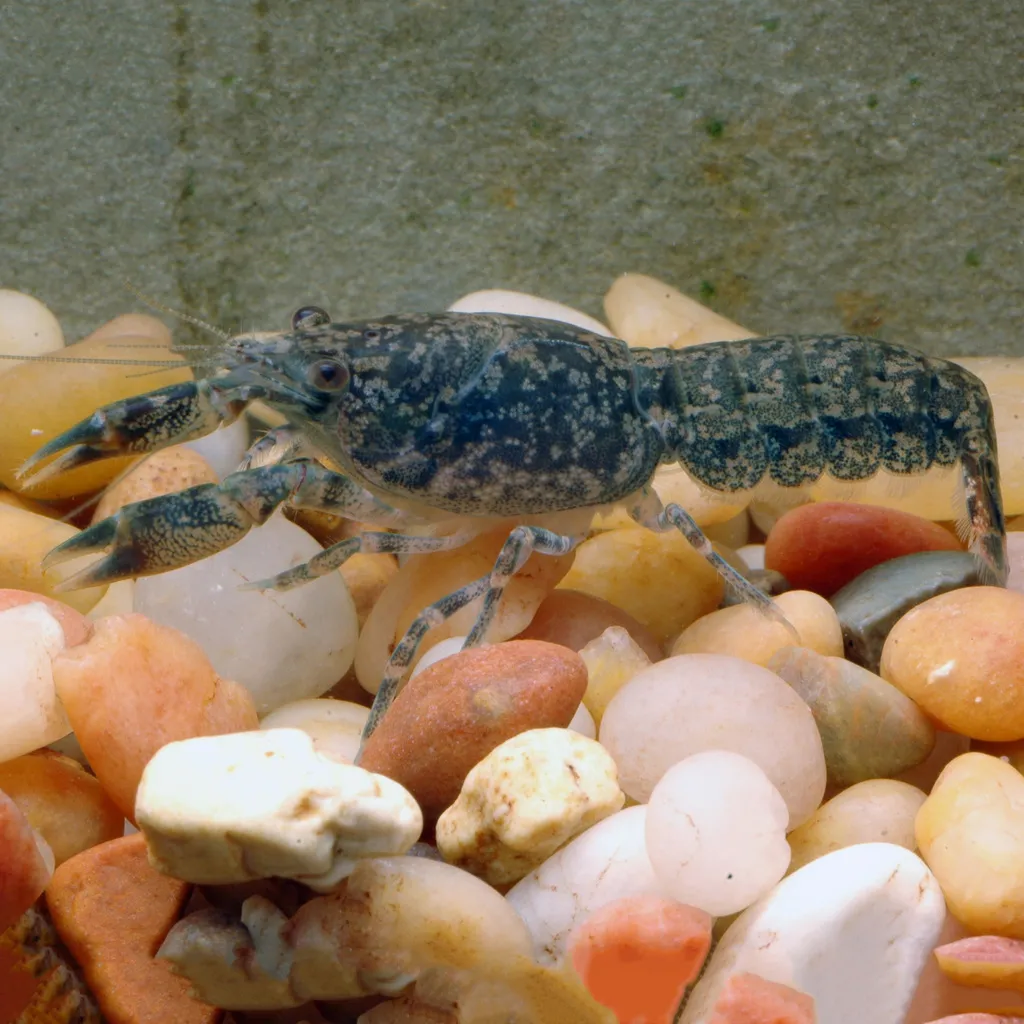
Cajun dwarf crayfish
Cambarellus shufeldtii
Freshwater1.6 in (4 cm) · 5 gal (20 L)64–79°F (18–26°C)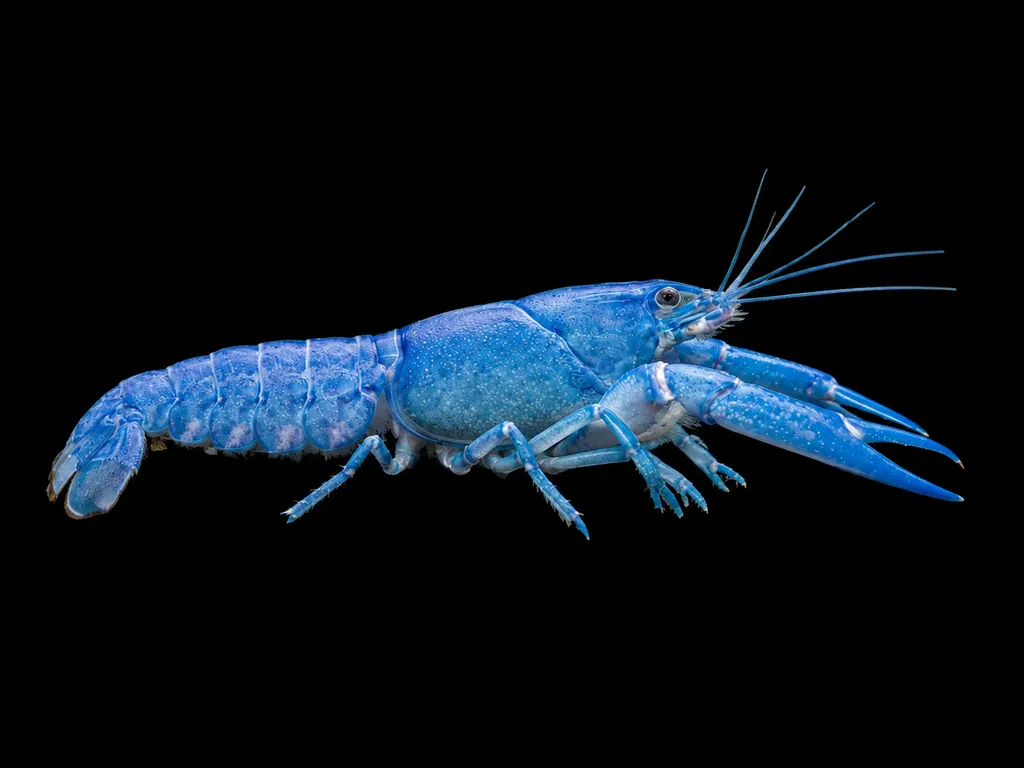
Blue pearl crayfish
Cherax albidus
Freshwater5.9 in (15 cm) · 20 gal (75 L)64–79°F (18–26°C)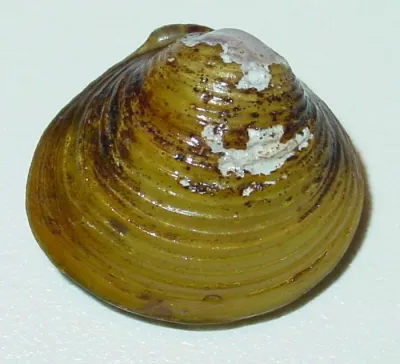
Asian gold clam
Corbicula fluminea
Freshwater2 in (5 cm) · 29 gal (110 L)64–84°F (18–29°C)
By the numbers
Smallest
Largest
Easiest to keep
Most peaceful
Fits a 30 gallon tank
FAQ
Common questions
Which freshwater invertebrates are easiest?
The Neocaridina shrimp, the Amano shrimp and the nerite snails are marked beginner. The mystery snail, the assassin snail and the dwarf crayfish are marked easy.
Can shrimp and crayfish live together?
With the dwarf crayfish, mostly, though a slow shrimp gets grabbed now and then. The electric blue, Louisiana and marbled crayfish eat shrimp and get a tank of their own.
Do vampire crabs live underwater?
No. They spend most of their time on land and need a paludarium with a shore, damp moss and a shallow pool. Kept in a full tank they drown.
Do freshwater crabs and crayfish escape?
Yes. They climb the airline, the filter tubing and the corner of the glass. A tight lid with every gap covered is part of the setup.
Do freshwater invertebrates need a heater?
Most list 72–82°F (22–28°C). The Neocaridina shrimp takes 59–84°F (15–29°C), the Sulawesi shrimp and crabs want 79–88°F (26–31°C), and the dwarf crayfish and tiger shrimp run cooler.
Can invertebrates live with fish?
With small, peaceful fish, yes. Anything with a mouth that fits a shrimp eats one, and a crayfish catches any fish that sleeps on the bottom.
Index
All freshwater inverts
Amano shrimp
Caridina multidentata
FreshwaterBrackish2 in (5 cm) · 8 gal (30 L)59–81°F (15–27°C)Apple snail
Pomacea canaliculata
Freshwater5.9 in (15 cm) · 21 gal (80 L)64–81°F (18–27°C)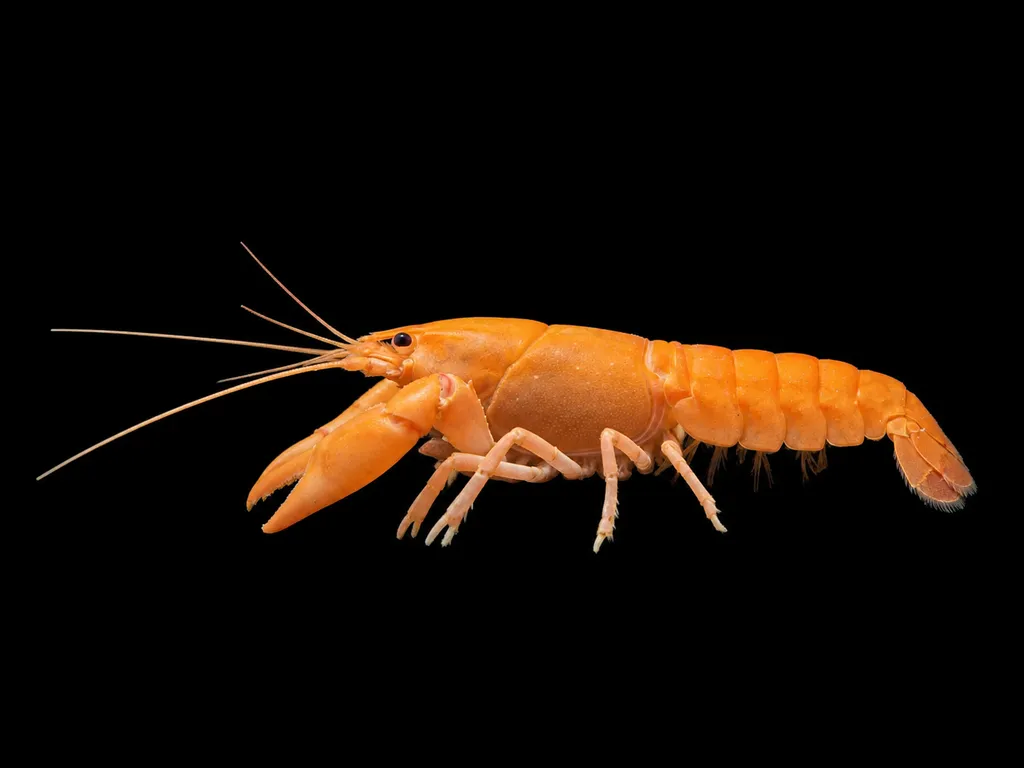
Apricot crayfish
Cherax holthuisi
Freshwater4.7 in (12 cm) · 20 gal (75 L)72–82°F (22–28°C)Asian gold clam
Corbicula fluminea
Freshwater2 in (5 cm) · 29 gal (110 L)64–84°F (18–29°C)Assassin snail
Anentome helena
Freshwater1 in (2.5 cm) · 5 gal (20 L)72–81°F (22–27°C)Bamboo shrimp
Atyopsis moluccensis
Freshwater3.9 in (10 cm) · 13 gal (50 L)72–84°F (22–29°C)Batik crab
Metasesarma obesum
FreshwaterBrackish1 in (2.5 cm) · 11 gal (40 L)72–82°F (22–28°C)Bee shrimp
Caridina logemanni
Freshwater1.2 in (3 cm) · 5 gal (20 L)64–75°F (18–24°C)5 varietiesBlack devil snail
Faunus ater
Freshwater3.9 in (10 cm) · 13 gal (50 L)72–86°F (22–30°C)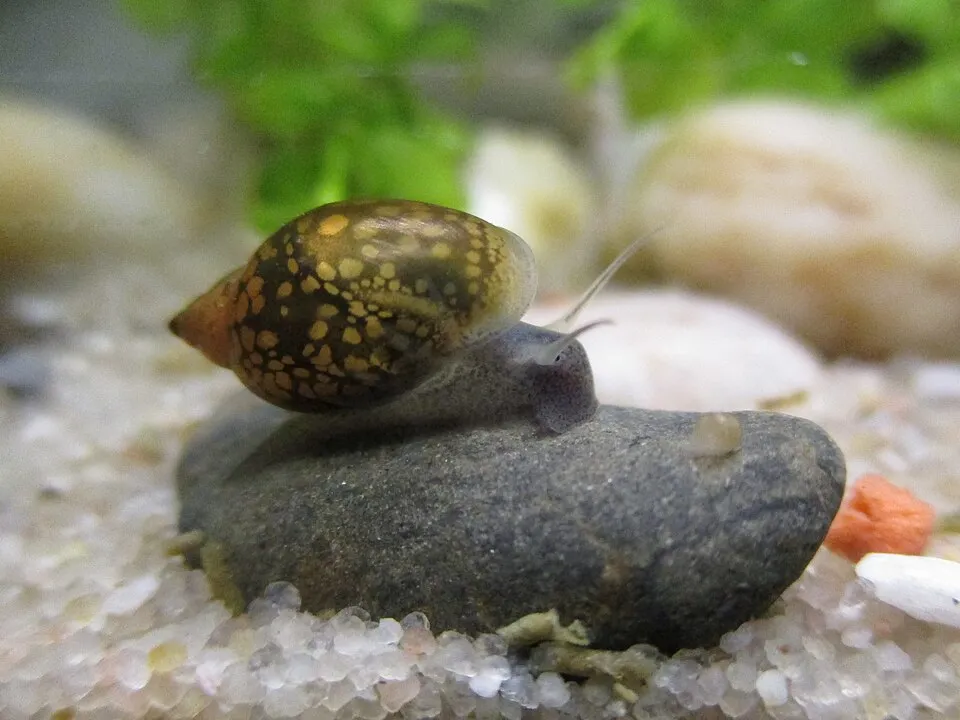
Bladder snail
Physella acuta
Freshwater0.6 in (1.5 cm) · 5 gal (20 L)57–86°F (14–30°C)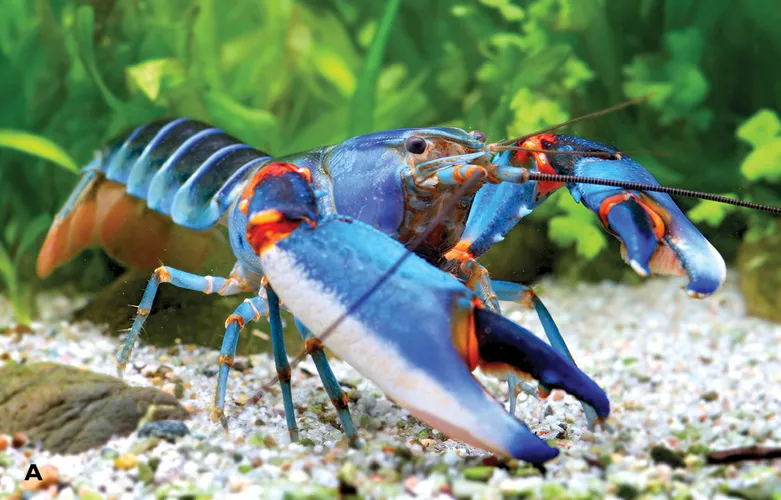
Blue Kong zebra crayfish
Cherax alyciae
Freshwater4.7 in (12 cm) · 20 gal (75 L)72–82°F (22–28°C)Blue pearl crayfish
Cherax albidus
Freshwater5.9 in (15 cm) · 20 gal (75 L)64–79°F (18–26°C)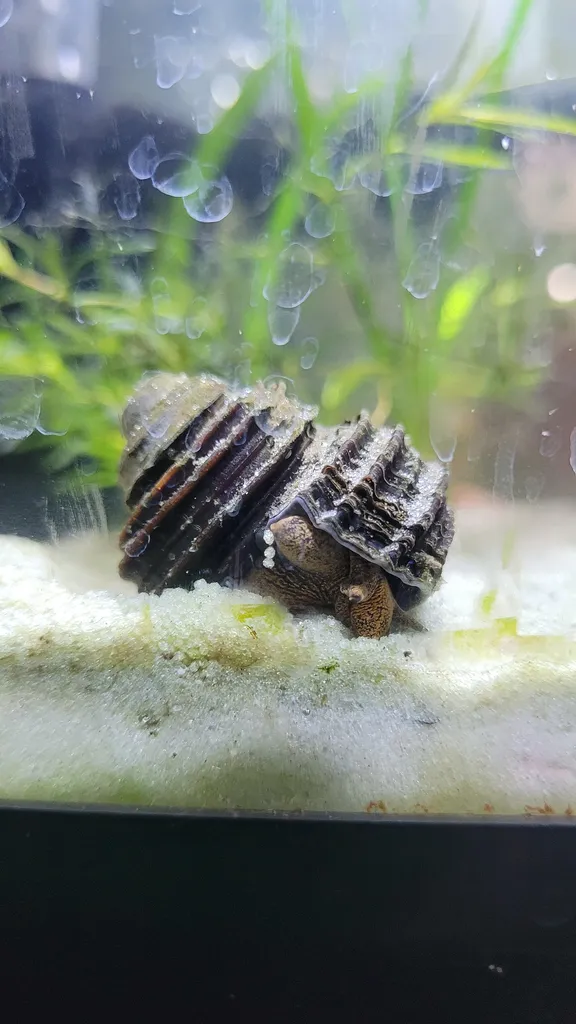
Blue turbo snail
Celetaia persculpta
Freshwater2.8 in (7 cm) · 11 gal (40 L)79–86°F (26–30°C)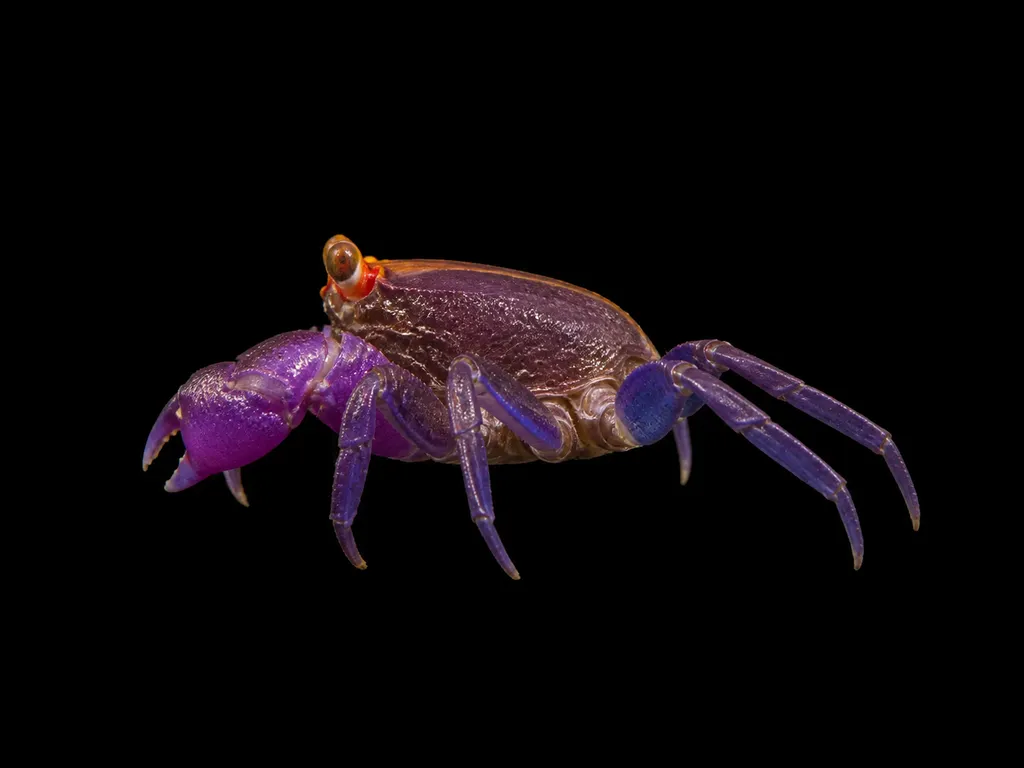
Blue-leg vampire crab
Geosesarma bicolor
Freshwater2 in (5 cm) · 10 gal (38 L)75–82°F (24–28°C)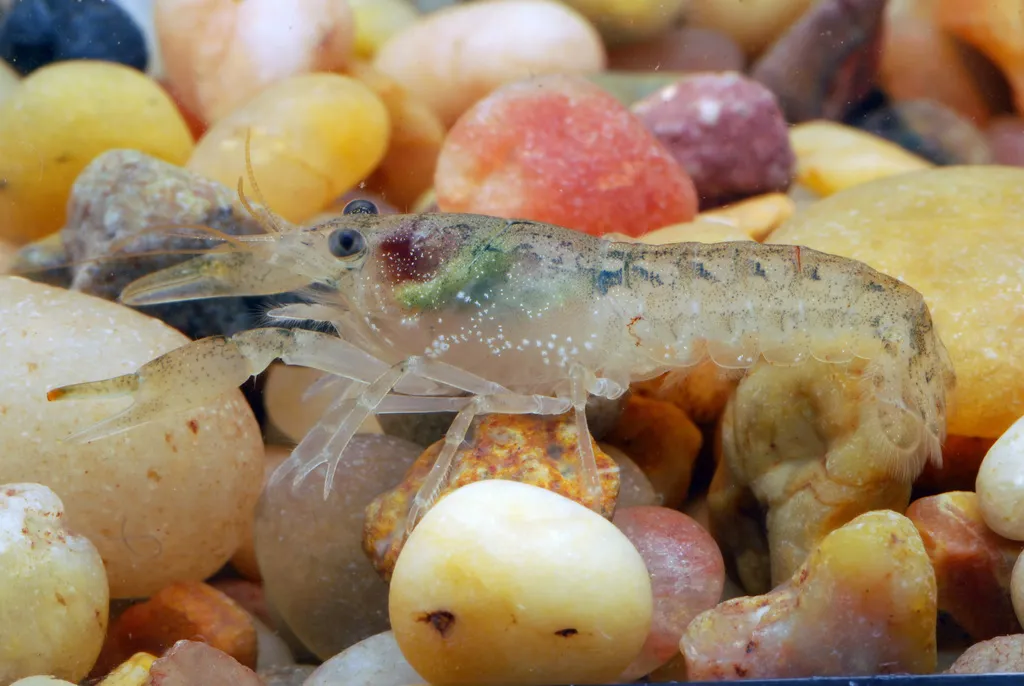
Brazos dwarf crayfish
Cambarellus texanus
Freshwater1.4 in (3.5 cm) · 5 gal (20 L)64–79°F (18–26°C)Cajun dwarf crayfish
Cambarellus shufeldtii
Freshwater1.6 in (4 cm) · 5 gal (20 L)64–79°F (18–26°C)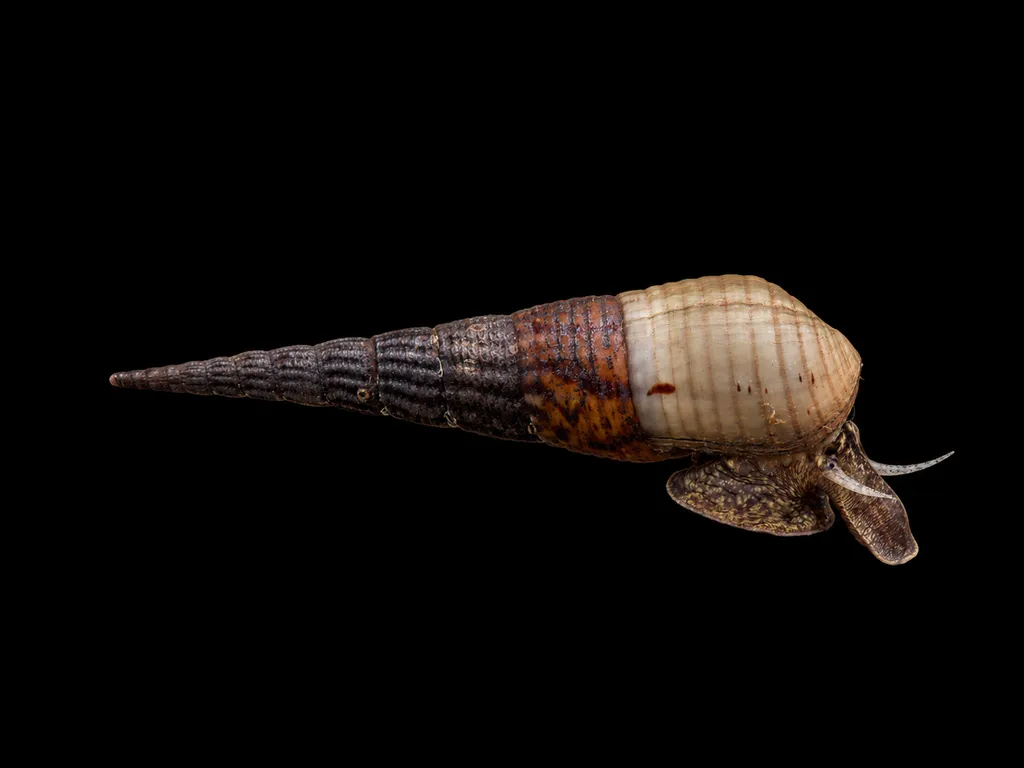
Chopstick snail
Stenomelania torulosa
Freshwater2 in (5 cm) · 11 gal (40 L)73–82°F (23–28°C)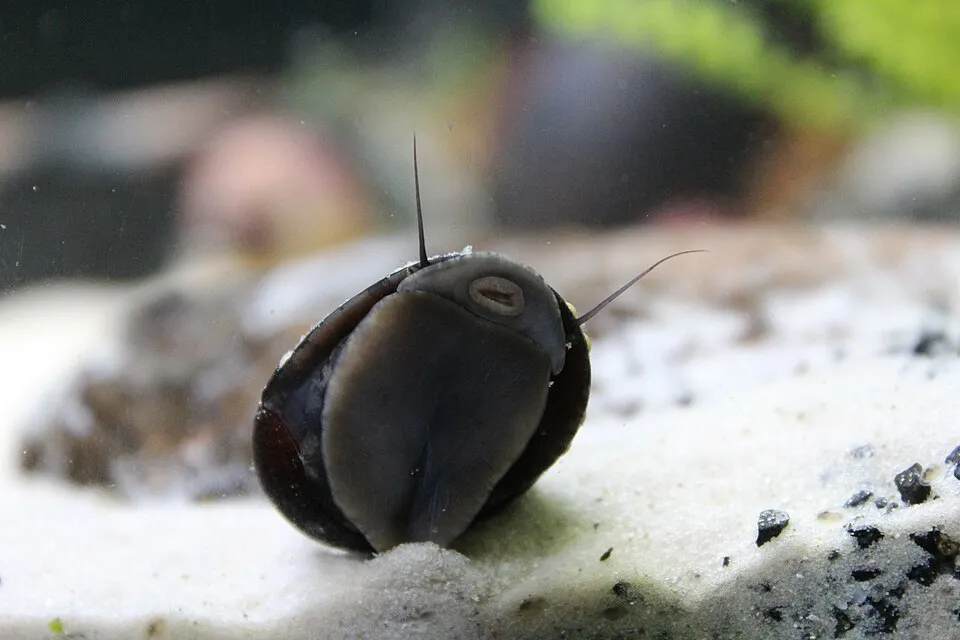
Dusky nerite snail
Neritina pulligera
FreshwaterBrackish1.6 in (4 cm) · 5 gal (20 L)72–82°F (22–28°C)Electric blue crayfish
Procambarus alleni
Freshwater4.7 in (12 cm) · 20 gal (75 L)68–81°F (20–27°C)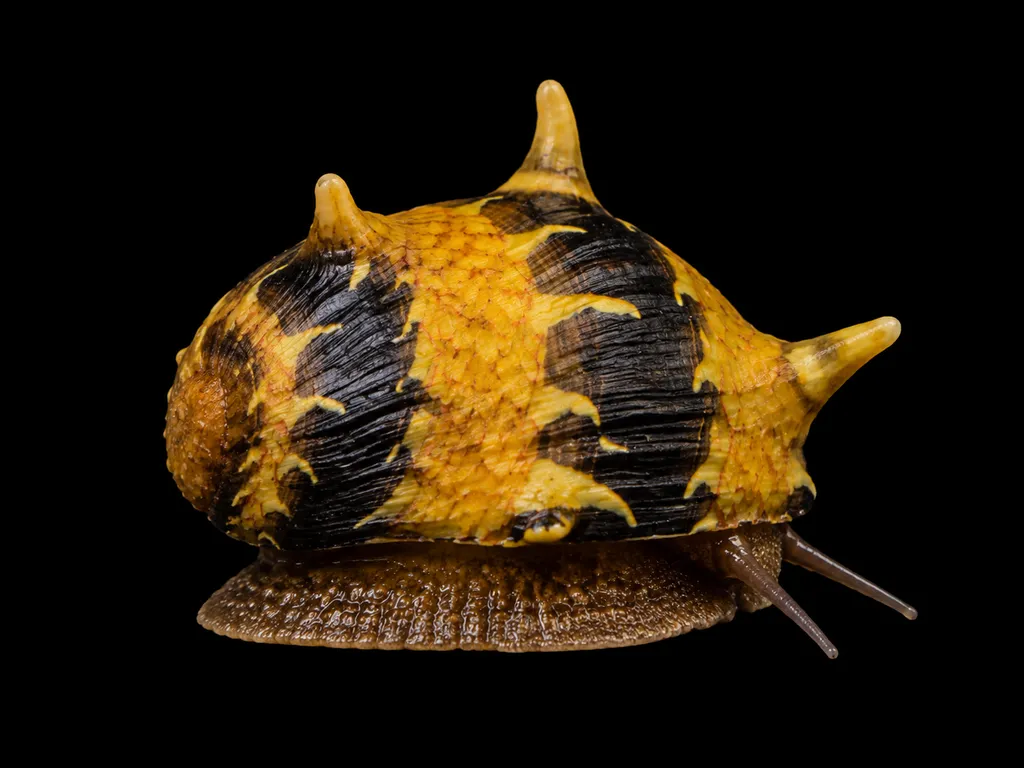
Fancy antler snail
Clithon sowerianum
FreshwaterBrackish0.8 in (2 cm) · 5 gal (19 L)72–82°F (22–28°C)Ghost shrimp
Palaemon paludosus
Freshwater1.6 in (4 cm) · 5 gal (20 L)64–84°F (18–29°C)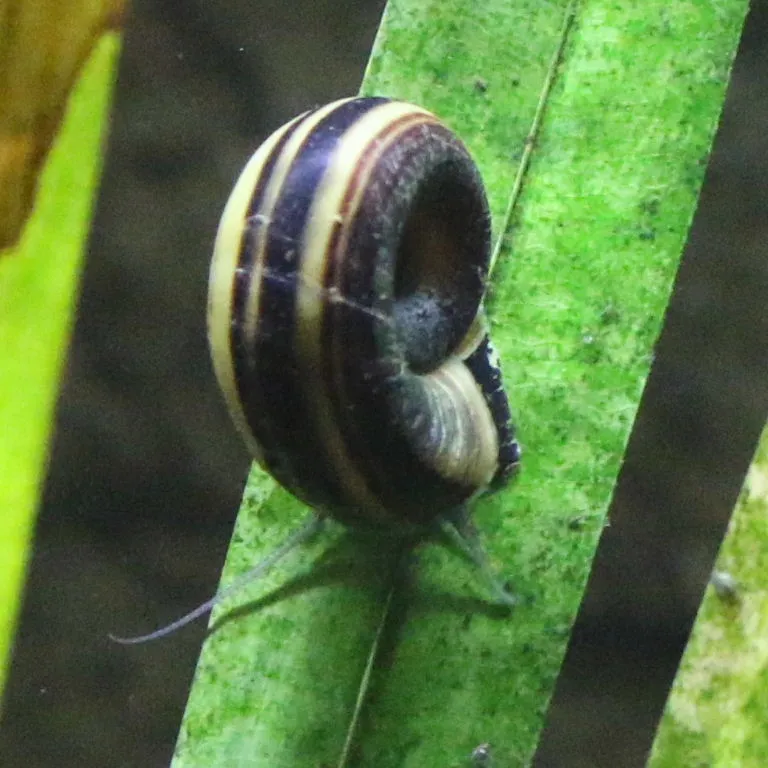
Giant Colombian ramshorn
Marisa cornuarietis
Freshwater2 in (5 cm) · 5 gal (20 L)73–81°F (23–27°C)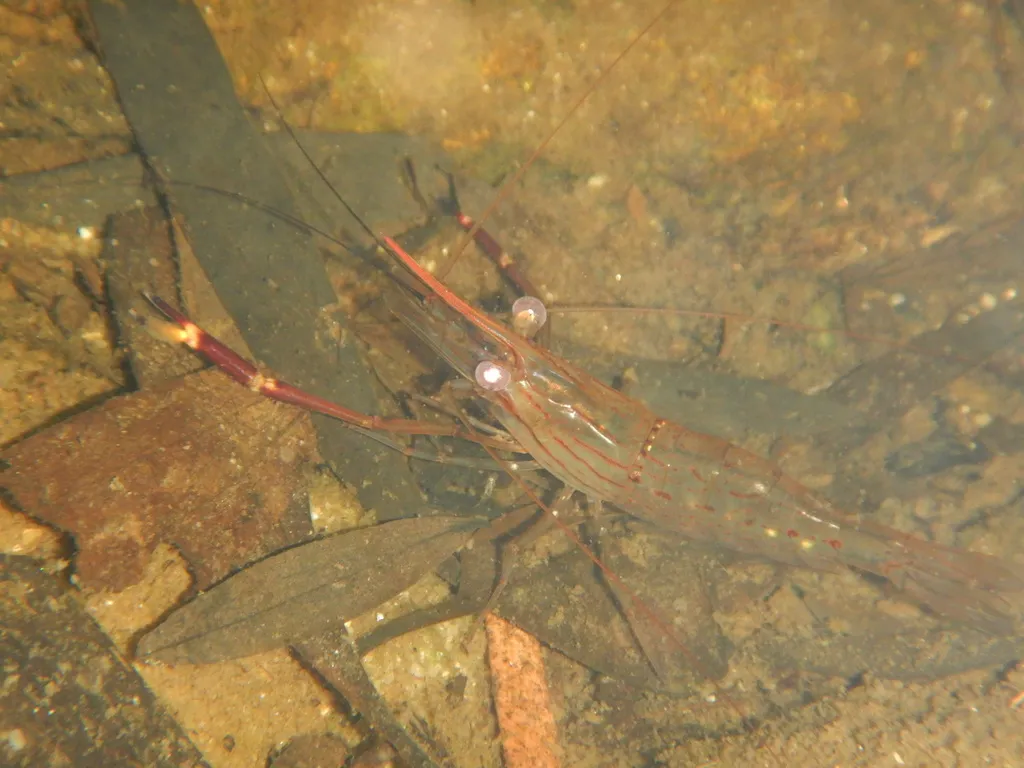
Giant freshwater prawn
Macrobrachium spinipes
FreshwaterBrackish12.6 in (32 cm) · 53 gal (200 L)75–86°F (24–30°C)Gold rabbit snail
Tylomelania gemmifera
Freshwater2.8 in (7 cm) · 16 gal (60 L)75–82°F (24–28°C)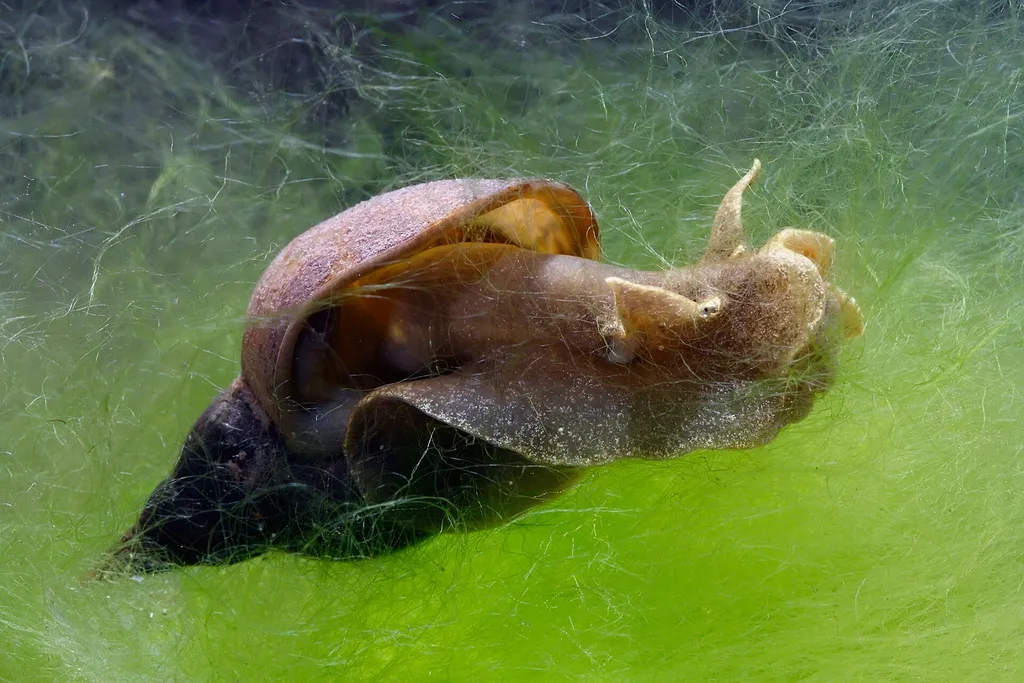
Great pond snail
Lymnaea stagnalis
Freshwater2.4 in (6 cm) · 5 gal (20 L)64–75°F (18–24°C)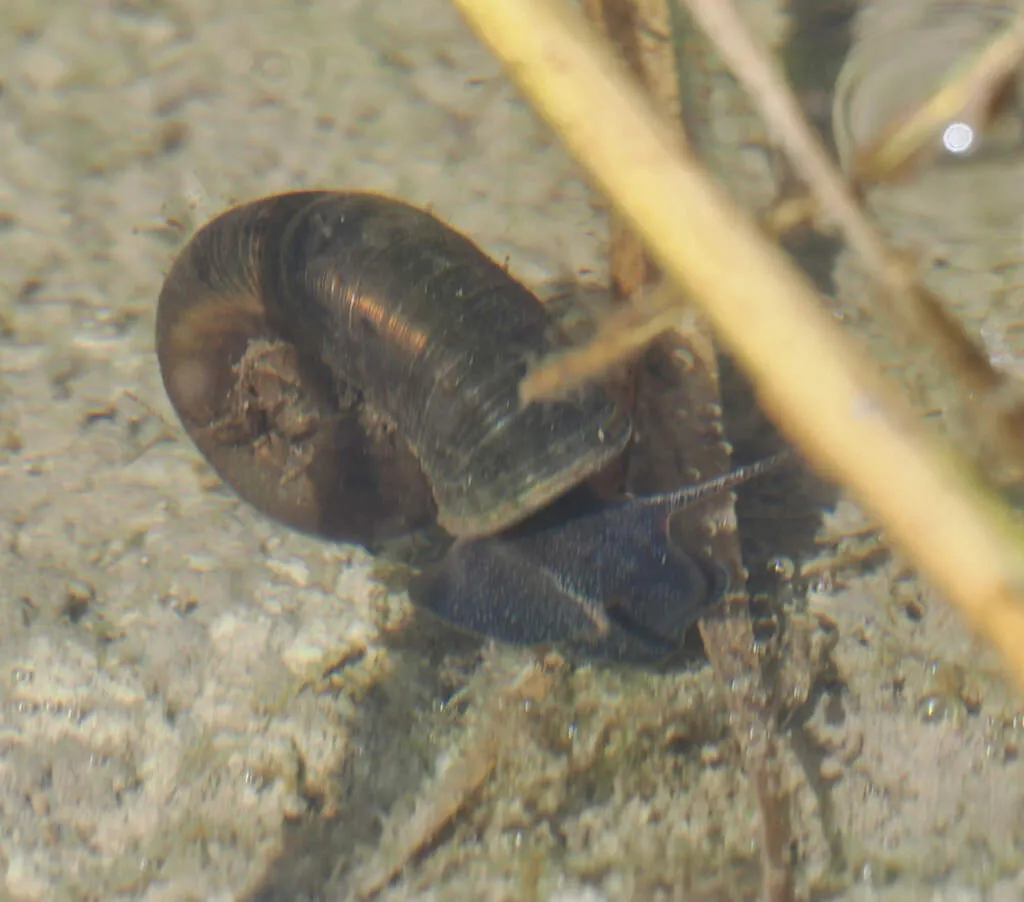
Great ramshorn
Planorbarius corneus
Freshwater1.6 in (4 cm) · 5 gal (20 L)64–77°F (18–25°C)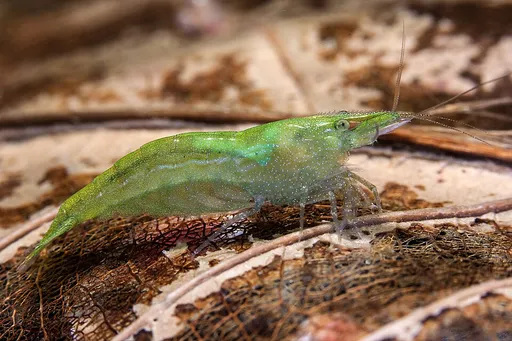
Green babaulti shrimp
Caridina babaulti
Freshwater1.2 in (3 cm) · 10 gal (38 L)72–82°F (22–28°C)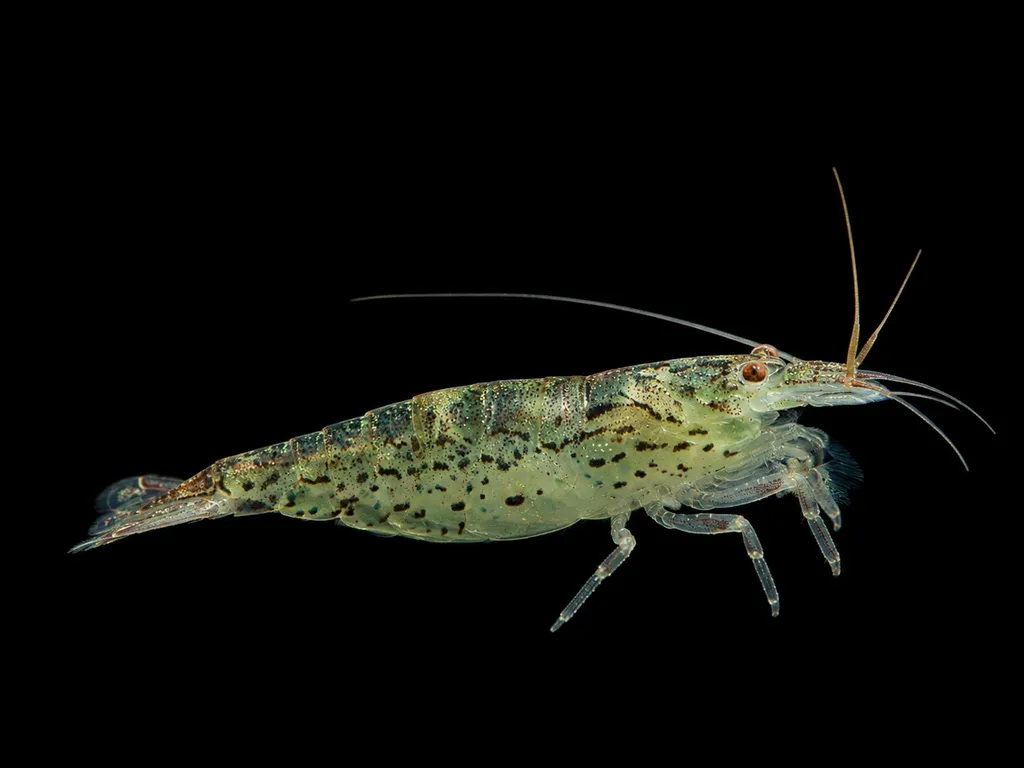
Green lace shrimp
Atyoida pilipes
Freshwater2.8 in (7 cm) · 14 gal (54 L)73–82°F (23–28°C)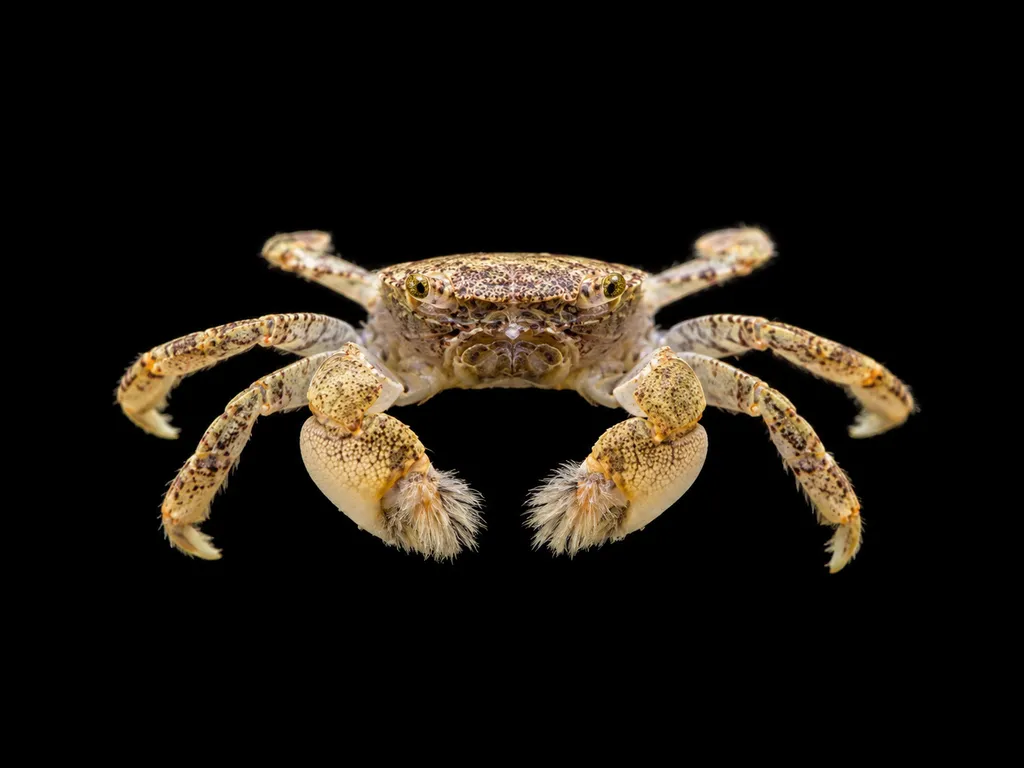
Hairy claw boxer crab
Ptychognathus insolitus
FreshwaterBrackish0.4 in (1 cm) · 5 gal (20 L)72–82°F (22–28°C)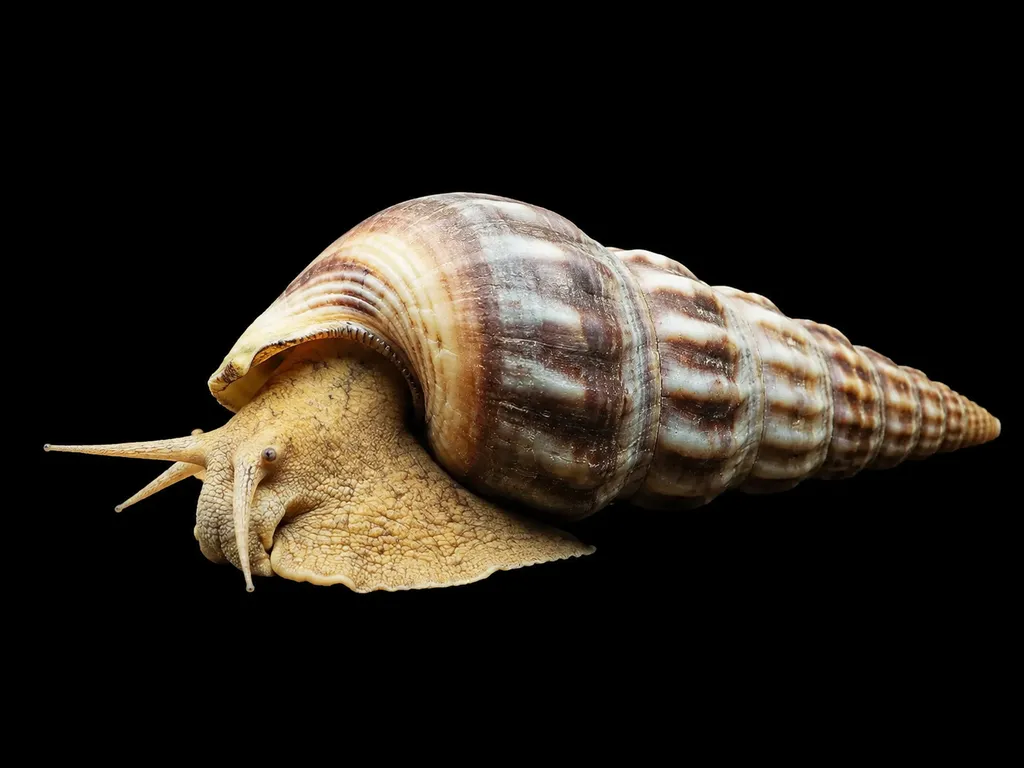
Hercules snail
Brotia herculea
Freshwater3.1 in (8 cm) · 11 gal (40 L)73–82°F (23–28°C)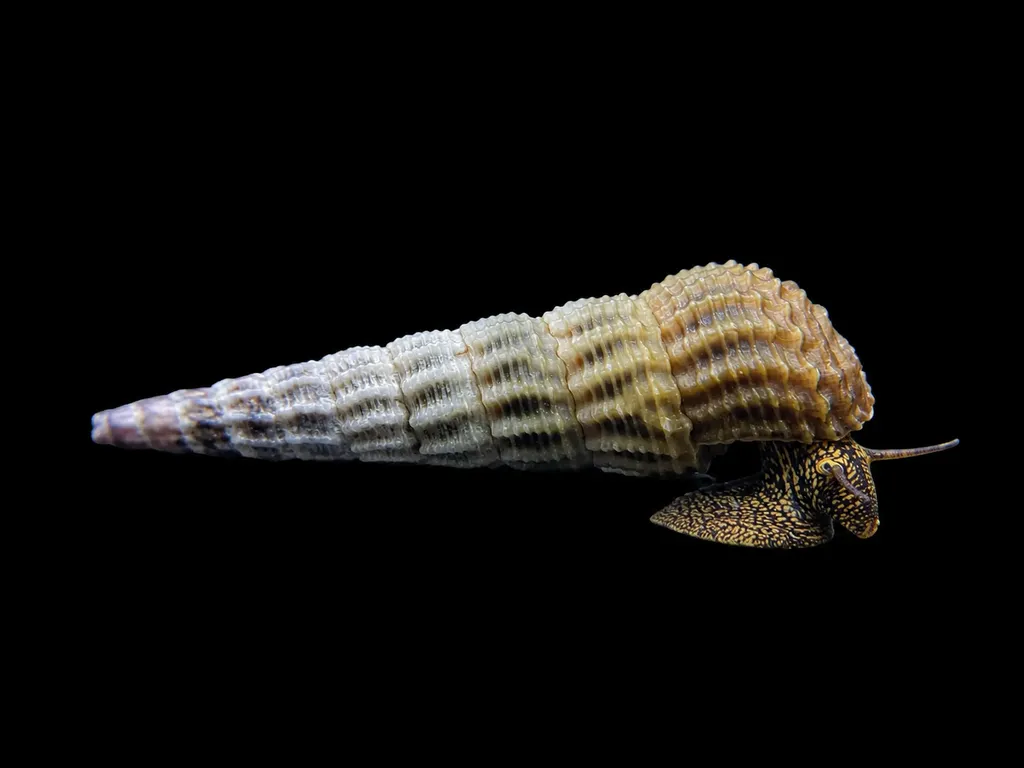
Himalayan rabbit snail
Tylomelania marwotoae
Freshwater2 in (5 cm) · 11 gal (40 L)77–86°F (25–30°C)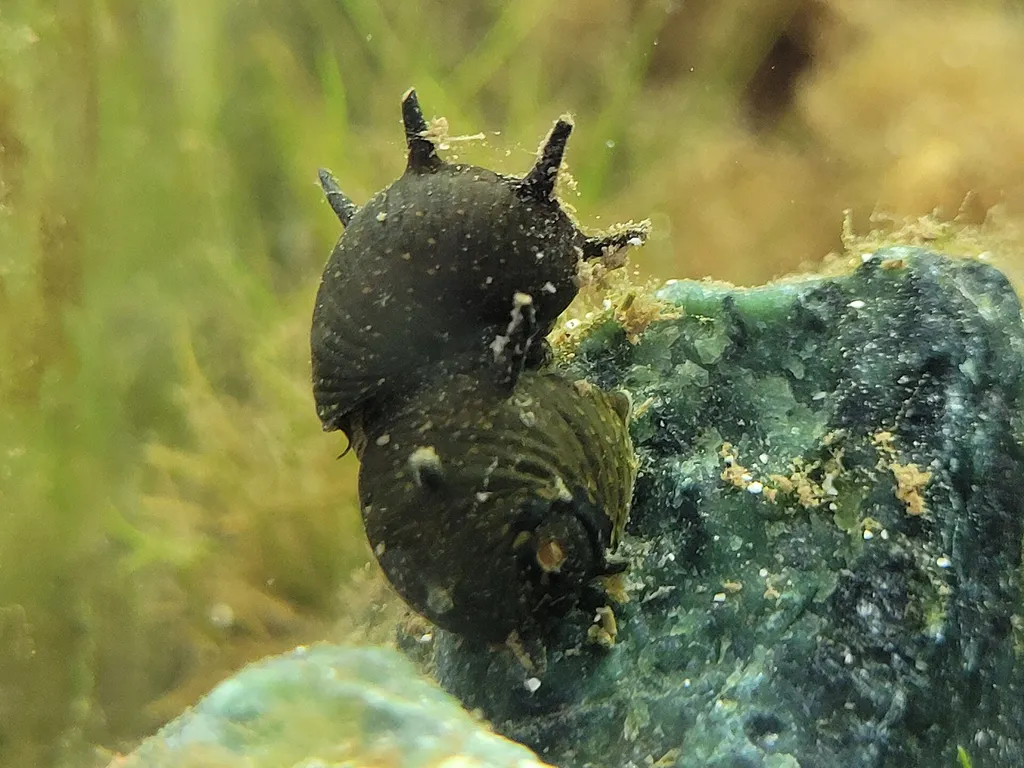
Horned nerite
Clithon corona
FreshwaterBrackish0.6 in (1.5 cm) · 5 gal (19 L)72–79°F (22–26°C)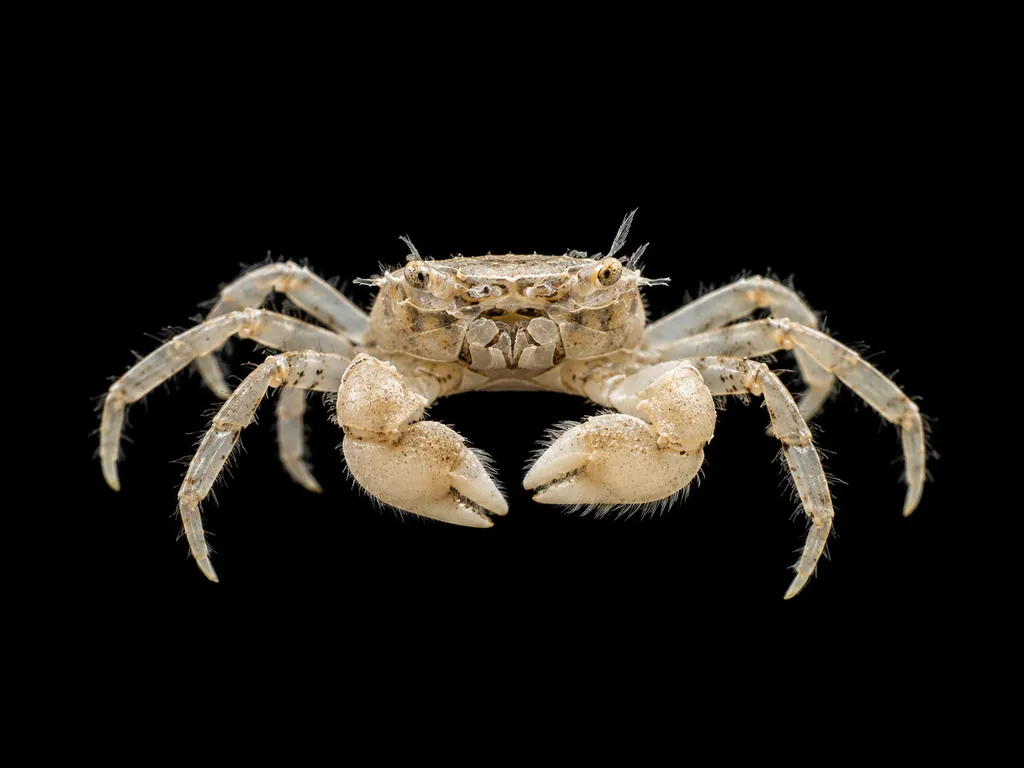
Indo micro crab
Neorhynchoplax prima
Freshwater0.4 in (1 cm) · 5 gal (20 L)72–82°F (22–28°C)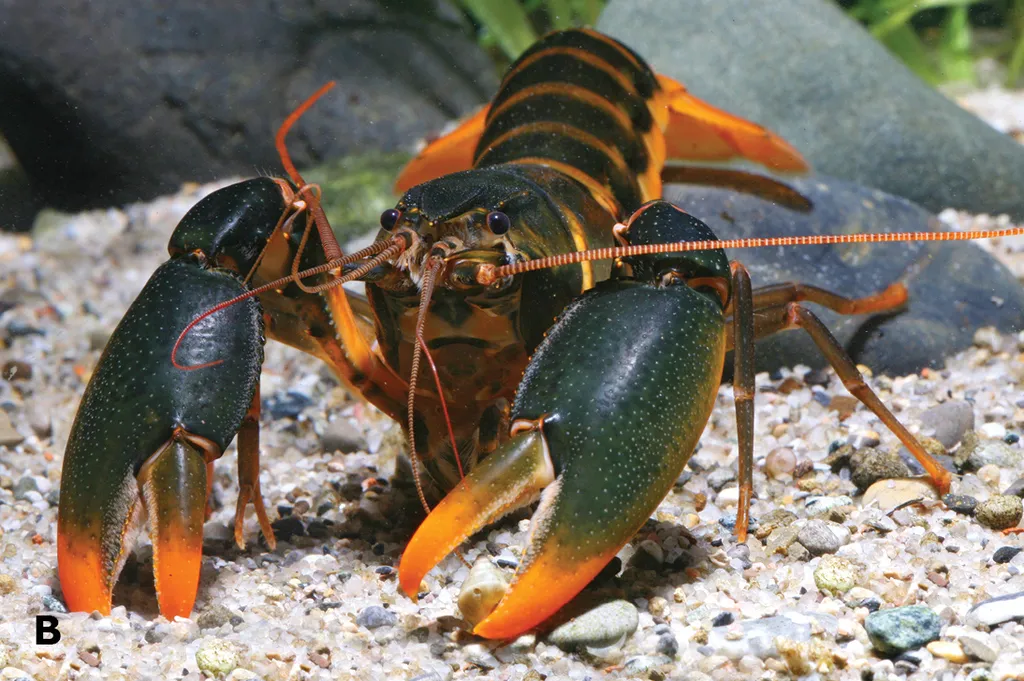
Irianto red crayfish
Cherax snowden
Freshwater4.7 in (12 cm) · 20 gal (75 L)72–82°F (22–28°C)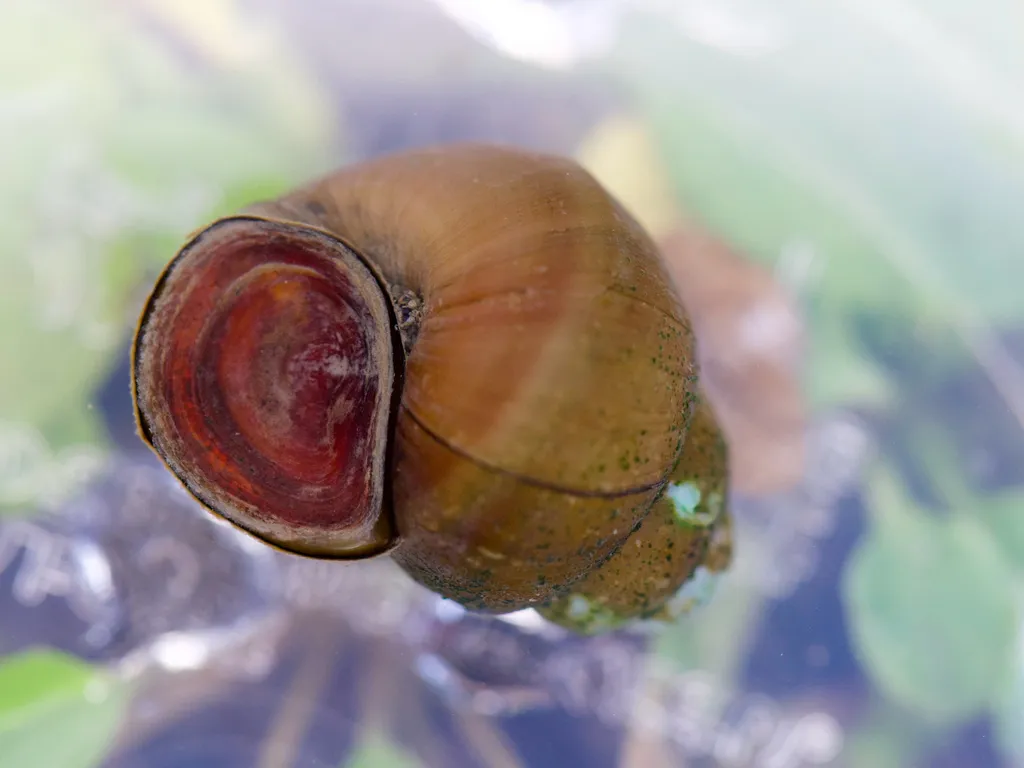
Japanese trapdoor snail
Cipangopaludina malleata
Freshwater2 in (5 cm) · 8 gal (30 L)64–77°F (18–25°C)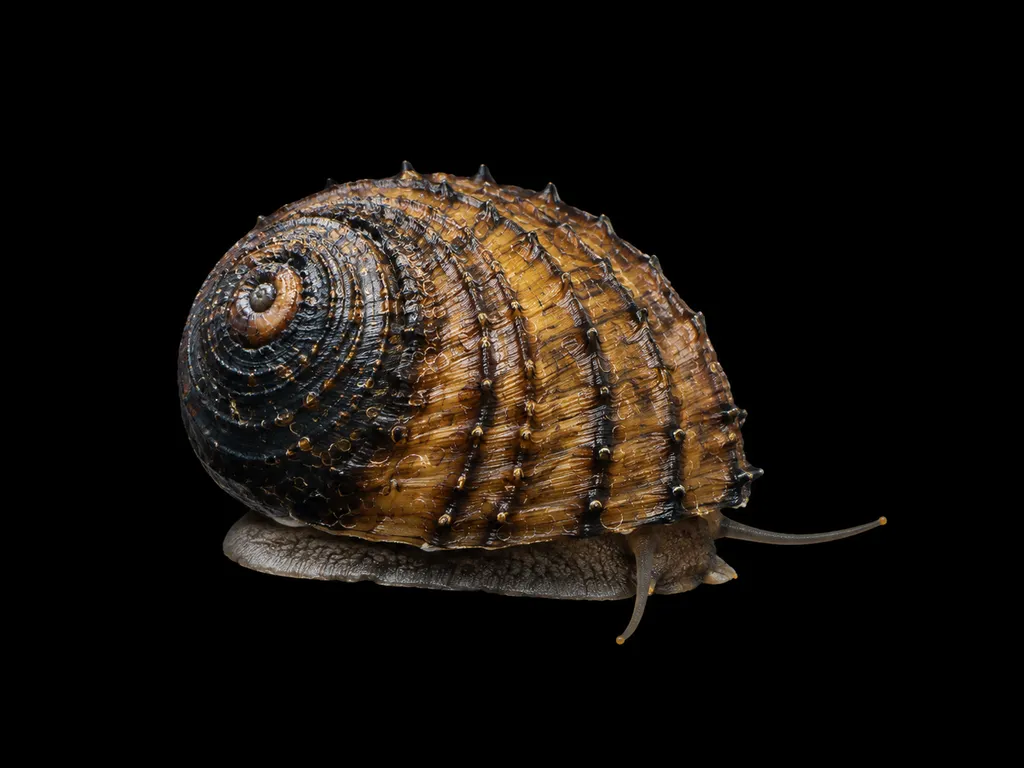
King Koopa nerite
Neritina juttingae
FreshwaterBrackish1 in (2.5 cm) · 5 gal (20 L)72–82°F (22–28°C)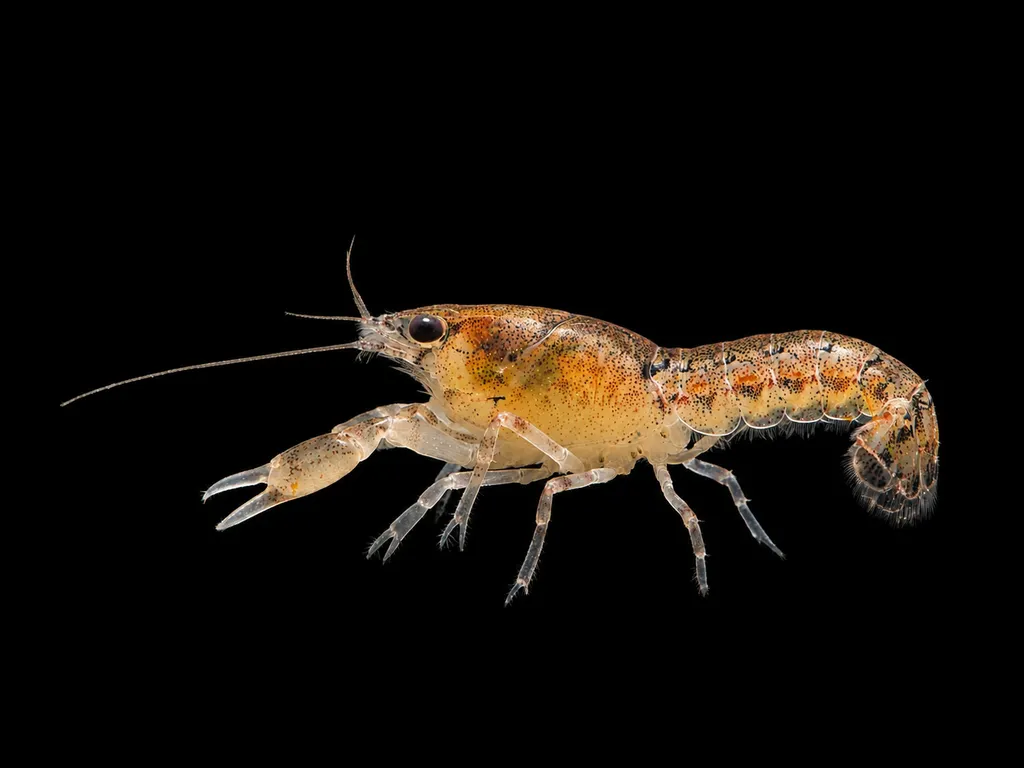
Least dwarf crayfish
Cambarellus diminutus
Freshwater1 in (2.5 cm) · 5 gal (20 L)64–79°F (18–26°C)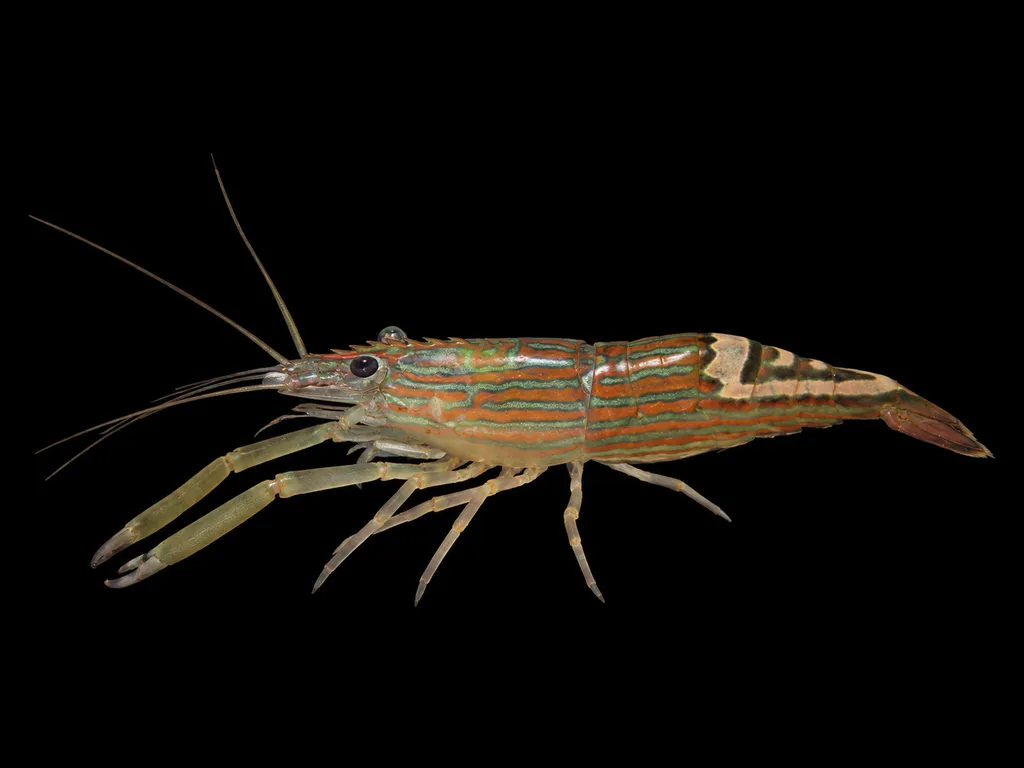
Lollipop prawn
Macrobrachium gracilirostre
Freshwater3.9 in (10 cm) · 20 gal (75 L)75–82°F (24–28°C)Louisiana crayfish
Procambarus clarkii
Freshwater5.9 in (15 cm) · 20 gal (75 L)59–82°F (15–28°C)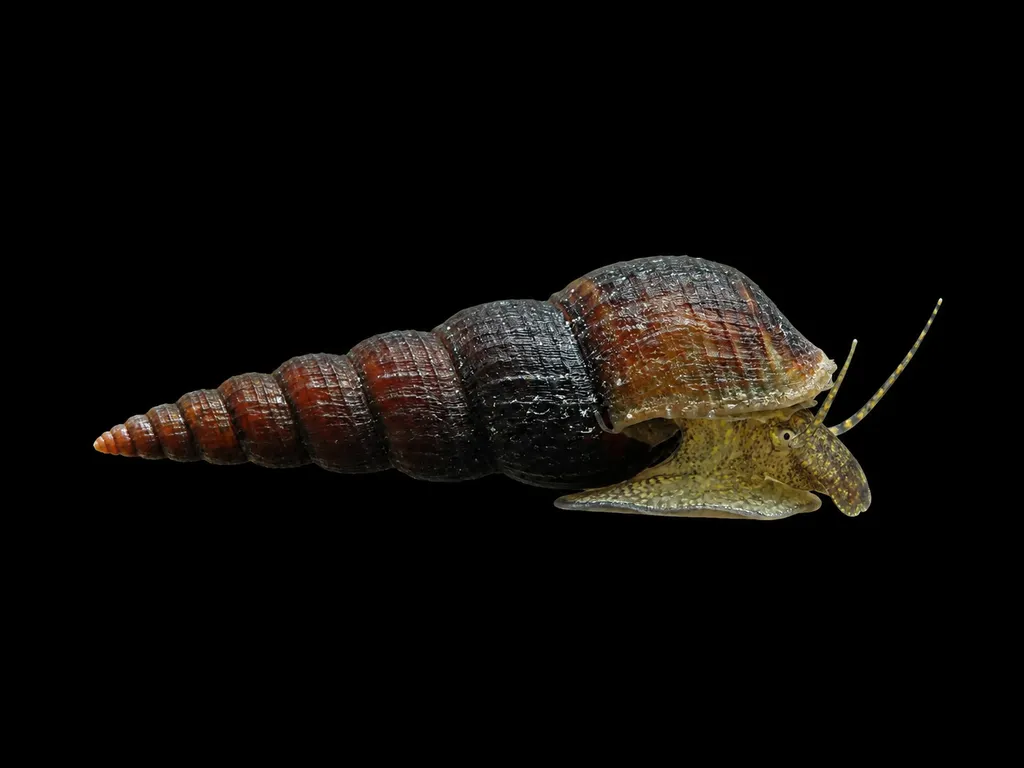
Mahogany trumpet snail
Melanoides maculata
Freshwater1.6 in (4 cm) · 5 gal (20 L)72–82°F (22–28°C)Malaysian trumpet snail
Melanoides tuberculata
Freshwater1.2 in (3 cm) · 5 gal (20 L)70–77°F (21–25°C)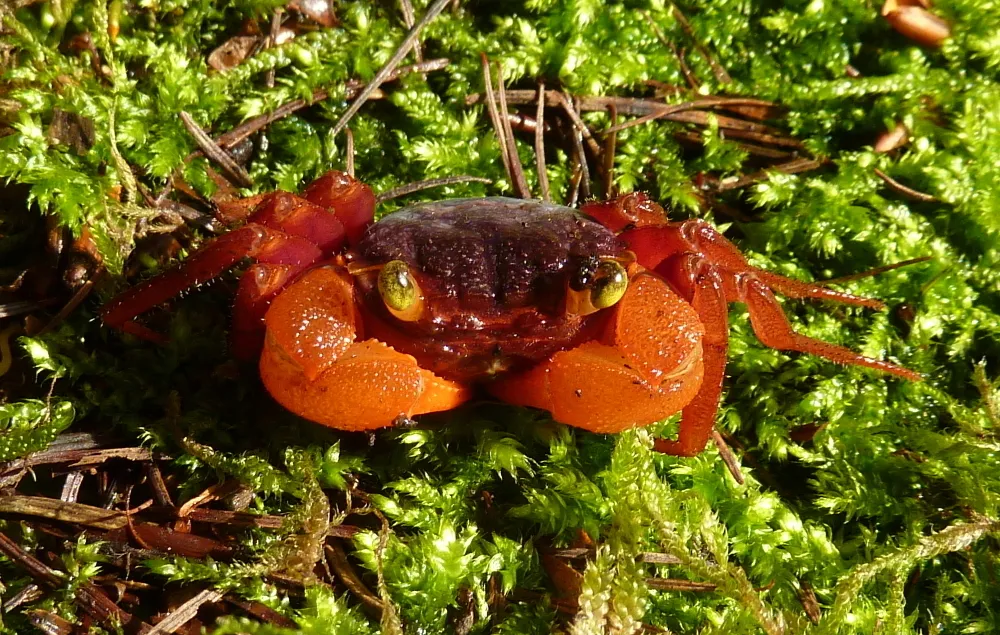
Mandarin vampire crab
Geosesarma notophorum
Freshwater0.6 in (1.5 cm) · 16 gal (60 L)72–81°F (22–27°C)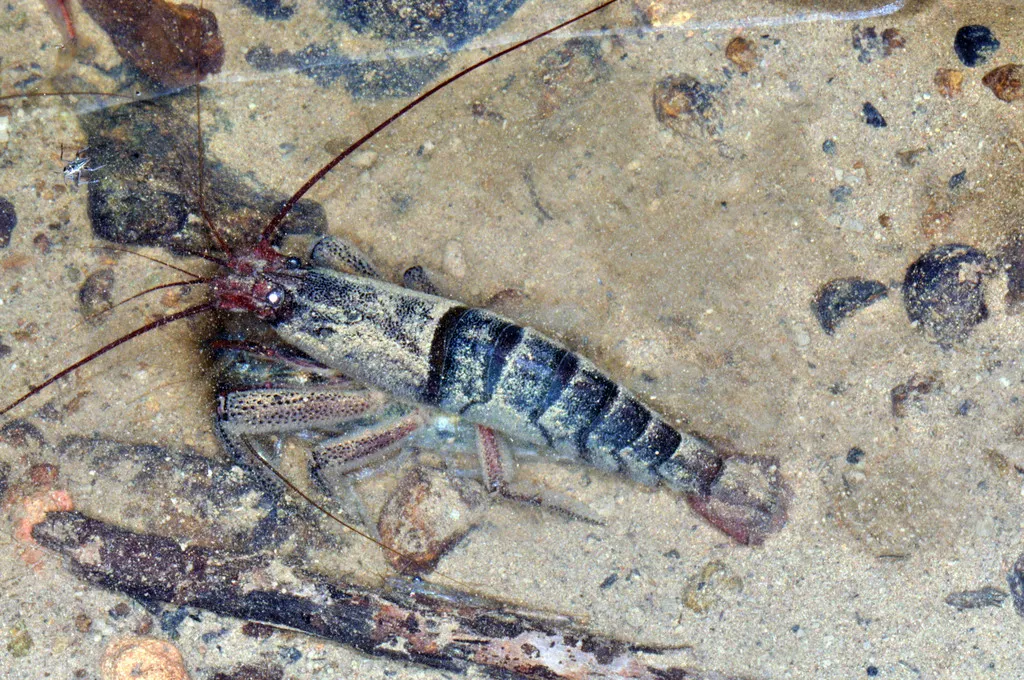
Marble wood shrimp
Atya scabra
Freshwater3.9 in (10 cm) · 20 gal (75 L)73–82°F (23–28°C)Marbled crayfish
Procambarus virginalis
Freshwater3.9 in (10 cm) · 20 gal (75 L)64–77°F (18–25°C)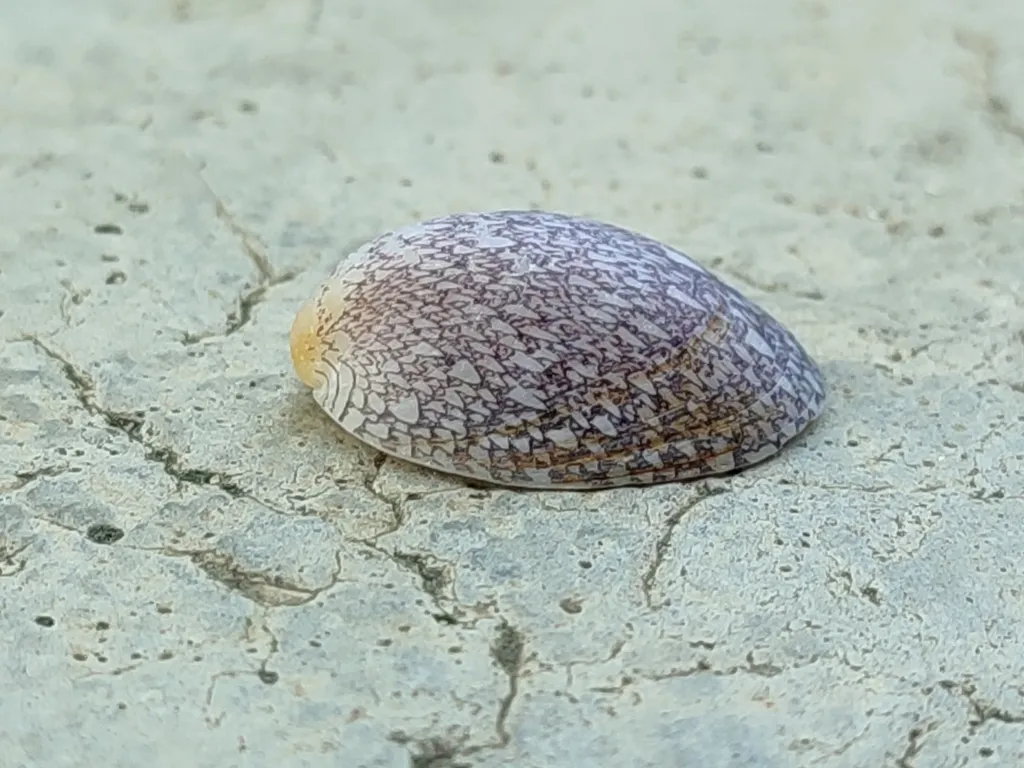
Marbled limpet nerite
Septaria porcellana
FreshwaterBrackish1.2 in (3 cm) · 5 gal (20 L)73–82°F (23–28°C)Matano crab
Syntripsa matannensis
Freshwater4.3 in (11 cm) · 22 gal (85 L)75–86°F (24–30°C)Mystery snail
Pomacea diffusa
Freshwater2 in (5 cm) · 5 gal (20 L)70–79°F (21–26°C)Neocaridina shrimp
Neocaridina davidi
Freshwater1.6 in (4 cm) · 5 gal (20 L)59–84°F (15–29°C)11 varieties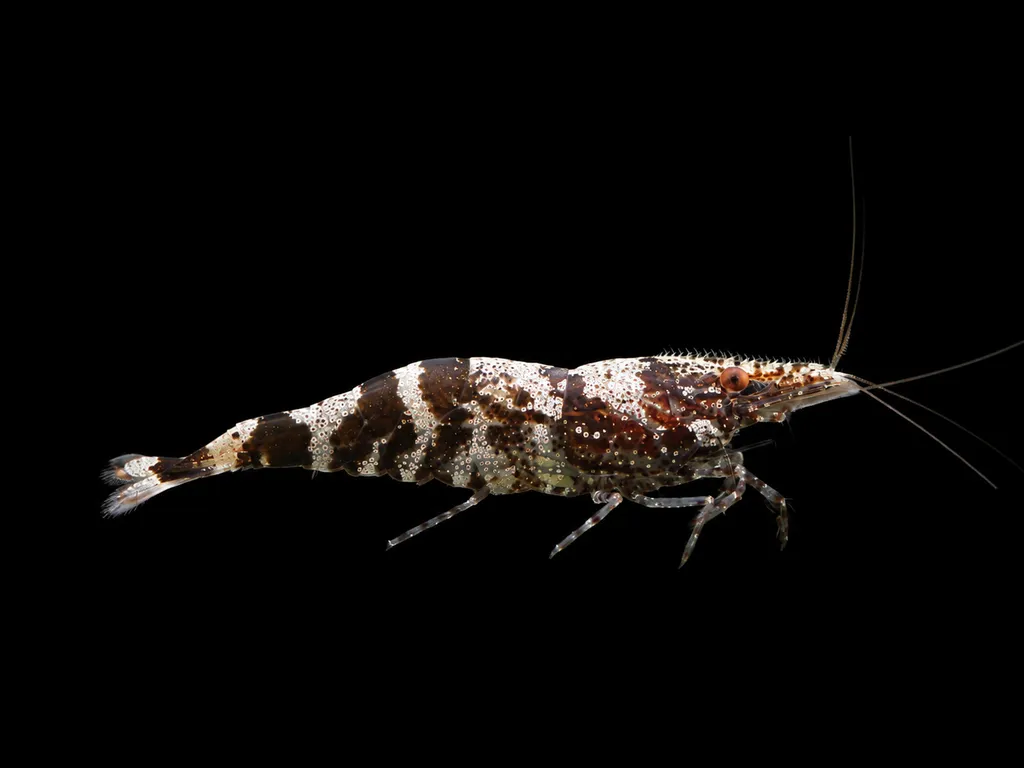
Ninja shrimp
Caridina serratirostris
Freshwater1.2 in (3 cm) · 5 gal (20 L)73–82°F (23–28°C)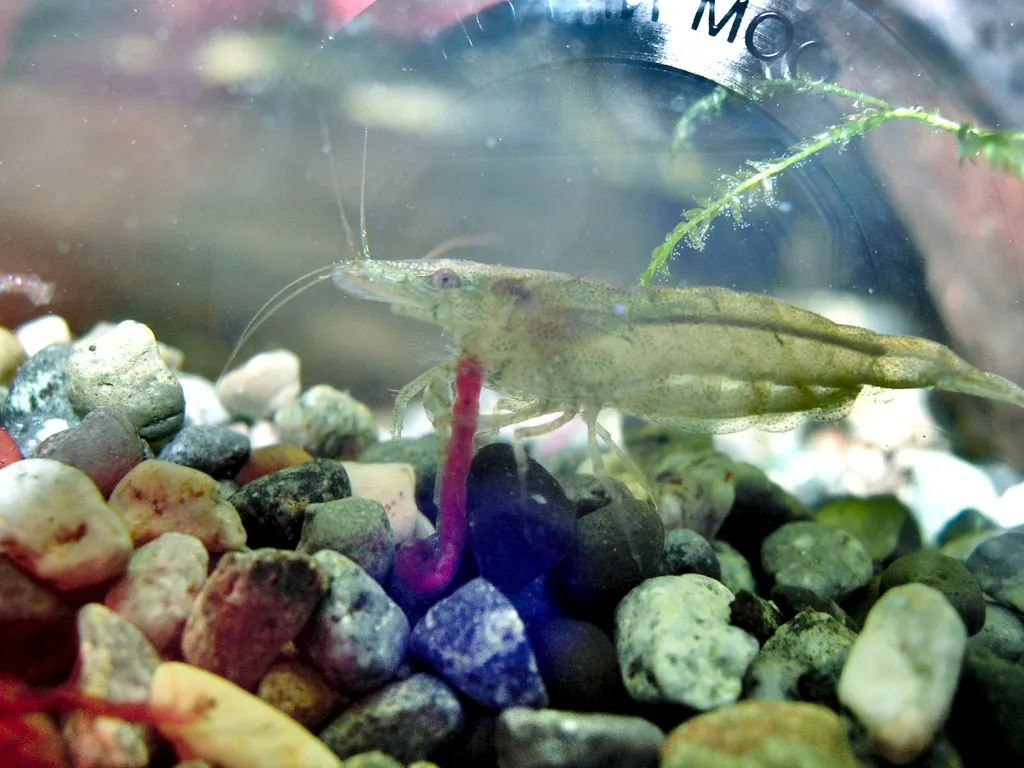
Okinawa cleaner shrimp
Neocaridina denticulata
Freshwater1.2 in (3 cm) · 5 gal (20 L)64–79°F (18–26°C)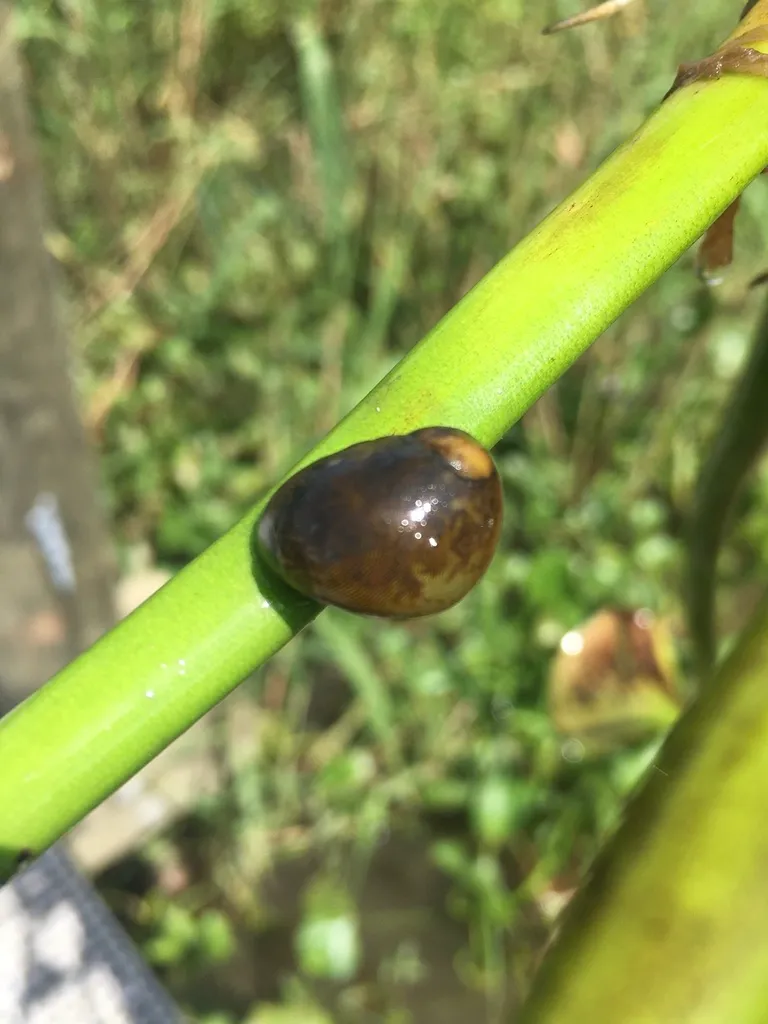
Olive nerite
Vittina usnea
FreshwaterBrackish0.8 in (2 cm) · 5 gal (20 L)72–82°F (22–28°C)Orange dwarf crayfish
Cambarellus patzcuarensis
Freshwater2 in (5 cm) · 10 gal (38 L)64–77°F (18–25°C)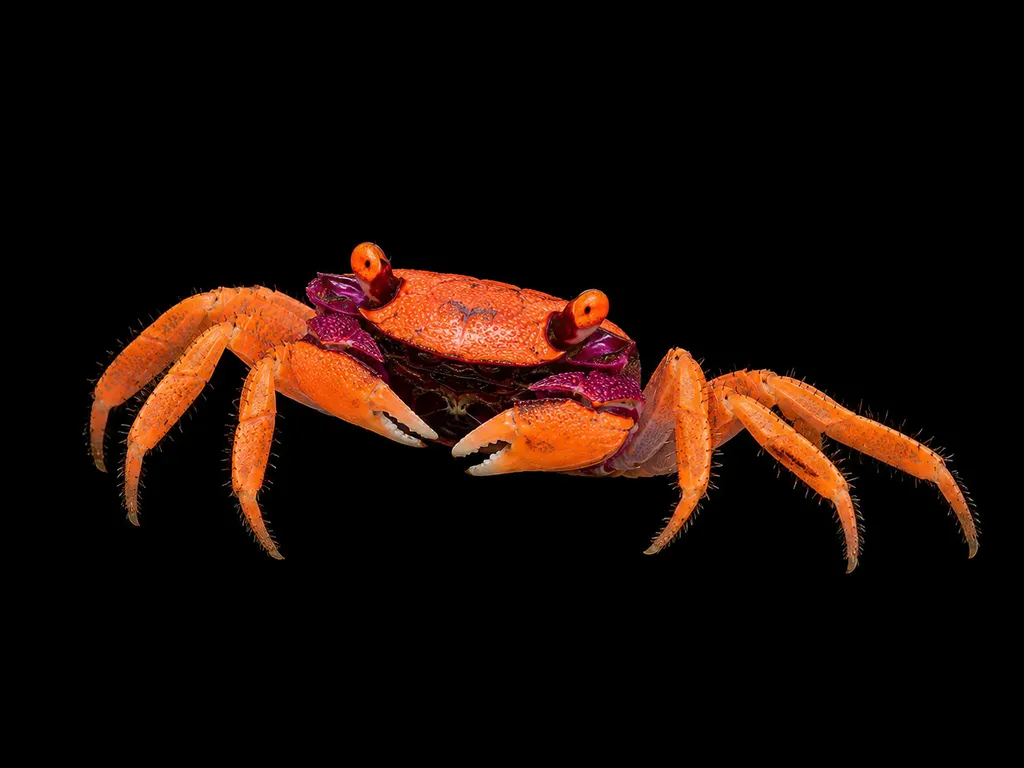
Orange vampire crab
Geosesarma tiomanicum
Freshwater2 in (5 cm) · 11 gal (40 L)72–82°F (22–28°C)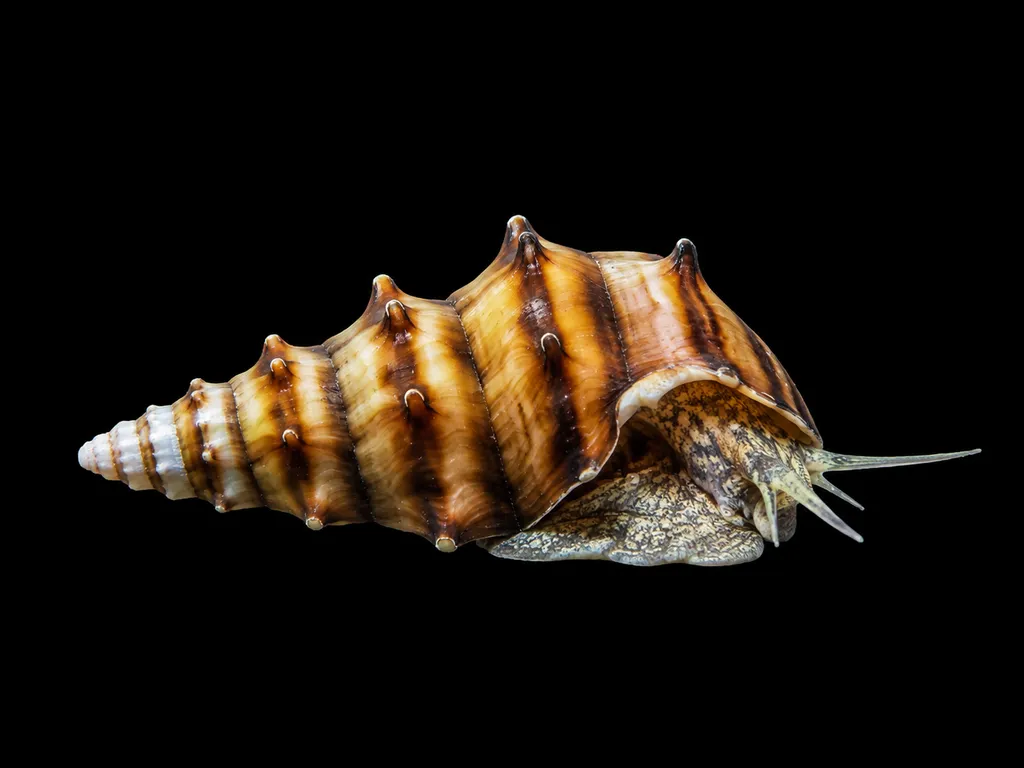
Pagoda snail
Brotia pagodula
Freshwater2.4 in (6 cm) · 5 gal (20 L)72–82°F (22–28°C)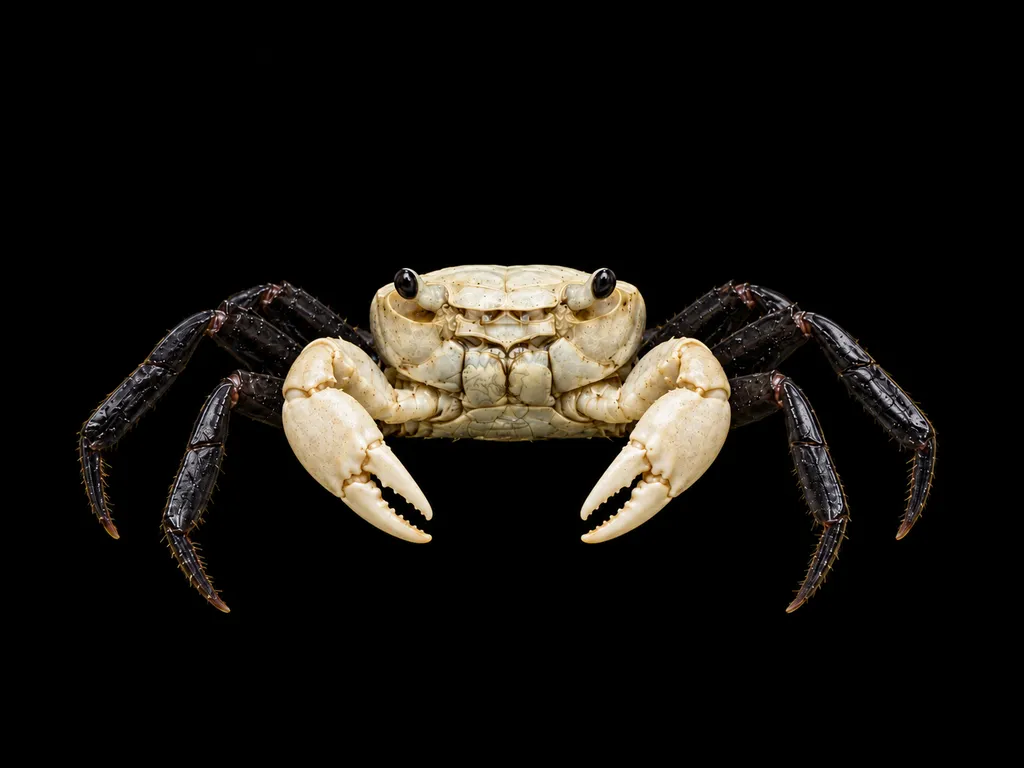
Panda crab
Lepidothelphusa cognettii
Freshwater0.6 in (1.5 cm) · 16 gal (60 L)72–79°F (22–26°C)Panther crab
Parathelphusa pantherina
Freshwater4.3 in (11 cm) · 22 gal (85 L)75–86°F (24–30°C)Pom pom crab
Ptychognathus barbatus
Freshwater1.6 in (4 cm) · 5 gal (20 L)72–82°F (22–28°C)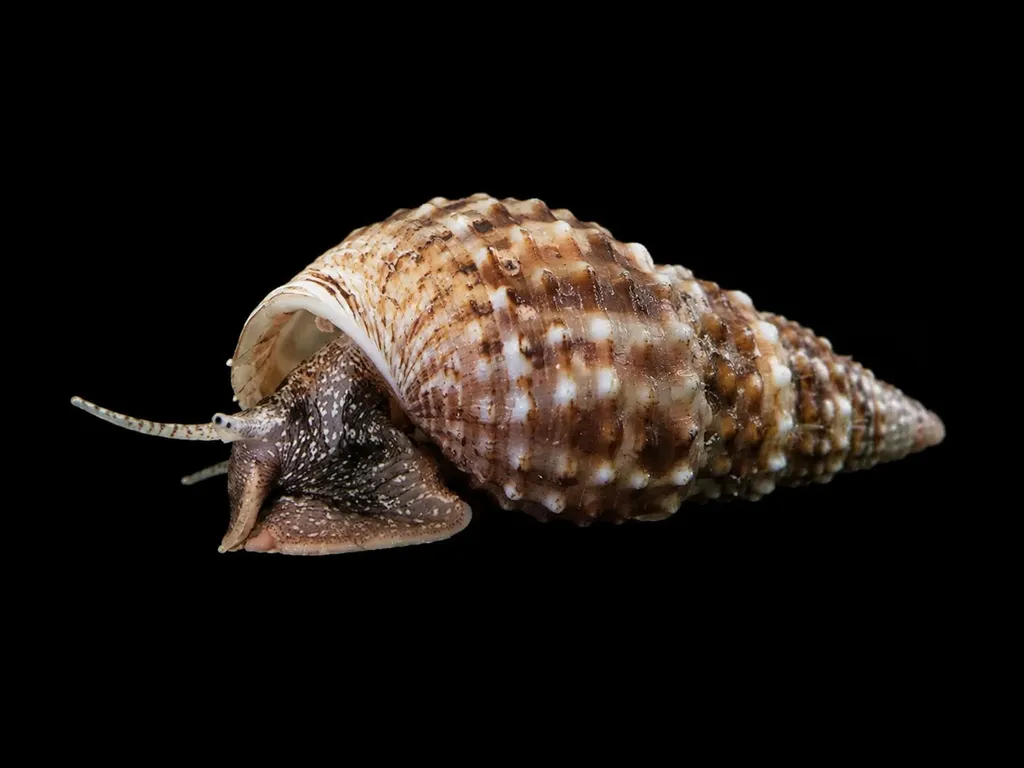
Prambanan snail
Thiara winteri
Freshwater1.6 in (4 cm) · 11 gal (40 L)73–82°F (23–28°C)Purple arm vampire crab
Geosesarma noduliferum
Freshwater0.6 in (1.5 cm) · 10 gal (38 L)75–82°F (24–28°C)Purple vampire crab
Geosesarma dennerle
Freshwater1 in (2.5 cm) · 10 gal (38 L)75–82°F (24–28°C)Red apple crab
Metasesarma aubryi
Freshwater1.6 in (4 cm) · 11 gal (40 L)75–82°F (24–28°C)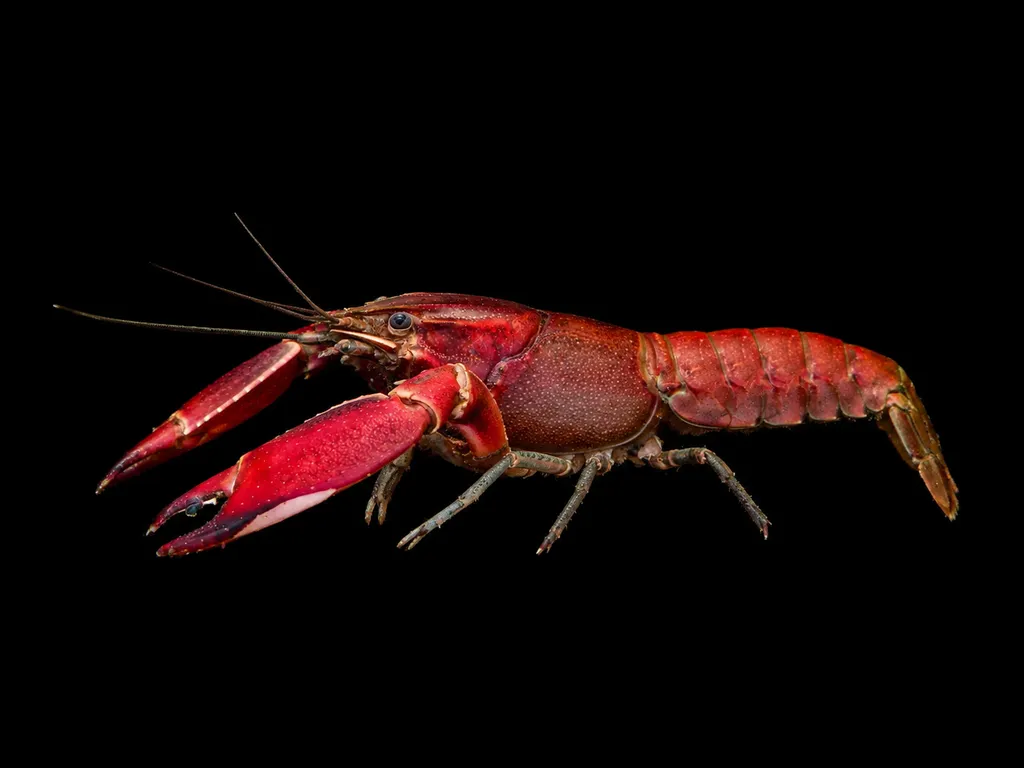
Red brick crayfish
Cherax wagenknechtae
Freshwater4.7 in (12 cm) · 20 gal (75 L)72–82°F (22–28°C)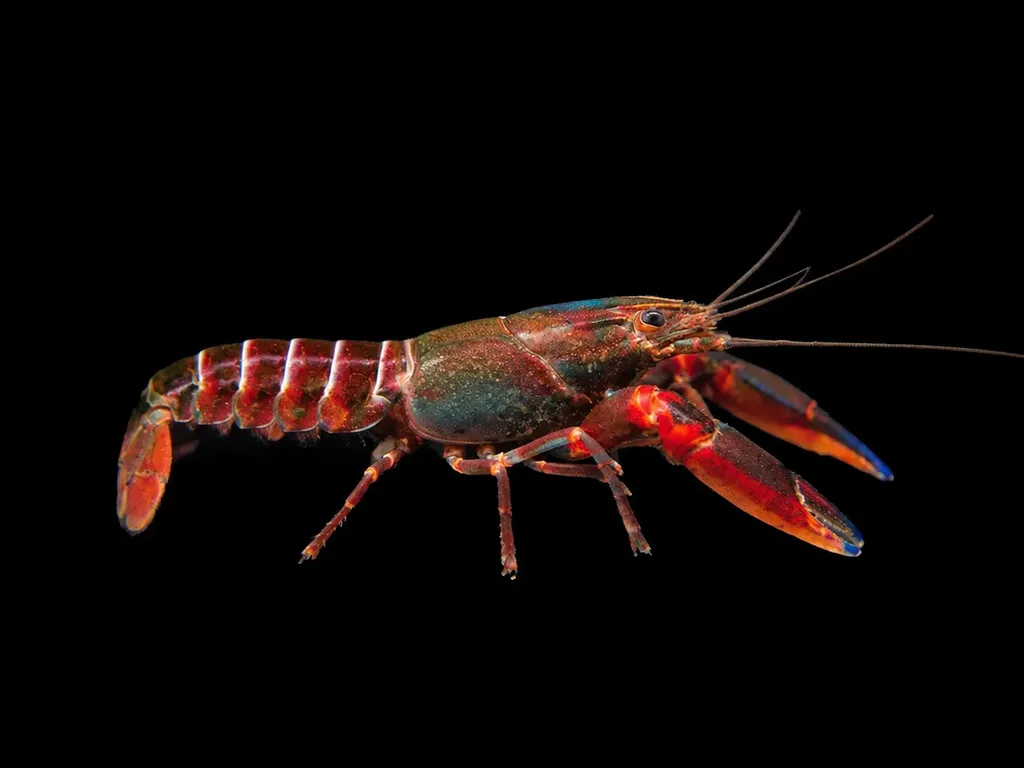
Red Kong zebra crayfish
Cherax mosessalossa
Freshwater4.7 in (12 cm) · 20 gal (75 L)72–82°F (22–28°C)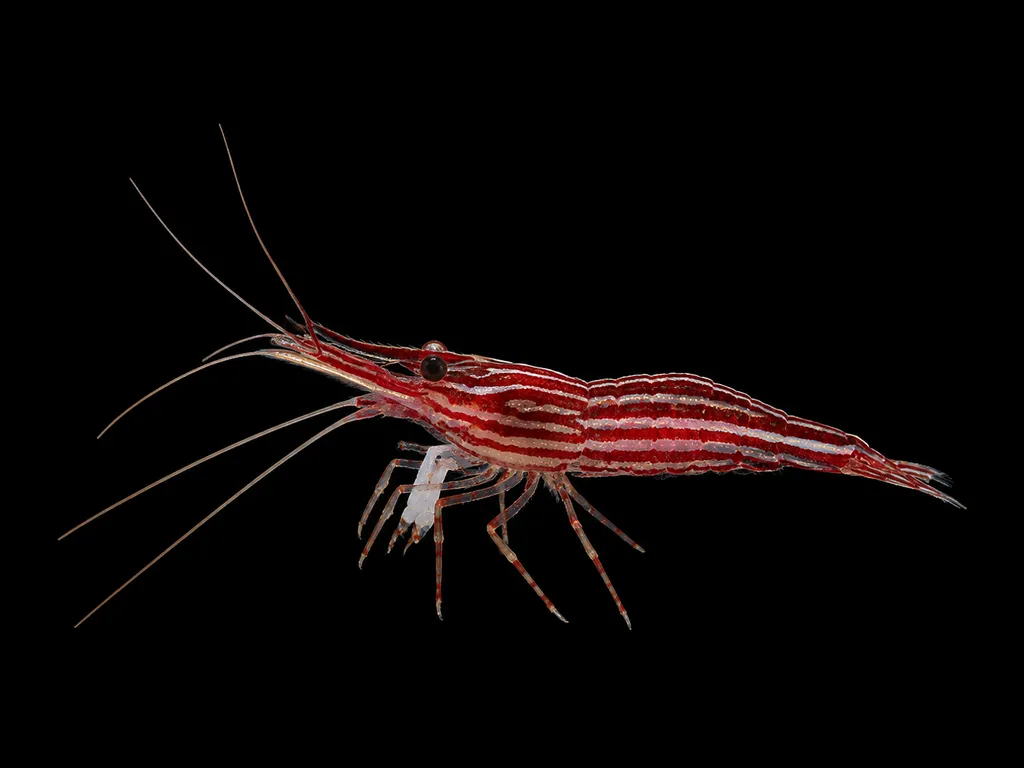
Red line shrimp
Caridina striata
Freshwater1 in (2.5 cm) · 5 gal (20 L)79–88°F (26–31°C)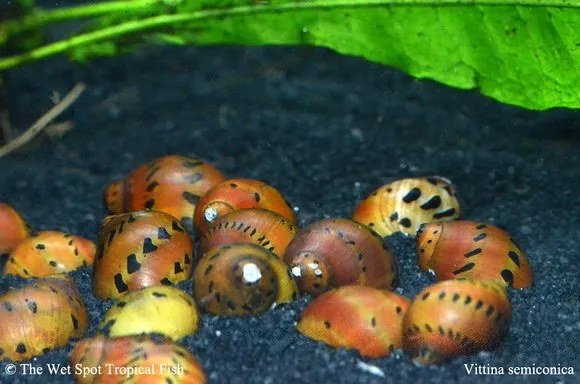
Red onion snail
Vittina semiconica
FreshwaterBrackish1 in (2.5 cm) · 5 gal (19 L)72–82°F (22–28°C)Red ramshorn snail
Indoplanorbis exustus
Freshwater0.8 in (2 cm) · 5 gal (20 L)68–86°F (20–30°C)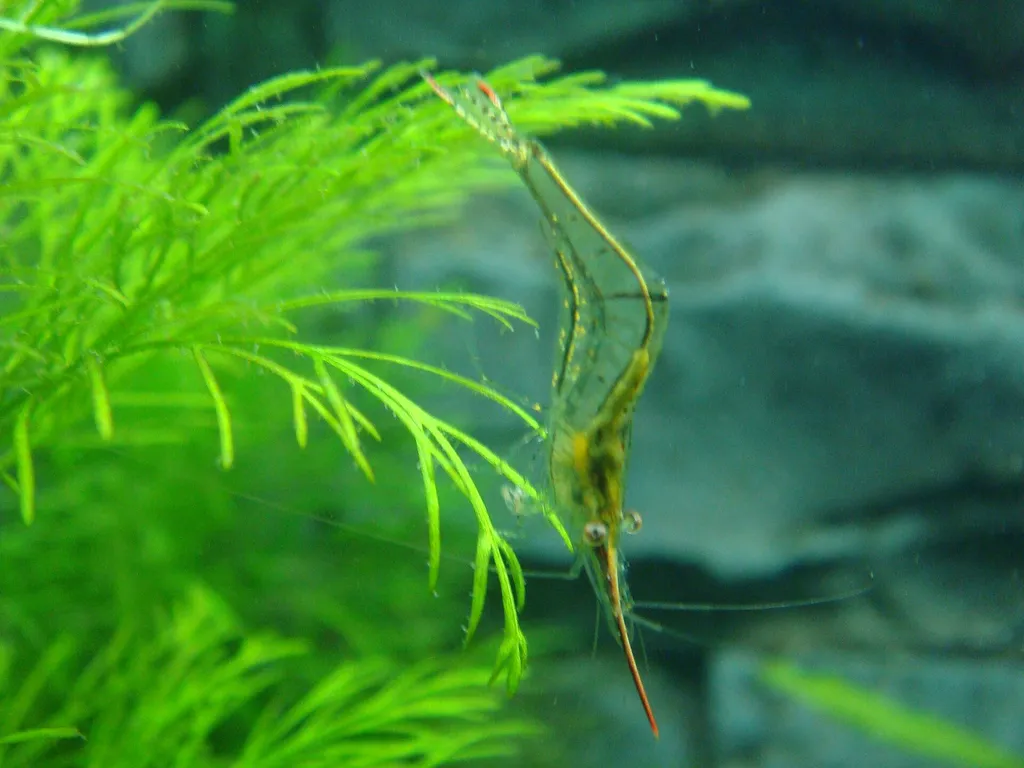
Red skunk shrimp
Caridina gracilirostris
FreshwaterBrackish1.6 in (4 cm) · 5 gal (20 L)73–82°F (23–28°C)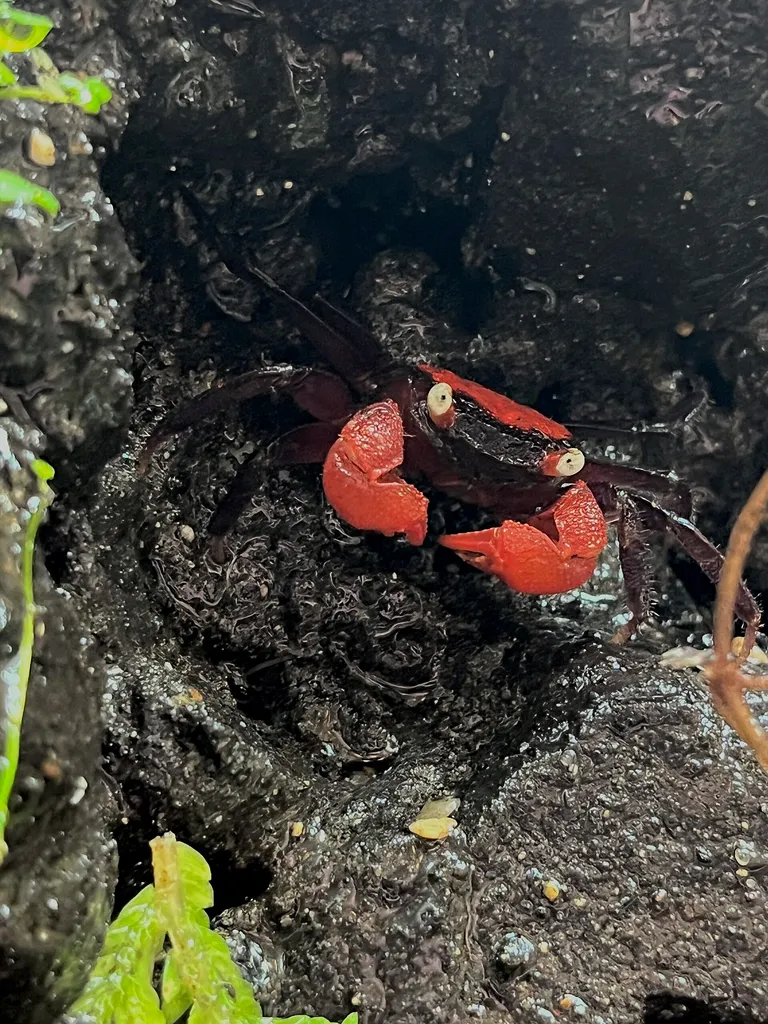
Red vampire crab
Geosesarma hagen
Freshwater2 in (5 cm) · 10 gal (38 L)72–82°F (22–28°C)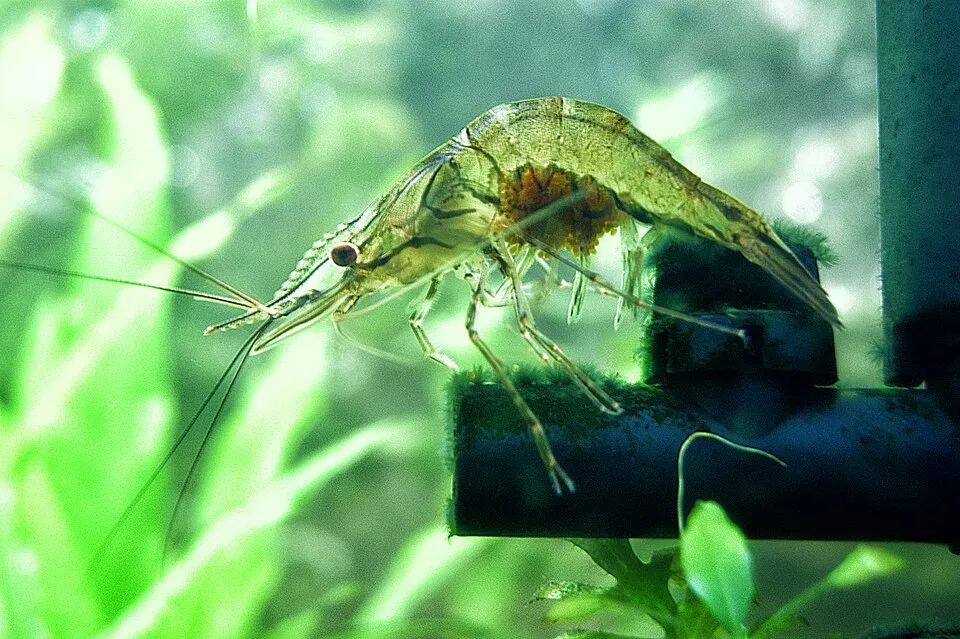
Riceland prawn
Macrobrachium lanchesteri
Freshwater2.4 in (6 cm) · 16 gal (60 L)75–86°F (24–30°C)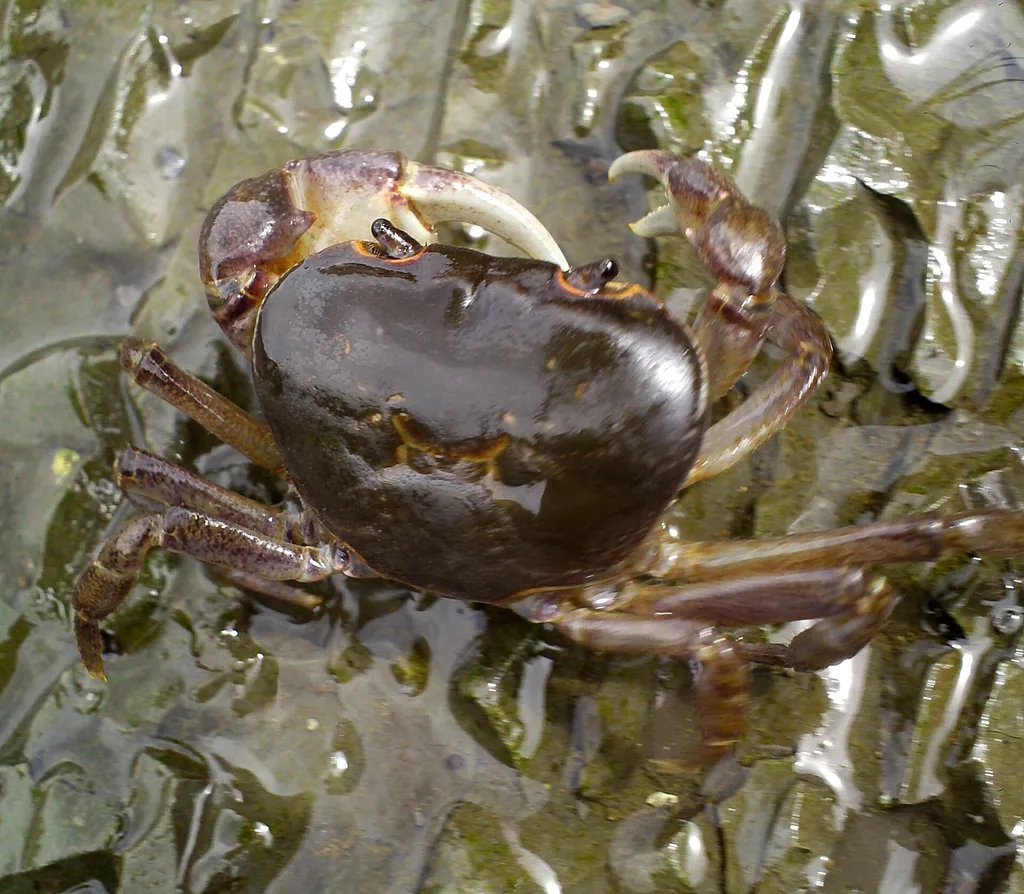
Sawagani
Geothelphusa dehaani
Freshwater1.2 in (3 cm) · 11 gal (40 L)41–75°F (5–24°C)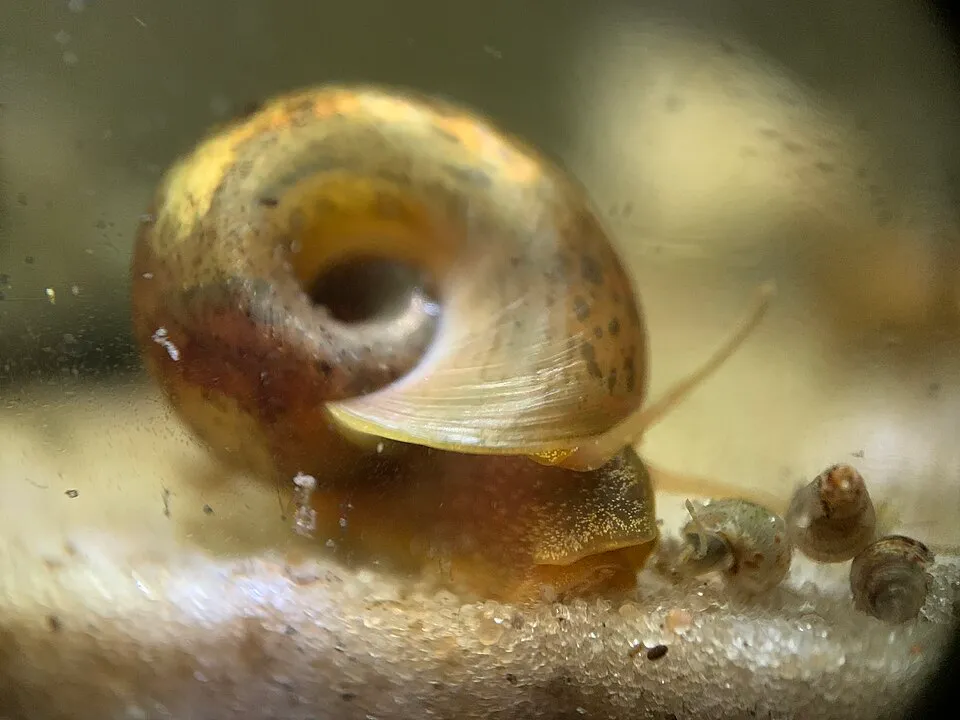
Seminole ramshorn
Planorbella duryi
Freshwater1 in (2.5 cm) · 5 gal (20 L)68–82°F (20–28°C)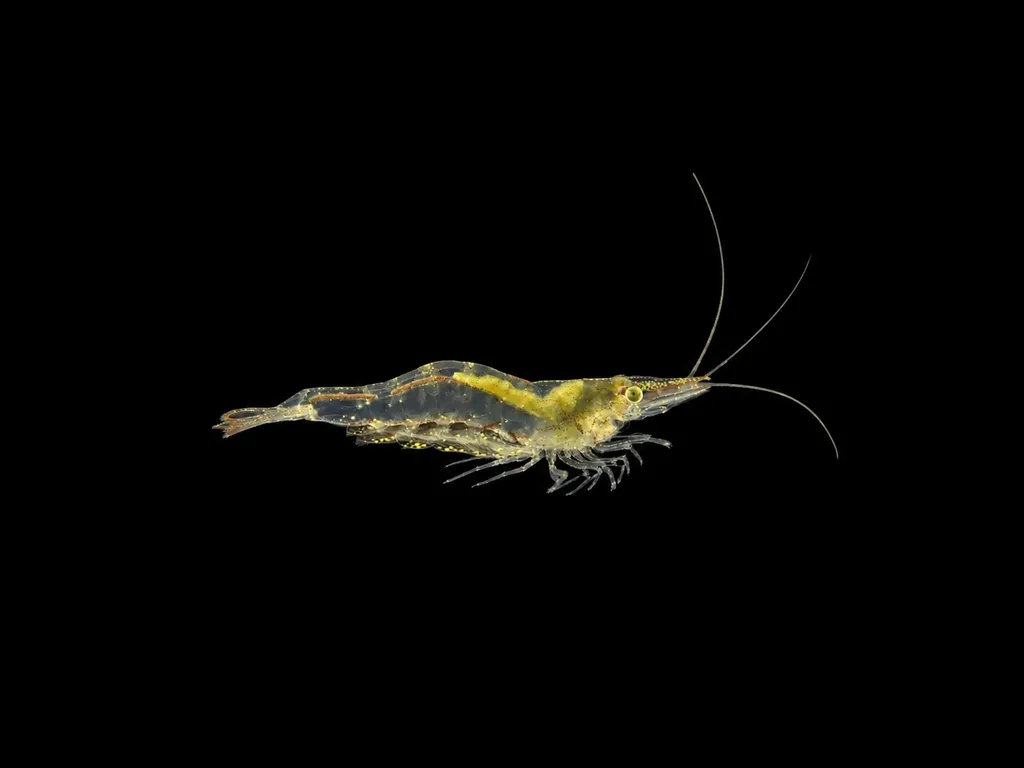
Short-nose algae shrimp
Caridina longirostris
FreshwaterBrackish1.4 in (3.5 cm) · 5 gal (20 L)73–82°F (23–28°C)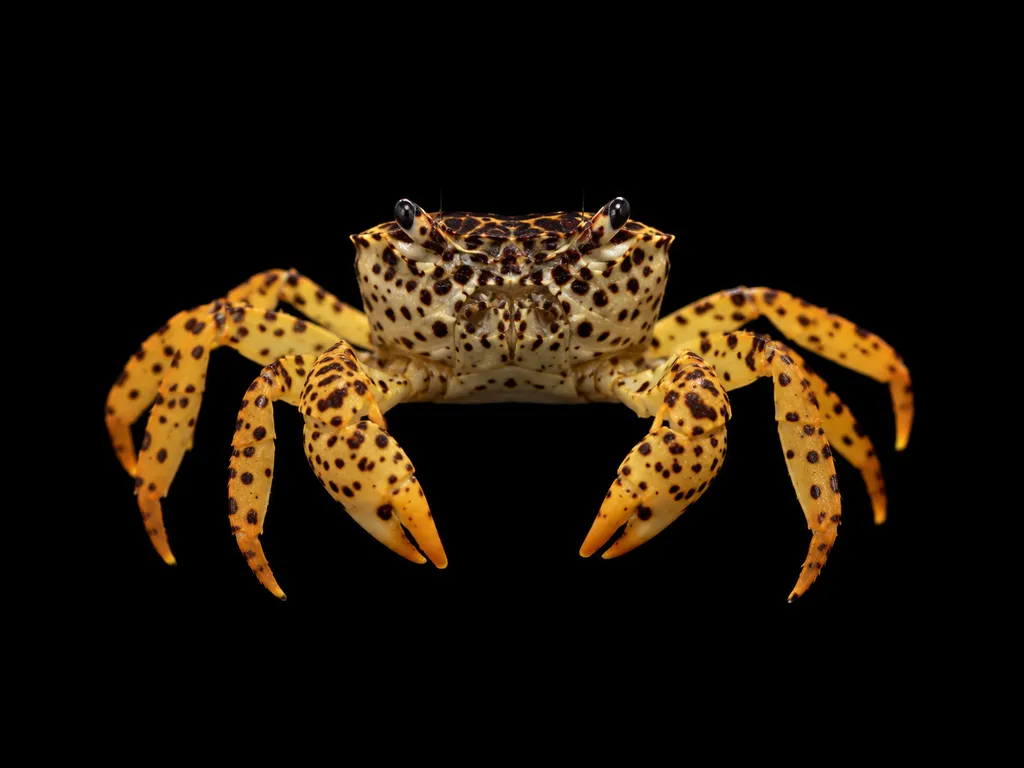
Sulawesi fine spotted crab
Parathelphusa pallida
Freshwater1.6 in (4 cm) · 16 gal (60 L)75–84°F (24–29°C)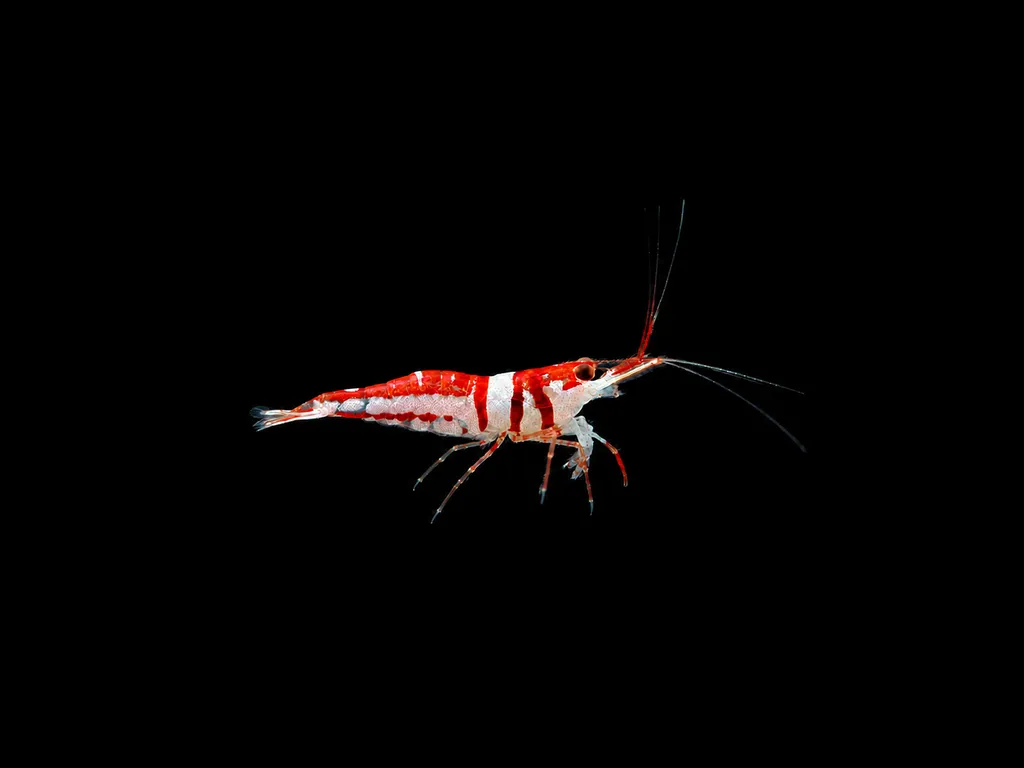
Sulawesi harlequin shrimp
Caridina woltereckae
Freshwater1 in (2.5 cm) · 5 gal (20 L)79–88°F (26–31°C)Sulawesi shrimp
Caridina dennerli
Freshwater1 in (2.5 cm) · 5 gal (20 L)79–88°F (26–31°C)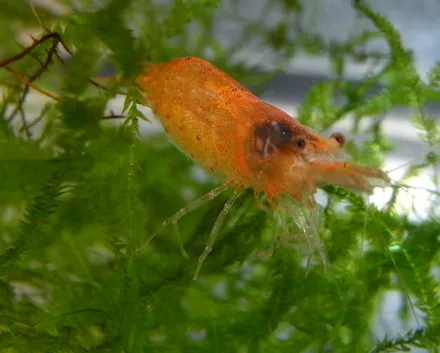
Sunkist shrimp
Caridina thambipillai
Freshwater1.4 in (3.5 cm) · 5 gal (20 L)73–82°F (23–28°C)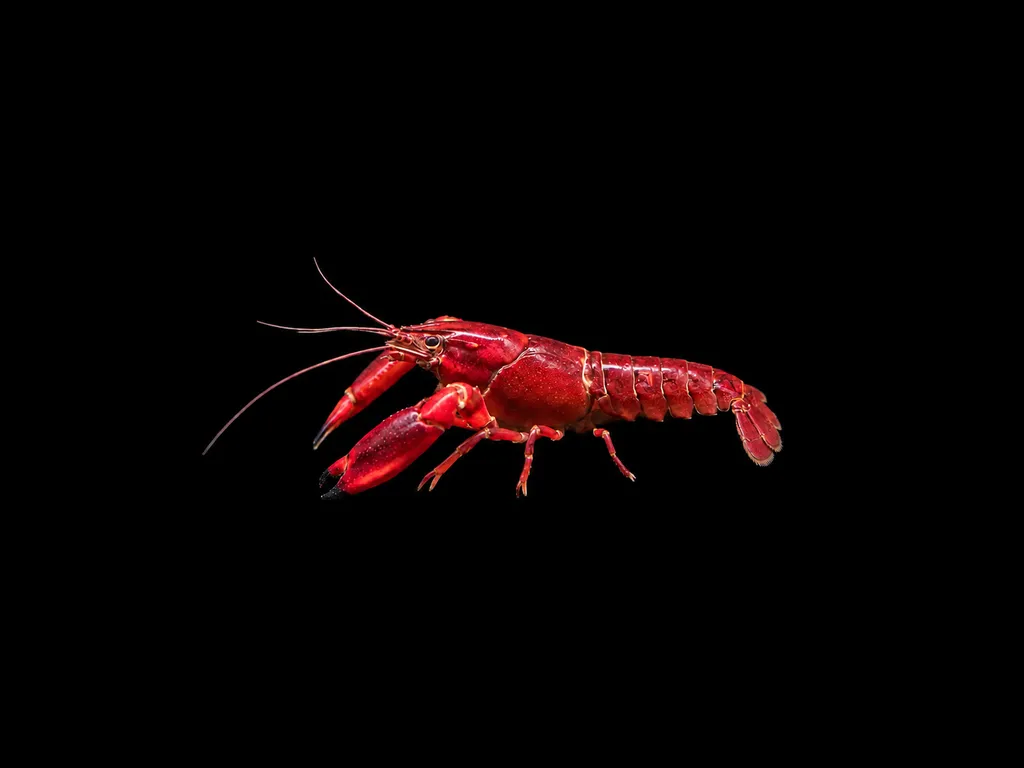
Super red crayfish
Cherax boesemani
Freshwater4.7 in (12 cm) · 20 gal (75 L)72–82°F (22–28°C)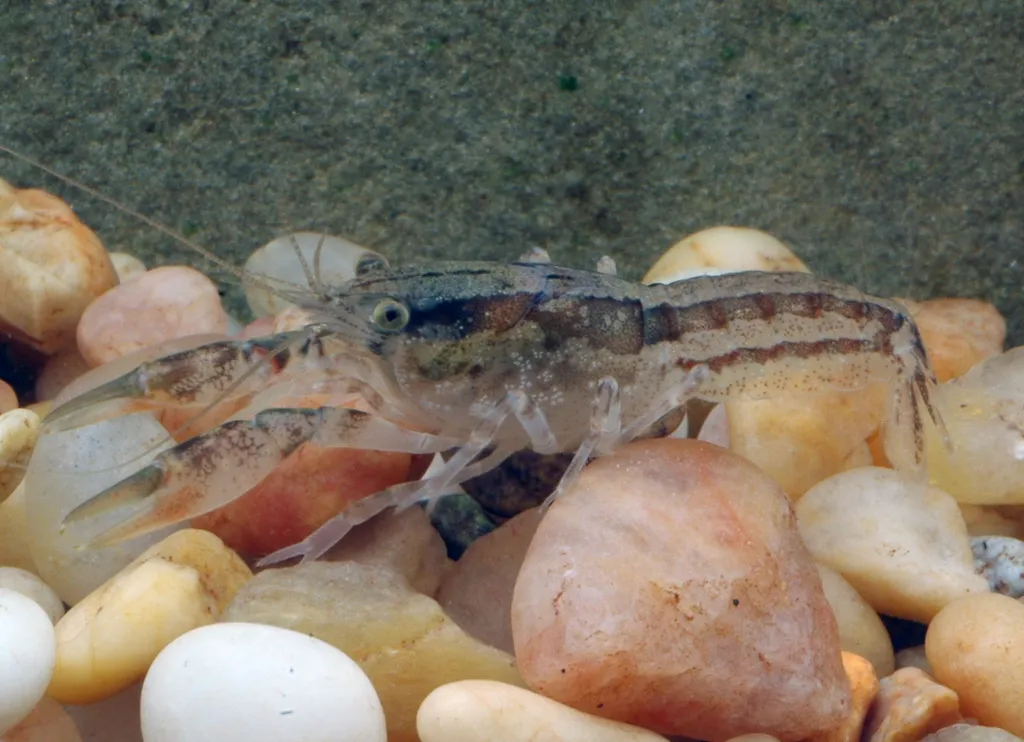
Swamp dwarf crayfish
Cambarellus puer
Freshwater1.2 in (3 cm) · 5 gal (20 L)64–79°F (18–26°C)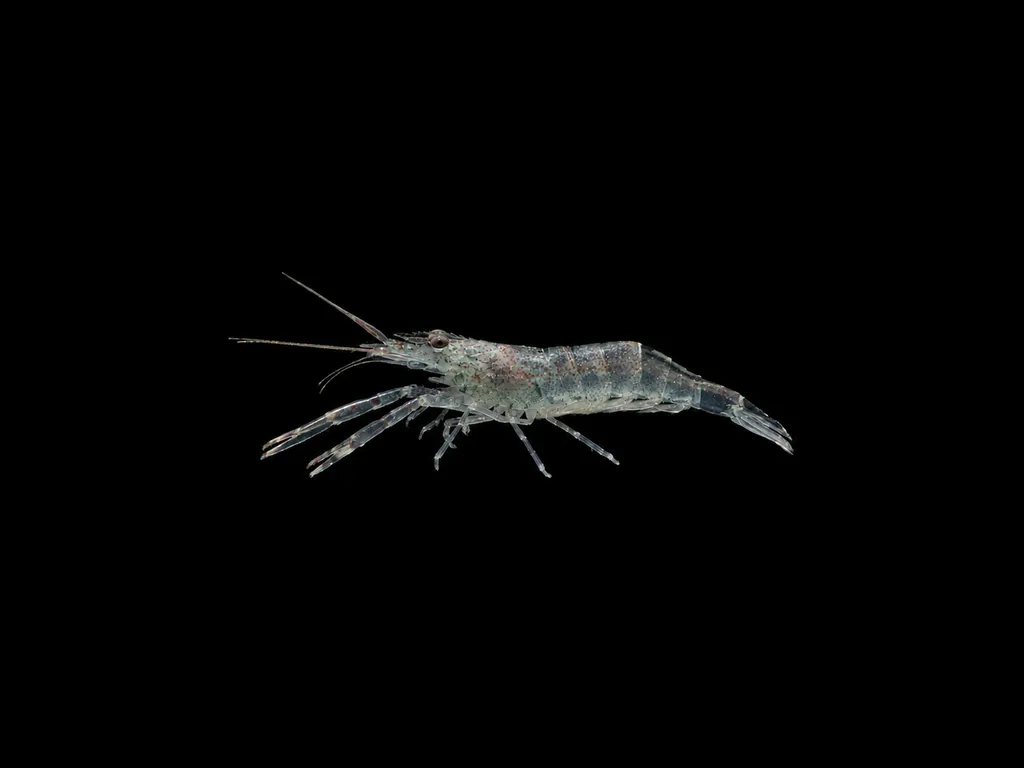
Taiwanese long claw prawn
Macrobrachium placidulum
Freshwater2.8 in (7 cm) · 11 gal (40 L)72–82°F (22–28°C)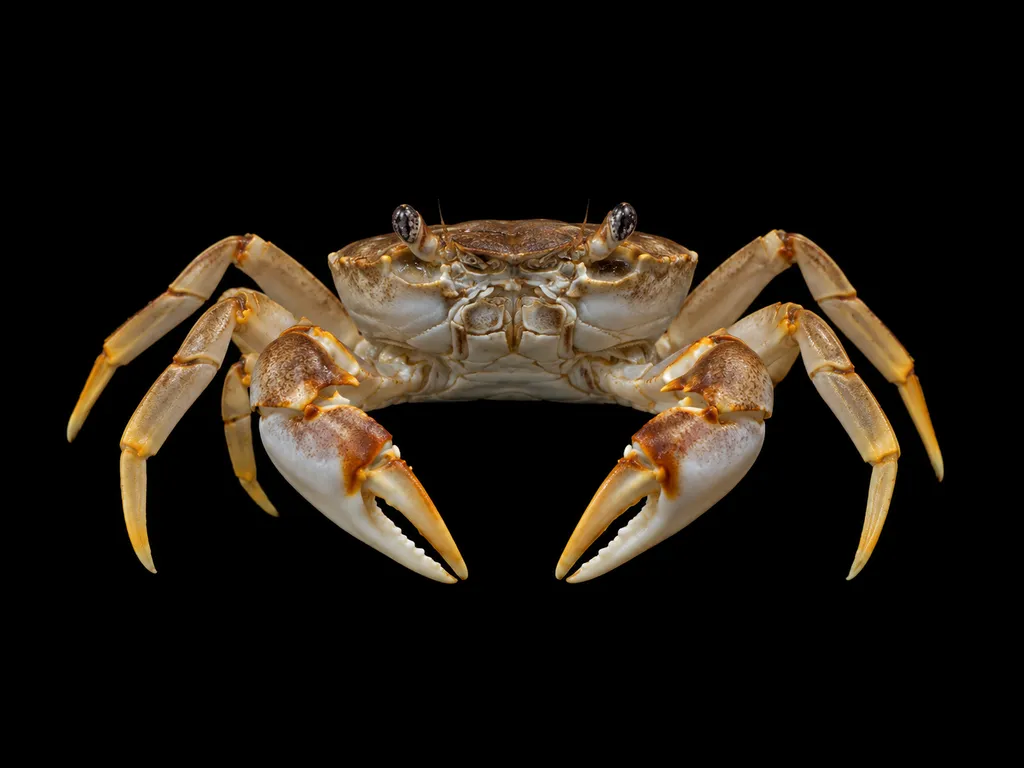
Tanganyika crab
Platythelphusa sp.
Freshwater3.9 in (10 cm) · 16 gal (60 L)75–82°F (24–28°C)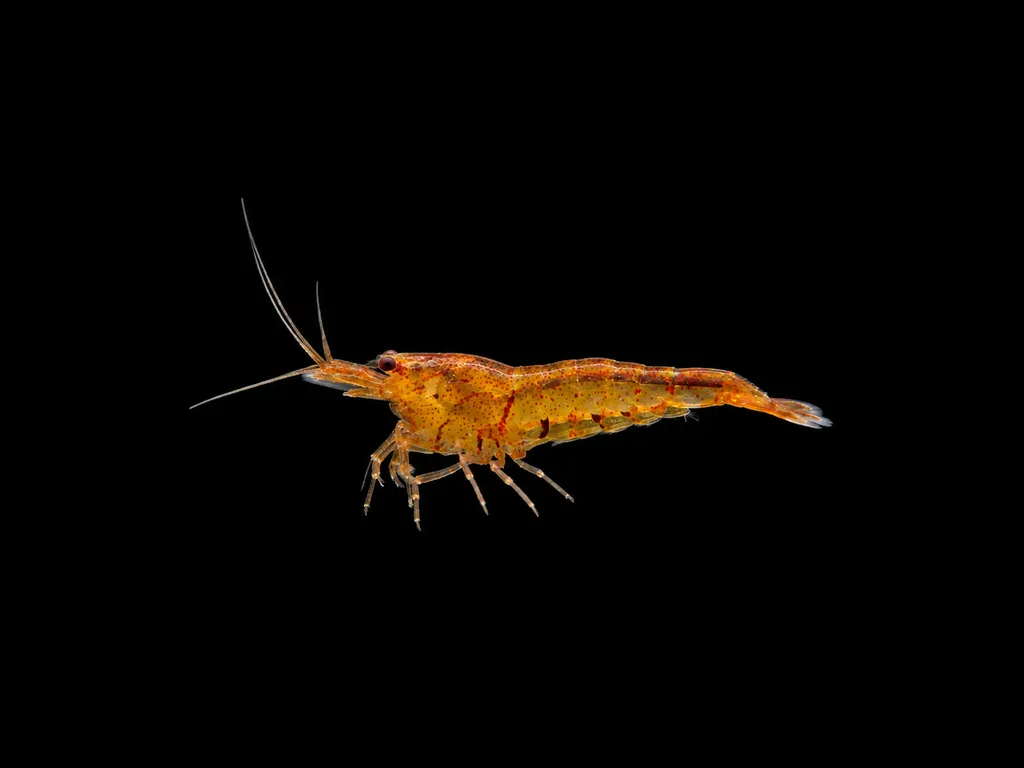
Tangerine tiger shrimp
Caridina serrata
Freshwater1.2 in (3 cm) · 5 gal (20 L)68–79°F (20–26°C)Thai dwarf rock crab
Siamthelphusa sp.
Freshwater1.2 in (3 cm) · 11 gal (40 L)72–82°F (22–28°C)Thai micro crab
Limnopilos naiyanetri
Freshwater1 in (2.5 cm) · 5 gal (20 L)72–82°F (22–28°C)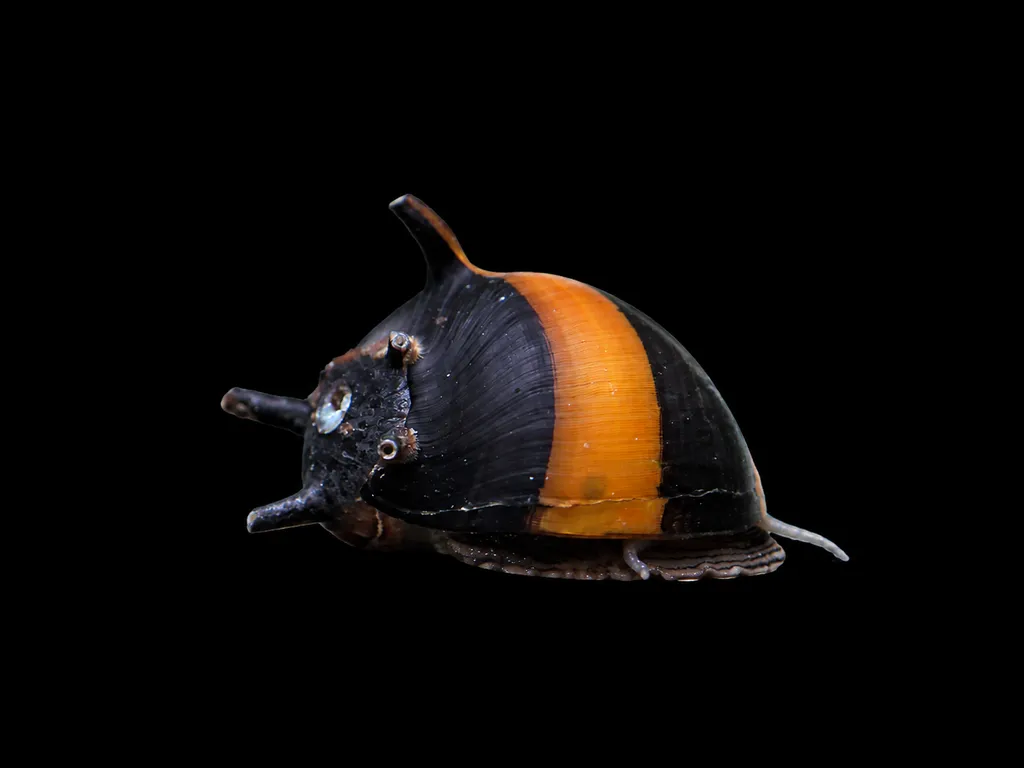
Three-color thorn snail
Clithon sowerbyana
FreshwaterBrackish0.8 in (2 cm) · 5 gal (19 L)72–82°F (22–28°C)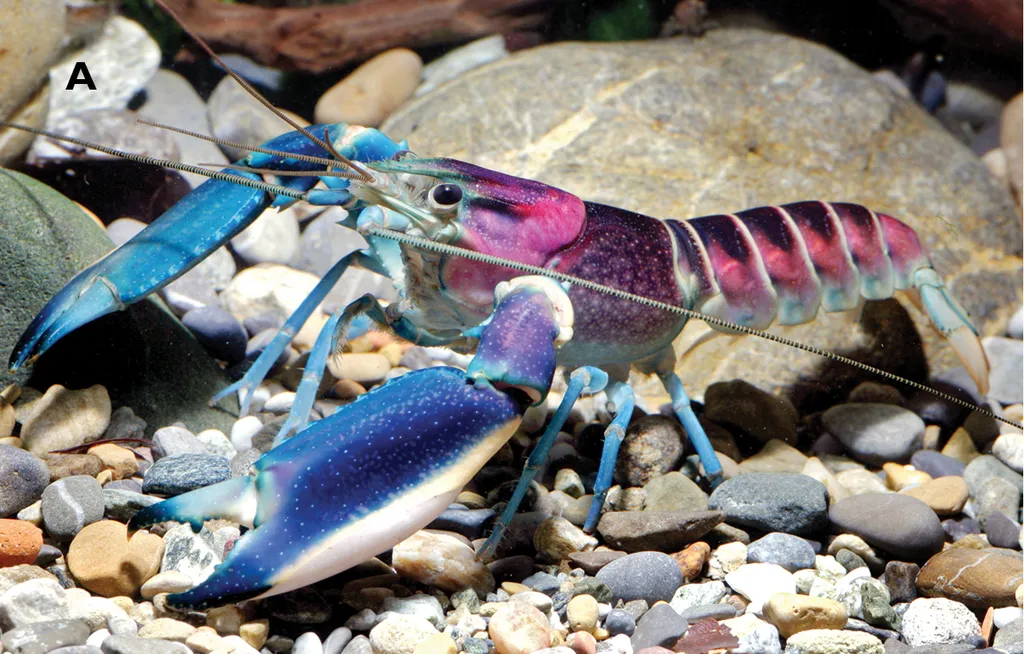
Thunderbolt crayfish
Cherax pulcher
Freshwater4.7 in (12 cm) · 20 gal (75 L)72–82°F (22–28°C)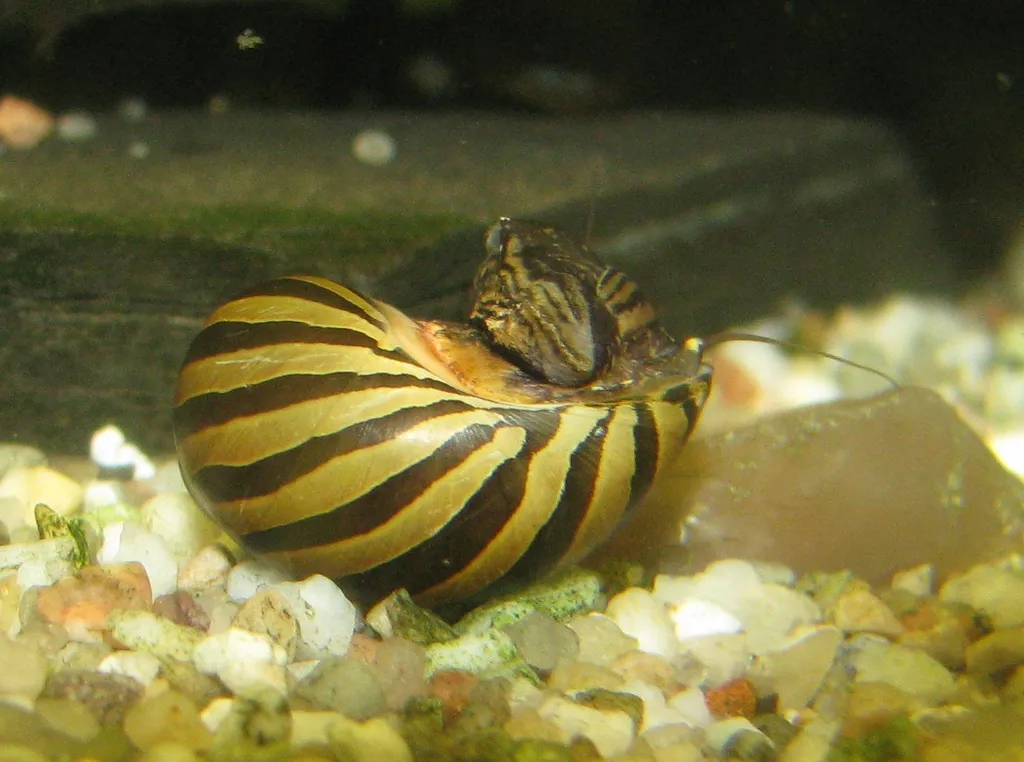
Tiger nerite
Vittina coromandeliana
FreshwaterBrackish1 in (2.5 cm) · 5 gal (19 L)72–79°F (22–26°C)Tiger shrimp
Caridina mariae
Freshwater1.6 in (4 cm) · 7 gal (25 L)64–73°F (18–23°C)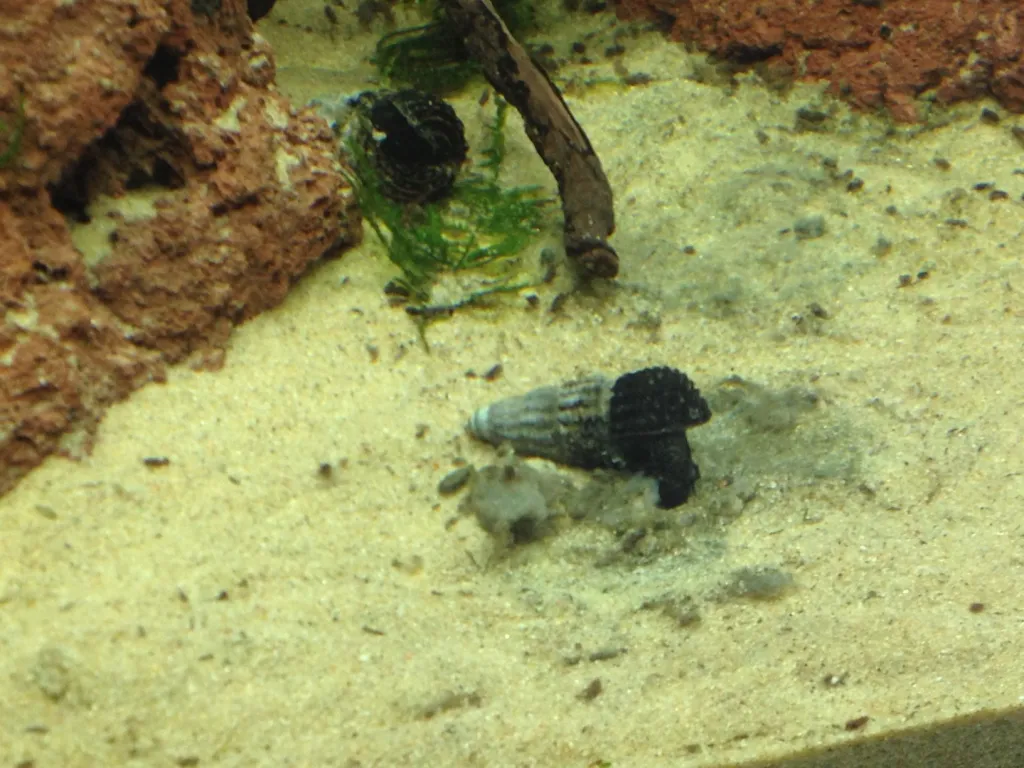
Triangle rabbit snail
Tylomelania sinabartfeldi
Freshwater2 in (5 cm) · 5 gal (20 L)75–86°F (24–30°C)Tricolor Borneo crab
Lepidothelphusa menneri
Freshwater0.6 in (1.5 cm) · 11 gal (40 L)72–79°F (22–26°C)Vampire shrimp
Atya gabonensis
Freshwater5.1 in (13 cm) · 20 gal (75 L)75–82°F (24–28°C)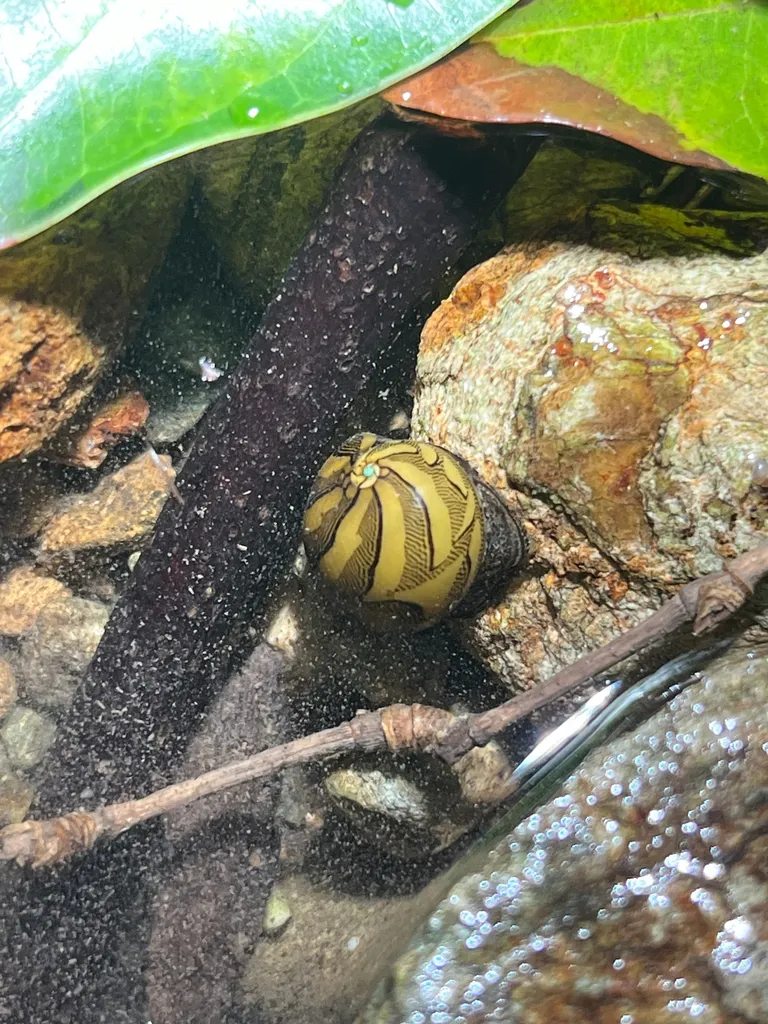
Virgin nerite
Vitta virginea
FreshwaterBrackish0.8 in (2 cm) · 5 gal (20 L)72–79°F (22–26°C)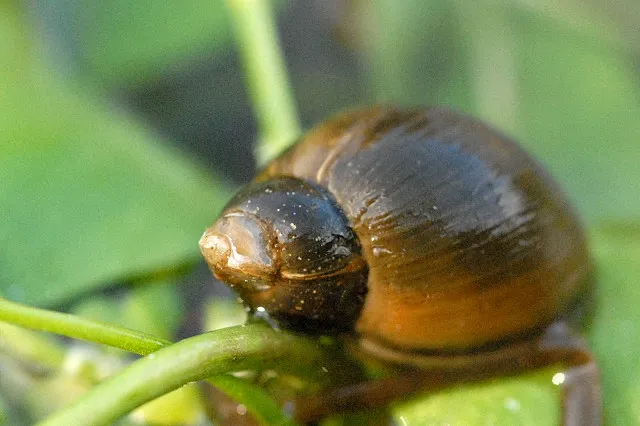
Wandering snail
Ampullaceana balthica
Freshwater0.8 in (2 cm) · 11 gal (40 L)50–84°F (10–29°C)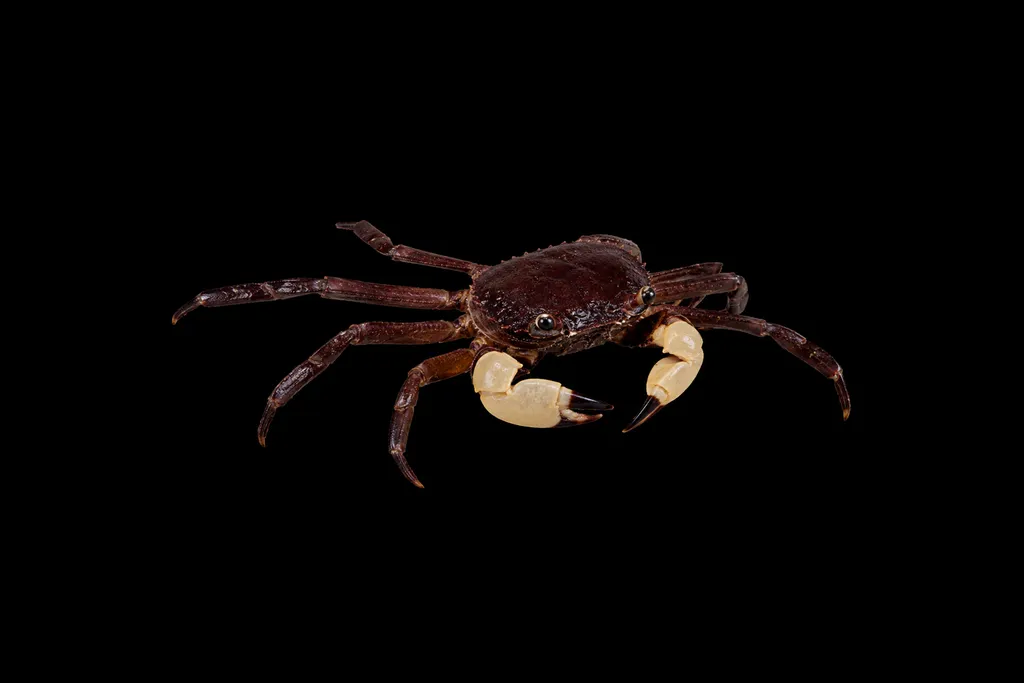
White claw Towuti crab
Syntripsa flavichela
Freshwater3.1 in (8 cm) · 20 gal (75 L)79–86°F (26–30°C)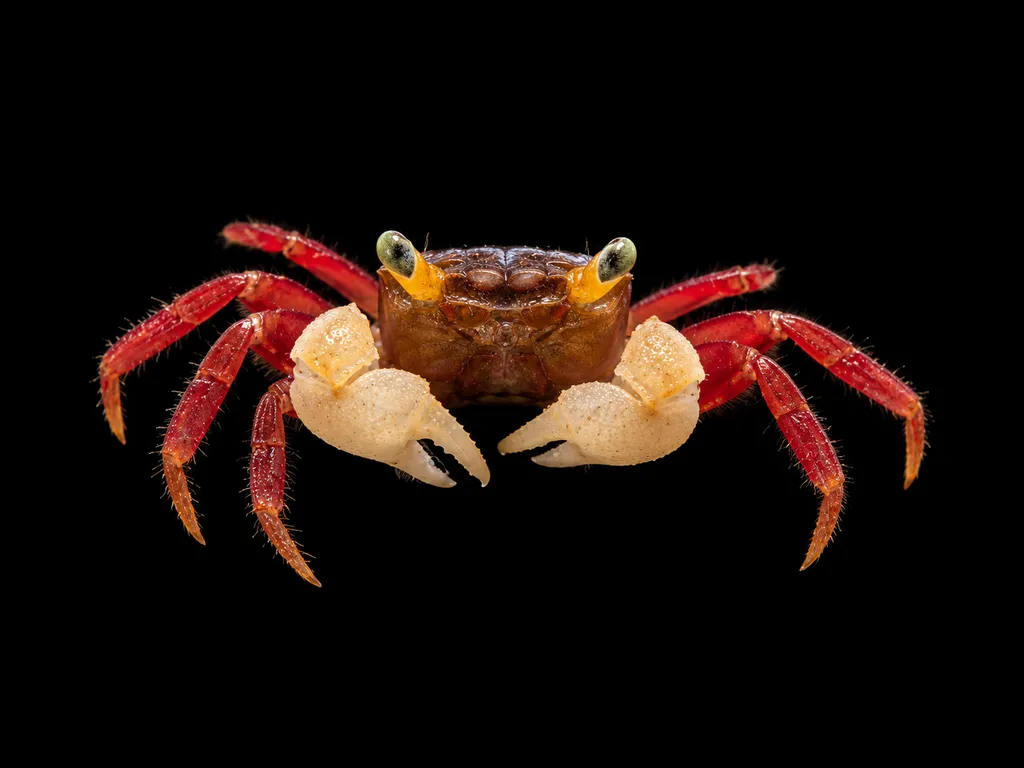
White mandarin vampire crab
Geosesarma pontianak
Freshwater0.6 in (1.5 cm) · 10 gal (38 L)72–82°F (22–28°C)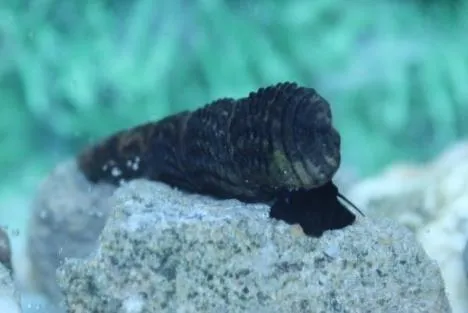
White spotted rabbit snail
Tylomelania towutica
Freshwater4.3 in (11 cm) · 16 gal (60 L)75–84°F (24–29°C)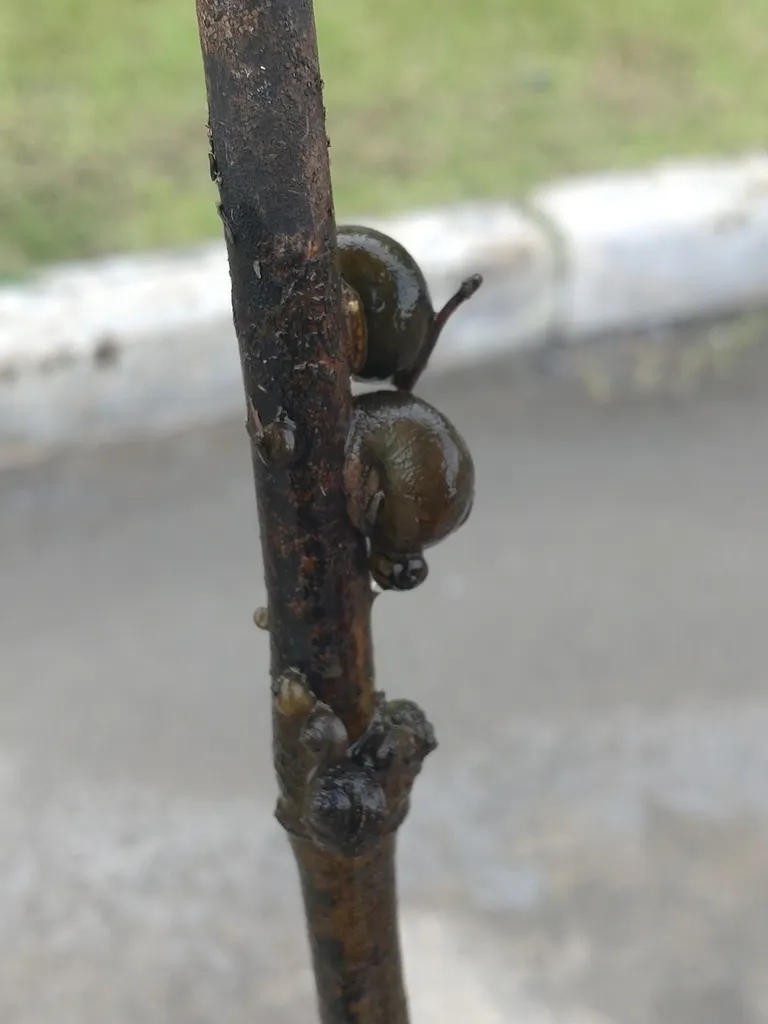
White wizard snail
Filopaludina martensi
Freshwater2 in (5 cm) · 11 gal (40 L)72–79°F (22–26°C)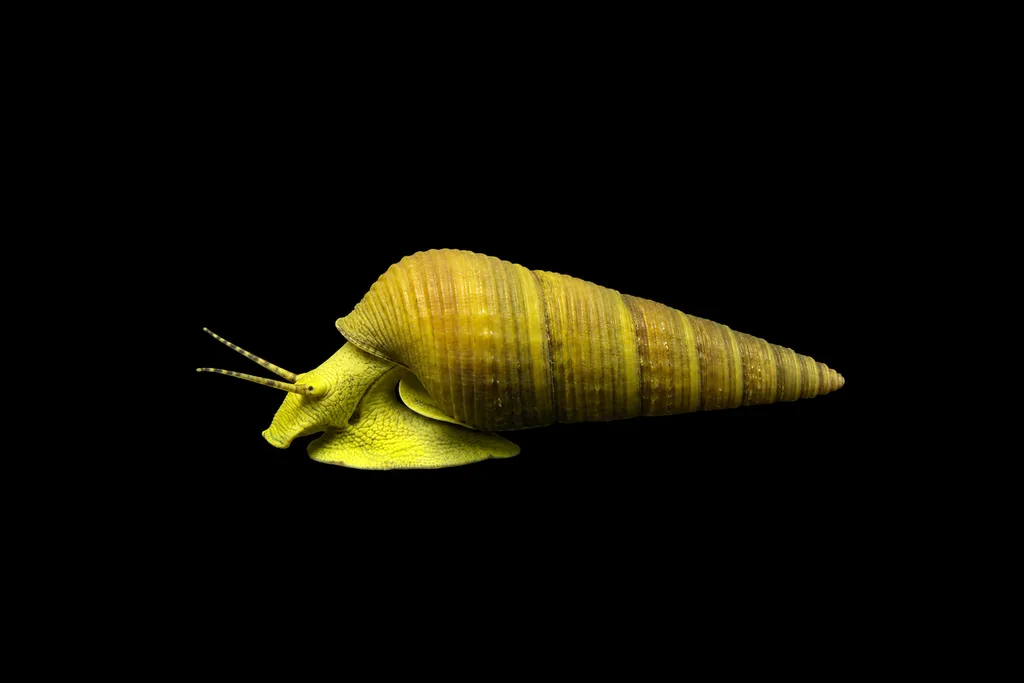
Yellow giant rabbit snail
Tylomelania sarasinorum
Freshwater4.7 in (12 cm) · 20 gal (75 L)79–86°F (26–30°C)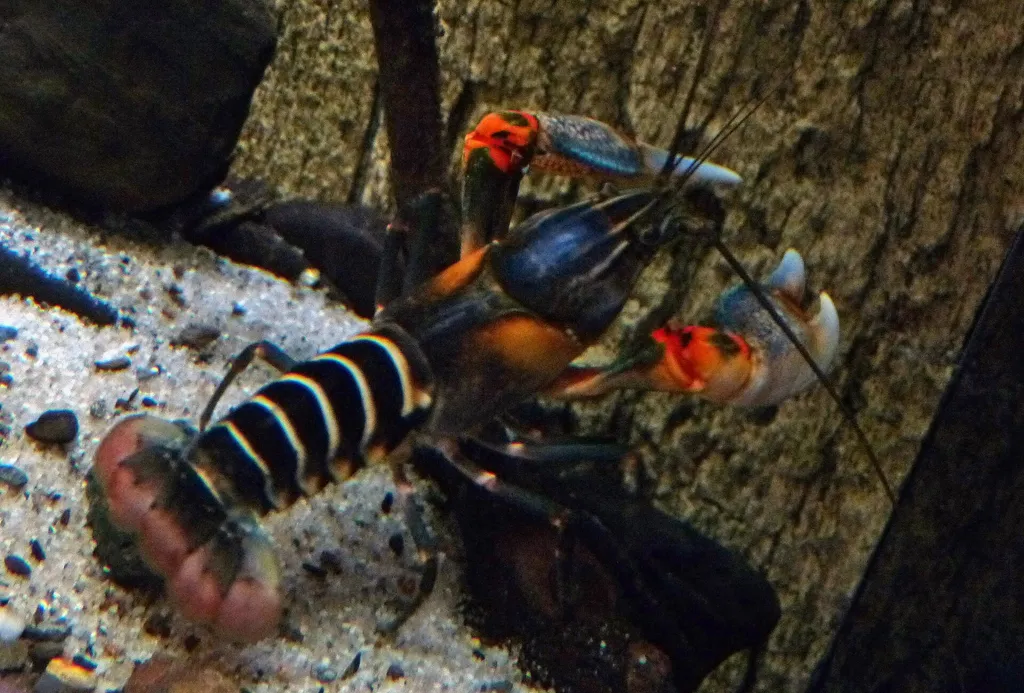
Zebra crayfish
Cherax peknyi
Freshwater4.7 in (12 cm) · 20 gal (75 L)72–82°F (22–28°C)Zebra nerite
Vittina natalensis
FreshwaterBrackish1 in (2.5 cm) · 5 gal (20 L)66–84°F (19–29°C)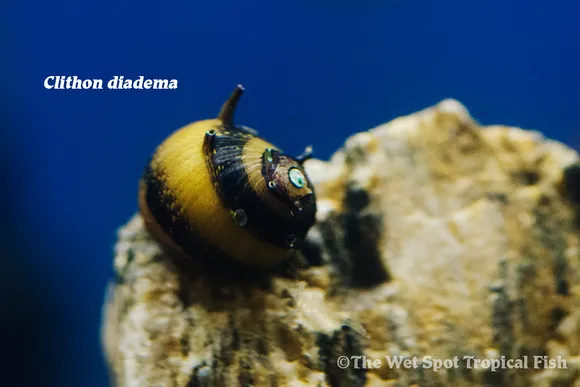
Zebra thorn snail
Clithon diadema
FreshwaterBrackish0.8 in (2 cm) · 5 gal (19 L)72–82°F (22–28°C)
Planning a tank?
TankBud checks stocking and water fit as you build a tank, then tracks water tests, reminders and photos once it is running.
Track your tanksMaintain tanks for clients? See TankBud Pro