White wizard snail
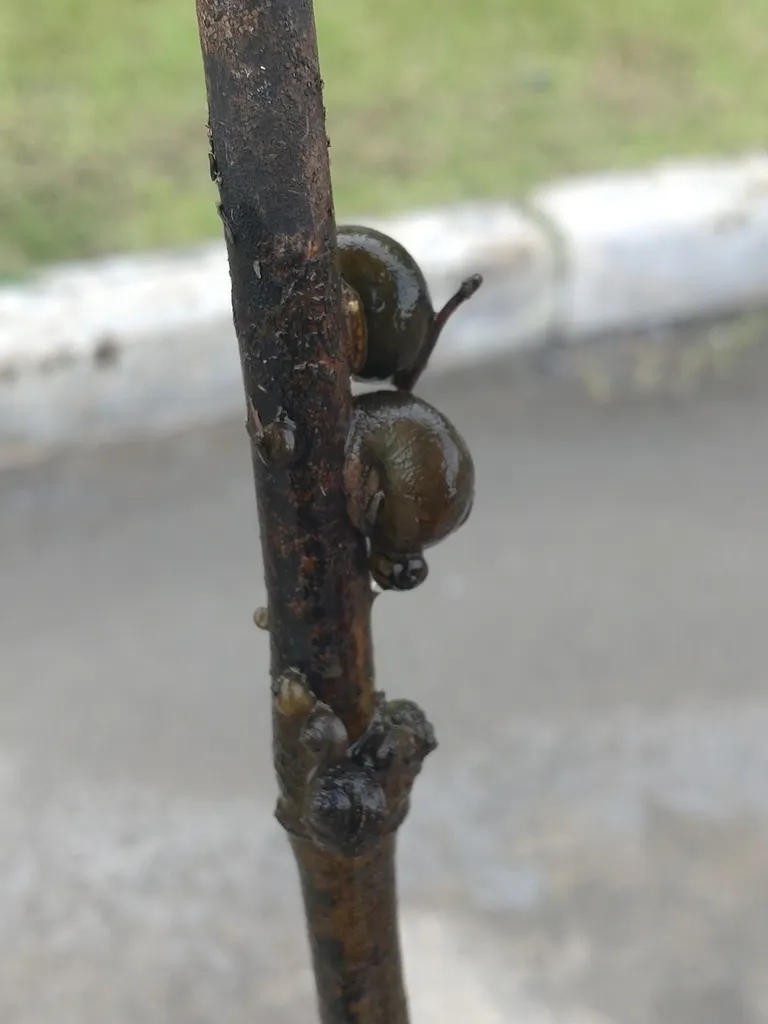
Filopaludina martensi
Also known as Ghost wizard piano snail
FreshwaterSnail
Care at a glance
- Temperature
- 72–79°F
- 22–26°C
- pH
- 6.5–8.0
- Adult size
- 2 in
- 5 cm
- Minimum tank
- 11 gal
- 40 L
- Temperament
- Peaceful
- Social behavior
- Solitary
- Swim level
- Bottom
- Difficulty
- Easy
- Breeding
- Hard
- Rarity
- Very rare
- Family
- Viviparidae
- Origin
- Southeast Asia
Overview
White wizard snails are peaceful, pale-shelled snails that spend much of their time burrowing through sand and sifting it for algae, biofilm, and detritus. They leave healthy plants alone and get along with fish, shrimp, and other snails, and a single snail needs no company. Give them a soft sand bed to plow through, moderately hard water to keep the shell solid, and no copper, which is toxic to snails. They feed on fine matter in the substrate and can also filter tiny particles from the water with their gill. A tank of 40 liters or more with a deep sand bed suits them well.
In the wild
Filopaludina martensi is native to Southeast Asia, living in slow rivers, ponds, canals, and rice paddies with soft, silty, or sandy bottoms. It is an adaptable snail that settles into a tank held from about 22 to 26 c with a pH from 6.5 to 8. A deep, soft sand bed is the key feature, since the snail burrows and feeds within it much as it would in the wild. Gentle flow, some plants, and moderately hard, clean water keep it active and its shell in good shape.
Good to know
Filopaludina martensi is a large river snail in the family Viviparidae, which carries both a gill and a trapdoor operculum. It grows to around 5 cm with a rounded, pale, banded shell. Like others in the family it is a livebearer, brooding its young inside and giving birth to fully formed miniature snails rather than laying eggs. Reproduction is slow and the newborns are small and easily lost, so building up numbers in a tank is rated hard. Its gill doubles as a filter for catching fine food from the water.
Did you know
The white wizard snail is one of the few aquarium snails that filter feeds, drawing water across its gill to trap tiny particles as well as grazing the sand. It spends so much time buried that a tank can look empty until the snails surface to roam.
Weekly picks
Tank mates
White wizard snail is a peaceful, solitary species that keeps to the bottom. These picks share a community profile with it, are safe together in both directions, and overlap on water type, temperature and pH.
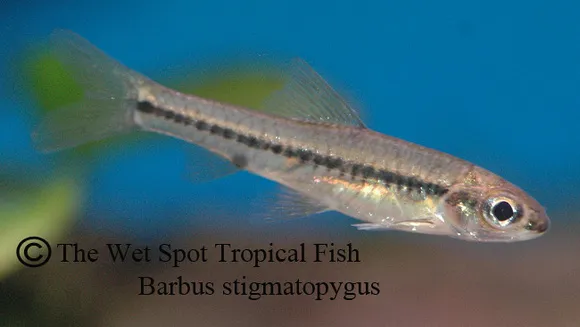
Blackspot dwarf barb
Enteromius stigmatopygus
Freshwater1.4 in (3.5 cm) · 11 gal (40 L)72–81°F (22–27°C)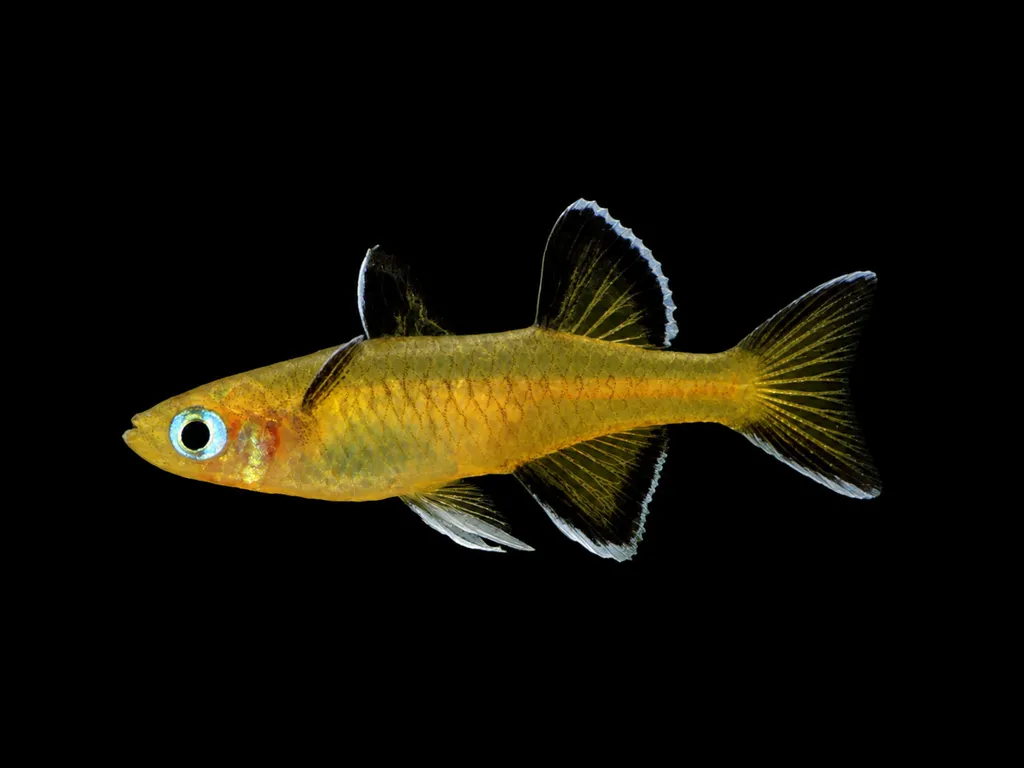
Honey blue-eye
Pseudomugil mellis
Freshwater1.4 in (3.5 cm) · 11 gal (40 L)68–82°F (20–28°C)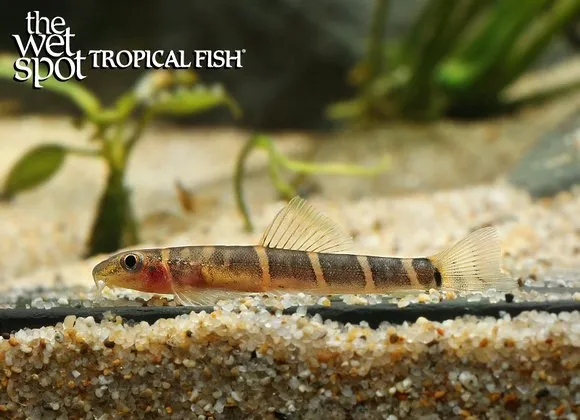
Fire-eyed loach
Barbucca diabolica
Freshwater1.2 in (3 cm) · 11 gal (40 L)72–79°F (22–26°C)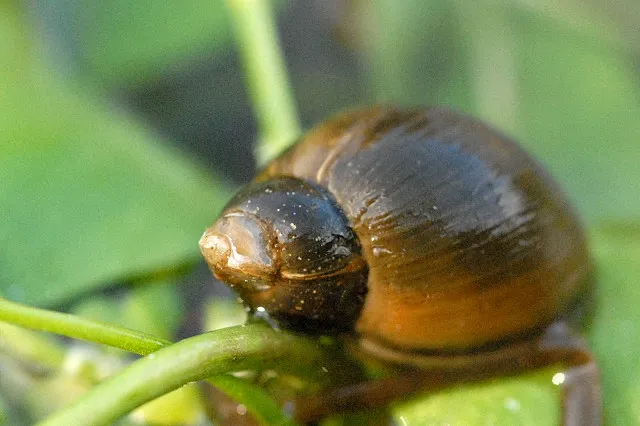
Wandering snail
Ampullaceana balthica
Freshwater0.8 in (2 cm) · 11 gal (40 L)50–84°F (10–29°C)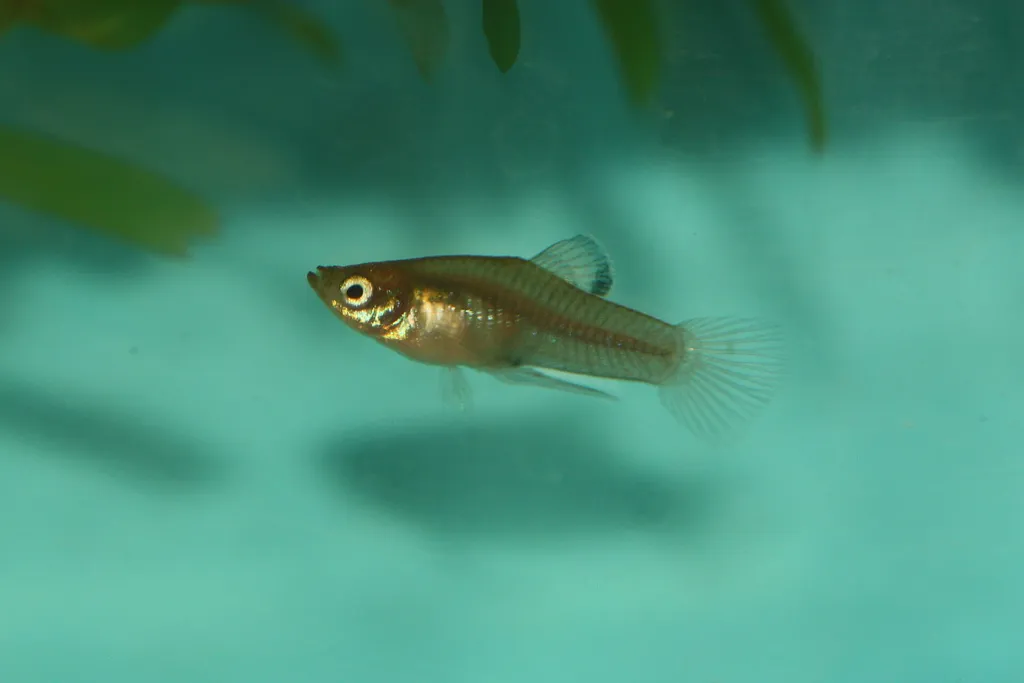
Dwarf merry widow
Phallichthys tico
Freshwater1.4 in (3.5 cm) · 11 gal (40 L)72–81°F (22–27°C)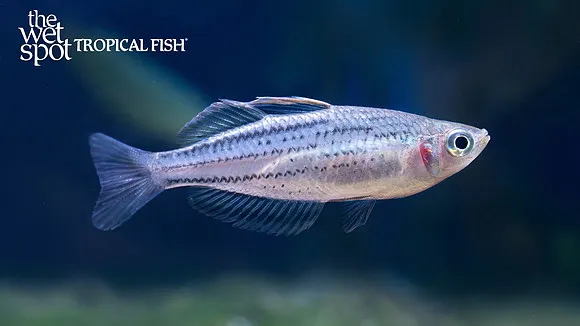
Green panchax
Aplocheilus blockii
Freshwater2 in (5 cm) · 11 gal (40 L)72–82°F (22–28°C)
Common questions
What size tank does a White wizard snail need?
A White wizard snail needs at least 11 gal (40 L). It spends most of its time in the bottom.
What temperature and pH does a White wizard snail need?
A White wizard snail is comfortable at 72–79°F (22–26°C) with a pH of 6.5–8.0.
How big does a White wizard snail get?
An adult White wizard snail reaches about 2 in (5 cm).
Related species
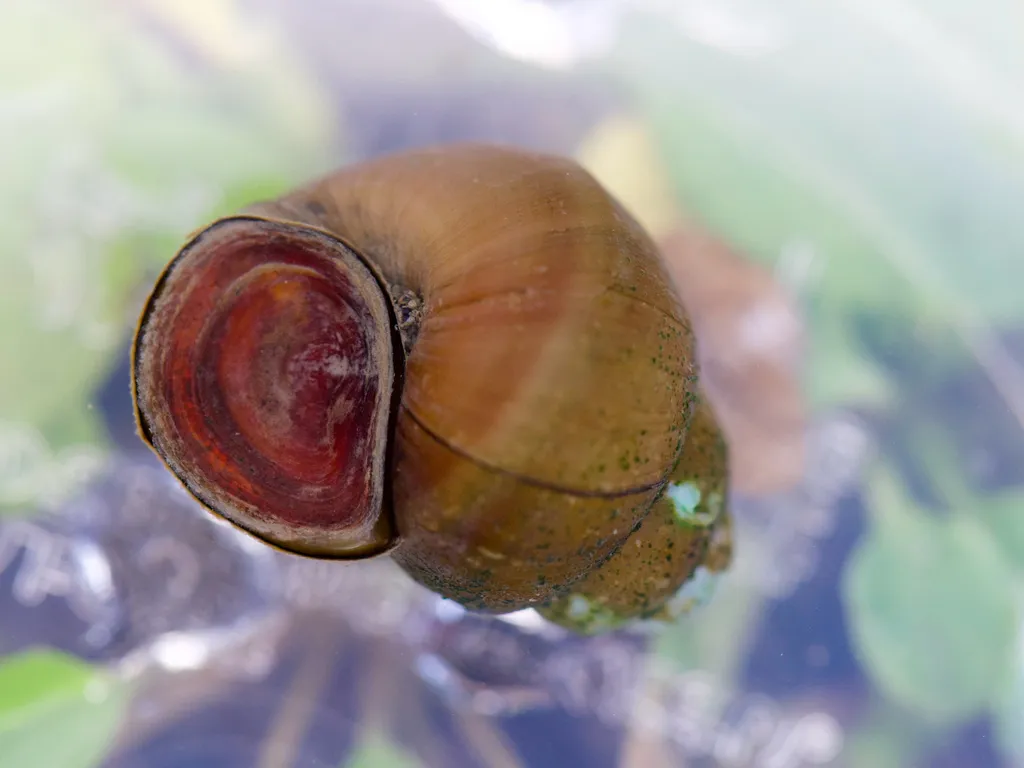 2 in (5 cm)8 gal (30 L)64–77°F (18–25°C)
Japanese trapdoor snail
Cipangopaludina malleata
2 in (5 cm) · 8 gal (30 L)
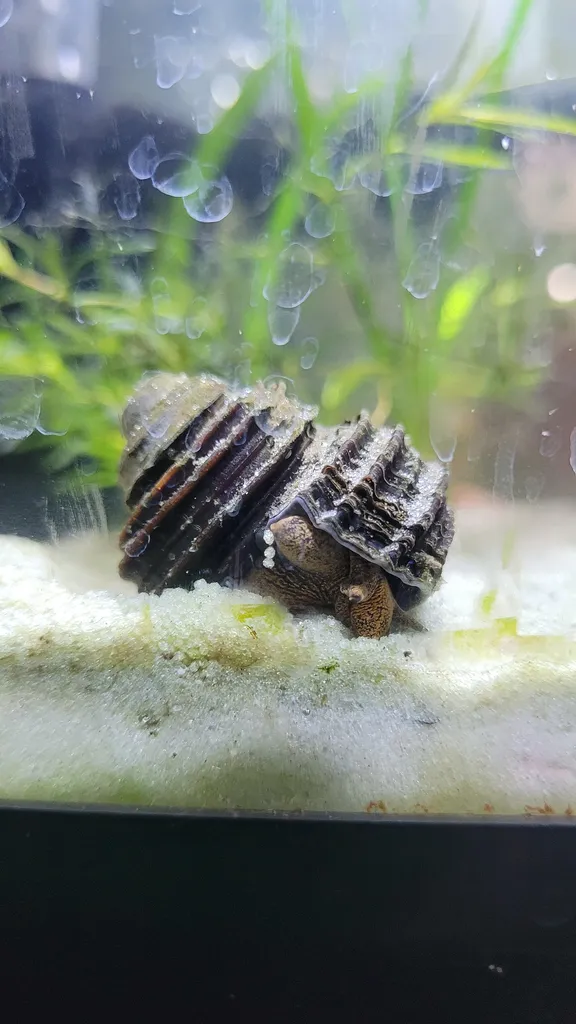 2.8 in (7 cm)11 gal (40 L)79–86°F (26–30°C)
Blue turbo snail
Celetaia persculpta
2.8 in (7 cm) · 11 gal (40 L)
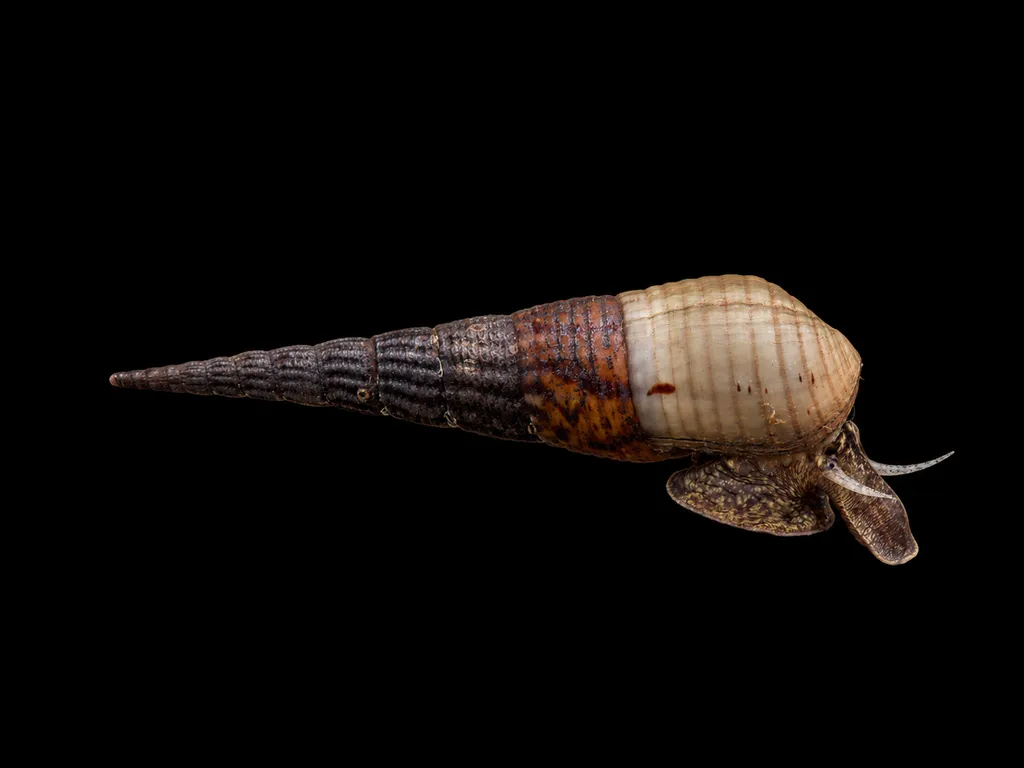 2 in (5 cm)11 gal (40 L)73–82°F (23–28°C)
Chopstick snail
Stenomelania torulosa
2 in (5 cm) · 11 gal (40 L)
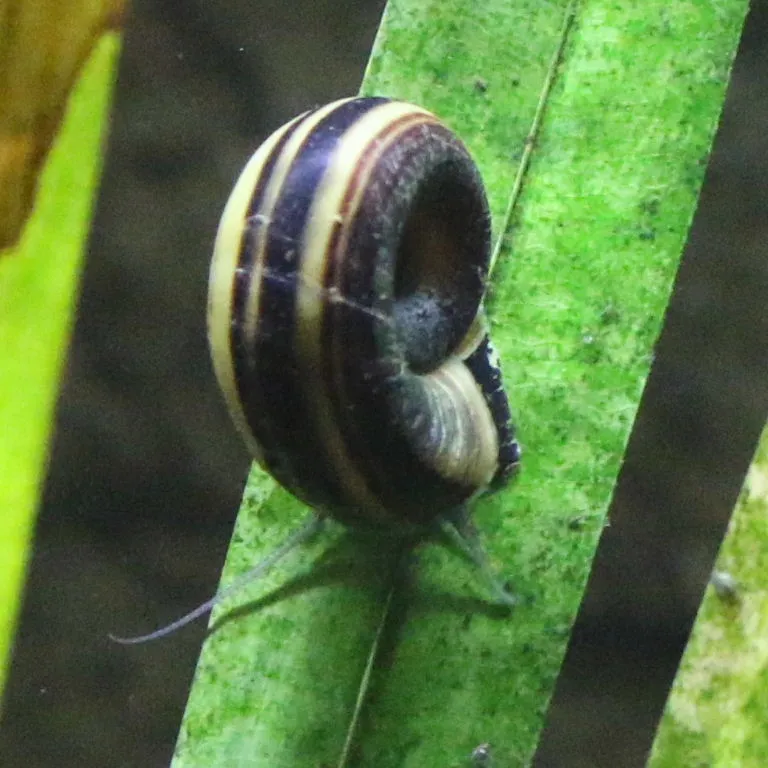 2 in (5 cm)5 gal (20 L)73–81°F (23–27°C)
Giant Colombian ramshorn
Marisa cornuarietis
2 in (5 cm) · 5 gal (20 L)
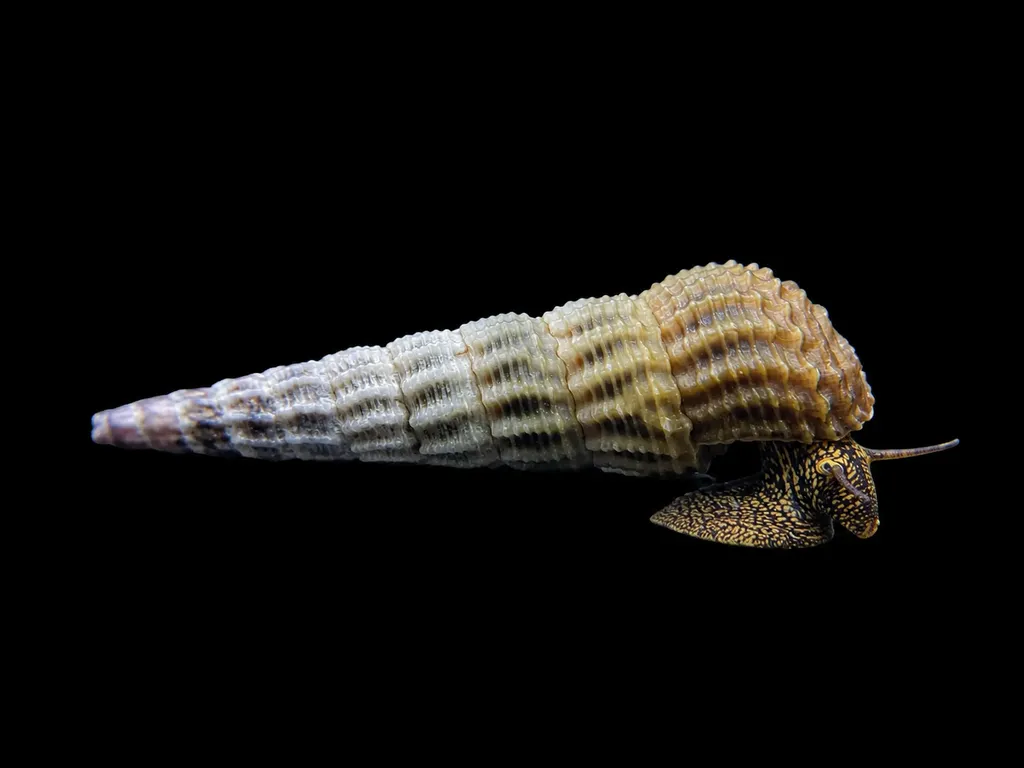 2 in (5 cm)11 gal (40 L)77–86°F (25–30°C)
Himalayan rabbit snail
Tylomelania marwotoae
2 in (5 cm) · 11 gal (40 L)
 2 in (5 cm)5 gal (20 L)70–79°F (21–26°C)
Mystery snail
Pomacea diffusa
2 in (5 cm) · 5 gal (20 L)