Giant Colombian ramshorn
Marisa cornuarietis
FreshwaterSnail
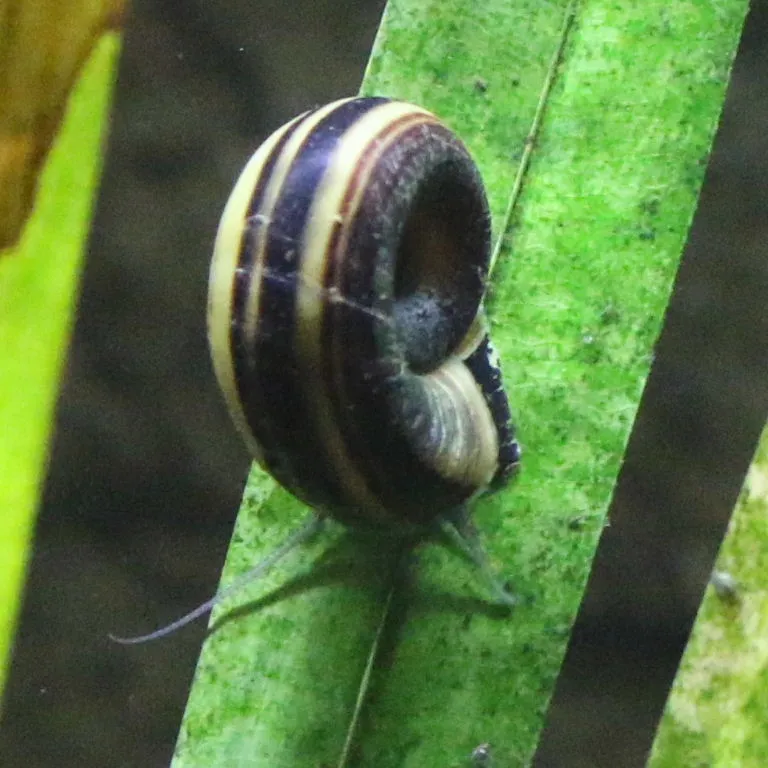
Care at a glance
- Temperature
- 73–81°F
- 23–27°C
- pH
- 6.5–8.0
- Adult size
- 2 in
- 5 cm
- Minimum tank
- 5 gal
- 20 L
- Temperament
- Peaceful
- Social behavior
- Solitary
- Swim level
- Bottom
- Difficulty
- Easy
- Breeding
- Medium
- Rarity
- Common
- Family
- Ampullariidae
- Origin
- Central America, South America
Overview
This is a peaceful, mostly solitary bottom grazer that spends its time working over surfaces for algae and decaying plant matter. Be warned: it readily eats live aquarium plants, so it suits an algae-control or low-plant tank rather than a planted display. Feed it algae wafers, blanched vegetables, and leftover food. Keep the water warm and on the harder side, and avoid copper-based treatments, which are toxic to snails.
In the wild
The giant Colombian ramshorn lives in warm, calm waters across Central and South America, from ponds and ditches to slow rivers full of plants. It crawls over surfaces grazing on algae and soft vegetation. A tank from about 20 liters works, with warm water in the mid 20s C and pH from 6.5 to 8. Harder water with some mineral content helps keep its shell solid, since soft acidic water can pit and erode it.
Good to know
Marisa cornuarietis is an apple snail in the family Ampullariidae, reaching about 5 cm across its flat, coiled shell. Unlike many pond snails it has separate sexes rather than being a hermaphrodite, so you need a male and a female to breed. It lays gelatinous egg masses under the water surface, not above it like some of its relatives. Breeding is moderate to manage given the right conditions.
Did you know
This snail has been used as a biological control agent against pest snails and weeds in some regions, because it eats vegetation and competing snails so eagerly. That same appetite is exactly why it has become an invasive problem where it escaped, and why you should never release one into local waters.
Weekly picks
Tank mates
Giant Colombian ramshorn is a peaceful, solitary species that keeps to the bottom. These picks share a community profile with it, are safe together in both directions, and overlap on water type, temperature and pH.
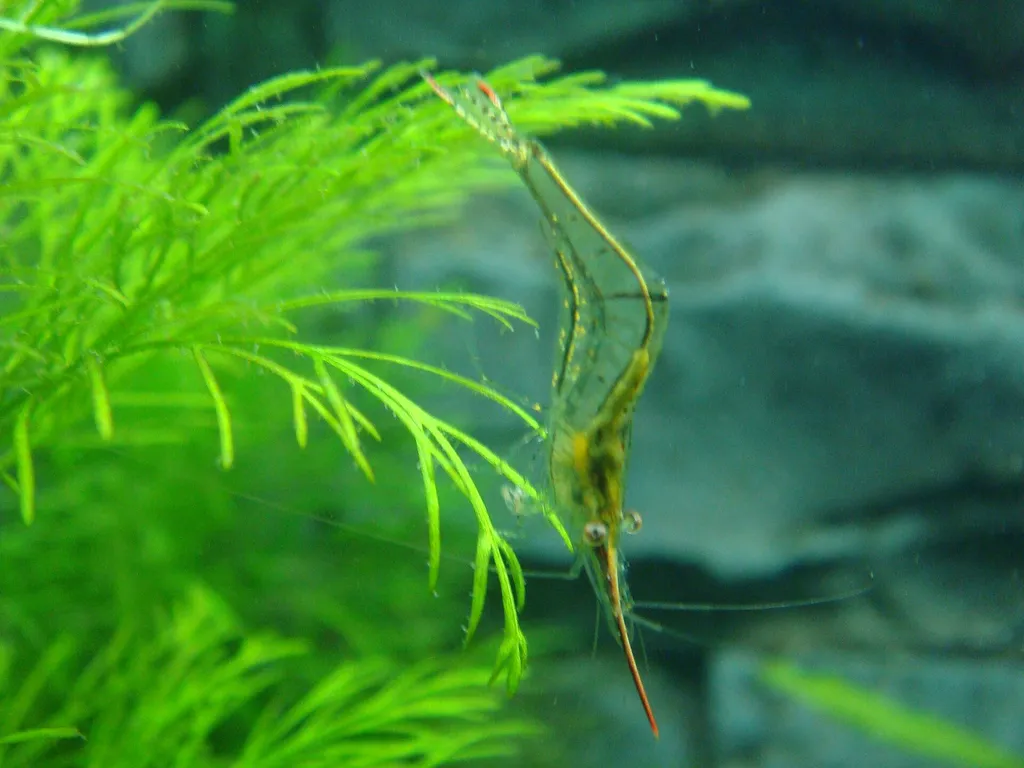
Red skunk shrimp
Caridina gracilirostris
FreshwaterBrackish1.6 in (4 cm) · 5 gal (20 L)73–82°F (23–28°C)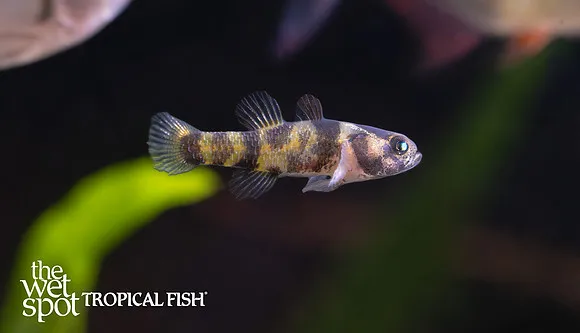
Micro bumblebee goby
Brachygobius nunus
FreshwaterBrackish1 in (2.5 cm) · 5 gal (20 L)73–82°F (23–28°C)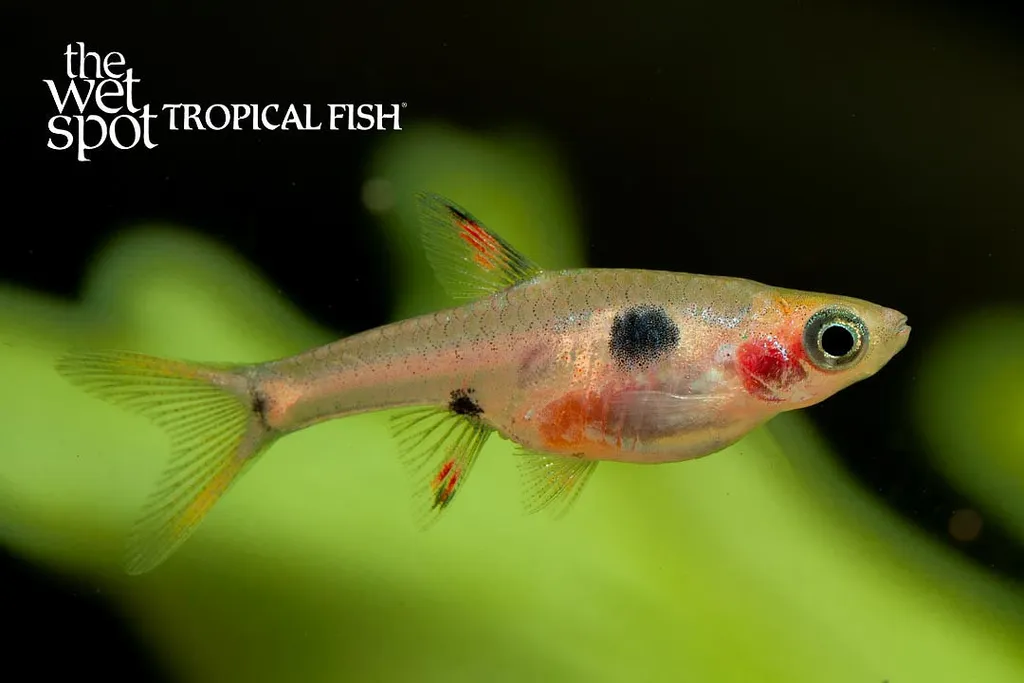
Dwarf rasbora
Boraras maculatus
Freshwater1 in (2.5 cm) · 7 gal (25 L)72–82°F (22–28°C)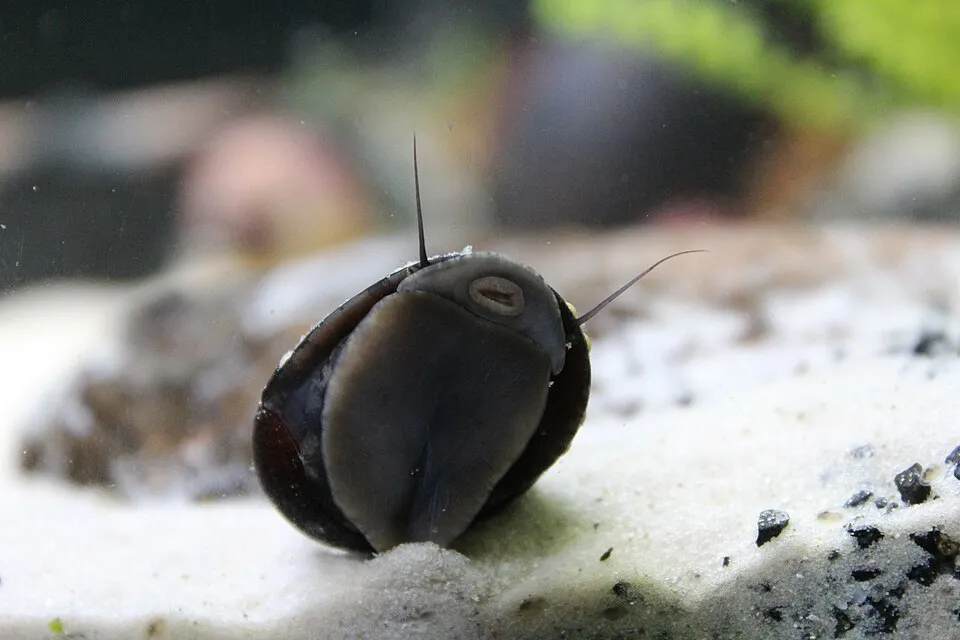
Dusky nerite snail
Neritina pulligera
FreshwaterBrackish1.6 in (4 cm) · 5 gal (20 L)72–82°F (22–28°C)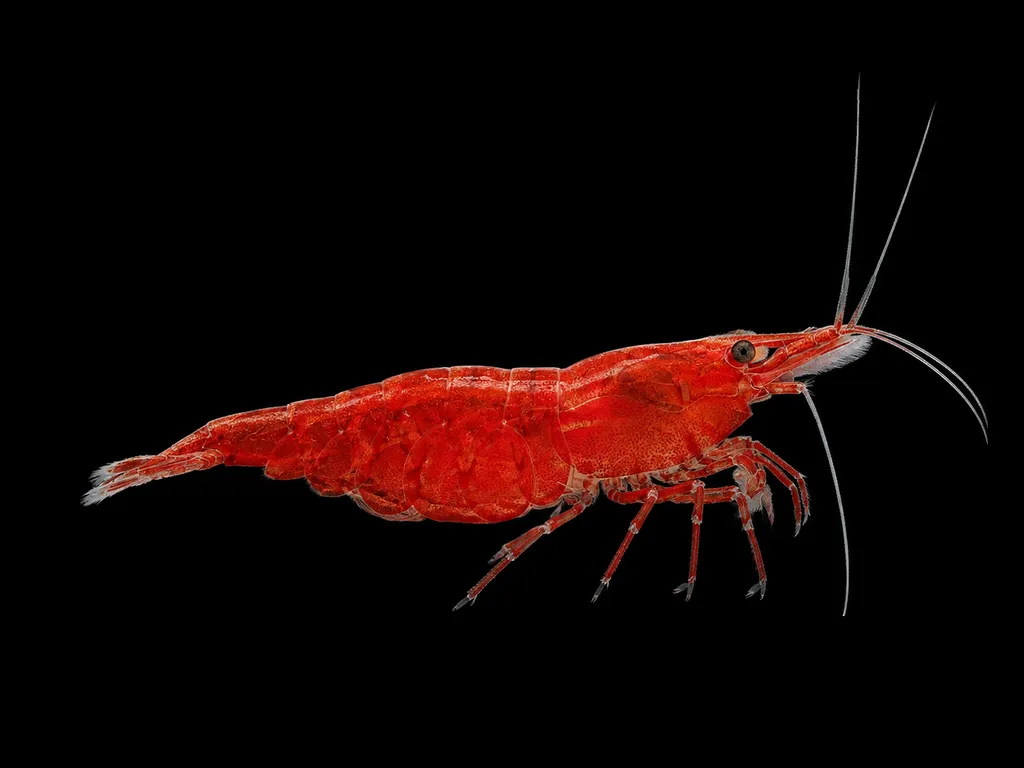
Neocaridina shrimp
Neocaridina davidi
Freshwater1.6 in (4 cm) · 5 gal (20 L)59–84°F (15–29°C)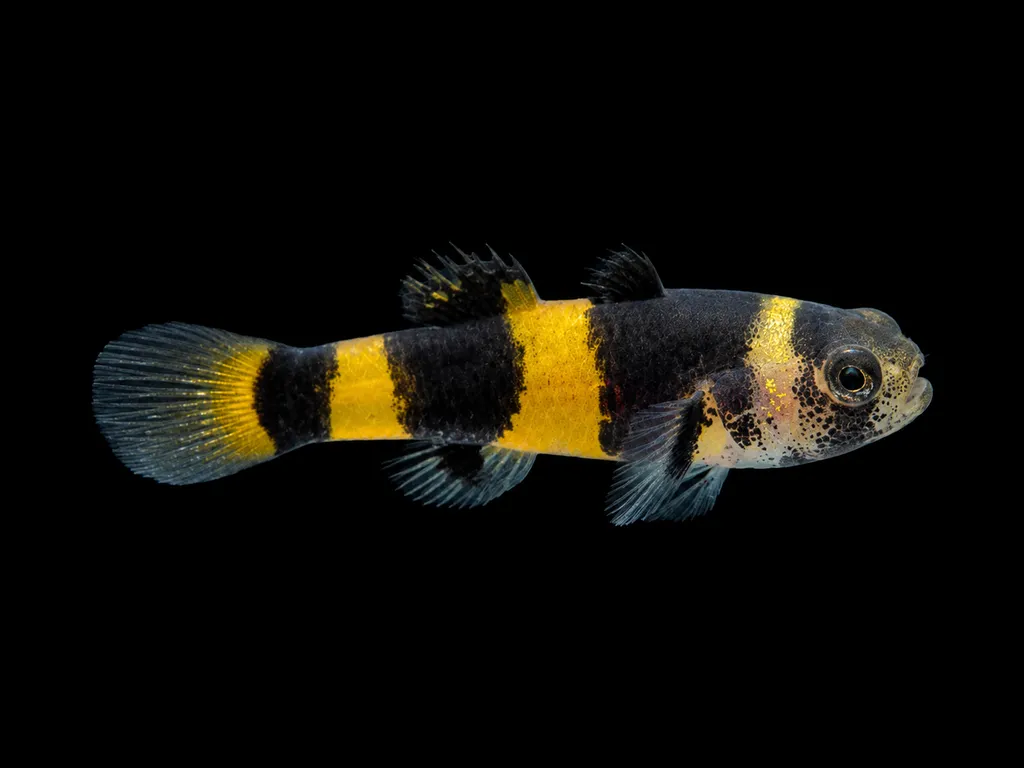
Mini bumblebee goby
Brachygobius xanthomelas
Freshwater0.8 in (2 cm) · 5 gal (20 L)75–82°F (24–28°C)
Common questions
What size tank does a Giant Colombian ramshorn need?
A Giant Colombian ramshorn needs at least 5 gal (20 L). It spends most of its time in the bottom.
What temperature and pH does a Giant Colombian ramshorn need?
A Giant Colombian ramshorn is comfortable at 73–81°F (23–27°C) with a pH of 6.5–8.0.
How big does a Giant Colombian ramshorn get?
An adult Giant Colombian ramshorn reaches about 2 in (5 cm).
Related species
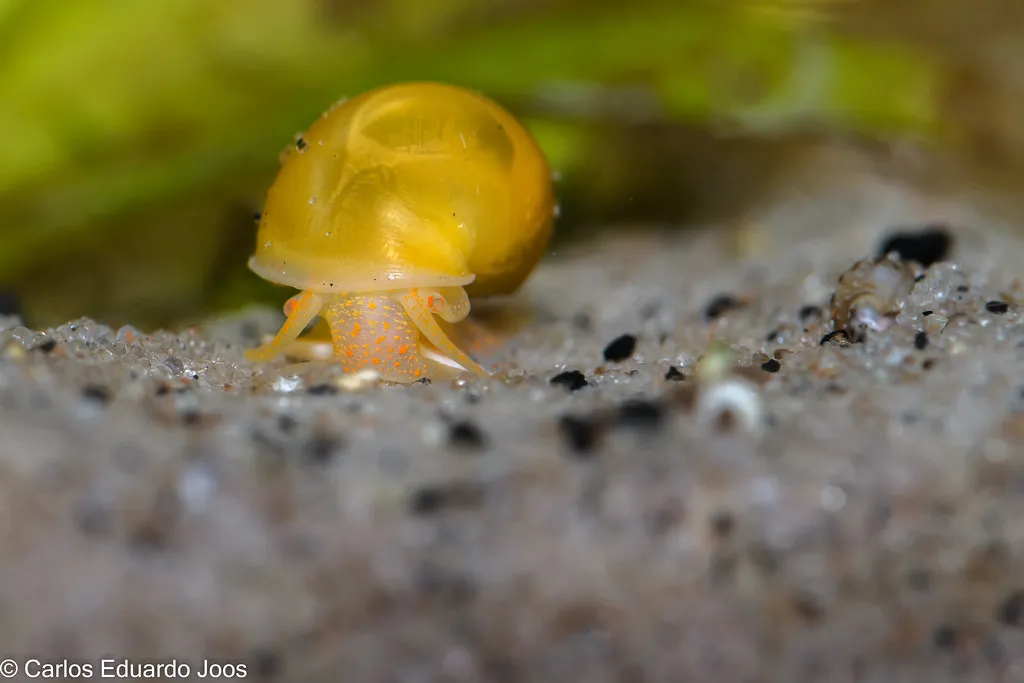 2 in (5 cm)5 gal (20 L)70–79°F (21–26°C)
Mystery snail
Pomacea diffusa
2 in (5 cm) · 5 gal (20 L)
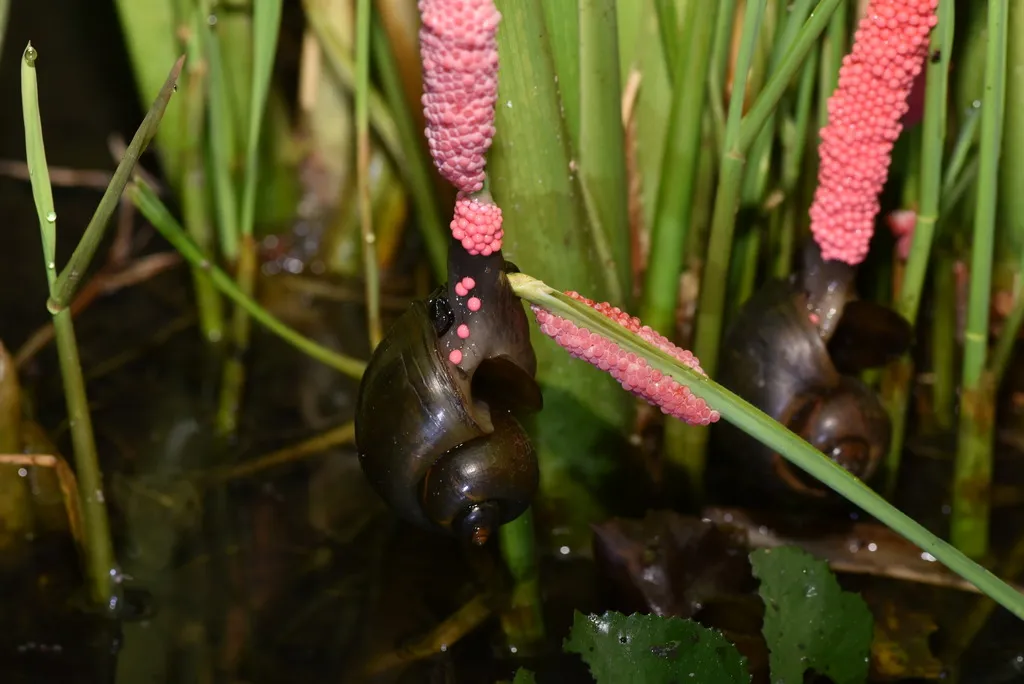 5.9 in (15 cm)21 gal (80 L)64–81°F (18–27°C)
Apple snail
Pomacea canaliculata
5.9 in (15 cm) · 21 gal (80 L)
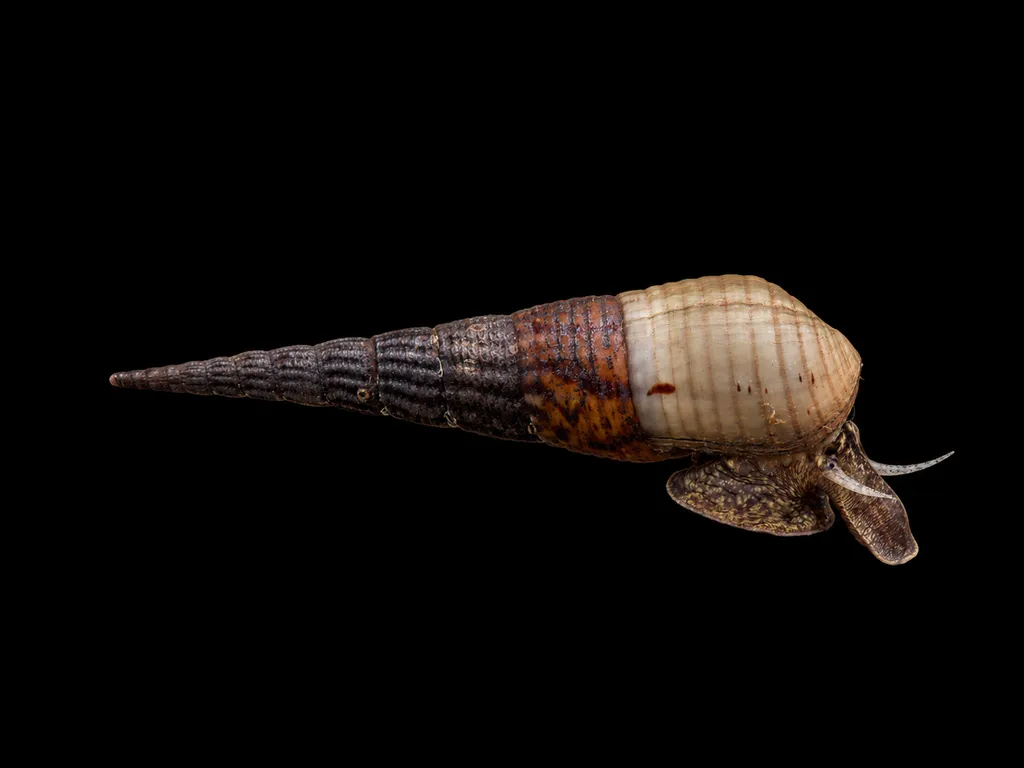 2 in (5 cm)11 gal (40 L)73–82°F (23–28°C)
Chopstick snail
Stenomelania torulosa
2 in (5 cm) · 11 gal (40 L)
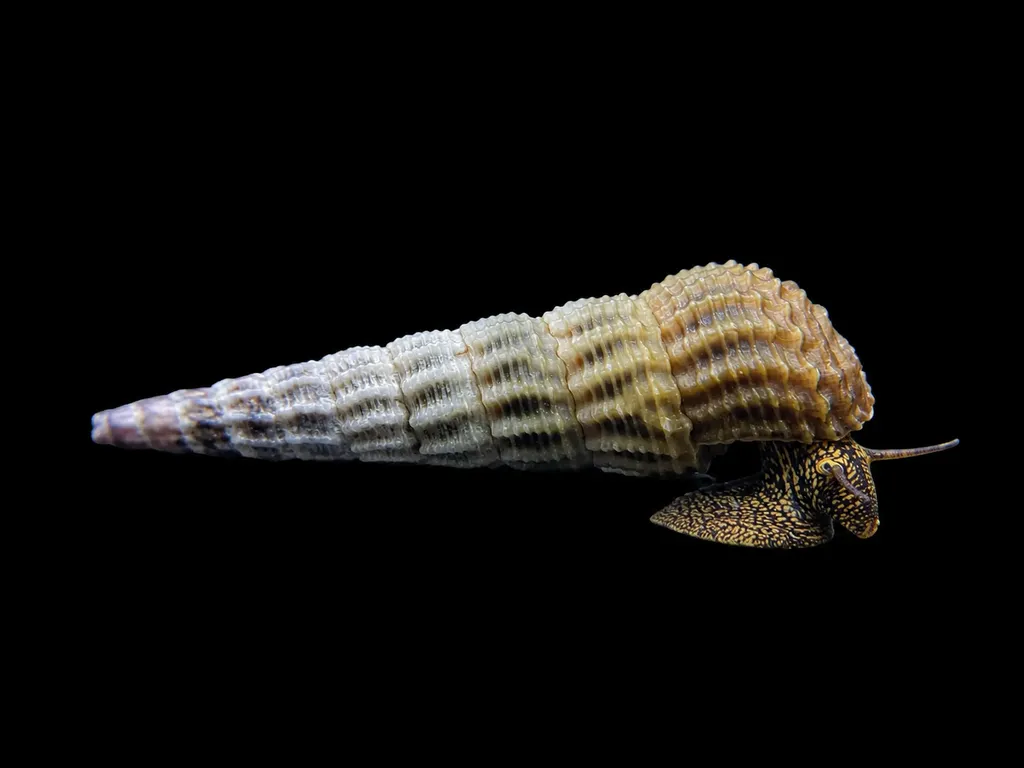 2 in (5 cm)11 gal (40 L)77–86°F (25–30°C)
Himalayan rabbit snail
Tylomelania marwotoae
2 in (5 cm) · 11 gal (40 L)
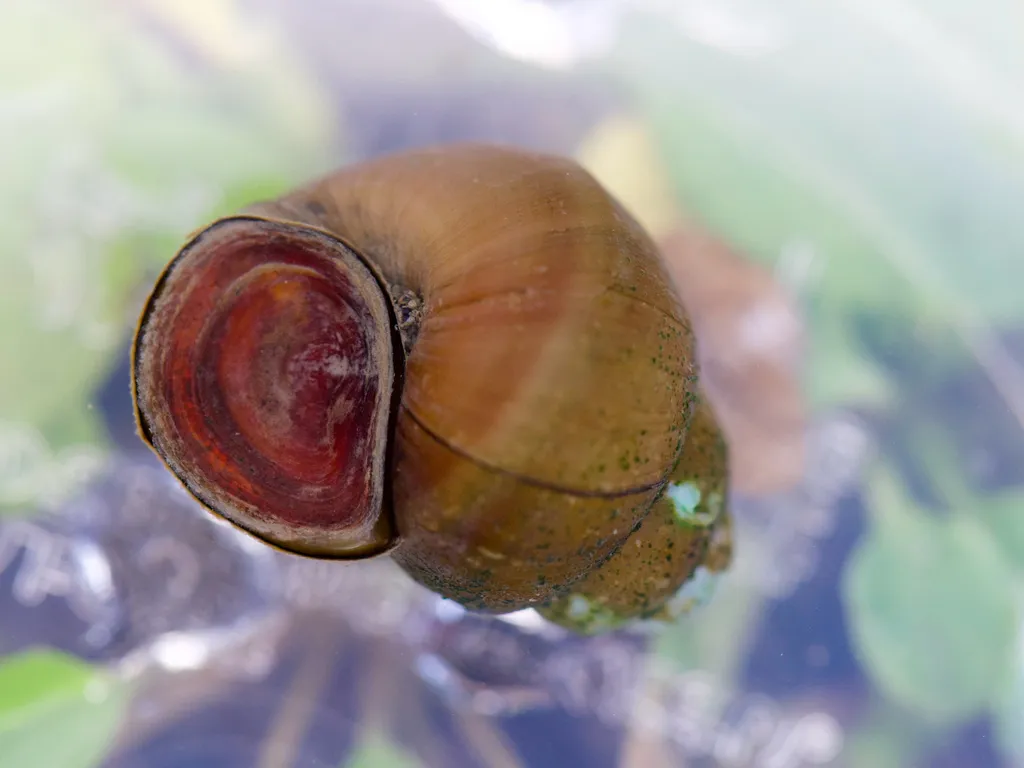 2 in (5 cm)8 gal (30 L)64–77°F (18–25°C)
Japanese trapdoor snail
Cipangopaludina malleata
2 in (5 cm) · 8 gal (30 L)
 2 in (5 cm)5 gal (20 L)75–86°F (24–30°C)
Triangle rabbit snail
Tylomelania sinabartfeldi
2 in (5 cm) · 5 gal (20 L)