Himalayan rabbit snail
Tylomelania marwotoae
FreshwaterSnail
Care at a glance
- Temperature
- 77–86°F
- 25–30°C
- pH
- 7.0–8.5
- Adult size
- 2 in
- 5 cm
- Minimum tank
- 11 gal
- 40 L
- Temperament
- Peaceful
- Social behavior
- Solitary
- Swim level
- Bottom
- Difficulty
- Easy
- Breeding
- Hard
- Rarity
- Very rare
- Family
- Pachychilidae
- Origin
- Sulawesi
Overview
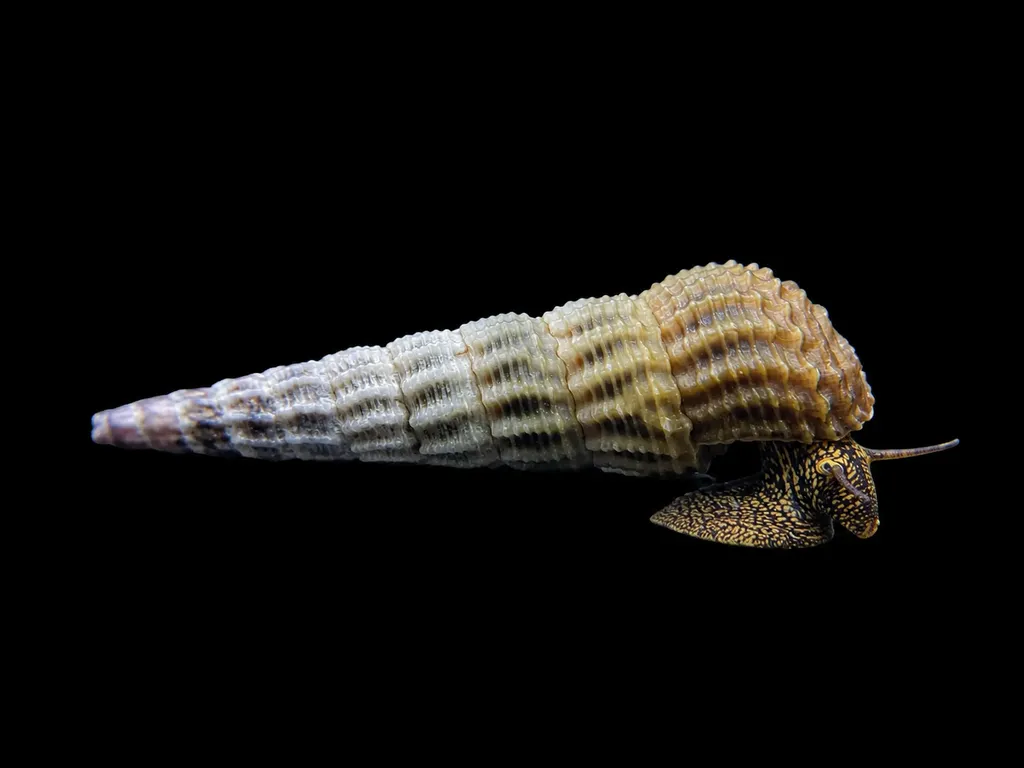
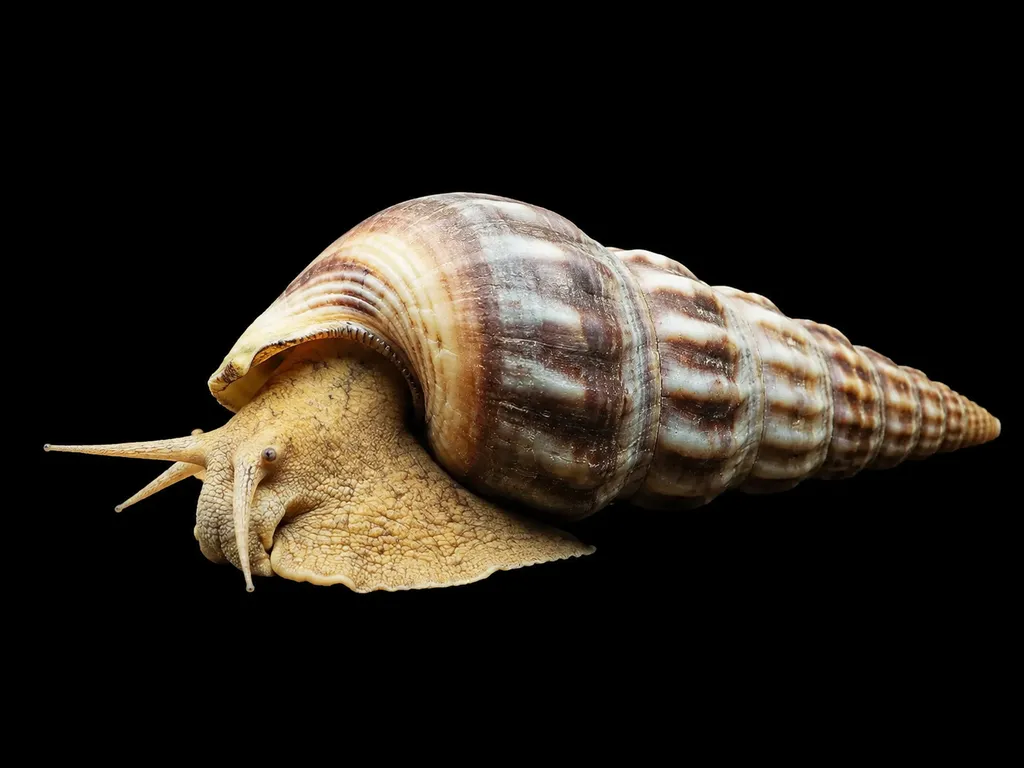
The Himalayan rabbit snail is a small Sulawesi snail with a patterned shell that grazes quietly over wood, rock, and sand for algae, biofilm, and detritus. It is peaceful and pays no attention to tankmates, so it settles in well with community fish and shrimp, and it is content kept singly. Like its relatives it wants warm, hard, alkaline water and a soft bed to forage through, and it must never meet copper, which poisons snails. It breeds only slowly, one live baby at a time, so numbers stay in check. A tank of 40 liters or more gives it room to roam.
In the wild
Despite the trade name, this snail is not from the Himalayas at all but from Sulawesi in Indonesia, where rabbit snails live nowhere else. Its home waters run warm and hard with an alkaline pH, so a tank should sit from about 25 to 30 c with a pH between 7 and 8.5. A deep layer of soft sand is important, as the snail spends much of its time plowing through it for food. Stable minerals and clean, well-filtered water keep it healthy and its shell intact.
Good to know
Tylomelania marwotoae is a described Sulawesi species in the family Pachychilidae, one of many rabbit snails still uncommon in the hobby. It stays fairly small at around 5 cm, with the long, whorled shell and horny trapdoor typical of the group. It is a livebearer, releasing a single well-developed juvenile at a time instead of egg clutches. Because that output is so low and the young grow slowly, deliberately breeding a colony is rated hard.
Did you know
Rabbit snails are among the very few aquarium snails that give birth to live young one at a time. A female may go weeks between babies, so even a group grows into a colony only very gradually.
Weekly picks
Tank mates
Himalayan rabbit snail is a peaceful, solitary species that keeps to the bottom. These picks share a community profile with it, are safe together in both directions, and overlap on water type, temperature and pH.
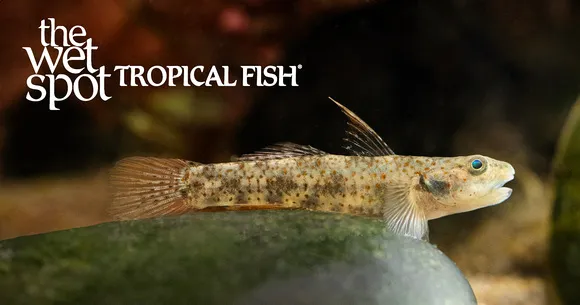
Lumbantobing goby
Pseudogobiopsis lumbantobing
Freshwater1.6 in (4 cm) · 11 gal (40 L)75–82°F (24–28°C)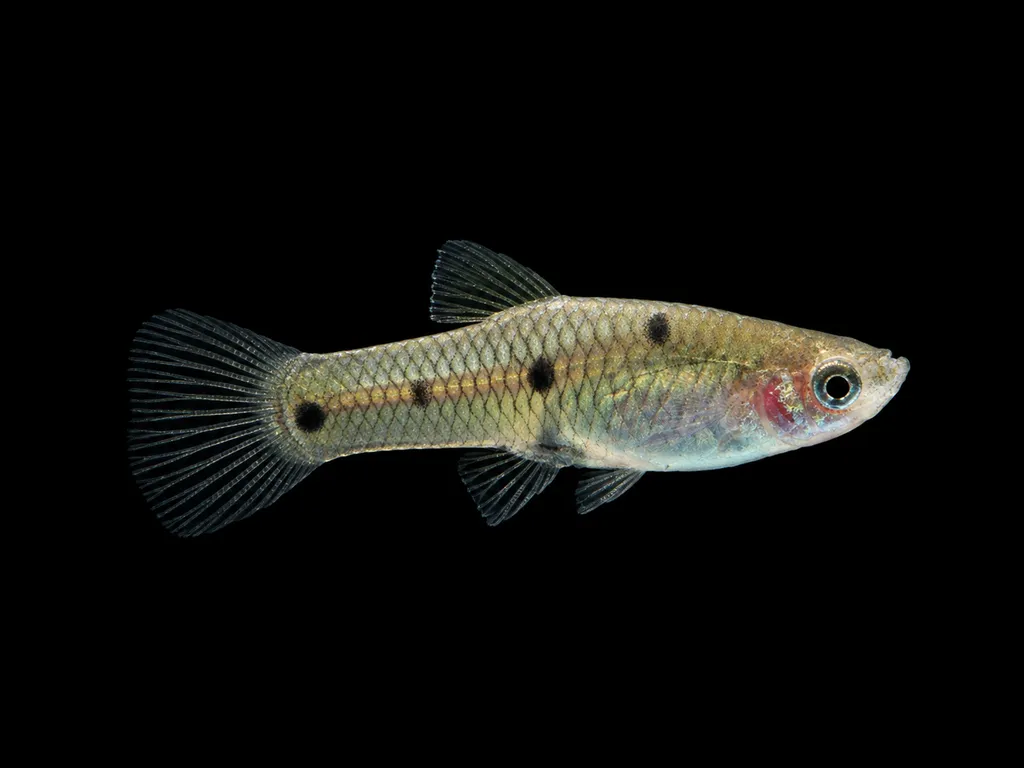
Fourspotted toothcarp
Phallichthys quadripunctatus
Freshwater1.4 in (3.5 cm) · 11 gal (40 L)68–86°F (20–30°C)
Green panchax
Aplocheilus blockii
Freshwater2 in (5 cm) · 11 gal (40 L)72–82°F (22–28°C)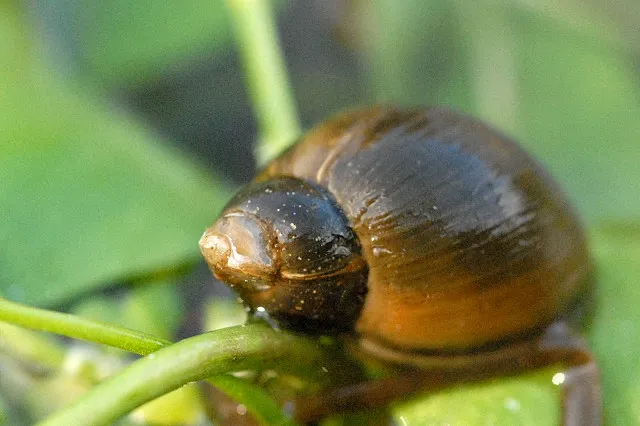
Wandering snail
Ampullaceana balthica
Freshwater0.8 in (2 cm) · 11 gal (40 L)50–84°F (10–29°C)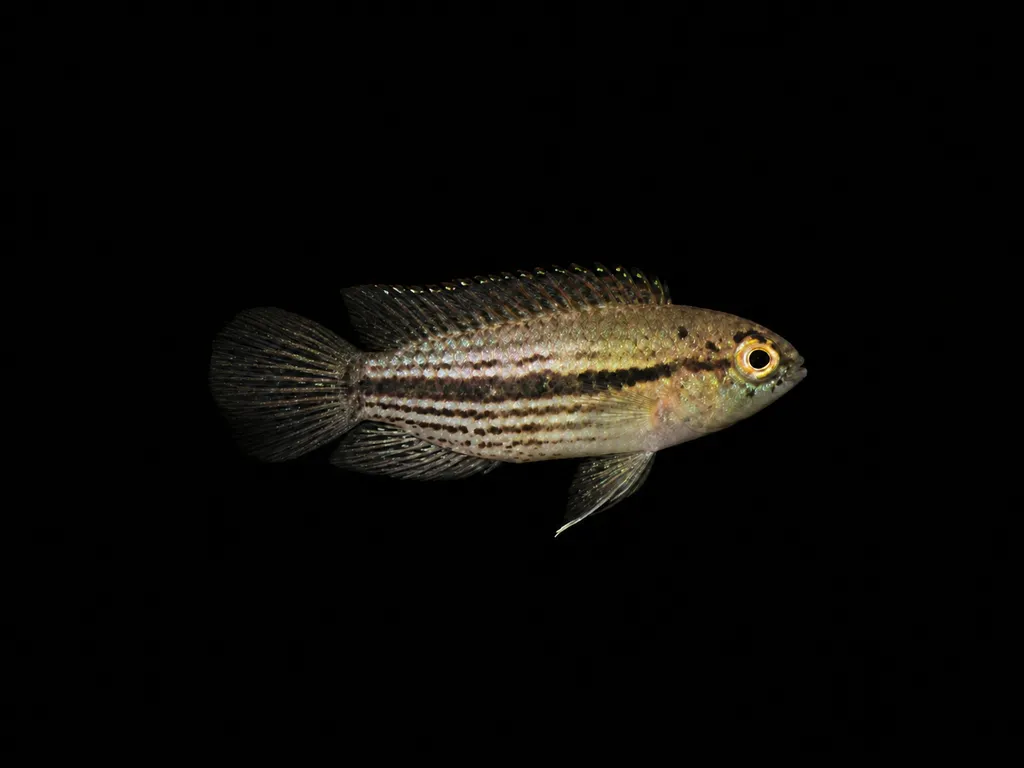
Striped nannacara
Nannacara taenia
Freshwater2.4 in (6 cm) · 11 gal (40 L)75–82°F (24–28°C)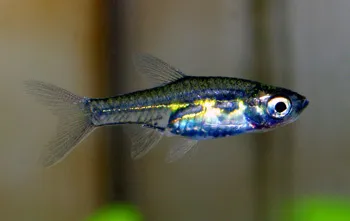
Glowlight carplet
Horadandia atukorali
Freshwater1.2 in (3 cm) · 11 gal (40 L)75–82°F (24–28°C)
Common questions
What size tank does a Himalayan rabbit snail need?
A Himalayan rabbit snail needs at least 11 gal (40 L). It spends most of its time in the bottom.
What temperature and pH does a Himalayan rabbit snail need?
A Himalayan rabbit snail is comfortable at 77–86°F (25–30°C) with a pH of 7.0–8.5.
How big does a Himalayan rabbit snail get?
An adult Himalayan rabbit snail reaches about 2 in (5 cm).
Related species
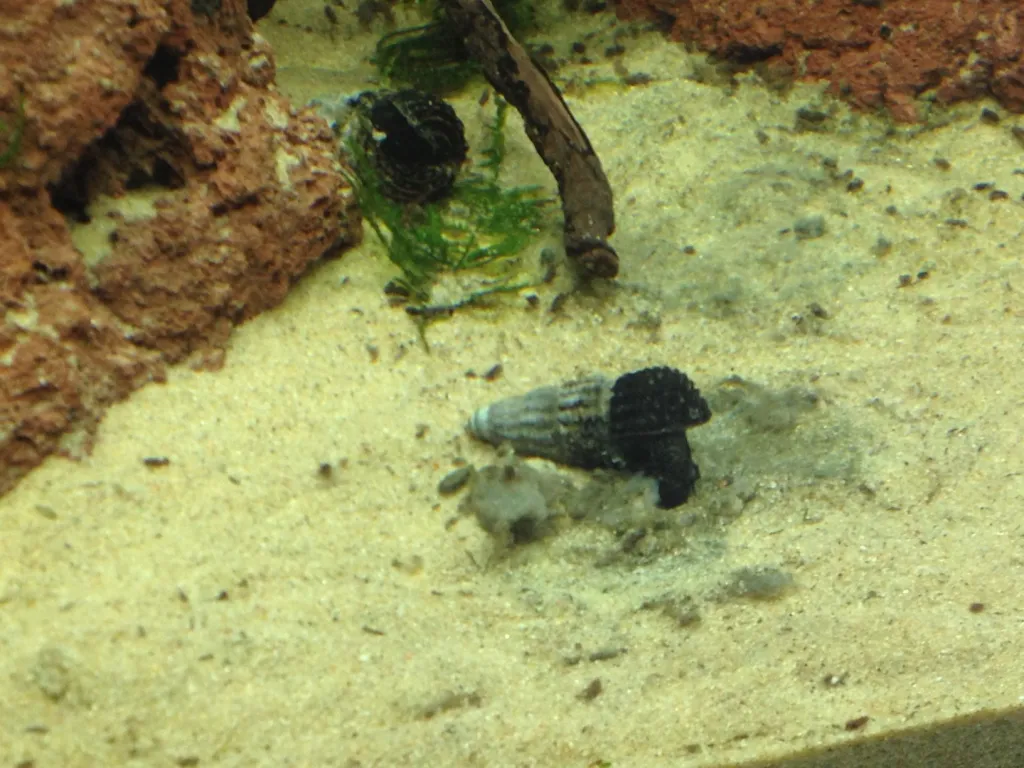 2 in (5 cm)5 gal (20 L)75–86°F (24–30°C)
Triangle rabbit snail
Tylomelania sinabartfeldi
2 in (5 cm) · 5 gal (20 L)
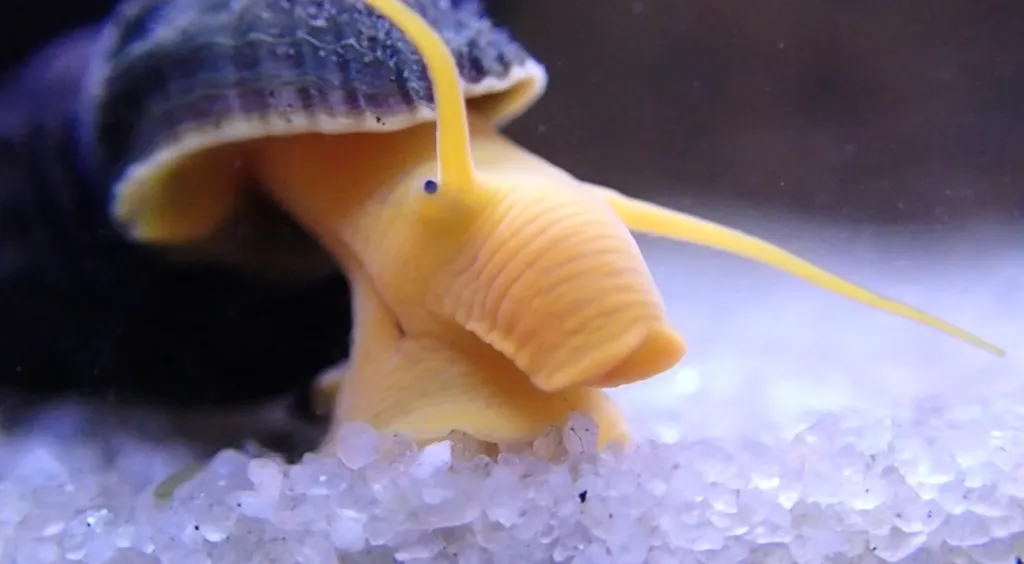 2.8 in (7 cm)16 gal (60 L)75–82°F (24–28°C)
Gold rabbit snail
Tylomelania gemmifera
2.8 in (7 cm) · 16 gal (60 L)
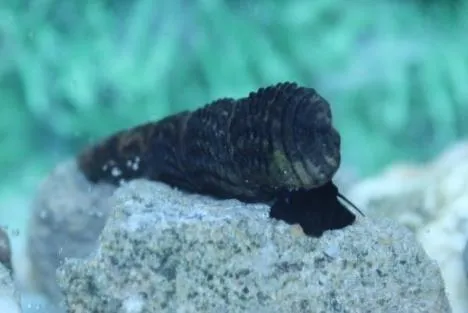 4.3 in (11 cm)16 gal (60 L)75–84°F (24–29°C)
White spotted rabbit snail
Tylomelania towutica
4.3 in (11 cm) · 16 gal (60 L)
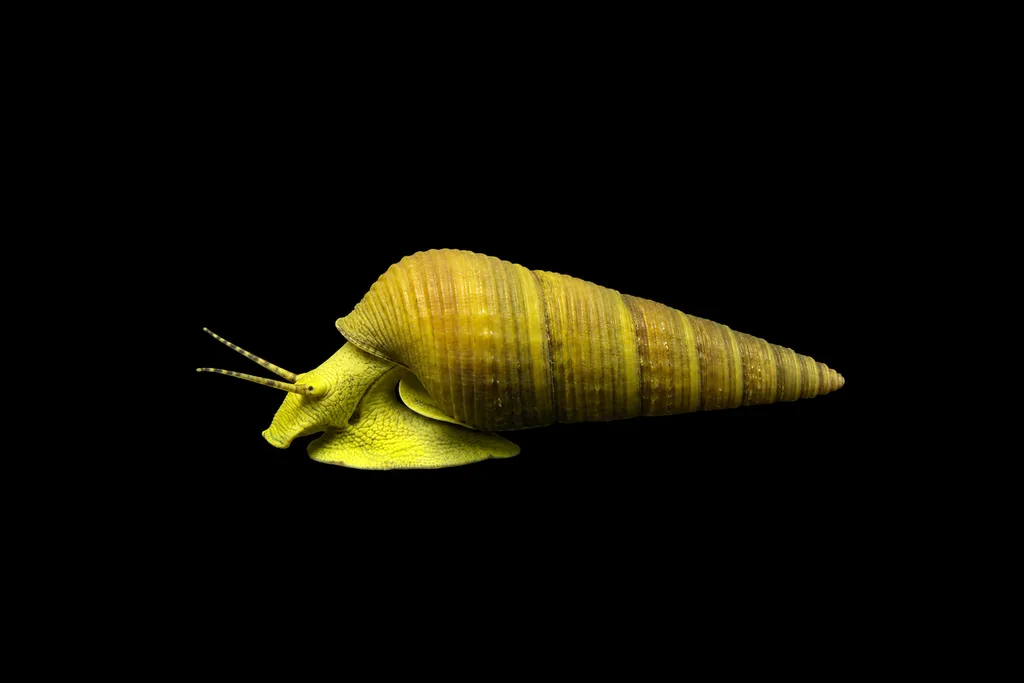 4.7 in (12 cm)20 gal (75 L)79–86°F (26–30°C)
Yellow giant rabbit snail
Tylomelania sarasinorum
4.7 in (12 cm) · 20 gal (75 L)
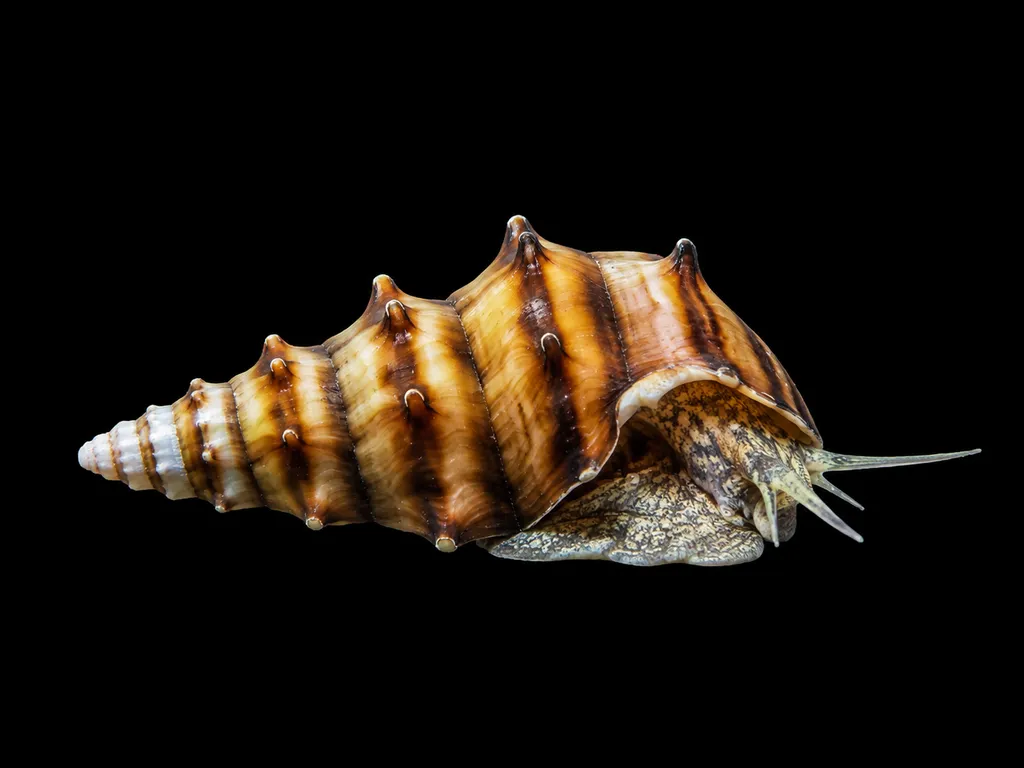 2.4 in (6 cm)5 gal (20 L)72–82°F (22–28°C)
Pagoda snail
Brotia pagodula
2.4 in (6 cm) · 5 gal (20 L)
 3.1 in (8 cm)11 gal (40 L)73–82°F (23–28°C)
Hercules snail
Brotia herculea
3.1 in (8 cm) · 11 gal (40 L)