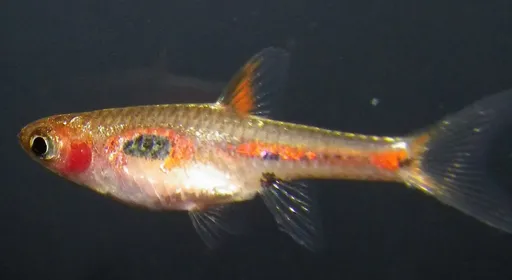
Green neon rasbora
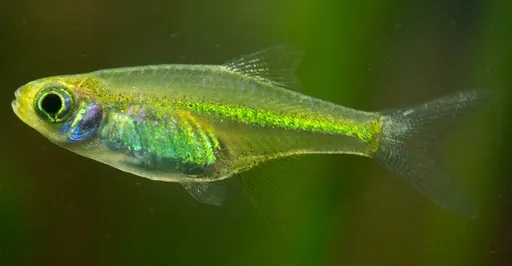
Microdevario kubotai
Also known as Kubotai rasbora, Neon green rasbora
FreshwaterFish
Care at a glance
- Temperature
- 72–79°F
- 22–26°C
- pH
- 6.0–7.0
- Adult size
- 0.8 in
- 2 cm
- Minimum tank
- 12 gal
- 45 L
- Temperament
- Peaceful
- Social behavior
- Shoaling
- Swim level
- Middle
- Difficulty
- Easy
- Breeding
- Medium
- Rarity
- Common
- Family
- Cyprinidae
- Origin
- Peninsular Thailand and Myanmar (Ataran River basin)
Overview
Keep them in a group of 8 to 10 or more in a tank of at least 45 liters, because in small numbers they hide in the plants and lose their green color. They are peaceful, sit in the middle of the water column, and school together once they feel settled. Hold the water between 22 and 26 C, soft, with a pH from 6 to 7, and keep the flow gentle since they are weak swimmers at this size. Feed crushed micro pellets, fine flakes, and small live or frozen foods like baby brine and microworms, since their mouths are very small. They are shrimp-safe and pair well with other tiny, calm fish, but skip anything big enough to treat them as food.
In the wild
Green neon rasboras come from slow forest streams in Peninsular Thailand and Myanmar, in the Ataran River basin, where the water runs soft, warm, and a little acidic. These are shaded, plant-choked stretches with leaf litter and gentle flow. To match that, give them a heavily planted, mature tank with floating cover up top, dark substrate, and quiet movement at the surface. Keep the water between 22 and 26 C with a pH from 6 to 7, and let the tank settle in before you add them, since they do poorly in anything new or unstable.
Good to know
This is Microdevario kubotai, a tiny cyprinid in the family Cyprinidae, and an adult barely reaches 2 cm. It is an egg scatterer with no parental care, dropping eggs among plants and moss and then ignoring them. Breeding them is doable but takes some setup, since the adults will eat their own eggs. Most fish in the trade are wild caught, though tank-bred stock turns up now and then.
Did you know
The bright green only really shows up when they feel safe in a tight group over dark substrate. Drop the school size or put them in a bare, bright tank and the color washes out to a dull, pale silver. A lot of people write these off as plain in the shop, where they are crowded and stressed, then watch them turn green once they are home and settled.
Weekly picks
Tank mates
Green neon rasbora is a peaceful, shoaling species that keeps to the middle. These picks share a community profile with it, are safe together in both directions, and overlap on water type, temperature and pH.
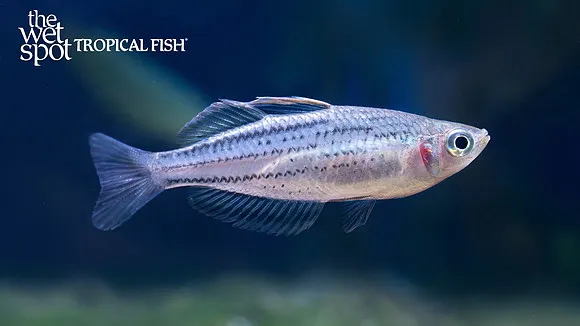
Green panchax
Aplocheilus blockii
Freshwater2 in (5 cm) · 11 gal (40 L)72–82°F (22–28°C)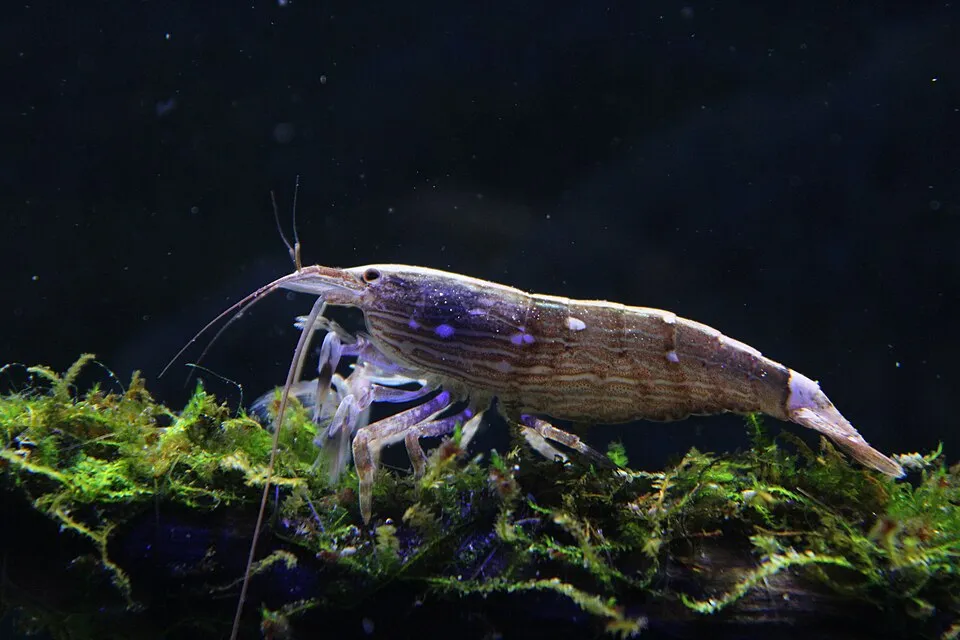
Bamboo shrimp
Atyopsis moluccensis
Freshwater3.9 in (10 cm) · 13 gal (50 L)72–84°F (22–29°C)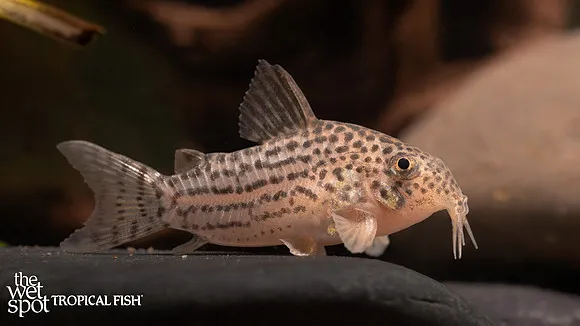
Reynolds's cory
Hoplisoma reynoldsi
Freshwater1.4 in (3.5 cm) · 12 gal (45 L)72–79°F (22–26°C)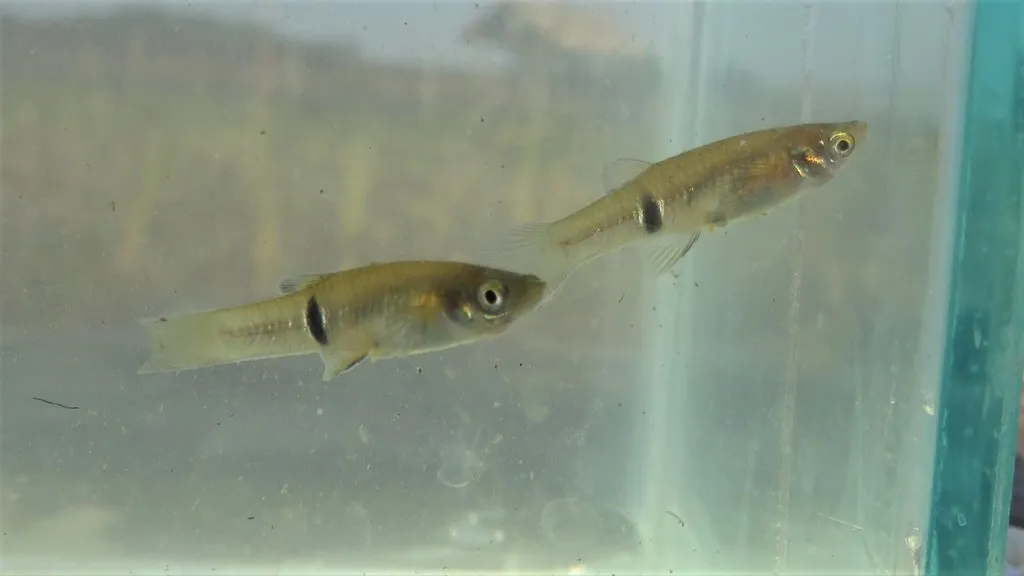
Dusky millions fish
Phalloceros caudimaculatus
Freshwater2.4 in (6 cm) · 12 gal (45 L)64–75°F (18–24°C)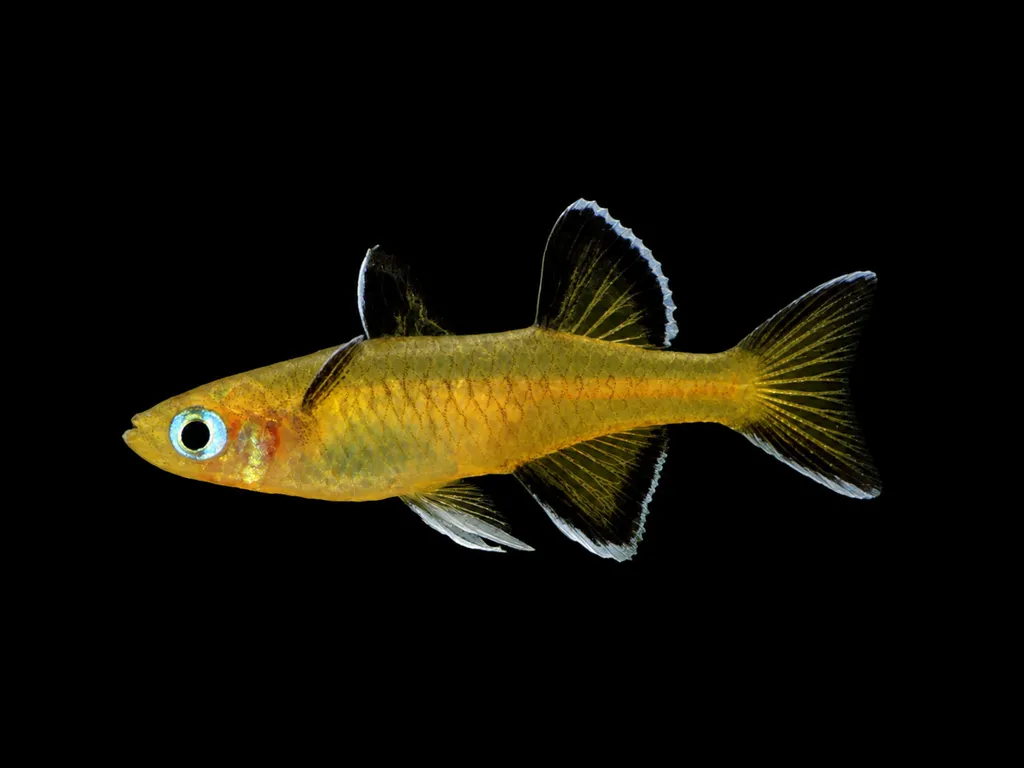
Honey blue-eye
Pseudomugil mellis
Freshwater1.4 in (3.5 cm) · 11 gal (40 L)68–82°F (20–28°C)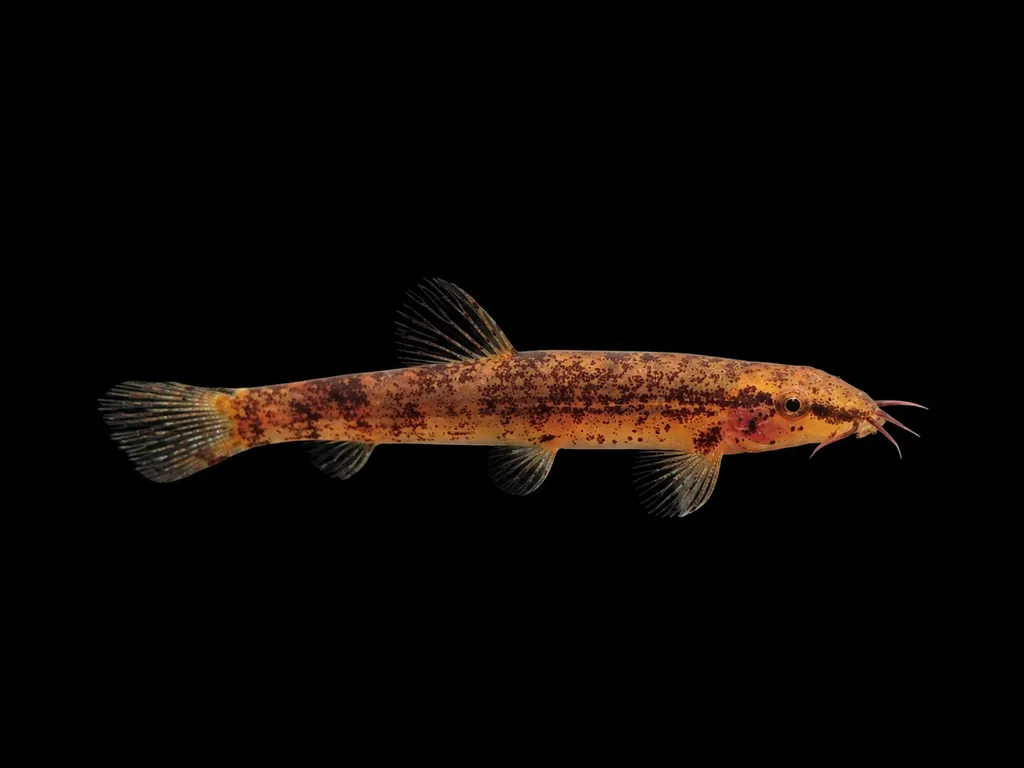
Dwarf lizard loach
Neohomaloptera johorensis
Freshwater1 in (2.5 cm) · 11 gal (40 L)72–79°F (22–26°C)
Common questions
What size tank does a Green neon rasbora need?
A Green neon rasbora needs at least 12 gal (45 L). It spends most of its time in the middle.
What temperature and pH does a Green neon rasbora need?
A Green neon rasbora is comfortable at 72–79°F (22–26°C) with a pH of 6.0–7.0.
How big does a Green neon rasbora get?
An adult Green neon rasbora reaches about 0.8 in (2 cm).
Does a Green neon rasbora need a group?
Yes. A Green neon rasbora is a shoaling species and should be kept in a group, not singly.
Related species
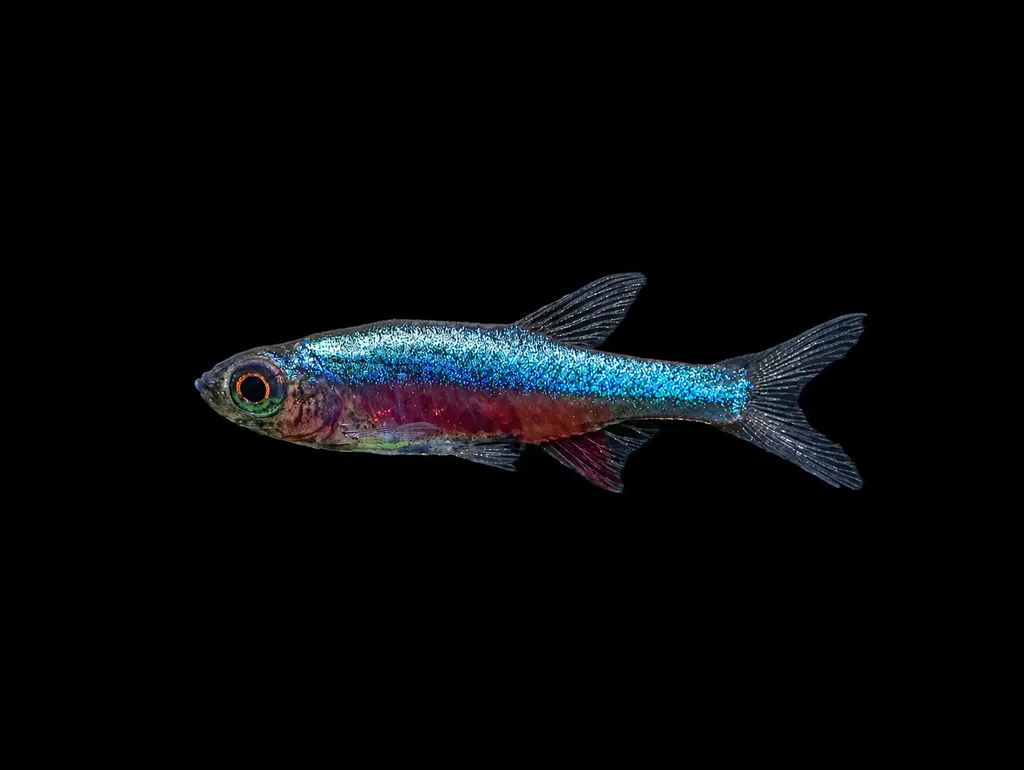 0.8 in (2 cm)12 gal (45 L)73–79°F (23–26°C)
Blue axelrodi rasbora
Sundadanio axelrodi
0.8 in (2 cm) · 12 gal (45 L)
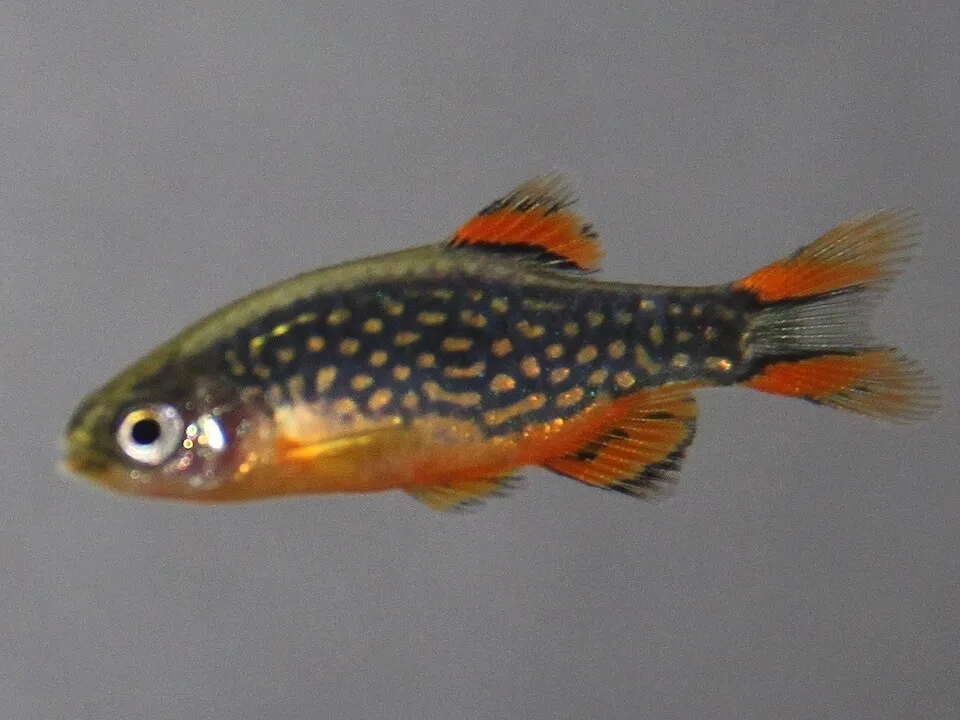 0.8 in (2 cm)9 gal (35 L)72–79°F (22–26°C)
Celestial Pearl danio
Danio margaritatus
0.8 in (2 cm) · 9 gal (35 L)
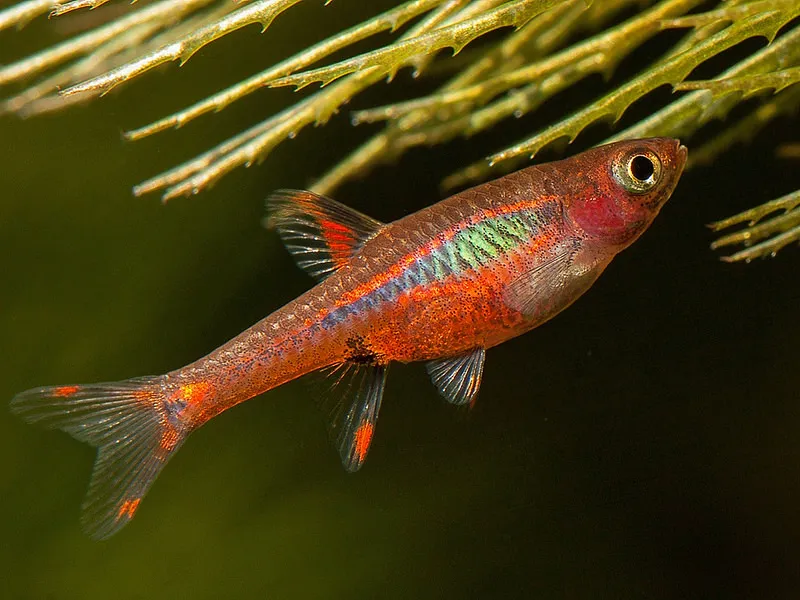 0.8 in (2 cm)7 gal (25 L)72–82°F (22–28°C)
Chili rasbora
Boraras brigittae
0.8 in (2 cm) · 7 gal (25 L)
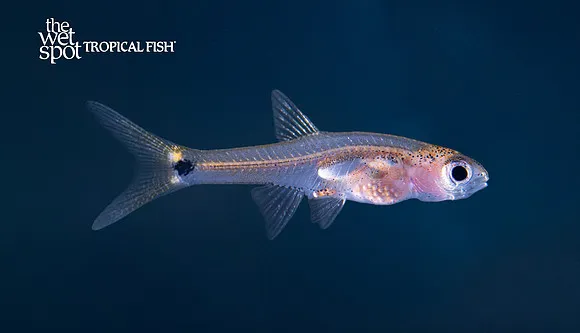 0.8 in (2 cm)5 gal (20 L)73–81°F (23–27°C)
Dwarf amber barb
Barboides gracilis
0.8 in (2 cm) · 5 gal (20 L)
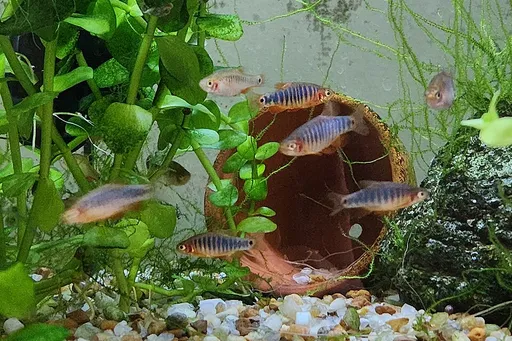 0.8 in (2 cm)11 gal (40 L)68–75°F (20–24°C)
Emerald dwarf rasbora
Danio erythromicron
0.8 in (2 cm) · 11 gal (40 L)
 0.8 in (2 cm)11 gal (40 L)72–81°F (22–27°C)
Phoenix rasbora
Boraras merah
0.8 in (2 cm) · 11 gal (40 L)