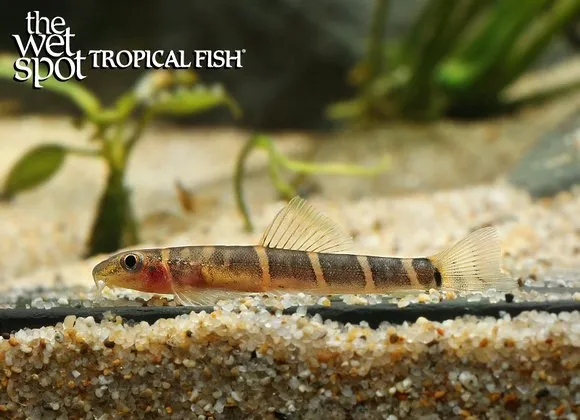
Fire-eyed loach
Barbucca diabolica
Also known as Devil loach, Scooter loach
FreshwaterFish
Care at a glance
- Temperature
- 72–79°F
- 22–26°C
- pH
- 5.5–7.0
- Adult size
- 1.2 in
- 3 cm
- Minimum tank
- 11 gal
- 40 L
- Temperament
- Peaceful
- Social behavior
- Social
- Swim level
- Bottom
- Difficulty
- Medium
- Breeding
- No record
- Rarity
- Rare
- Family
- Barbuccidae
- Origin
- Malay Peninsula and western Borneo
Overview
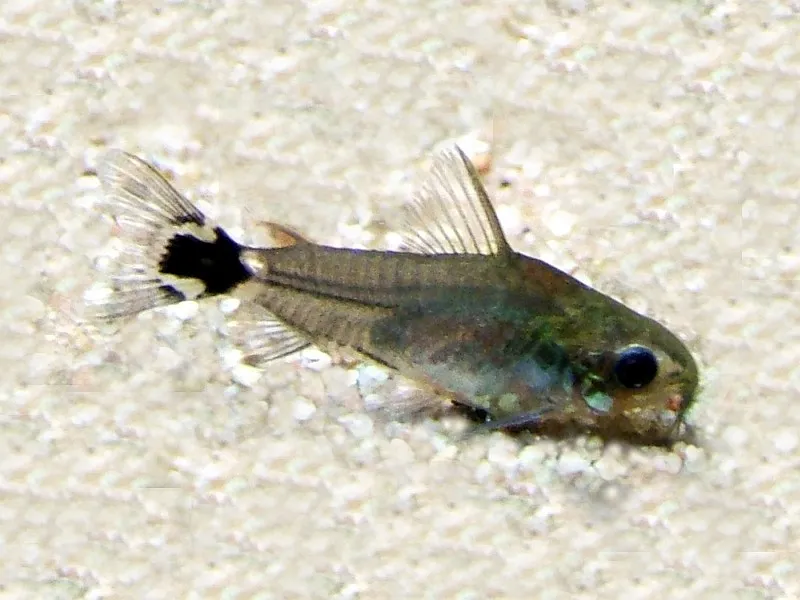
The fire-eyed loach is a tiny, peaceful loach that scoots between the shadows of a blackwater nano tank, picking tiny foods from the leaf litter. It is best kept by someone with a little experience.
Did you know
The fire-eyed loach is one of the hobby's smallest fish, yet science gave it one of the most dramatic names. It was called diabolica, devilish, for the burning orange-red eye that glares out of its small, mottled face.
Caring for the fire-eyed loach
A mature, dimly lit blackwater nano tank of around 11 gal (40 L) suits a group of fire-eyed loaches. Use fine sand, driftwood and a good layer of leaf litter to forage through, with only gentle flow. A well-established tank with plenty of microfauna does half the feeding for you.
Keep the water soft and acidic to neutral, at 72 to 79°F (22 to 26°C) and a pH of 5.5 to 7.0. Offer small foods such as micro pellets, crushed flake, baby brine shrimp and small frozen items. Let them graze biofilm from the wood and leaves as well.
Keep fire-eyed loaches in a group of six or more. They are peaceful, though they squabble mildly over favorite spots, so choose only gentle, mature tank mates. There is no record of this loach being bred in captivity.
Good to know
The fire-eyed loach, Barbucca diabolica, is the flagship of its own small family, Barbuccidae, within the carp and loach order. Its spiky tail also played a part in the devilish species name. It is also sold as the devil loach or scooter loach.
In the wild
The fire-eyed loach comes from quiet forest streams and peaty margins of the Malay Peninsula and western Borneo. It lives there in shaded, soft water over a bottom of sand and fallen leaves.
Weekly picks
Tank mates
The fire-eyed loach is a peaceful, social species that keeps to the bottom. These picks share a community profile with it, are safe together in both directions, and overlap on water type, temperature and pH.
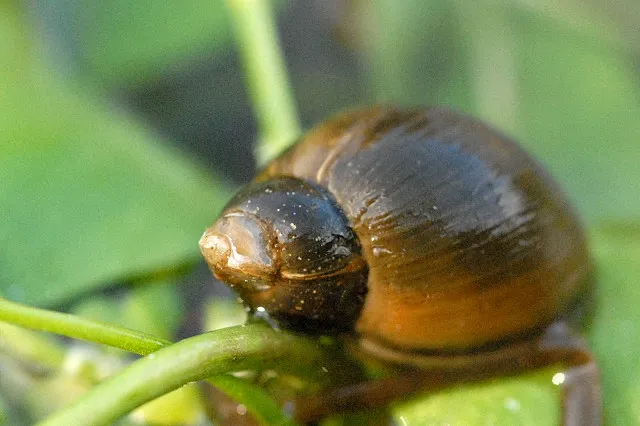
Wandering snail
Ampullaceana balthica
Freshwater0.8 in (2 cm) · 11 gal (40 L)50–84°F (10–29°C)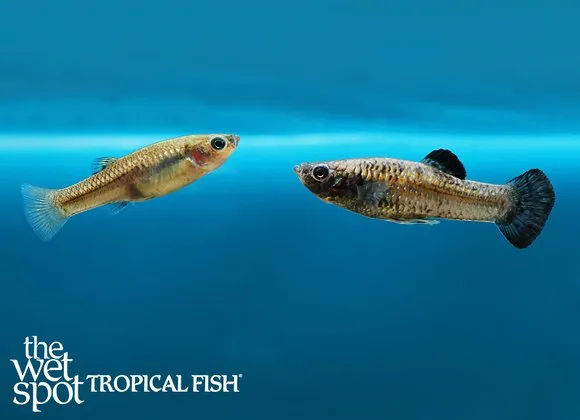
Dwarf molly
Poecilia chica
Freshwater1.6 in (4 cm) · 11 gal (40 L)72–81°F (22–27°C)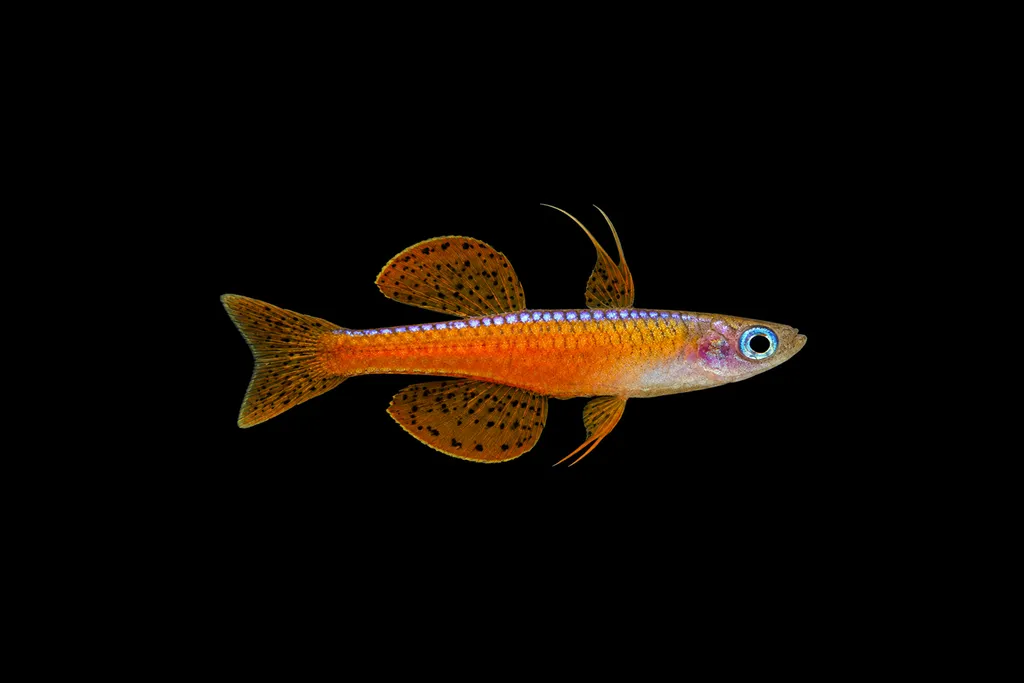
Paska's blue-eye
Pseudomugil paskai
Freshwater1.4 in (3.5 cm) · 11 gal (40 L)72–79°F (22–26°C)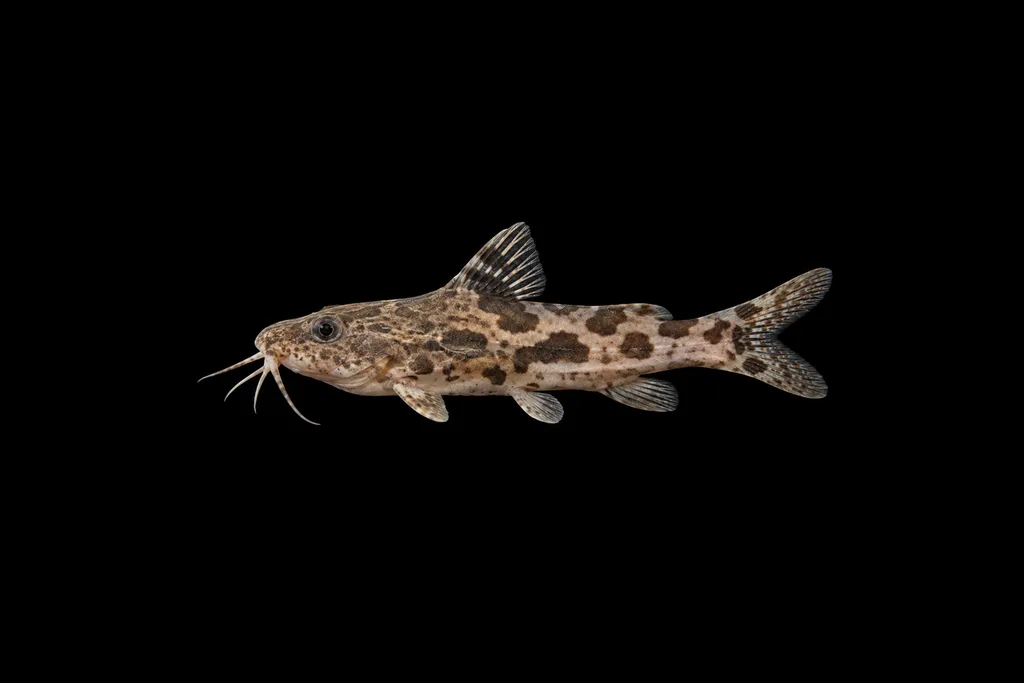
Harlequin moth catfish
Pseudolaguvia ribeiroi
Freshwater1.6 in (4 cm) · 11 gal (40 L)68–79°F (20–26°C)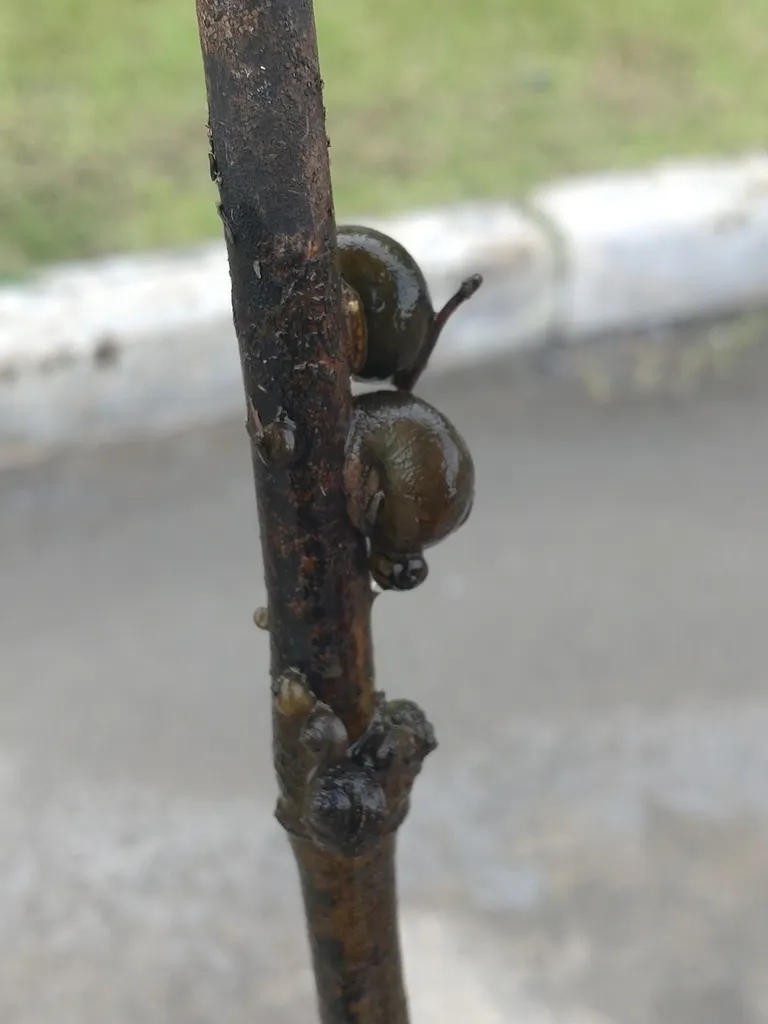
White wizard snail
Filopaludina martensi
Freshwater2 in (5 cm) · 11 gal (40 L)72–79°F (22–26°C)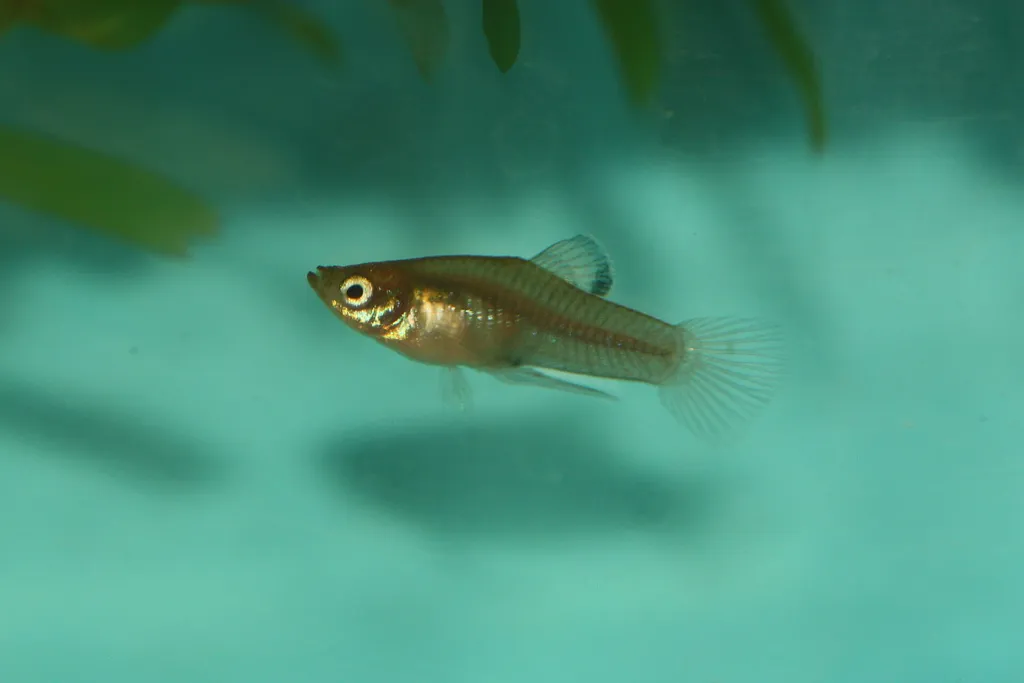
Dwarf merry widow
Phallichthys tico
Freshwater1.4 in (3.5 cm) · 11 gal (40 L)72–81°F (22–27°C)
Common questions
What size tank does a fire-eyed loach need?
A fire-eyed loach needs at least 11 gal (40 L). It spends most of its time in the bottom.
What temperature and pH does a fire-eyed loach need?
A fire-eyed loach is comfortable at 72–79°F (22–26°C) with a pH of 5.5–7.0.
What does a fire-eyed loach eat?
A fire-eyed loach eats small foods such as micro pellets, crushed flake, baby brine shrimp and small frozen items. It also grazes biofilm from wood and leaves.
How big does a fire-eyed loach get?
An adult fire-eyed loach reaches about 1.2 in (3 cm).
Related species
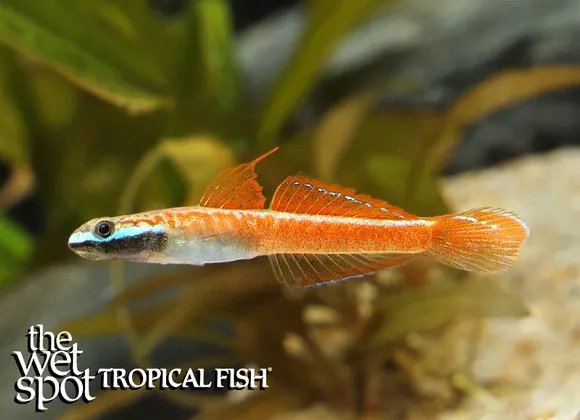 1.2 in (3 cm)14 gal (54 L)73–81°F (23–27°C)
Annie's goby
Stiphodon annieae
1.2 in (3 cm) · 14 gal (54 L)
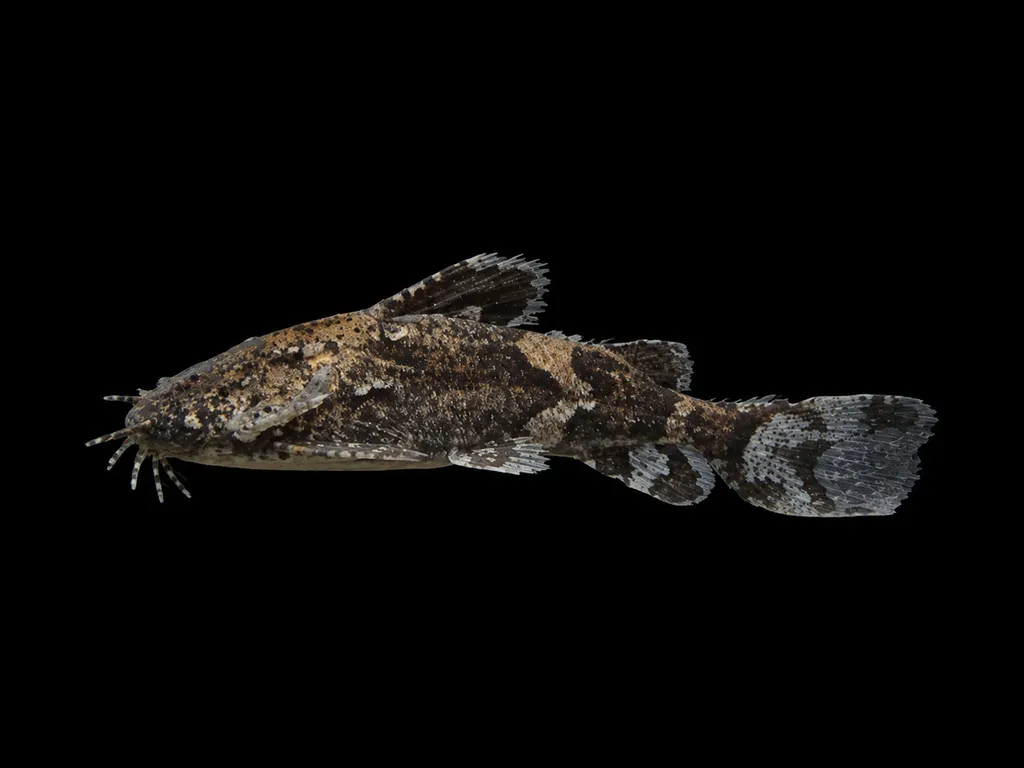 1.2 in (3 cm)11 gal (40 L)68–79°F (20–26°C)
Burmese mini moth catfish
Hara minuscula
1.2 in (3 cm) · 11 gal (40 L)
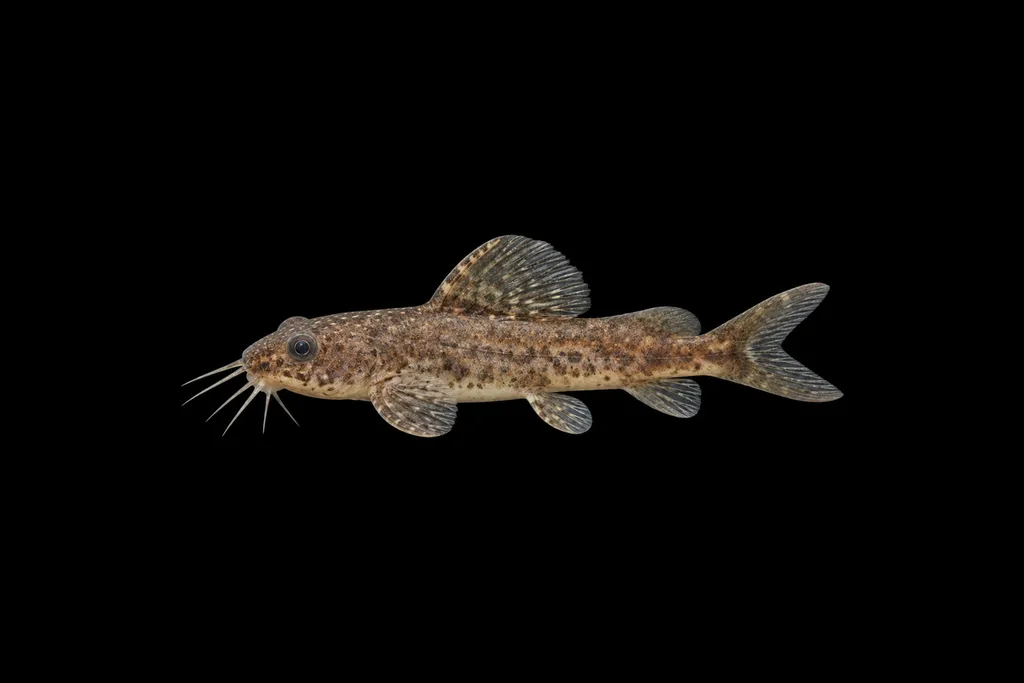 1.2 in (3 cm)11 gal (40 L)73–82°F (23–28°C)
Dwarf broadfin catfish
Nanobagrus immaculatus
1.2 in (3 cm) · 11 gal (40 L)
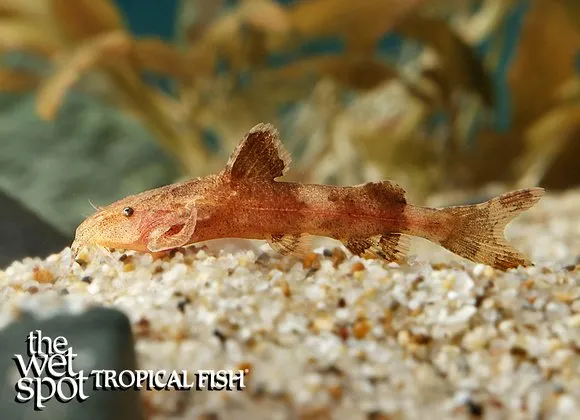 1.2 in (3 cm)11 gal (40 L)68–79°F (20–26°C)
Rusty moth catfish
Pseudolaguvia muricata
1.2 in (3 cm) · 11 gal (40 L)
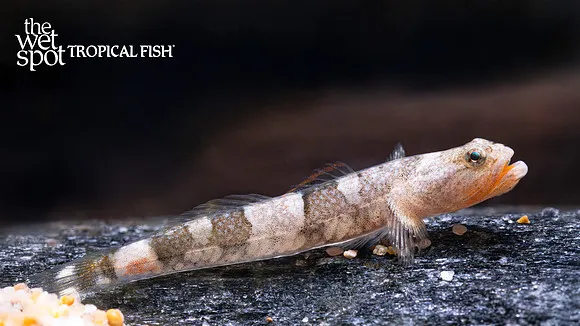 1.2 in (3 cm)11 gal (40 L)73–81°F (23–27°C)
Tiger schismatogobius
Schismatogobius ampluvinculus
1.2 in (3 cm) · 11 gal (40 L)
 1.3 in (3.2 cm)12 gal (45 L)68–79°F (20–26°C)
Dwarf cory
Gastrodermus hastatus
1.3 in (3.2 cm) · 12 gal (45 L)