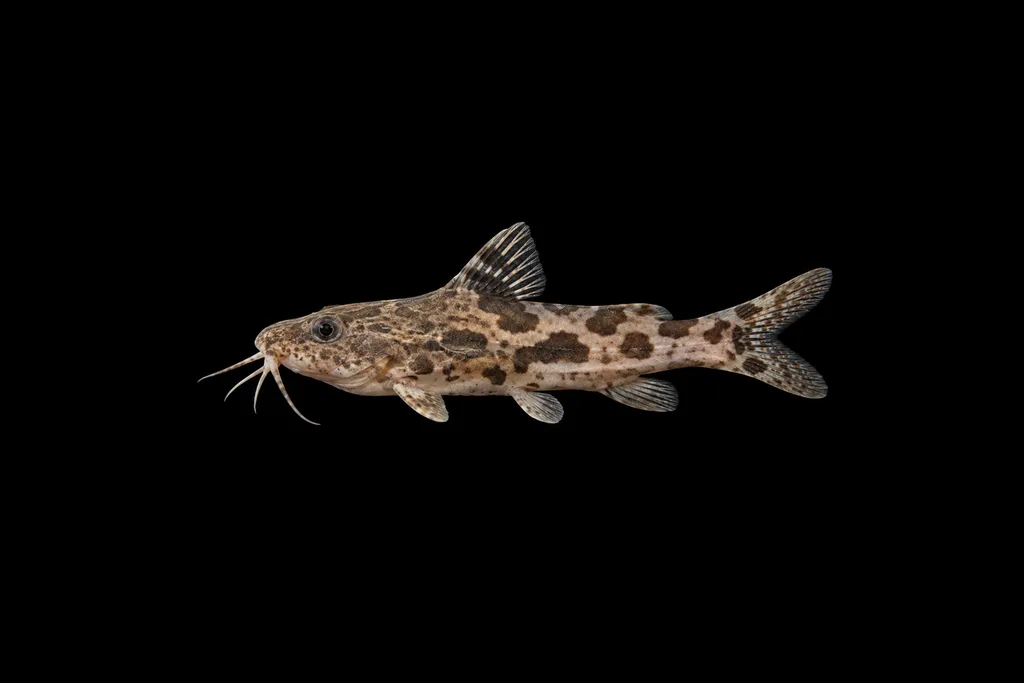
Harlequin moth catfish
Pseudolaguvia ribeiroi
Also known as Painted moth cat, Harlequin catfish
FreshwaterFish
Care at a glance
- Temperature
- 68–79°F
- 20–26°C
- pH
- 6.0–7.5
- Adult size
- 1.6 in
- 4 cm
- Minimum tank
- 11 gal
- 40 L
- Temperament
- Peaceful
- Social behavior
- Social
- Swim level
- Bottom
- Difficulty
- Medium
- Breeding
- No record
- Rarity
- Rare
- Family
- Erethistidae
- Origin
- Ganges and Brahmaputra foothills
Overview
The harlequin moth catfish is a small, boldly saddled micro-catfish for clean, flowing water over gravel. It is best with a little experience.
Did you know
The harlequin moth catfish is sold under two names for one coat, harlequin and painted moth catfish. Both nod to its bold, jester-like saddle bands, which set it apart from its plainer relatives.
Caring for the harlequin moth catfish
Keep harlequin moth catfish in a tank of at least 11 gal (40 L), over fine sand or gravel with water-worn pebbles for cover. They shelter among the stones by day and feed at night. Give them a steady, gentle current and well oxygenated water from good filtration.
Keep the water clean, stable and close to neutral, at 68 to 79°F (20 to 26°C) with a pH of 6.0 to 7.5. Offer fine sinking foods in the evening, such as frozen daphnia, microworm, baby brine shrimp and small sinking wafers.
Harlequin moth catfish are peaceful and sociable, so keep several together. Give them calm, small tank mates that will not outcompete them, or a quiet species setup. Their breeding is not recorded in home aquariums.
Good to know
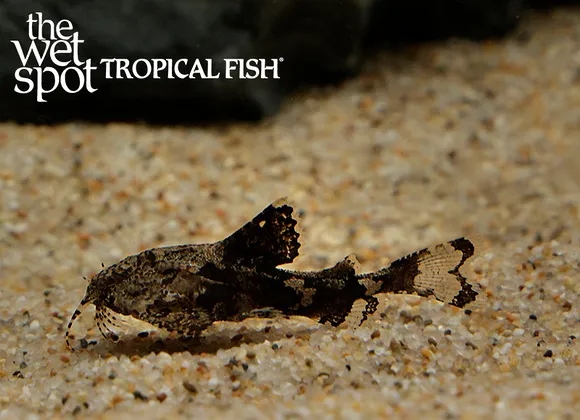
The harlequin moth catfish, Pseudolaguvia ribeiroi, belongs to the family Erethistidae. Its contrasting cream and dark saddle bands break up its outline against a stony bottom. It has the rough skin and locking fin spines typical of the moth catfish group.
In the wild
The harlequin moth catfish lives in clear, flowing foothill streams of the Ganges and Brahmaputra drainages, in Nepal and northern India. Its streams run over sand, gravel and stone.
Weekly picks
Tank mates
The harlequin moth catfish is a peaceful, social species that keeps to the bottom. These picks share a community profile with it, are safe together in both directions, and overlap on water type, temperature and pH.
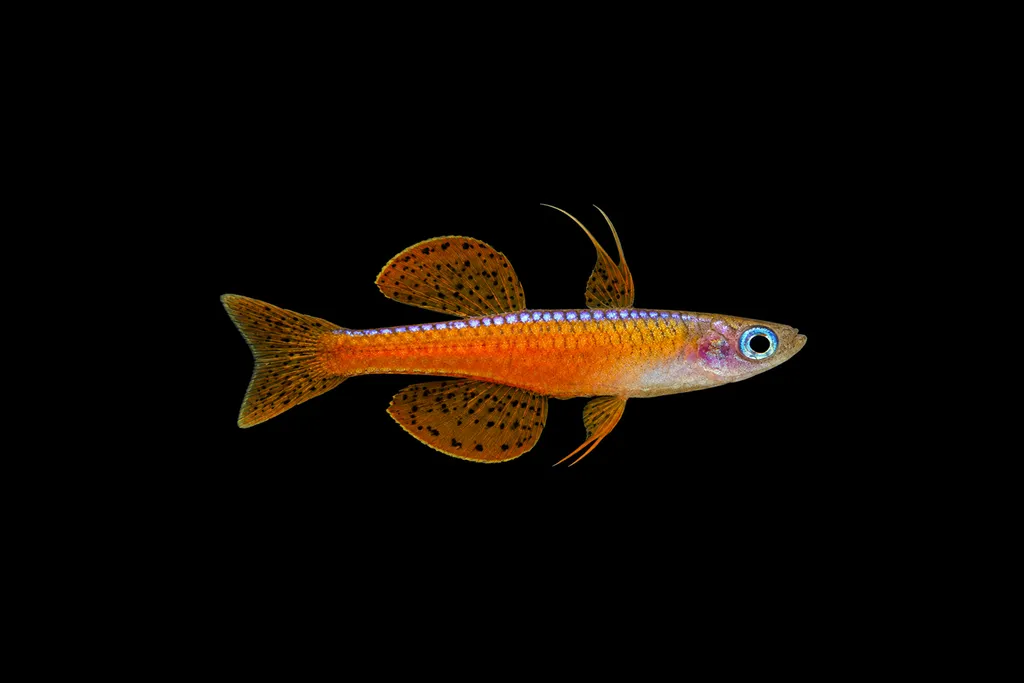
Paska's blue-eye
Pseudomugil paskai
Freshwater1.4 in (3.5 cm) · 11 gal (40 L)72–79°F (22–26°C)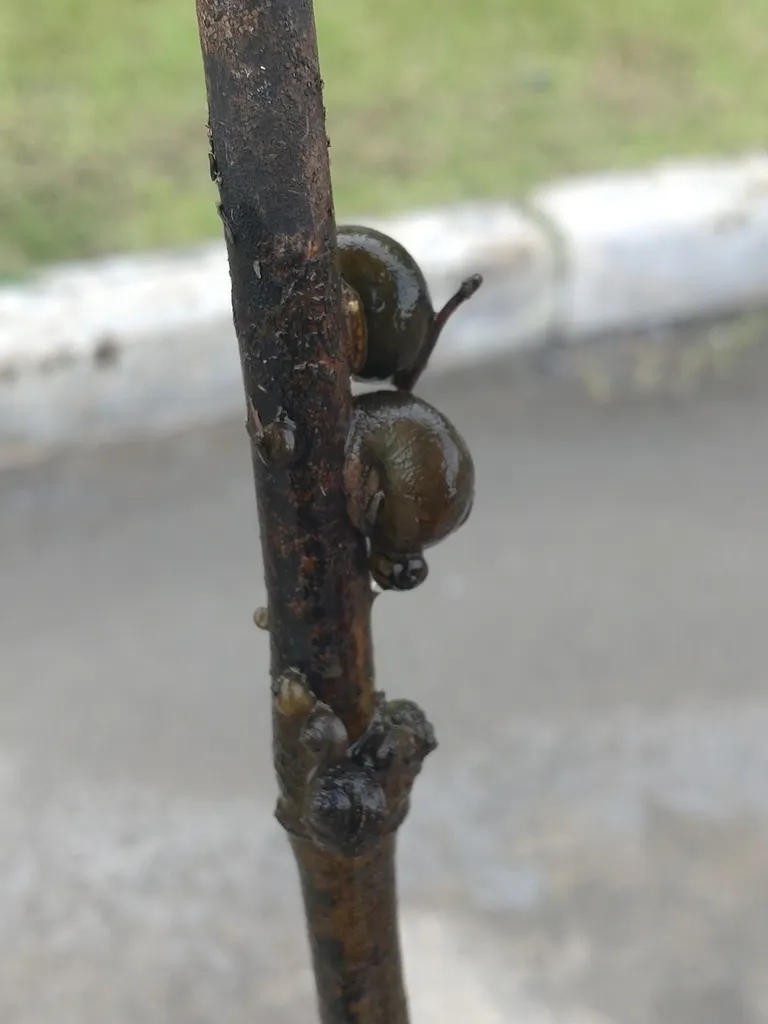
White wizard snail
Filopaludina martensi
Freshwater2 in (5 cm) · 11 gal (40 L)72–79°F (22–26°C)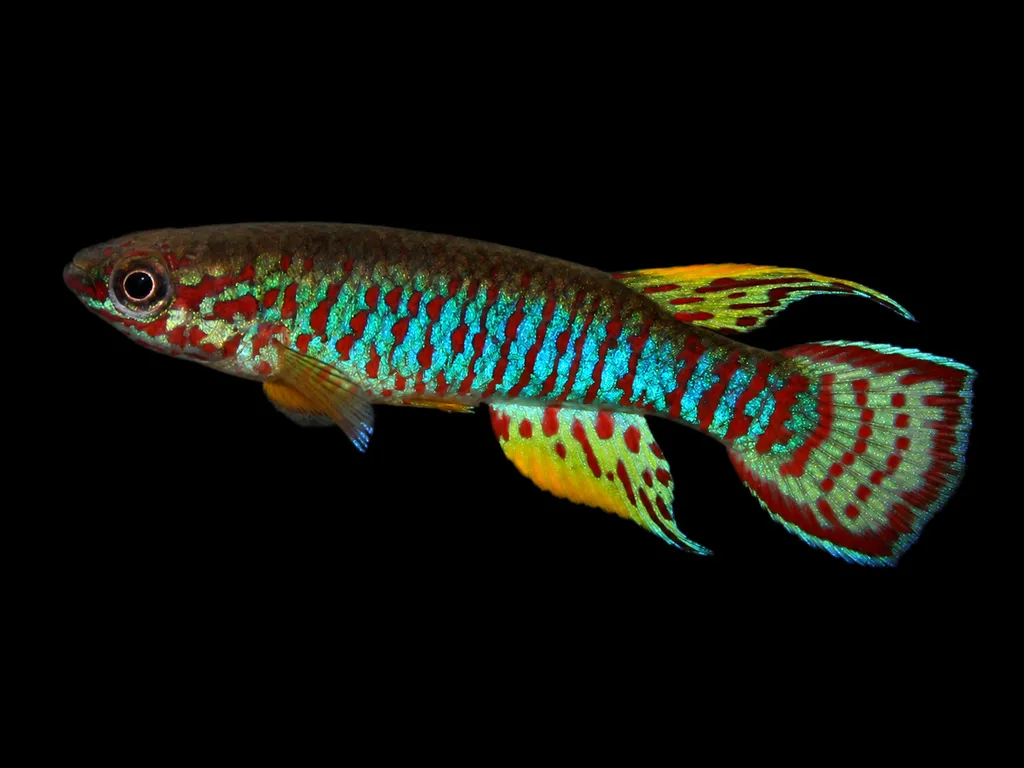
Jewel killifish
Aphyosemion exiguum
Freshwater1.6 in (4 cm) · 11 gal (40 L)68–77°F (20–25°C)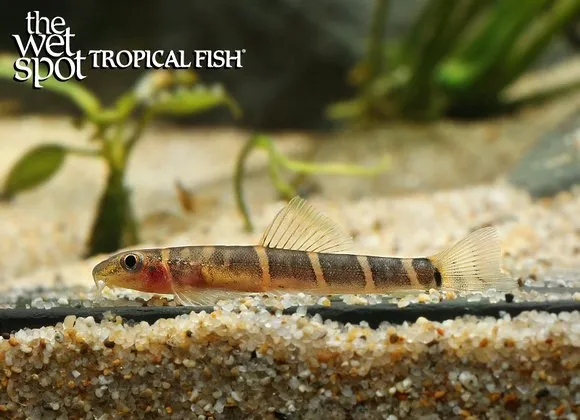
Fire-eyed loach
Barbucca diabolica
Freshwater1.2 in (3 cm) · 11 gal (40 L)72–79°F (22–26°C)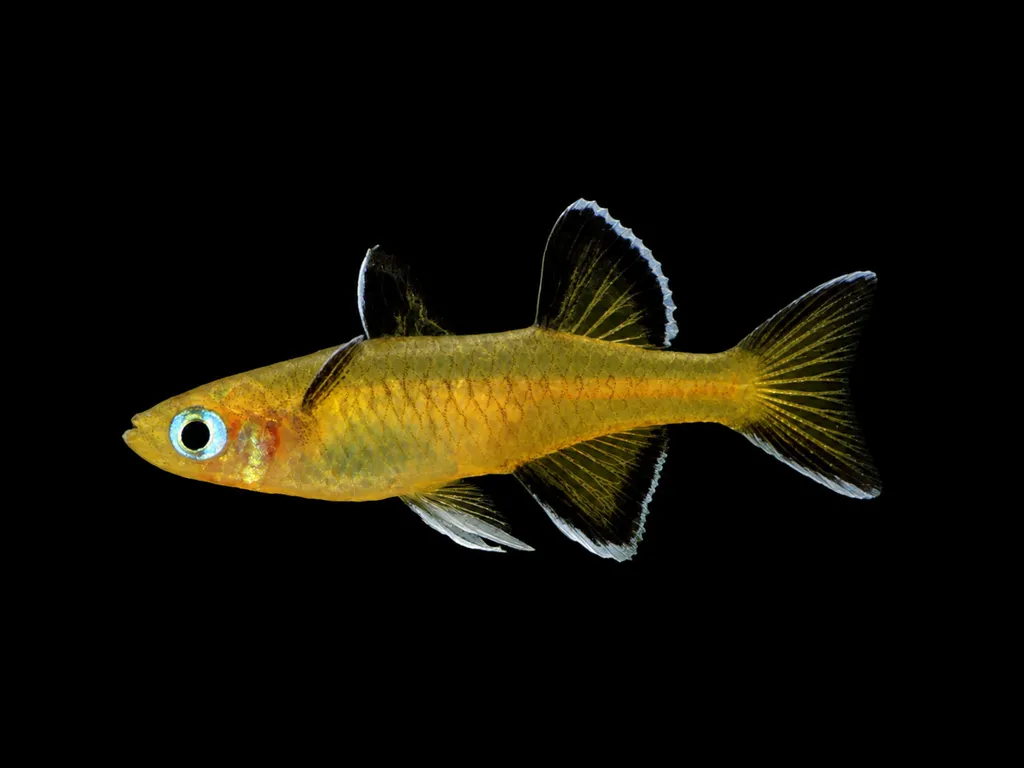
Honey blue-eye
Pseudomugil mellis
Freshwater1.4 in (3.5 cm) · 11 gal (40 L)68–82°F (20–28°C)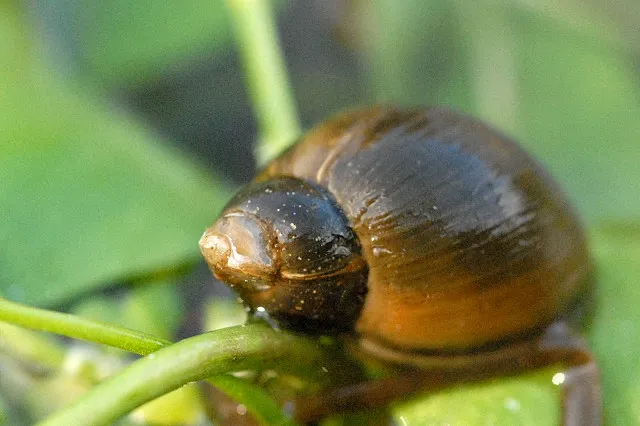
Wandering snail
Ampullaceana balthica
Freshwater0.8 in (2 cm) · 11 gal (40 L)50–84°F (10–29°C)
Common questions
What size tank does a harlequin moth catfish need?
A harlequin moth catfish needs at least 11 gal (40 L). It spends most of its time in the bottom.
What temperature and pH does a harlequin moth catfish need?
A harlequin moth catfish is comfortable at 68–79°F (20–26°C) with a pH of 6.0–7.5.
What does a harlequin moth catfish eat?
A harlequin moth catfish eats fine sinking foods, such as frozen daphnia, microworm, baby brine shrimp and small sinking wafers. Offer them in the evening, since it feeds at night.
How big does a harlequin moth catfish get?
An adult harlequin moth catfish reaches about 1.6 in (4 cm).
Related species
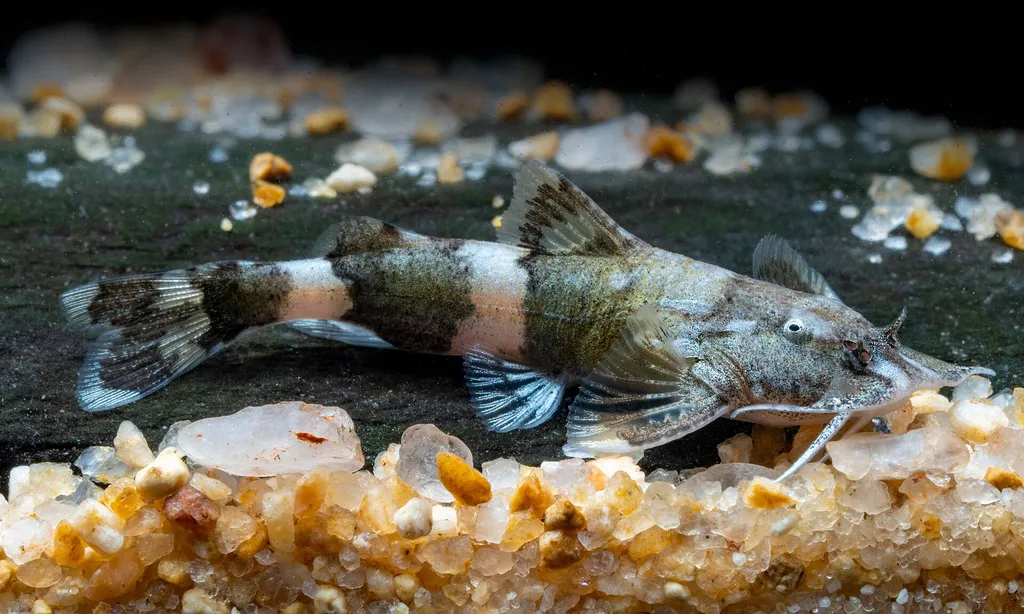 1.5 in (3.8 cm)11 gal (40 L)68–79°F (20–26°C)
Cheetah moth catfish
Pseudolaguvia shawi
1.5 in (3.8 cm) · 11 gal (40 L)
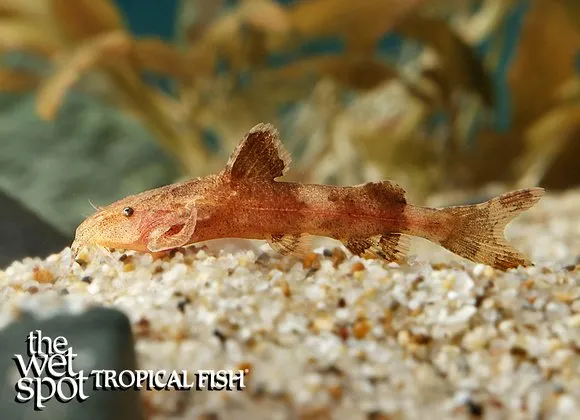 1.2 in (3 cm)11 gal (40 L)68–79°F (20–26°C)
Rusty moth catfish
Pseudolaguvia muricata
1.2 in (3 cm) · 11 gal (40 L)
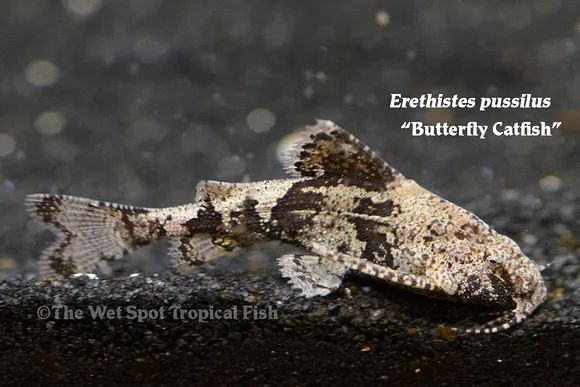 2 in (5 cm)14 gal (54 L)68–79°F (20–26°C)
Butterfly moth catfish
Erethistes pusillus
2 in (5 cm) · 14 gal (54 L)
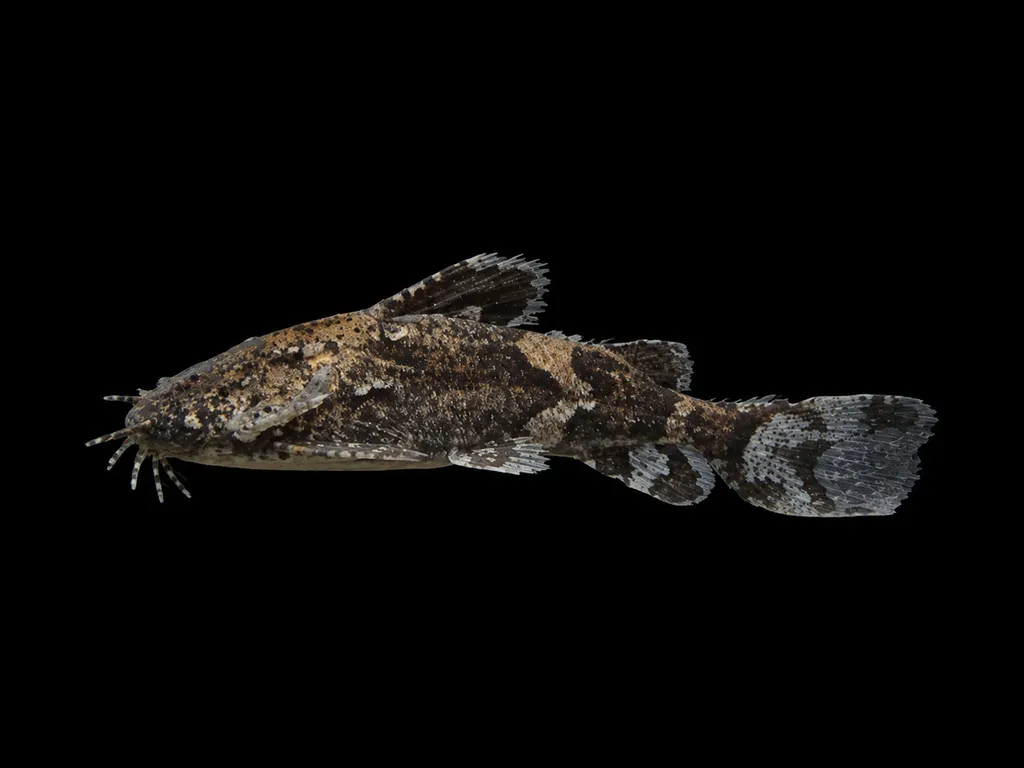 1.2 in (3 cm)11 gal (40 L)68–79°F (20–26°C)
Burmese mini moth catfish
Hara minuscula
1.2 in (3 cm) · 11 gal (40 L)
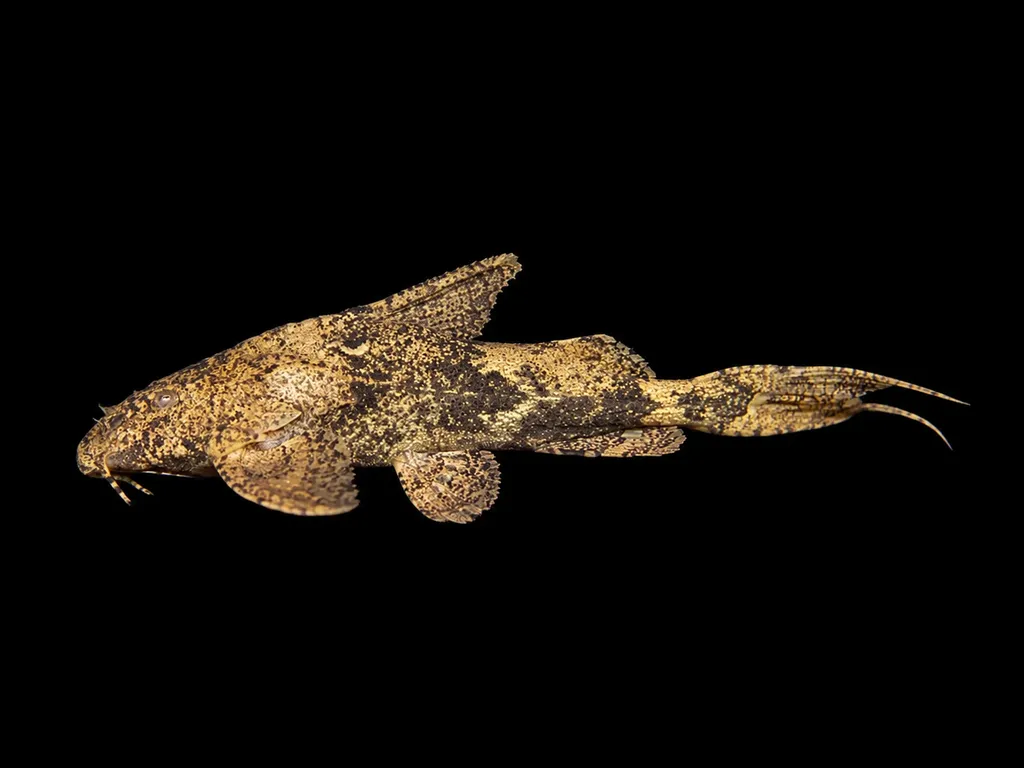 2.4 in (6 cm)14 gal (54 L)68–79°F (20–26°C)
Filament moth catfish
Hara filamentosa
2.4 in (6 cm) · 14 gal (54 L)
 3.1 in (8 cm)14 gal (54 L)68–79°F (20–26°C)
Butterfly hara catfish
Hara hara
3.1 in (8 cm) · 14 gal (54 L)