Filament moth catfish
Hara filamentosa
Also known as Erethistes filamentosa
FreshwaterFish
Care at a glance
- Temperature
- 68–79°F
- 20–26°C
- pH
- 6.0–7.5
- Adult size
- 2.4 in
- 6 cm
- Minimum tank
- 14 gal
- 54 L
- Temperament
- Peaceful
- Social behavior
- Social
- Swim level
- Bottom
- Difficulty
- Medium
- Breeding
- No record
- Rarity
- Common
- Family
- Erethistidae
- Origin
- Irrawaddy and Salween basins
Overview
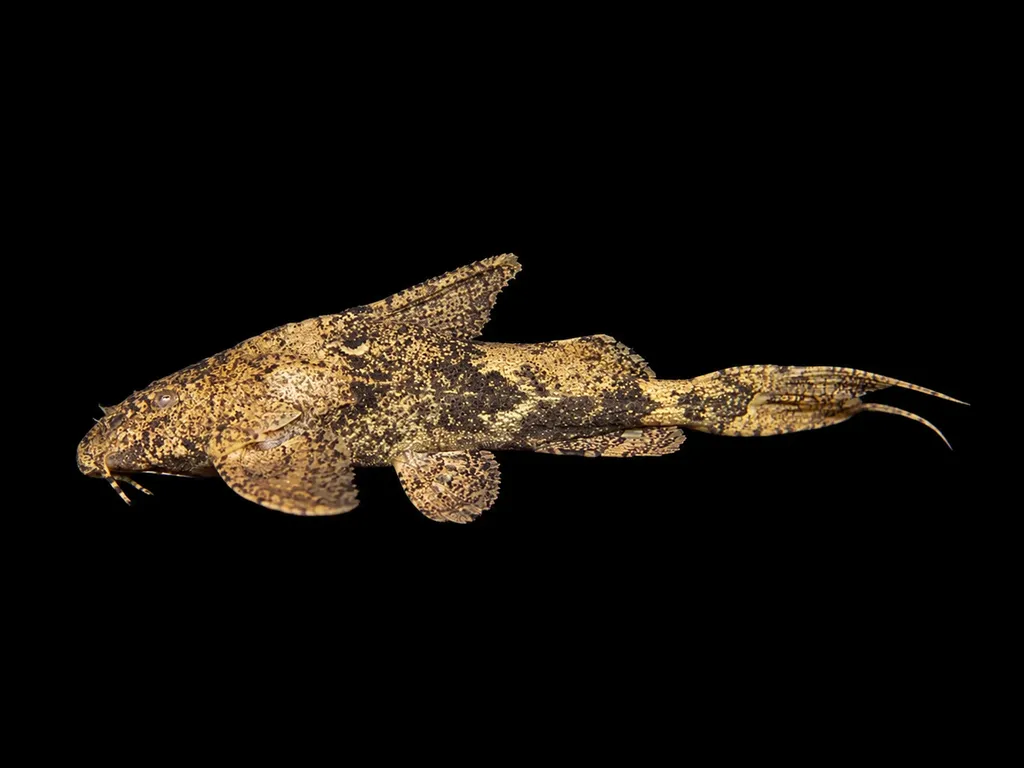
The filament moth catfish is a small, nocturnal catfish for the floor of a peaceful community tank. It is a step up from the easiest fish.
Did you know
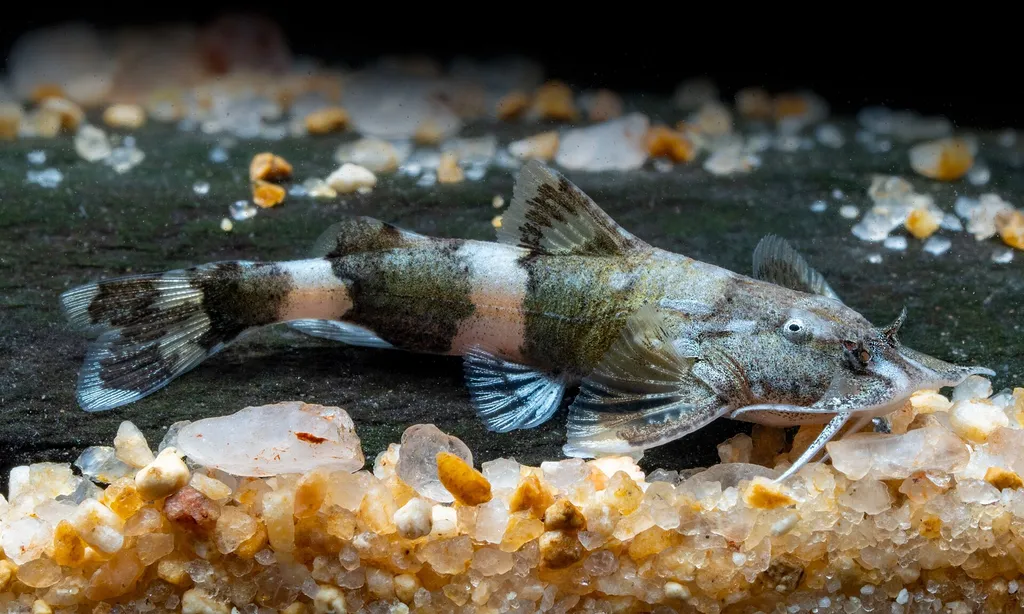
Even the spines of the filament moth catfish end in thread, so the fish looks frayed at every edge.
Caring for the filament moth catfish
Keep filament moth catfish in a group of four or more, in a tank of at least 14 gal (54 L). They spend the day tucked under wood or leaf litter and work the floor after dark. Give them a sand bottom with wood and leaf litter, and keep the flow gentle.
Keep the water clean and cool-leaning, at 68 to 79°F (20 to 26°C) with a pH of 6.0 to 7.5. A filament moth catfish will not compete for food, so feed sinking foods in the evening once the lights are off.
It is entirely peaceful and safe with any tank mate. Adult shrimp are safe with it, but shrimplets are not. Its spine tangles badly in a net, so move it in a cup.
Good to know
The filament moth catfish, Hara filamentosa, belongs to the family Erethistidae. It is named for the long trailing extensions on its pectoral fins and upper tail lobe. Like other erethistids, it has a locking, serrated pectoral spine. It is sometimes still listed under Erethistes.
In the wild
The filament moth catfish lives in the Irrawaddy and Salween basins. It keeps to clear streams over sand and gravel, which run cooler than lowland tropical water.
Weekly picks
Tank mates
The filament moth catfish is a peaceful, social species that keeps to the bottom. These picks share a community profile with it, are safe together in both directions, and overlap on water type, temperature and pH.
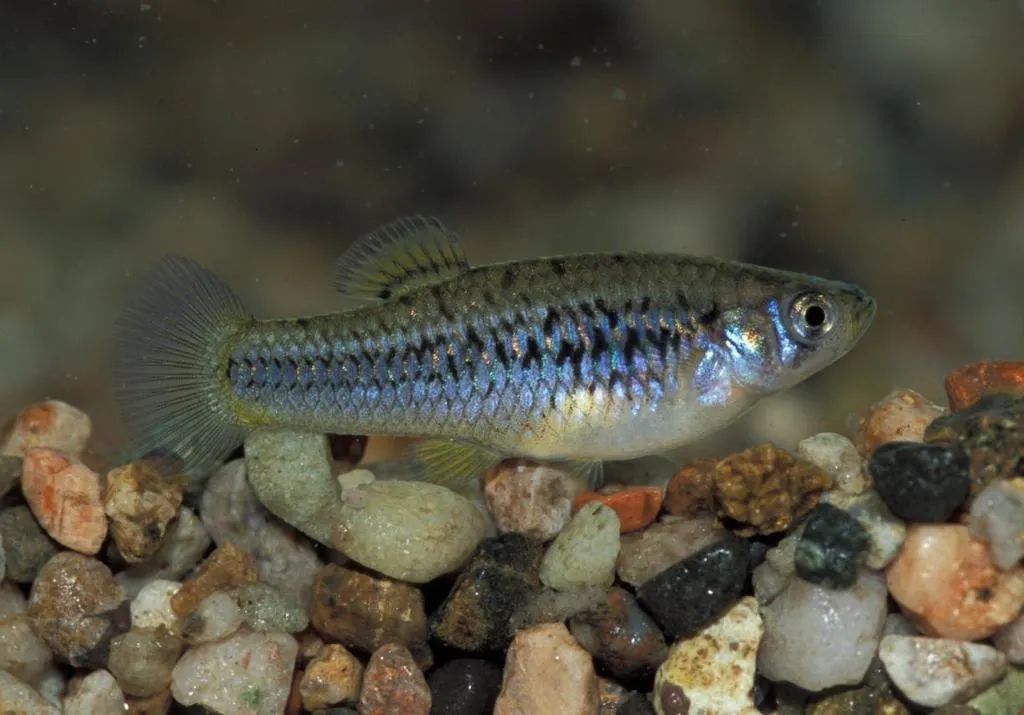
Crescent gambusia
Gambusia hurtadoi
Freshwater2 in (5 cm) · 14 gal (54 L)68–79°F (20–26°C)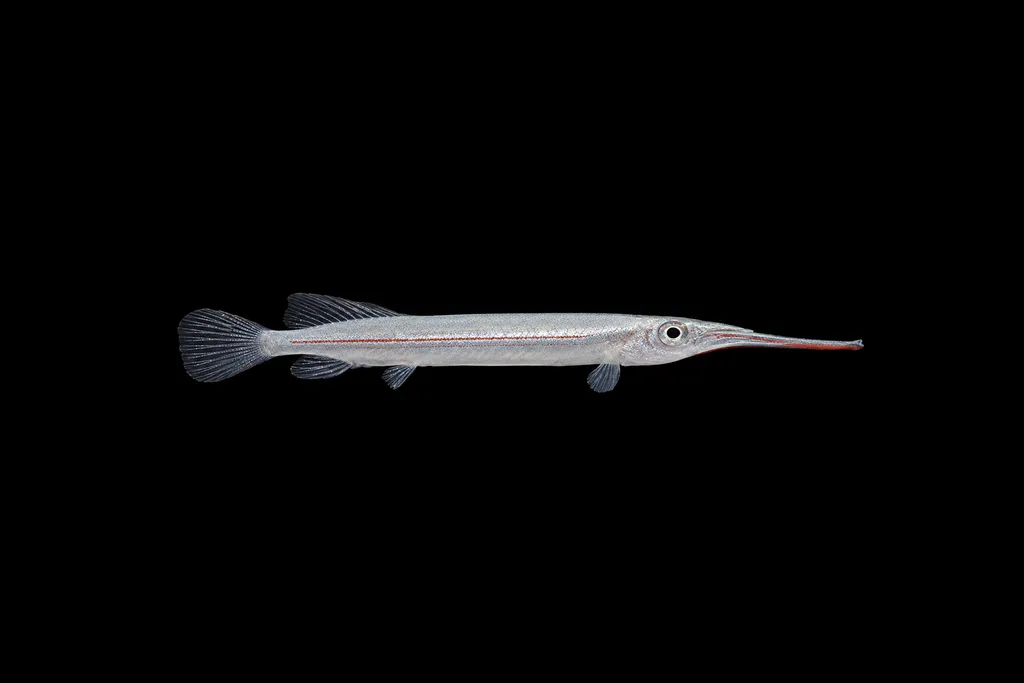
Fire halfbeak
Hemirhamphodon kapuasensis
Freshwater2.4 in (6 cm) · 14 gal (54 L)73–81°F (23–27°C)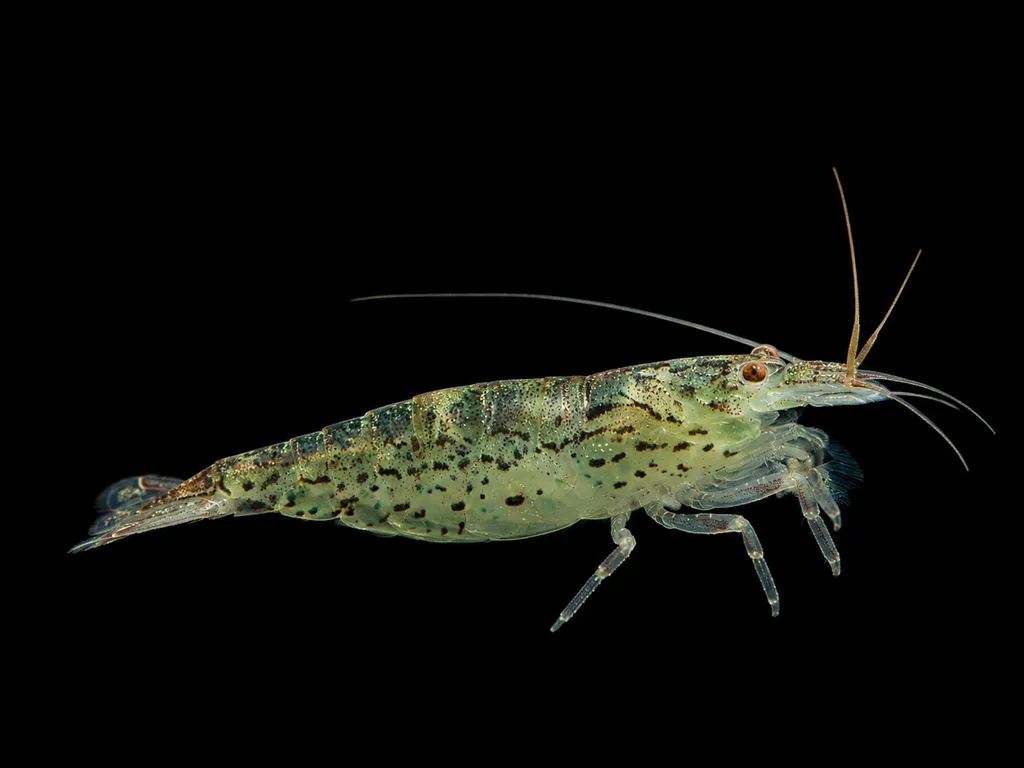
Green lace shrimp
Atyoida pilipes
Freshwater2.8 in (7 cm) · 14 gal (54 L)73–82°F (23–28°C)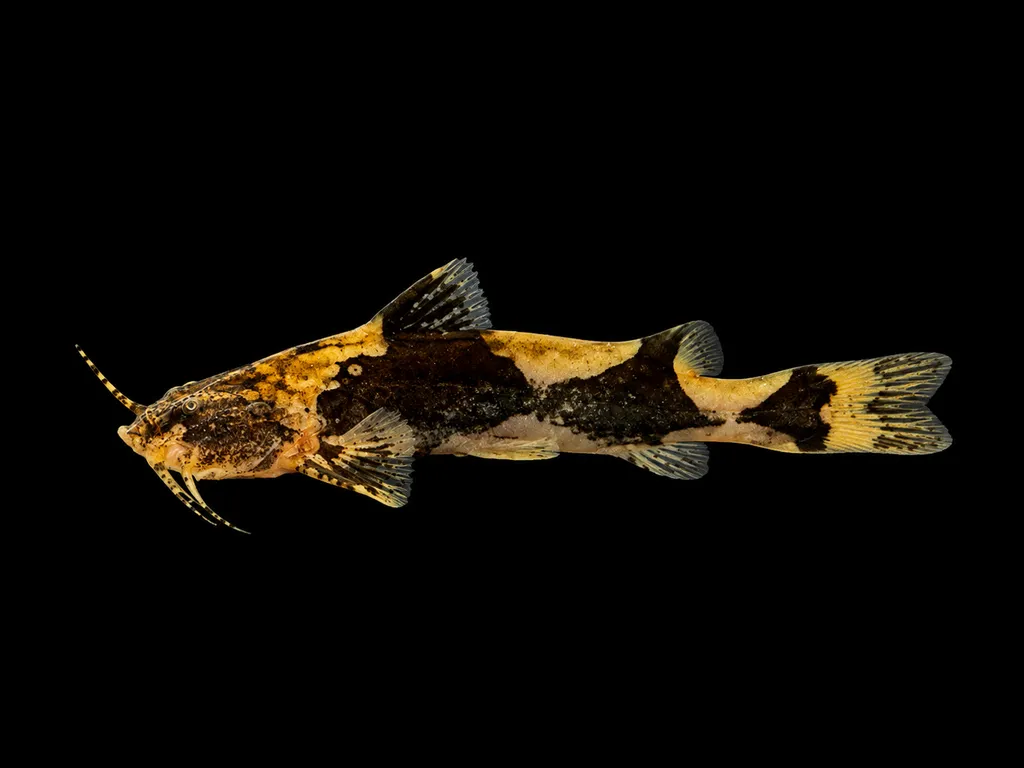
Portellus bee catfish
Akysis portellus
Freshwater1.6 in (4 cm) · 14 gal (54 L)72–79°F (22–26°C)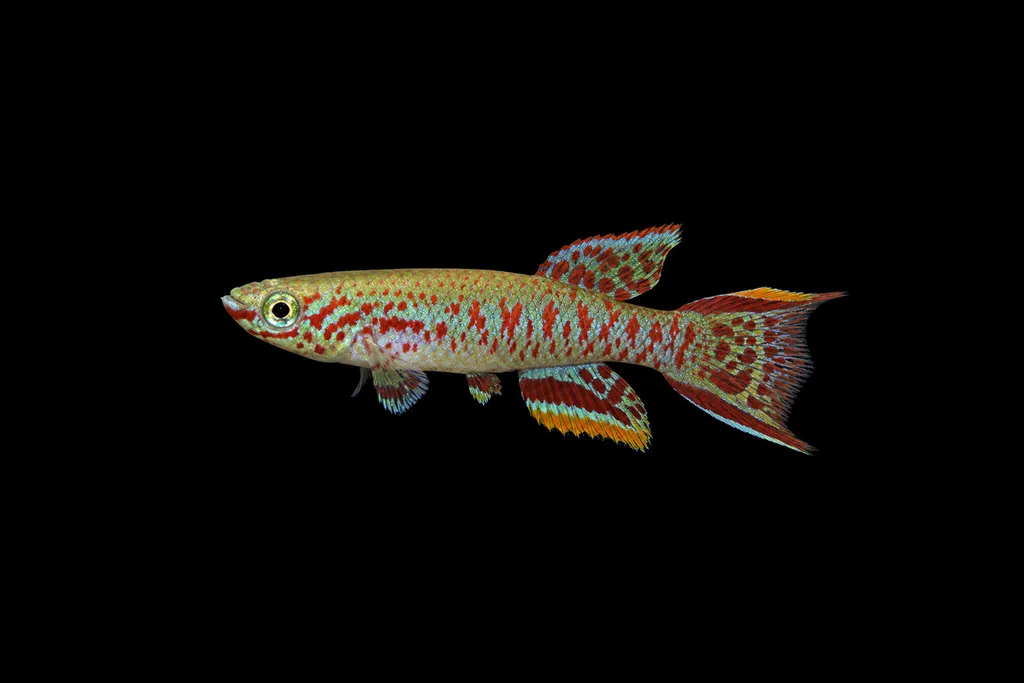
Arnold's killifish
Fundulopanchax arnoldi
Freshwater3 in (7.5 cm) · 14 gal (54 L)68–77°F (20–25°C)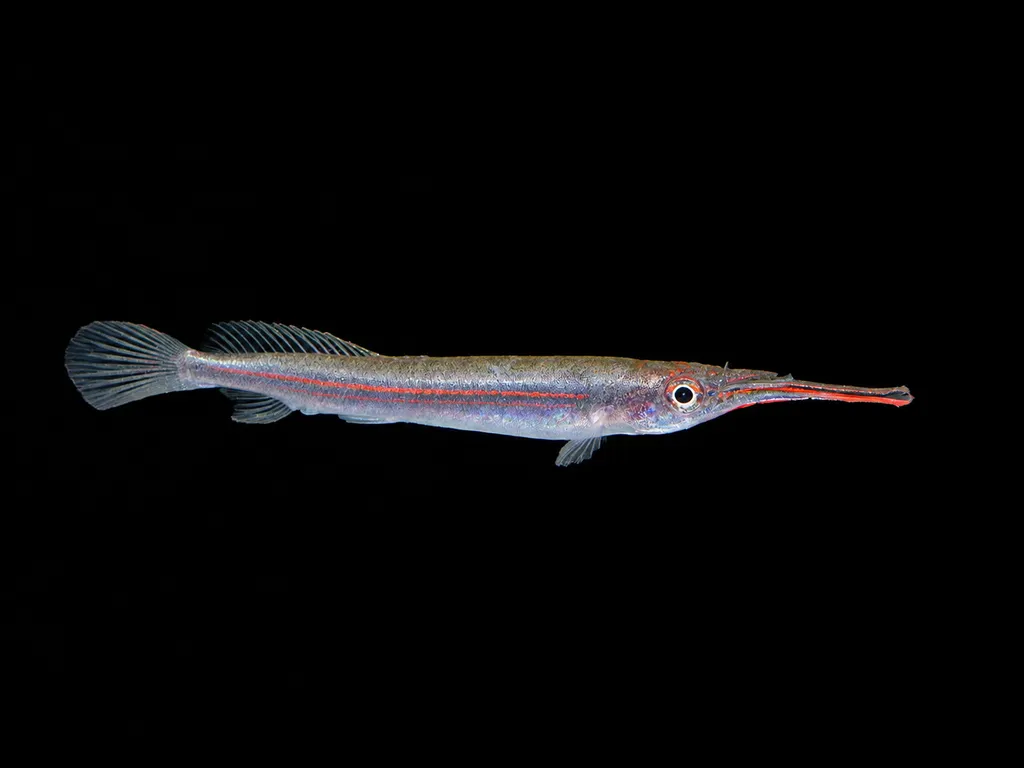
Red line halfbeak
Hemirhamphodon phaiosoma
Freshwater2.6 in (6.5 cm) · 14 gal (54 L)73–81°F (23–27°C)
Common questions
What size tank does a filament moth catfish need?
A filament moth catfish needs at least 14 gal (54 L). It spends most of its time in the bottom.
What temperature and pH does a filament moth catfish need?
A filament moth catfish is comfortable at 68–79°F (20–26°C) with a pH of 6.0–7.5.
What does a filament moth catfish eat?
A filament moth catfish eats sinking foods. Feed them in the evening once the lights are off, since it will not compete for food.
How big does a filament moth catfish get?
An adult filament moth catfish reaches about 2.4 in (6 cm).
Related species
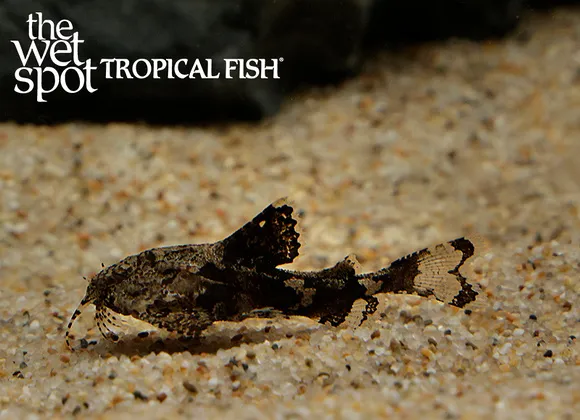 3.1 in (8 cm)14 gal (54 L)68–79°F (20–26°C)
Butterfly hara catfish
Hara hara
3.1 in (8 cm) · 14 gal (54 L)
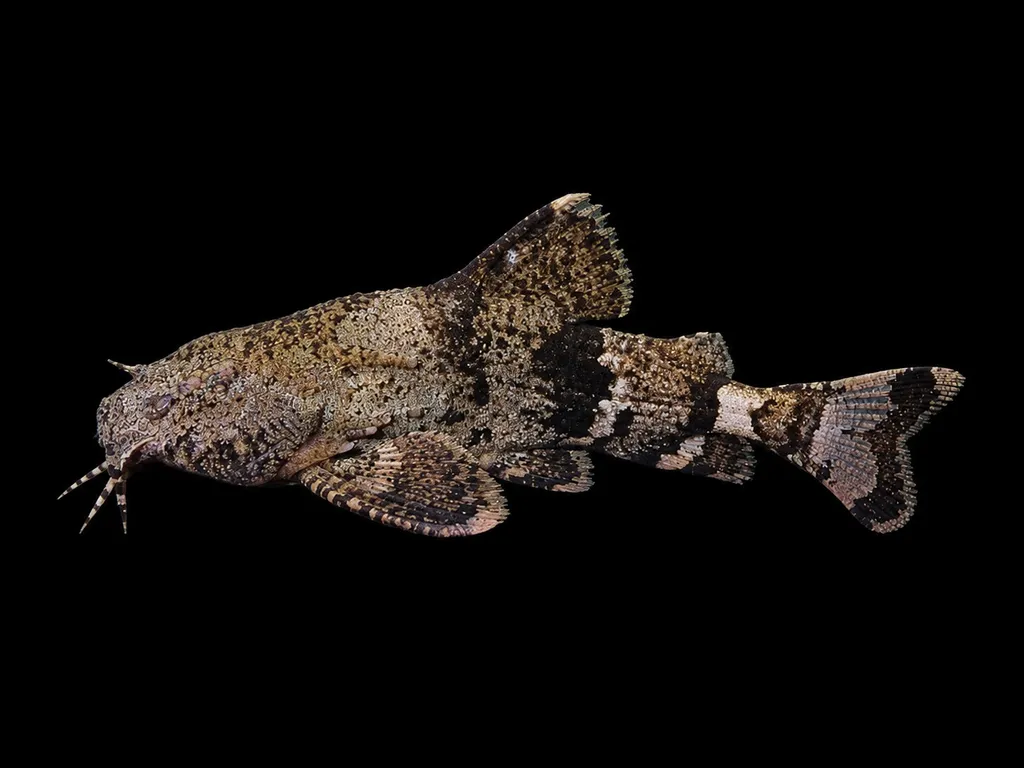 3.1 in (8 cm)14 gal (54 L)68–79°F (20–26°C)
Elongate moth catfish
Hara horai
3.1 in (8 cm) · 14 gal (54 L)
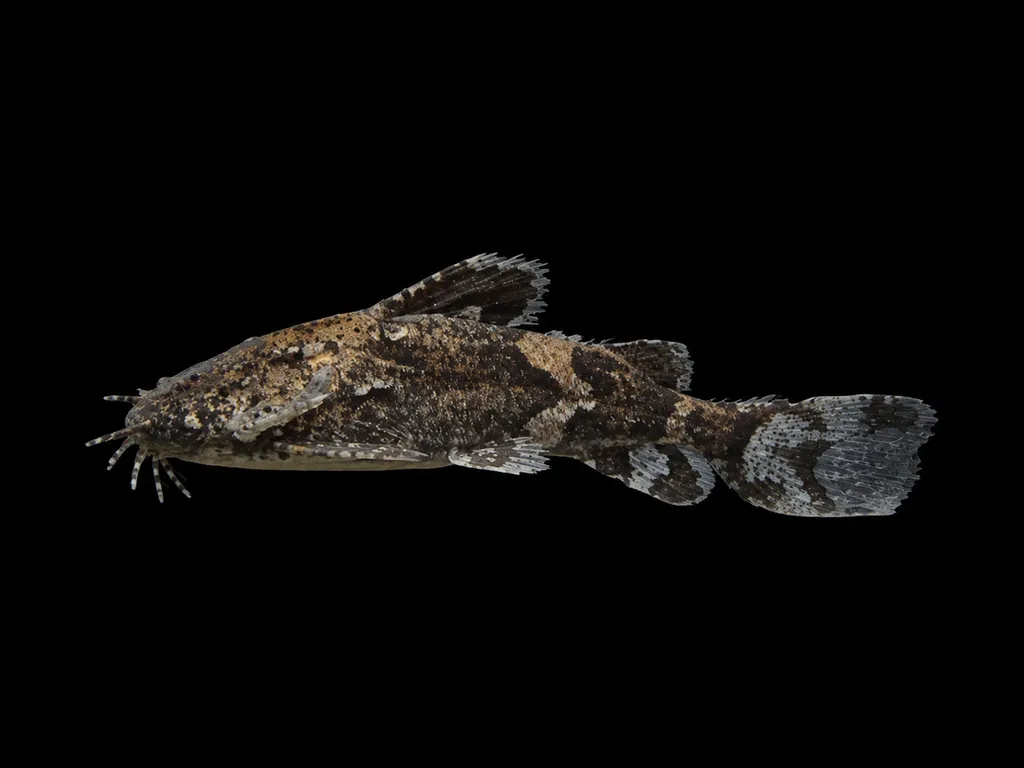 1.2 in (3 cm)11 gal (40 L)68–79°F (20–26°C)
Burmese mini moth catfish
Hara minuscula
1.2 in (3 cm) · 11 gal (40 L)
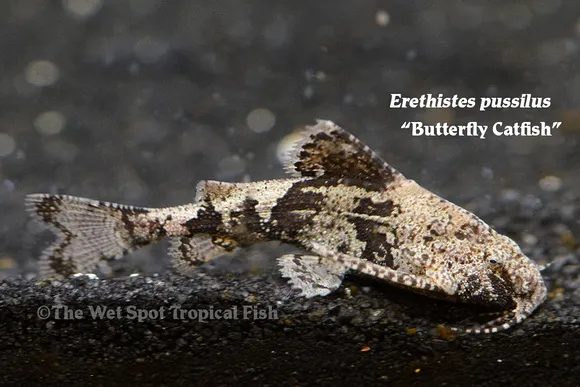 2 in (5 cm)14 gal (54 L)68–79°F (20–26°C)
Butterfly moth catfish
Erethistes pusillus
2 in (5 cm) · 14 gal (54 L)
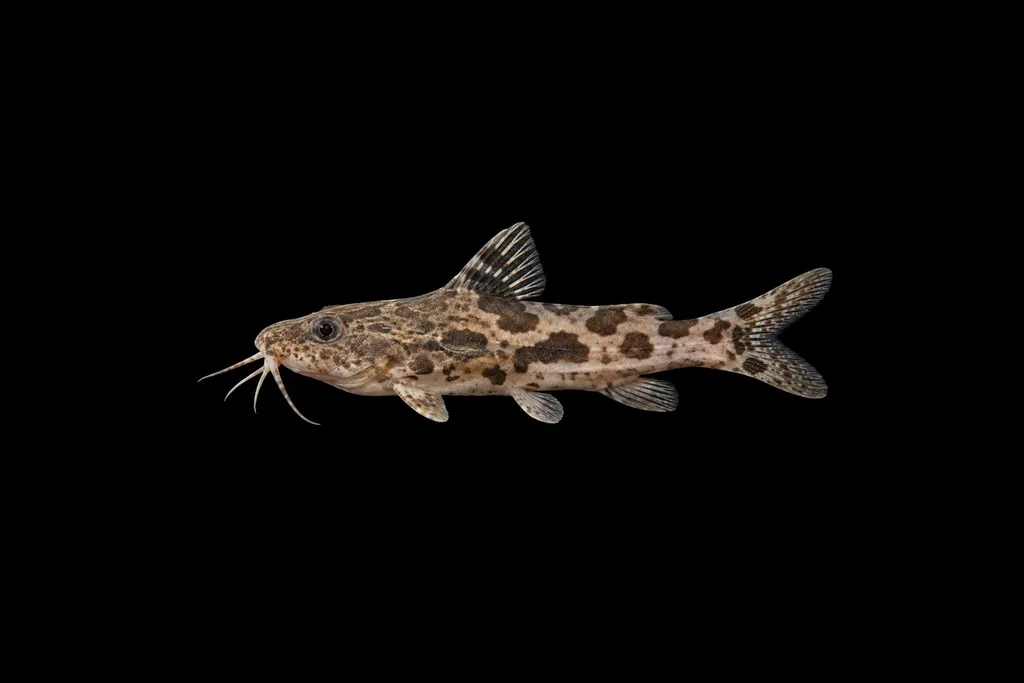 1.6 in (4 cm)11 gal (40 L)68–79°F (20–26°C)
Harlequin moth catfish
Pseudolaguvia ribeiroi
1.6 in (4 cm) · 11 gal (40 L)
 1.5 in (3.8 cm)11 gal (40 L)68–79°F (20–26°C)
Cheetah moth catfish
Pseudolaguvia shawi
1.5 in (3.8 cm) · 11 gal (40 L)