One species · 11 varieties
Neocaridina shrimp
Neocaridina davidi
Also known as Wild-type Neocaridina, Neocaridina heteropoda
FreshwaterShrimp
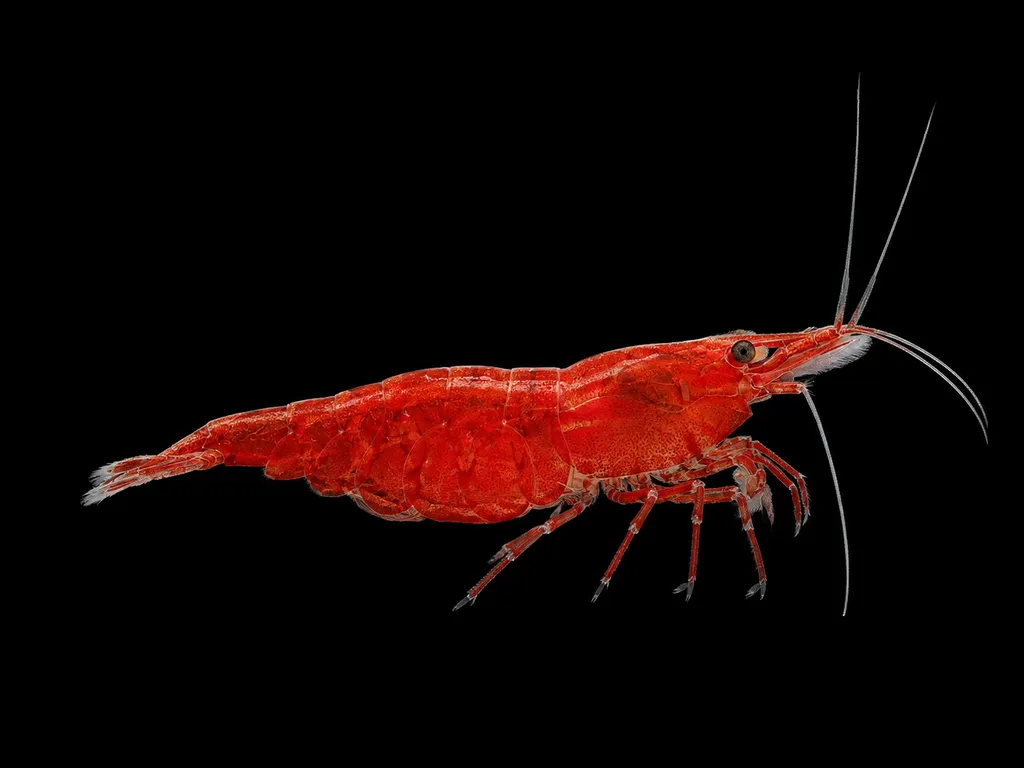
Care at a glance
- Temperature
- 59–84°F
- 15–29°C
- pH
- 6.5–8.0
- Adult size
- 1.6 in
- 4 cm
- Minimum tank
- 5 gal
- 20 L
- Temperament
- Peaceful
- Social behavior
- Social
- Swim level
- Bottom
- Difficulty
- Beginner
- Breeding
- Egg carrier · Easy
- Rarity
- Common
- Family
- Atyidae
- Origin
- Taiwan and eastern China
Pick a variety
One setup covers every variety on this page.
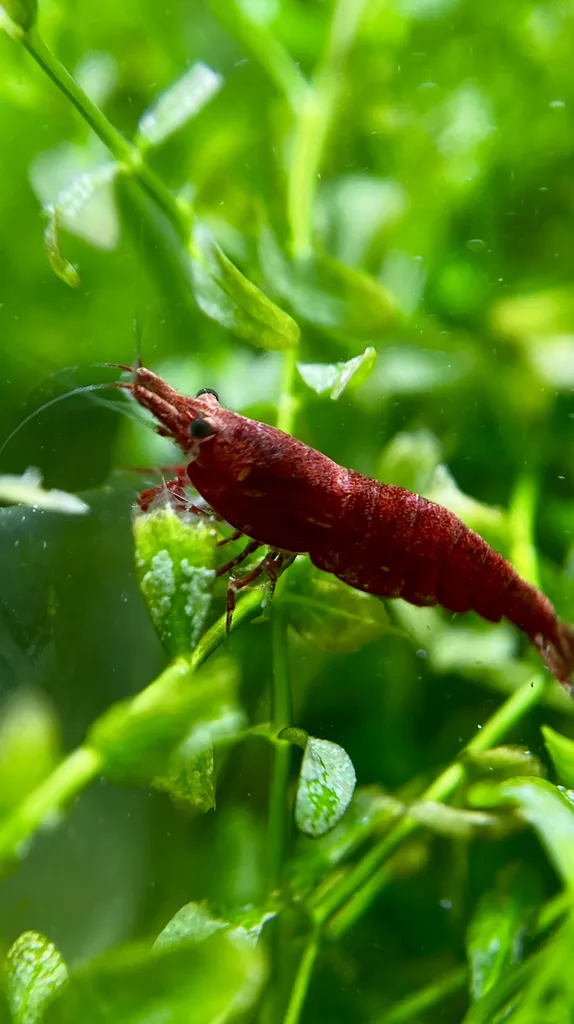
Cherry shrimp
solid red, the original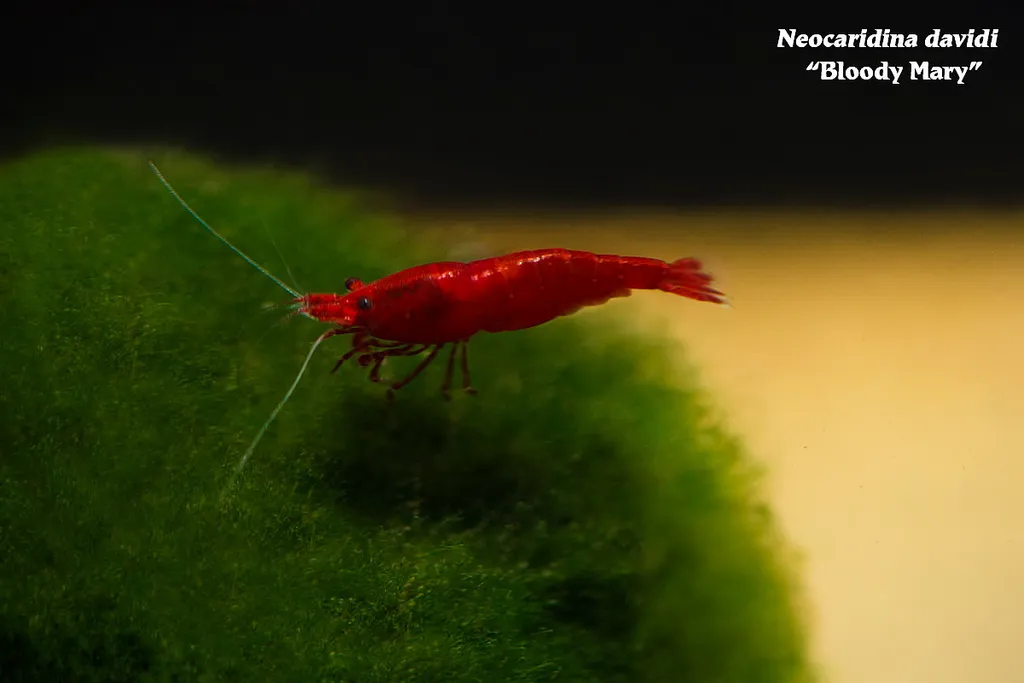
Bloody Mary shrimp
deep red over a clear shell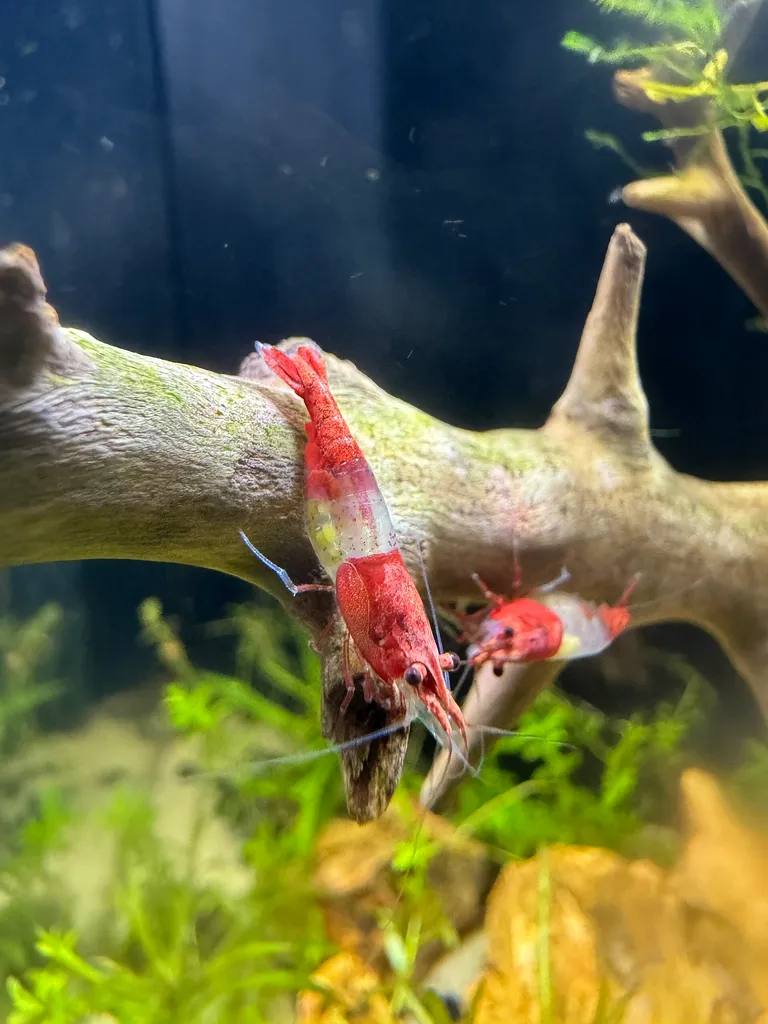
Rili shrimp
red ends, clear mid-body band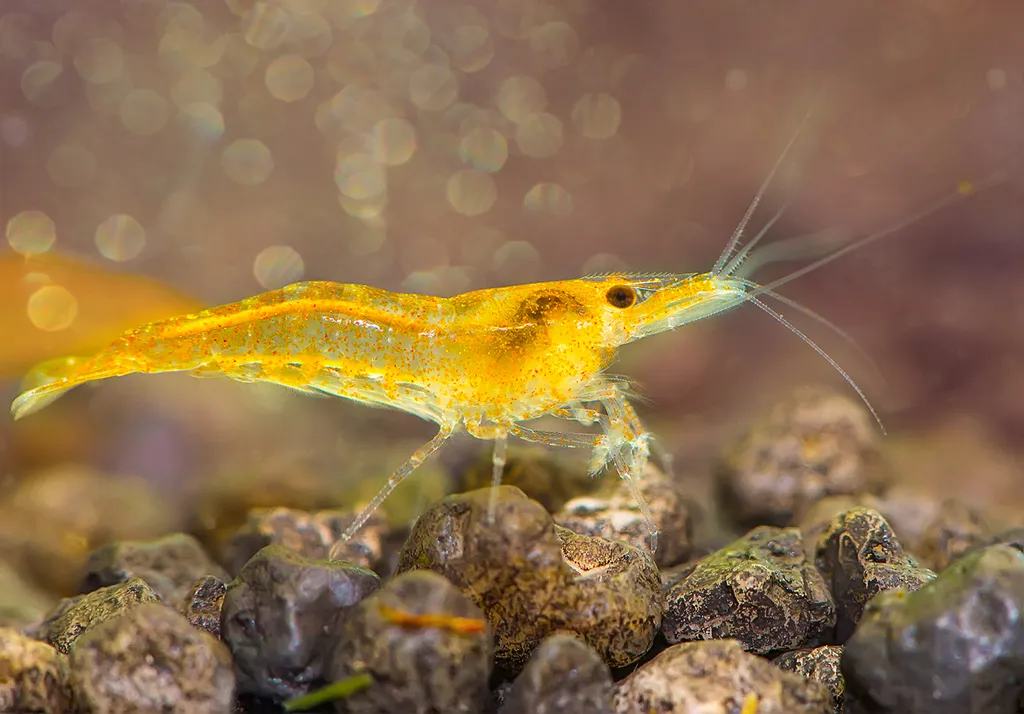
Orange neocaridina
solid orange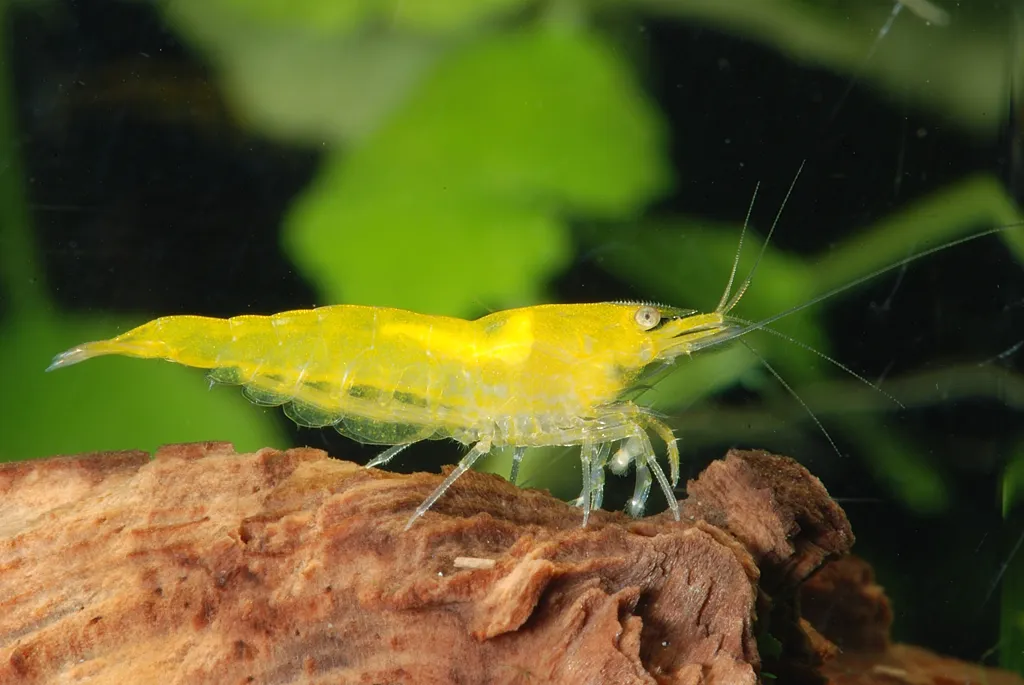
Yellow neocaridina
solid yellow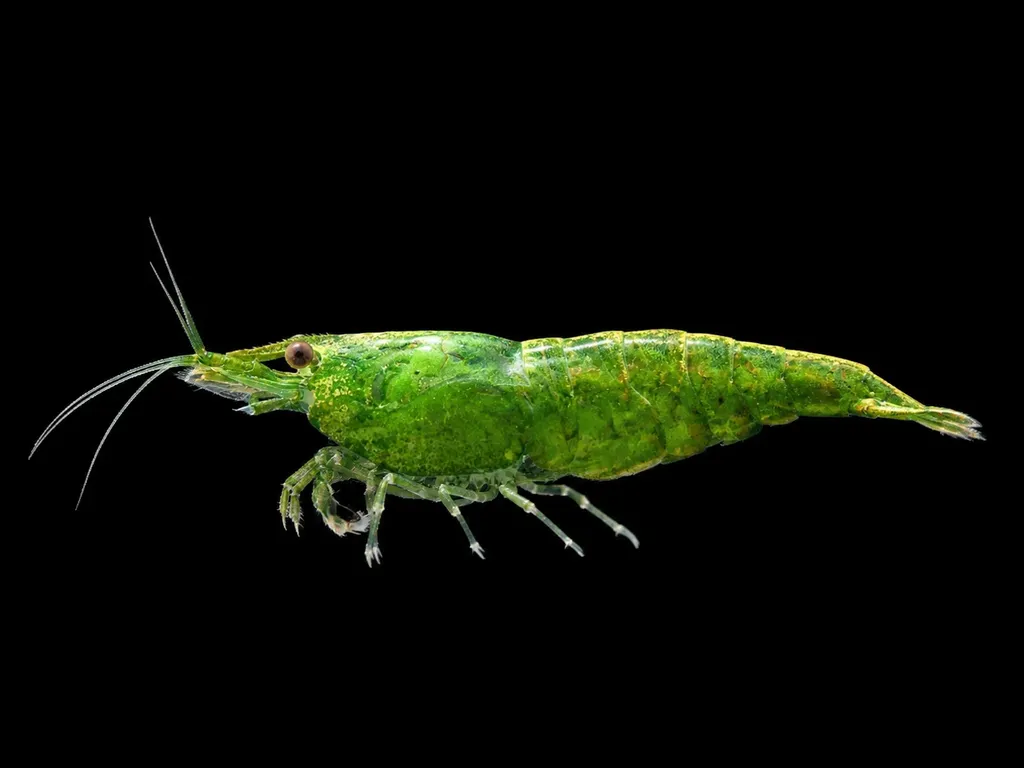
Green jade shrimp
deep green, breeds true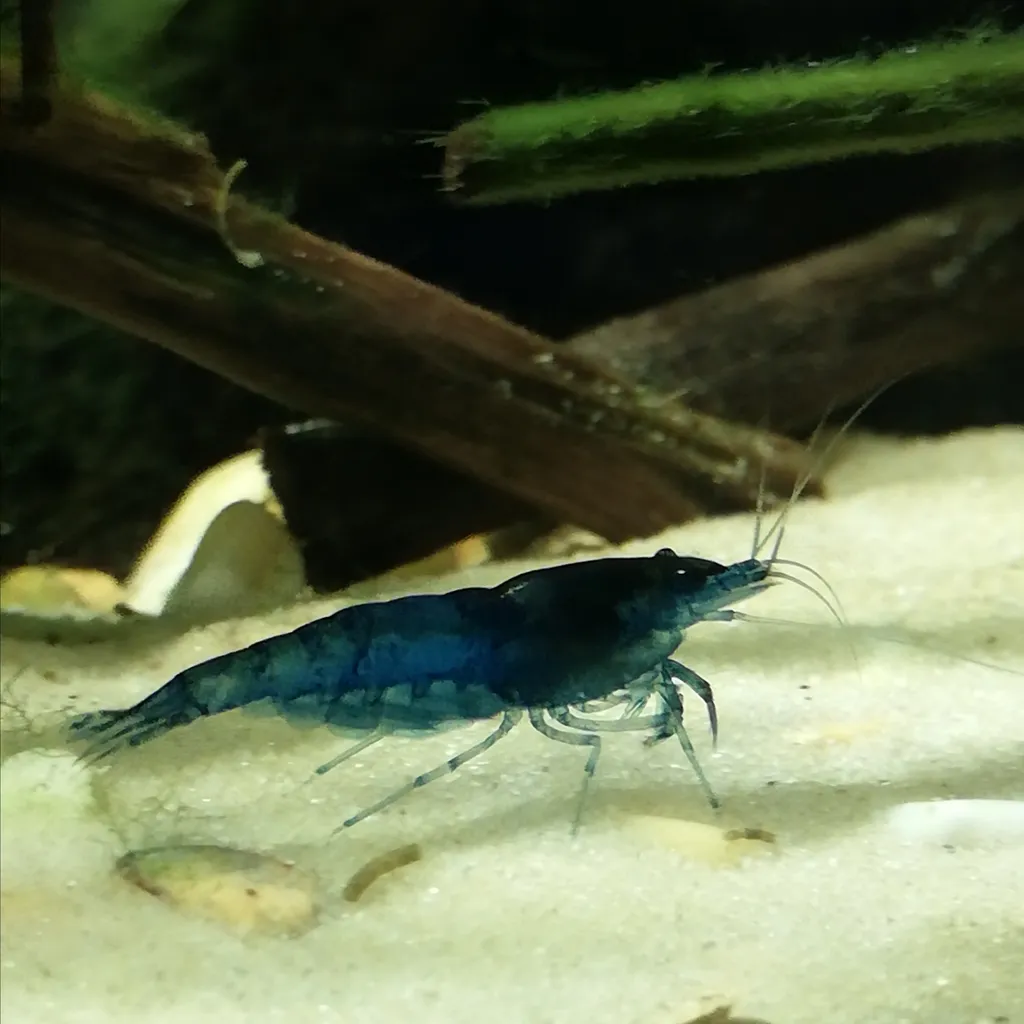
Blue velvet shrimp
lighter, even blue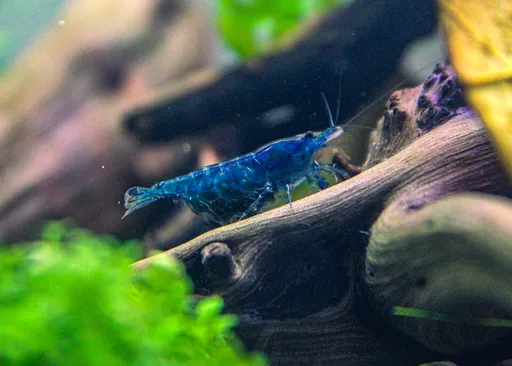
Blue dream shrimp
deep, opaque blue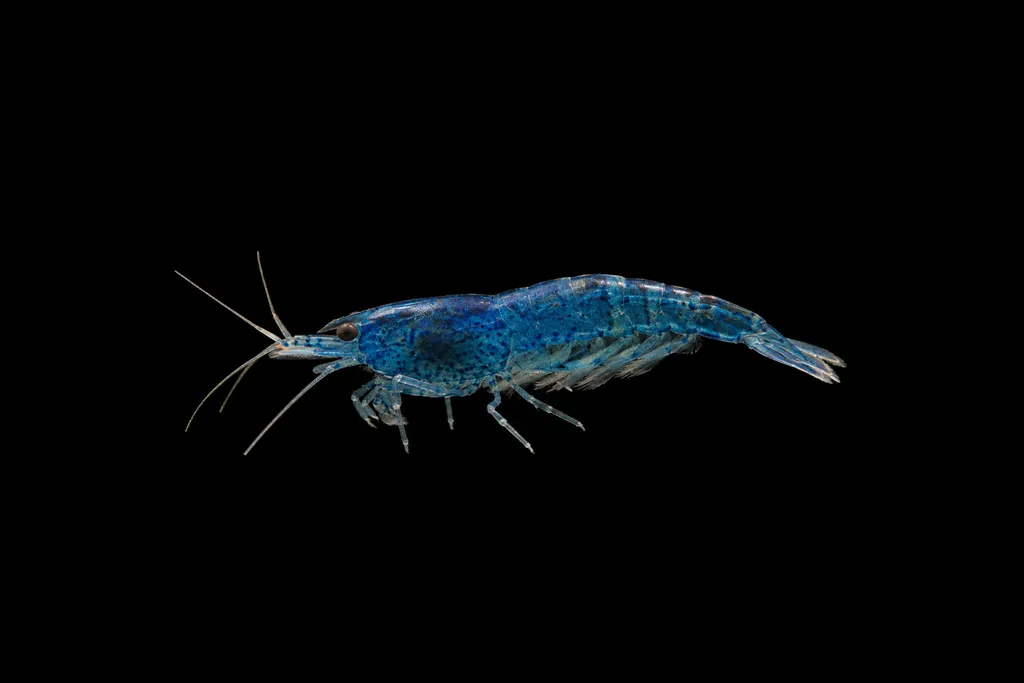
Blueberry shrimp
dark blue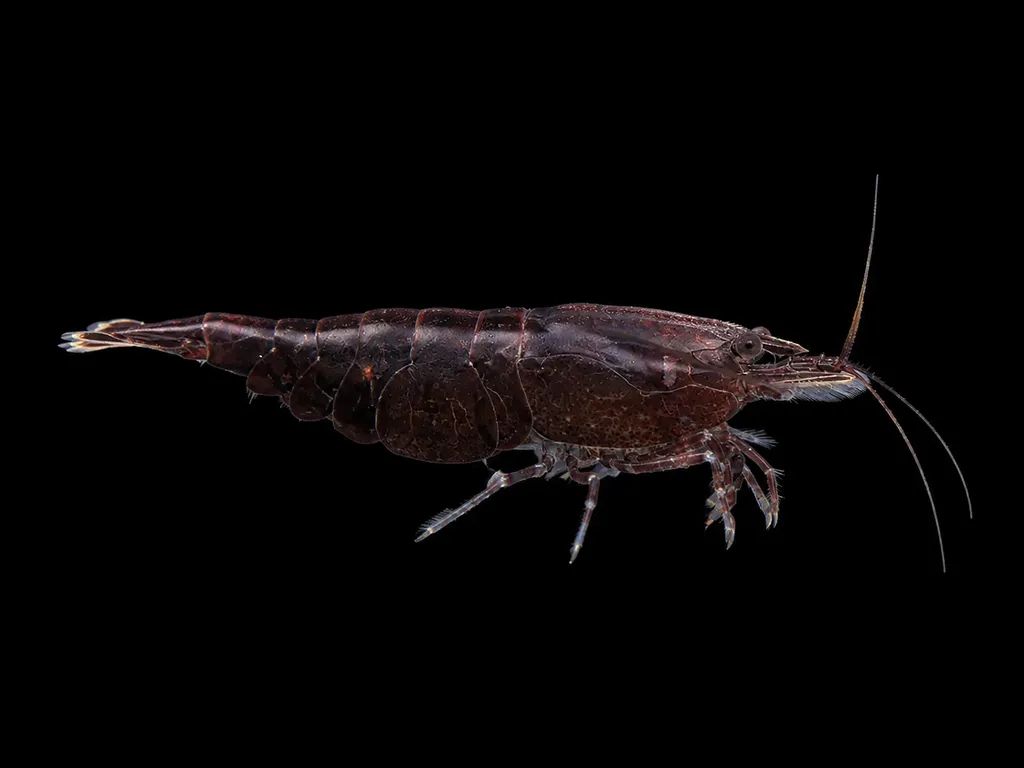
Chocolate shrimp
solid dark brown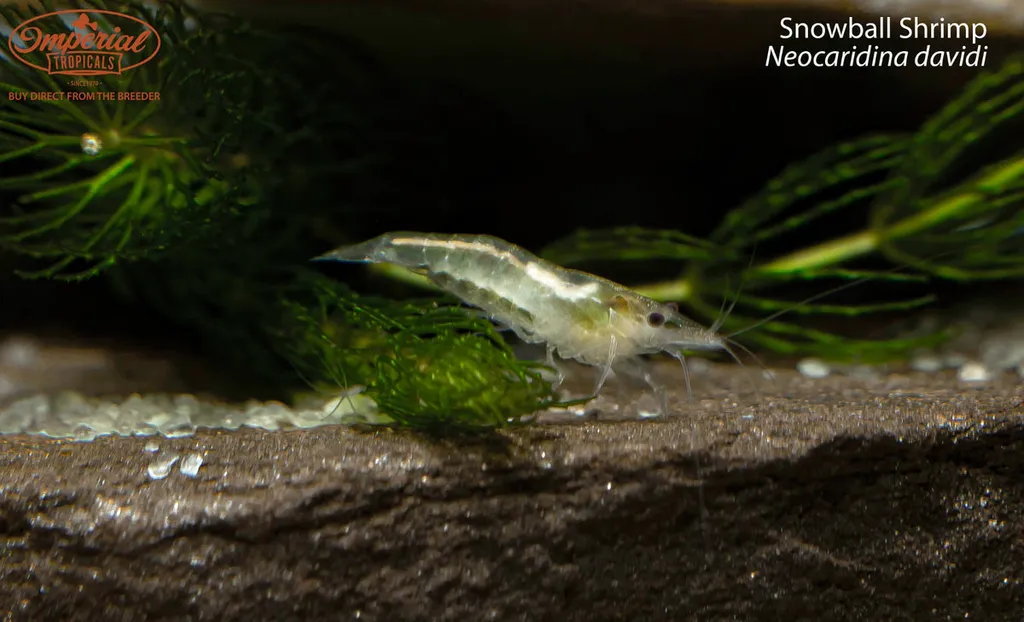
Snowball shrimp
white, with white eggs
Overview
The Neocaridina shrimp is the small, hardy wild form of Neocaridina davidi, a grazer for a planted freshwater tank. It is a good first shrimp.
Did you know
The first red cherry shrimp were selected from wild Neocaridina in Taiwan around the turn of the century. Blues, yellows, oranges, greens and blacks followed within a decade.
Caring for the Neocaridina shrimp
Keep Neocaridina shrimp in a group of ten or more, in a cycled, stable tank of at least 5 gal (20 L). Give them plants, moss and leaf litter to graze and hide in. Keep them with small, peaceful fish or other dwarf shrimp.
They handle 59 to 84°F (15 to 29°C) and a pH of 6.5 to 8.0. They spend the day grazing biofilm and algae off every surface in the tank. Feed a little algae wafer or blanched vegetable a few times a week. They molt as they grow, stay soft for a few hours afterward, and eat the cast shells for their minerals.
Females grow larger than males and carry 20 to 40 eggs under the tail for three to four weeks. The young are fully formed miniature shrimp, with no larval stage and no need for brackish water. That is why a colony breeds on its own in an ordinary tank.
Wild Neocaridina davidi is a plain, brownish shrimp from streams and ponds in Taiwan and eastern China. Every color here was selected from that stock: a breeder spotted a color mutation, bred it back to its own offspring, and repeated until the line held. The animal underneath never changed, so size, water, diet, behavior and lifespan are identical across every variety on this page.
All Neocaridina colors interbreed freely, and crosses do not blend into new colors. Mixed offspring drift back toward the wild brown within a few generations, so an accidental mix slowly erases both lines. Keepers who want a color to last hold one color per tank. A deliberate mixed colony is a fine choice too, as long as you are happy to watch the colors fade over time.
Color reads differently against different tanks: dark substrate and heavy planting deepen most lines, while pale forms like snowball stand out best against dark backgrounds. Cherry, orange and yellow are the longest-established lines and the easiest to buy well-bred, which makes them good first colonies. Rili patterns need regular culling to keep the banding sharp.
Good to know
Neocaridina davidi is a dwarf shrimp of the family Atyidae, described from China and long sold under the older name Neocaridina heteropoda. Color in the bred strains comes from pigment cells in the shell or in the tissue beneath it. That is why some lines look painted and others look glassy.
In the wild
Neocaridina davidi lives among plants and leaf litter in Taiwan and eastern China, in ditches and other slow, shallow, well-oxygenated water. That water swings from cool winters to warm summers. Wild animals are a translucent brown or olive with faint mottling, the camouflage every colored strain was bred away from. Released or escaped aquarium stock now lives in warm outflows in Germany and Poland and in streams in Japan and Hawaii. That is one reason never to release shrimp.
Weekly picks
Tank mates
Every variety on this page wants the same water, so one set of picks fits them all. These picks match on water type, temperature, pH, size and temperament.
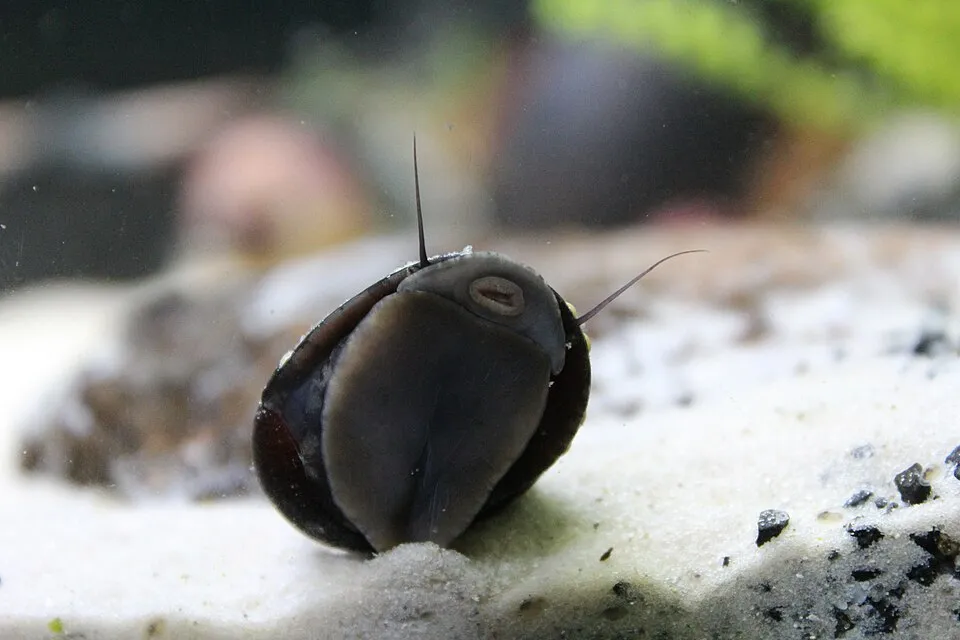
Dusky nerite snail
Neritina pulligera
FreshwaterBrackish1.6 in (4 cm) · 5 gal (20 L)72–82°F (22–28°C)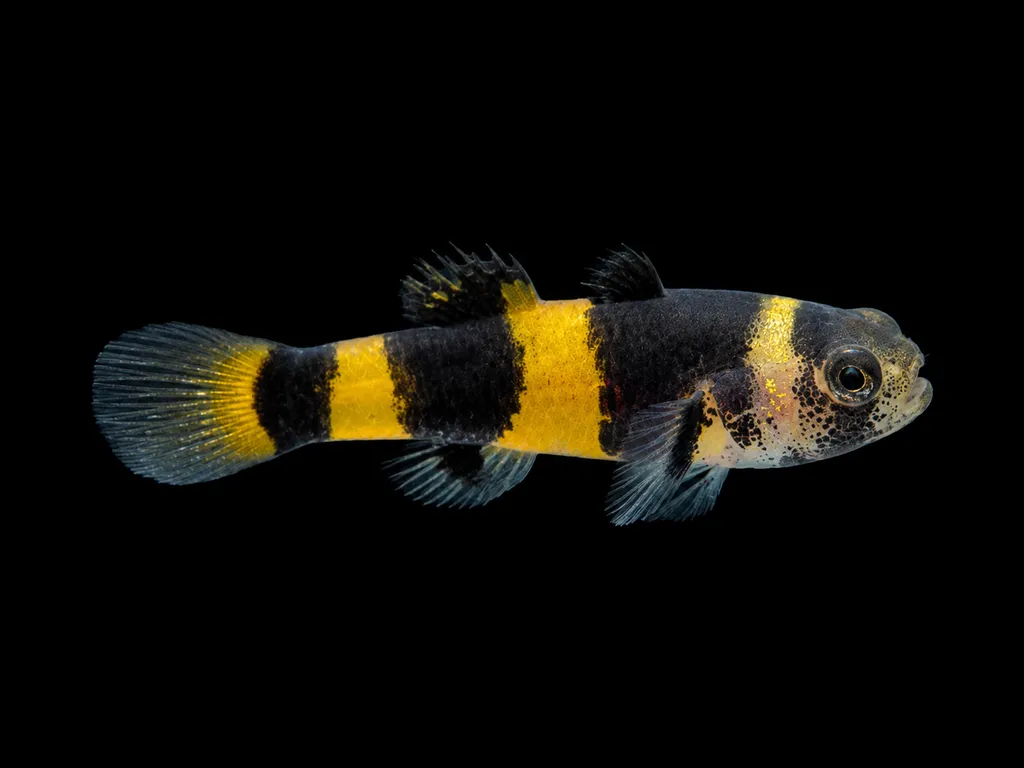
Mini bumblebee goby
Brachygobius xanthomelas
Freshwater0.8 in (2 cm) · 5 gal (20 L)75–82°F (24–28°C)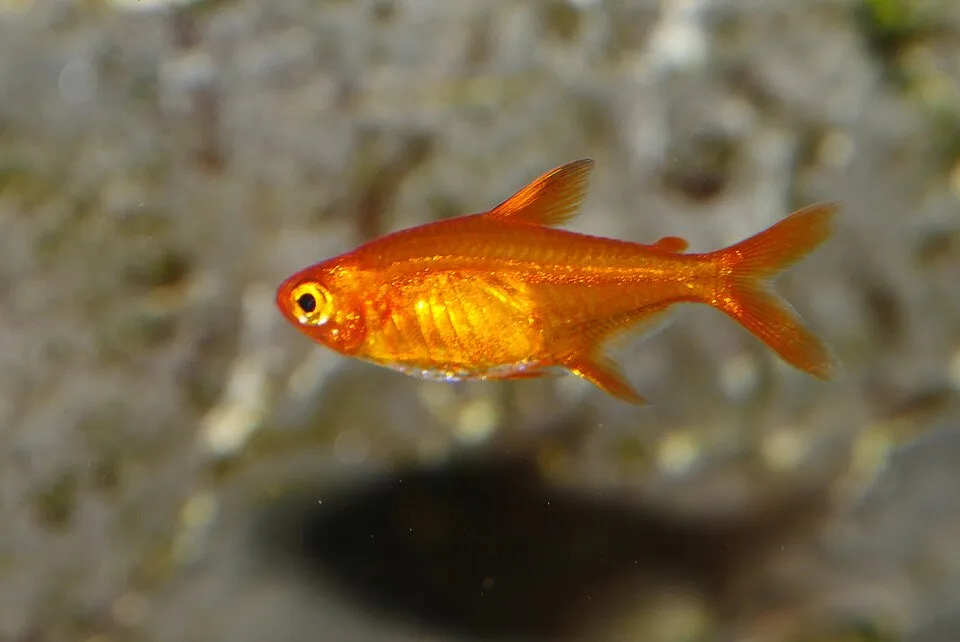
Ember tetra
Hyphessobrycon amandae
Freshwater0.8 in (2 cm) · 9 gal (35 L)72–82°F (22–28°C)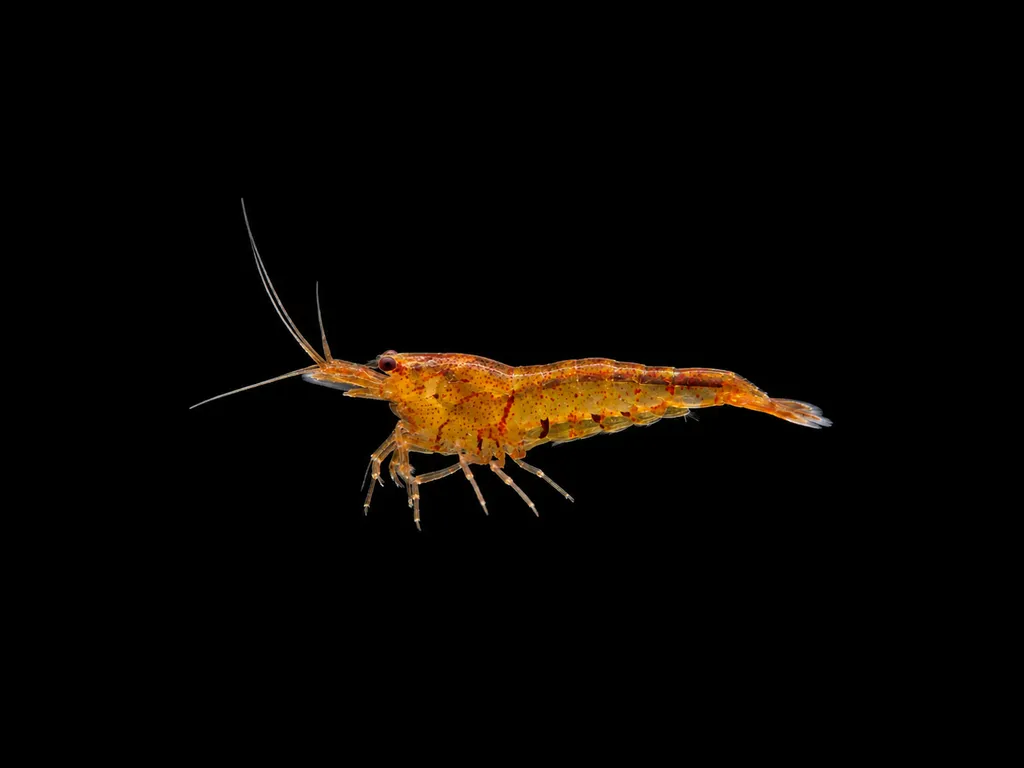
Tangerine tiger shrimp
Caridina serrata
Freshwater1.2 in (3 cm) · 5 gal (20 L)68–79°F (20–26°C)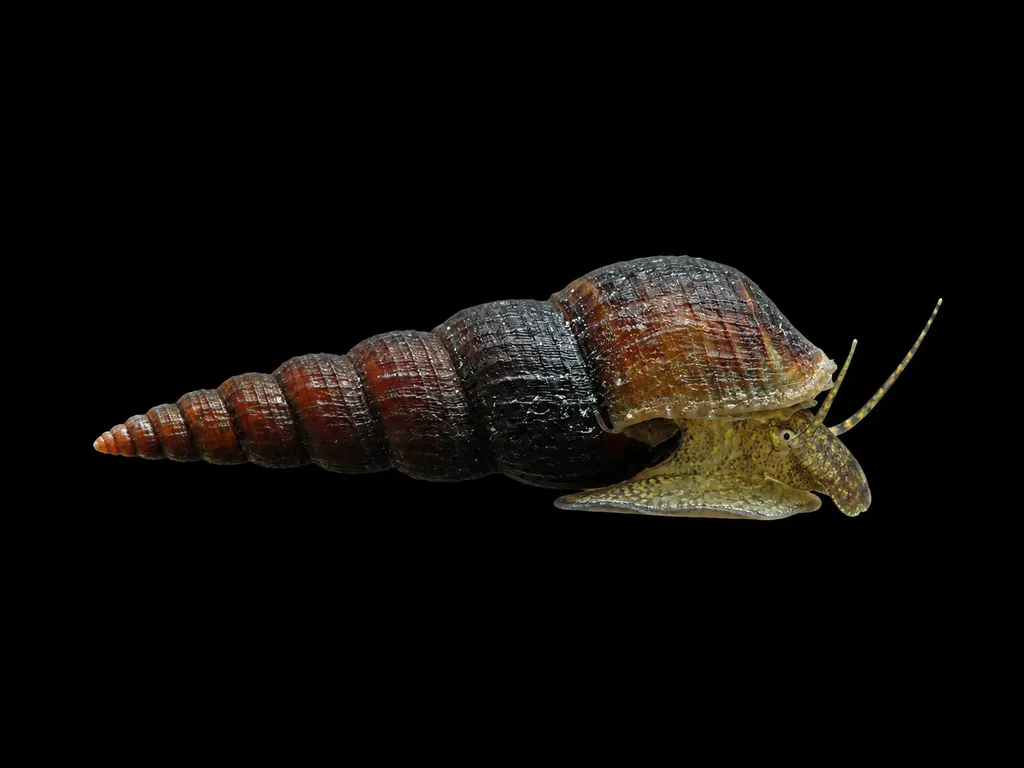
Mahogany trumpet snail
Melanoides maculata
Freshwater1.6 in (4 cm) · 5 gal (20 L)72–82°F (22–28°C)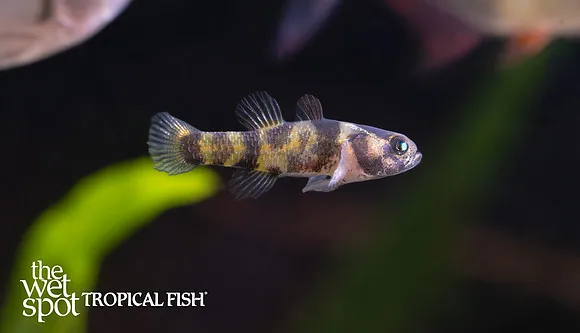
Micro bumblebee goby
Brachygobius nunus
FreshwaterBrackish1 in (2.5 cm) · 5 gal (20 L)73–82°F (23–28°C)
Common questions
Can I mix cherry and blue dream shrimp?
They can live together and the water is identical, but all Neocaridina colors interbreed and mixed offspring drift back toward wild brown within a few generations. Keep one color per tank if you want the color to last.
Do the colors need different water?
No. Every variety on this page is the same species and wants the same setup: 5 gal (20 L) or more of stable, cycled water at 59–84°F (15–29°C) and pH 6.5–8.0.
Which variety is best for beginners?
Cherry shrimp. It is the oldest line, starter colonies are cheap and easy to find, and everything you learn keeping it applies to every other color here.
What size tank does a Neocaridina shrimp need?
A Neocaridina shrimp needs at least 5 gal (20 L). It spends most of its time in the bottom.
What temperature and pH does a Neocaridina shrimp need?
A Neocaridina shrimp is comfortable at 59–84°F (15–29°C) with a pH of 6.5–8.0.
What does a Neocaridina shrimp eat?
A Neocaridina shrimp grazes biofilm and algae off every surface in the tank. Add a little algae wafer or blanched vegetable a few times a week.
How big does a Neocaridina shrimp get?
An adult Neocaridina shrimp reaches about 1.6 in (4 cm).
How can you tell a male Neocaridina shrimp from a female?
Female Neocaridina shrimp grow larger than males. A female with eggs carries them under her tail.
Related species
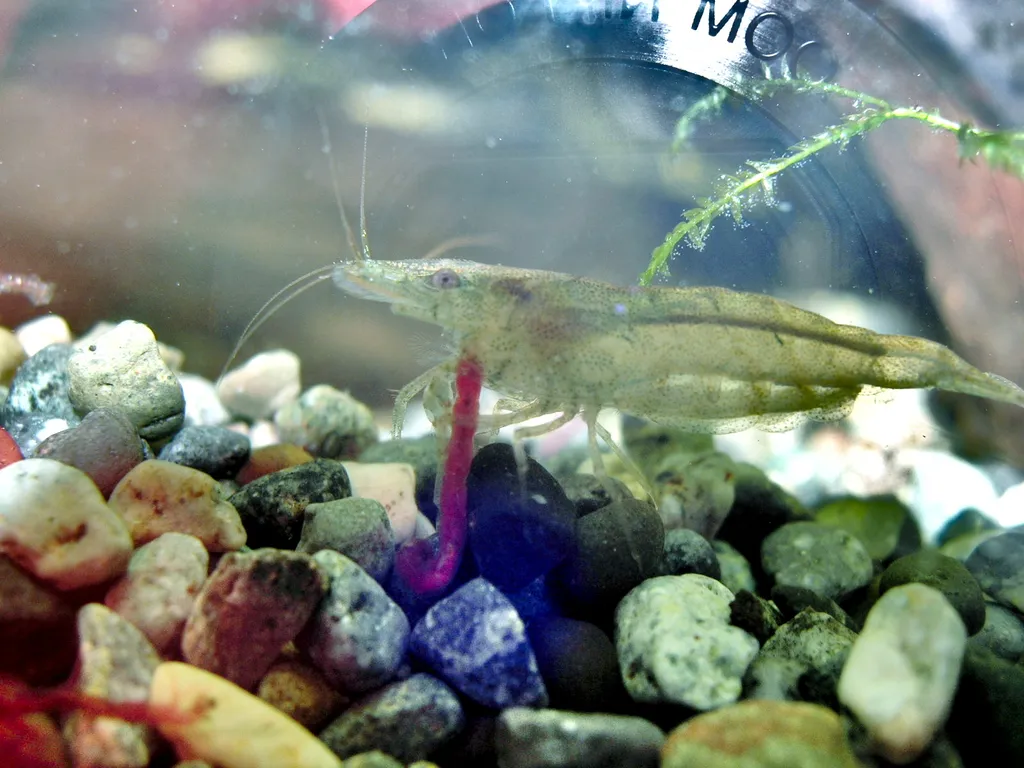 1.2 in (3 cm)5 gal (20 L)64–79°F (18–26°C)
Okinawa cleaner shrimp
Neocaridina denticulata
1.2 in (3 cm) · 5 gal (20 L)
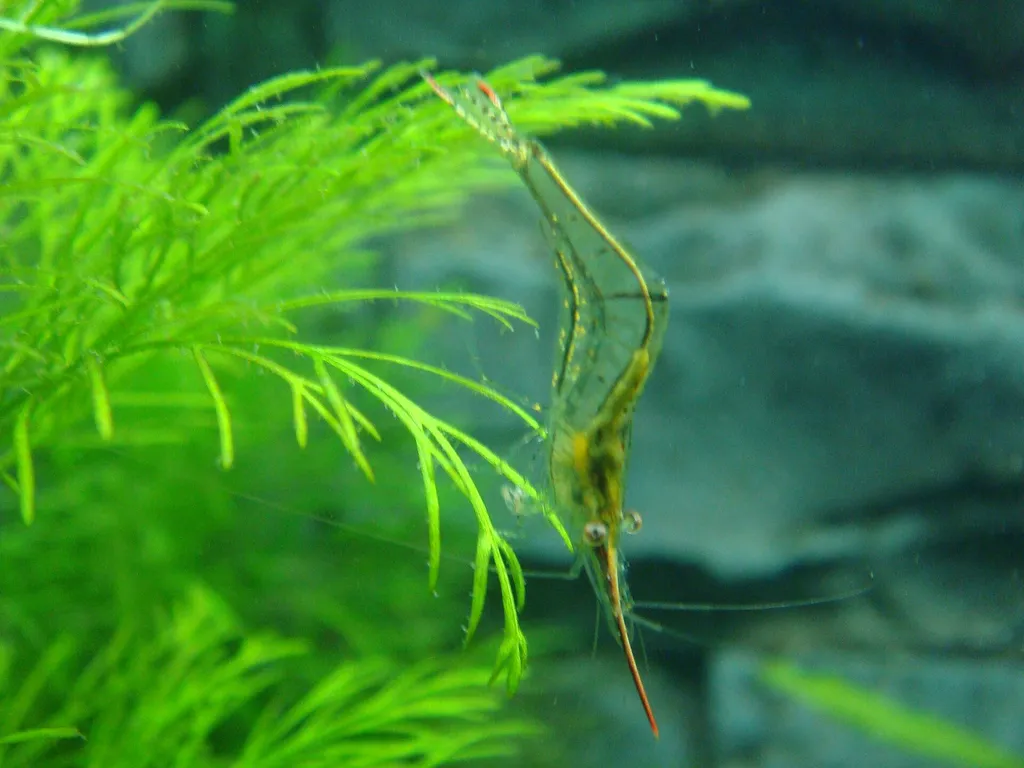 1.6 in (4 cm)5 gal (20 L)73–82°F (23–28°C)
Red skunk shrimp
Caridina gracilirostris
1.6 in (4 cm) · 5 gal (20 L)
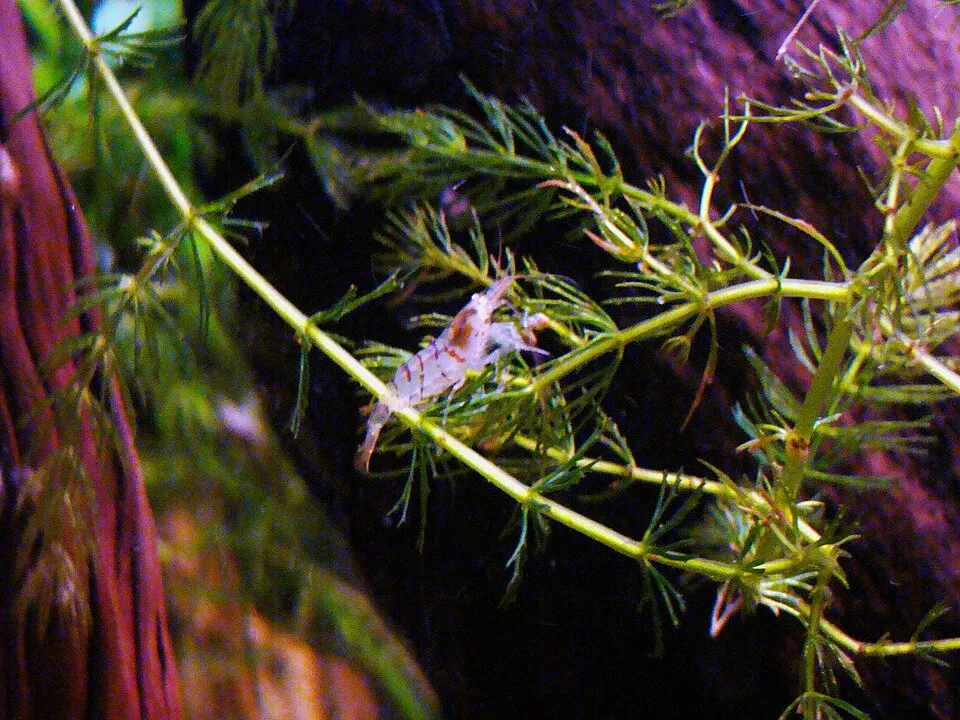 1.6 in (4 cm)7 gal (25 L)64–73°F (18–23°C)
Tiger shrimp
Caridina mariae
1.6 in (4 cm) · 7 gal (25 L)
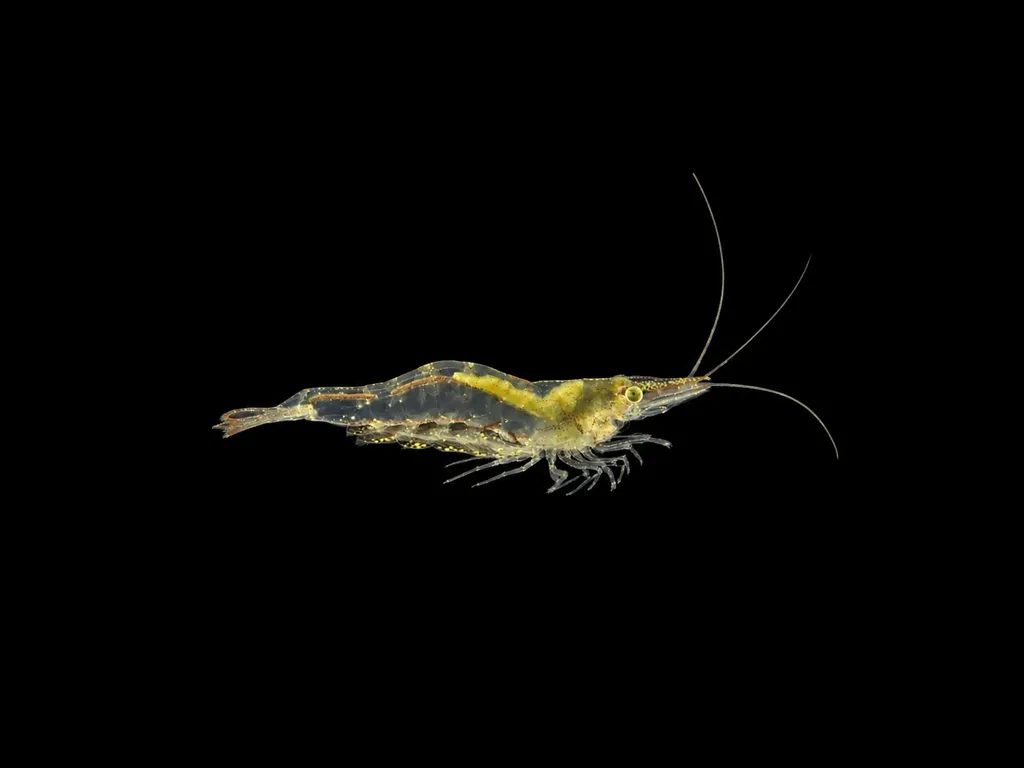 1.4 in (3.5 cm)5 gal (20 L)73–82°F (23–28°C)
Short-nose algae shrimp
Caridina longirostris
1.4 in (3.5 cm) · 5 gal (20 L)
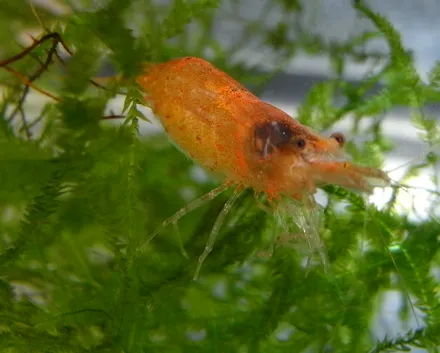 1.4 in (3.5 cm)5 gal (20 L)73–82°F (23–28°C)
Sunkist shrimp
Caridina thambipillai
1.4 in (3.5 cm) · 5 gal (20 L)
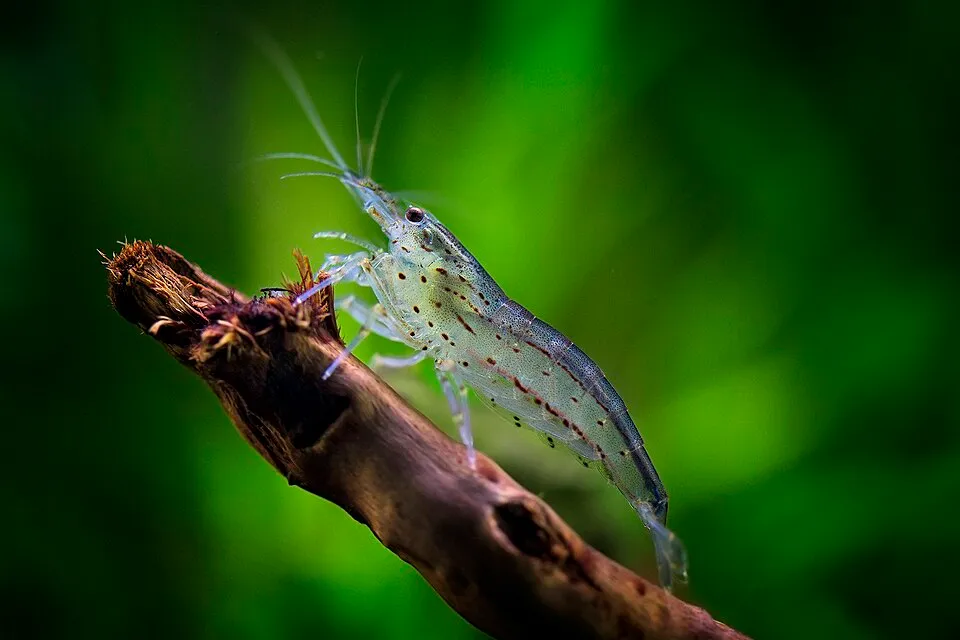 2 in (5 cm)8 gal (30 L)59–81°F (15–27°C)
Amano shrimp
Caridina multidentata
2 in (5 cm) · 8 gal (30 L)