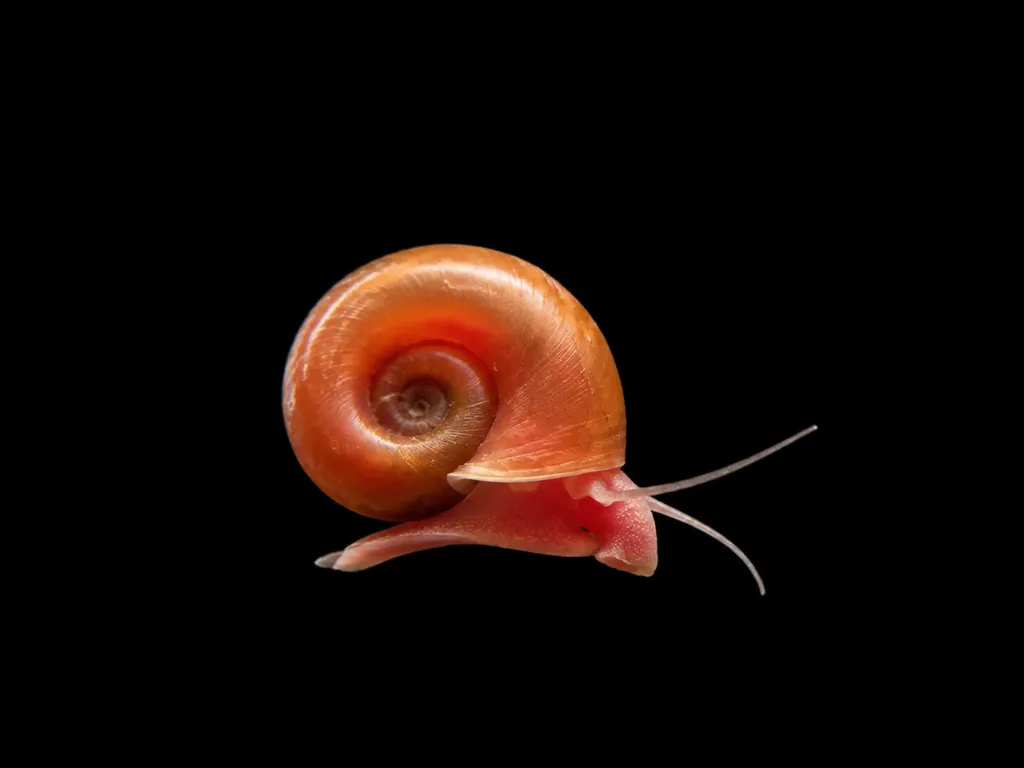
Red ramshorn snail
Indoplanorbis exustus
Also known as Indoplanorbus exustus, Indian ramshorn snail, Black ramshorn snail
FreshwaterSnail
Care at a glance
- Temperature
- 68–86°F
- 20–30°C
- pH
- 6.5–8.0
- Adult size
- 0.8 in
- 2 cm
- Minimum tank
- 5 gal
- 20 L
- Temperament
- Peaceful
- Social behavior
- Solitary
- Swim level
- Bottom
- Difficulty
- Beginner
- Breeding
- Egg layer · Easy
- Rarity
- Very common
- Family
- Planorbidae
- Origin
- South and Southeast Asia, introduced widely
Overview
The red ramshorn snail is a peaceful cleanup snail for the bottom of a small planted tank. It is easy to keep and a good first snail.
Did you know
The red ramshorn snail's color is not in the shell but in the animal itself. Its blood carries hemoglobin, the iron-based pigment that makes human blood red, and it shows through the translucent body and thin shell. Most snails use a copper-based pigment instead, so the ramshorns are unusual among molluscs.
Caring for the red ramshorn snail
A red ramshorn snail needs no company of its own kind, though a single one soon becomes a colony. Any planted tank of at least 5 gal (20 L) suits it. It is very adaptable and does well in almost any planted aquarium.
It tolerates a broad span of conditions, from 68 to 86°F (20 to 30°C) and a pH of 6.5 to 8.0. Moderately hard water helps keep its coiled shell strong.
It grazes algae, biofilm and leftover food across the glass, plants and substrate. A mature tank with algae and plant litter keeps it well fed. Its numbers rise or fall with the surplus food in the tank, so it doubles as a living gauge of overfeeding.
The red ramshorn snail is peaceful and harmless to fish and shrimp. It is safe with healthy plants, since it takes mostly soft algae and decaying leaves. It is a hermaphrodite that lays flat jelly clutches of eggs, and it breeds easily and multiplies fast.
Good to know
Indoplanorbis exustus is a planorbid, one of the ram's horn snails, with a flat, coiled shell. It is also known as the Indian ramshorn snail or the black ramshorn snail. It makes a convenient live food for pufferfish and loaches.
In the wild
The red ramshorn snail comes from still and slow waters across South and Southeast Asia. It has spread widely through the tropics.
Weekly picks
Tank mates
The red ramshorn snail is a peaceful, solitary species that keeps to the bottom. These picks share a community profile with it, are safe together in both directions, and overlap on water type, temperature and pH.
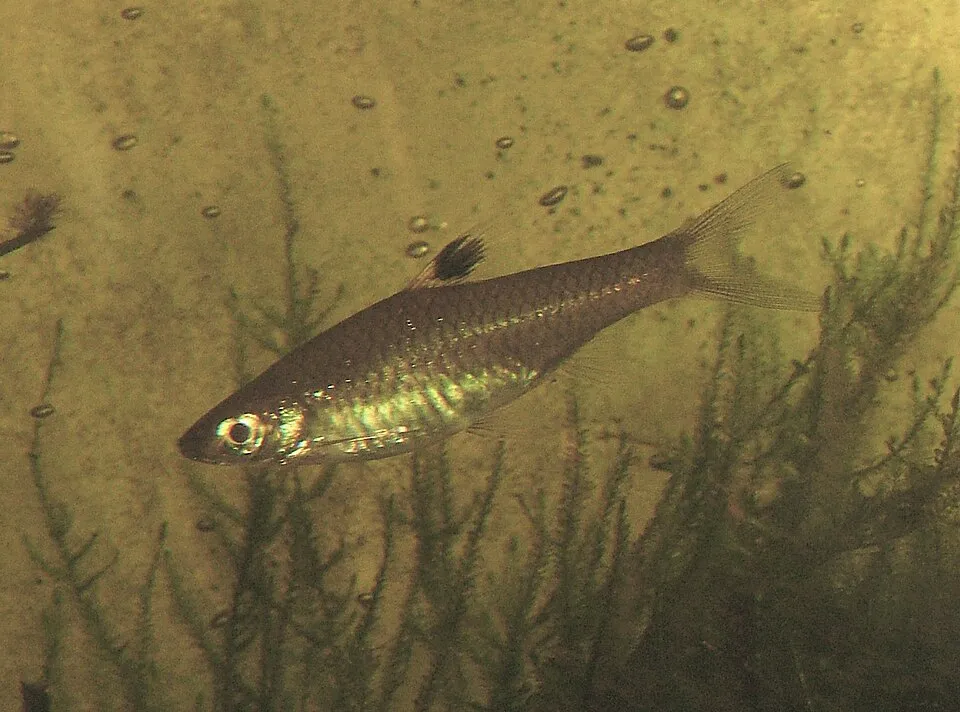
Eyespot rasbora
Brevibora dorsiocellata
Freshwater1.4 in (3.5 cm) · 9 gal (35 L)68–77°F (20–25°C)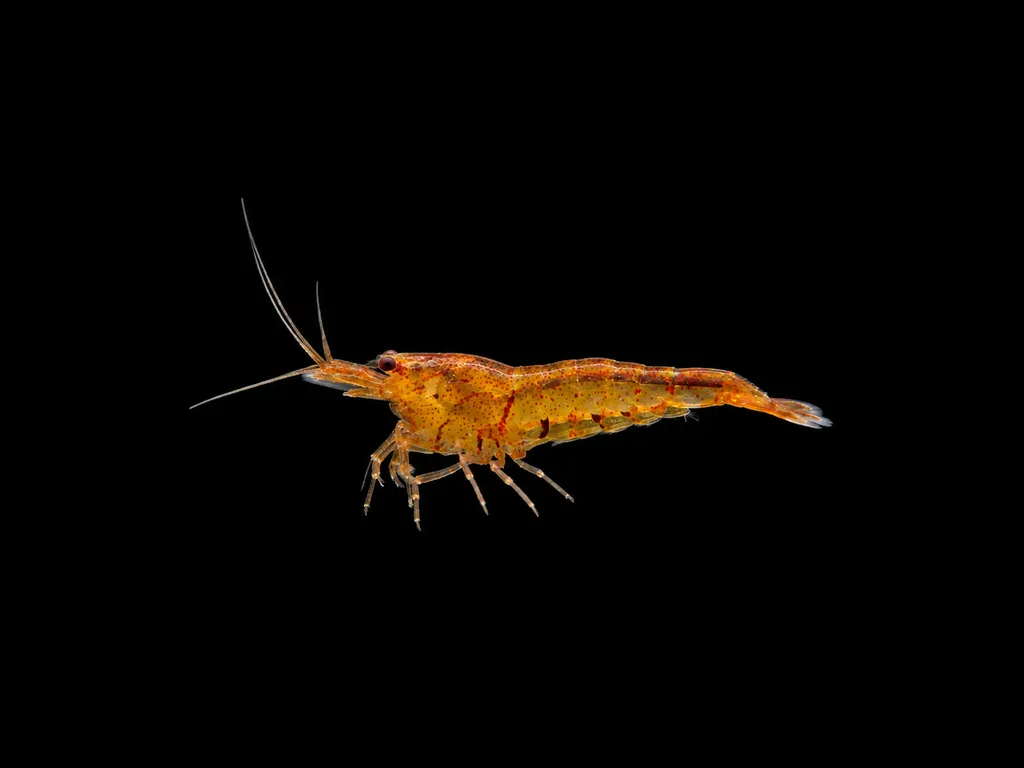
Tangerine tiger shrimp
Caridina serrata
Freshwater1.2 in (3 cm) · 5 gal (20 L)68–79°F (20–26°C)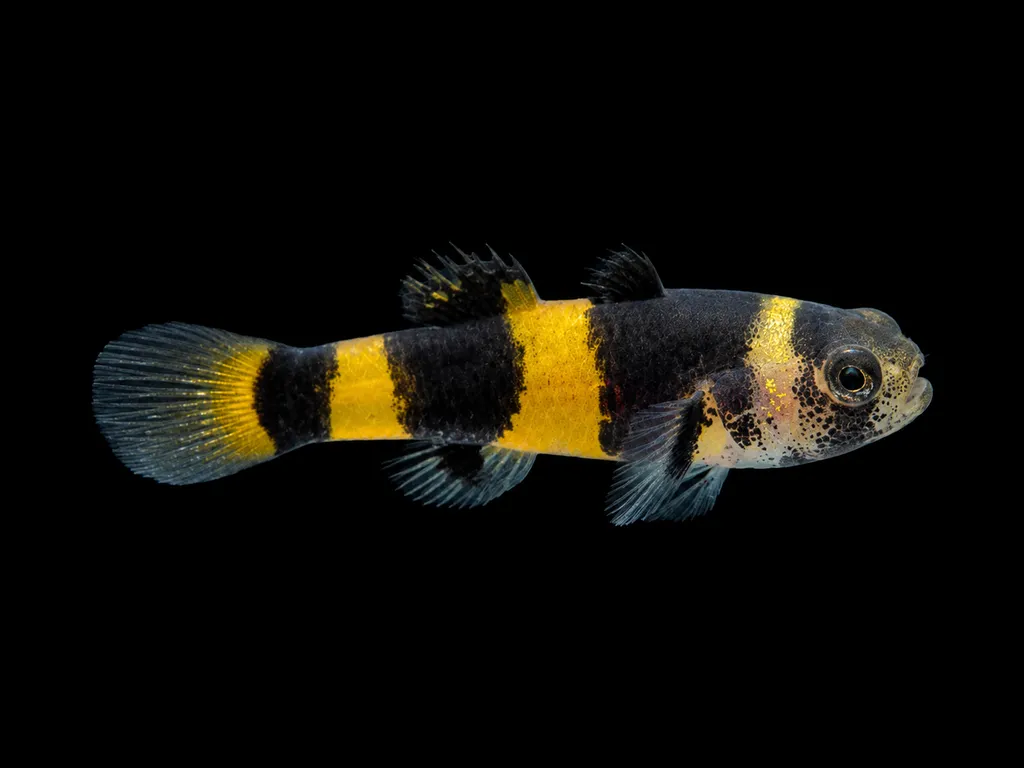
Mini bumblebee goby
Brachygobius xanthomelas
Freshwater0.8 in (2 cm) · 5 gal (20 L)75–82°F (24–28°C)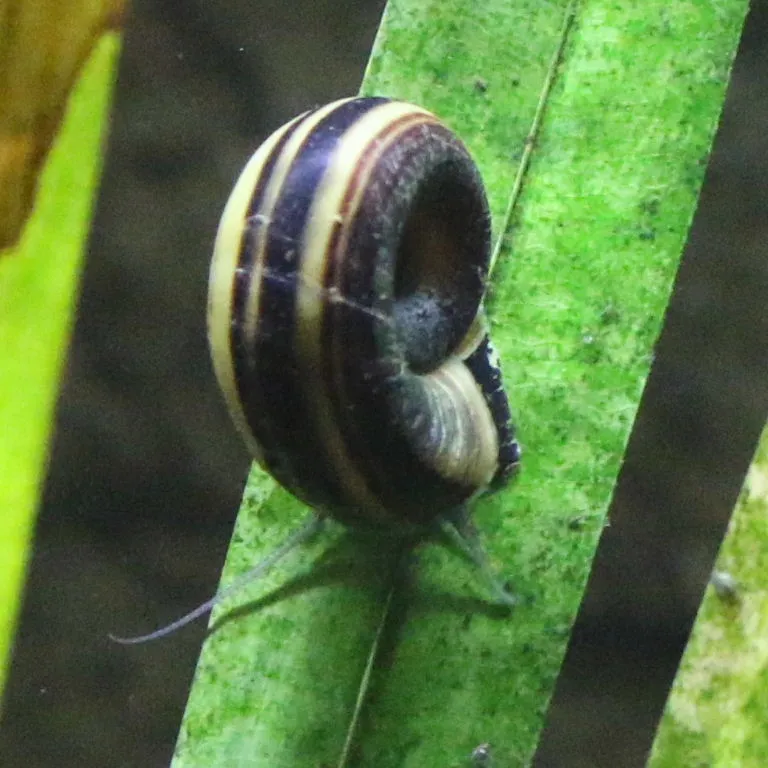
Giant Colombian ramshorn
Marisa cornuarietis
Freshwater2 in (5 cm) · 5 gal (20 L)73–81°F (23–27°C)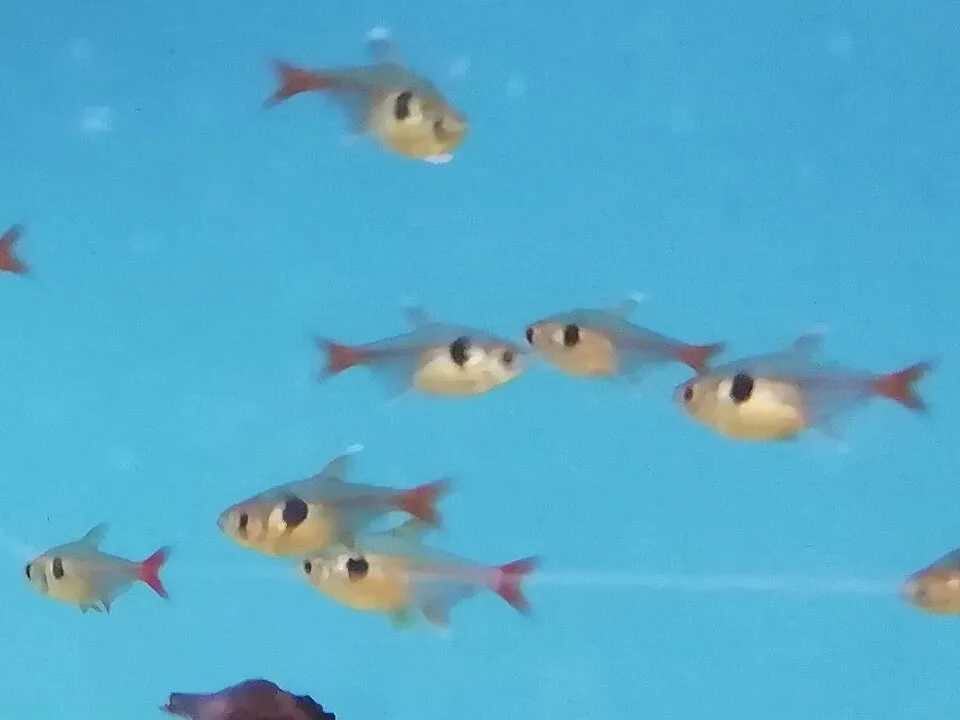
Yellow phantom tetra
Hyphessobrycon roseus
Freshwater0.8 in (2 cm) · 7 gal (25 L)68–82°F (20–28°C)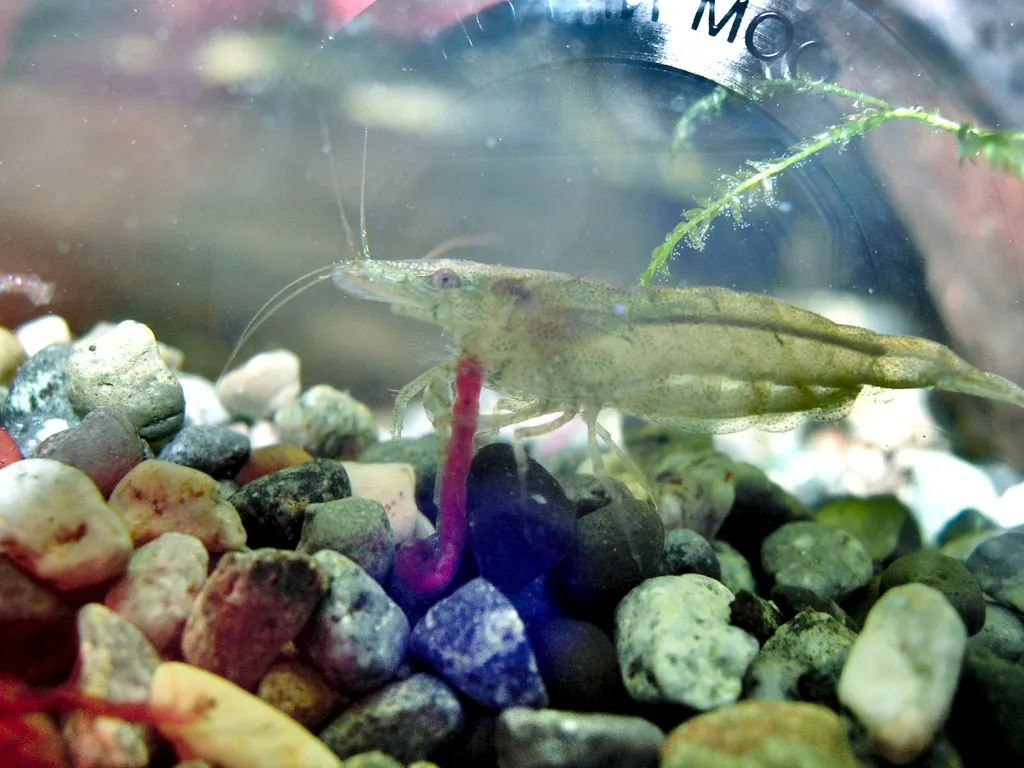
Okinawa cleaner shrimp
Neocaridina denticulata
Freshwater1.2 in (3 cm) · 5 gal (20 L)64–79°F (18–26°C)
Common questions
What size tank does a red ramshorn snail need?
A red ramshorn snail needs at least 5 gal (20 L). It spends most of its time in the bottom.
What temperature and pH does a red ramshorn snail need?
A red ramshorn snail is comfortable at 68–86°F (20–30°C) with a pH of 6.5–8.0.
What does a red ramshorn snail eat?
A red ramshorn snail grazes algae, biofilm and leftover food. It takes mostly soft algae and decaying leaves and is safe with healthy plants.
How big does a red ramshorn snail get?
An adult red ramshorn snail reaches about 0.8 in (2 cm).
How does a red ramshorn snail breed?
A red ramshorn snail is a hermaphrodite that lays flat jelly clutches of eggs. It breeds easily, and a single snail soon becomes a colony.
Related species
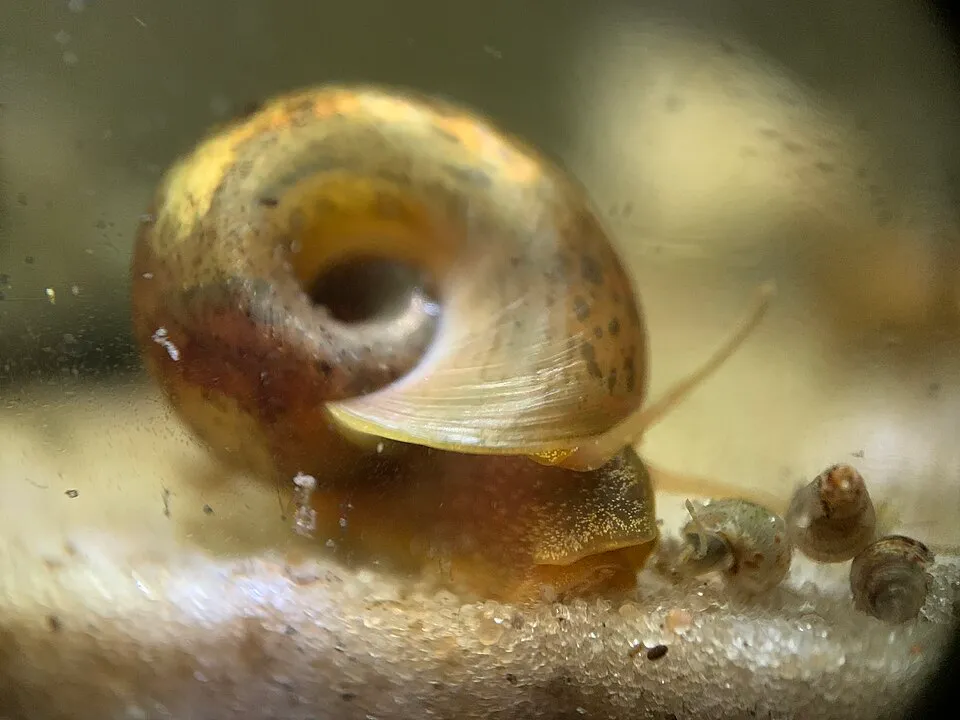 1 in (2.5 cm)5 gal (20 L)68–82°F (20–28°C)
Seminole ramshorn
Planorbella duryi
1 in (2.5 cm) · 5 gal (20 L)
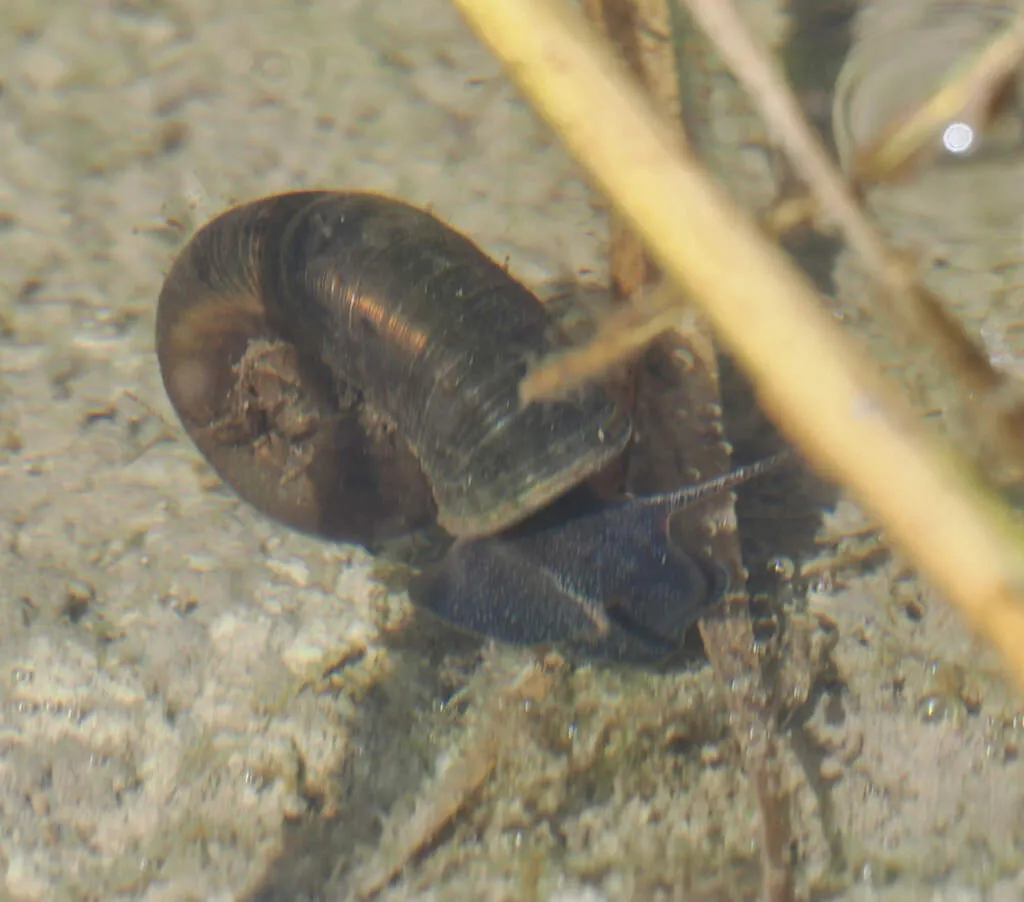 1.6 in (4 cm)5 gal (20 L)64–77°F (18–25°C)
Great ramshorn
Planorbarius corneus
1.6 in (4 cm) · 5 gal (20 L)
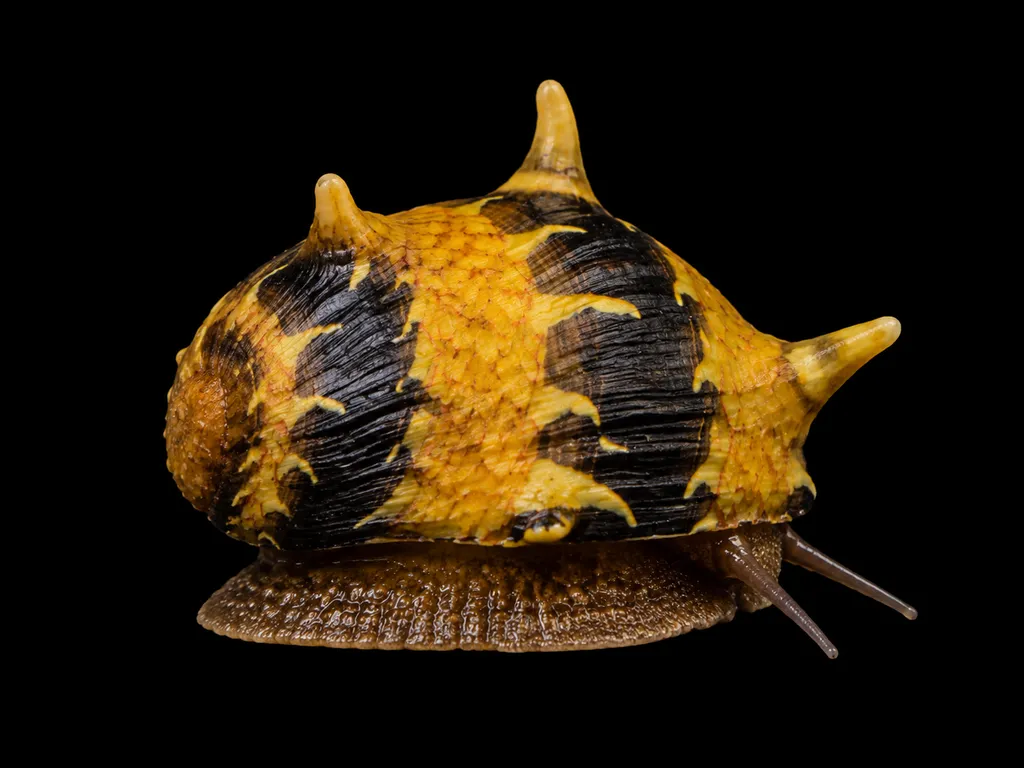 0.8 in (2 cm)5 gal (19 L)72–82°F (22–28°C)
Fancy antler snail
Clithon sowerianum
0.8 in (2 cm) · 5 gal (19 L)
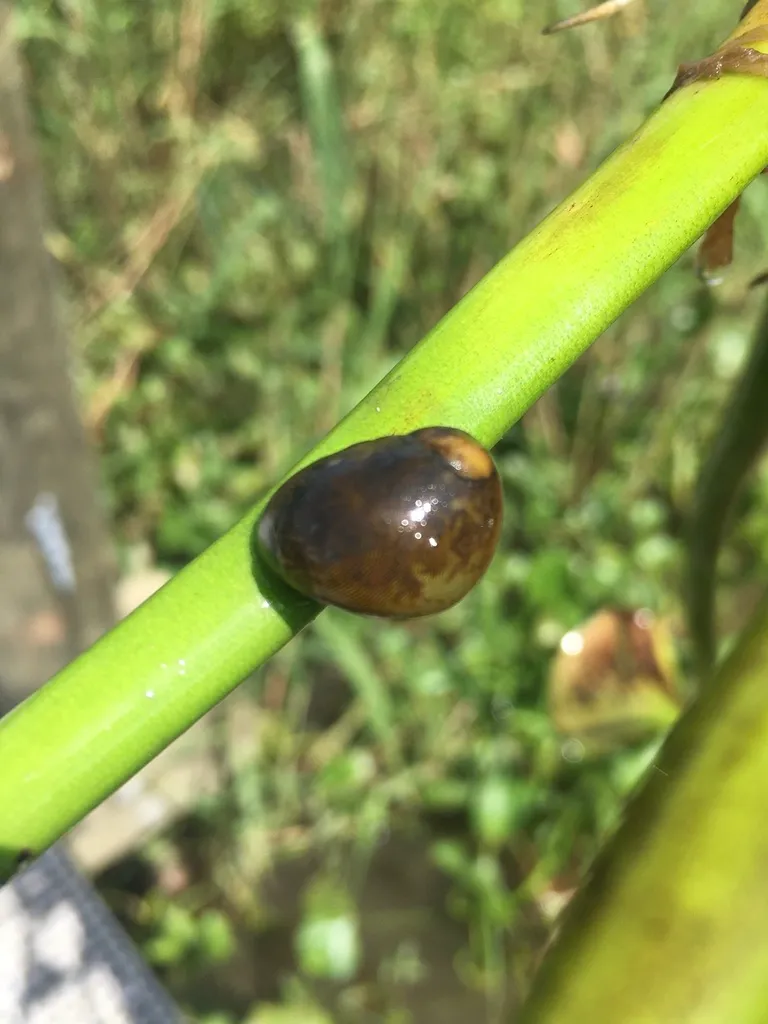 0.8 in (2 cm)5 gal (20 L)72–82°F (22–28°C)
Olive nerite
Vittina usnea
0.8 in (2 cm) · 5 gal (20 L)
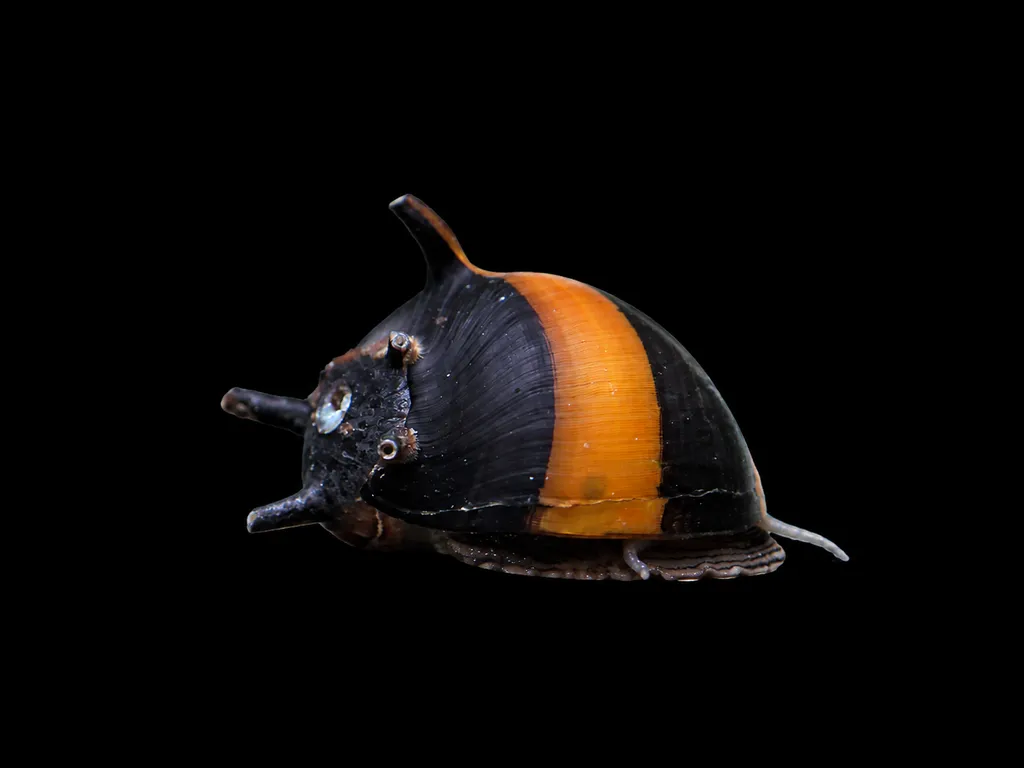 0.8 in (2 cm)5 gal (19 L)72–82°F (22–28°C)
Three-color thorn snail
Clithon sowerbyana
0.8 in (2 cm) · 5 gal (19 L)
 0.8 in (2 cm)5 gal (20 L)72–79°F (22–26°C)
Virgin nerite
Vitta virginea
0.8 in (2 cm) · 5 gal (20 L)