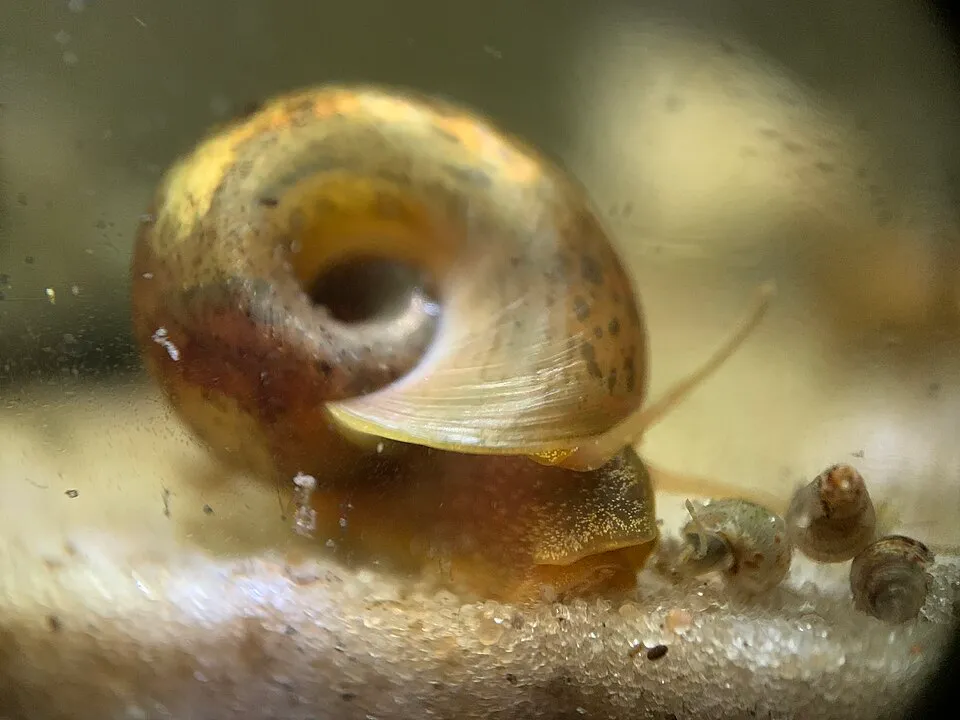
Seminole ramshorn
Planorbella duryi
FreshwaterSnail
Care at a glance
- Temperature
- 68–82°F
- 20–28°C
- pH
- 6.5–8.0
- Adult size
- 1 in
- 2.5 cm
- Minimum tank
- 5 gal
- 20 L
- Temperament
- Peaceful
- Social behavior
- Solitary
- Swim level
- Bottom
- Difficulty
- Beginner
- Breeding
- Easy
- Rarity
- Common
- Family
- Planorbidae
- Origin
- Florida
Overview
It is a peaceful bottom-dweller that mostly minds its own business and works well in planted or shrimp tanks. It grazes algae, detritus, and soft decaying plants, and will take leftover fish food, so usually no special feeding is needed beyond what the tank produces. Keep it at pH about 6.5 to 8 in the low to high 20s C. Be aware that with good food supply it breeds fast, so watch the population if you do not want a boom.
In the wild
The Seminole ramshorn is a freshwater snail from Florida, living in ponds, lakes, ditches, and slow streams. It favors weedy, vegetated water with lots of decaying plant matter for food and cover. In the aquarium it is undemanding and does fine in a small planted tank from about 20 liters up. It does best with enough calcium in the water to keep its shell hard, so moderately hard water suits it.
Good to know
This is an air-breathing freshwater snail in the family Planorbidae, with a flat, coiled shell reaching up to about 2.5 cm across. Like other ramshorns it has a lung and surfaces to gulp air. It is hermaphroditic, carrying both male and female organs, which lets populations grow quickly. It is considered of least conservation concern, with stable populations across its range.
Did you know
Ramshorn snails have red blood, which is unusual for snails. Their blood uses hemoglobin rather than the copper-based hemocyanin most snails rely on, and that is what gives many of them a reddish tint and helps them cope with low-oxygen, weedy water.
Weekly picks
Tank mates
Seminole ramshorn is a peaceful, solitary species that keeps to the bottom. These picks share a community profile with it, are safe together in both directions, and overlap on water type, temperature and pH.
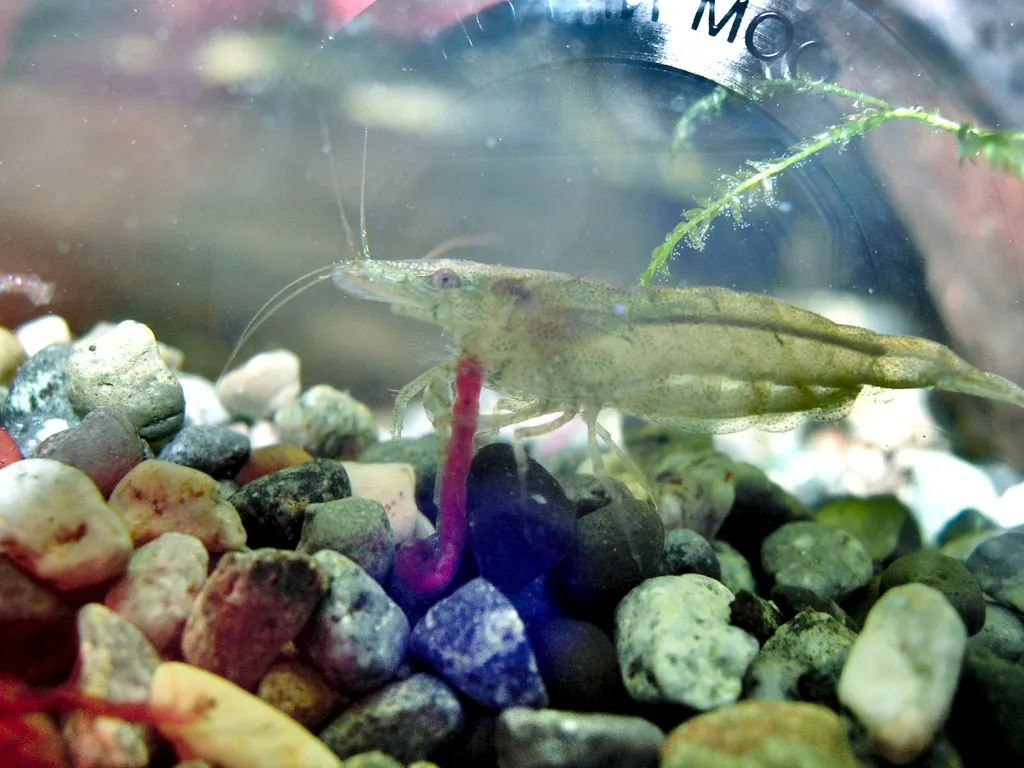
Okinawa cleaner shrimp
Neocaridina denticulata
Freshwater1.2 in (3 cm) · 5 gal (20 L)64–79°F (18–26°C)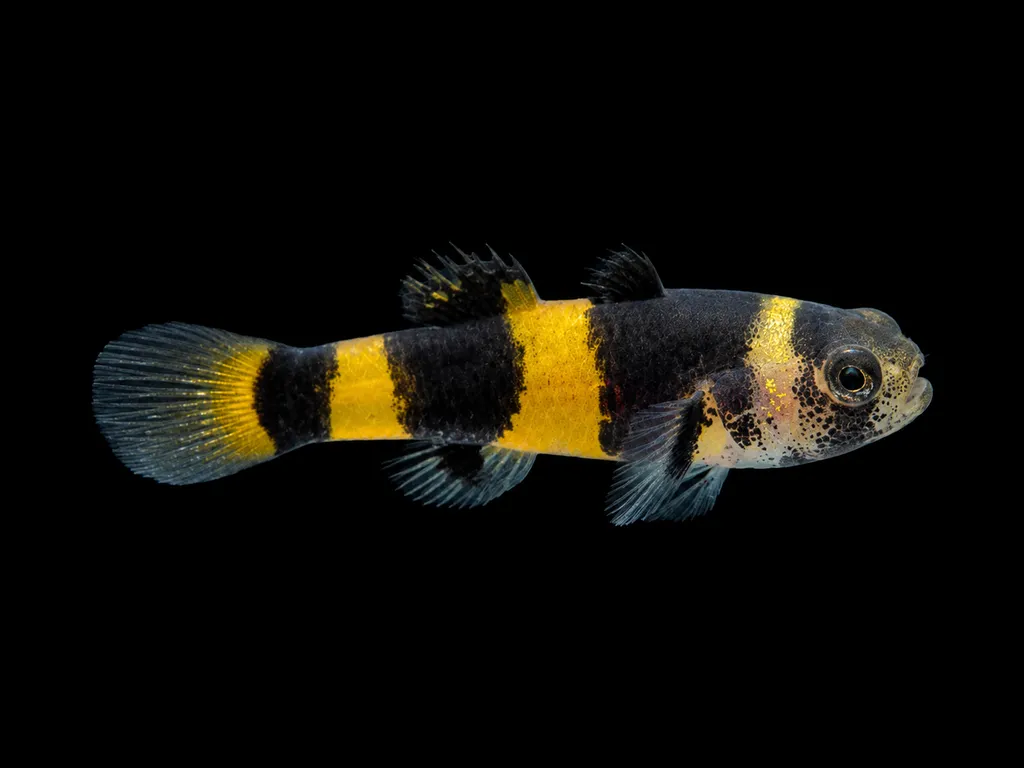
Mini bumblebee goby
Brachygobius xanthomelas
Freshwater0.8 in (2 cm) · 5 gal (20 L)75–82°F (24–28°C)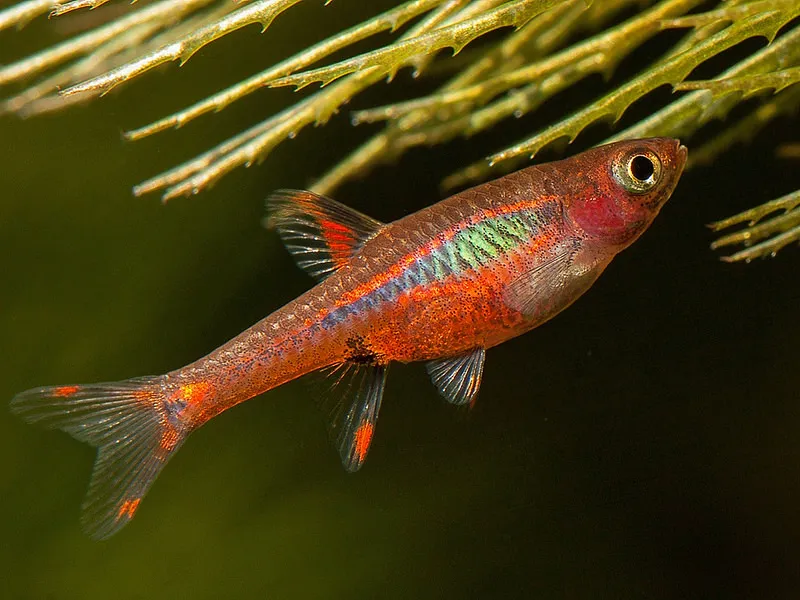
Chili rasbora
Boraras brigittae
Freshwater0.8 in (2 cm) · 7 gal (25 L)72–82°F (22–28°C)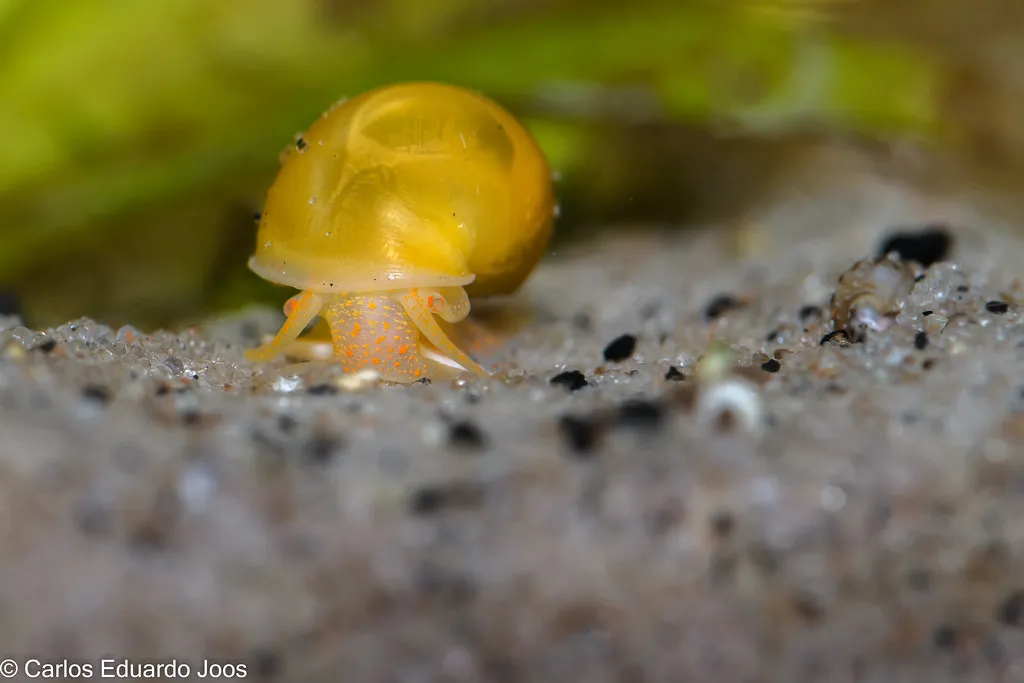
Mystery snail
Pomacea diffusa
Freshwater2 in (5 cm) · 5 gal (20 L)70–79°F (21–26°C)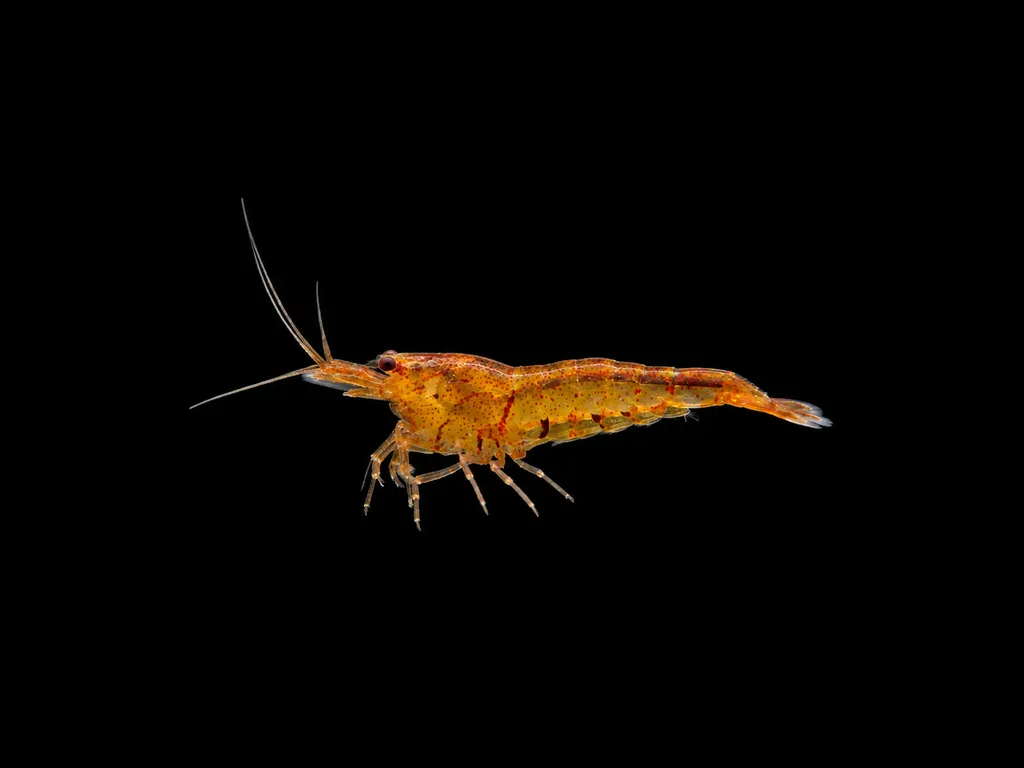
Tangerine tiger shrimp
Caridina serrata
Freshwater1.2 in (3 cm) · 5 gal (20 L)68–79°F (20–26°C)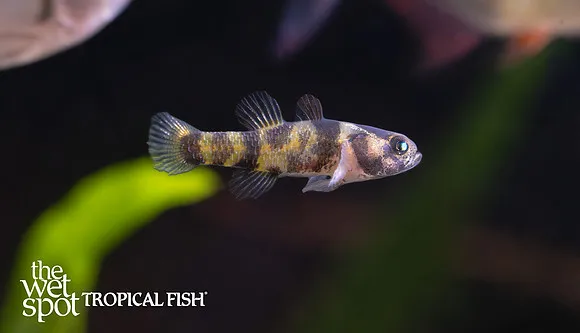
Micro bumblebee goby
Brachygobius nunus
FreshwaterBrackish1 in (2.5 cm) · 5 gal (20 L)73–82°F (23–28°C)
Common questions
What size tank does a Seminole ramshorn need?
A Seminole ramshorn needs at least 5 gal (20 L). It spends most of its time in the bottom.
What temperature and pH does a Seminole ramshorn need?
A Seminole ramshorn is comfortable at 68–82°F (20–28°C) with a pH of 6.5–8.0.
How big does a Seminole ramshorn get?
An adult Seminole ramshorn reaches about 1 in (2.5 cm).
Related species
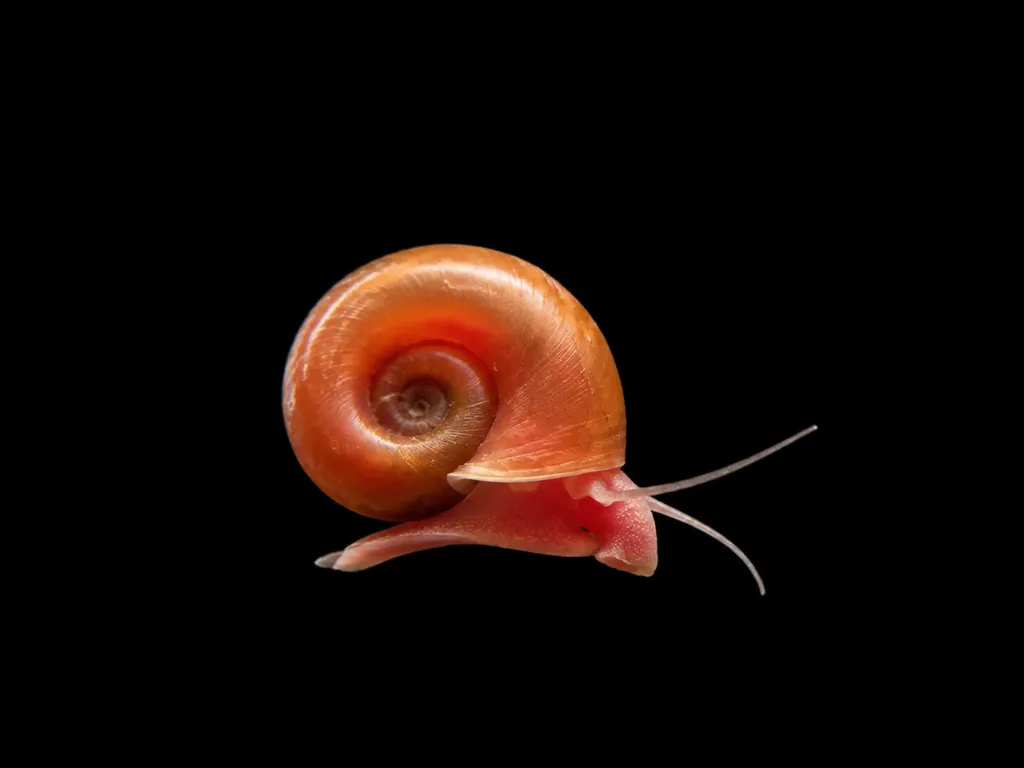 0.8 in (2 cm)5 gal (20 L)68–86°F (20–30°C)
Red ramshorn snail
Indoplanorbis exustus
0.8 in (2 cm) · 5 gal (20 L)
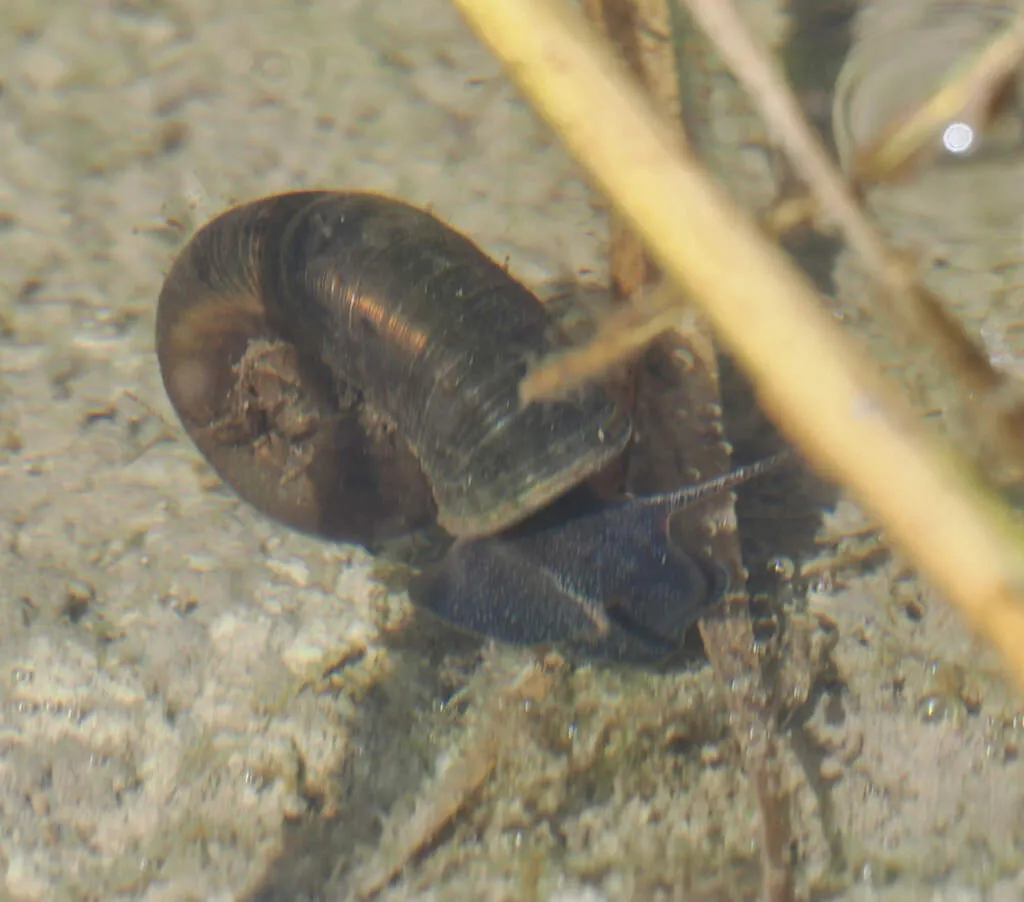 1.6 in (4 cm)5 gal (20 L)64–77°F (18–25°C)
Great ramshorn
Planorbarius corneus
1.6 in (4 cm) · 5 gal (20 L)
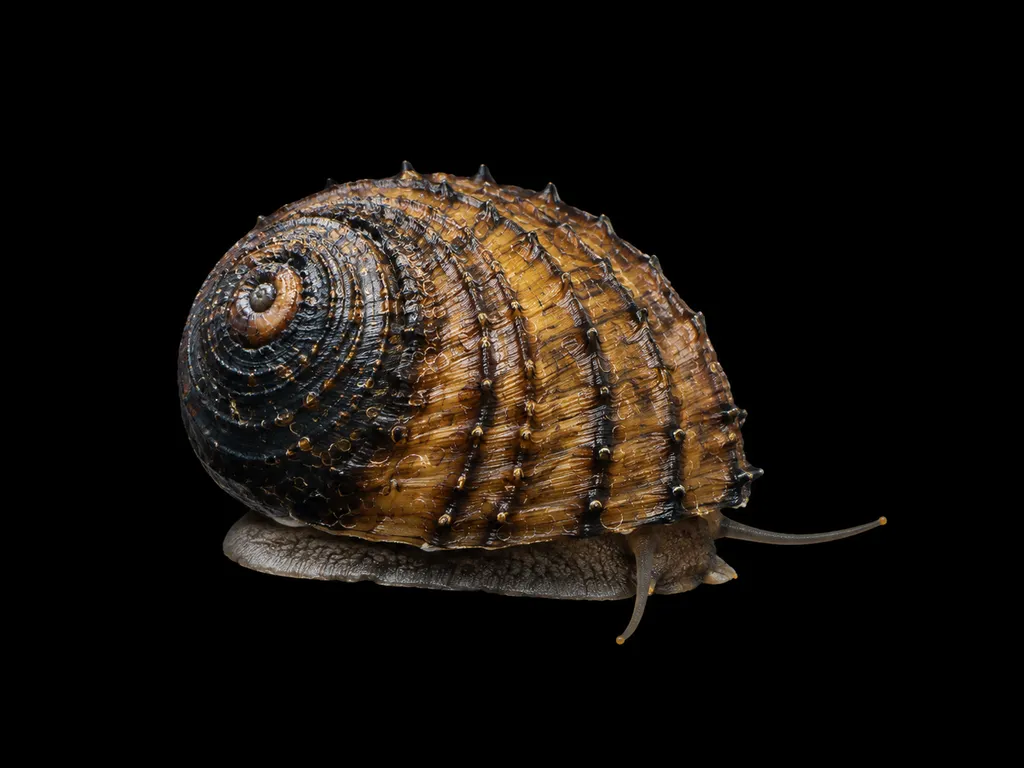 1 in (2.5 cm)5 gal (20 L)72–82°F (22–28°C)
King Koopa nerite
Neritina juttingae
1 in (2.5 cm) · 5 gal (20 L)
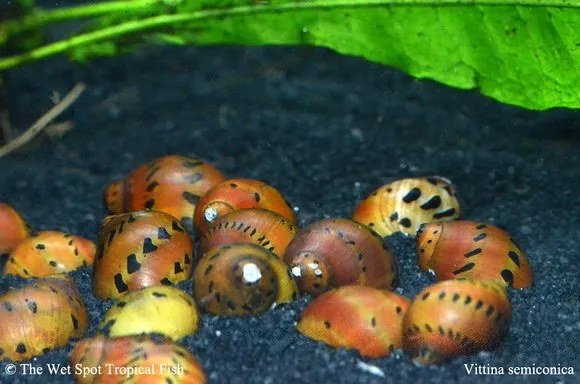 1 in (2.5 cm)5 gal (19 L)72–82°F (22–28°C)
Red onion snail
Vittina semiconica
1 in (2.5 cm) · 5 gal (19 L)
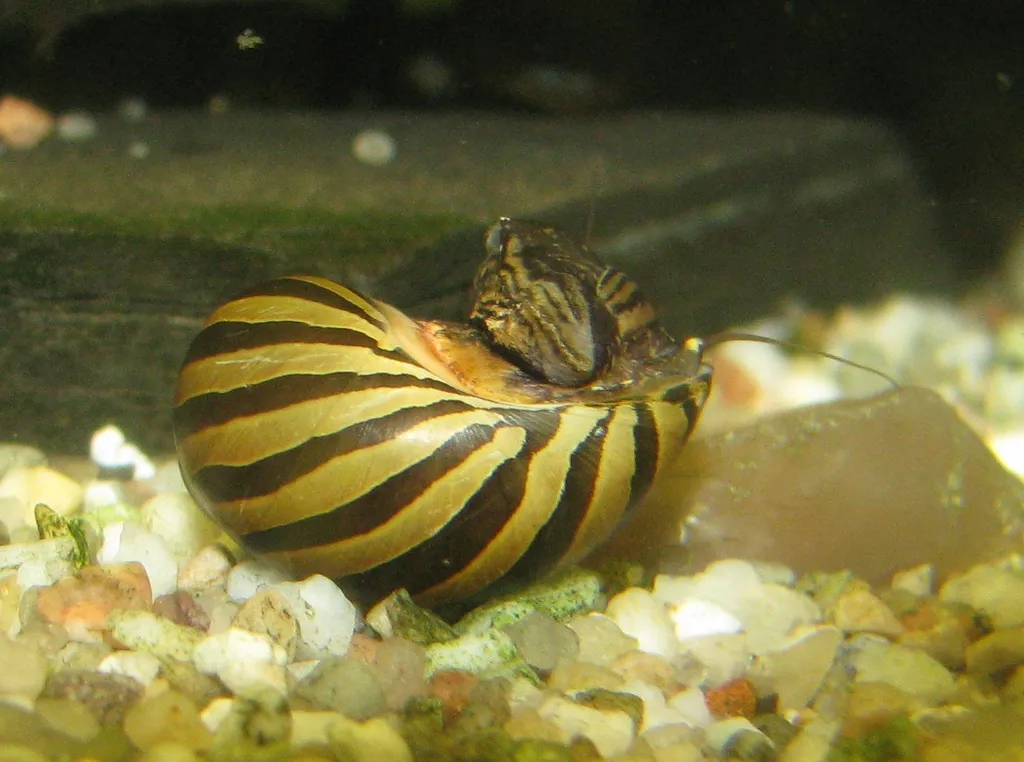 1 in (2.5 cm)5 gal (19 L)72–79°F (22–26°C)
Tiger nerite
Vittina coromandeliana
1 in (2.5 cm) · 5 gal (19 L)
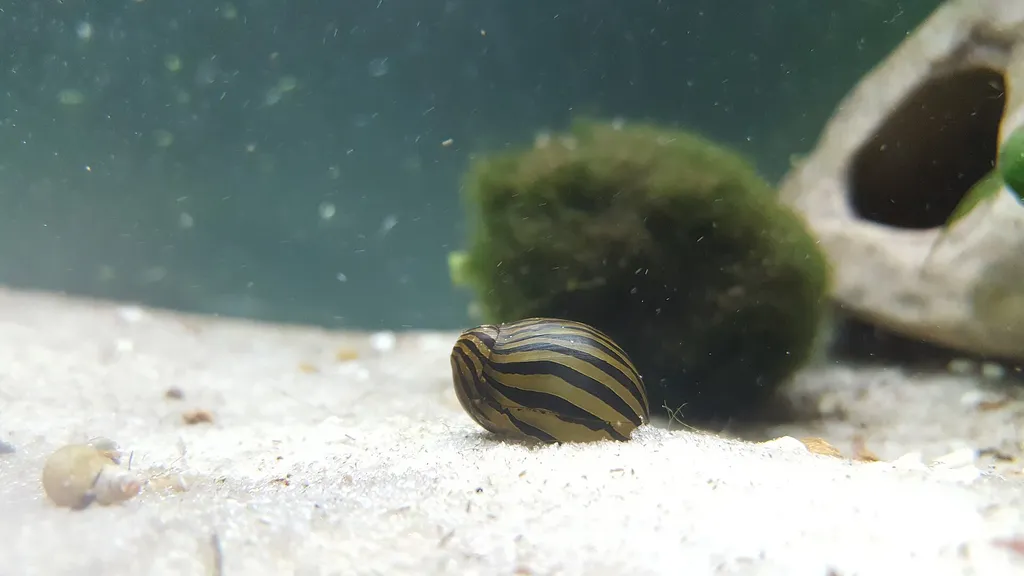 1 in (2.5 cm)5 gal (20 L)66–84°F (19–29°C)
Zebra nerite
Vittina natalensis
1 in (2.5 cm) · 5 gal (20 L)