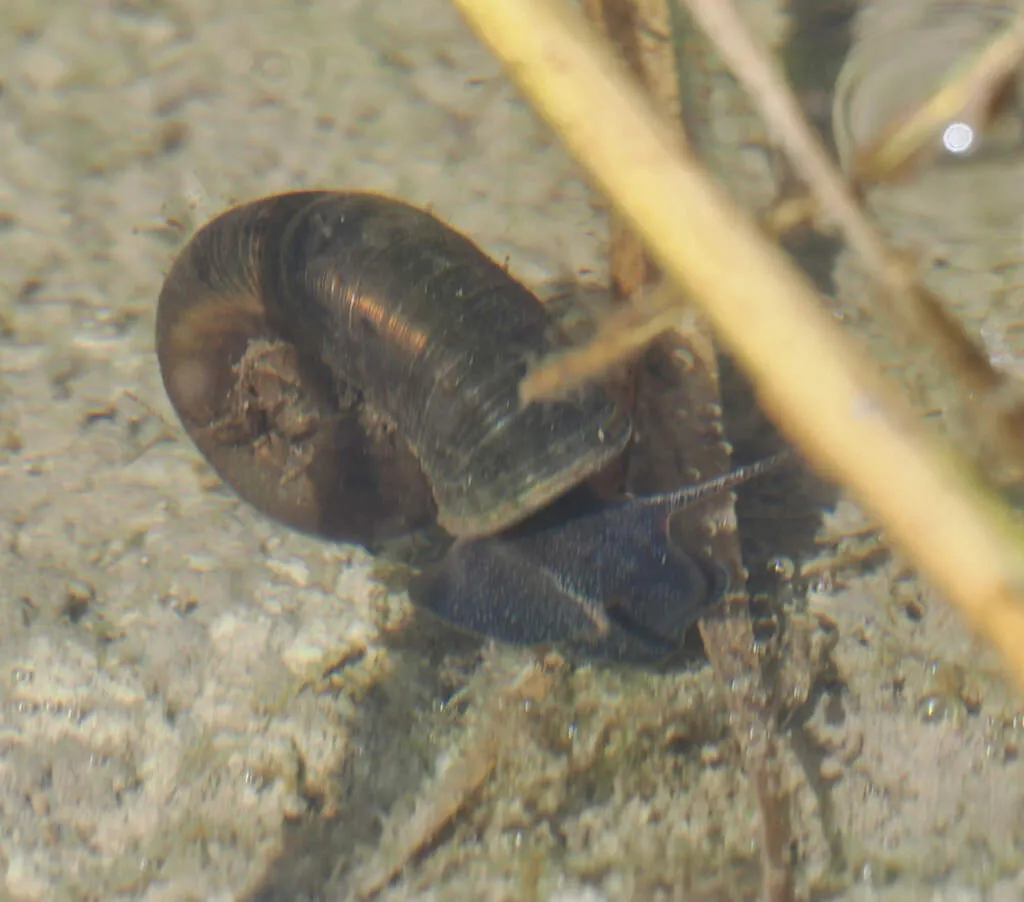
Great ramshorn
Planorbarius corneus
FreshwaterSnail
Care at a glance
- Temperature
- 64–77°F
- 18–25°C
- pH
- 6.5–8.0
- Adult size
- 1.6 in
- 4 cm
- Minimum tank
- 5 gal
- 20 L
- Temperament
- Peaceful
- Social behavior
- Solitary
- Swim level
- Bottom
- Difficulty
- Easy
- Breeding
- Easy
- Rarity
- Common
- Family
- Planorbidae
- Origin
- Europe, Middle East
Overview
A peaceful, solitary grazer that spends its time on the bottom and on plants. It eats algae, biofilm, leftover food, and decaying leaves, so it earns its keep as a cleanup animal. It mostly leaves healthy plants alone and goes for soft or dying growth. No special feeding is needed where there is algae and detritus. Add blanched vegetables or a sinking wafer if the tank is very clean. It breeds readily, so populations grow fast when food is plentiful.
In the wild
Great ramshorn snails come from still and slow fresh waters across Europe and the Middle East, in ponds, ditches, and weedy lake margins. They tolerate cool water and a broad range of conditions. In a tank keep them anywhere from the upper teens to mid 20s C, with pH from about 6.5 to 8 and moderately hard water so their shells stay strong.
Good to know
Planorbarius corneus is in the family Planorbidae, the ramshorn snails, named for the flat, coiled shell that looks like a coiled horn. It reaches about 4 cm, large for a ramshorn. It is a hermaphrodite and breeds easily, laying flat jelly egg patches on glass and leaves. Its blood contains hemoglobin, which is unusual for a snail.
Did you know
Most snail blood is bluish because it carries copper-based hemocyanin, but ramshorns use iron-based hemoglobin like we do. That gives the snail and its body reddish tones, and it helps the species cope with the low-oxygen, stagnant water it often lives in.
Weekly picks
Tank mates
Great ramshorn is a peaceful, solitary species that keeps to the bottom. These picks share a community profile with it, are safe together in both directions, and overlap on water type, temperature and pH.
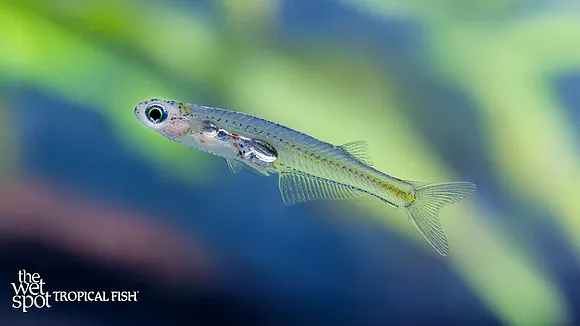
Bengal glass danio
Danionella priapus
Freshwater0.7 in (1.9 cm) · 5 gal (20 L)72–79°F (22–26°C)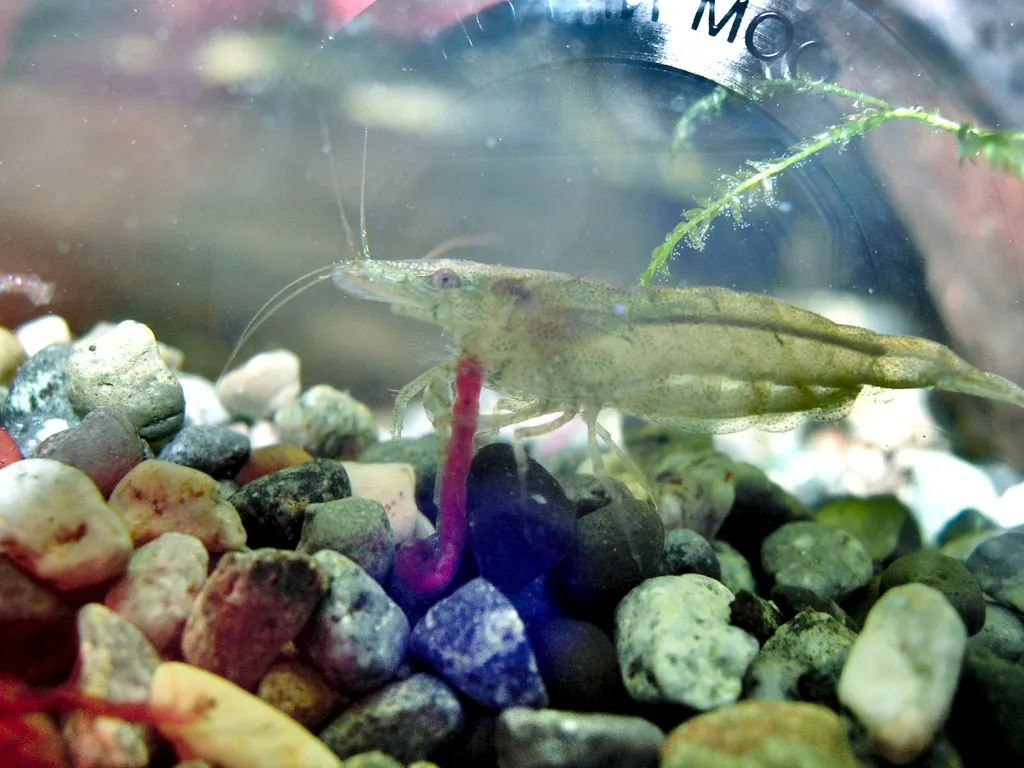
Okinawa cleaner shrimp
Neocaridina denticulata
Freshwater1.2 in (3 cm) · 5 gal (20 L)64–79°F (18–26°C)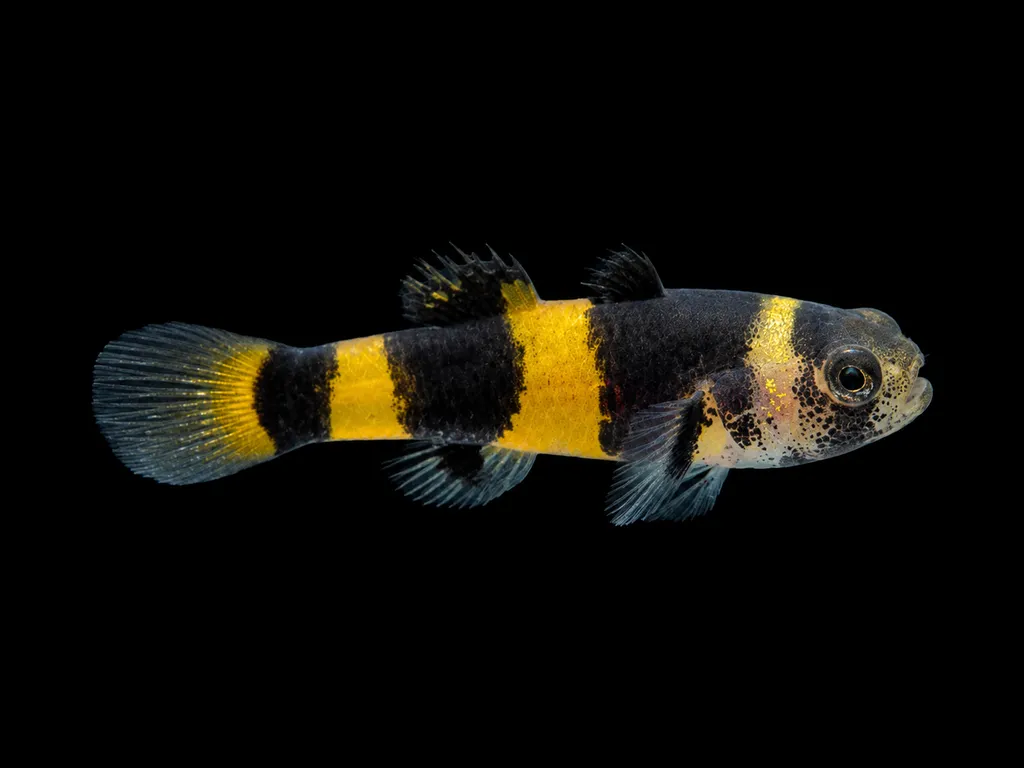
Mini bumblebee goby
Brachygobius xanthomelas
Freshwater0.8 in (2 cm) · 5 gal (20 L)75–82°F (24–28°C)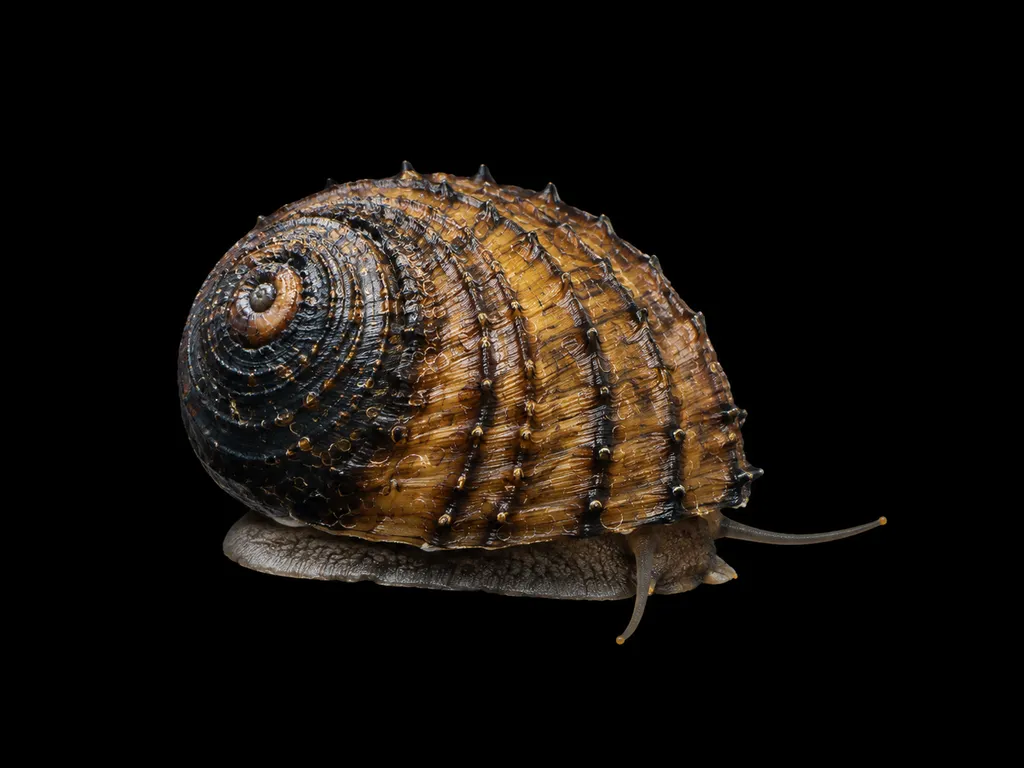
King Koopa nerite
Neritina juttingae
FreshwaterBrackish1 in (2.5 cm) · 5 gal (20 L)72–82°F (22–28°C)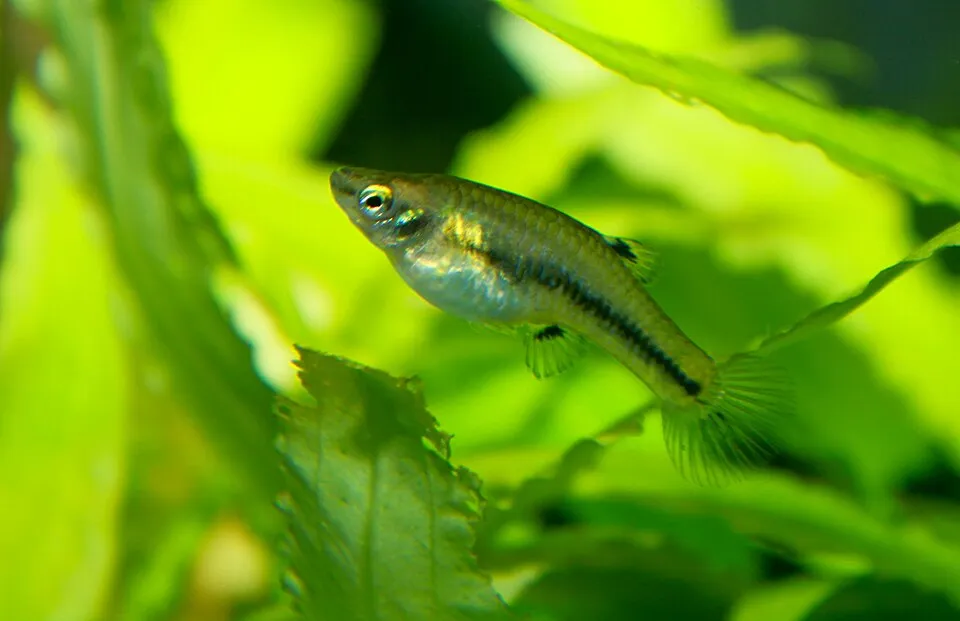
Least killifish
Heterandria formosa
FreshwaterBrackish1.4 in (3.5 cm) · 5 gal (20 L)68–79°F (20–26°C)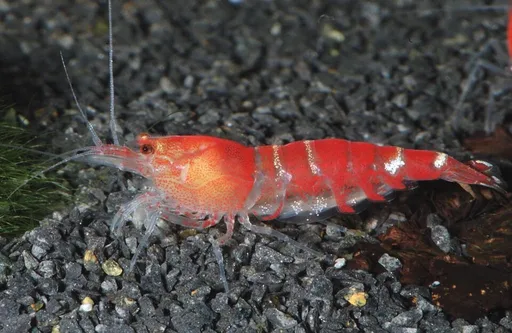
Bee shrimp
Caridina logemanni
Freshwater1.2 in (3 cm) · 5 gal (20 L)64–75°F (18–24°C)
Common questions
What size tank does a Great ramshorn need?
A Great ramshorn needs at least 5 gal (20 L). It spends most of its time in the bottom.
What temperature and pH does a Great ramshorn need?
A Great ramshorn is comfortable at 64–77°F (18–25°C) with a pH of 6.5–8.0.
How big does a Great ramshorn get?
An adult Great ramshorn reaches about 1.6 in (4 cm).
Related species
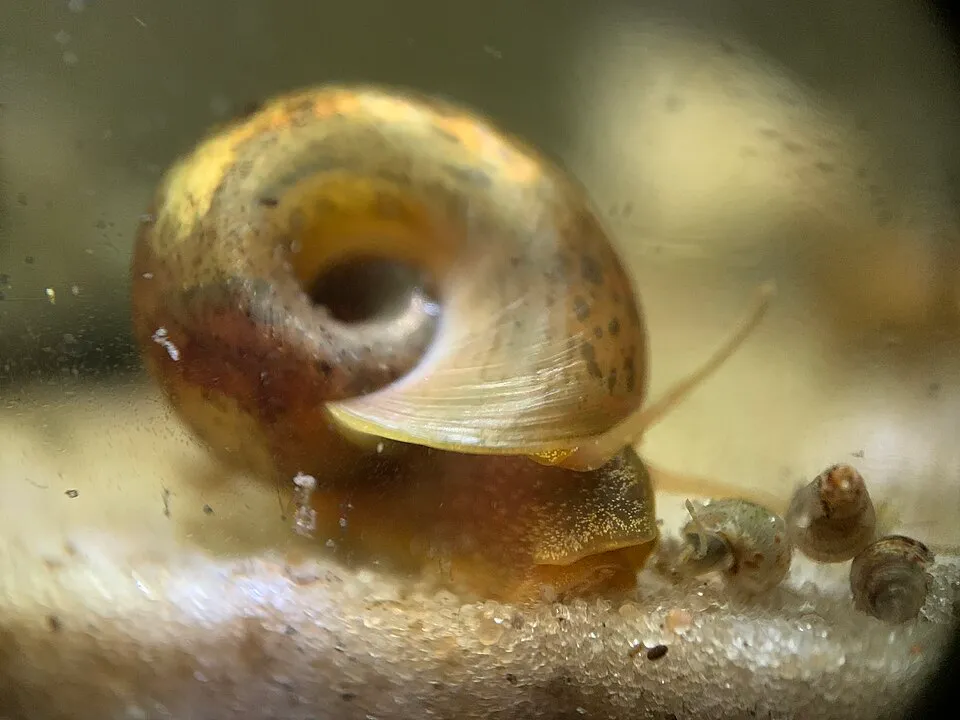 1 in (2.5 cm)5 gal (20 L)68–82°F (20–28°C)
Seminole ramshorn
Planorbella duryi
1 in (2.5 cm) · 5 gal (20 L)
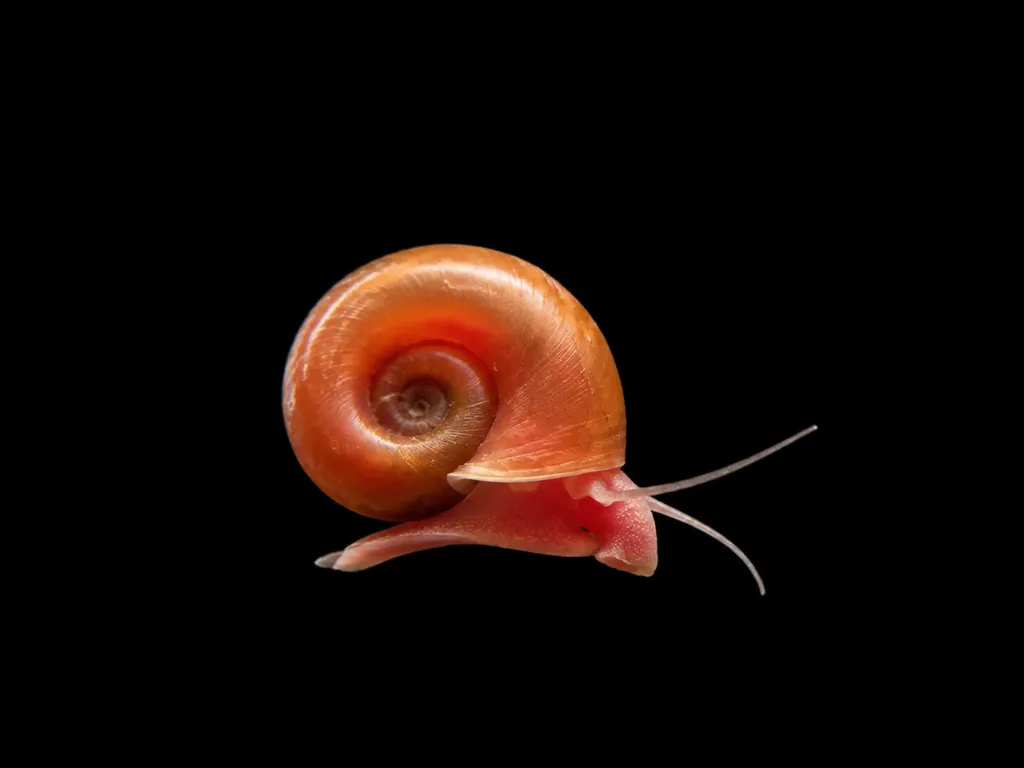 0.8 in (2 cm)5 gal (20 L)68–86°F (20–30°C)
Red ramshorn snail
Indoplanorbis exustus
0.8 in (2 cm) · 5 gal (20 L)
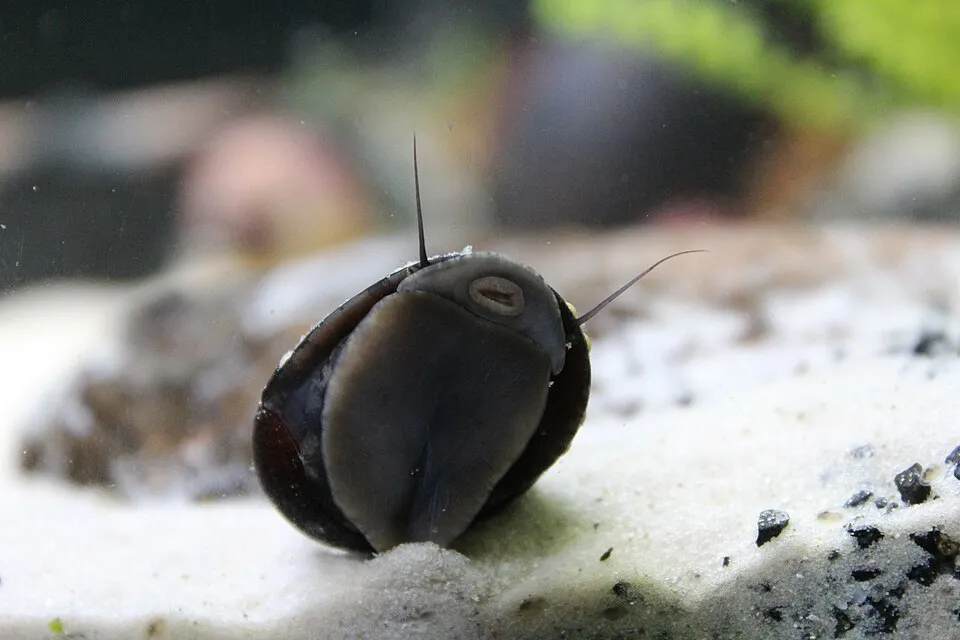 1.6 in (4 cm)5 gal (20 L)72–82°F (22–28°C)
Dusky nerite snail
Neritina pulligera
1.6 in (4 cm) · 5 gal (20 L)
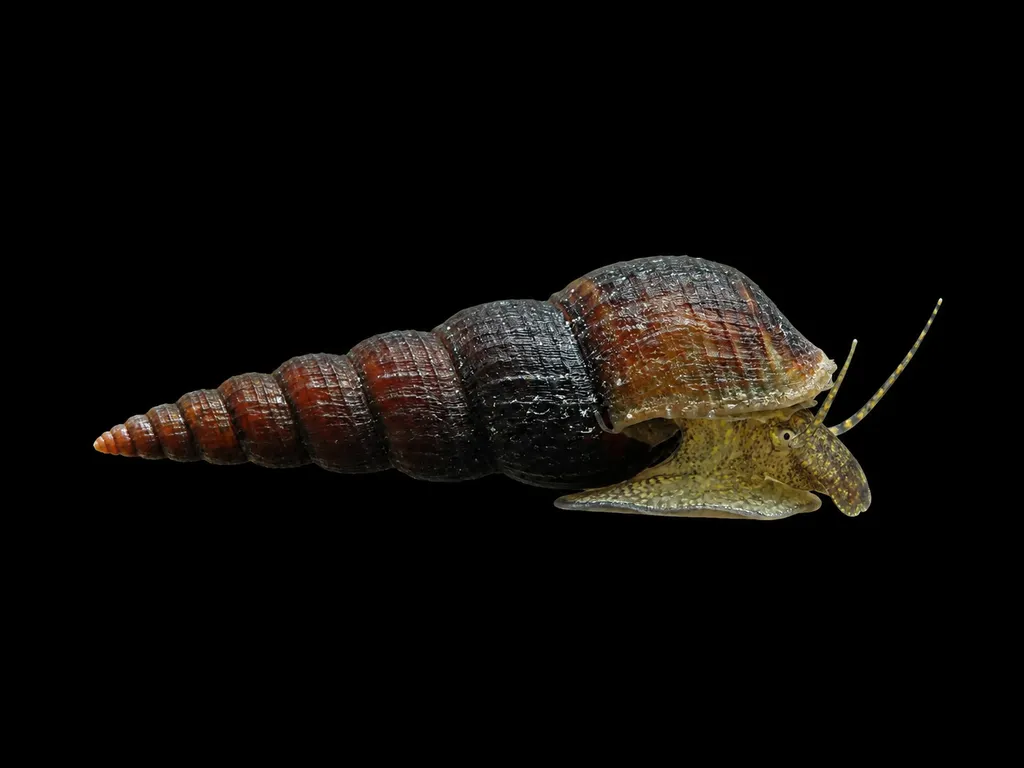 1.6 in (4 cm)5 gal (20 L)72–82°F (22–28°C)
Mahogany trumpet snail
Melanoides maculata
1.6 in (4 cm) · 5 gal (20 L)
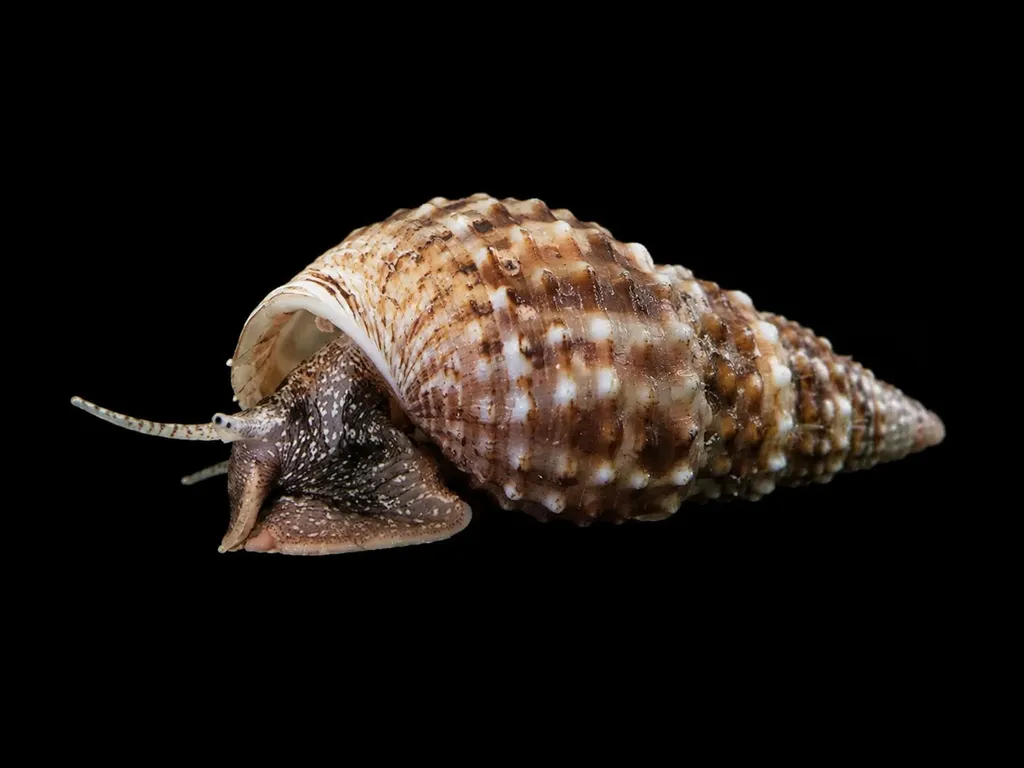 1.6 in (4 cm)11 gal (40 L)73–82°F (23–28°C)
Prambanan snail
Thiara winteri
1.6 in (4 cm) · 11 gal (40 L)
 2 in (5 cm)11 gal (40 L)73–82°F (23–28°C)
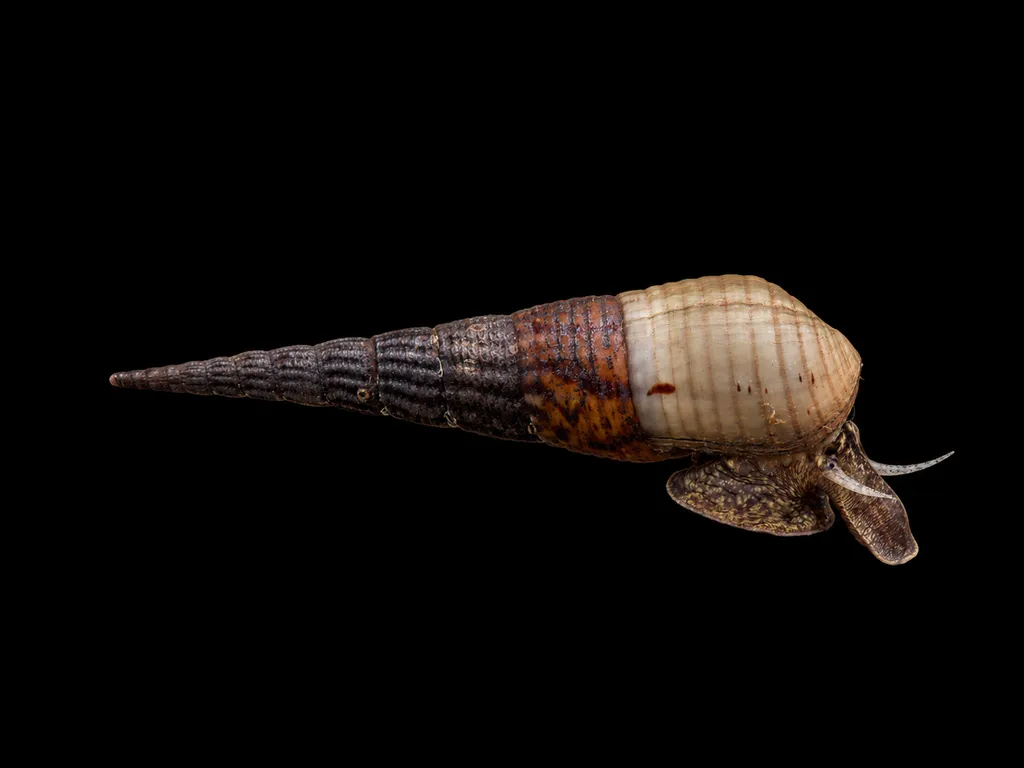
Chopstick snail
Stenomelania torulosa
2 in (5 cm) · 11 gal (40 L)