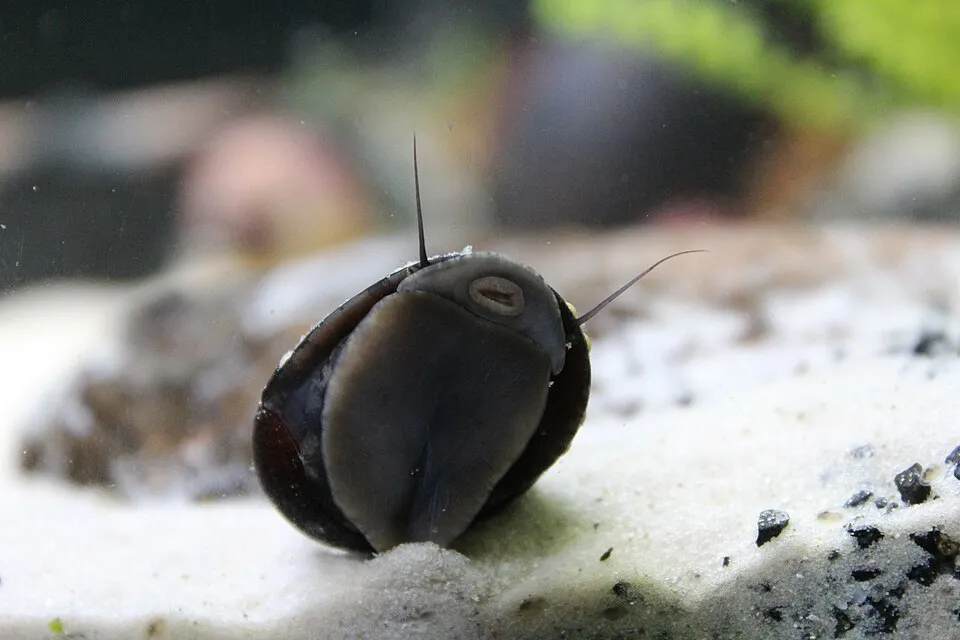
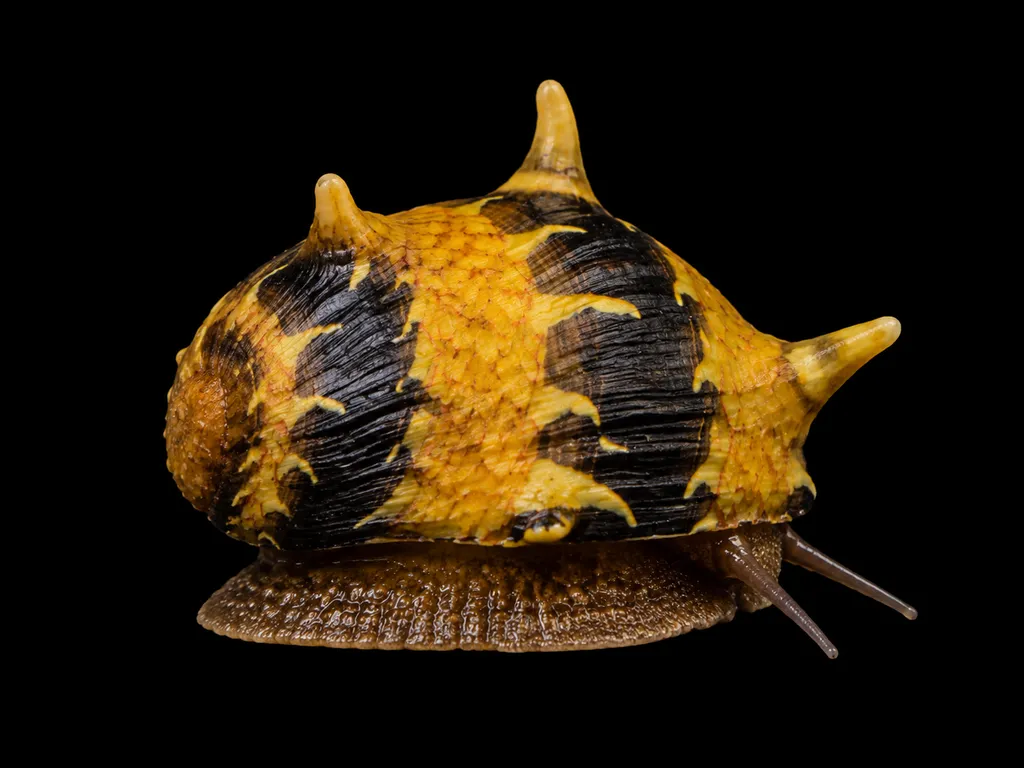
Dusky nerite snail
Neritina pulligera
Also known as Military Helmet Snail
FreshwaterBrackishSnail
Care at a glance
- Temperature
- 72–82°F
- 22–28°C
- pH
- 6.5–8.0
- Adult size
- 1.6 in
- 4 cm
- Minimum tank
- 5 gal
- 20 L
- Temperament
- Peaceful
- Social behavior
- Solitary
- Swim level
- Bottom
- Difficulty
- Beginner
- Breeding
- Hard
- Rarity
- Very common
- Family
- Neritidae
- Origin
- Southeast Asia, Northern Australia
Overview
A peaceful, solitary bottom grazer that spends its day rasping algae off rocks, wood, and glass. One in a 20 liter tank is fine, and they leave plants and other animals alone. They eat algae and biofilm, so add blanched vegetables or algae wafers if the tank is too clean. They do best in stable, harder water with plenty of surfaces to scrape.
In the wild
Dusky nerite snails come from fast-flowing streams and lower river stretches across Southeast Asia and northern Australia, often near where freshwater meets the sea. They graze on hard surfaces in clean, oxygen-rich water. Give them an established tank with rocks, driftwood, and glass that grows a film of algae, and keep the water moving and well-filtered. They handle a wide pH range, from soft and slightly acidic to hard and alkaline.
Good to know
This is a snail in the family Neritidae. Adults reach about 4 cm across, with a smooth, dark dome-shaped shell. Like other nerites, it cannot complete its life cycle in pure freshwater. Females lay eggs that need brackish or salt water for the larvae to develop, which is why home breeding almost never works.
Did you know
They will lay small, hard white egg capsules on surfaces around the tank even though those eggs will never hatch in freshwater. The capsules stick firmly and can be tricky to scrape off, so some keepers just leave them be.
Weekly picks
Tank mates
Dusky nerite snail is a peaceful, solitary species that keeps to the bottom. These picks share a community profile with it, are safe together in both directions, and overlap on water type, temperature and pH.
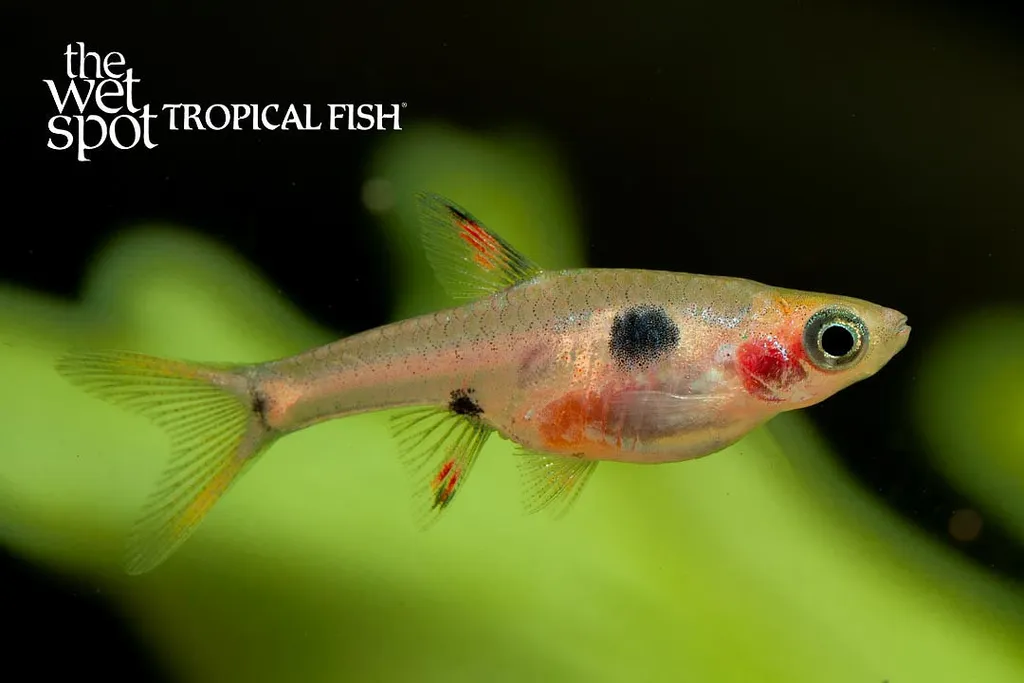
Dwarf rasbora
Boraras maculatus
Freshwater1 in (2.5 cm) · 7 gal (25 L)72–82°F (22–28°C)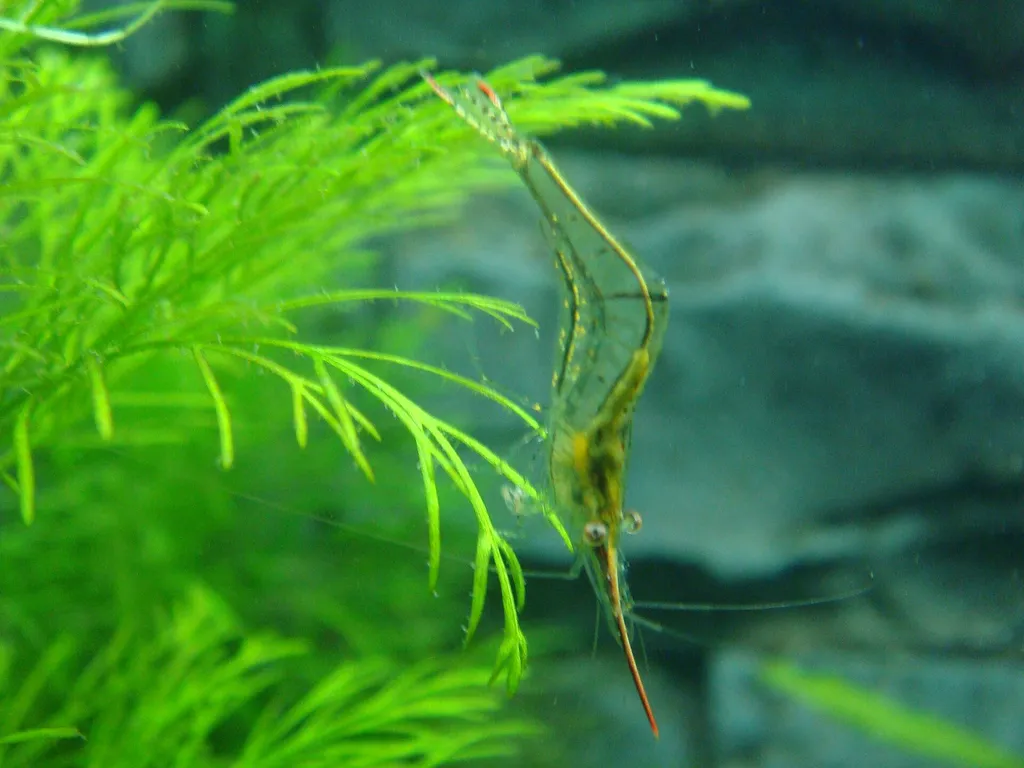
Red skunk shrimp
Caridina gracilirostris
FreshwaterBrackish1.6 in (4 cm) · 5 gal (20 L)73–82°F (23–28°C)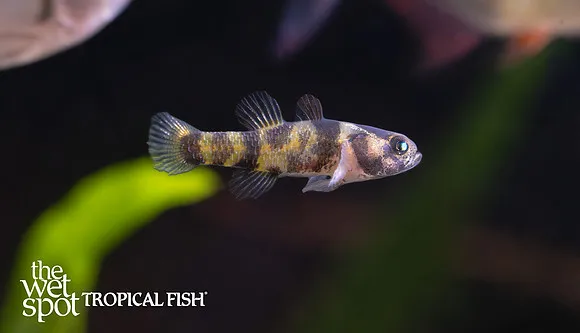
Micro bumblebee goby
Brachygobius nunus
FreshwaterBrackish1 in (2.5 cm) · 5 gal (20 L)73–82°F (23–28°C)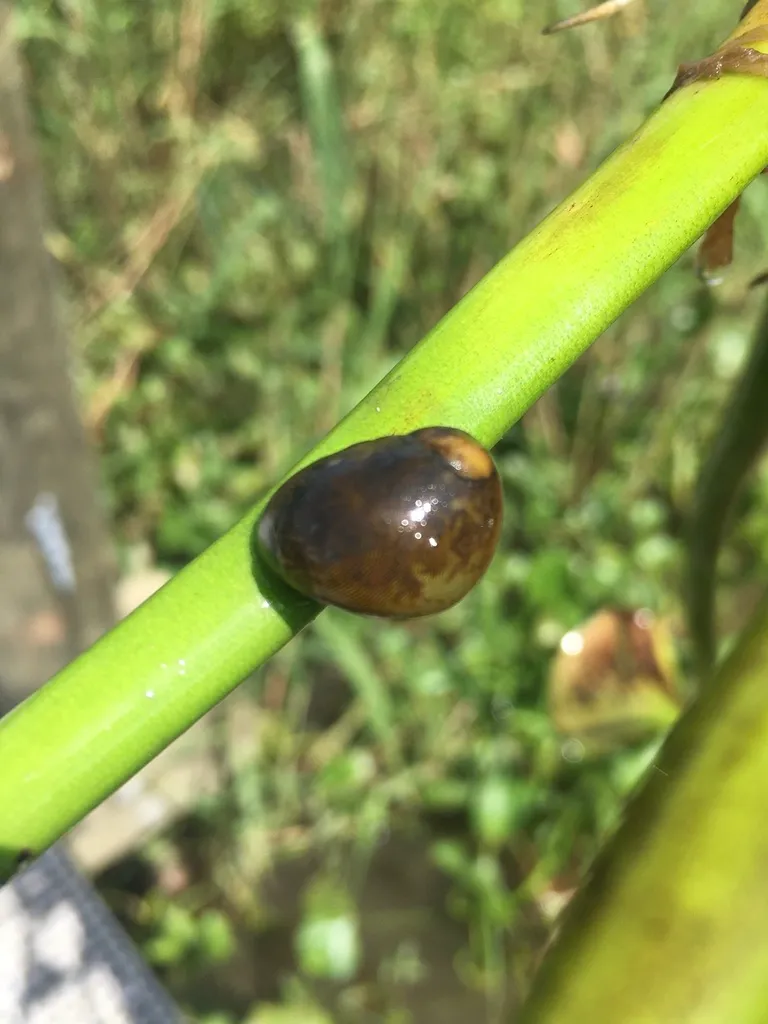
Olive nerite
Vittina usnea
FreshwaterBrackish0.8 in (2 cm) · 5 gal (20 L)72–82°F (22–28°C)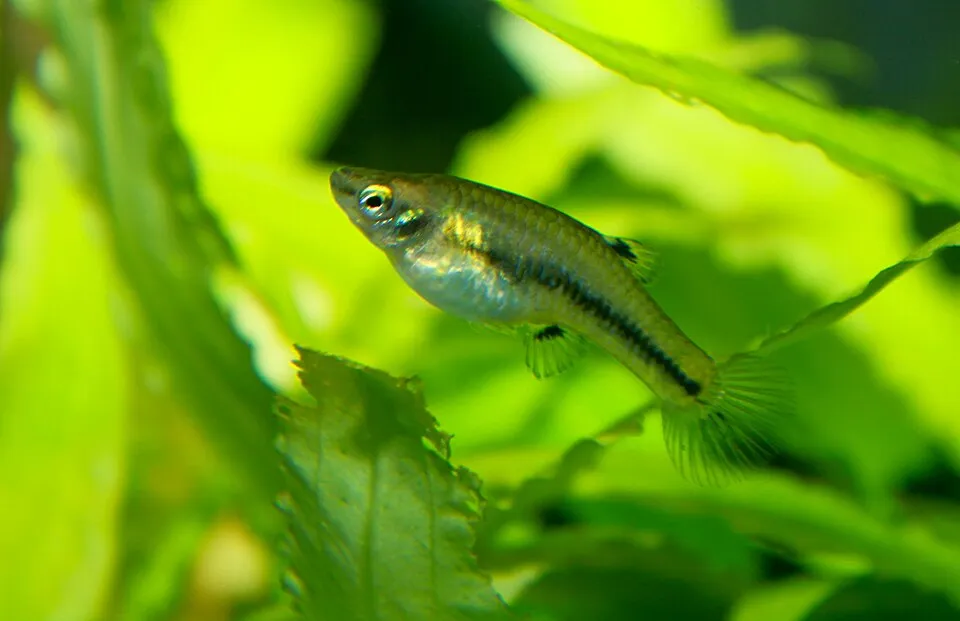
Least killifish
Heterandria formosa
FreshwaterBrackish1.4 in (3.5 cm) · 5 gal (20 L)68–79°F (20–26°C)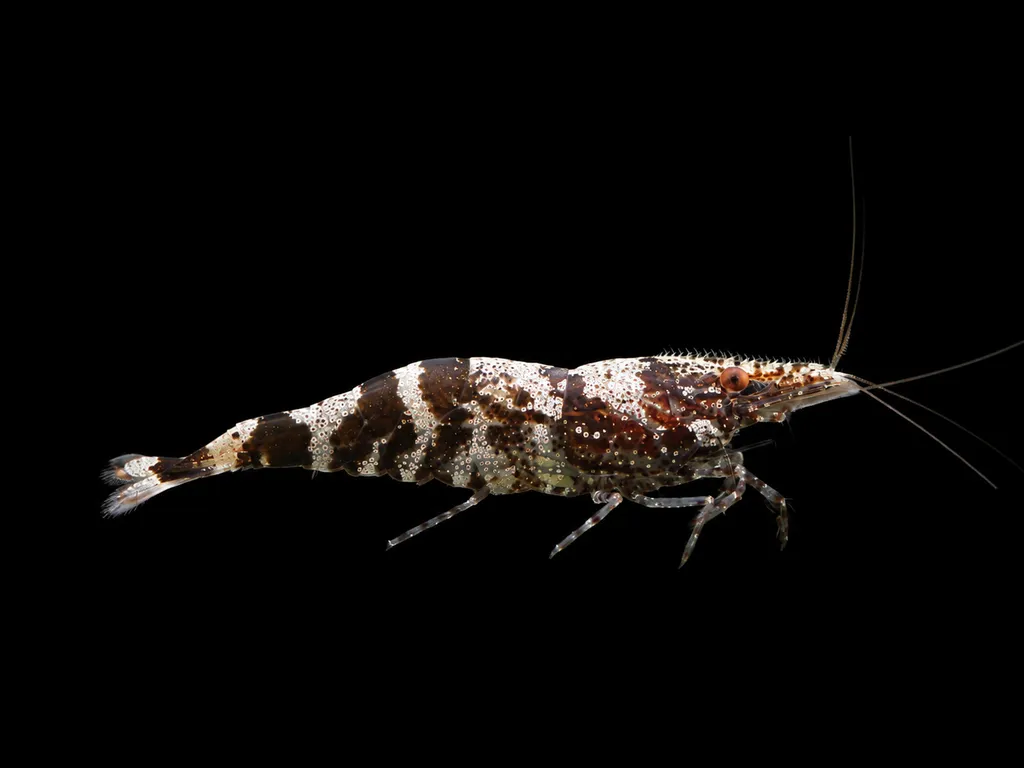
Ninja shrimp
Caridina serratirostris
Freshwater1.2 in (3 cm) · 5 gal (20 L)73–82°F (23–28°C)
Common questions
What size tank does a Dusky nerite snail need?
A Dusky nerite snail needs at least 5 gal (20 L). It spends most of its time in the bottom.
What temperature and pH does a Dusky nerite snail need?
A Dusky nerite snail is comfortable at 72–82°F (22–28°C) with a pH of 6.5–8.0.
How big does a Dusky nerite snail get?
An adult Dusky nerite snail reaches about 1.6 in (4 cm).
Related species
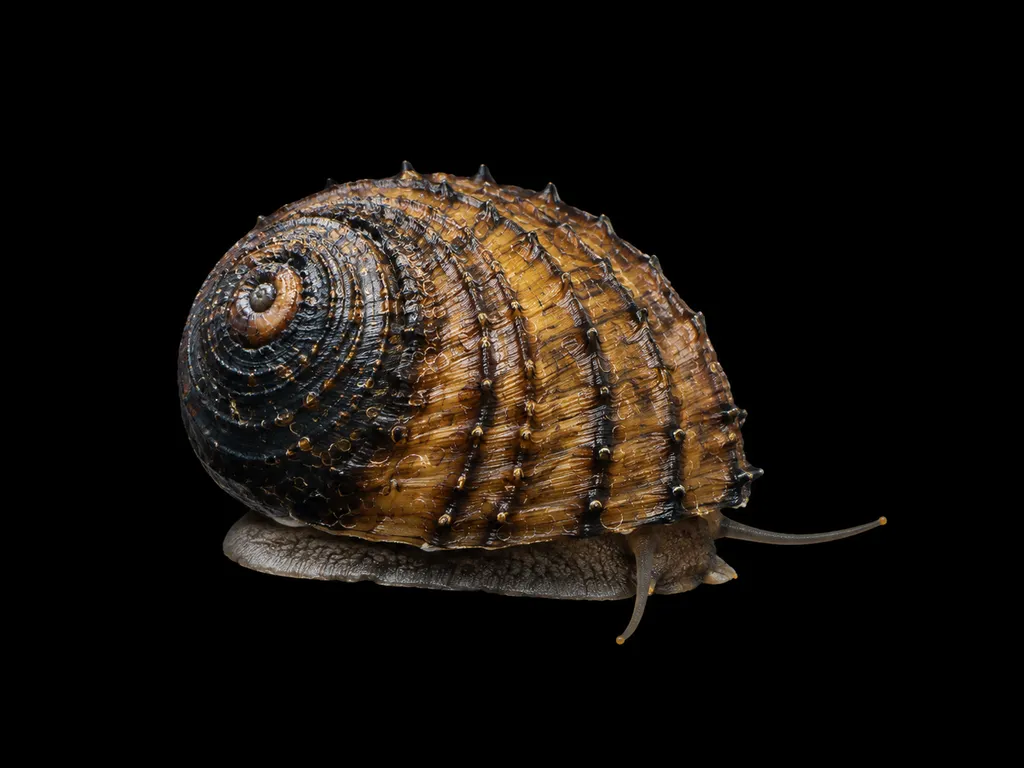 1 in (2.5 cm)5 gal (20 L)72–82°F (22–28°C)
King Koopa nerite
Neritina juttingae
1 in (2.5 cm) · 5 gal (20 L)
 1.2 in (3 cm)5 gal (20 L)73–82°F (23–28°C)
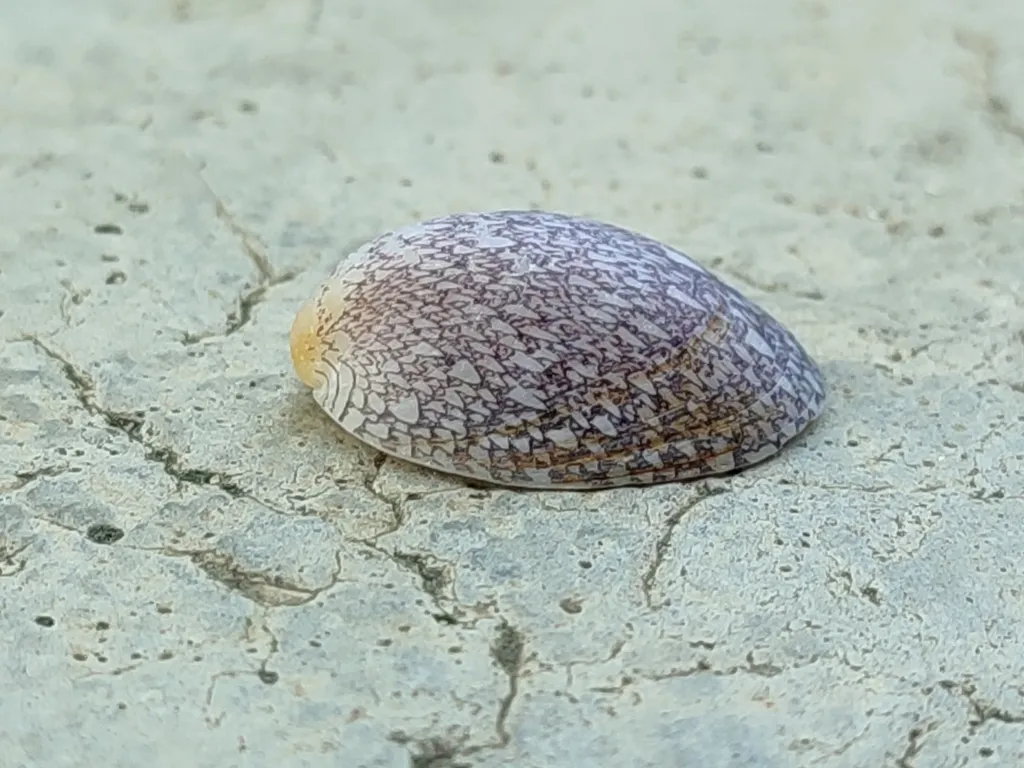
Marbled limpet nerite
Septaria porcellana
1.2 in (3 cm) · 5 gal (20 L)
 1 in (2.5 cm)5 gal (19 L)72–82°F (22–28°C)
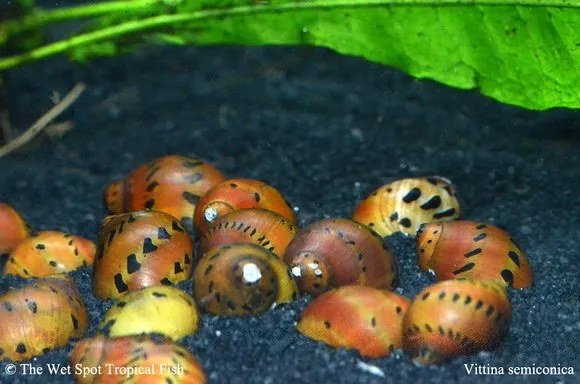
Red onion snail
Vittina semiconica
1 in (2.5 cm) · 5 gal (19 L)
 1 in (2.5 cm)5 gal (19 L)72–79°F (22–26°C)
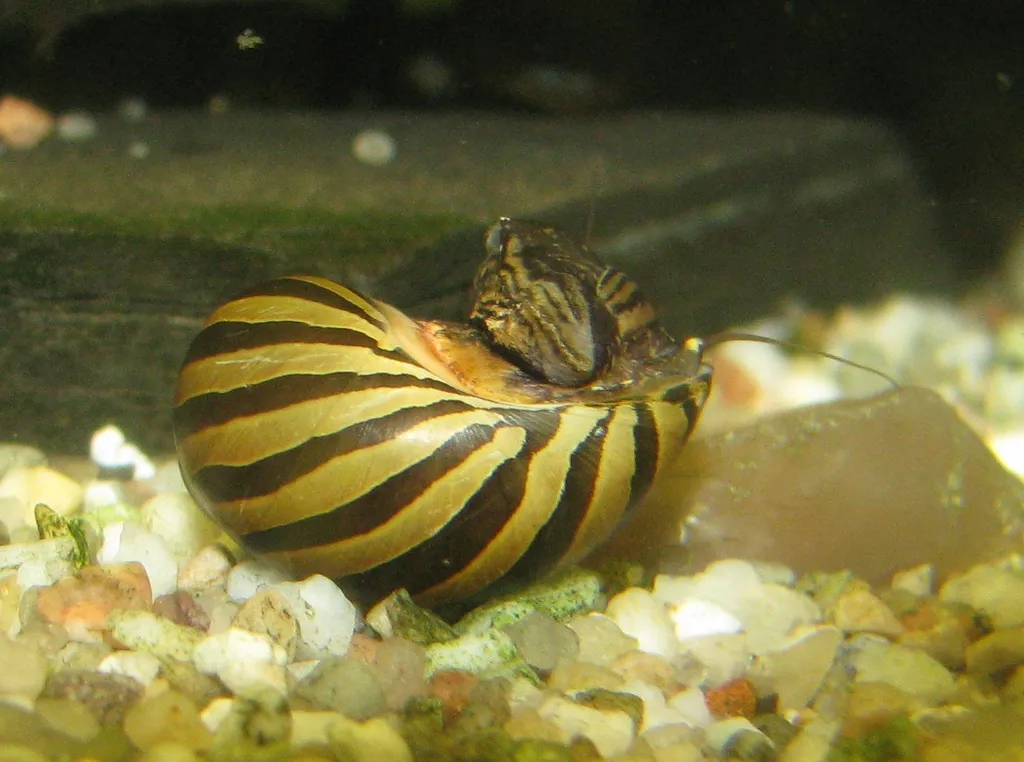
Tiger nerite
Vittina coromandeliana
1 in (2.5 cm) · 5 gal (19 L)
 1 in (2.5 cm)5 gal (20 L)66–84°F (19–29°C)
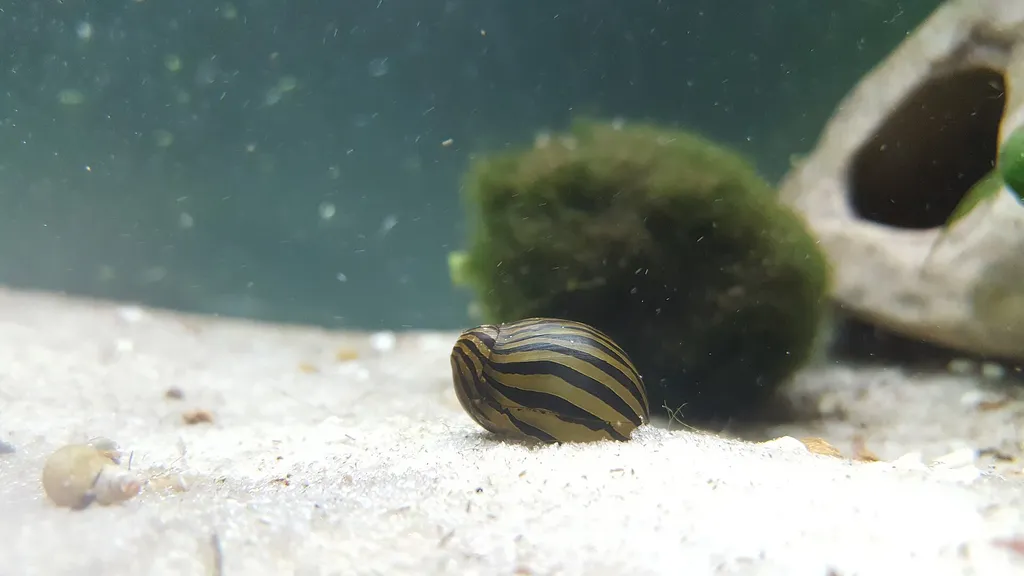
Zebra nerite
Vittina natalensis
1 in (2.5 cm) · 5 gal (20 L)
 0.8 in (2 cm)5 gal (19 L)72–82°F (22–28°C)
Fancy antler snail
Clithon sowerianum
0.8 in (2 cm) · 5 gal (19 L)