Marbled limpet nerite
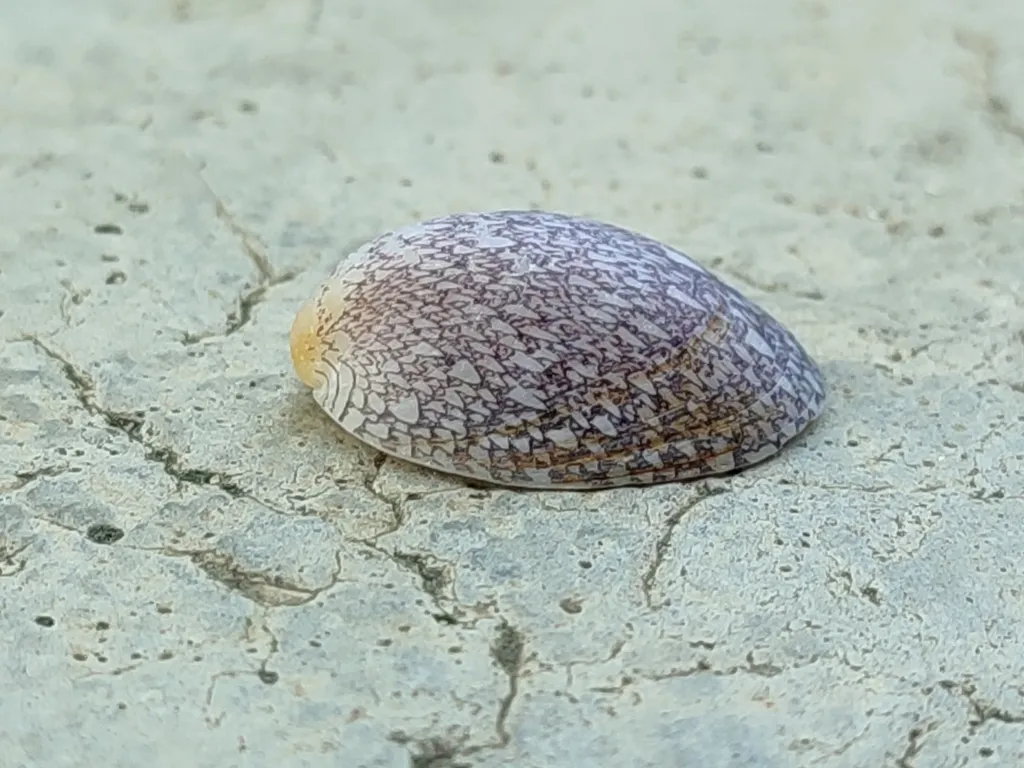
Septaria porcellana
FreshwaterBrackishSnail
Care at a glance
- Temperature
- 73–82°F
- 23–28°C
- pH
- 6.5–8.0
- Adult size
- 1.2 in
- 3 cm
- Minimum tank
- 5 gal
- 20 L
- Temperament
- Peaceful
- Social behavior
- Solitary
- Swim level
- Bottom
- Difficulty
- Beginner
- Breeding
- Hard
- Rarity
- Rare
- Family
- Neritidae
- Origin
- Southeast Asia
Overview
This is a peaceful, slow-moving grazer that spends its time on rocks and glass eating algae, biofilm, and diatoms. It does best in a well-oxygenated tank with plenty of hard surfaces to work over and some current. Water can run a touch hard and it tolerates a little salinity. A 20 liter tank is enough for one. It will not breed in plain freshwater, so the population stays put.
In the wild
The marbled limpet nerite comes from fast, clear freshwater streams and the lower reaches of rivers in Southeast Asia, clinging to rocks in the current. That tells you what it wants in a tank: hard surfaces, good water movement, and oxygen-rich water with a film of algae to graze. Keep it warm (low to high 20s C) and slightly hard, pH 6.5 to 8.
Good to know
Septaria porcellana is in the family Neritidae and grows to around 3 cm. Unlike the rounded shells of most nerites, this one is flat and cap-shaped, like a limpet, which is the whole trick to how it lives. It needs brackish or marine conditions for its larvae to develop, so it will not produce young in a freshwater tank.
Did you know
The flat, limpet-like shell is built for sticking to rock in moving water. It presses down with a broad muscular foot, sheds drag the way a low profile does, and can clamp tight enough that it is hard to pry loose without hurting the animal, so it is best left to move on its own.
Weekly picks
Tank mates
Marbled limpet nerite is a peaceful, solitary species that keeps to the bottom. These picks share a community profile with it, are safe together in both directions, and overlap on water type, temperature and pH.
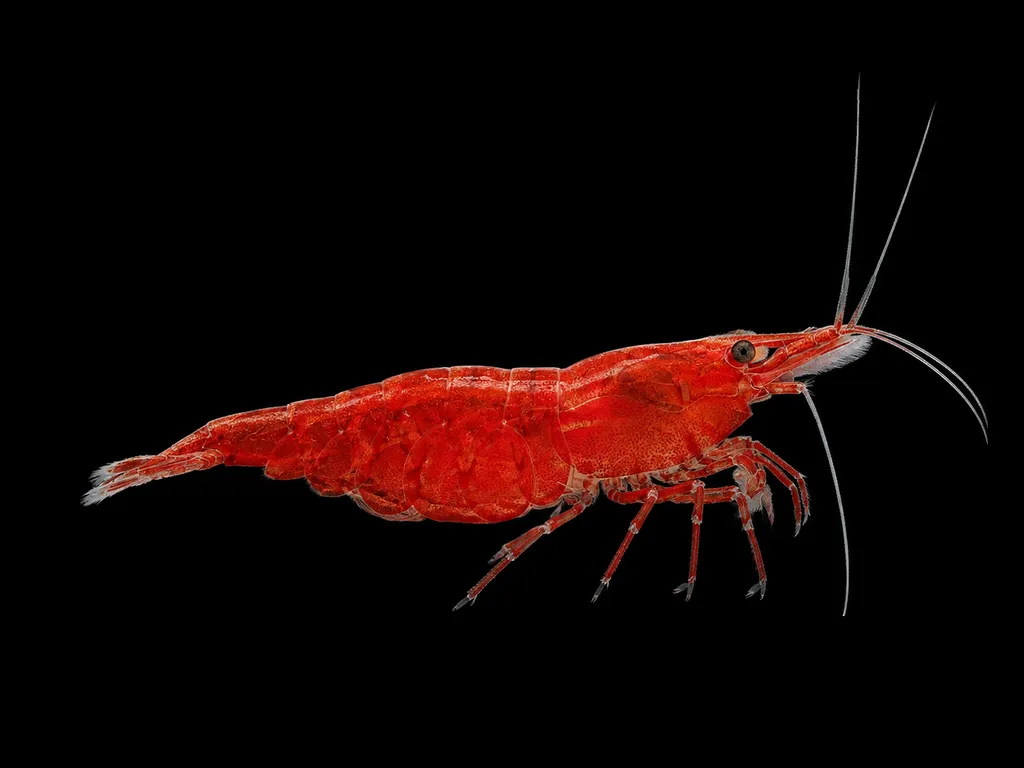
Neocaridina shrimp
Neocaridina davidi
Freshwater1.6 in (4 cm) · 5 gal (20 L)59–84°F (15–29°C)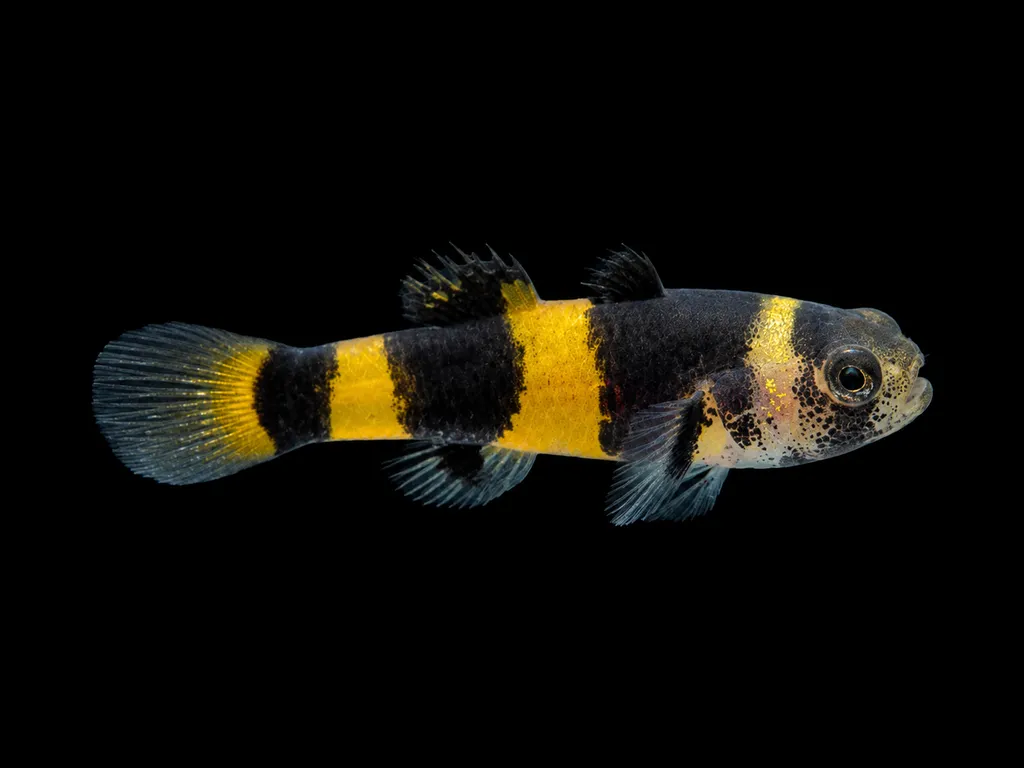
Mini bumblebee goby
Brachygobius xanthomelas
Freshwater0.8 in (2 cm) · 5 gal (20 L)75–82°F (24–28°C)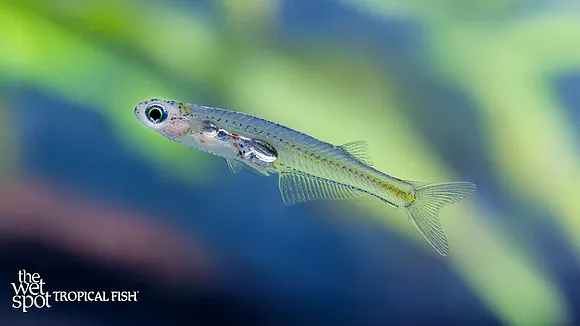
Bengal glass danio
Danionella priapus
Freshwater0.7 in (1.9 cm) · 5 gal (20 L)72–79°F (22–26°C)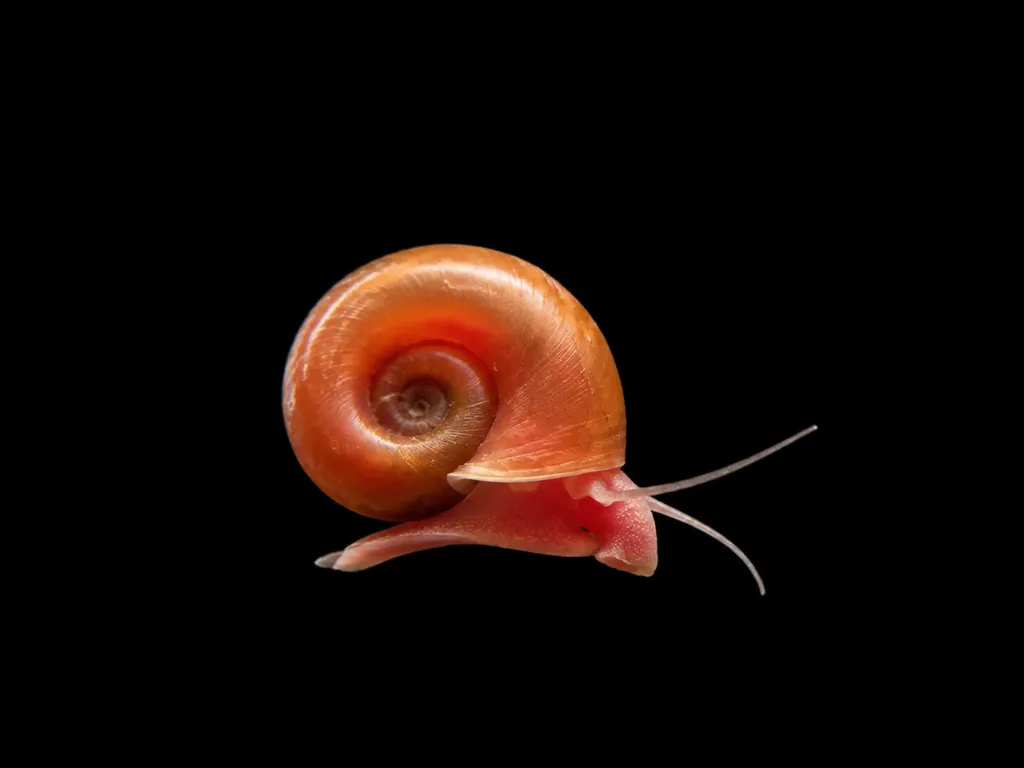
Red ramshorn snail
Indoplanorbis exustus
Freshwater0.8 in (2 cm) · 5 gal (20 L)68–86°F (20–30°C)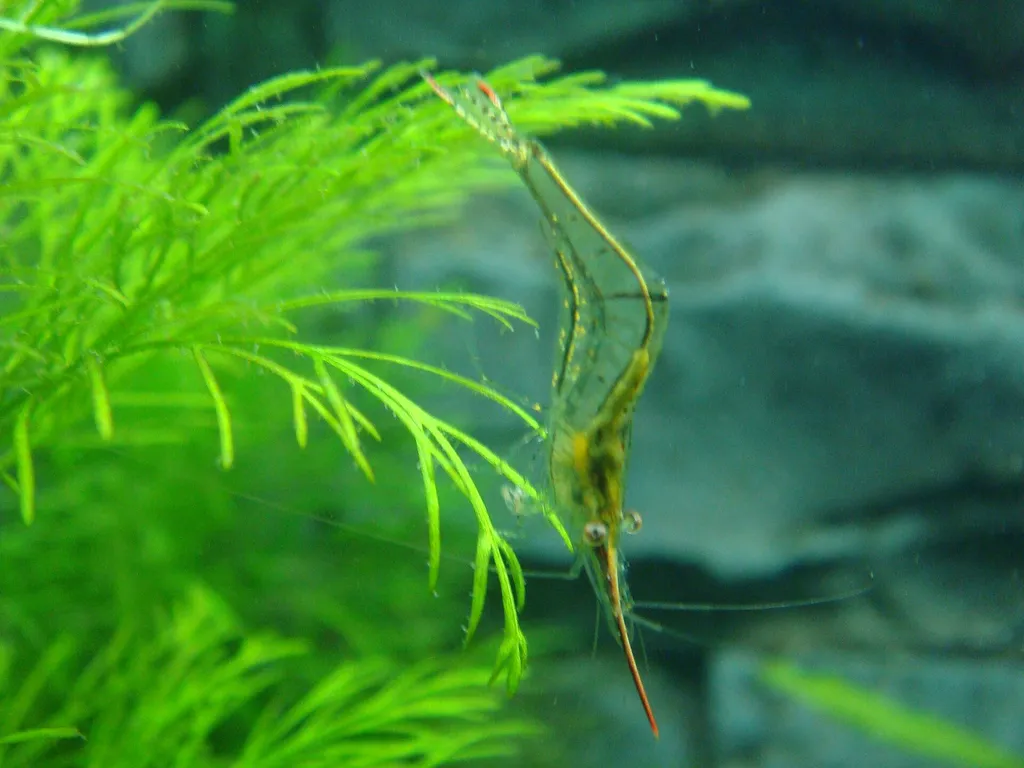
Red skunk shrimp
Caridina gracilirostris
FreshwaterBrackish1.6 in (4 cm) · 5 gal (20 L)73–82°F (23–28°C)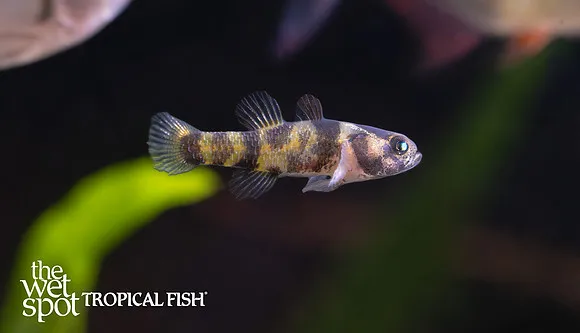
Micro bumblebee goby
Brachygobius nunus
FreshwaterBrackish1 in (2.5 cm) · 5 gal (20 L)73–82°F (23–28°C)
Common questions
What size tank does a Marbled limpet nerite need?
A Marbled limpet nerite needs at least 5 gal (20 L). It spends most of its time in the bottom.
What temperature and pH does a Marbled limpet nerite need?
A Marbled limpet nerite is comfortable at 73–82°F (23–28°C) with a pH of 6.5–8.0.
How big does a Marbled limpet nerite get?
An adult Marbled limpet nerite reaches about 1.2 in (3 cm).
Related species
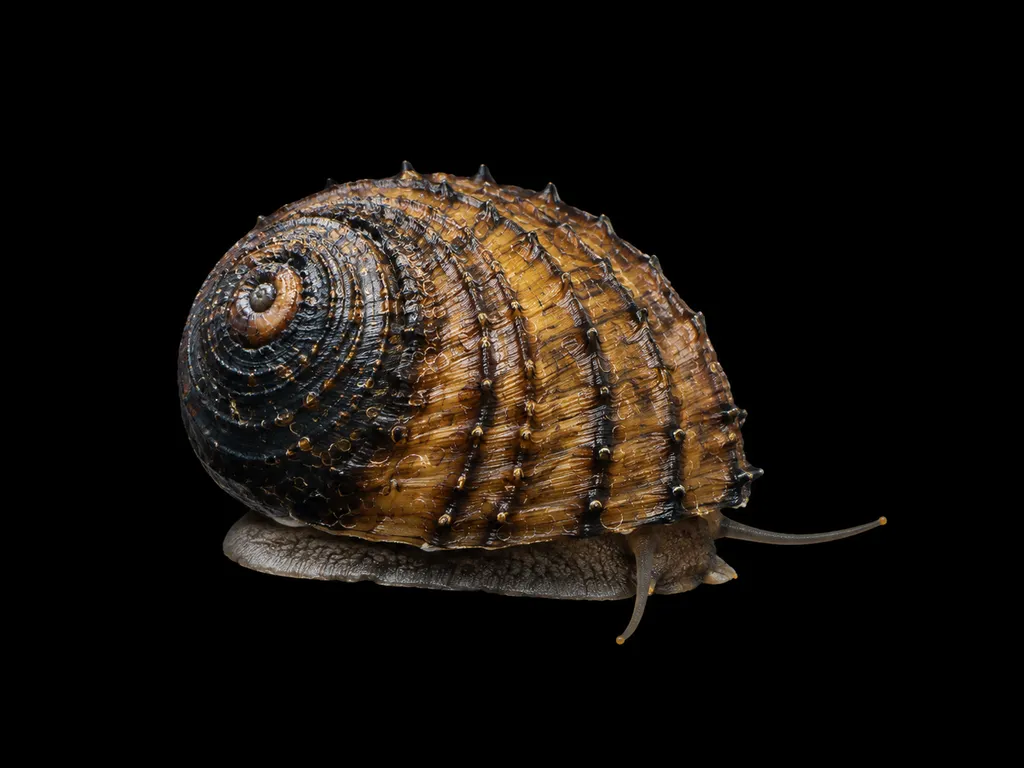 1 in (2.5 cm)5 gal (20 L)72–82°F (22–28°C)
King Koopa nerite
Neritina juttingae
1 in (2.5 cm) · 5 gal (20 L)
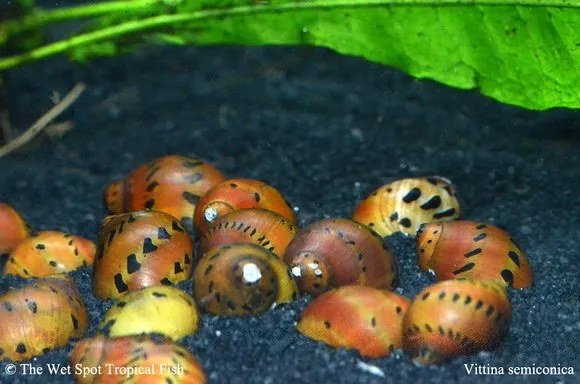 1 in (2.5 cm)5 gal (19 L)72–82°F (22–28°C)
Red onion snail
Vittina semiconica
1 in (2.5 cm) · 5 gal (19 L)
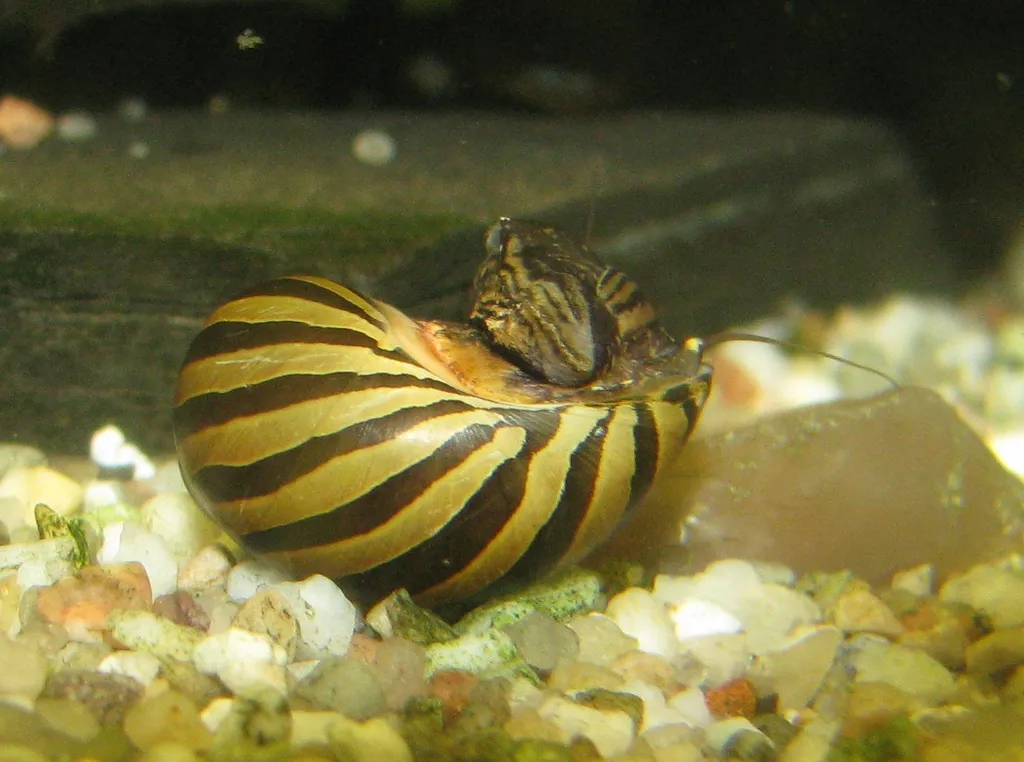 1 in (2.5 cm)5 gal (19 L)72–79°F (22–26°C)
Tiger nerite
Vittina coromandeliana
1 in (2.5 cm) · 5 gal (19 L)
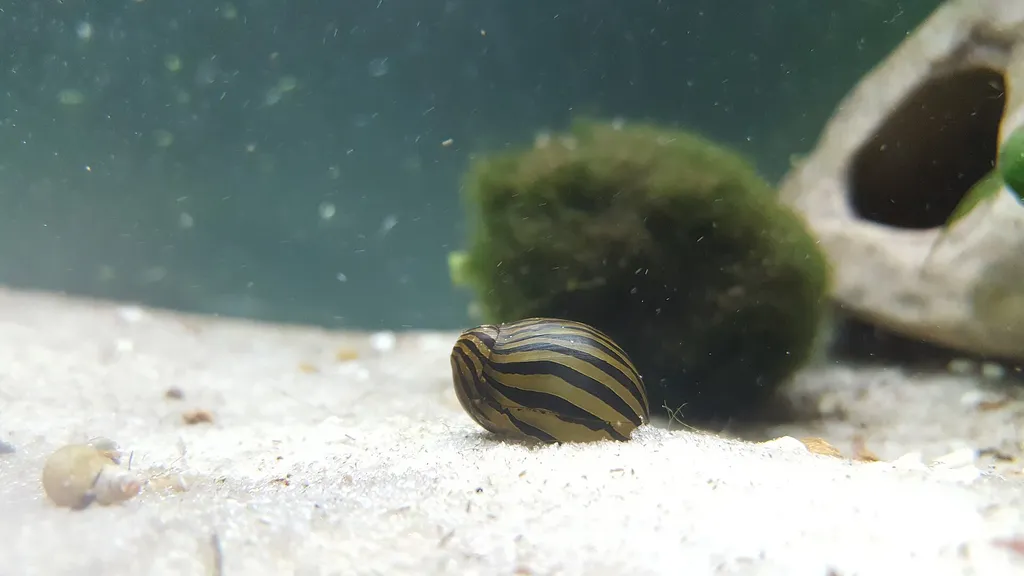 1 in (2.5 cm)5 gal (20 L)66–84°F (19–29°C)
Zebra nerite
Vittina natalensis
1 in (2.5 cm) · 5 gal (20 L)
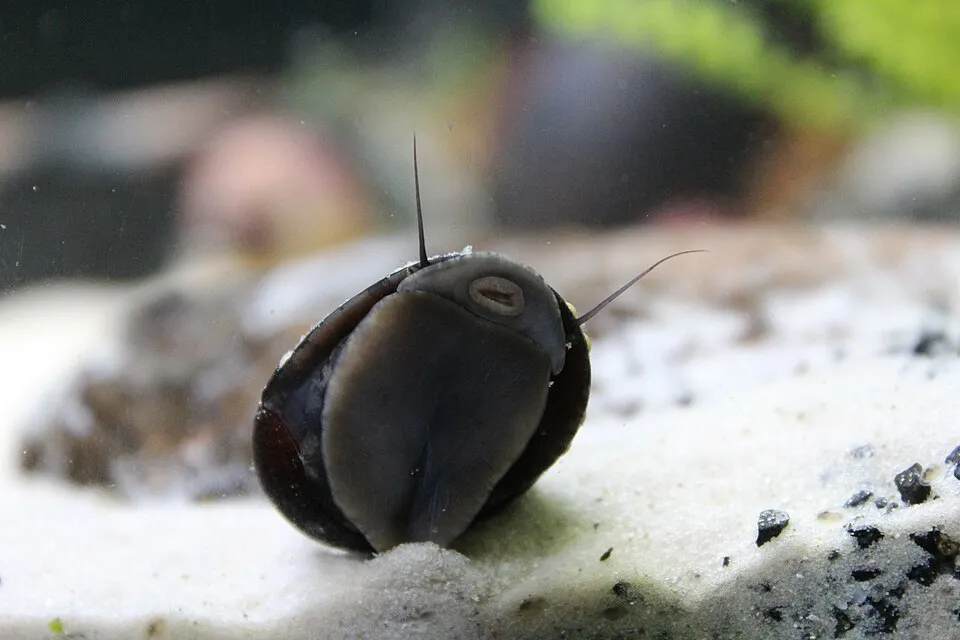 1.6 in (4 cm)5 gal (20 L)72–82°F (22–28°C)
Dusky nerite snail
Neritina pulligera
1.6 in (4 cm) · 5 gal (20 L)
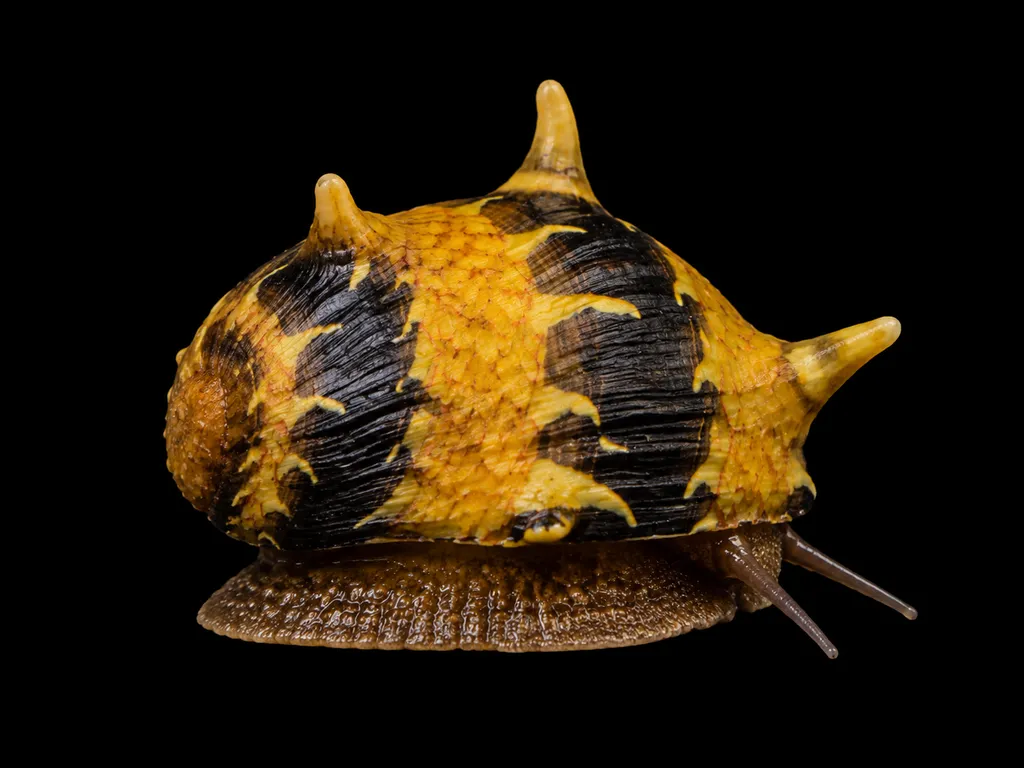 0.8 in (2 cm)5 gal (19 L)72–82°F (22–28°C)
Fancy antler snail
Clithon sowerianum
0.8 in (2 cm) · 5 gal (19 L)