Red onion snail
Vittina semiconica
Also known as Red onion nerite, Orange cap nerite
FreshwaterBrackishSnail
Care at a glance
- Temperature
- 72–82°F
- 22–28°C
- pH
- 7.0–8.2
- Adult size
- 1 in
- 2.5 cm
- Minimum tank
- 5 gal
- 19 L
- Temperament
- Peaceful
- Social behavior
- Solitary
- Swim level
- Bottom
- Diet
- Herbivore
- Difficulty
- Easy
- Breeding
- Egg layer · Hard
- Rarity
- Rare
- Family
- Neritidae
- Origin
- Coastal streams of Southeast Asia and the western Pacific
Overview
The red onion snail is a peaceful nerite kept for algae control in freshwater or brackish tanks. It is easy to keep.
Did you know
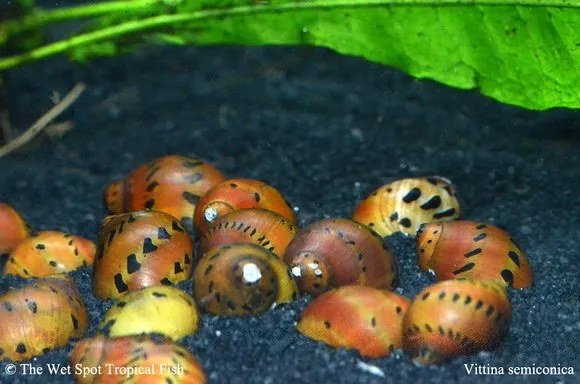
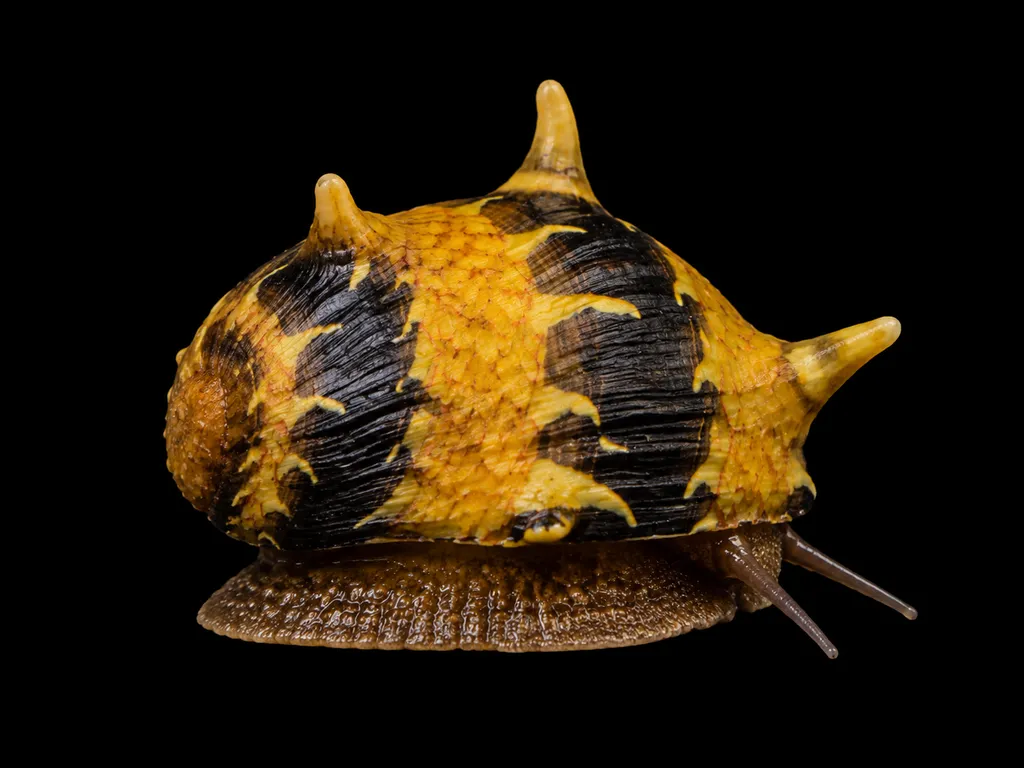
The red onion snail's name is quite literal. The layered bands of deep red and cream on its shell look as though they were sliced straight from a red onion.
Caring for the red onion snail
A mature tank of at least 5 gal (19 L) gives a red onion snail enough to graze. The tank should be well filtered, with plenty of grazing surfaces and a secure lid to keep the snail in. It is not a social animal and needs no group, so keep one, or add several to suit a larger tank.
Keep the water stable, hard and alkaline, at 72 to 82°F (22 to 28°C) and a pH of 7.0 to 8.2. In soft, acidic water the shell etches and thins. Regular small water changes keep it healthy.
This nerite grinds steadily over glass, decor and broad leaves, clearing diatoms, green spot algae and biofilm. It ignores healthy plants. A spotless tank will not sustain it, so supplement with algae wafers, Spirulina and blanched vegetables such as cucumber or spinach.
The red onion snail mixes safely with fish, shrimp and other snails, but keep it away from snail-eaters. It lays small, hard white eggs on wood and stone. The larvae need brackish or salt water, so the eggs never hatch into a plague of snails in fresh water.
Good to know
Vittina semiconica is a nerite in the family Neritidae, close kin to the tiger and zebra nerites. Its shell shades from deep russet toward a paler apex, banded and dotted with dark markings.
In the wild
Vittina semiconica lives in the lower reaches of coastal streams in Southeast Asia and the western Pacific. These streams run near the sea, where the water carries plenty of minerals.
Weekly picks
Tank mates
The red onion snail is a peaceful, solitary species that keeps to the bottom. These picks share a community profile with it, are safe together in both directions, and overlap on water type, temperature and pH.
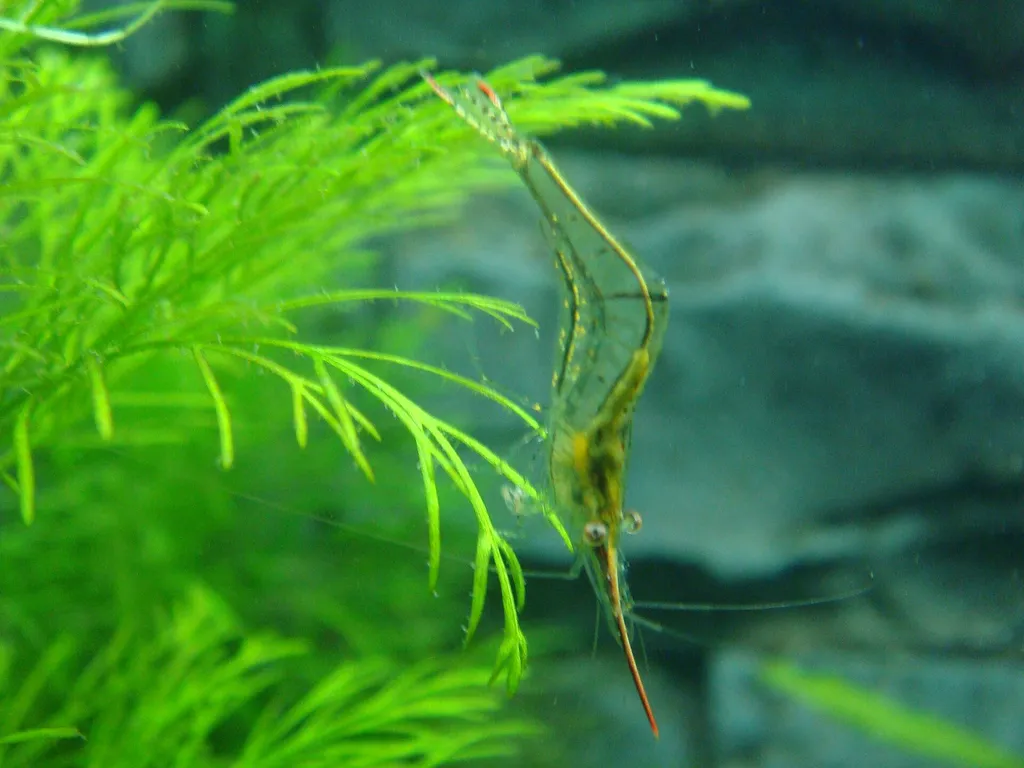
Red skunk shrimp
Caridina gracilirostris
FreshwaterBrackish1.6 in (4 cm) · 5 gal (20 L)73–82°F (23–28°C)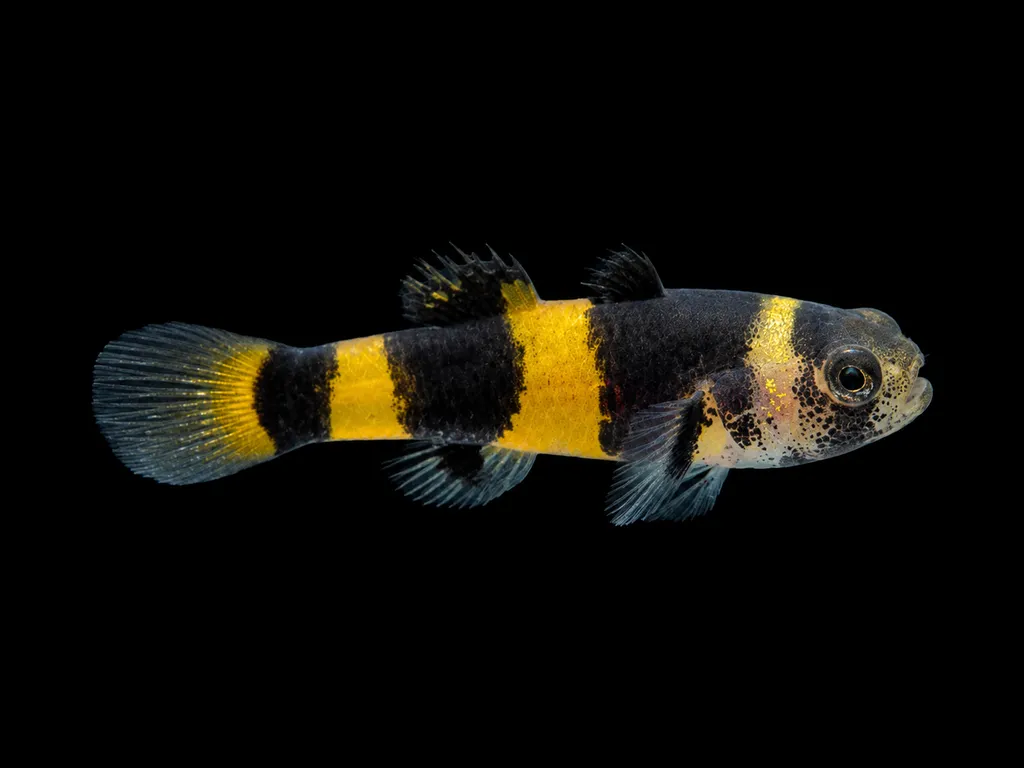
Mini bumblebee goby
Brachygobius xanthomelas
Freshwater0.8 in (2 cm) · 5 gal (20 L)75–82°F (24–28°C)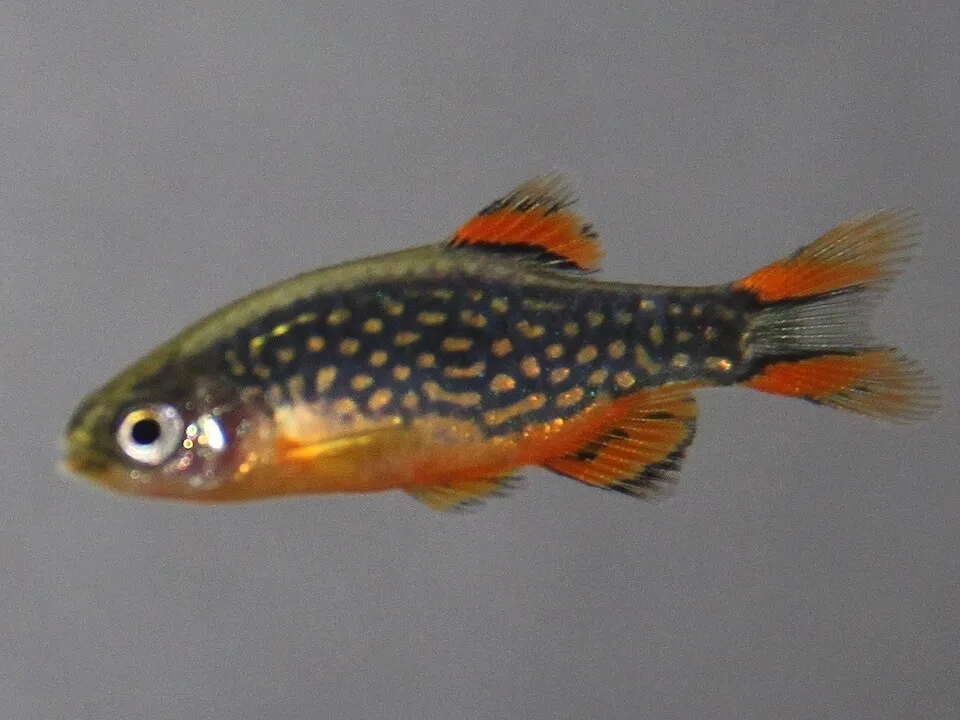
Celestial Pearl danio
Danio margaritatus
Freshwater0.8 in (2 cm) · 9 gal (35 L)72–79°F (22–26°C)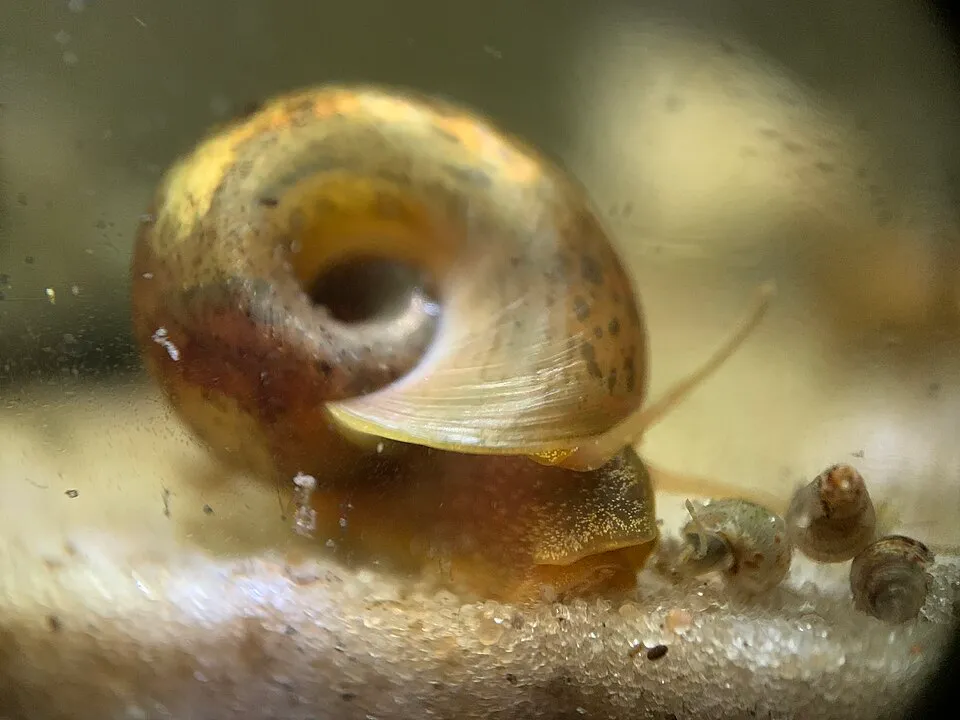
Seminole ramshorn
Planorbella duryi
Freshwater1 in (2.5 cm) · 5 gal (20 L)68–82°F (20–28°C)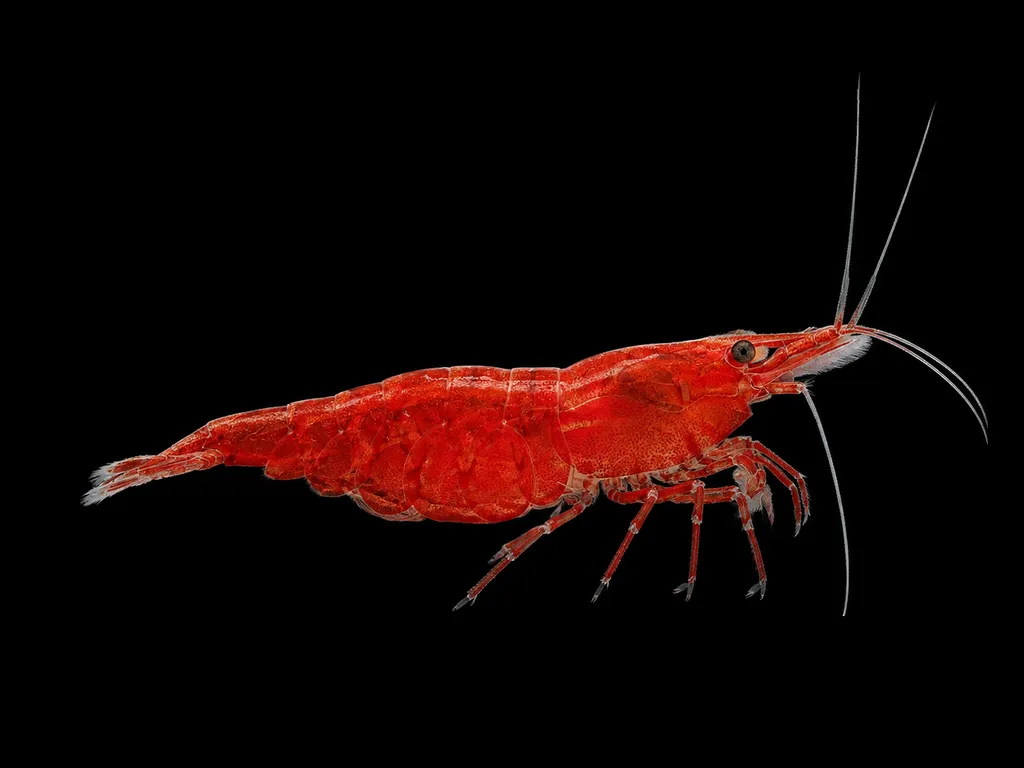
Neocaridina shrimp
Neocaridina davidi
Freshwater1.6 in (4 cm) · 5 gal (20 L)59–84°F (15–29°C)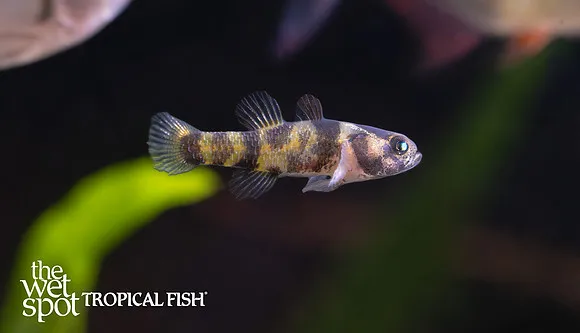
Micro bumblebee goby
Brachygobius nunus
FreshwaterBrackish1 in (2.5 cm) · 5 gal (20 L)73–82°F (23–28°C)
Common questions
What size tank does a red onion snail need?
A red onion snail needs at least 5 gal (19 L). It spends most of its time in the bottom.
What temperature and pH does a red onion snail need?
A red onion snail is comfortable at 72–82°F (22–28°C) with a pH of 7.0–8.2.
What does a red onion snail eat?
A red onion snail clears diatoms, green spot algae and biofilm from glass, decor and broad leaves. In a spotless tank, add algae wafers, Spirulina and blanched vegetables such as cucumber or spinach.
How big does a red onion snail get?
An adult red onion snail reaches about 1 in (2.5 cm).
Related species
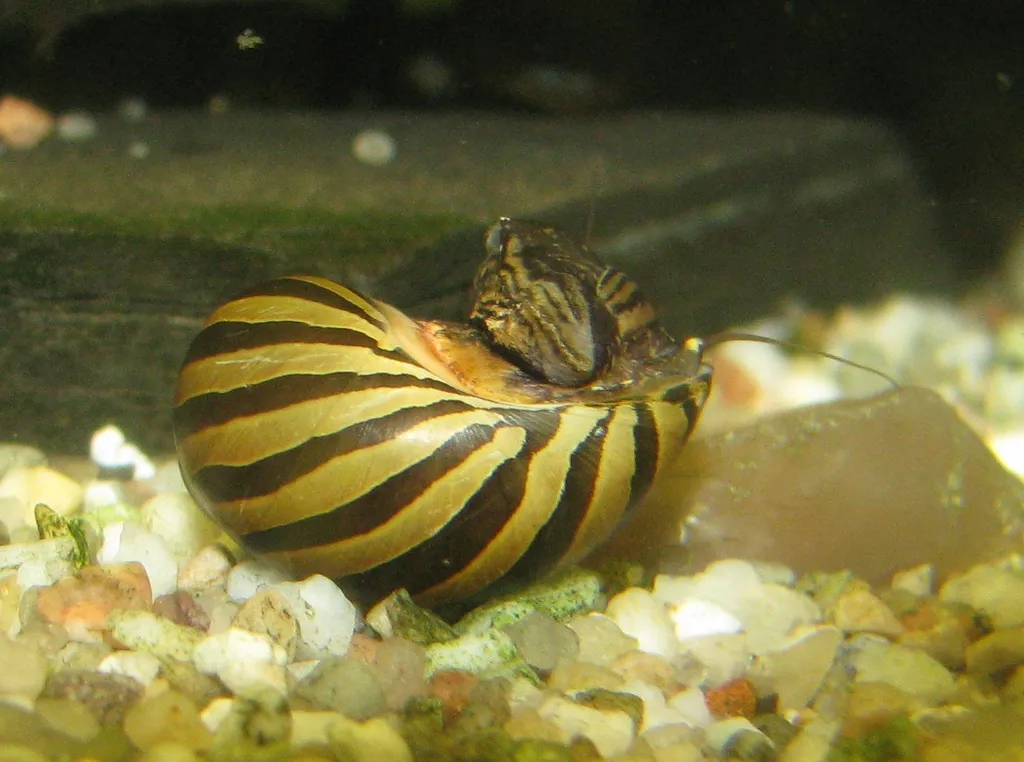 1 in (2.5 cm)5 gal (19 L)72–79°F (22–26°C)
Tiger nerite
Vittina coromandeliana
1 in (2.5 cm) · 5 gal (19 L)
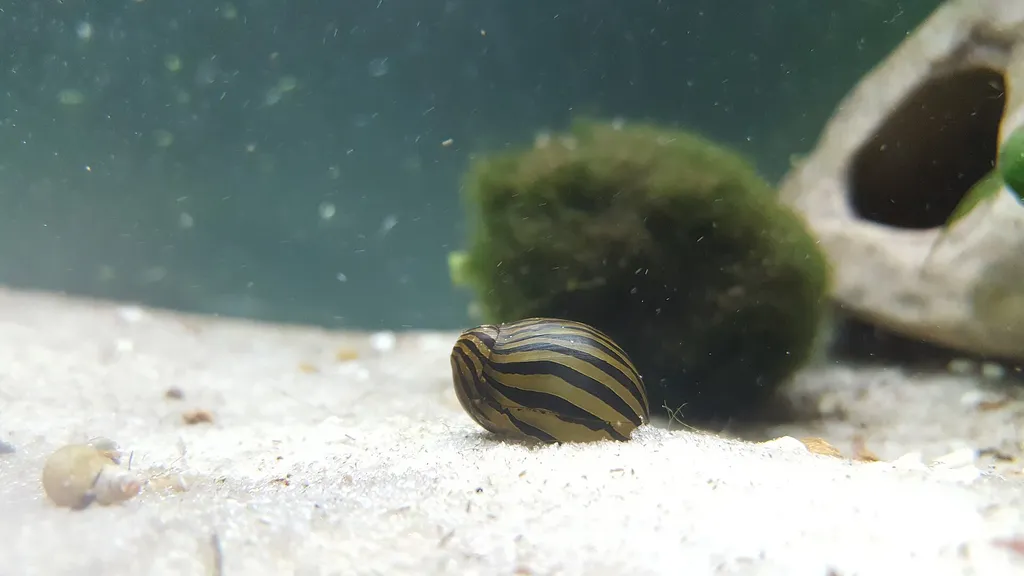 1 in (2.5 cm)5 gal (20 L)66–84°F (19–29°C)
Zebra nerite
Vittina natalensis
1 in (2.5 cm) · 5 gal (20 L)
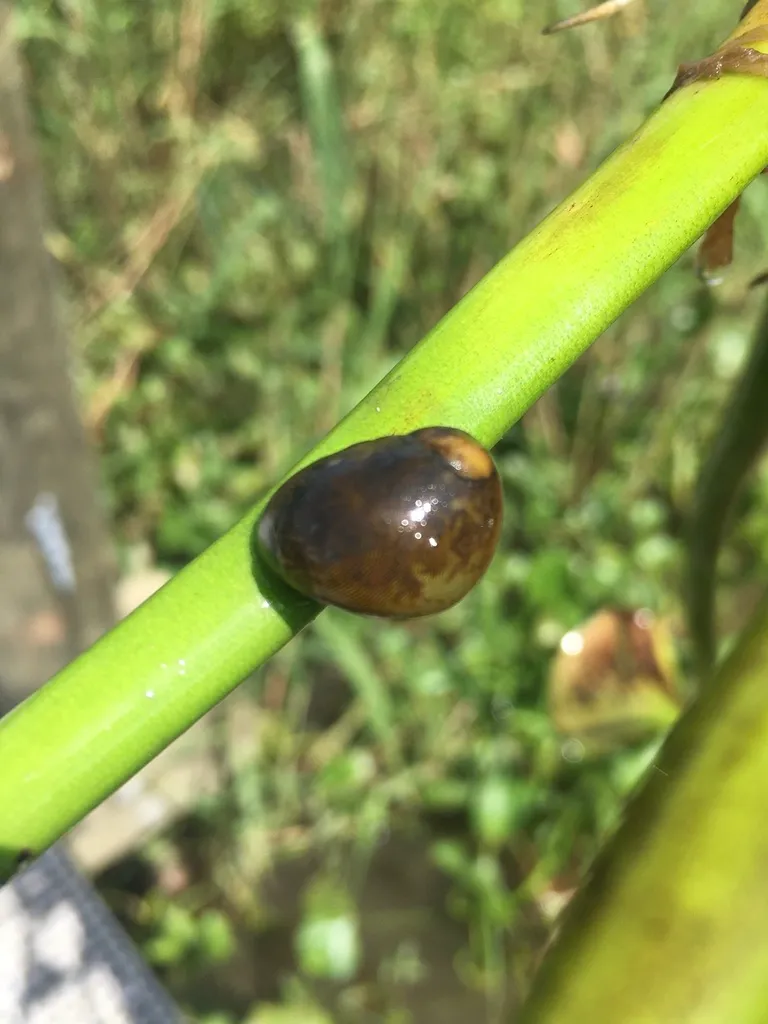 0.8 in (2 cm)5 gal (20 L)72–82°F (22–28°C)
Olive nerite
Vittina usnea
0.8 in (2 cm) · 5 gal (20 L)
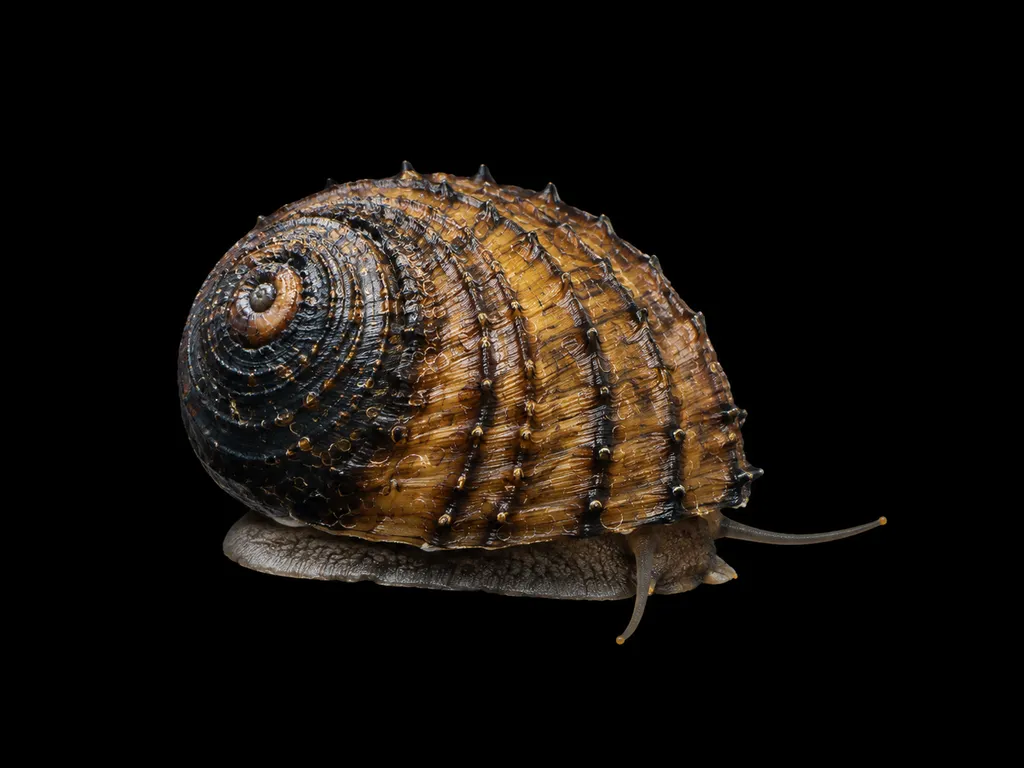 1 in (2.5 cm)5 gal (20 L)72–82°F (22–28°C)
King Koopa nerite
Neritina juttingae
1 in (2.5 cm) · 5 gal (20 L)
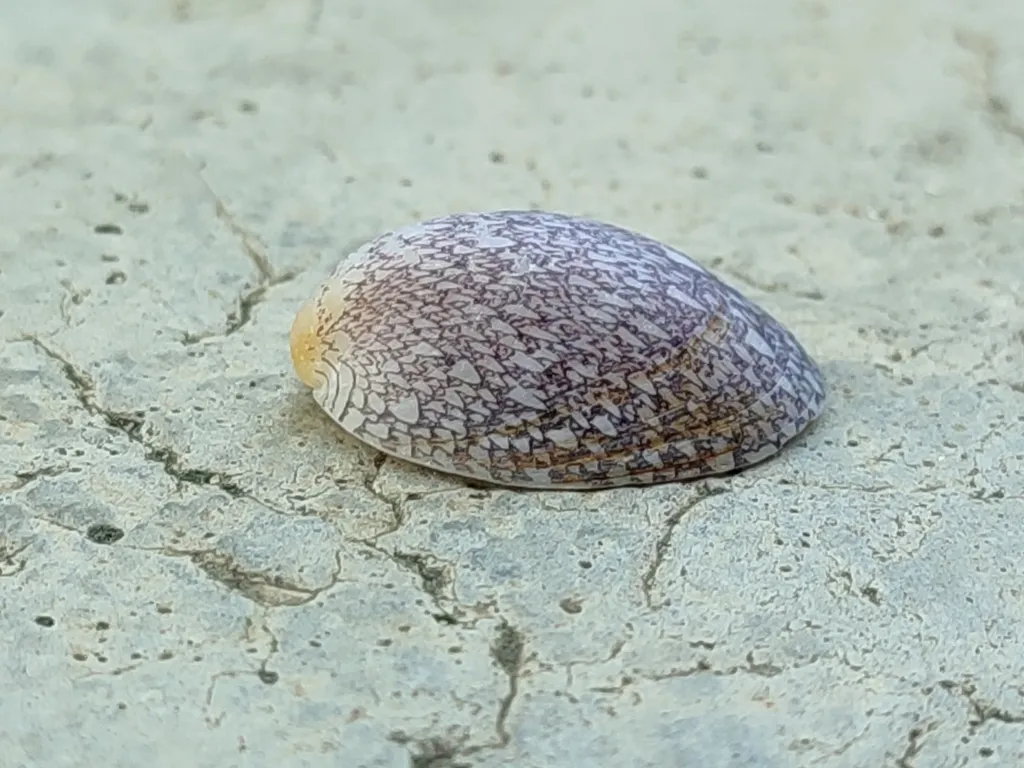 1.2 in (3 cm)5 gal (20 L)73–82°F (23–28°C)
Marbled limpet nerite
Septaria porcellana
1.2 in (3 cm) · 5 gal (20 L)
 0.8 in (2 cm)5 gal (19 L)72–82°F (22–28°C)
Fancy antler snail
Clithon sowerianum
0.8 in (2 cm) · 5 gal (19 L)