Olive nerite
Vittina usnea
Also known as Olive nerite snail, Neritina reclivata, Neritina usnea, Vitta usnea
FreshwaterBrackishSnail
Care at a glance
- Temperature
- 72–82°F
- 22–28°C
- pH
- 7.0–8.5
- Adult size
- 0.8 in
- 2 cm
- Minimum tank
- 5 gal
- 20 L
- Temperament
- Peaceful
- Social behavior
- Solitary
- Swim level
- Bottom
- Difficulty
- Beginner
- Breeding
- Hard
- Rarity
- Common
- Family
- Neritidae
- Origin
- Brackish and coastal waters of the southeastern United States, Gulf of Mexico, and Caribbean
Overview
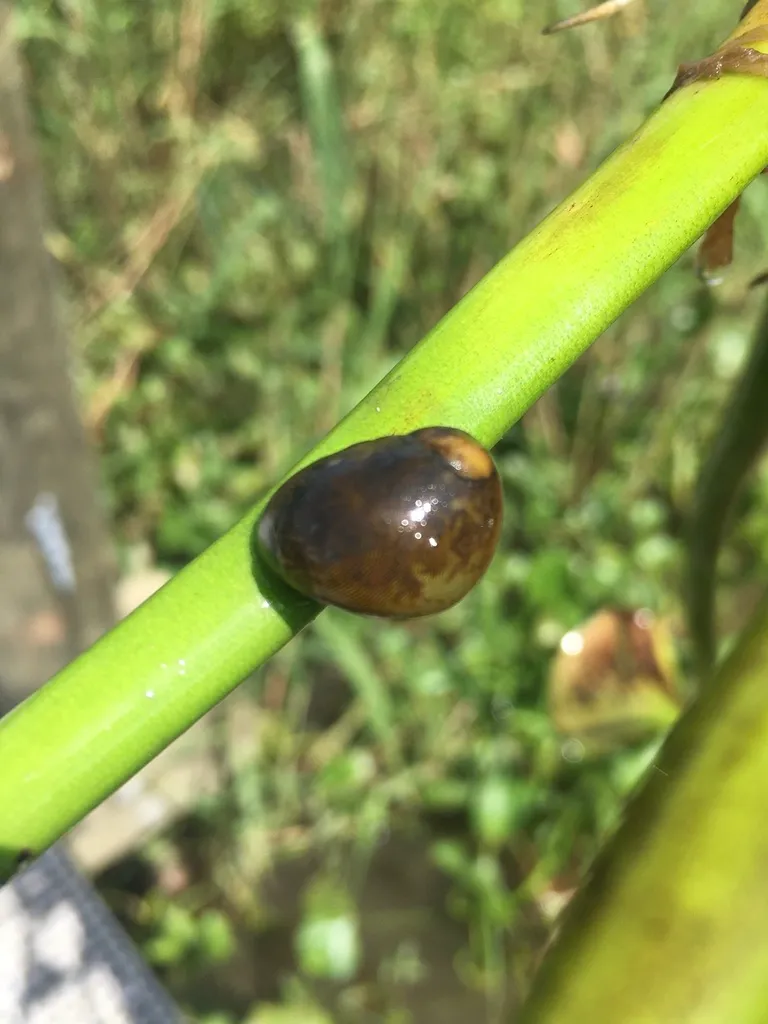
Keep it as a peaceful algae grazer for a freshwater or brackish tank, where it works over glass, rock, and wood without touching plants. It sits on the bottom and hardscape and does not school, so keep one or several to match the algae supply rather than for company. Hold the water hard and alkaline at a pH of 7 to 8.5 and 22 to 28 C, and cover the tank, since it will wander above the waterline and can dry out if it escapes. It will dot surfaces with hard white egg capsules, but these will not hatch into more snails in a normal tank, so there is no risk of a population boom. Feed algae wafers or blanched vegetables if the tank runs low on natural growth.
In the wild
Olive nerites come from brackish estuaries and coastal waters of the southeastern United States, the Gulf of Mexico, and the Caribbean, where they graze algae off hard surfaces in the intertidal zone. They are euryhaline and live across a wide salinity band from fresh to fairly salty, which is why they do equally well in a freshwater or a brackish tank. Give them stable, hard, alkaline water at a pH of 7 to 8.5 and a temperature of 22 to 28 C, with plenty of algae or biofilm to graze and a tight lid, since like all nerites they climb out of open tanks.
Good to know
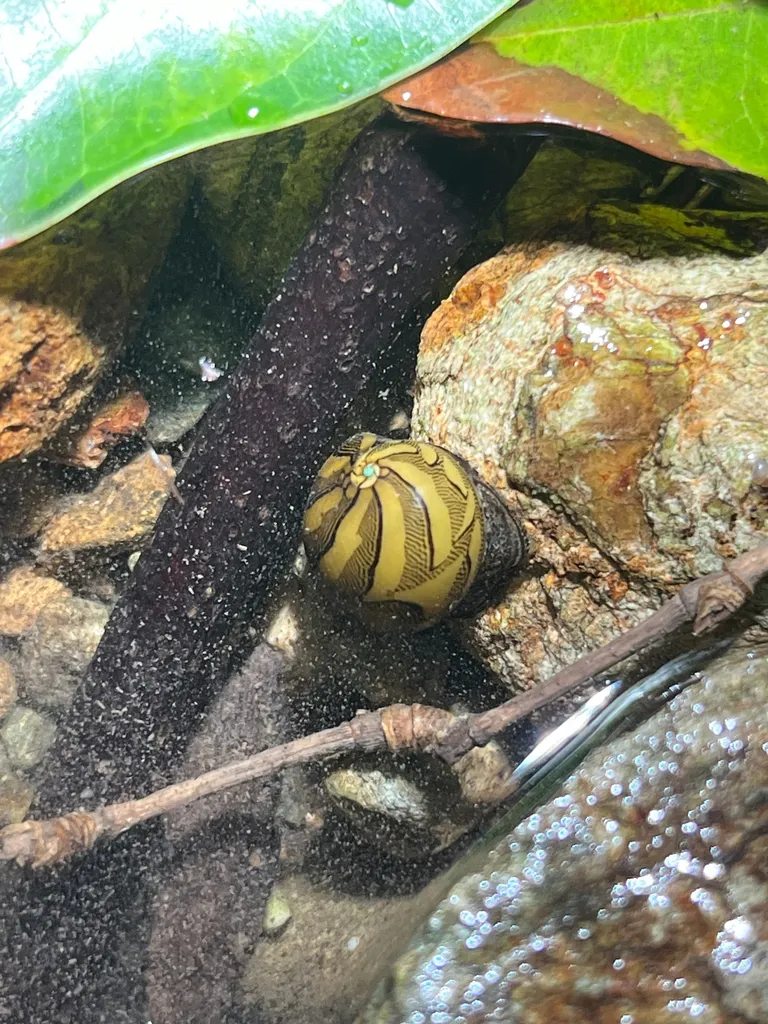
This is a nerite snail in the family Neritidae, reaching about 2 cm, with a thick olive-green shell often marked by fine dark lines. It is the true olive nerite of the trade, correctly Vittina usnea, and it is widely sold under the older names Neritina reclivata and Neritina usnea. It is a separate species from the virgin nerite, Vitta virginea, which the two are often confused with. Like other nerites it lays hard white eggs but cannot complete its life cycle in freshwater, since the larvae need brackish or marine water to develop.
Did you know
It is the workhorse olive-green nerite most people picture when they hear nerite snail, yet it is regularly mislabeled. The genuine article is Vittina usnea from the American Gulf and Caribbean coast, not the superficially similar virgin nerite, so a tank of so-called olive nerites can actually be a mix of look-alike species.
Weekly picks
Tank mates
Olive nerite is a peaceful, solitary species that keeps to the bottom. These picks share a community profile with it, are safe together in both directions, and overlap on water type, temperature and pH.
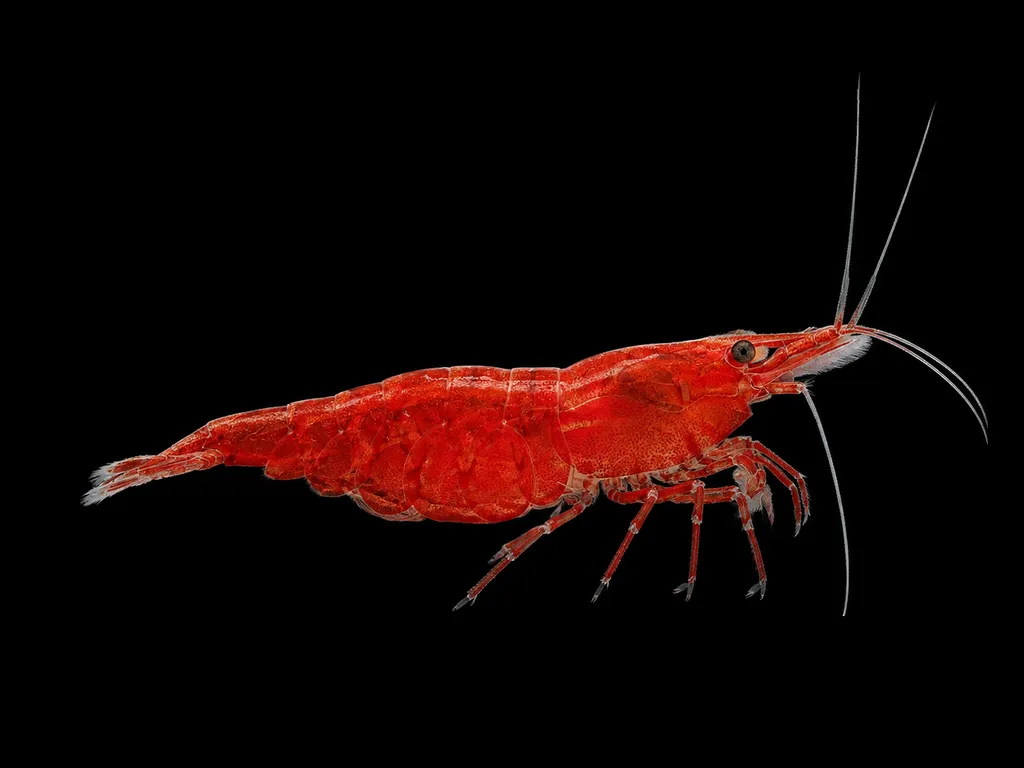
Neocaridina shrimp
Neocaridina davidi
Freshwater1.6 in (4 cm) · 5 gal (20 L)59–84°F (15–29°C)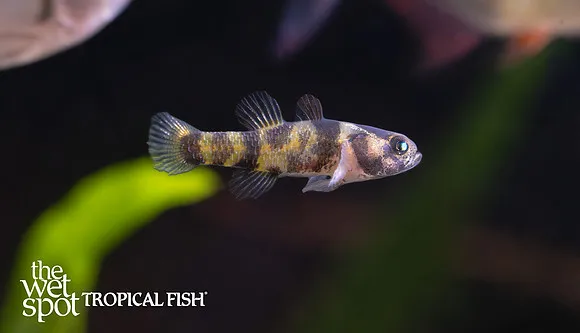
Micro bumblebee goby
Brachygobius nunus
FreshwaterBrackish1 in (2.5 cm) · 5 gal (20 L)73–82°F (23–28°C)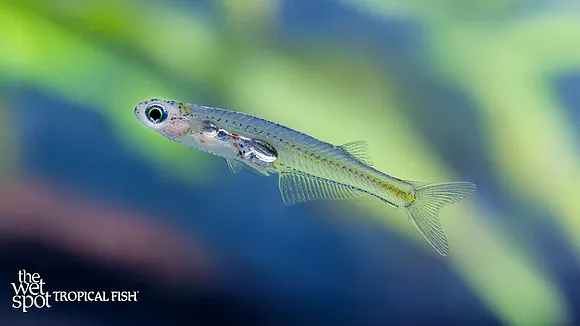
Bengal glass danio
Danionella priapus
Freshwater0.7 in (1.9 cm) · 5 gal (20 L)72–79°F (22–26°C)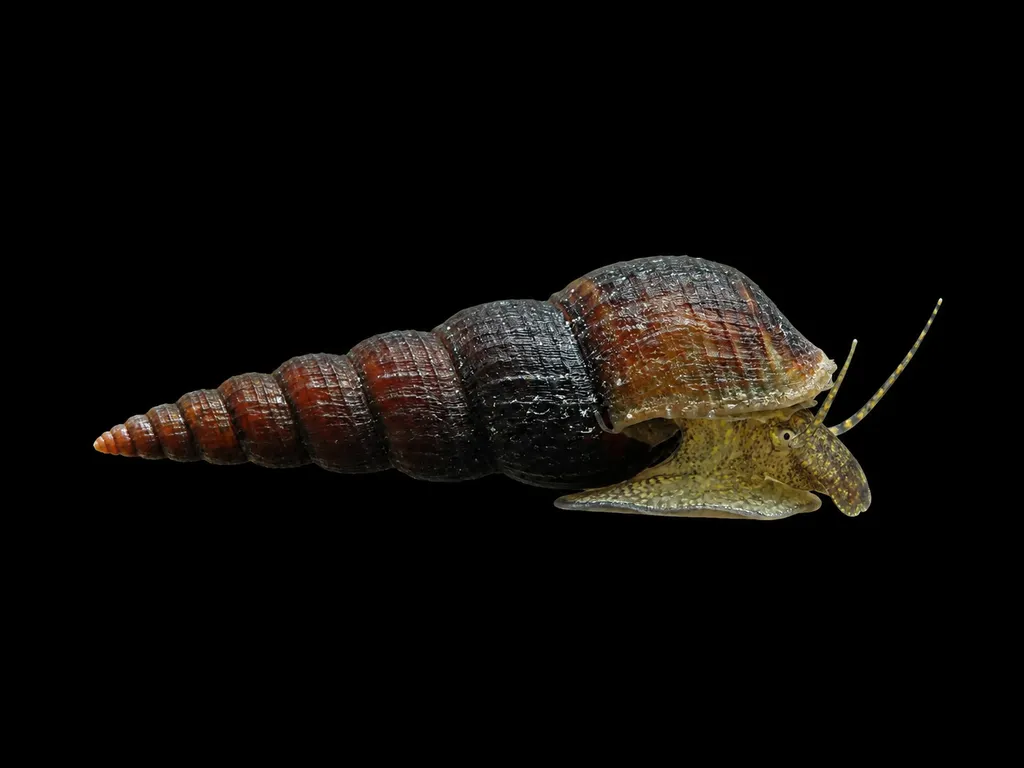
Mahogany trumpet snail
Melanoides maculata
Freshwater1.6 in (4 cm) · 5 gal (20 L)72–82°F (22–28°C)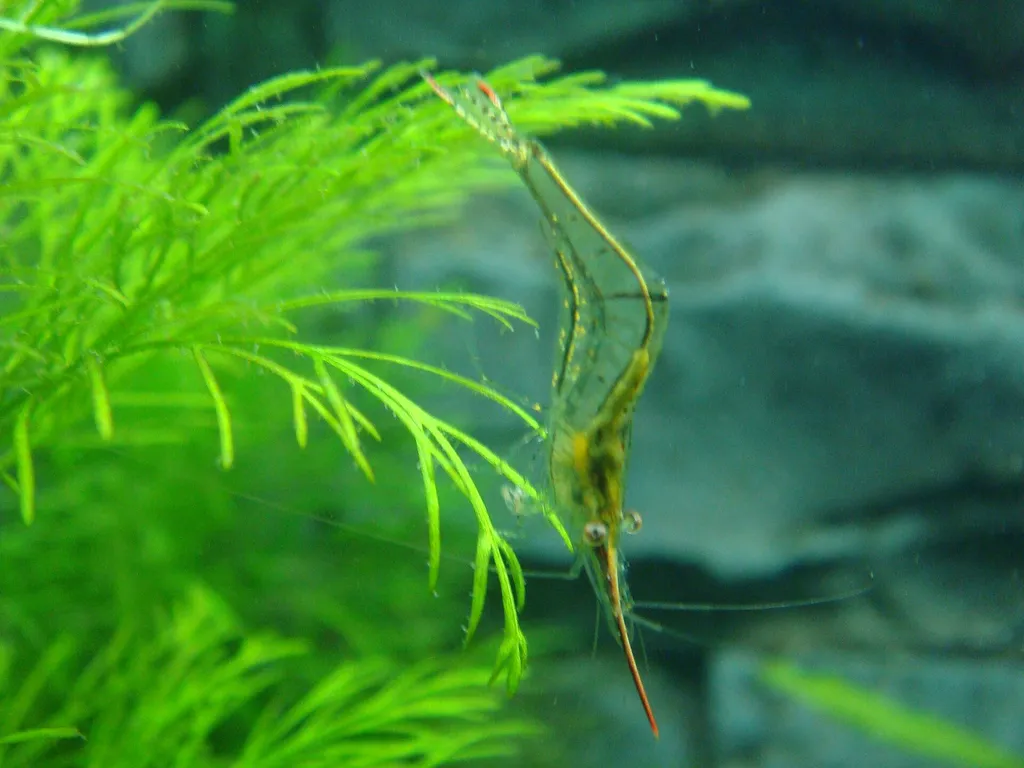
Red skunk shrimp
Caridina gracilirostris
FreshwaterBrackish1.6 in (4 cm) · 5 gal (20 L)73–82°F (23–28°C)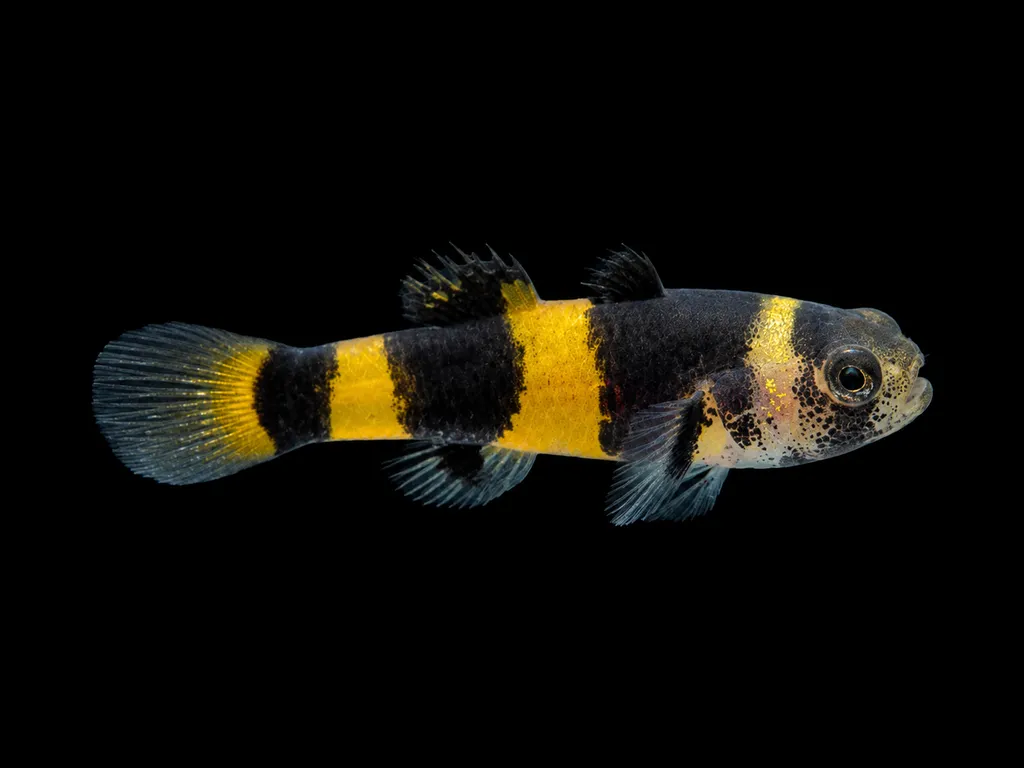
Mini bumblebee goby
Brachygobius xanthomelas
Freshwater0.8 in (2 cm) · 5 gal (20 L)75–82°F (24–28°C)
Common questions
What size tank does an Olive nerite need?
An Olive nerite needs at least 5 gal (20 L). It spends most of its time in the bottom.
What temperature and pH does an Olive nerite need?
An Olive nerite is comfortable at 72–82°F (22–28°C) with a pH of 7.0–8.5.
How big does an Olive nerite get?
An adult Olive nerite reaches about 0.8 in (2 cm).
Related species
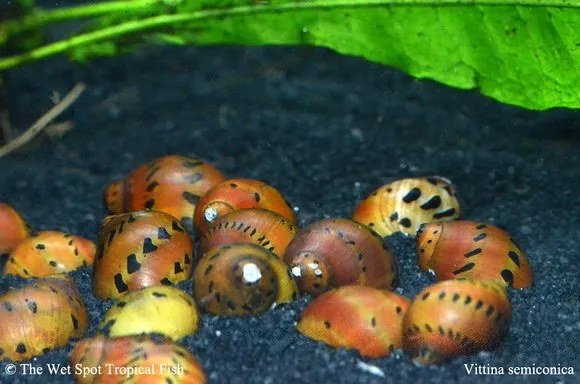 1 in (2.5 cm)5 gal (19 L)72–82°F (22–28°C)
Red onion snail
Vittina semiconica
1 in (2.5 cm) · 5 gal (19 L)
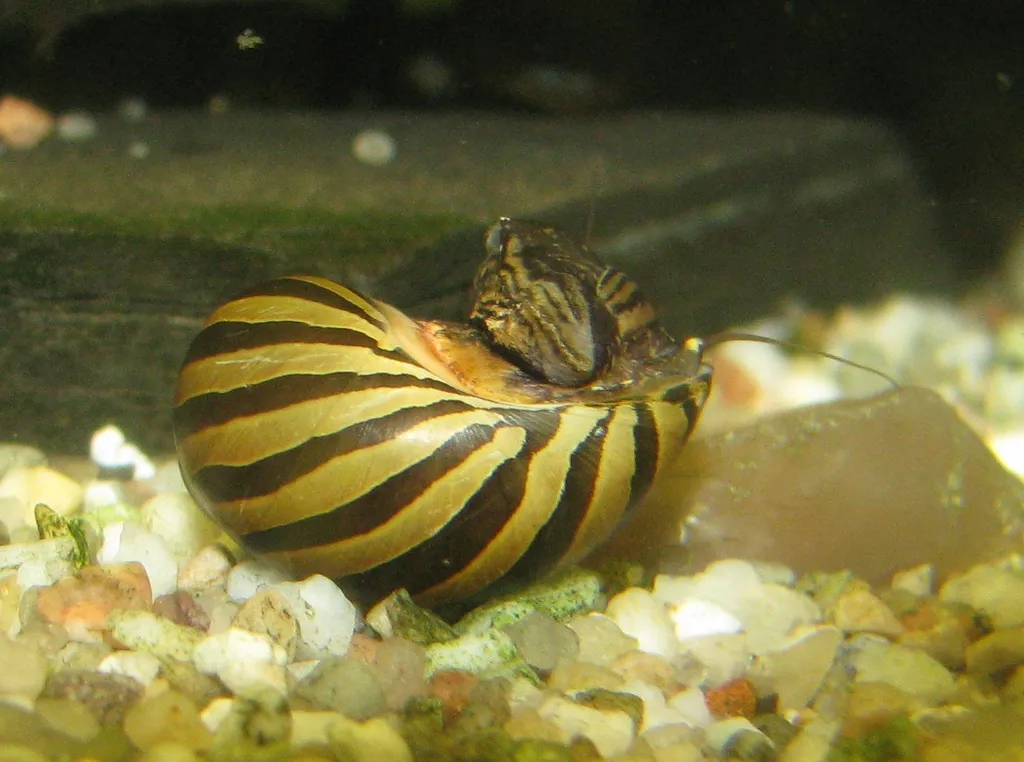 1 in (2.5 cm)5 gal (19 L)72–79°F (22–26°C)
Tiger nerite
Vittina coromandeliana
1 in (2.5 cm) · 5 gal (19 L)
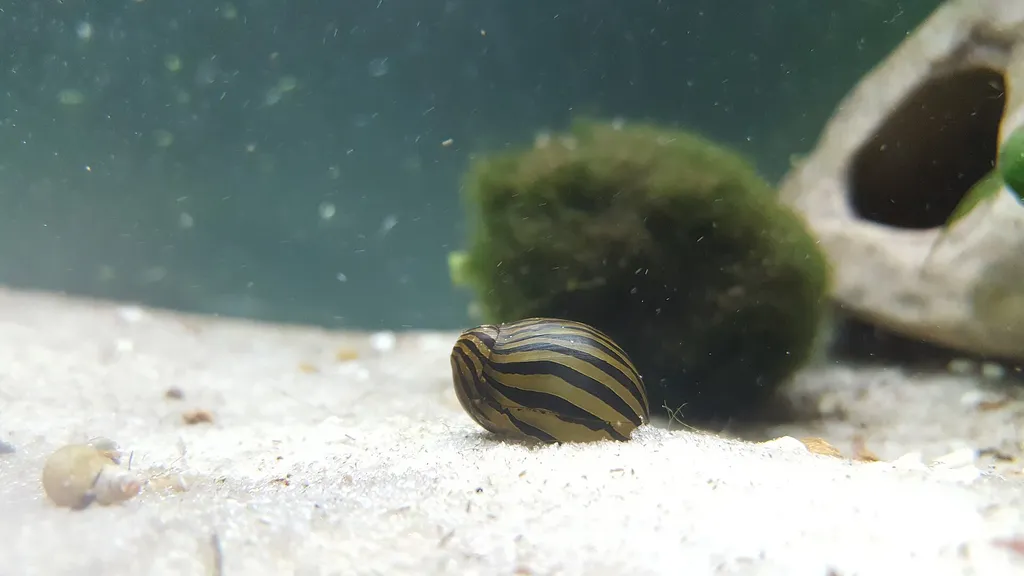 1 in (2.5 cm)5 gal (20 L)66–84°F (19–29°C)
Zebra nerite
Vittina natalensis
1 in (2.5 cm) · 5 gal (20 L)
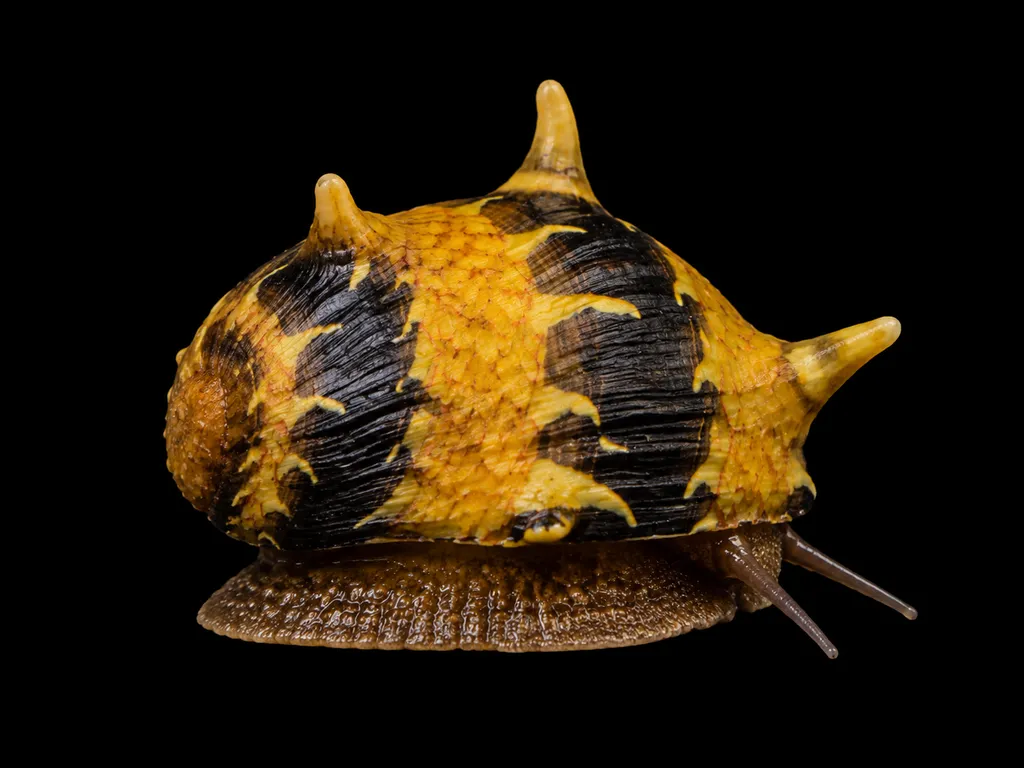 0.8 in (2 cm)5 gal (19 L)72–82°F (22–28°C)
Fancy antler snail
Clithon sowerianum
0.8 in (2 cm) · 5 gal (19 L)
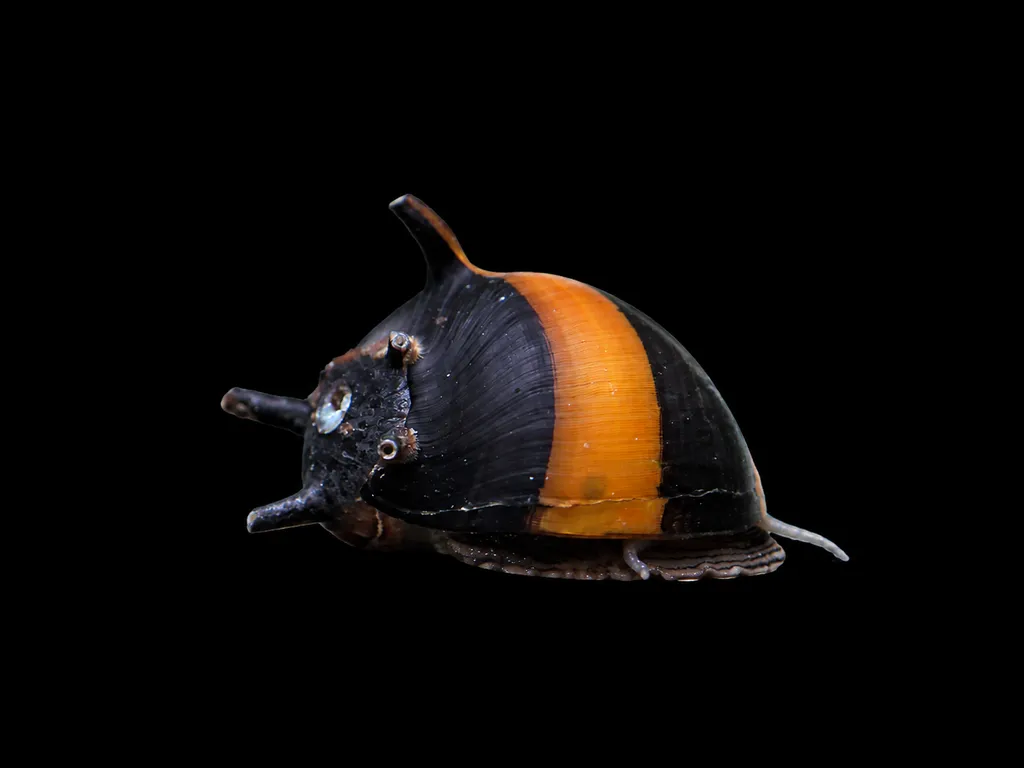 0.8 in (2 cm)5 gal (19 L)72–82°F (22–28°C)
Three-color thorn snail
Clithon sowerbyana
0.8 in (2 cm) · 5 gal (19 L)
 0.8 in (2 cm)5 gal (20 L)72–79°F (22–26°C)
Virgin nerite
Vitta virginea
0.8 in (2 cm) · 5 gal (20 L)