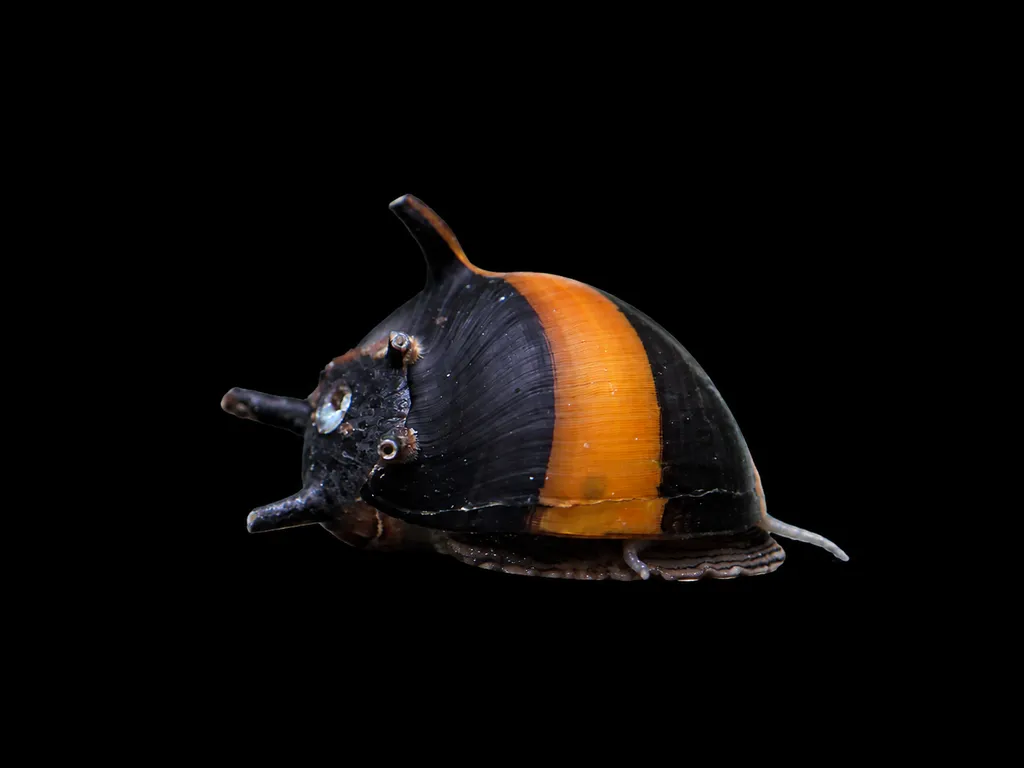
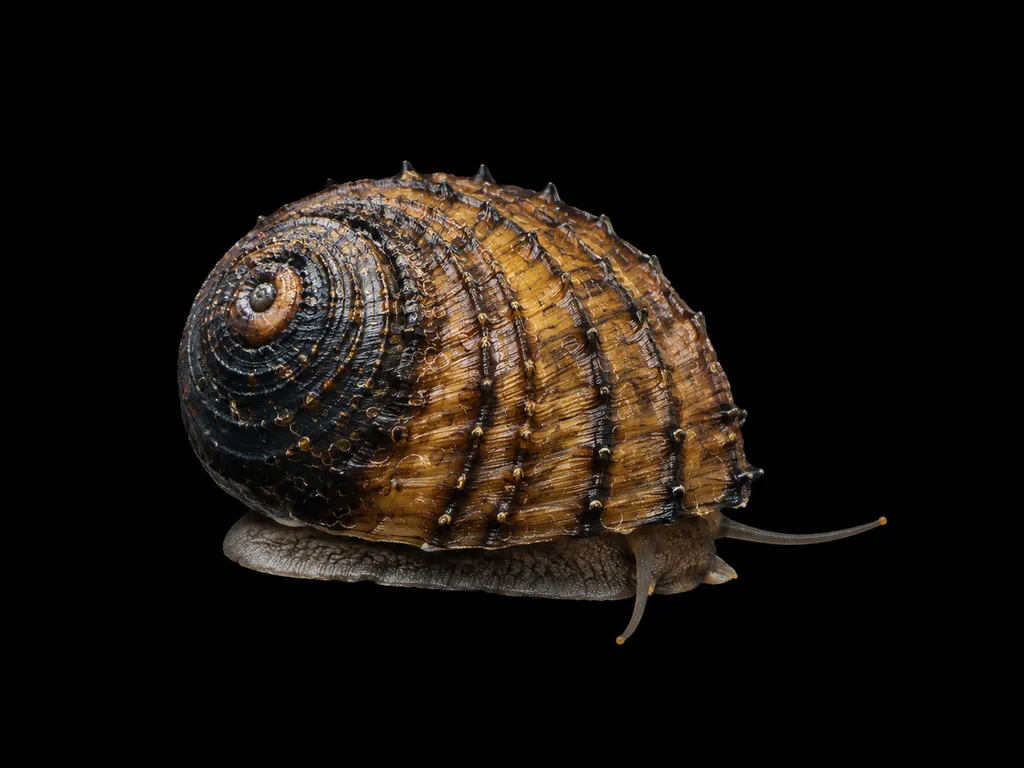
Three-color thorn snail
Clithon sowerbyana
Also known as Zebra thorn three color snail, Sowerby's nerite
FreshwaterBrackishSnail
Care at a glance
- Temperature
- 72–82°F
- 22–28°C
- pH
- 7.0–8.2
- Adult size
- 0.8 in
- 2 cm
- Minimum tank
- 5 gal
- 19 L
- Temperament
- Peaceful
- Social behavior
- Solitary
- Swim level
- Bottom
- Diet
- Herbivore
- Difficulty
- Easy
- Breeding
- Hard
- Rarity
- Rare
- Family
- Neritidae
- Origin
- Coastal streams of the Philippines and eastern Indonesia
Overview
The three-color thorn snail is a peaceful, algae-grazing nerite for a freshwater or brackish tank. It is an easy snail to keep.
Did you know
Three-color thorn snails are often bought a whole batch at a time. Keepers sort through the patterns, hunting for the boldest combinations of stripe and spot.
Caring for the three-color thorn snail
The three-color thorn snail is kept for cleanup, not company, so it needs no group. Keep one, or add several to a larger tank to match the algae available. A mature, well-filtered tank of at least 5 gal (19 L) suits it, with algae-covered surfaces, wood and rock. A snug lid stops it wandering out above the waterline.
It needs stable, hard, alkaline water at 72 to 82°F (22 to 28°C), with a pH of 7.0 to 8.2. Soft or acidic water dissolves the shell over time.
It grazes constantly, rasping films of algae and biofilm from glass, rock, wood and leaves. Healthy plants go untouched. A clean tank soon runs short of food, so offer algae wafers and Spirulina to keep it fed.
The three-color thorn snail is entirely peaceful with fish and shrimp, but keep it away from snail-eating fish. Like all Clithon, it cannot reproduce in a freshwater aquarium, so breeding it is hard.
Good to know
Clithon sowerbyana is a small thorn nerite in the family Neritidae. Its shell carries short spines and hugely variable striping and spotting. The pattern shifts so freely between individuals that no two shells in a shipment look alike.
In the wild
Clithon sowerbyana comes from clear coastal streams of the Philippines and eastern Indonesia. The water there is hard, rich in minerals and close to the sea.
Weekly picks
Tank mates
The three-color thorn snail is a peaceful, solitary species that keeps to the bottom. These picks share a community profile with it, are safe together in both directions, and overlap on water type, temperature and pH.
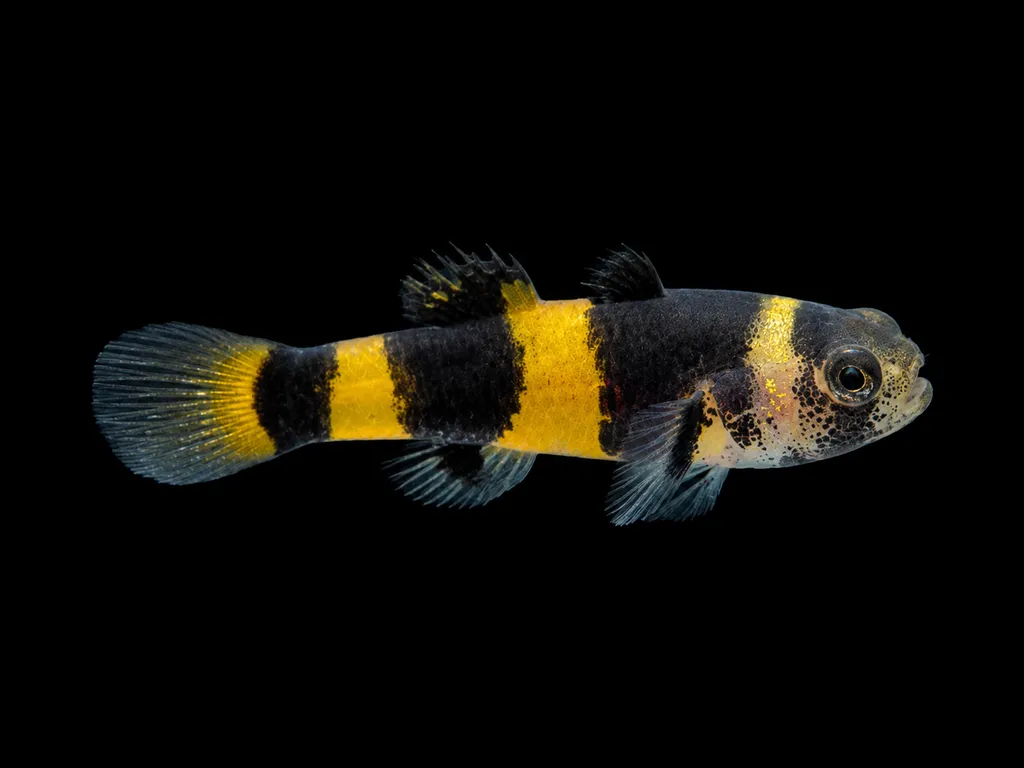
Mini bumblebee goby
Brachygobius xanthomelas
Freshwater0.8 in (2 cm) · 5 gal (20 L)75–82°F (24–28°C)
Dwarf amber barb
Barboides gracilis
Freshwater0.8 in (2 cm) · 5 gal (20 L)73–81°F (23–27°C)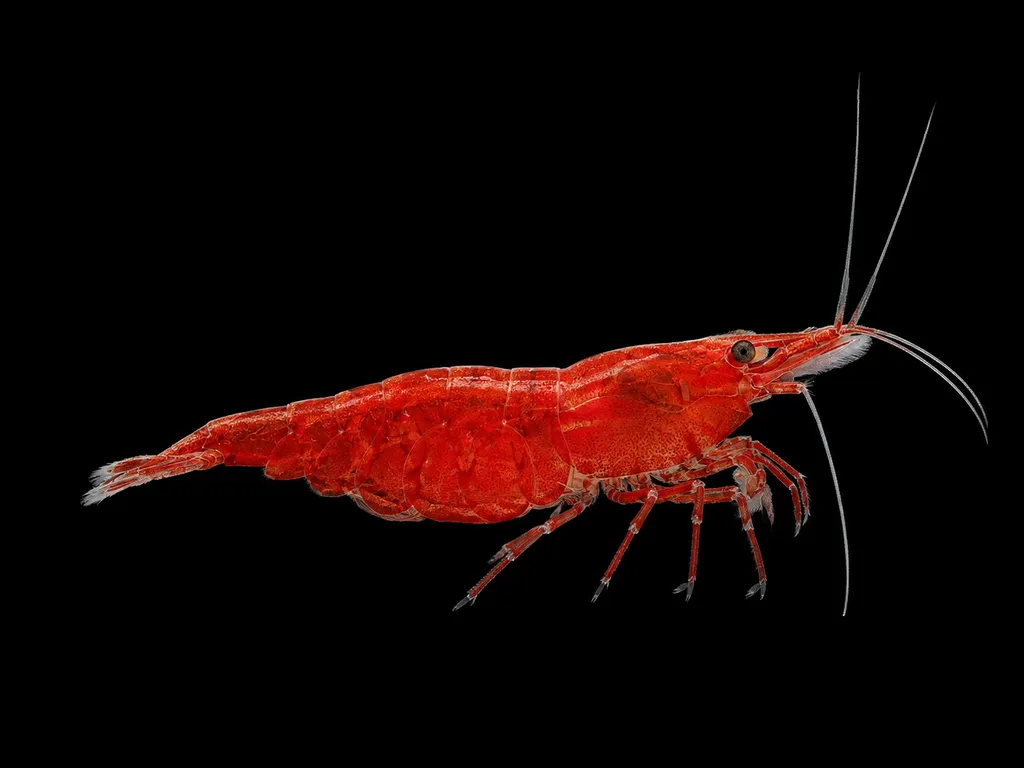
Neocaridina shrimp
Neocaridina davidi
Freshwater1.6 in (4 cm) · 5 gal (20 L)59–84°F (15–29°C)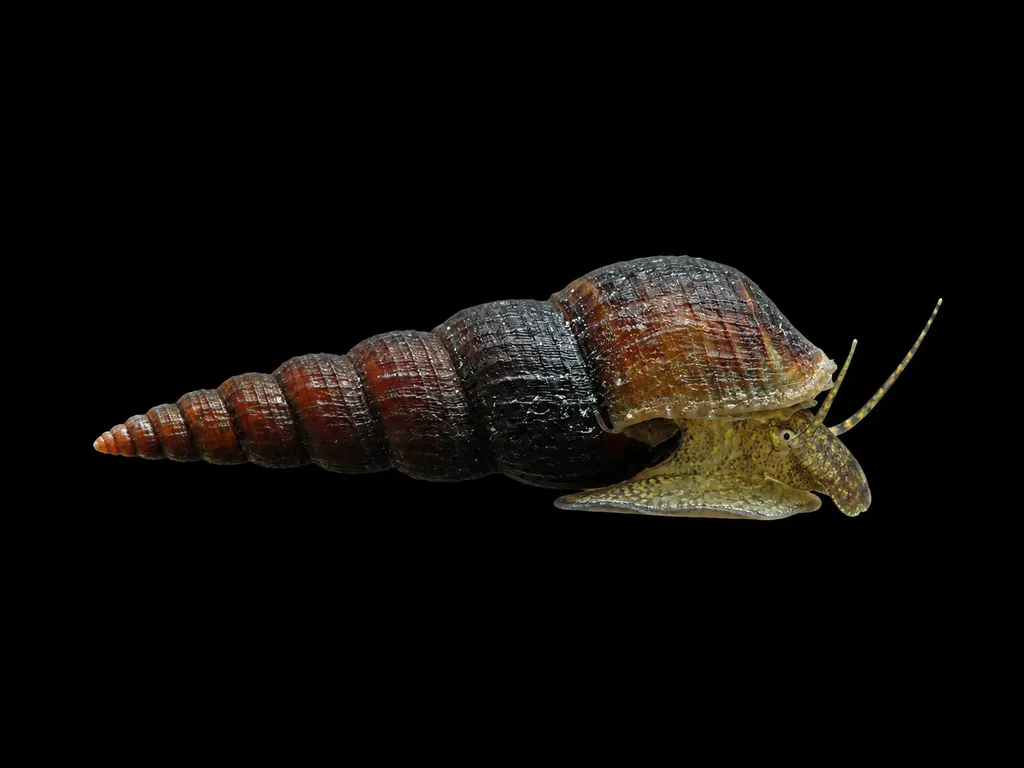
Mahogany trumpet snail
Melanoides maculata
Freshwater1.6 in (4 cm) · 5 gal (20 L)72–82°F (22–28°C)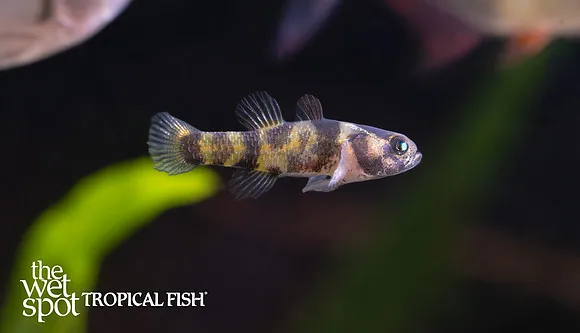
Micro bumblebee goby
Brachygobius nunus
FreshwaterBrackish1 in (2.5 cm) · 5 gal (20 L)73–82°F (23–28°C)
Yellow phantom tetra
Hyphessobrycon roseus
Freshwater0.8 in (2 cm) · 7 gal (25 L)68–82°F (20–28°C)
Common questions
What size tank does a three-color thorn snail need?
A three-color thorn snail needs at least 5 gal (19 L). It spends most of its time in the bottom.
What temperature and pH does a three-color thorn snail need?
A three-color thorn snail is comfortable at 72–82°F (22–28°C) with a pH of 7.0–8.2.
What does a three-color thorn snail eat?
A three-color thorn snail rasps films of algae and biofilm from glass, rock, wood and leaves. In a clean tank, offer algae wafers and Spirulina to keep it fed.
How big does a three-color thorn snail get?
An adult three-color thorn snail reaches about 0.8 in (2 cm).
How does a three-color thorn snail breed?
A three-color thorn snail cannot reproduce in a freshwater aquarium, like all Clithon. Breeding it is hard.
Related species
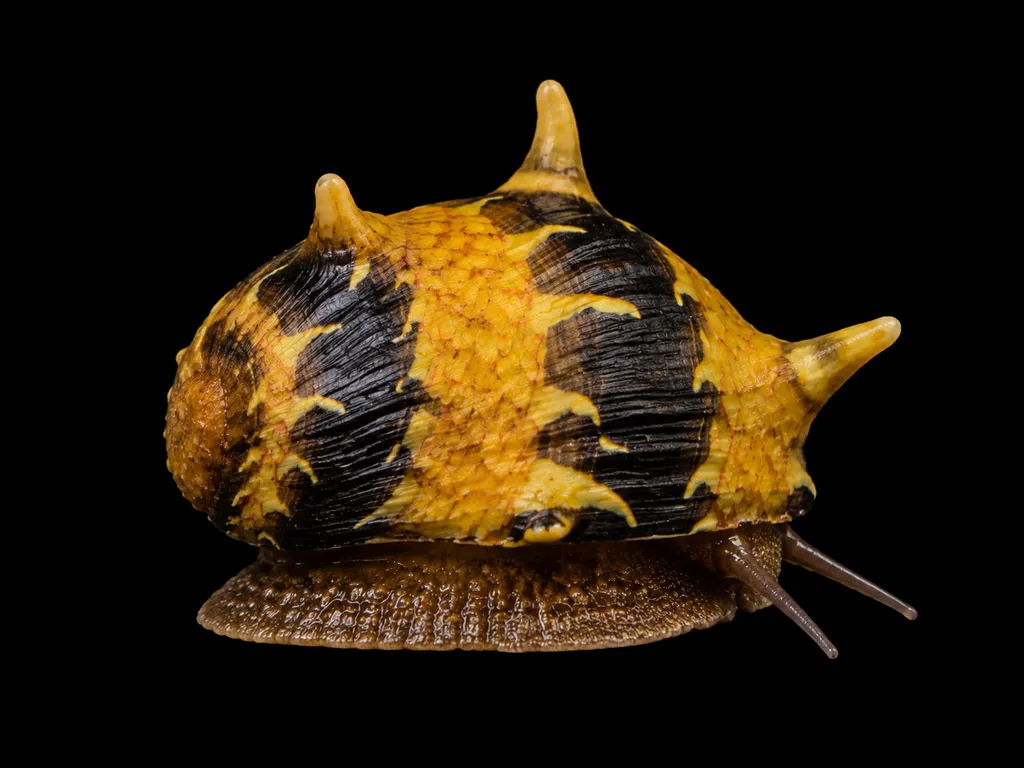 0.8 in (2 cm)5 gal (19 L)72–82°F (22–28°C)
Fancy antler snail
Clithon sowerianum
0.8 in (2 cm) · 5 gal (19 L)
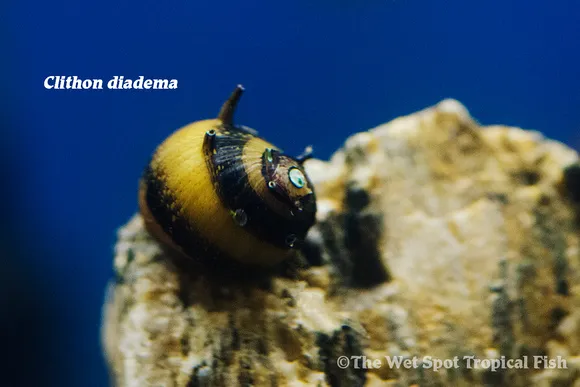 0.8 in (2 cm)5 gal (19 L)72–82°F (22–28°C)
Zebra thorn snail
Clithon diadema
0.8 in (2 cm) · 5 gal (19 L)
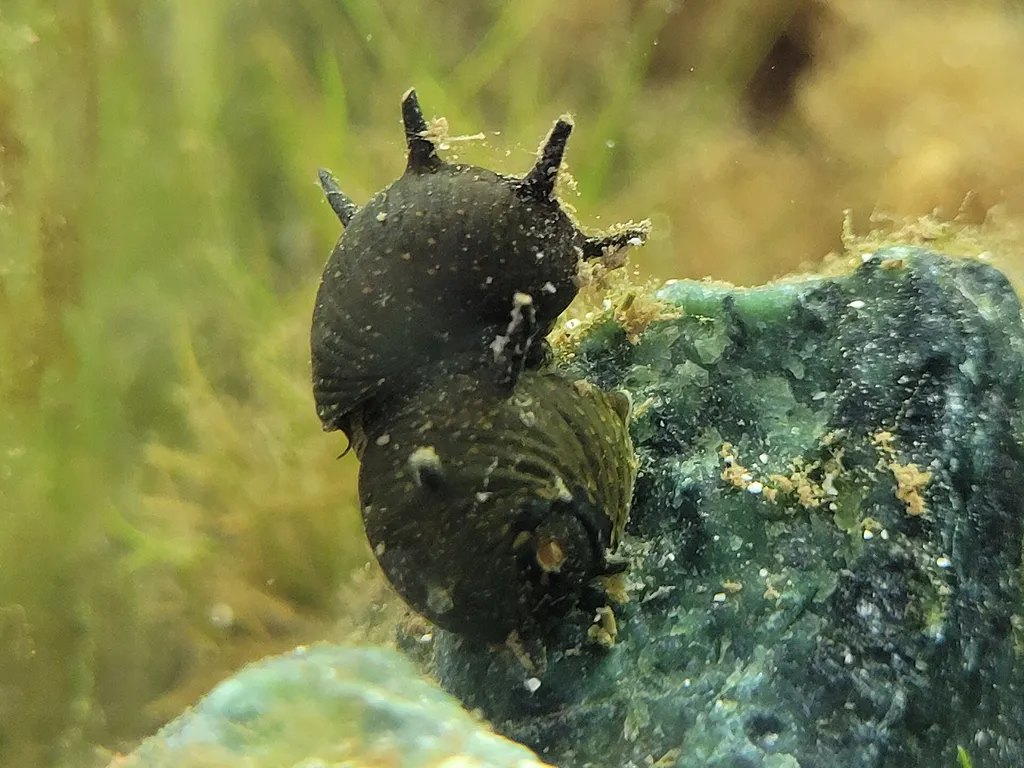 0.6 in (1.5 cm)5 gal (19 L)72–79°F (22–26°C)
Horned nerite
Clithon corona
0.6 in (1.5 cm) · 5 gal (19 L)
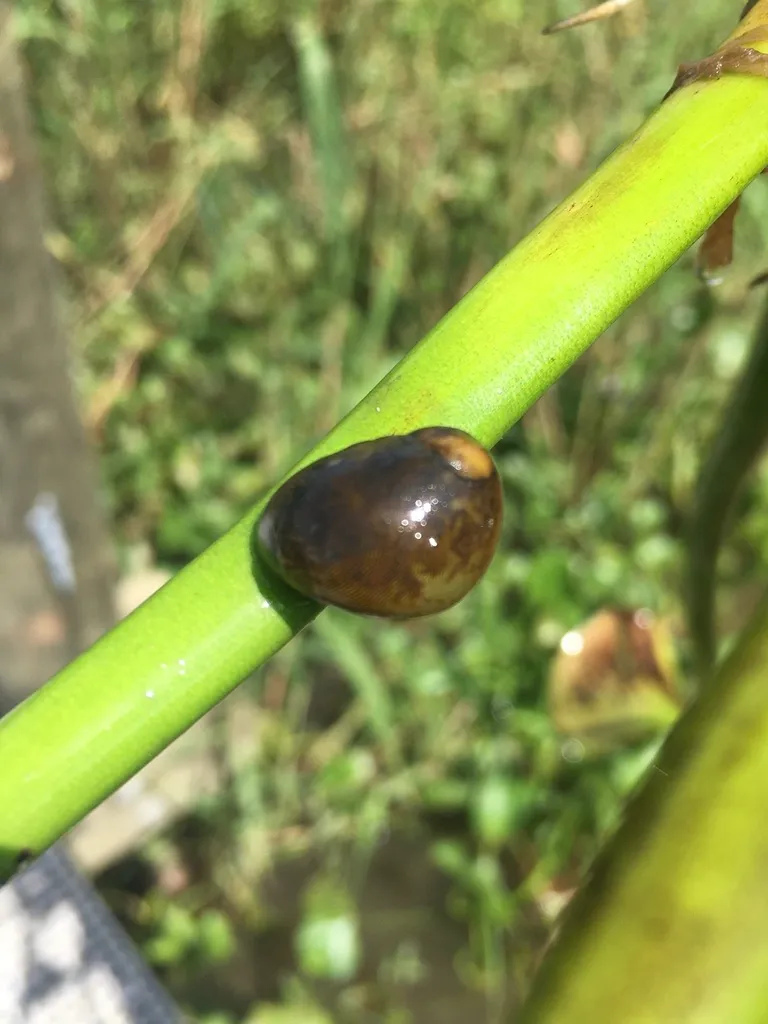 0.8 in (2 cm)5 gal (20 L)72–82°F (22–28°C)
Olive nerite
Vittina usnea
0.8 in (2 cm) · 5 gal (20 L)
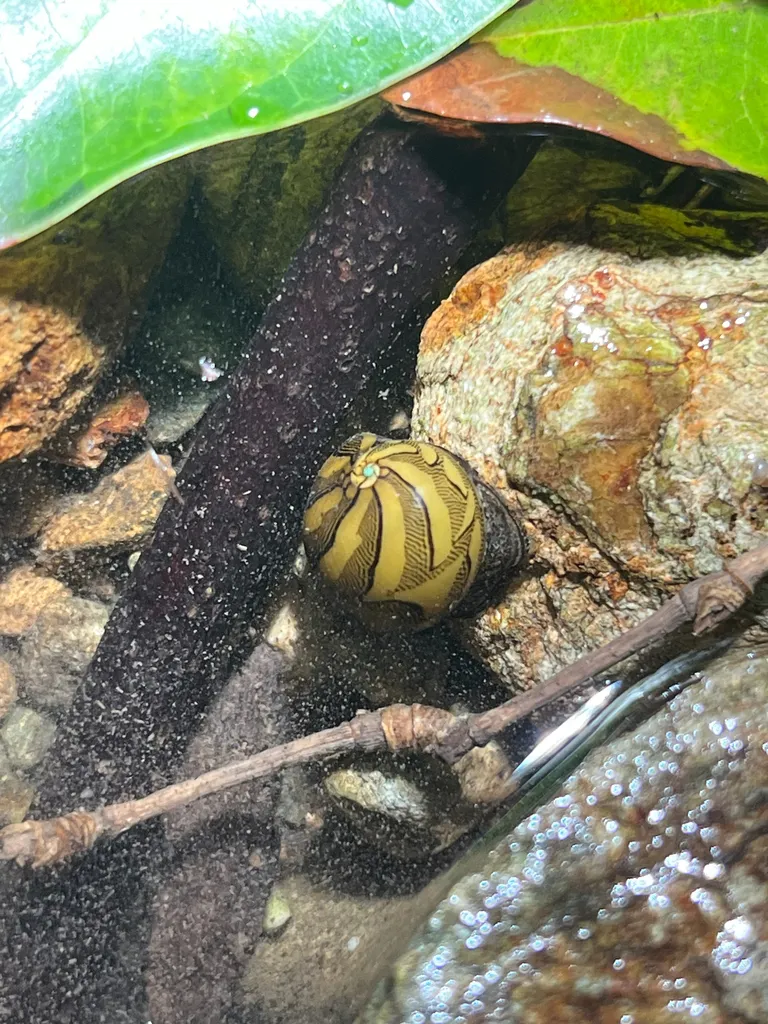 0.8 in (2 cm)5 gal (20 L)72–79°F (22–26°C)
Virgin nerite
Vitta virginea
0.8 in (2 cm) · 5 gal (20 L)
 1 in (2.5 cm)5 gal (20 L)72–82°F (22–28°C)
King Koopa nerite
Neritina juttingae
1 in (2.5 cm) · 5 gal (20 L)