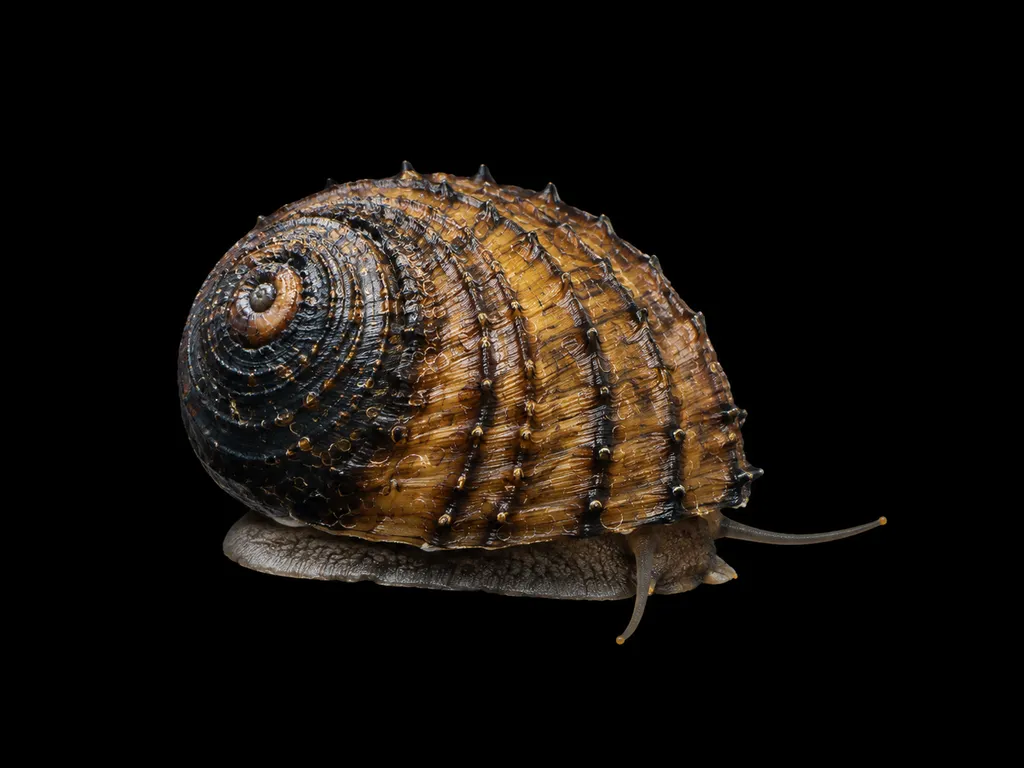
Zebra thorn snail
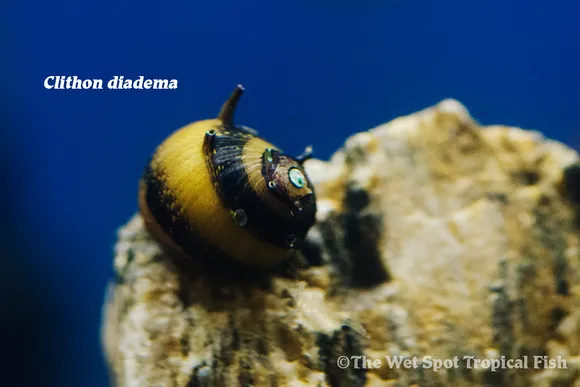
Clithon diadema
Also known as Diadem thorn snail, Zebra horned nerite
FreshwaterBrackishSnail
Care at a glance
- Temperature
- 72–82°F
- 22–28°C
- pH
- 7.0–8.2
- Adult size
- 0.8 in
- 2 cm
- Minimum tank
- 5 gal
- 19 L
- Temperament
- Peaceful
- Social behavior
- Solitary
- Swim level
- Bottom
- Diet
- Herbivore
- Difficulty
- Easy
- Breeding
- Hard
- Rarity
- Rare
- Family
- Neritidae
- Origin
- Coastal streams of Indonesia and the Philippines
Overview
The zebra thorn snail is a striking little nerite, kept to control algae in a freshwater or brackish tank. It is a good pick for a first tank.
Did you know
The zebra thorn snail's species name, diadema, means crown. It refers to the ring of thorns around the shell.
Caring for the zebra thorn snail
A mature tank of at least 5 gal (19 L), full of grazing surfaces, suits a zebra thorn snail well. A firm-fitting lid stops it climbing out above the water. It is not social, so keep one, or add several to a larger tank as the algae supply allows.
Hold the water warm and stable, at 72 to 82°F (22 to 28°C). Keep it hard and alkaline, at a pH of 7.0 to 8.2. Soft, acidic water pits and thins the shell, so keep the mineral content up.
It moves slowly over glass, decor and broad leaves, grazing algae and biofilm and leaving healthy plants alone. In a clean tank, supplement with algae wafers and Spirulina so it does not go hungry.
The zebra thorn snail is completely peaceful and safe with fish and shrimp, but keep snail-eating fish out. Its larvae must have salt water to grow, so breeding it is hard. It can never overrun a tank the way common pond snails do.
Good to know
Clithon diadema is a thorn nerite in the family Neritidae, with a glossy black-and-gold striped shell. A row of sharp spines runs along the front edge of the shell. The spines deter predators and can regrow if broken, provided the water supplies enough minerals. This species always carries its thorns, unlike some relatives that may be smooth or spined.
In the wild
Clithon diadema grazes stones and roots where island streams of Indonesia and the Philippines run down to the coast. These streams carry hard, clean, mineral-rich water.
Weekly picks
Tank mates
The zebra thorn snail is a peaceful, solitary species that keeps to the bottom. These picks share a community profile with it, are safe together in both directions, and overlap on water type, temperature and pH.
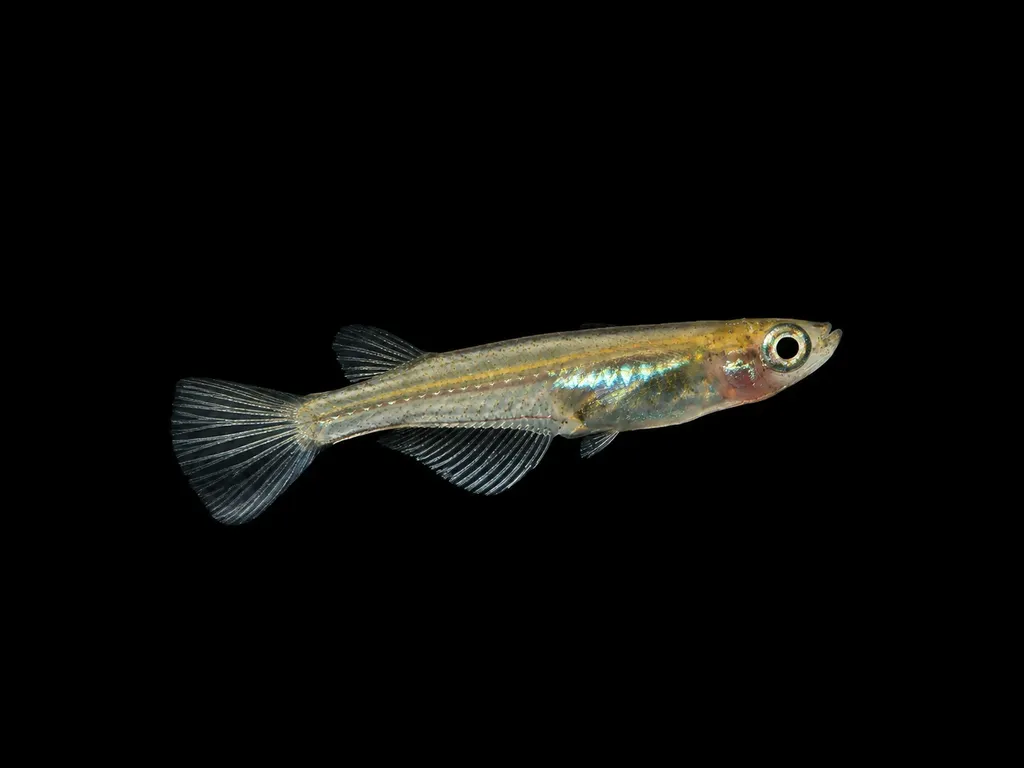
Dwarf medaka
Oryzias minutillus
Freshwater0.8 in (2 cm) · 5 gal (20 L)72–79°F (22–26°C)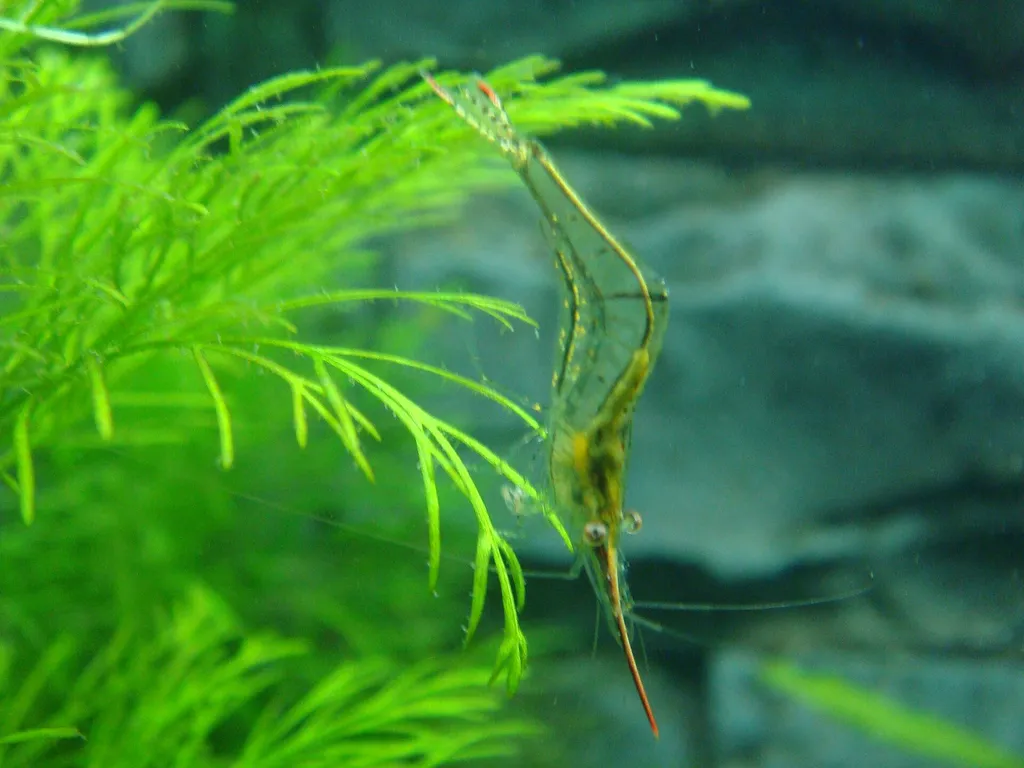
Red skunk shrimp
Caridina gracilirostris
FreshwaterBrackish1.6 in (4 cm) · 5 gal (20 L)73–82°F (23–28°C)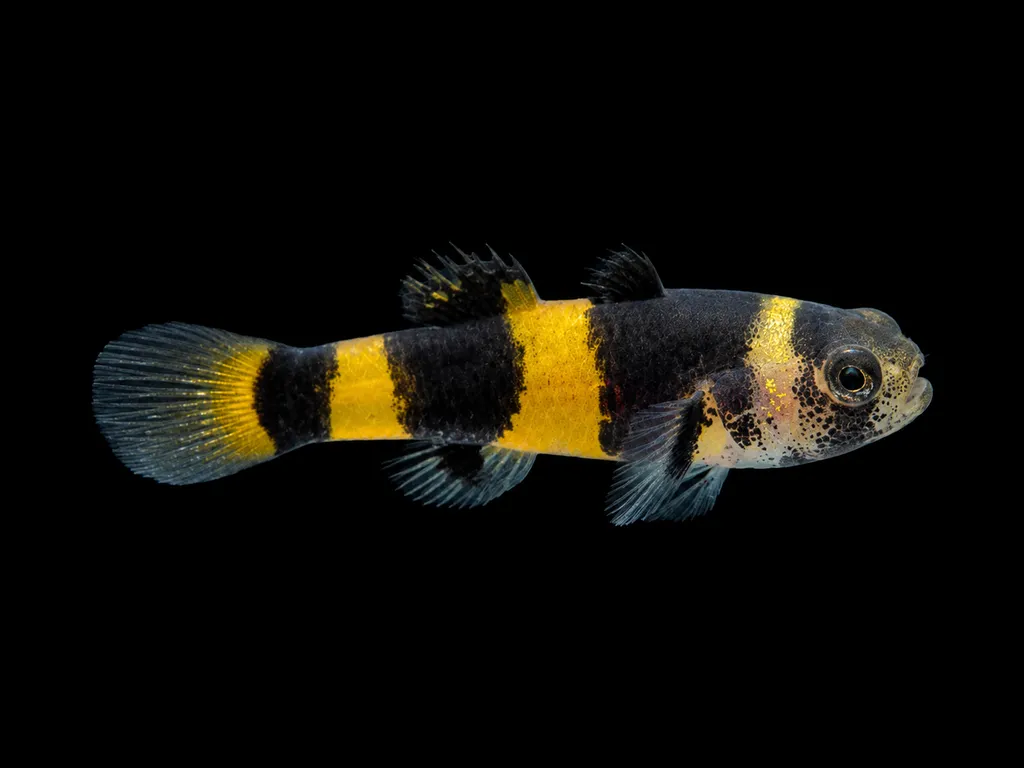
Mini bumblebee goby
Brachygobius xanthomelas
Freshwater0.8 in (2 cm) · 5 gal (20 L)75–82°F (24–28°C)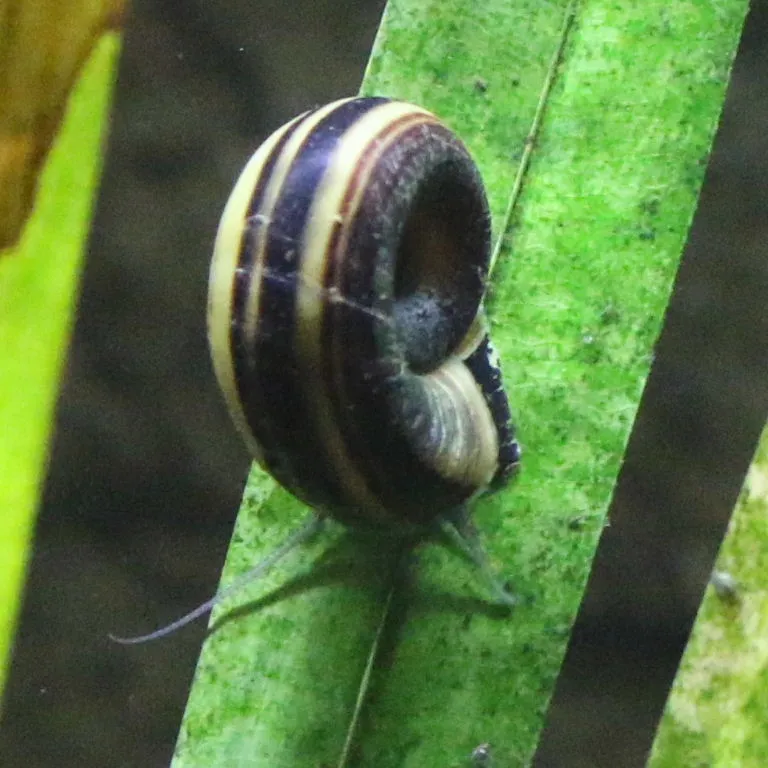
Giant Colombian ramshorn
Marisa cornuarietis
Freshwater2 in (5 cm) · 5 gal (20 L)73–81°F (23–27°C)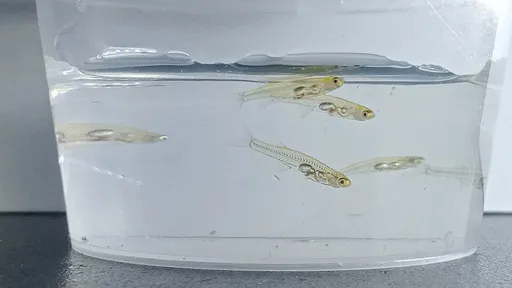
Danionella cerebrum
Freshwater0.5 in (1.3 cm) · 8 gal (30 L)72–82°F (22–28°C)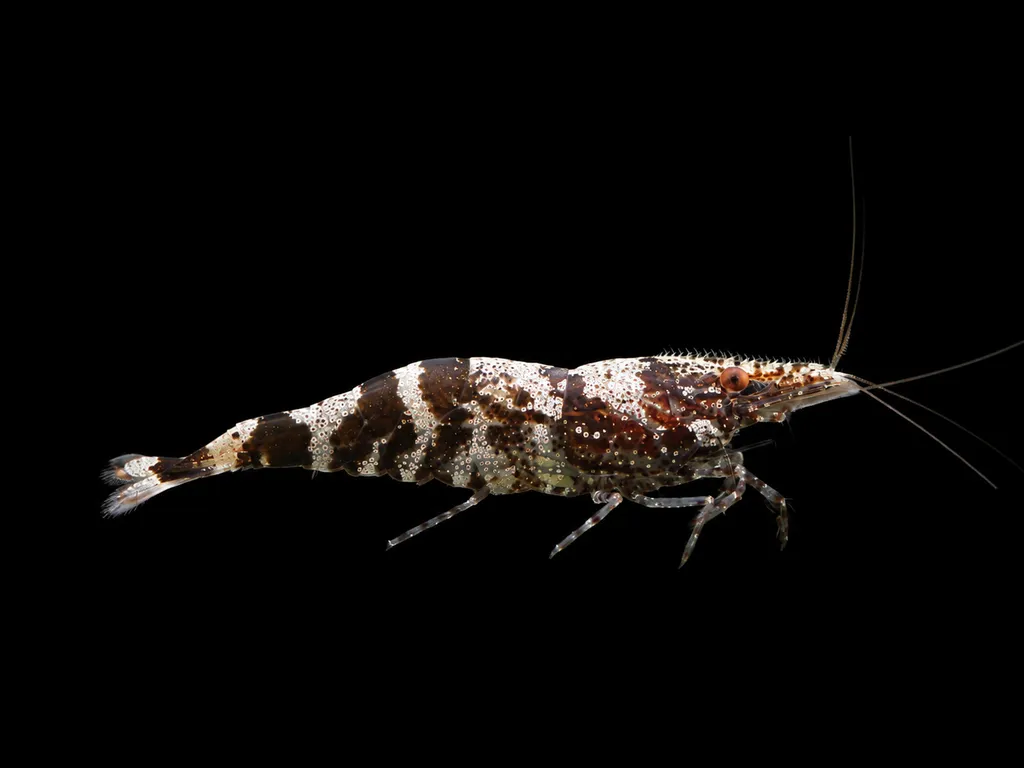
Ninja shrimp
Caridina serratirostris
Freshwater1.2 in (3 cm) · 5 gal (20 L)73–82°F (23–28°C)
Common questions
What size tank does a zebra thorn snail need?
A zebra thorn snail needs at least 5 gal (19 L). It spends most of its time in the bottom.
What temperature and pH does a zebra thorn snail need?
A zebra thorn snail is comfortable at 72–82°F (22–28°C) with a pH of 7.0–8.2.
What does a zebra thorn snail eat?
A zebra thorn snail grazes algae and biofilm from glass, decor and broad leaves, without harming healthy plants. In a clean tank, add algae wafers and Spirulina so it does not go hungry.
How big does a zebra thorn snail get?
An adult zebra thorn snail reaches about 0.8 in (2 cm).
How does a zebra thorn snail breed?
A zebra thorn snail's larvae must have salt water to grow, so breeding it is hard. It can never overrun a tank the way common pond snails do.
Related species
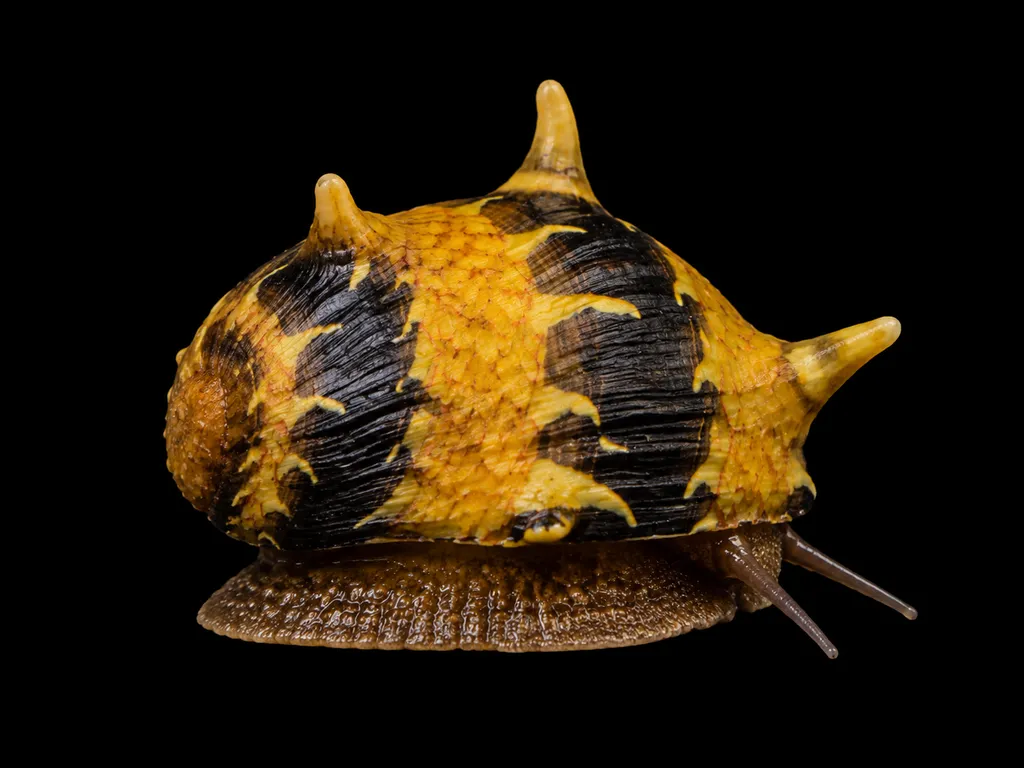 0.8 in (2 cm)5 gal (19 L)72–82°F (22–28°C)
Fancy antler snail
Clithon sowerianum
0.8 in (2 cm) · 5 gal (19 L)
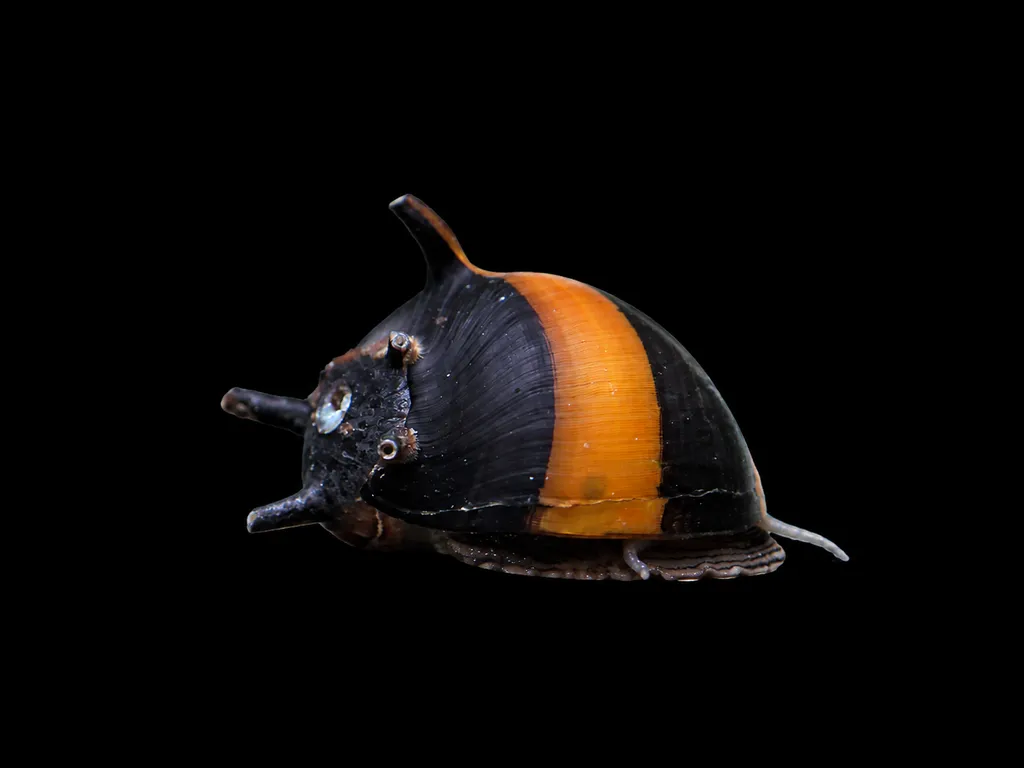 0.8 in (2 cm)5 gal (19 L)72–82°F (22–28°C)
Three-color thorn snail
Clithon sowerbyana
0.8 in (2 cm) · 5 gal (19 L)
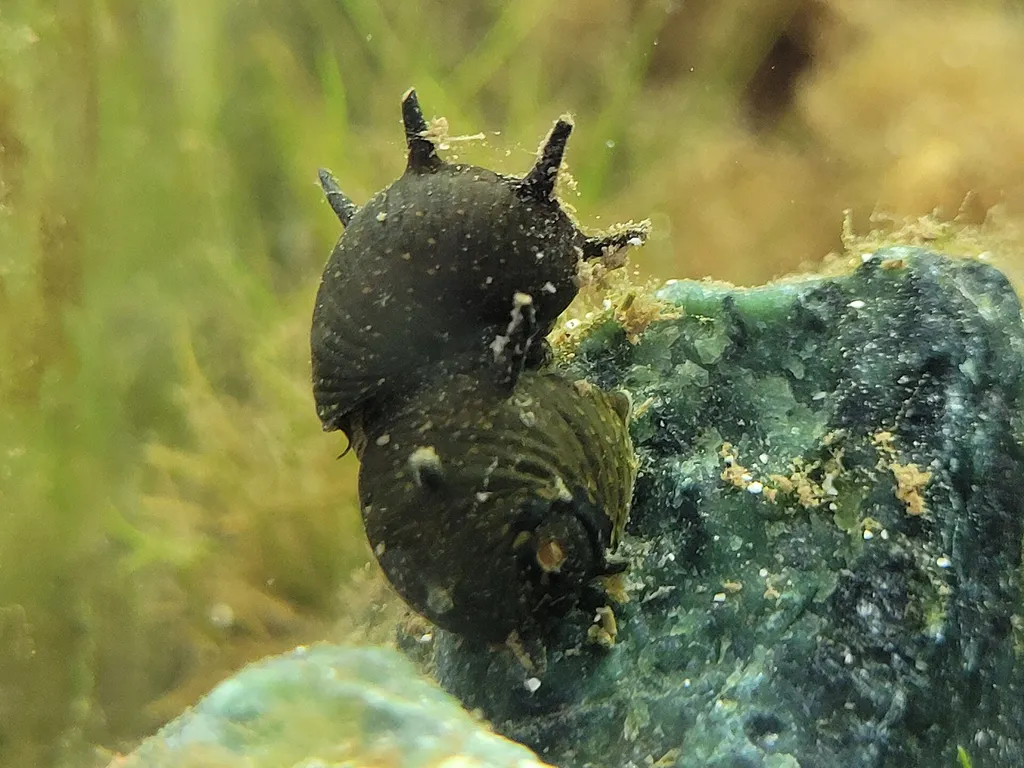 0.6 in (1.5 cm)5 gal (19 L)72–79°F (22–26°C)
Horned nerite
Clithon corona
0.6 in (1.5 cm) · 5 gal (19 L)
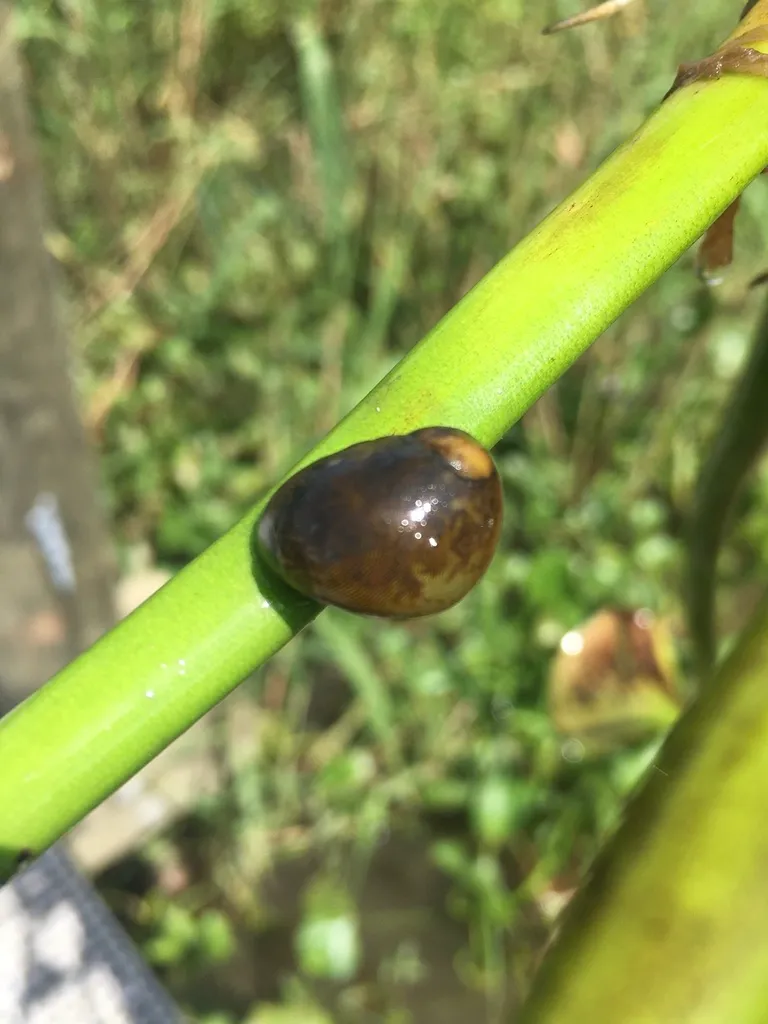 0.8 in (2 cm)5 gal (20 L)72–82°F (22–28°C)
Olive nerite
Vittina usnea
0.8 in (2 cm) · 5 gal (20 L)
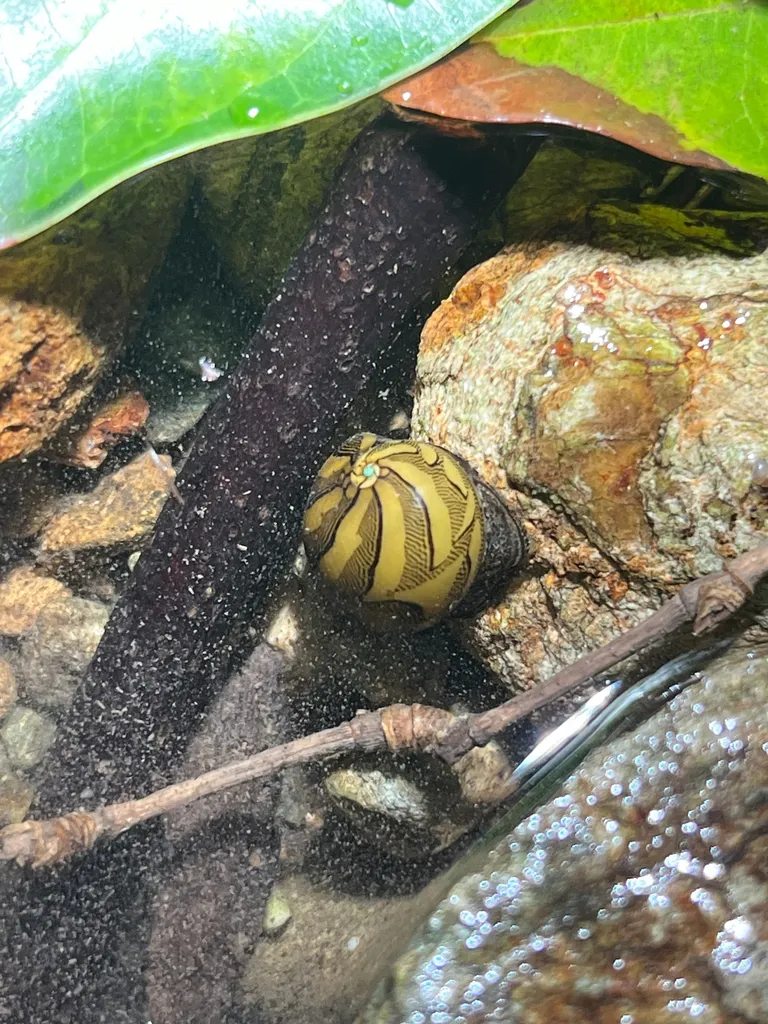 0.8 in (2 cm)5 gal (20 L)72–79°F (22–26°C)
Virgin nerite
Vitta virginea
0.8 in (2 cm) · 5 gal (20 L)
 1 in (2.5 cm)5 gal (20 L)72–82°F (22–28°C)
King Koopa nerite
Neritina juttingae
1 in (2.5 cm) · 5 gal (20 L)