Danionella cerebrum
Also known as Danionella translucida, Translucent danio, Glass danio
FreshwaterFish
Care at a glance
- Temperature
- 72–82°F
- 22–28°C
- pH
- 6.5–7.5
- Adult size
- 0.5 in
- 1.3 cm
- Minimum tank
- 8 gal
- 30 L
- Temperament
- Peaceful
- Social behavior
- Schooling
- Swim level
- Middle
- Difficulty
- Medium
- Breeding
- Medium
- Rarity
- Rare
- Family
- Cyprinidae
- Origin
- Native to shallow, slow streams and pools in the Bago region of southern Myanmar.
Overview
Danionella cerebrum is a tiny, peaceful schooling fish for a mature nano tank. It is a specialist that suits a keeper with some experience.
Did you know
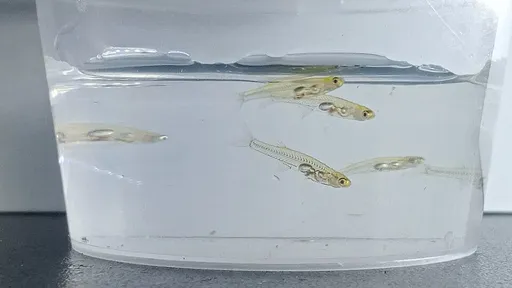
Danionella cerebrum is so clear that you can see straight through it to the brain and spine. That has made it a major laboratory model for studying how vertebrate brains work in a living, moving animal.
Caring for the Danionella cerebrum
Keep Danionella cerebrum in a group of at least ten, in a mature, gently filtered tank of 8 gal (30 L) or more. It is very sensitive to poor conditions, so stable water and low flow matter more than any exact number. Aim for 72 to 82°F (22 to 28°C) and a pH of 6.5 to 7.5.
Its very small size means it can take only tiny foods. Feed baby brine shrimp, microworm, cyclops and finely crushed flake.
Danionella cerebrum is far too small for most tank mates. A species-only nano tank suits it best, or a tank shared with dwarf shrimp. Breeding it is of medium difficulty.
Good to know
Danionella cerebrum, described in 2021, is the species behind most fish traded and studied under the older name Danionella translucida. That name belongs to a genuinely different fish. It also goes by glass danio and translucent danio. Its larval-like body never fully ossifies, which leaves it transparent. Despite the tiny size, males can produce clicks louder than 140 decibels by drumming a muscle against the swim bladder.
In the wild
Danionella cerebrum comes from shallow, slow-moving and standing waters in the Bago region of southern Myanmar. It swims in loose groups in open midwater.
Weekly picks
Tank mates
The Danionella cerebrum is a peaceful, schooling species that keeps to the middle. These picks share a community profile with it, are safe together in both directions, and overlap on water type, temperature and pH.
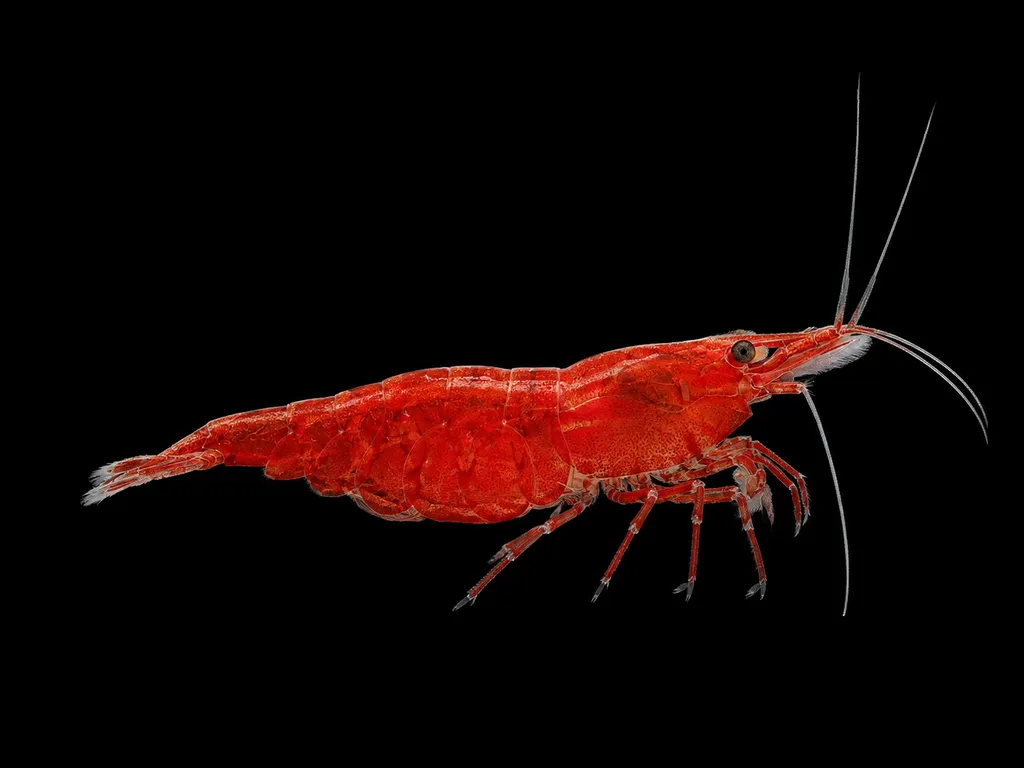
Neocaridina shrimp
Neocaridina davidi
Freshwater1.6 in (4 cm) · 5 gal (19 L)59–84°F (15–29°C)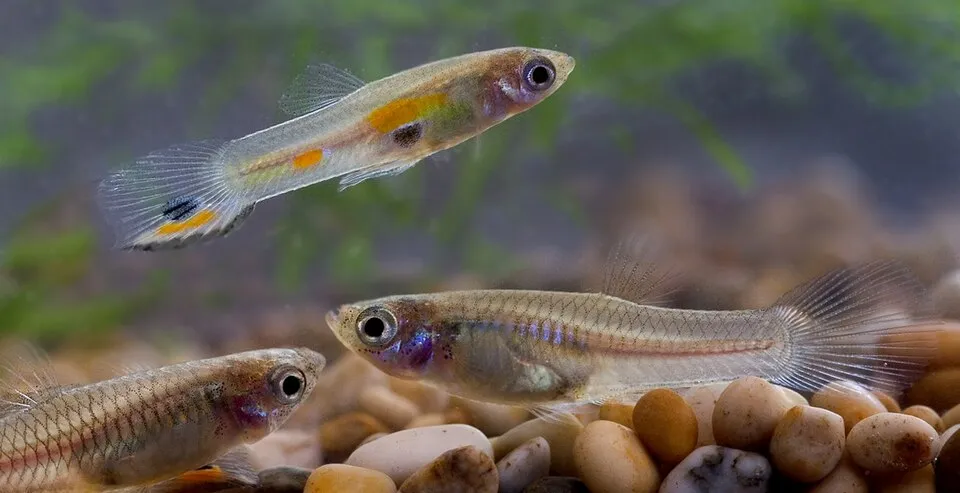
Guppy
Poecilia reticulata
FreshwaterBrackish2.4 in (6 cm) · 10 gal (38 L)64–82°F (18–28°C)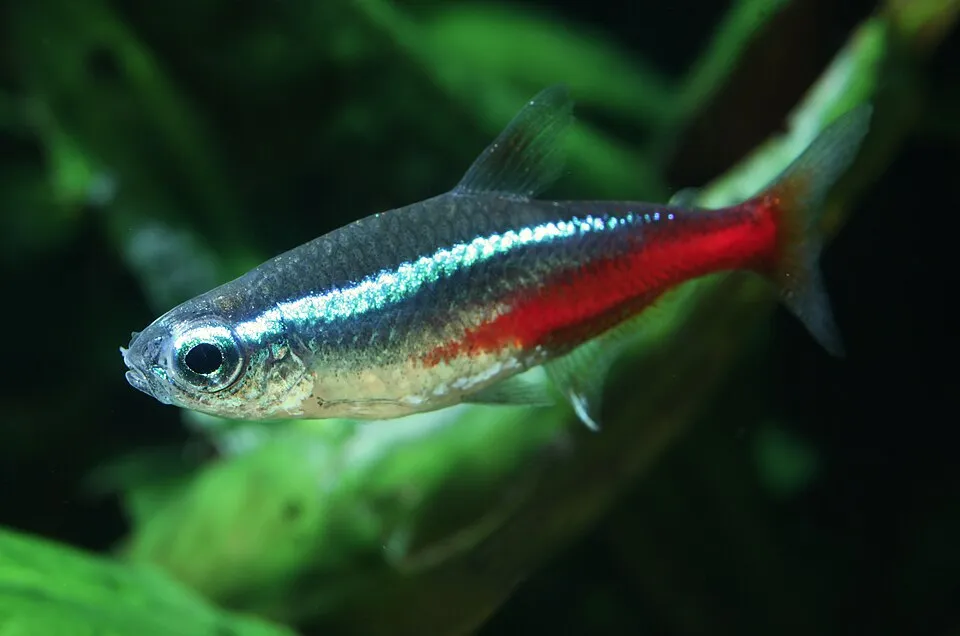
Neon tetra
Paracheirodon innesi
Freshwater1.5 in (3.8 cm) · 11 gal (40 L)70–77°F (21–25°C)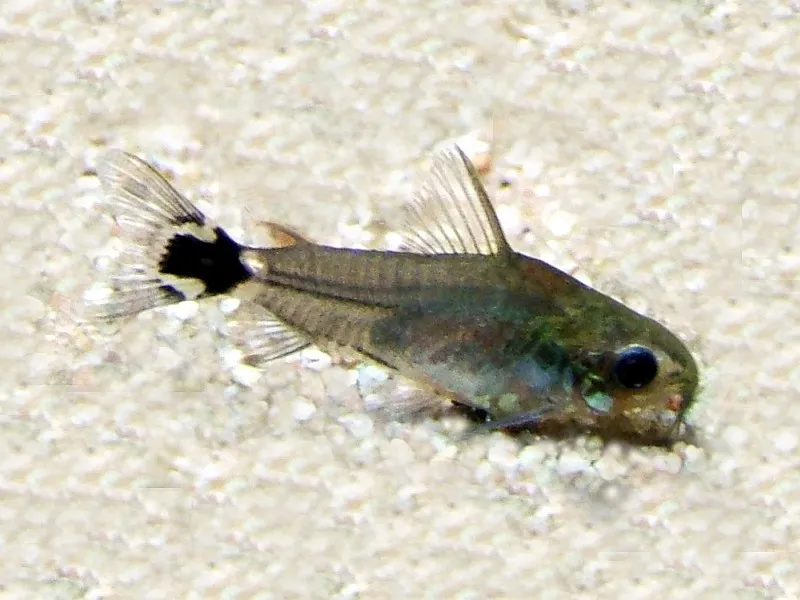
Dwarf cory
Gastrodermus hastatus
Freshwater1.3 in (3.2 cm) · 10 gal (38 L)68–79°F (20–26°C)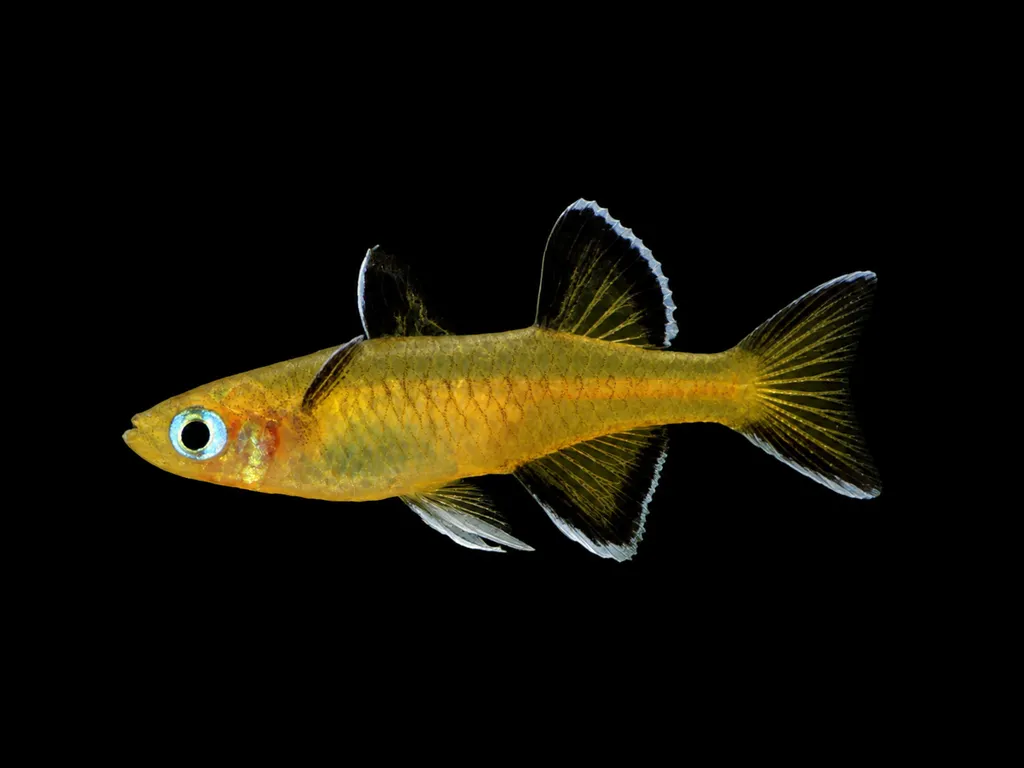
Honey blue-eye
Pseudomugil mellis
Freshwater1.4 in (3.5 cm) · 11 gal (40 L)68–82°F (20–28°C)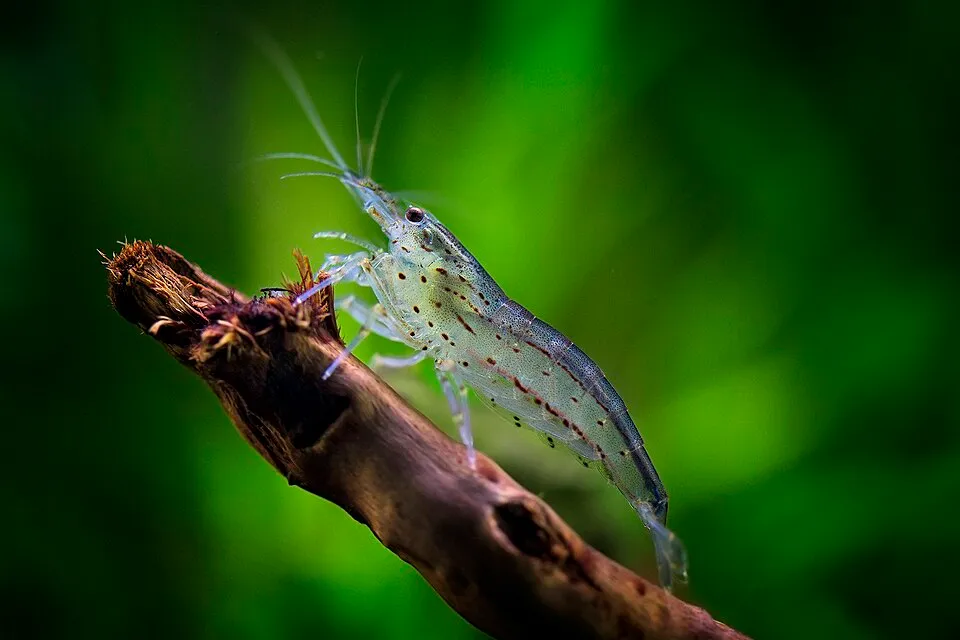
Amano shrimp
Caridina multidentata
FreshwaterBrackish2 in (5 cm) · 8 gal (30 L)59–81°F (15–27°C)
Common questions
What size tank does a Danionella cerebrum need?
A Danionella cerebrum needs at least 8 gal (30 L). It spends most of its time in the middle.
What temperature and pH does a Danionella cerebrum need?
A Danionella cerebrum is comfortable at 72–82°F (22–28°C) with a pH of 6.5–7.5.
What does a Danionella cerebrum eat?
Danionella cerebrum can take only tiny foods because of its very small size. Feed it baby brine shrimp, microworm, cyclops and finely crushed flake.
How big does a Danionella cerebrum get?
An adult Danionella cerebrum reaches about 0.5 in (1.3 cm).
Does a Danionella cerebrum need a group?
Yes. A Danionella cerebrum is a schooling species and should be kept in a group, not singly.
Related species
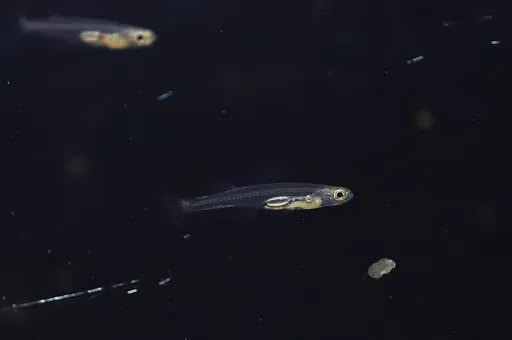 0.7 in (1.7 cm)11 gal (40 L)68–79°F (20–26°C)
Dracula fish
Danionella dracula
0.7 in (1.7 cm) · 11 gal (40 L)
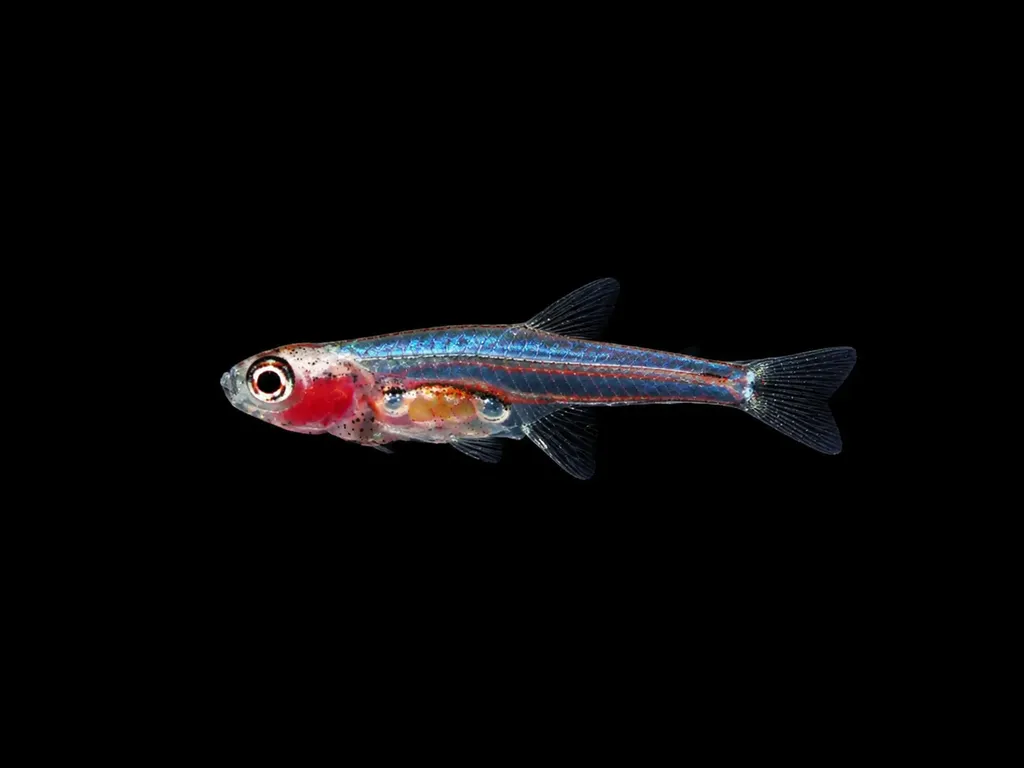 0.5 in (1.2 cm)5 gal (20 L)75–82°F (24–28°C)
Pygmy carplet
Paedocypris progenetica
0.5 in (1.2 cm) · 5 gal (20 L)
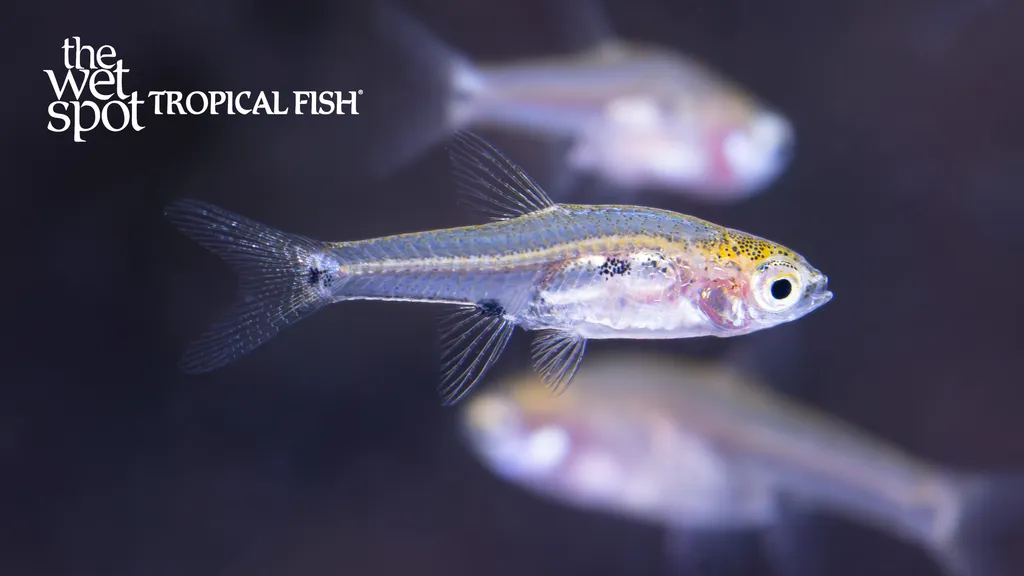 0.6 in (1.5 cm)8 gal (30 L)72–79°F (22–26°C)
Micro rasbora
Boraras micros
0.6 in (1.5 cm) · 8 gal (30 L)
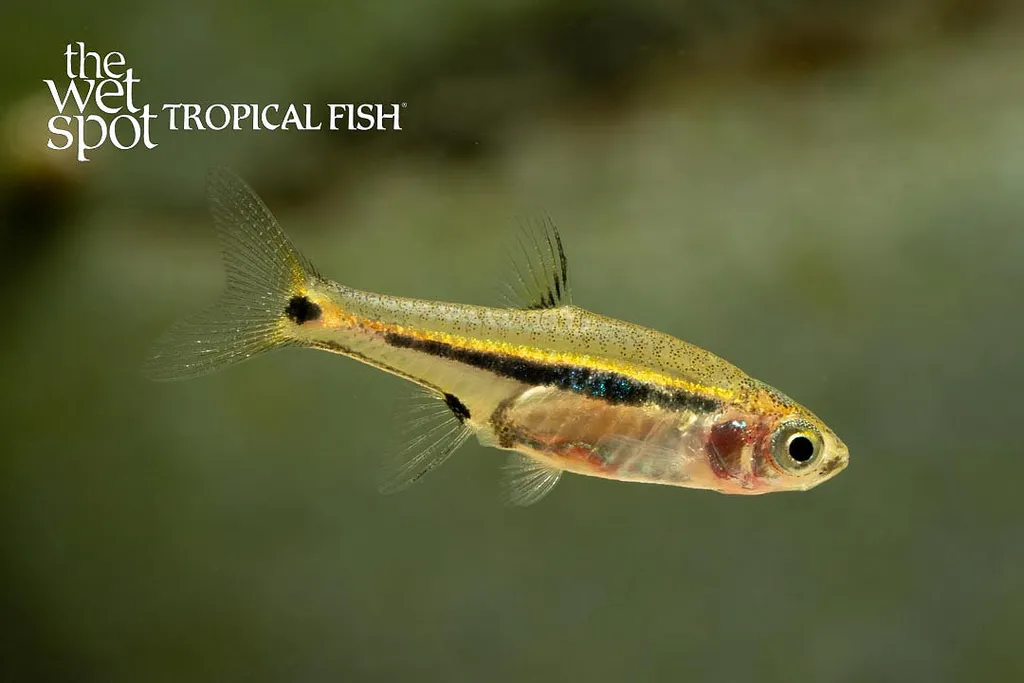 0.6 in (1.6 cm)11 gal (40 L)73–81°F (23–27°C)
Exclamation-point rasbora
Boraras urophthalmoides
0.6 in (1.6 cm) · 11 gal (40 L)
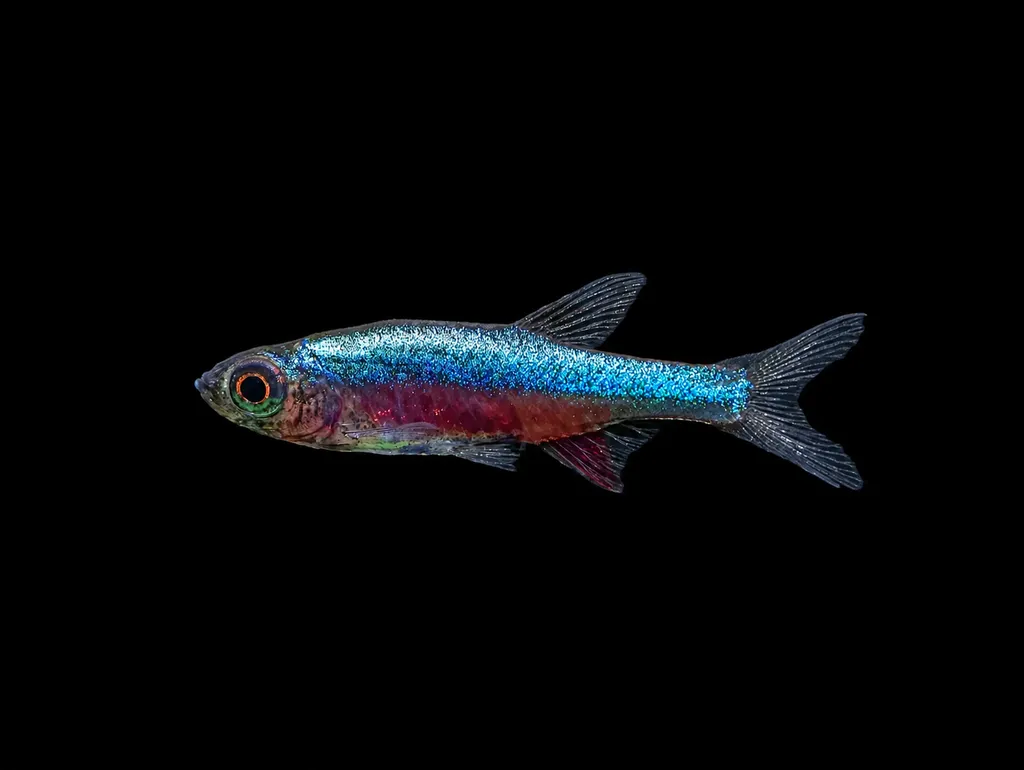 0.8 in (2 cm)12 gal (45 L)73–79°F (23–26°C)
Blue axelrodi rasbora
Sundadanio axelrodi
0.8 in (2 cm) · 12 gal (45 L)
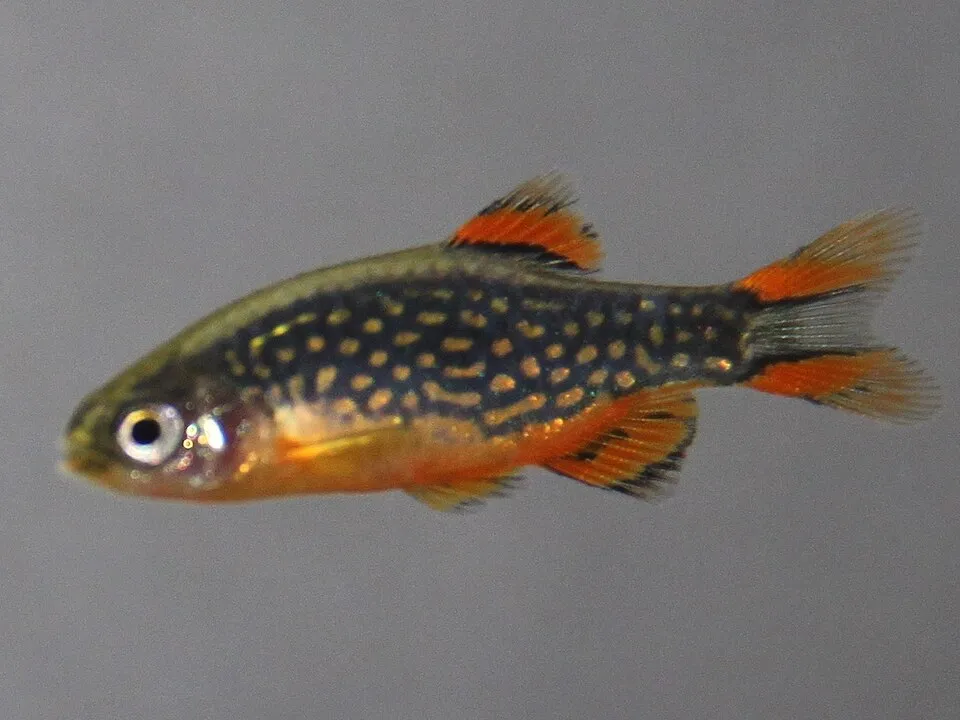 0.8 in (2 cm)9 gal (35 L)72–79°F (22–26°C)
Celestial Pearl danio
Danio margaritatus
0.8 in (2 cm) · 9 gal (35 L)