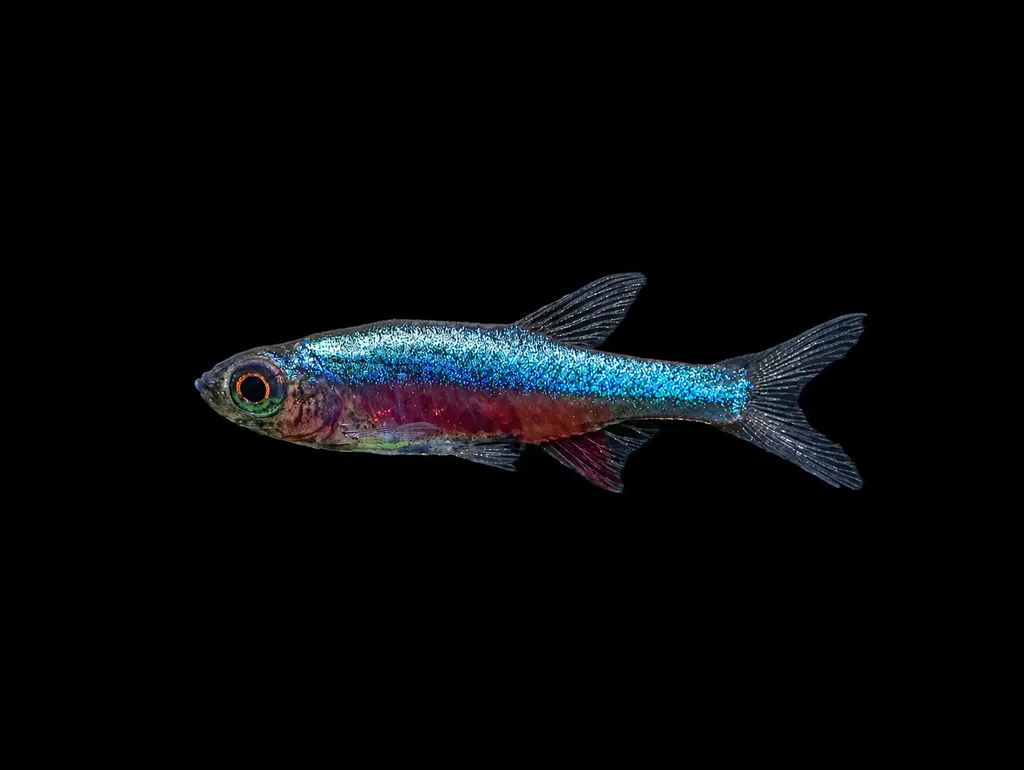
Blue axelrodi rasbora
Sundadanio axelrodi
Also known as Neon blue rasbora
FreshwaterFish
Care at a glance
- Temperature
- 73–79°F
- 23–26°C
- pH
- 4.0–6.5
- Adult size
- 0.8 in
- 2 cm
- Minimum tank
- 12 gal
- 45 L
- Temperament
- Peaceful
- Social behavior
- Shoaling
- Swim level
- Middle
- Difficulty
- Difficult
- Breeding
- Hard
- Rarity
- Common
- Family
- Cyprinidae
- Origin
- Southeast Asia: Greater Sunda Islands (Borneo and Sumatra), Indonesia; peat swamps and blackwater streams
Overview
Keep them as a colony of 20 to 30 or more, since they only show natural behavior and color in a real group, so plan the tank around the shoal rather than the single fish. That means a tank of at least 45 liters. They are peaceful and timid, sitting in the middle of the water column, and they are easily outcompeted in a busy tank, where they may simply stop feeding. Keep them with equally small, gentle tankmates or on their own. Water should run 23 to 26 C, very soft, and acidic at a pH of 4 to 6.5. Feed small live and frozen foods like baby brine and daphnia, since they often ignore dry food at first. They are sensitive to ich and to being exposed to air when netted, so move them gently in a cup of water.
In the wild
Blue axelrodi rasboras come from peat swamps and blackwater streams across the Greater Sunda Islands, on Borneo and Sumatra in Indonesia. These are dark, tea-stained waters that are very soft and acidic, shaded and full of leaf litter. To match that, give them a dimly lit, densely planted tank with a soft sandy substrate, driftwood, and a layer of oak, beech, or Indian almond leaves, plus some peat fiber. Keep the water warm at 23 to 26 C, very soft, and acidic, with a pH between 4 and 6.5 and ideally below 6. Hard, alkaline tap water will not work for them.
Good to know
This is a tiny nano fish in the family Cyprinidae, though some recent taxonomy places the genus in Danionidae instead. Adults reach only about 2 cm. It is an egg layer with no parental care, and it scatters eggs among fine plants and mosses. This is a demanding species that needs strong, stable water parameters, so it is not a beginner fish.
Did you know
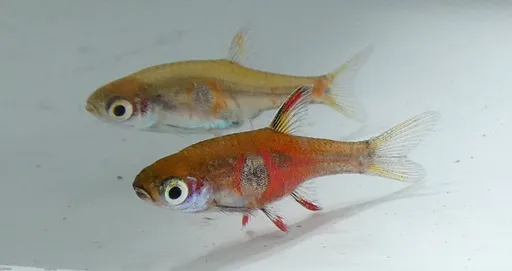
The blue along the body only shows when the water is right. In soft, acidic blackwater the males light up with that electric blue stripe, but drop them into harder or more alkaline water and the color washes out and the fish go pale and stressed. Their color is a fairly honest readout of how well the tank is dialed in.
Weekly picks
Tank mates
Blue axelrodi rasbora is a peaceful, shoaling species that keeps to the middle. These picks share a community profile with it, are safe together in both directions, and overlap on water type, temperature and pH.
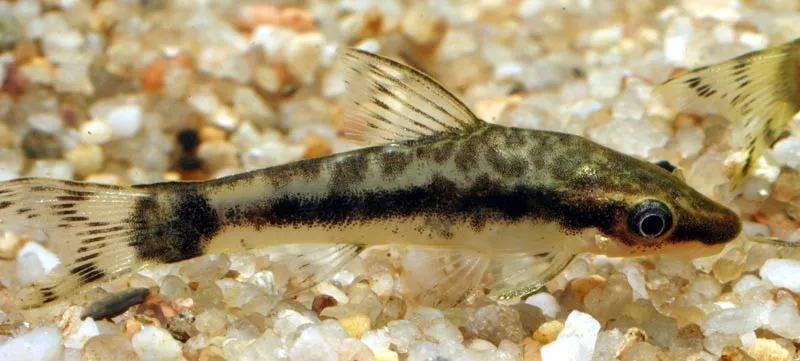
Golden dwarf sucker
Otocinclus macrospilus
Freshwater1.4 in (3.5 cm) · 11 gal (40 L)70–79°F (21–26°C)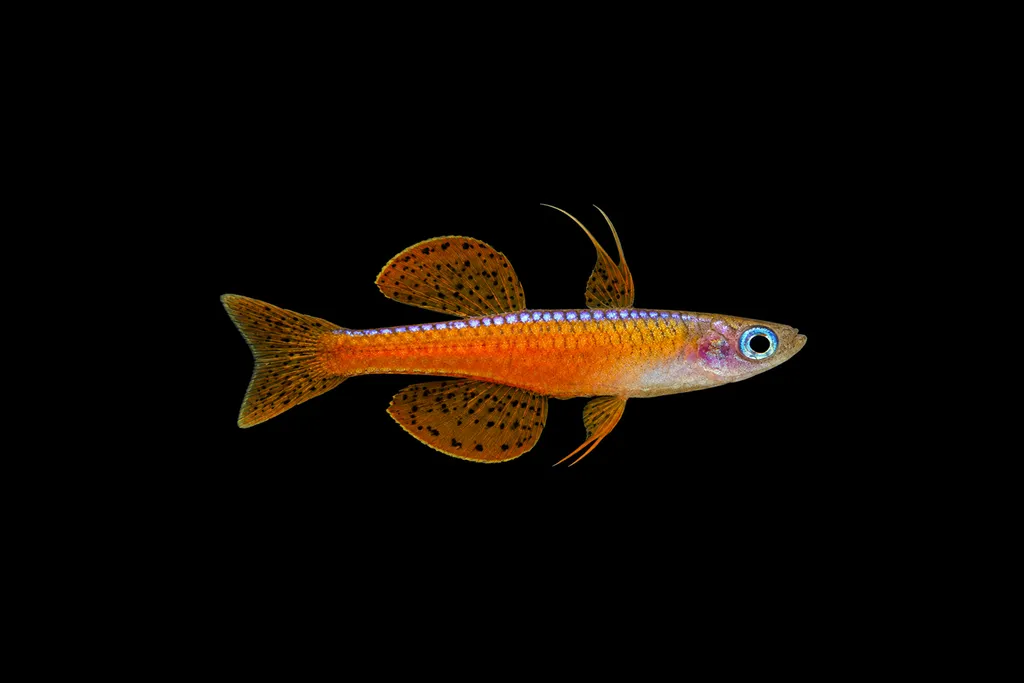
Paska's blue-eye
Pseudomugil paskai
Freshwater1.4 in (3.5 cm) · 11 gal (40 L)72–79°F (22–26°C)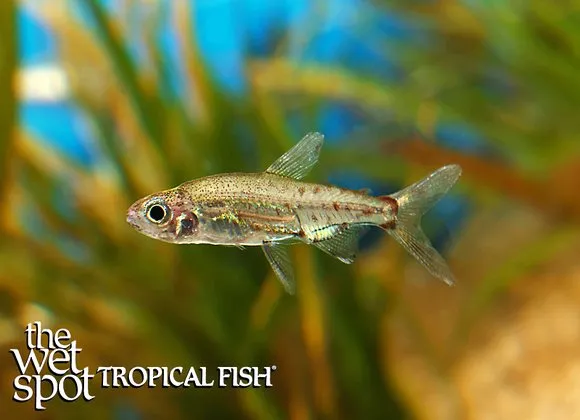
Adonis tetra
Lepidarchus adonis
Freshwater1 in (2.5 cm) · 11 gal (40 L)72–79°F (22–26°C)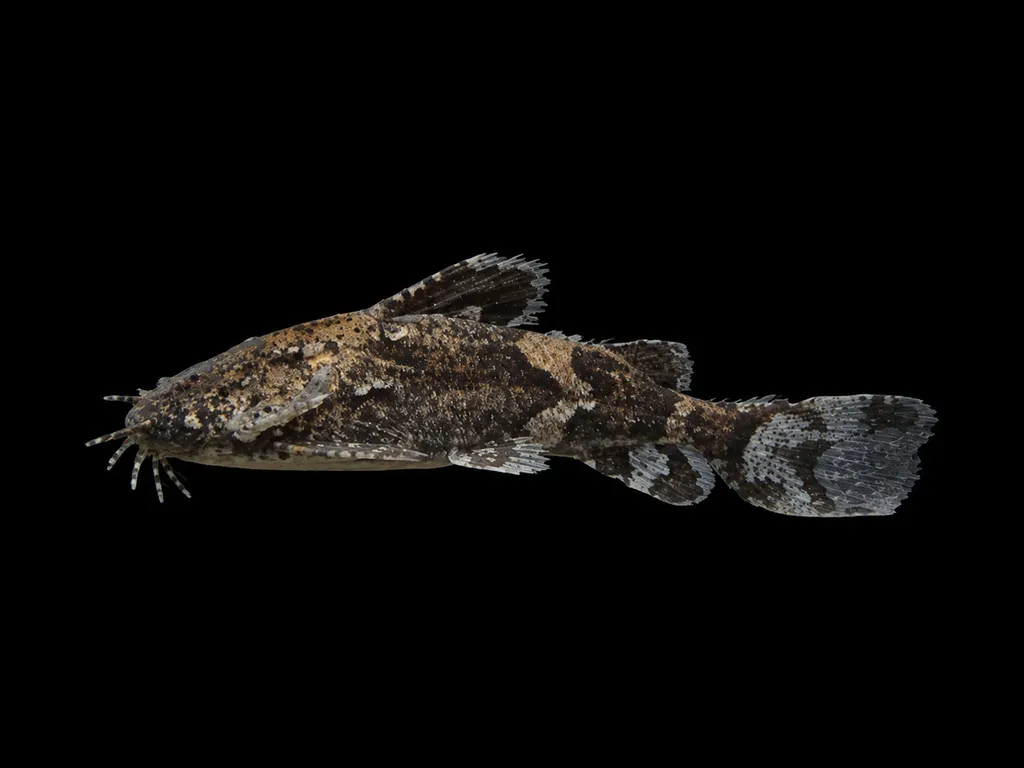
Burmese mini moth catfish
Hara minuscula
Freshwater1.2 in (3 cm) · 11 gal (40 L)68–79°F (20–26°C)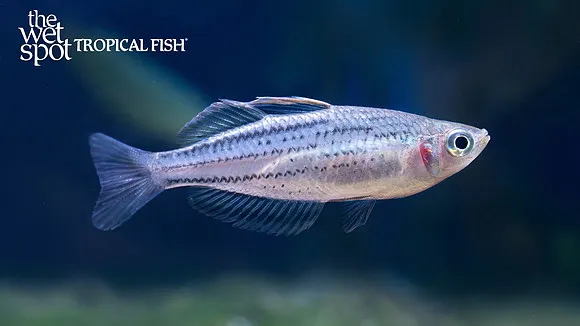
Green panchax
Aplocheilus blockii
Freshwater2 in (5 cm) · 11 gal (40 L)72–82°F (22–28°C)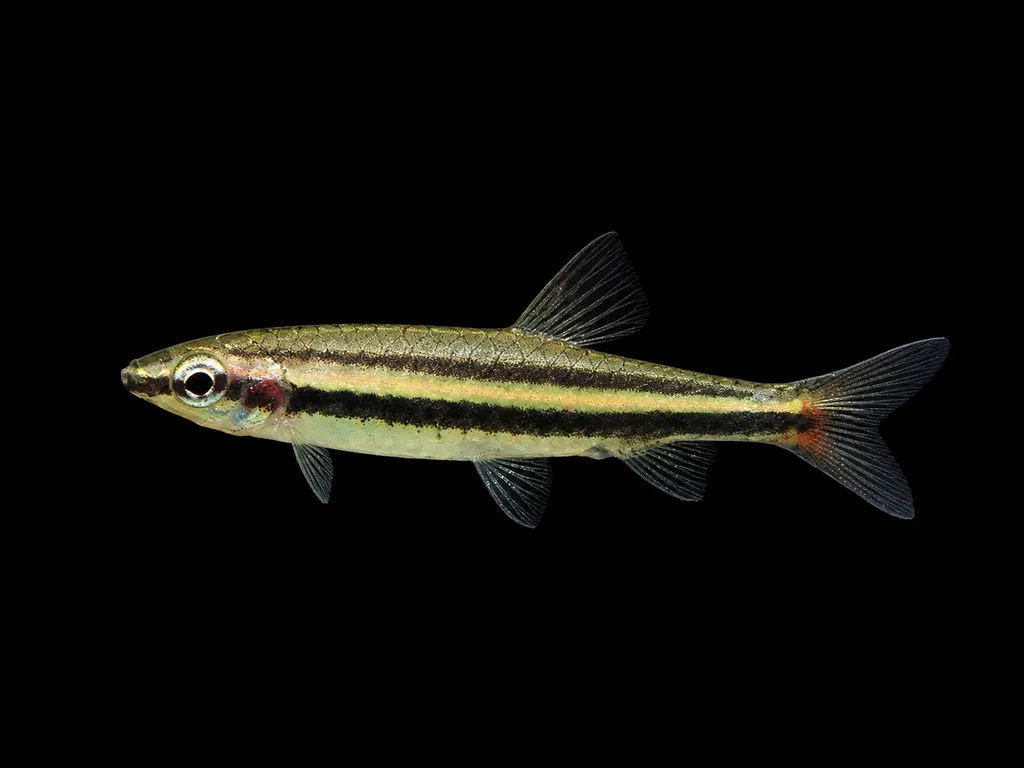
Twostripe pencilfish
Nannostomus digrammus
Freshwater1.4 in (3.5 cm) · 12 gal (45 L)75–82°F (24–28°C)
Common questions
What size tank does a Blue axelrodi rasbora need?
A Blue axelrodi rasbora needs at least 12 gal (45 L). It spends most of its time in the middle.
What temperature and pH does a Blue axelrodi rasbora need?
A Blue axelrodi rasbora is comfortable at 73–79°F (23–26°C) with a pH of 4.0–6.5.
How big does a Blue axelrodi rasbora get?
An adult Blue axelrodi rasbora reaches about 0.8 in (2 cm).
Does a Blue axelrodi rasbora need a group?
Yes. A Blue axelrodi rasbora is a shoaling species and should be kept in a group, not singly.
Related species
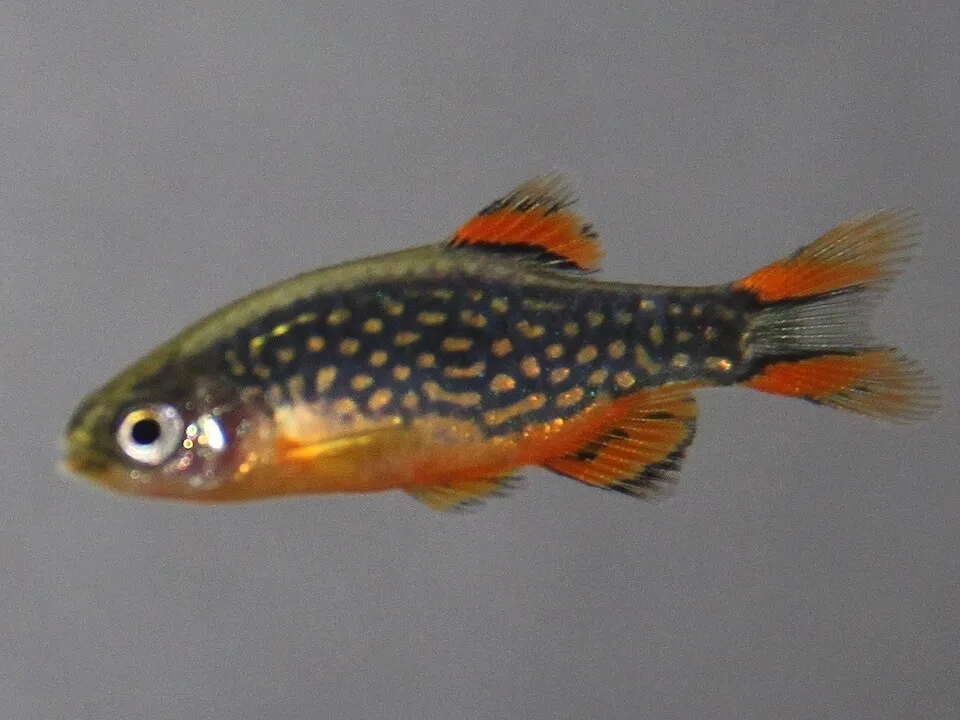 0.8 in (2 cm)9 gal (35 L)72–79°F (22–26°C)
Celestial Pearl danio
Danio margaritatus
0.8 in (2 cm) · 9 gal (35 L)
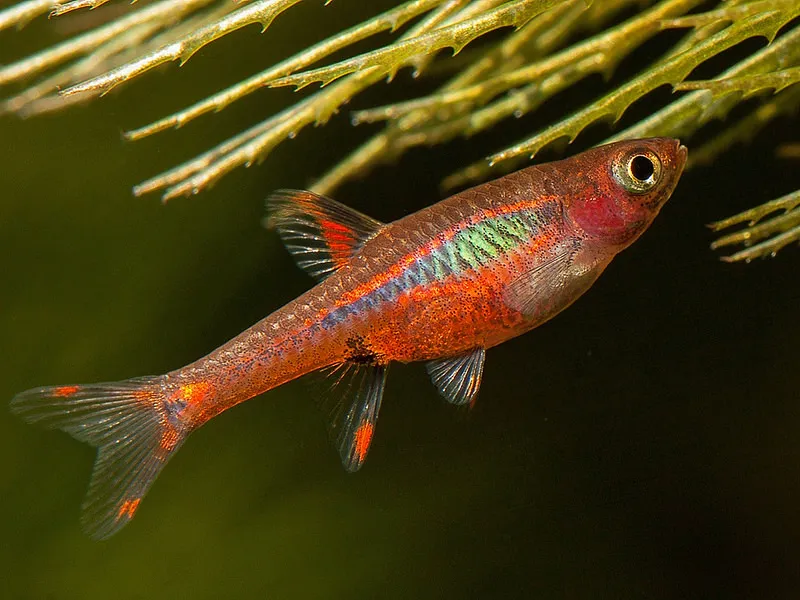 0.8 in (2 cm)7 gal (25 L)72–82°F (22–28°C)
Chili rasbora
Boraras brigittae
0.8 in (2 cm) · 7 gal (25 L)
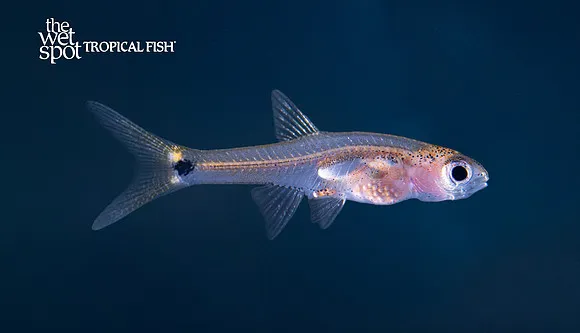 0.8 in (2 cm)5 gal (20 L)73–81°F (23–27°C)
Dwarf amber barb
Barboides gracilis
0.8 in (2 cm) · 5 gal (20 L)
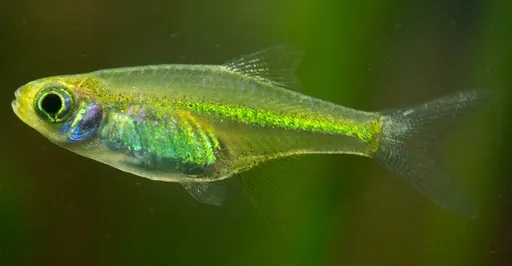 0.8 in (2 cm)12 gal (45 L)72–79°F (22–26°C)
Green neon rasbora
Microdevario kubotai
0.8 in (2 cm) · 12 gal (45 L)
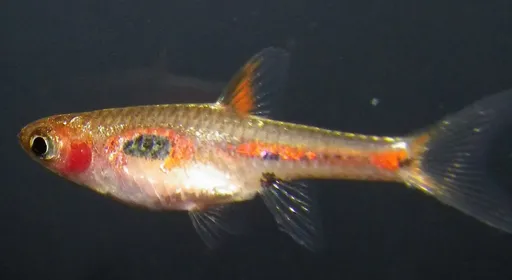 0.8 in (2 cm)11 gal (40 L)72–81°F (22–27°C)
Phoenix rasbora
Boraras merah
0.8 in (2 cm) · 11 gal (40 L)
 0.8 in (2 cm)11 gal (40 L)73–81°F (23–27°C)
Strawberry rasbora
Boraras naevus
0.8 in (2 cm) · 11 gal (40 L)