Background aquarium plants
Background plants grow tall enough to hide equipment and frame the tank. Most are stem plants that appreciate regular trimming. Profiles list final height, light and CO2 needs and how fast each one grows.
At a glance
- Height
- 7.9–59.1 in
- 7.9 in (20 cm) to 59.1 in (150 cm); half the list stays at 19.7 in (50 cm) or under
- Temperature
- 68–82°F
- 20–28°C, most of the list
- Light
- 20 low light
- 66 medium light · 43 high light
- CO₂
- 32 no CO₂ needed
- 75 CO₂ beneficial · 22 CO₂ required
- Growth
- 19 slow growing
- 39 medium growth · 71 fast growing
- Difficulty
- 71 easy
- 36 medium · 22 difficult
114 plants and 15 varieties
Start here
The plants for the back of the tank
The vallisneria spiralis is a grass marked beginner for low light that reaches 19.7 inches (50 cm) and spreads by runners along the back. The water wisteria is a fast stem marked beginner at 19.7 inches (50 cm) in medium light. The hygrophila corymbosa is the same rating, a broad-leaved stem for low light. The amazon sword is the rooted centerpiece at 19.7 inches (50 cm), marked easy. The rotala rotundifolia is a fast stem marked easy that turns pink at the tips under more light. The jungle val reaches 39.4 inches (100 cm) and is the background for a tall tank.
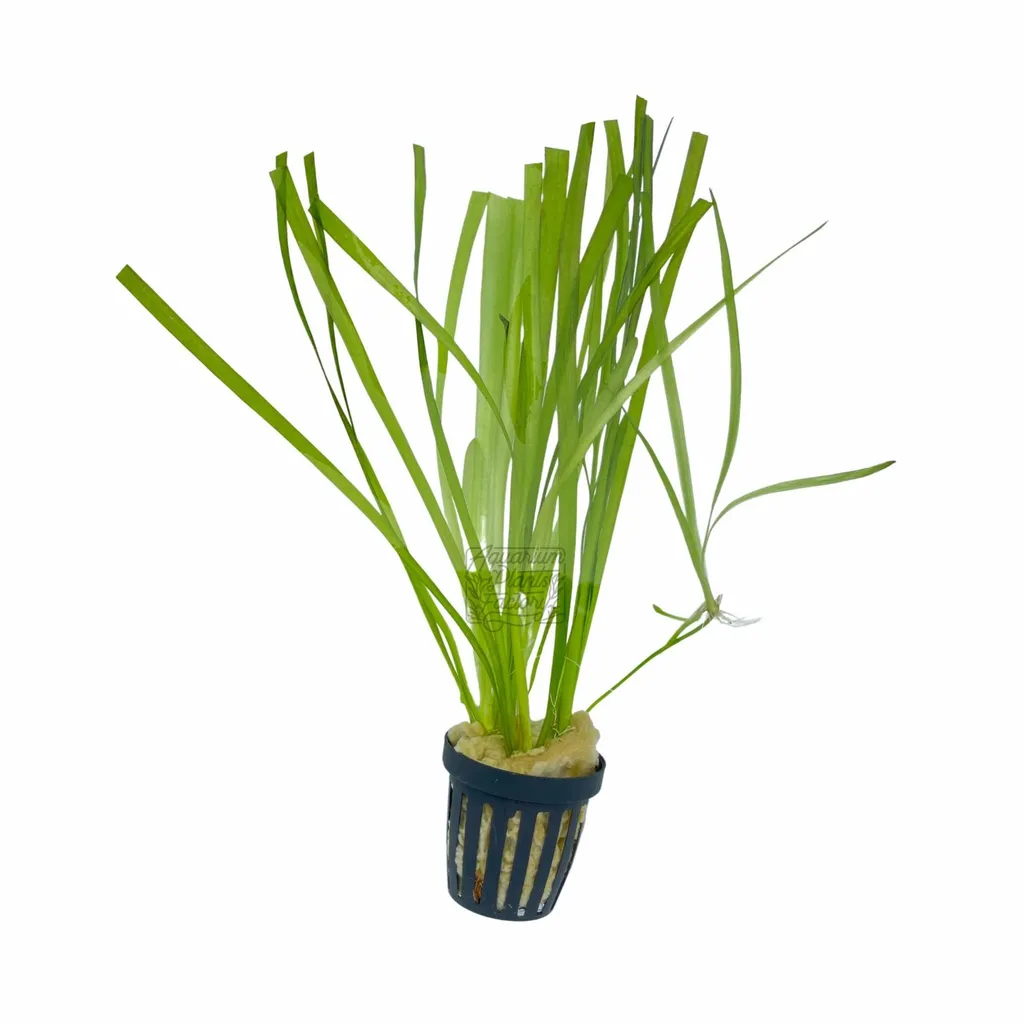
Vallisneria spiralis
FreshwaterBrackish- Light
- Low light
- Placement
- Background
- Height
- 19.7 in (50 cm)
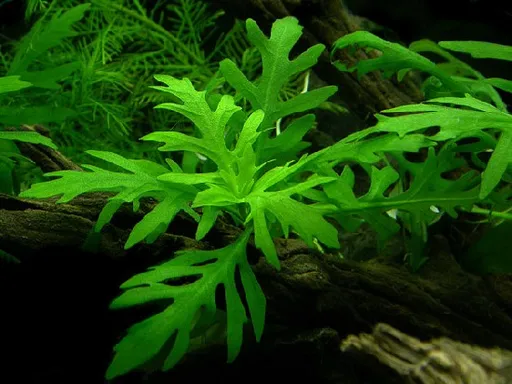
Water wisteria
Hygrophila difformis
Freshwater- Light
- Medium light
- Placement
- Background
- Height
- 19.7 in (50 cm)
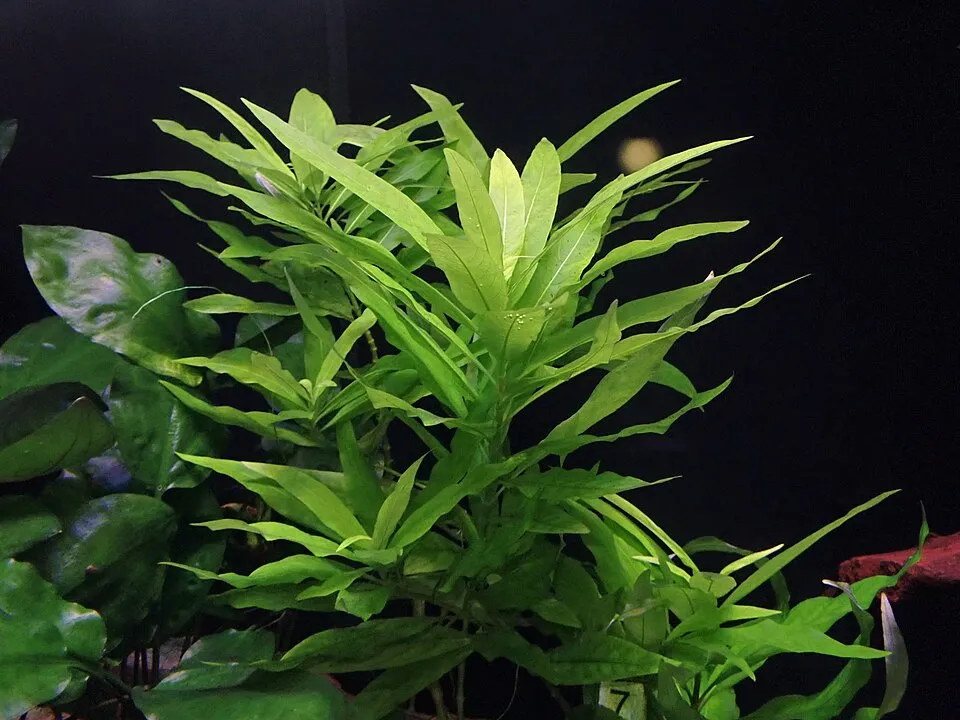
Hygrophila corymbosa
Freshwater- Light
- Low light
- Placement
- Background
- Height
- 19.7 in (50 cm)
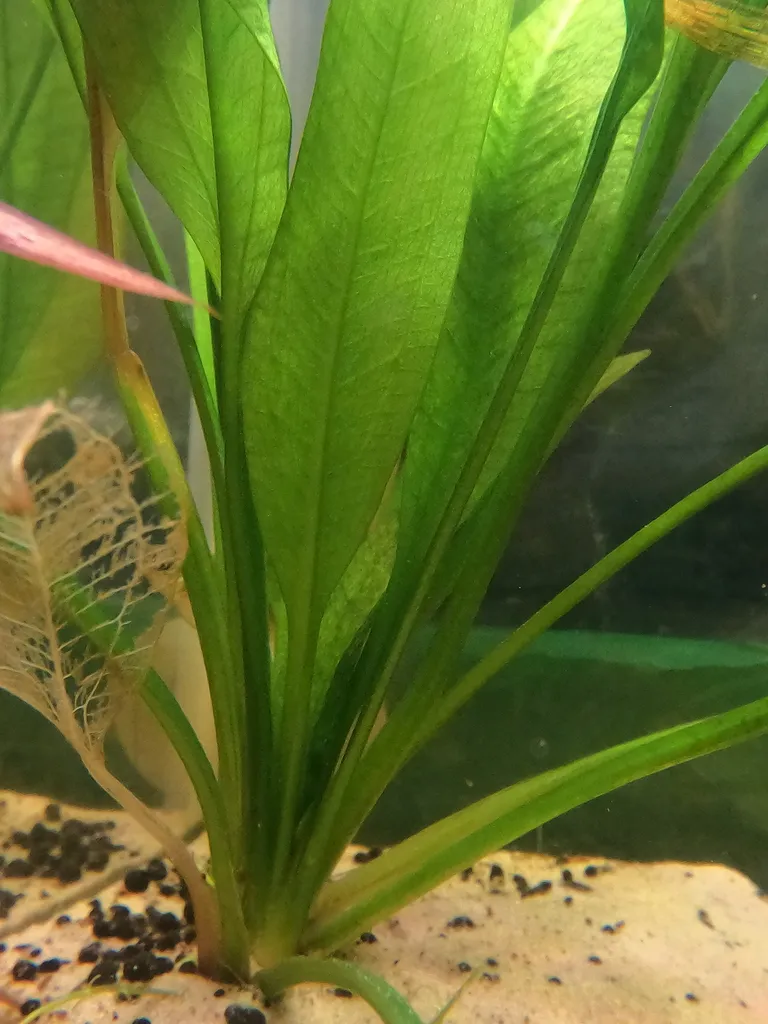
Amazon sword
Echinodorus grisebachii
Freshwater- Light
- Medium light
- Placement
- Background
- Height
- 19.7 in (50 cm)
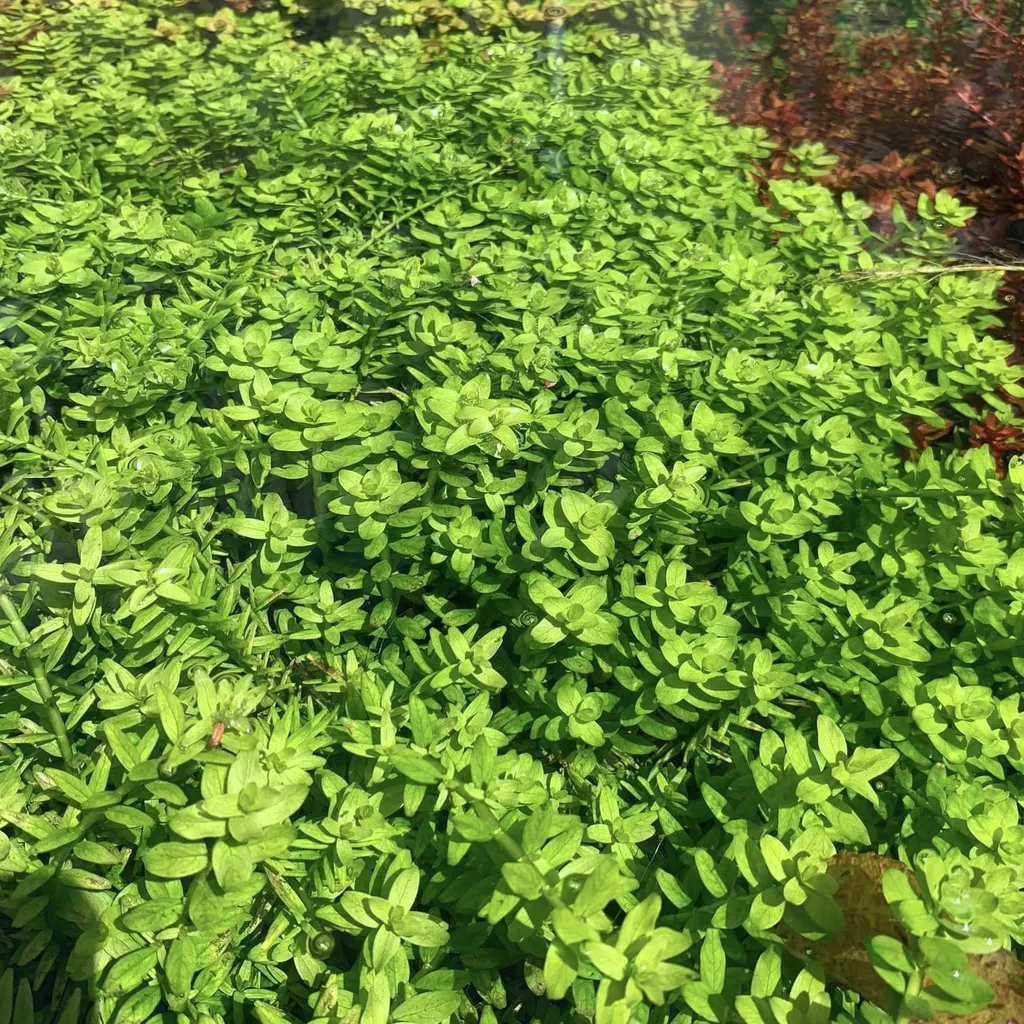
Rotala rotundifolia
Freshwater- Light
- Medium light
- Placement
- Background
- Height
- 19.7 in (50 cm)
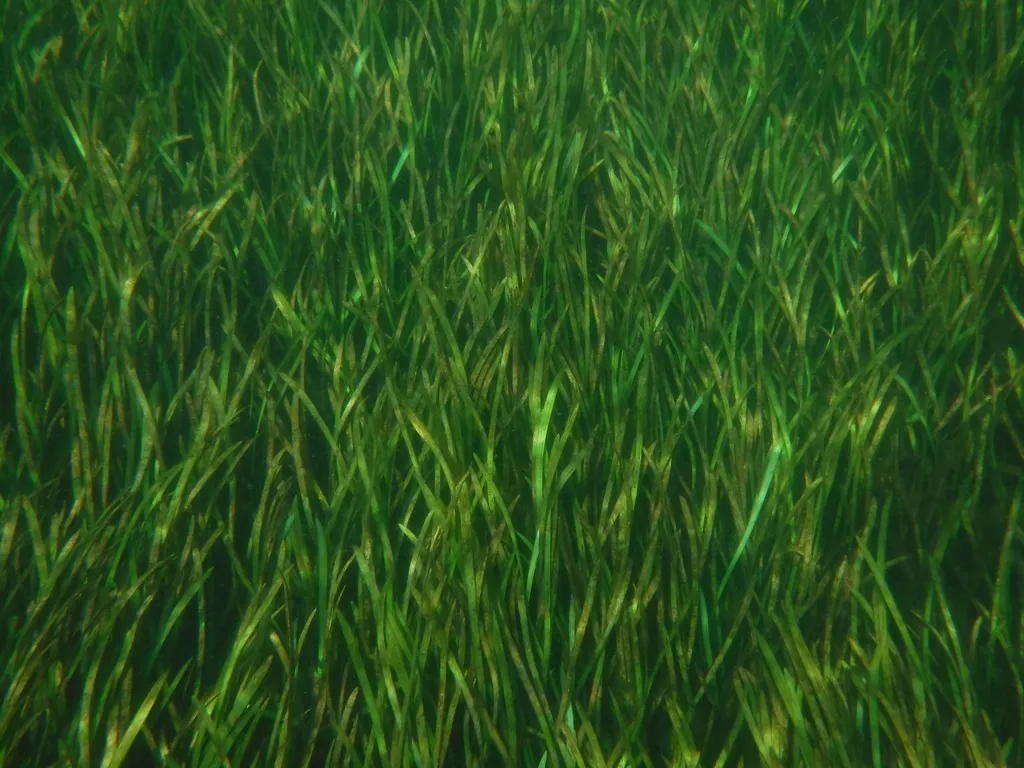
Jungle val
Vallisneria americana
FreshwaterBrackish- Light
- Low light
- Placement
- Background
- Height
- 39.4 in (100 cm)
The rule
What a background plant is for
A background plant hides the glass and the equipment and gives the fish something to swim past, so it is chosen by height first: the profile's height against the tank's, less the substrate. Stems get there fast and need trimming, and the tops go back in the substrate to thicken the stand. Rosettes and bulbs, the vals, swords, crypts and aponogetons, get there slowly and stay put. And the back is where the tall plants go so the front stays open, which is the whole point of the layout.
- 01
Height first
The profile's height against the tank's
- 02
Stems need trimming
Replant the tops to thicken the stand
- 03
Rosettes stay put
Vals, swords, crypts and bulbs, planted once
- 04
Keep the front open
Tall plants at the back, low ones in front
Stems
Stems for the back
The ludwigia repens is marked easy in medium light, 19.7 inches (50 cm) of leaves that turn red on top. The Limnophila heterophylla is a feathery stem marked easy at the same height. The Myriophyllum Guyana is a fine, soft milfoil for medium light. The Pogostemon quadrifolius is a fast stem with whorled leaves at 15.7 inches (40 cm). The willow hygro grows long narrow leaves to 23.6 inches (60 cm), marked easy. The green cabomba is the feathery classic at 23.6 inches (60 cm), marked medium, and it wants high light.
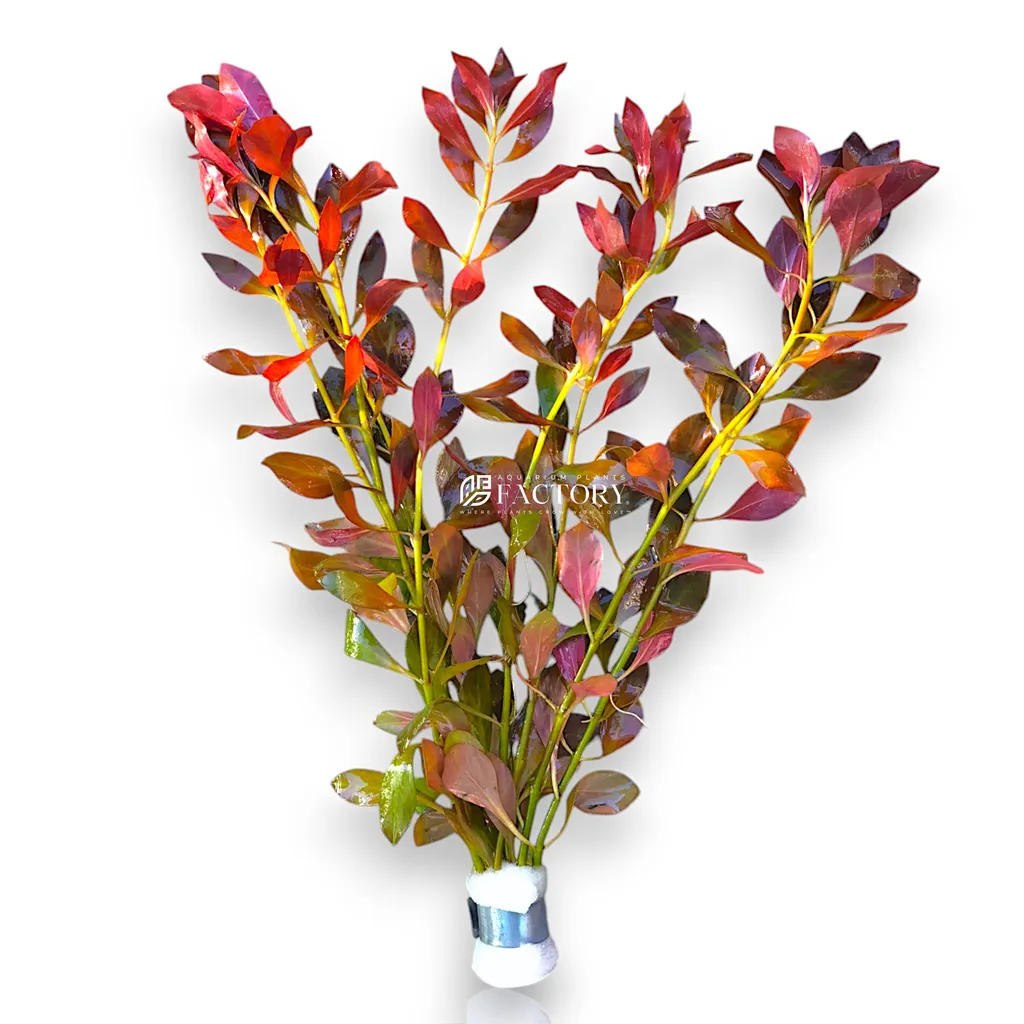
Ludwigia repens
FreshwaterMedium light · Background19.7 in (50 cm)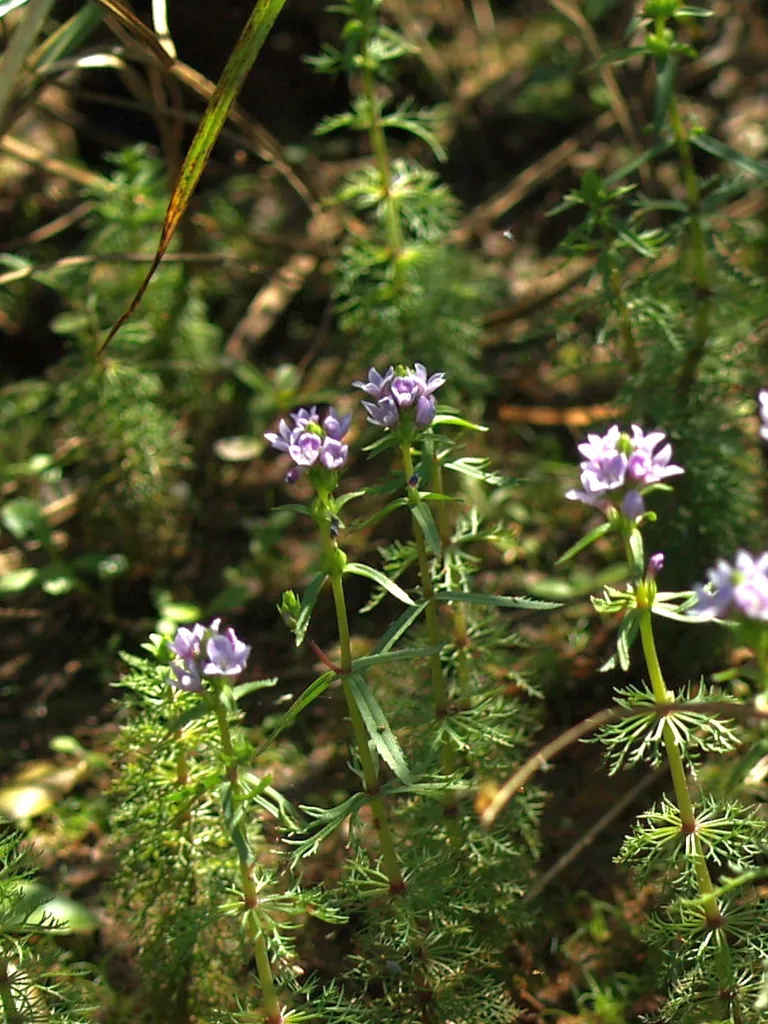
Limnophila heterophylla
FreshwaterMedium light · Background19.7 in (50 cm)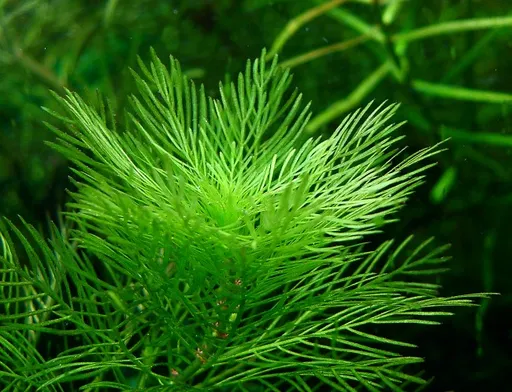
Myriophyllum Guyana
Myriophyllum mattogrossense
FreshwaterMedium light · Background19.7 in (50 cm)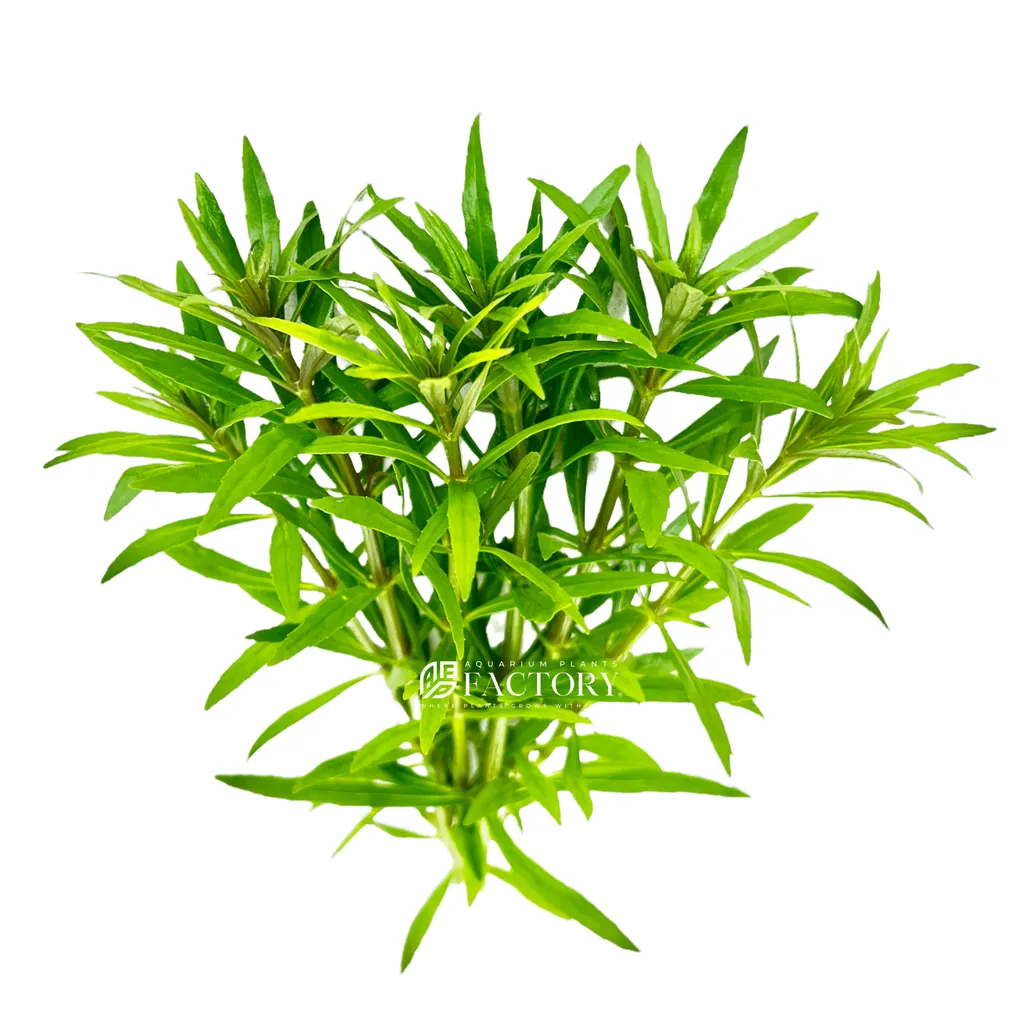
Pogostemon quadrifolius
FreshwaterMedium light · Background15.7 in (40 cm)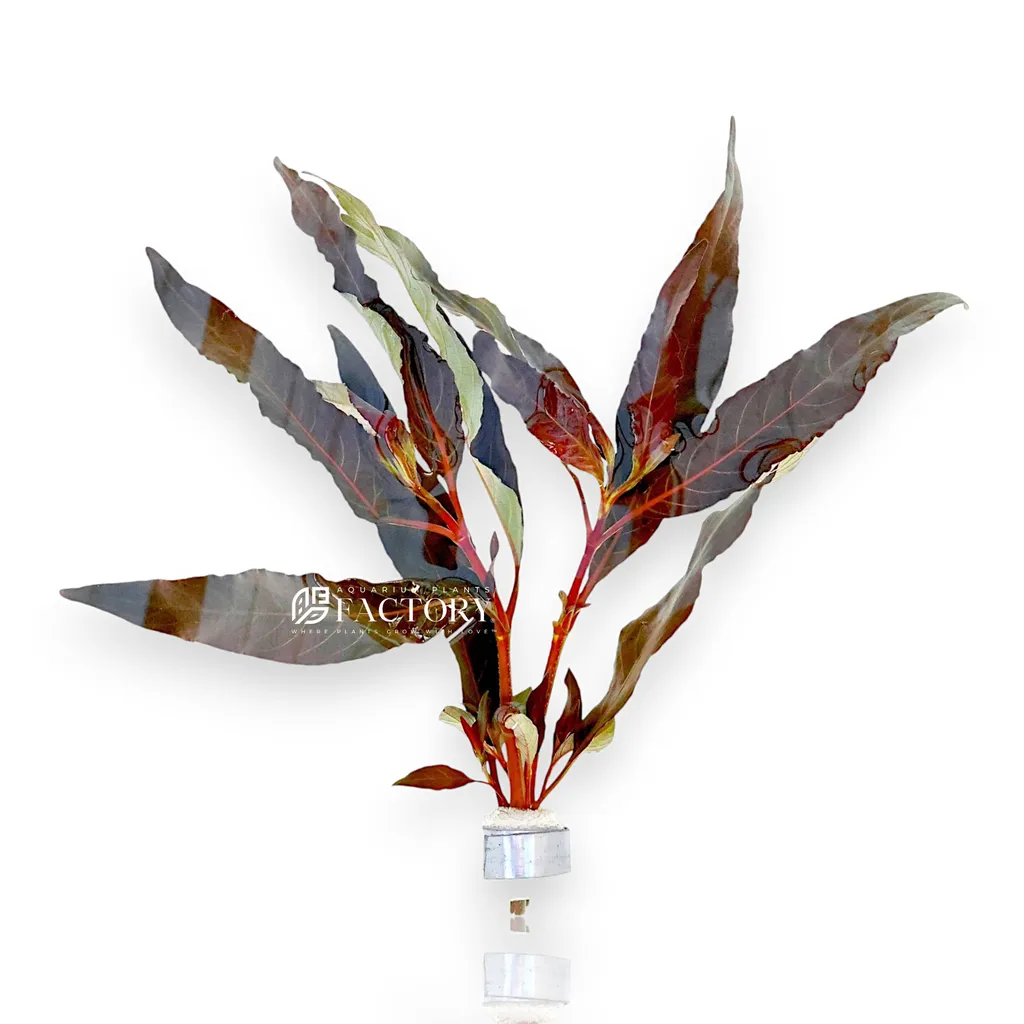
Willow hygro
Hygrophila salicifolia
FreshwaterMedium light · Background23.6 in (60 cm)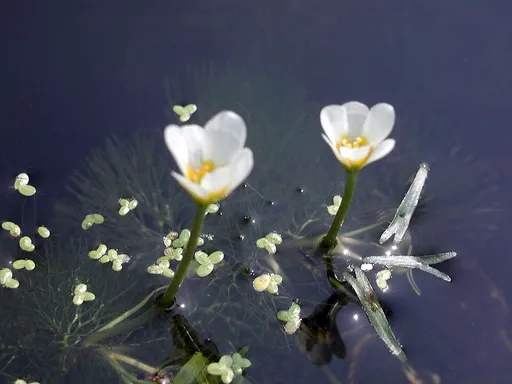
Green cabomba
Cabomba caroliniana
FreshwaterHigh light · Background23.6 in (60 cm)
Rosettes
Vals, swords and tall crypts
The giant vallisneria reaches 59.1 inches (150 cm), marked beginner, and lies along the surface of any tank it outgrows. The dwarf vallisneria stays at 15.7 inches (40 cm), marked easy with no CO2. The cryptocoryne balansae and the cryptocoryne crispatula send up long crinkled leaves to 19.7 and 23.6 inches (50 and 60 cm), marked easy. The ruffled sword is a broad sword at 23.6 inches (60 cm), and the Uruguay sword a narrow-leaved one at 21.7 inches (55 cm). All of them feed through the roots and want a root tab.
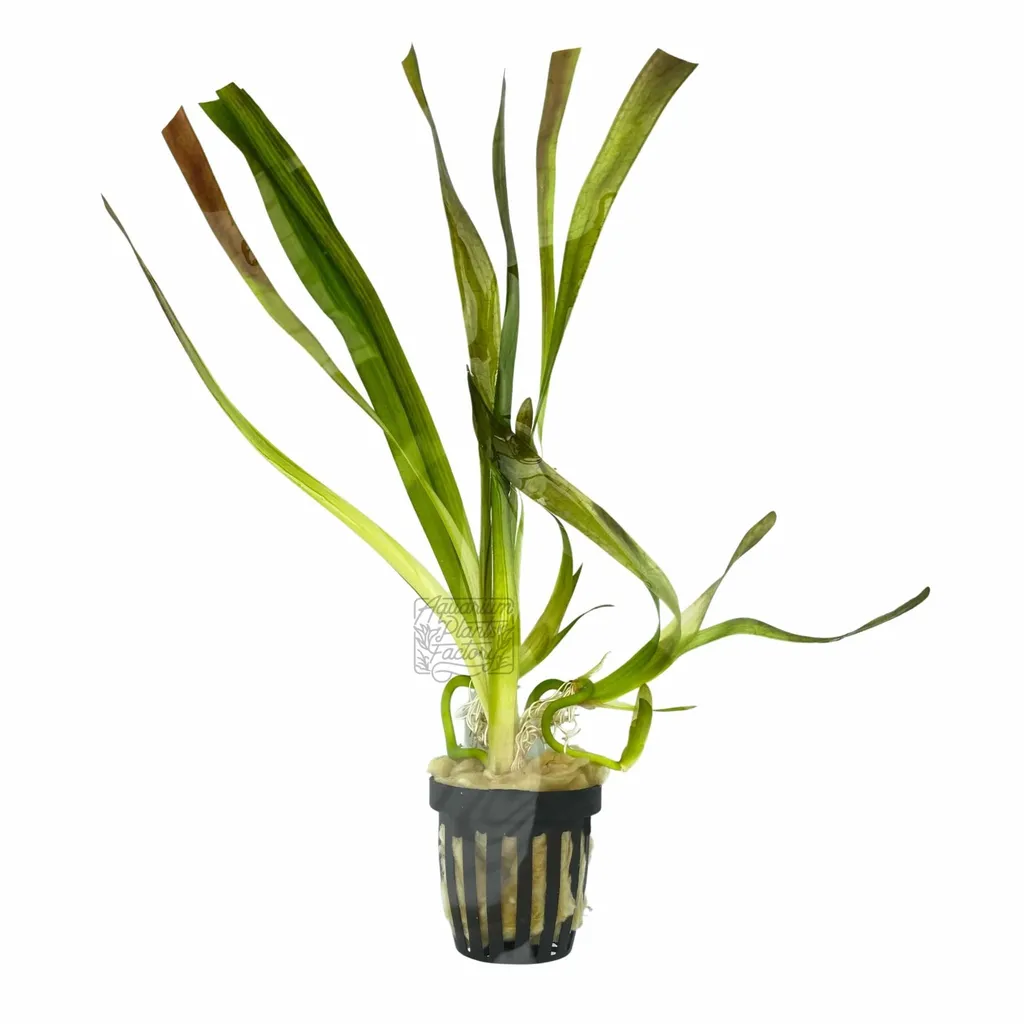
Giant vallisneria
Vallisneria australis
FreshwaterBrackishLow light · Background59.1 in (150 cm)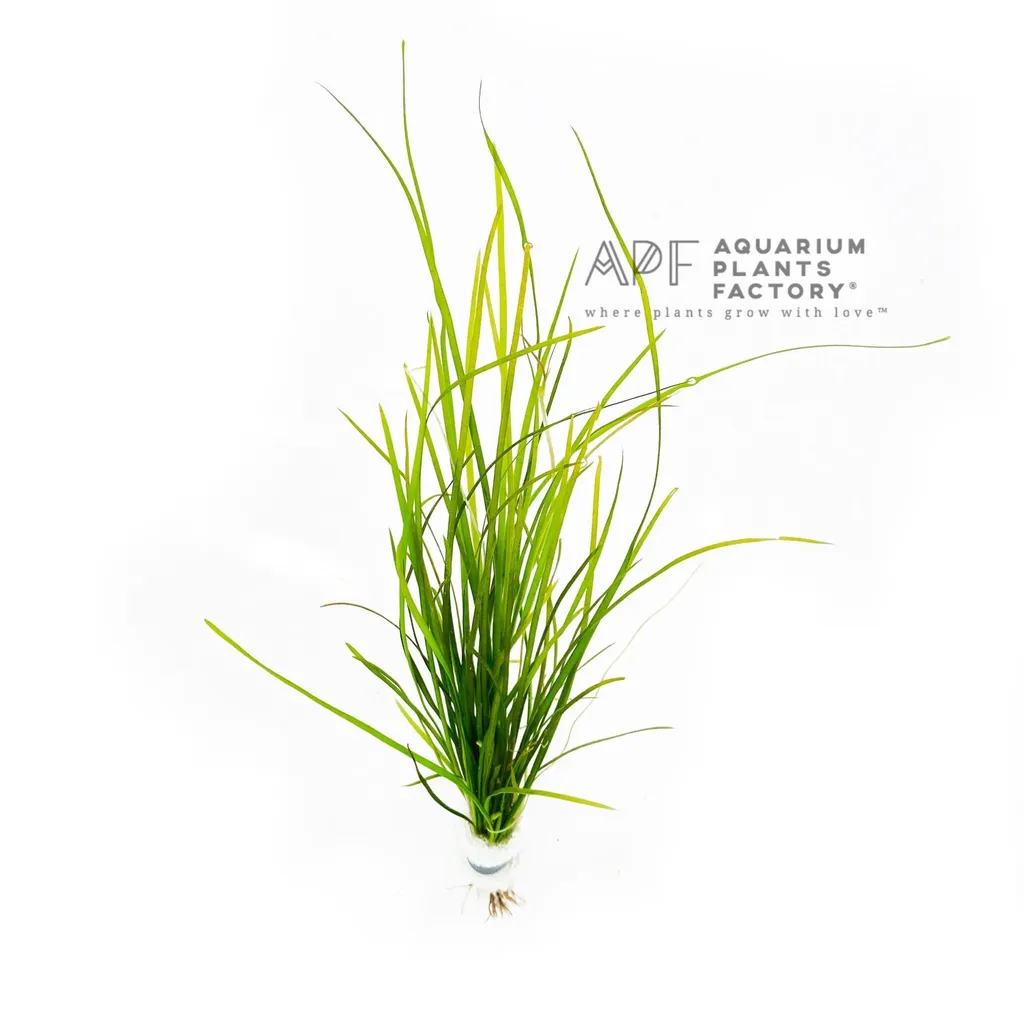
Dwarf vallisneria
Vallisneria nana
FreshwaterMedium light · Background15.7 in (40 cm)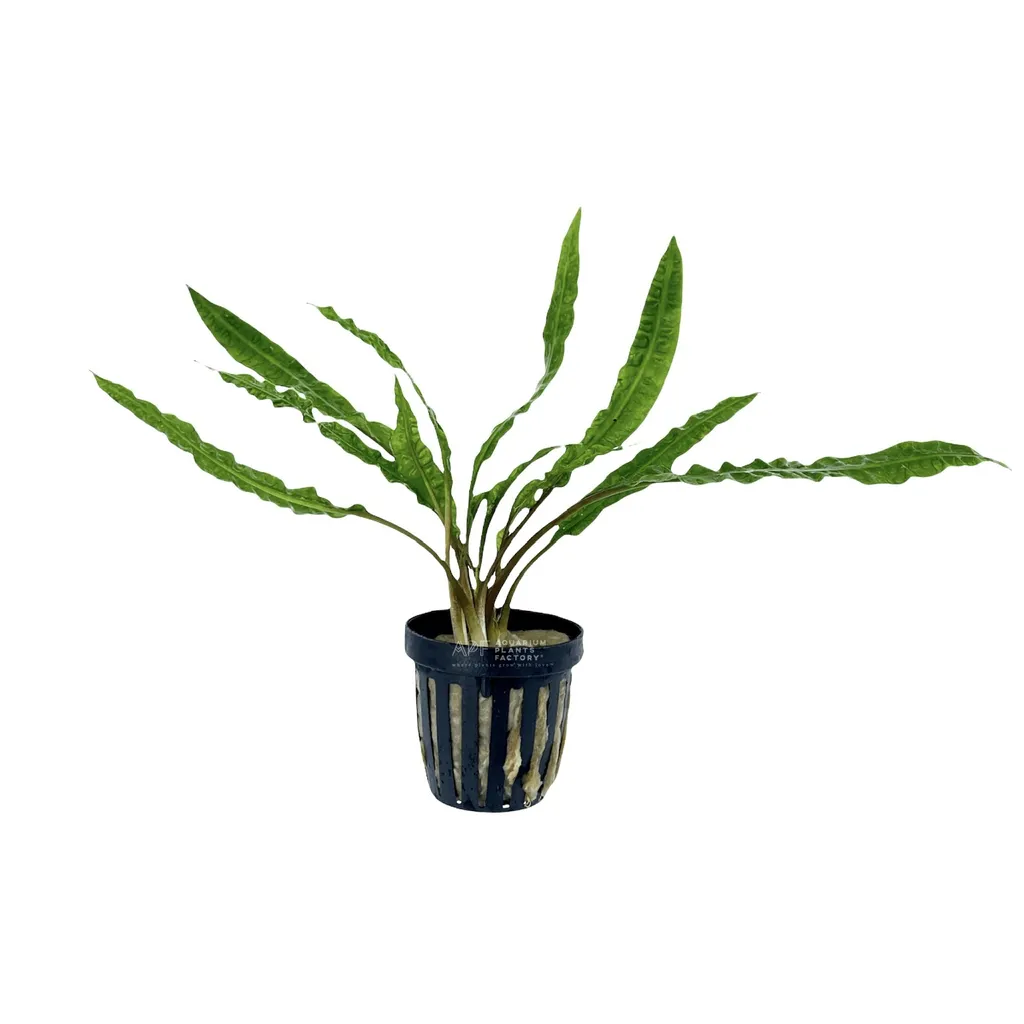
Cryptocoryne balansae
Cryptocoryne crispatula var. balansae
FreshwaterMedium light · Background19.7 in (50 cm)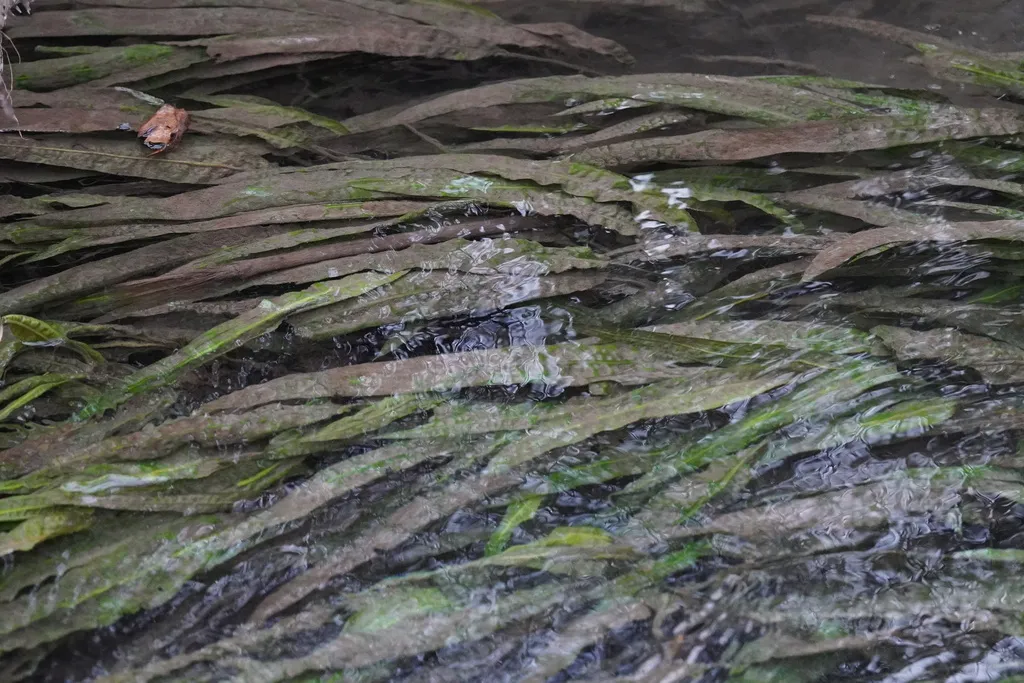
Cryptocoryne crispatula
FreshwaterMedium light · Background23.6 in (60 cm)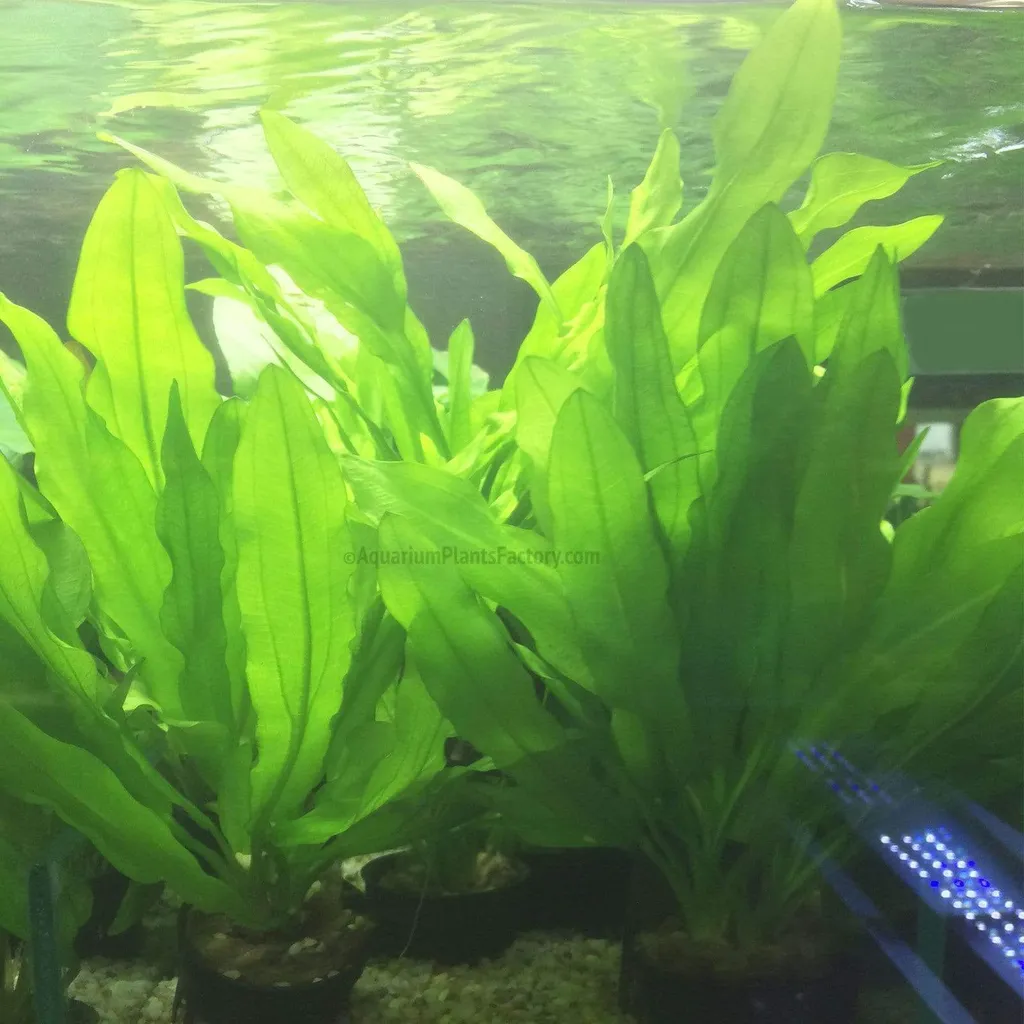
Ruffled sword
Echinodorus major
FreshwaterMedium light · Background23.6 in (60 cm)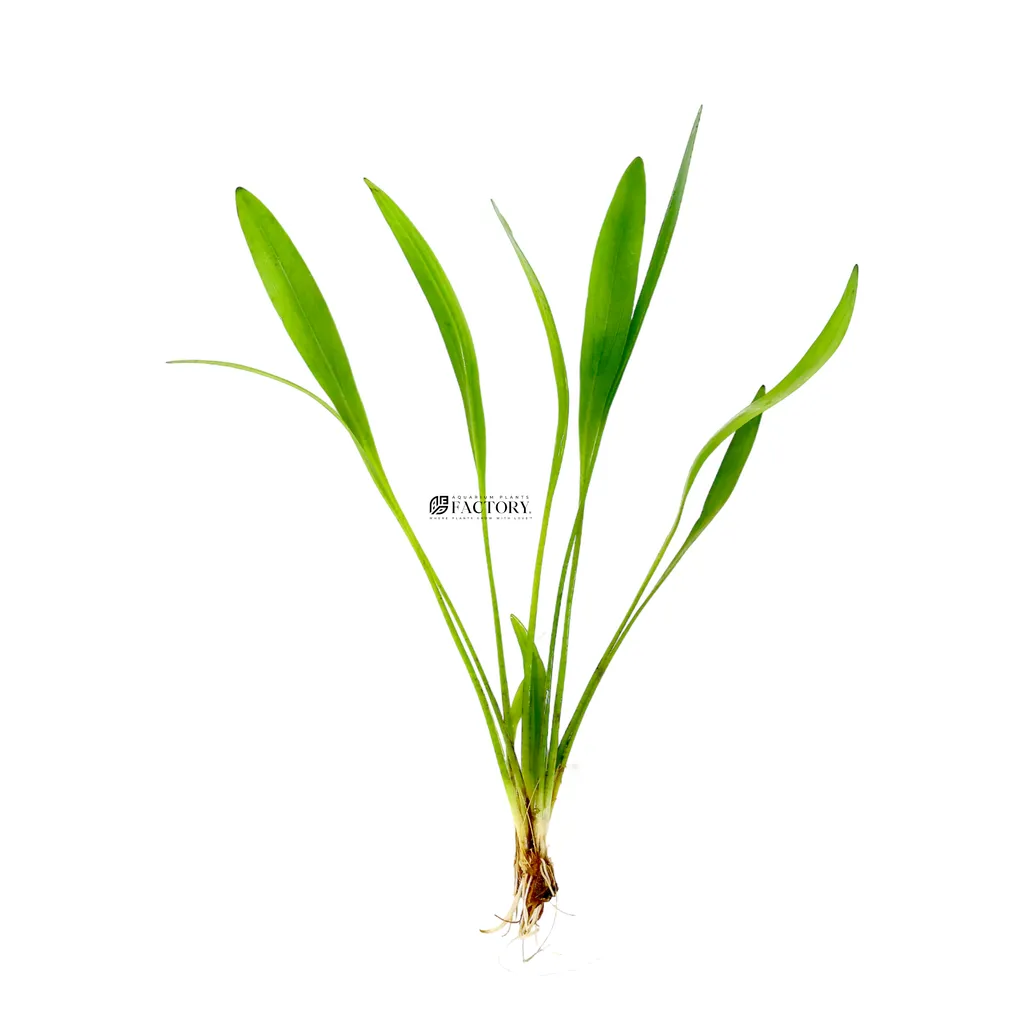
Uruguay sword
Echinodorus uruguayensis
FreshwaterMedium light · Background21.7 in (55 cm)
Bulbs
Bulbs and giants
The aponogeton crispus is a bulb marked easy that sends up wavy leaves to 19.7 inches (50 cm) in weeks. The aponogeton ulvaceus grows the same way with translucent, twisted leaves, marked medium. The Crinum calamistratum is marked easy for low light, a bulb with crinkled strap leaves to 23.6 inches (60 cm), and the water onion is its bigger relative at 39.4 inches (100 cm). The Echinodorus palifolius is a sword marked easy with no CO2 that reaches 39.4 inches (100 cm). The Madagascar lace is the collector's bulb at 23.6 inches (60 cm), marked difficult for its cool water at 64–75°F (18–24°C).
Aponogeton crispus
FreshwaterMedium light · Background19.7 in (50 cm)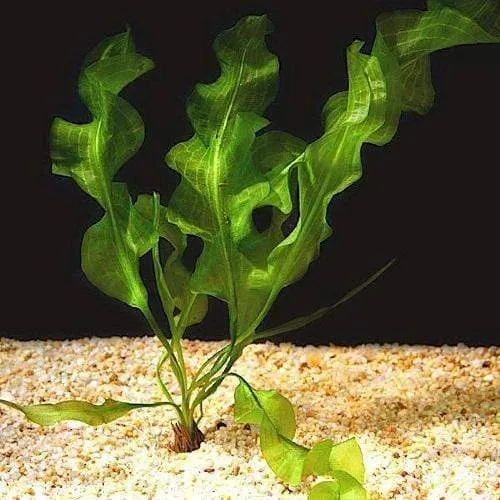
Aponogeton ulvaceus
FreshwaterMedium light · Background19.7 in (50 cm)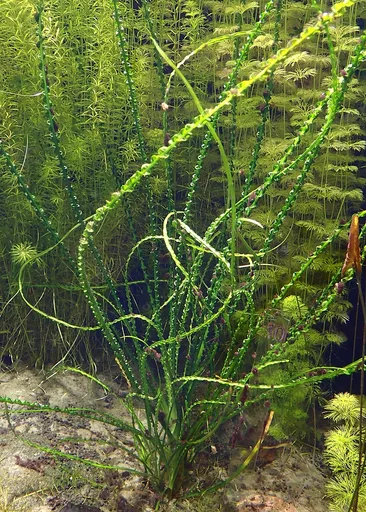
Crinum calamistratum
FreshwaterLow light · Background23.6 in (60 cm)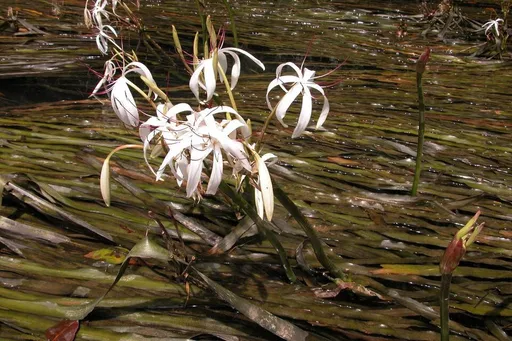
Water onion
Crinum thaianum
FreshwaterLow light · Background39.4 in (100 cm)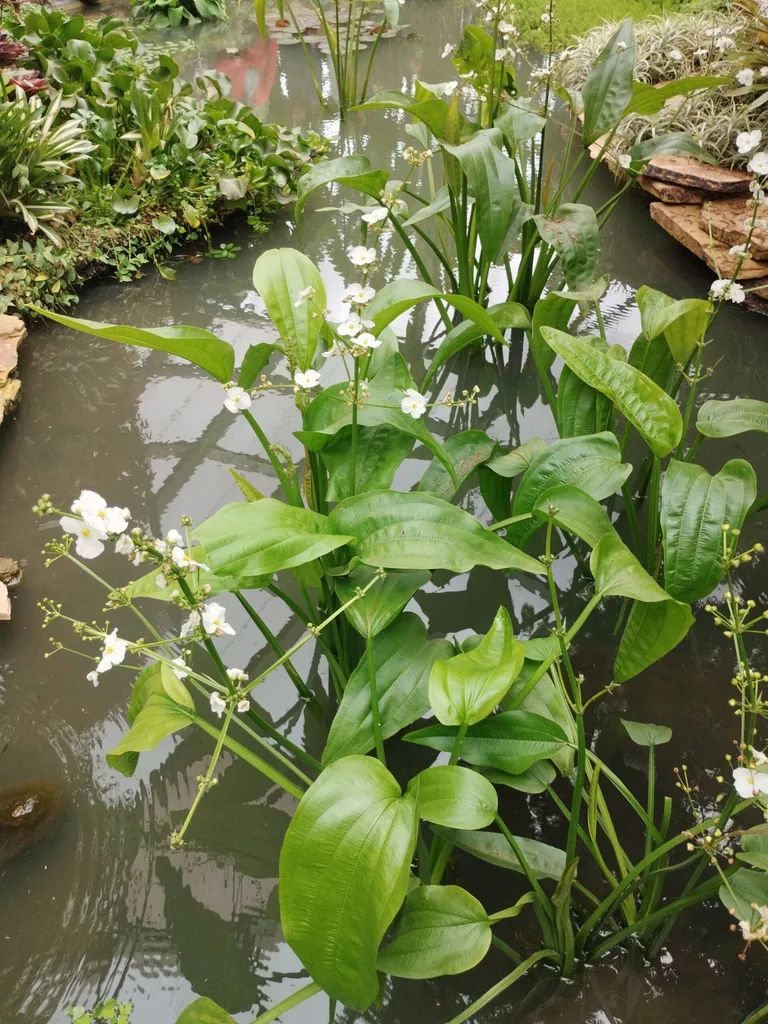
Echinodorus palifolius
Aquarius palifolius
FreshwaterMedium light · Background39.4 in (100 cm)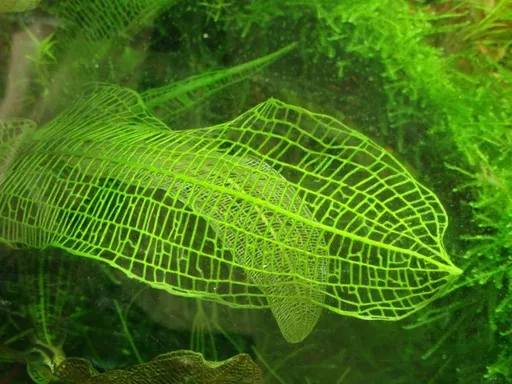
Madagascar lace
Aponogeton madagascariensis
FreshwaterMedium light · Background23.6 in (60 cm)
Reds
Reds for the back
The Rotala H'ra is marked medium, a red rotala at 11.8 inches (30 cm) that colors under high light. The ammannia gracilis is a fast stem marked medium that goes orange-red at 19.7 inches (50 cm). The ludwigia palustris is marked easy in medium light, the fast red for a tank without CO2. The rotala macrandra is marked difficult, 19.7 inches (50 cm) of scarlet that needs high light, steady CO2 and soft water. The Ludwigia Pantanal is the most demanding of them, and the Nesaea pedicellata Golden grows yellow-gold leaves on red stems under bright light.
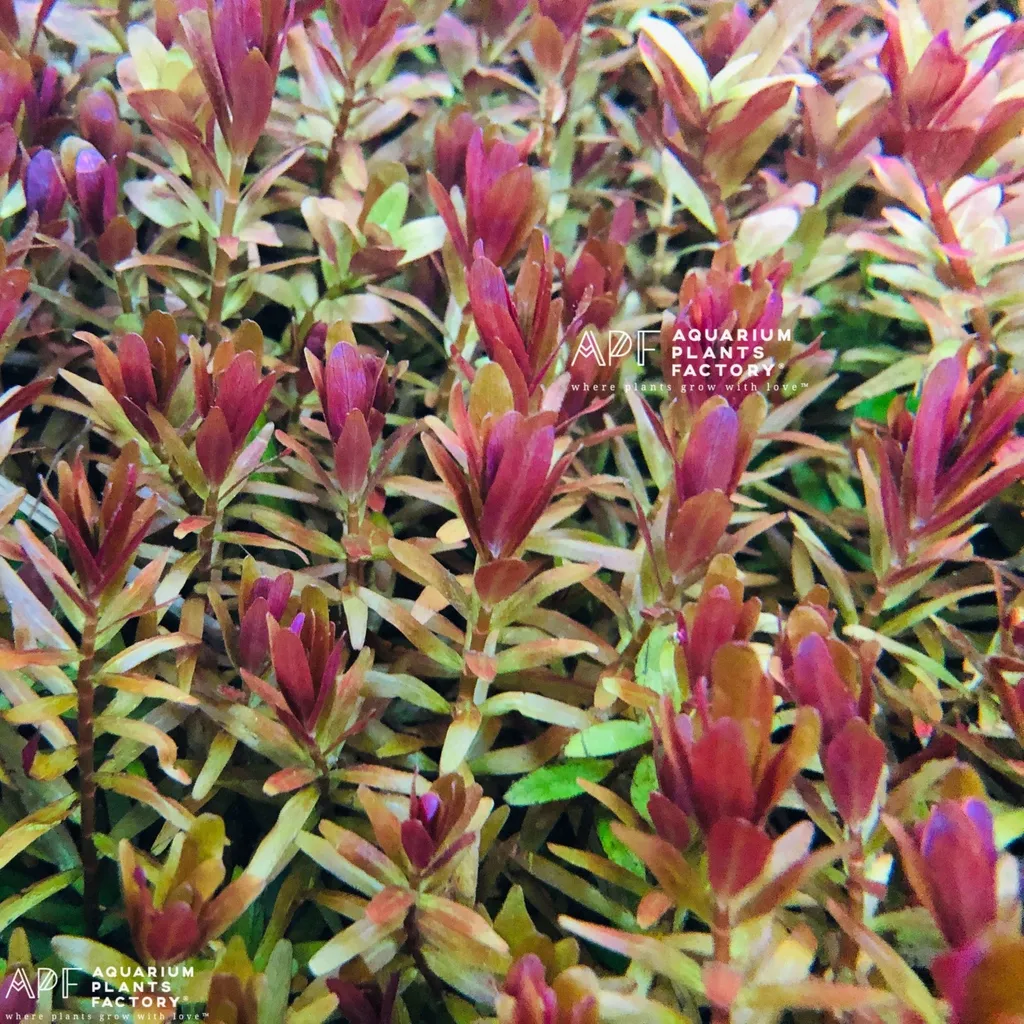
Rotala H'ra
Rotala rotundifolia 'H'ra'
FreshwaterHigh light · Background11.8 in (30 cm)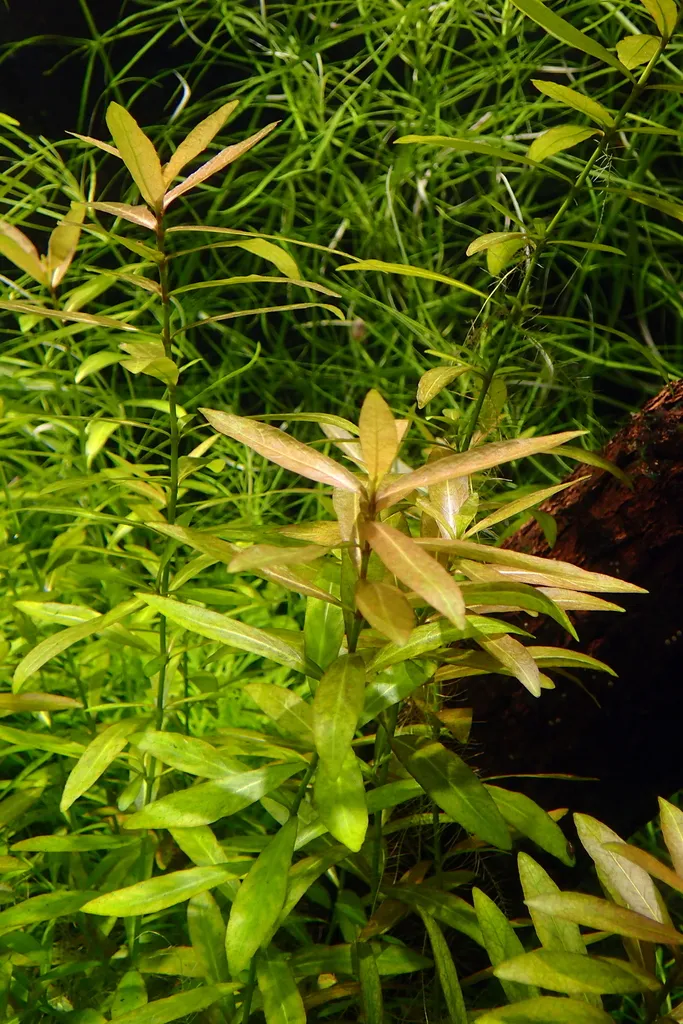
Ammannia gracilis
FreshwaterHigh light · Background19.7 in (50 cm)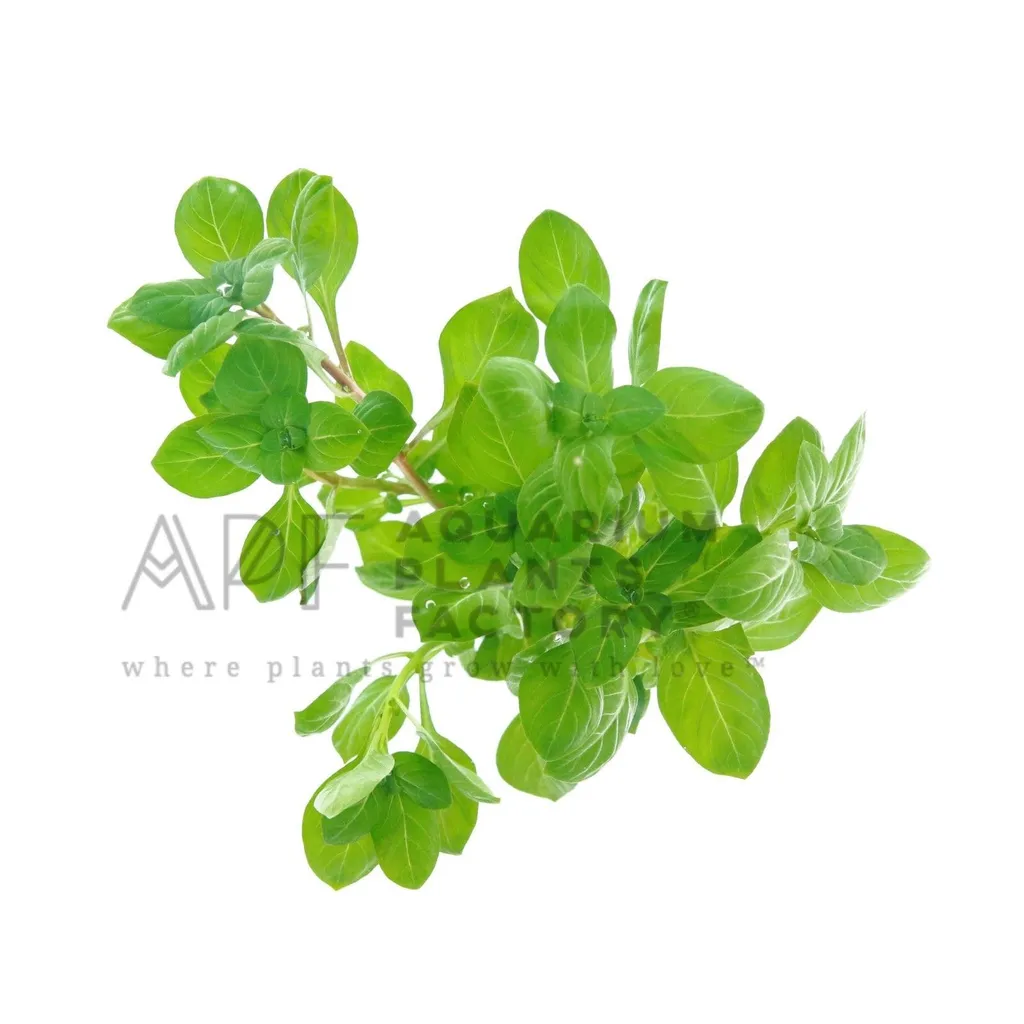
Ludwigia palustris
FreshwaterMedium light · Background19.7 in (50 cm)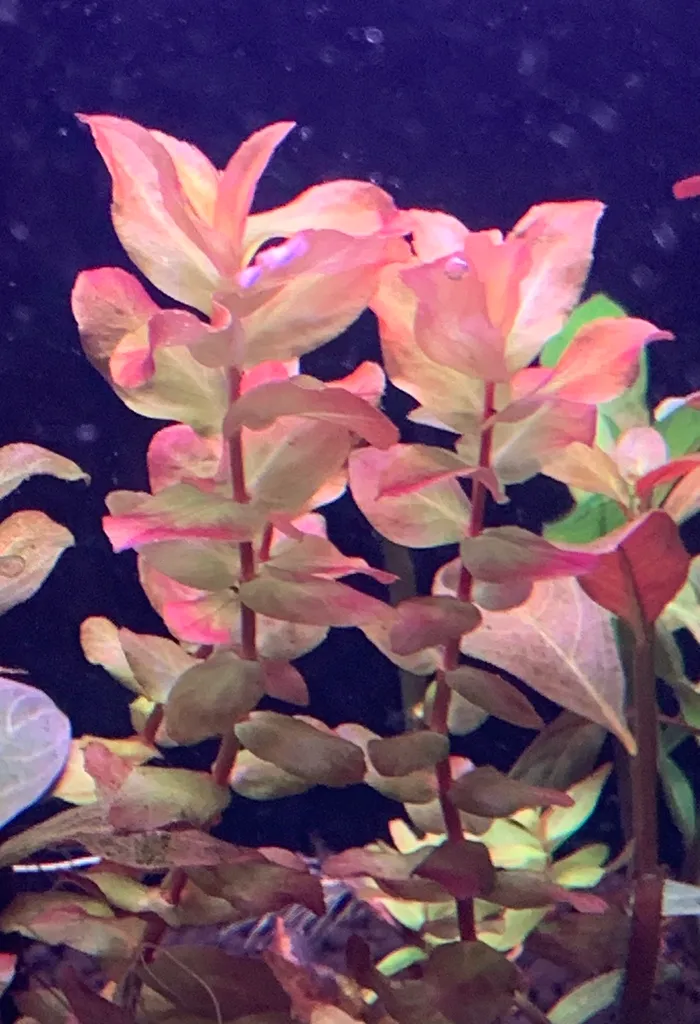
Rotala macrandra
FreshwaterHigh light · Background19.7 in (50 cm)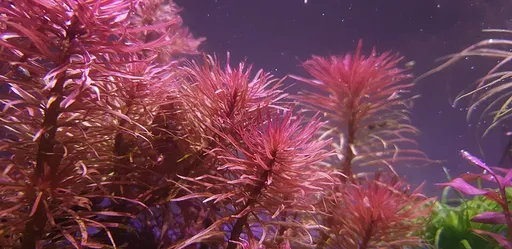
Ludwigia Pantanal
Ludwigia inclinata var. verticillata 'Pantanal'
FreshwaterHigh light · Background15.7 in (40 cm)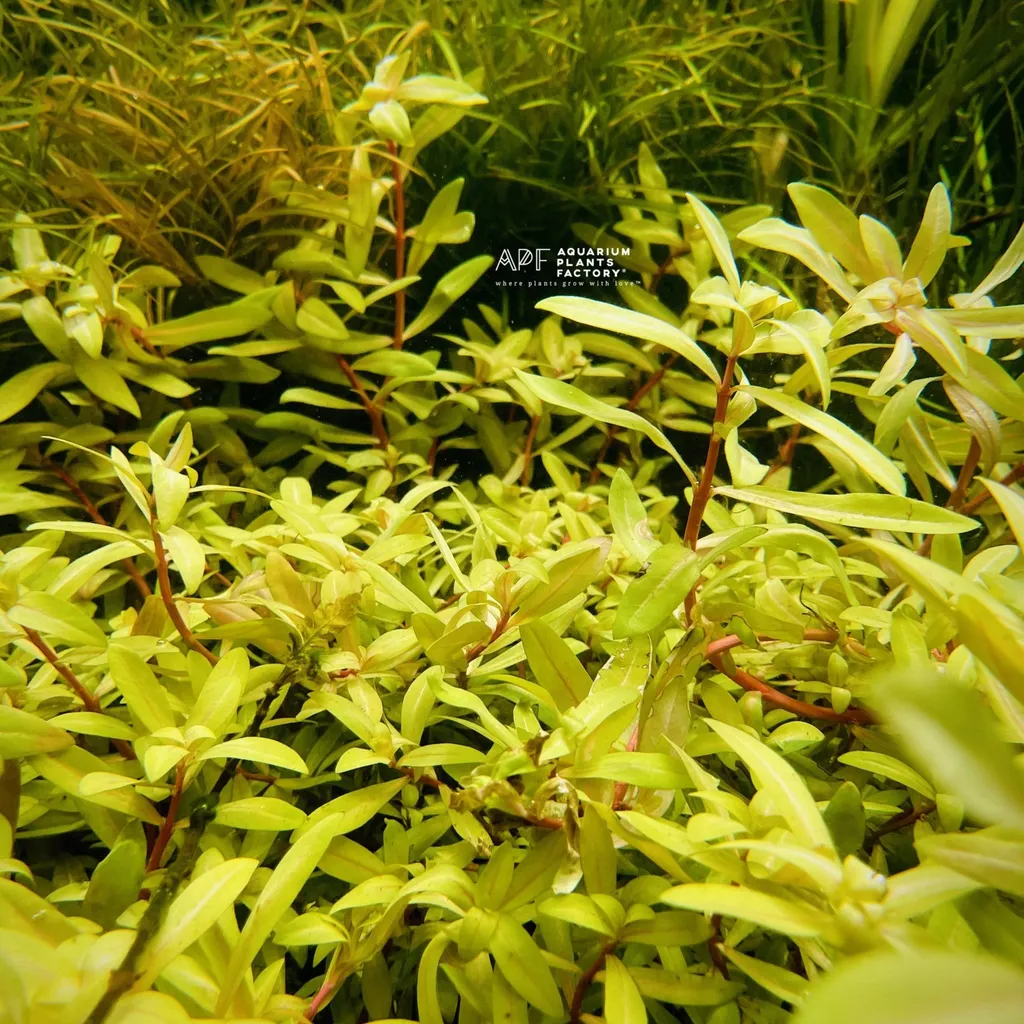
Nesaea pedicellata Golden
Ammannia pedicellata
FreshwaterHigh light · Background15.7 in (40 cm)
By the numbers
Smallest
Tallest
Easiest to grow
No CO₂ needed
Low light
FAQ
Common questions
What is the easiest background plant?
The vallisneria spiralis, water wisteria, hygrophila corymbosa and jungle val are marked beginner. Plant them once along the back and trim the stems when they reach the surface.
How tall should a background plant be?
As tall as the tank less the substrate, or taller, since a plant that reaches the surface can be trimmed and one that never does looks lost. Most stems here list 15.7 to 23.6 inches (40 to 60 cm).
Do background plants need CO2?
The vals, the Crinum bulbs, the Echinodorus palifolius and the hygrophila polysperma list no CO2. Most of the stems list it as beneficial, and the red stems as required.
How do I keep stems bushy at the back?
Trim the tops when they reach the surface and replant them in front of the parent stems. A stem that is never trimmed goes bare at the base.
Which background plants grow without a root tab?
The stems, which feed from the water column. The vals, swords, crypts and bulbs feed through their roots and want one.
Can a background plant go in the middle of a small tank?
Yes. In a tank under 12 inches (30 cm) tall, the plants marked midground on this site are the background, and the dwarf vallisneria or a crypt does the job.
Index
All background plants
Amazon sword
Echinodorus grisebachii
FreshwaterMedium light · Background19.7 in (50 cm)
Ambulia
Limnophila sessiliflora
FreshwaterLow light · Background15.7 in (40 cm)Ammannia gracilis
FreshwaterHigh light · Background19.7 in (50 cm)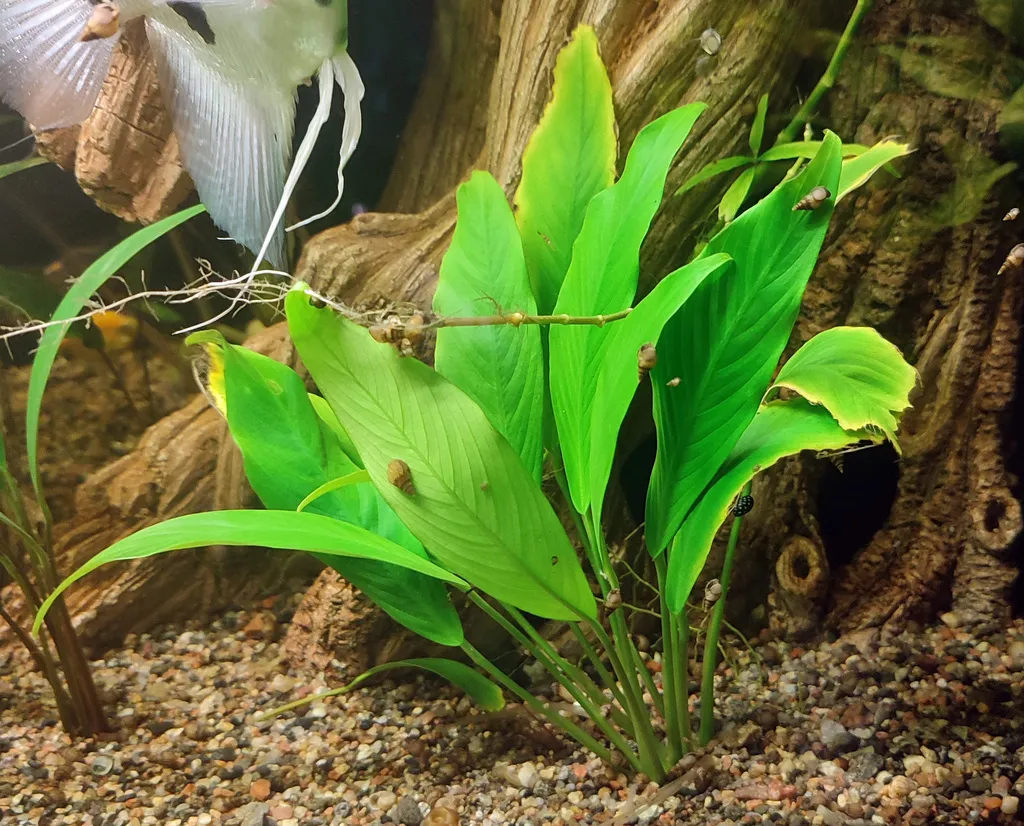
Anubias afzelii
FreshwaterMedium light · Background15.7 in (40 cm)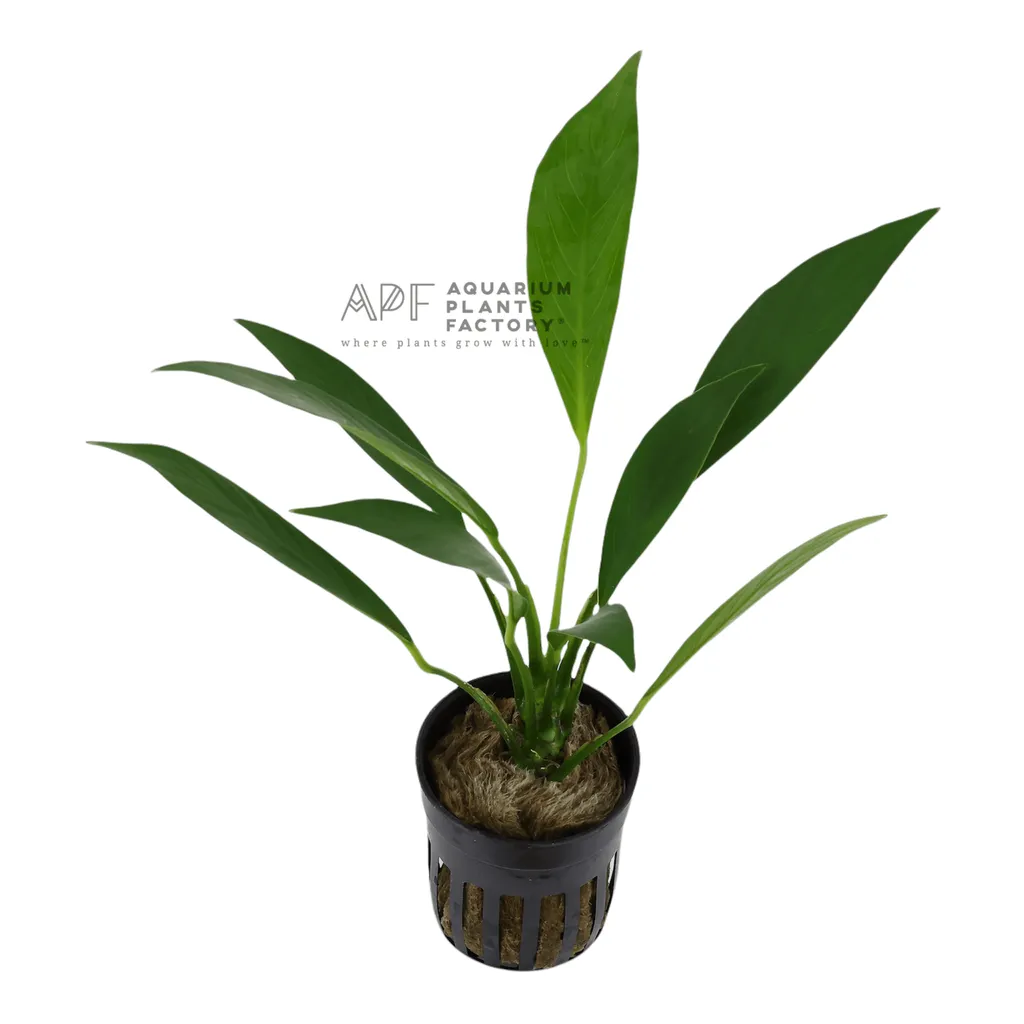
Anubias congensis
Anubias heterophylla
FreshwaterLow light · Background15.7 in (40 cm)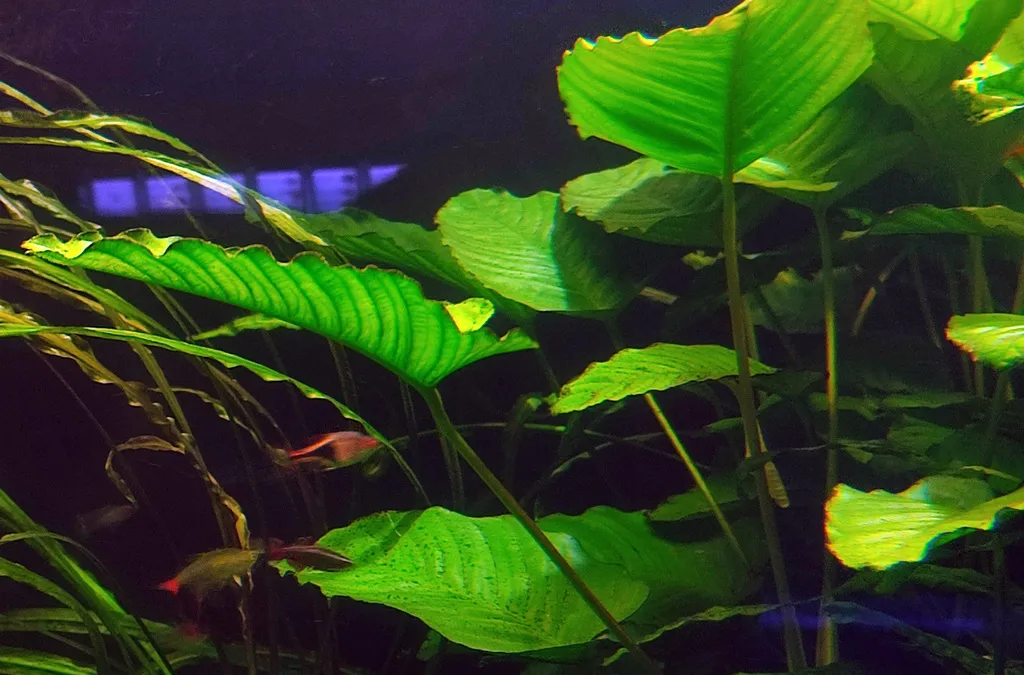
Anubias gigantea
FreshwaterLow light · Background19.7 in (50 cm)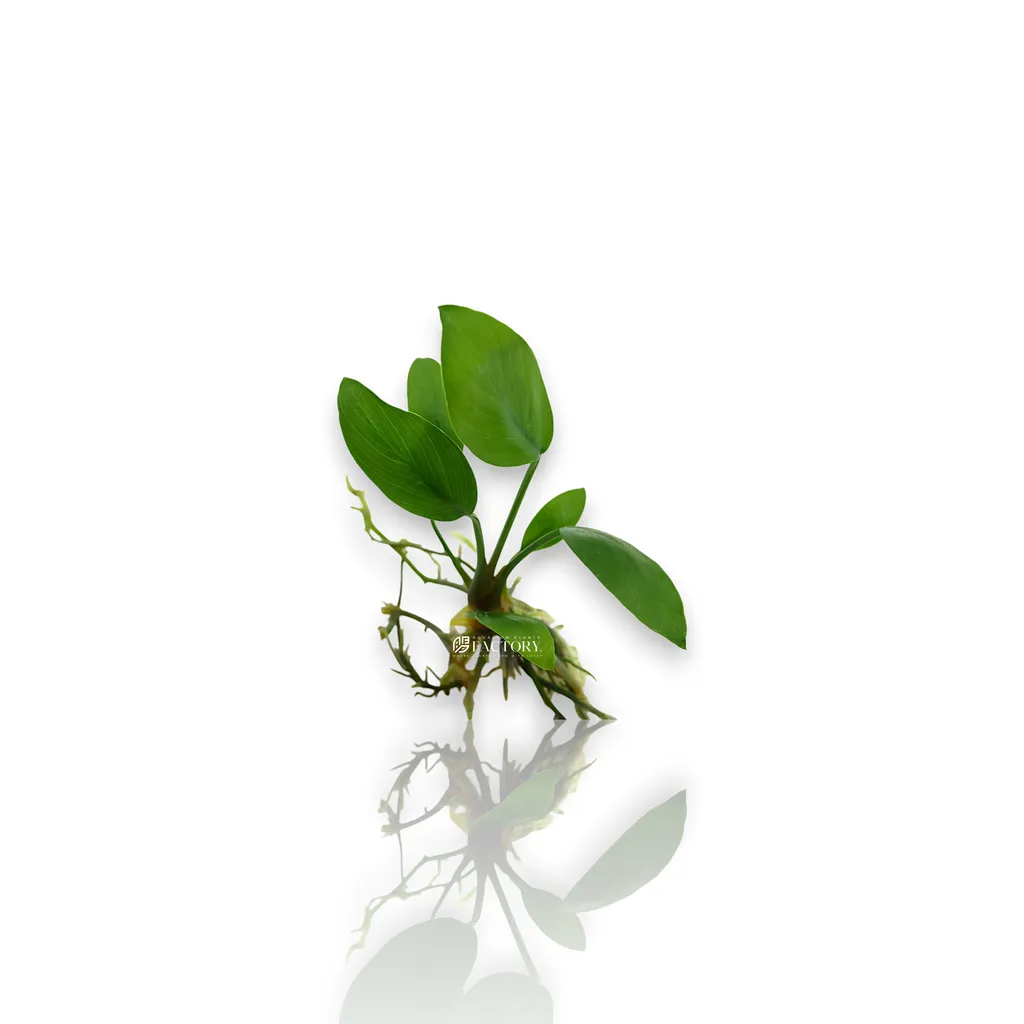
Anubias hastifolia
FreshwaterLow light · Background15.7 in (40 cm)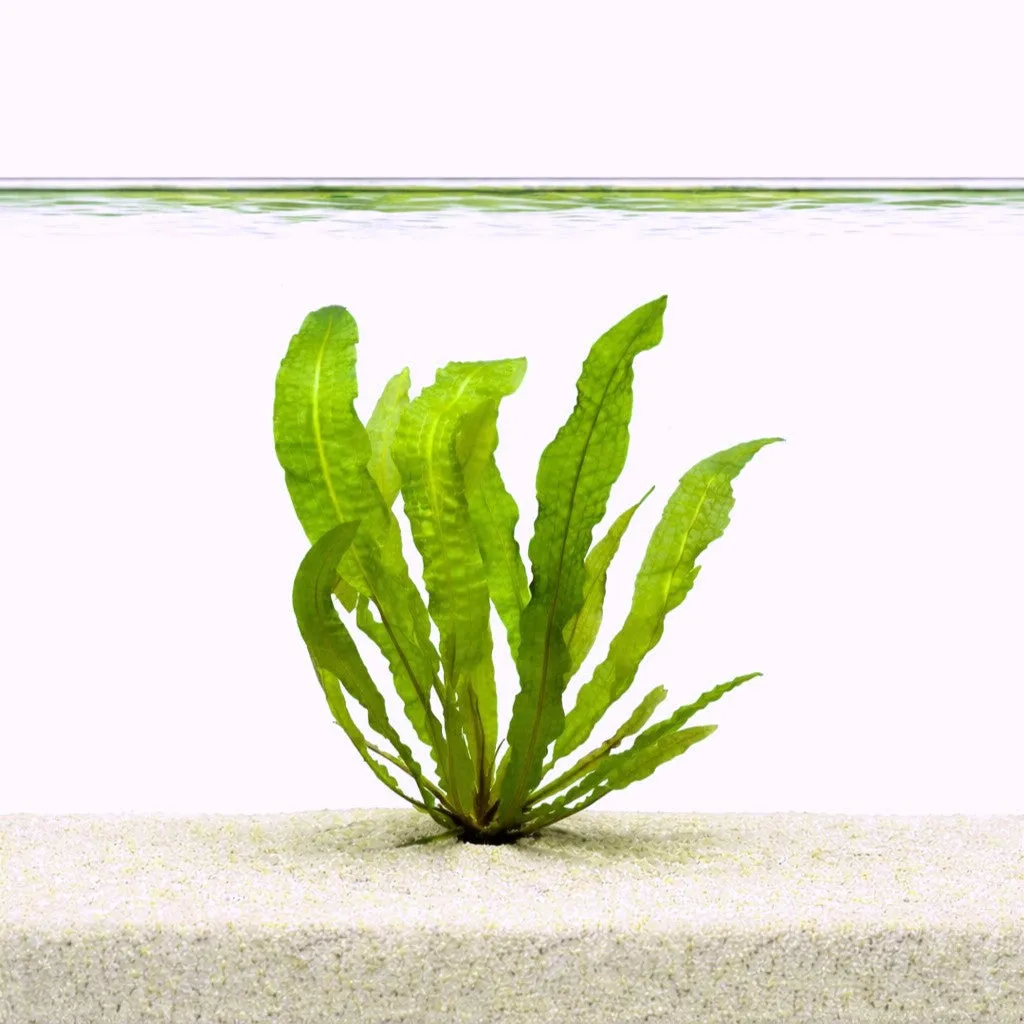
Aponogeton boivinianus
FreshwaterMedium light · Background19.7 in (50 cm)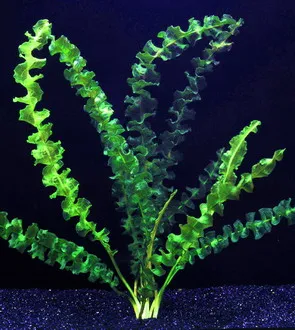
Aponogeton capuronii
FreshwaterMedium light · Background23.6 in (60 cm)Aponogeton crispus
FreshwaterMedium light · Background19.7 in (50 cm)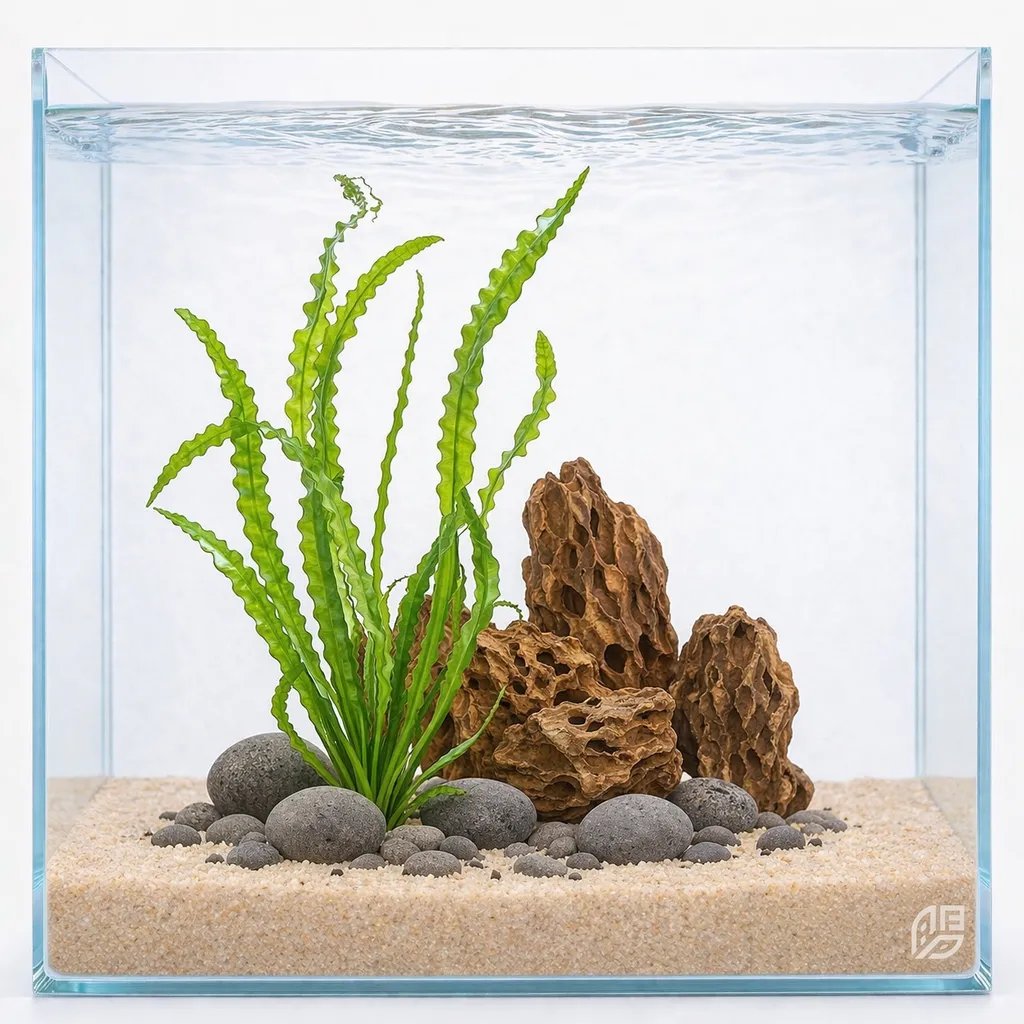
Aponogeton longiplumulosus
FreshwaterMedium light · Background23.6 in (60 cm)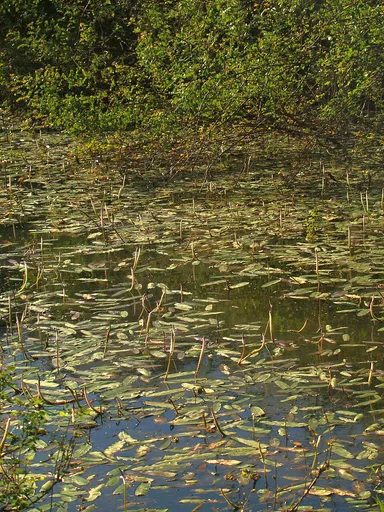
Aponogeton natans
FreshwaterMedium light · Background15.7 in (40 cm)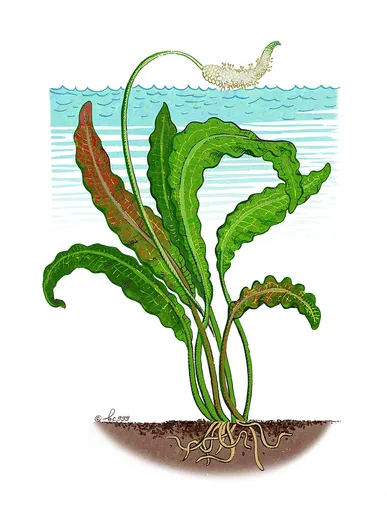
Aponogeton rigidifolius
FreshwaterMedium light · Background23.6 in (60 cm)Aponogeton ulvaceus
FreshwaterMedium light · Background19.7 in (50 cm)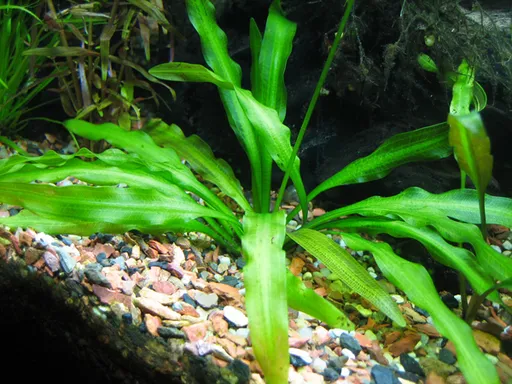
Aponogeton undulatus
FreshwaterMedium light · Background21.7 in (55 cm)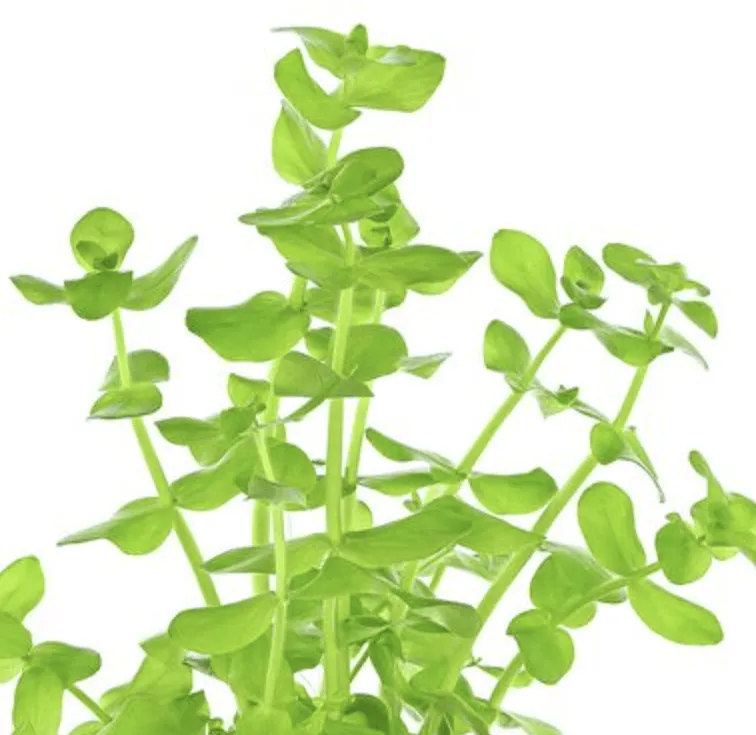
Bacopa lanigera
FreshwaterHigh light · Background11.8 in (30 cm)Big Bear sword
Echinodorus 'Big Bear'
FreshwaterMedium light · Background17.7 in (45 cm)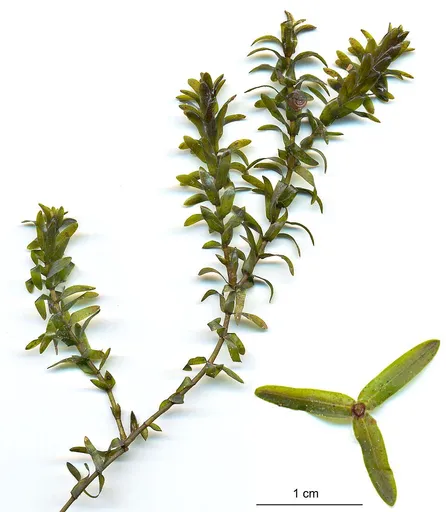
Canadian waterweed
Elodea canadensis
FreshwaterLow light · Background23.6 in (60 cm)Corkscrew val
Vallisneria natans
FreshwaterMedium light · Background23.6 in (60 cm)Crinum calamistratum
FreshwaterLow light · Background23.6 in (60 cm)Cryptocoryne balansae
Cryptocoryne crispatula var. balansae
FreshwaterMedium light · Background19.7 in (50 cm)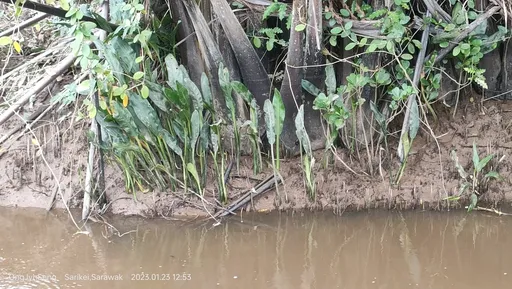
Cryptocoryne ciliata
FreshwaterBrackishMedium light · Background23.6 in (60 cm)Cryptocoryne crispatula
FreshwaterMedium light · Background23.6 in (60 cm)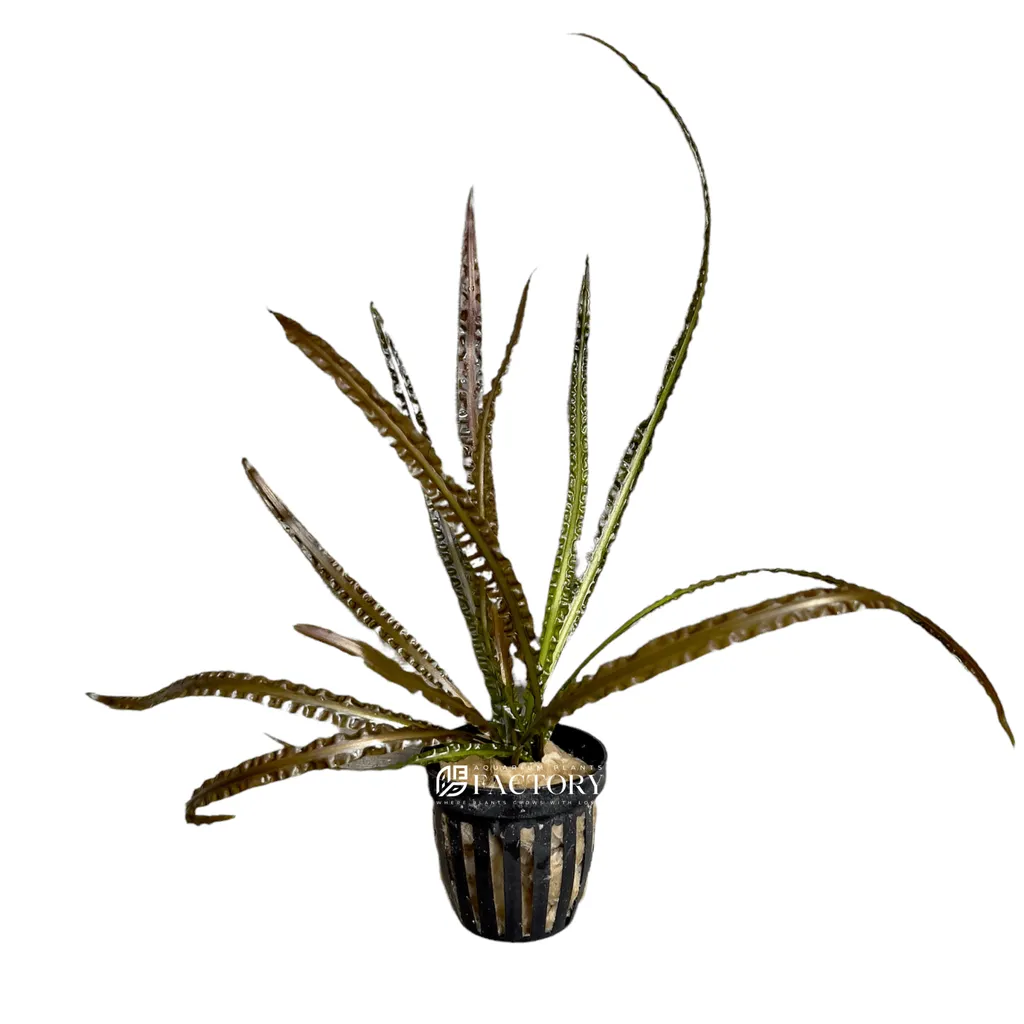
Cryptocoryne retrospiralis
FreshwaterLow light · Background19.7 in (50 cm)Cryptocoryne sivadasanii
FreshwaterMedium light · Background47.2 in (120 cm)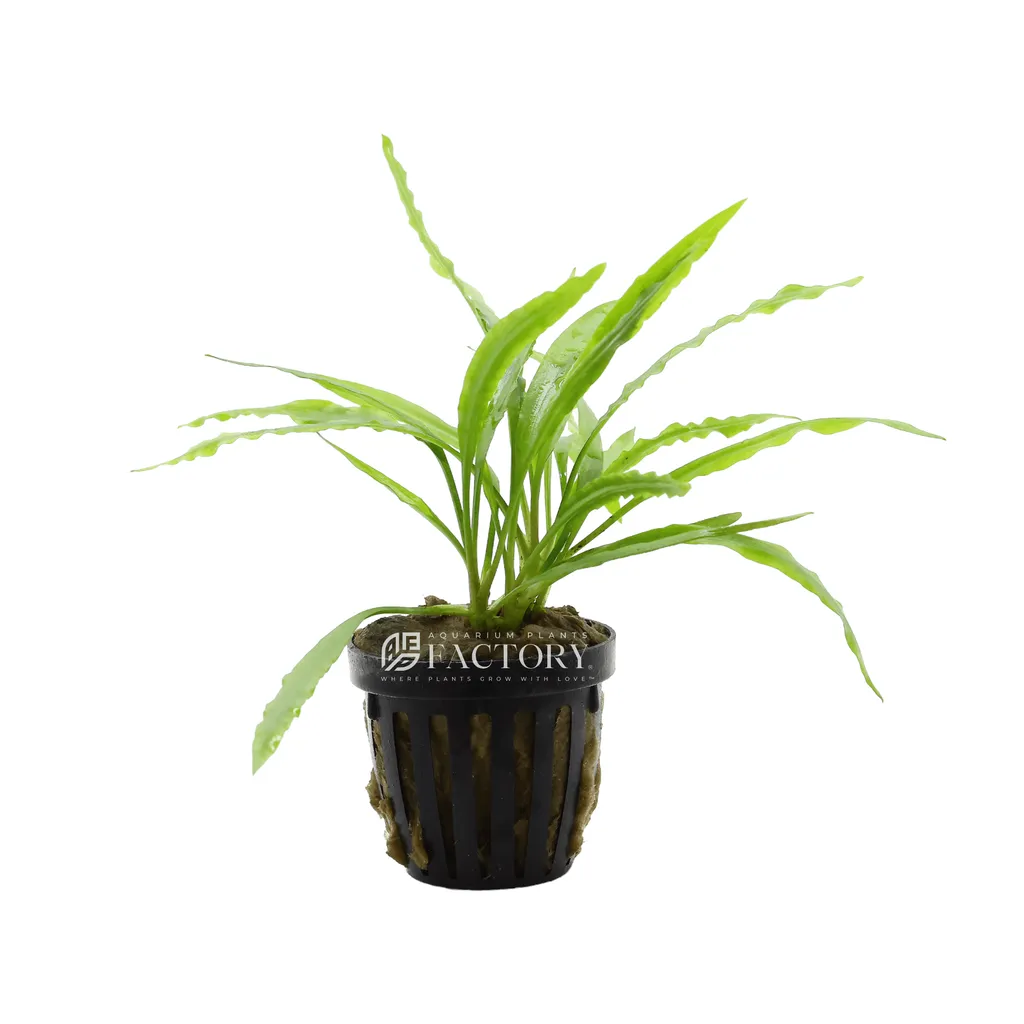
Cryptocoryne spiralis
FreshwaterLow light · Background13.8 in (35 cm)2 formsCryptocoryne tonkinensis
Cryptocoryne crispatula var. tonkinensis
FreshwaterMedium light · Background19.7 in (50 cm)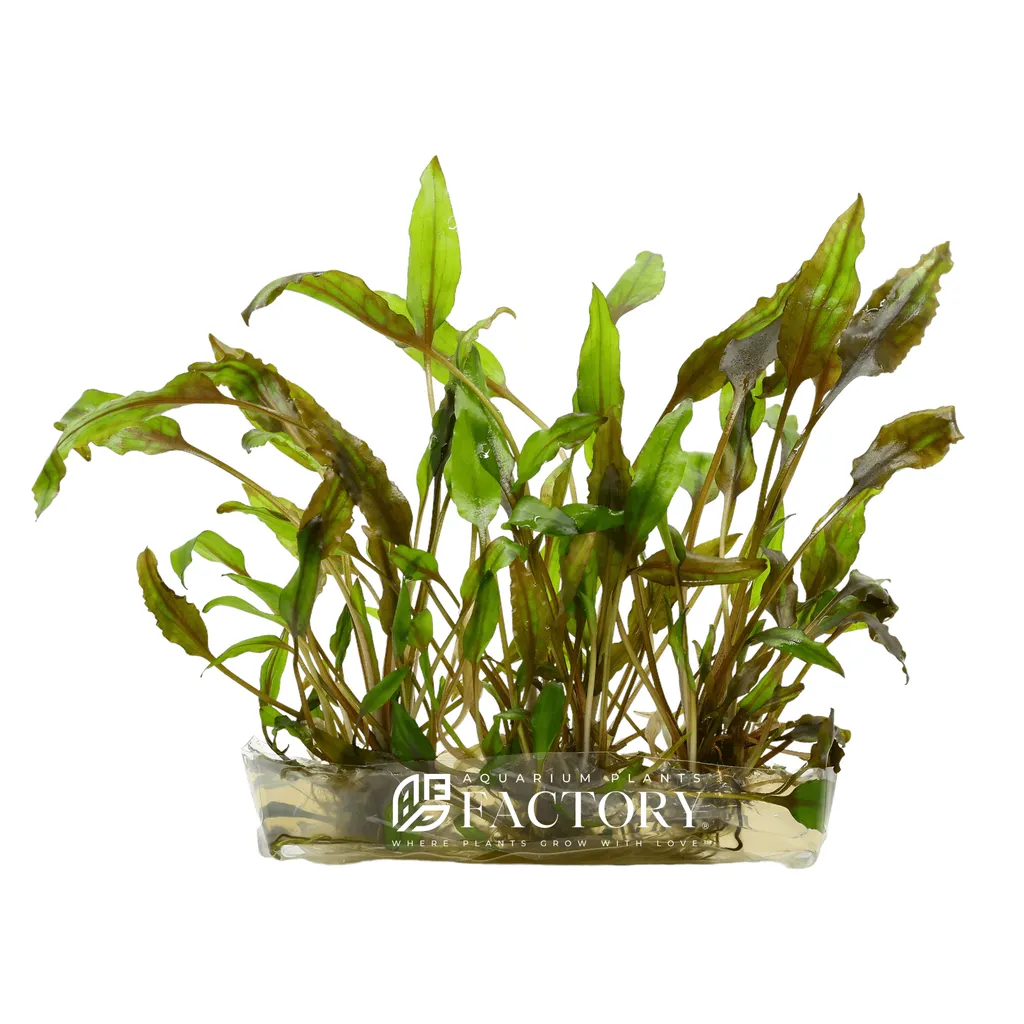
Cryptocoryne usteriana
FreshwaterLow light · Background19.7 in (50 cm)Dwarf vallisneria
Vallisneria nana
FreshwaterMedium light · Background15.7 in (40 cm)Echinodorus Chocolate Marble
Echinodorus 'Chocolate Marble'
FreshwaterMedium light · Background15.7 in (40 cm)Echinodorus decumbens
FreshwaterMedium light · Background19.7 in (50 cm)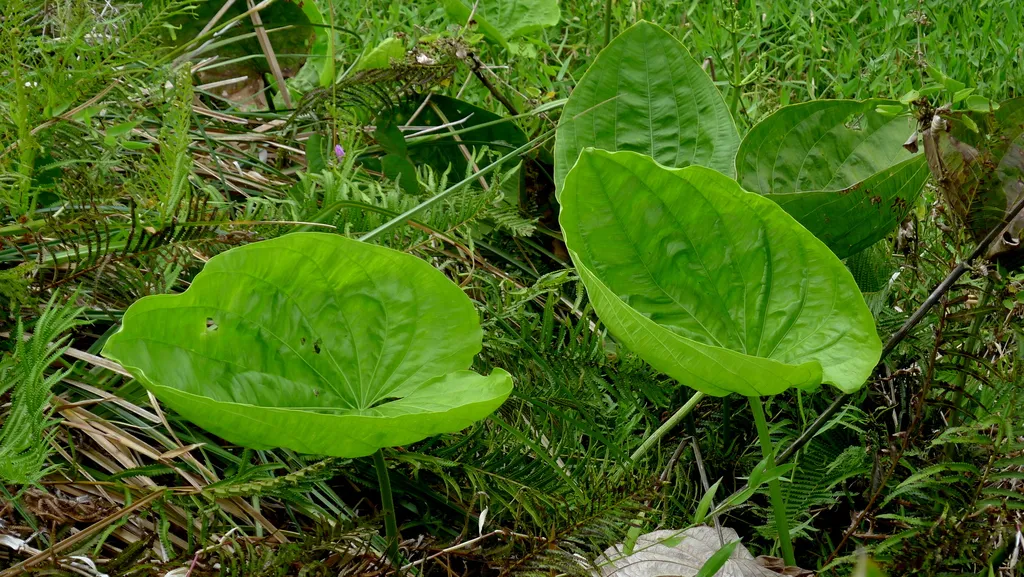
Echinodorus floribundus
FreshwaterMedium light · Background39.4 in (100 cm)Echinodorus palifolius
Aquarius palifolius
FreshwaterMedium light · Background39.4 in (100 cm)Eriocaulon breviscapum
FreshwaterMedium light · Background23.6 in (60 cm)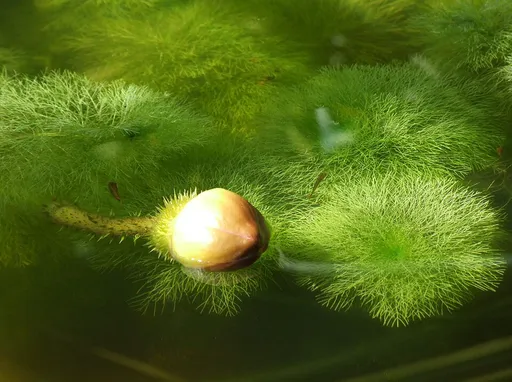
Giant ambulia
Limnophila aquatica
FreshwaterHigh light · Background19.7 in (50 cm)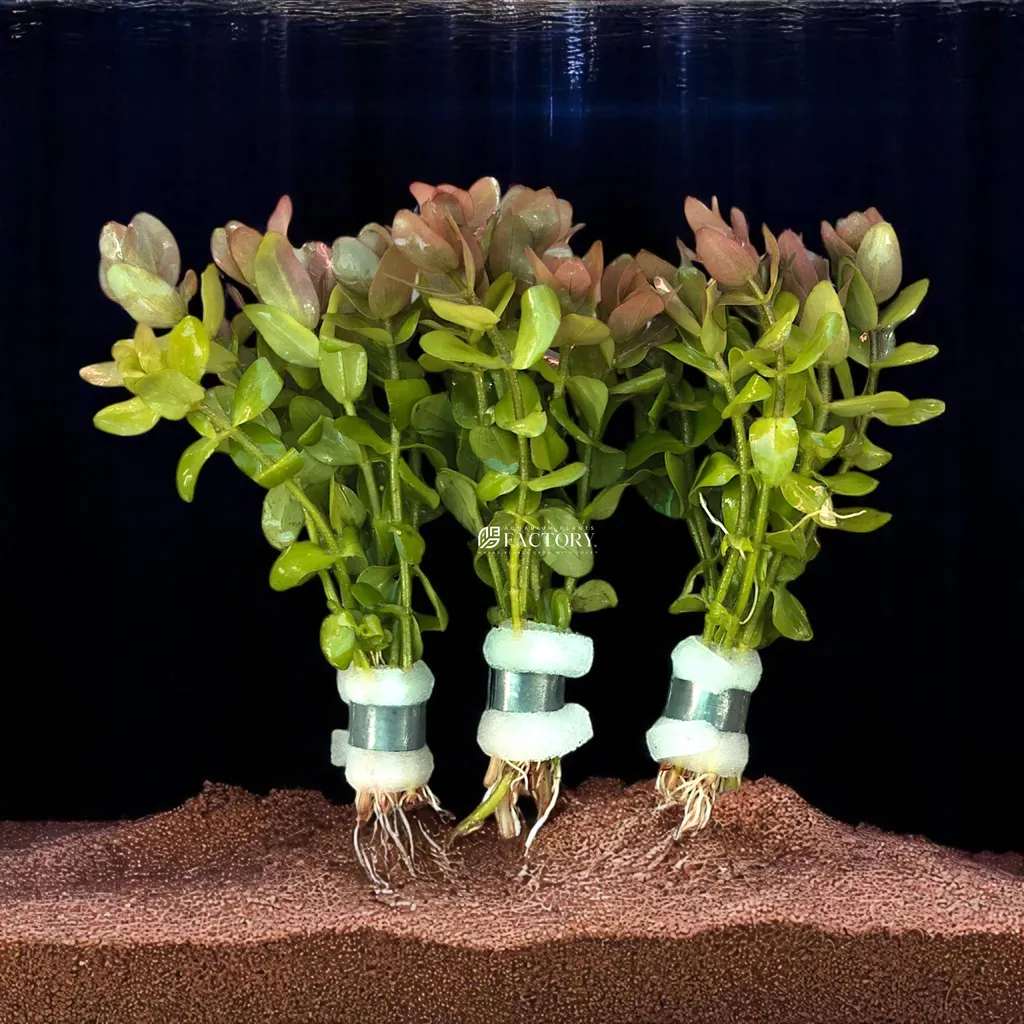
Giant bacopa
Bacopa caroliniana
FreshwaterBrackishLow light · Background15.7 in (40 cm)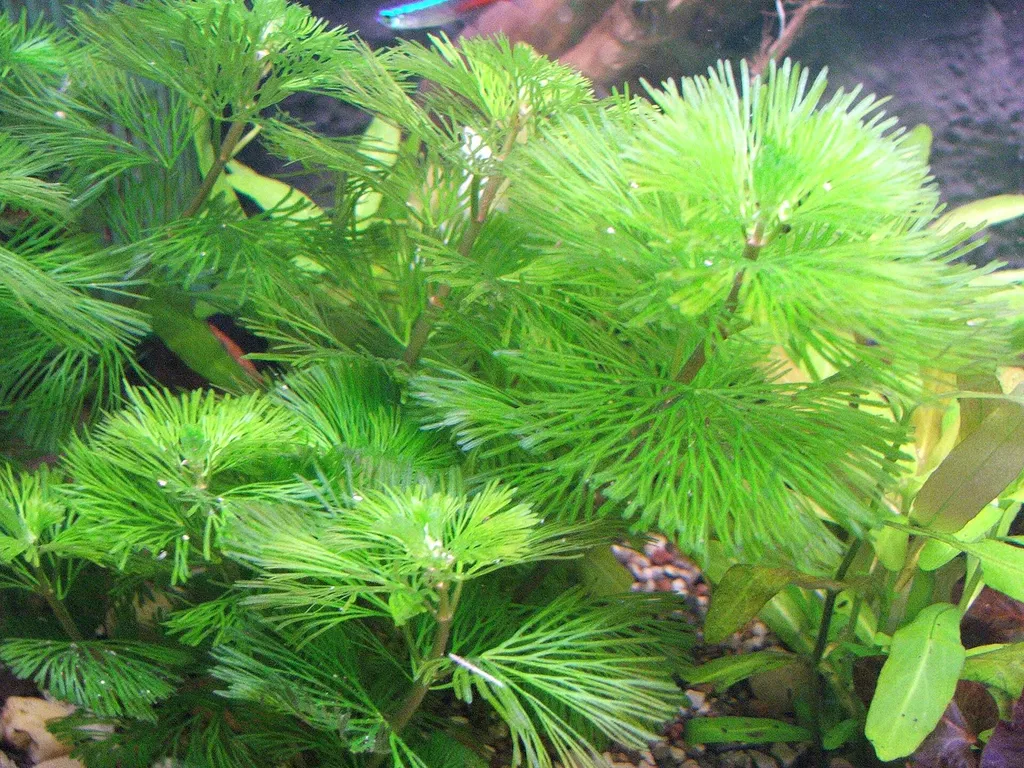
Giant cabomba
Cabomba aquatica
FreshwaterHigh light · Background31.5 in (80 cm)Giant vallisneria
Vallisneria australis
FreshwaterBrackishLow light · Background59.1 in (150 cm)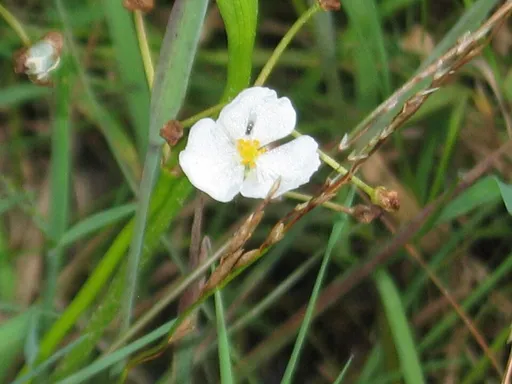
Grassy arrowhead
Sagittaria graminea
FreshwaterMedium light · Background23.6 in (60 cm)Green cabomba
Cabomba caroliniana
FreshwaterHigh light · Background23.6 in (60 cm)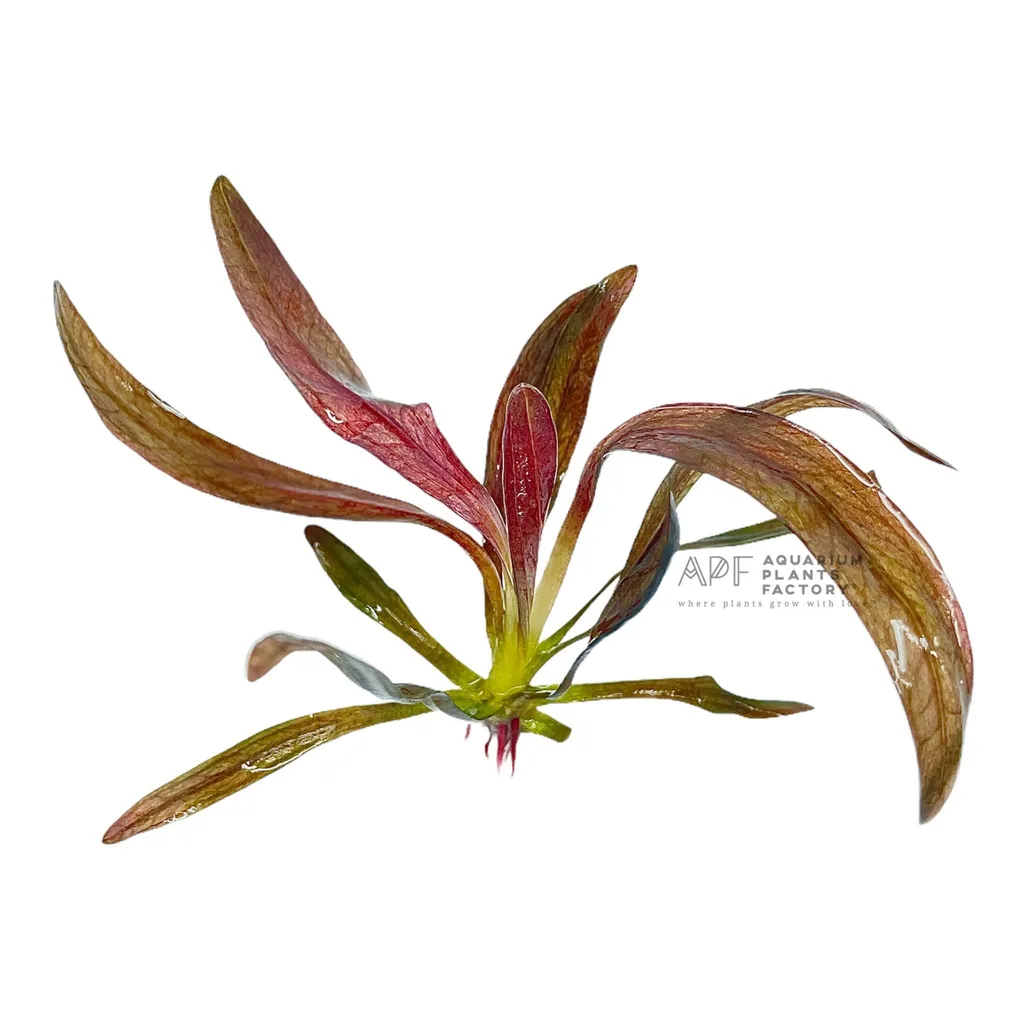
Horemanii sword
Echinodorus horemanii
FreshwaterHigh light · Background19.7 in (50 cm)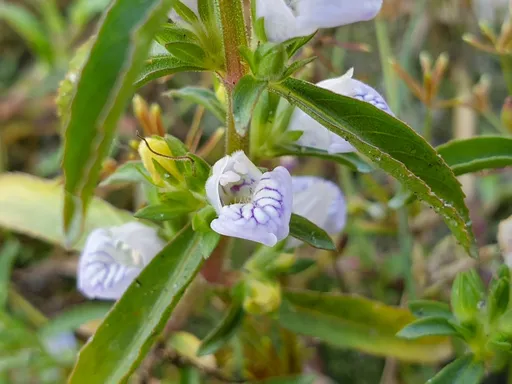
Hygrophila balsamica
FreshwaterHigh light · Background19.7 in (50 cm)Hygrophila corymbosa
FreshwaterLow light · Background19.7 in (50 cm)2 forms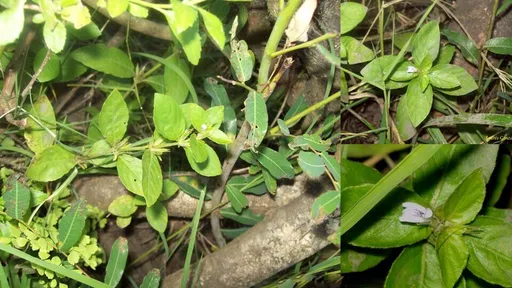
Hygrophila costata
FreshwaterMedium light · Background15.7 in (40 cm)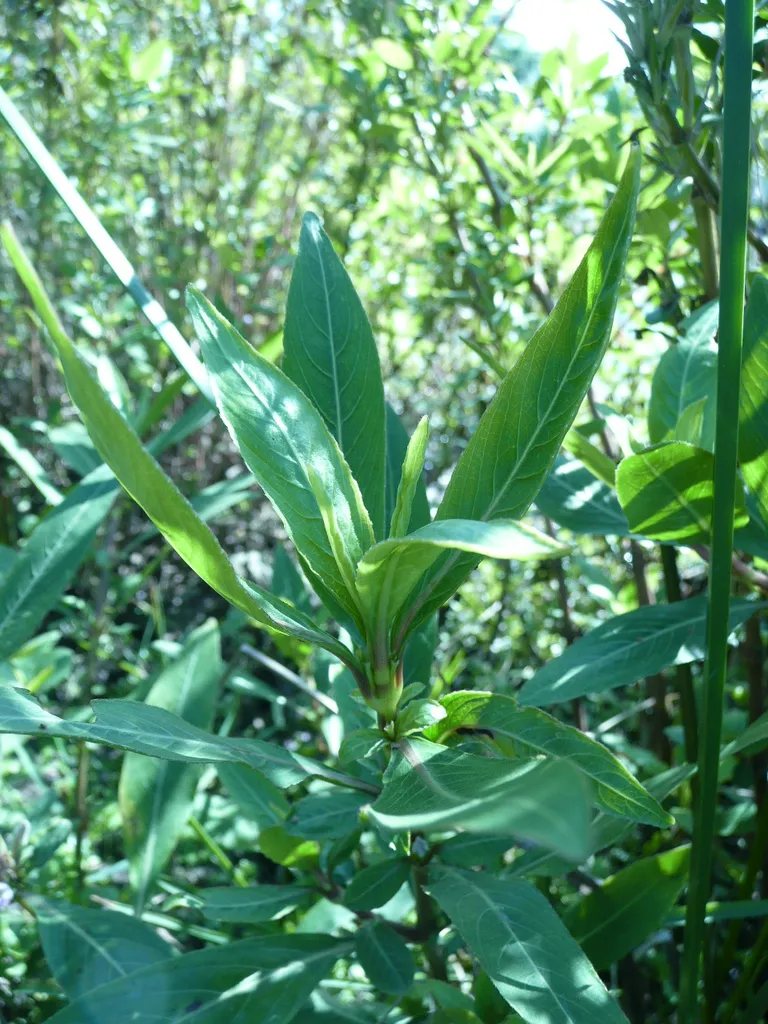
Hygrophila pogonocalyx
FreshwaterMedium light · Background19.7 in (50 cm)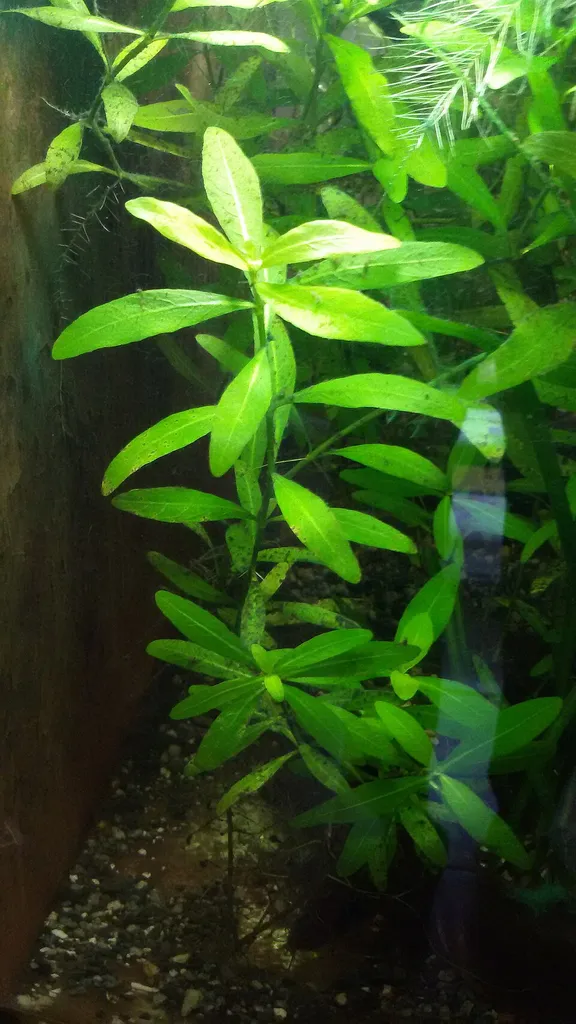
Hygrophila polysperma
FreshwaterLow light · Background17.7 in (45 cm)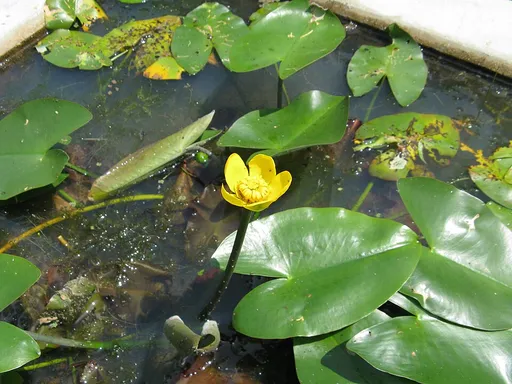
Japanese spatterdock
Nuphar japonica
FreshwaterMedium light · Background23.6 in (60 cm)Jungle val
Vallisneria americana
FreshwaterBrackishLow light · Background39.4 in (100 cm)Kleiner Bar sword
Echinodorus 'Kleiner Bär'
FreshwaterMedium light · Background17.7 in (45 cm)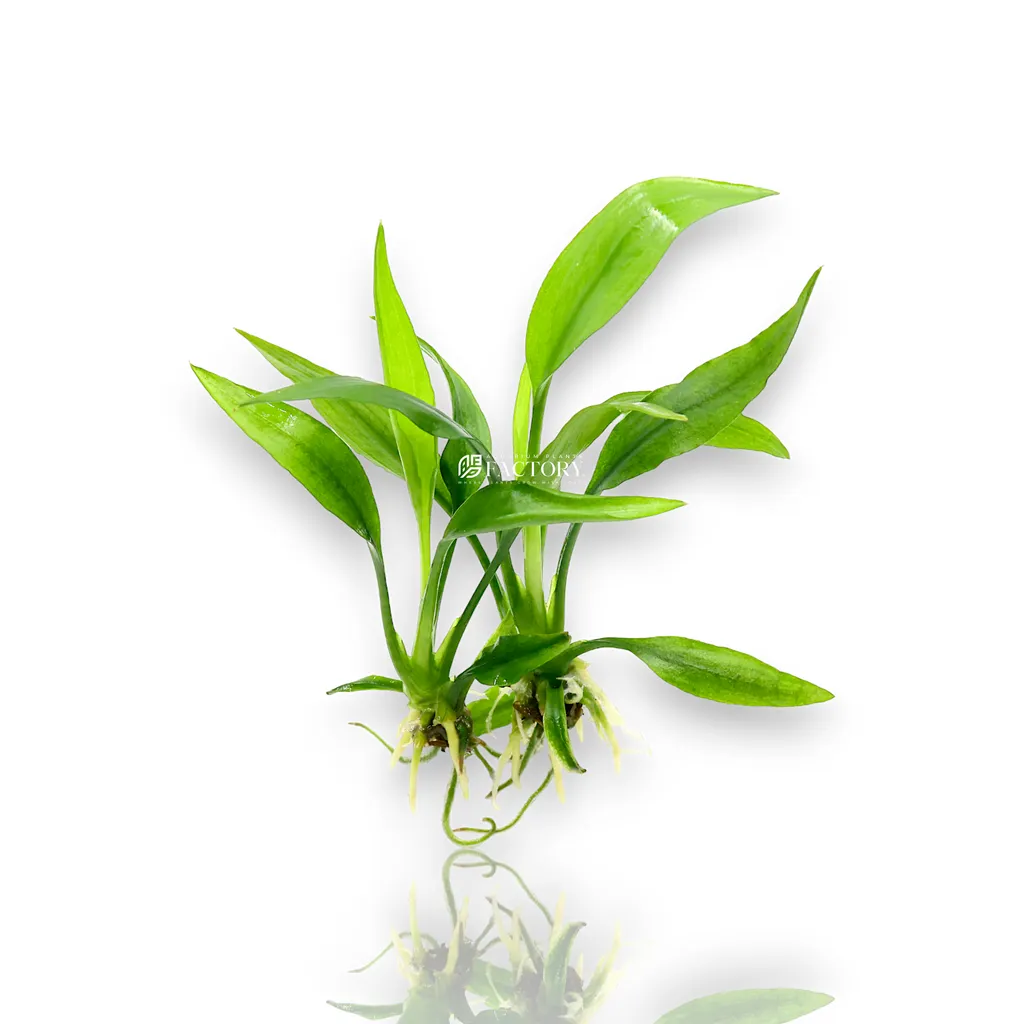
Lagenandra ovata
FreshwaterMedium light · Background19.7 in (50 cm)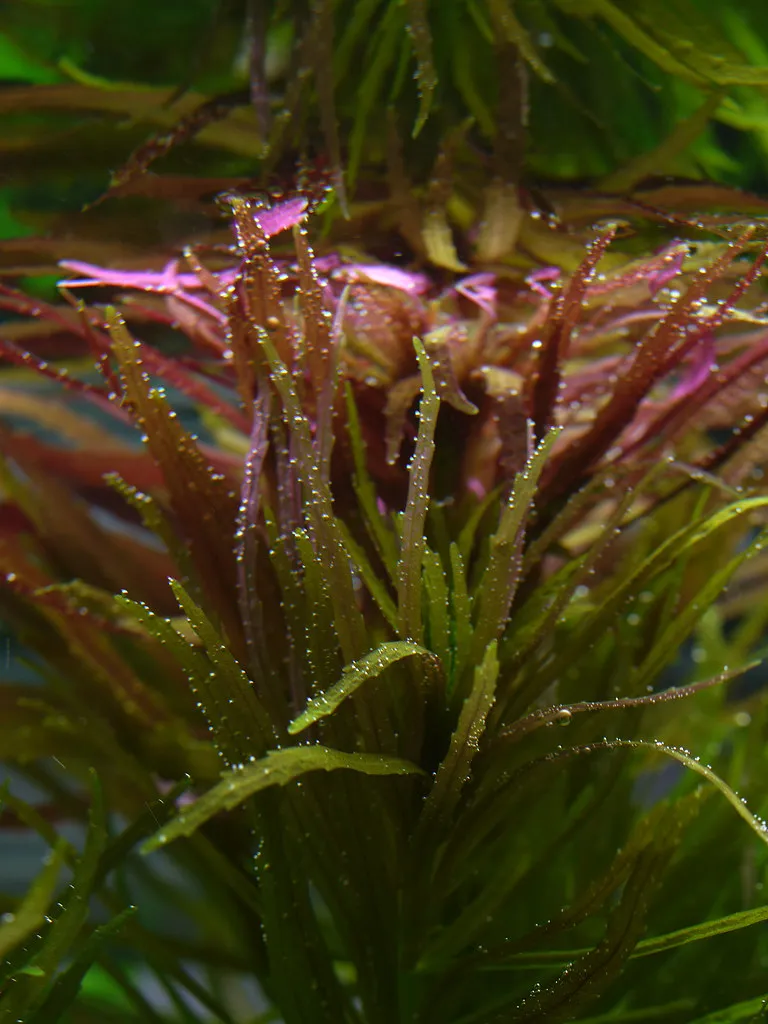
Limnophila aromatica
FreshwaterHigh light · Background15.7 in (40 cm)Limnophila Belem
Limnophila sp. 'Belem'
FreshwaterHigh light · Background11.8 in (30 cm)Limnophila heterophylla
FreshwaterMedium light · Background19.7 in (50 cm)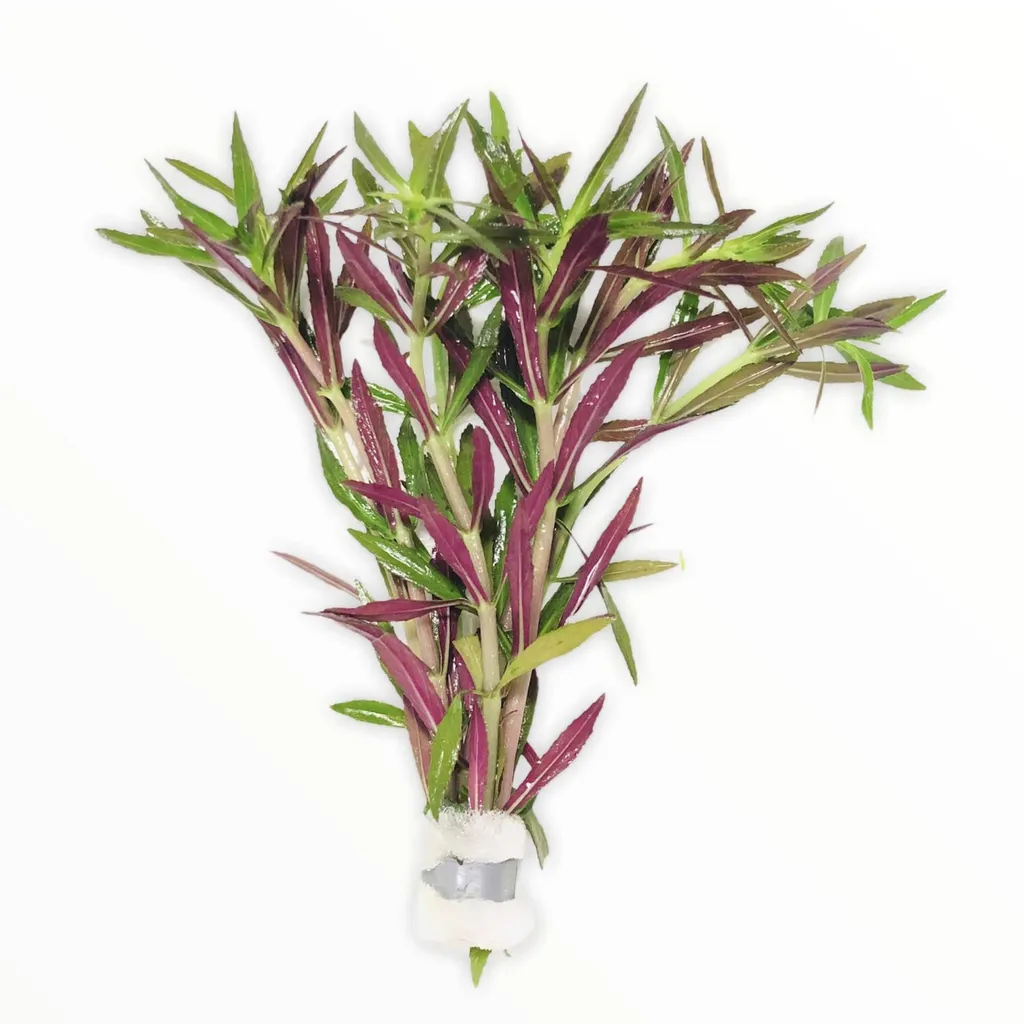
Limnophila hippuridoides
FreshwaterHigh light · Background19.7 in (50 cm)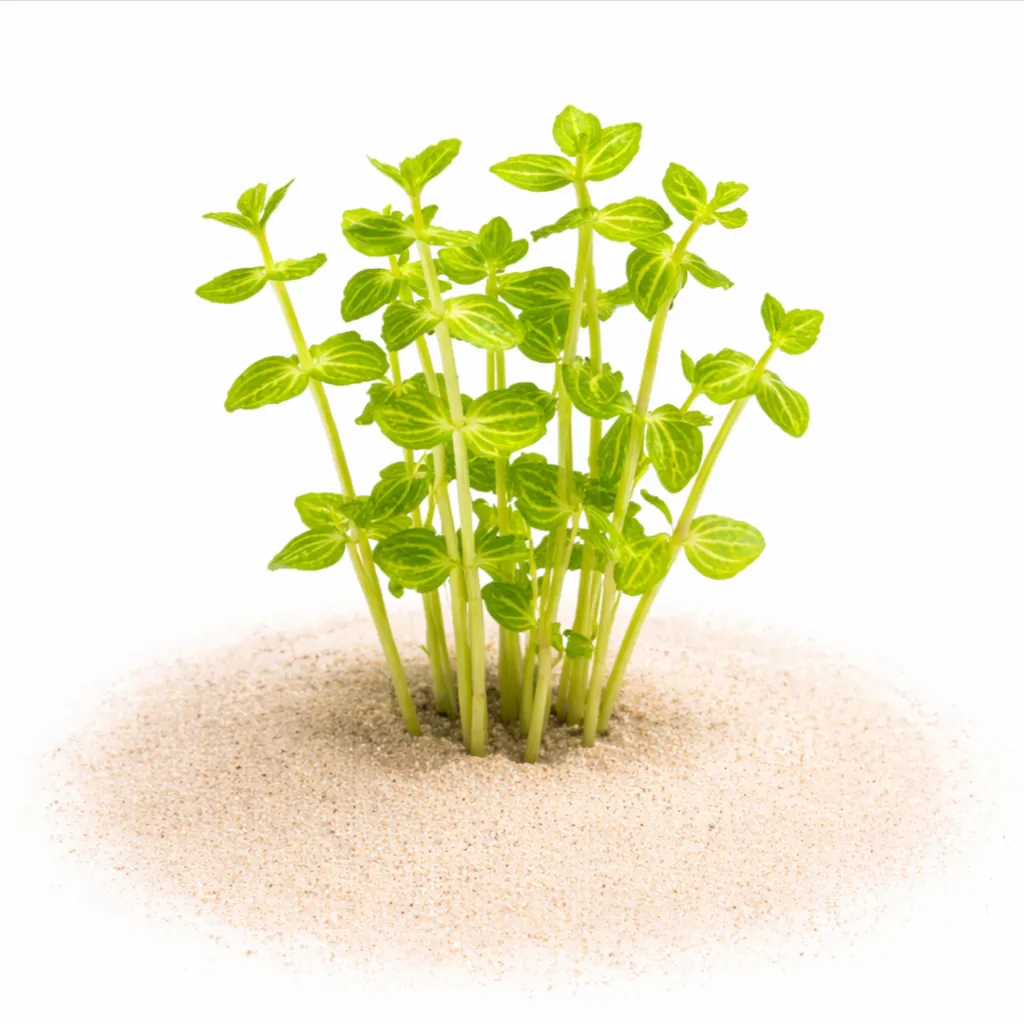
Lindernia rotundifolia
FreshwaterLow light · Background11.8 in (30 cm)Ludwigia Cuba
Ludwigia inclinata var. verticillata 'Cuba'
FreshwaterHigh light · Background15.7 in (40 cm)Ludwigia Dark Orange
Ludwigia sp. 'Dark Orange'
FreshwaterHigh light · Background15.7 in (40 cm)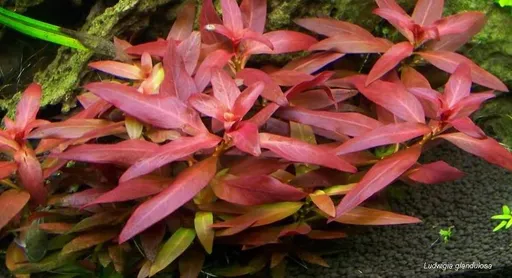
Ludwigia glandulosa
FreshwaterHigh light · Background15.7 in (40 cm)Ludwigia Marilia
Ludwigia sp. 'Marilia'
FreshwaterMedium light · Background23.6 in (60 cm)Ludwigia Meta
Ludwigia inclinata var. verticillata 'Meta'
FreshwaterHigh light · Background15.7 in (40 cm)Ludwigia palustris
FreshwaterMedium light · Background19.7 in (50 cm)Ludwigia Pantanal
Ludwigia inclinata var. verticillata 'Pantanal'
FreshwaterHigh light · Background15.7 in (40 cm)Ludwigia repens
FreshwaterMedium light · Background19.7 in (50 cm)Madagascar lace
Aponogeton madagascariensis
FreshwaterMedium light · Background23.6 in (60 cm)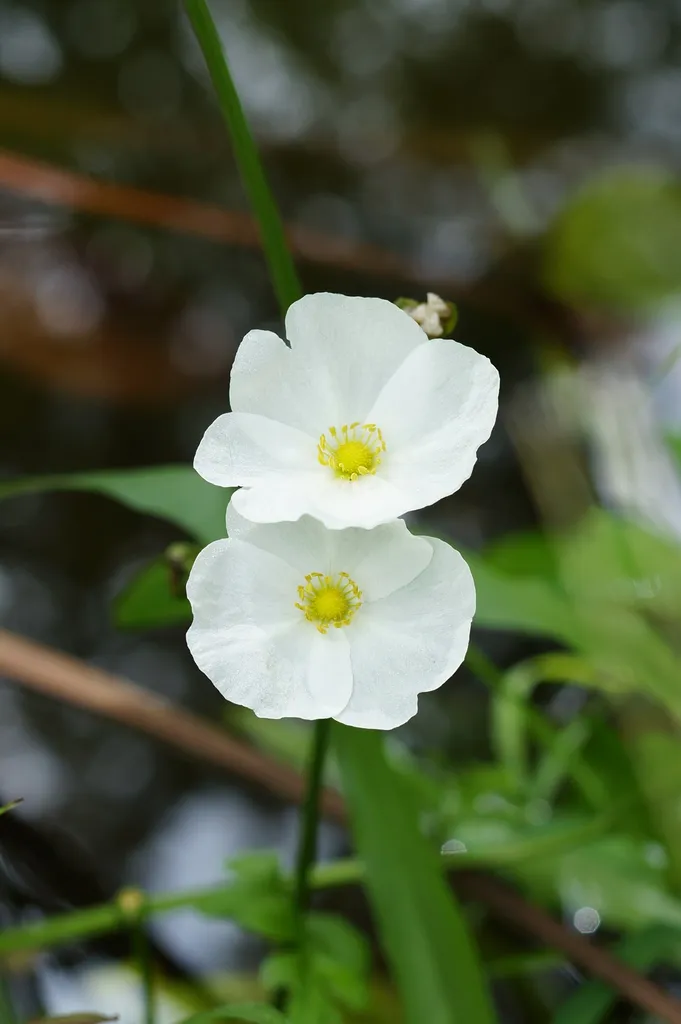
Marble queen sword
Echinodorus cordifolius
FreshwaterMedium light · Background19.7 in (50 cm)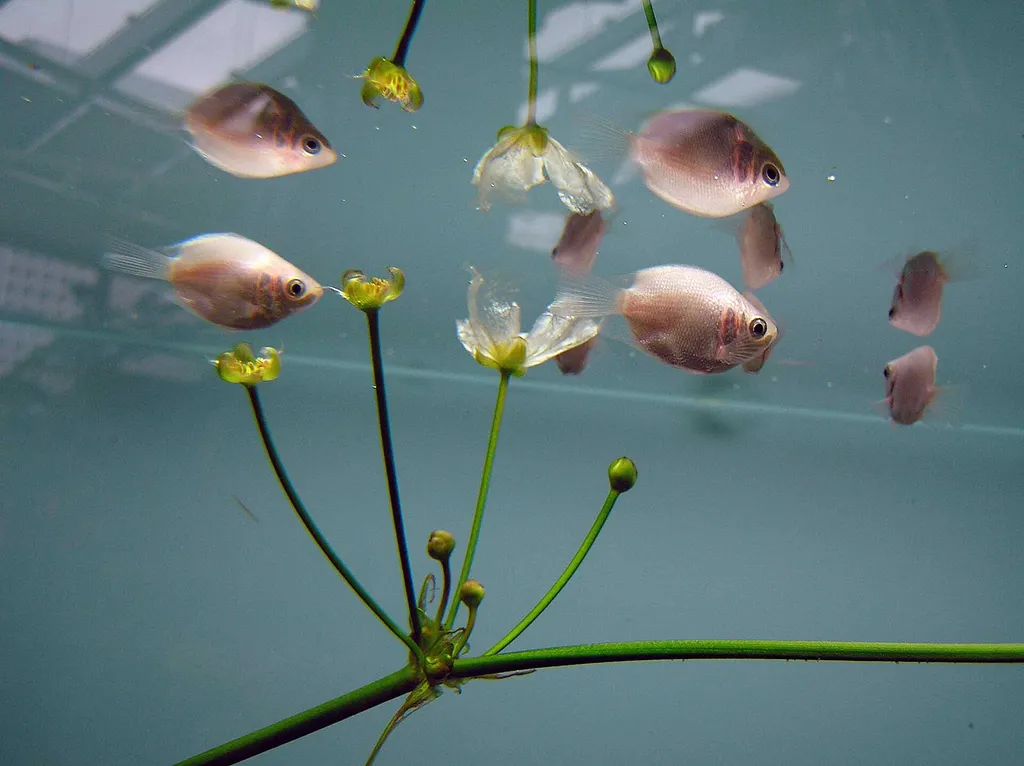
Melon sword
Echinodorus osiris
FreshwaterMedium light · Background19.7 in (50 cm)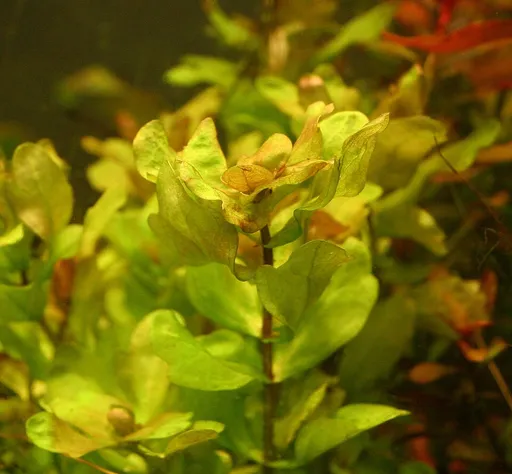
Mexican oak leaf
Shinnersia rivularis
FreshwaterMedium light · Background19.7 in (50 cm)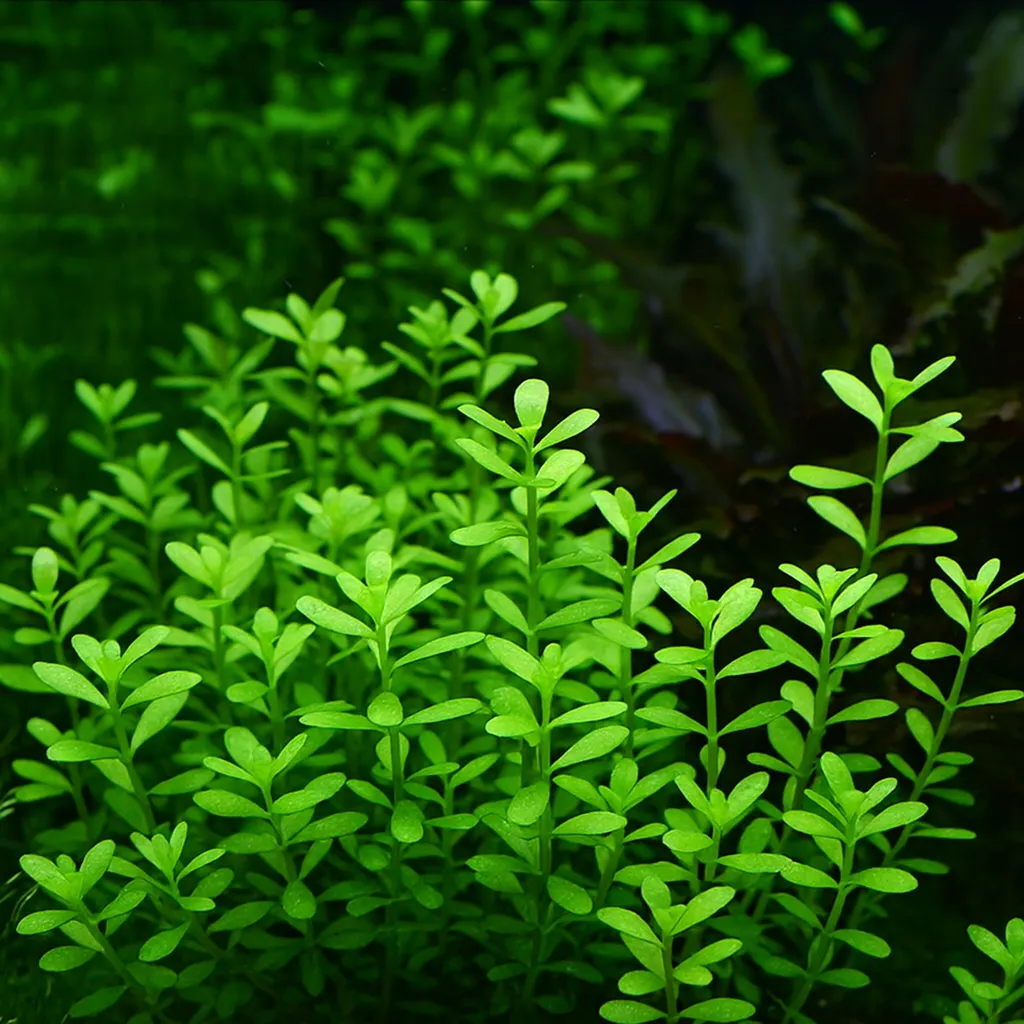
Moneywort
Bacopa monnieri
FreshwaterBrackishMedium light · Background11.8 in (30 cm)Myriophyllum Guyana
Myriophyllum mattogrossense
FreshwaterMedium light · Background19.7 in (50 cm)Myriophyllum pinnatum
FreshwaterMedium light · Background23.6 in (60 cm)Myriophyllum Roraima
Myriophyllum sp. 'Roraima'
FreshwaterHigh light · Background23.6 in (60 cm)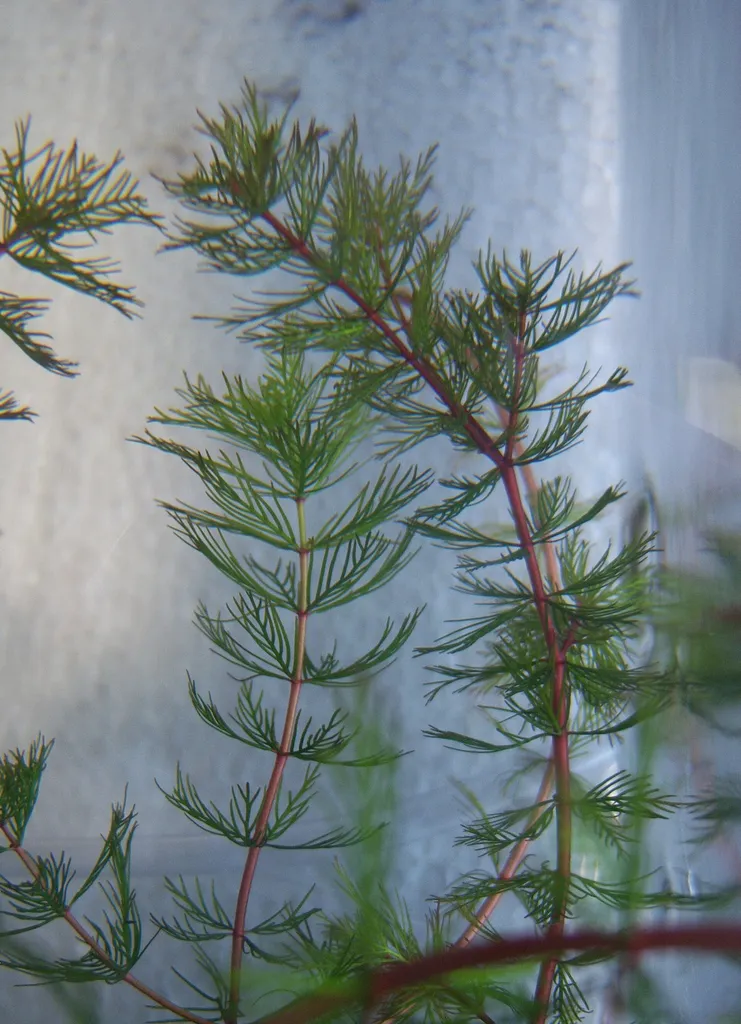
Myriophyllum Snowflake
Myriophyllum quitense
FreshwaterMedium light · Background23.6 in (60 cm)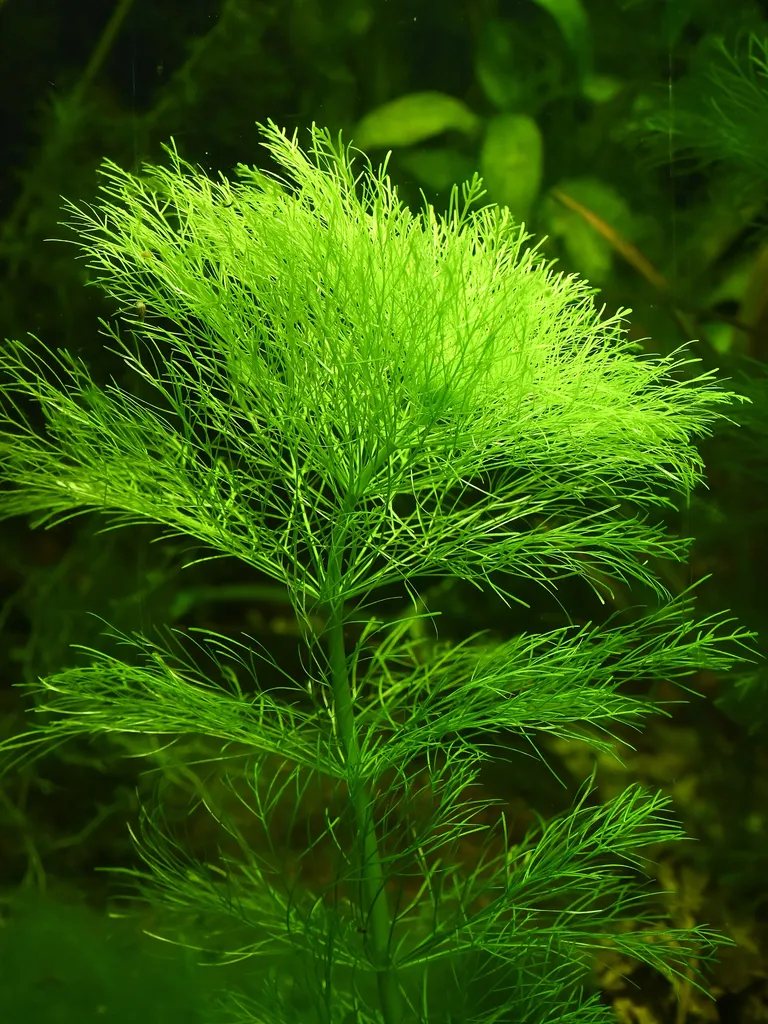
Myriophyllum tetrandrum
FreshwaterMedium light · Background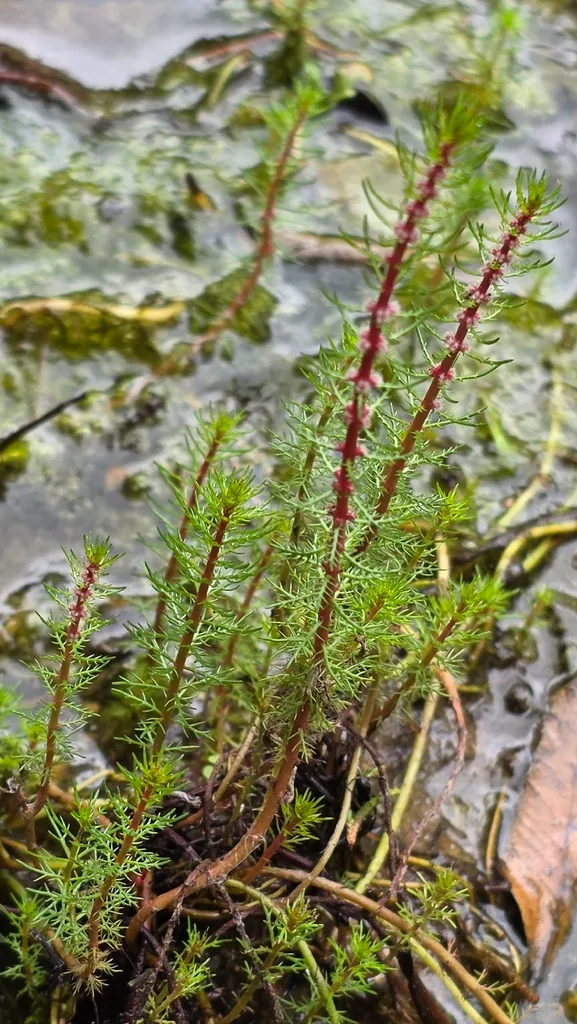
Myriophyllum ussuriense
FreshwaterMedium light · Background15.7 in (40 cm)Narrow leaf anacharis
Elodea najas
FreshwaterMedium light · Background15.7 in (40 cm)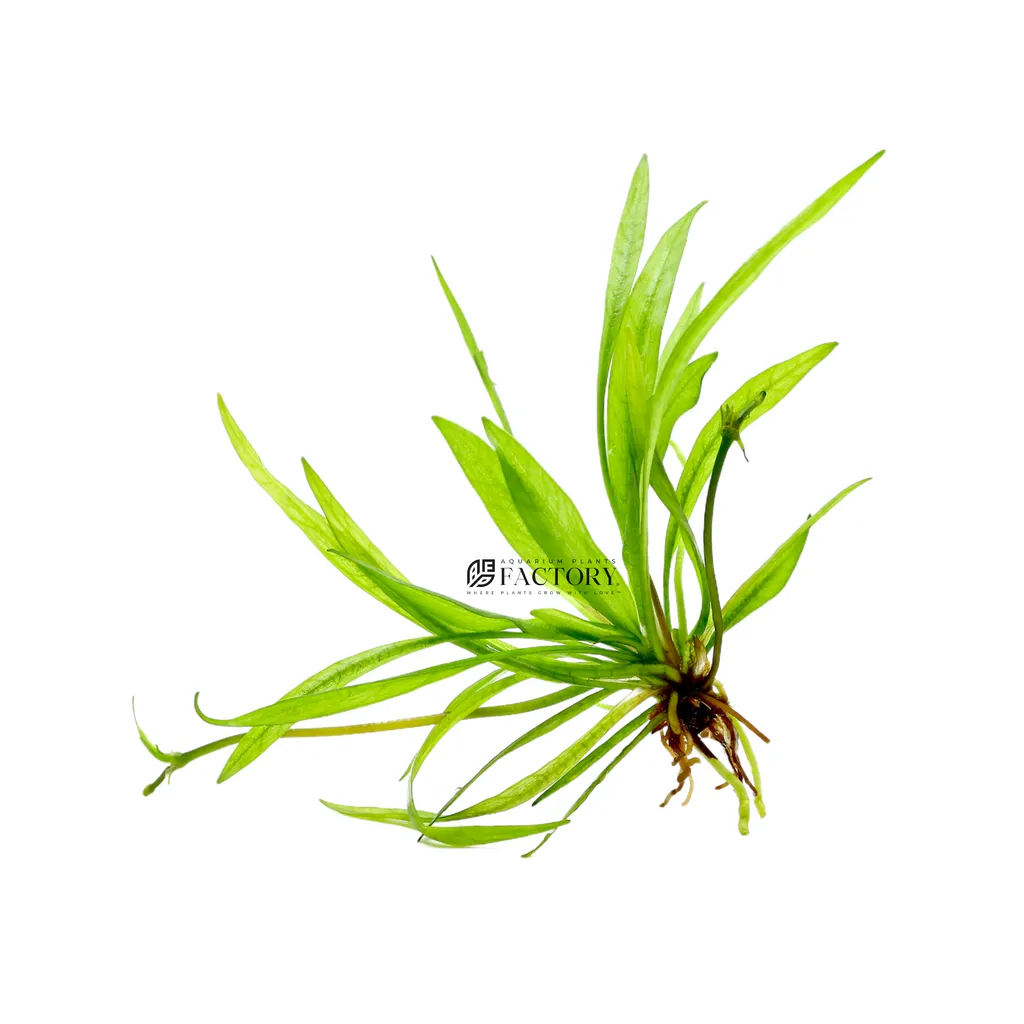
Narrow leaf chain sword
Helanthium bolivianum 'Angustifolius'
FreshwaterMedium light · Background23.6 in (60 cm)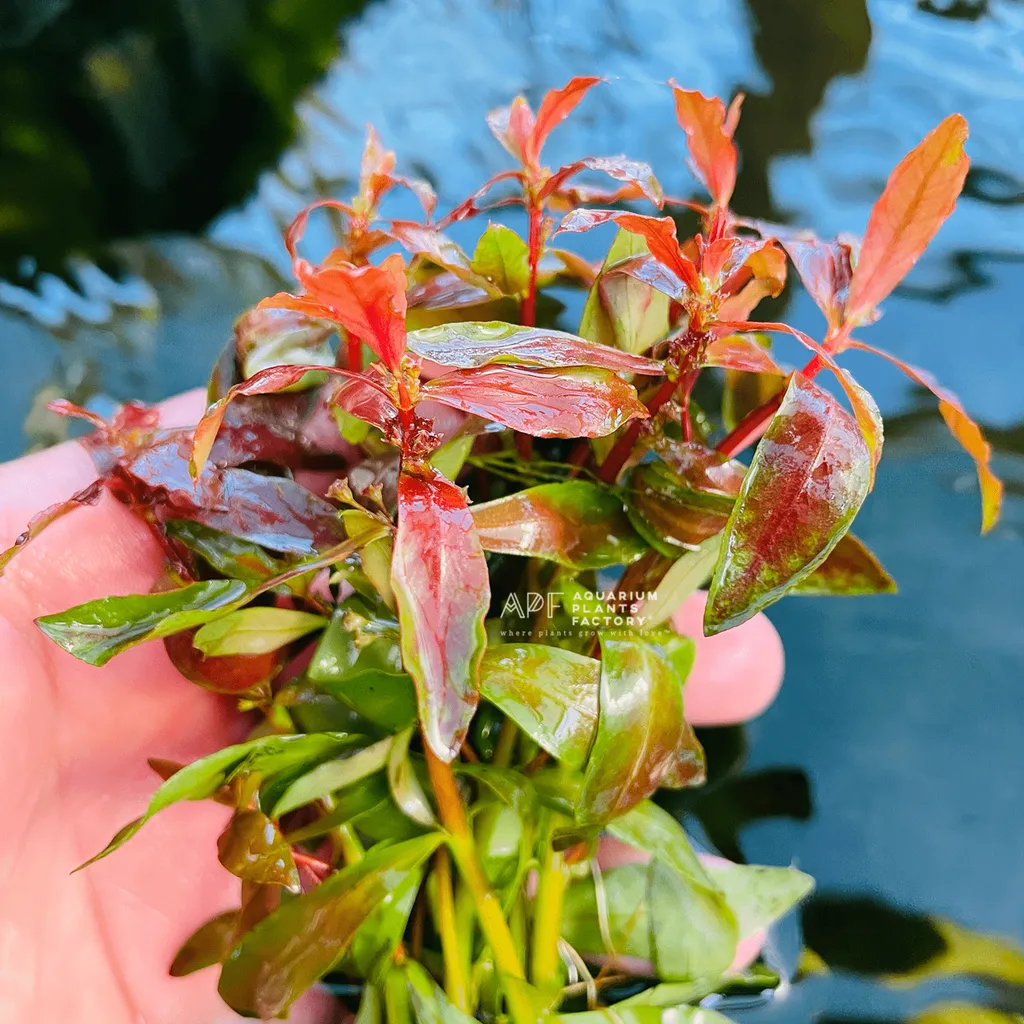
Nesaea crassicaulis
Ammannia crassicaulis
FreshwaterHigh light · Background19.7 in (50 cm)Nesaea pedicellata Golden
Ammannia pedicellata
FreshwaterHigh light · Background15.7 in (40 cm)Nesaea triflora
Ammannia capitellata
FreshwaterMedium light · Background23.6 in (60 cm)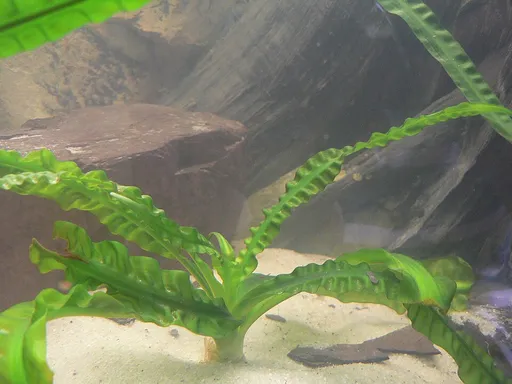
Onion plant natans
Crinum natans
FreshwaterMedium light · Background39.4 in (100 cm)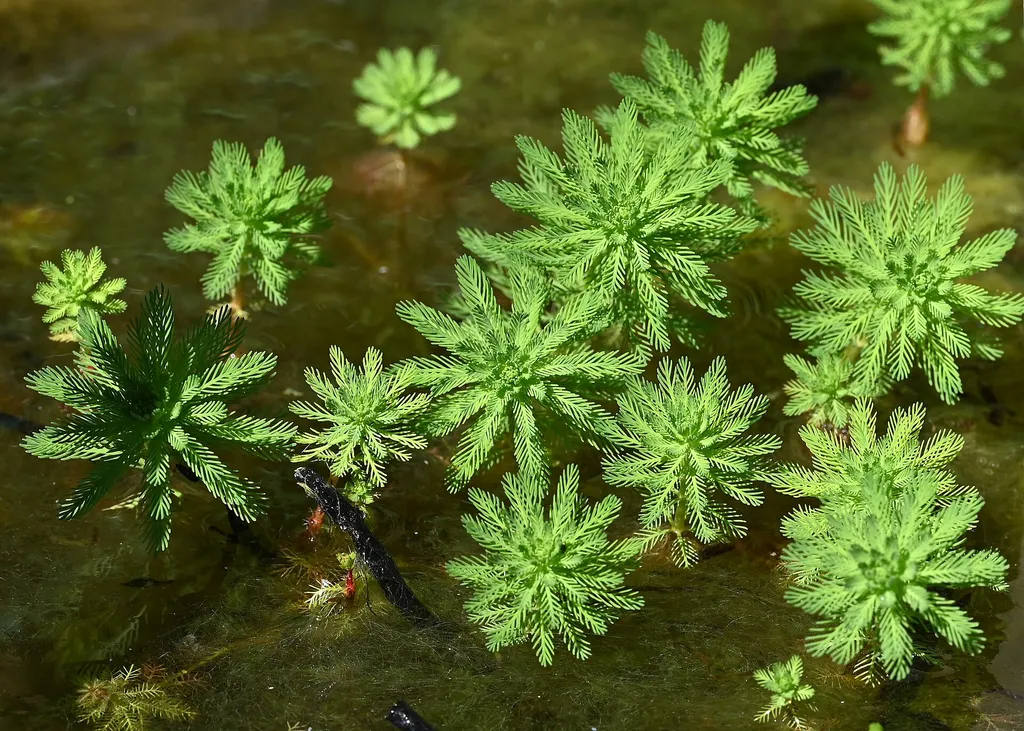
Parrot's feather
Myriophyllum aquaticum
FreshwaterHigh light · Background15.7 in (40 cm)Persicaria kawagoeanum
Persicaria sp. 'Kawagoeanum'
FreshwaterHigh light · Background15.7 in (40 cm)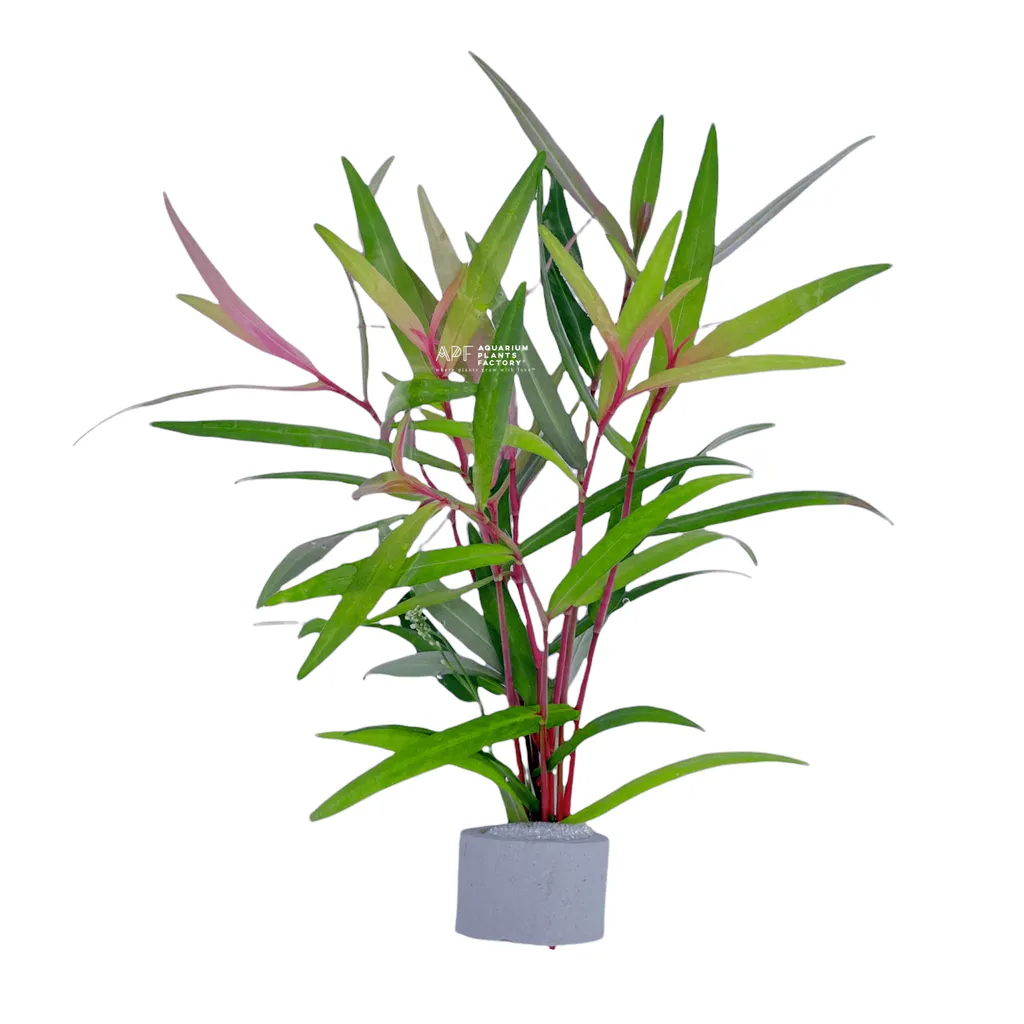
Persicaria Sao Paulo
Persicaria sp. 'Sao Paulo'
FreshwaterHigh light · Background19.7 in (50 cm)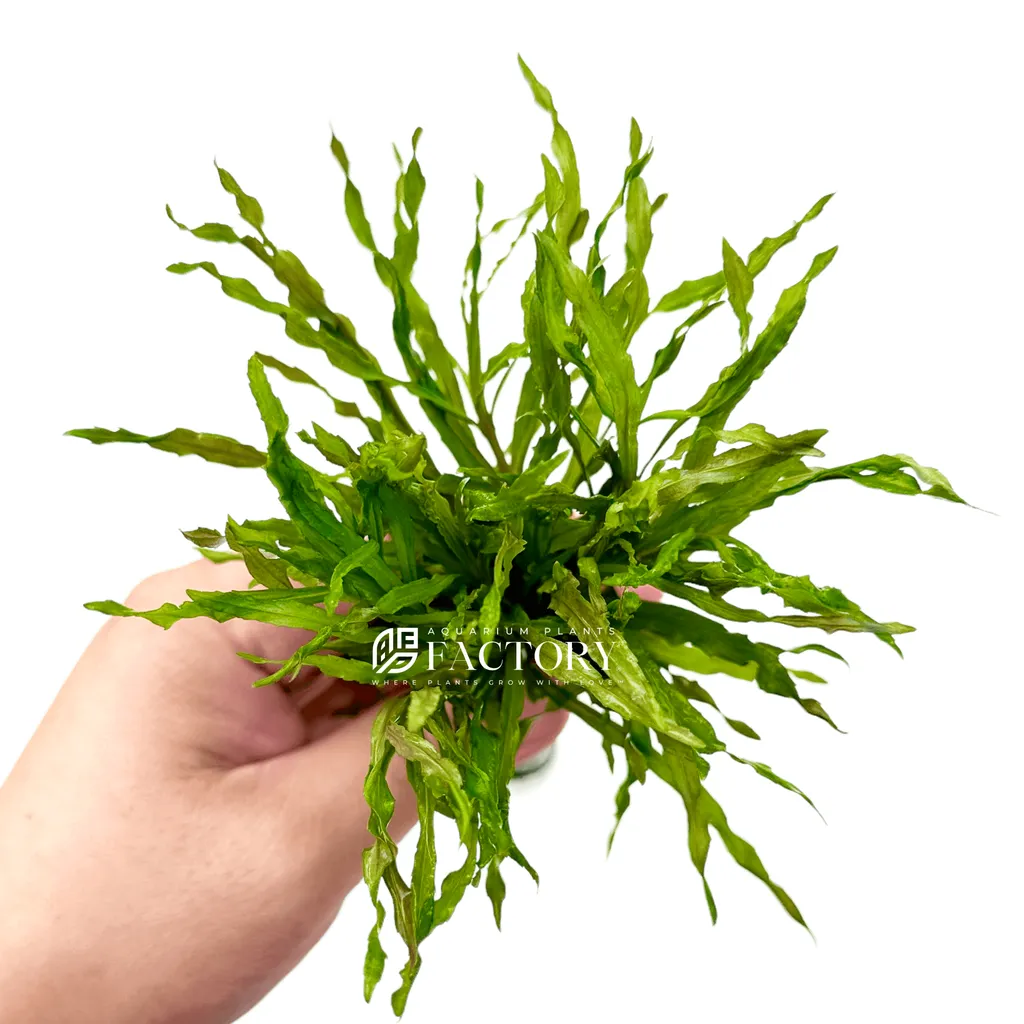
Pogostemon Dassen
Pogostemon stellatus 'Dassen'
FreshwaterHigh light · Background17.7 in (45 cm)Pogostemon quadrifolius
FreshwaterMedium light · Background15.7 in (40 cm)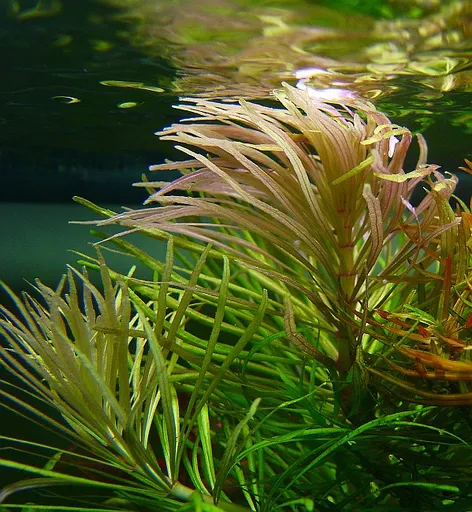
Pogostemon stellatus
FreshwaterHigh light · Background23.6 in (60 cm)Pogostemon stellatus Broad Leaf
Pogostemon stellatus 'Broad Leaf'
FreshwaterHigh light · Background23.6 in (60 cm)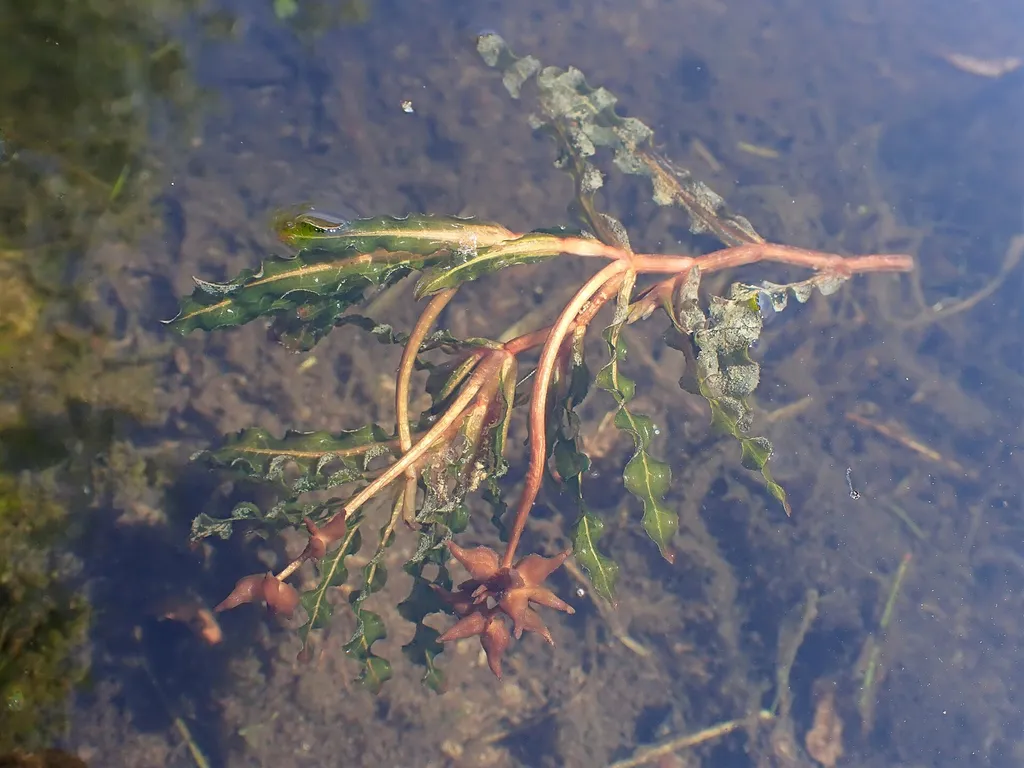
Potamogeton crispus
FreshwaterBrackishLow light · Background31.5 in (80 cm)Potamogeton gayi
FreshwaterMedium light · Background23.6 in (60 cm)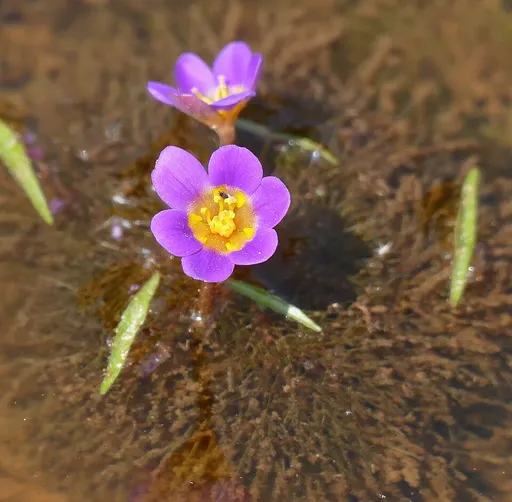
Red cabomba
Cabomba furcata
FreshwaterHigh light · Background19.7 in (50 cm)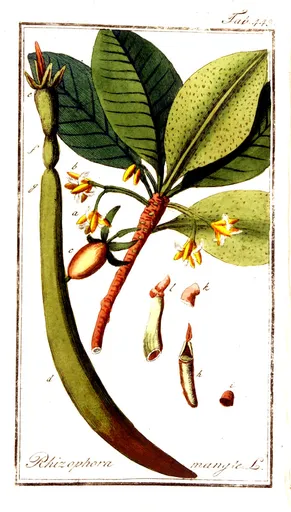
Red mangrove
Rhizophora mangle
BrackishSaltwaterHigh light · Background23.6 in (60 cm)Red myriophyllum
Myriophyllum tuberculatum
FreshwaterHigh light · Background11.8 in (30 cm)Rose sword
Echinodorus 'Rosé'
FreshwaterLow light · Background15.7 in (40 cm)Rotala Bossii
Rotala sp. 'Bossii'
FreshwaterHigh light · Background11.8 in (30 cm)Rotala macrandra
FreshwaterHigh light · Background19.7 in (50 cm)3 forms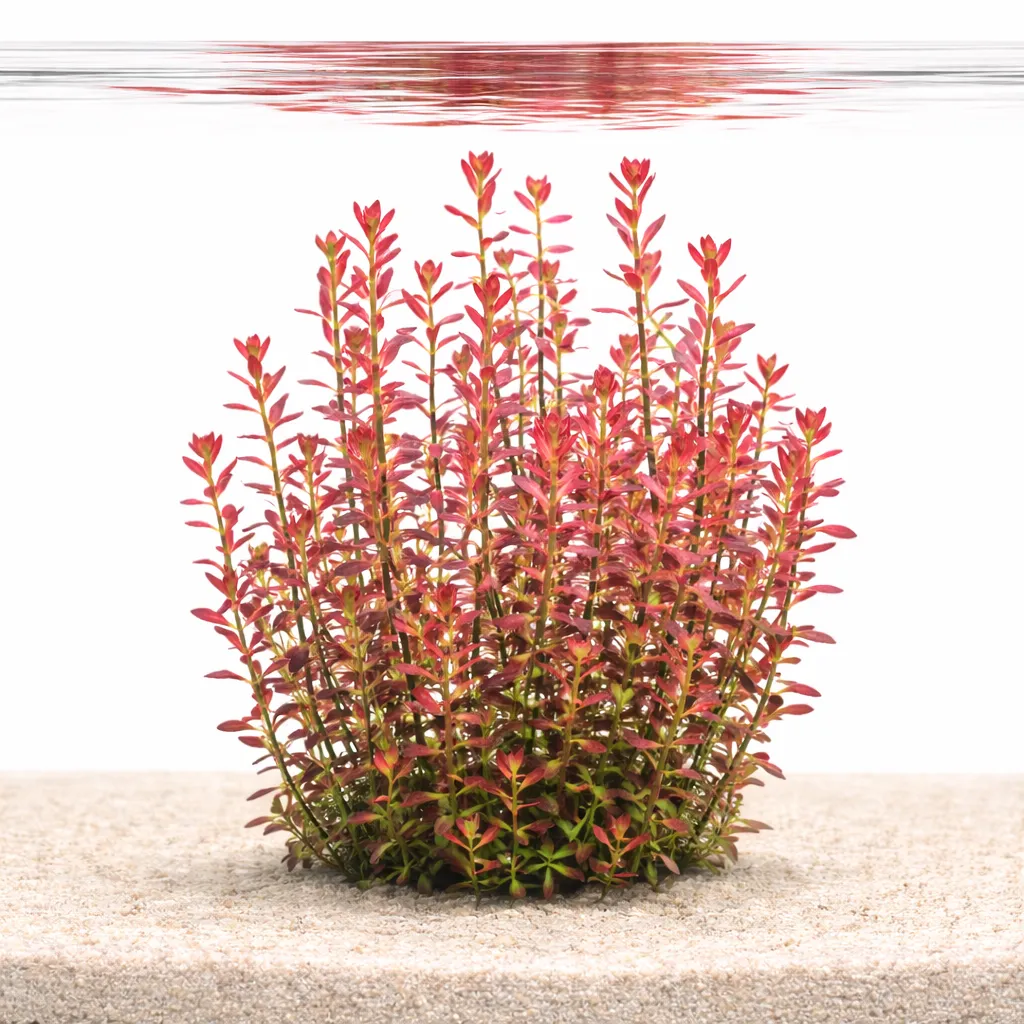
Rotala ramosior
FreshwaterHigh light · Background15.7 in (40 cm)Rotala rotundifolia
FreshwaterMedium light · Background19.7 in (50 cm)8 forms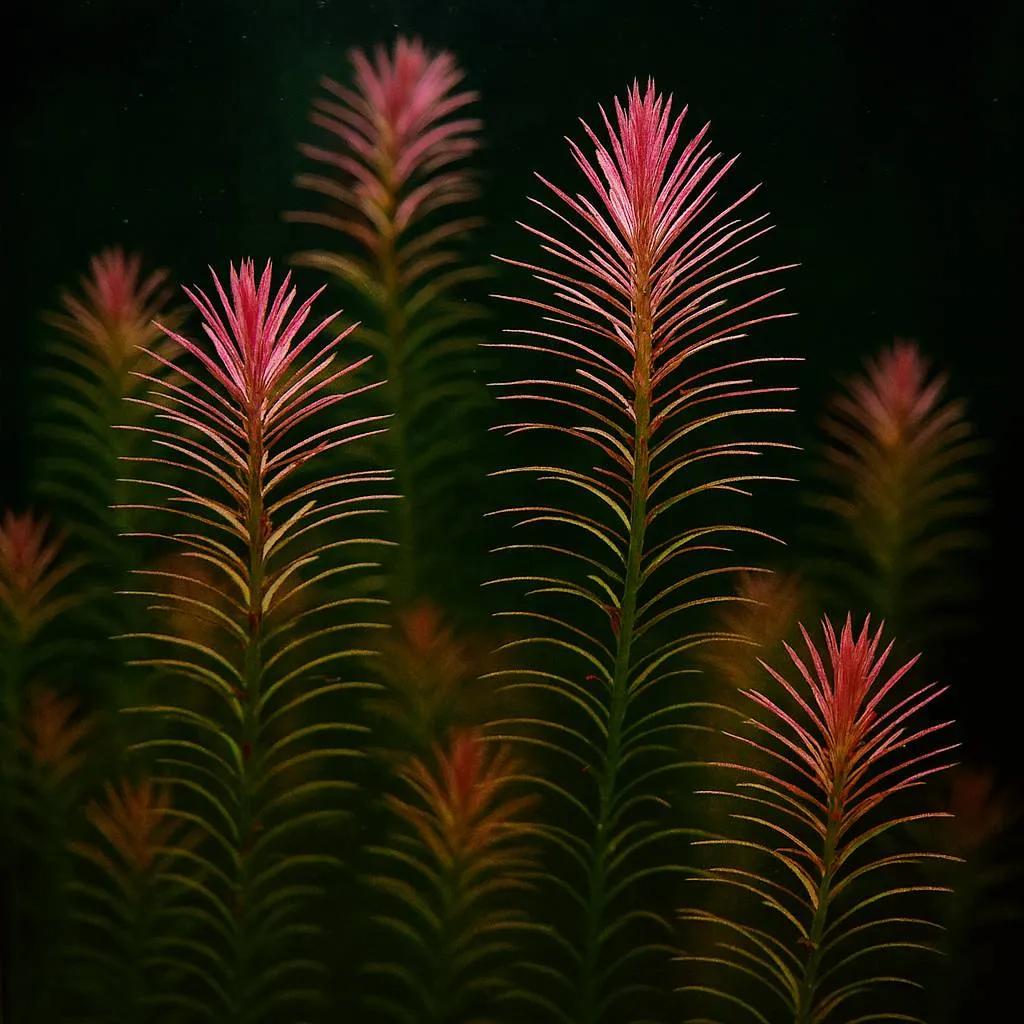
Rotala wallichii
FreshwaterHigh light · Background11.8 in (30 cm)Ruffled sword
Echinodorus major
FreshwaterMedium light · Background23.6 in (60 cm)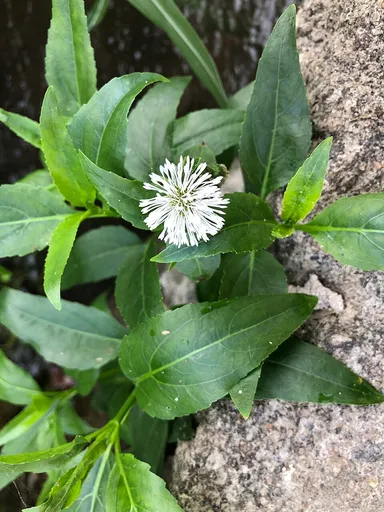
Senegal tea plant
Gymnocoronis spilanthoides
FreshwaterHigh light · Background23.6 in (60 cm)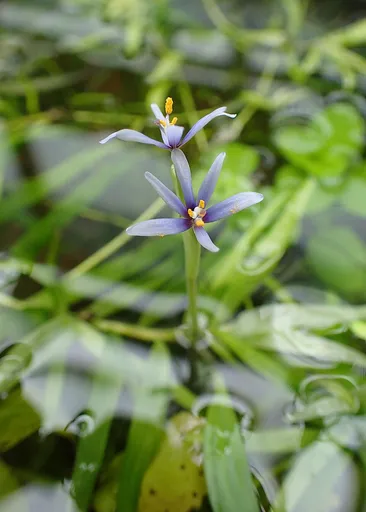
Star grass
Heteranthera zosterifolia
FreshwaterHigh light · Background15.7 in (40 cm)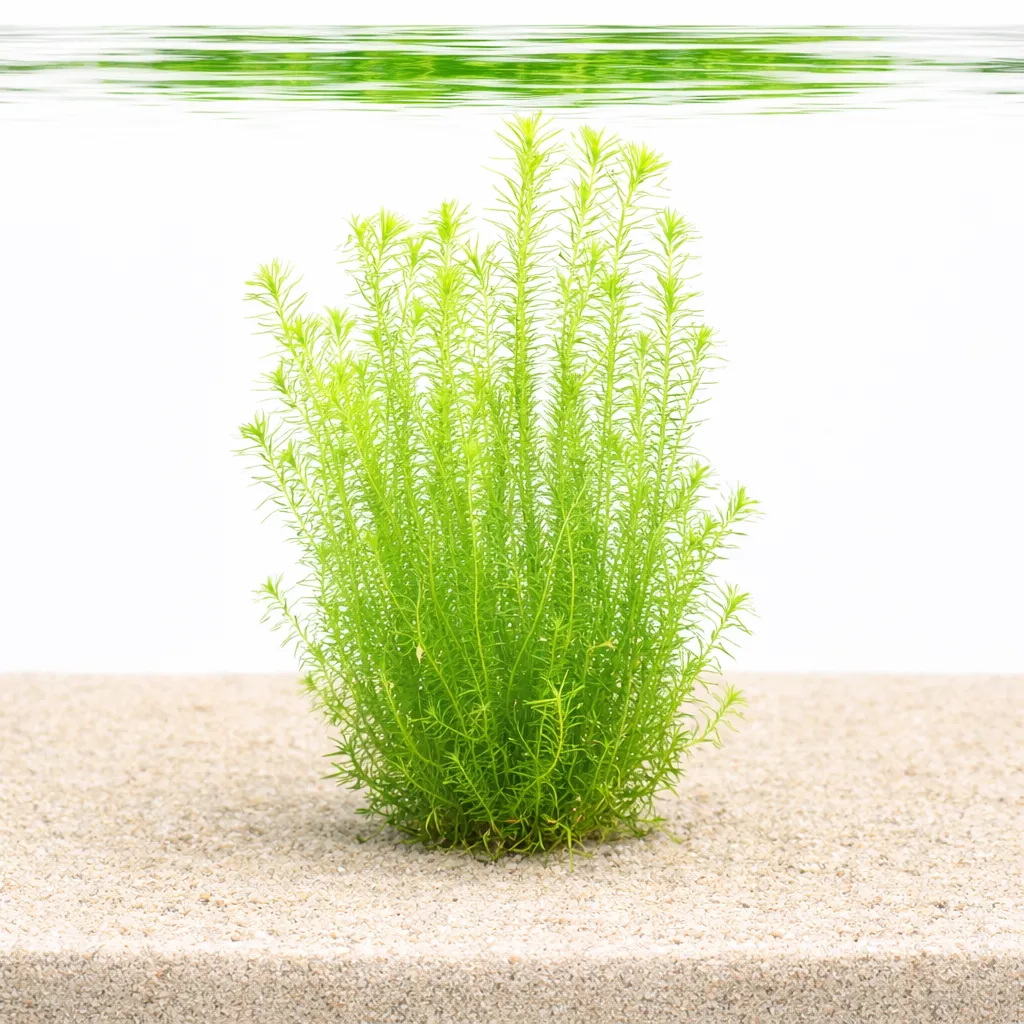
Stream bogmoss
Mayaca fluviatilis
FreshwaterMedium light · Background15.7 in (40 cm)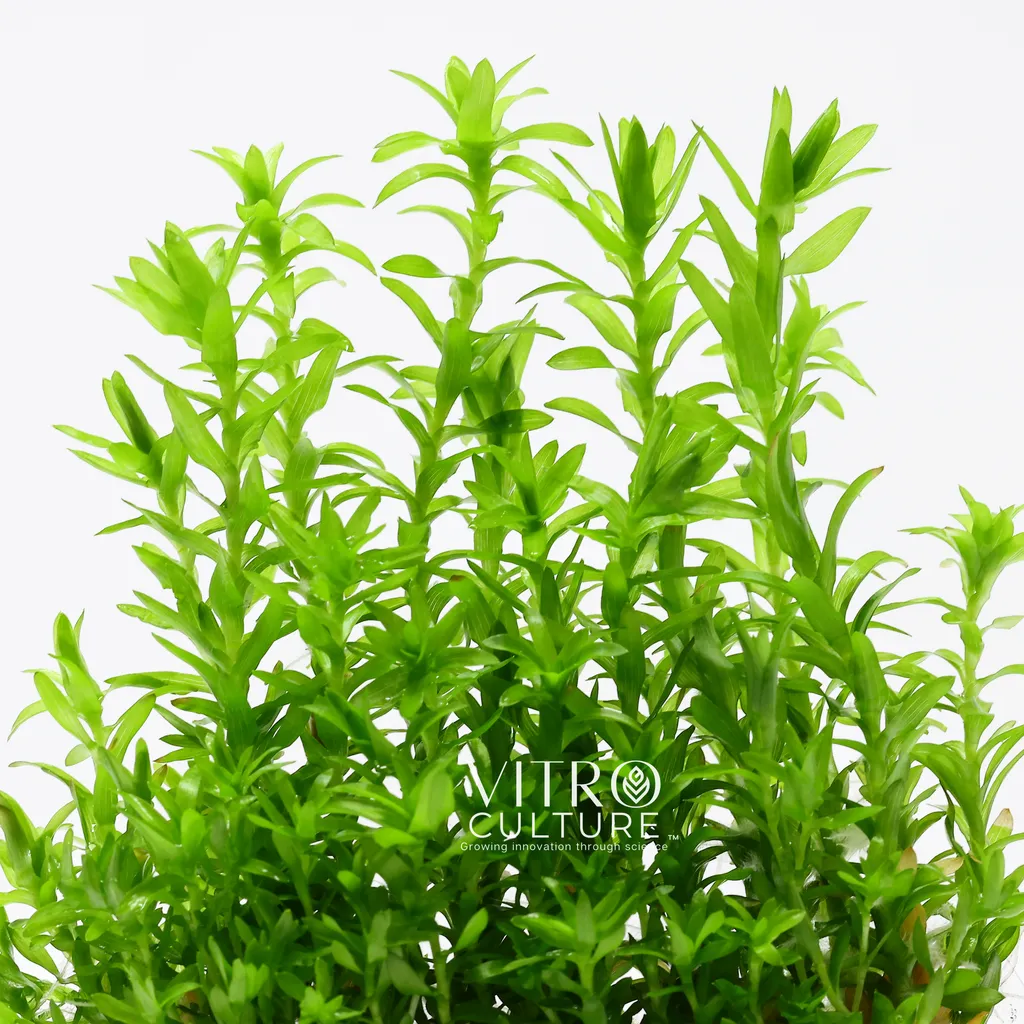
Tonina fluviatilis
FreshwaterHigh light · Background13.8 in (35 cm)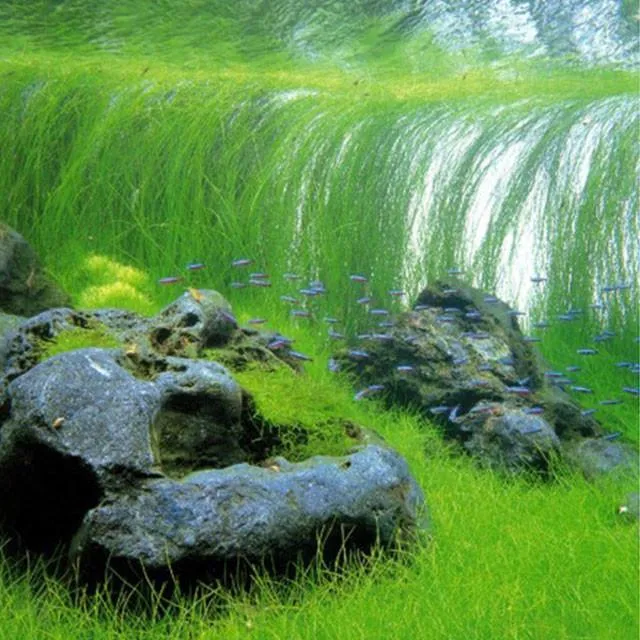
Umbrella hairgrass
Eleocharis vivipara
FreshwaterMedium light · Background15.7 in (40 cm)Uruguay sword
Echinodorus uruguayensis
FreshwaterMedium light · Background21.7 in (55 cm)Vallisneria nana Tiger
Vallisneria nana 'Tiger'
FreshwaterMedium light · Background23.6 in (60 cm)Vallisneria Rubra
Vallisneria australis 'Rubra'
FreshwaterBrackishMedium light · Background23.6 in (60 cm)Vallisneria spiralis
FreshwaterBrackishLow light · Background19.7 in (50 cm)Water onion
Crinum thaianum
FreshwaterLow light · Background39.4 in (100 cm)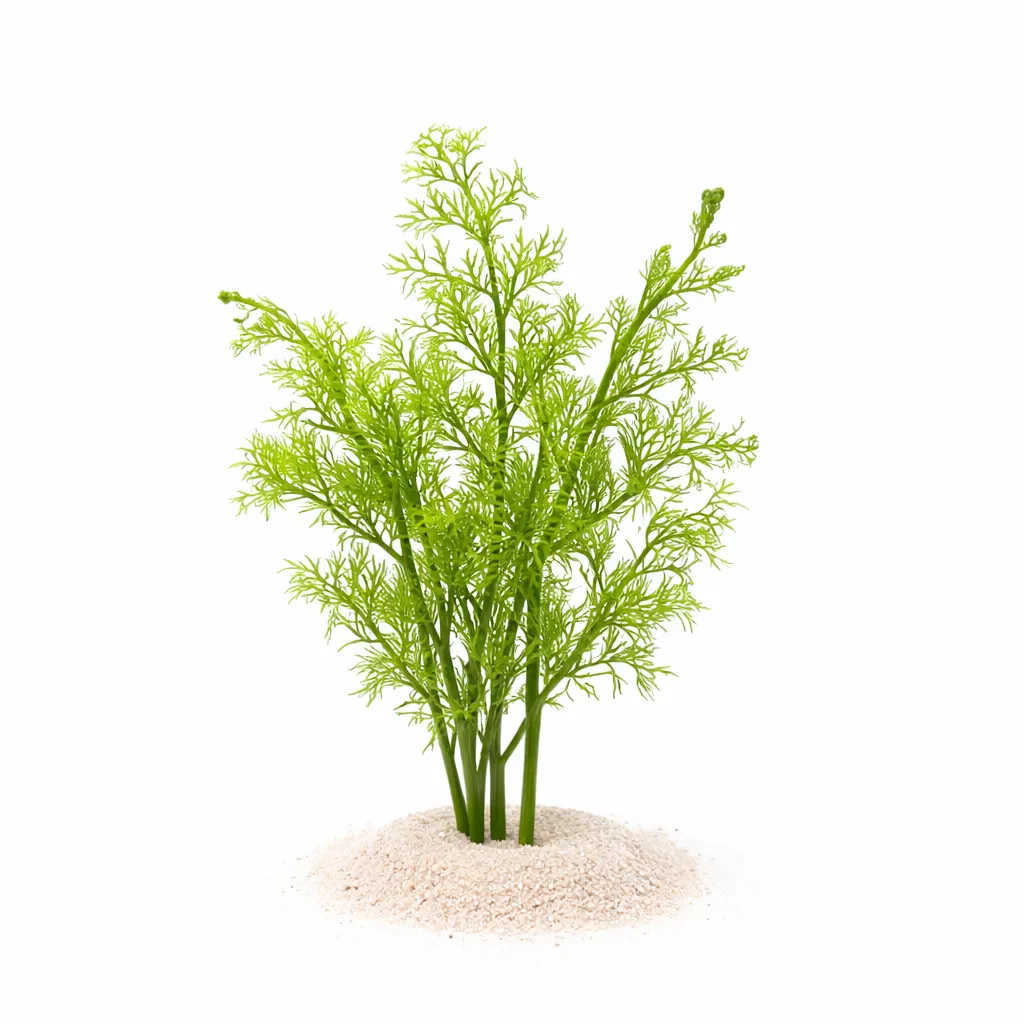
Water sprite
Ceratopteris thalictroides
FreshwaterBrackishMedium light · Background15 in (38 cm)Water wisteria
Hygrophila difformis
FreshwaterMedium light · Background19.7 in (50 cm)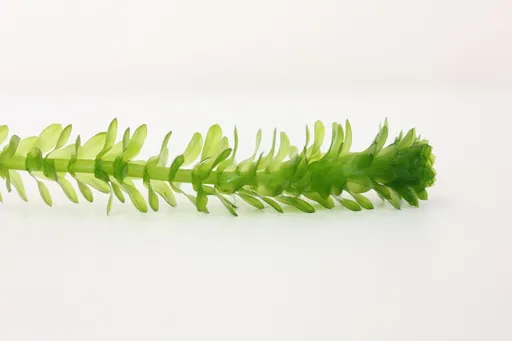
Waterweed
Egeria densa
FreshwaterBrackishMedium light · Background39.4 in (100 cm)Willow hygro
Hygrophila salicifolia
FreshwaterMedium light · Background23.6 in (60 cm)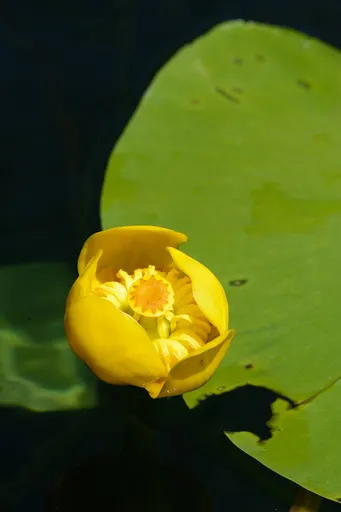
Yellow pond lily
Nuphar lutea
FreshwaterMedium light · Background23.6 in (60 cm)
Planning a tank?
TankBud checks stocking and water fit as you build a tank, then tracks water tests, reminders and photos once it is running.
Track your tanksMaintain tanks for clients? See TankBud Pro