One species · 5 forms
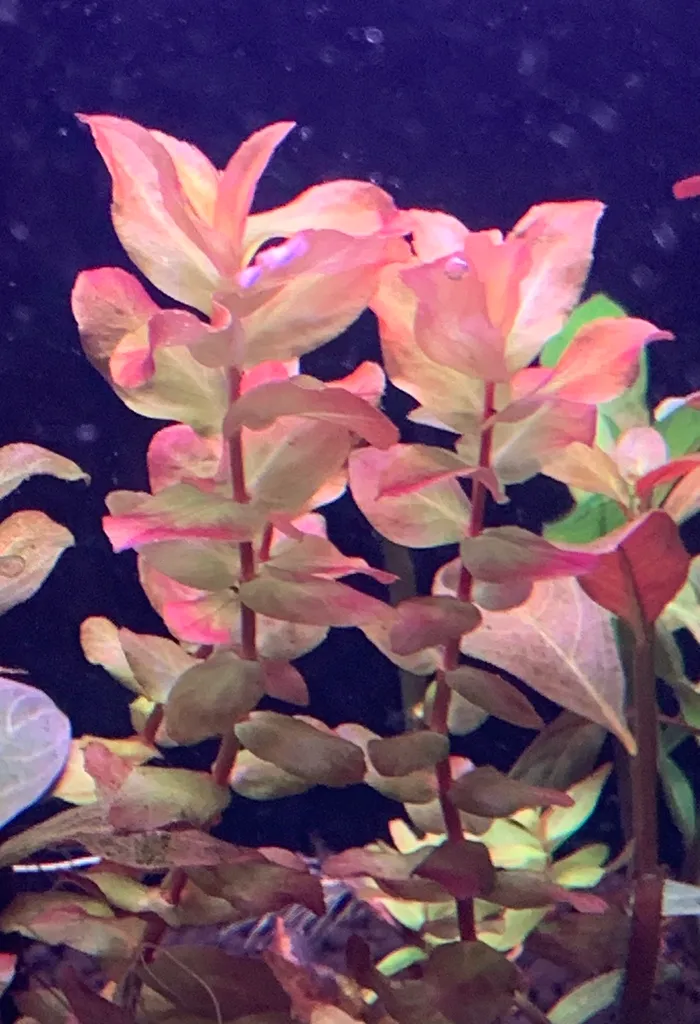
Rotala macrandra
Also known as Giant Red Rotala, Macrandra Red, Pink Rotala
FreshwaterStemCuttingsSide shoots
Care at a glance
- Light
- High light
- CO2
- CO₂ required
- Temperature
- 72–81°F
- 22–27°C
- Max height
- 19.7 in
- 50 cm
- Growth rate
- Fast
- Placement
- Background
- Type
- Stem
- pH
- 6.0–7.0
- Hardness
- 4–12 dGH
- Spread
- 2.4 in (6 cm)
- Nutrient uptake
- Root + water column
- Growth region
- Submersed or emersed
- Difficulty
- Difficult
- Family
- Lythraceae
- Origin
- India and Sri Lanka (marshes and ricefields)
Pick a form
Every form on this page runs on the same high-energy recipe; none of them has an easy mode.
The demanding rotala
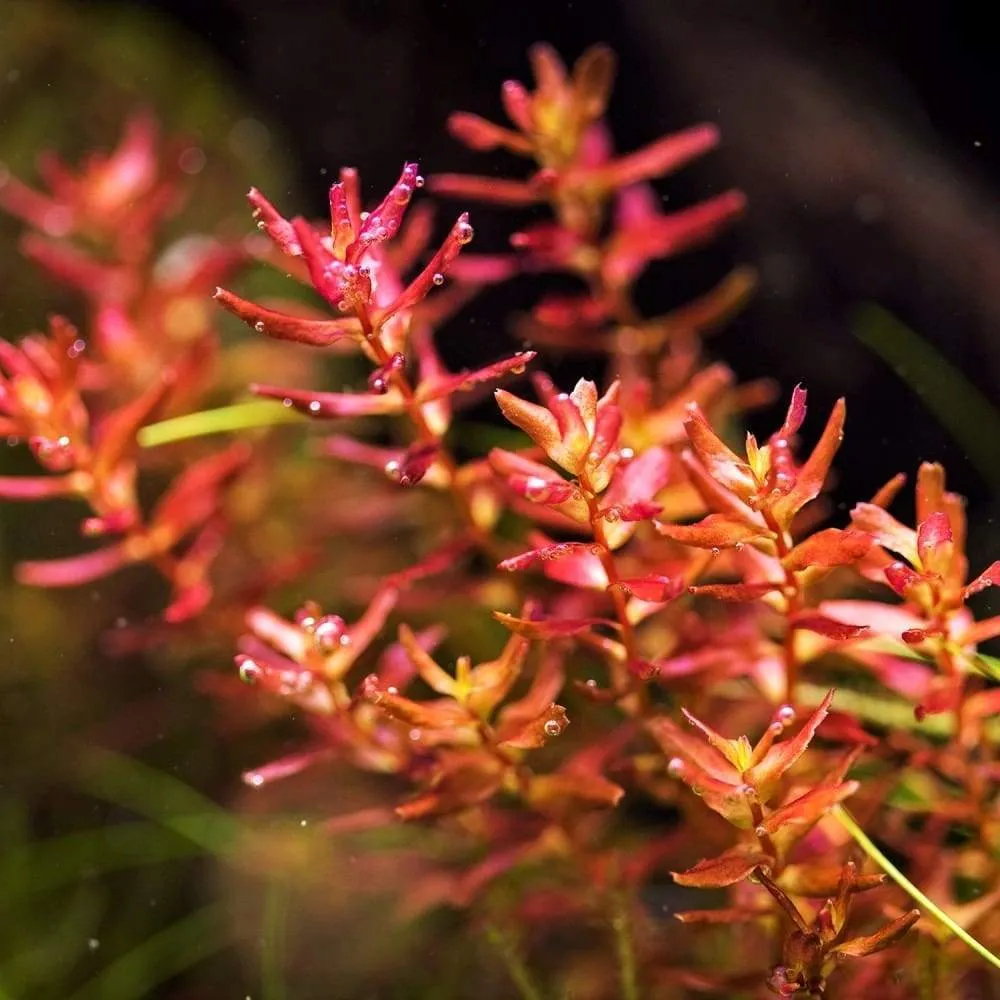
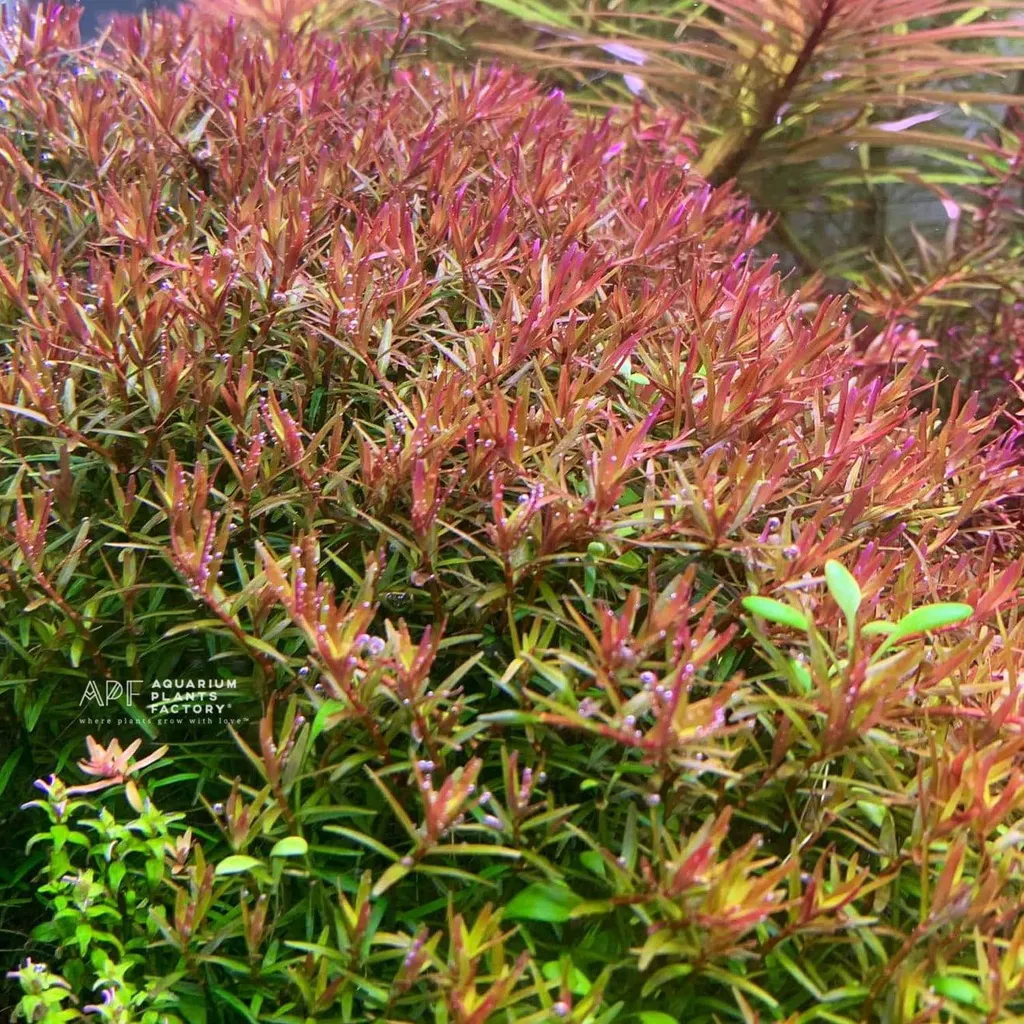
Where rotundifolia forgives, macrandra keeps score. It wants strong light, injected CO2, soft water and a steady diet of iron and micronutrients, and it reports any shortfall within days as shrinking, pale or melting tips. In return it produces some of the most saturated red foliage in the hobby.
Fragile by design
The leaves are thin enough to read through, and stems snap if handled roughly. Plant cuttings gently, keep flow moderate, and trim with scissors rather than pulling; crushed stems rot instead of branching. Shrimp and snails love grazing the soft leaves once they start to fail, so keep the plant growing faster than it decays.
Overview
One of the most beautiful red stems and one of the fussiest. It needs high light, stable CO2, and soft water to grow and colour, and it does not tolerate CO2 swings, which stunt and curl the growing tips. Deep red comes from leaner nitrate (kept low, under about 10 ppm) with higher phosphate and ample iron and micros. Plant in groups but leave space between stems so light reaches the lower leaves, handle the brittle stems gently, and replant tops since lower portions thin out with age. Expect fast growth and frequent trimming once it settles in; this is not a beginner plant.
In the wild
Native to India and Sri Lanka, where it grows in marshes, ditches, and ricefields in soft, slightly acidic water. It occurs both emersed on wet ground and submersed, with the submersed form developing the large, translucent red leaves the plant is famous for. Its lowland tropical origin means it wants warm, mineral-poor water.
Good to know
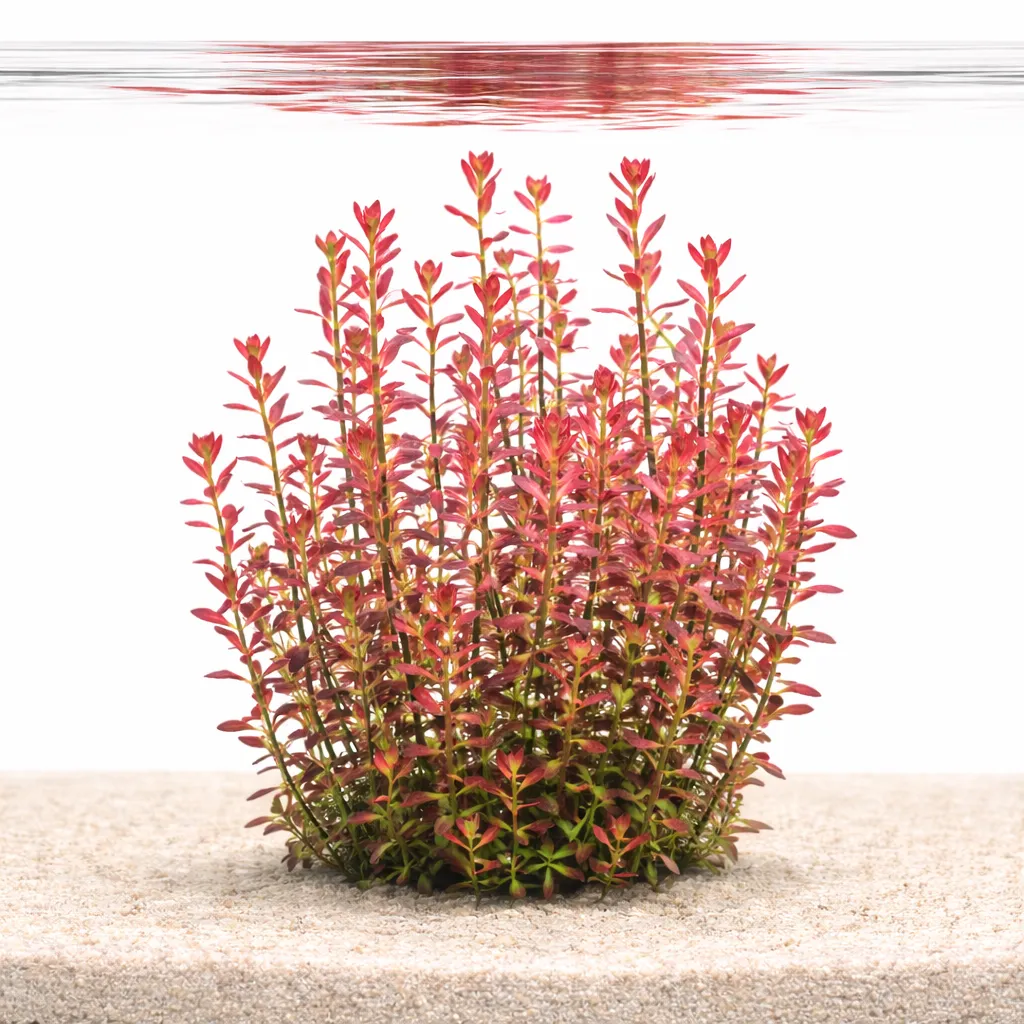
A large-leaved stem plant in the family Lythraceae, distinctive among aquarium Rotala for its broad, soft, almost crinkled leaves rather than fine foliage. Numerous colour forms and varietals exist in cultivation, ranging from deep wine-red 'macrandra red' to green and narrow-leaf types. The leaves are notably fragile and tear easily during handling.
Did you know
Did you know Rotala macrandra colours best when you partly starve it of nitrogen? Keeping nitrate low while pushing phosphate, iron, and light is what drives the leaves to that blazing translucent red, whereas rich nitrate just keeps it greener and leggy.
Common questions
Can I grow macrandra without CO2?
Realistically, no. It survives briefly and then wastes away; every form on this page assumes injected CO2 and strong light.
Why do the leaves melt or shrink at the tips?
Macrandra shows nutrient and CO2 dips faster than almost any other plant. Check iron and micros first, then CO2 stability; a correction shows in the new growth within a week.
Related plants
 Medium lightBackground19.7 in (50 cm)
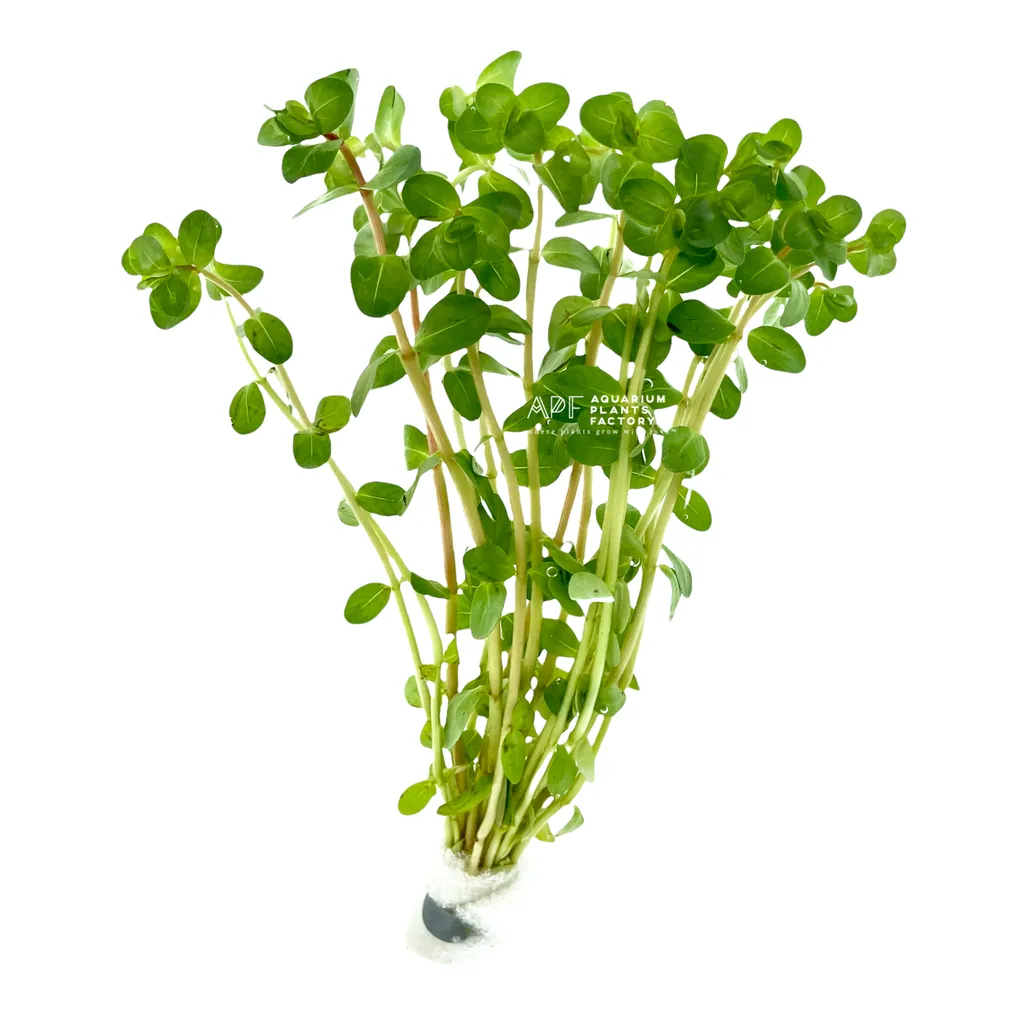
Rotala Ceylon
Rotala rotundifolia 'Ceylon'
Medium light · Background
 Medium lightBackground19.7 in (50 cm)
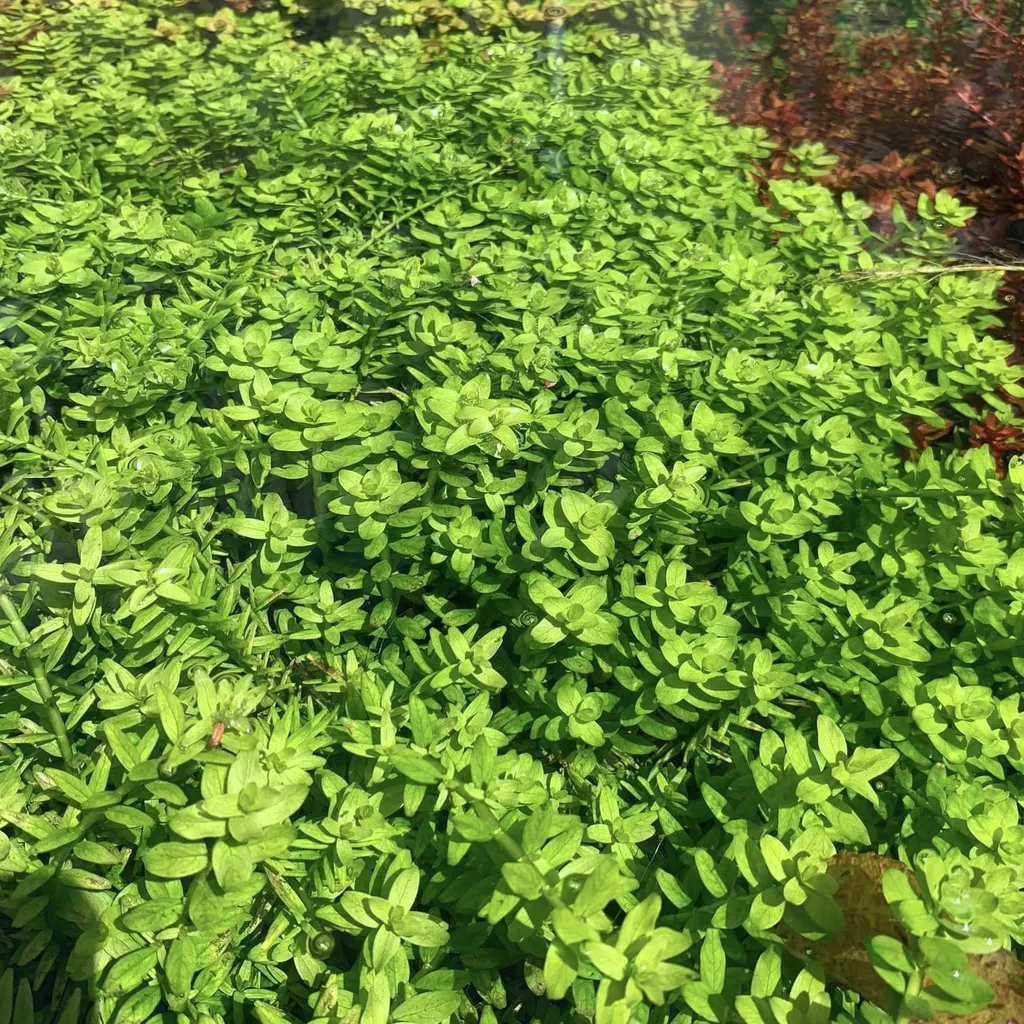
Rotala rotundifolia
Medium light · Background
- Medium lightBackground19.7 in (50 cm)
Rotala Green
Rotala rotundifolia 'Green'
Medium light · Background
 High lightBackground15.7 in (40 cm)
Rotala Colorata
Rotala rotundifolia 'Colorata'
High light · Background
 High lightBackground15.7 in (40 cm)
Rotala ramosior
High light · Background
- High lightBackground15.7 in (40 cm)
Rotala Wayanad
Rotala rotundifolia 'Wayanad'
High light · Background