A trade cultivar of the genus Rotala, which grows in wetlands and seasonally flooded ground across South and Southeast Asia.
Overview
This is a high-tech plant that needs intense light, stable CO2, and strong fertilization to color up and grow well. Keep CO2 steady, since this variety stunts if levels swing, and provide plenty of phosphate with lower nitrate for the best tones. Plant stems apart in the mid to background and top and replant to build density.
In the wild
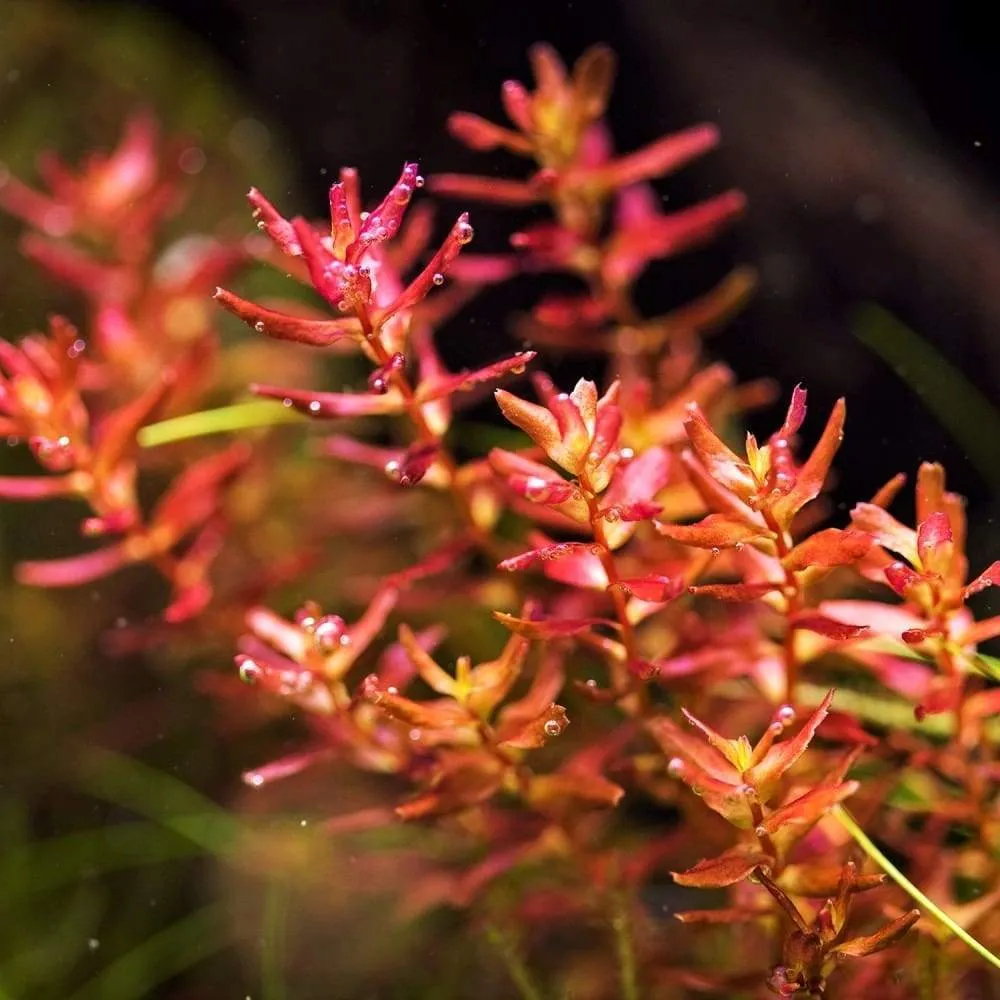
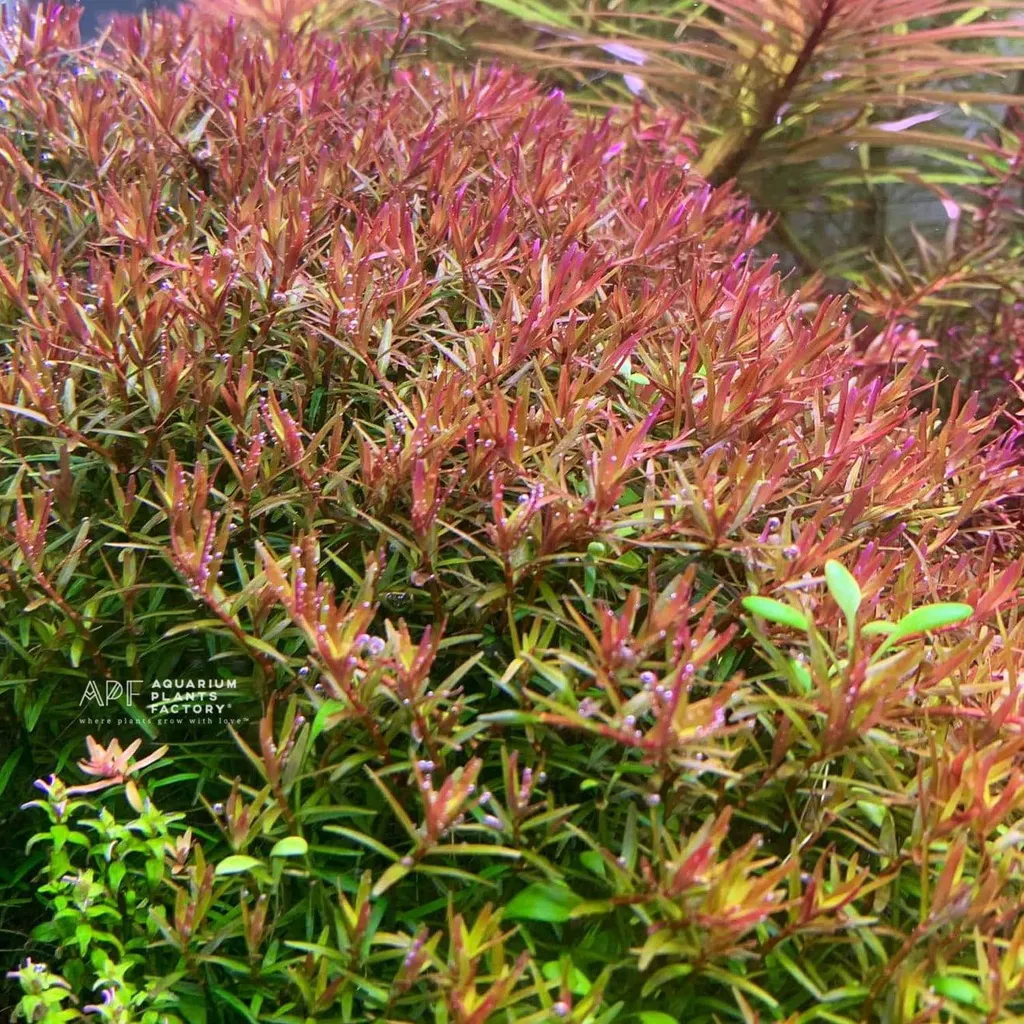
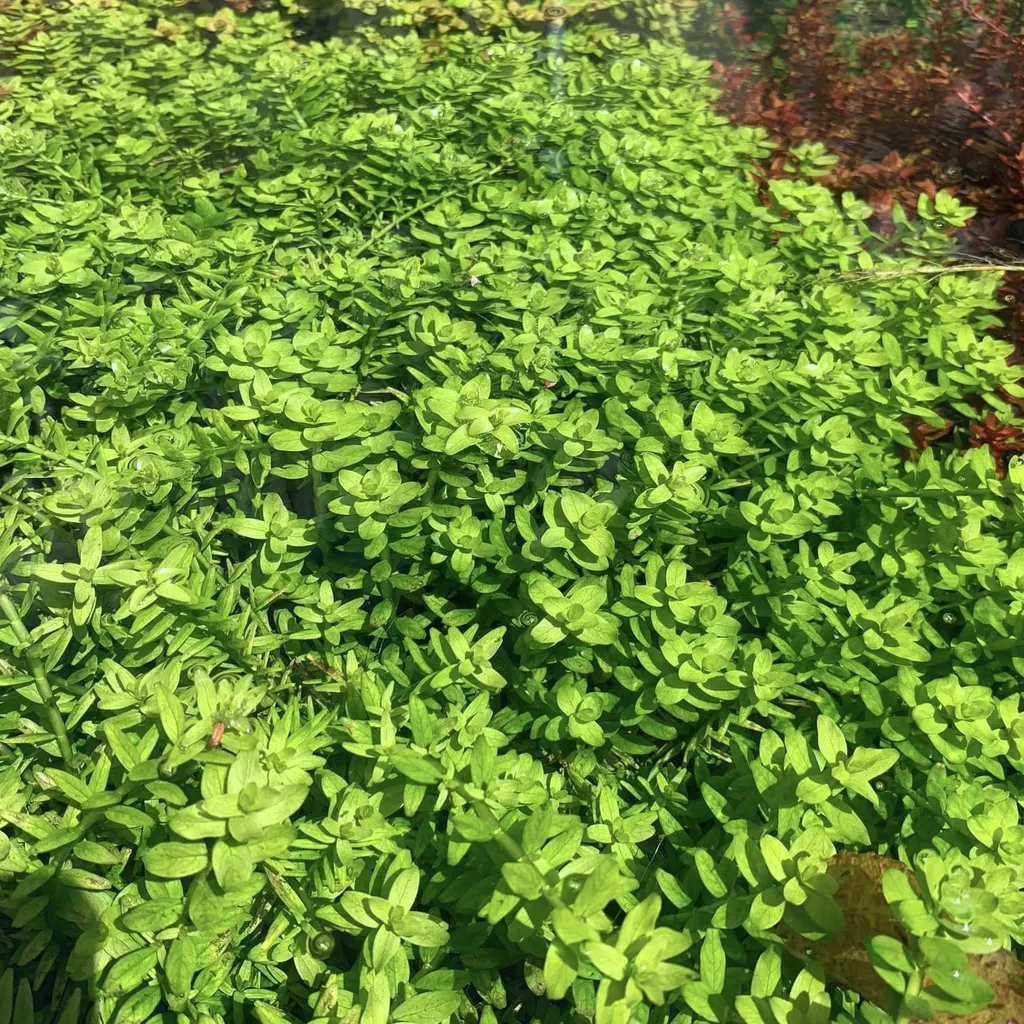
This variety has slender, narrow leaves in tones of green, pink, and red, giving a finer look than the broad-leaved forms of Rotala macrandra. Under strong light and stable CO2 the tops color up while the stems stay upright. It resembles a slightly larger Rotala Vietnam or Bossii.
Good to know
Rotala belongs to the loosestrife family, Lythraceae, and Bangladesh is a trade form linked to Rotala macrandra. The exact wild identity of this variety is debated, and it is sometimes listed under Rotala mexicana. Its narrow leaves set it apart from the broad-leaved standard macrandra.
Did you know
Its true botanical identity is still debated, and it is variously sold as a form of Rotala macrandra or listed under Rotala mexicana.
 High lightBackground15.7 in (40 cm)
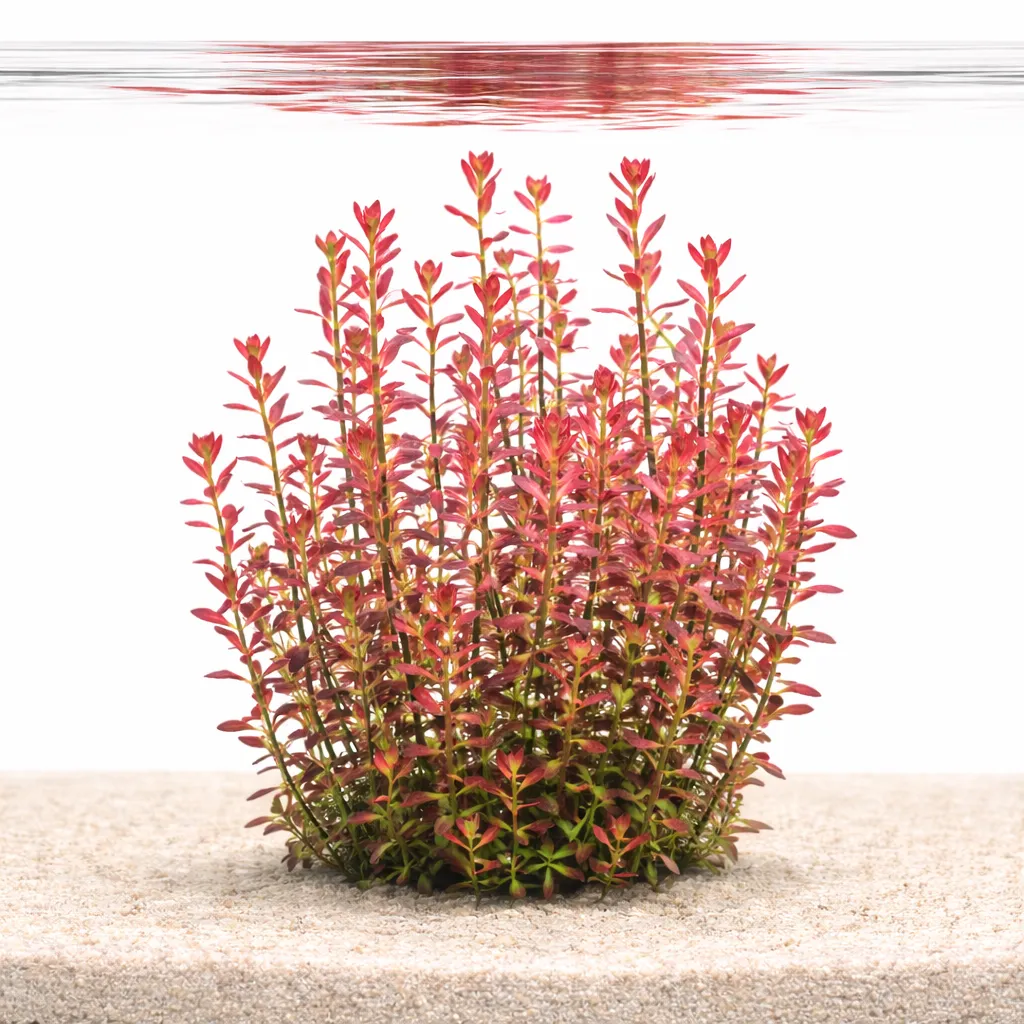 High lightBackground15.7 in (40 cm)
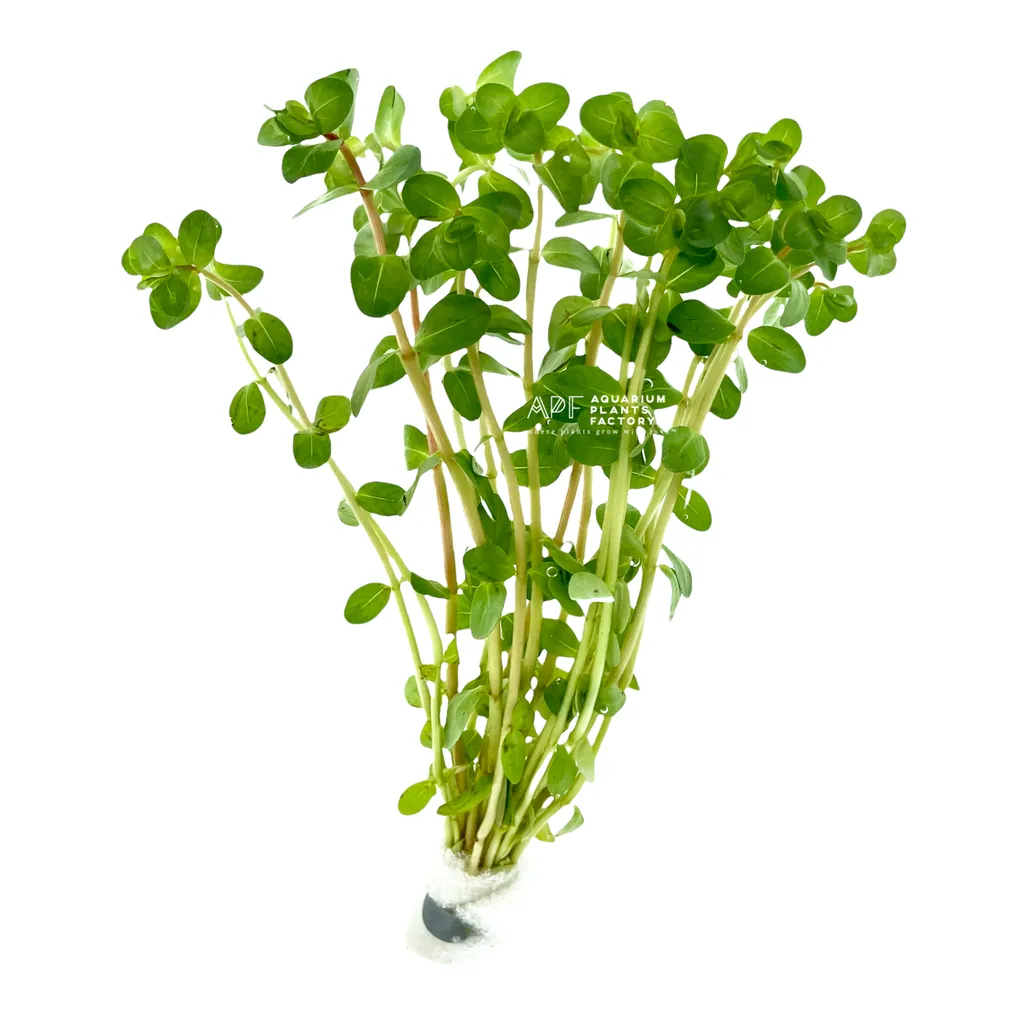 Medium lightBackground19.7 in (50 cm)
 Medium lightBackground19.7 in (50 cm)