Form of Rotala rotundifolia
Rotala Myanmar
Rotala rotundifolia 'Myanmar'
One of 11 forms of Rotala rotundifolia · See all forms →
Also known as Rotala sp. 'Myanmar', Myanmar Rotala
FreshwaterStemCuttingsSide shoots
Invasive. Regulated as an invasive aquatic plant in California and Louisiana. Never release into the wild; dispose of trimmings in the trash.
Forms · Rotala rotundifolia
See all 11 →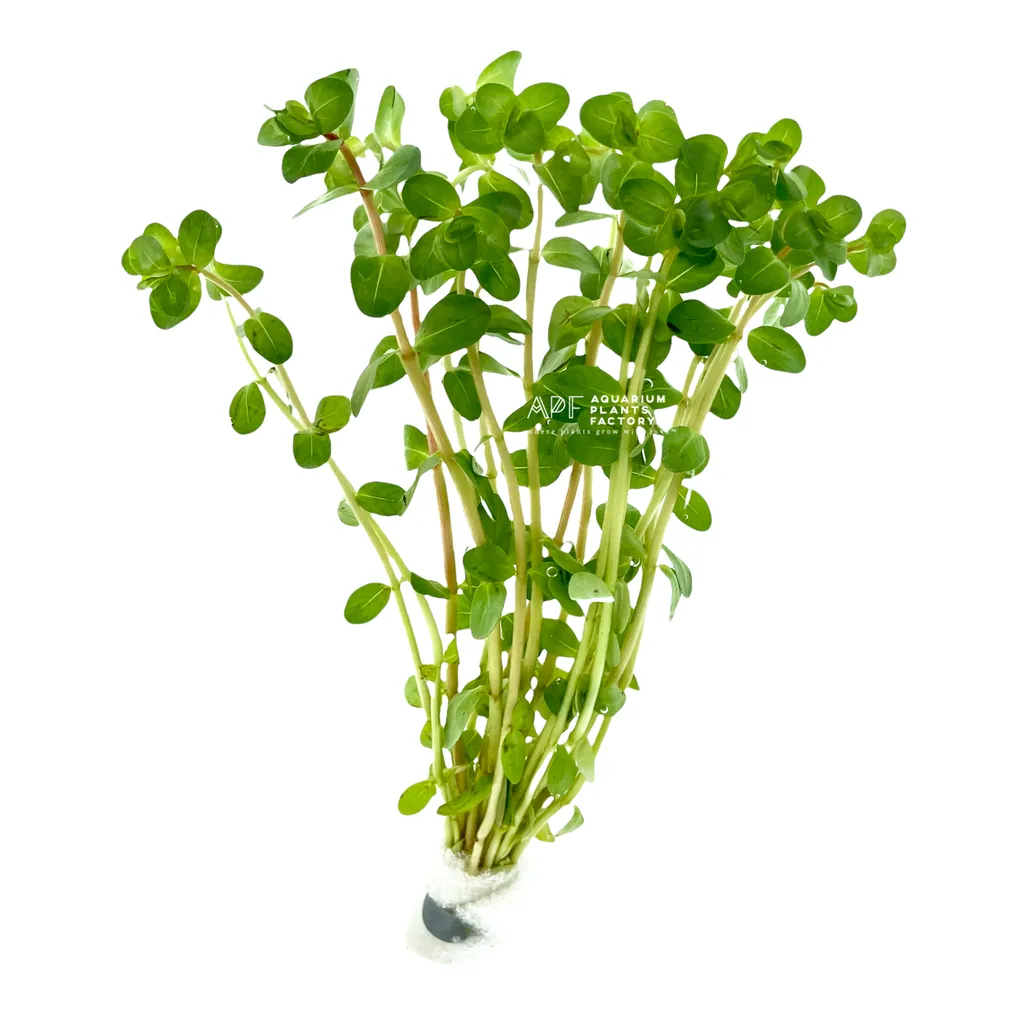
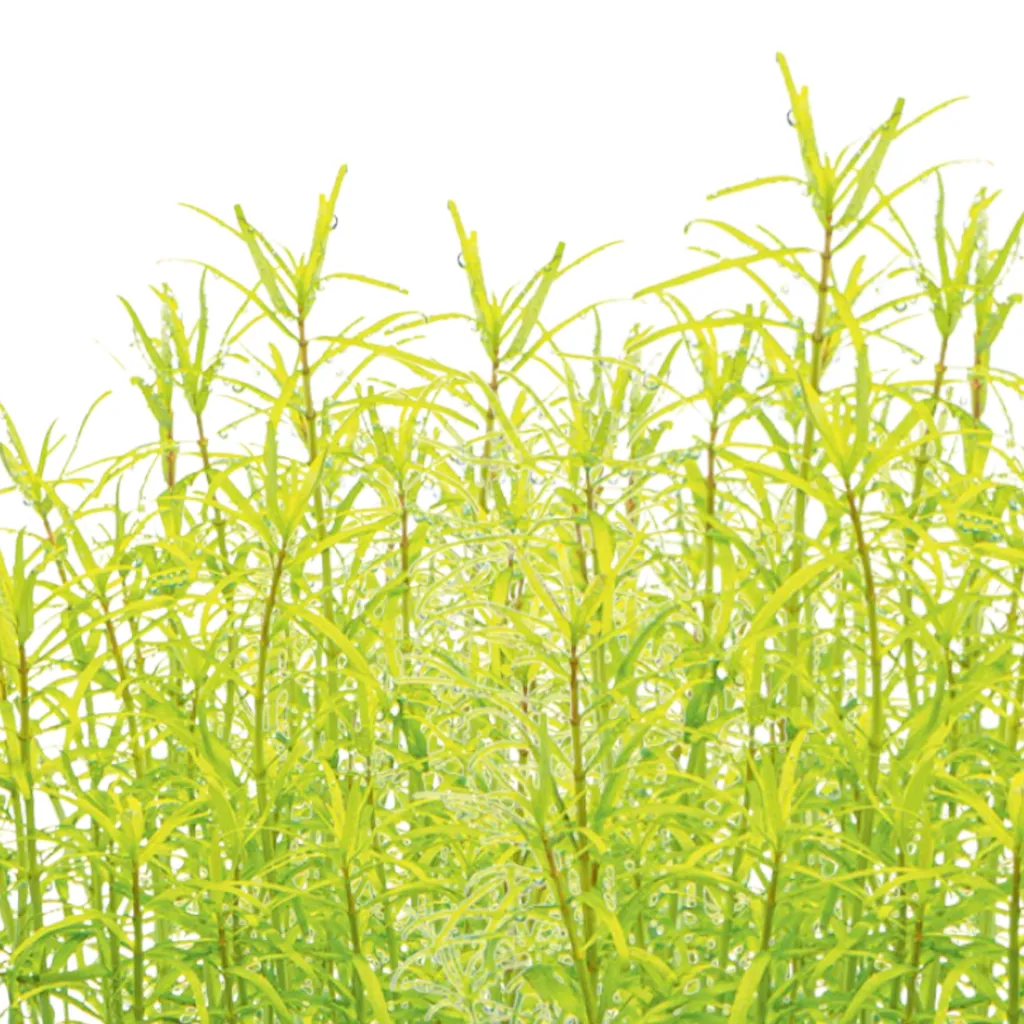
Care at a glance
- Light
- Medium light
- CO2
- CO₂ beneficial
- Temperature
- 68–82°F
- 20–28°C
- Max height
- 19.7 in
- 50 cm
- Growth rate
- Fast
- Placement
- Background
- Type
- Stem
- pH
- 6.0–8.0
- Hardness
- 4–15 dGH
- Spread
- 2 in (5 cm)
- Nutrient uptake
- Root + water column
- Growth region
- Submersed or emersed
- Difficulty
- Medium
- Family
- Lythraceae
- Origin
- Myanmar (collection form of Rotala rotundifolia, exact locality unpublished)
Overview
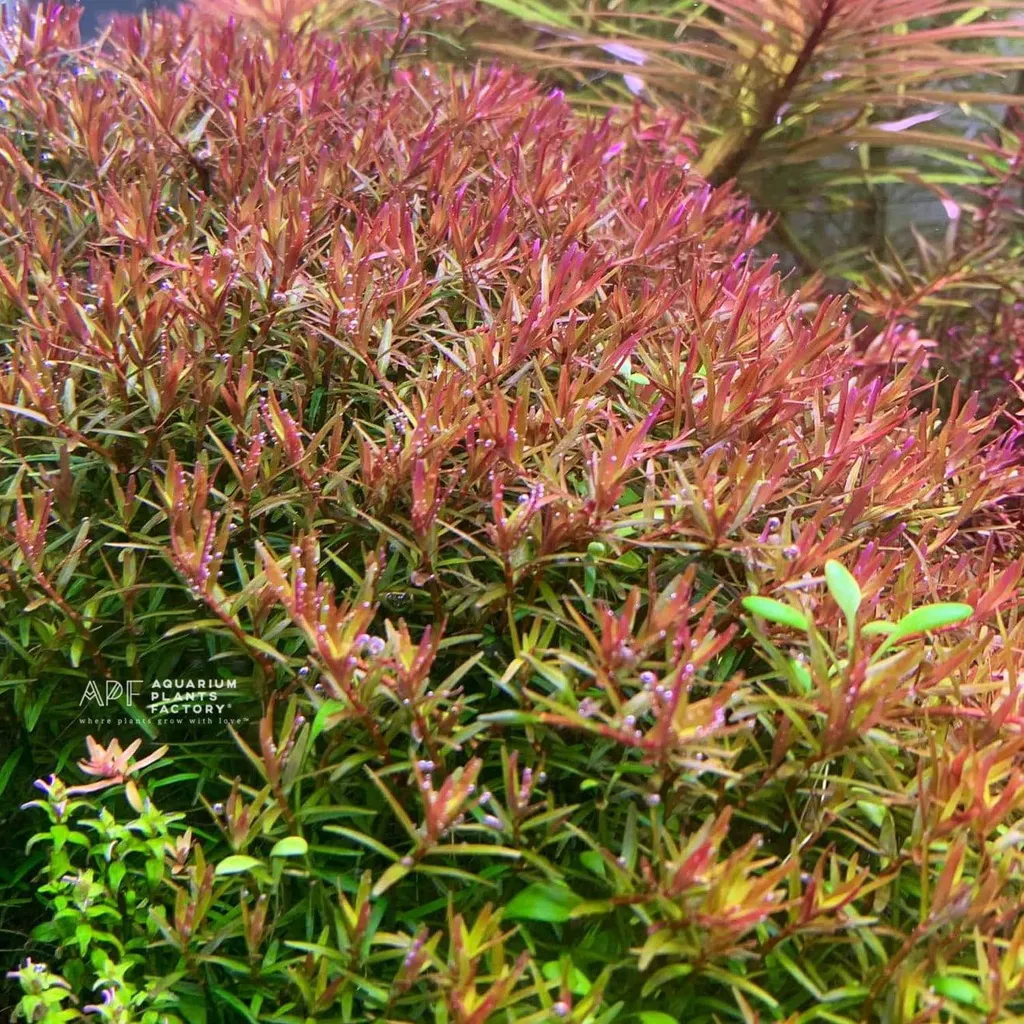
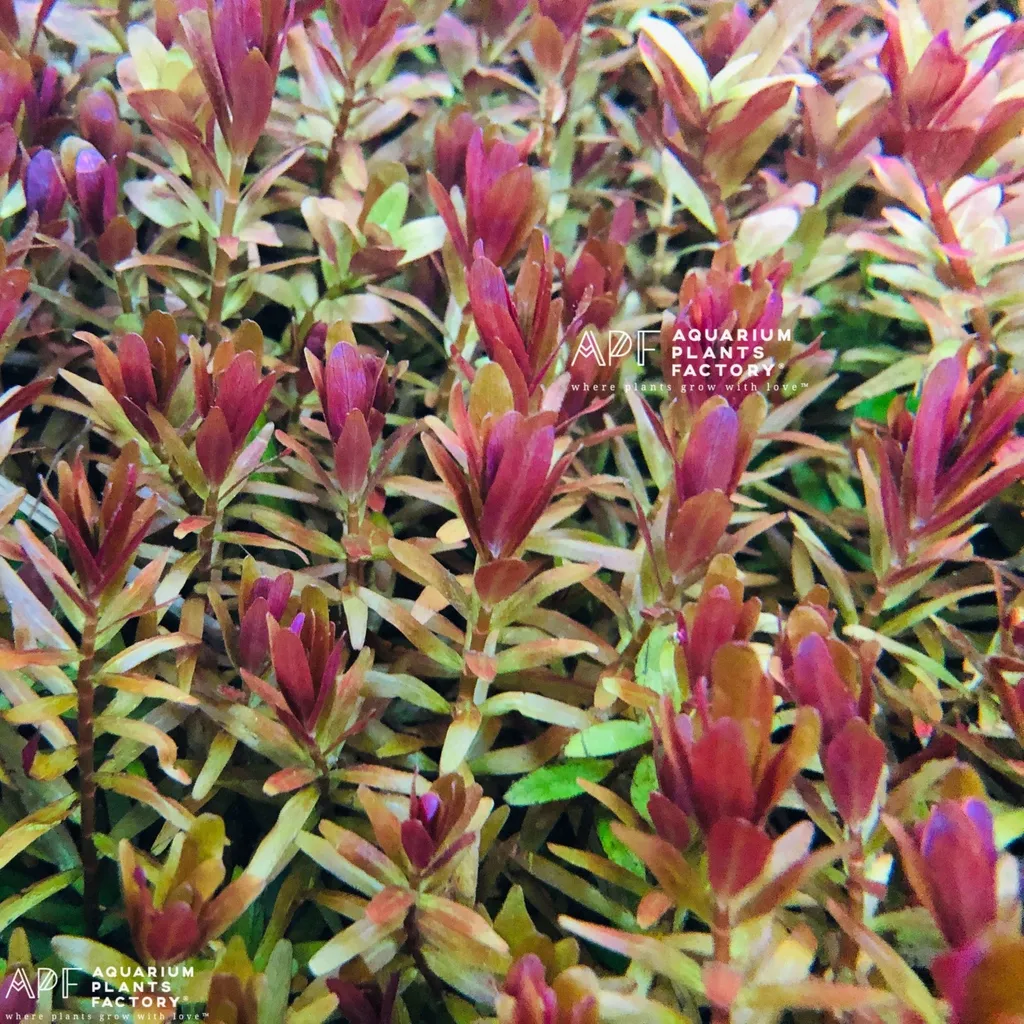
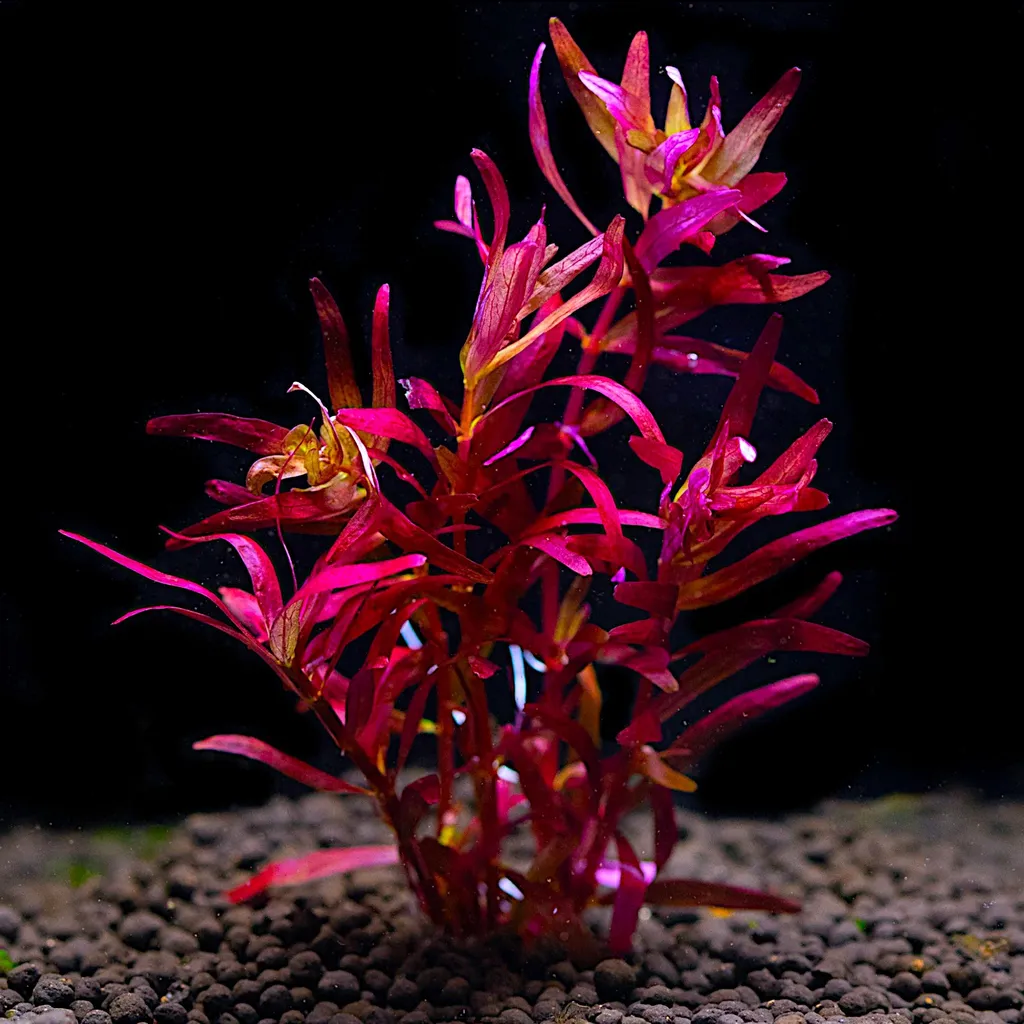
Grow Rotala Myanmar as a group in the midground or background. Plant the stems about 2.5 cm apart so light reaches the lower leaves. Medium light keeps it healthy and mostly green. Strong light and CO2 turn the tops orange and pink, and weak light leaves the stems greener and leggy. Dose a complete liquid fertilizer to keep the lower leaves from yellowing. Regular trimming tightens its loose habit into a compact bush, and the cut tips root quickly when replanted. It also grows emersed, so it suits a wabi-kusa ball.
In the wild
Rotala Myanmar reached the aquarium trade from Myanmar only recently, and no collecting site has been published. Rotala rotundifolia is native to the country, where it roots in paddy fields, marsh edges and stream banks. The form now sells in Europe as potted plants and in the US as tissue culture from the lab Aquatic Farmer.
Good to know
Rotala Myanmar is a form of Rotala rotundifolia in the loosestrife family, Lythraceae. Aquasabi sells it as Rotala rotundifolia 'Myanmar' and describes relatively broad submersed leaves, where plain rotundifolia grows narrow ones underwater. US tissue-culture cups carry the label Rotala sp. 'Myanmar'. The stems form a loose, upright bush that shifts from green to orange and pink.
Did you know
Count the leaves at a node to pick out Rotala Myanmar in a mixed bunch. It often carries three or four per node, while Rotala rotundifolia normally sets its leaves in opposite pairs.
Related plants
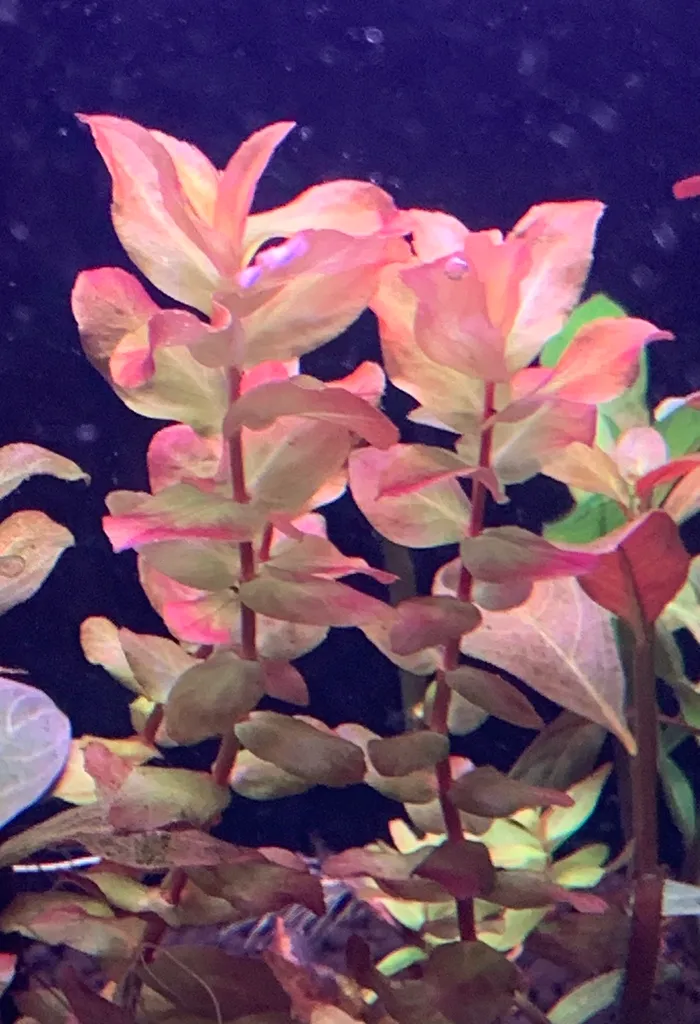 High lightBackground19.7 in (50 cm)
Rotala macrandra
High light · Background
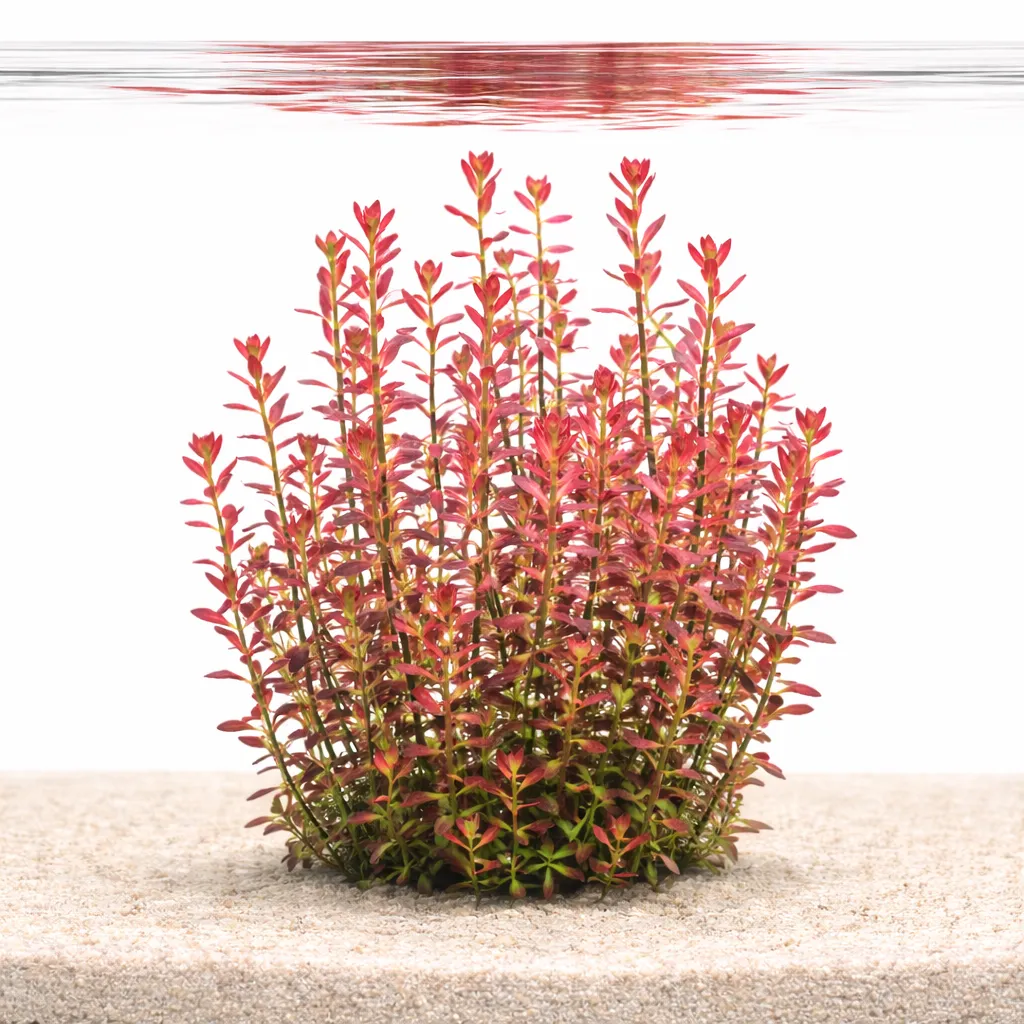 High lightBackground15.7 in (40 cm)
Rotala ramosior
High light · Background
- High lightBackground15.7 in (40 cm)
Rotala macrandra Bangladesh
Rotala macrandra 'Bangladesh'
High light · Background
- High lightBackground15.7 in (40 cm)
Rotala macrandra Green
Rotala macrandra 'Green'
High light · Background
- High lightBackground15.7 in (40 cm)
Rotala macrandra Narrow Leaf
Rotala macrandra 'Narrow Leaf'
High light · Background
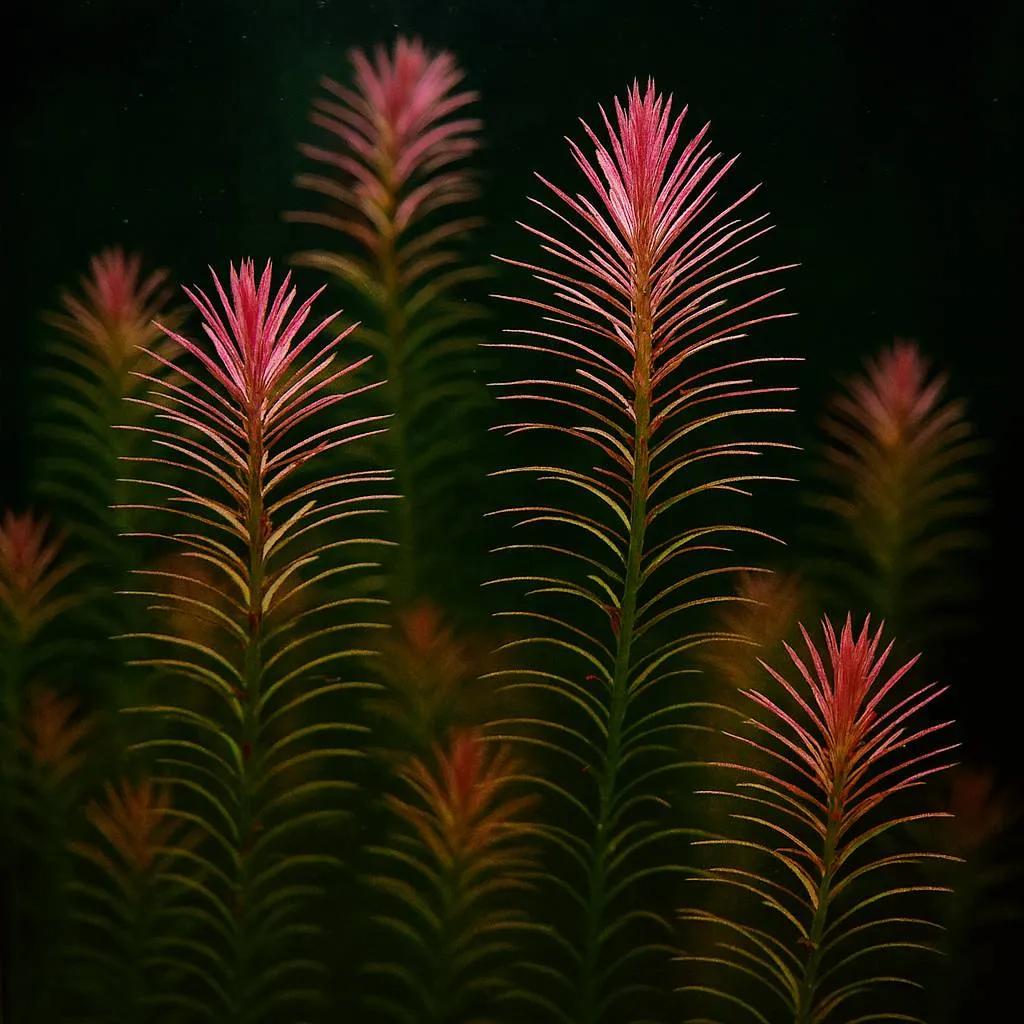 High lightBackground11.8 in (30 cm)
Rotala wallichii
High light · Background