Beginner aquarium plants
A good first plant is forgiving about light and feeding and hard to kill while you learn. These profiles cover plants rated beginner or easy, with the light and placement each one needs.
At a glance
- Height
- 0–59.1 in
- 0 in (0.1 cm) to 59.1 in (150 cm); half the list stays at 9.8 in (25 cm) or under
- Temperature
- 68–82°F
- 20–28°C, most of the list
- Light
- 122 low light
- 122 medium light · 9 high light
- CO₂
- 104 no CO₂ needed
- 149 CO₂ beneficial
- Growth
- 113 slow growing
- 65 medium growth · 75 fast growing
206 plants and 49 varieties
Start here
The six plants that survive anything
The java fern is marked beginner, grows in low light without CO2 and is tied to wood or rock rather than planted, reaching 11.8 inches (30 cm). The anubias nana does the same at 4.7 inches (12 cm), a slow plant with leaves that last for years. The java moss grows on anything and gives fry and shrimp somewhere to hide. The amazon sword is the rooted centerpiece, marked easy, medium light and 19.7 inches (50 cm) tall with root tabs under it. The vallisneria spiralis is a grass that spreads by runners to 19.7 inches (50 cm), marked beginner. The hornwort floats or plants, grows fast in low light and soaks up the nutrients that feed algae.
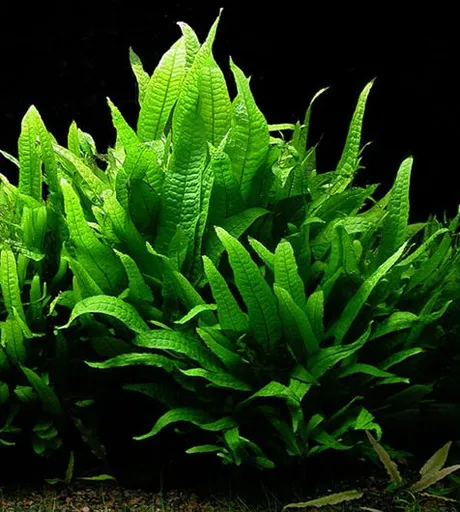
Java fern
Leptochilus pteropus
FreshwaterBrackish- Light
- Low light
- Placement
- Epiphyte
- Height
- 11.8 in (30 cm)
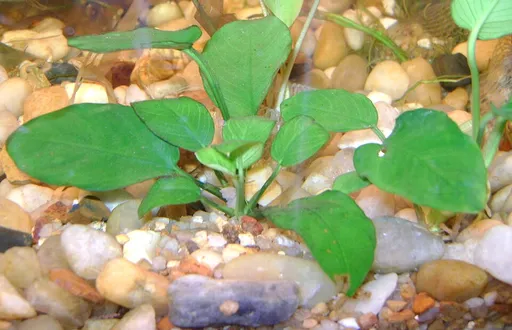
Anubias nana
Anubias barteri var. nana
FreshwaterBrackish- Light
- Low light
- Placement
- Epiphyte
- Height
- 4.7 in (12 cm)
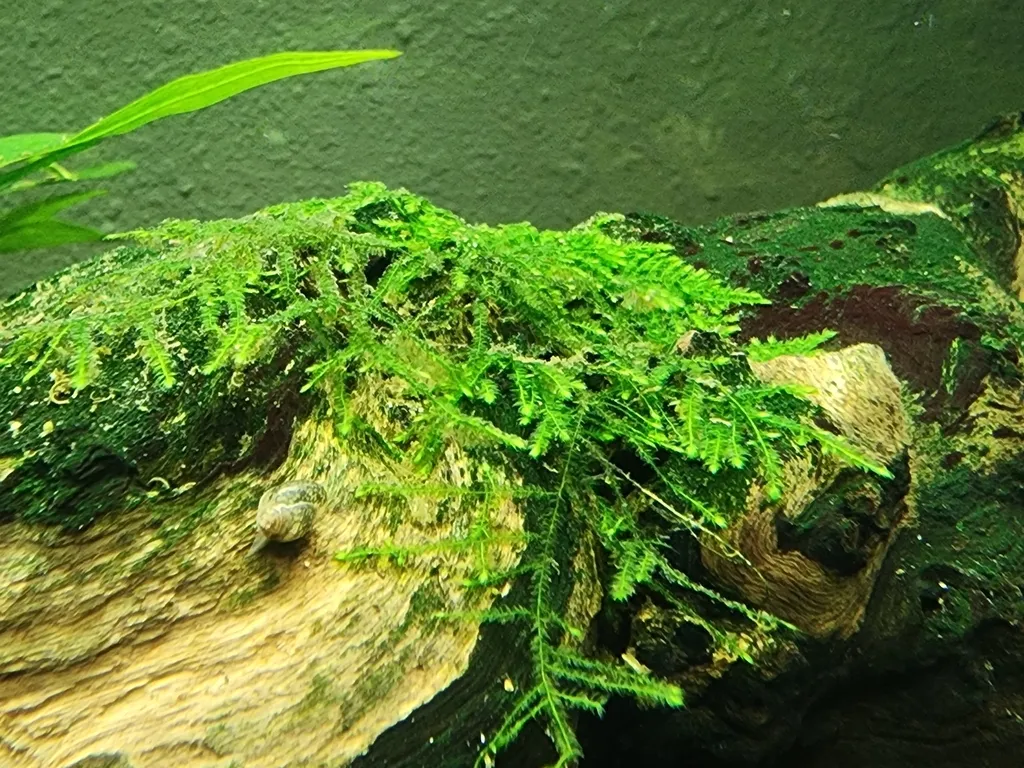
Java moss
Taxiphyllum barbieri
FreshwaterBrackish- Light
- Low light
- Placement
- Epiphyte
- Height
- 3.9 in (10 cm)
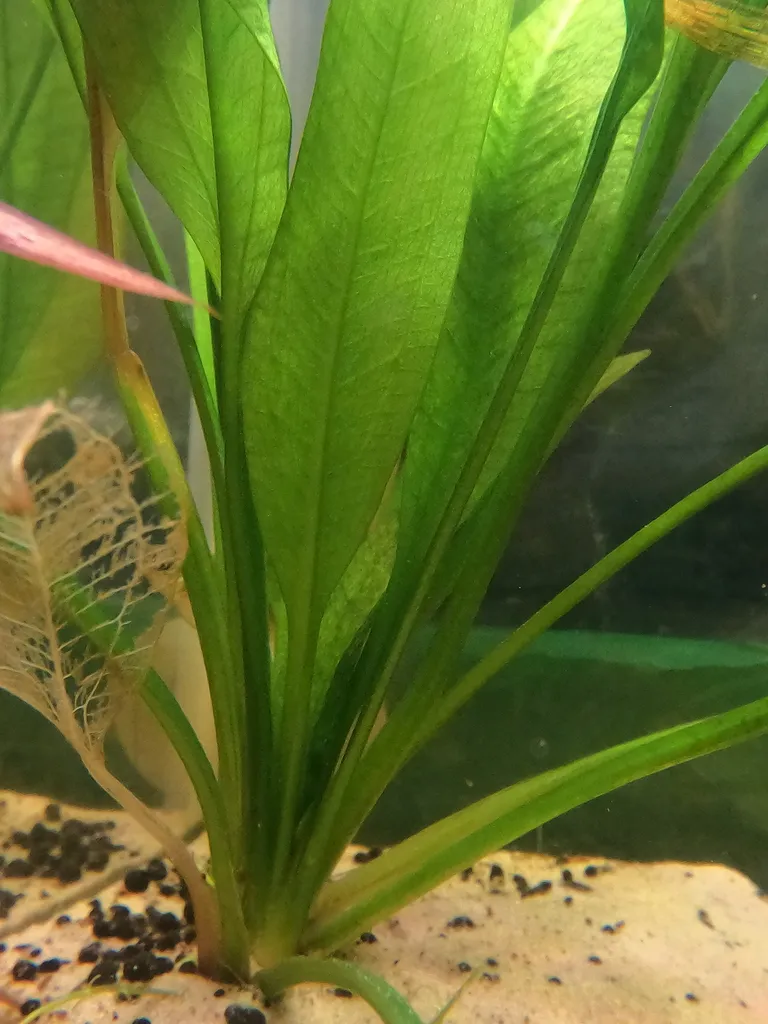
Amazon sword
Echinodorus grisebachii
Freshwater- Light
- Medium light
- Placement
- Background
- Height
- 19.7 in (50 cm)
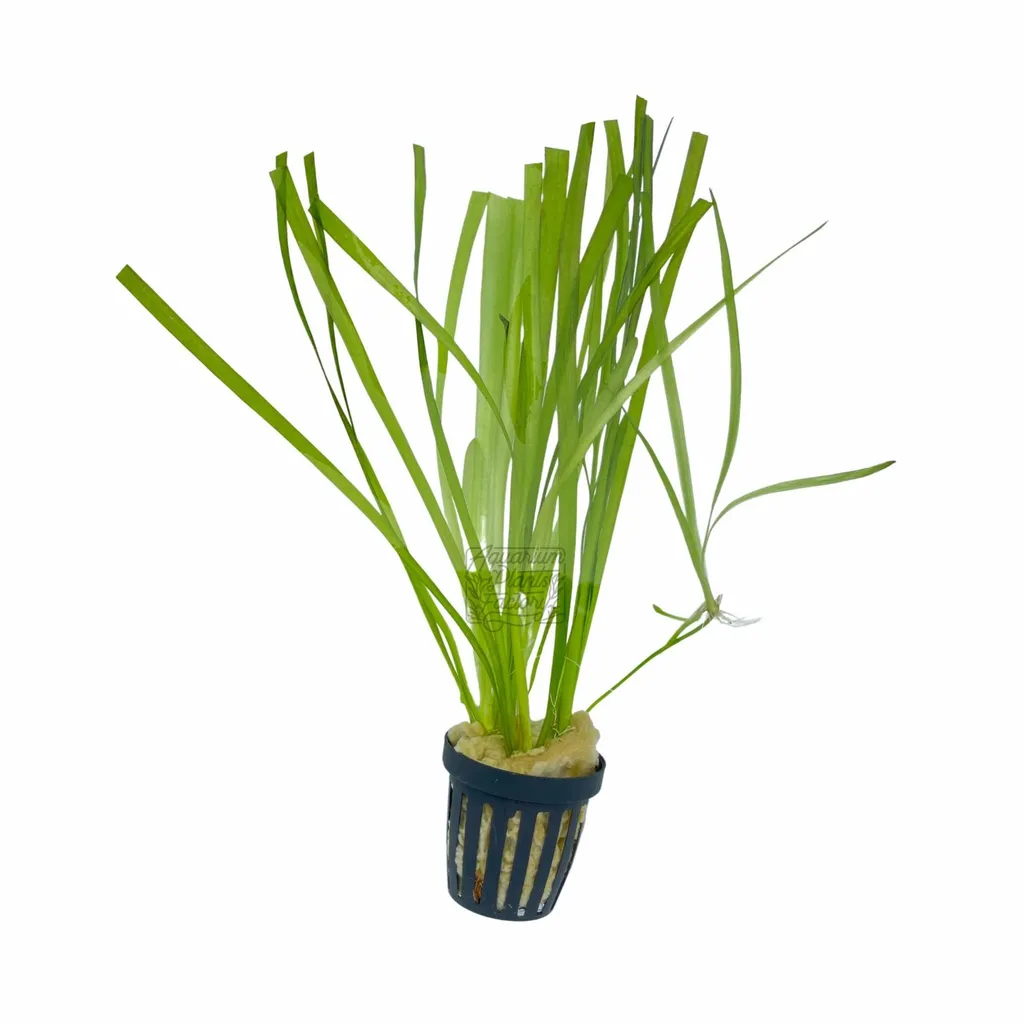
Vallisneria spiralis
FreshwaterBrackish- Light
- Low light
- Placement
- Background
- Height
- 19.7 in (50 cm)
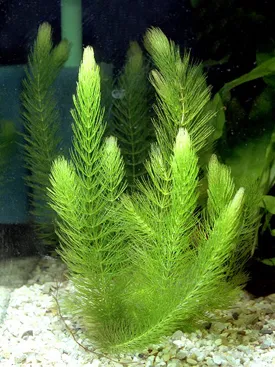
Hornwort
Ceratophyllum demersum
FreshwaterBrackish- Light
- Low light
- Placement
- Floating
- Height
- 39.4 in (100 cm)
The rule
What makes a plant beginner-friendly
Every plant here is marked beginner or easy, and the profiles agree on what that means: low or medium light, no CO2 required, and a tolerance for the water most people have. The rhizome plants, anubias, java fern and bucephalandra, are tied to wood or rock and rot if the rhizome is buried. The rooted plants, swords, crypts and vals, feed through their roots and want a root tab or a nutrient substrate. Add a fast grower to soak up nutrients and the algae has less to work with.
- 01
Low or medium light
No plant here lists high light
- 02
No CO2 required
Beneficial at most, never required
- 03
Rhizomes above the substrate
Anubias and java fern rot when buried
- 04
Root tabs for the rooted
Swords, crypts and vals feed from the roots
On wood and rock
Plants for wood and rock
The anubias barteri is the big anubias at 13.8 inches (35 cm), marked beginner, and the anubias petite the small one at 2 inches (5 cm). The Windelov java fern has lace-cut leaf tips and the same care as the plain fern. The bucephalandra kedagang is marked easy for low light, a slow plant with leaves that shimmer blue, 4.7 inches (12 cm) tall. The Christmas moss grows in flat triangular fronds and the flame moss grows straight up; both are marked easy and tied to wood with thread until they grip. None of these goes in the substrate.
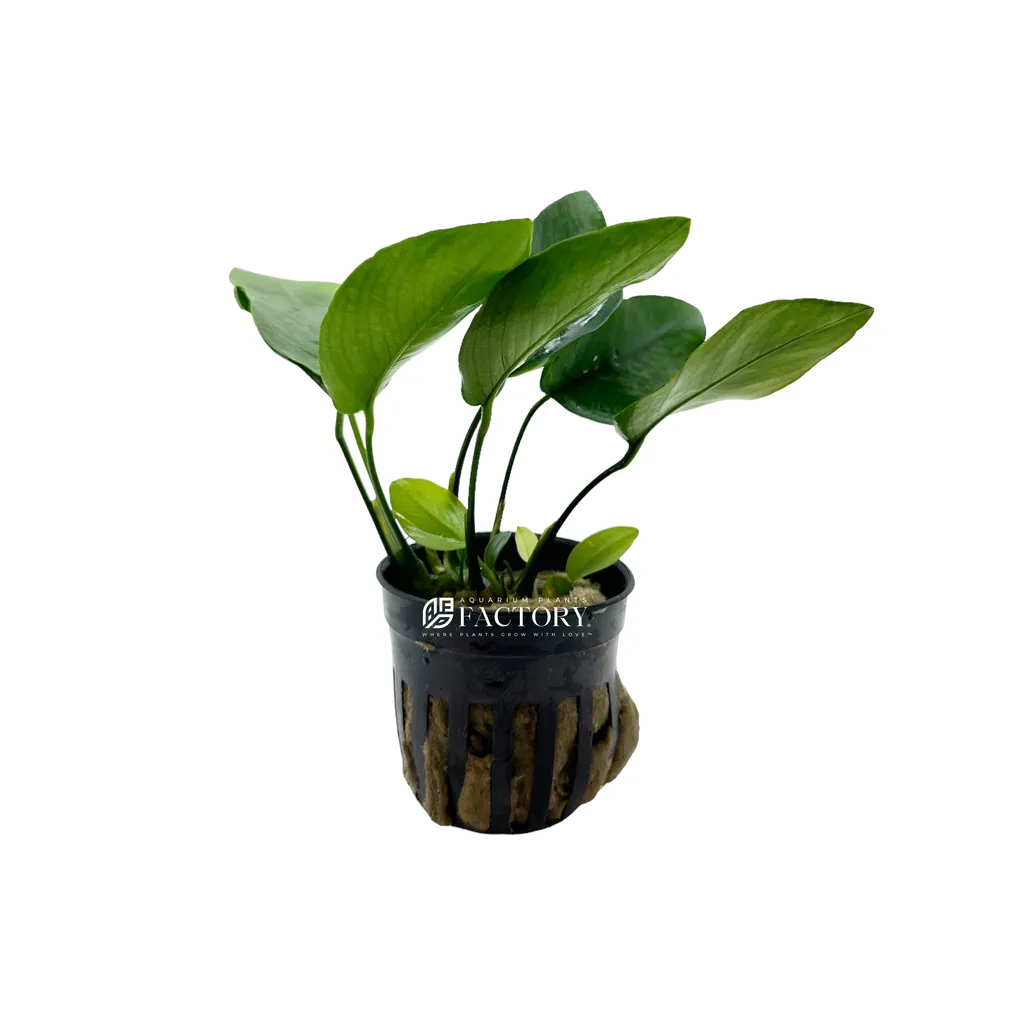
Anubias barteri
FreshwaterBrackishLow light · Epiphyte13.8 in (35 cm)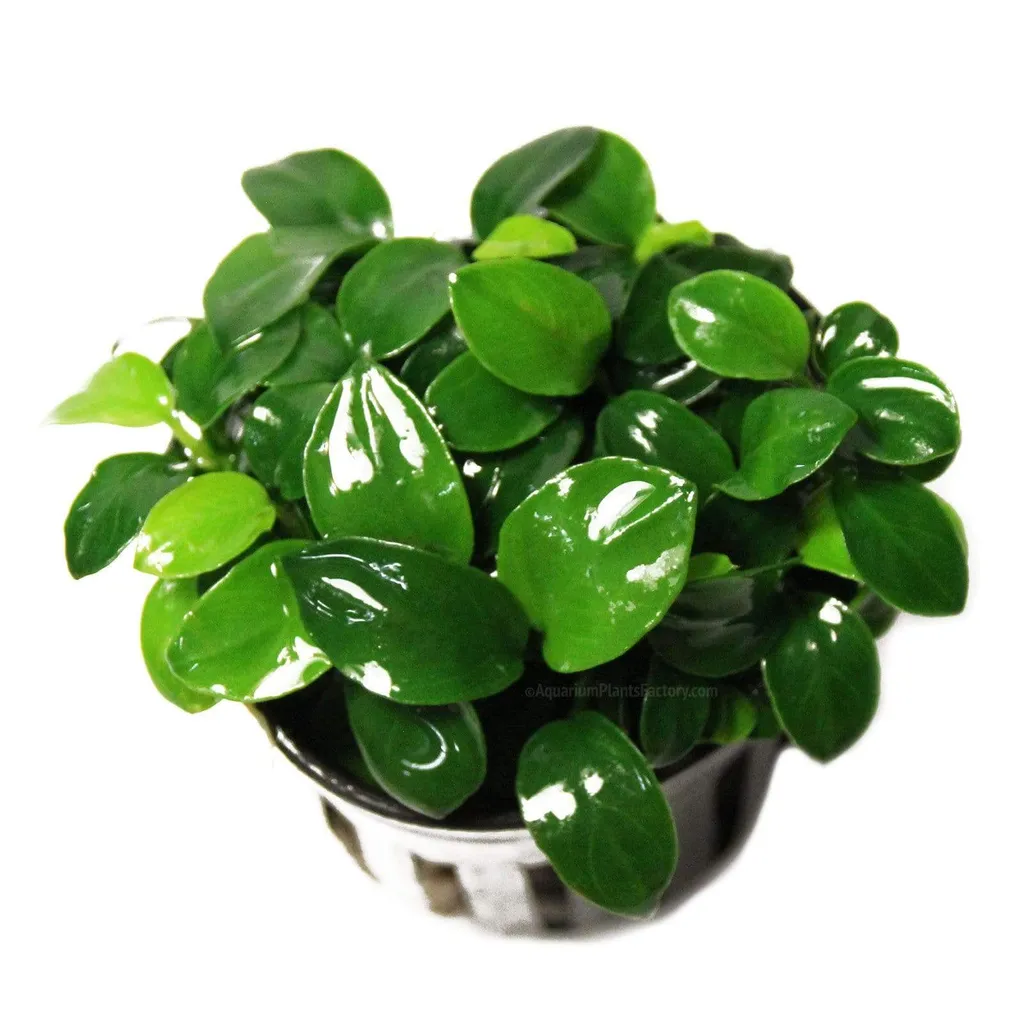
Anubias petite
Anubias barteri var. nana 'Petite'
FreshwaterBrackishLow light · Epiphyte2 in (5 cm)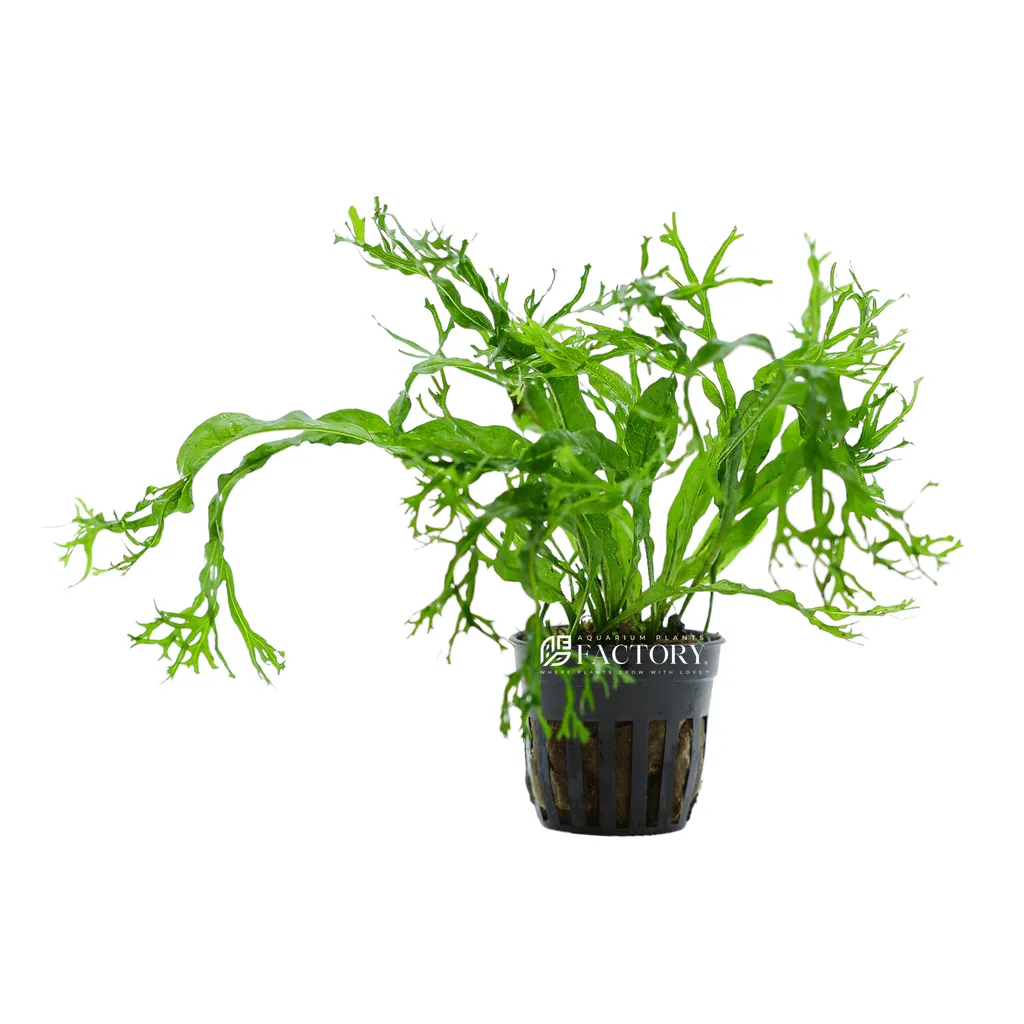
Windelov java fern
Leptochilus pteropus 'Windelov'
FreshwaterBrackishLow light · Epiphyte7.9 in (20 cm)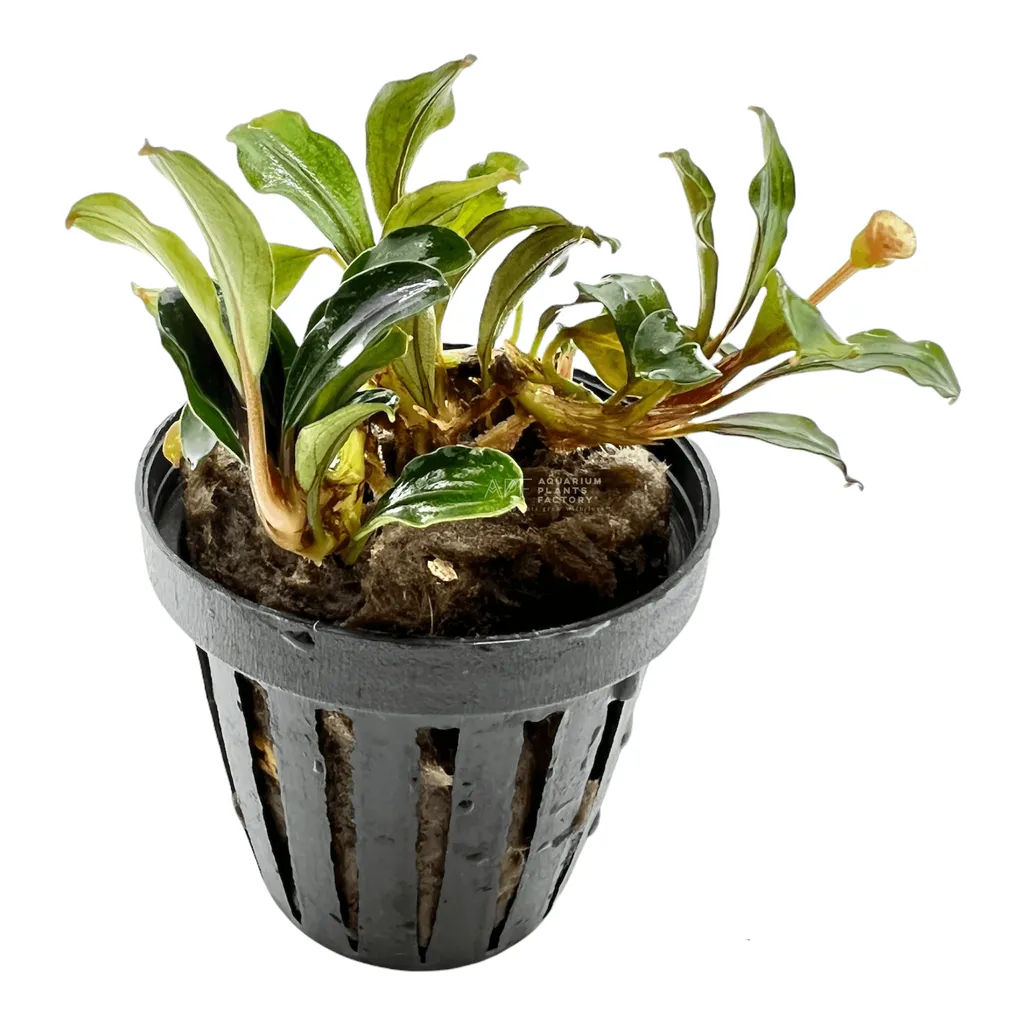
Bucephalandra kedagang
Bucephalandra sp. 'Kedagang'
FreshwaterLow light · Epiphyte4.7 in (12 cm)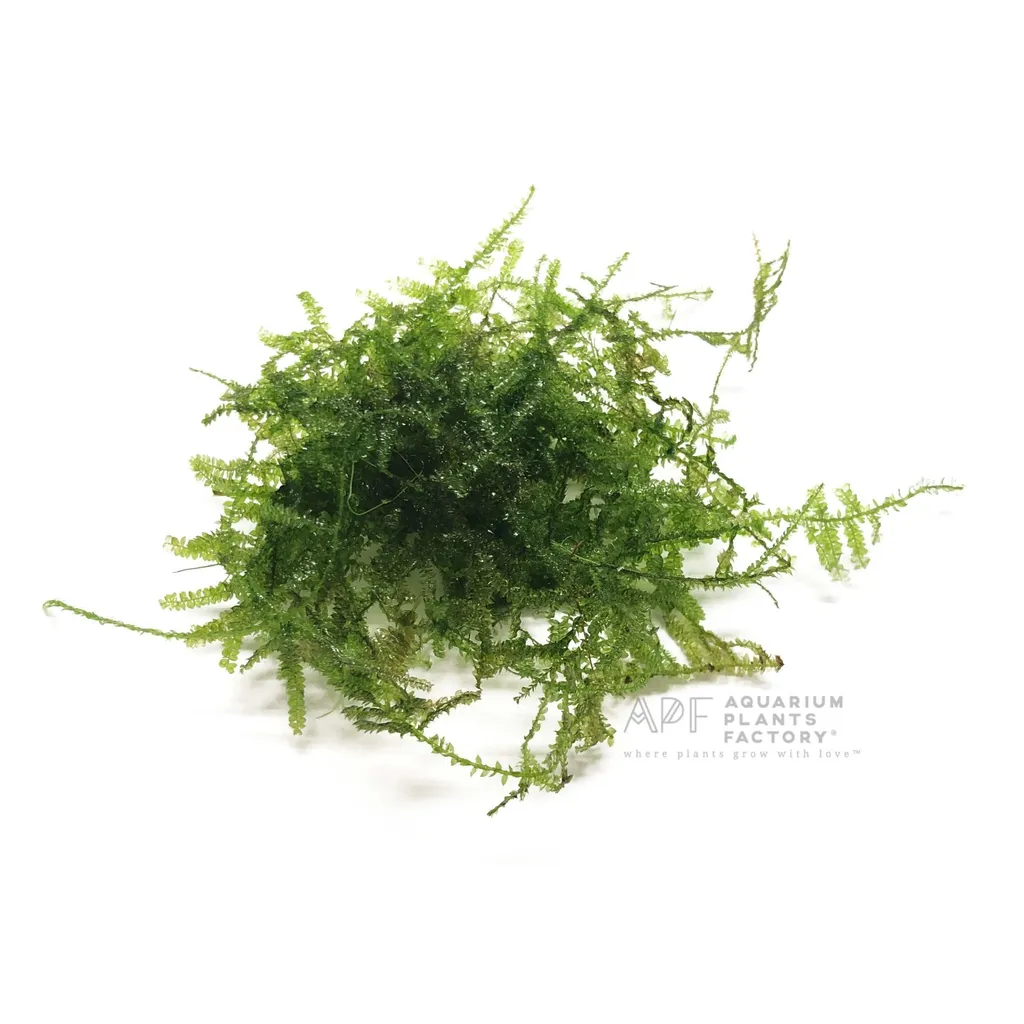
Christmas moss
Vesicularia montagnei
FreshwaterLow light · Epiphyte2 in (5 cm)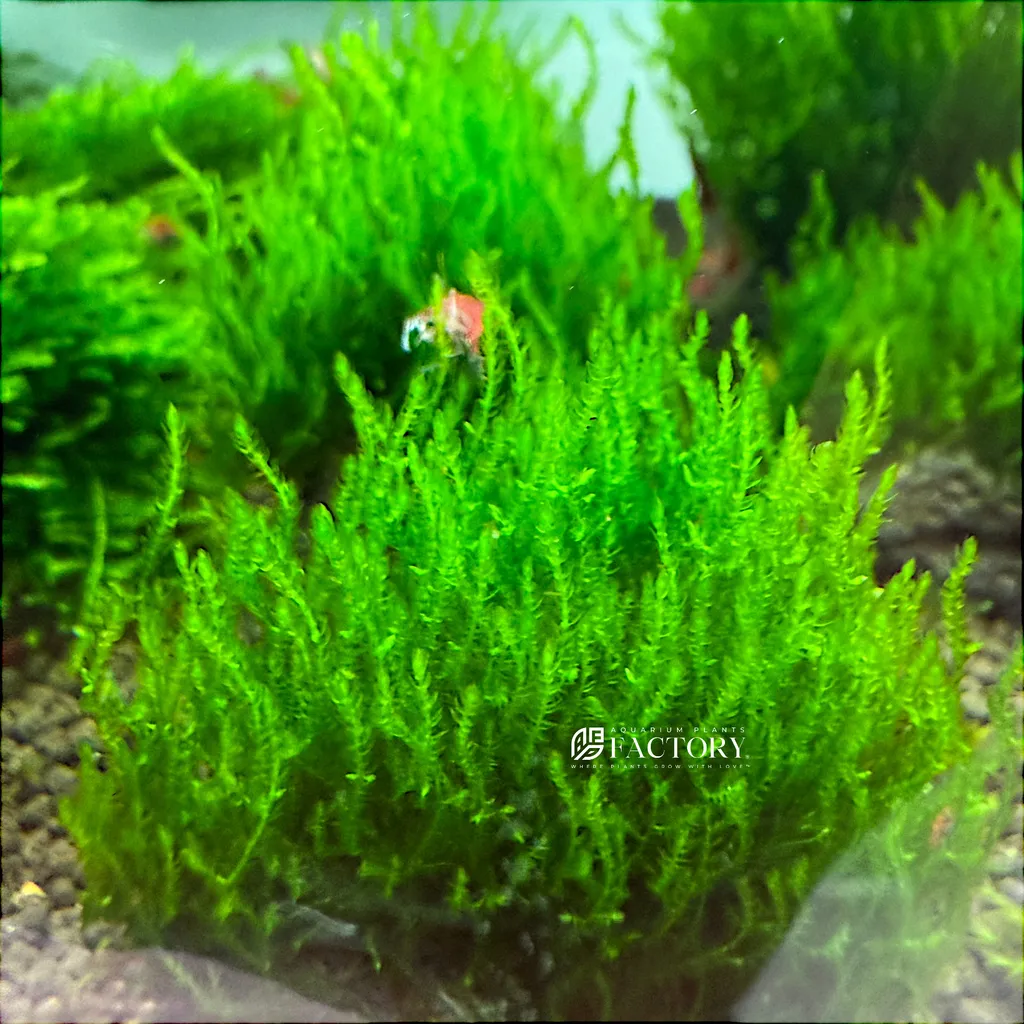
Flame moss
Taxiphyllum sp. 'Flame'
FreshwaterLow light · Epiphyte3.1 in (8 cm)
Stems
Stems that grow fast
The water wisteria is marked beginner and grows fast to 19.7 inches (50 cm) in medium light. The hygrophila polysperma is the same rating in low light, 17.7 inches (45 cm), and needs cutting back every week. The rotala rotundifolia is marked easy in medium light and turns pink at the tips under more. The giant bacopa is marked beginner for low light, a slow, stiff stem at 15.7 inches (40 cm). The Canadian waterweed, the anacharis of the shops, is marked beginner for low light and reaches 23.6 inches (60 cm). The ludwigia repens is marked easy in medium light and is the red stem that does not need CO2.
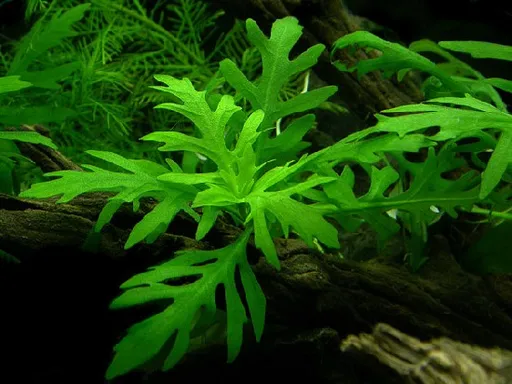
Water wisteria
Hygrophila difformis
FreshwaterMedium light · Background19.7 in (50 cm)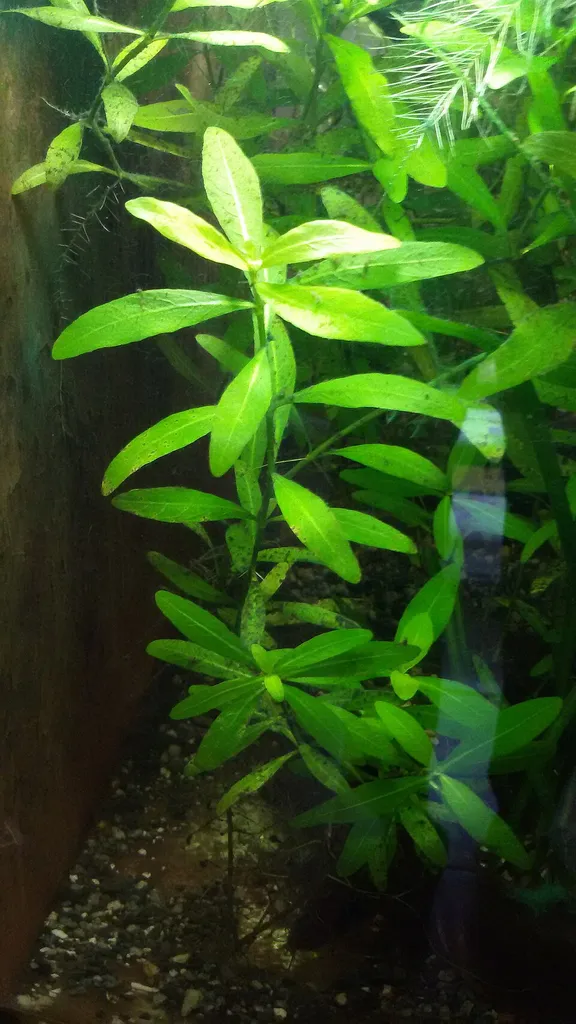
Hygrophila polysperma
FreshwaterLow light · Background17.7 in (45 cm)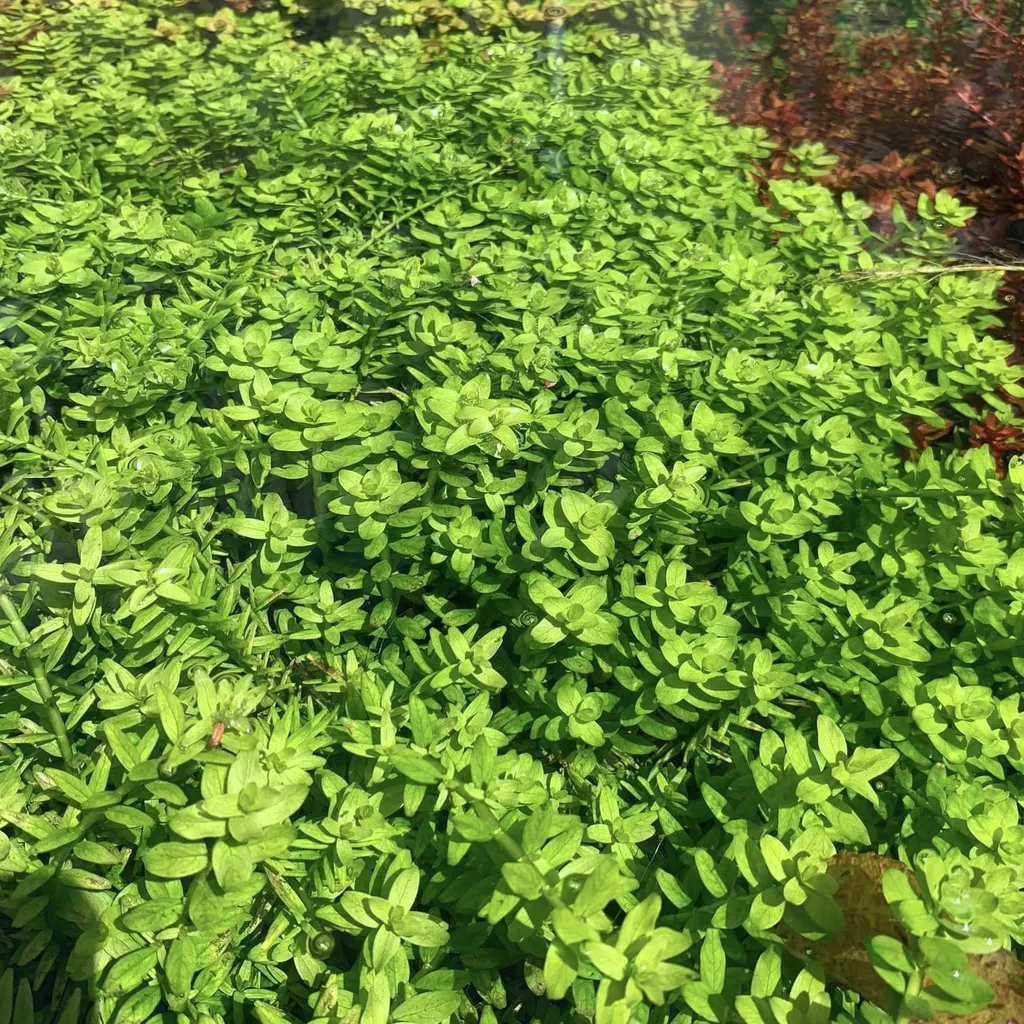
Rotala rotundifolia
FreshwaterMedium light · Background19.7 in (50 cm)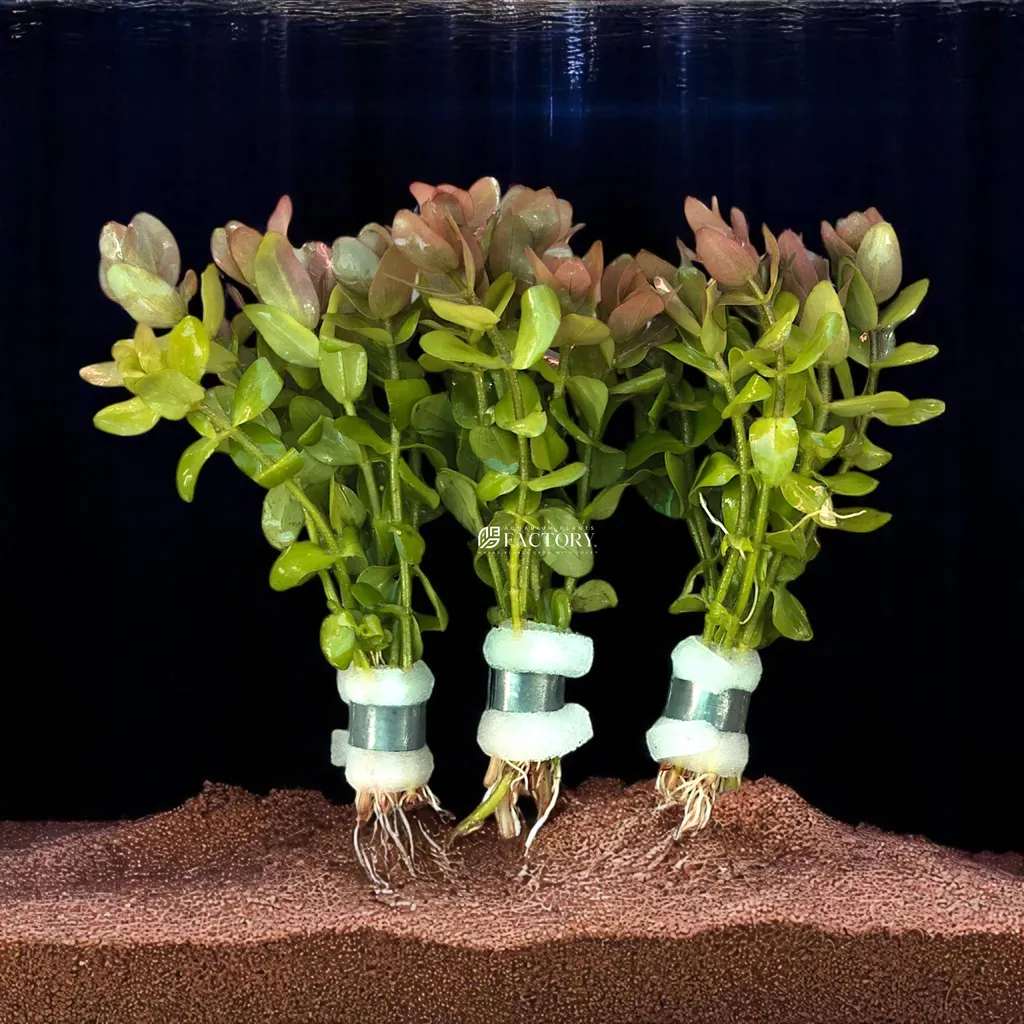
Giant bacopa
Bacopa caroliniana
FreshwaterBrackishLow light · Background15.7 in (40 cm)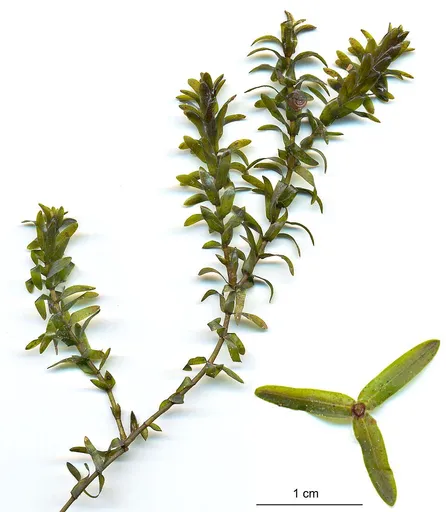
Canadian waterweed
Elodea canadensis
FreshwaterLow light · Background23.6 in (60 cm)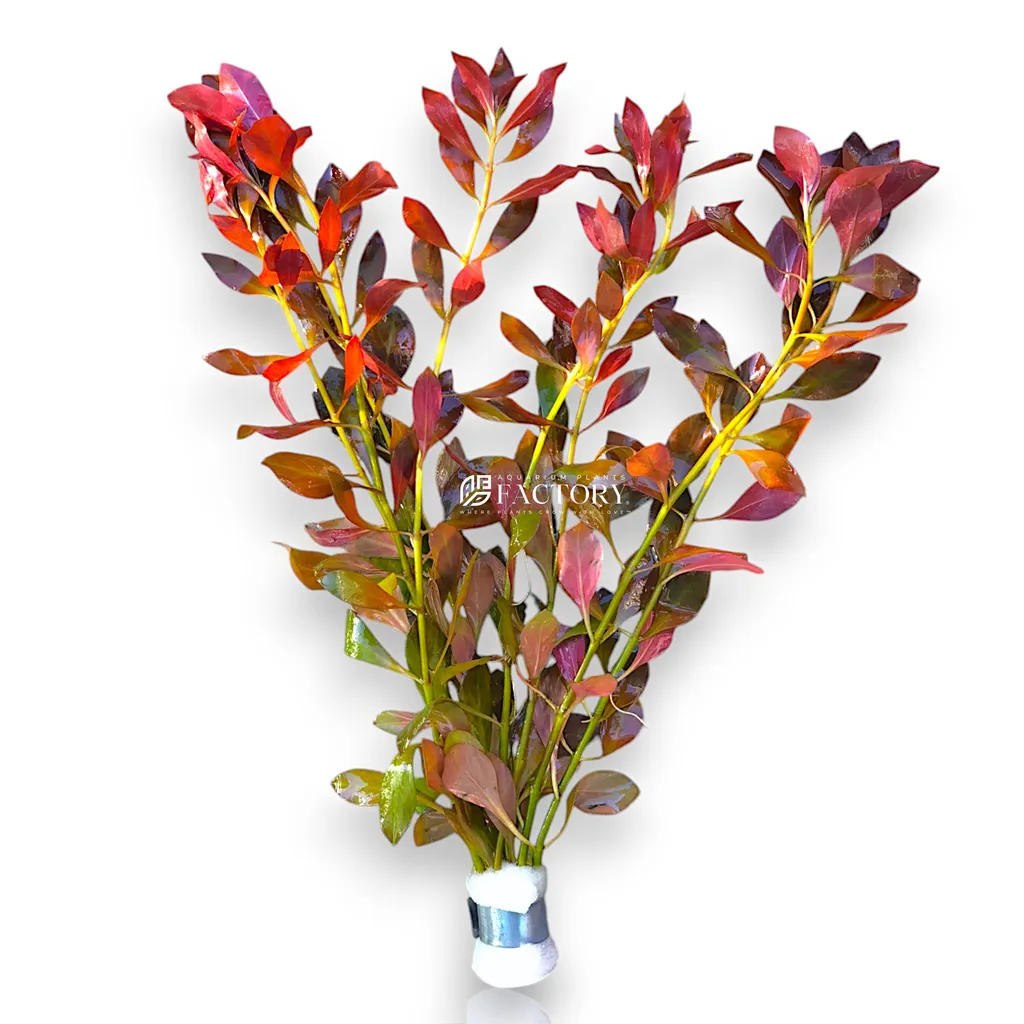
Ludwigia repens
FreshwaterMedium light · Background19.7 in (50 cm)
Rooted
Rooted plants and carpets
The cryptocoryne wendtii is marked beginner for low light, 9.8 inches (25 cm), and it melts when it is moved and grows back. The dwarf sagittaria is marked beginner, a grass that spreads by runners to 11.8 inches (30 cm) and carpets a foreground in low light. The jungle val reaches 39.4 inches (100 cm) and is the background for a tall tank. The tiger lotus is a bulb marked easy that sends up red-spotted leaves to 19.7 inches (50 cm). The dwarf hairgrass carpets in medium light at 3.9 inches (10 cm), marked easy, and spreads faster with CO2. The staurogyne repens is a low, bushy foreground plant marked easy for medium light.
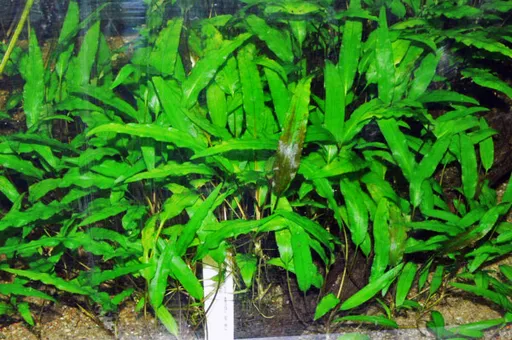
Cryptocoryne wendtii
FreshwaterBrackishLow light · Midground9.8 in (25 cm)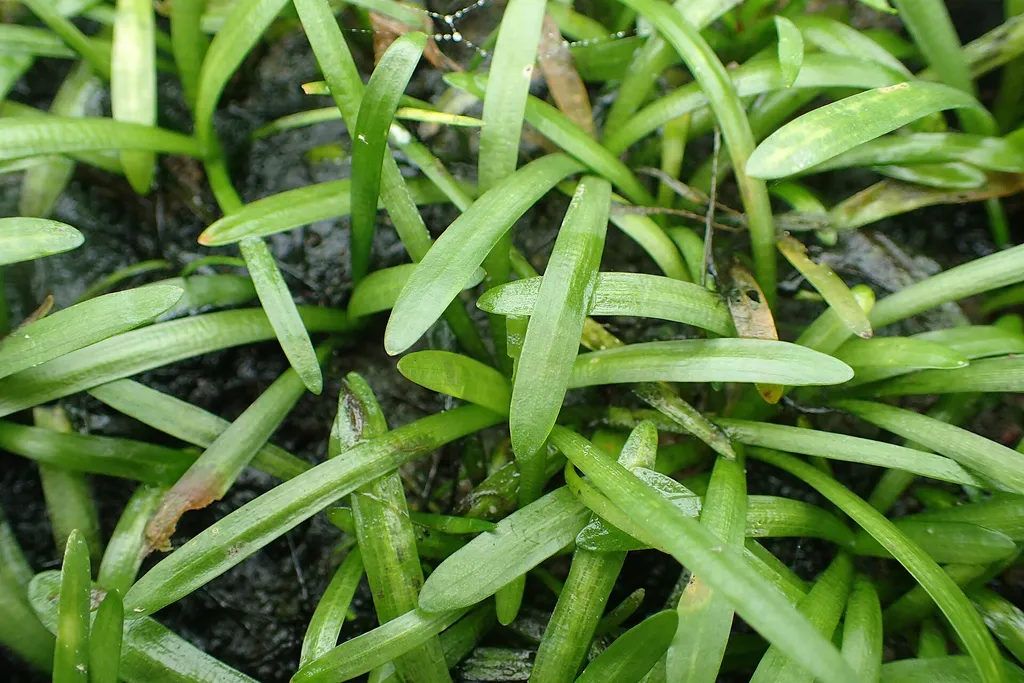
Dwarf sagittaria
Sagittaria subulata
FreshwaterBrackishLow light · Foreground11.8 in (30 cm)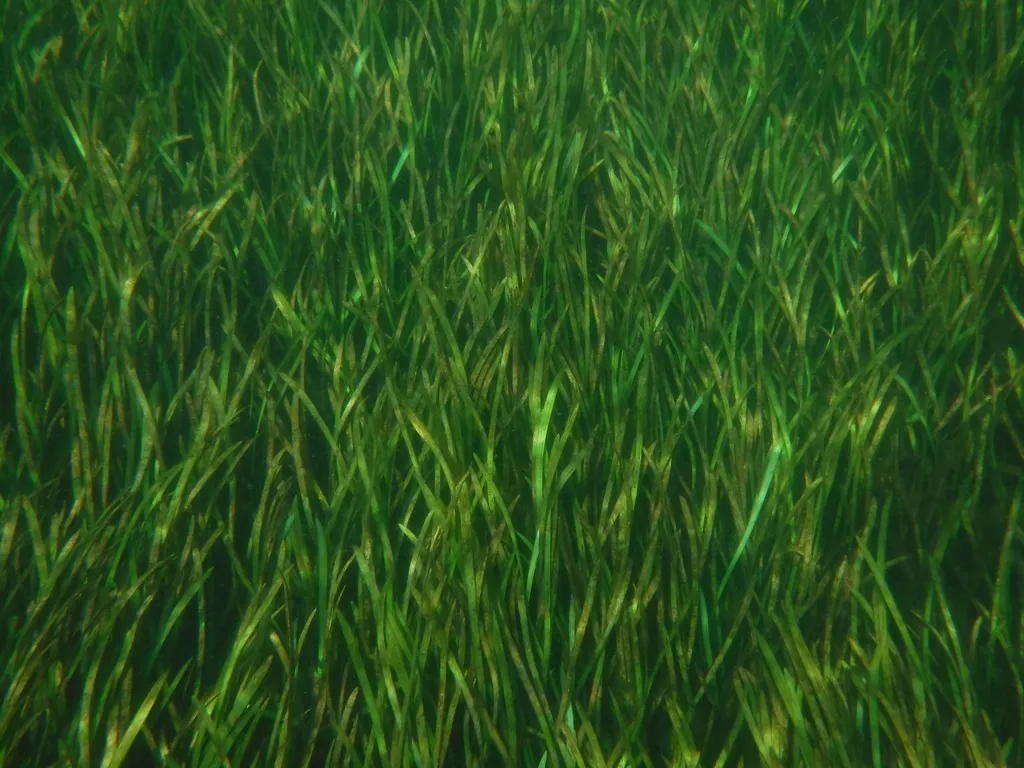
Jungle val
Vallisneria americana
FreshwaterBrackishLow light · Background39.4 in (100 cm)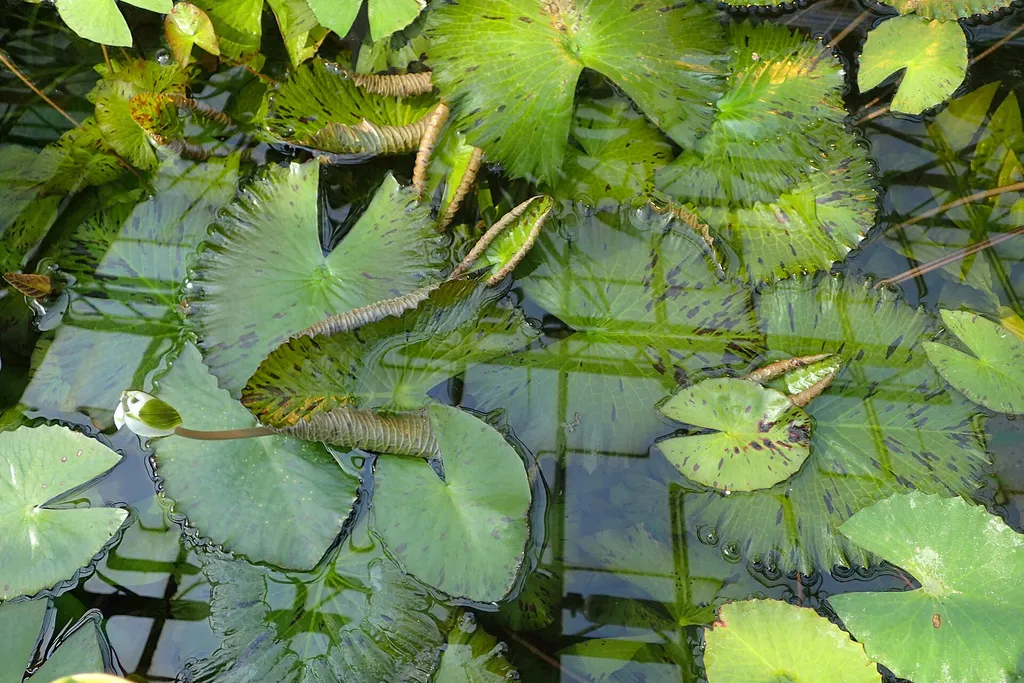
Tiger lotus
Nymphaea lotus
FreshwaterMedium light · Midground19.7 in (50 cm)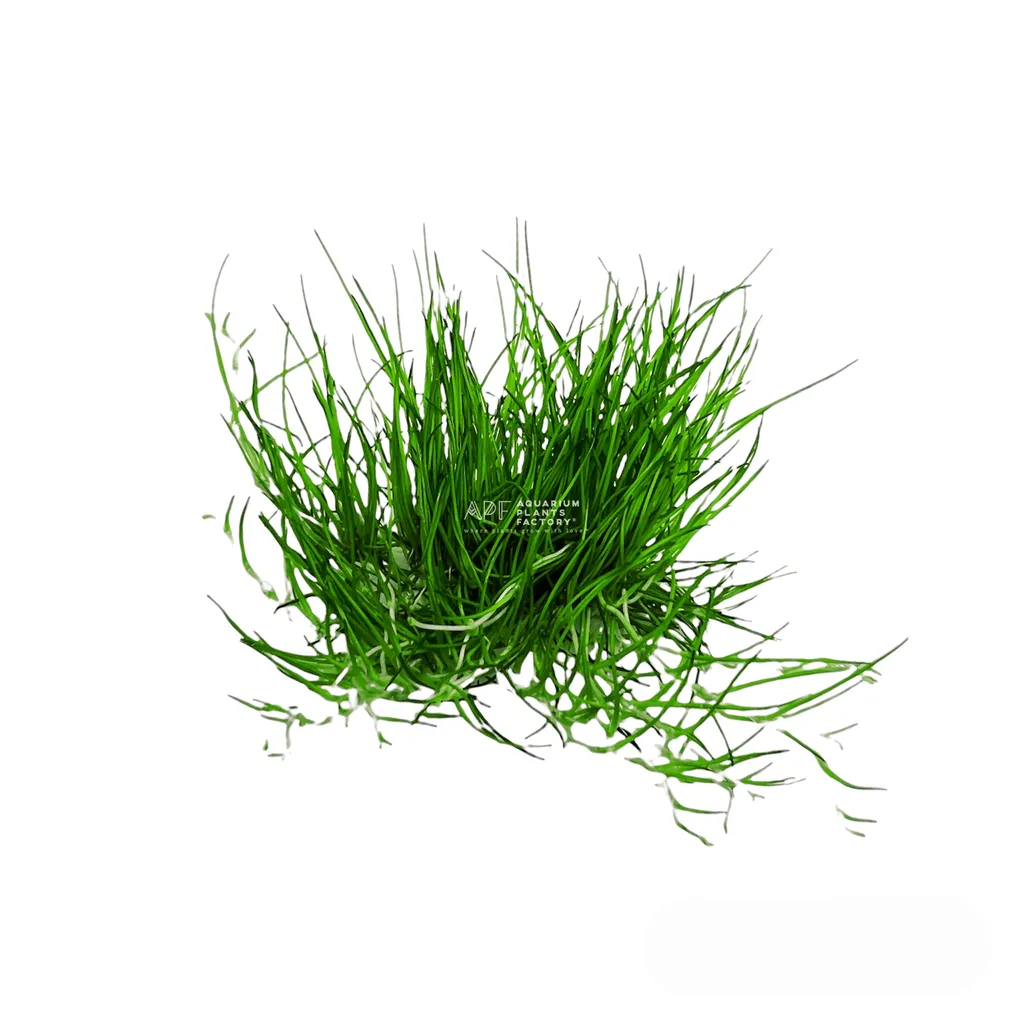
Dwarf hairgrass
Eleocharis parvula
FreshwaterMedium light · Foreground3.9 in (10 cm)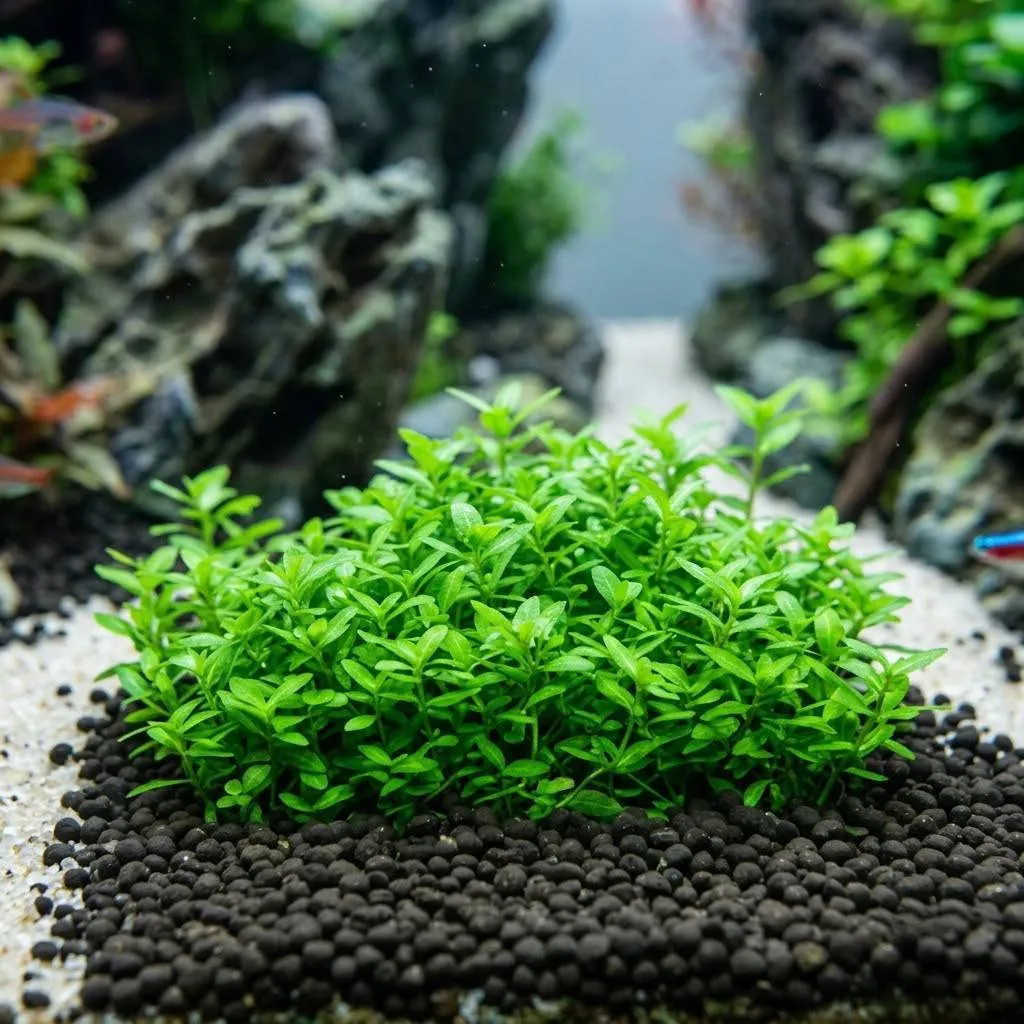
Staurogyne repens
FreshwaterMedium light · Foreground3.9 in (10 cm)
Floating
Floating plants
The amazon frogbit is marked beginner, a floating rosette with roots that trail 2 inches (5 cm) into the water. The dwarf water lettuce is the same rating and the same habit at 3.9 inches (10 cm). The salvinia natans is a floating fern marked beginner that doubles every couple of weeks. The red root floater turns red at the surface, where it gets the high light it lists, and needs no CO2. The water sprite is marked beginner and grows either floating or planted to 15 inches (38 cm). The guppy grass floats or plants, grows fast in low light and shelters fry.
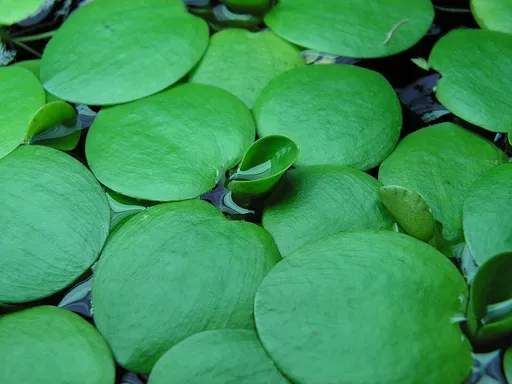
Amazon frogbit
Limnobium laevigatum
FreshwaterMedium light · Floating2 in (5 cm)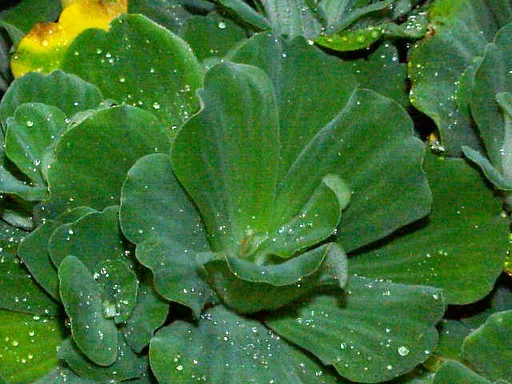
Dwarf water lettuce
Pistia stratiotes
FreshwaterMedium light · Floating3.9 in (10 cm)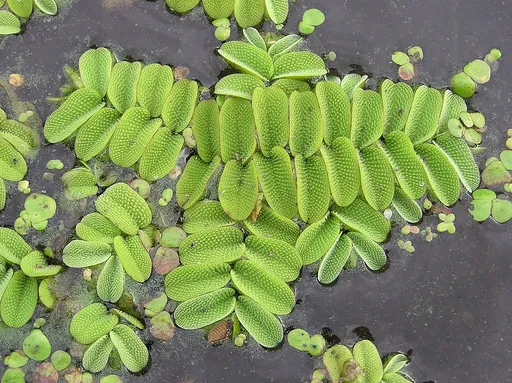
Salvinia natans
FreshwaterMedium light · Floating1.2 in (3 cm)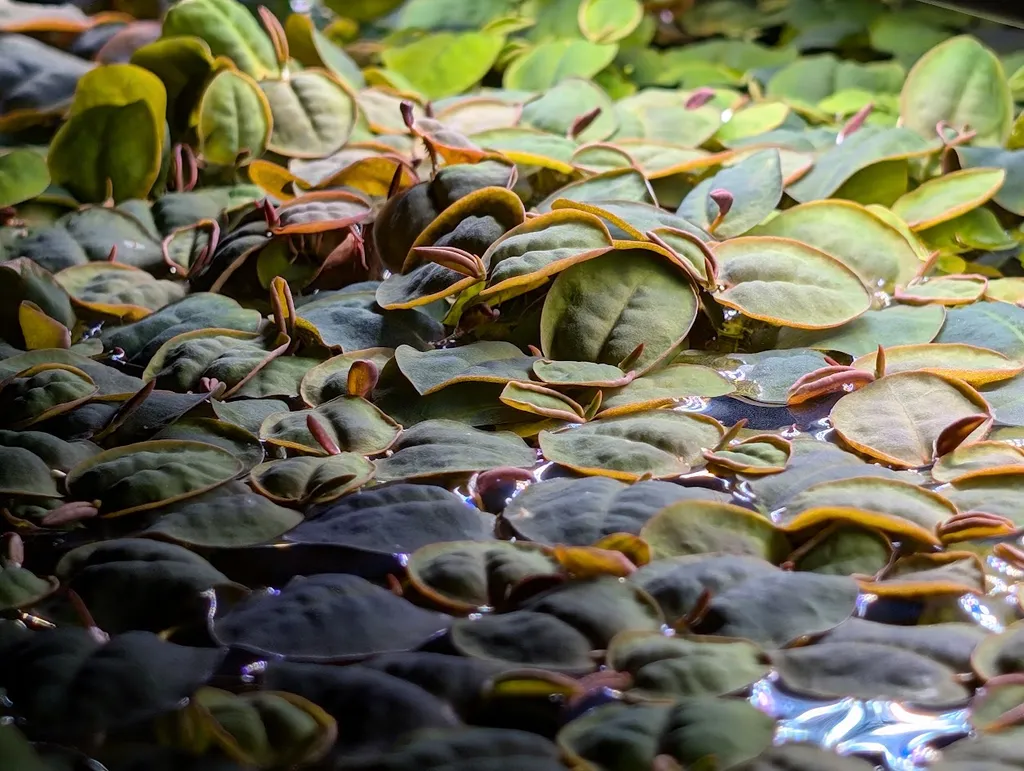
Red root floater
Phyllanthus fluitans
FreshwaterHigh light · Floating1.2 in (3 cm)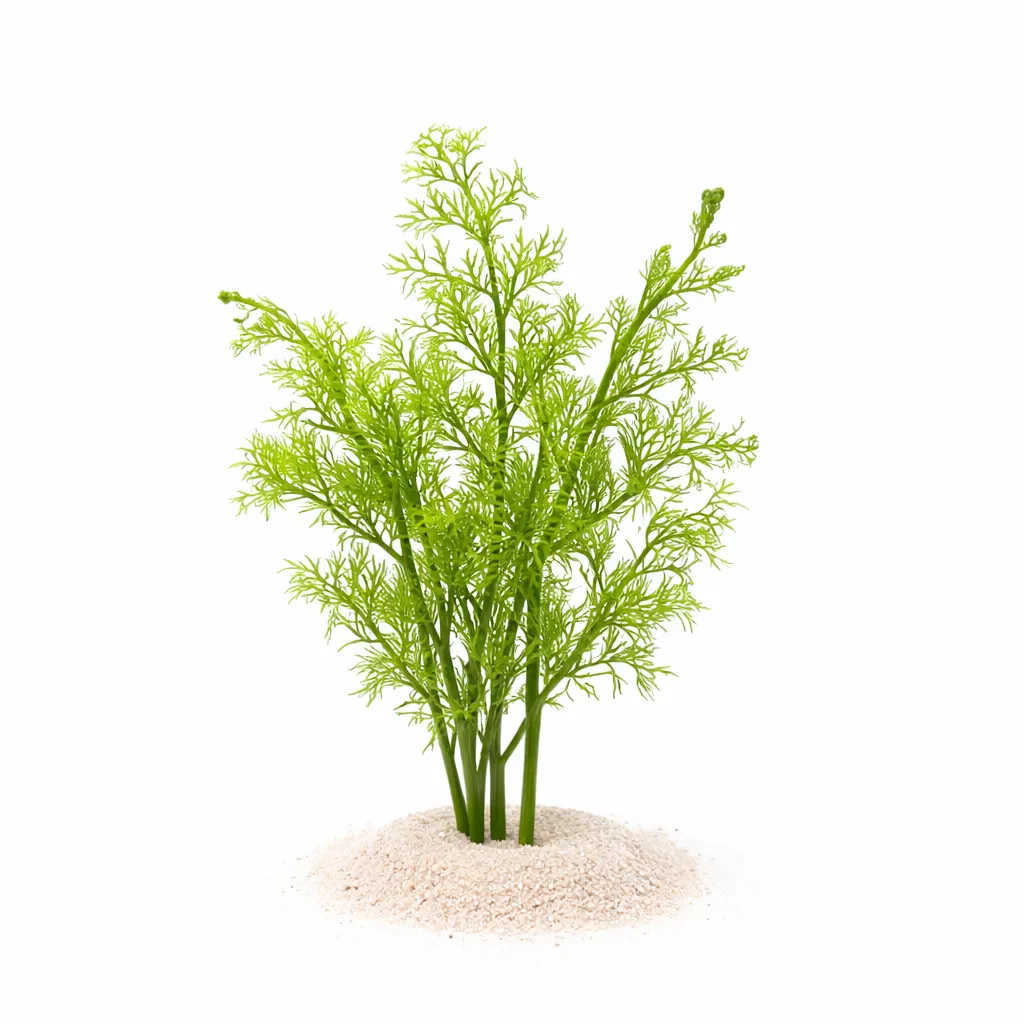
Water sprite
Ceratopteris thalictroides
FreshwaterBrackishMedium light · Background15 in (38 cm)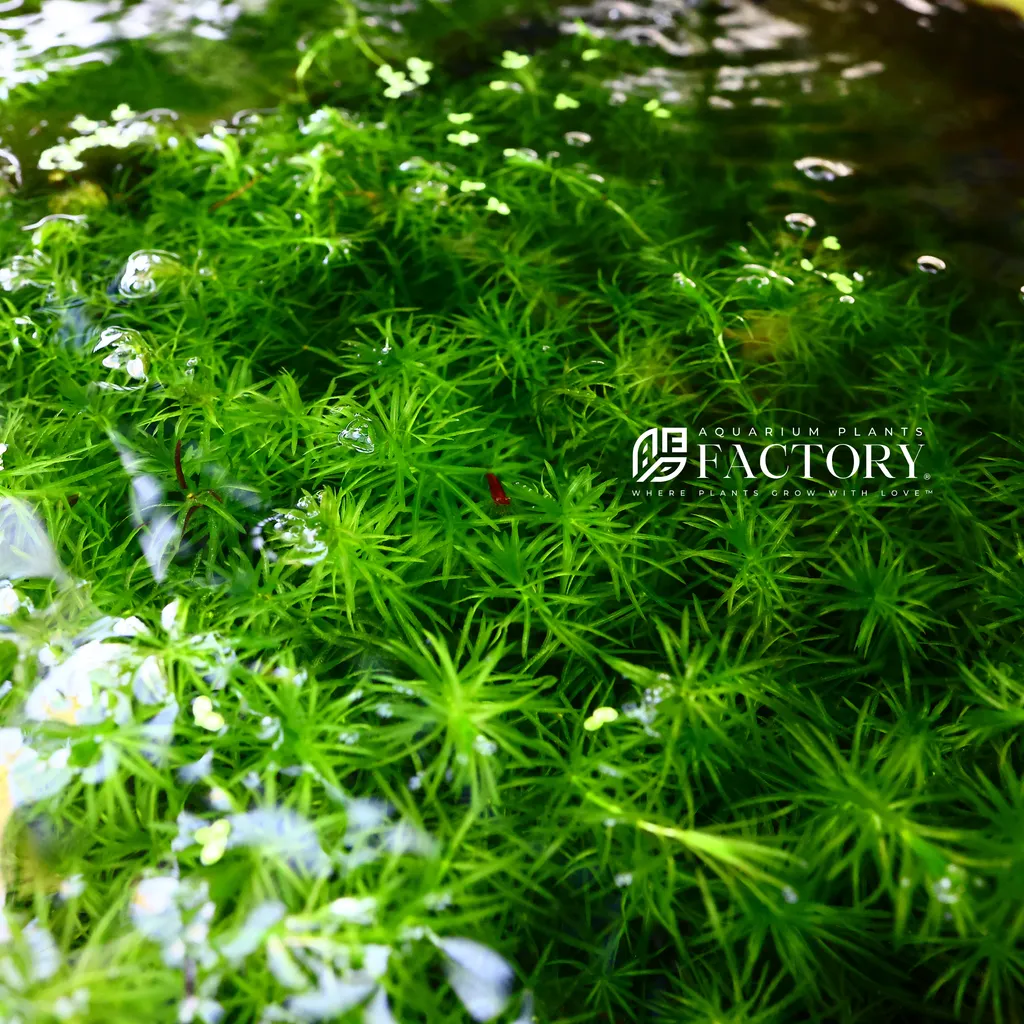
Guppy grass
Najas guadalupensis
FreshwaterBrackishLow light · Floating35.4 in (90 cm)
By the numbers
Smallest
Tallest
No CO₂ needed
Low light
FAQ
Common questions
What is the easiest aquarium plant?
The java fern, anubias nana, java moss and hornwort are marked beginner and grow in low light without CO2 or substrate. Tie the first three to wood or rock and let the hornwort float.
Do beginner plants need CO2?
No. Every plant here lists CO2 as unnecessary or beneficial, never required. They grow faster with it and fine without it.
Why is my anubias or java fern dying?
The rhizome is buried. Both plants rot when the thick horizontal stem is under the substrate. Tie them to wood or rock with thread or glue and leave the rhizome in the water.
How much light do beginner plants need?
Low light means a basic LED for six to eight hours a day. Medium light means a plant-rated LED for the same period. Floating plants shade whatever is under them.
Do I need special substrate?
Not for the epiphytes and mosses, which never touch it. Swords, crypts and vals feed from the roots and do better with a root tab pushed under them or a nutrient substrate.
Which plants help against algae?
The fast growers: hornwort, water wisteria, hygrophila polysperma, amazon frogbit and guppy grass. They use the nitrate and phosphate that algae would otherwise get.
Index
All beginner plants
Amazon frogbit
Limnobium laevigatum
FreshwaterMedium light · Floating2 in (5 cm)Amazon sword
Echinodorus grisebachii
FreshwaterMedium light · Background19.7 in (50 cm)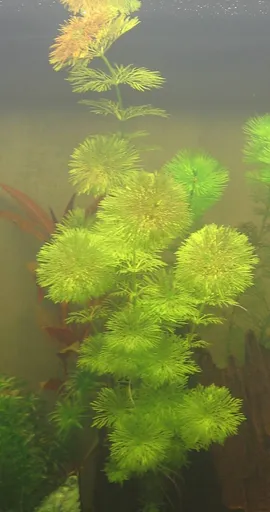
Ambulia
Limnophila sessiliflora
FreshwaterLow light · Background15.7 in (40 cm)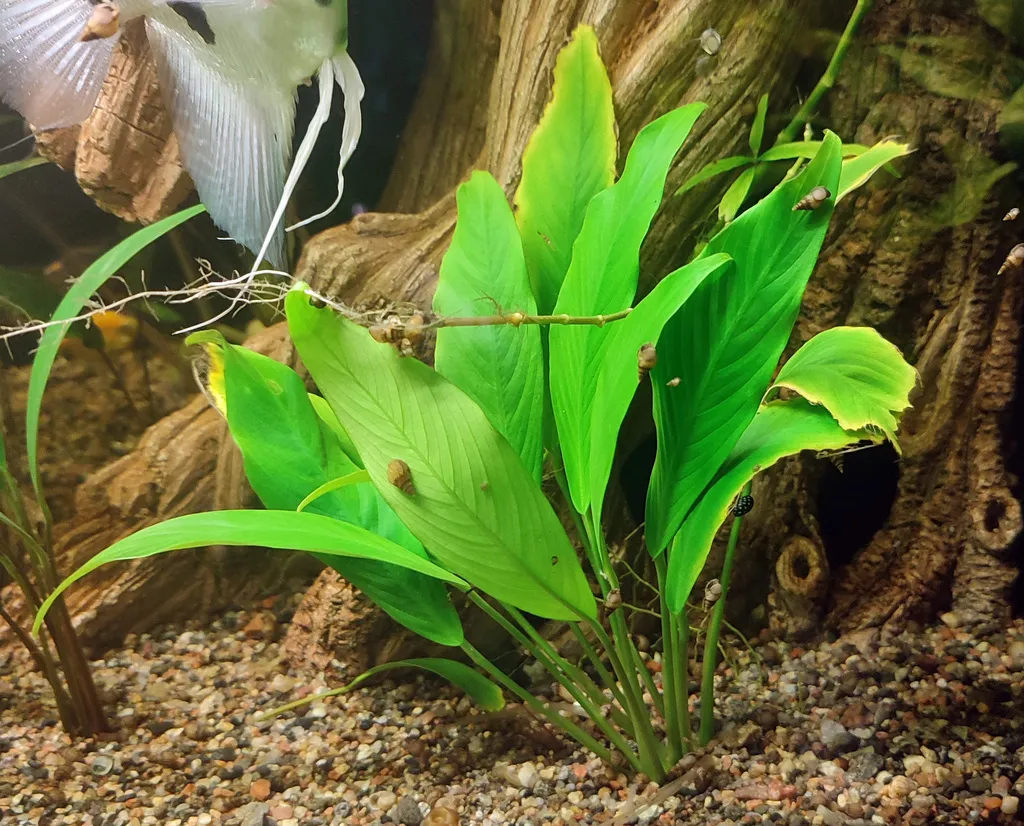
Anubias afzelii
FreshwaterMedium light · Background15.7 in (40 cm)Anubias barteri
FreshwaterBrackishLow light · Epiphyte13.8 in (35 cm)22 forms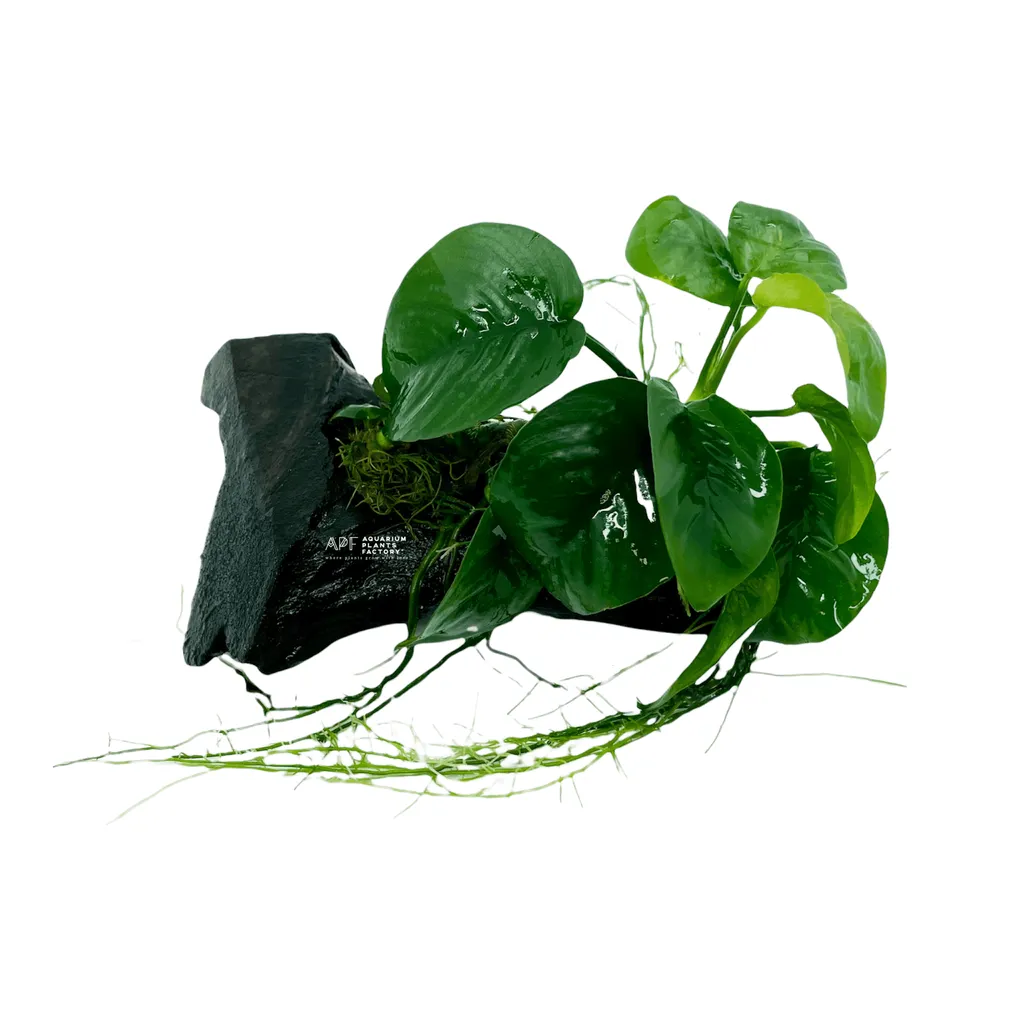
Anubias Butterfly
Anubias 'Butterfly'
FreshwaterLow light · Epiphyte5.9 in (15 cm)Anubias Chili Jalapeno
Anubias 'Chili Jalapeno'
FreshwaterLow light · Epiphyte3.9 in (10 cm)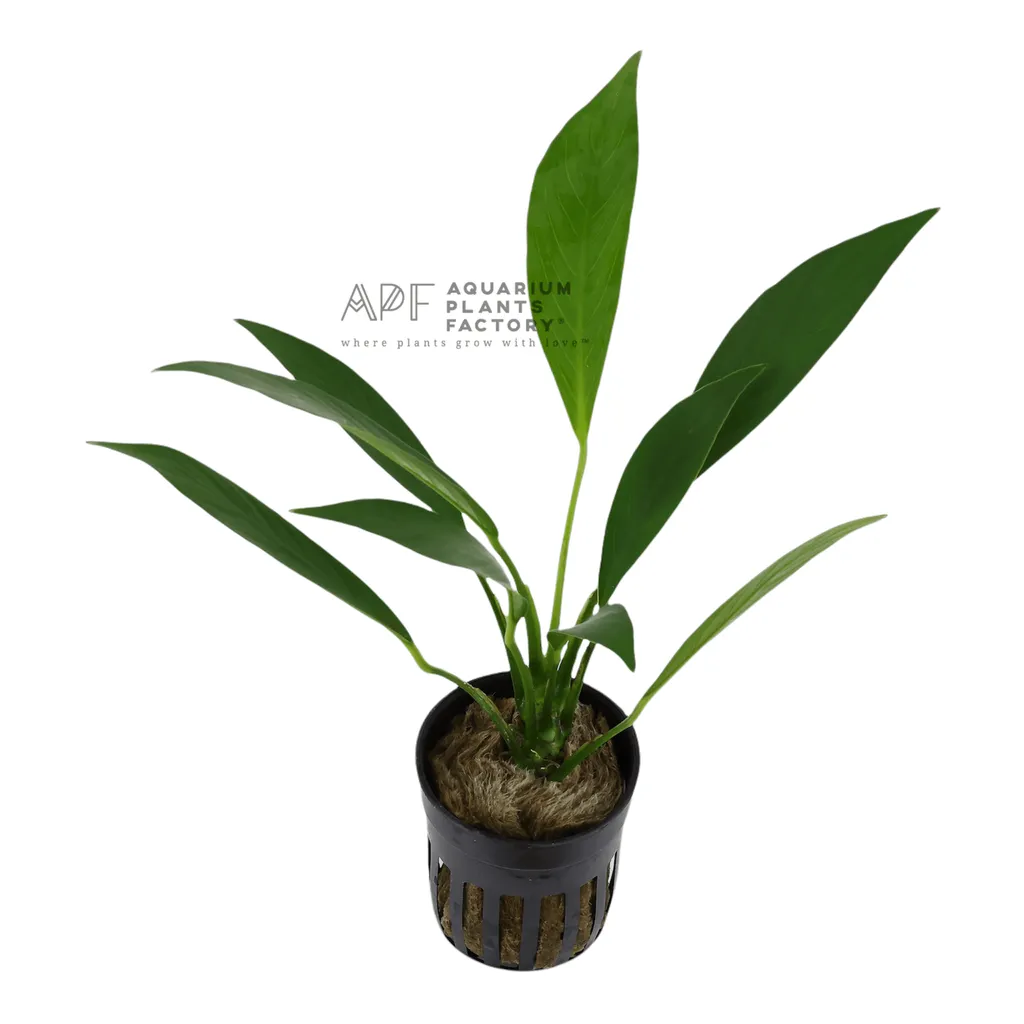
Anubias congensis
Anubias heterophylla
FreshwaterLow light · Background15.7 in (40 cm)Anubias Frazeri
Anubias 'Frazeri'
FreshwaterLow light · Epiphyte9.8 in (25 cm)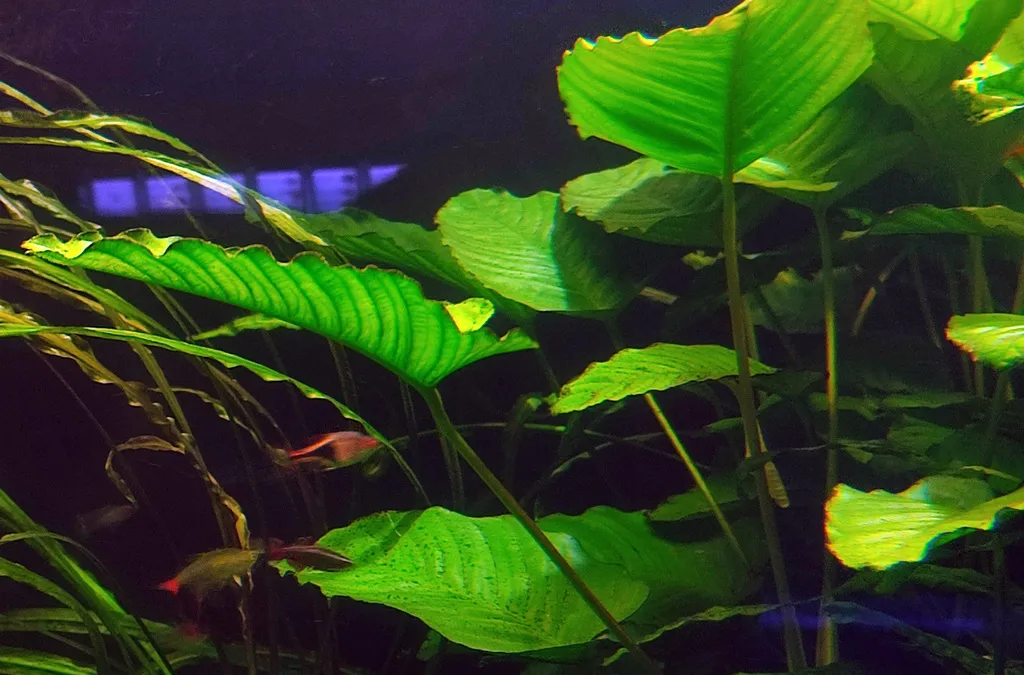
Anubias gigantea
FreshwaterLow light · Background19.7 in (50 cm)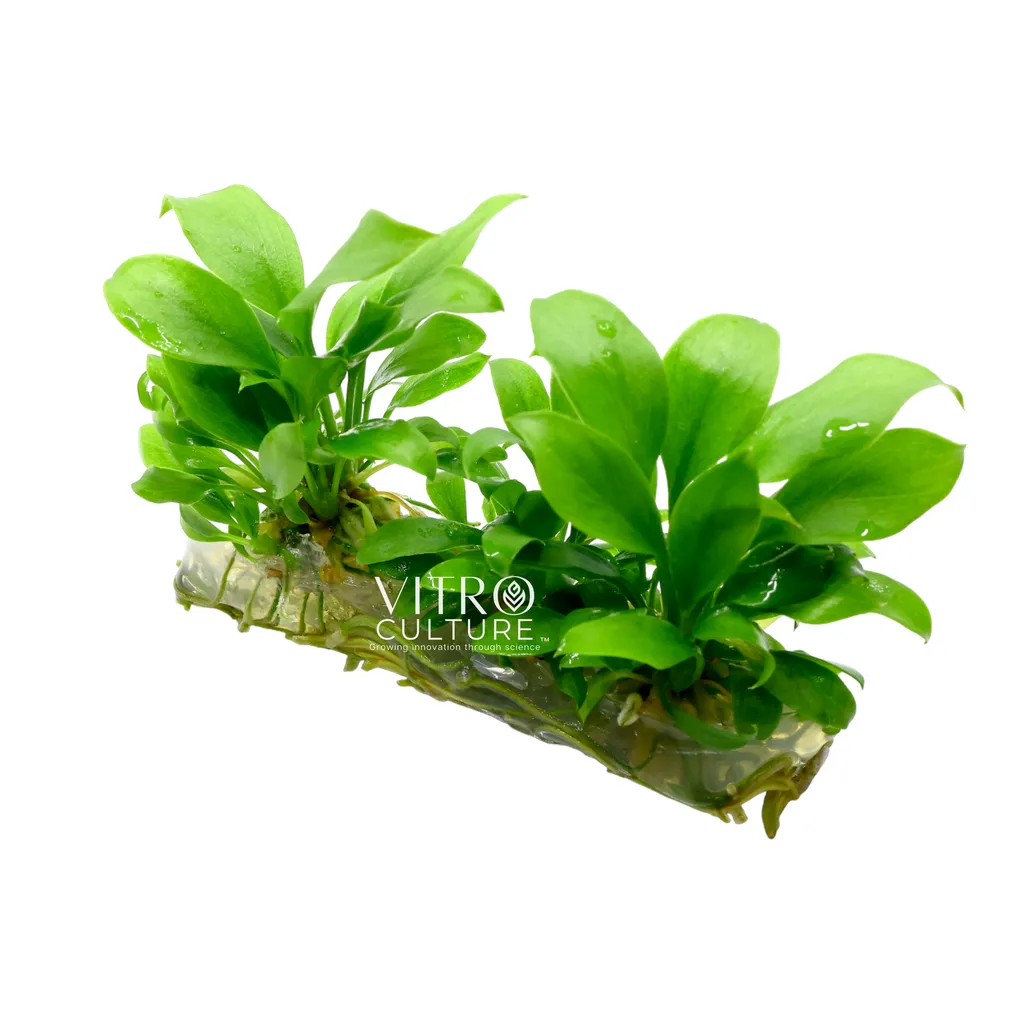
Anubias gilletii
FreshwaterLow light · Epiphyte11.8 in (30 cm)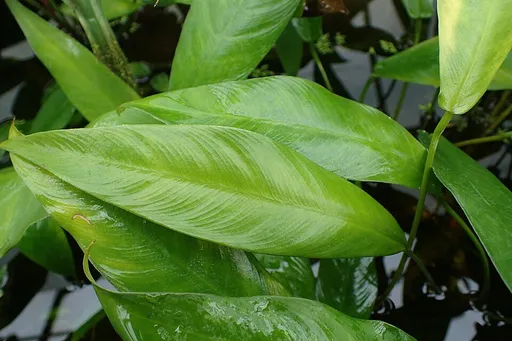
Anubias gracilis
FreshwaterLow light · Epiphyte15.7 in (40 cm)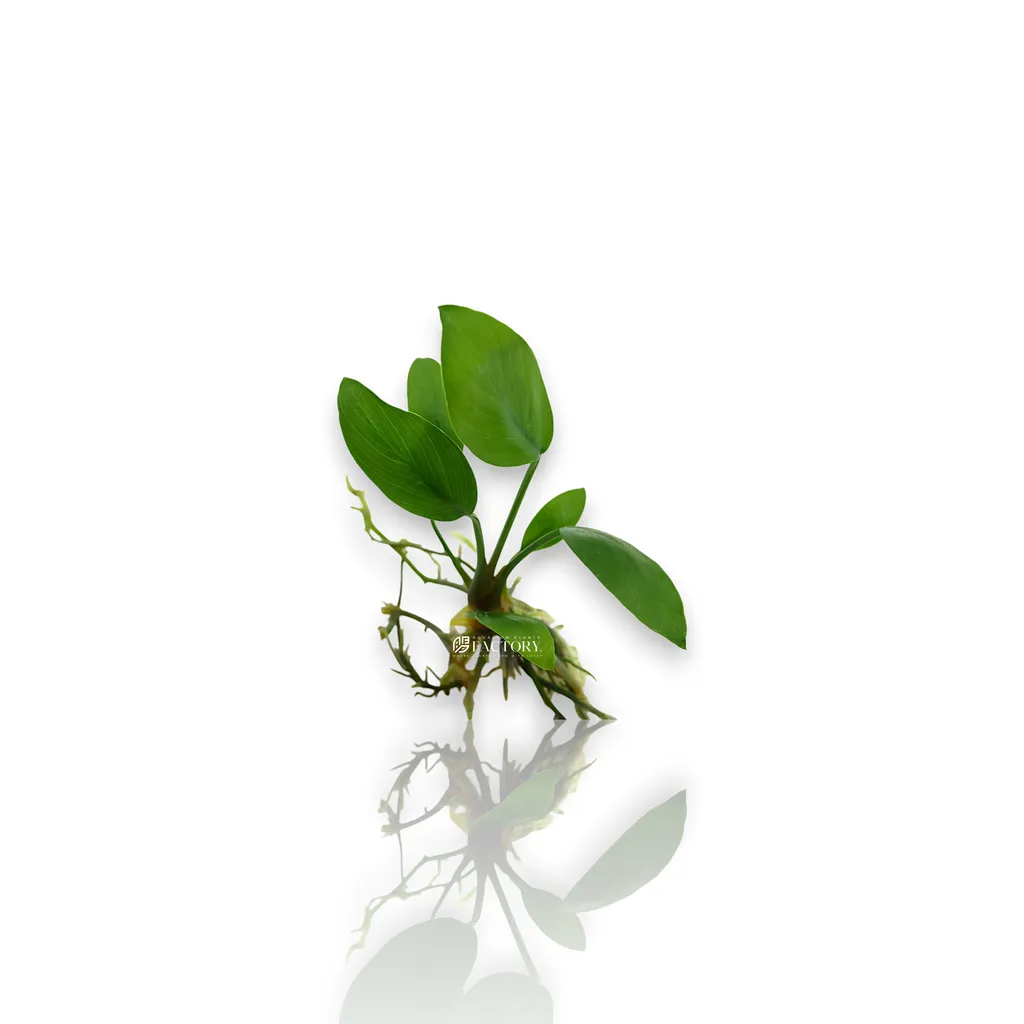
Anubias hastifolia
FreshwaterLow light · Background15.7 in (40 cm)Anubias Nangi
Anubias 'Nangi'
FreshwaterLow light · Epiphyte7.9 in (20 cm)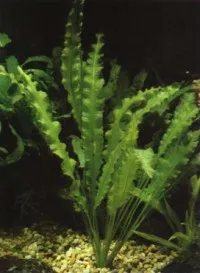
Aponogeton crispus
FreshwaterMedium light · Background19.7 in (50 cm)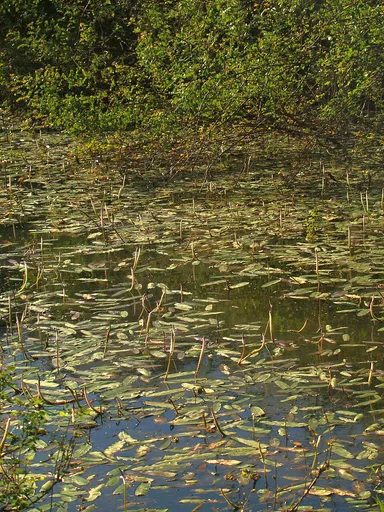
Aponogeton natans
FreshwaterMedium light · Background15.7 in (40 cm)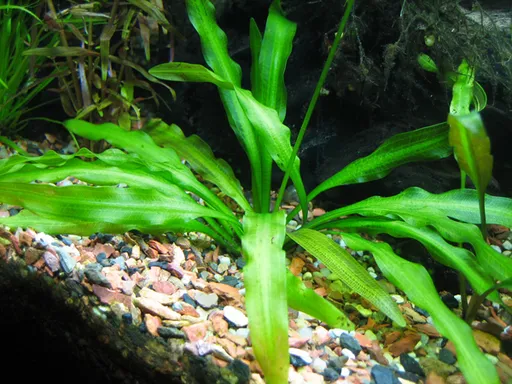
Aponogeton undulatus
FreshwaterMedium light · Background21.7 in (55 cm)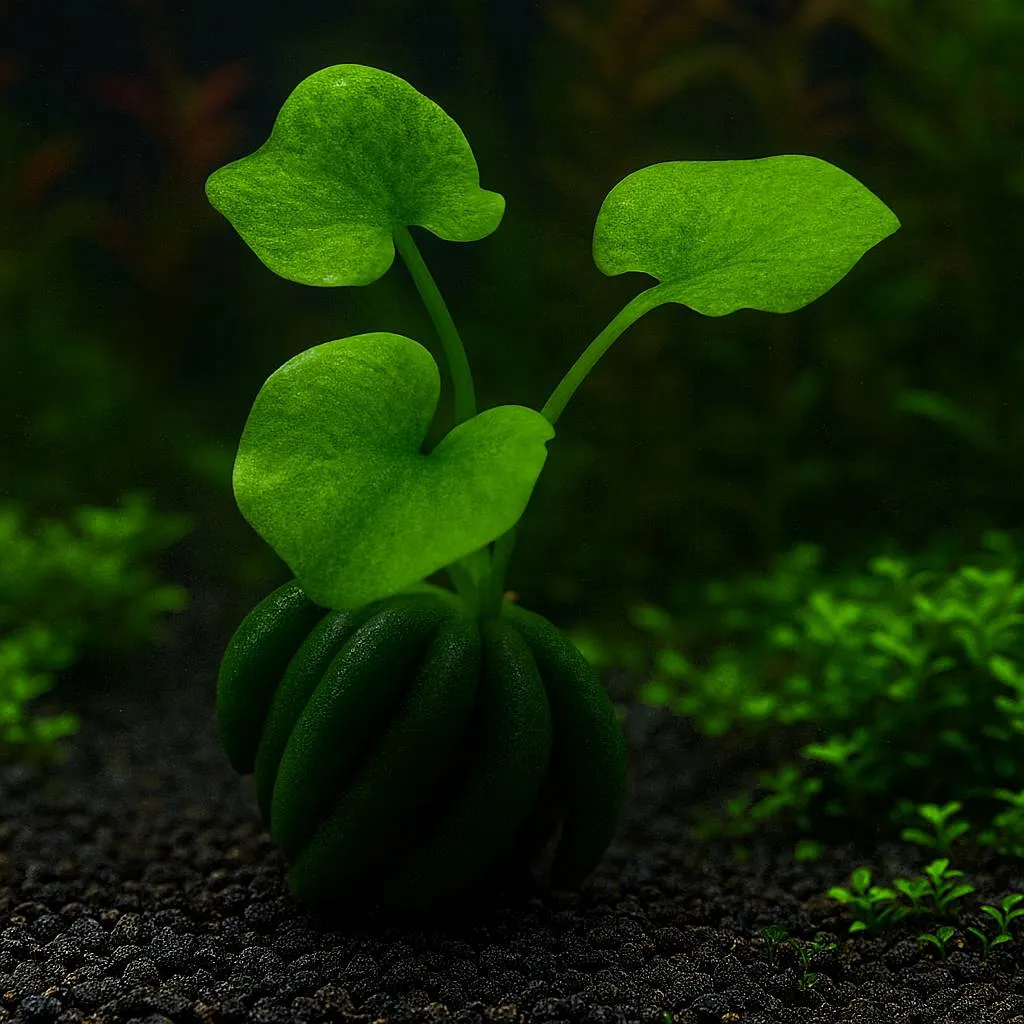
Banana plant
Nymphoides aquatica
FreshwaterMedium light · Foreground5.9 in (15 cm)Big Bear sword
Echinodorus 'Big Bear'
FreshwaterMedium light · Background17.7 in (45 cm)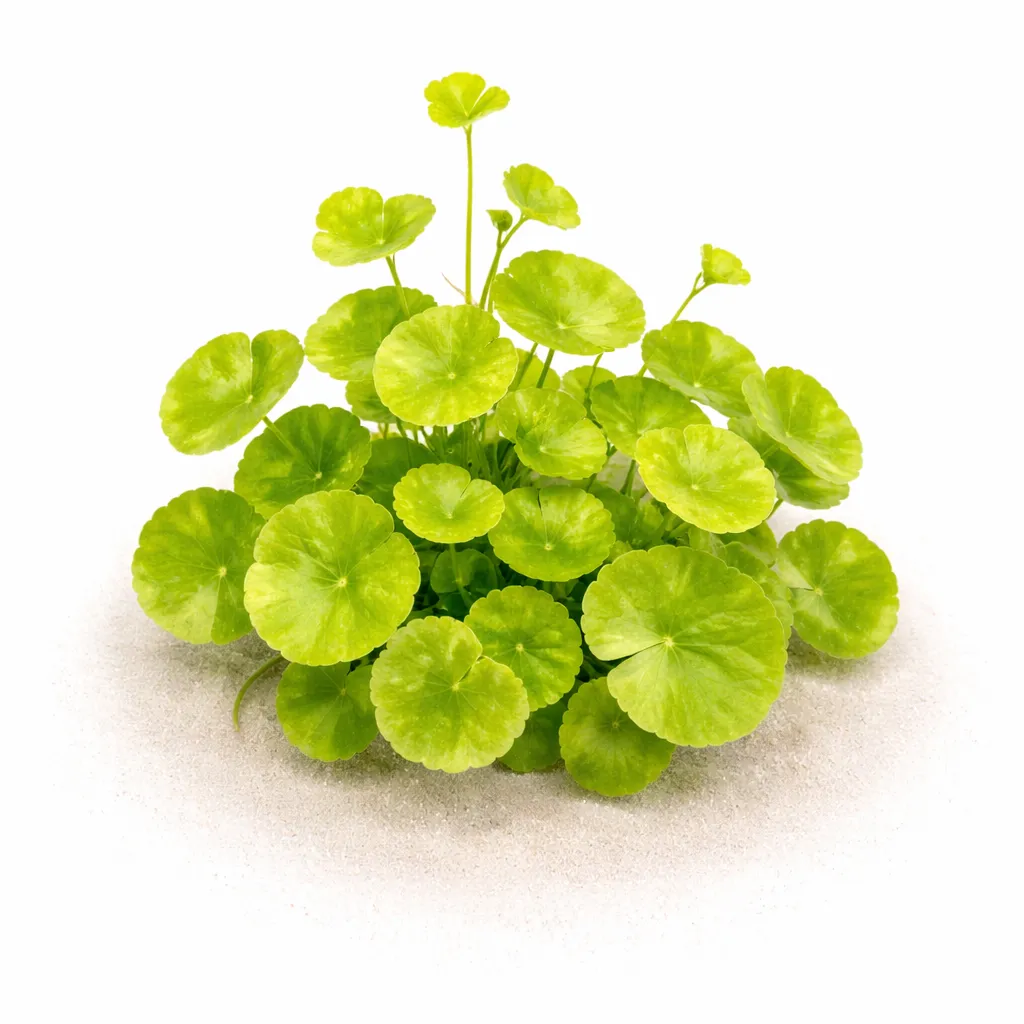
Brazilian pennywort
Hydrocotyle leucocephala
FreshwaterMedium light · Midground19.7 in (50 cm)Brazilian pennywort Variegated
Hydrocotyle leucocephala 'Variegated'
FreshwaterMedium light · Midground19.7 in (50 cm)Bucephalandra Apple Leaf
Bucephalandra sp. 'Apple Leaf'
FreshwaterLow light · Epiphyte3.9 in (10 cm)Bucephalandra Brownie Blue
Bucephalandra sp. 'Brownie Blue'
FreshwaterLow light · Epiphyte3.1 in (8 cm)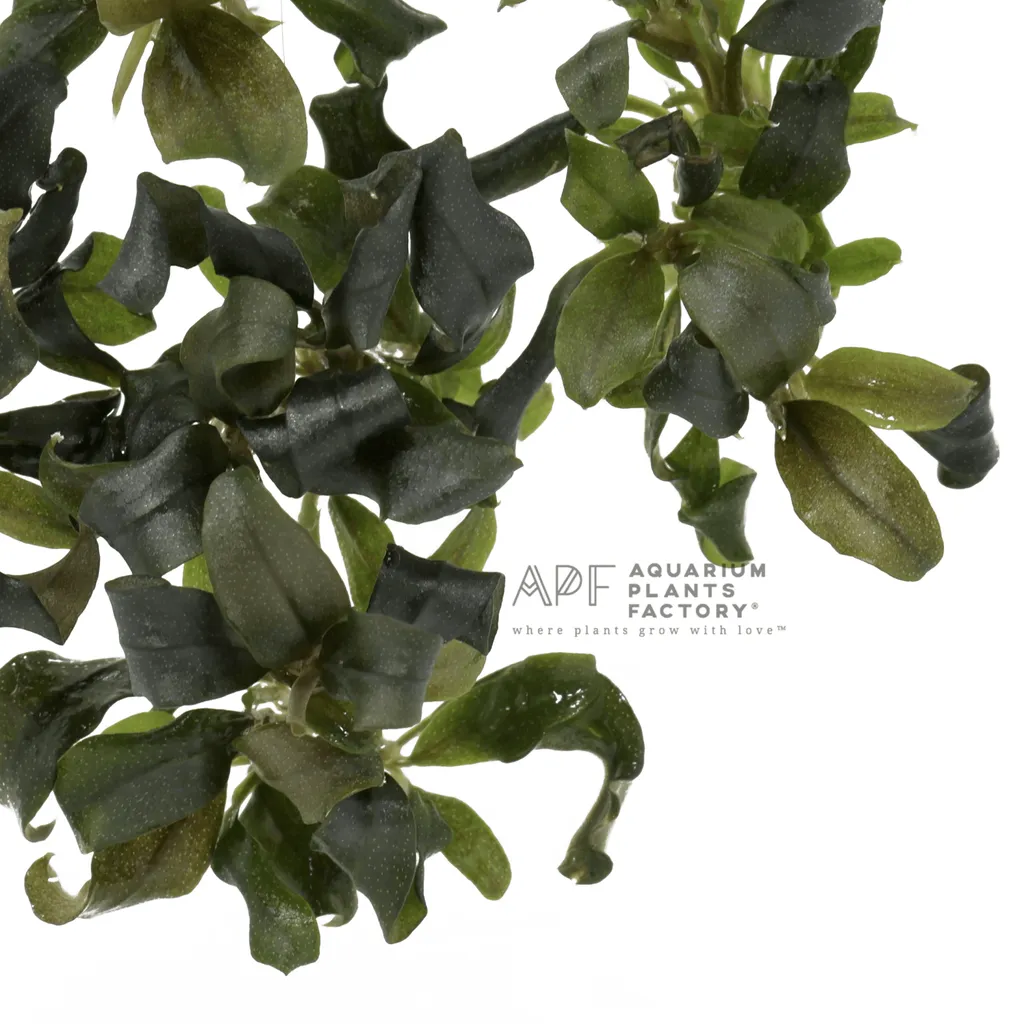
Bucephalandra brownie ghost
Bucephalandra sp. 'Brownie Ghost'
FreshwaterMedium light · Epiphyte2.4 in (6 cm)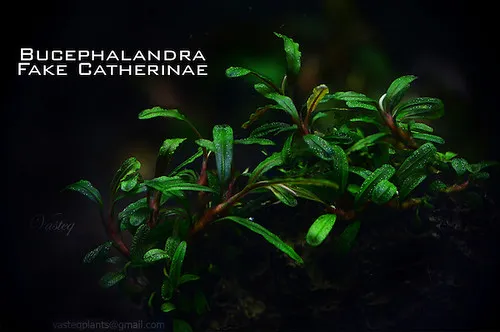
Bucephalandra catherinae
FreshwaterLow light · Epiphyte2.4 in (6 cm)Bucephalandra Dark Velvet
Bucephalandra sp. 'Dark Velvet'
FreshwaterLow light · Epiphyte3.1 in (8 cm)Bucephalandra Deep Purple
Bucephalandra sp. 'Deep Purple'
FreshwaterLow light · Epiphyte3.1 in (8 cm)Bucephalandra Grappa Red
Bucephalandra sp. 'Grappa Red'
FreshwaterLow light · Epiphyte3.1 in (8 cm)Bucephalandra kedagang
Bucephalandra sp. 'Kedagang'
FreshwaterLow light · Epiphyte4.7 in (12 cm)Bucephalandra Kedagang Long
Bucephalandra sp. 'Kedagang Long'
FreshwaterLow light · Epiphyte5.9 in (15 cm)Bucephalandra Kedagang Round
Bucephalandra sp. 'Kedagang Round'
FreshwaterLow light · Epiphyte4.7 in (12 cm)Bucephalandra Mini Coin
Bucephalandra sp. 'Mini Coin'
FreshwaterLow light · Epiphyte1.6 in (4 cm)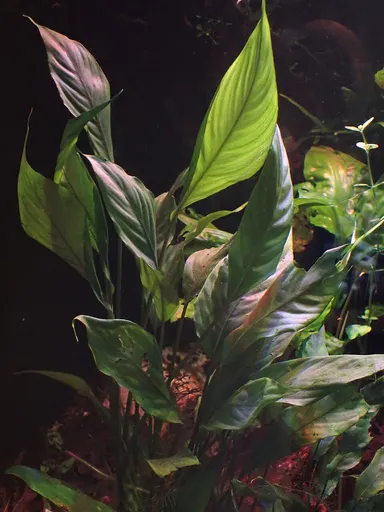
Bucephalandra motleyana
FreshwaterLow light · Epiphyte3.9 in (10 cm)Bucephalandra Red
Bucephalandra sp. 'Red'
FreshwaterLow light · Epiphyte3.9 in (10 cm)Bucephalandra Red Blade
Bucephalandra sp. 'Red Blade'
FreshwaterLow light · Epiphyte4.7 in (12 cm)Bucephalandra Sintang
Bucephalandra sp. 'Sintang'
FreshwaterLow light · Epiphyte3.9 in (10 cm)Bucephalandra sordidula
FreshwaterLow light · Epiphyte3.9 in (10 cm)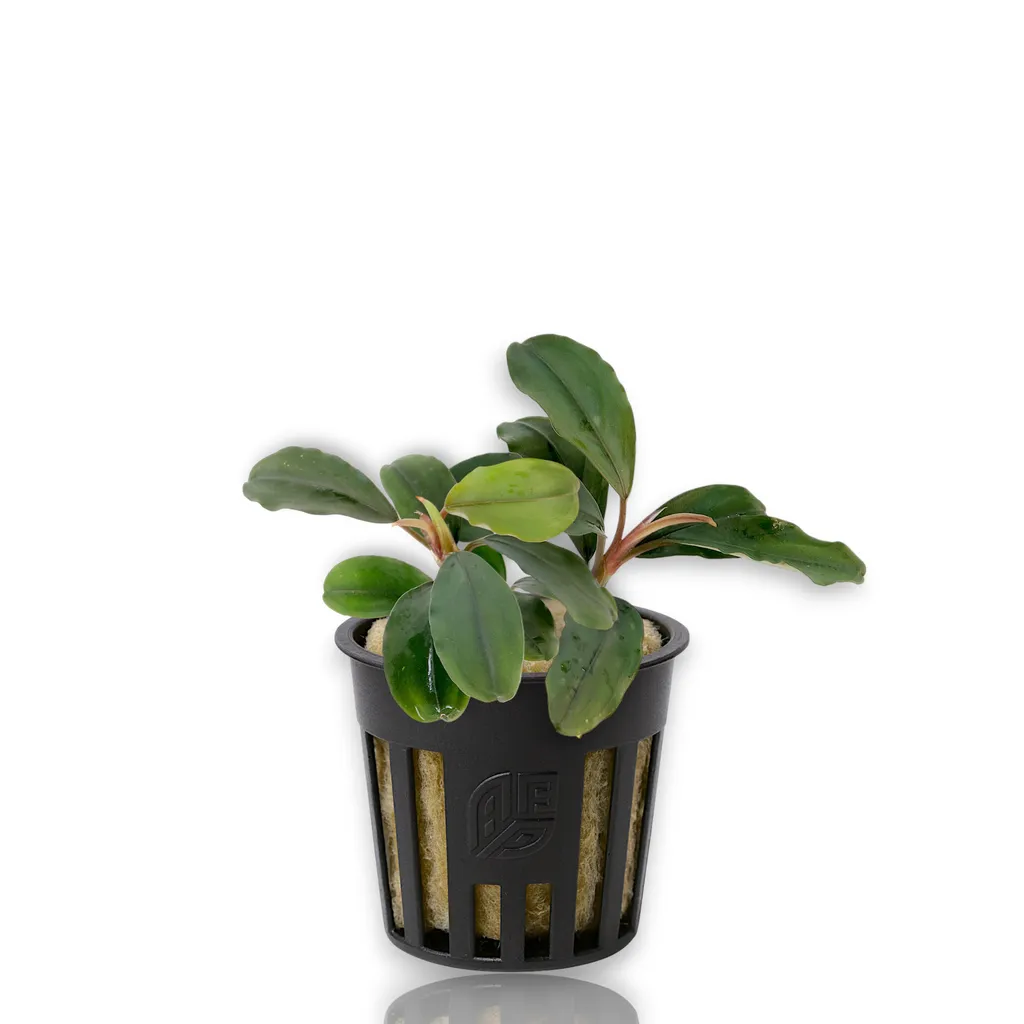
Bucephalandra Theia
Bucephalandra sp. 'Theia'
FreshwaterLow light · Epiphyte3.9 in (10 cm)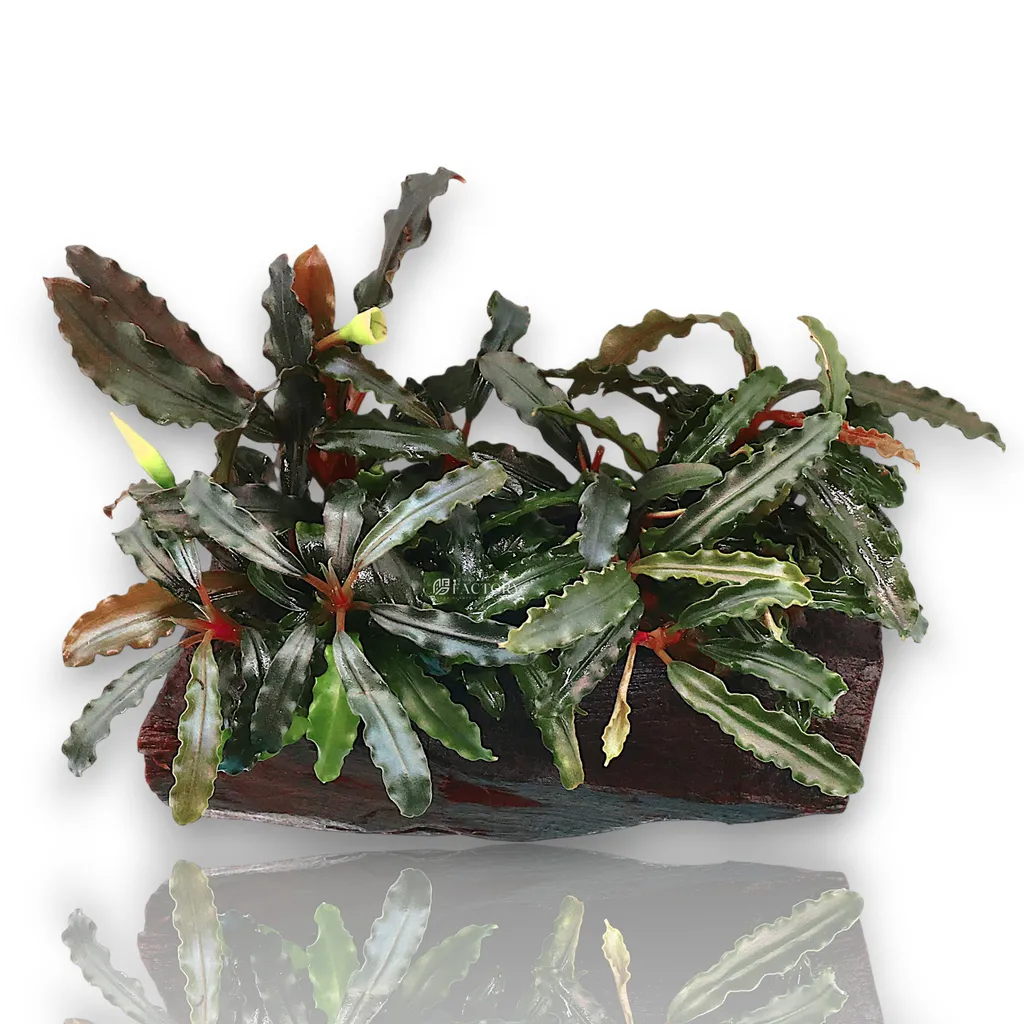
Bucephalandra Velvet
Bucephalandra sp. 'Velvet'
FreshwaterLow light · Epiphyte3.9 in (10 cm)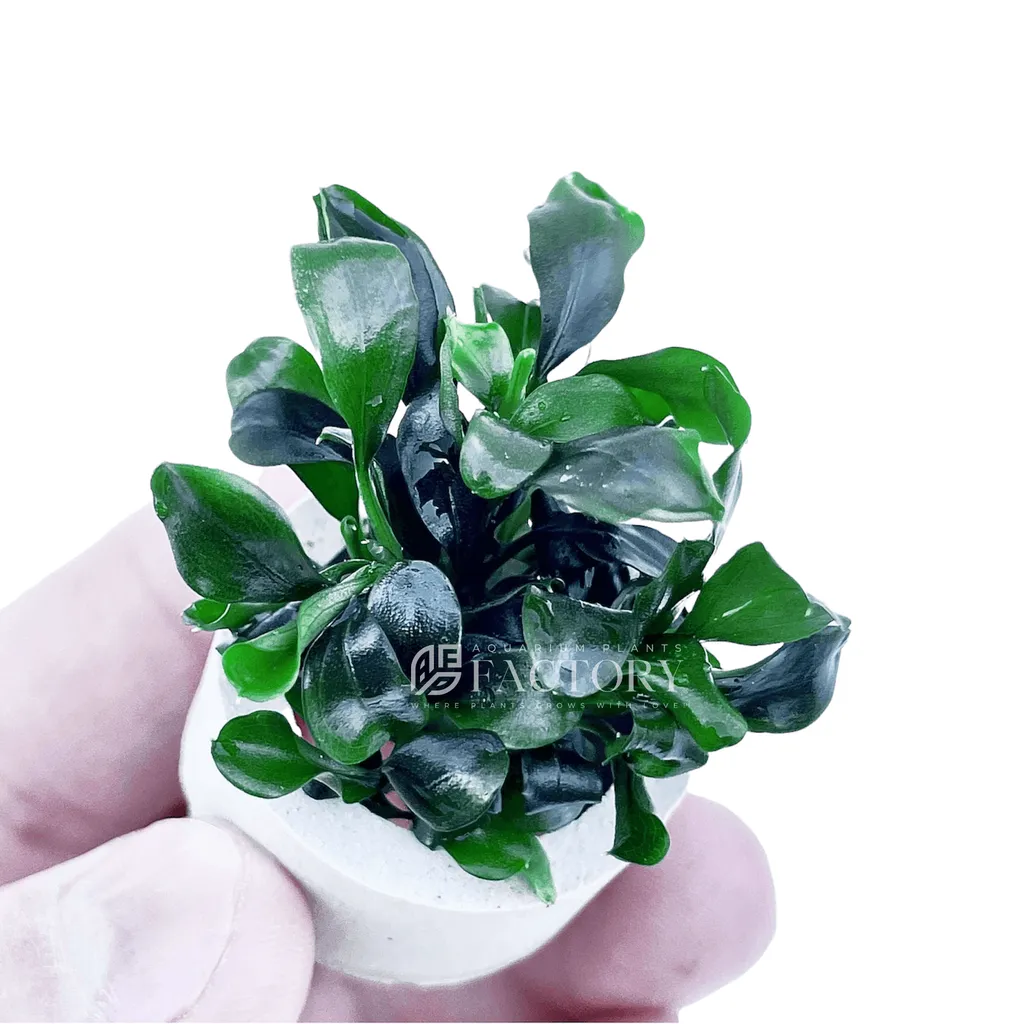
Bucephalandra Wavy Green
Bucephalandra sp. 'Wavy Green'
FreshwaterLow light · Epiphyte3.1 in (8 cm)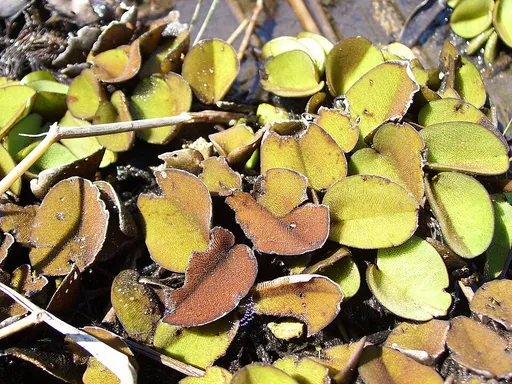
Butterfly fern
Salvinia auriculata
FreshwaterMedium light · Floating1.6 in (4 cm)Canadian waterweed
Elodea canadensis
FreshwaterLow light · Background23.6 in (60 cm)Christmas moss
Vesicularia montagnei
FreshwaterLow light · Epiphyte2 in (5 cm)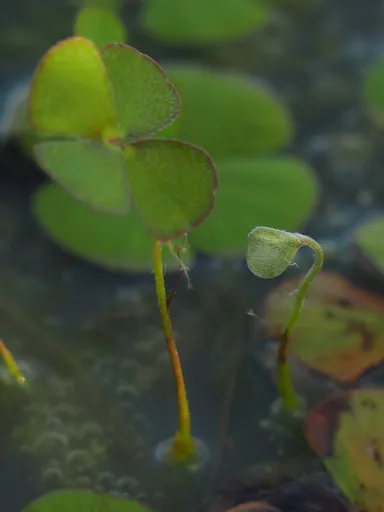
Common nardoo
Marsilea drummondii
FreshwaterMedium light · Foreground4.7 in (12 cm)Corkscrew val
Vallisneria natans
FreshwaterMedium light · Background23.6 in (60 cm)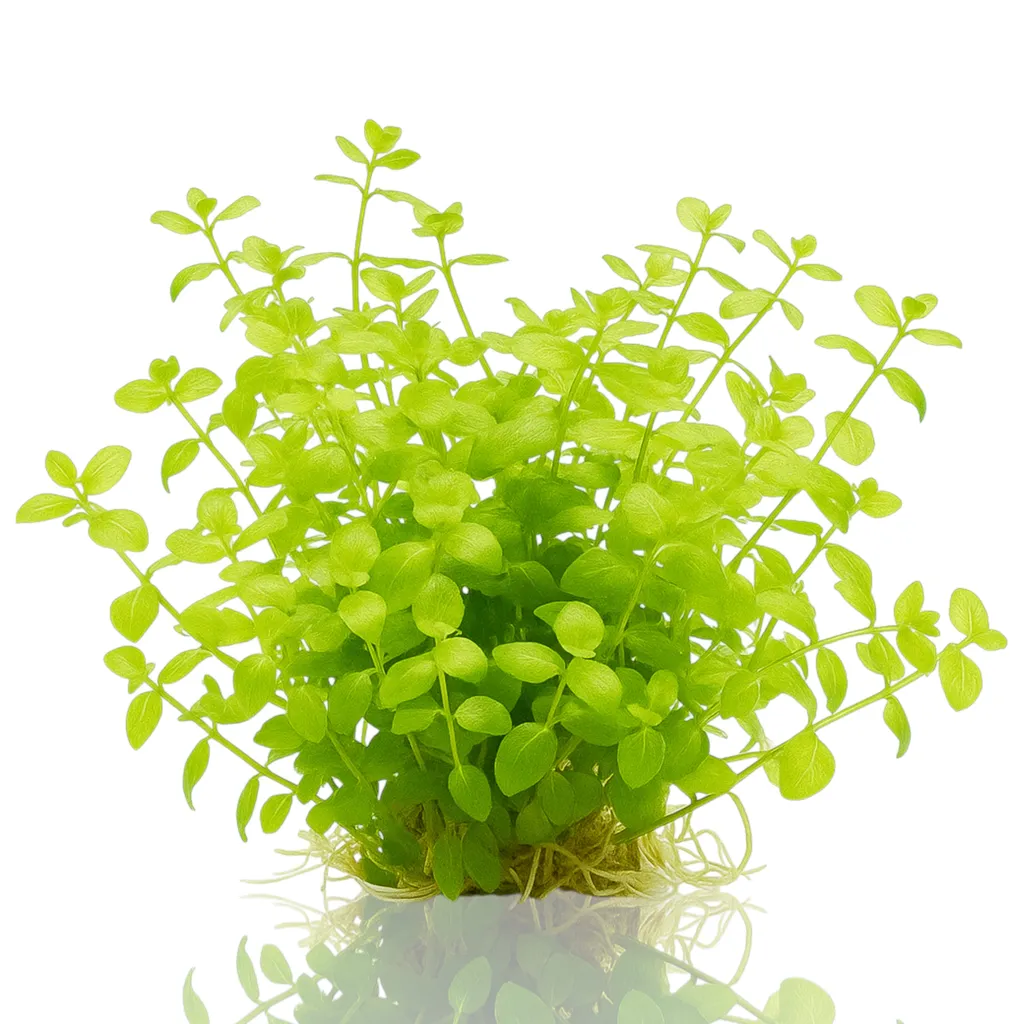
Creeping bacopa
Bacopa australis
FreshwaterMedium light · Midground7.9 in (20 cm)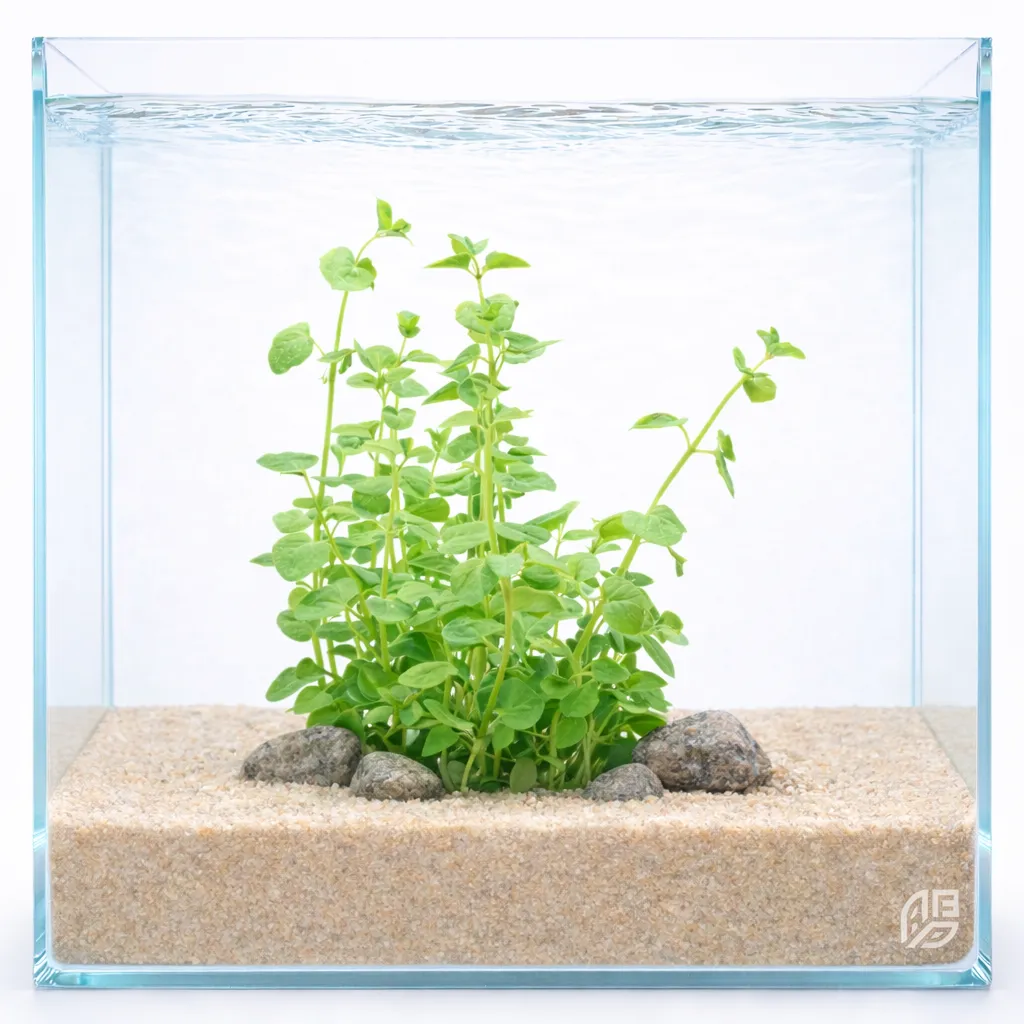
Creeping Charlie
Clinopodium brownei
FreshwaterMedium light · Midground15.7 in (40 cm)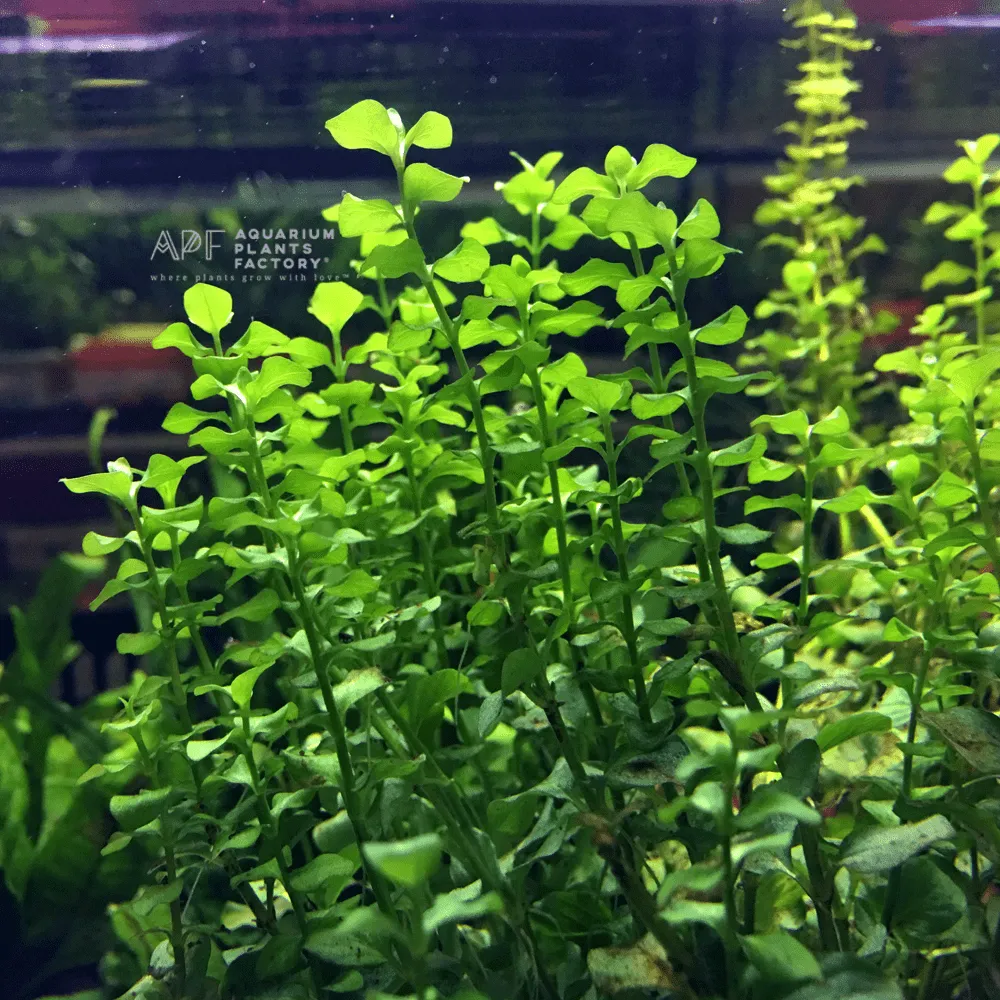
Creeping jenny
Lysimachia nummularia
FreshwaterMedium light · Midground11.8 in (30 cm)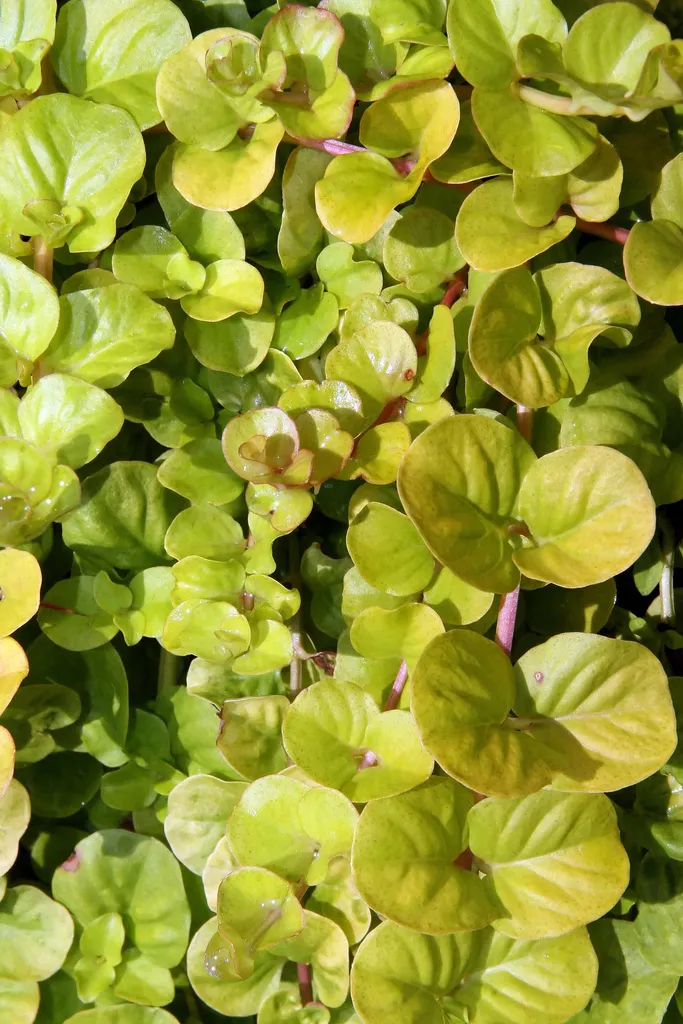
Creeping jenny Aurea
Lysimachia nummularia 'Aurea'
FreshwaterMedium light · Midground11.8 in (30 cm)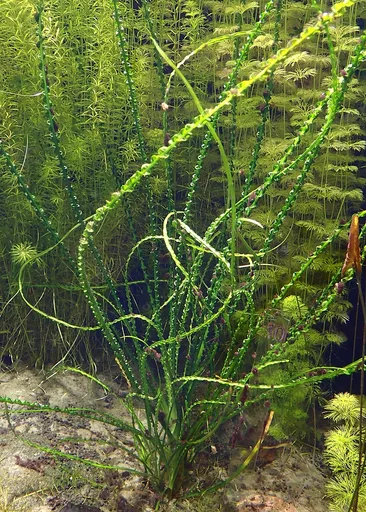
Crinum calamistratum
FreshwaterLow light · Background23.6 in (60 cm)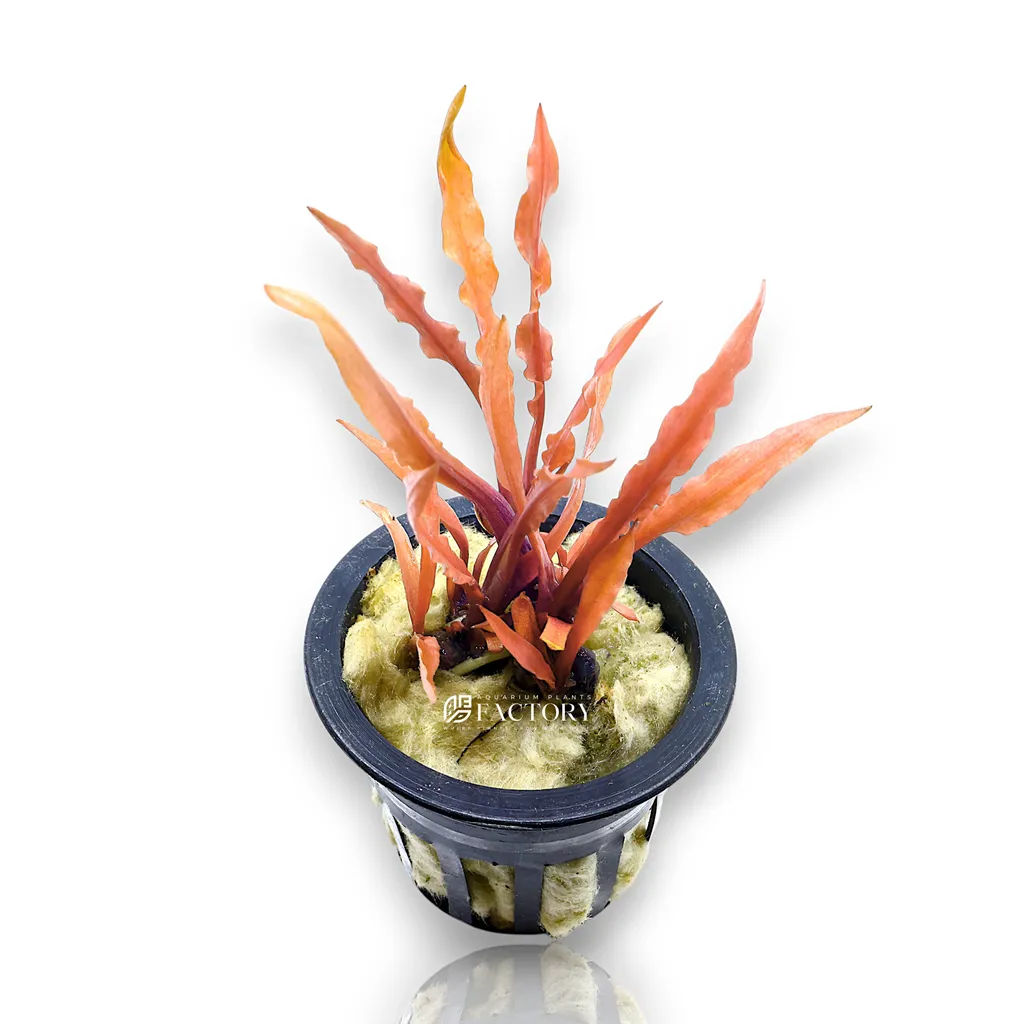
Cryptocoryne albida
FreshwaterLow light · Midground7.1 in (18 cm)Cryptocoryne albida Brown
Cryptocoryne albida 'Brown'
FreshwaterLow light · Midground7.9 in (20 cm)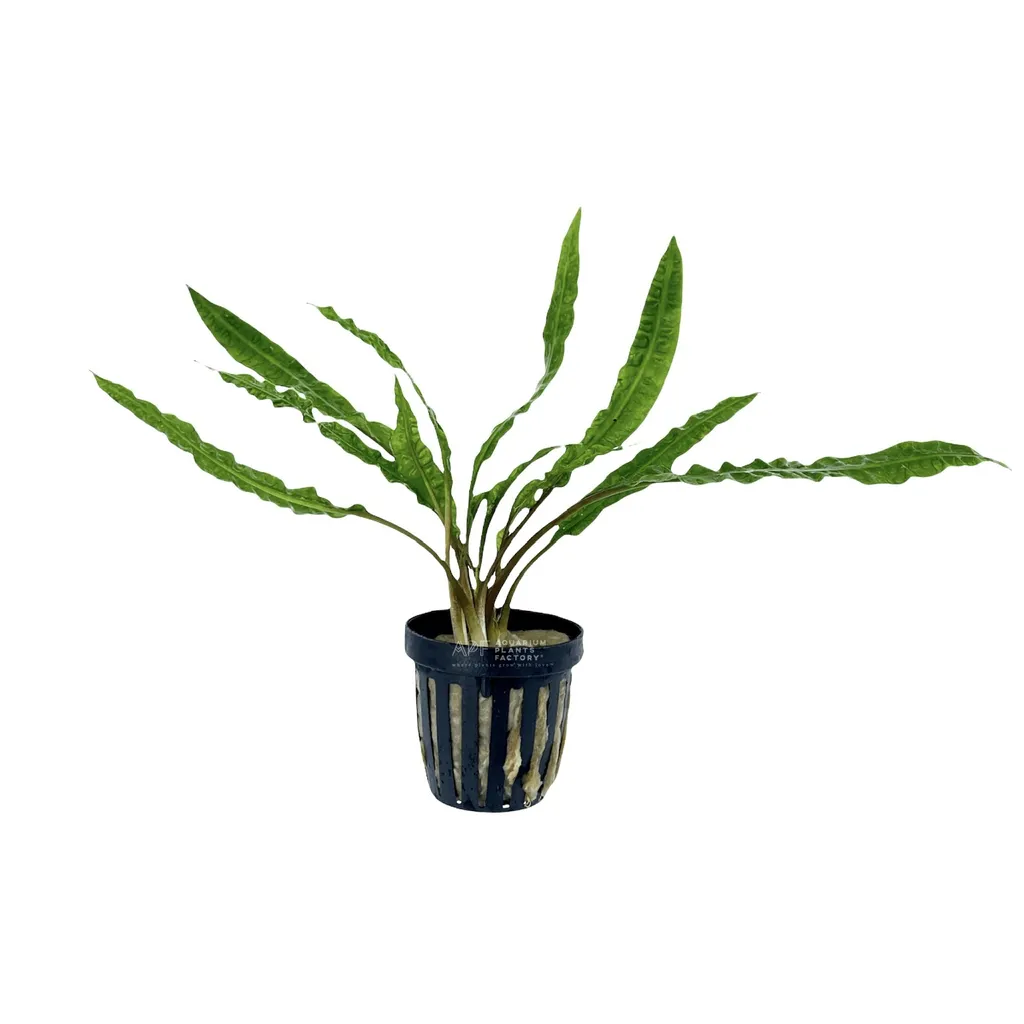
Cryptocoryne balansae
Cryptocoryne crispatula var. balansae
FreshwaterMedium light · Background19.7 in (50 cm)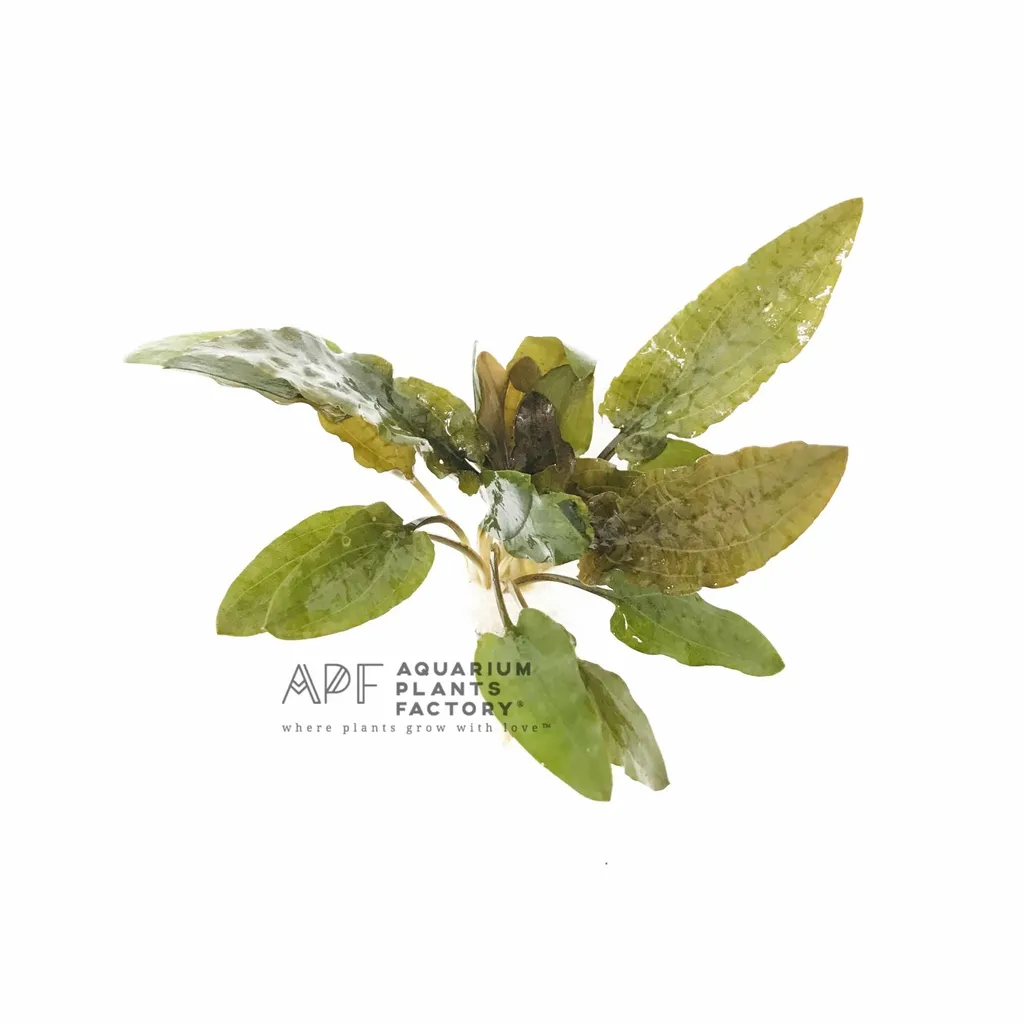
Cryptocoryne beckettii
FreshwaterLow light · Midground7.9 in (20 cm)Cryptocoryne cordata
FreshwaterLow light · Midground9.8 in (25 cm)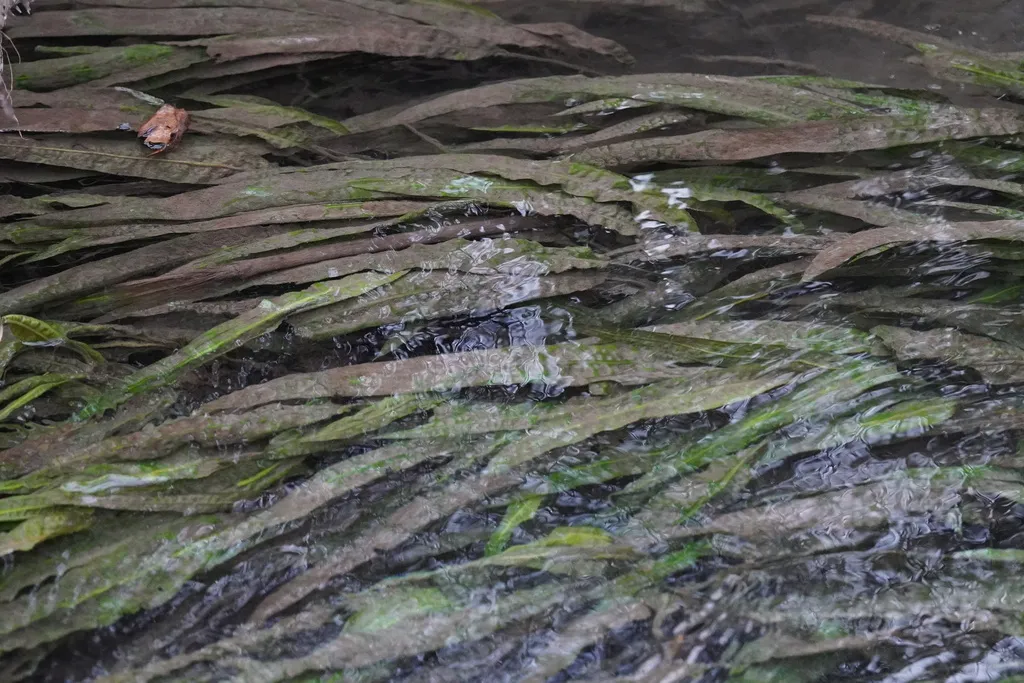
Cryptocoryne crispatula
FreshwaterMedium light · Background23.6 in (60 cm)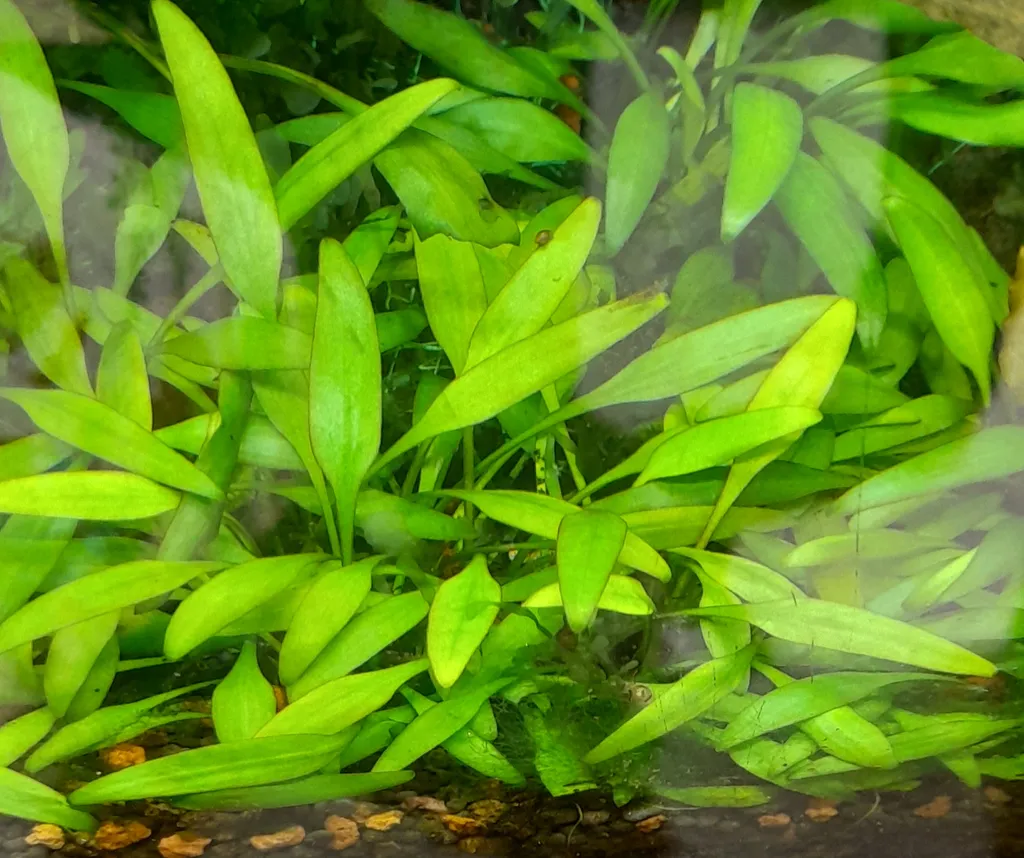
Cryptocoryne lucens
FreshwaterLow light · Midground7.9 in (20 cm)Cryptocoryne moehlmannii
FreshwaterLow light · Midground7.9 in (20 cm)Cryptocoryne petchii
Cryptocoryne beckettii 'Petchii'
FreshwaterMedium light · Midground5.9 in (15 cm)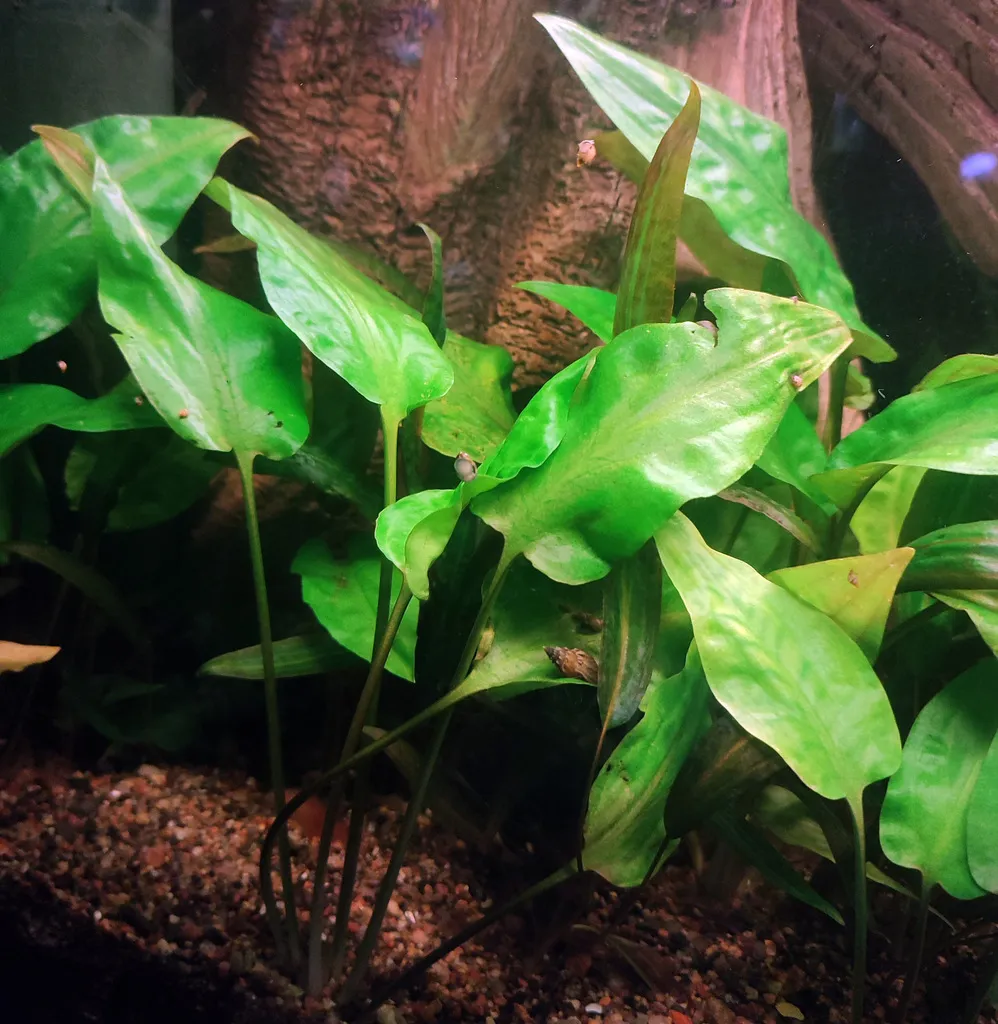
Cryptocoryne pontederiifolia
FreshwaterLow light · Midground7.9 in (20 cm)Cryptocoryne pygmaea
FreshwaterLow light · Midground7.9 in (20 cm)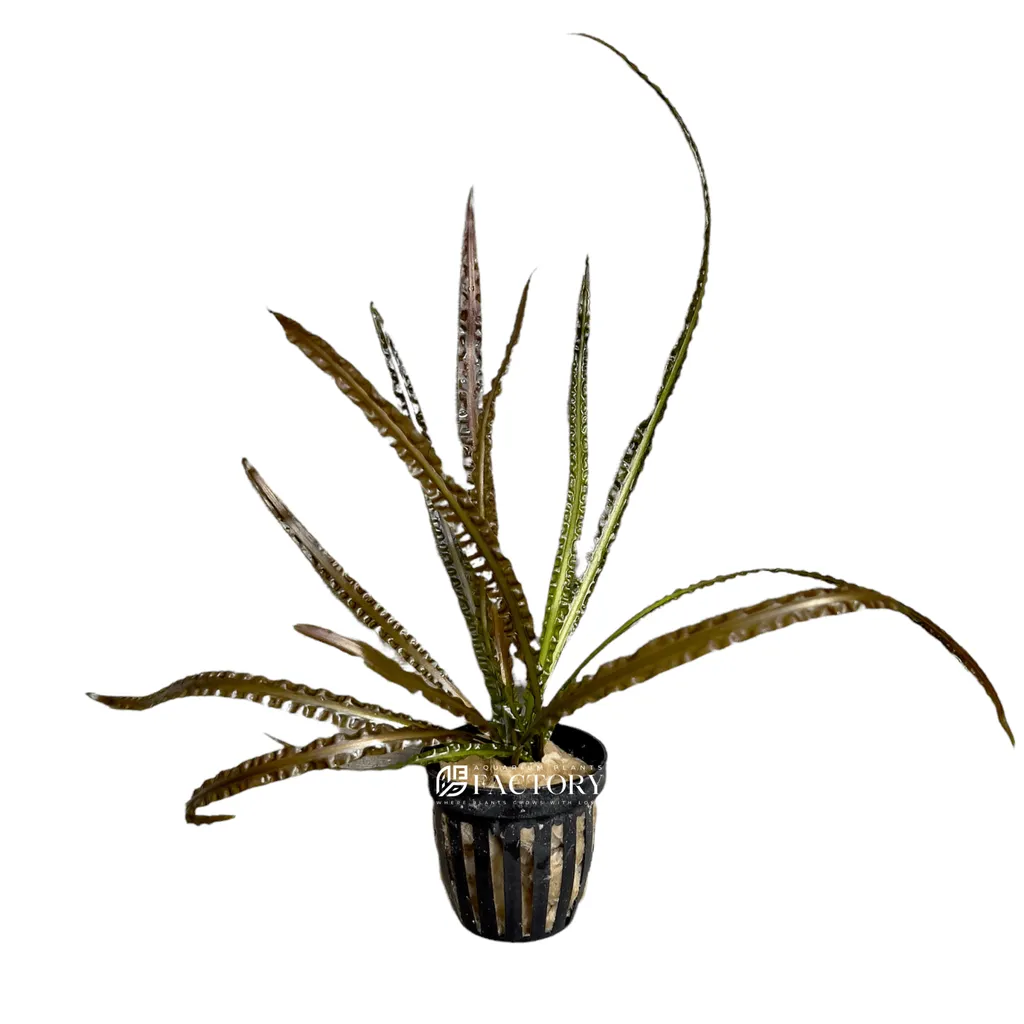
Cryptocoryne retrospiralis
FreshwaterLow light · Background19.7 in (50 cm)Cryptocoryne sivadasanii
FreshwaterMedium light · Background47.2 in (120 cm)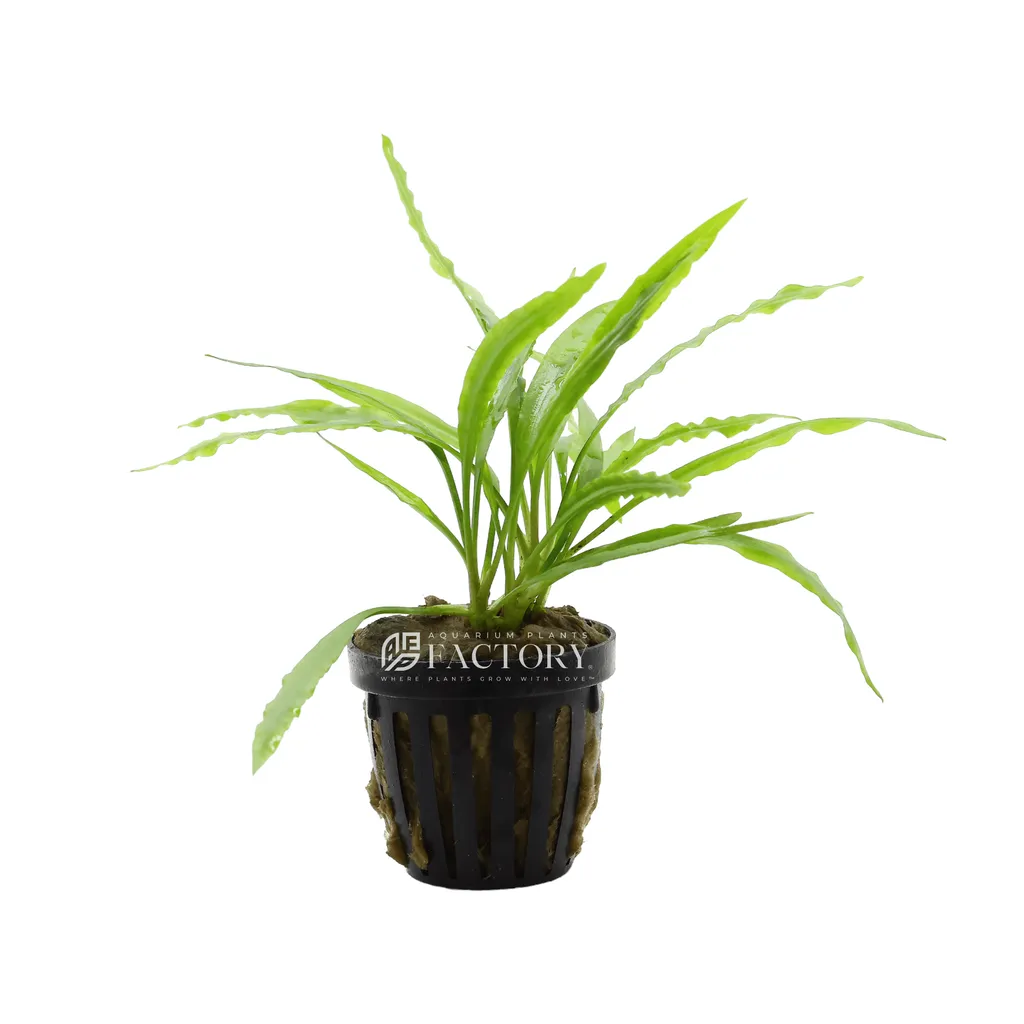
Cryptocoryne spiralis
FreshwaterLow light · Background13.8 in (35 cm)4 formsCryptocoryne tonkinensis
Cryptocoryne crispatula var. tonkinensis
FreshwaterMedium light · Background19.7 in (50 cm)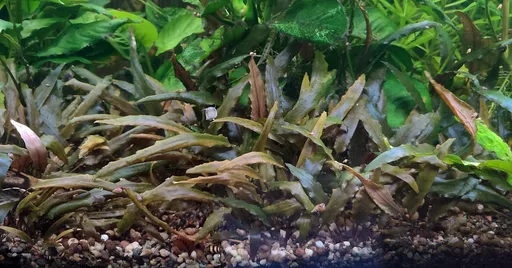
Cryptocoryne undulata
FreshwaterLow light · Midground7.9 in (20 cm)Cryptocoryne undulata Broad Leaves
Cryptocoryne undulata 'Broad Leaves'
FreshwaterLow light · Midground11.8 in (30 cm)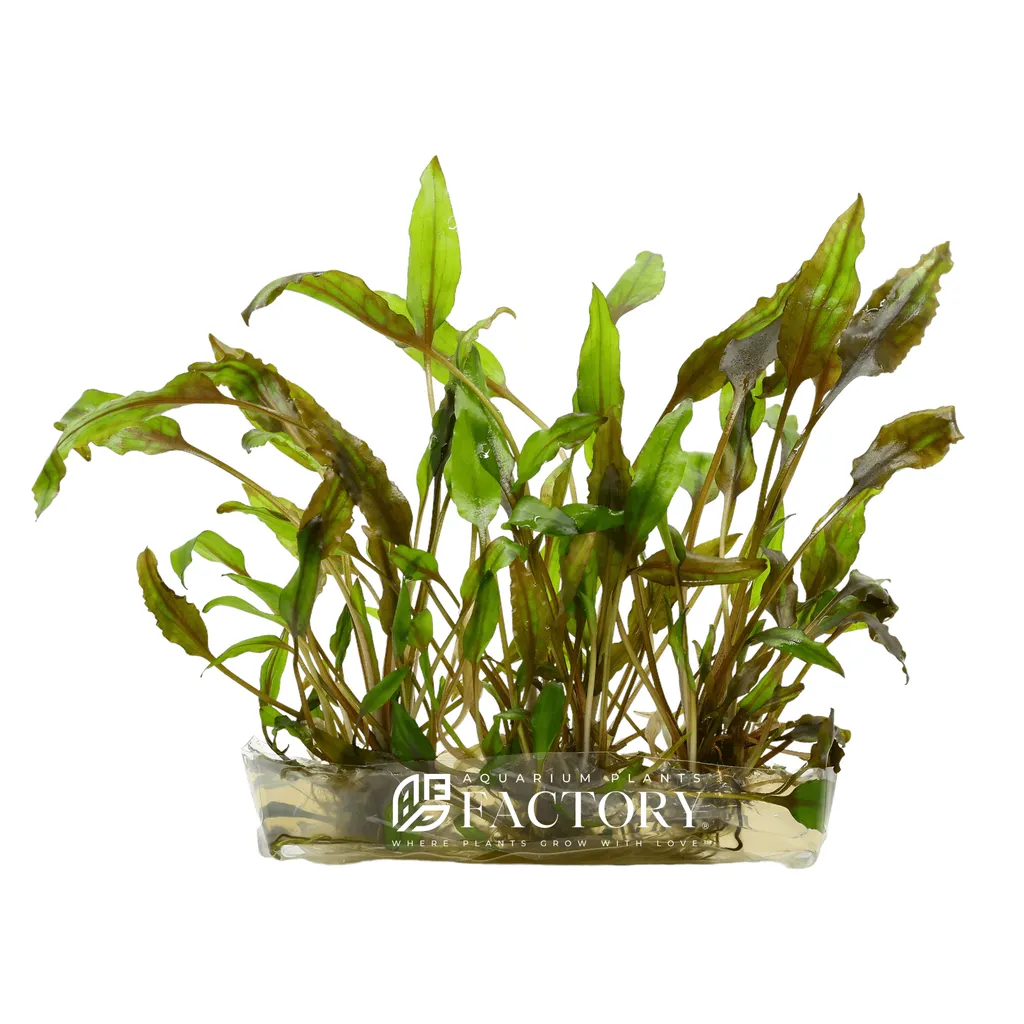
Cryptocoryne usteriana
FreshwaterLow light · Background19.7 in (50 cm)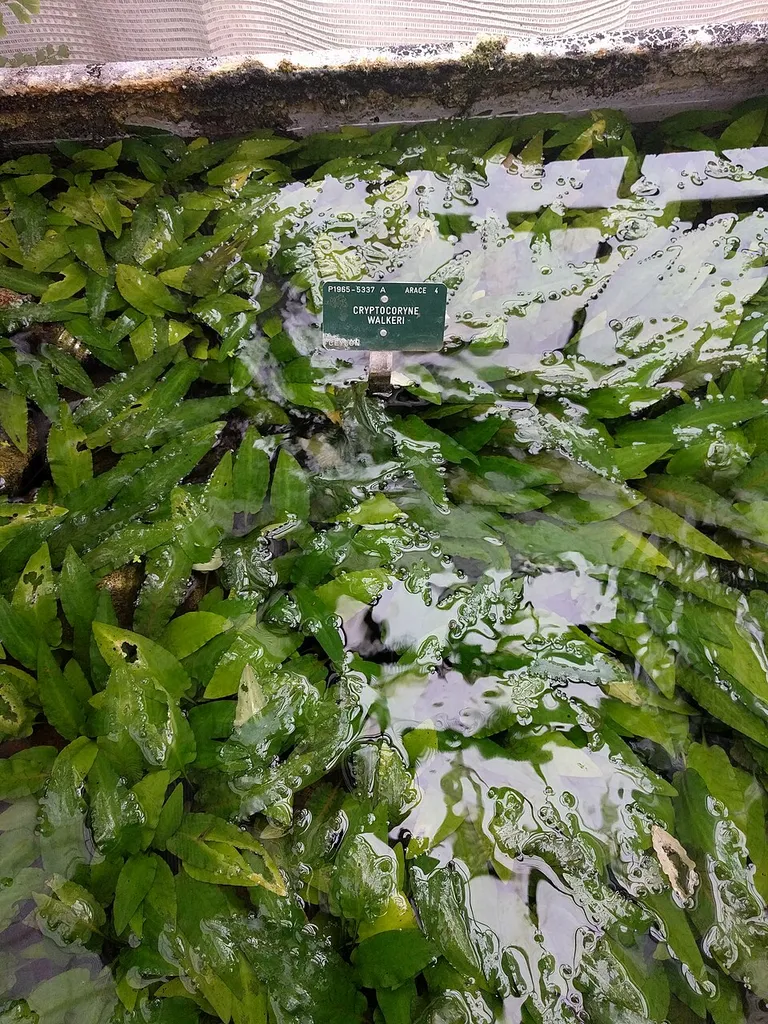
Cryptocoryne walkeri
FreshwaterLow light · Midground9.8 in (25 cm)Cryptocoryne walkeri Legroi
Cryptocoryne walkeri 'Legroi'
FreshwaterLow light · Midground5.9 in (15 cm)Cryptocoryne walkeri Lutea
Cryptocoryne walkeri 'Lutea'
FreshwaterLow light · Midground5.9 in (15 cm)Cryptocoryne wendtii
FreshwaterBrackishLow light · Midground9.8 in (25 cm)8 forms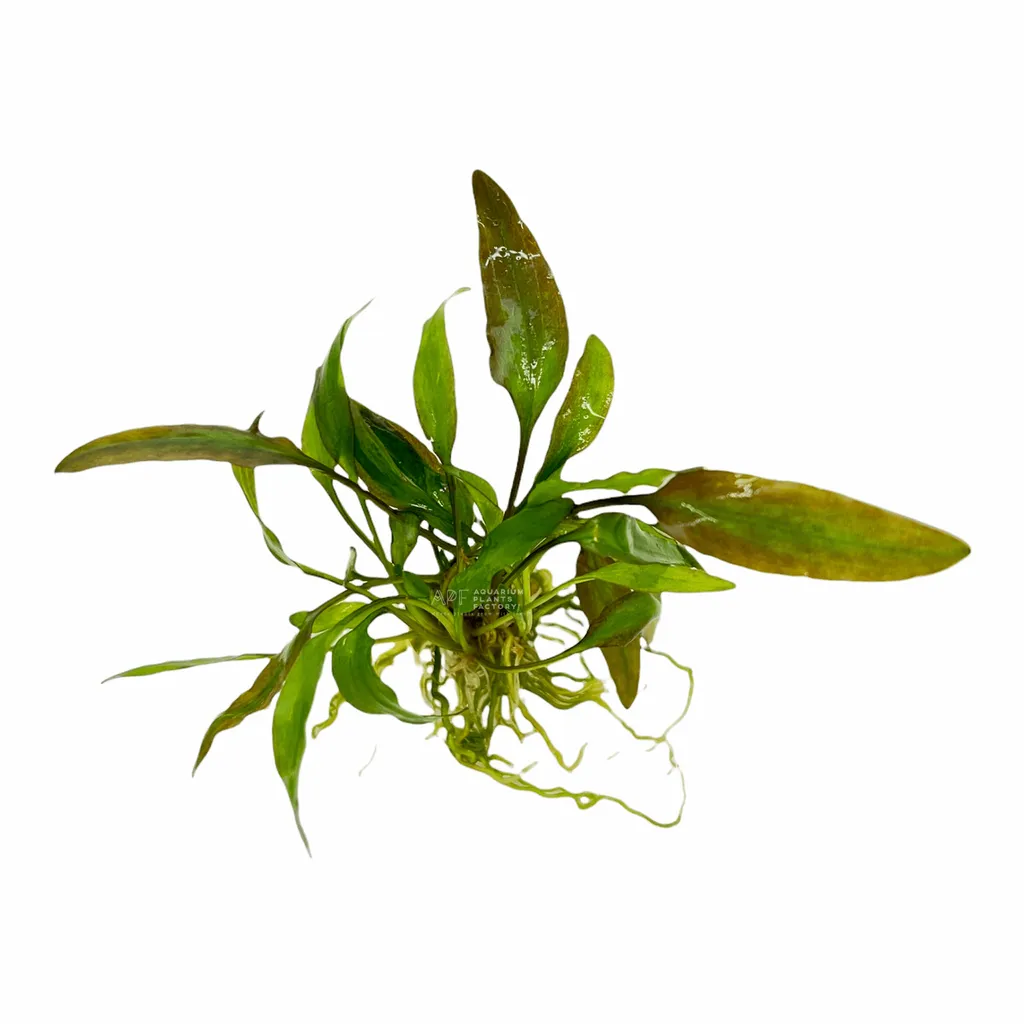
Cryptocoryne willisii
Cryptocoryne × willisii
FreshwaterLow light · Foreground5.9 in (15 cm)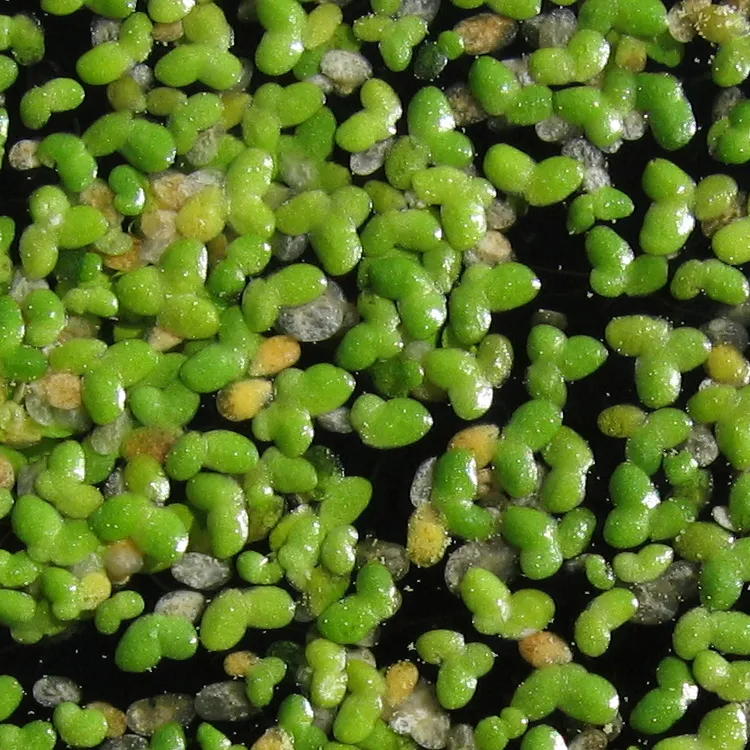
Duckweed
Lemna minor
FreshwaterLow light · Floating0.4 in (1 cm)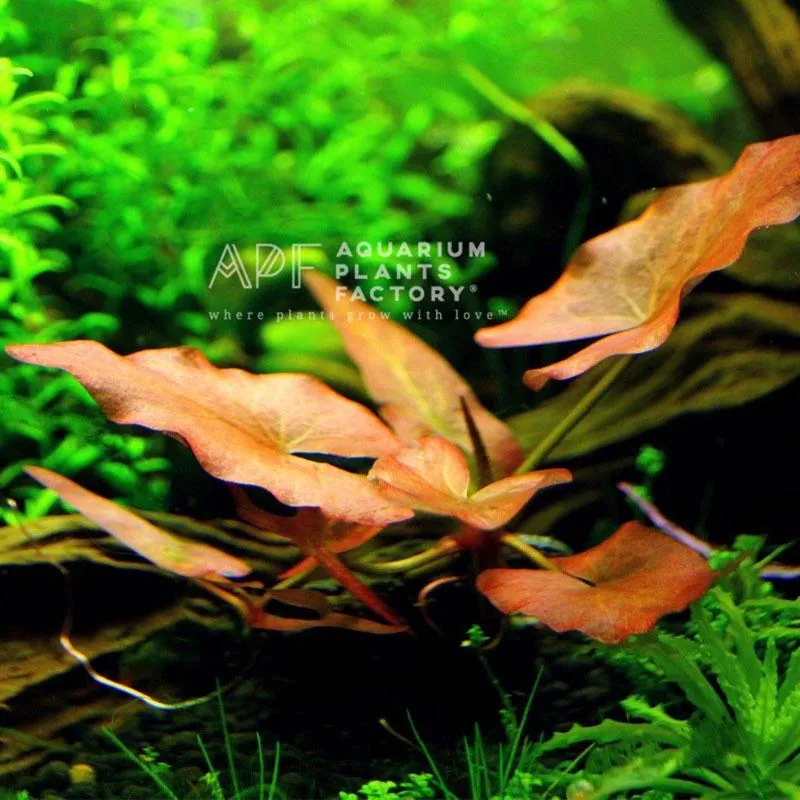
Dwarf aquarium lily
Nymphaea nouchali
FreshwaterMedium light · Midground9.8 in (25 cm)Dwarf hairgrass
Eleocharis parvula
FreshwaterMedium light · Foreground3.9 in (10 cm)Dwarf hairgrass Mini
Eleocharis parvula 'Mini'
FreshwaterMedium light · Foreground2.4 in (6 cm)Dwarf sagittaria
Sagittaria subulata
FreshwaterBrackishLow light · Foreground11.8 in (30 cm)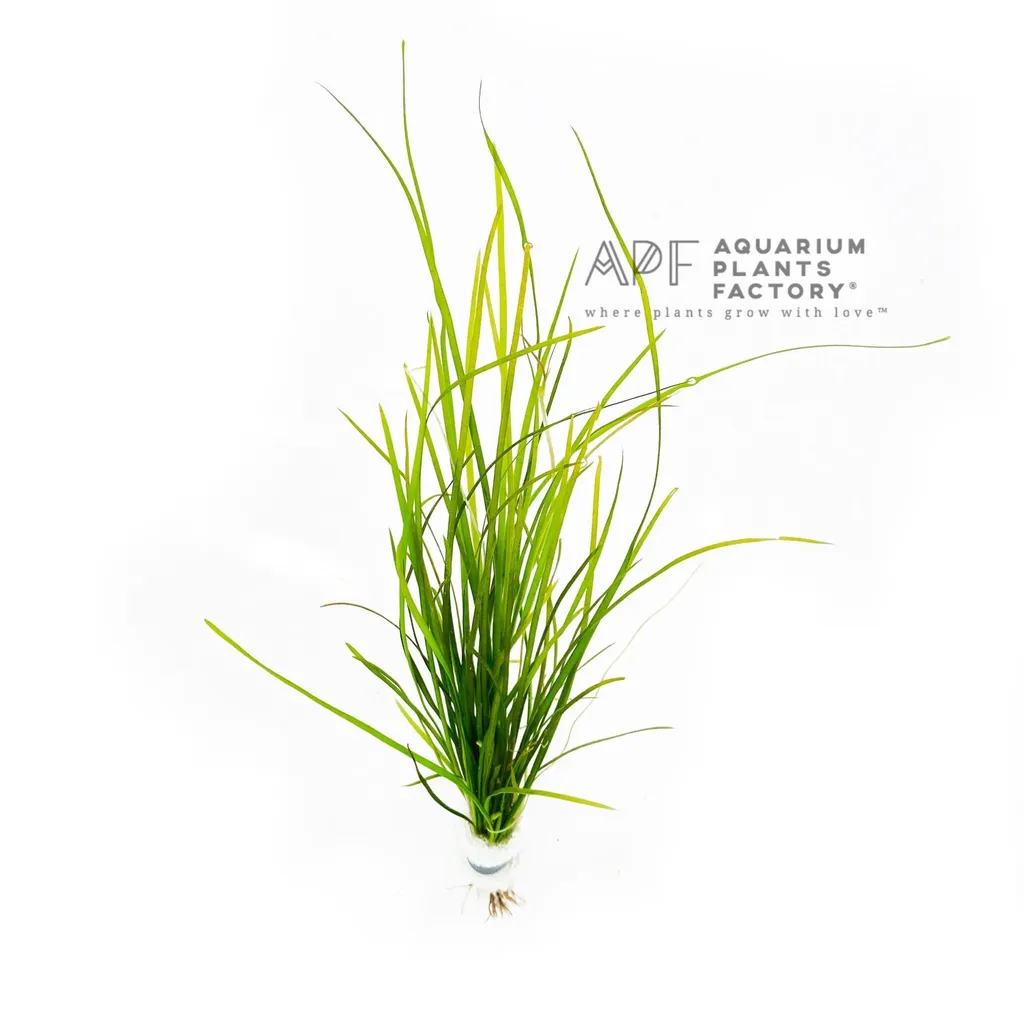
Dwarf vallisneria
Vallisneria nana
FreshwaterMedium light · Background15.7 in (40 cm)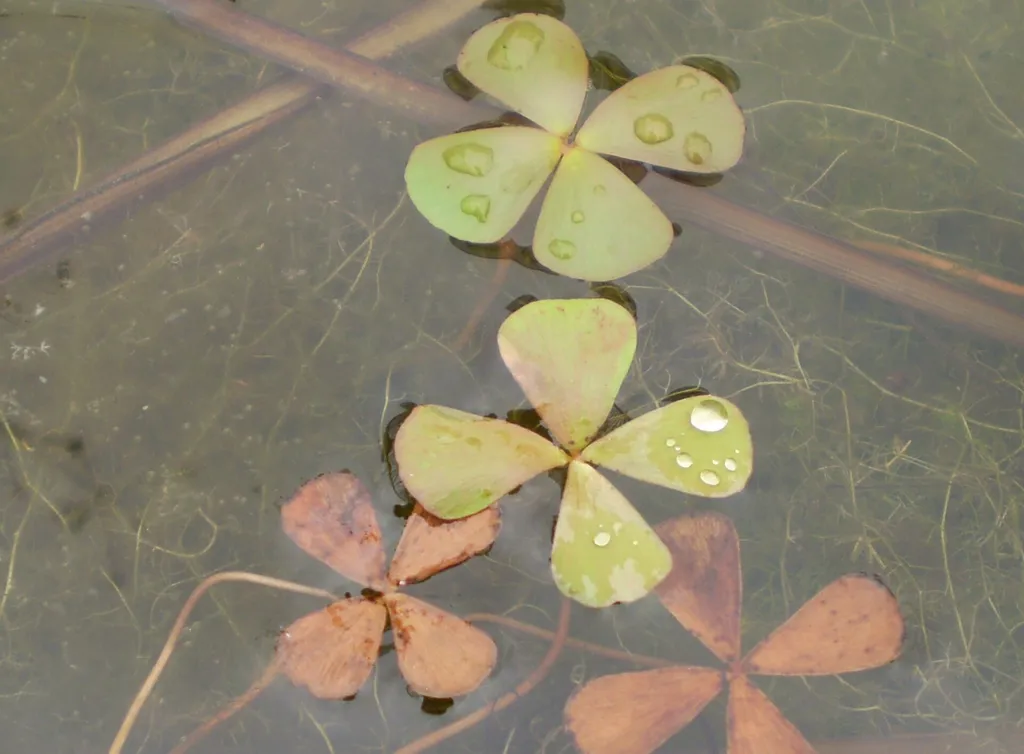
Dwarf water clover
Marsilea crenata
FreshwaterLow light · Foreground3.1 in (8 cm)Dwarf water lettuce
Pistia stratiotes
FreshwaterMedium light · Floating3.9 in (10 cm)Echinodorus Chocolate Marble
Echinodorus 'Chocolate Marble'
FreshwaterMedium light · Background15.7 in (40 cm)Echinodorus decumbens
FreshwaterMedium light · Background19.7 in (50 cm)Echinodorus horizontalis Mini
Echinodorus horizontalis 'Mini'
FreshwaterLow light · Midground7.9 in (20 cm)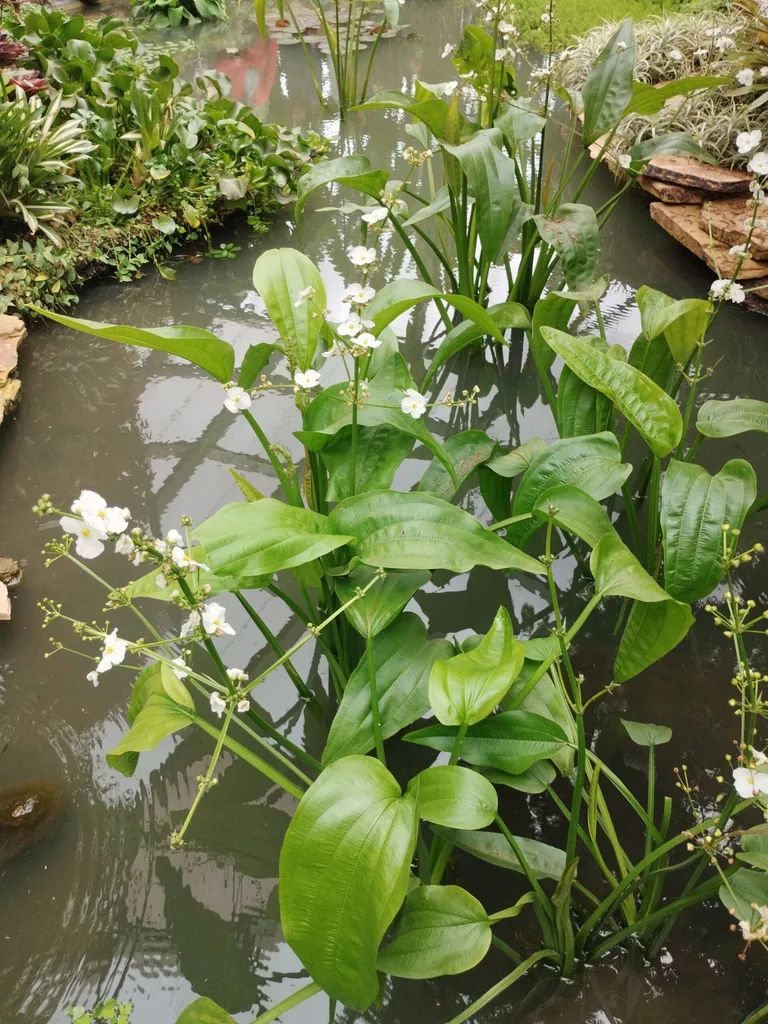
Echinodorus palifolius
Aquarius palifolius
FreshwaterMedium light · Background39.4 in (100 cm)Echinodorus Red Chameleon
Echinodorus 'Red Chameleon'
FreshwaterMedium light · Midground11.8 in (30 cm)Echinodorus Red Wild Grass
Echinodorus 'Red Wild Grass'
FreshwaterMedium light · Midground9.8 in (25 cm)Echinodorus Yellow Sun
Echinodorus 'Yellow Sun'
FreshwaterMedium light · Midground15.7 in (40 cm)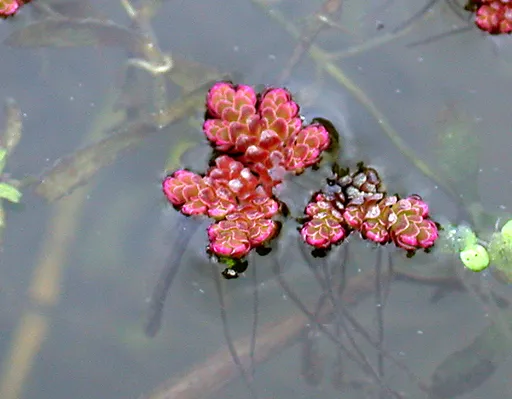
Fairy moss
Azolla filiculoides
FreshwaterMedium light · Floating0.8 in (2 cm)Flame moss
Taxiphyllum sp. 'Flame'
FreshwaterLow light · Epiphyte3.1 in (8 cm)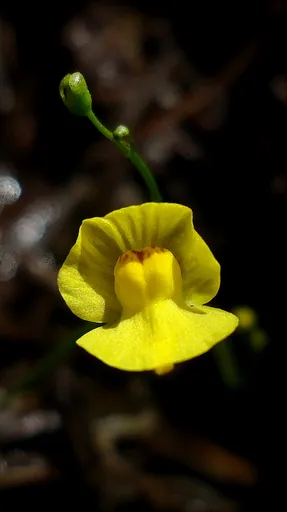
Floating bladderwort
Utricularia gibba
FreshwaterMedium light · Floating0.8 in (2 cm)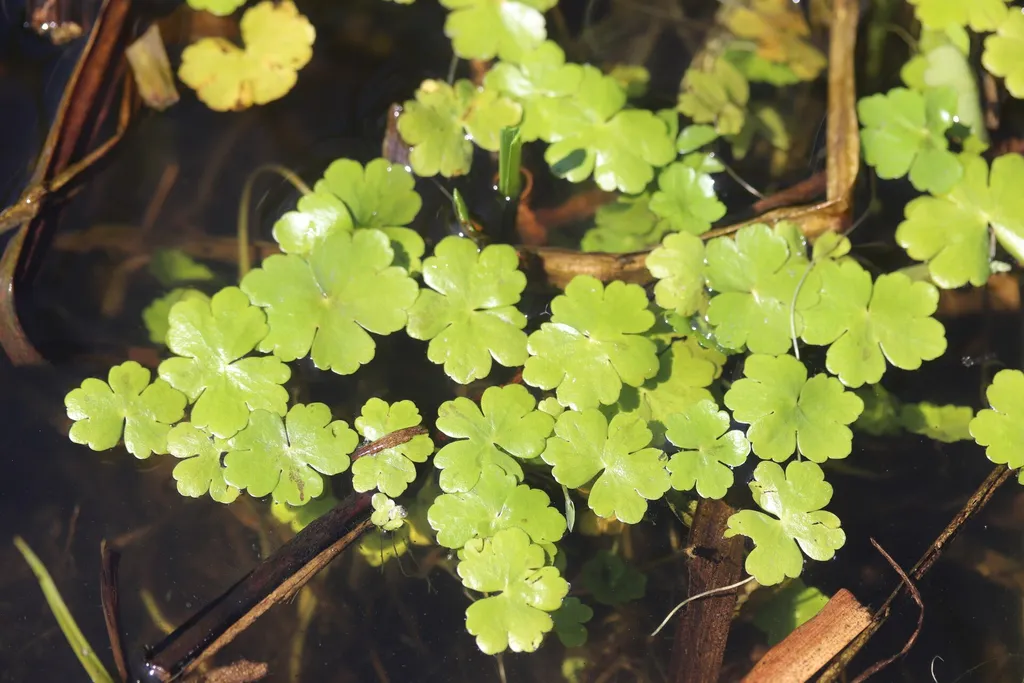
Floating pennywort
Hydrocotyle ranunculoides
FreshwaterMedium light · Floating5.9 in (15 cm)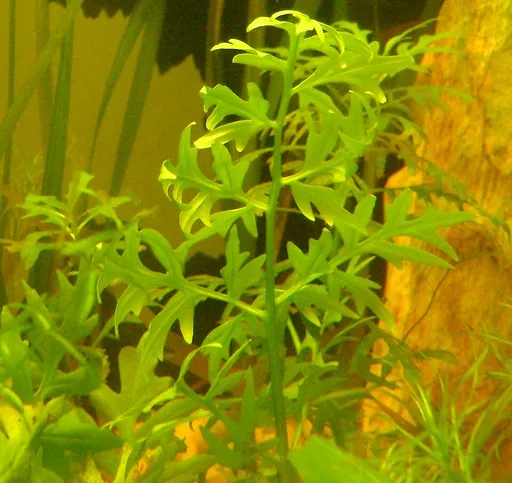
Floating water sprite
Ceratopteris cornuta
FreshwaterMedium light · Floating15.7 in (40 cm)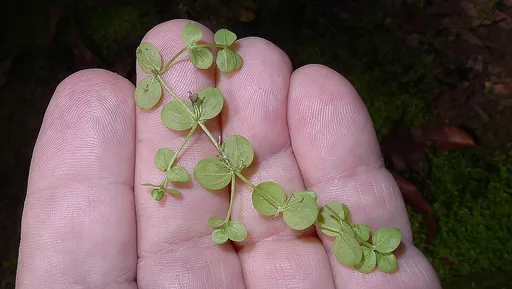
Giant baby tears
Micranthemum umbrosum
FreshwaterMedium light · Midground7.9 in (20 cm)Giant bacopa
Bacopa caroliniana
FreshwaterBrackishLow light · Background15.7 in (40 cm)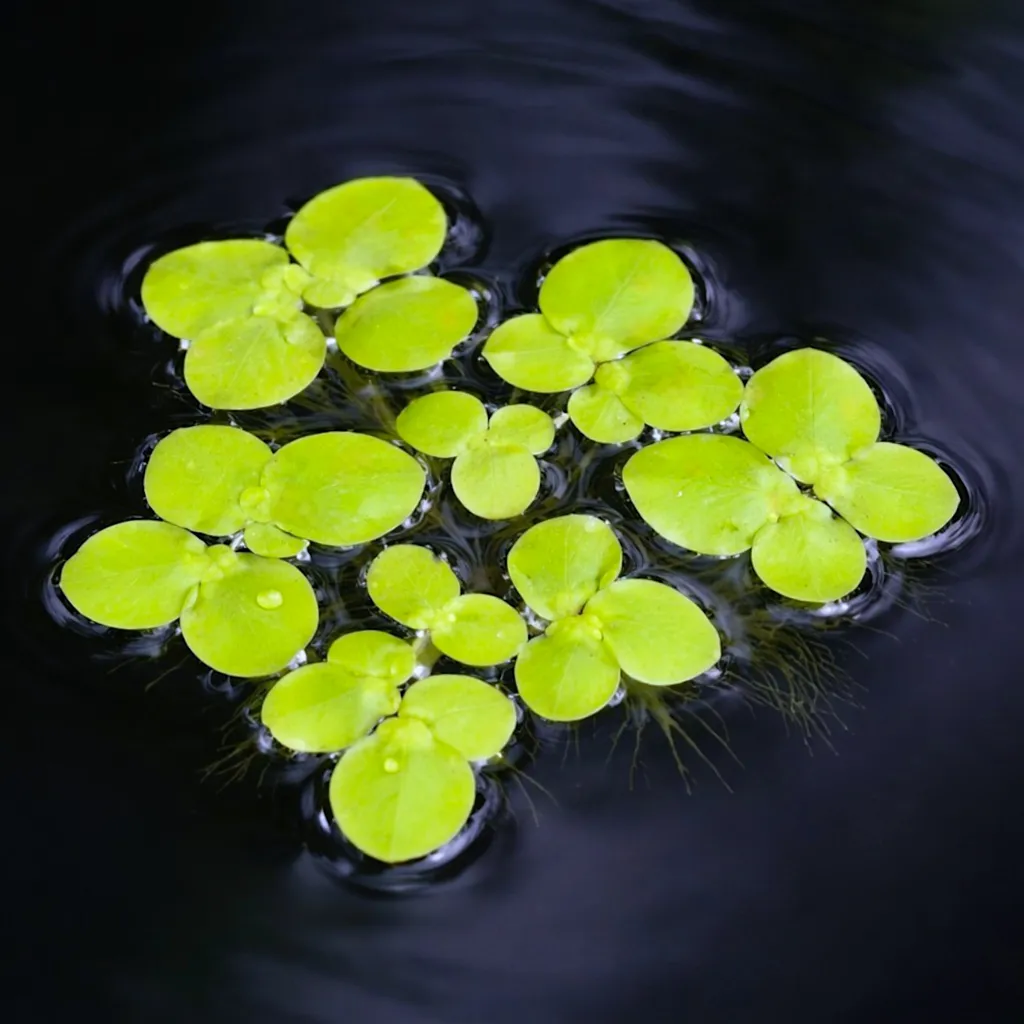
Giant duckweed
Spirodela polyrhiza
FreshwaterLow light · Floating0.4 in (1 cm)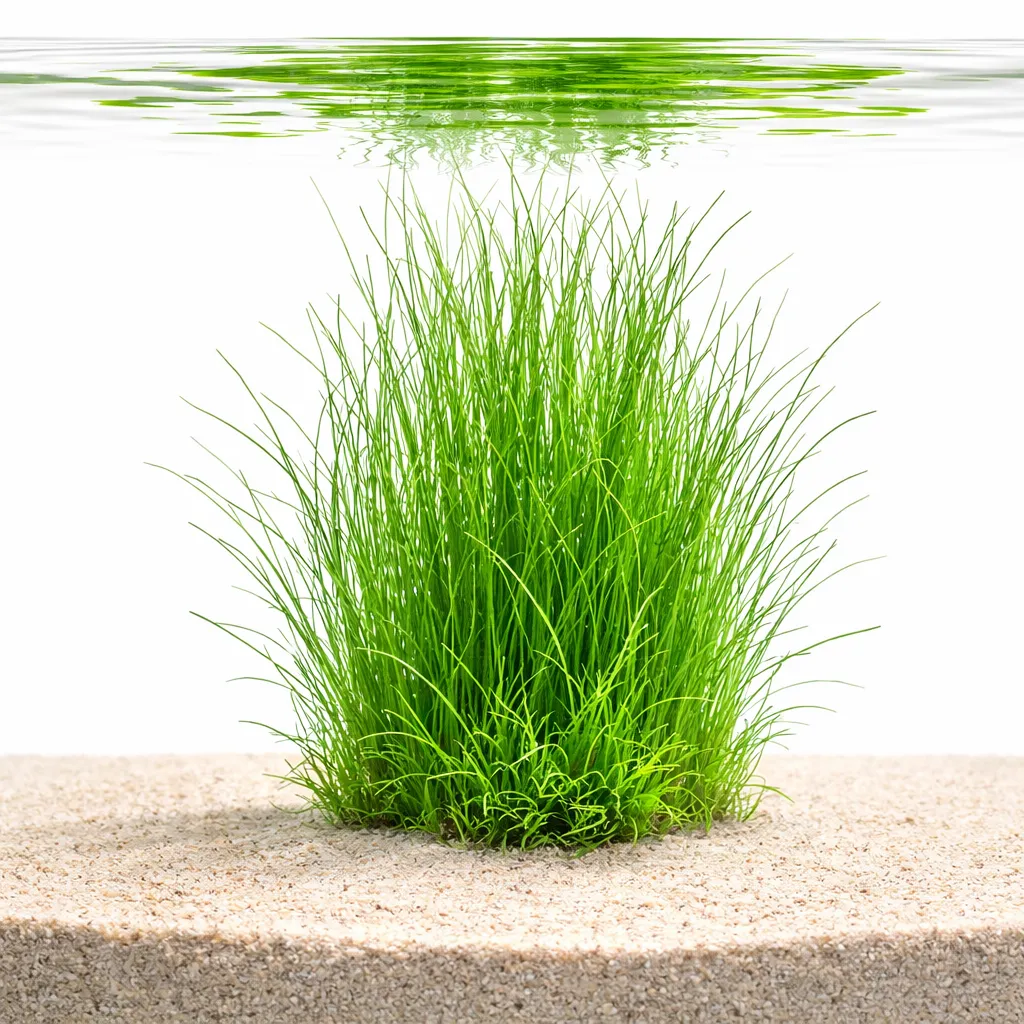
Giant hairgrass
Eleocharis montevidensis
FreshwaterMedium light · Midground11.8 in (30 cm)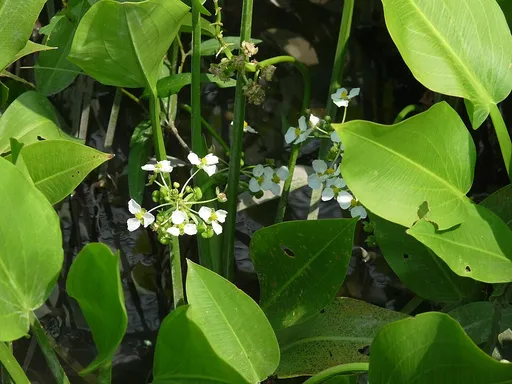
Giant sagittaria
Sagittaria platyphylla
FreshwaterMedium light · Midground15.7 in (40 cm)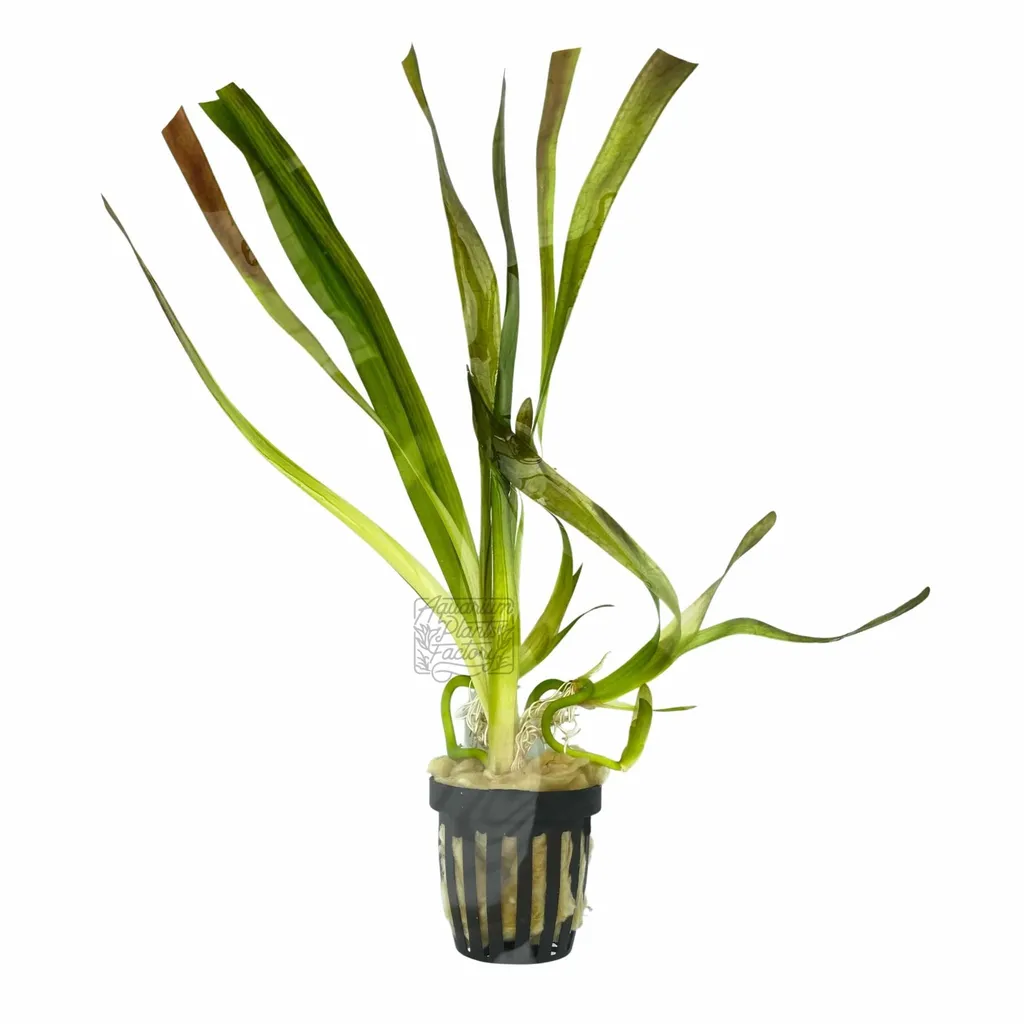
Giant vallisneria
Vallisneria australis
FreshwaterBrackishLow light · Background59.1 in (150 cm)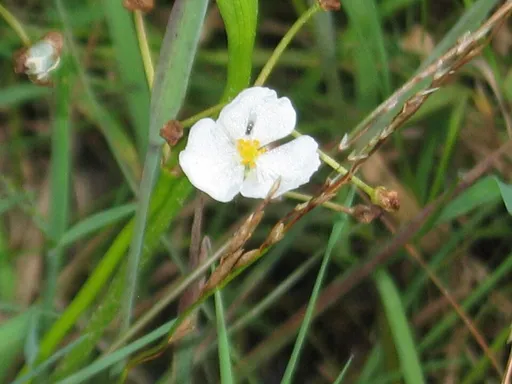
Grassy arrowhead
Sagittaria graminea
FreshwaterMedium light · Background23.6 in (60 cm)Guppy grass
Najas guadalupensis
FreshwaterBrackishLow light · Floating35.4 in (90 cm)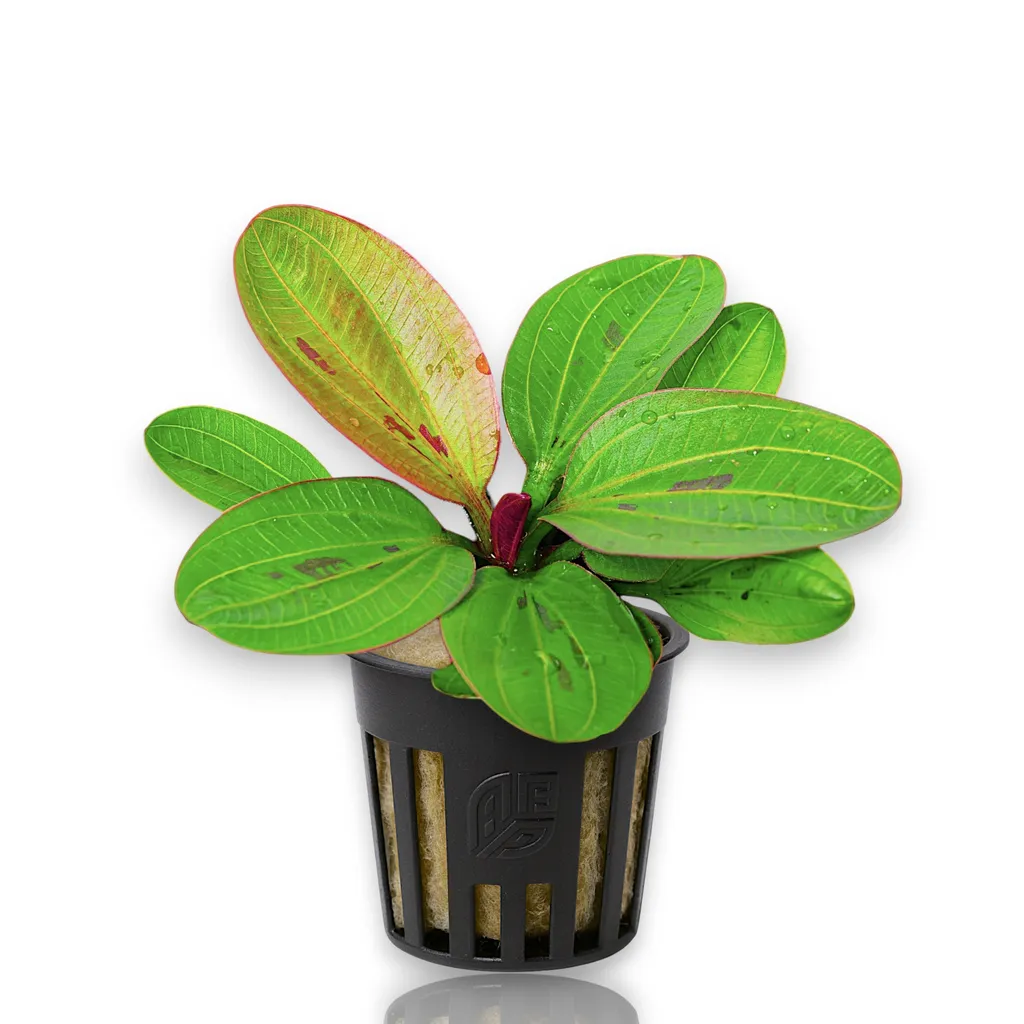
Hadi Red Pearl sword
Echinodorus 'Hadi Red Pearl'
FreshwaterMedium light · Midground9.8 in (25 cm)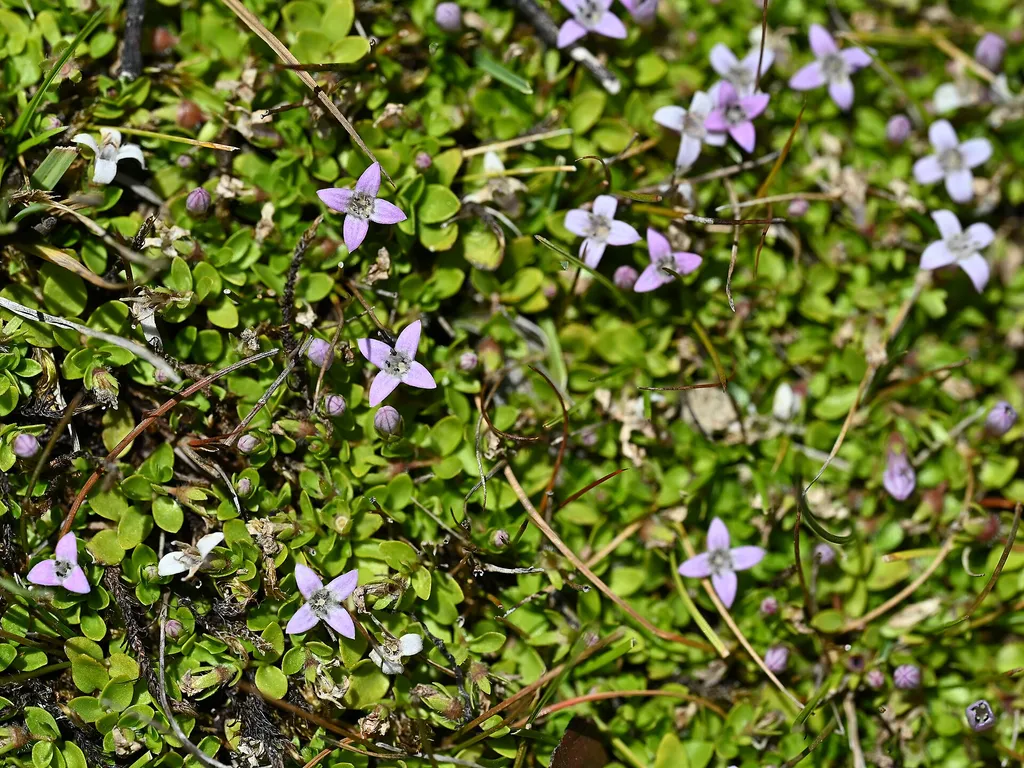
Hedyotis salzmannii
Oldenlandia salzmannii
FreshwaterMedium light · Midground7.9 in (20 cm)Homalomena Silver
Homalomena sp. 'Silver'
FreshwaterLow light · Midground9.8 in (25 cm)Hornwort
Ceratophyllum demersum
FreshwaterBrackishLow light · Floating39.4 in (100 cm)
Hydrocotyle Japan
Hydrocotyle tripartita
FreshwaterMedium light · Foreground2 in (5 cm)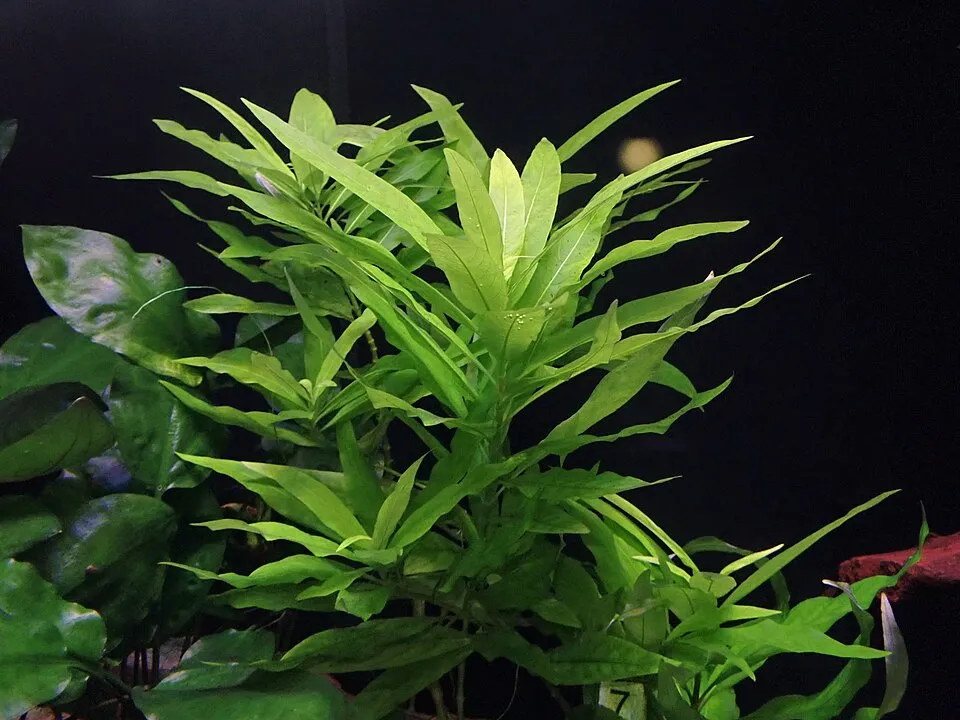
Hygrophila corymbosa
FreshwaterLow light · Background19.7 in (50 cm)3 forms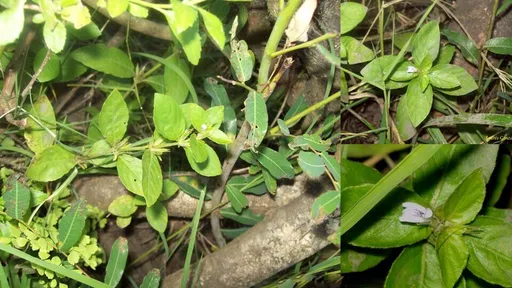
Hygrophila costata
FreshwaterMedium light · Background15.7 in (40 cm)Hygrophila polysperma
FreshwaterLow light · Background17.7 in (45 cm)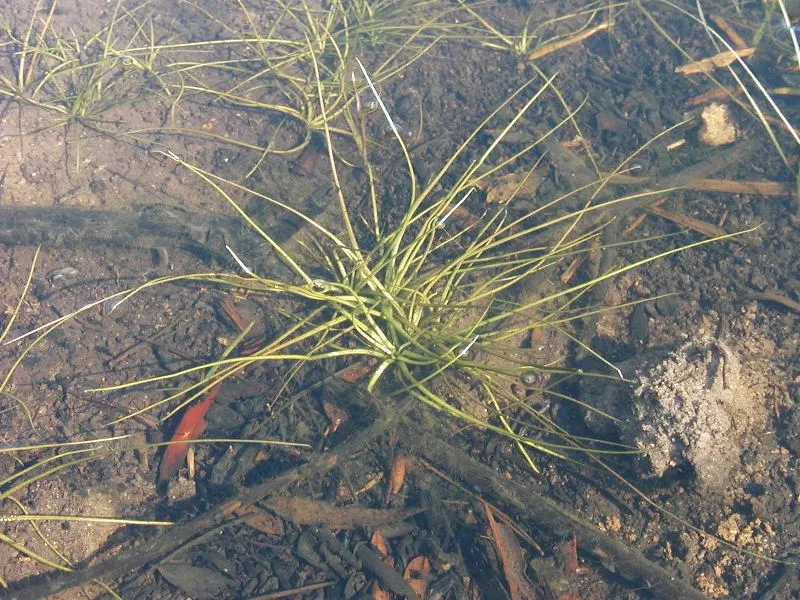
Isoetes velata var. sicula
Isoetes longissima
FreshwaterMedium light · Midground11.8 in (30 cm)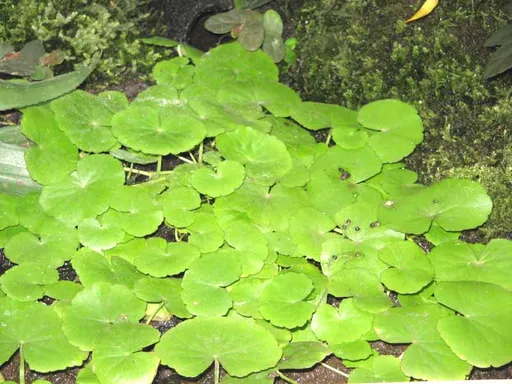
Japanese cress
Cardamine lyrata
FreshwaterMedium light · Midground17.7 in (45 cm)Java fern
Leptochilus pteropus
FreshwaterBrackishLow light · Epiphyte11.8 in (30 cm)7 varietiesJava moss
Taxiphyllum barbieri
FreshwaterBrackishLow light · Epiphyte3.9 in (10 cm)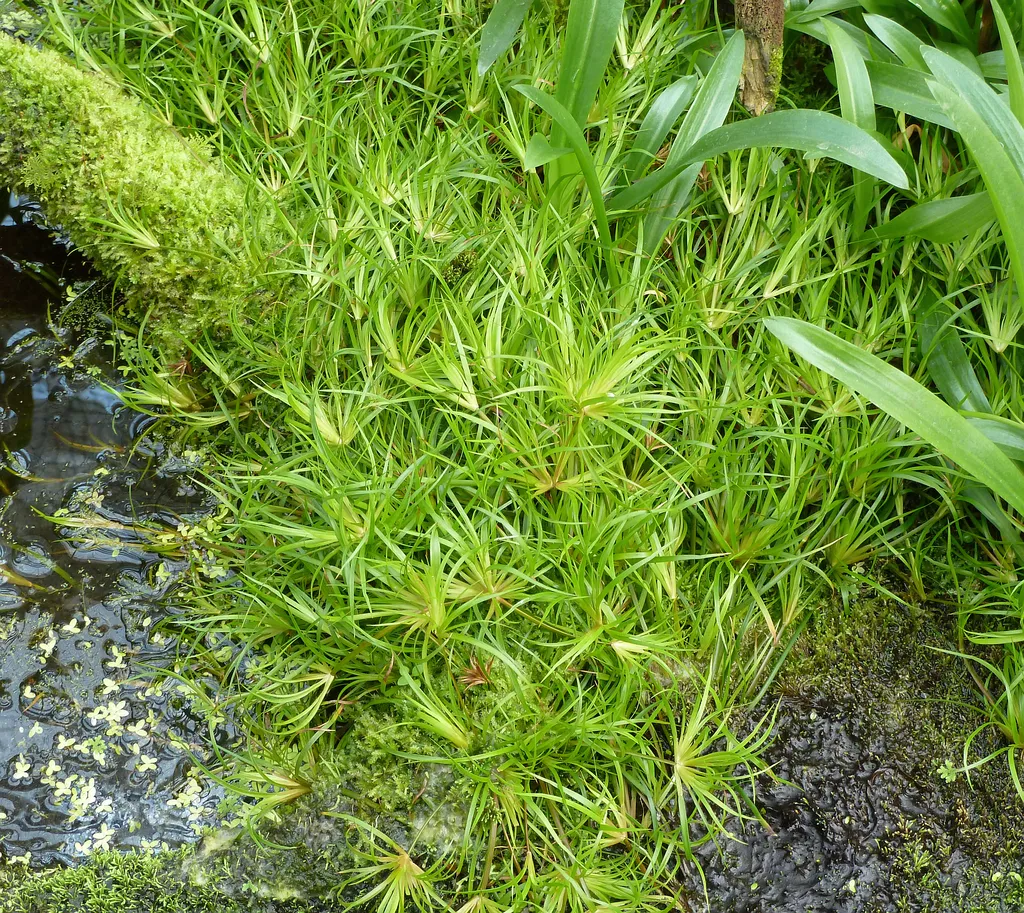
Juncus repens
FreshwaterMedium light · Midground11.8 in (30 cm)Jungle val
Vallisneria americana
FreshwaterBrackishLow light · Background39.4 in (100 cm)Kleiner Bar sword
Echinodorus 'Kleiner Bär'
FreshwaterMedium light · Background17.7 in (45 cm)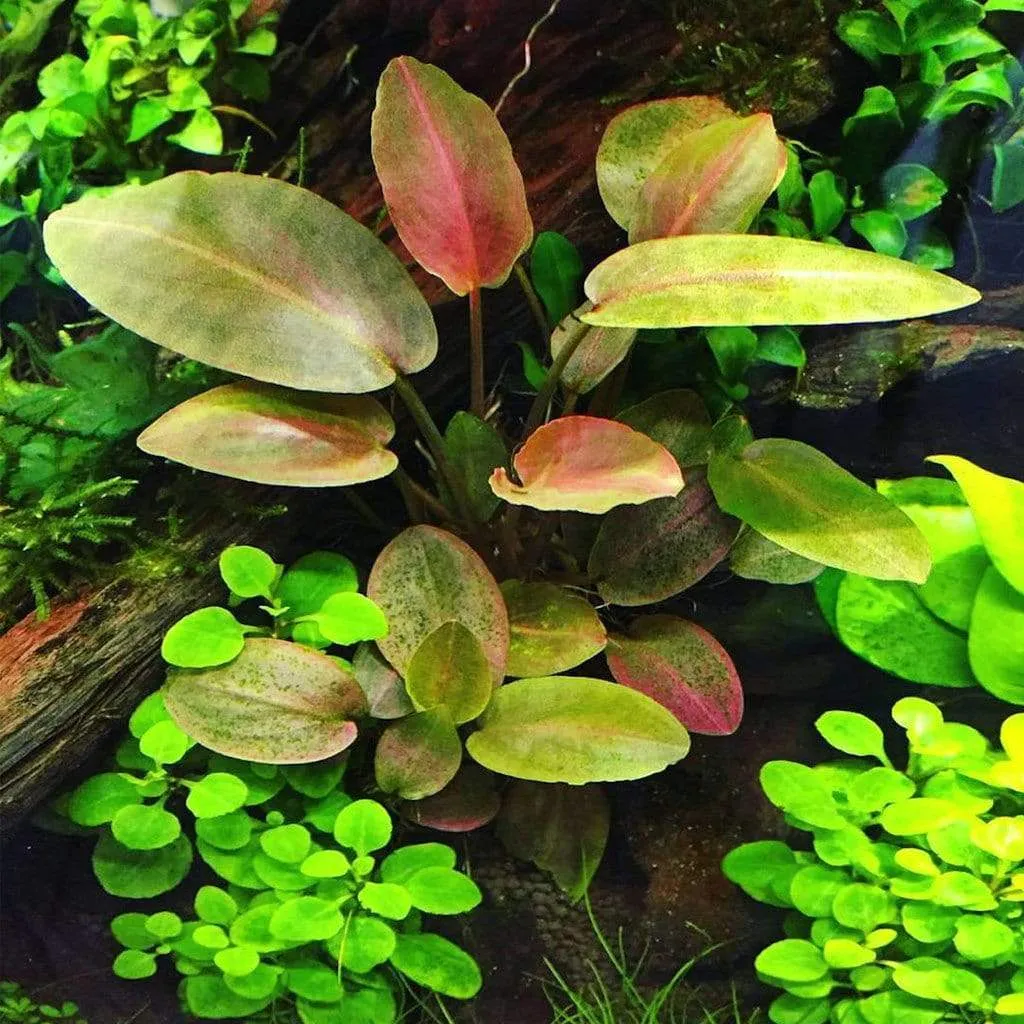
Lagenandra meeboldii
FreshwaterMedium light · Midground11.8 in (30 cm)4 formsLagenandra nairii
FreshwaterLow light · Midground5.9 in (15 cm)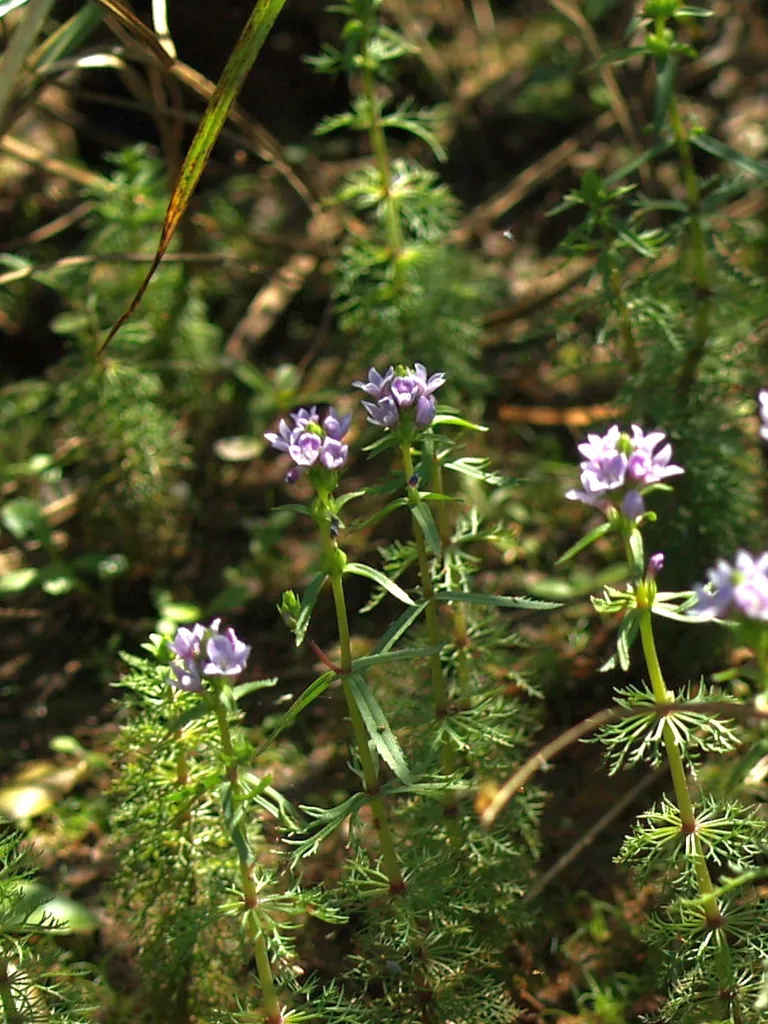
Limnophila heterophylla
FreshwaterMedium light · Background19.7 in (50 cm)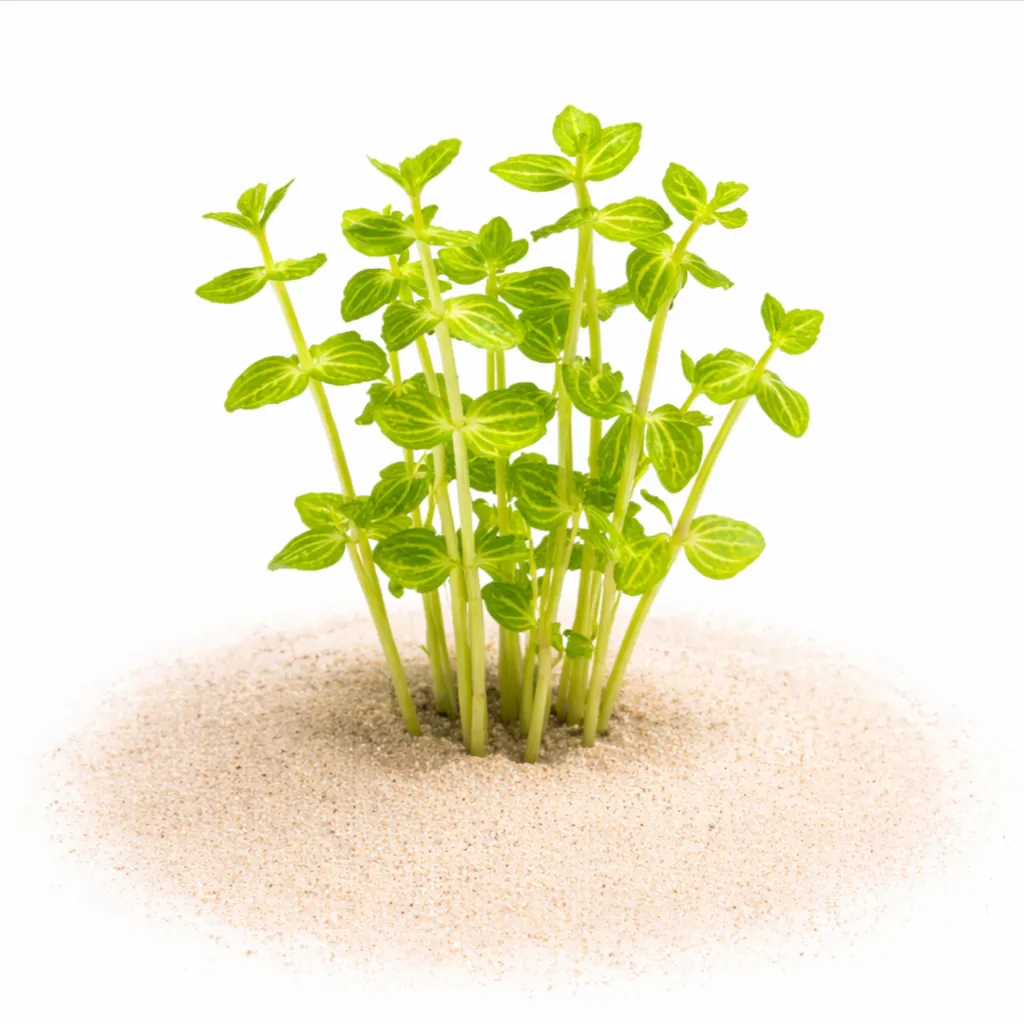
Lindernia rotundifolia
FreshwaterLow light · Background11.8 in (30 cm)Lindernia rotundifolia Variegated
Lindernia rotundifolia 'Variegated'
FreshwaterMedium light · Midground11.8 in (30 cm)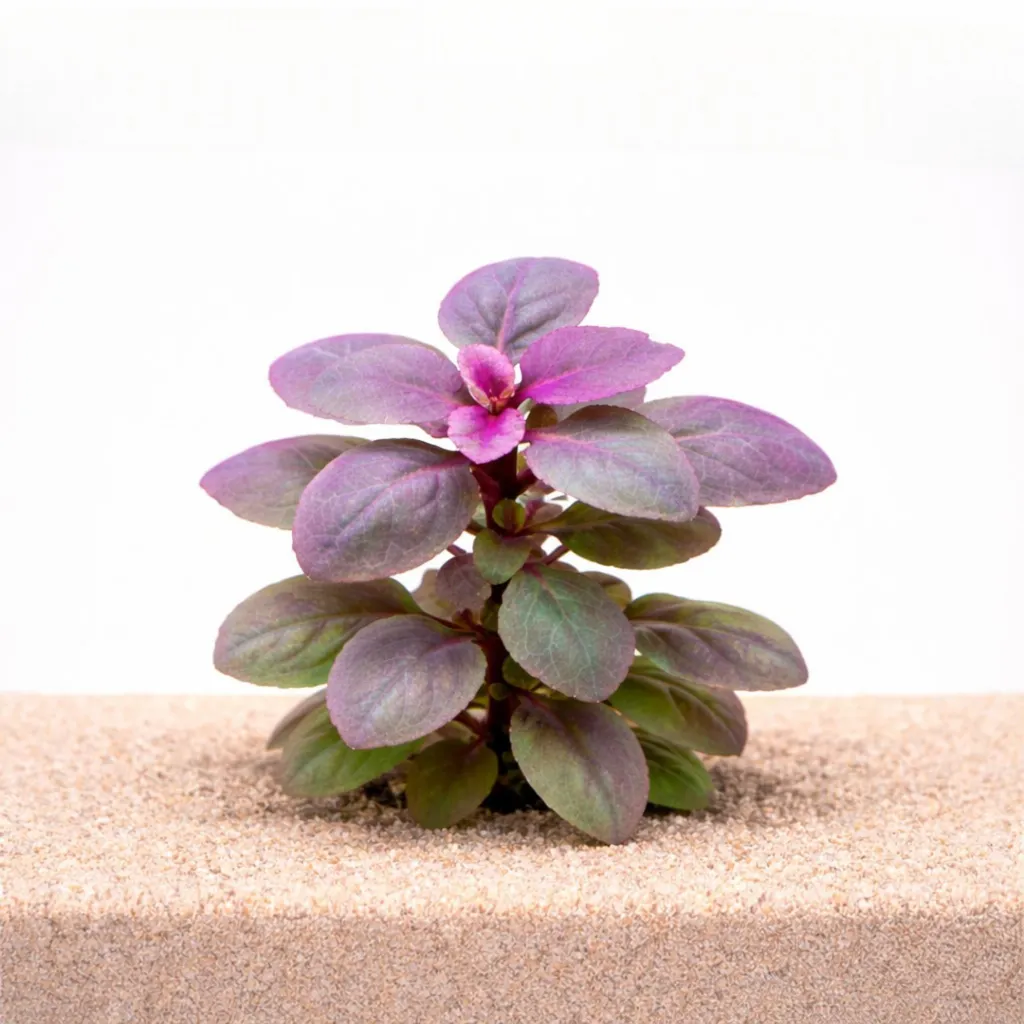
Lobelia cardinalis
FreshwaterMedium light · Midground11.8 in (30 cm)Lobelia cardinalis Mini
Lobelia cardinalis 'Mini'
FreshwaterMedium light · Foreground5.9 in (15 cm)Lobelia cardinalis Wavy
Lobelia cardinalis 'Wavy'
FreshwaterMedium light · Midground7.9 in (20 cm)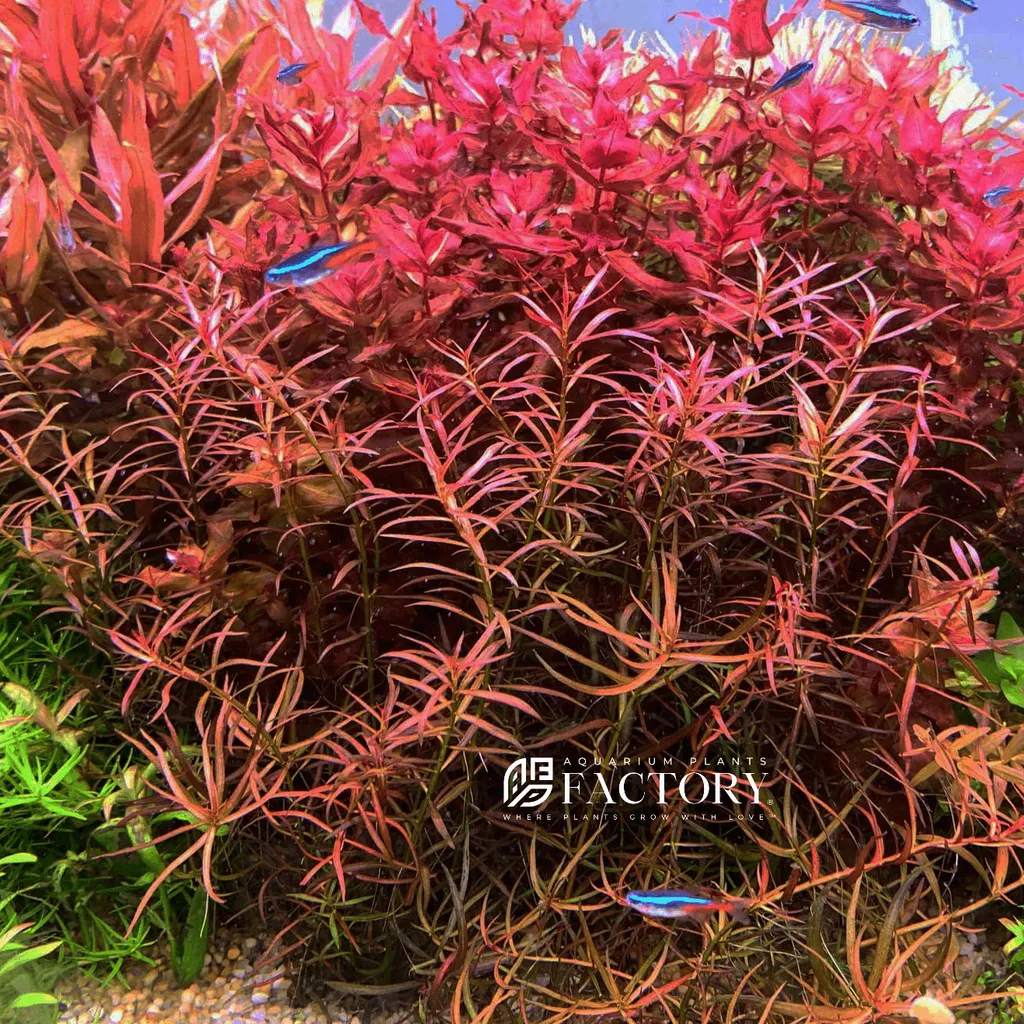
Ludwigia brevipes
FreshwaterHigh light · Midground11.8 in (30 cm)Ludwigia Dark Orange
Ludwigia sp. 'Dark Orange'
FreshwaterHigh light · Background15.7 in (40 cm)Ludwigia Marilia
Ludwigia sp. 'Marilia'
FreshwaterMedium light · Background23.6 in (60 cm)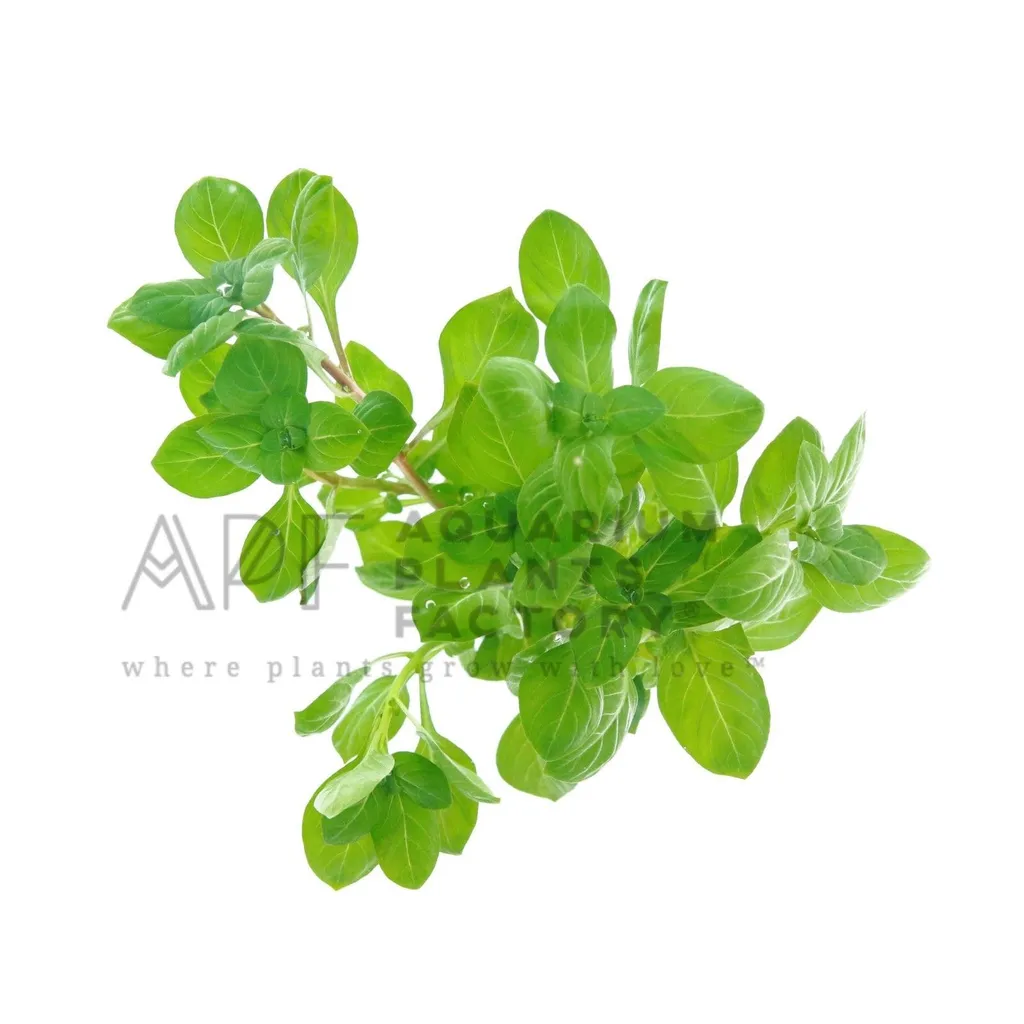
Ludwigia palustris
FreshwaterMedium light · Background19.7 in (50 cm)Ludwigia repens
FreshwaterMedium light · Background19.7 in (50 cm)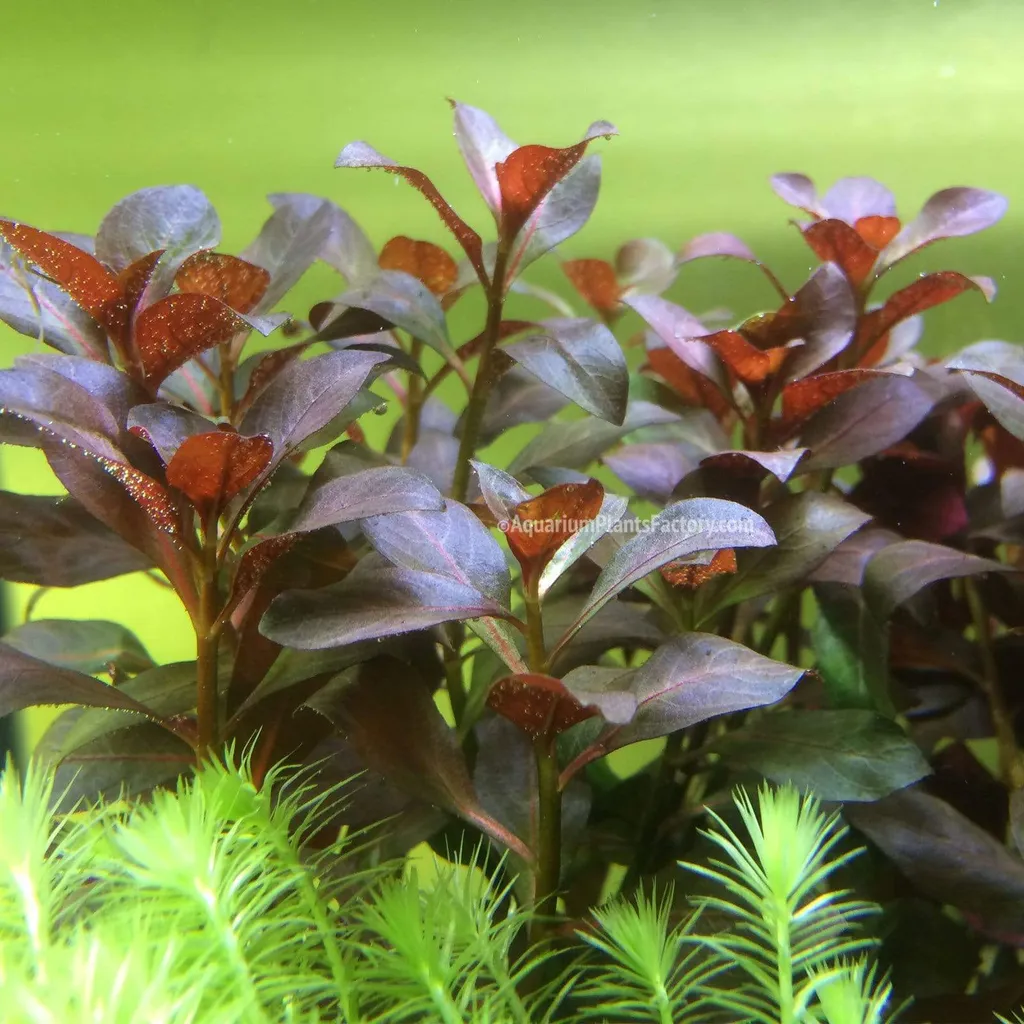
Ludwigia Rubin
Ludwigia repens 'Rubin'
FreshwaterMedium light · Midground19.7 in (50 cm)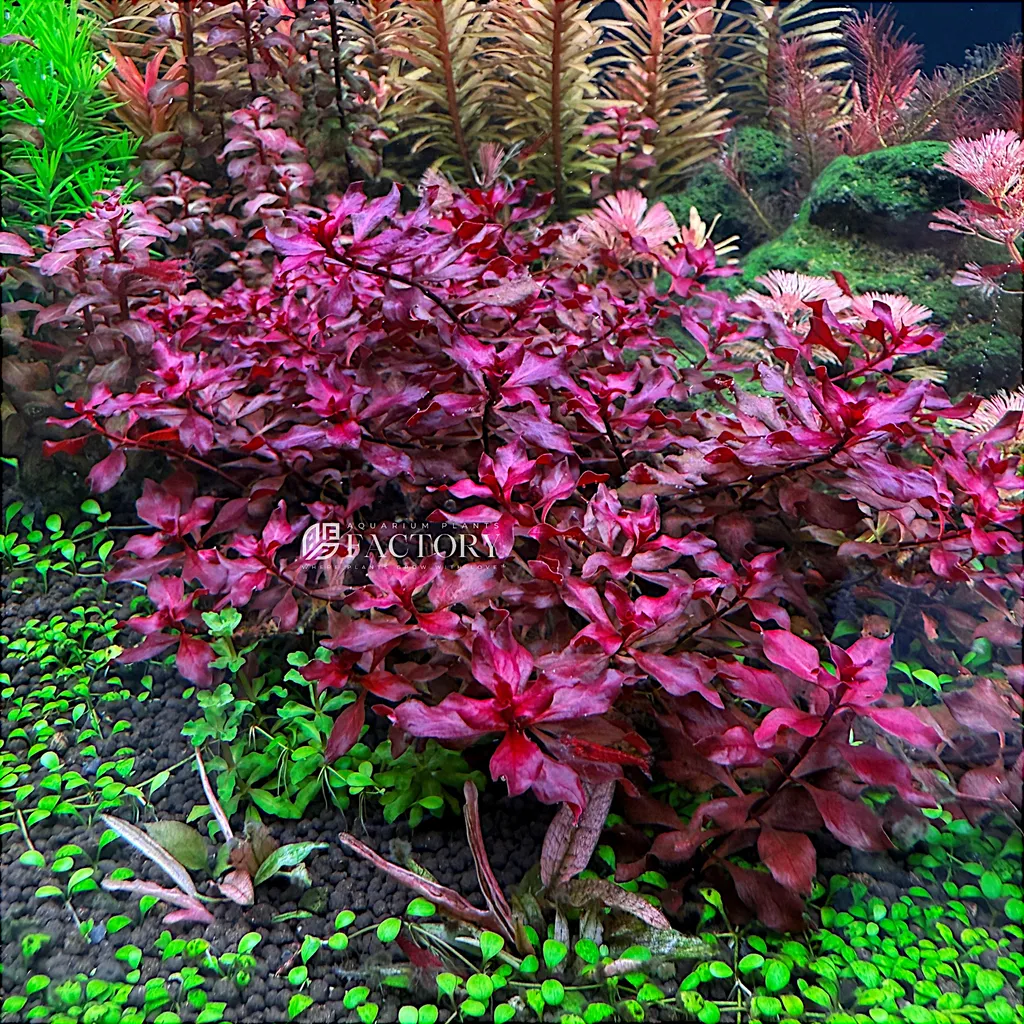
Ludwigia super red
Ludwigia palustris 'Super Red'
FreshwaterHigh light · Midground11.8 in (30 cm)Lysimachia parvifolia Red
Lysimachia parvifolia 'Red'
FreshwaterMedium light · Midground7.9 in (20 cm)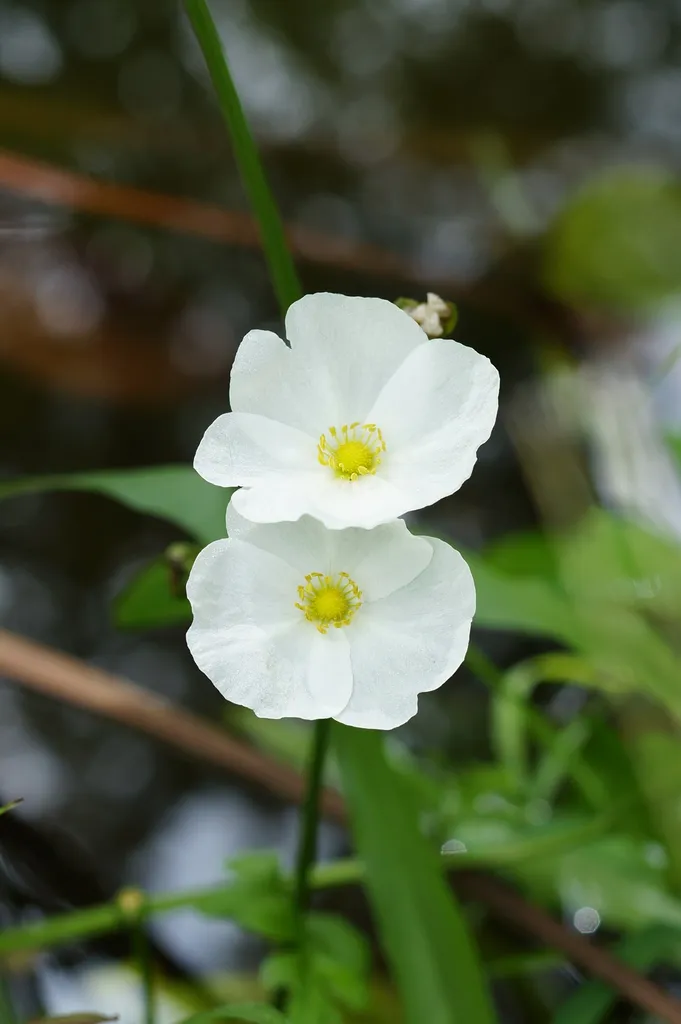
Marble queen sword
Echinodorus cordifolius
FreshwaterMedium light · Background19.7 in (50 cm)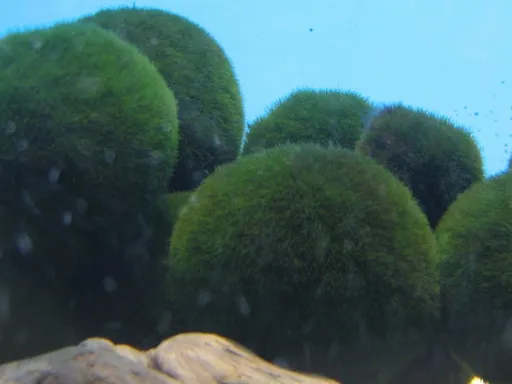
Marimo moss ball
Aegagropila linnaei
FreshwaterBrackishLow light · Foreground3.9 in (10 cm)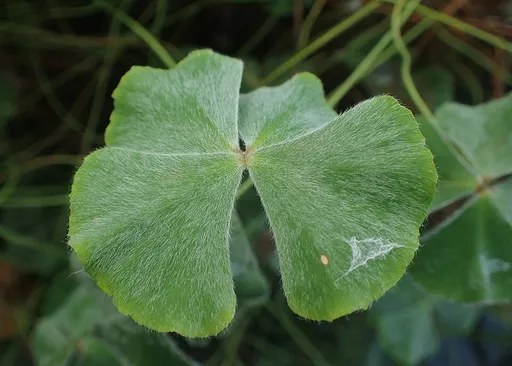
Marsilea hirsuta
FreshwaterMedium light · Foreground3.9 in (10 cm)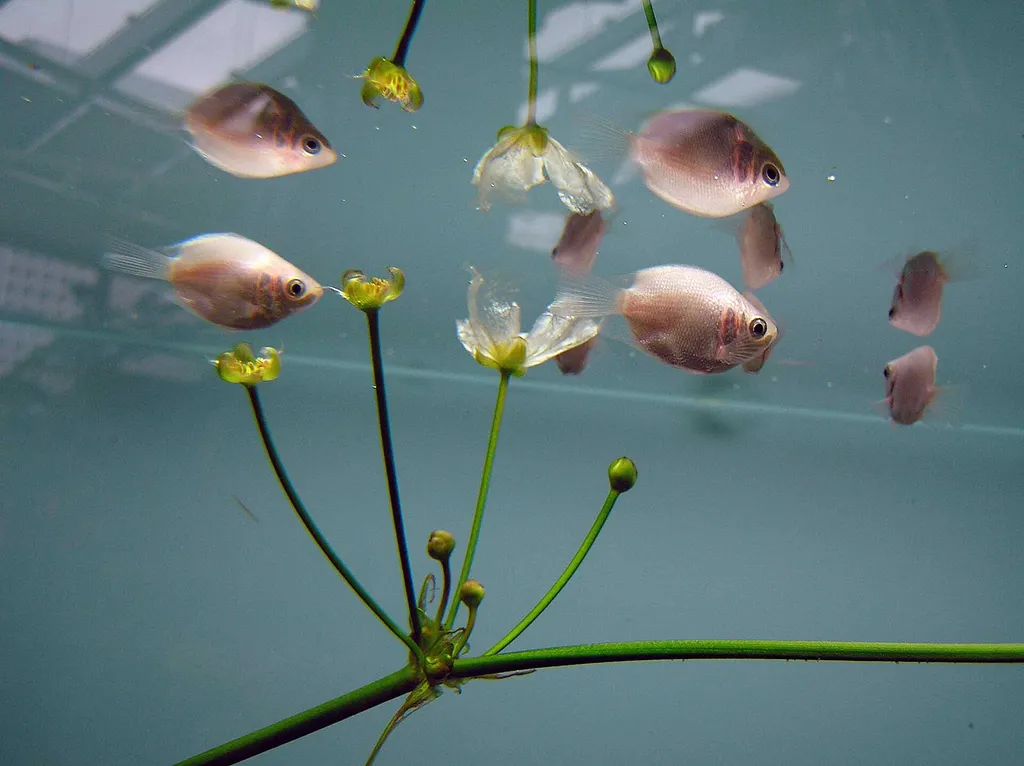
Melon sword
Echinodorus osiris
FreshwaterMedium light · Background19.7 in (50 cm)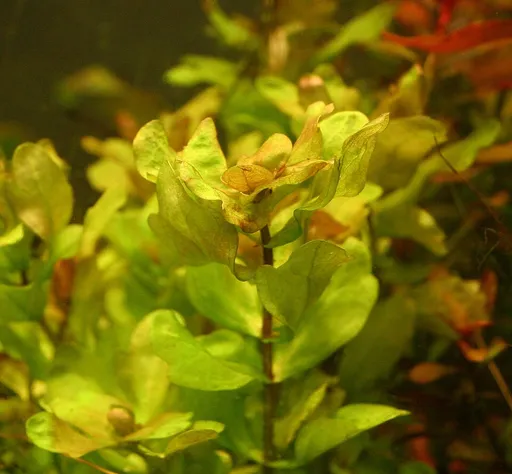
Mexican oak leaf
Shinnersia rivularis
FreshwaterMedium light · Background19.7 in (50 cm)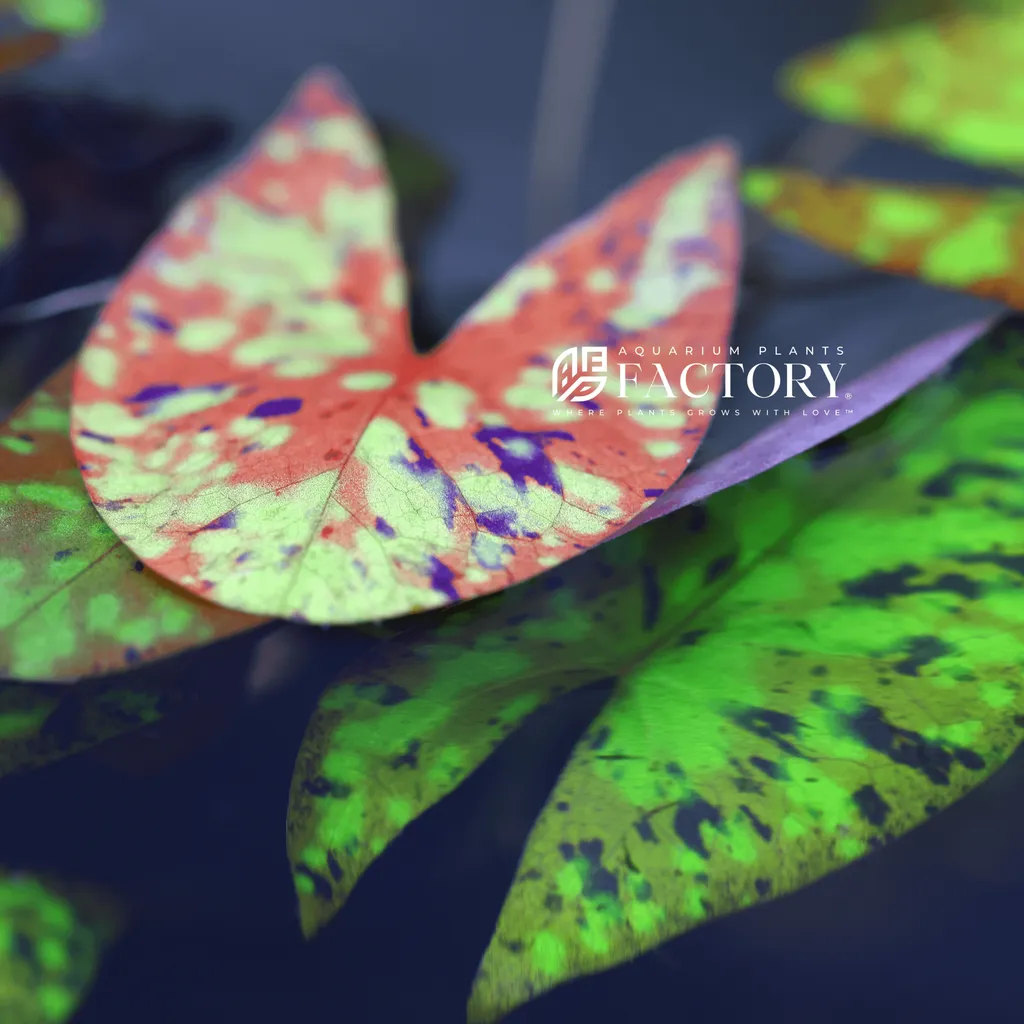
Micrantha lily
Nymphaea micrantha
FreshwaterMedium light · Midground9.8 in (25 cm)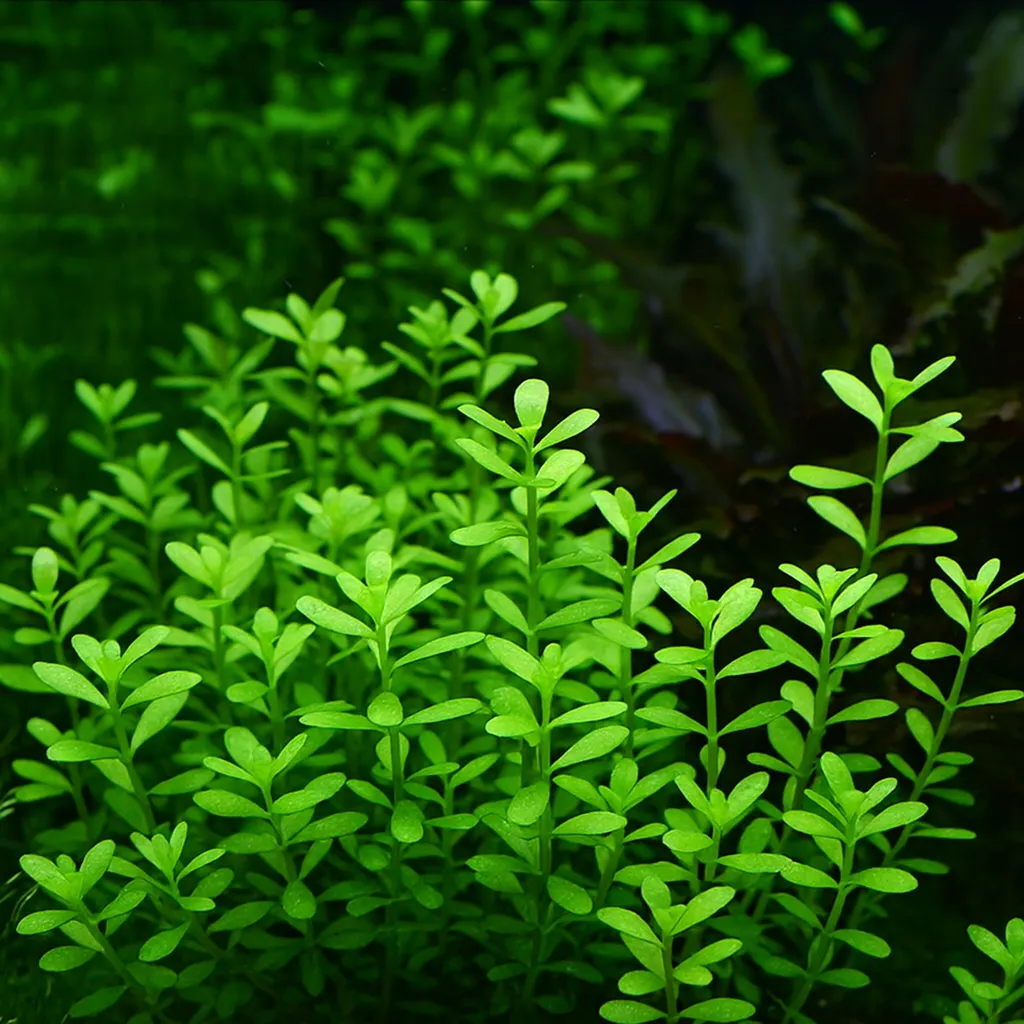
Moneywort
Bacopa monnieri
FreshwaterBrackishMedium light · Background11.8 in (30 cm)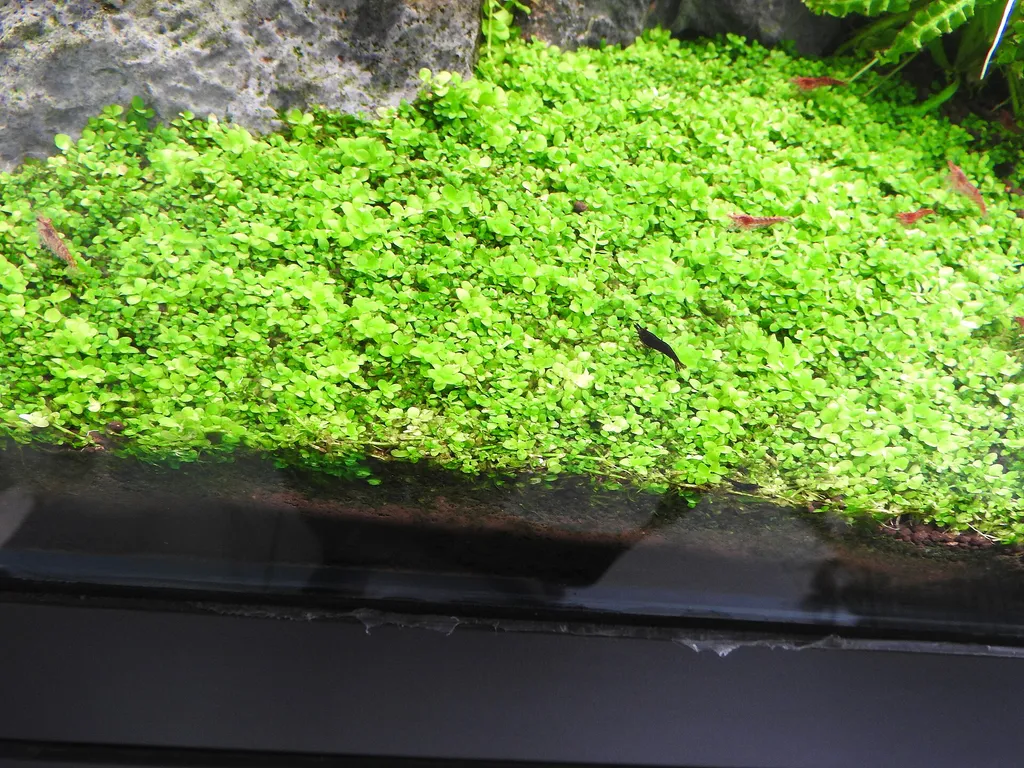
Monte Carlo
Micranthemum tweediei
FreshwaterMedium light · Foreground2 in (5 cm)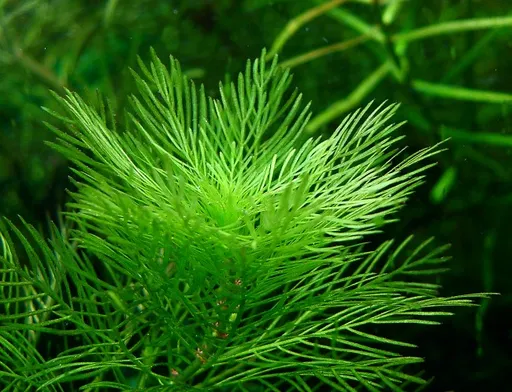
Myriophyllum Guyana
Myriophyllum mattogrossense
FreshwaterMedium light · Background19.7 in (50 cm)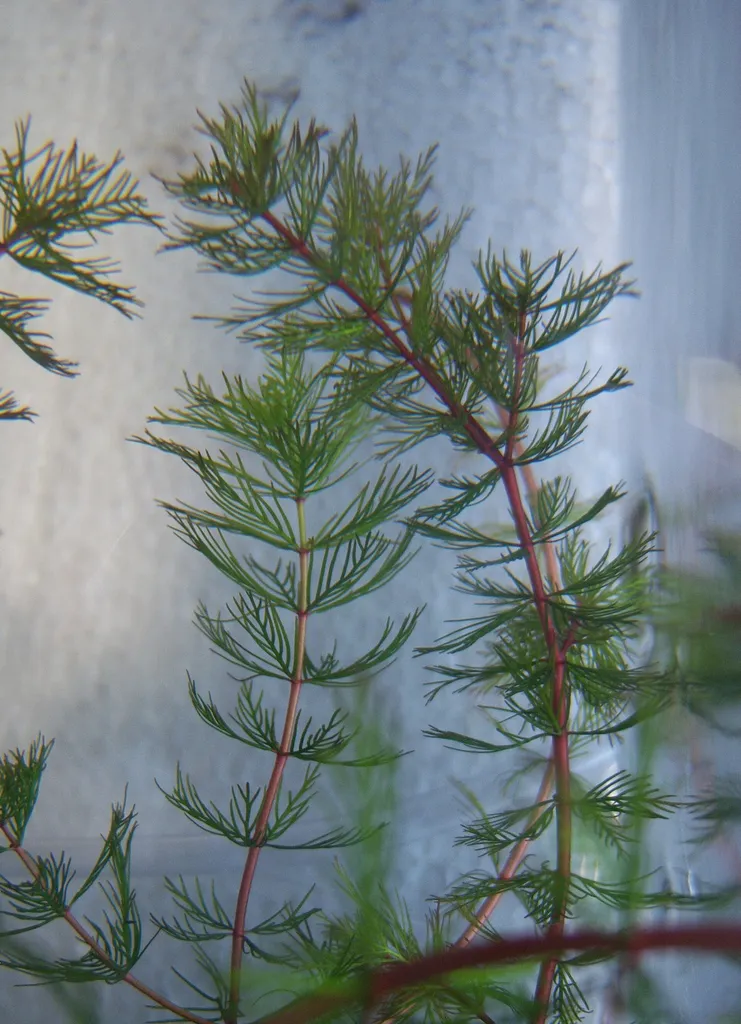
Myriophyllum Snowflake
Myriophyllum quitense
FreshwaterMedium light · Background23.6 in (60 cm)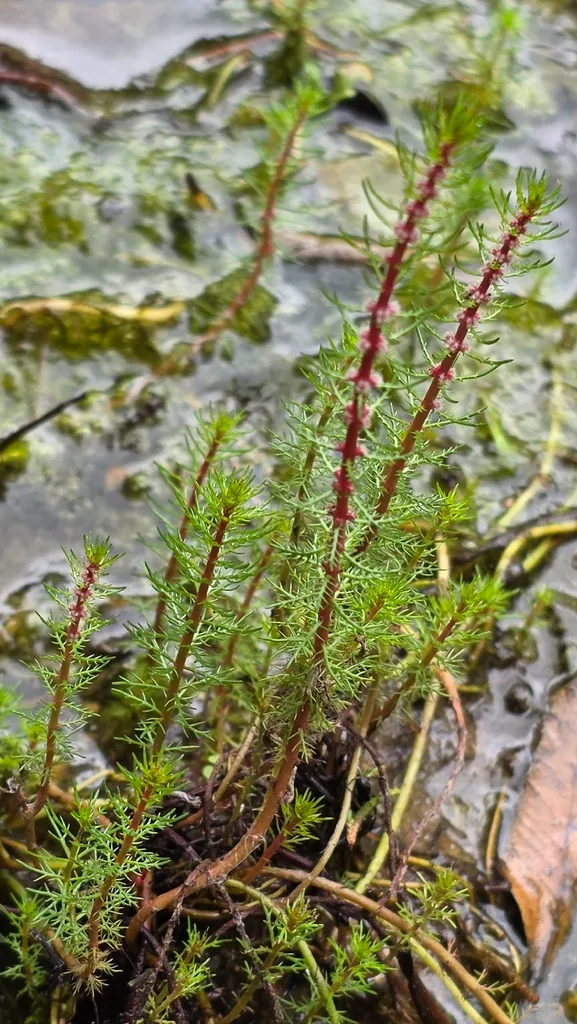
Myriophyllum ussuriense
FreshwaterMedium light · Background15.7 in (40 cm)Najas indica
FreshwaterMedium light · Floating23.6 in (60 cm)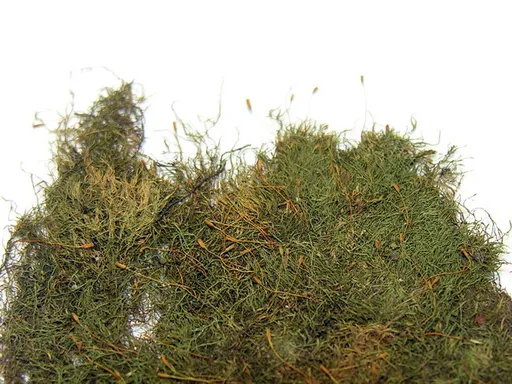
Nano moss
Amblystegium serpens
FreshwaterLow light · Epiphyte1.2 in (3 cm)Narrow leaf anacharis
Elodea najas
FreshwaterMedium light · Background15.7 in (40 cm)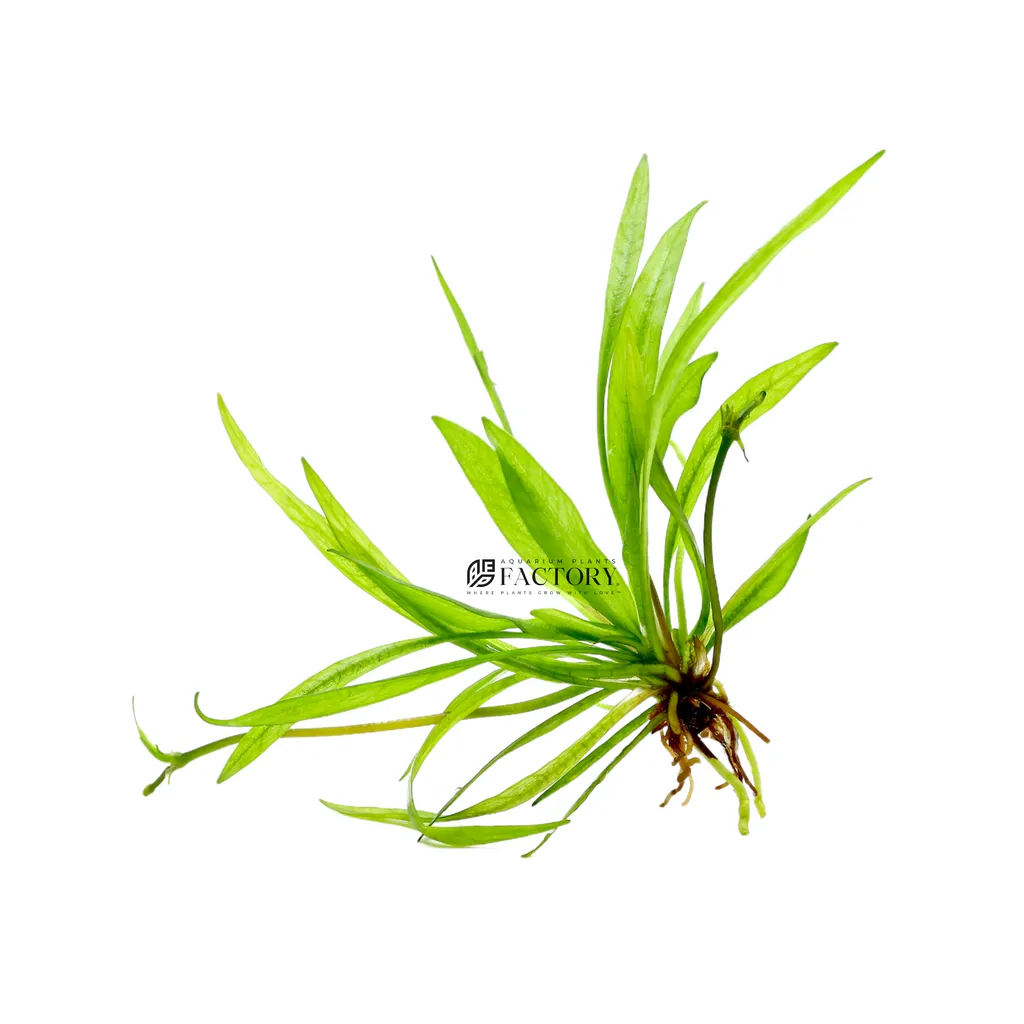
Narrow leaf chain sword
Helanthium bolivianum 'Angustifolius'
FreshwaterMedium light · Background23.6 in (60 cm)Narrow leaf water clover
Marsilea angustifolia
FreshwaterMedium light · Foreground3.1 in (8 cm)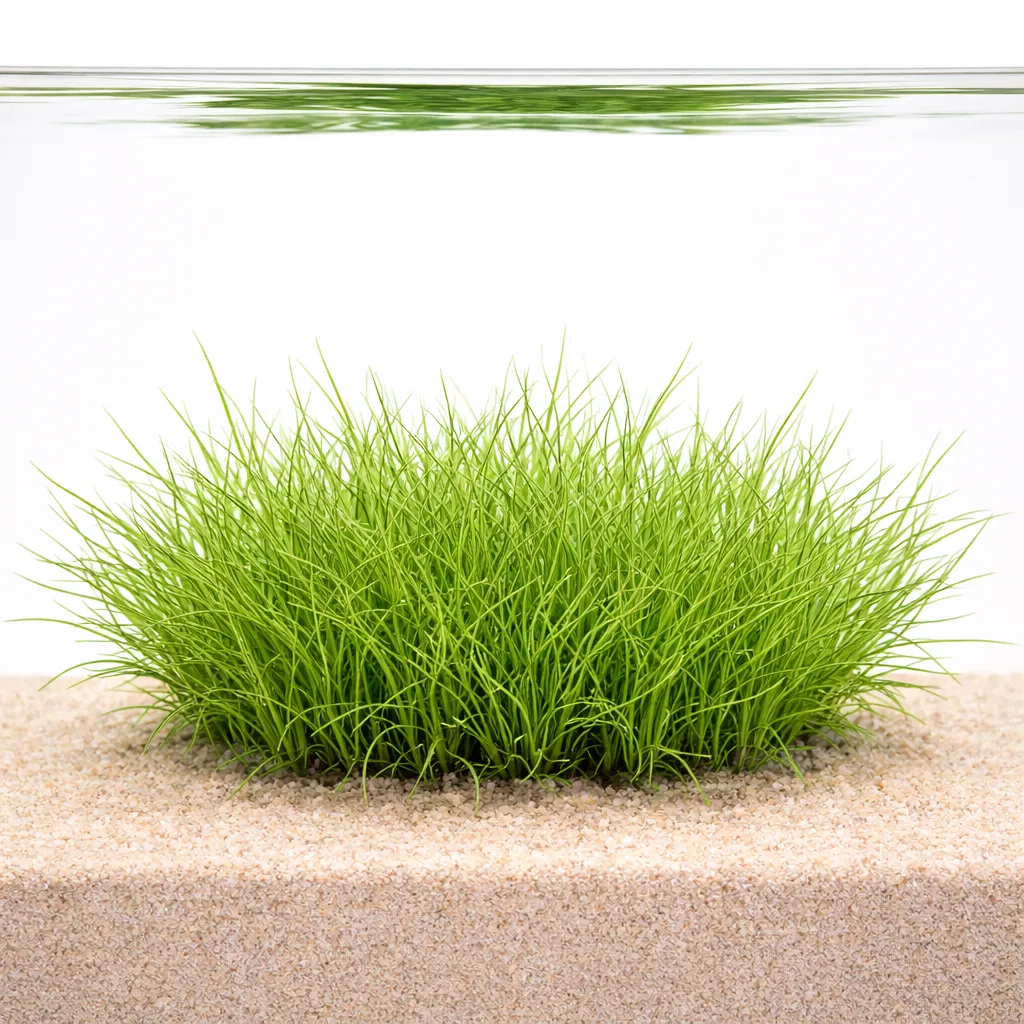
Needle hairgrass
Eleocharis acicularis
FreshwaterMedium light · Foreground7.9 in (20 cm)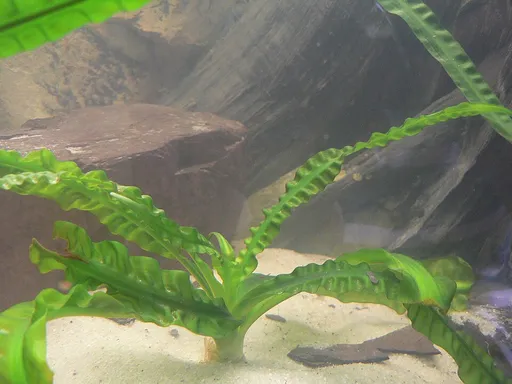
Onion plant natans
Crinum natans
FreshwaterMedium light · Background39.4 in (100 cm)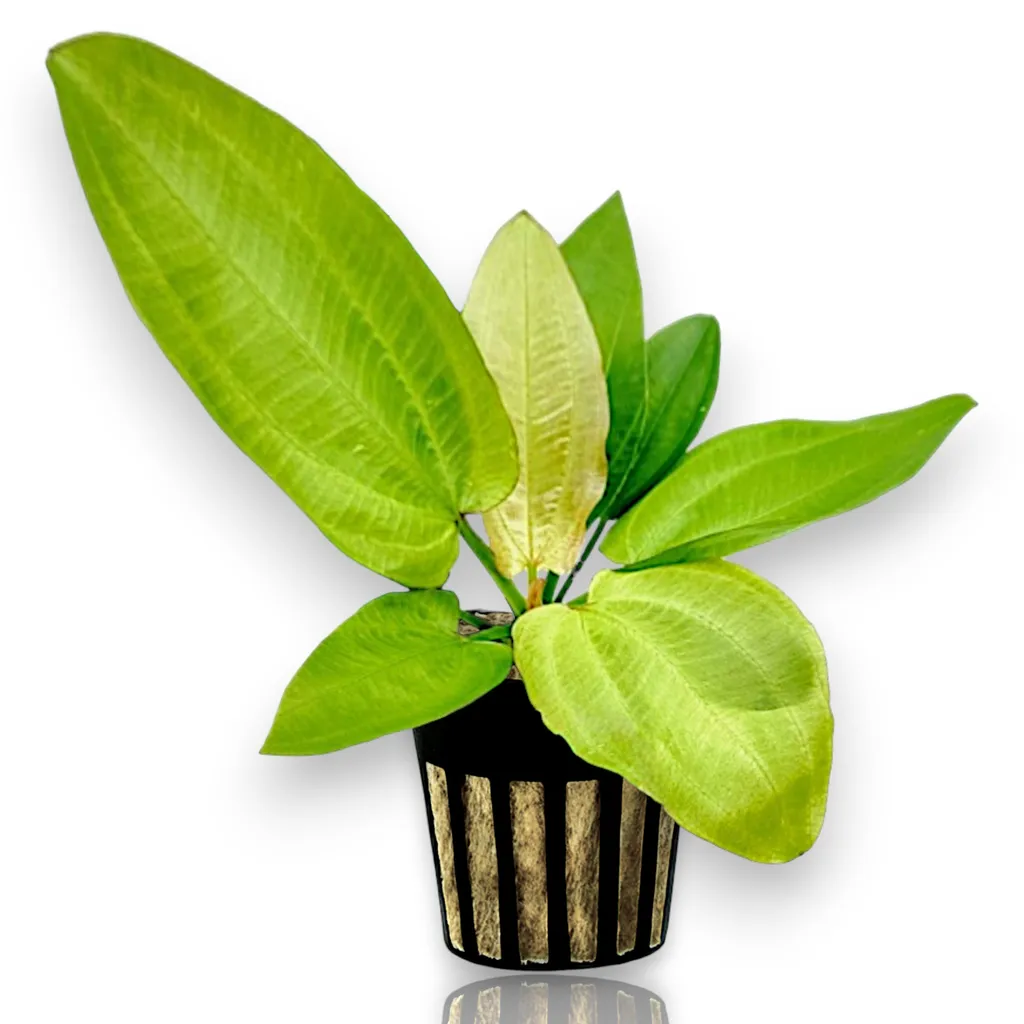
Oriental sword
Echinodorus 'Oriental'
FreshwaterHigh light · Midground11.8 in (30 cm)Ozelot Green sword
Echinodorus 'Ozelot Green'
FreshwaterMedium light · Midground15.7 in (40 cm)Ozelot Narrow Mini sword
Echinodorus 'Ozelot Narrow Mini'
FreshwaterMedium light · Midground9.8 in (25 cm)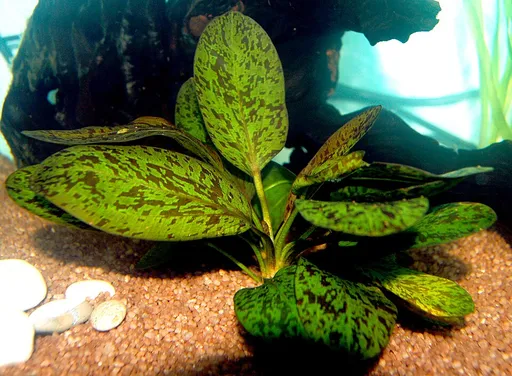
Ozelot sword
Echinodorus 'Ozelot'
FreshwaterMedium light · Midground15.7 in (40 cm)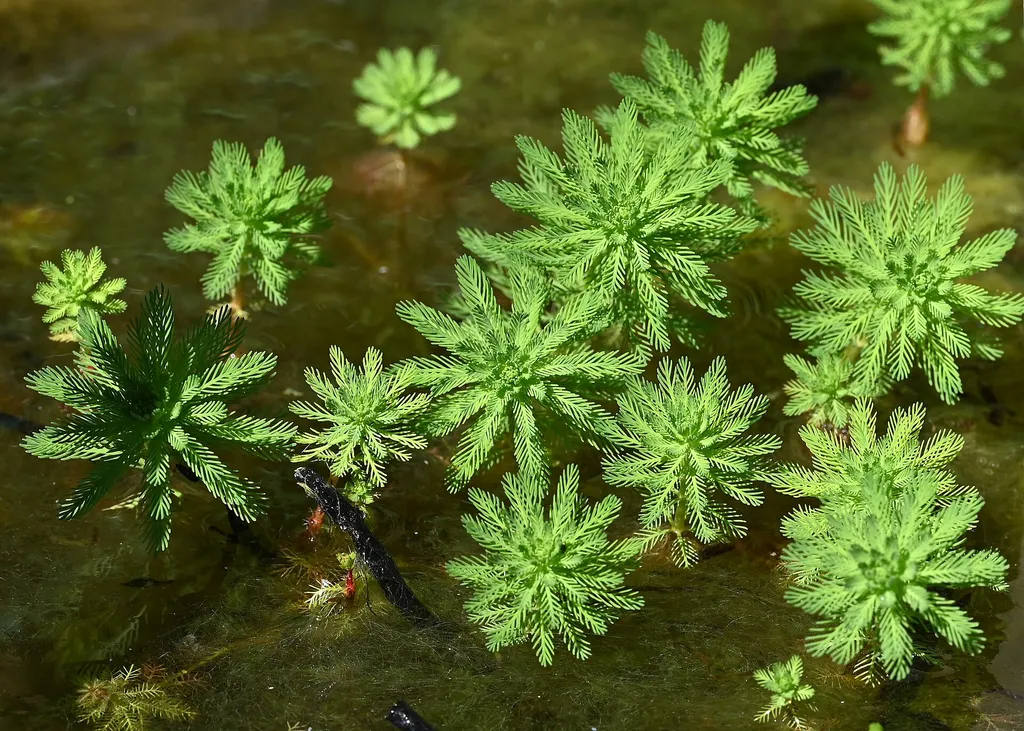
Parrot's feather
Myriophyllum aquaticum
FreshwaterHigh light · Background15.7 in (40 cm)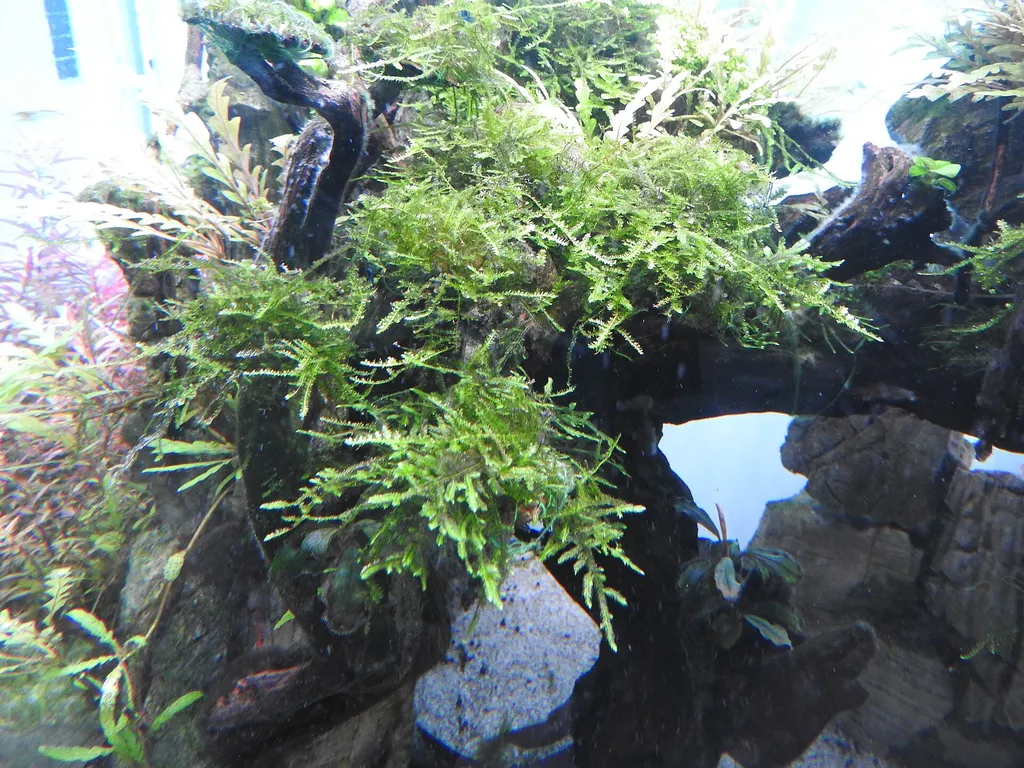
Peacock moss
Taxiphyllum sp. 'Peacock'
FreshwaterLow light · Epiphyte2 in (5 cm)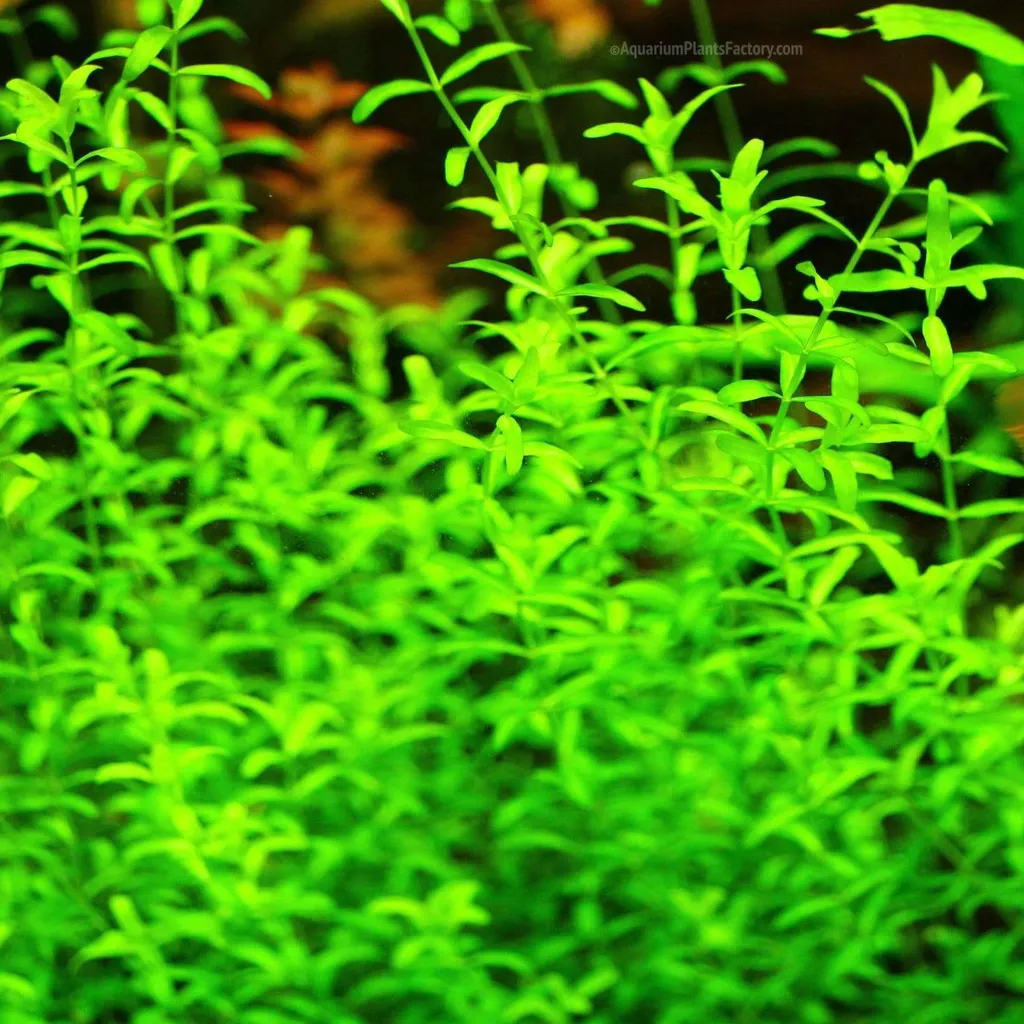
Pearlweed
Hemianthus glomeratus
FreshwaterMedium light · Midground7.9 in (20 cm)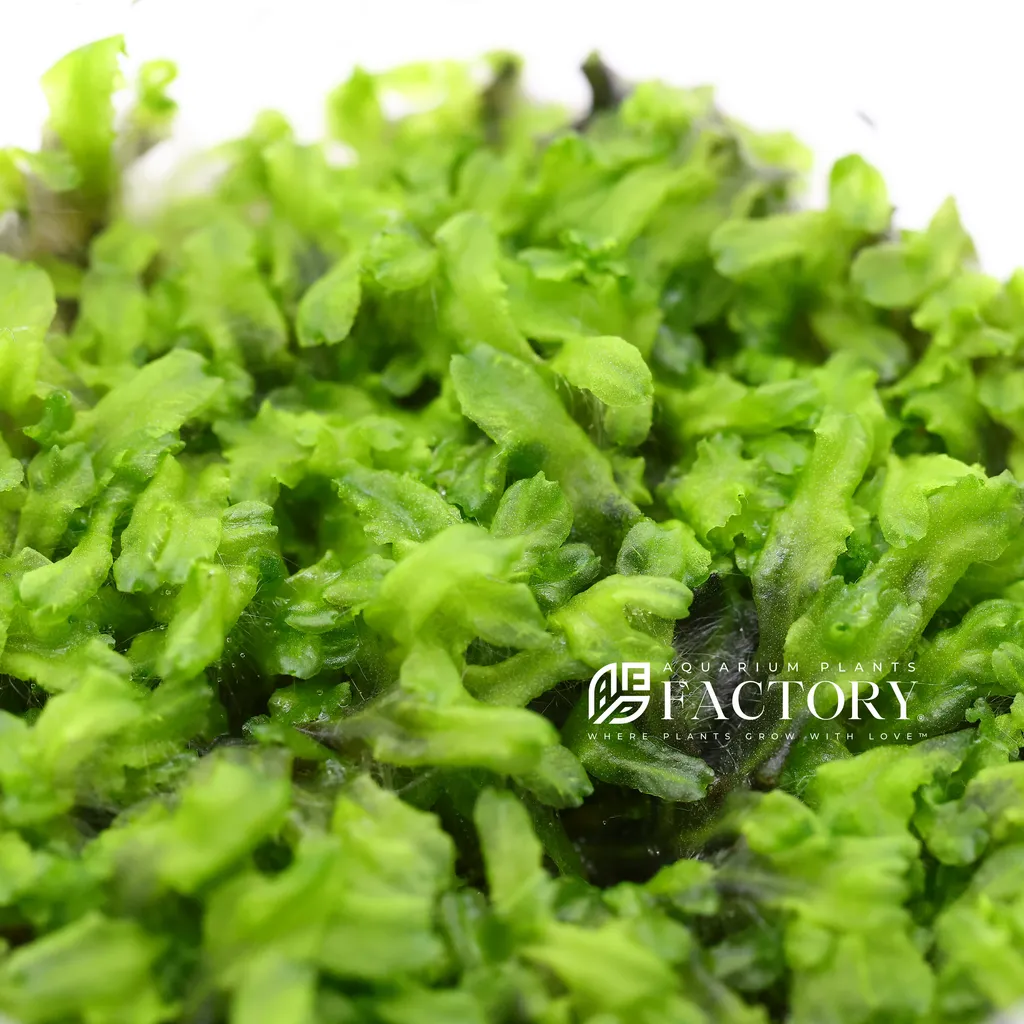
Pellia
Monosolenium tenerum
FreshwaterLow light · Epiphyte2 in (5 cm)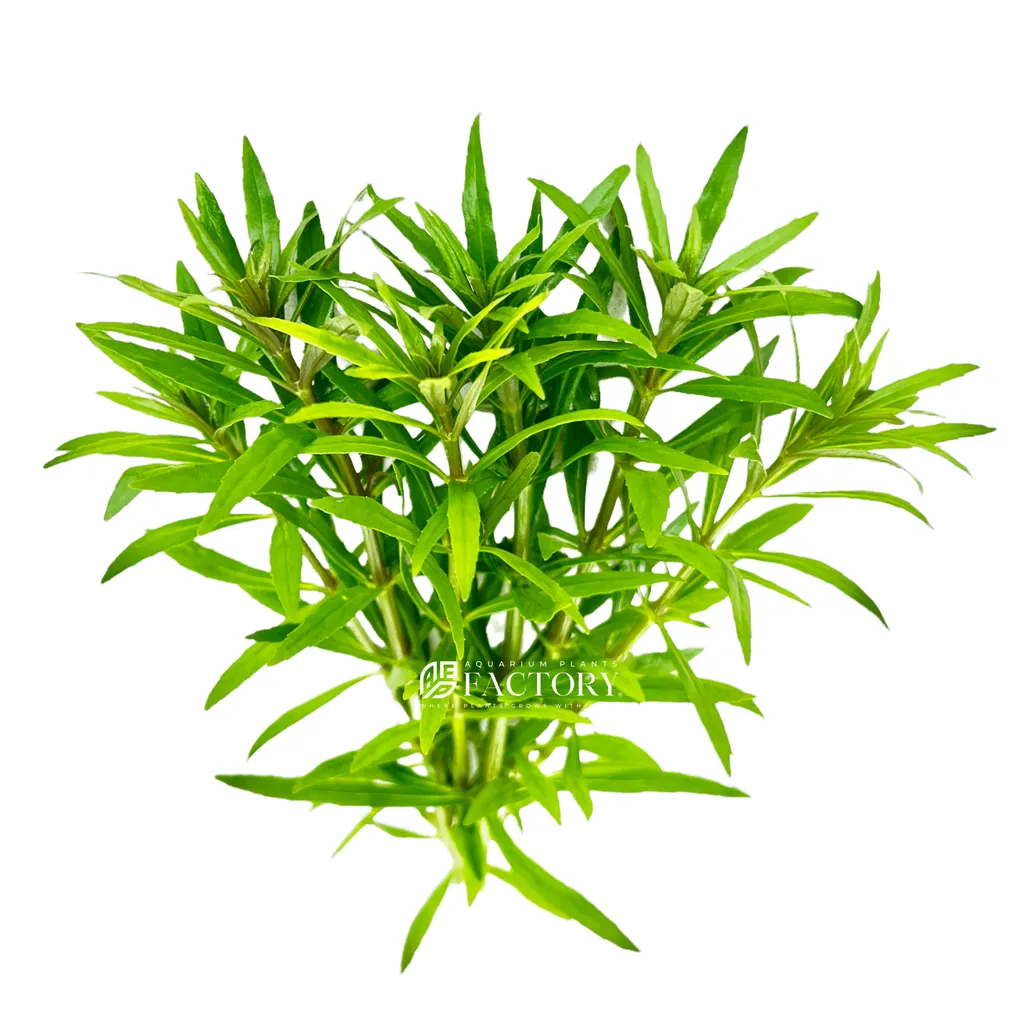
Pogostemon quadrifolius
FreshwaterMedium light · Background15.7 in (40 cm)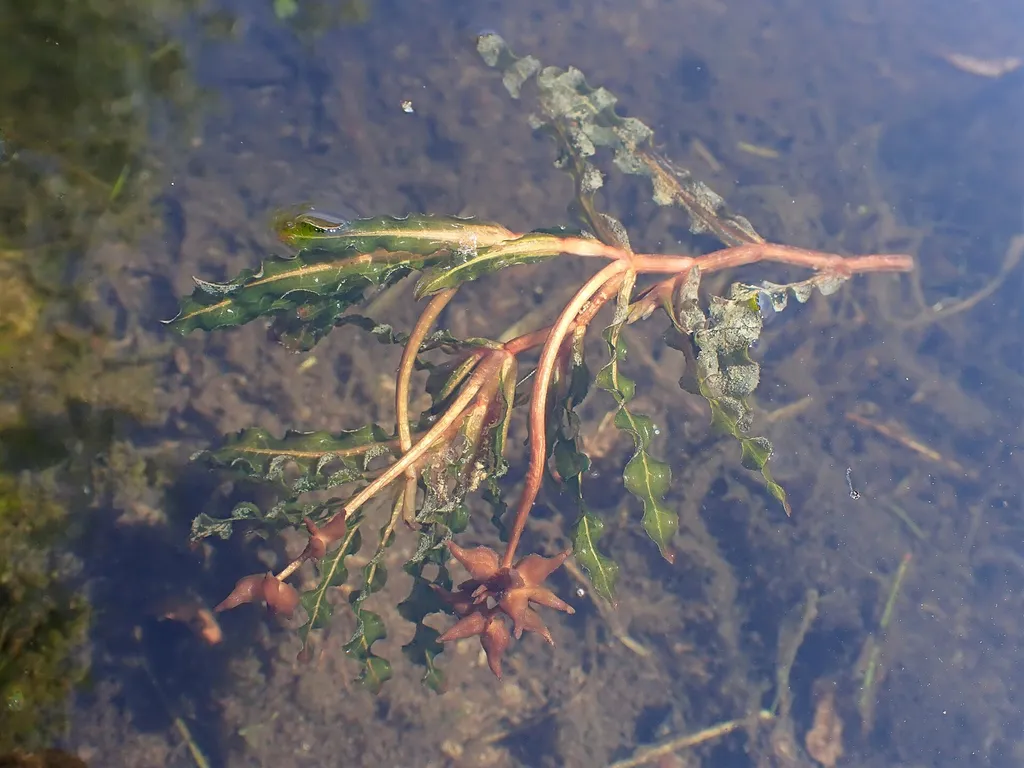
Potamogeton crispus
FreshwaterBrackishLow light · Background31.5 in (80 cm)Potamogeton gayi
FreshwaterMedium light · Background23.6 in (60 cm)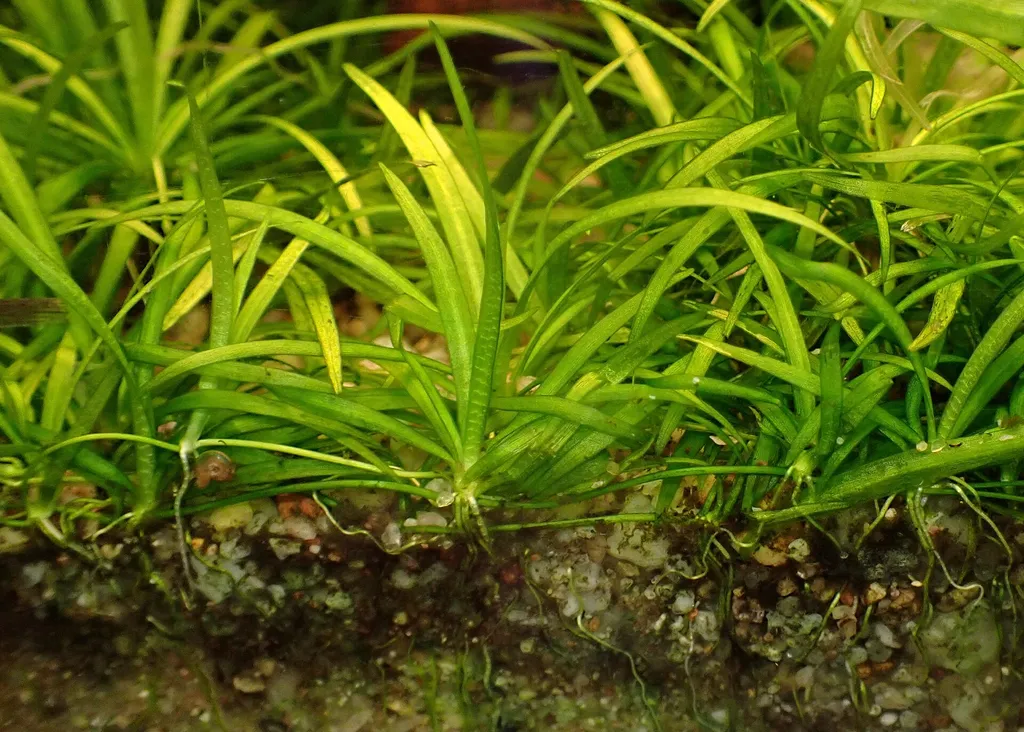
Pygmy chain sword
Helanthium tenellum
FreshwaterMedium light · Foreground3.9 in (10 cm)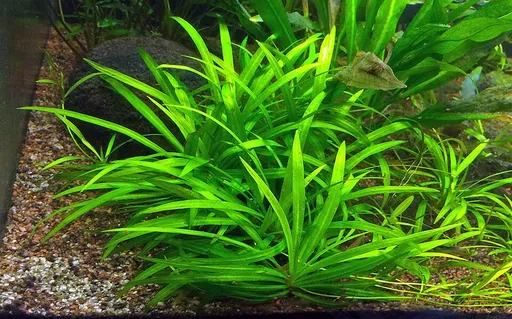
Quadricostatus chain sword
Helanthium bolivianum 'Quadricostatus'
FreshwaterLow light · Midground5.9 in (15 cm)Red Devil sword
Echinodorus 'Red Devil'
FreshwaterMedium light · Midground11.8 in (30 cm)Red Phoenix sword
Echinodorus 'Red Phoenix'
FreshwaterMedium light · Midground15.7 in (40 cm)Red root floater
Phyllanthus fluitans
FreshwaterHigh light · Floating1.2 in (3 cm)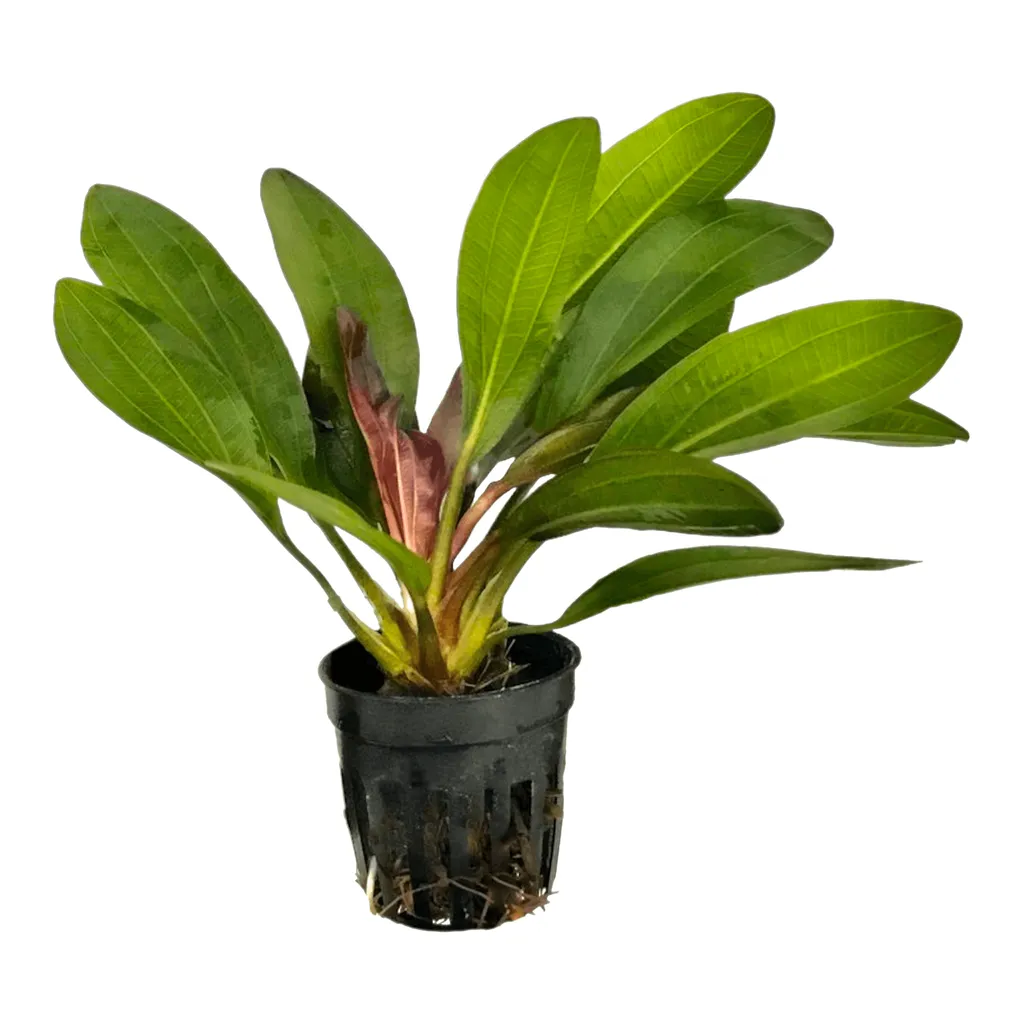
Red rubin sword
Echinodorus 'Red Rubin'
FreshwaterMedium light · Midground19.7 in (50 cm)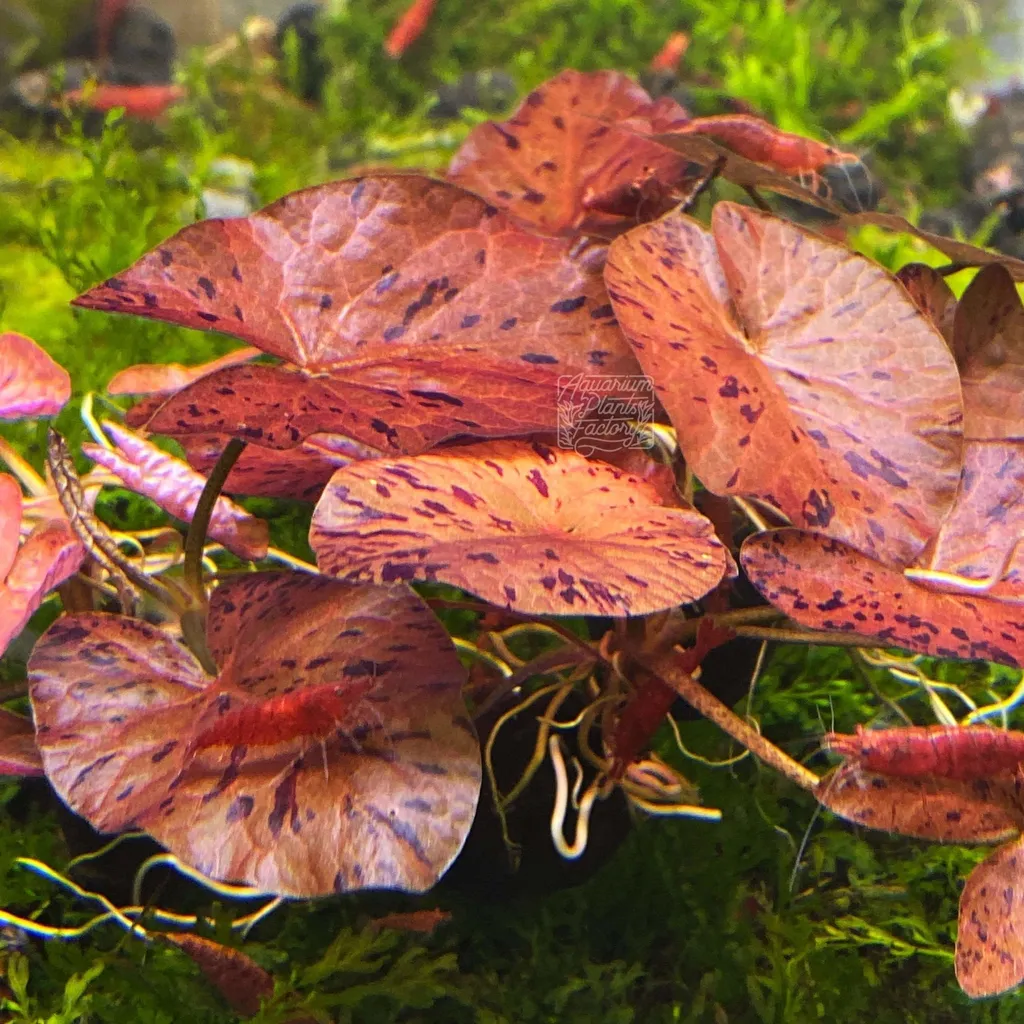
Red tiger lotus
Nymphaea lotus
FreshwaterMedium light · Midground23.6 in (60 cm)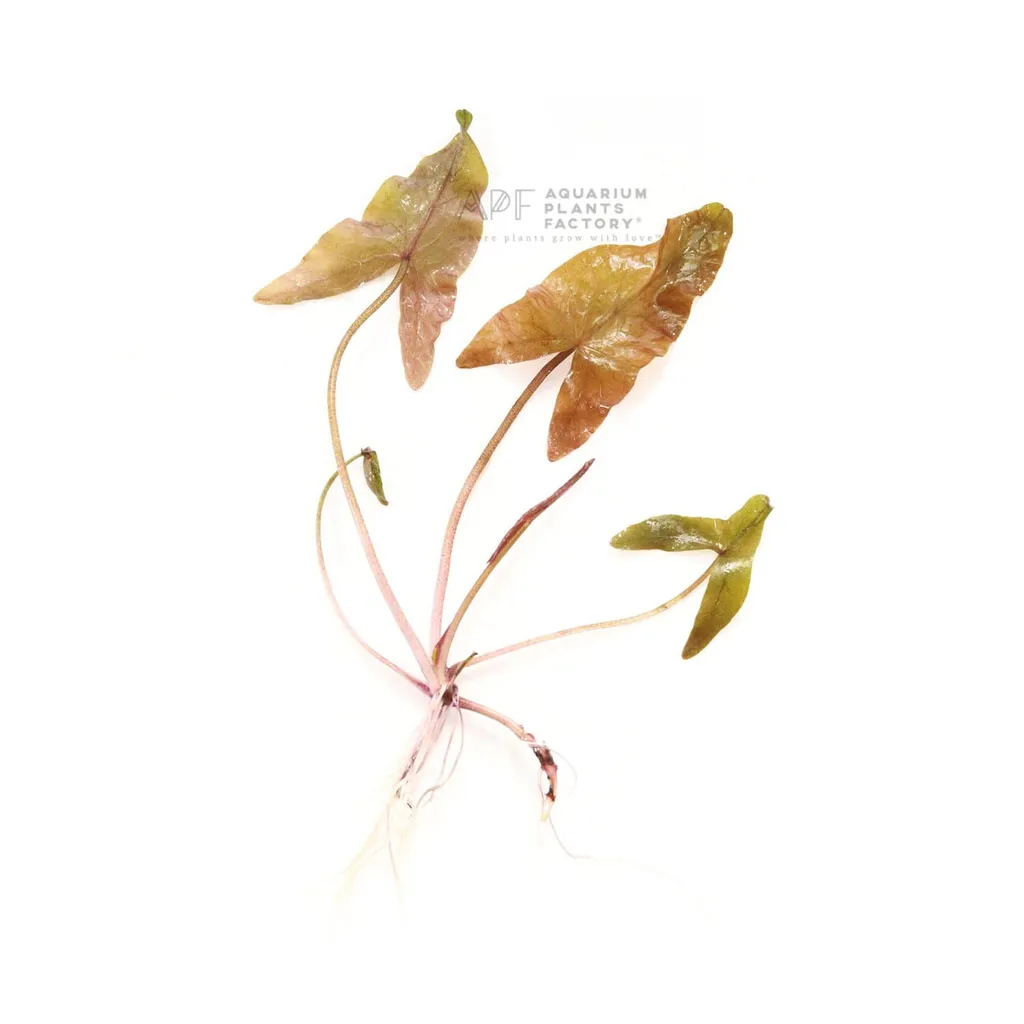
Red water lily
Nymphaea rubra
FreshwaterMedium light · Midground23.6 in (60 cm)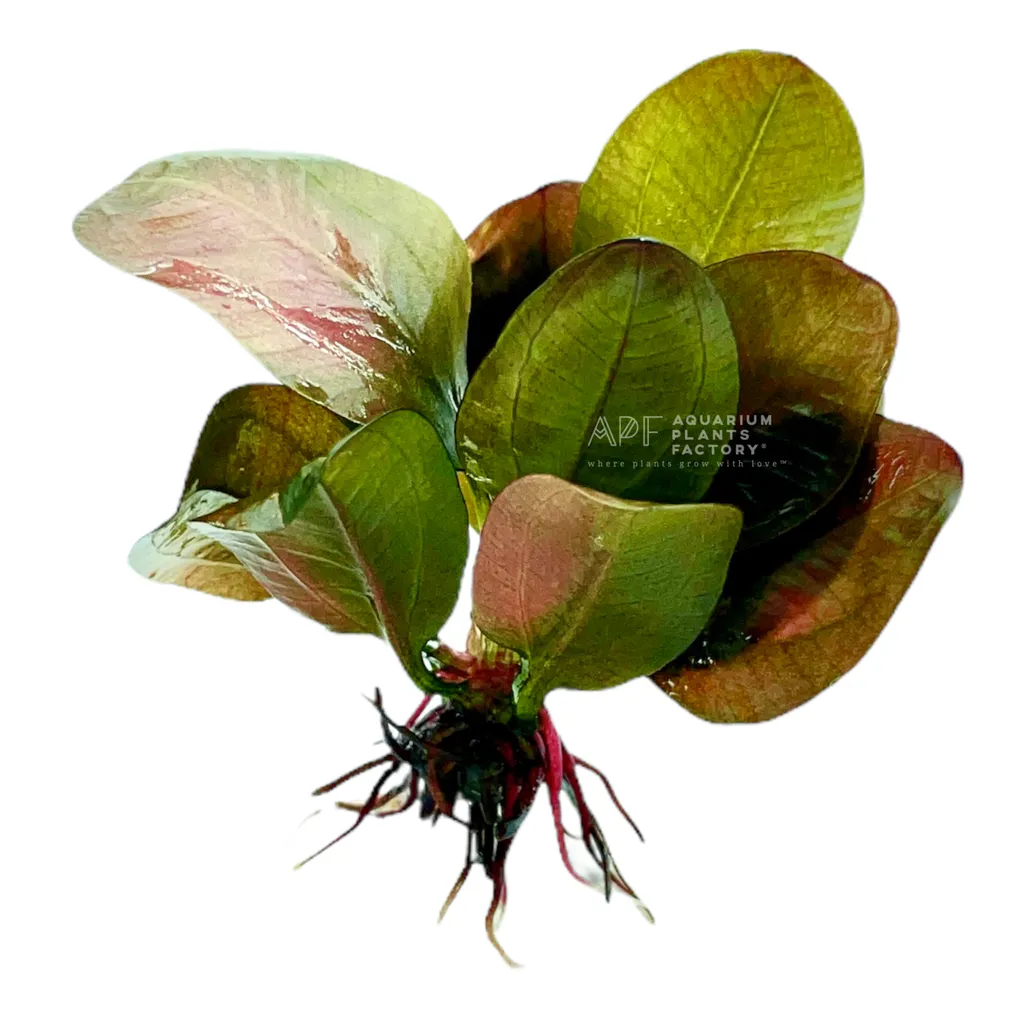
Reni sword
Echinodorus 'Reni'
FreshwaterLow light · Midground15.7 in (40 cm)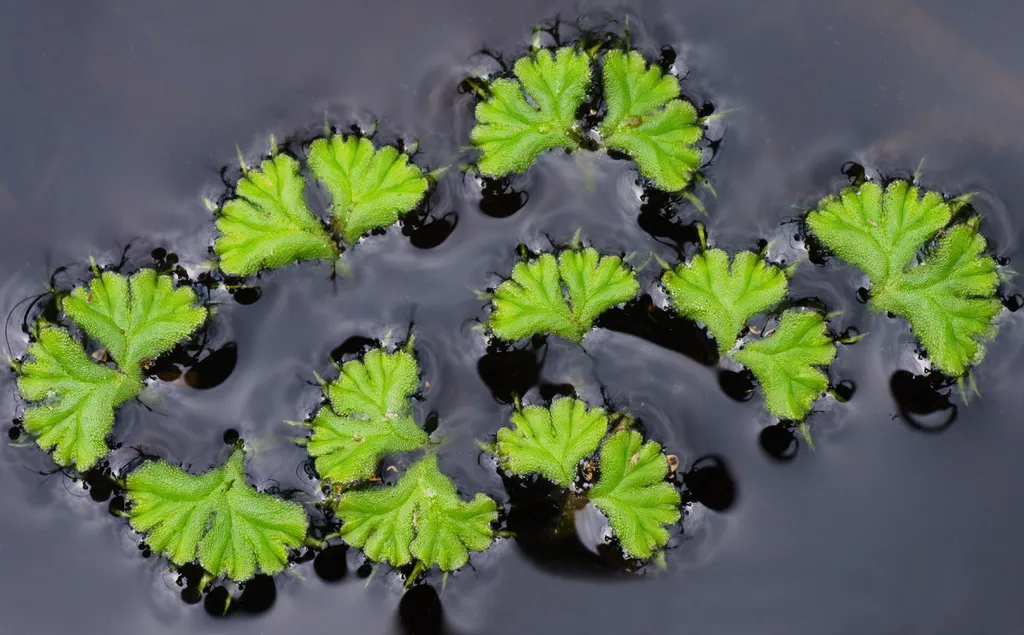
Ricciocarpos natans
FreshwaterMedium light · Floating0.8 in (2 cm)Rose sword
Echinodorus 'Rosé'
FreshwaterLow light · Background15.7 in (40 cm)Rotala Coin Leaf
Rotala sp. 'Coin Leaf'
FreshwaterMedium light · Midground11.8 in (30 cm)Rotala rotundifolia
FreshwaterMedium light · Background19.7 in (50 cm)1 form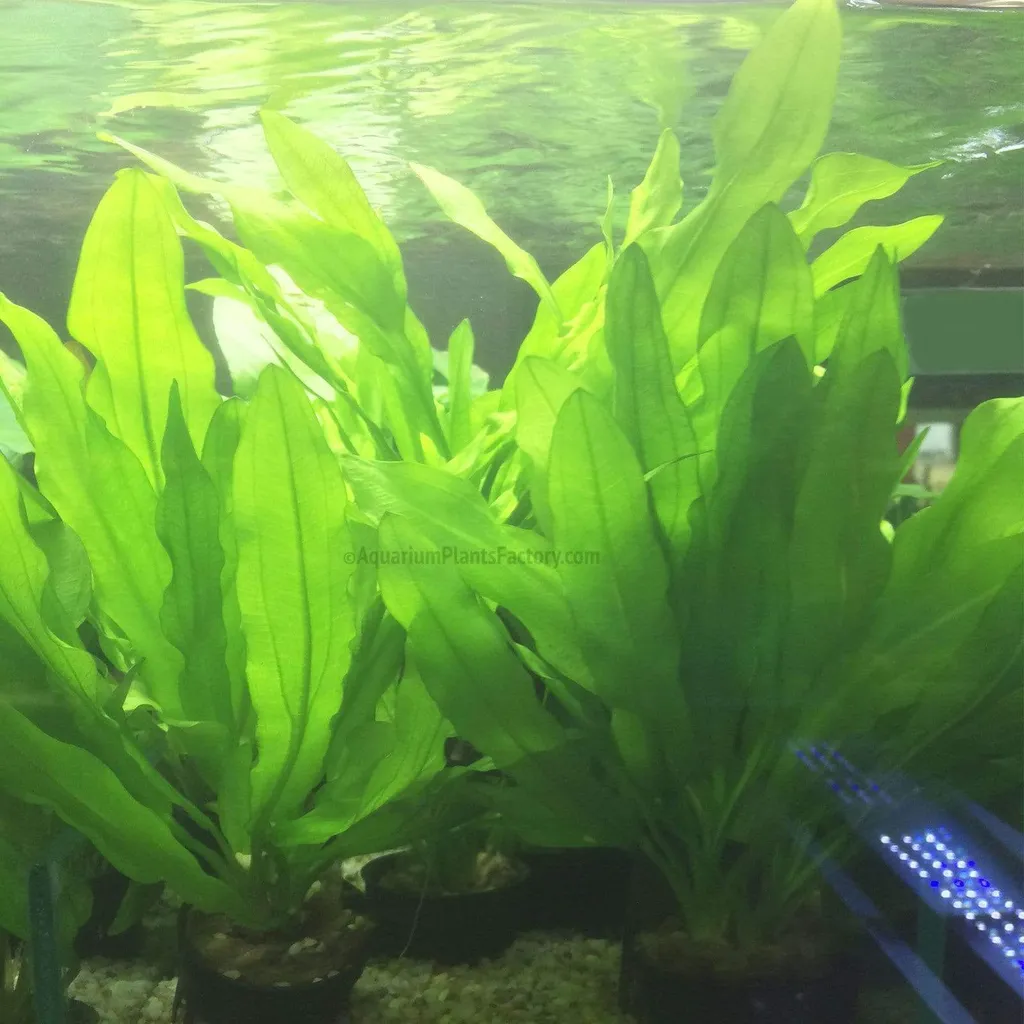
Ruffled sword
Echinodorus major
FreshwaterMedium light · Background23.6 in (60 cm)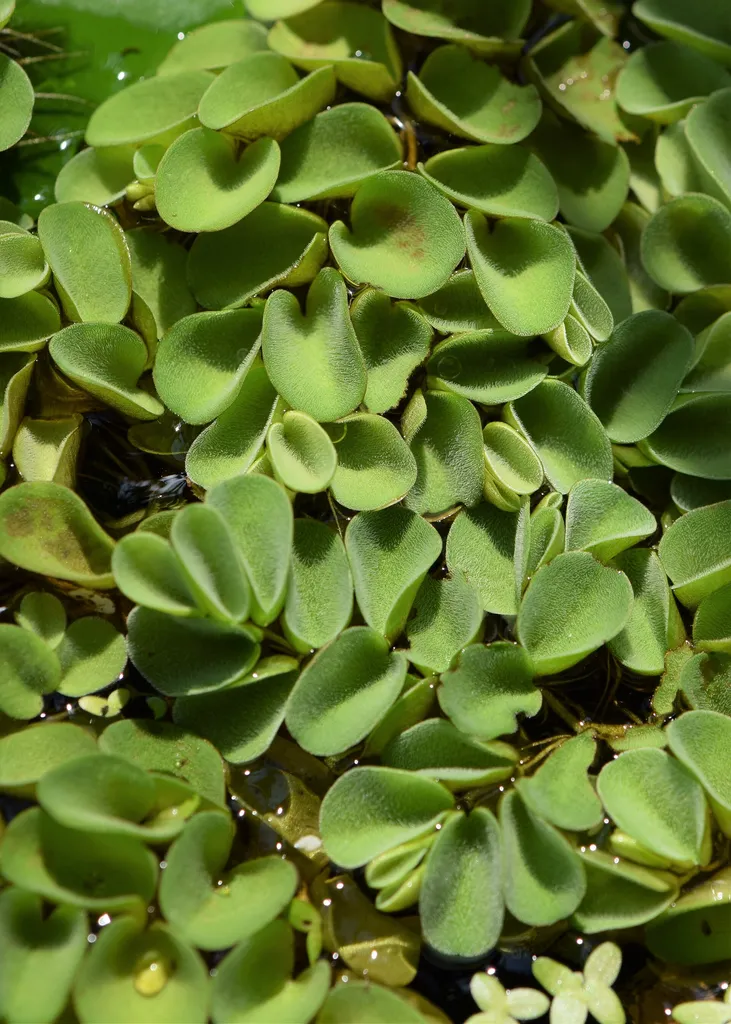
Salvinia cucullata
FreshwaterMedium light · Floating1.2 in (3 cm)Salvinia natans
FreshwaterMedium light · Floating1.2 in (3 cm)Schismatoglottis roseospatha
FreshwaterLow light · Epiphyte3.1 in (8 cm)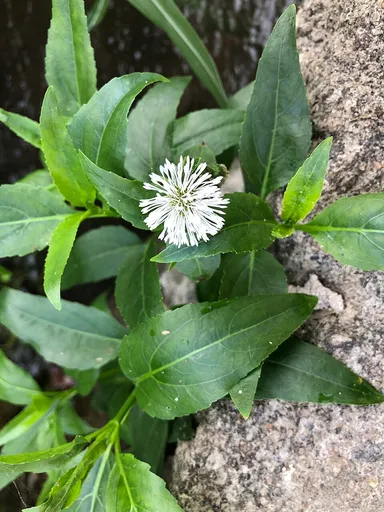
Senegal tea plant
Gymnocoronis spilanthoides
FreshwaterHigh light · Background23.6 in (60 cm)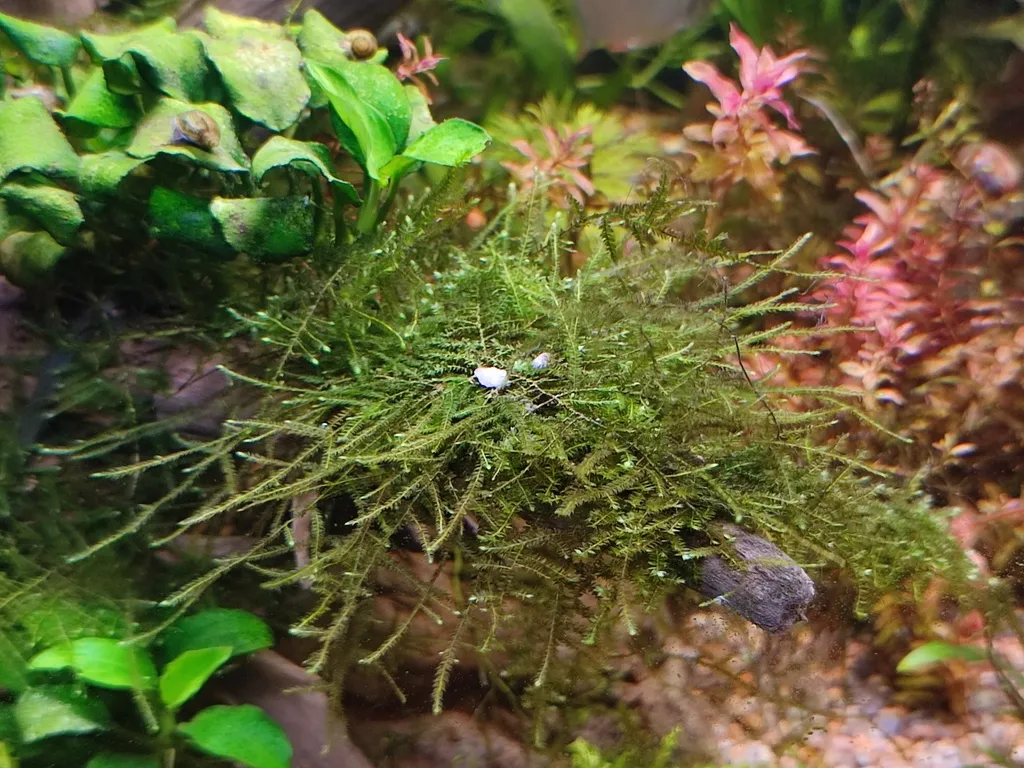
Singapore moss
Vesicularia dubyana
FreshwaterBrackishLow light · Epiphyte2 in (5 cm)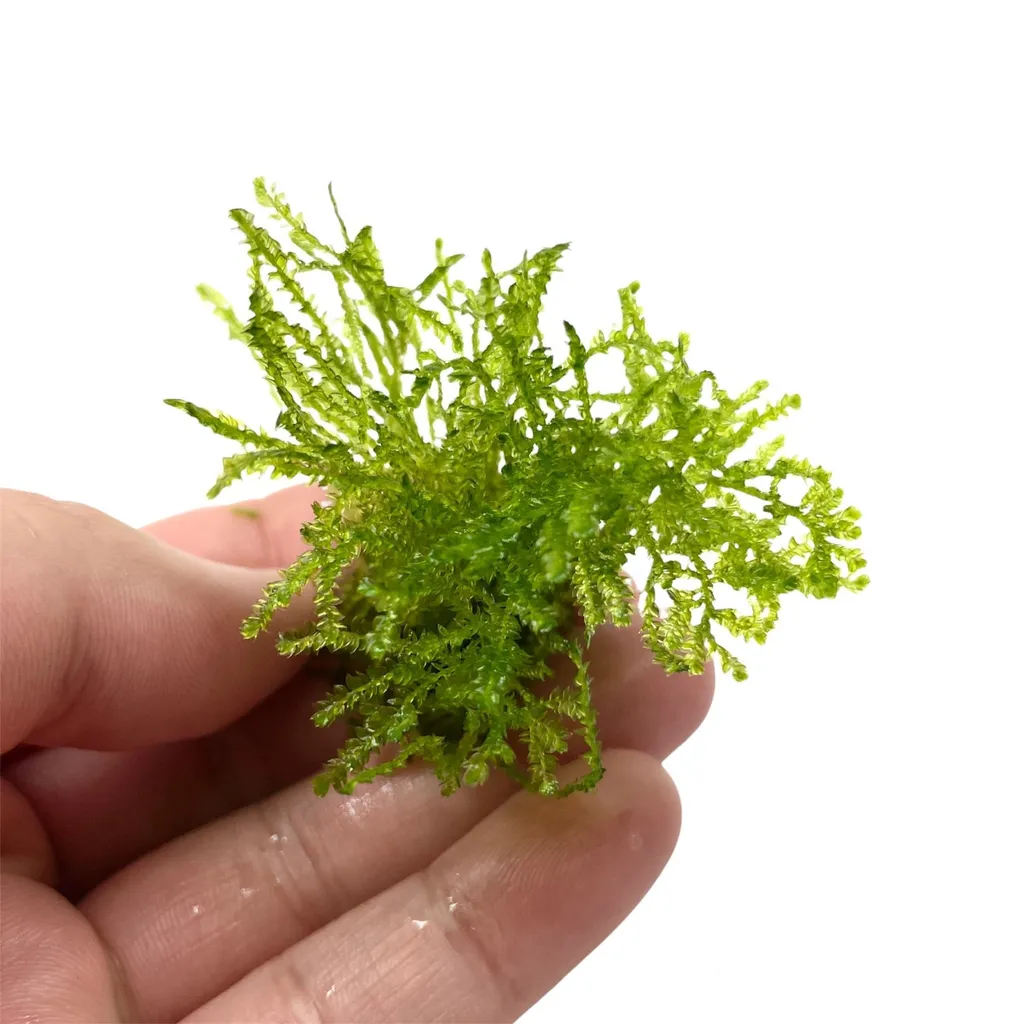
Spiky moss
Taxiphyllum sp. 'Spiky'
FreshwaterLow light · Epiphyte2 in (5 cm)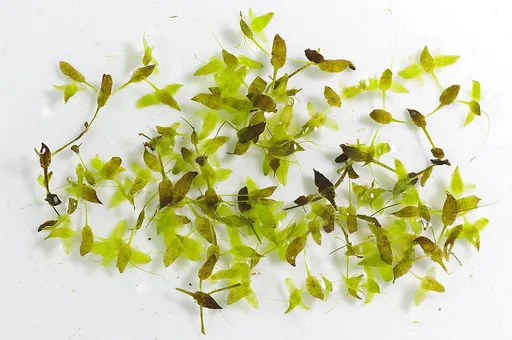
Star duckweed
Lemna trisulca
FreshwaterLow light · Floating0.4 in (1 cm)Staurogyne repens
FreshwaterMedium light · Foreground3.9 in (10 cm)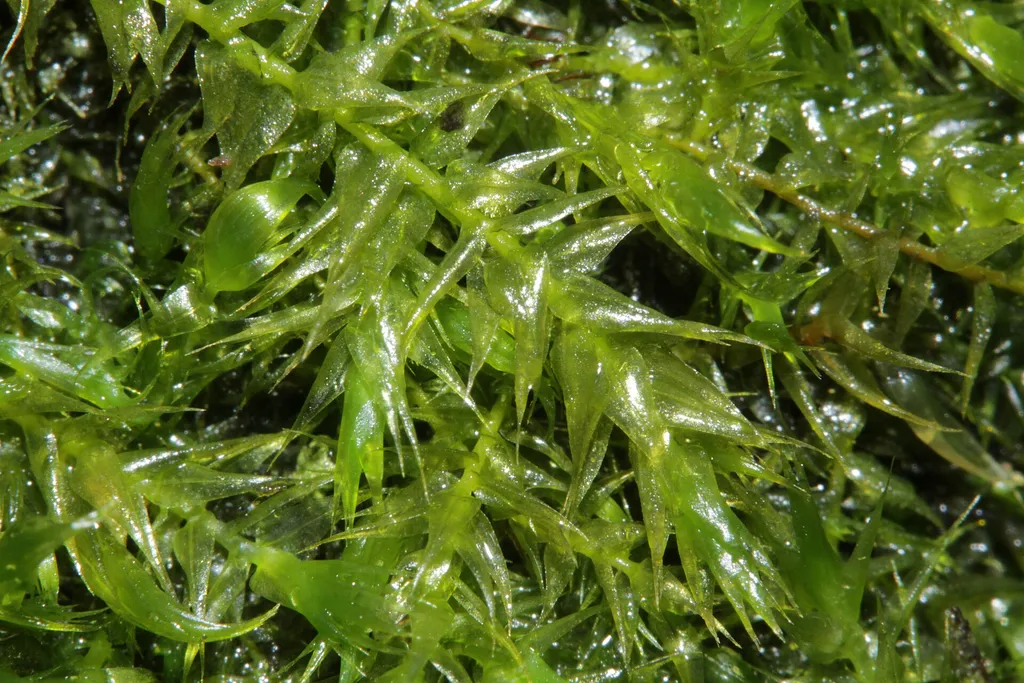
Stringy moss
Leptodictyum riparium
FreshwaterLow light · Epiphyte3.9 in (10 cm)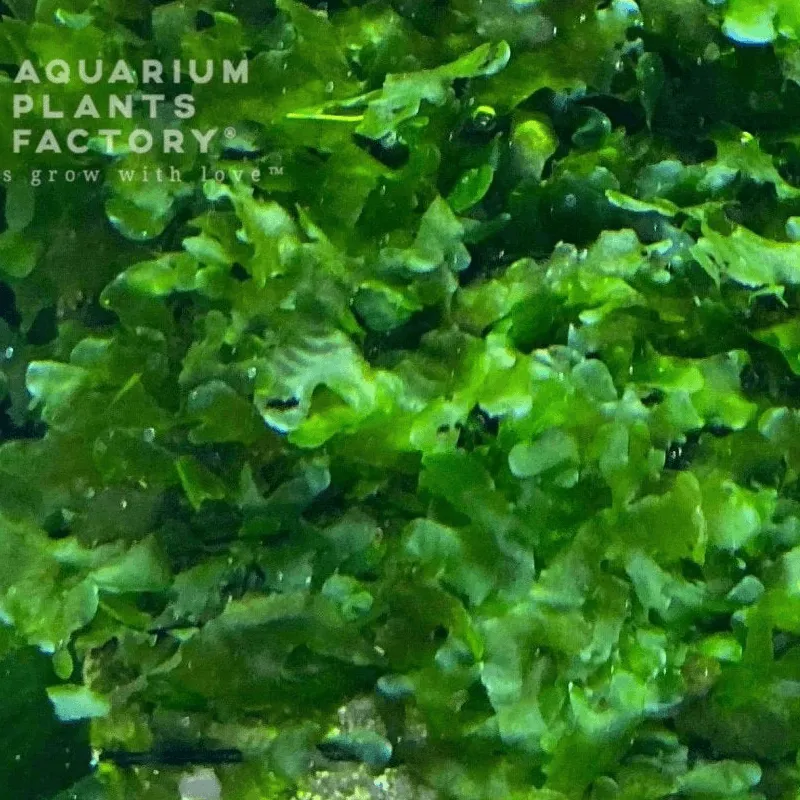
Süsswassertang
Lomariopsis cf. lineata
FreshwaterLow light · Epiphyte2 in (5 cm)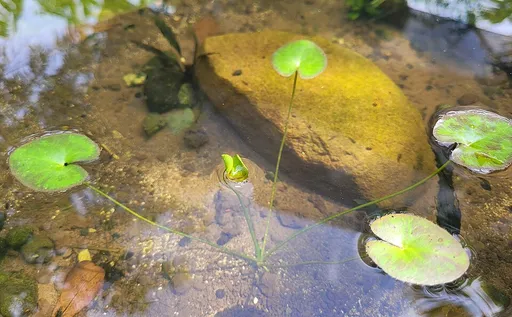
Taiwan lily
Nymphoides hydrophylla 'Taiwan'
FreshwaterMedium light · Midground11.8 in (30 cm)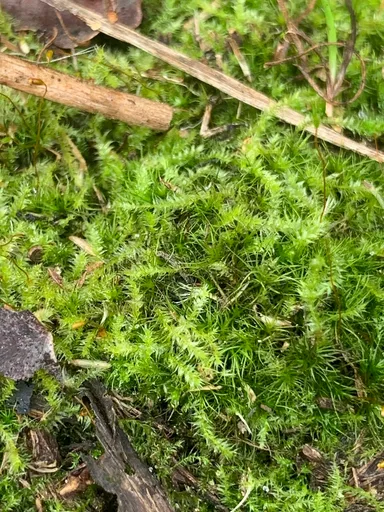
Taiwan moss
Taxiphyllum alternans
FreshwaterLow light · Epiphyte3.9 in (10 cm)Tiger lotus
Nymphaea lotus
FreshwaterMedium light · Midground19.7 in (50 cm)Tricolor sword
Echinodorus 'Tricolor'
FreshwaterMedium light · Midground15.7 in (40 cm)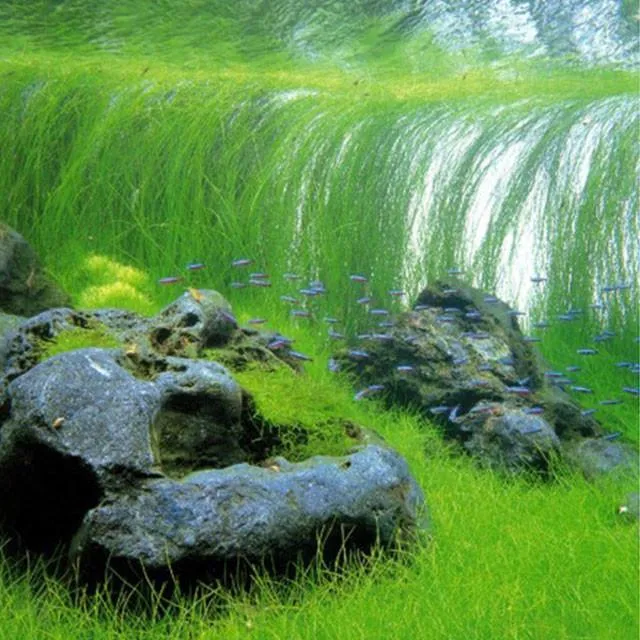
Umbrella hairgrass
Eleocharis vivipara
FreshwaterMedium light · Background15.7 in (40 cm)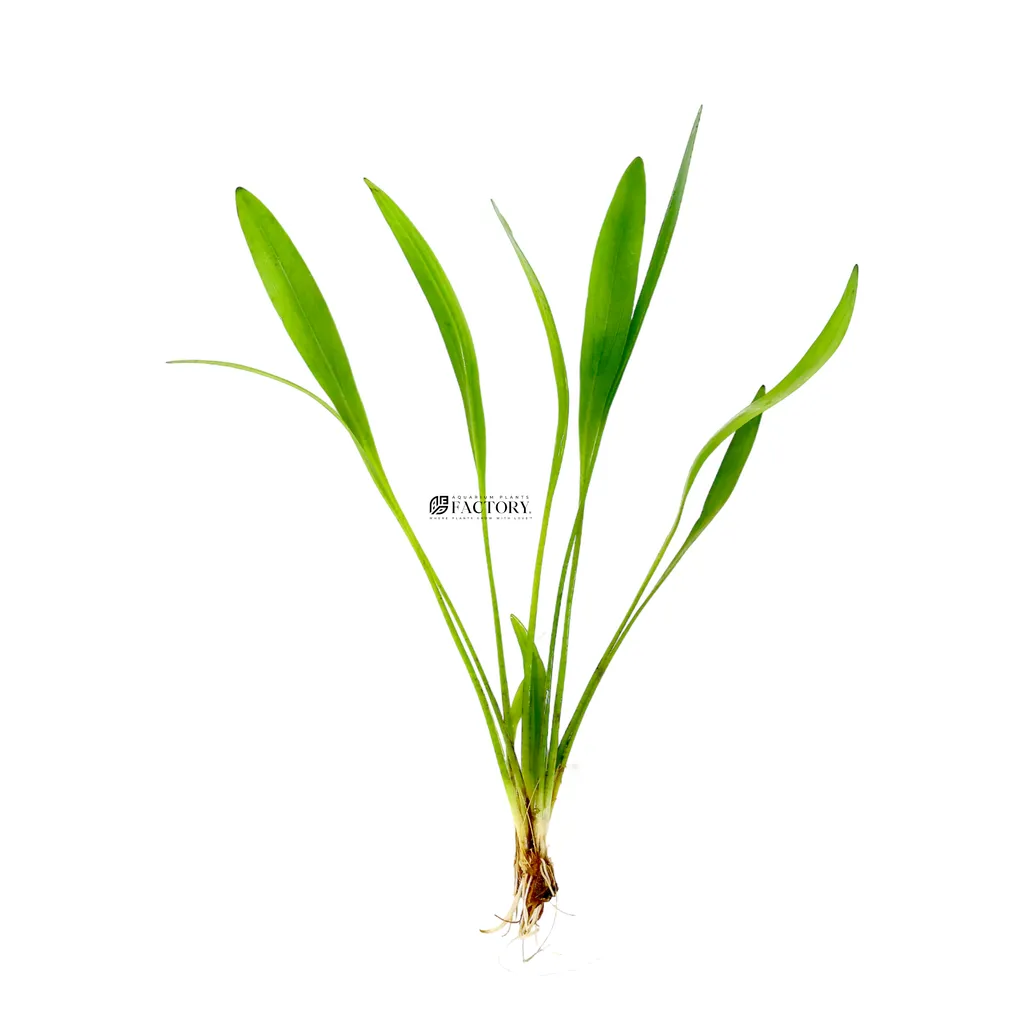
Uruguay sword
Echinodorus uruguayensis
FreshwaterMedium light · Background21.7 in (55 cm)Vallisneria nana Tiger
Vallisneria nana 'Tiger'
FreshwaterMedium light · Background23.6 in (60 cm)Vallisneria Rubra
Vallisneria australis 'Rubra'
FreshwaterBrackishMedium light · Background23.6 in (60 cm)Vallisneria spiralis
FreshwaterBrackishLow light · Background19.7 in (50 cm)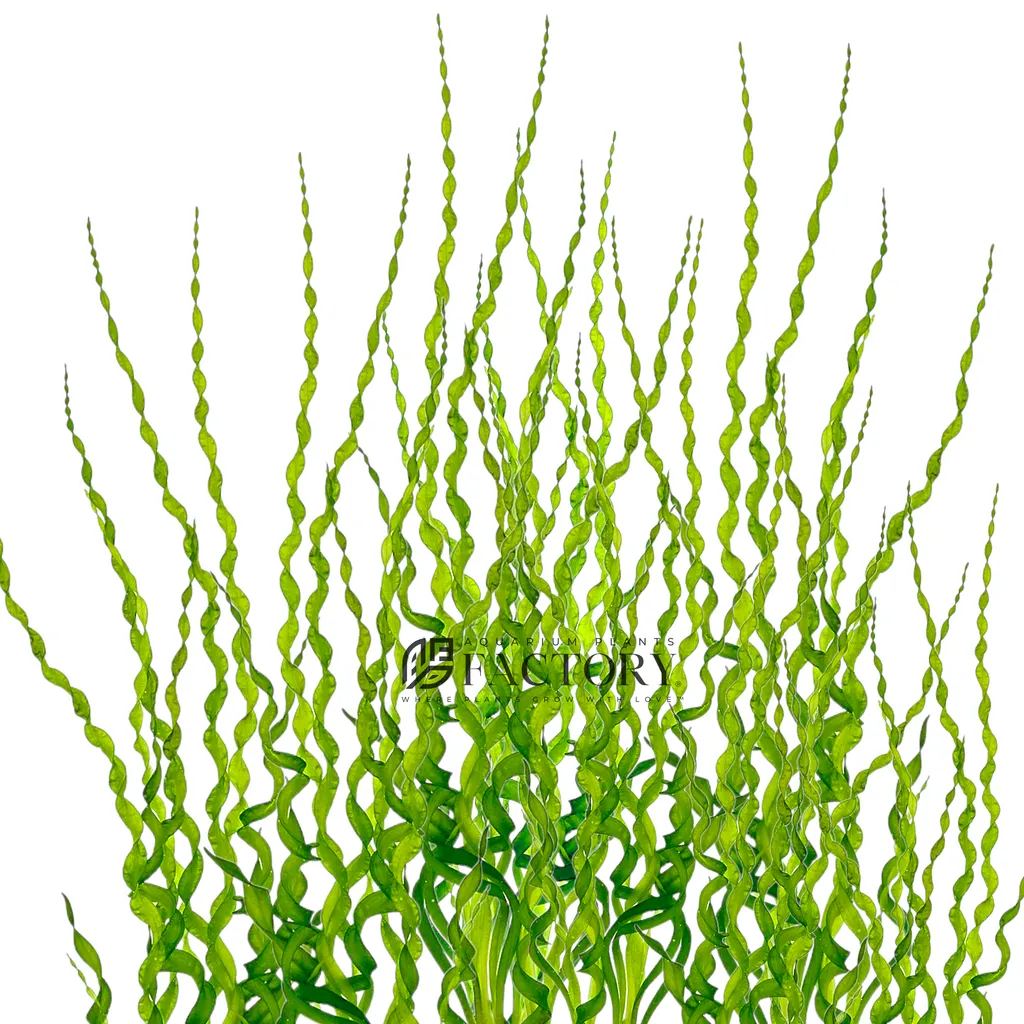
Vesuvius sword
Helanthium bolivianum 'Vesuvius'
FreshwaterMedium light · Midground11.8 in (30 cm)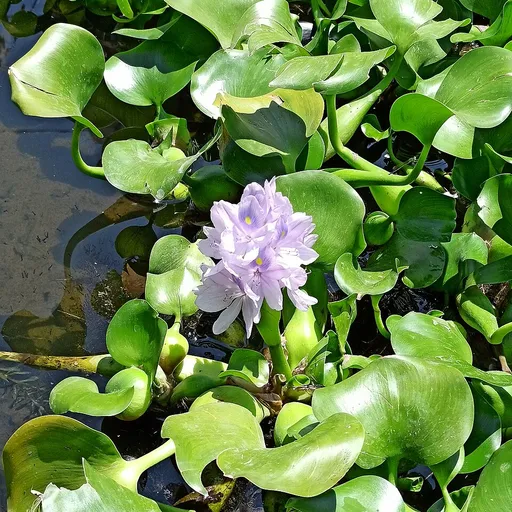
Water hyacinth
Pontederia crassipes
FreshwaterHigh light · Floating15.7 in (40 cm)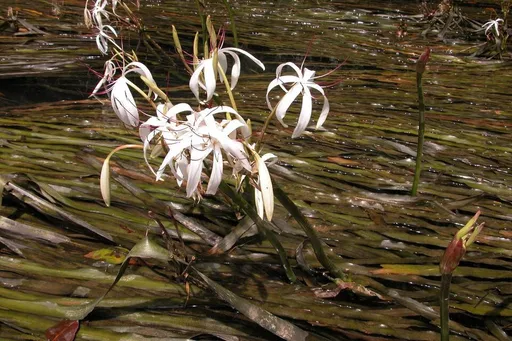
Water onion
Crinum thaianum
FreshwaterLow light · Background39.4 in (100 cm)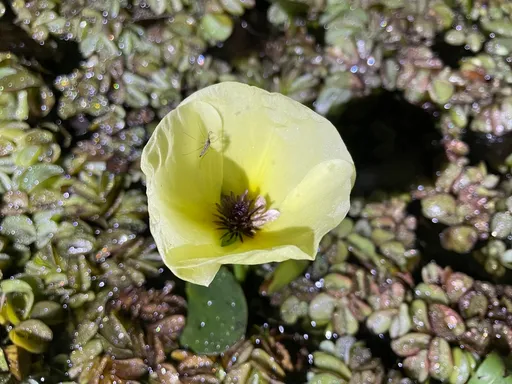
Water poppy
Hydrocleys nymphoides
FreshwaterHigh light · Floating11.8 in (30 cm)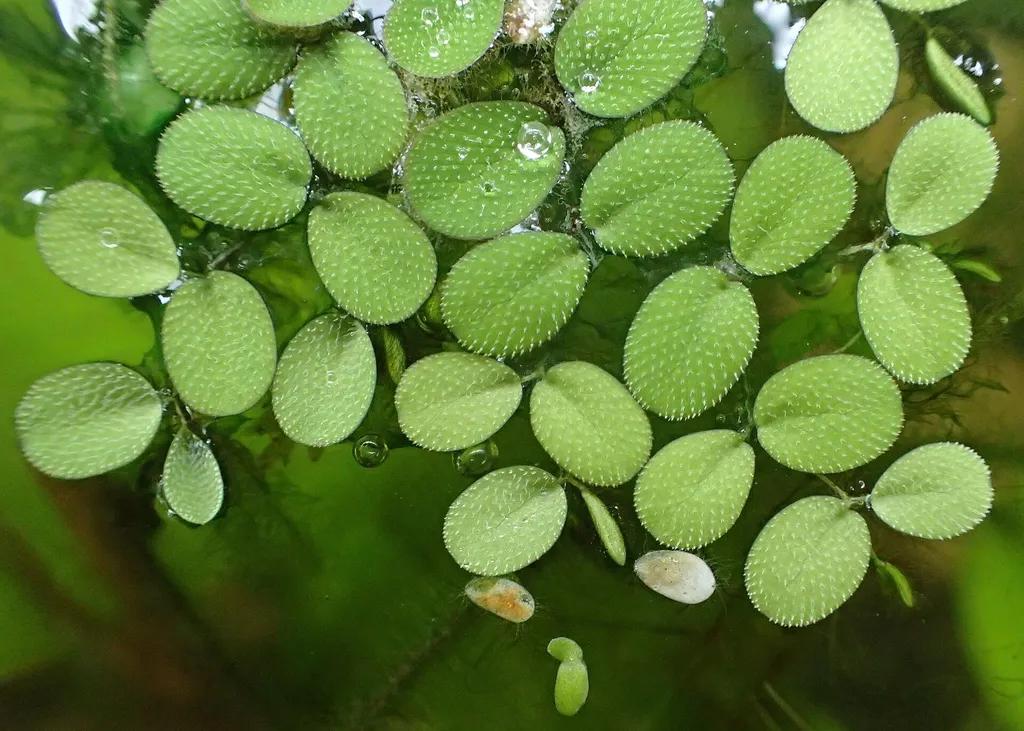
Water spangles
Salvinia minima
FreshwaterMedium light · Floating1.2 in (3 cm)Water sprite
Ceratopteris thalictroides
FreshwaterBrackishMedium light · Background15 in (38 cm)Water wisteria
Hygrophila difformis
FreshwaterMedium light · Background19.7 in (50 cm)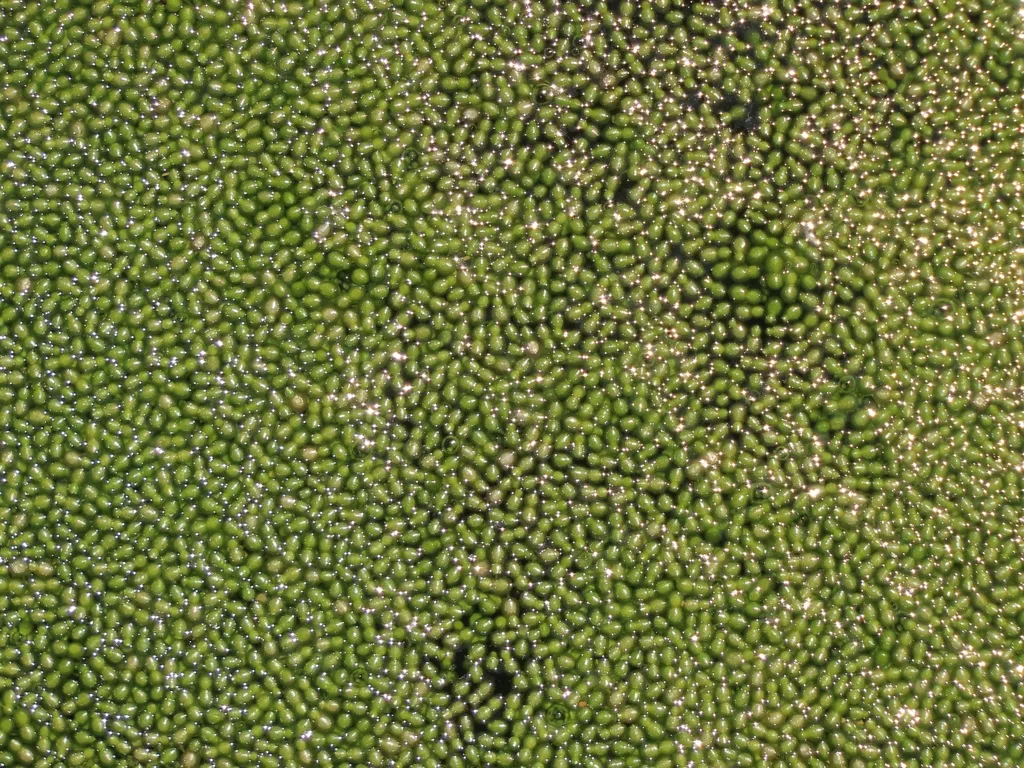
Watermeal
Wolffia globosa
FreshwaterMedium light · Floating0 in (0.1 cm)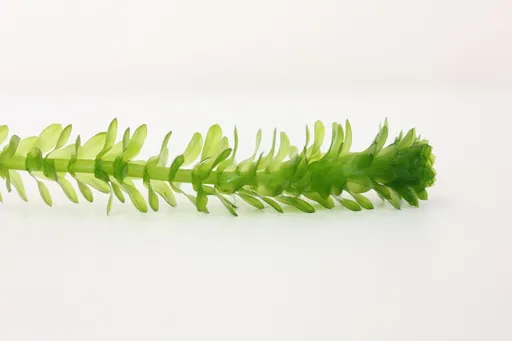
Waterweed
Egeria densa
FreshwaterBrackishMedium light · Background39.4 in (100 cm)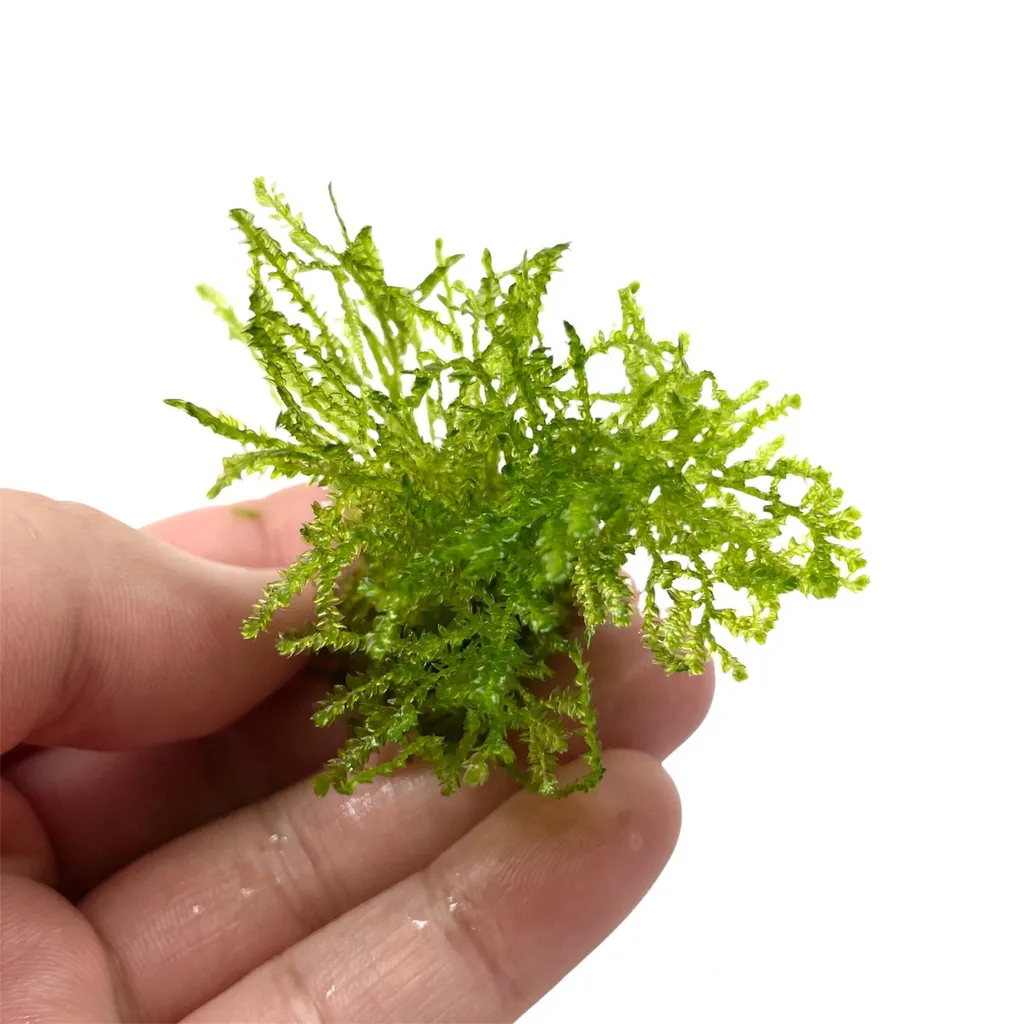
Weeping moss
Vesicularia ferriei
FreshwaterLow light · Epiphyte2 in (5 cm)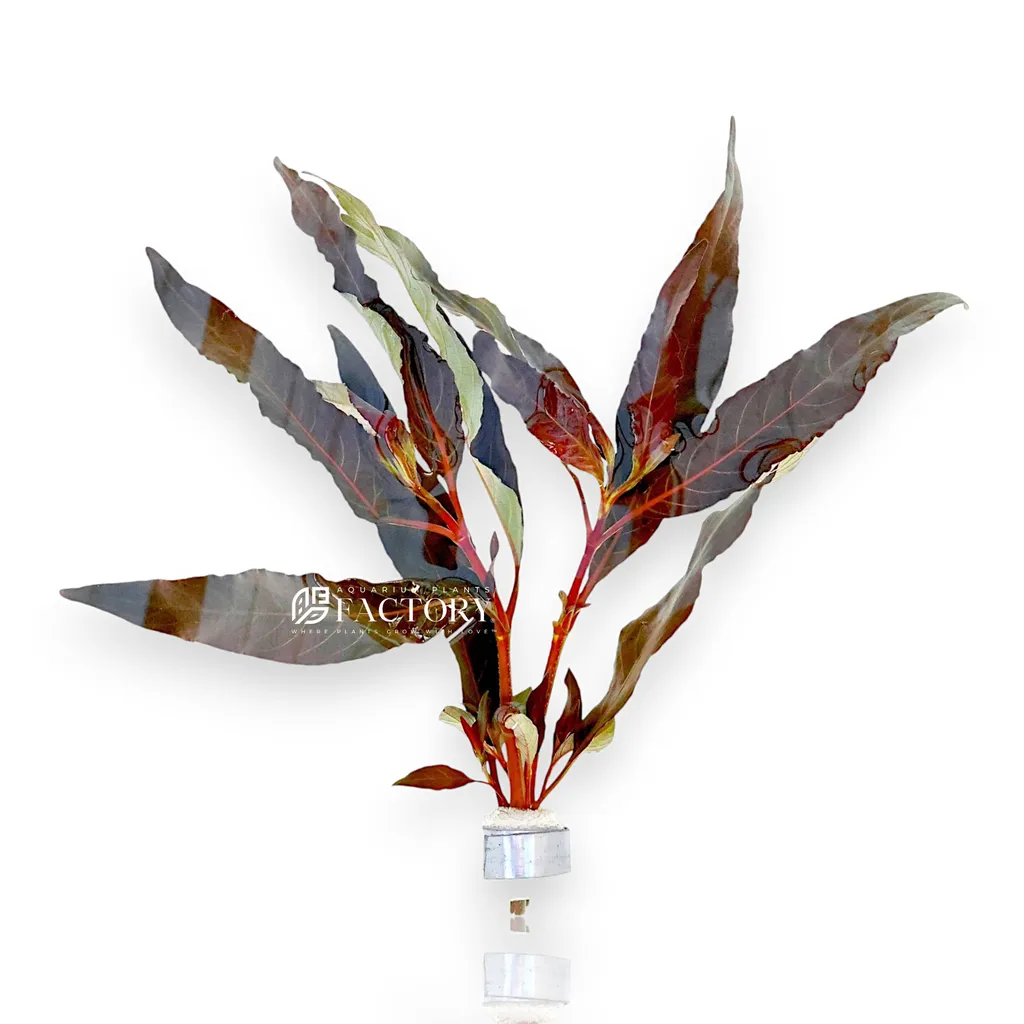
Willow hygro
Hygrophila salicifolia
FreshwaterMedium light · Background23.6 in (60 cm)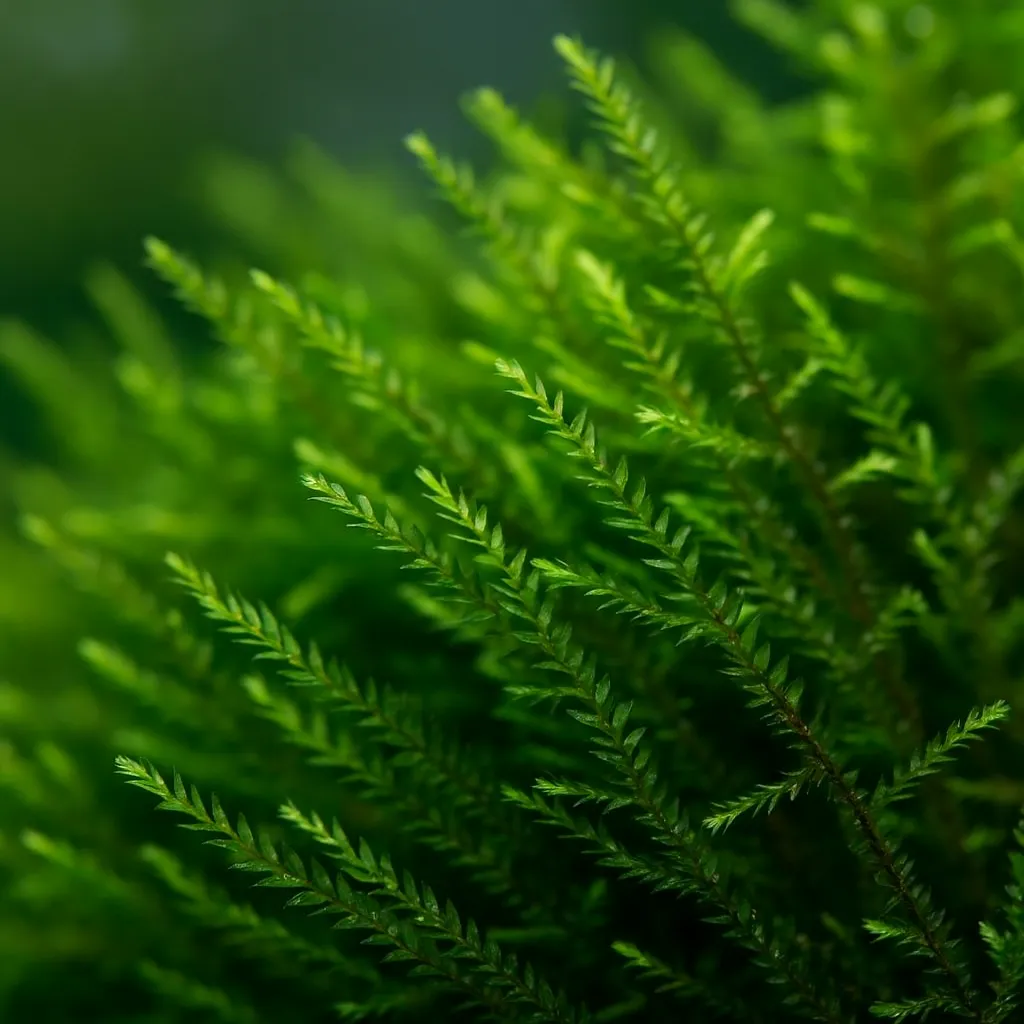
Willow moss
Fontinalis antipyretica
FreshwaterLow light · Epiphyte4.7 in (12 cm)
Planning a tank?
TankBud checks stocking and water fit as you build a tank, then tracks water tests, reminders and photos once it is running.
Track your tanksMaintain tanks for clients? See TankBud Pro